As Europe’s premier summer hotspots succumb to peak-season gridlock, the best of estate italiana is found in the country’s lesser-known corners. Beyond the packed resort tracks of the Amalfi Coast or Taormina lies a network of rugged mountain interiors, preserved maritime villages, and expansive (uncrowded) shores. From the Baroque canyons of Sicily to the coastal highways of Calabria, these 10 underrated spots guarantee a summer itinerary that looks nothing like anyone else’s in your group chat. Just don’t forget to wear sunscreen (every! day!)—the Italian sun does not come to play.
1. Giannutri
Tuscany
Shaped like a crescent moon in the southern Tuscan Archipelago, Giannutri is Italy’s ultimate off-grid summer spot—a 2.6-square-kilometer island completely devoid of cars, hotels, and asphalt roads. The island’s charm lies in its strict environmental preservation; visitors are legally restricted to a single, one-kilometer “free corridor” trail that connects the island’s two main docking inlets, Cala Spalmatoio and Cala Maestra. This rugged path leads you directly to the sprawling ruins of Villa Domizia, a lavish 2nd-century estate built by the wealthy Roman senatorial family Domizi Enobarbi (the ancestors of Emperor Nero), where you can book an official park guide to marvel at intact black-and-white geometric mosaics overlooking the Tyrrhenian. Below the cliffs, the island’s heavily regulated marine reserve keeps the water so transparent that divers and snorkelers can easily spot ancient Roman shipwrecks and thriving Posidonia meadows.
It’s an absolute dream for true escapists, though you’ll have to book everything, including ferry tickets, well ahead of time as access is capped at 300 visitors per day during high season; accommodations are also extremely limited, and lodging sells out quickly. Ferries leave from Porto Santo Stefano, and Giglio in the summer, and you’ll have to pay the €5.50 park access fee. Pro Tip: The best—and sort of the only real—restaurant on the island is Ristorante La Vela.
2. Cilento
Campania
Just south of the ever-crowded Amalfi Coast is Cilento, Campania’s wild and vastly superior southern frontier. Stretching 175 kilometers from Agropoli to Scario, this triple-crowned UNESCO territory feels worlds away from coastal traffic. You can spend your mornings wandering inside the colossal 2,500-year-old Greek Doric temples at Paestum or climbing the 15th-century Aragonese Castle in Agropoli, before retreating to clear-watered beaches. Follow the vacationing Neapolitans to the rocky pilings of Baia di Trentova—named for a local legend about 30 hidden sea turtle eggs—or swim at Casa del Conte, where green hills tumble directly into the crystal-clear Tyrrhenian. But one of the major reasons to visit this rugged region is its food: base yourself at a local agriturismo to feast on handmade fusilli di felitto in pork ragù, gorge on water buffalo mozzarella sourced straight from local farms, and snack on the region’s DOP white figs.
3. Ventotene
Lazio
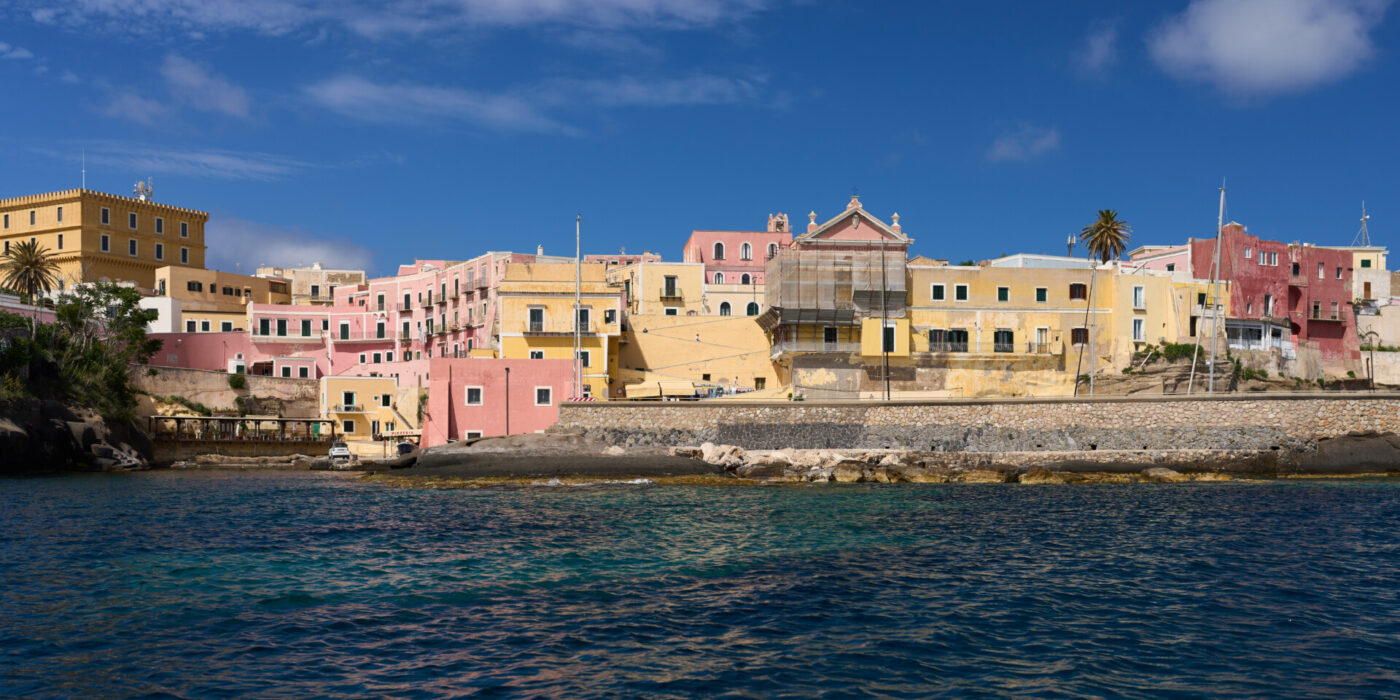
If Ponza is the party playground of the Pontine archipelago, neighboring Ventotene is its brooding, volcanic sibling. Just 1.5 kilometers long, this little island of dark red and yellow tuff welcomes you via the FAI-protected Porto Romano—an ancient harbor hand-carved out of the volcanic stone by the Romans. For hundreds of years, Ventotene served as Italy’s ultimate open-air exile island; you can hike to the windswept ruins of Villa Giulia at Punta Eolo, where Emperor Augustus banished his scandalous daughter Julia, or take a short boat trip to the eerie, panopticon-style Bourbon prison on the neighboring, uninhabited islet of Santo Stefano. The island also holds a sacred place in modern history as the intellectual birthplace of the European Union, where imprisoned anti-Fascist dissidents secretly penned the “Ventotene Manifesto” in 1941. Today, the vibe is blissfully low-key, centering around a single pastel-hued piazza and the dramatic volcanic sands of Cala Nave, where you can swim around jagged sea stacks in crystal-clear water. To experience this timeless, car-free sanctuary, hop on an hour-long aliscafo (hydrofoil) from Formia, and don’t leave without trying a bowl of zuppa di lenticchie—made with the island’s prized, tiny ancient lentils that have thrived in the local volcanic soil since Roman times.
4. Val di Noto
Sicily
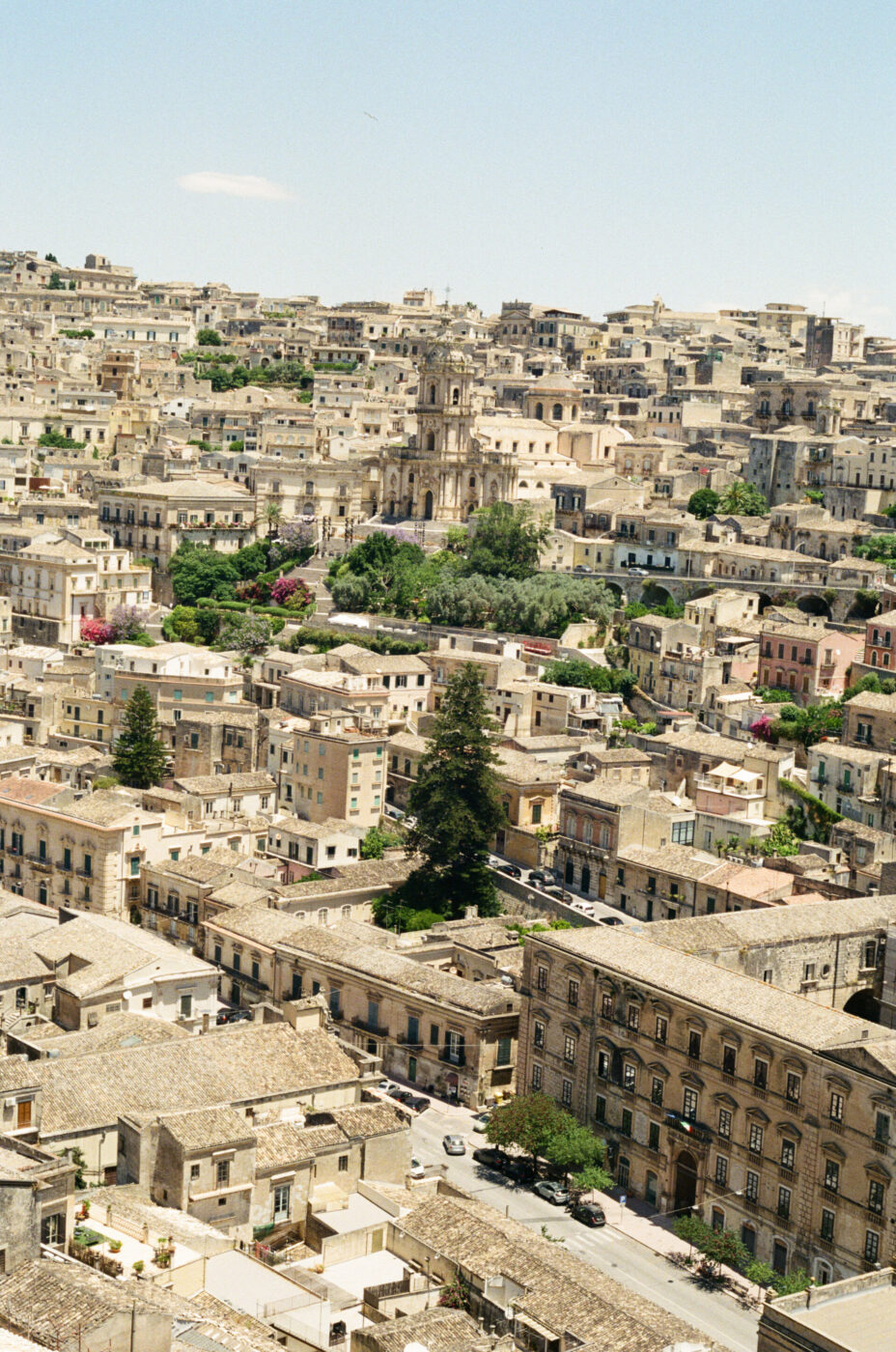
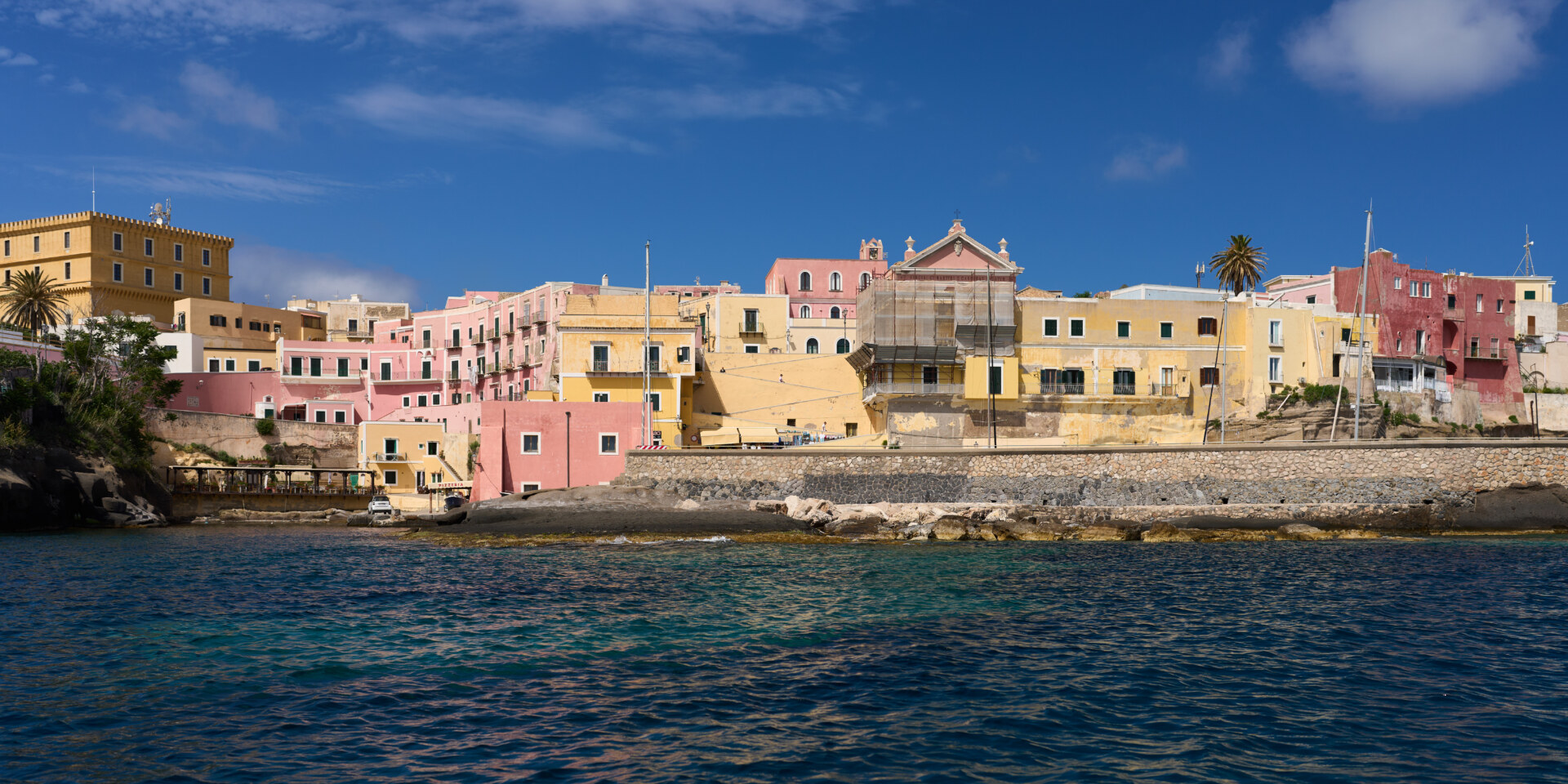
In southeastern Sicily’s Val di Noto, Baroque architecture sits minutes from an undeveloped coastline. Rebuilt after a devastating 1693 earthquake, this UNESCO-listed valley comprises a network of historic hill towns—including the cinematic Ragusa and the quieter Scicli—but the canyon-carved Modica remains our favorite. Historically the region’s main center of power, the town sits at the bottom of a deep gorge where homes and monumental churches are stacked directly into the cliffs—plus it boasts some of the friendliest locals in all of Italy, we dare say. Today, it’s most famous for a specific culinary heritage: cold-pressed chocolate. Produced without cocoa butter using an ancient Aztec technique introduced during 16th-century Spanish rule, the chocolate is almost crunchy, and you can try a myriad of flavors at Modica’s legendary institution Antica Dolceria Bonajuto.
To balance the intense inland summer heat, drive down to Marzamemi, a postcard-perfect fishing village centered around a historic tonnara (tuna processing plant), for some open-air, seaside dining.
Read More: The Best Towns to Visit in the Val di Noto; A Local’s Guide to Modica
5. Isola d’Ischia
Campania
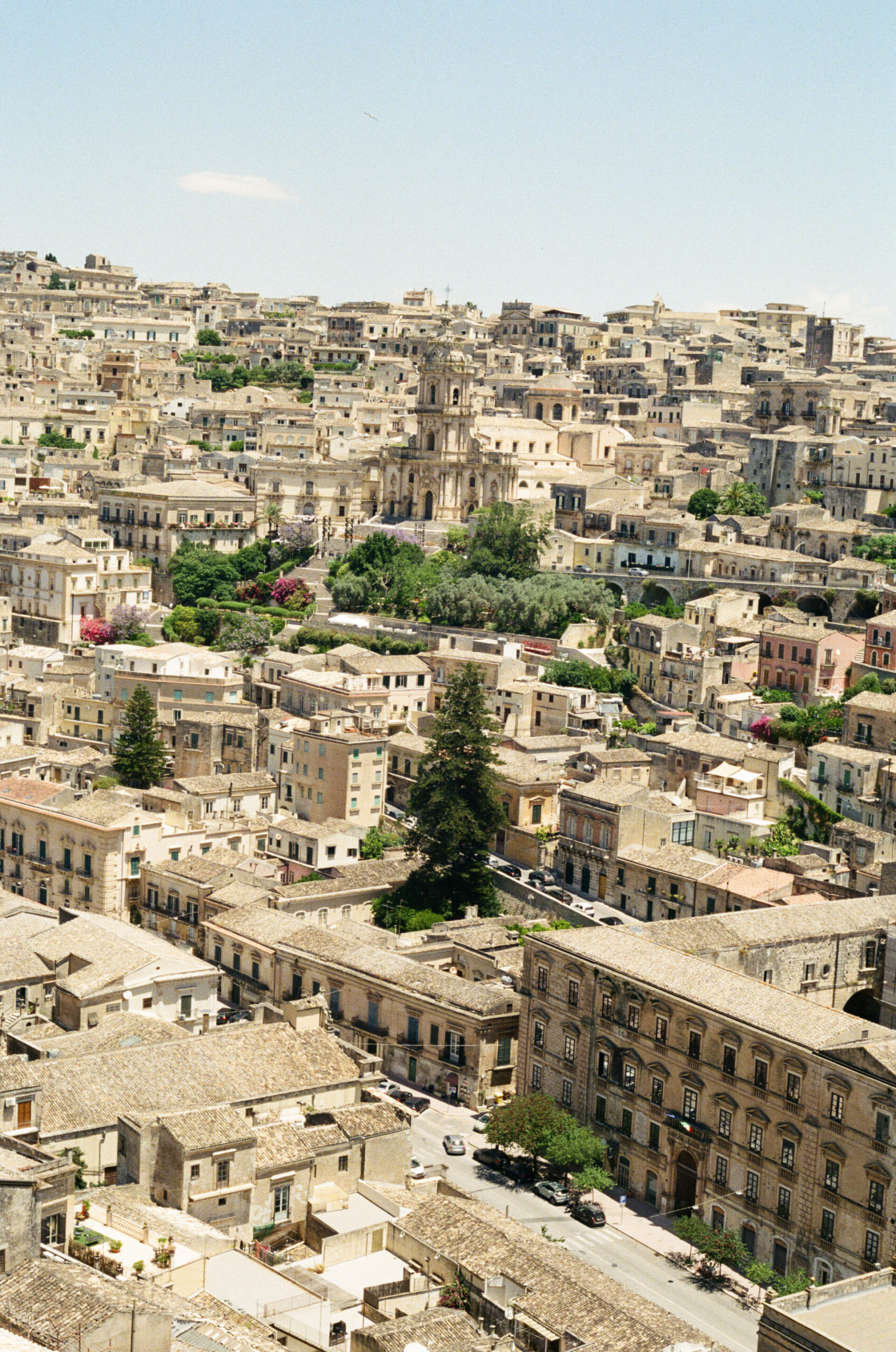
In the Gulf of Naples, near Capri and Procida, the volcanic island of Ischia is Italy’s thermal paradise. If its coastal views feel particularly cinematic, it’s because the island famously served as the primary filming location for the 1999 classic The Talented Mr. Ripley, standing in as Dickie Greenleaf’s fictional seaside playground of “Mongibello.” You can walk the exact streets of Ischia Ponte and look out at the Castello Aragonese—the staggering medieval fortress perched on a volcanic islet—where Matt Damon and Jude Law filmed some of the movie’s most iconic scenes. Beyond its Hollywood pedigree, Ischia is perhaps most notable for its bubbling thermal waters, prized since the Roman era, which you can soak in at the cliff-sheltered sea pools of Sorgeto; here, the hot springs mix directly with the Tyrrhenian. We recommend checking into Casa Via Costa, an exclusive design retreat on the wild cliffs of Punta Imperatore. Hosting a maximum of eight guests across four meticulously styled guesthouses, this hotel allows you to look out over Citara Bay, harvest heirloom ingredients from organic garden beds, and absorb the island’s vibe completely undisturbed.
6. Lago di Garda
Lombardy/Trentino-Alto Adige/Veneto
While the flatter southern shores of Italy’s largest lake are nice, it’s the northern part, a fjord-like Alpine wonderland where limestone cliffs plunge straight into cobalt freshwater, that really gets us going. Yes, Bavarian and Austrian travelers have long claimed this breezy territory as their personal windsurfing and sailing sanctuary, but they’re absolutely onto something. Base yourself in the mountain-framed hub of Riva del Garda or the lemon-scented alleys of Limone sul Garda, and spend your days hiking the cliffside Strada del Ponale. Or, go slightly south down the western shore to Gargnano to stay at the legendary Villa Feltrinelli. Originally built in 1892 as a private summer retreat for the wealthy publishing dynasty of the same name (and famously utilized as Mussolini’s final historic stronghold), this palatial neo-Gothic masterpiece is now a five-star hotel isolated amid private citrus groves. It’s the pinnacle of old-world Italian glamour.
7. Maratea
Basilicata
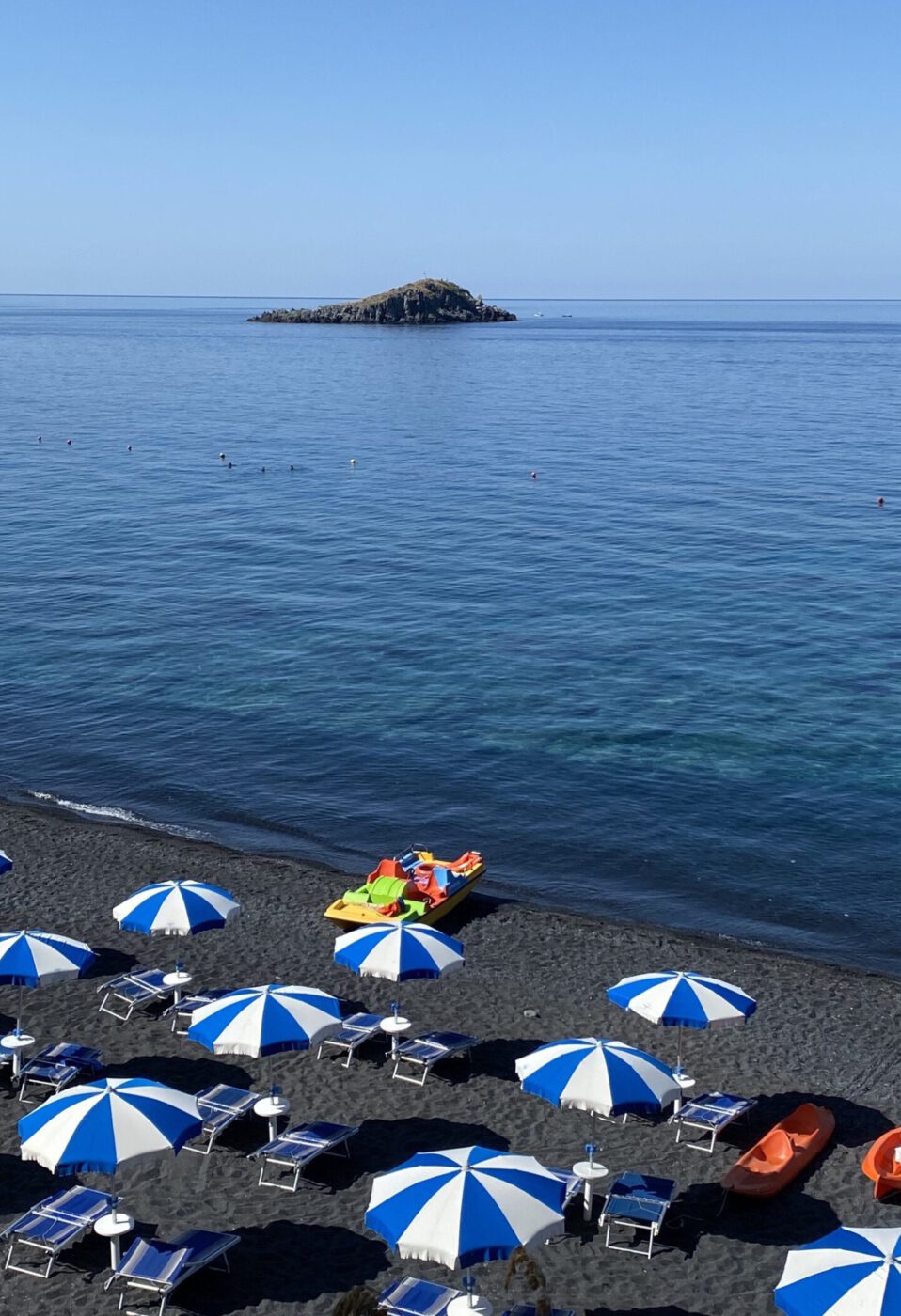
Basilicata is one of Italy’s most overlooked and beautifully untouched regions, routinely bypassed by travelers rushing toward neighboring Puglia or Campania. Yet its small, 32-kilometer sliver of Tyrrhenian coastline hides Maratea, a destination often called the “Pearl of the Tyrrhenian”. As with much of Basilicata, the landscape is dramatic, and you can cruise the hairpin turns of the ultra-scenic SS18 highway before dropping down to the fine volcanic black sands of Cala Jannita (Spiaggia Nera) near the mystical Grotta della Sciabella sea cave. You can also catch a taxi boat to Spiaggia d’i Vranne, a crescent of golden sand beneath a large rock arch that was once crowned Italy’s most beautiful beach. When you’ve had your fill of salt water, snake up the mountain roads of Mount San Biagio to stand beneath the towering, 21-meter-tall Christ the Redeemer statue, which turns its back to the Gulf of Policastro to face the inland peaks. Wrap up your evening in the 12th-century historic center—nicknamed the “City of 44 Churches”—for a dinner of fresh seafood, wild figs, and a crisp glass of local Aglianico wine.

8. Sirolo
Marche
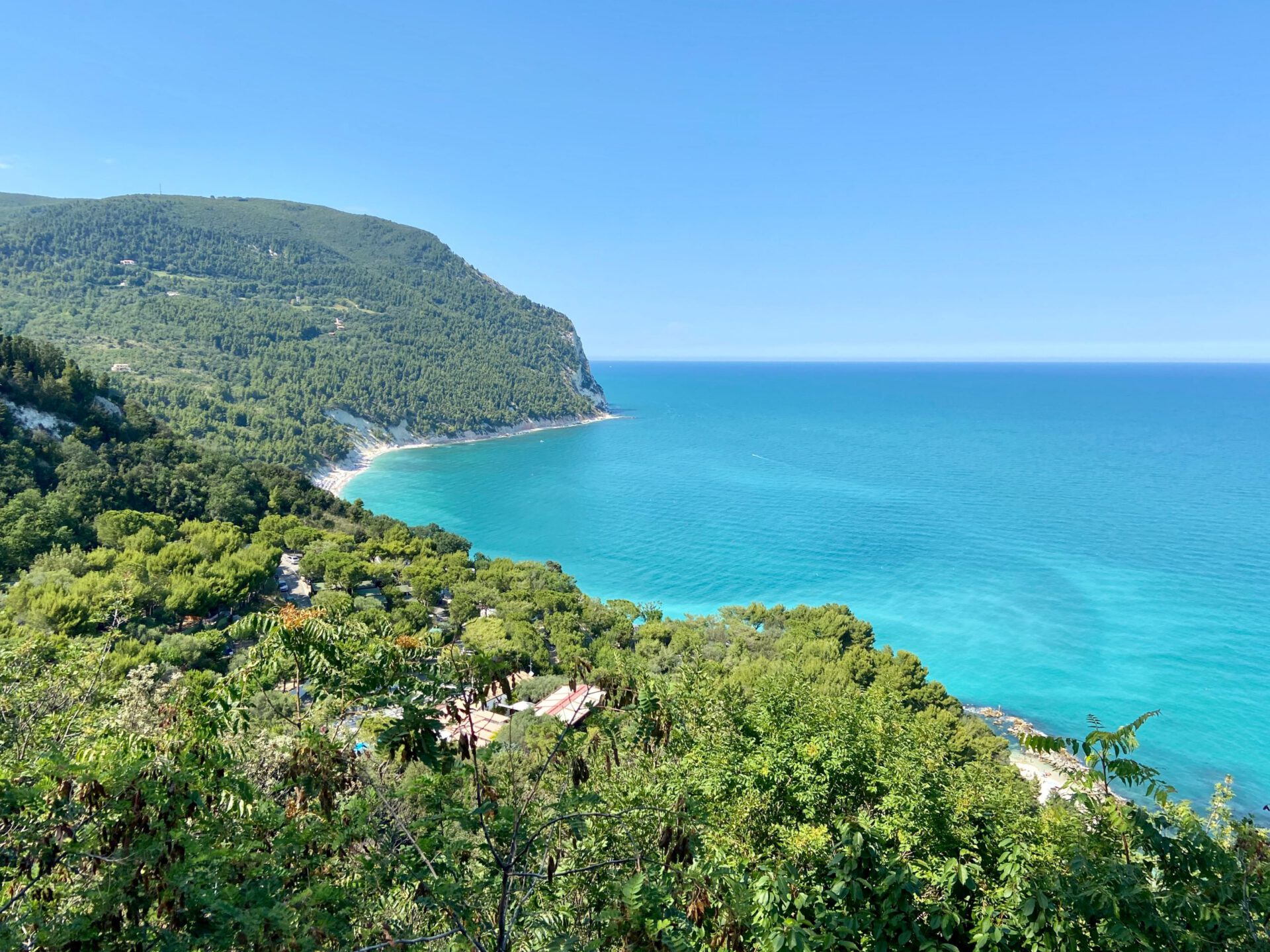
If your mental image of Italy’s Adriatic coast is a flat line of neon beach umbrellas stretching endlessly toward Rimini, Sirolo is the antidote you didn’t know existed. Above the Conero Riviera in the Marche region, this stone village has the wild, pine-forested slopes of Mount Conero on one side and a turquoise sea on the other. Evenings here revolve around La Piazzetta, a romantic main square that offers a jaw-dropping panoramic drop-off view of the coastline below. To hit the water, you’ll want to rent a kayak or board a morning ferry to reach the legendary Spiaggia delle Due Sorelle (Beach of the Two Sisters), an undeveloped white-pebble cove accessible only by sea, named after the twin sea stacks jutting from the waves, in theory, like praying nuns. For an easier afternoon, take the steep path down to Spiaggia Urbani, a crescent-shaped bay with a massive natural cave and excellent beachfront trattorias. Order a steaming bowl of moscioli—wild mussels harvested by specialized divers directly from the local underwater reefs—and pair it with a crisp glass of Rosso Conero, a robust local red wine that thrives on the mountain’s slopes.
Conero Regional Park, Sirolo
9. Eastern Sardinia
Sardinia
While northern Sardinia draws mega-yachts to the Costa Smeralda, the island’s rugged eastern coast offers a wilder alternative where the Supramonte massif flank deep canyons like the Gola di Gorropu—one of Europe’s deepest gorges—before dropping sharply into the waters of the Gulf of Orosei. Base yourself inland at Experience Hotel Su Gologone near Oliena; positioned beside a crystal-clear karst spring, the property operates less like a conventional resort and more like an immersive cultural institution, featuring independent artisan workshops where local weavers and ceramicists work, alongside the Nido del Pane (“bread nest”), an open-air station where local women bake traditional, paper-thin pane carasau over wood fires. Here, you can hike to the Bronze Age ruins of Tiscali or drive to the coast at Cala Gonone to charter a boat and reach the spectacular, white-pebble coves of Cala Luna and Cala Mariolu, both of which remain completely inaccessible by car. Don’t miss trying local delicacies, which come from pastoral tradition, like culurgiones (pecorino and mint-stuffed pasta) and spit-roasted porceddu.
Read More: 20 Foods You Must Eat in Sardinia

Codolesu's culurgiònis
10. Calabria’s Tyrrhenian coast
Calabria
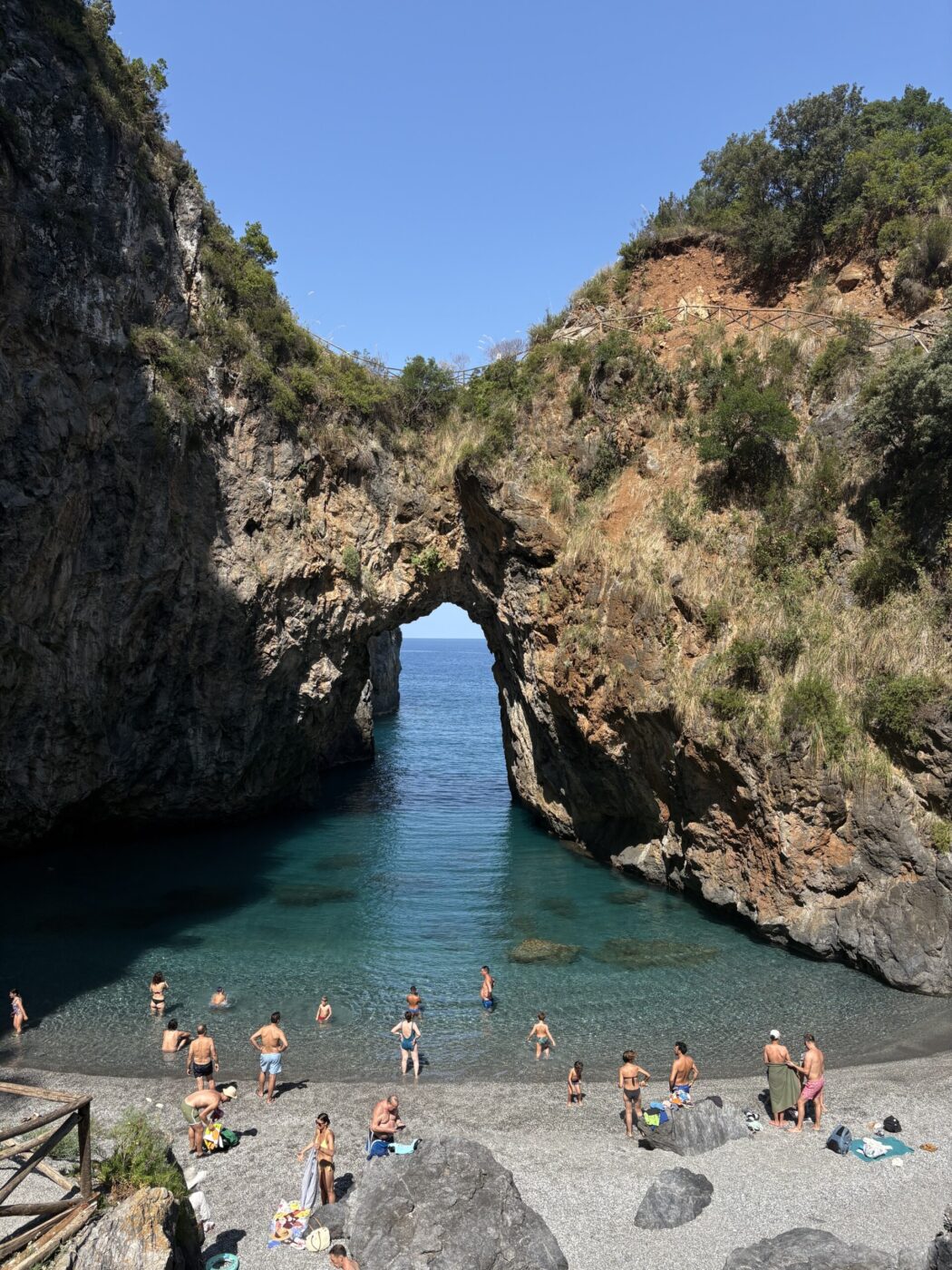
If road tripping is your thing, may we suggest north to south along Calabria’s Tyrrhenian coast? Take the panoramic SS18 highway to have the granite peaks of the Aspromonte mountains on one side and the sea on the other, going through fishing villages that feel entirely untouched by mass international tourism. Begin the drive in Pizzo, a medieval seaside town famous for its fortress and tartufo—a decadent, hazelnut and chocolate gelato sphere with a molten lava center invented here in the 1950s. Heading south, bypass the busier resort center of Tropea to seek out the dramatic cliffs of Capo Vaticano, where steep paths lead down to secluded, white-sand coves like Praia i Focu, accessible only by foot or boat. End in Scilla, a mythical town guarding the entrance to the Strait of Messina, dominated by the clifftop Castello Ruffo. Skip the modern beachfront and head directly into Chianalea, Scilla’s historic fishing district. Known as the “Venice of the South,” its stone houses are built directly into the water, with waves lapping against their foundations and wooden fishing boats moored like cars outside front doors.
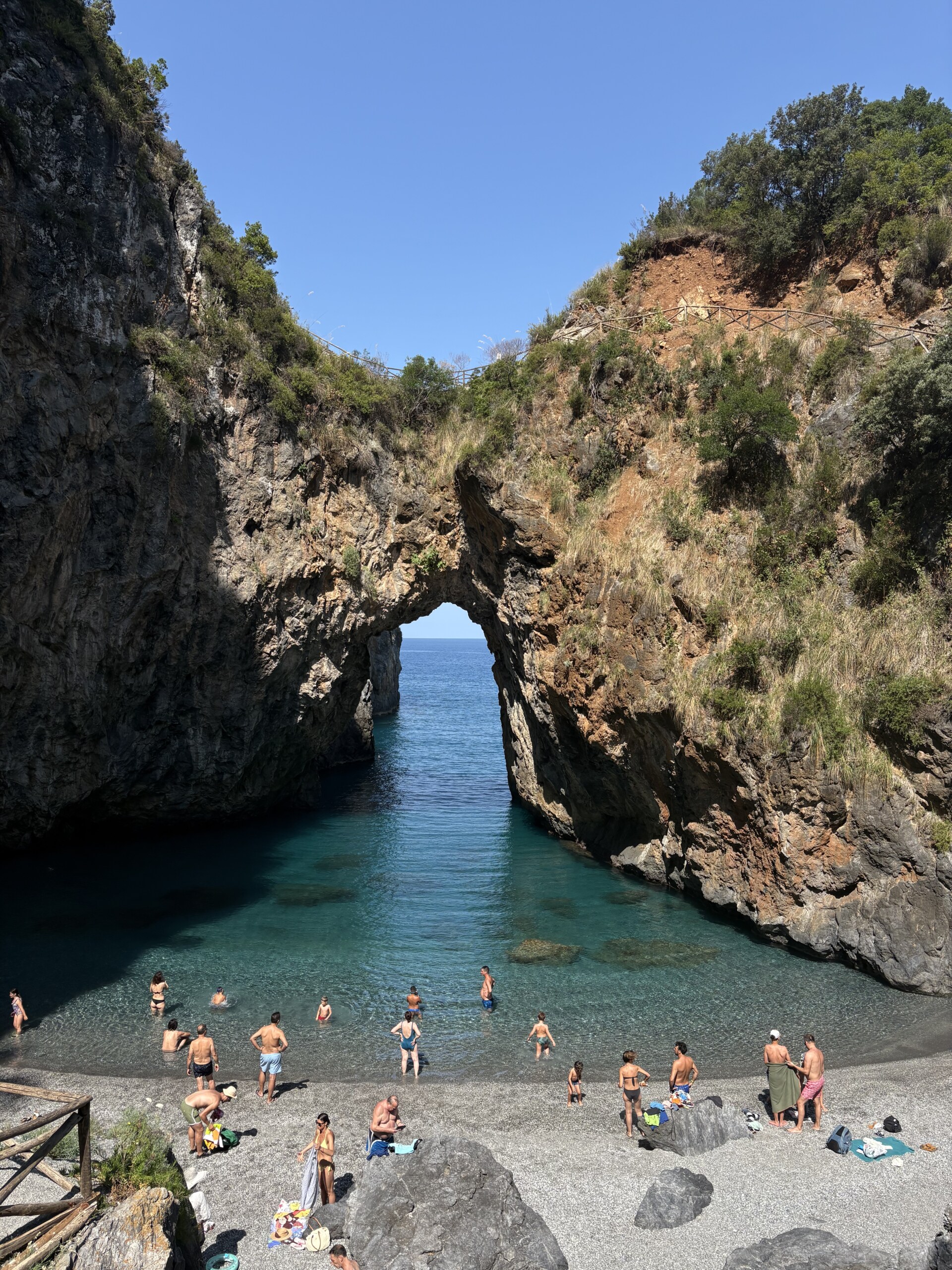
San Nicola Arcella beach in Calabria; Photo courtesy of Alessandro Motti (Cà Spiga)