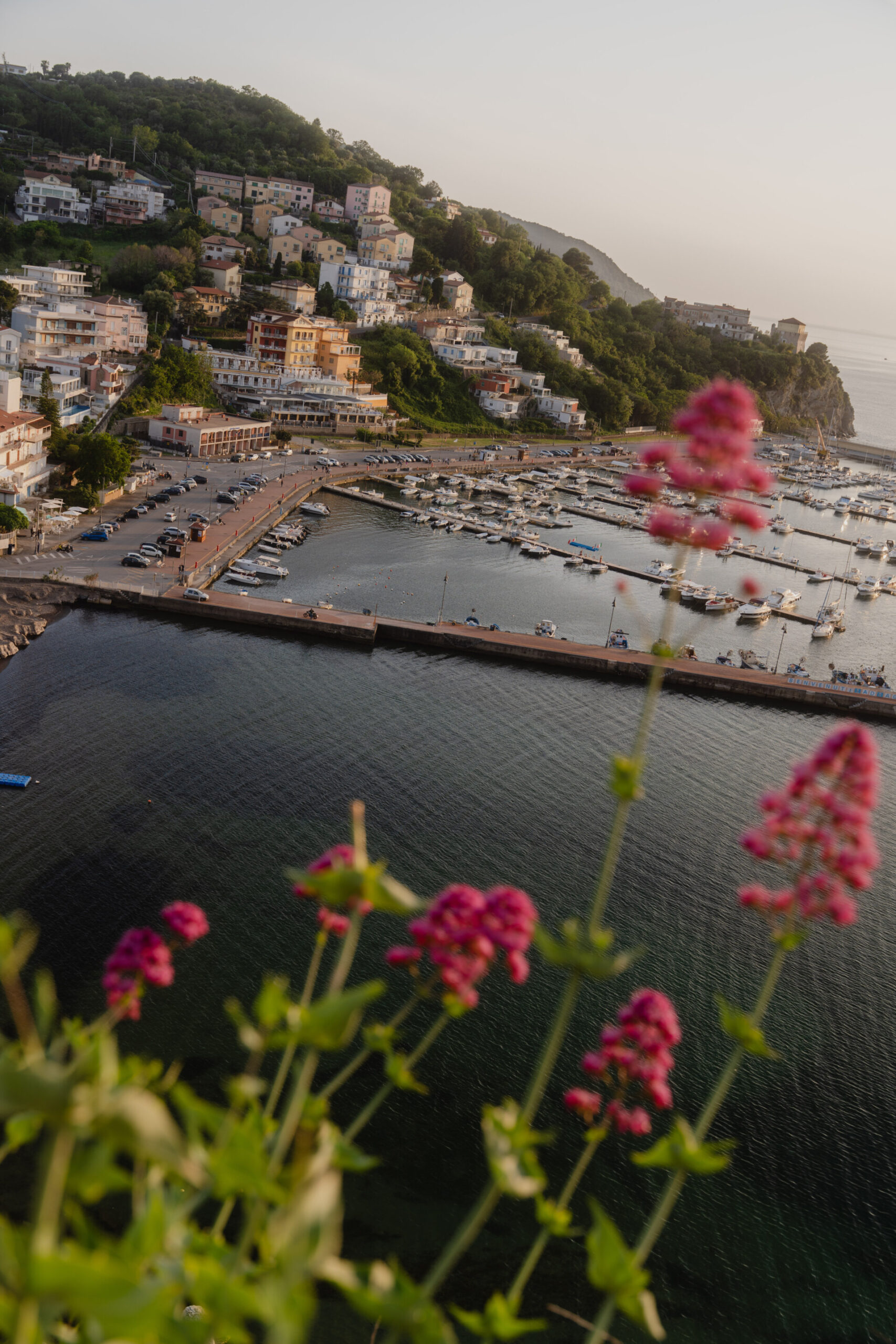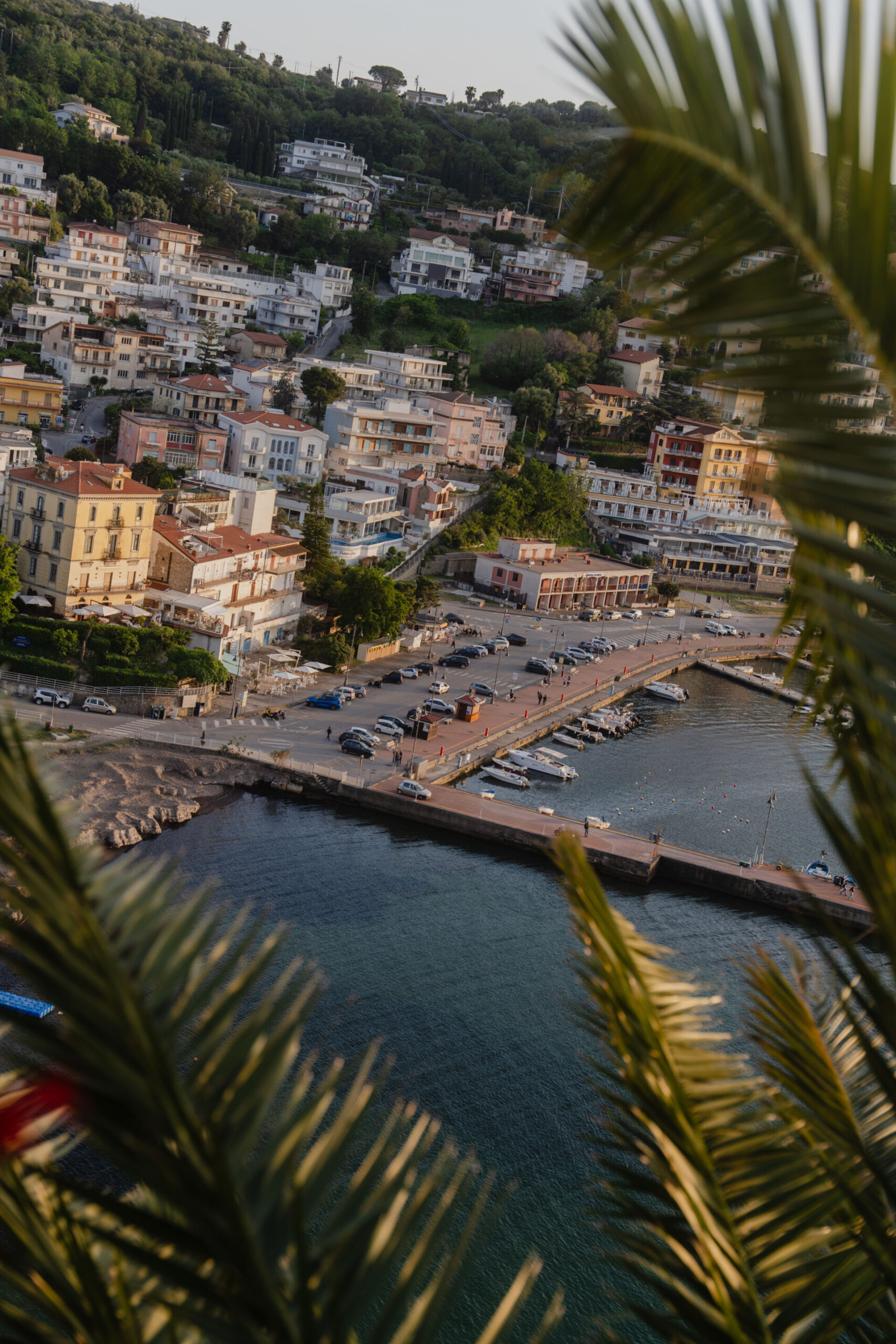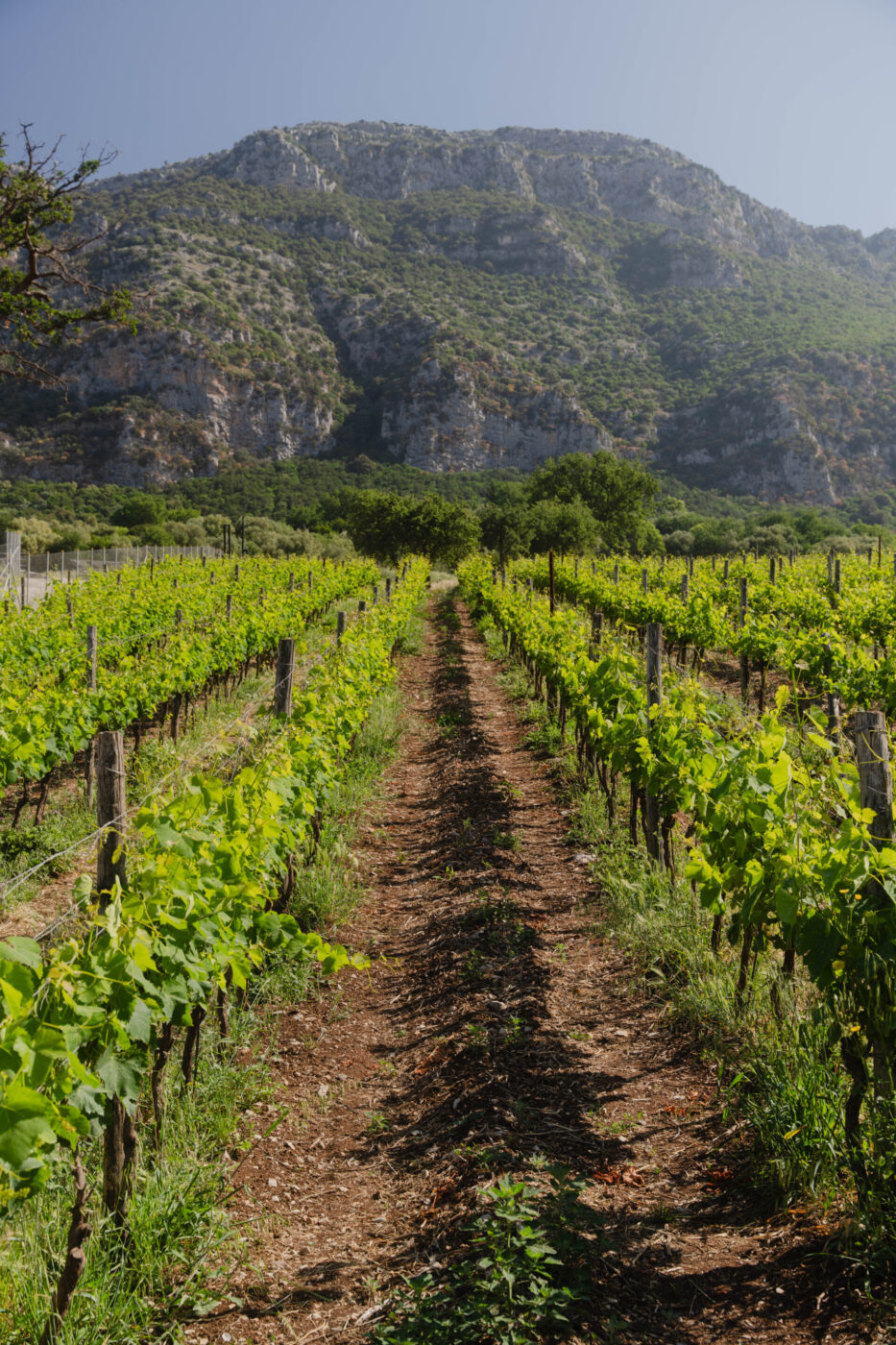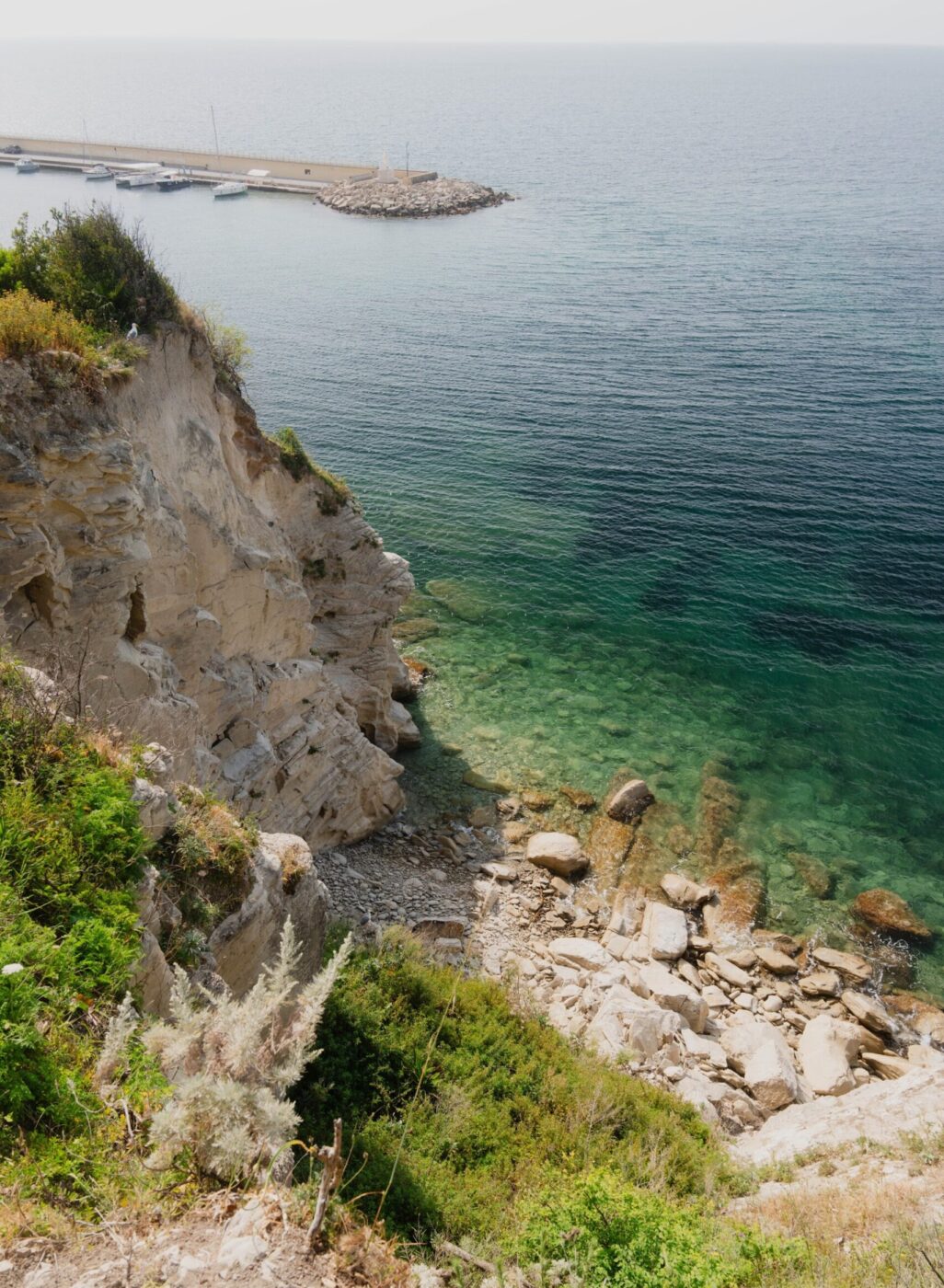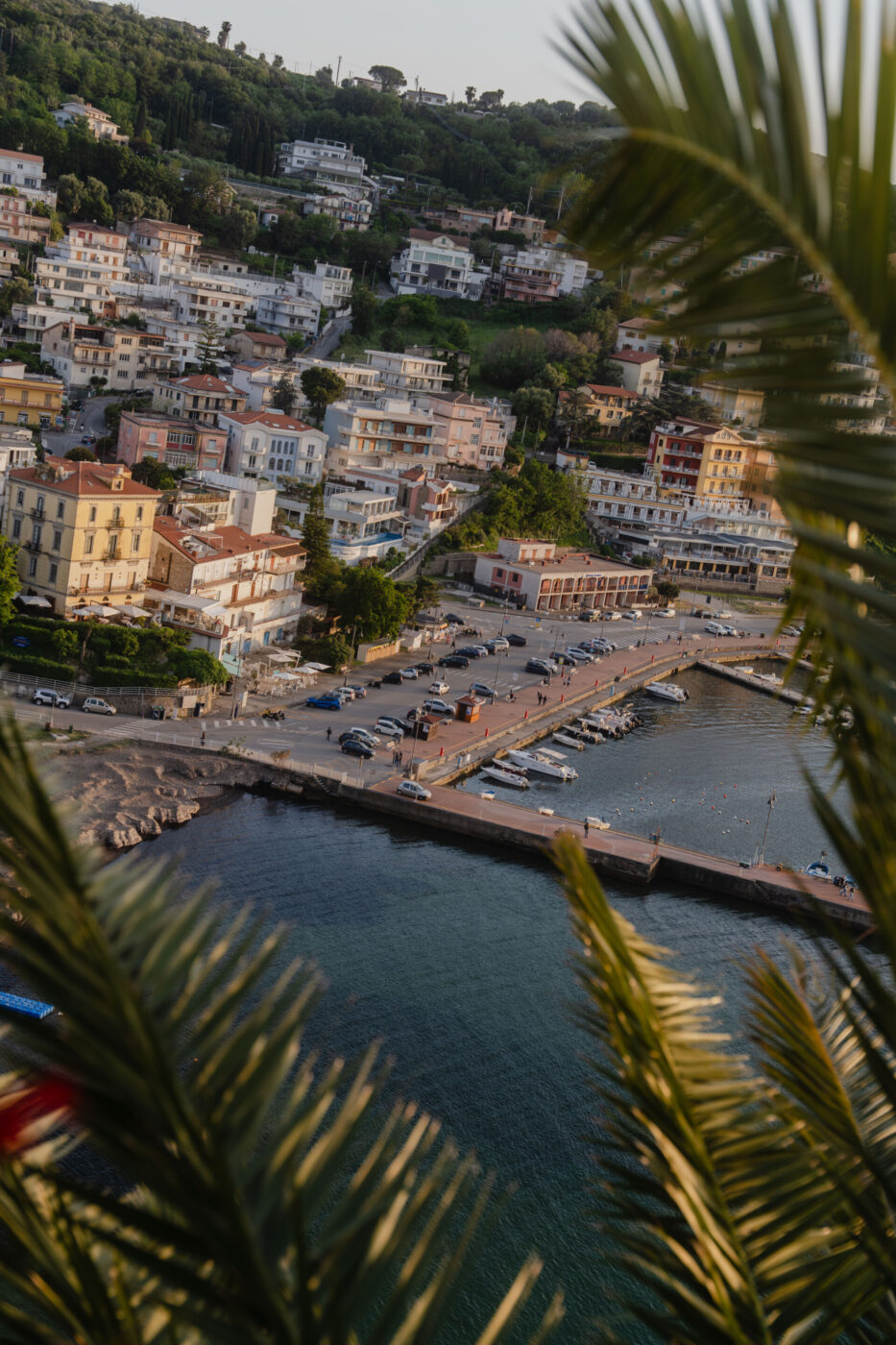
Anyone from the area will tell you that Cilento’s weather is part of the local personality. Thick clouds skim the rugged hilltops and head out towards the sea, drifting over valleys dotted with terracotta and silvery olive trees until they cast splotchy shadows atop the Gulf of Salerno’s azure color palette. Sometimes, the island of Capri breaks through the horizon, or a glimpse of Salerno, tucked just beyond one of the largest hills.
Though Cilento sits right below the ever-crowded Amalfi Coast, it feels worlds away from the brimming bustle of Campania’s famous spots. The 175-kilometer span stretches from Agropoli in the north to Scario in the south, dominated mostly by the Cilento, Vallo di Diano and Alburni National Park: Italy’s second-largest protected area. It is a rare microcosm where biodiversity and ancient history are completely intertwined, earning it a triple crown of UNESCO titles as a World Heritage site, a Biosphere Reserve, and a Global Geopark. Inside, you’ll find Campania’s highest peak, Mount Cervati (1,898 m), plus some 5,000 meters of the Castelcivita and Pertosa caves, one of the most extensive underground karst systems in southern Italy. The park is a sanctuary for rare wildlife, including the golden eagle, Italian wolf, and Primula palinuri, a bright yellow primrose found only here. You can also see the Certosa di Padula, one of the largest Carthusian monasteries in Europe, and the ancient Greek ruins of Velia, home of the Eleatic school of philosophy.
Agricultural heritage, local pride, and an unhurried way of life remain at the heart of Cilentan identity. And they have much to be proud about, including but not limited to a UNESCO site of ancient Greek Doric temples, a prized DOP white fig, buffalo mozzarella, the national park, and jaw-dropping beaches. With friends who grew up in a small hilltop village close to Agropoli as my guides, I set off along the winding coastal roads to explore all of this and more. Here, the places to visit and things to do that best capture Cilento’s way of life.
1. Eat (and stay) at an agriturismo
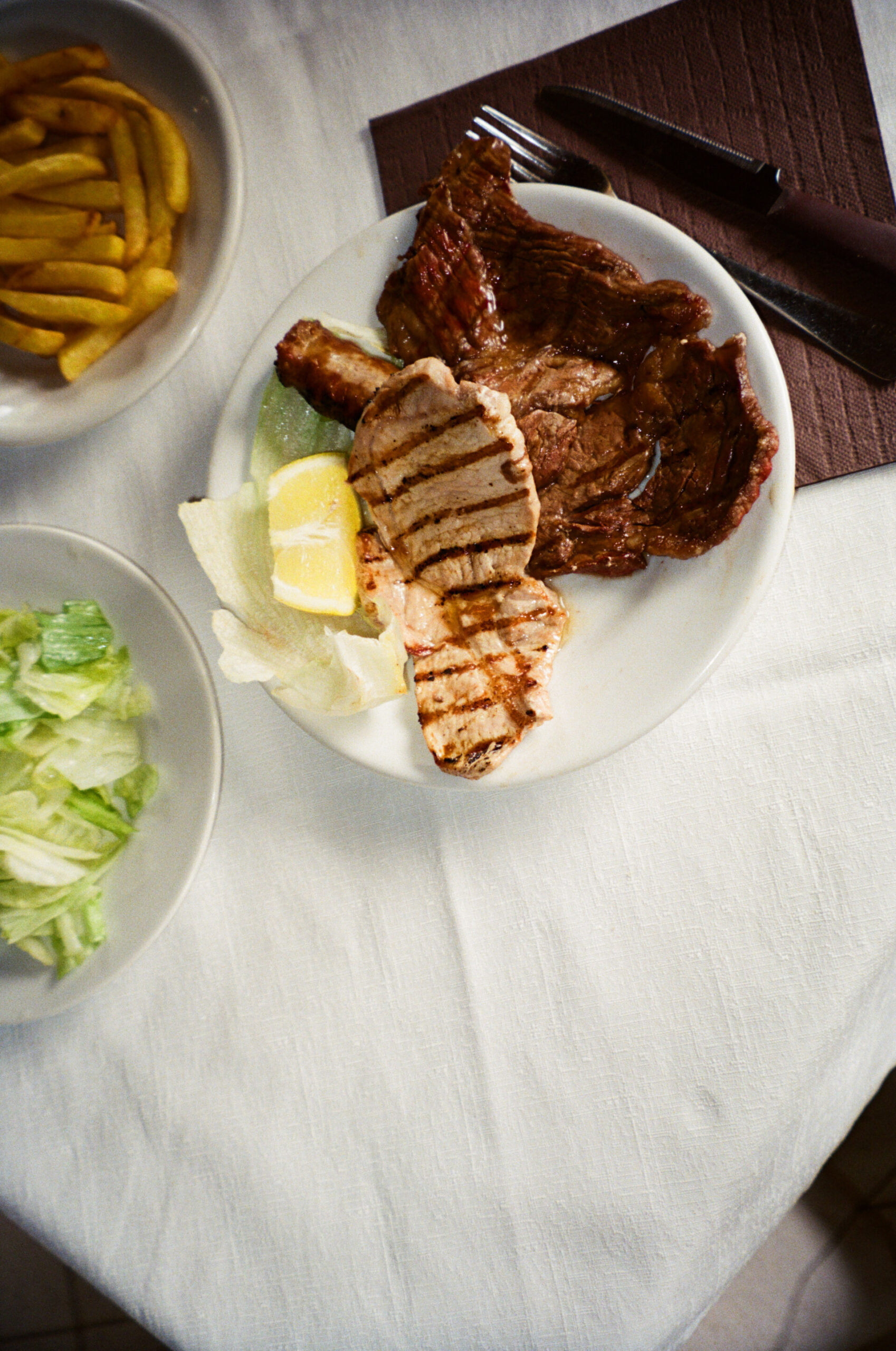
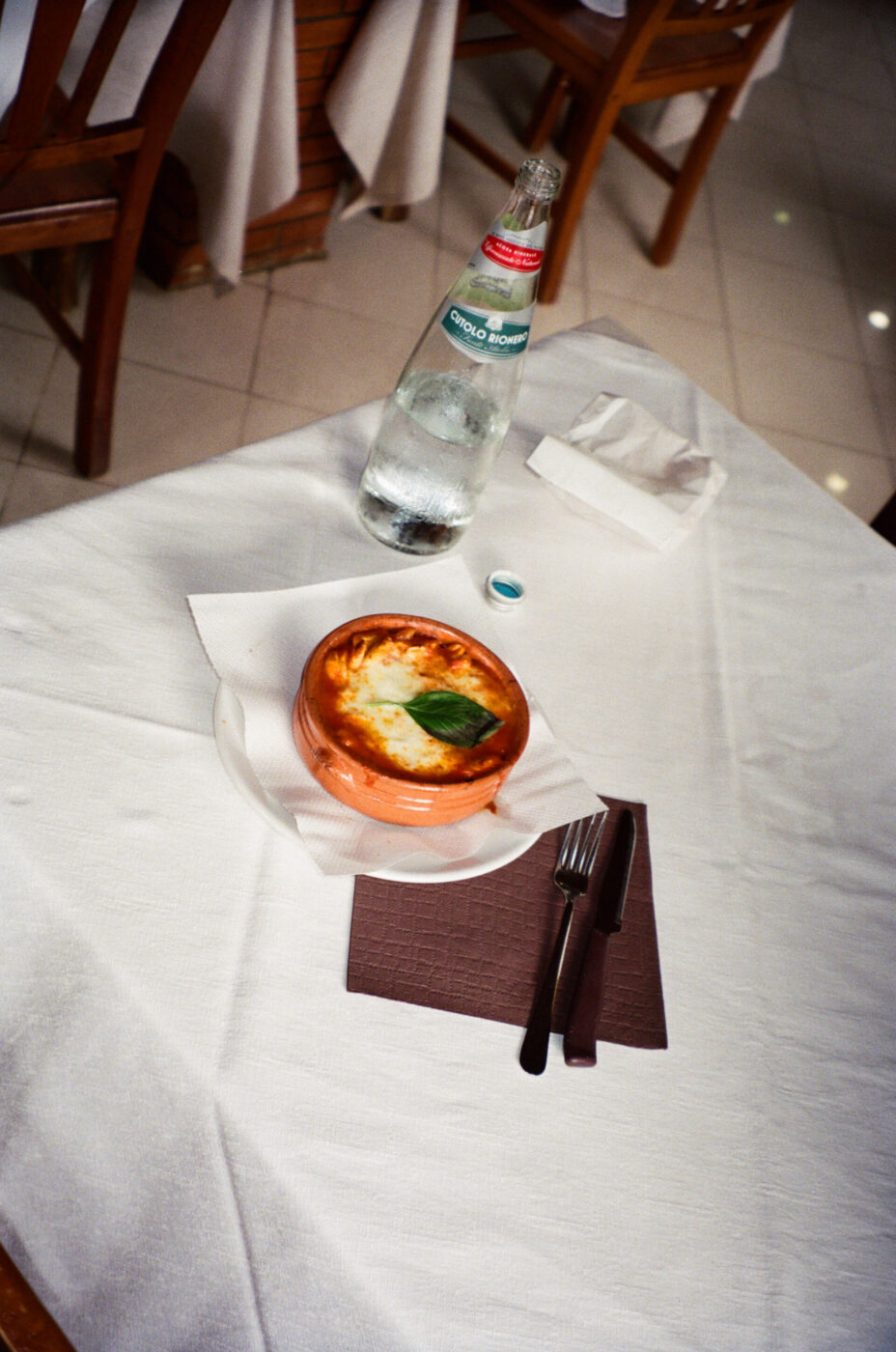
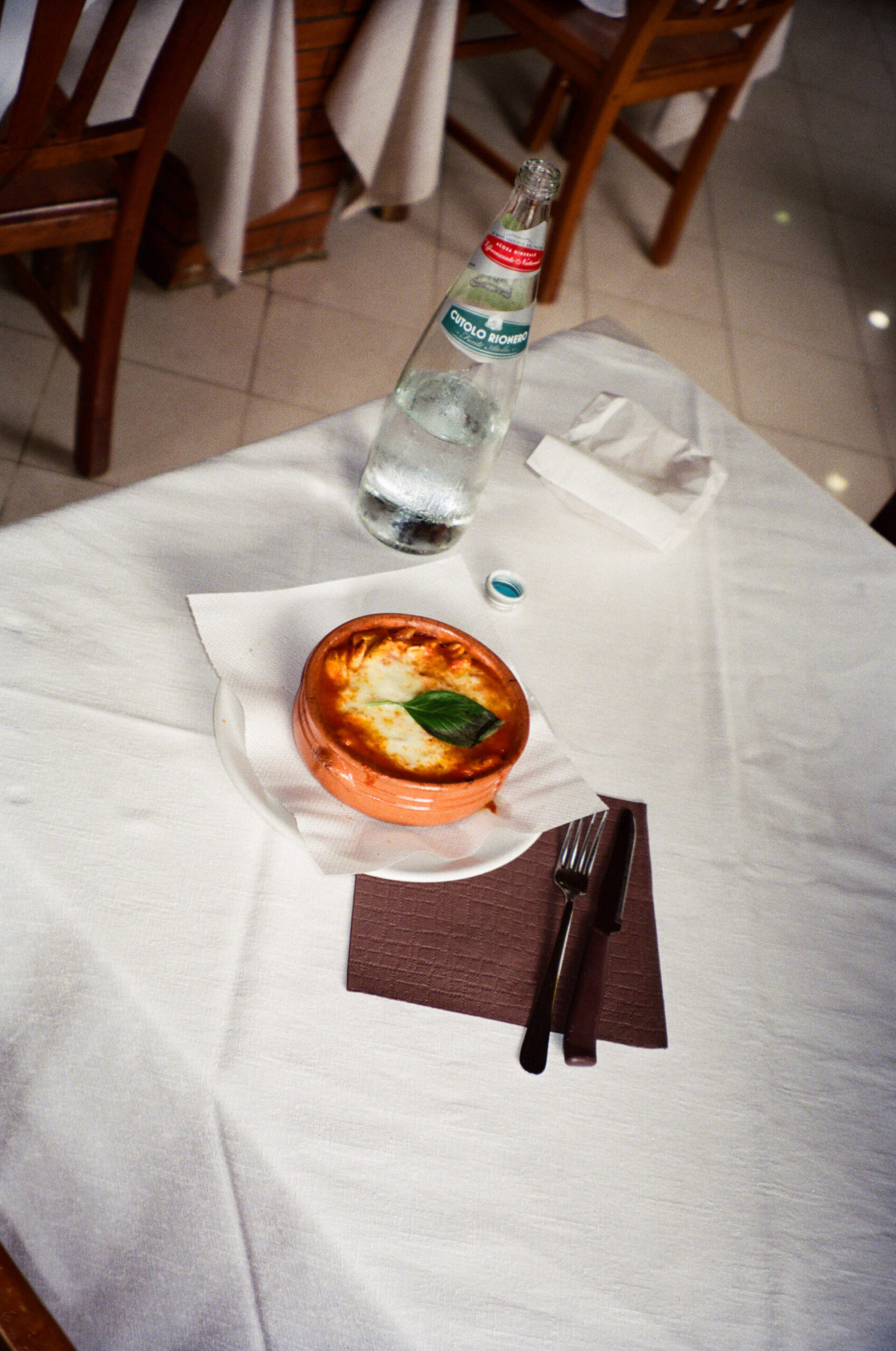
As in many places in Italy, the tradition of the agriturismo is strong in Cilento. In addition to offering guest lodging, these places typically serve fixed menus using in-season ingredients usually harvested or caught that day from their own farmlands. They’re a great place to get to know the local fare and often offer similar menus. Fusilli di felitto is one of the staple primi: this Slow Food Presidia pasta uses a dough of eggs and semolina flour (and traditionally no water) that’s formed, by hand, into cylindrical ropes that are then hollowed out with a thin steel rod. The chewy strands are most often tossed with pork ragù or a zucchini flower sauce. Whether you stay the night or just come for dinner, these two agriturismi offer the best and boldest of the Cilento menu in lively dining rooms filled with locals and visitors alike.
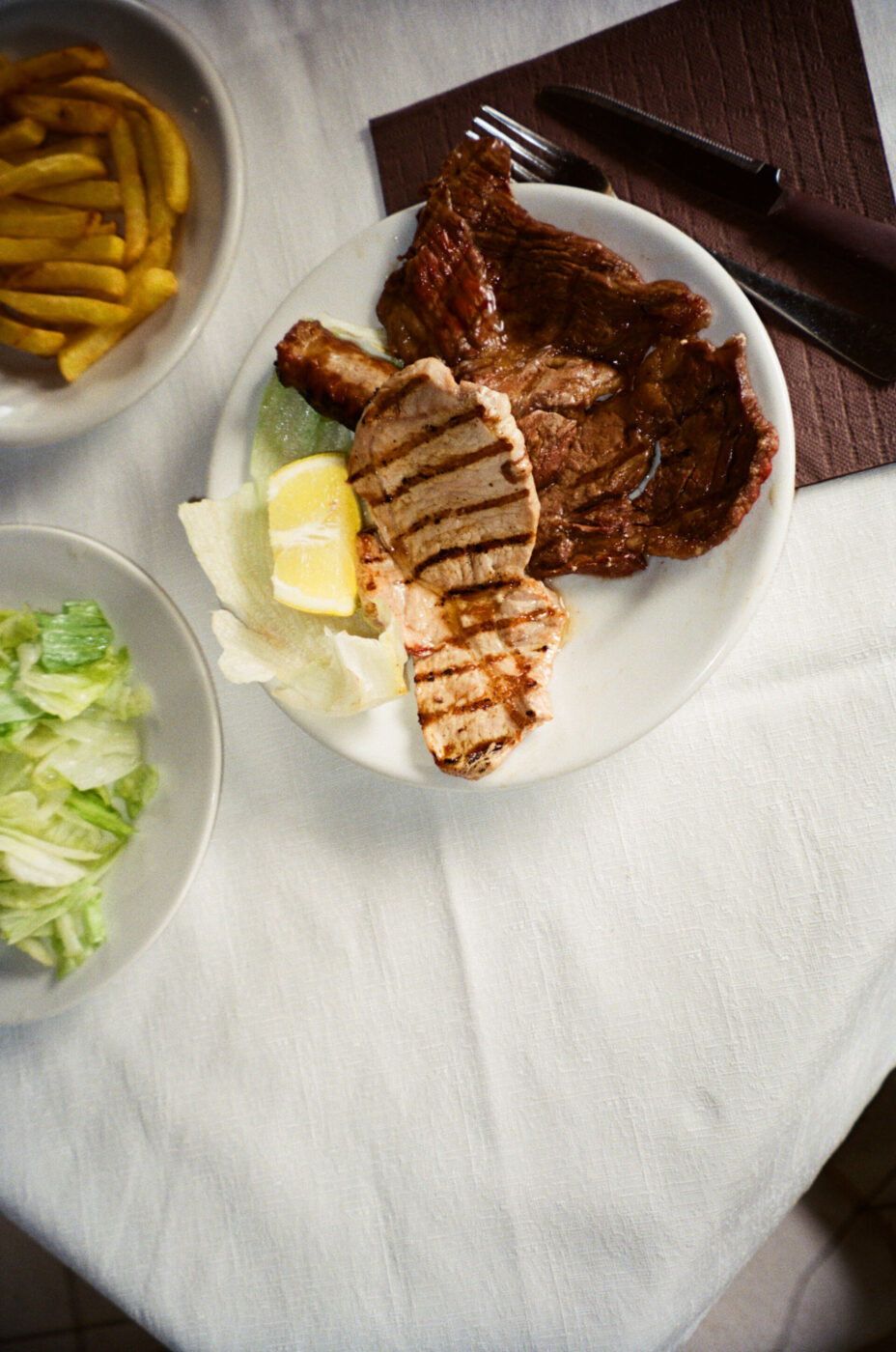
La Casareccia – Located about 10 kilometers from Paestum on flatter terrain near the sea, La Casareccia is a vibrant locale with a no-frills aesthetic and lush green surroundings. Traditional sturdy wooden tables fill the large dining room, where the charismatic staff serve sizable portions of Campanian classics to regular and visiting patrons. In the warmer months, snag a table in their outer room for a sunny lunch of seemingly endless antipasti, grilled meats, seasonal veggies, house-made fusilli, and even thin-crust pizza, if you fancy. It’s a great place to start your Cilento journey, as the owner and other waiters will be eager to share tips and converse with you. It’s also an events space, and when I came for lunch, we witnessed the bonhomie of a Neapolitan wedding.
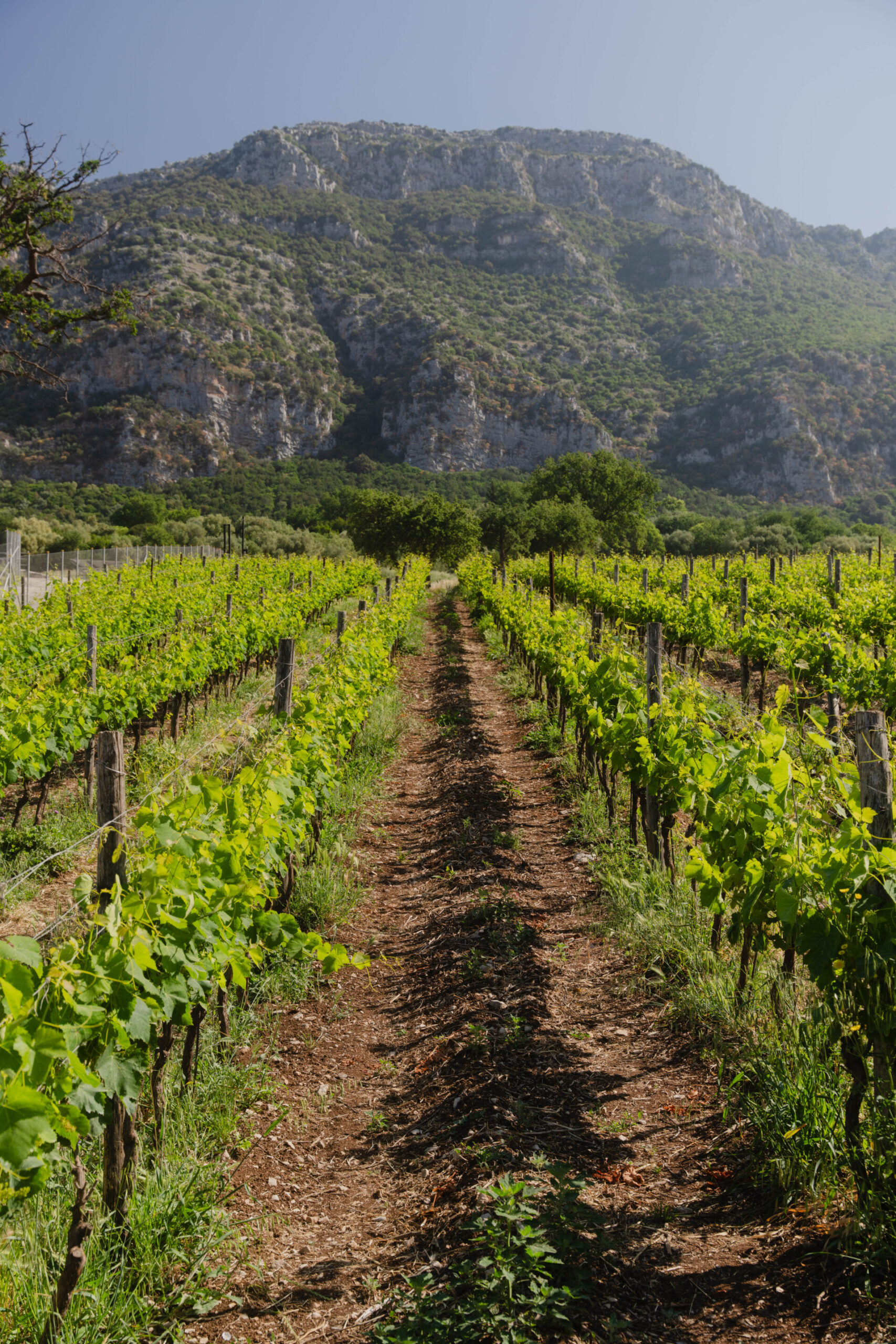
Colle del Cilento – Translating to “the hills of Cilento”, this agriturismo is aptly located within the hills outside of Agropoli and has insane sunset views over the gulf. Passed down through several generations, the restaurant just had a light renovation that preserves the original soul while adding a touch of modern minimalism. The seafood- and veggie-forward menu, too, takes classic recipes and gives them a slight makeover: expect dishes like tagliolini with mussels and saffron, verza cabbage gratin, and fried polpette with pumpkin. Floor-to-ceiling windows in the dining room ensure you always have a view over the valleys, olives, grapes, and the sea beyond. At night, submerged in inky blackness all around, the lights from houses that dot the hillsides look like sparkling diamonds. Colle del Cilento offers rooms for rent on the premises as well.
2. Taste DOP white figs and visit a buffalo farm
Cilento boasts two prized culinary products that can be found exclusively in this region: white figs and traditional buffalo milk mozzarella. Outside of Campania, mozzarella is made with fior di latte, cow’s milk, and tastes notably different from the tangy, earthy milk from the Italian Mediterranean water buffalo. Equally as special is the white fig—a Slow Food presidia and DOP product—that only grows in Cilento’s microclimate. Known locally as “dottato” and officially as Prignano Cilento Monnato, the fig has delicate, sweet flesh encased in a wrinkly, pale yellow skin and is enjoyed fresh or dried. The figs are dried with a technique only used in this region, where they are peeled immediately after picking—hence the name “monnato”, meaning “peeled” in local dialect—and then left to sun-dry for two to 20 days. The result is a milky white fig with creamy nuances and chestnut honey streaks. Here are some of the region’s premier places for tours and tastings, all owned by families who have been practicing their craft for generations.
Santomiele – In a modern castle-like structure high in the hills, Santomiele is the place for tasting and learning about the traditional white fig, its harvest, and the drying process. Every detail reflects a commitment to local artistry, from the hand-drawn placemats and airy interiors to the inventive tasting boards that pair figs with the likes of chocolate and regional cheeses. It’s best to come between August and September when the figs are harvested, but after they’ve dried, the figs are available year-round. Bonus: the space offers wide, sweeping panoramas of the Cilento terrain and sunset views over the sea.
Il Granato Gelateria & Yogurteria – Mark this spot on your map for its incredible selection of buffalo-milk specialties. At the onsite cheesemonger, you’ll find daily batches of fresh ricotta and mozzarella, while the gelateria uses that same rich milk to craft a full range of flavors (the fruit-based ones are a must). Beyond gelato, you can grab buffalo milk yogurt—plain or flavored—to go, or enjoy a bowl topped with fresh fruit on-site. For something truly indulgent, try the fluffy brioche topped with ricotta and chocolate chips. Whatever you choose, take it out to the terrace to soak in the stunning views of the surrounding hills.
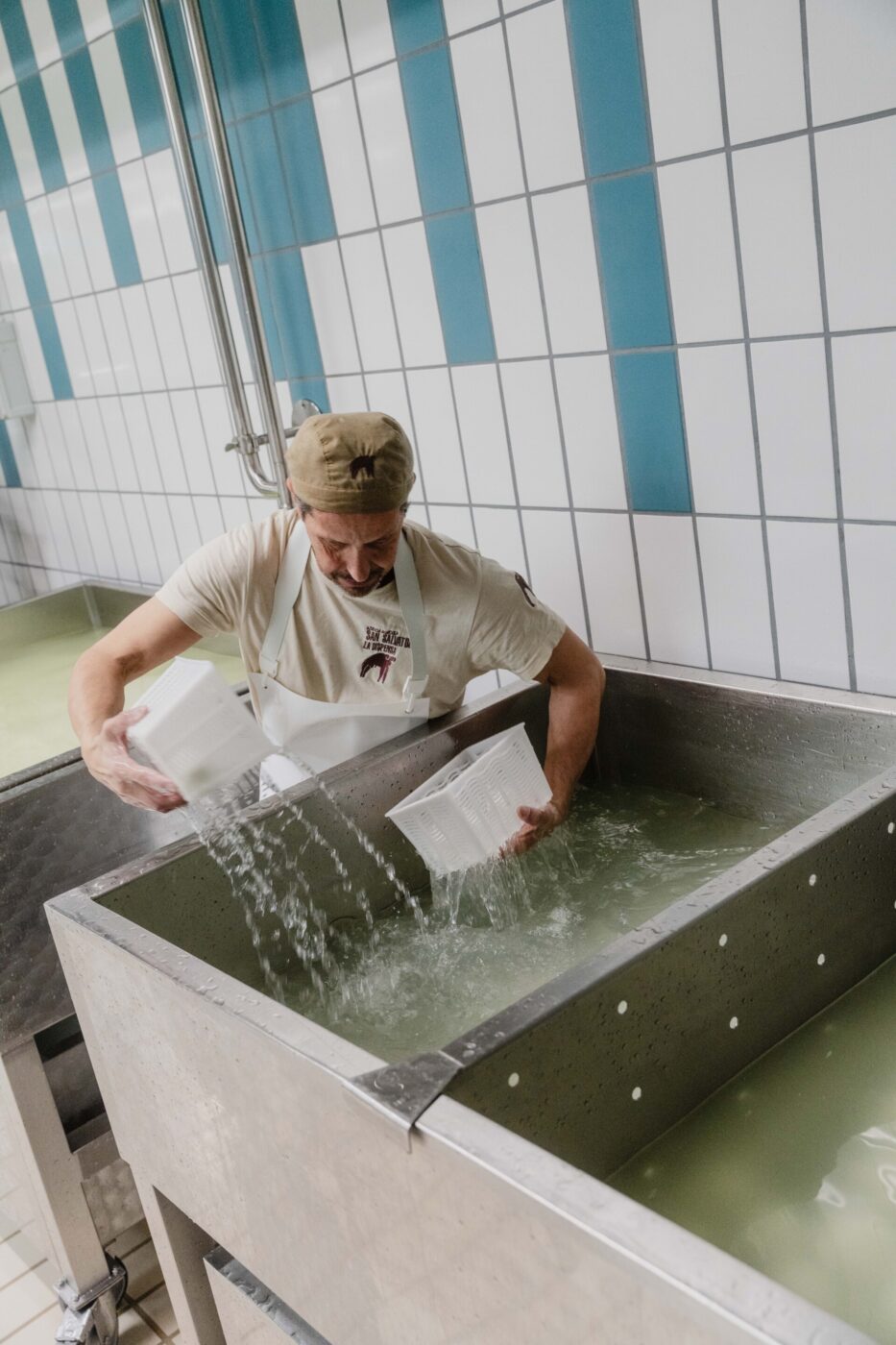
Tenuta Vannulo – This estate feels like a self-contained village, set against a backdrop of lush greenery and home to a majestic herd of buffalo. More than just a farm and caseificio, Vannulo offers a multi-sensory experience: explore the leather goods shop for artisan-made bags and belts, or visit the museum to see the evolution of traditional farming tools. You can also pick up some bread and other baked goods at their onsite bakery before heading to the tasting room to sample their famous production. For a deeper look, join a guided tour to learn about their process and get the chance to meet and greet the buffalo in a respectful environment.
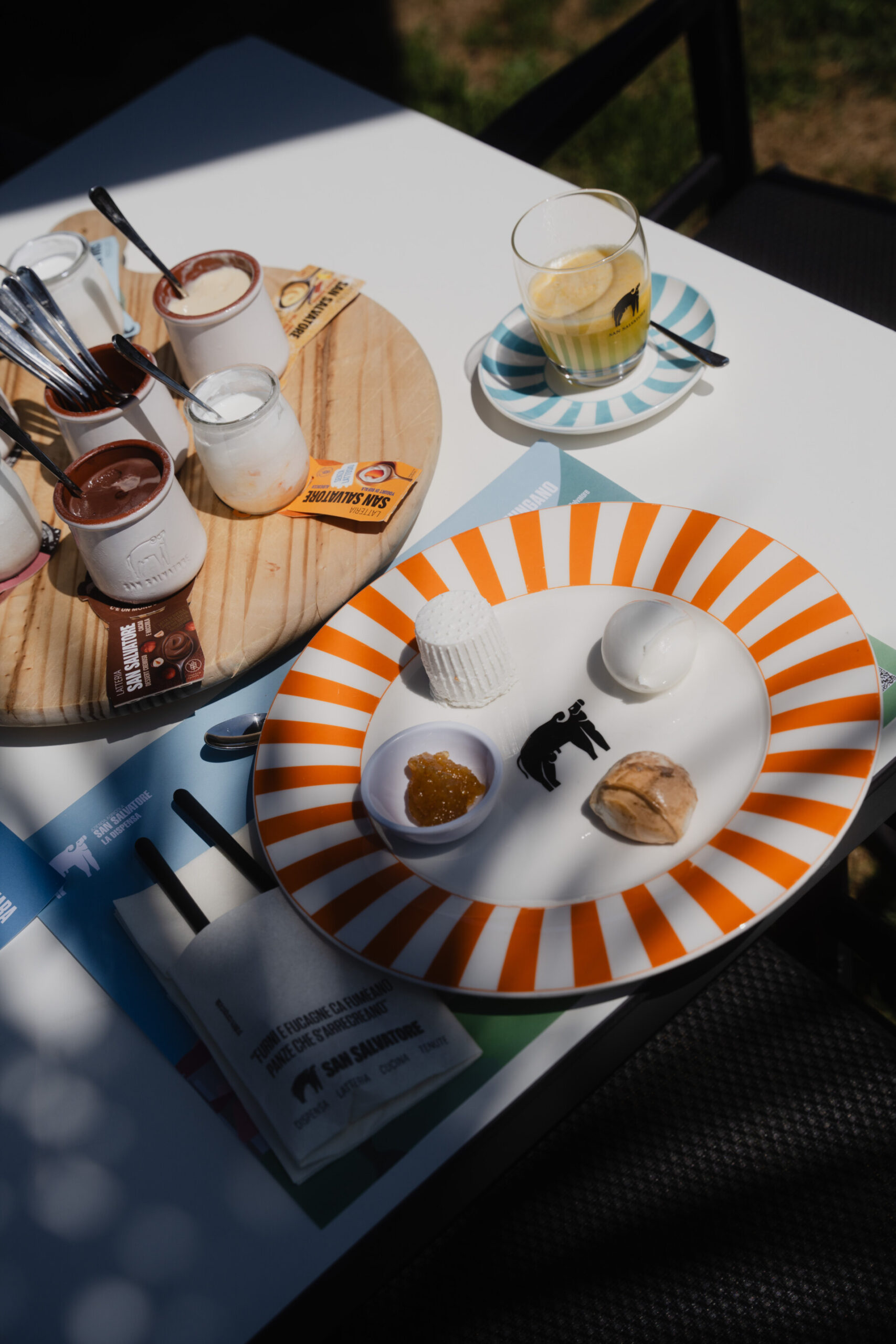
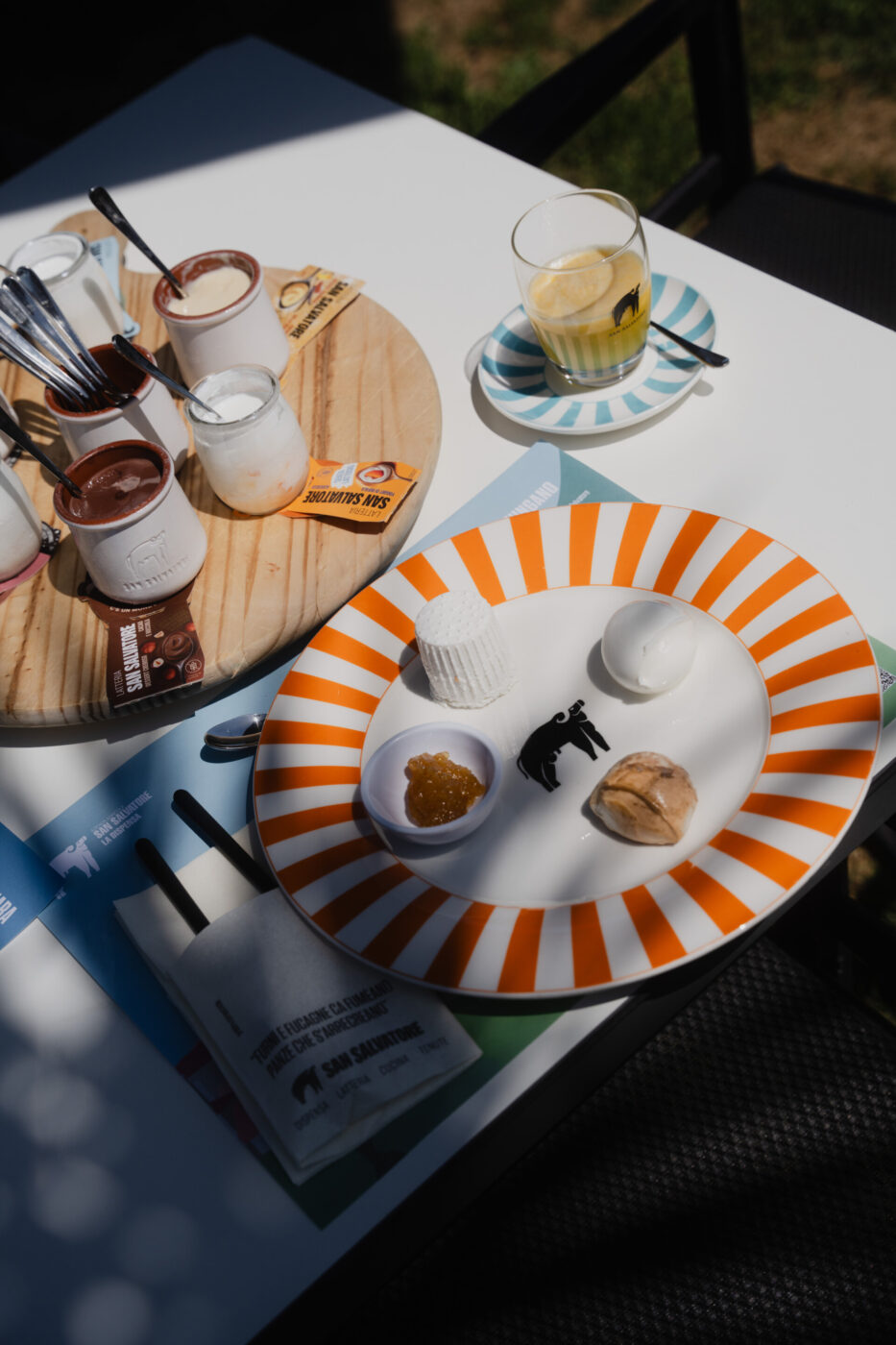
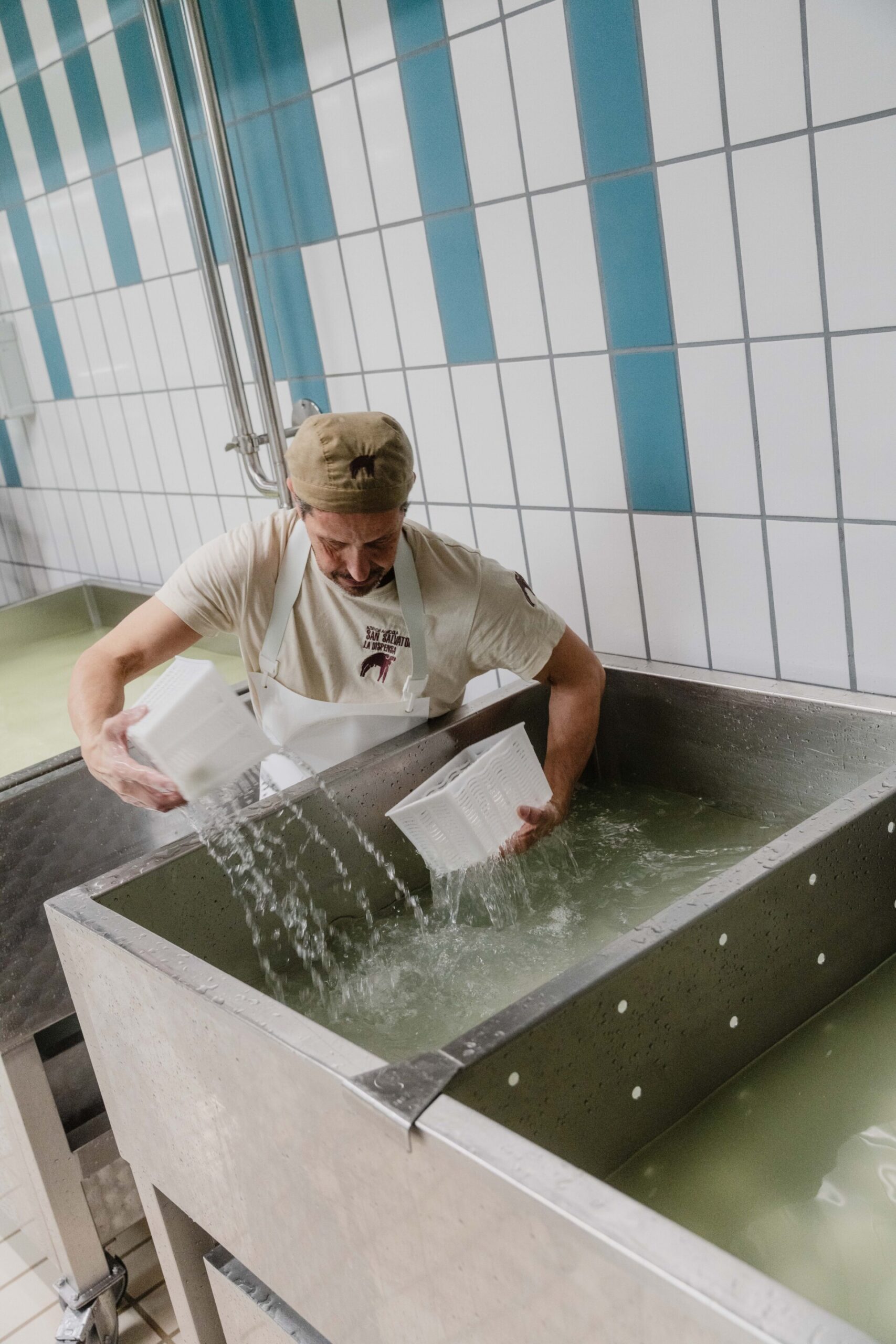
Azienda Agricola San Salvatore – A working buffalo farm producing a full range of milk products, San Salvatore is a notable vineyard, winery, and restaurant. They pride themselves on their sustainability and traditional land stewardship practices that are exemplary of Cilento’s long agro-climate relationship. Recognizable by their iconic buffalo logo, San Salvatore’s wines are served and sold all over Cilento and even throughout the peninsula. Come for a lunch of farm-fresh ingredients and stay to peruse the relatively large shop that is artfully arranged with wines, dry goods, and, of course, a fully stocked counter of buffalo products and sweets.
3. Spend a day in Agropoli
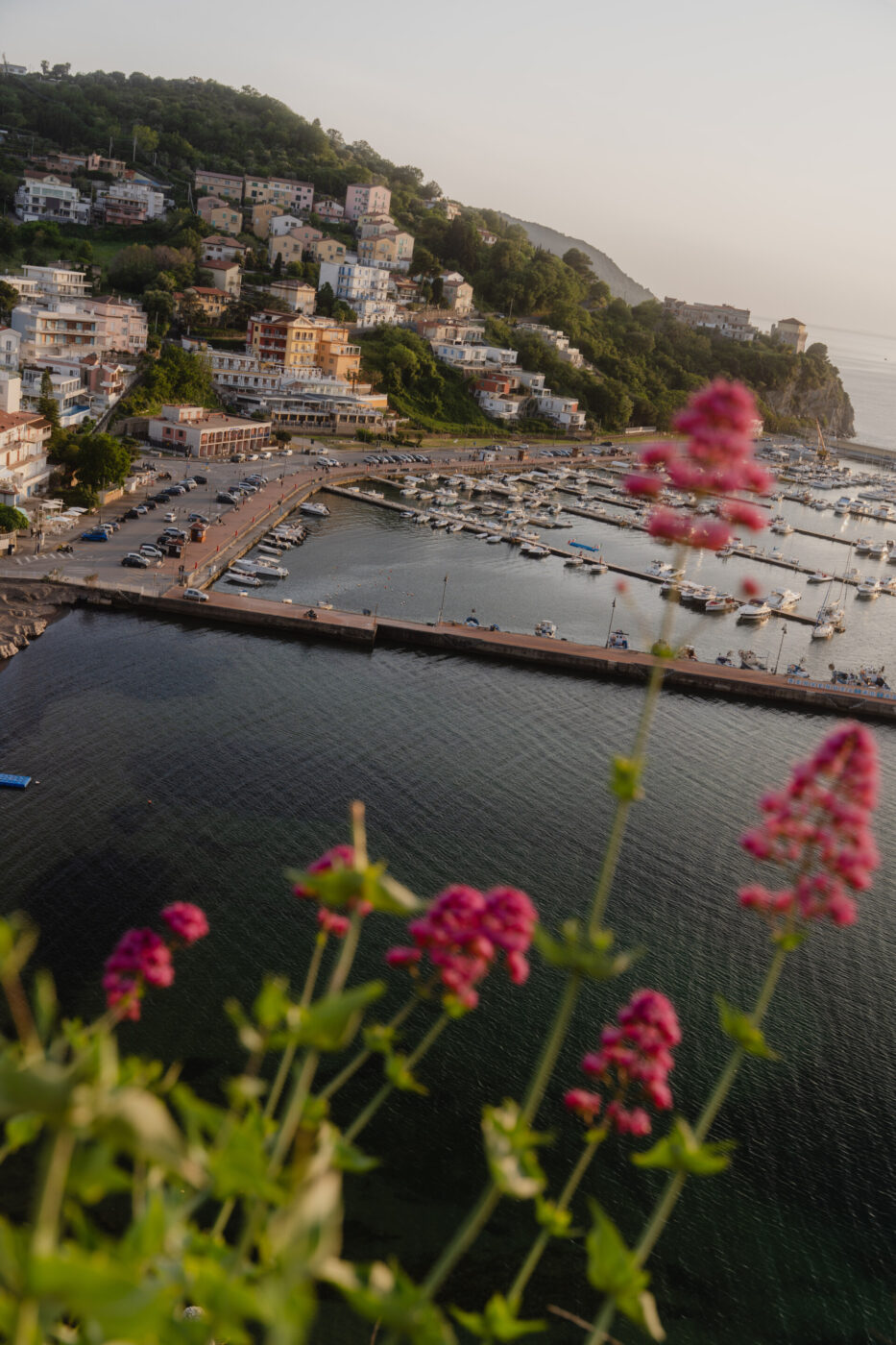
Cilento’s largest city (though it only has about 21,000 residents) and located on a promontory at the northern point, Agropoli is a busy confluence of history and daily life that remains easy to navigate on foot. It serves as a perfect base for exploring further afield; from the local port, you can easily catch a ferry to Naples, the Amalfi Coast, or deeper into the Cilento coast. It’s worth, however, dedicating a day just to exploring the city.
Swim – Spend the day at Baia di Trentova, one of Agropoli’s best beaches, where sand and rock meet an azure sea. “Trentova”, “thirty eggs”, comes from a local legend that 30 sea turtle or seagull eggs were once found in a grotto here. The beach itself is a narrow sickle moon of sand that fills up quickly in the summer; you may want to follow the locals’ lead and find a perch on the rocky pilings at the water’s edge. It is well worth the effort for the views of the green landscape curving along the coast, and there are some simple hiking trails nearby.
Stroll – Make the trek up Gli Scaloni (the narrow, monumental stone steps at the end of Via Filippo Patella) toward the medieval old town and the Aragonese Castle. As you ascend, pause at different heights to watch the fishing boats and sailboats move in and out of the harbor below. The summit offers a stunning panorama of the city, the port, and the rolling Cilento hills beyond.
Sip – In the morning, stop at any local bar for an espresso and a sfogliatella—the flaky, shell-shaped, and cream-filled pastry of Campania. While the mornings are quiet, Agropoli truly comes alive after dark. For a classic evening, head to the Porto di Agropoli to watch the sunset over the water with an aperitivo. Pinterrè Caffè is a great choice for a spritz with a front-row view of the harbor.
Shop – As the evening heat breaks, stroll down Via Filippo Patella and its surrounding side streets when the boutiques begin to open. For high-quality, locally made leather goods, visit Valente, a woman-owned shop that has been a fixture in Agropoli since 1973. La Ragazza del Vintage also offers a curated selection of fresh and funky clothing in excellent condition.
4. Visit the temples at Paestum and the Castello Angioino Aragonese
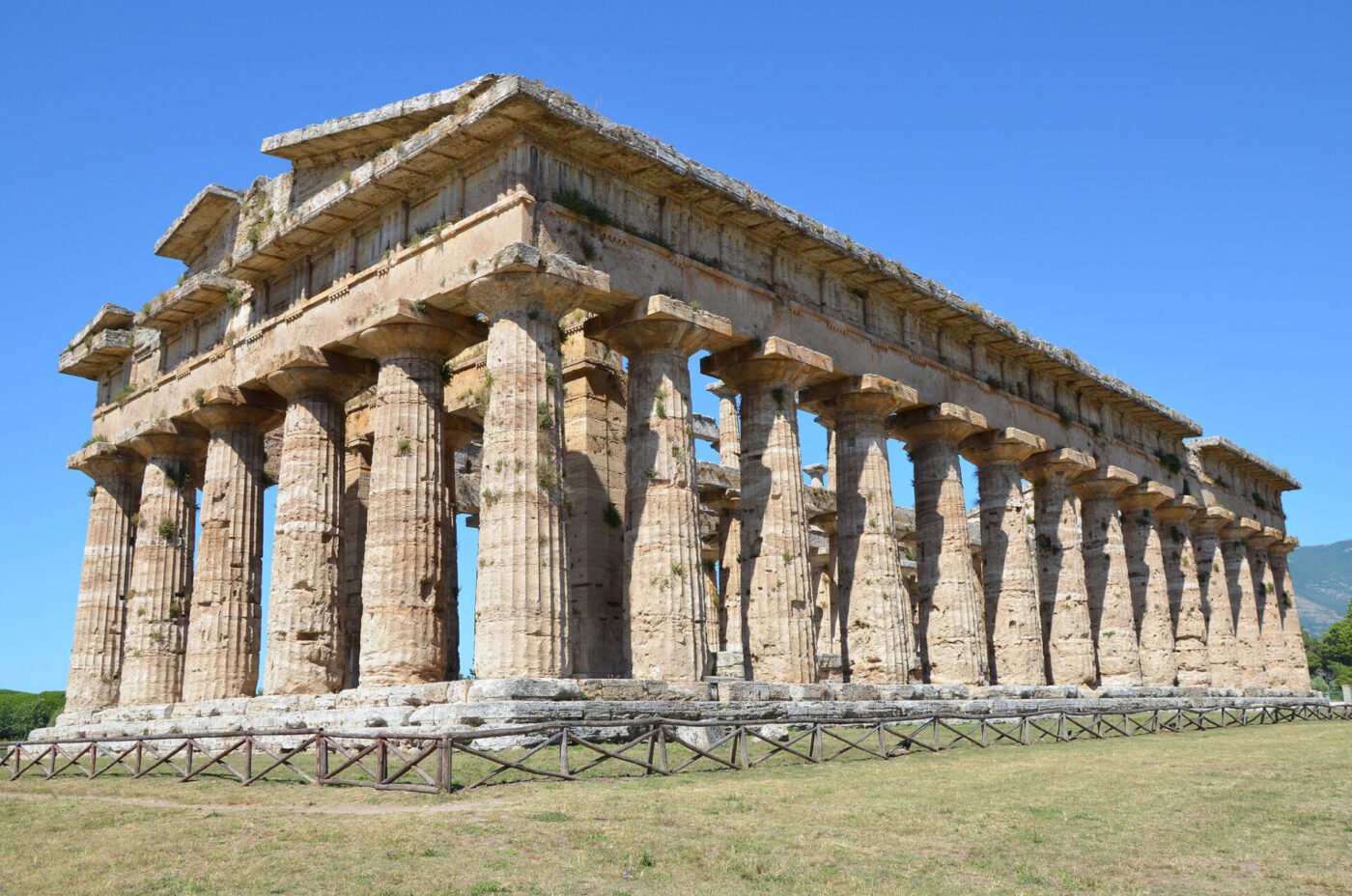
Paestum – A UNESCO World Heritage site, the ancient temples of Paestum are among the best-preserved Greek ruins in the world, dating from about 550 to 450 BC. Originally built just steps from the shoreline, the three massive Doric temples now stand roughly three kilometers inland—the sea having receded remarkably—and stand within the remnants of an ancient wall that once surrounded them. Incredible in size and stature, the temples are in impressively good condition; for a ticketed fee, you can explore them on foot and actually enter inside. The site also includes an amphitheater and a comprehensive museum housing local finds. This active archaeological park has rocky terrain and ongoing digs, so plan to spend at least several hours exploring (with correct footwear). With little shade covering, be sure to use ample sun protection, especially during hotter months.
Just off the main road leading to the park is the Chiesa Madre della Santissima Annunziata, a small, active church where you might catch a local wedding in progress. This area also hosts several artisanal boutiques and restaurants; while they carry a higher price tag than those in the city center, they offer a front-row seat to the ancient walls.
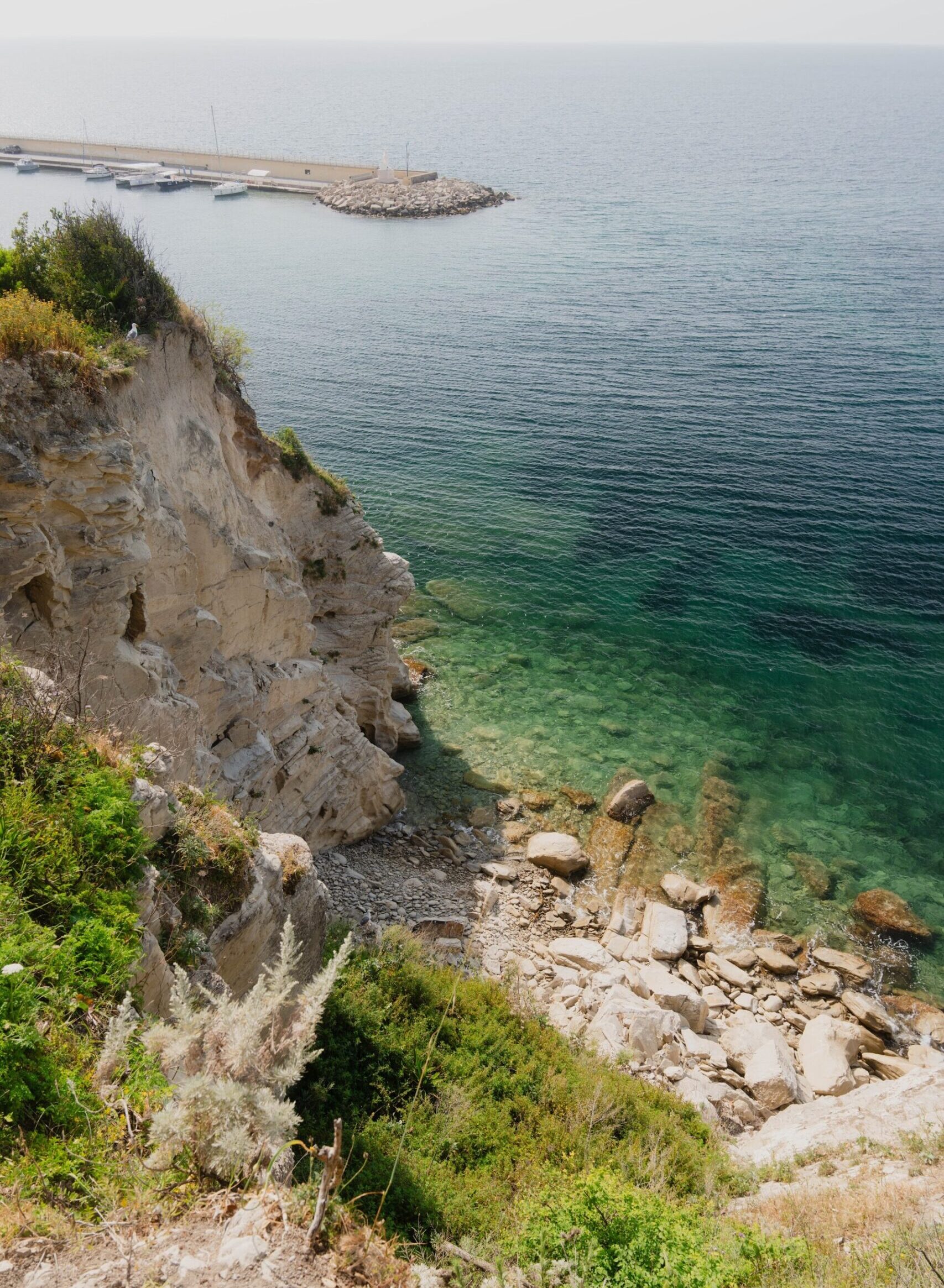
Il Castello di Agropoli – High on the seaside cliffs, the Castello Angioino Aragonese dominates the Agropoli skyline. The original core of the castle was built in the first half of the 6th century by the Byzantines and continued to be built over the next few centuries by whoever was ruling the area at the time, eventually taking its shape in the 15th century under the Aragoneses of Sicily. It passed through the hands of many noble families during feudalism and acted as the seat of Napoleon’s troops in the 1800s until it was abandoned. Following a lengthy restoration, the castle reopened in 2025 and is once again welcoming visitors; tickets can be purchased directly outside the main gates. While the fortress was originally built as a protective armament, it now serves as a point of access to historical data and artifacts of the area. Though a formidable structure, it is quite fun to explore the mysterious stone passageways and climb the turrets for sweeping, unobstructed vistas of the Tyrrhenian Sea and the coastline.
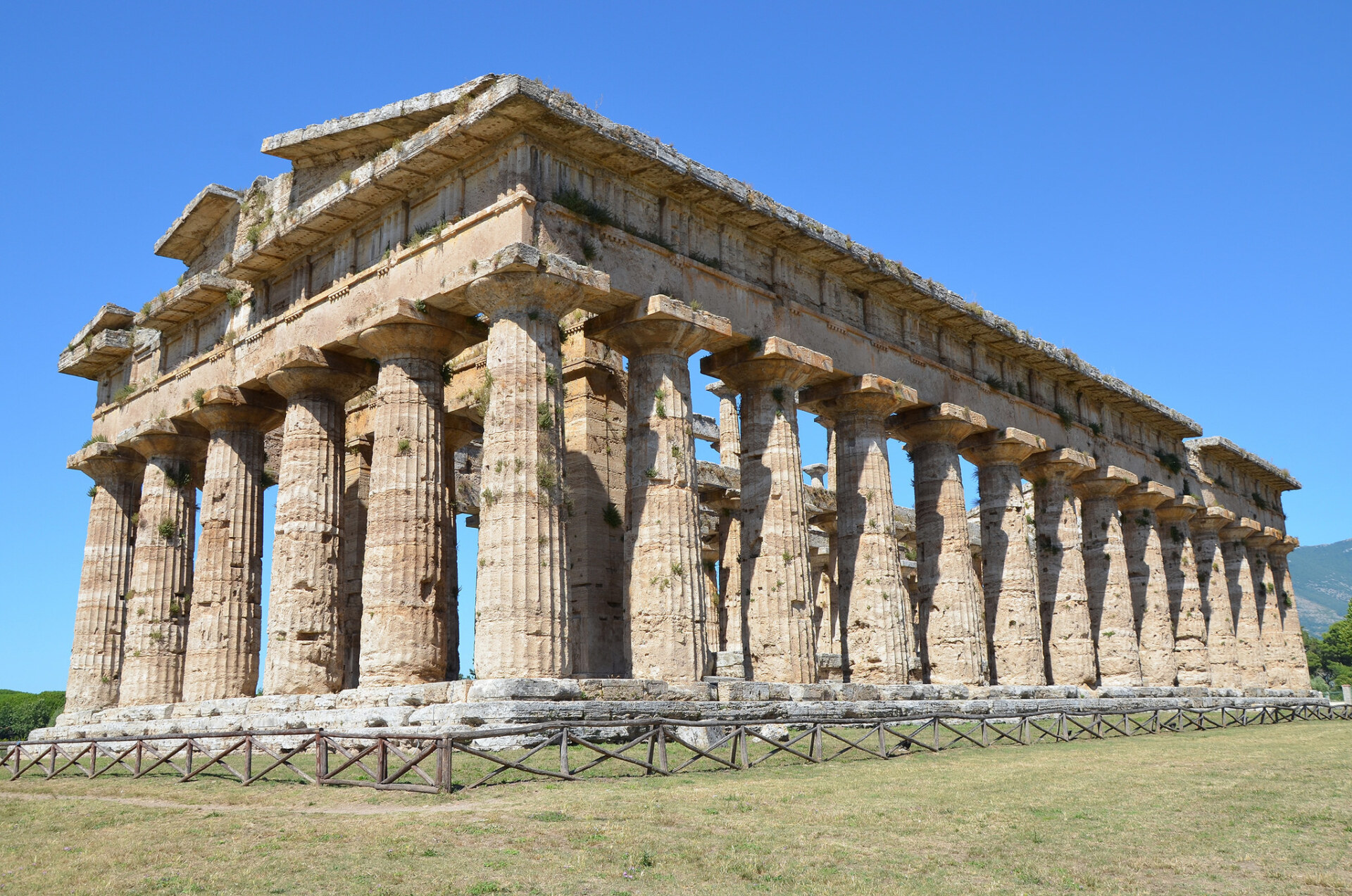
The Temple of Hera at Paestum; Photo by <a href="https://www.flickr.com/photos/carolemage/24169113390" by Carole Raddato, CC BY-SA 2.0
5. Swim and sunbathe at Santa Maria (Zona Lago) and Casa del Conte
Cilento’s coastal region is home to a string of pristine beaches and hamlets, set apart by their wildness and well-preserved natural terrain, which feels refreshingly not manicured or curated. They’re starkly unpopulated compared to other places along the Southern Italian coast, and you’ll mostly find sun-seeking local families, vacationing Neapolitans and Italians, and a few foreign tourists (and even their dogs). For clear azure water and a day of swimming and relaxing Cilento-style, grab a bag and an umbrella and head south to the stretches of Santa Maria (Zona Lago) and Case del Conte.
Santa Maria (Zona Lago) – The hills of Cilento border this stretch of beach on both sides, but with kilometers of sand in between, the panorama is a wide mix of earth tones and sea blues dotted with bright umbrellas of every color. Take a dip in the warm sea, where the bottom deepens gently, or find a spot to sunbathe on a boulder near the edge of the strand. Stay all day to watch the light change across the terrain. You can stop at the small lido for a snack or gelato, and be sure to try a crema al caffè—a thick, frozen coffee slushie. To skip the hassle of bringing your own gear, you can inquire about renting a chair there. While the water is usually calm, on days when the current is stronger, the cavalloni (large, white-capped waves) break spectacularly over the shore, making for an exciting swim and a relaxing soundtrack.
Casa del Conte – After a brief walk along a trail through the Cilento National Park, the trees break and the sand stretches out on both sides. The wild hills tumble and spill directly into the water, while the beaches themselves are a perfectly clean, light brown sand. Look for sparkly pebbles and intact shells that undulate in the waves and move underfoot where the land meets the water. For a reprieve from the strong sunlight, take a swim in the cool, crystal-clear water—just be conscious of a sudden drop in the bottom, which can range from a few inches to a few feet. A little way out, a sandbar rises from the sea; on days with a strong current, the waves break here first in an ambient rhythm. In the deeper waters beyond, yachts and boats moor. You can bring a picnic or visit the full-service lido, where you can buy everything from gelato to panini and rent beach loungers with umbrellas for the day.