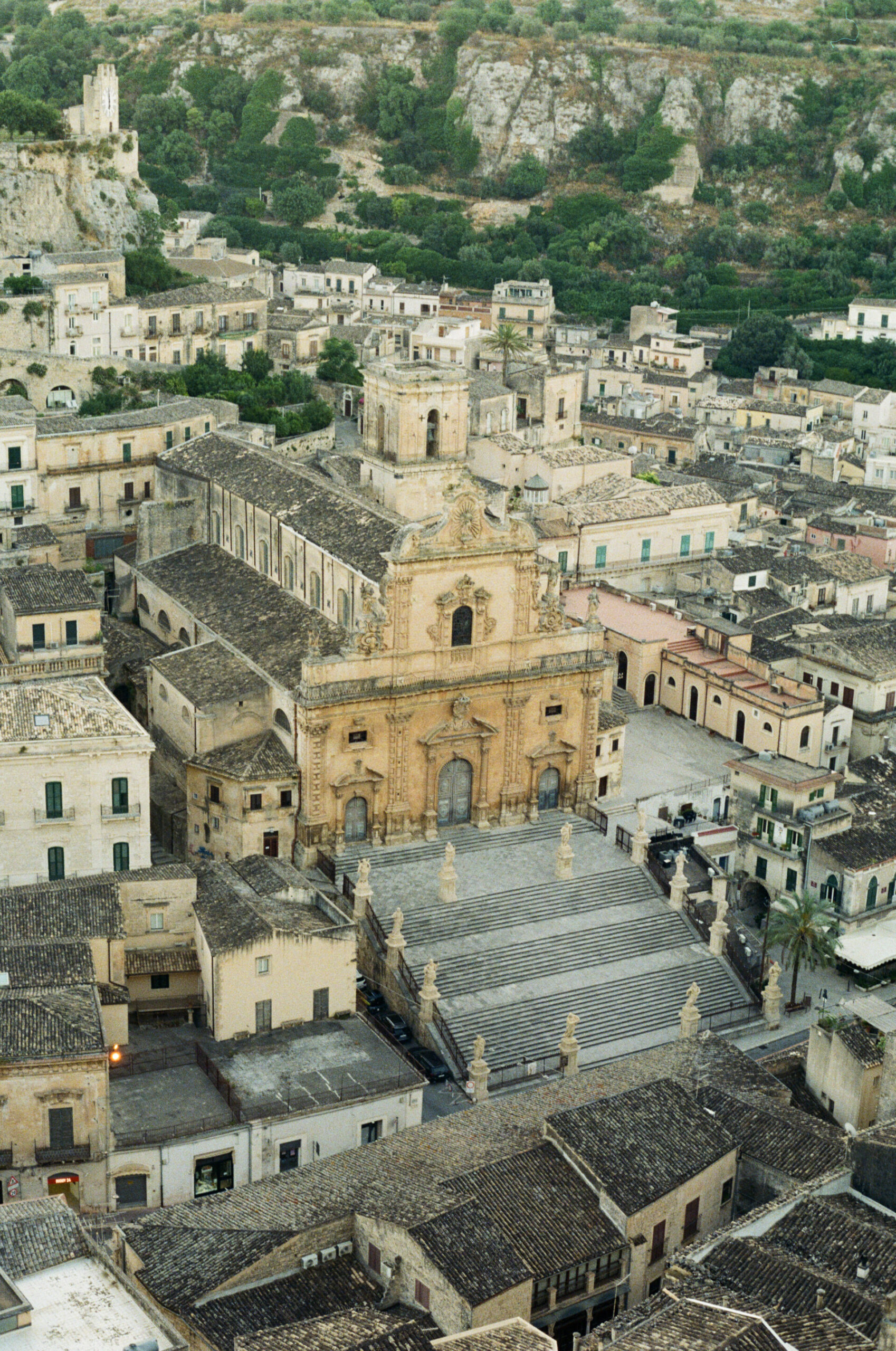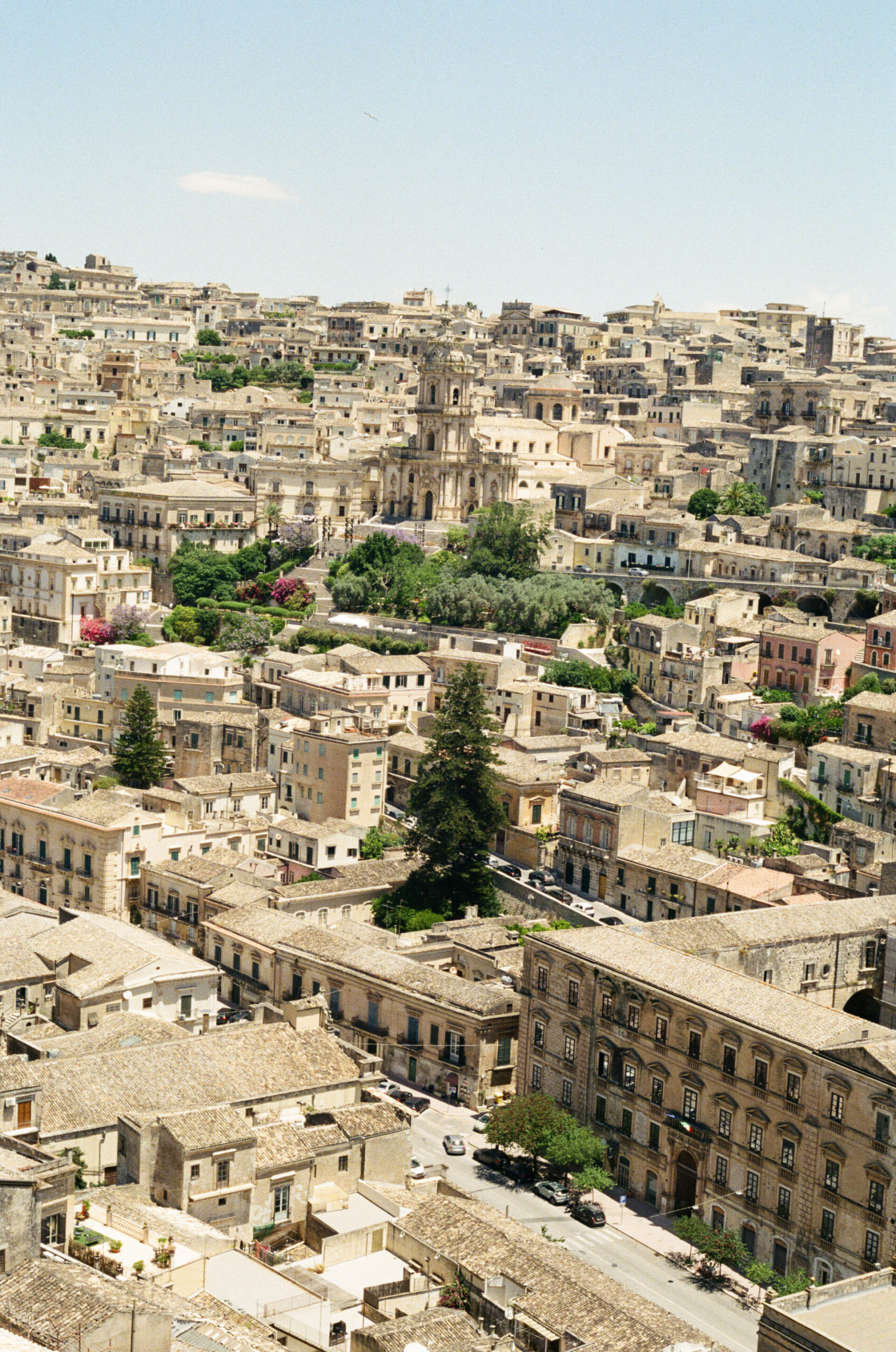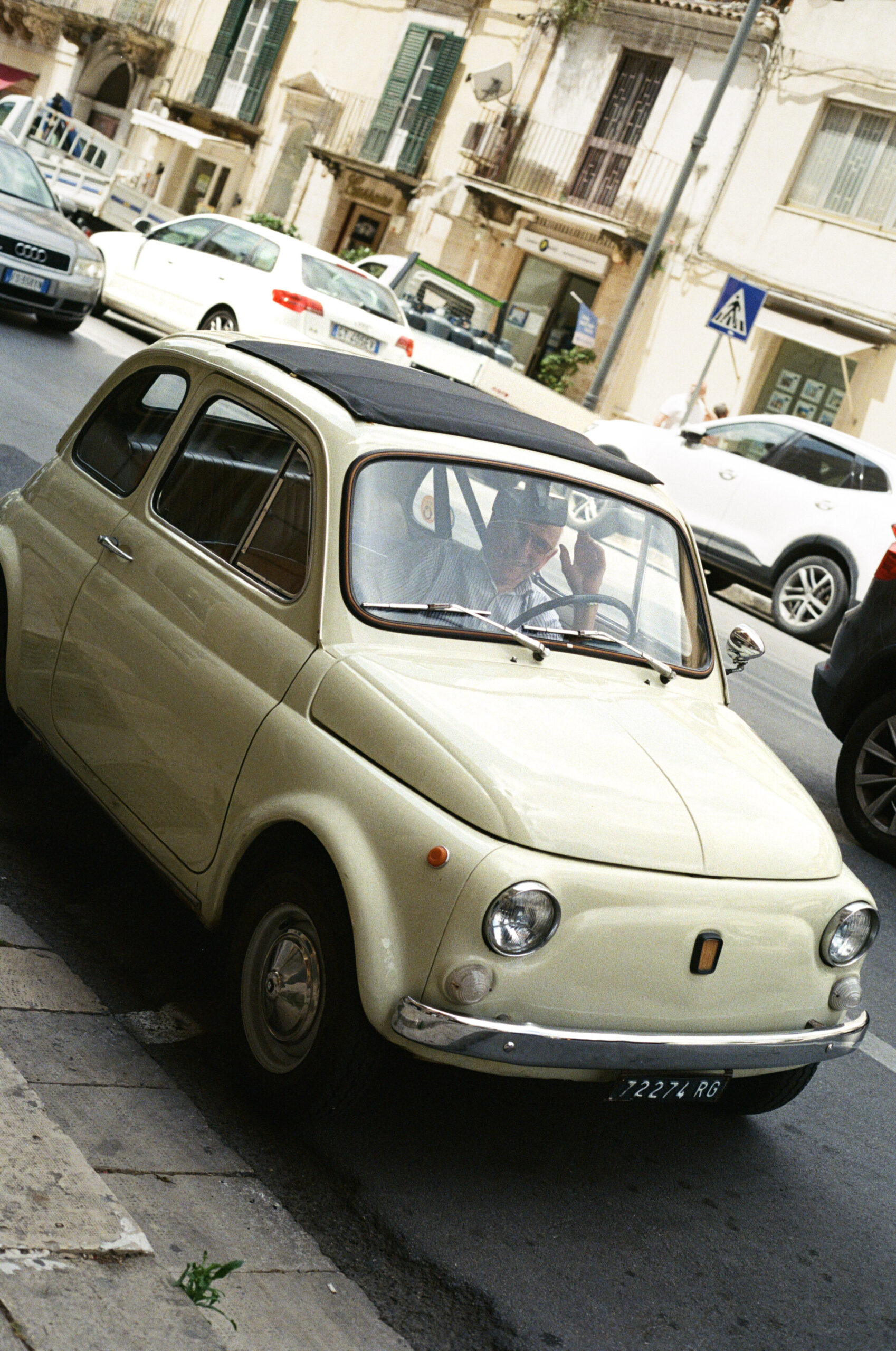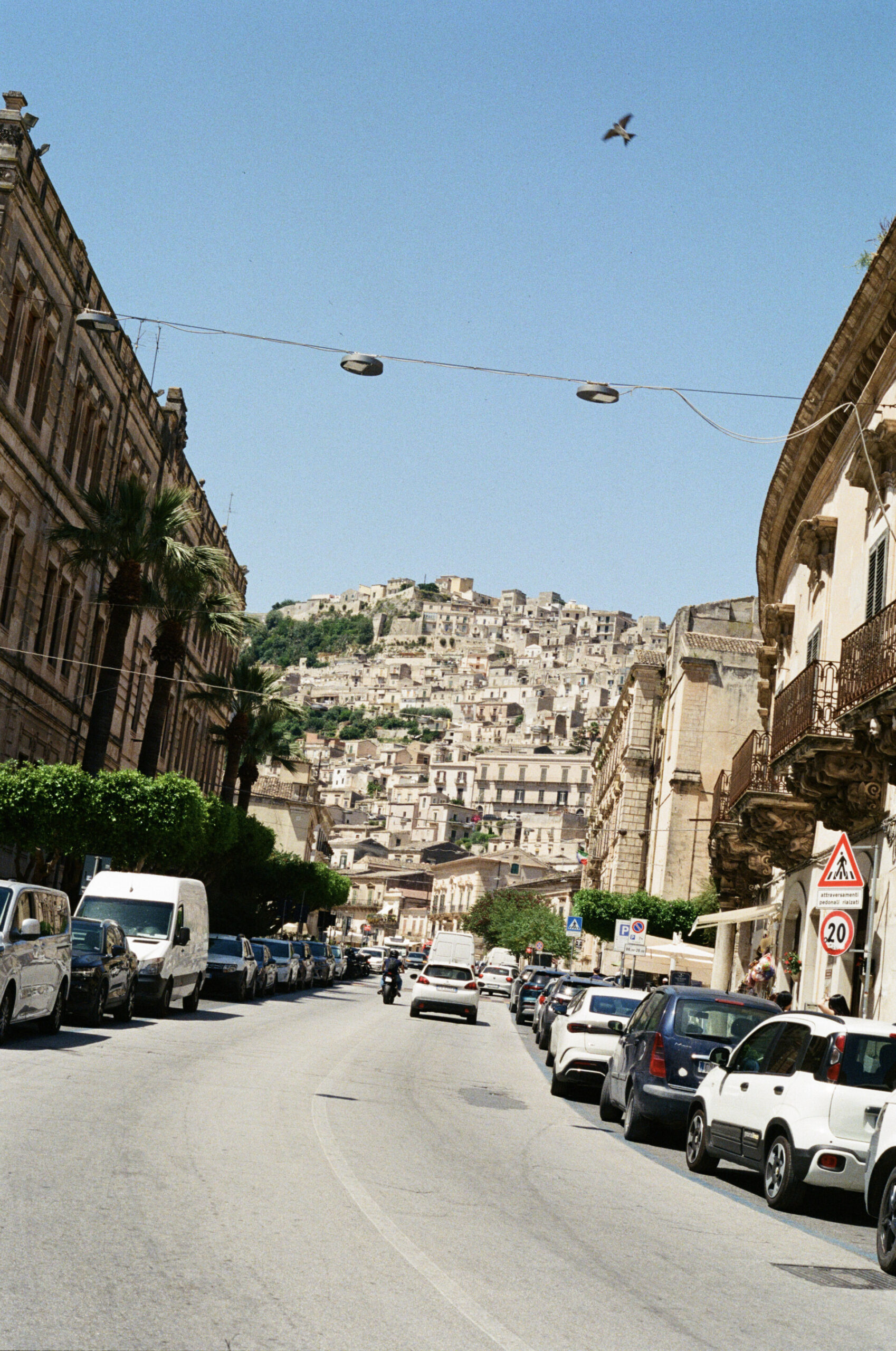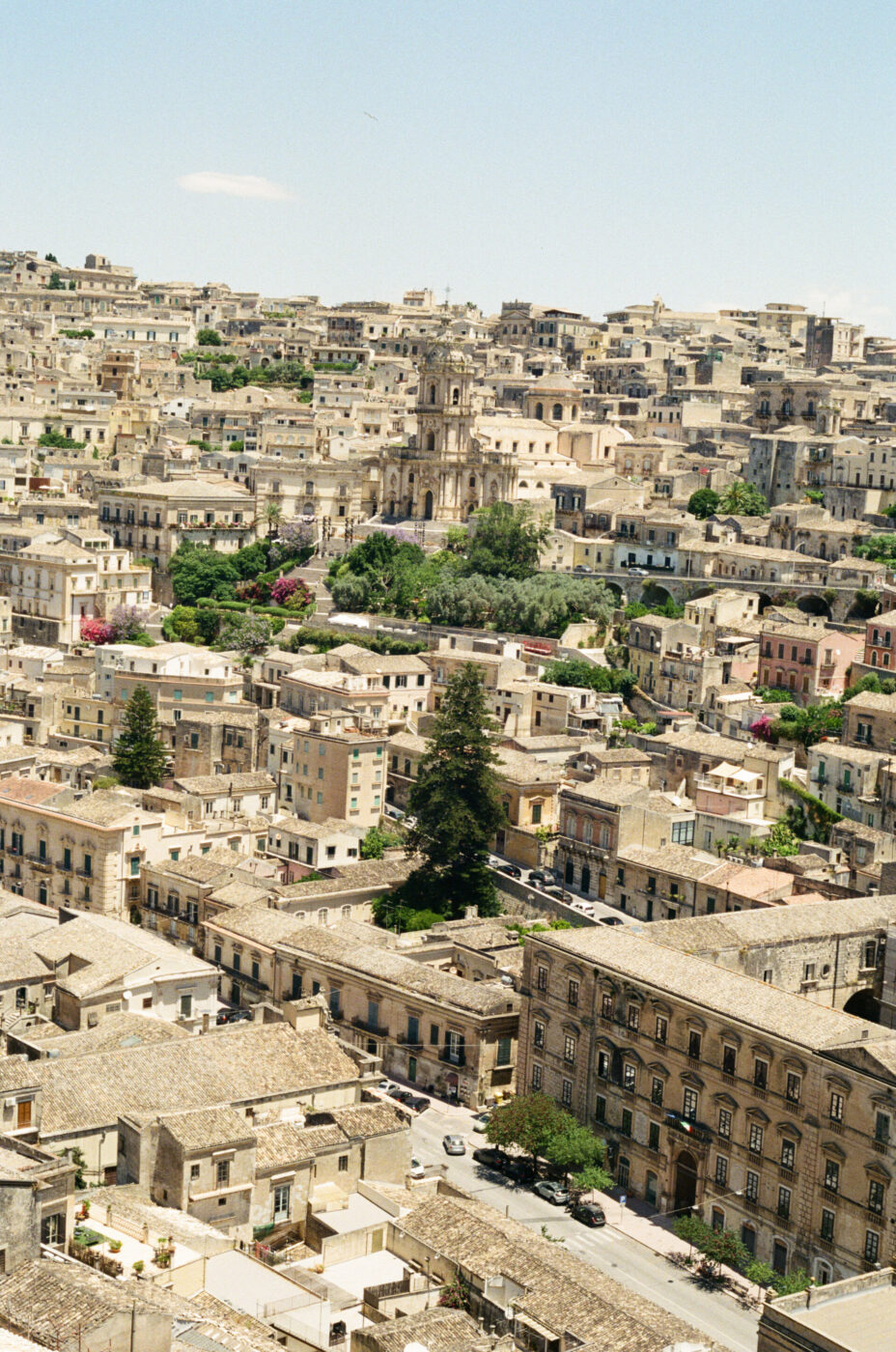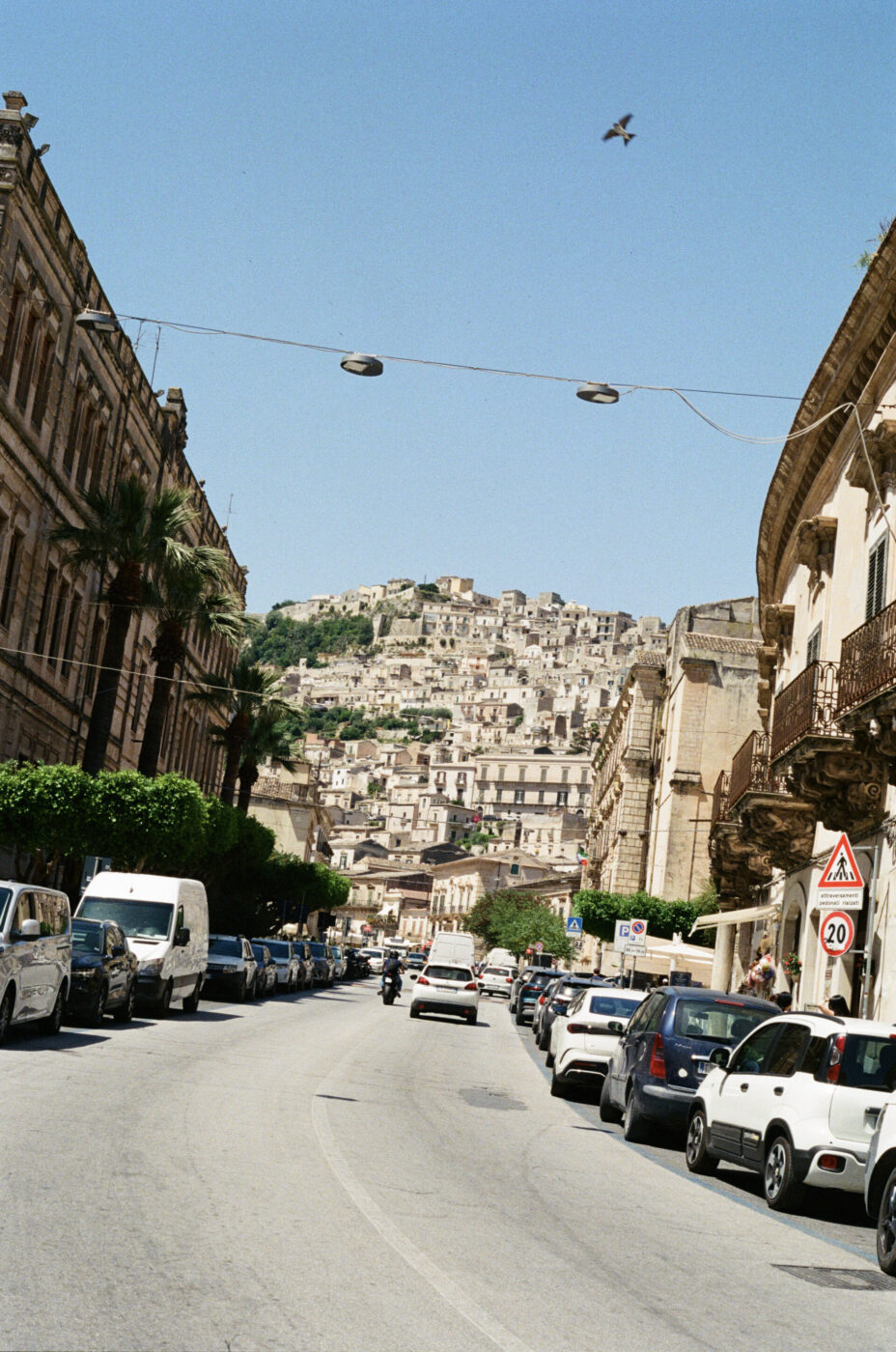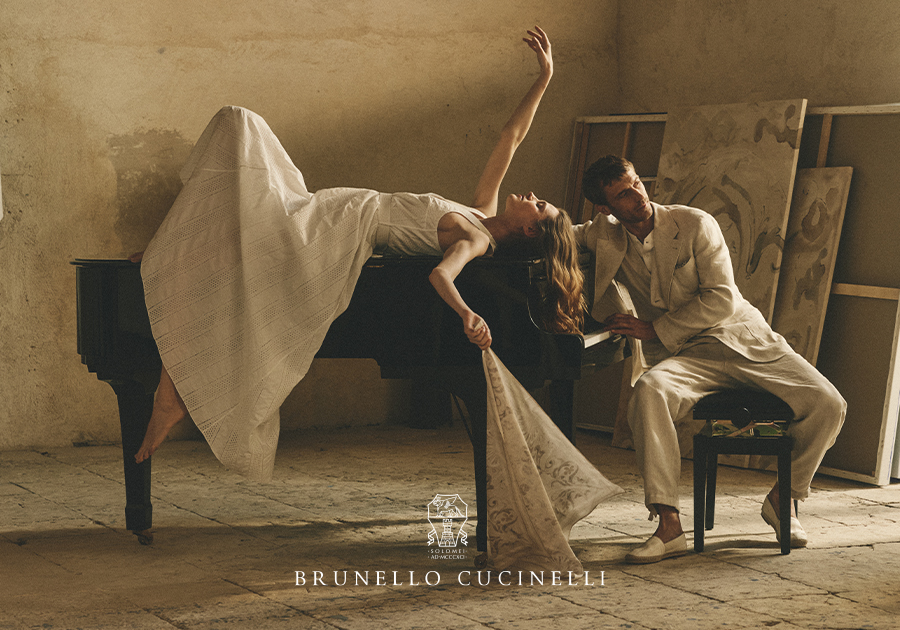
Modica is as vertical as a town can be. Built directly into the limestone walls of a massive gorge where two rivers once met, the city is split into two distinct zones: Modica Bassa (the lower town) running along the valley floor, and Modica Alta (the upper town) hanging dramatically off the cliffs above. This means that getting most places is a workout of climbing tight stone staircases between tightly packed houses and baroque palazzi. After a devastating earthquake in 1693 leveled the town, the residents rebuilt everything out of the local honey-colored limestone, creating the theatrical, high-baroque architecture that defines the Val di Noto today. It is this style that inspired Brunello Cucinelli’s latest collection, Mediterranea, for the launch of which we recently traveled to Modica. As models walked the steps in front of the Duomo di San Giorgio, they presented a collection of simple, practical, yet beautifully crafted, warm-hued pieces that perfectly resonated with the setting.
Beyond the striking aesthetic, however, Modica is most celebrated for a different kind of craft: its uniquely crunchy, IGP-protected chocolate (Cioccolato di Modica). The story goes that, when the Spanish ruled Sicily in the 16th century, they brought back a cold-processing technique from the Aztecs in which the sugar never dissolves into the chocolate, leaving a granular bite.
Unlike some of Sicily’s more manicured, purely seasonal coastal destinations, Modica is very real. Here, the kindness of the locals—who never fail to stop for a chat, extend an invitation into kitchens and homes, or share what they love most about their town (albeit with a hint of rivalry towards their Siracusani neighbors)—is unparalleled. But you can also very much perceive the ongoing abandonment happening across much of provincial Sicily. The town’s staircases present real hurdles to an aging population and have prompted a steady migration to the flat, modern convenience of Modica Nuova. Lose yourself in the labyrinth of the quieter, higher streets with hollowed-out buildings, and you’re all but guaranteed to share the solitude with a colony of resident stray cats.
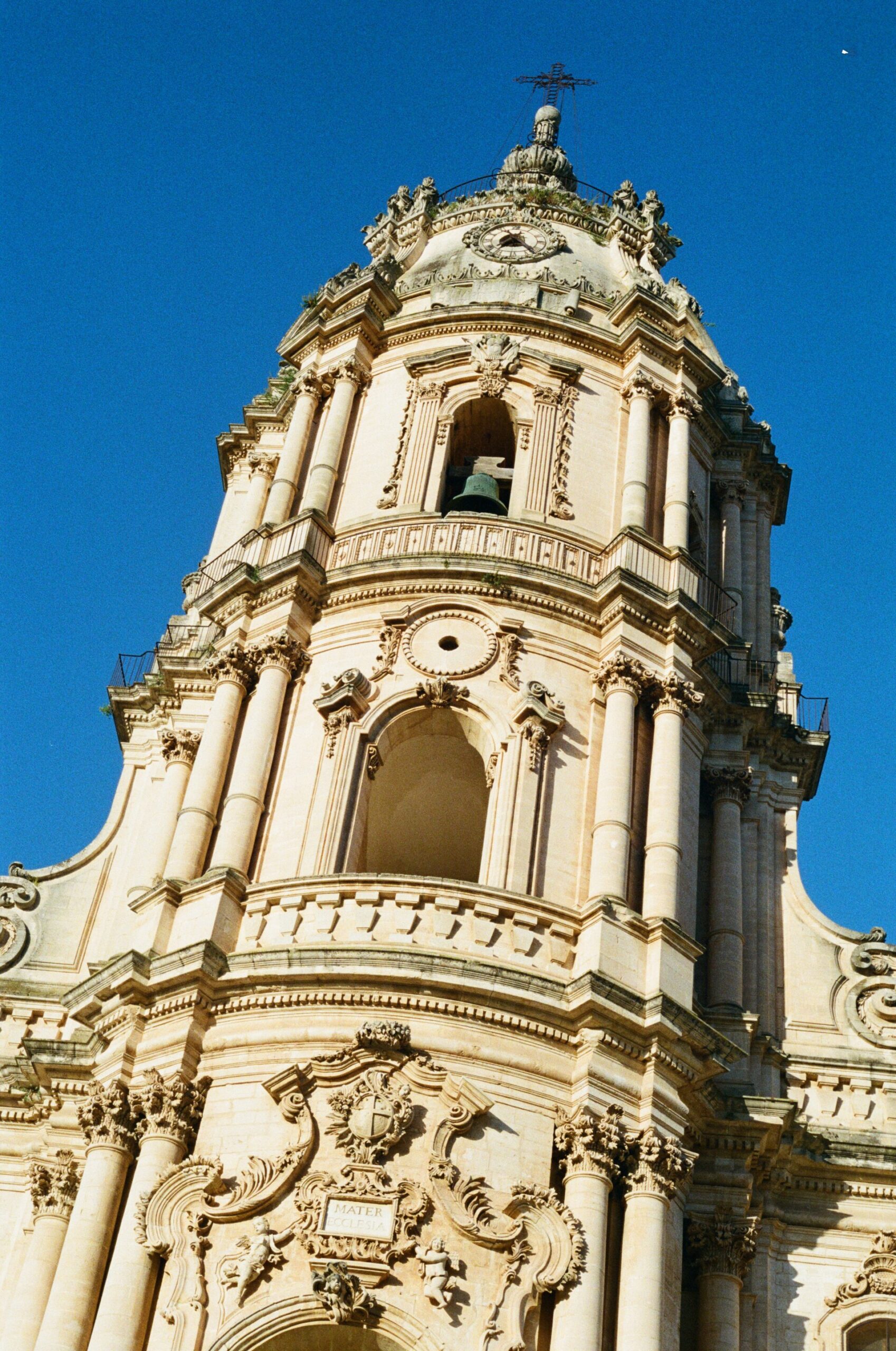
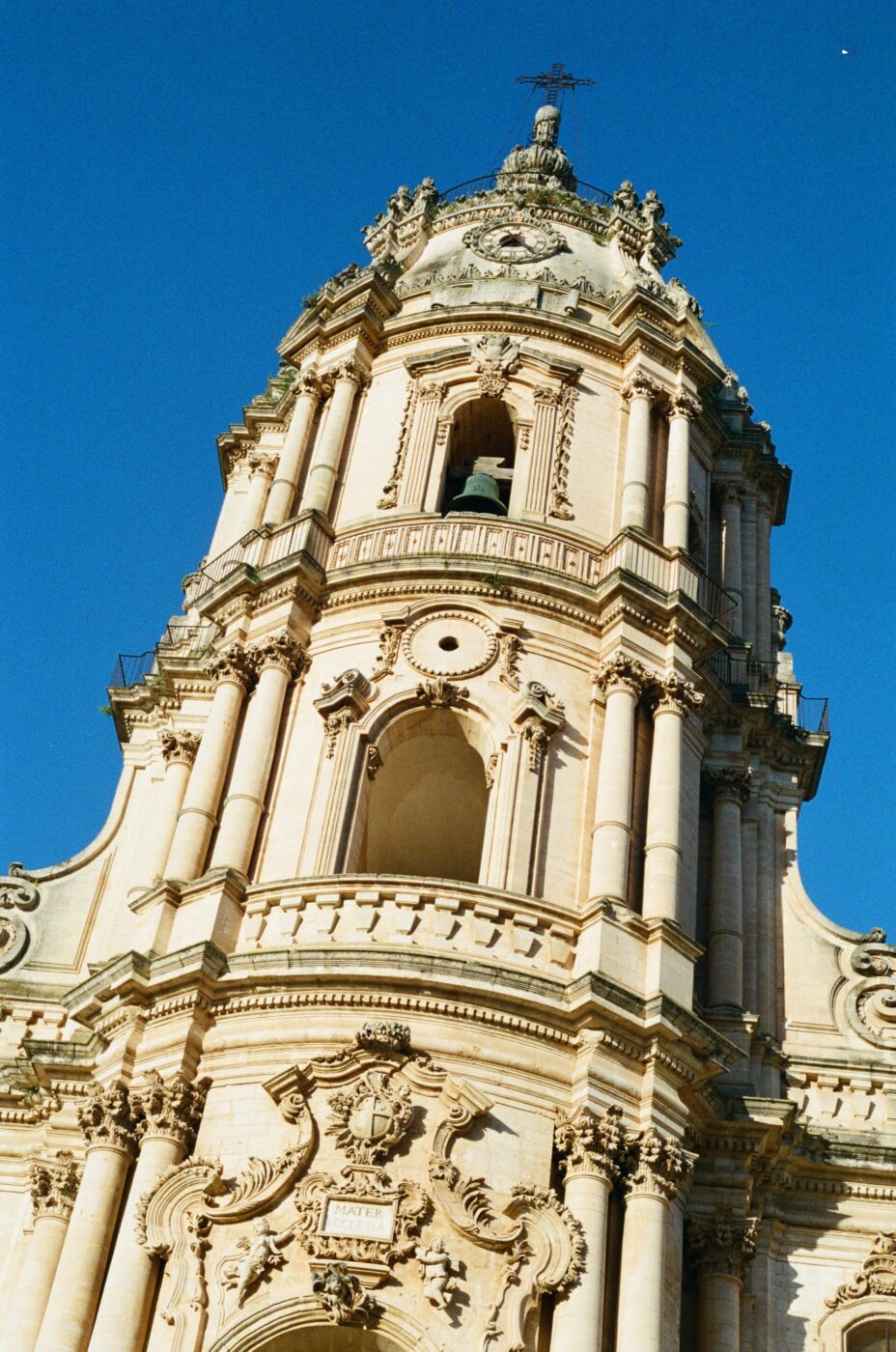
Duomo di San Giorgio
WHERE TO EAT IN MODICA
RESTAURANTS
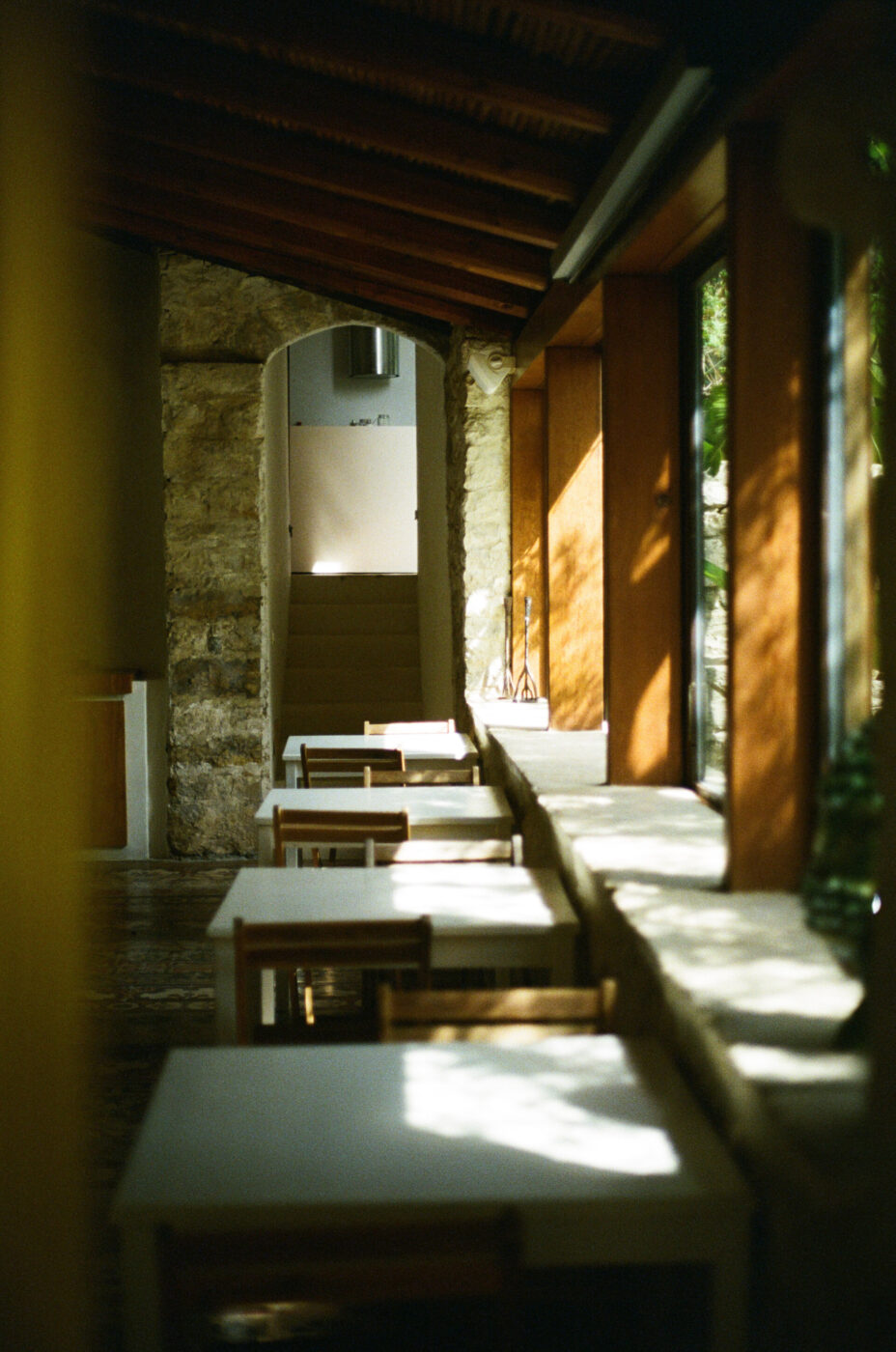
Accursio Radici — When you want a polished dinner that still feels relaxed, book a table at Radici, the casual osteria concept from Michelin-pedigreed Chef Accursio Craparo. The space itself balances modern minimalism with historic charm, featuring exposed stone arches and a warm tavern warmth. Rather than avant-garde tasting plates, the kitchen here focuses on refined versions of Sicilian comfort food and Sunday-style family classics. The menu leans on seasonal, farm-to-table ingredients, showcasing brilliant renditions of regional staples like velvety macco di fave (fava bean purée), classic eggplant parmigiana, and skewered swordfish rolls (involtini di pesce spada).
A Putia Ro Vinu — If you want to eat exactly how a Modican grandmother cooks on a regular Tuesday, find your way to A Putia Ro Vinu. The place is loud, the food is simple, and locals share inexpensive pitchers of house wine over unpretentious, hearty food. Don’t expect plated artistry here; instead, order the lolli con fave—a Modican thick, hand-rolled pasta served in a fava bean sauce—or their fresh cavatelli with pork ragù. Portions are nice and large.
KuFù — This Sicilian-Japanese bistrot is run by chef and owner Luca—an absolute character who commands the room with a lively, music-filled energy and treats everyone like an old friend. He takes high-quality local ingredients and runs them through a Japanese culinary lens with surprising success. Go for the pork belly tonkatsu, the Sicilian-style gyoza, the cacio e pepe ravioli, or whatever creative special Luca recommends that night. The drinks are similarly inventive. If you’re from Italy, or you’ve been traveling the country long enough that you’re craving a break from classic pasta, KuFù is a brilliant option.
Singola Ristorante Naturale — Just outside of town, this cozy spot is a dedicated vegetarian and vegan restaurant that operates on a strict zero-kilometer, organic philosophy. Far from being a bland health-food joint, the kitchen treats vegetables with the type of respect and creativity you’d find in a fine-dining establishment. The menu rotates based on what’s fresh, featuring original combinations like hemp-seed ricotta ravioli tossed with wild herbs and summer truffle, or a savory chickpea-flour frittata paired with wild asparagus and cavolo nero cream.
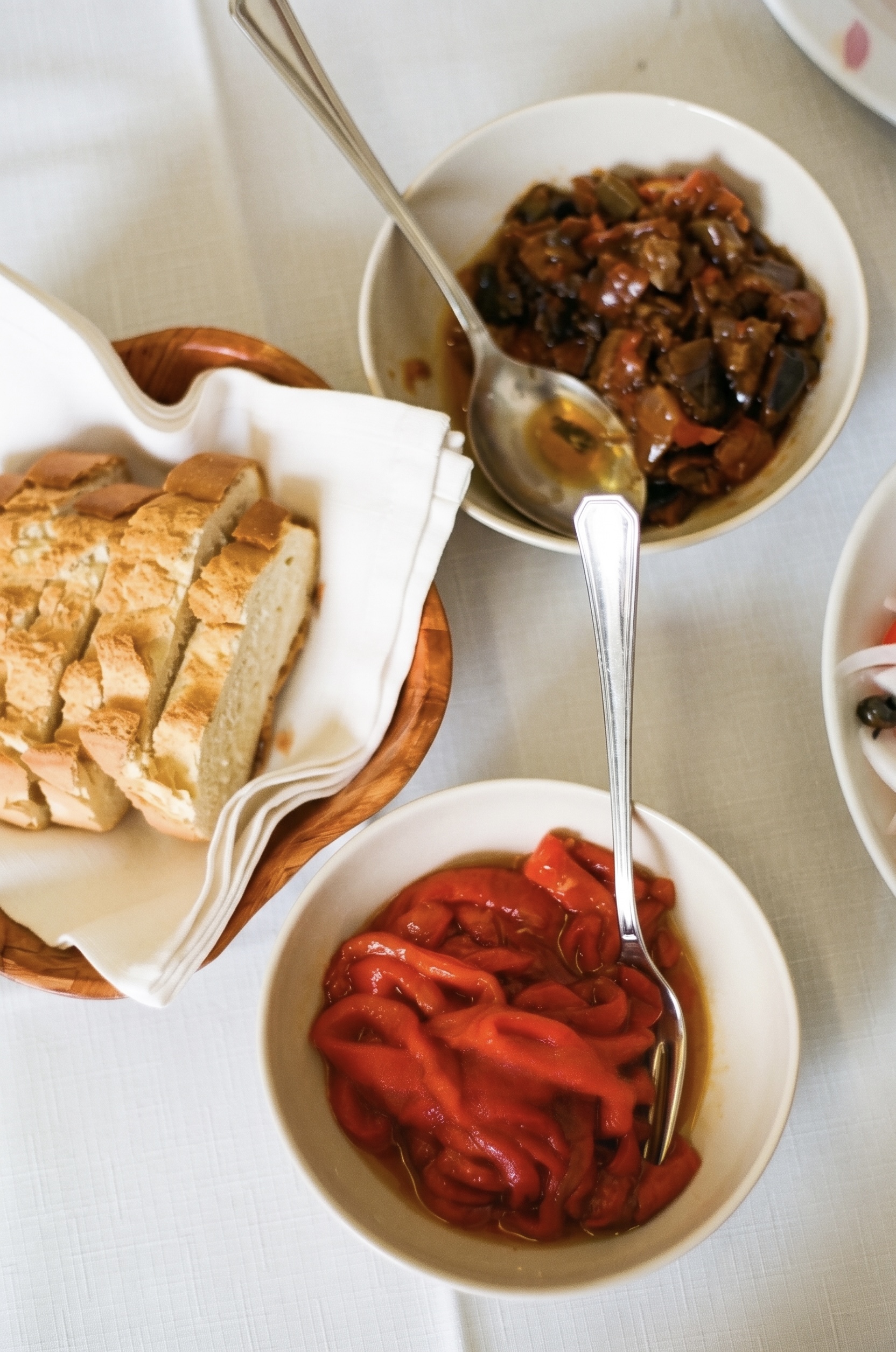
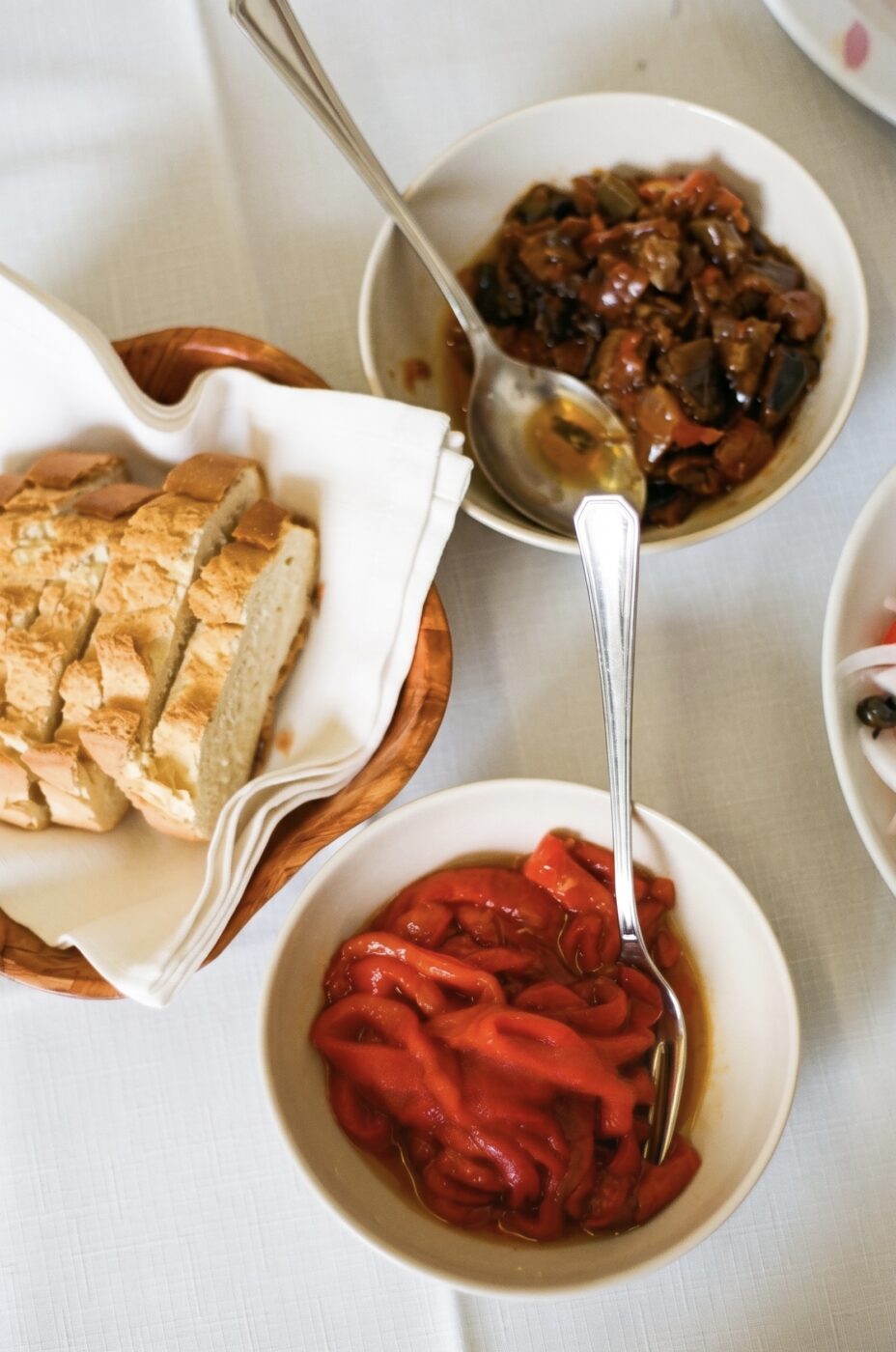
Trattoria Il Girasole — This family-run spot is all about time-tested, rural recipes. To try a bit of everything, start with the antipasto rustico, a large spread of regional comfort foods including traditional scaccia, tomasini (baked pastry swirls packed with fresh ricotta and sausage), crispy ricotta fritta, and top-notch caponata. You can’t go wrong with any of the primi or secondi, best paired with the superlative peperonata, if they have it. The decor isn’t much to write home about, but you won’t find a heartier, more local restaurant in town.
Osteria Ricotta & Co — Located right on the main lower stretch of Corso Umberto I and run by couple Concetta and Eliseo, Osteria Ricotta & Co, true to its name, champions the fresh dairy of the Ragusa countryside. The main event here is the ricotta calda; Eliseo handles the dairy processing in-house, and you can get a bowl of fresh, warm ricotta served steaming hot straight out of the vat. Follow that up with their handmade ravioli di ricotta, which you can get tossed simply in butter and sage or smothered in a slow-cooked pork ragù. For dessert, it’s ricotta again with house-made cannoli or cassatine di Modica.
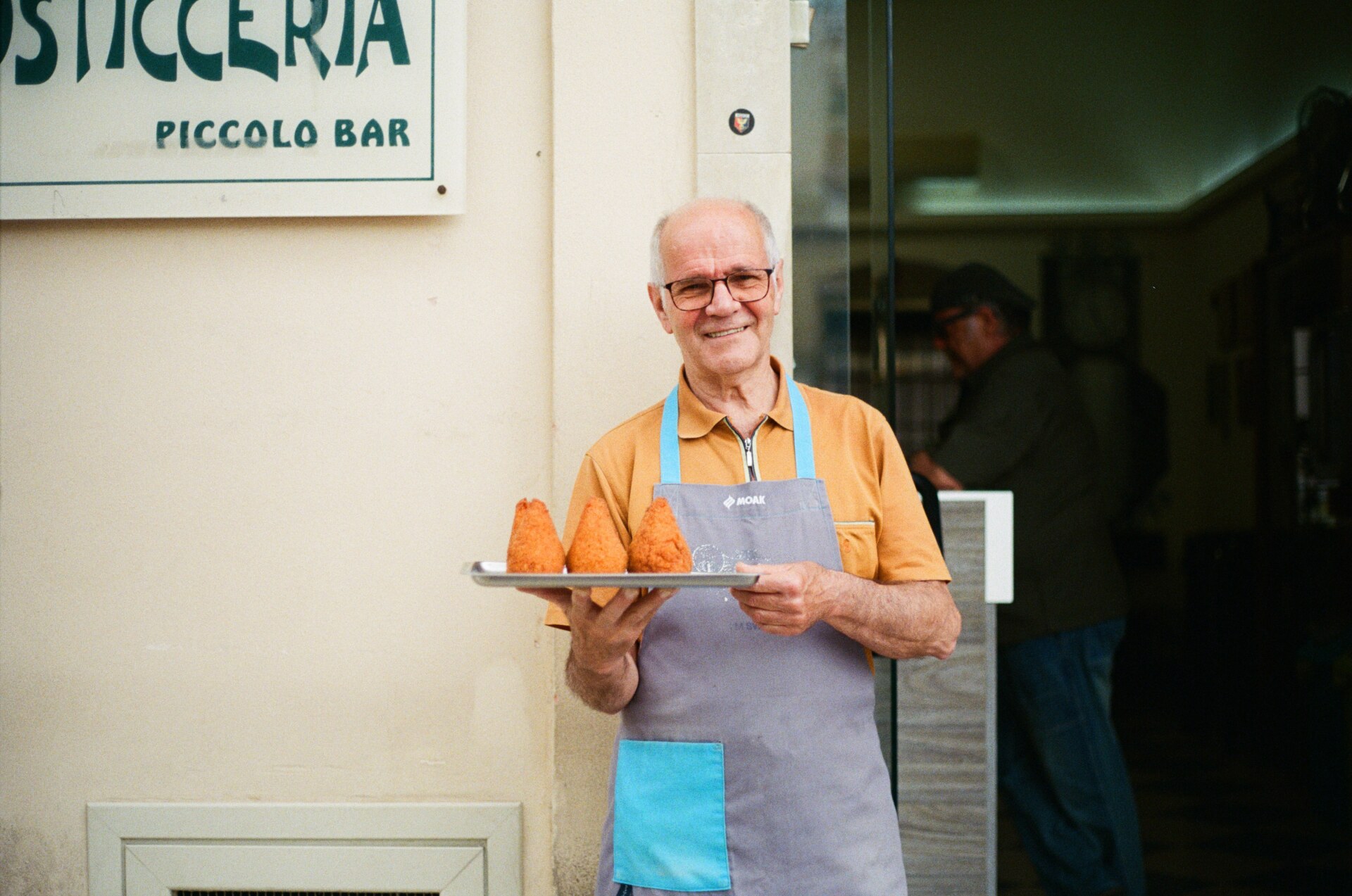
Piccolo Bar
STREET FOOD (ARANCINE, SCACCE, ETC.)
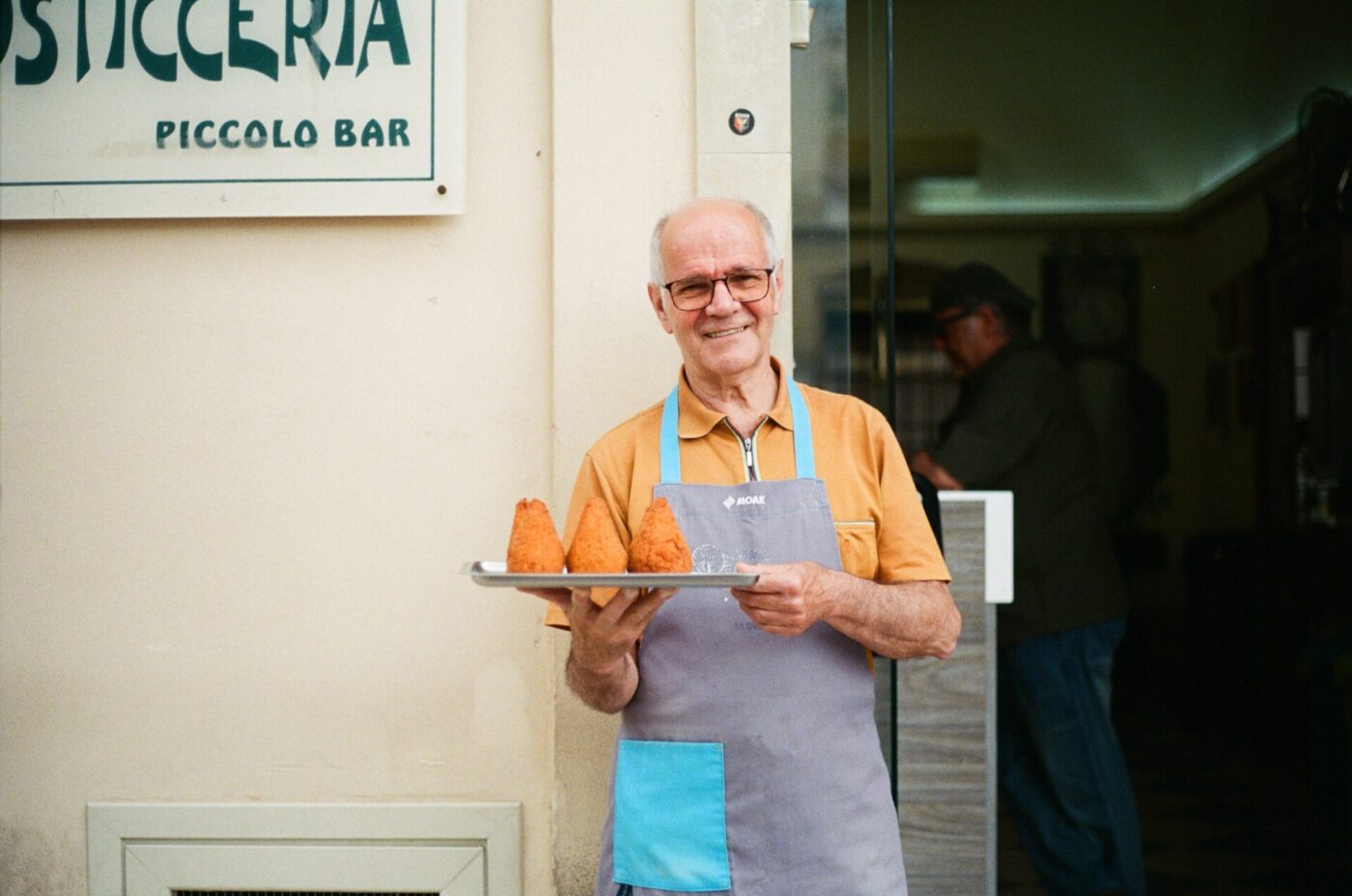
Piccolo Bar — In Piazza Matteotti, Piccolo Bar is an old-school tavola calda from the Di Martino family where locals pop in for lunch on the fly or an afternoon refuel. The arancine are the stars of the show—the best in town, we’d say—perfectly golden, crispy on the outside, and packed with ragù (and plenty of peas!) or classic ham and mozzarella. If you’re lucky, you might even catch a fresh batch of scacce (stuffed flatbreads) coming straight out of the oven.
Rosticceria Antichi Sapori — If you’re out exploring Modica Alta and need a proper mid-afternoon merenda, Rosticceria Antichi Sapori is your place. The tiny, female-run takeaway joint mostly serves a steady line of neighborhood residents, especially the after-school crowd. There are no tables to lounge at, but what they lack in seating they make up for in robust, old-school baking. Load up on scacce Modicane—the traditional folded flatbreads layered with tomato and cheese, or the version stuffed with parsley and anchovies. Their arancine are equally great, fried to a clean, golden finish.
BAKERIES & GELATO
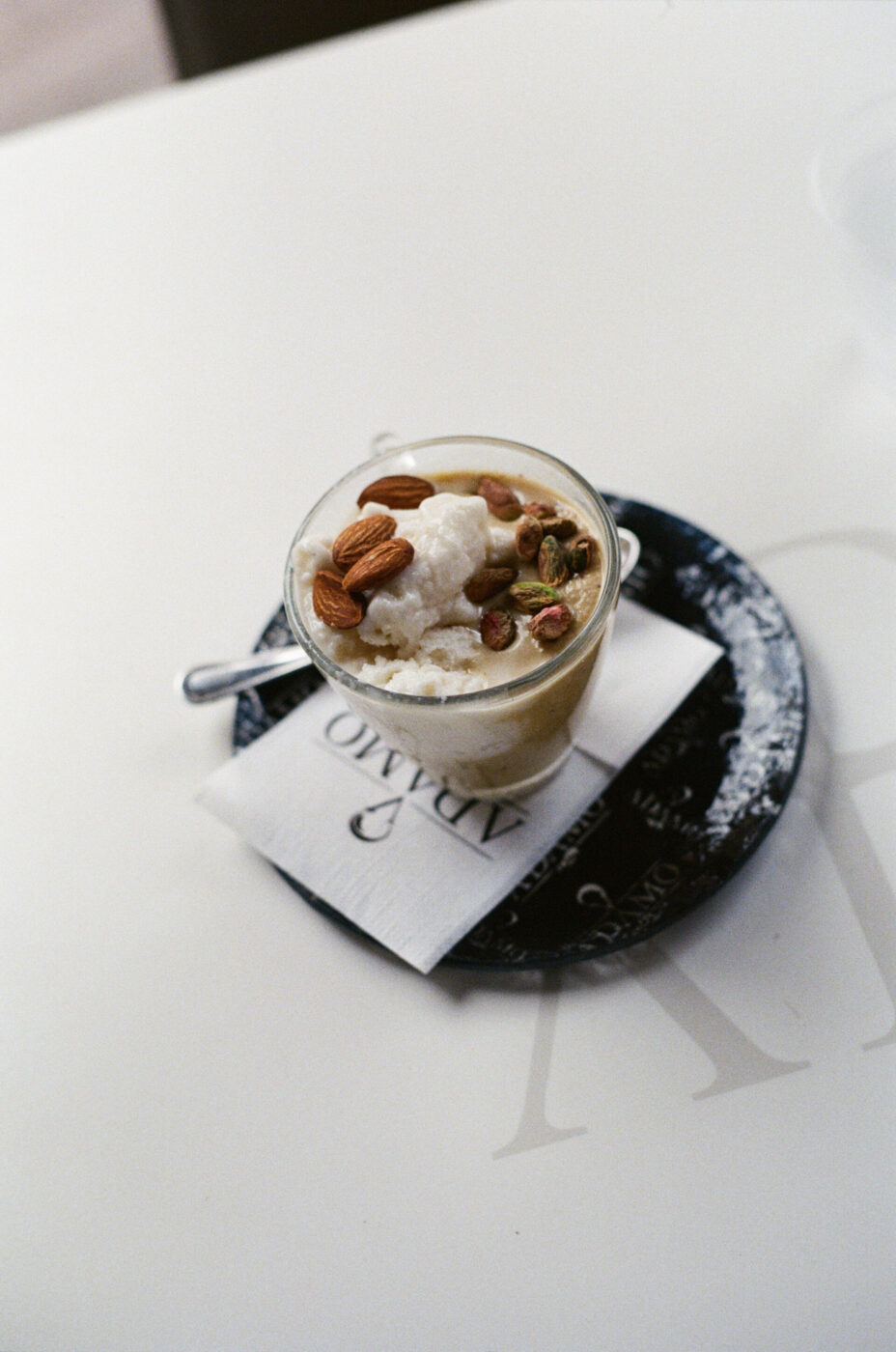
Cafe Adamo — For breakfast in Modica, Cafe Adamo is where all the action is. Run by master gelatiere Antonello Adamo, the pastry shop and gelateria serves all manners of cannoli, cassatas, and cakes, but the classic move is their signature cremolata—whether almond, pistachio, fig, mulberry, or ricotta—with a soft brioche col tuppo. Ask for it con panna, and you’ll get a thick layer of fresh, house-whipped cream added to the glass.
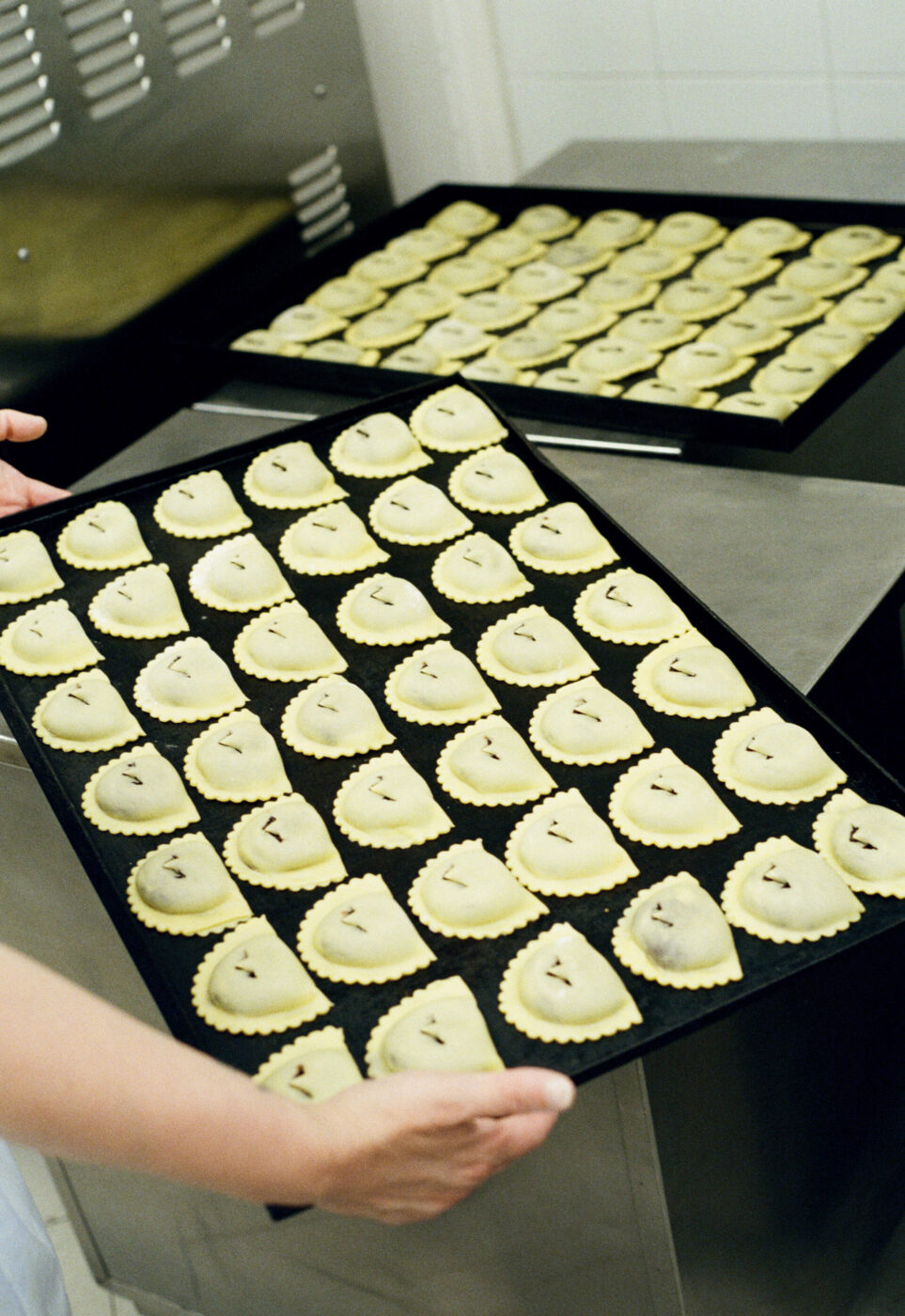
Antica Dolceria Bonajuto — In addition to being the premier stop for Modican chocolate in town (as well as the oldest), Bonajuto turns out spectacular baked goods daily, like fresh cannoli, which are filled with cow’s milk ricotta rather than the sheep’s milk standard found across the rest of the island, alongside fragrant almond cookies (paste di mandorla). The bakery is also one of few to still make ‘mpanatigghi, crescent-shaped pastries that blend dark chocolate, almonds, and cinnamon with minced beef (yes, you read that right)—introduced during Spanish rule and deriving their name from the Spanish empanada. If you happen to be visiting Modica during the cooler winter months, don’t miss a cup of their dark hot chocolate, made luscious and thick thanks to Sicilian carob seed flour.
Bann – Pane Libero — Founded by chef Francesco Mineo and bartender Piero Floridia, this is a modern “urban bakery” that has shaken up the town’s traditional baking scene. The name itself is a nod to “freeing” bread from the rigid constraints of Italian habit, relying on wild yeast starters (lievito madre) and ancient Sicilian grains sourced from independent mills. They bake six or seven types of incredible sourdough breads daily (like potato and rosemary) and also turn out great pan pizzas and cucca sfogliate—laminated puff-pastries reimagining the local rolled bread filled with caciocavallo and sausage. You can also grab bottles of natural wine and craft beer.
Gelateria Gelati e Granite — Run by duo Leonardo Baglieri and Giusy Sabellini, this gelateria inside a peaceful, shaded courtyard is a welcome escape from the main sun-baked streets. They specialize in traditional, small-batch production, avoiding artificial thickeners to keep the textures light and clean. Their menu highlights hyper-regional ingredients, like granita made with late-season Ciaculli mandarin (mandarino tardivo di Ciaculli) or a deep, earthy carruba (carob) gelato—a staple crop of the Ragusa countryside.
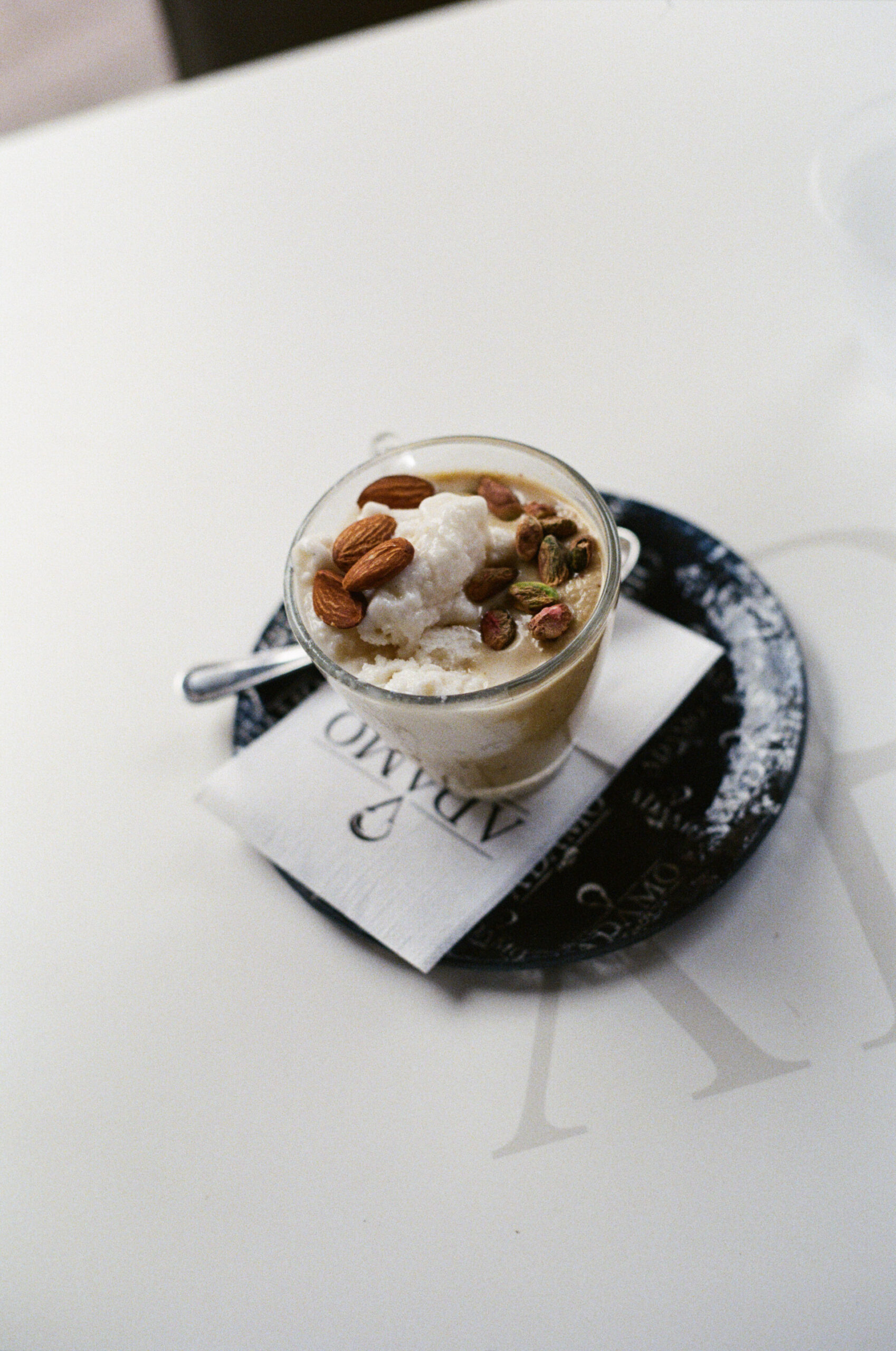
Adamo
WHERE TO DRINK IN MODICA
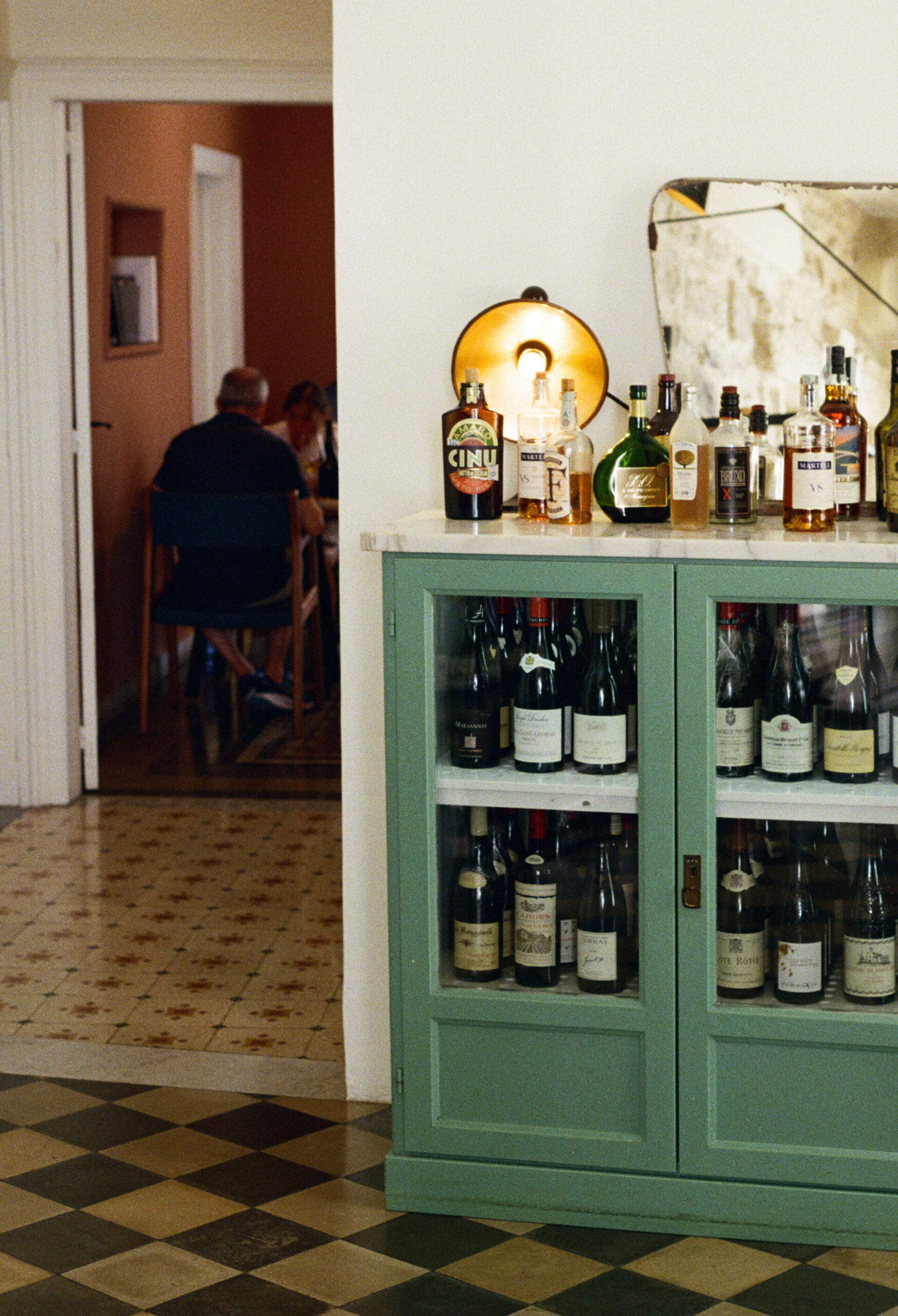
Rappa Enoteca — Run by the passionate Giancarlo, this intimate enoteca in Modica Alta is dedicated to natural, independent, and organic Sicilian wines. Alongside lesser-known, small-batch regional producers who are redefining the island’s viticulture, you can order what Giancarlo calls cenette leggere (light dinners) and gourmet aperitivo plates—expect staples like pane cunzato, warm regional ricotta, and olives that perfectly complement the mineral-forward, low-intervention pours.
Il Bar Sabadì — For a special summer drinking experience, head to Il Bar Sabadì, within the terraced gardens of Gli Orti di San Giorgio in front of the church. Run by the forward-thinking team behind the Sabadì chocolate brand, this seasonal outdoor oasis draws inspiration from Parisian caves à manger and open-air Brooklyn hangouts, while keeping the vibe entirely Sicilian. The panoramic view over the baroque rooftops of the historic center is stunning, and the menu focuses on natural wines, house-made organic sodas, and precision-mixed cocktails made from their own botanical extractions. If you’re hungry, they serve a long-fermentation pan pizza topped with premium ingredients, alongside clean fruit granitas.
QB Quello Buono — This is the ideal spot for a classic aperitivo that could transition effortlessly into a casual dinner. The wine bar is helmed by Enzo, who curates an impressive selection of Sicilian wines, ranging from heavy-hitting Etna reds to rare regional whites. Instead of generic bar snacks, Enzo serves beautiful boards of local Ragusano cheeses, regional salumi, and fresh bruschetta topped with house-made caponata. The garden seating is particularly lovely.
Via Clemente Grimaldi — This narrow, curved lane between the church and thoroughfare Via Marchesa Tedeschi is where Modica’s young crowd hangs out after dark. Because the bars themselves—like Hemingway and Goccia—are quite small, the scene is almost entirely outdoors, with boisterous groups filling the stone street from wall to wall.
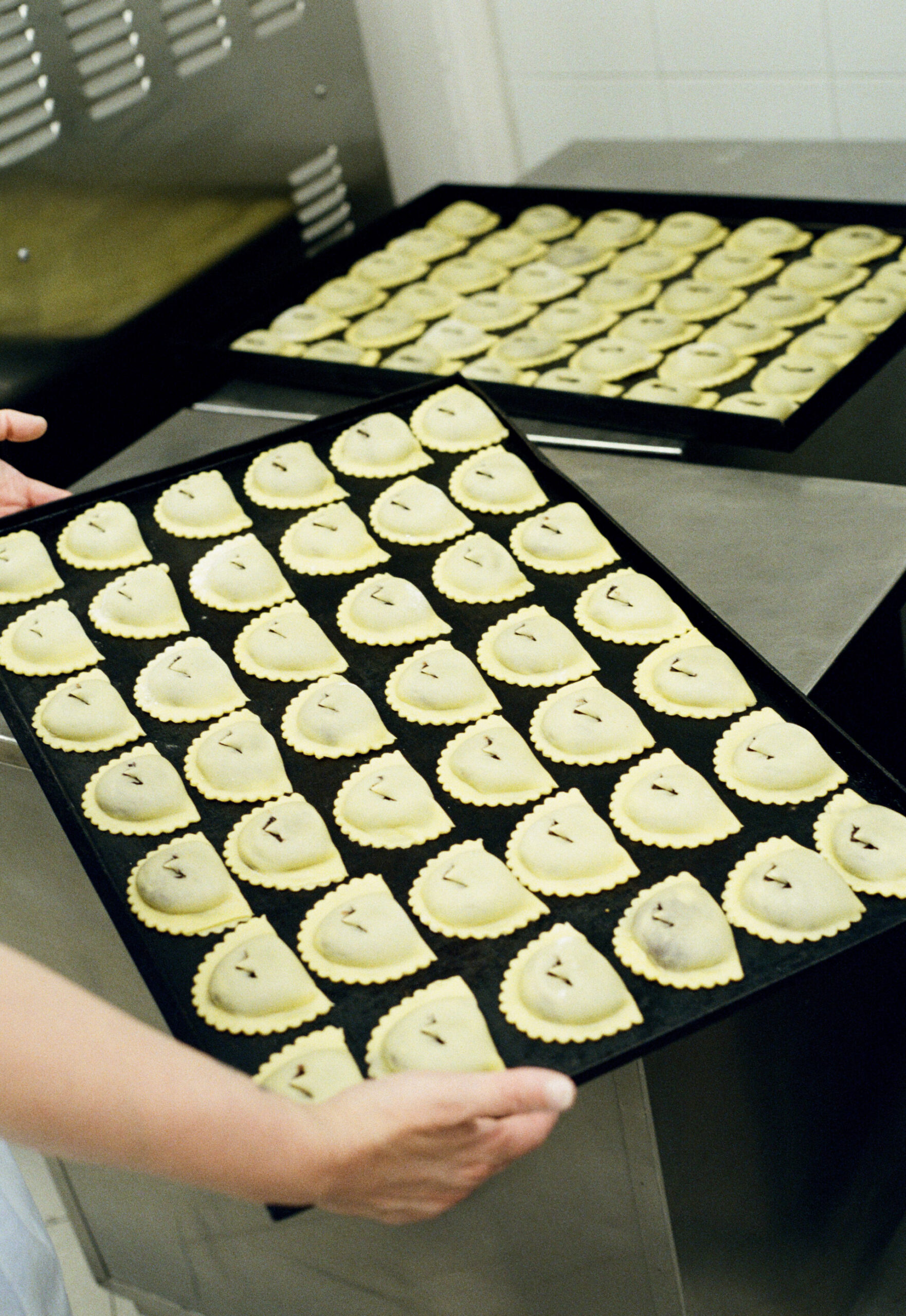
Fresh-baked sheets of 'mpanatigghi at Antica Dolceria Bonajuto
WHERE TO SHOP IN MODICA
There isn’t much of a general shopping scene in Modica, but the one thing you absolutely must take home is chocolate. Be careful, though: there are some tourist-trap souvenir shops selling low-quality, industrial knockoffs. If you want the real thing, skip the generic storefronts and stick exclusively to the two spots below. They make the highest-quality, most authentic chocolate in town, and both present their bars in beautifully designed packaging—with various chic gift boxes on offer, too—that make for perfect souvenirs.
Antica Dolceria Bonajuto — Founded in 1880 by Francesco Bonajuto, this shop on Corso Umberto I is the oldest active chocolate factory in Sicily and the primary reason Modica’s culinary heritage is known worldwide today. For over six generations, the Bonajuto family has preserved the precise traditional technique—mixing the cocoa mass with sugar at temperatures never exceeding 40°C so the crystals stay completely intact, and entirely skipping the use of milk or added cocoa butter. The wood-paneled shop itself feels elegantly vintage, and their chocolate bars are packaged in matching paper wrappers and classic tins.
Cioccolato di Modica Sabadì — If Bonajuto is the peak of Modica’s tradition, Sabadì is its modern evolution. Located right next to the Duomo, this beautiful boutique is run by Simone Sabaini, whose focus on organic, fair-trade raw materials has earned the brand Italy’s Tavoletta d’Oro (Gold Bar) award for over a decade straight. Sabadì managed to refine the traditional cold-processing method so that the chocolate remains glossy and less crumbly while fully retaining its distinct sugary texture. Their flavors are sophisticated, ranging from Sarawak IGP white pepper and blood orange to intermezzo bars aged in tobacco resin or barrique barrels.
WHERE TO STAY IN MODICA
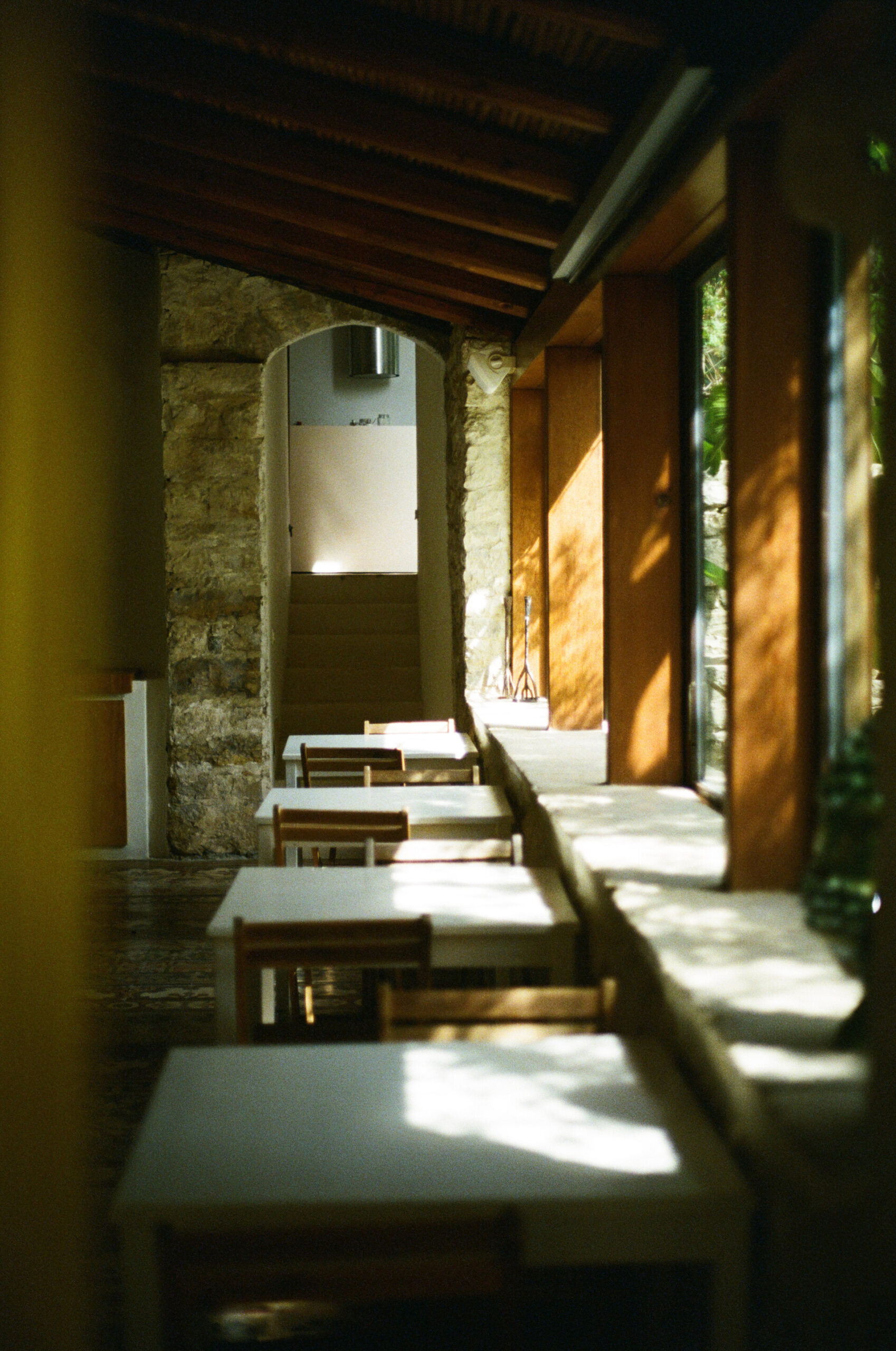
Casa Talía — This boutique hotel was envisioned by a couple of Milanese architects, Marco Giunta and Viviana Haddad, who left the city’s frantic energy to restore a cluster of traditional, historic stone dwellings. They transformed the property into an Italian-style “Riad,” where the minimalist, beautifully curated rooms open up to a lush central garden and a stunning infinity pool. Everything here has been restored using natural Sicilian materials that respect the region’s heritage. We love it because it manages to feel deeply secluded and intimate while still offering sweeping views across the historic center’s roofs.
WHAT TO DO IN MODICA
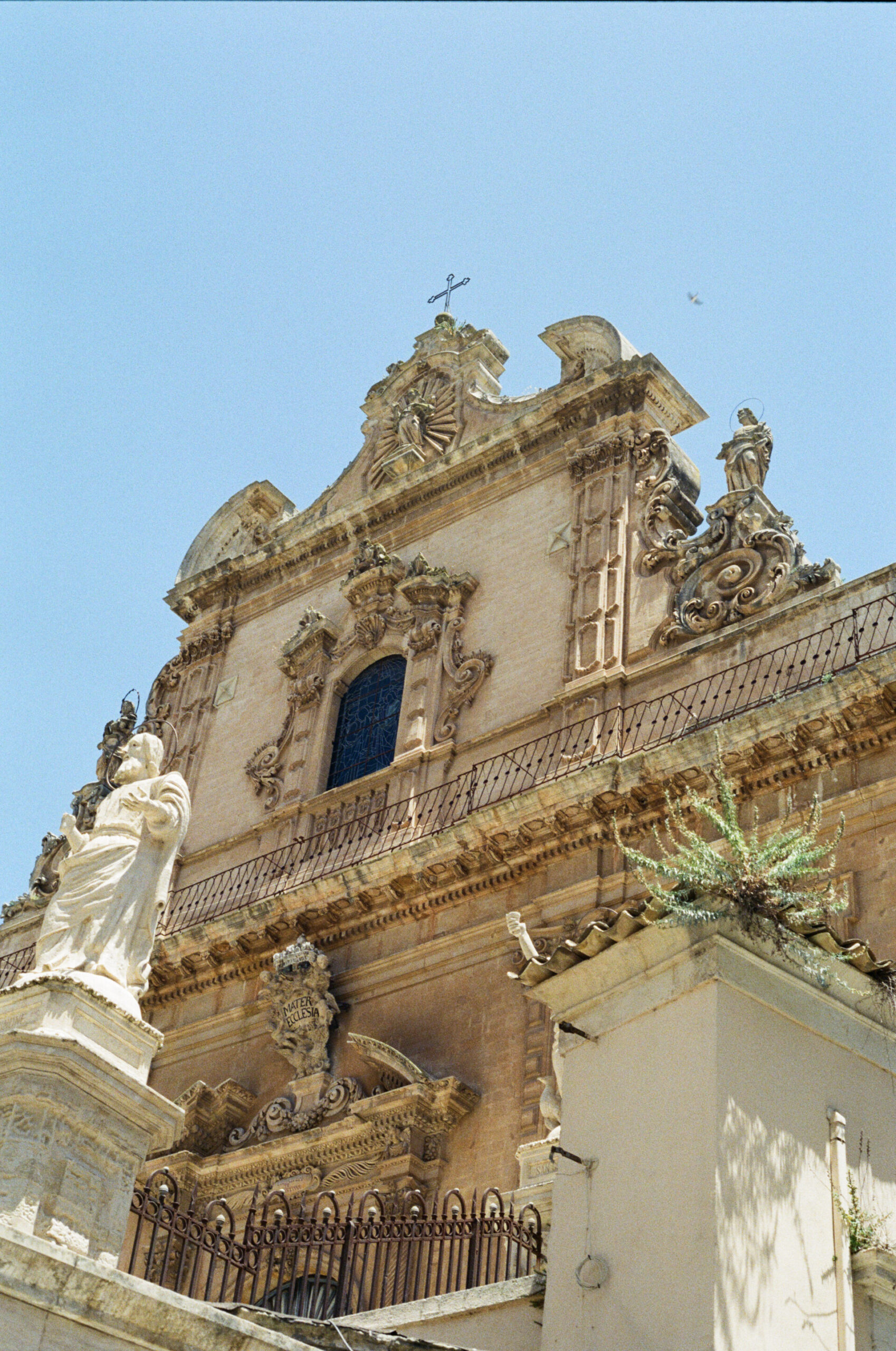
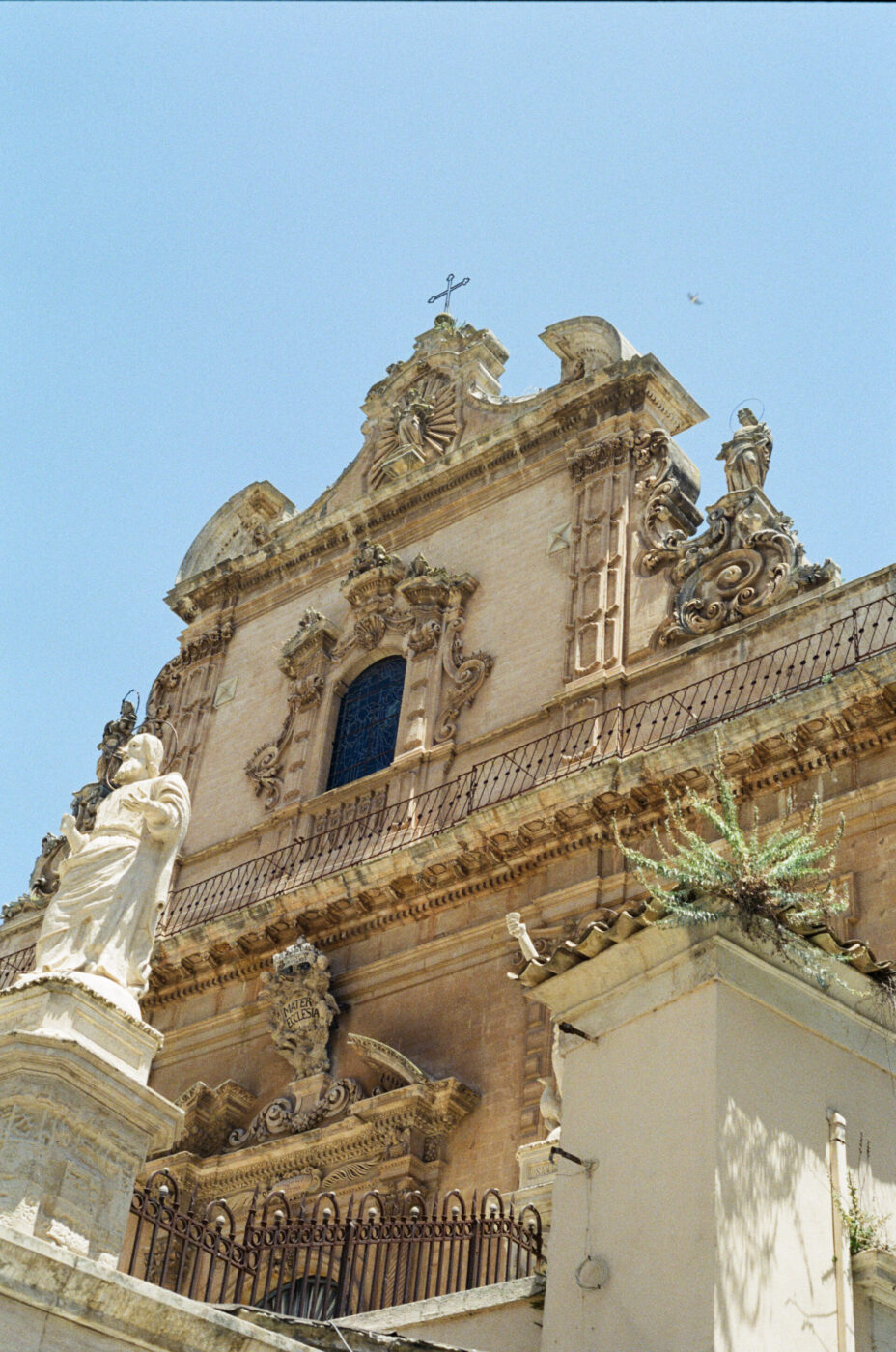
Visit the Duomo di San Giorgio — The Duomo di San Giorgio is impossible to miss—the focal point of Modica Alta. Reaching the entrance requires climbing a multi-tiered staircase of over 160 steps that winds through the terraced Mediterranean gardens of the Orto del Piombo. The 62-meter-high, three-tiered tower facade is a masterpiece of Sicilian baroque architecture, but the interior also holds real details worth looking for. Walk down the central nave to find the floor-mounted meridiana (sundial) designed in 1895 by mathematician Armando Perini; it’s a rare astronomical instrument made of intricate marble inlays that still works with a beam of sunlight hitting the floor at noon. Look up behind the high altar to see a 1573 polyptych by Bernardino Nigro, and if you have the chance, listen for the historic pipe organ built by Casimiro Allieri in the late 1880s—it features over 3,000 pipes and is one of the largest acoustic instruments on the island.
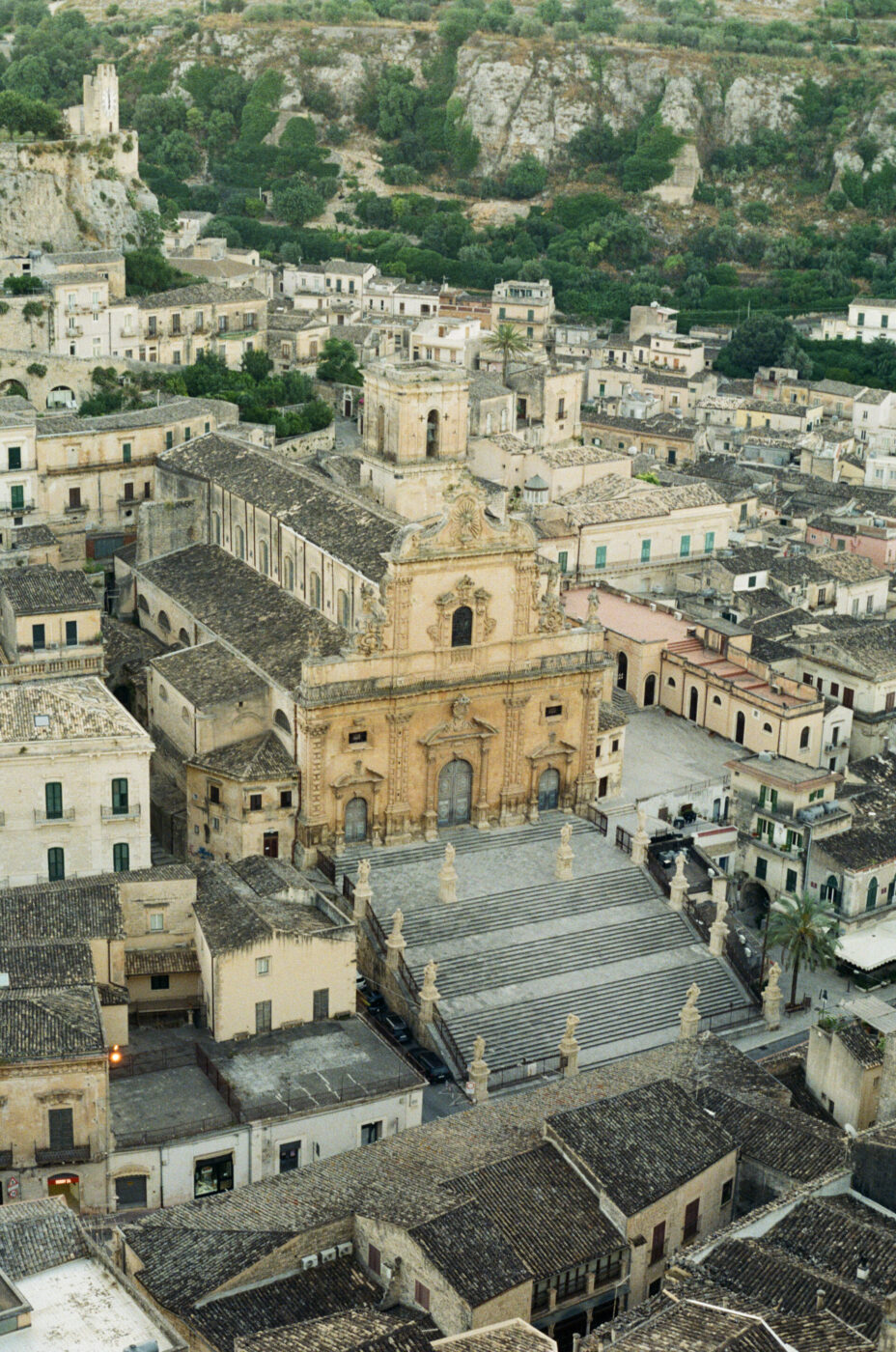
As well as the other churches — Once you’ve taken in San Giorgio, make time to explore the city’s other churches. Down in Modica Bassa is the Duomo di San Pietro, San Giorgio’s historic rival, where the grand staircase is lined with 12 life-sized statues of the Apostles, affectionately called the santoni by locals. For a change of altitude, make the steep climb to the Chiesa di San Giovanni Evangelista, which sits at the absolute highest point of Modica Alta at 449 meters above sea level; it is a much quieter, more austere space than the others, and the narrow alleys directly to its left lead you straight to the Belvedere Pizzo for the best panoramic view over the old town. Finally, track down Chiesa Rupestre di San Nicolò Inferiore, a rock-hewn Byzantine cave church and the oldest house of worship in the city. Discovered entirely by accident in 1987 when it was being used as a residential storage garage, its compact stone interior houses vivid 12th-century frescoes of Cristo Pantocratore alongside rock-cut tombs and a baptismal basin fed by a natural spring.
Visit Museo Casa Natale Salvatore Quasimodo — If you have an appreciation for 20th-century literature, make a stop here. This modest museum is the actual birthplace of the Nobel Prize-winning hermetic poet of the same name. The rooms have been carefully preserved to look exactly as they did during his life, with his original mid-century furniture, personal correspondence, photographs, and the actual desk where he penned some of his most famous verses.
Take in the views from Castello dei Conti — Perched dramatically on a rocky spur overlooking the convergence of Modica’s two historic valleys, the Castello dei Conti is the city’s most defining skyline feature. For centuries, this fortified compound served as the political and military seat of power for the County of Modica. While large sections of the interior structures are historical ruins, a walk through the grounds is impressive for the sheer scale of the medieval stone masonry, and the castle ramparts offer some of the most dramatic golden-hour views over the stacked baroque houses below.
See what’s on at Teatro Garibaldi — Right on the main stretch of Corso Umberto I, this mid-19th century, horseshoe-shaped Italian theater is as classic as can be with velvet boxes and a frescoed ceiling. Even if you aren’t a hardcore theater enthusiast, it’s well worth checking their box office schedule of prose, concerts, and opera—both classical and contemporary—for well-priced performances.
Take a tour at Antica Dolceria Bonajuto — At the aforementioned oldest chocolate factory in Sicily, book a spot for the Fattojo Tour. For €10, this 40-minute experience takes you directly behind the scenes into their bean-to-bar production laboratory to see the raw cocoa beans being processed first-hand. The experience wraps up with a guided tasting of their historic spiced and single-origin lines.