Tuscany’s culinary narrative is often flattened into a postcard cliché of Chianti vineyards and Florentine steakhouses. In truth, the regional kitchen has far more range—which, as always in Italy, is geography-dependent.
Head west to the Livornese coast, for example, and heavy meats are traded for spicy, tomato-based seafood stews. Venture north to the rugged Lunigiana borderland, and you’ll find chewy flatbreads baked over open flames and dressed with pesto. Across the region, generations of resourceful cooks have perfected the art of elevating meat scraps and native legumes, a diet that historically earned Tuscans the nickname mangiafagioli, or “bean eaters”. From the Tyrrhenian Sea to the Apennine peaks, here are 20 foods (among hundreds) that you must eat in Tuscany.
BISTECCA ALLA FIORENTINA
Tuscan meat culture worships at the altar of the bistecca. Sourced exclusively from the x-large Chianina cattle breed, this giant T-bone is dry-aged for weeks, grilled over embers, and dressed with nothing more than coarse salt and sometimes olive oil. Legend claims visiting English knights shouted for “beef steak!” during Medici feasts for San Lorenzo, giving the dish its name. The golden rule of local dining etiquette: never, ever ask for it to be cooked more than rare. It arrives thick, charred on the outside, and “al sangue” (bloody) on the inside.
PESCHE DI PRATO
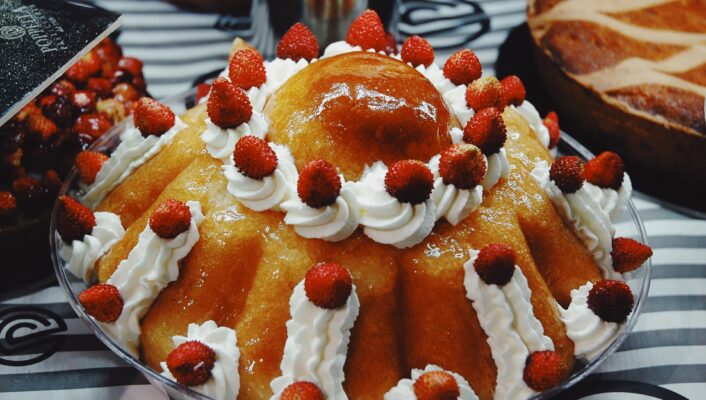
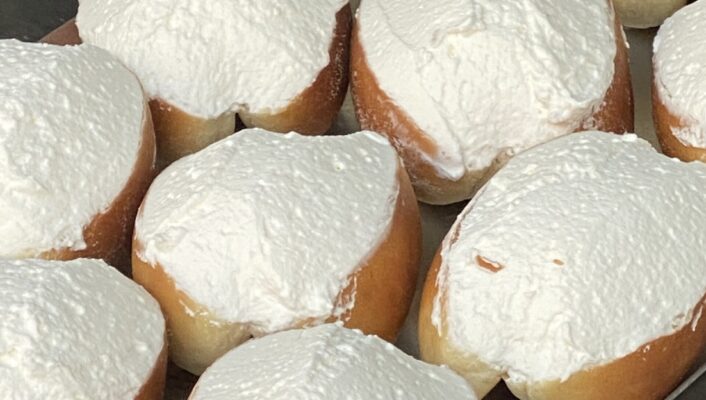
These sweet treats from the textile town of Prato are not fruit at all, but two soft brioche balls, soaked in Alchermes liqueur, and sandwiched around vanilla pastry cream. Dusted in granulated sugar and garnished with a candied leaf, they resemble the blushing peaches for which they’re named. The 19th-century recipe was famously rescued from obscurity in the 1980s by pastry chef Paolo Sacchetti of Pasticceria Nuovo Mondo—still the best place to get them today.
SPAGHETTI ALLE ARSELLE
Along the breezy coast of Versilia, simple seafood is the name of the game. Arselle, tiny wedge clams common in this part of Tuscany, are tossed into a sizzling pan with garlic, olive oil, crushed chili, and a splash of white wine. When tossed with al dente spaghetti, the shellfish release a briny nectar that coats every single strand. Sucking the sweet meat from these tiny shells while sipping a glass of cold Vermentino is the peak seaside lunch of a Tuscan summer.
ACQUACOTTA
Literally translating to “cooked water,” this basic soup kept Maremma shepherds and woodcutters nourished through grueling winters. Originally assembled over field campfires with wild greens, water, and stale bread, the modern rendition simmers tomatoes, onions, and herbs into a simple but comforting broth. The soup is ladled over grilled bread inside a terracotta bowl, then crowned with a soft-poached egg and a dusting of aged pecorino toscano that melts into the steam.
PAPPA AL POMODORO
Translating literally to “tomato mush,” this rustic bread stew proves that Tuscans are the masters of zero-waste cooking. Stale unsalted bread is simmered down with sweet summer tomatoes, garlic, basil, and plenty of olive oil into a thick porridge. Eat it warm by the fire in winter or chilled during August—just don’t skip the final drizzle of olive oil on top.
LARDO DI COLONNATA
In the Apuan Alps above the world-famous Carrara marble quarries, the tiny village of Colonnata is home to one of Tuscany’s most legendary charcuterie. Pork fatback is cured inside conche—cavernous basins carved from the local white marble—rubbed with coarse sea salt, cracked black pepper, fresh rosemary, and garlic, then aged for at least six months. The natural porosity of the cold marble allows the fat to breathe while absorbing the brine, transforming it into a translucent, buttery block. Originally high-calorie sustenance for the quarry workers (cavatori) braving brutal mountain shifts, it should be draped paper-thin over toasted bread so it melts on contact.
LAMPREDOTTO
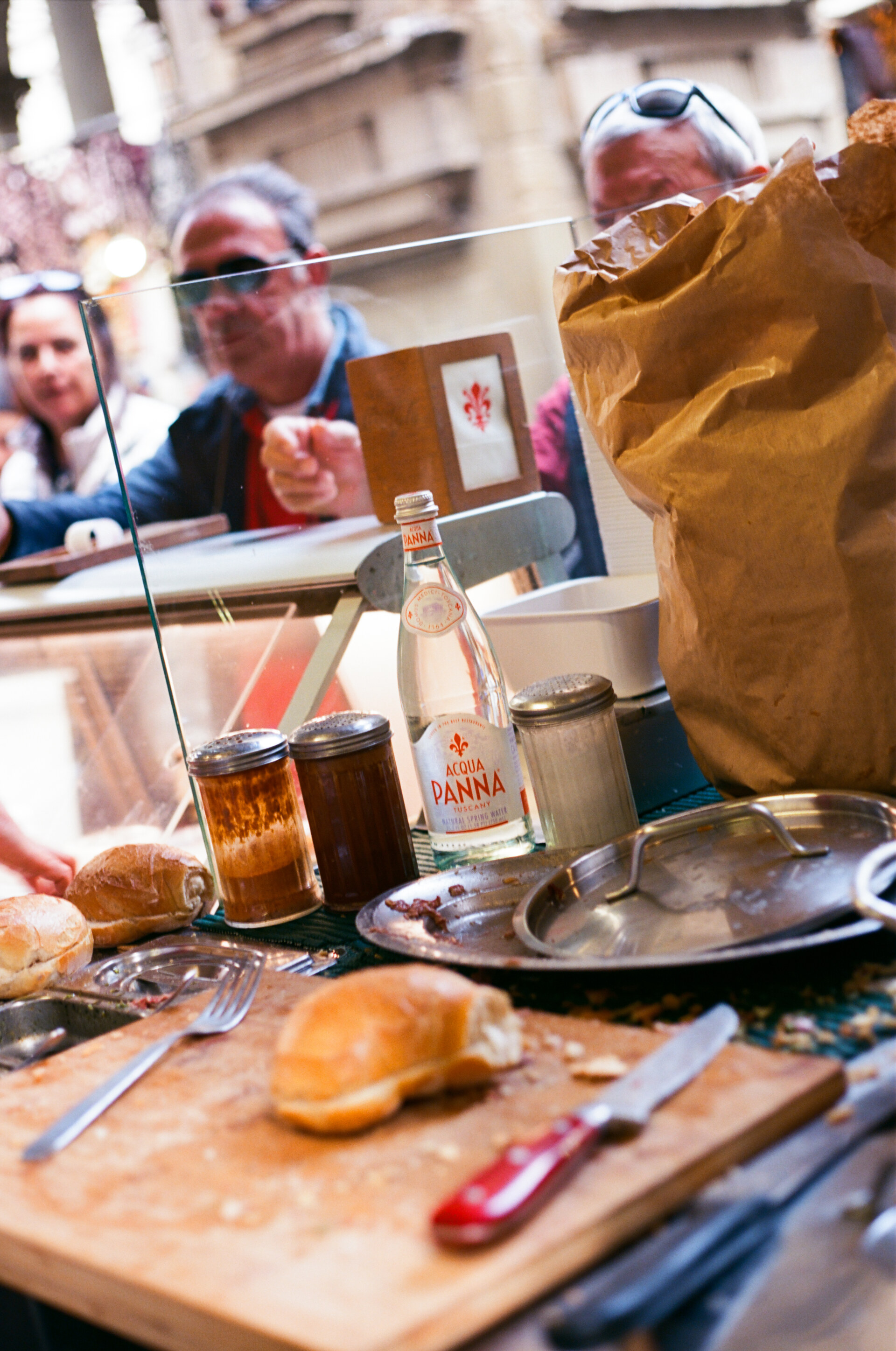
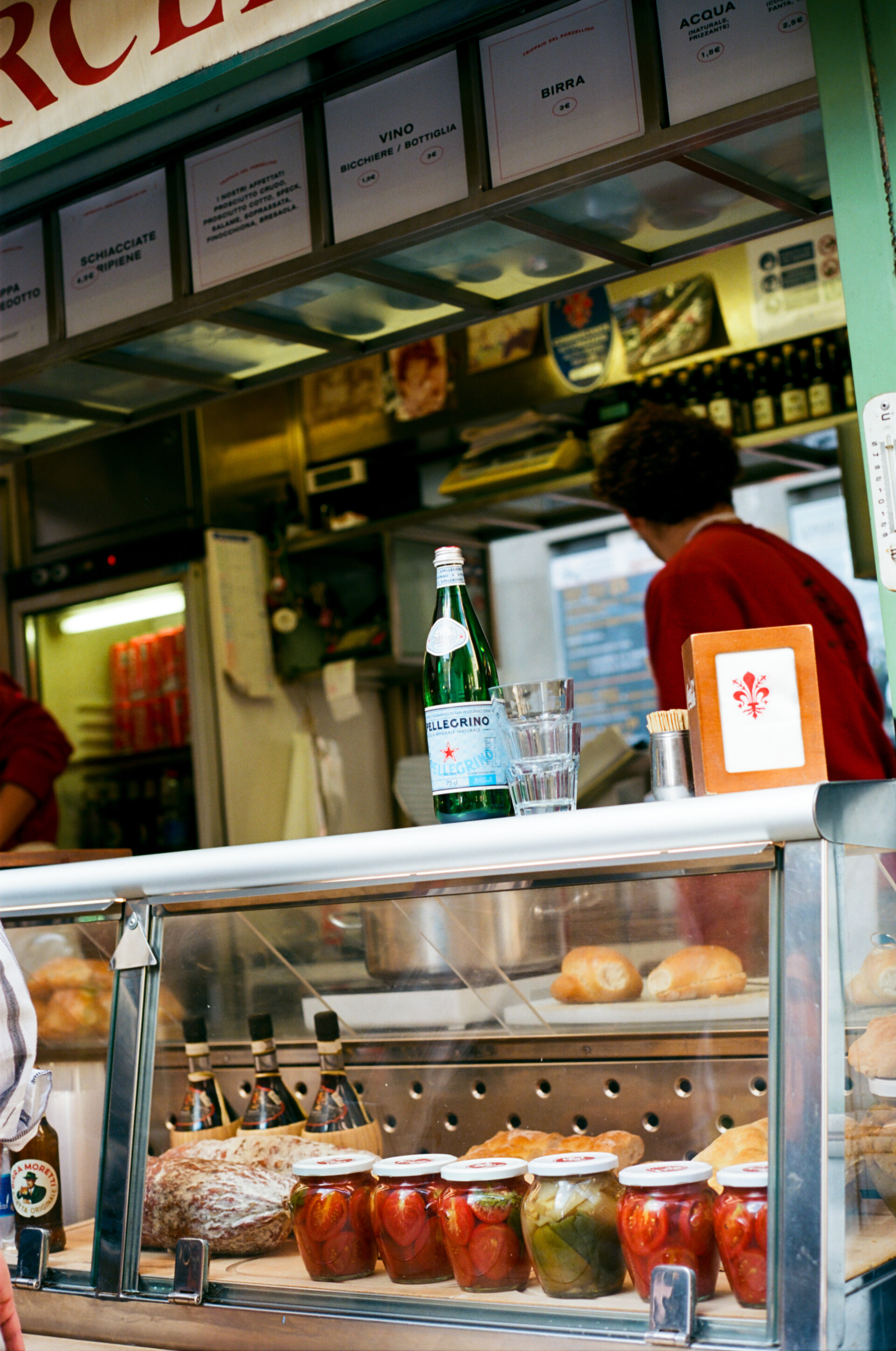
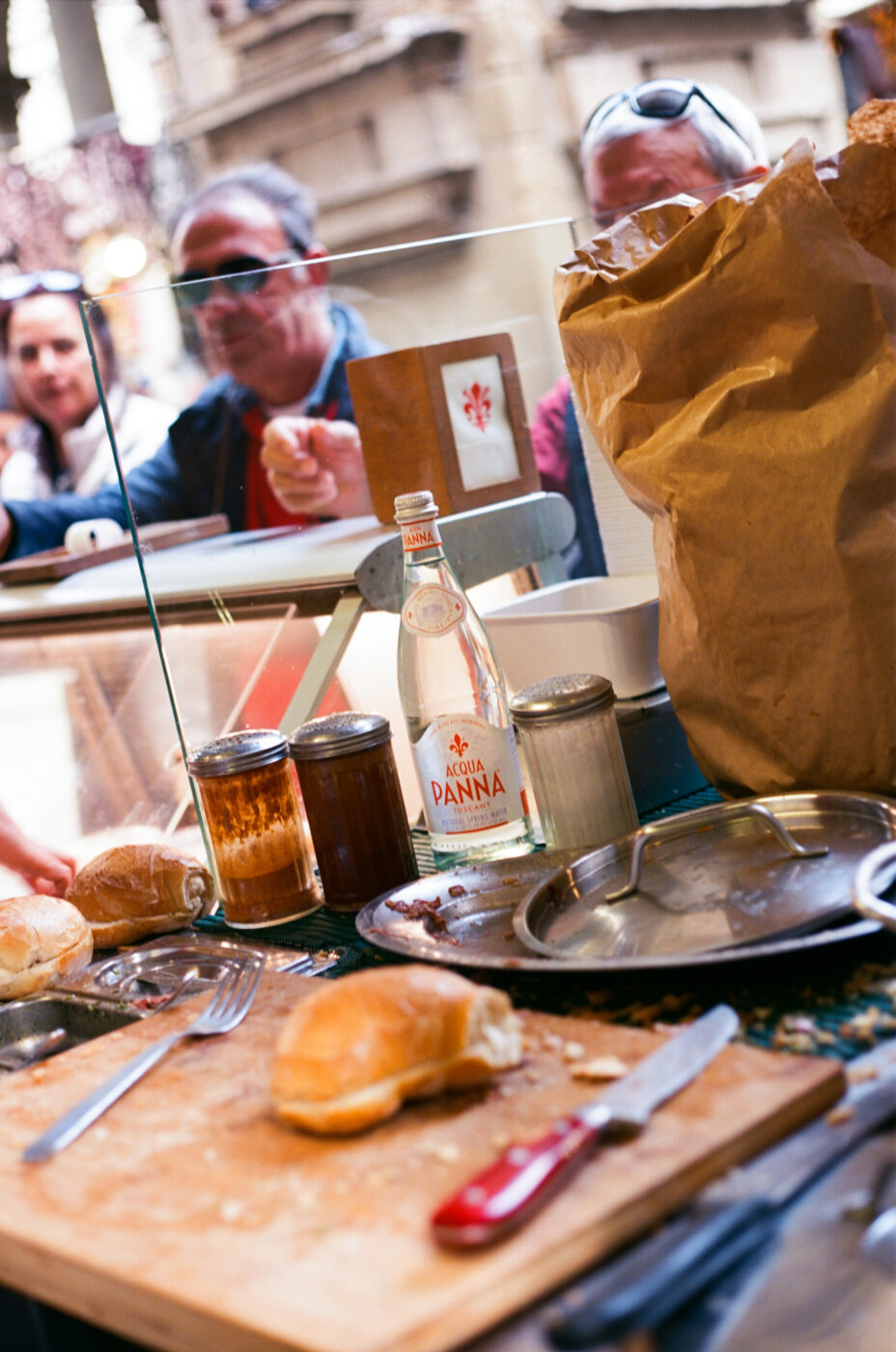
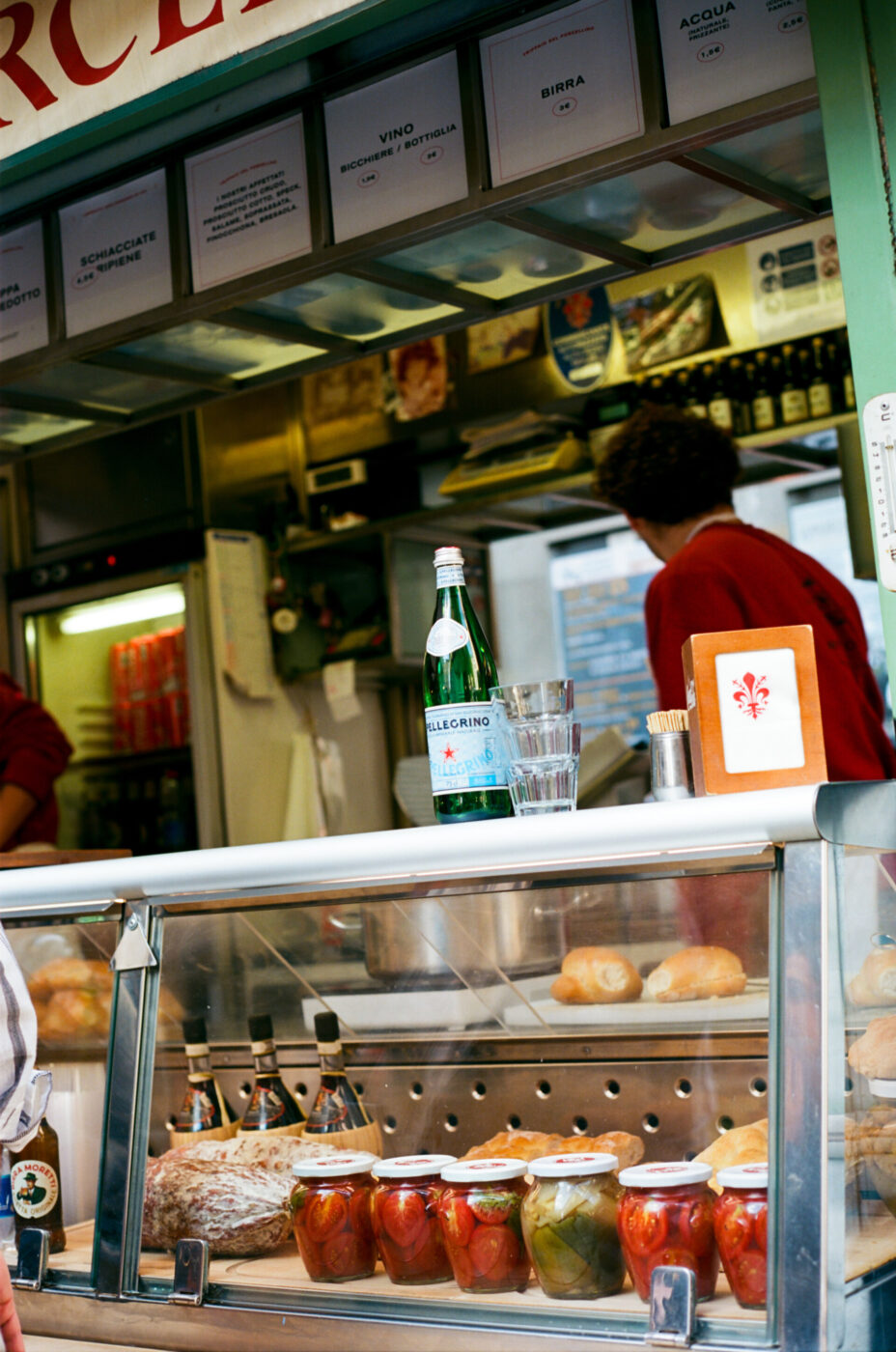
If Florence had an official street food, it would be lampredotto. Made from the cow’s fourth and final stomach chamber (the abomasum), this simmered offal is sliced thin and piled into a crusty roll. Before handing it over, the lampredottaio (tripe vendor) will submerge the top bun straight into the bubbling broth until soaked before topping it with herb-heavy salsa verde and chili oil. It’s not for everyone, but it is a rite of passage for anyone wanting to eat like a local.
TORTELLI MAREMMANI
From the pastoral expanses of southern Tuscany, these oversized ravioli, double the size of normal ones, are instantly recognizable by their wide, floppy borders. The fluffy filling is made of sheep’s milk ricotta, wilted spinach or chard, and a touch of nutmeg. While they’re great in a butter and sage sauce, our opinion is that wild boar ragù makes for a better contrast with the filling—finished, of course, with pecorino toscano or Parmigiano.
CACCIUCCO
Hailing from the port city of Livorno, cacciucco might be one of the world’s most over-the-top seafood stew. Local tradition dictates that a true preparation must contain at least as many types of seafood as there are Cs in cacciucco (that would be five). Octopus, cuttlefish, rockfish, mussels, etc. are added in precise stages to a punchy tomato broth spiked with red wine, garlic, and chili pepper. Served over thick slabs of char-grilled, garlic-rubbed bread, it’s a dish that you should eat with a napkin tucked firmly into your collar.
CIAFFAGNONE
Fried in hot skillets using lard or olive oil, these crepes from Manciano are served straight from the pan with a dusting of pecorino toscano or a drizzle of dark mountain honey. They predate French crêpes by centuries, and local legend insists that Catherine de’ Medici brought these paper-thin, egg-and-flour pancakes to the French court in the 16th century (thereby changing childhoods the world-over forever). It’s most widely believed that the cooks of the Rocca Aldobrandesca first made them for their lords, including the future queen of France but also the Aldobrandeschi and the Orsini of Pitigliano.
CECINA
Known as cecina in Pisa and torta di ceci in Livorno, this chickpea flatbread is a Tyrrhenian coast obsession (even up in France). Chickpea flour, water, salt, and olive oil are whisked into a batter, poured into massive copper pans, and baked in wood-fired ovens until the top blisters. The result is a paper-thin pancake with a crispy exterior and a custardy center. If you want to eat like a true Livornese local, order a 5 e 5: a hot slice of cecina inside a soft focaccia, showered with freshly cracked black pepper. If given the option to add garlic-and-chili-marinated eggplant, always take it.
SCOTTIGLIA
Nicknamed “the landlocked cacciucco” or “the stew of seven meats,” scottiglia comes from the forested Casentino valley and Mount Amiata. Born as an economical way to utilize mixed livestock scraps, authentic preparations combine rabbit, chicken, pork, beef, lamb, and game birds. The meats are seared and slow-cooked for hours in terracotta pots with red wine, garlic, and tomato until fall-apart tender, then ladled over garlic-rubbed toast.
PAPPARDELLE AL CINGHIALE
Wild boars (cinghiale) roam freely across the Tuscan hillsides (and occasionally wander right into town). To tame the gamey meat, Tuscans marinate it overnight in full-bodied red wine, aromatics, and root vegetables before braising it into a dark, savory ragù. The sauce is tossed with pappardelle, a wide egg pasta that can stand up to the heavy chunks of meat. This is one of those plates you’ll find in almost every trattoria across Tuscany.
FRITTO MISTO
Head anywhere on the Tyrrhenian coast—from the beach clubs of Versilia down to the working docks of Livorno—and you’ll find fritto misto, a mix of fried seafood that can include calamari rings, cuttlefish, red mullet, and tiny local anchovies. Flash-fried until crackling, it’s served in a brown paper cone (scartoccio) or piled high on a platter with fresh lemon wedges.
COZZE RIPIENE ALLA LIVORNESE
If surf and turf is your thing, it’s back to Livorno for these stuffed mussels. Mussels are pried open and enriched with ground beef, pork, garlic, parsley, egg, and grated cheese; the shell halves are then pressed back together—often tied with butcher’s string—and simmered in a spicy, garlic-infused tomato sauce until the meat cooks through and the juices bind into a briny ragù.
TONNO DEL CHIANTI
Despite its name, “Chianti tuna” contains zero seafood. Centuries ago, when Tuscan farmers slaughtered a pig in the dead of winter, they needed a way to preserve the meat through the sweltering summer harvest without refrigeration. Deboned pork leg or shoulder was heavily salted, simmered for hours in local white wine laced with juniper berries, peppercorns, and bay leaves, shredded, and submerged in jars of olive oil. Over time, the oil-curing process softens the pork until it seems like high-end canned tuna. You’ll now find it as an antipasto, served cold with white beans and pickled or marinated red onions.
TORTELLI MUGELLANI
Hailing from the green Mugello valley north of Florence, these large ravioli are a carb-on-carb lovers dream. The egg pastas are filled with a smooth mash of boiled potatoes, garlic, parsley, nutmeg, and cheese. When potato crops flourished across Tuscany in the 19th century, thrifty cooks realized potatoes were far cheaper than cheese and made for a delightfully hearty filling. Most often tossed in a slow-cooked wild boar (or sometimes with butter and sage), they’re a beloved highlight of sagras and Sunday family lunches.
POLLO IN FRICASSEA
For this home-cooking classic, bone-in chicken pieces are seared and gently cooked with garlic, white wine, and fresh herbs until tender. Right before serving, the cook turns off the heat and stirs in an emulsion of egg yolks, lemon juice, and chopped parsley. The egg binds the pan juices into a glossy, golden velvet sauce, while the lemon brightness cuts through. Some food historians believe Catherine de’ Medici helped bring the cooking method to France from Italy during the Renaissance (though the egg-and-lemon technique could also come from Greek traditions like avgolemono).
PICI ALL’AGLIONE
This pasta from the Val di Chiana is best in June and July when the titular aglione, a giant heirloom garlic variety native to the area, is harvested. Though “giant garlic” might sound terrifying to the allium averse, aglione is much sweeter and more easily digestible than the usual variety, so you don’t have to fear garlic breath. Slow-cooked in olive oil with crushed tomatoes, it’s paired with pici—a thick, hand-rolled, sort of ropey pasta also from the valley.
TESTAROLI
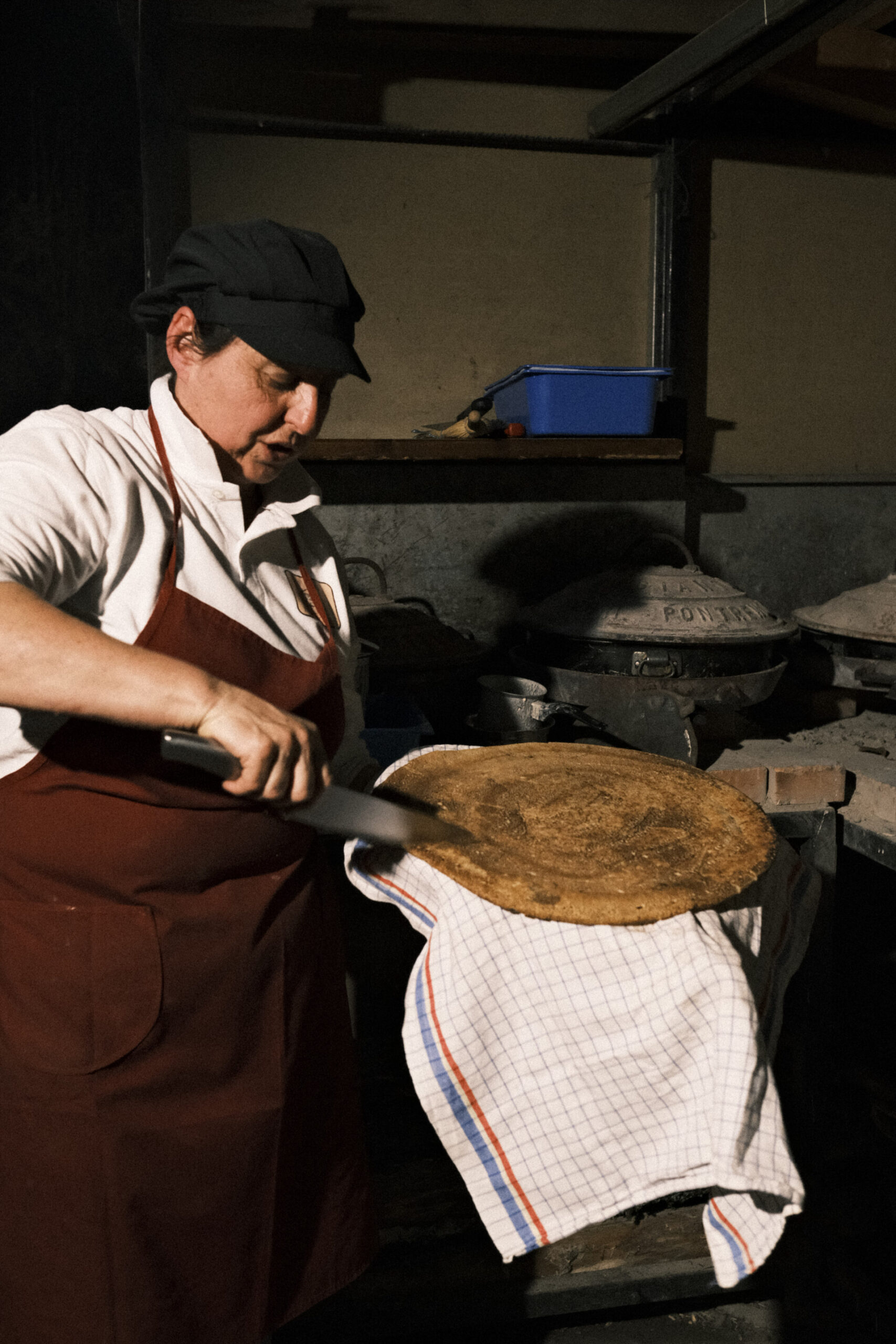
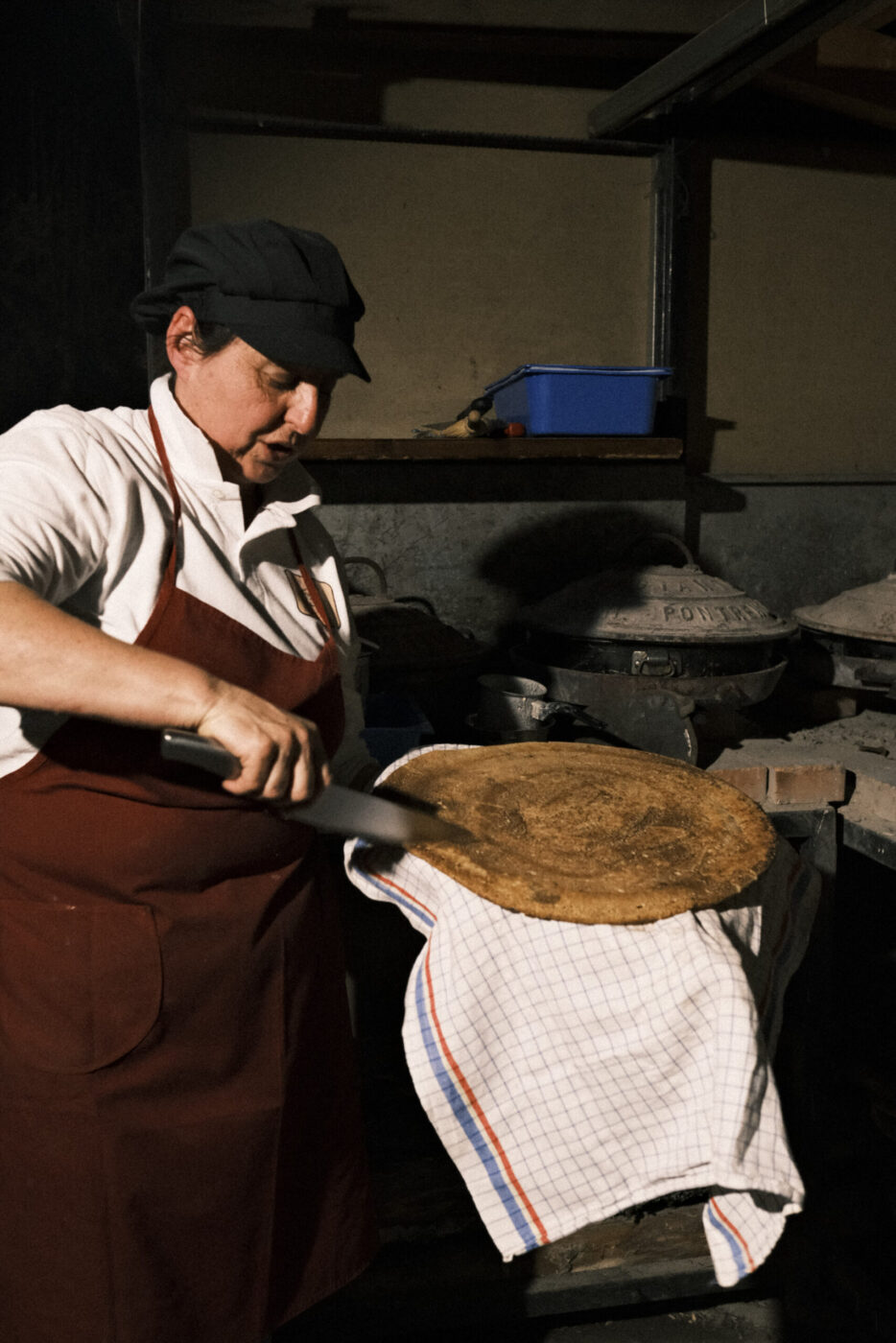
From Lunigiana, a borderland between northern Tuscany and Liguria, testaroli are often considered one of the world’s oldest ancestors of modern pasta. A batter of flour, water, and salt is poured onto searing-hot cast-iron or terracotta plates (testi) over open flames, baking into a thick, porous pancake. The sheet is then sliced into broad, diamond-shaped tiles, flash-boiled in salted water, and tossed with pesto alla Genovese or simply drizzled with extra virgin olive oil and Parmigiano. The result is a sort of spongy, uniquely chewy bite that you can’t find anywhere else.