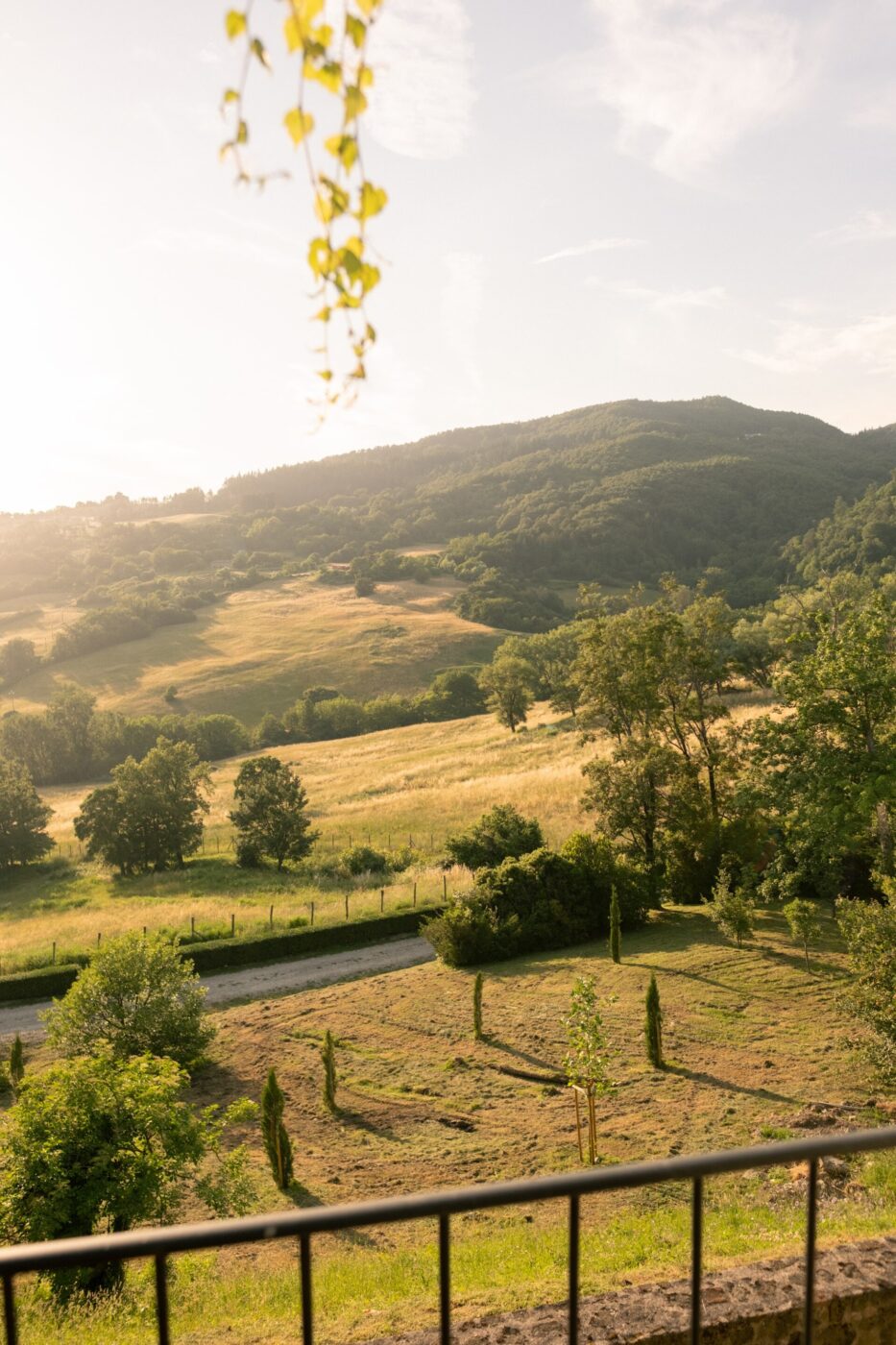
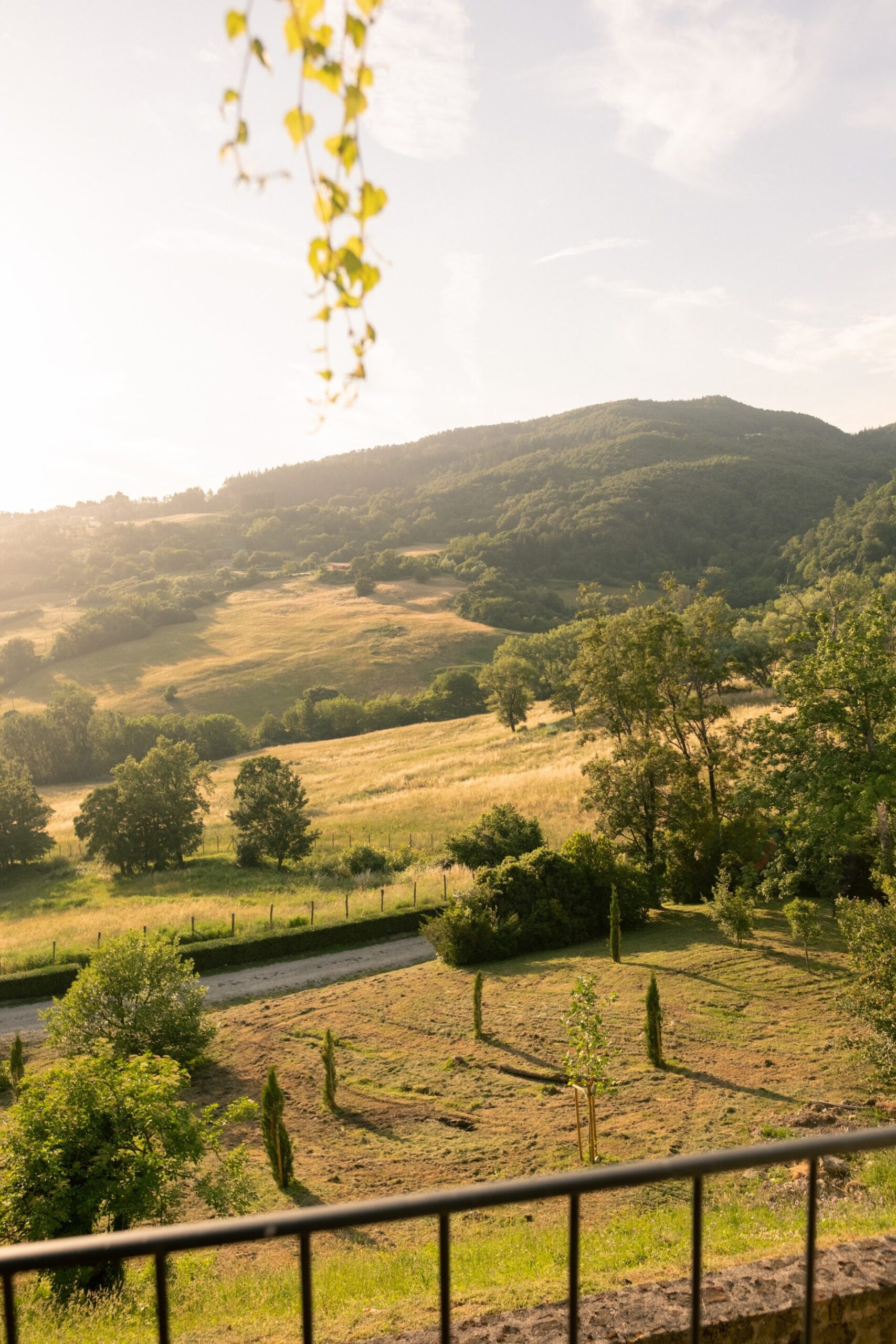
Just north over the ridges of Fiesole, the cosmopolitanism of Florence gives way to the deep-green slopes of the Mugello valley, a tranquil basin that feels entirely insulated from Tuscany’s frantic currents of international tourism.
Historically, the valley was the ancestral cradle of the Medici dynasty, who built their earliest fortified estates at Cafaggiolo and Il Trebbio. It’s also where both Giotto and Fra Angelico were born. Yet the area’s most defining feature might be its abundance of fresh water, which creates a cool, misty microclimate that sustains the region’s chestnut forests and high dairy pastures. Fed by a network of Apennine streams and the Sieve River, Mugello is Florence’s watershed, collecting its reserves in the Lake Bilancino reservoir. The best-known result of this aquatic wealth is Acqua Panna, the still mineral water drawn from a protected 1,300-hectare aquifer near Scarperia—an estate originally made a private reserve by a 1564 Medici grand ducal decree.
Though you can visit Mugello on a day trip from Florence (it’s about an hour drive), we recommend spending, at minimum, a long weekend here, giving you enough time to do a bit of everything, whether hiking, visiting local towns, or exploring the hearty food culture. This is how to best explore Mugello.
1. Go to a sagra
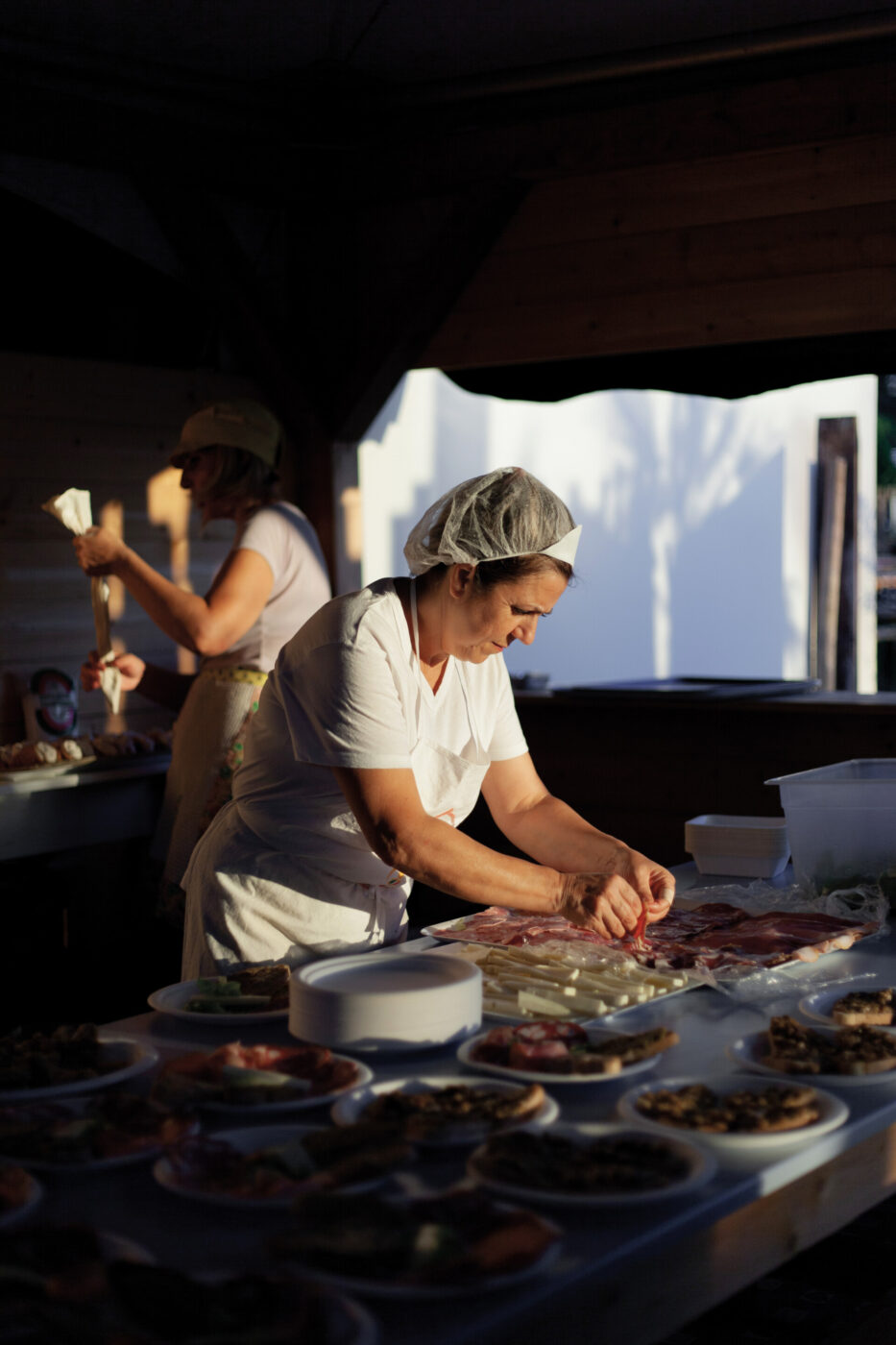
In Mugello, the culinary (and social) calendar revolves around sagras, hyper-local food festivals designed to bring attention to small towns. Unlike the manicured wine estates of Chianti, this part of Tuscany has kept its working-class pastoralism, and its festivals are unpretentious, run by village volunteers serving regional specialties on paper plates at long communal tables. During the summer, hamlets like Luco di Mugello and Scarperia fill with locals and clued-in travelers for the Sagra del Tortello, celebrating the area’s most famous dish: large ravioli stuffed with potatoes and topped with wild boar ragù. In October, in the Apennine foothills, Marradi’s Sagra delle Castagne is an autumn ritual where visitors board historic steam trains to feast on the prized marron buono chestnuts, served as sweet fritters or dense castagnaccio cakes. If you can handle an ancient mainframe and a bit of tedious scrolling, the Sagre Toscane website is best for the most up-to-date information on dates and locations.
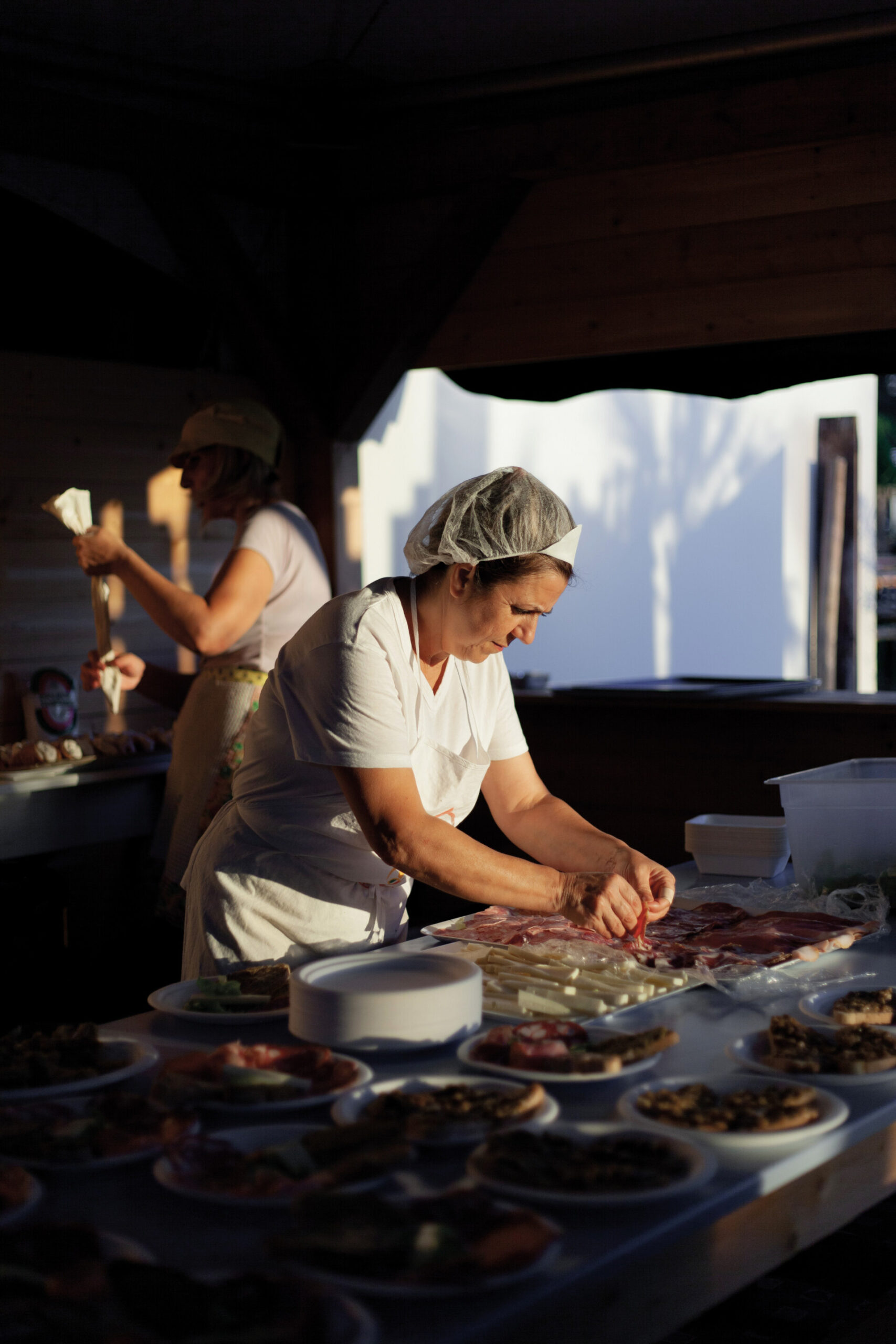
Photo by Giorgio Mininno e Donatella Alquati
2. …Or make the most of Mugello’s cozy restaurants
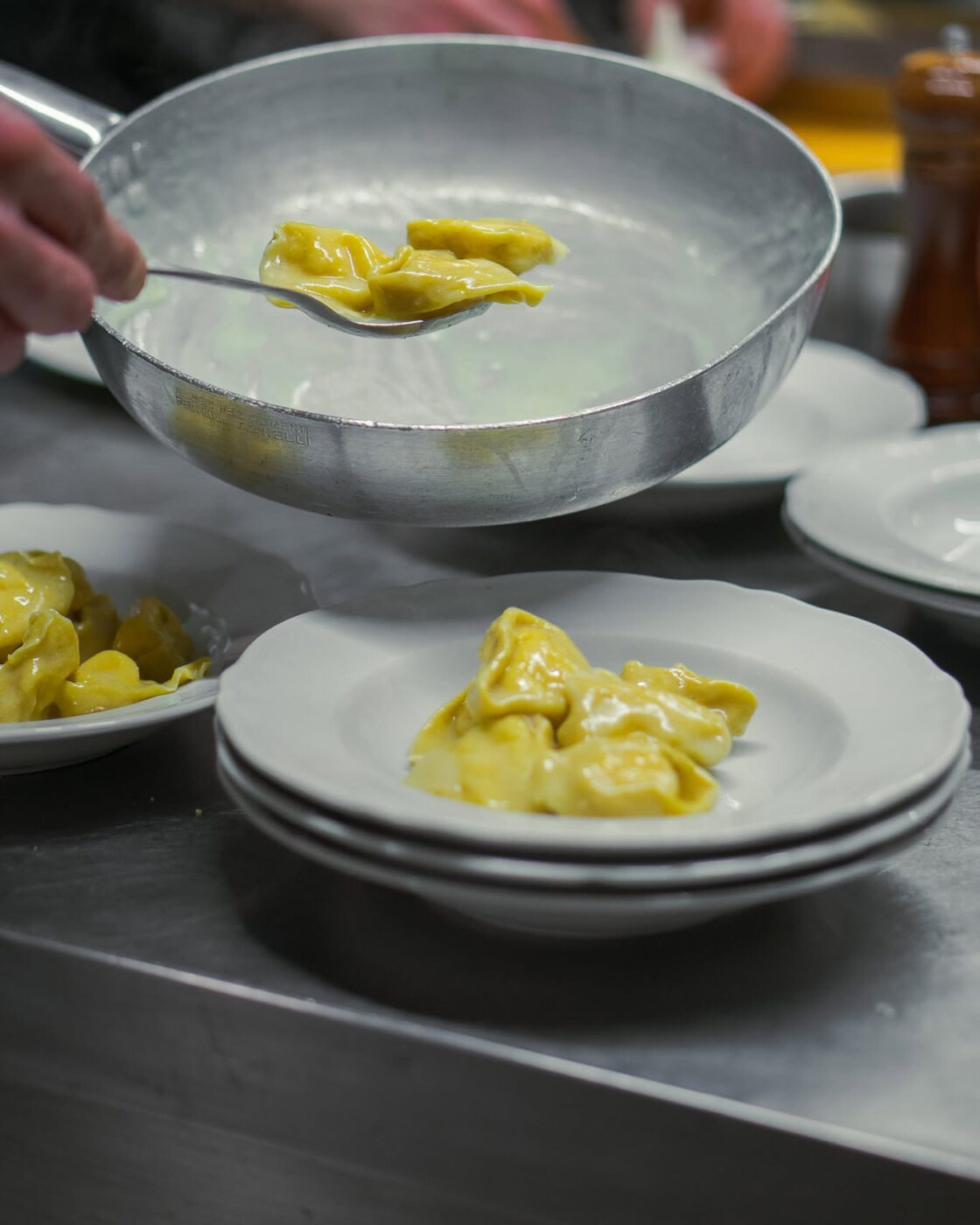
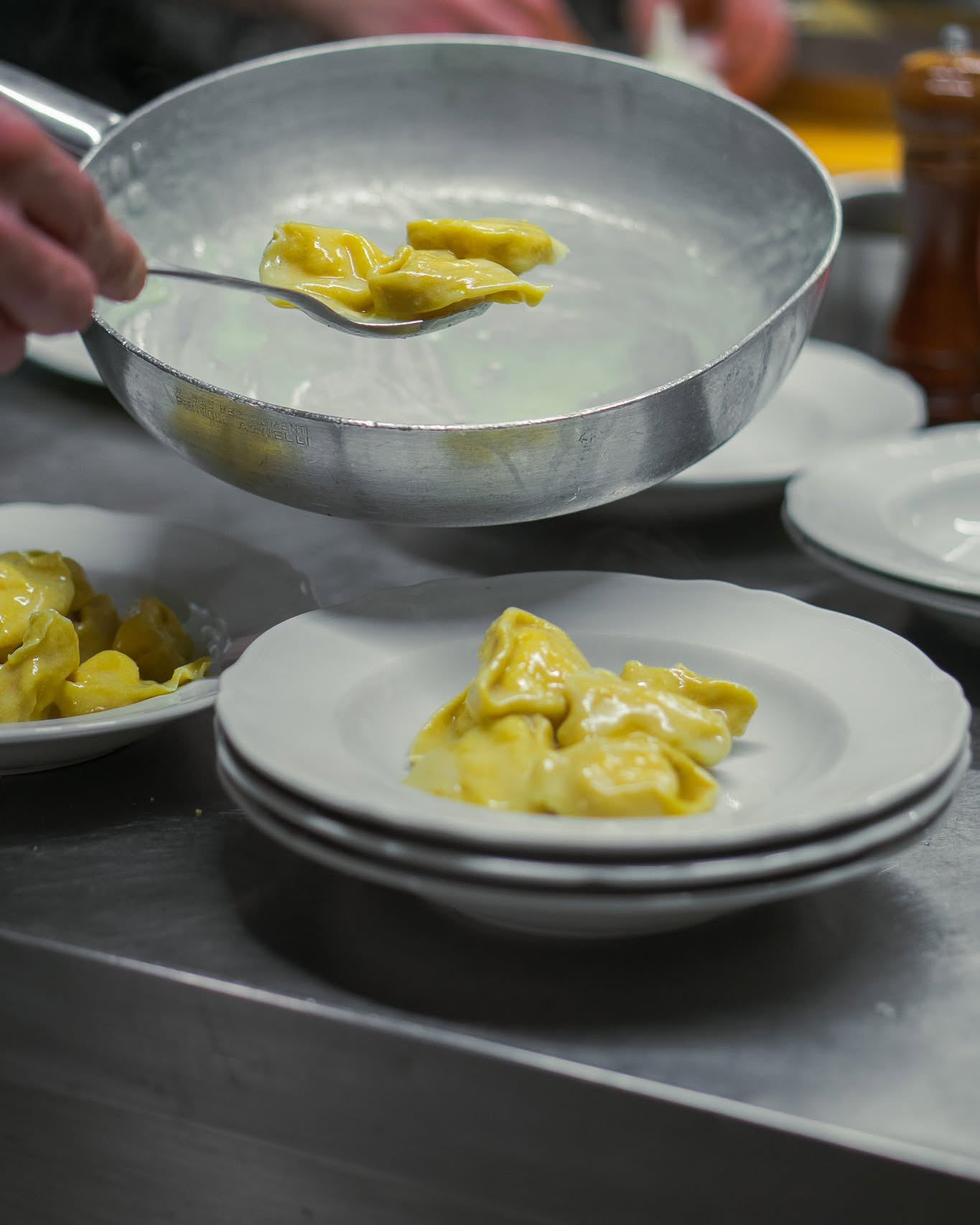
Mugello’s food is all about cozy cucina povera classics, the most famous of which is tortelli mugellani—plump pasta squares filled with mountain-grown potatoes, garlic, and rosemary, typically buried under a robust wild boar or duck ragù. Beyond the headlining pasta, Mugello’s pantry relies heavily on its sweet, IGP-protected marroni chestnuts—eaten whole, ground into flour, or pureed and stuffed into pasta—and high-quality beef and dairy sourced from the hills of Firenzuola. Winter comfort here is found in farinata con le leghe, a thick cornmeal porridge with cannellini beans and ribbons (leghe) of black kale, while the warmer months yield raviggiolo, an exceptionally rare, raw-milk cheese drained on fresh fern leaves.
Anna Trend (Scarperia) – Don’t let the unassuming name or the hybrid pizzeria facade of Anna Trend fool you; this Scarperia mainstay, around since 1970, holds a serious culinary pedigree. They’ve won the area’s highly competitive Tortello d’Oro contest for their perfectly executed tortelli mugellani. Today, that golden tortello trophy hangs proudly on the wall.
Locanda Antica Porta di Levante (Vicchio) – Just outside the medieval gates of Vicchio, Locanda Antica Porta Di Levante is the valley’s premier Slow Food outpost. Chef Cristian Borchi replaces the standard trattoria playbook with a monthly rotating menu featuring regional biodiversity markers, such as Firenzuola potatoes and Apennine chestnuts. You’ll find the likes of an intensely peppery peposo simmered for hours, hand-rolled saffron-and-potato pici tossed with a veal ossobuco ragù, and rare ribbons of tagliata steak draped in melting slices of Lardo di Colonnata over roasted root vegetables.
Bottega Il Cornocchio (Barberino di Mugello) – Having recently celebrated 100 years, Bottega Il Cornocchio serves lunch only behind the counter of a functioning rural grocery store—a destination for labor-intensive heritage recipes. Regulars fill the wooden tables specifically for the tortelli—which you can get with classic ragù, cacio e pepe, or rooster ragù (their speciality)—and the coniglio al tegame, local rabbit slow-stewed in a clay pot with wild fennel, garlic, and rosemary.
Trattoria Da Alberto (Barberino di Mugello) – Every day at this old-fashioned spot in the tiny hill-hamlet of Montecarelli, the menu is scrawled on a chalkboard depending on what the morning market yields. The matriarch, Graziella, runs the kitchen—often seen hand-rolling fresh pasta dough right in view of the tables—while her son, Alberto, orchestrates the front of the house. Her pillowy, hand-crimped ravioli mugellani are fabulous, but we also love the guancetta, a melt-in-your-mouth, slow-braised pork cheek.
La Casa del Prosciutto (Vicchio) – Part grocery counter, part tavern, this no-frills, fast-paced spot is always packed. Here, various meats and cheeses are sliced to order for the signature Buiano platter, alongside warm crostini spread with chicken liver and porcini. The back kitchen does comfort well, turning out hand-pinched tortelli in duck ragù, fried zucchini blossoms, and coniglio ripieno (stuffed rabbit). Diners squeeze onto wooden benches to eat off paper placemats alongside off-duty fieldworkers and passing cyclists.
Da Bibo (Firenzuola) – On the Passo della Futa highway between Florence and Bologna, Da Bibo is a high-altitude mountain refuge specializing in heavy Apennine comfort. Though it’s a particular favorite for cross-region travelers, it’s worth a trip in and of itself for the hand-rolled tagliatelle in venison ragù, top-notch bistecca alla fiorentina, and the raw, knife-chopped battuta di fassona.
Courtesy of @trattoriadalberto
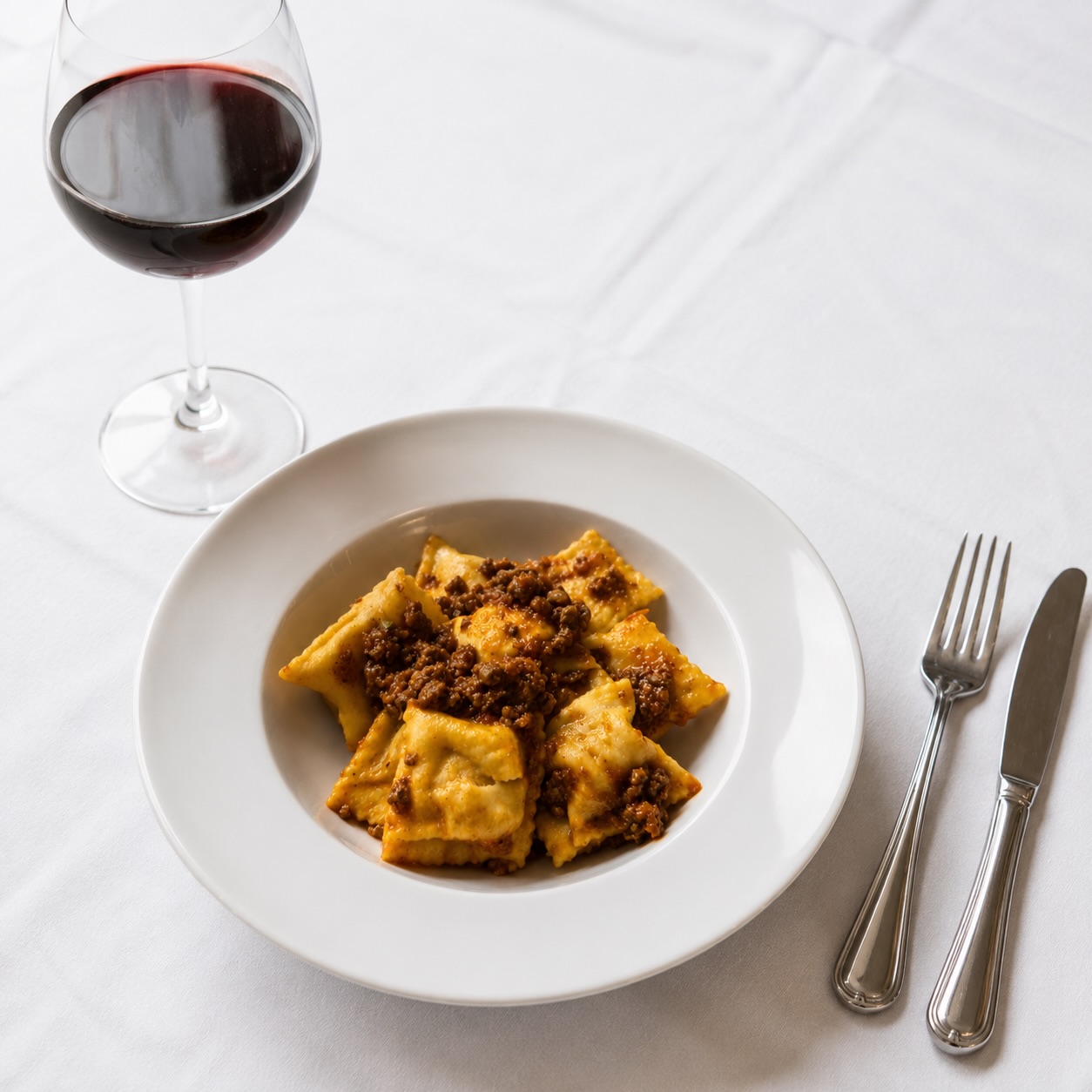
O Per Bacco (Vicchio) – In Vicchio’s historic center, this enoteca-hybrid pairs an extensive cellar of regional Italian vintages with a playful, modernized take on local ingredients. Think savory chicken liver “cheesecake” and squash blossoms stuffed with salt cod. The handmade pasta lineup features classic potato tortelli alongside regional oddities like cappellacci stuffed with lampredotto and gnudi tossed with local blue cheese.
Ristorante Montelleri (Vicchio) – On the edge of Vicchio’s artificial lake, Ristorante Montelleri is a high-volume family spot. While crisp wood-fired pizzas dominate summer evenings, you can also go for large portions of classic tortelli or a grigliata mista—a smoky assortment of grilled pork ribs, local sausages, and herbed chicken.
Il Ginepraio (Barberino di Mugello) – Set in the hills overlooking Lake Bilancino, Il Ginepraio is all farm-to-table with a monthly menu that highlights local agriculture in dishes like the caniff—potato croquettes served over a Parmigiano fondue, scented with local truffle and roasted lemon. The kitchen balances this type of contemporary execution with a focus on high-quality regional meats, dishing out slow-simmered veal scaloppine in white wine and exceptionally tender cuts of local beef.
Osteria di Montecarelli (Montecarelli) – Open only for lunch, Osteria di Montecarelli is a mountain pitstop where truck drivers and laborers crowd onto communal benches. Start a meal here with the “Trionfo del Mugello”, piling together onion meatballs, mushroom polenta, and bowls of dense farinata porridge or ribollita. For the main event, it’s potato tortelli again or a classic beef stew simmered in Chianti wine.
Cosimo de’ Medici (San Piero a Sieve) – Charming in a basic, old-school way, Cosimo de’ Medici’s midcentury dining room and formal service bring baked crespelle alla fiorentina (spinach-and-ricotta crepes), delicate tagliolini tossed with fresh forest mushrooms, and a monumental bistecca alla fiorentina that arrives sizzling and is cut for you tableside.
Courtesy of @o_per_bacco_vicchio
3. Go to a MotoGP race, or drive yourself to a legendary steak restaurant on the old circuit
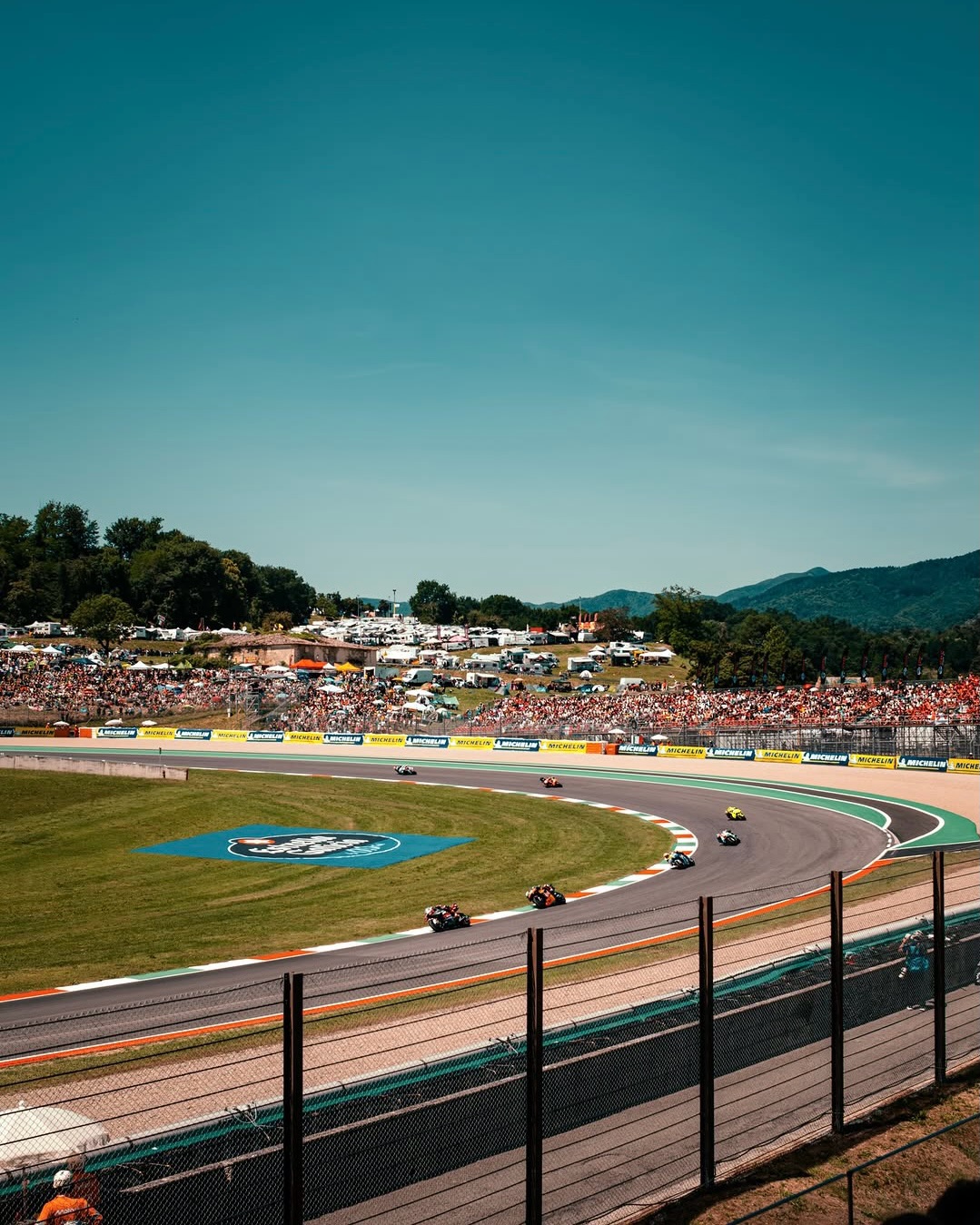
Modern sports enthusiasts know the Autodromo Internazionale del Mugello in Scarperia as a world-class racetrack owned by Ferrari, famous for hosting the MotoGP Italian Grand Prix—held over a three-day weekend once a year in late spring or early summer. One of motorsport’s most technical and physically grueling venues, the circuit tests drivers with a blistering 1.14-kilometer straightaway, 15 demanding turns like San Donato, and the blind, downhill curves of Arrabbiata 1 and 2. Tens of thousands of fans camp on the ridges for days, blanketing the valley in yellow smoke flares and echoing the weekend’s motto: “Al Mugello non si dorme”—in Mugello, nobody sleeps. (If that sounds like your idea of personal hell, we’d recommend avoiding that weekend.)
Fewer know, however, that before this asphalt track was constructed in 1974, the valley was home to the legendary Circuito Stradale del Mugello (established in 1914)—a 66-kilometer public road race that snaked through Apennine passes.
Antica Osteria di Nandone is on a bend of this original circuit in Omomorto, where spectators once leaned over stone walls as race cars thundered past on their way to the high mountain passes. There’s no menu here. Rather, a seasonal parade of antipasti—grilled pancetta, marinated leeks, liver crostini—serves as the prelude to the main event: a monumental bistecca alla fiorentina cooked over a cavernous open hearth in the dining room. Charred over live coals and served rare, the steak has earned a cult following for a buttery tenderness that one journalist claimed “si taglia con il cucchiaio” (“you can cut with a spoon”).
Courtesy of @mugellocircuit
4. Explore Mugello’s charming towns
Mugello’s towns are generally quite sleepy, but these three are among the valley’s liveliest hubs, making them practical bases for a longer stay.
Scarperia – Established in 1306, this medieval outpost is Italy’s capital of knife-making, or coltelleria, a trade governed here by local statutes since the Renaissance. Along Via Solferino, workshops like Coltelleria Saladini—which traces its family lineage to a mid-19th-century parish census—hand-forge traditional blades, most notably the signature zuava, a springless pocket knife designed centuries ago for rural work and self-defense. Master smiths hand-cut and polish handles using locally sourced olive wood, buffalo horn, and ox horn. On weekdays, the central streets host a nice market of local farmers and artisans, which transforms into an expansive antique market on the first Sunday of every month.
Borgo San Lorenzo – This liberal market town is one of the liveliest and youngest in the area. Borgo San Lorenzo’s spirit is best seen during the Carnevale Mugellano (end of January through mid-February); dating back to 1713, this historic winter festival fills Piazza Dante with large, handmade papier-mâché allegorical floats and street theater, culminating in the Polentata delle Ceneri on Ash Wednesday in Piazza Garibaldi. Pro Tip: At La Degusteria da Angelo, a family-run restaurant on Viale Pecori Giraldi, the kitchen bypasses the valley’s ubiquitous wild boar and potatoes for an exclusively seafood-driven menu, serving raw Mediterranean crudo, seafood salads, and primi like spaghetti tossed with fresh mussels.
Vicchio – If you’re looking for art but can’t deal with Florence’s museum crowds, Vicchio, the birthplace of both Giotto and Fra Angelico, is a must. Walk the Sentiero dei Pittori (Path of the Painters), a trail that connects the historic center to the Casa di Giotto in the hill-hamlet of Vespignano and the nearby Ponte di Cimabue, the stone bridge where legend says medieval master Cimabue first discovered a young Giotto sketching a sheep on a rock. Within the town walls, the Museo d’Arte Sacra Beato Angelico houses salvaged regional treasures like a glazed terracotta Madonna from Andrea della Robbia’s workshop, while the neighboring Pieve di San Giovanni Battista features unexpected art deco interior restorations by Galileo Chini. If it’s a particularly hot summer’s day, Lago di Montelleri, an artificial basin just outside the old fortifications, is where locals gather for canoeing and shaded lakeside picnics.
5. Visit a Carlo Scarpa-designed church, one of his only Tuscan works
Along the Santerno River, Firenzuola was entirely bombarded and leveled during the final months of World War II. When it was rebuilt during the economic boom of the 1960s, Venetian master Carlo Scarpa and Edoardo Detti collaborated to build the new church, the Pieve di San Giovanni Battista. The structure trades standard Tuscan ecclesiastical design for raw concrete geometry, angular windows that play with light, and an impressive wooden ceiling shaped like an inverted ship’s hull.
6. Drink herbal liqueurs made by friars
Perched on a high peak enveloped in a dense pineta (pine forest) about 45 minutes from Florence, the Santuario di Monte Senario offers magnificent vistas over the entire valley. Founded in 1240, it’s still inhabited by a small community of Servite friars and retains an austere, contemplative atmosphere. In the wood-paneled pharmacy bar inside the cloister, the friars continue to sell their proprietary herbal liqueurs—most notably the pine-infused Gemma d’Abeto—distilled on-site using closely guarded Renaissance recipes.
7. Hike to World War II bunkers
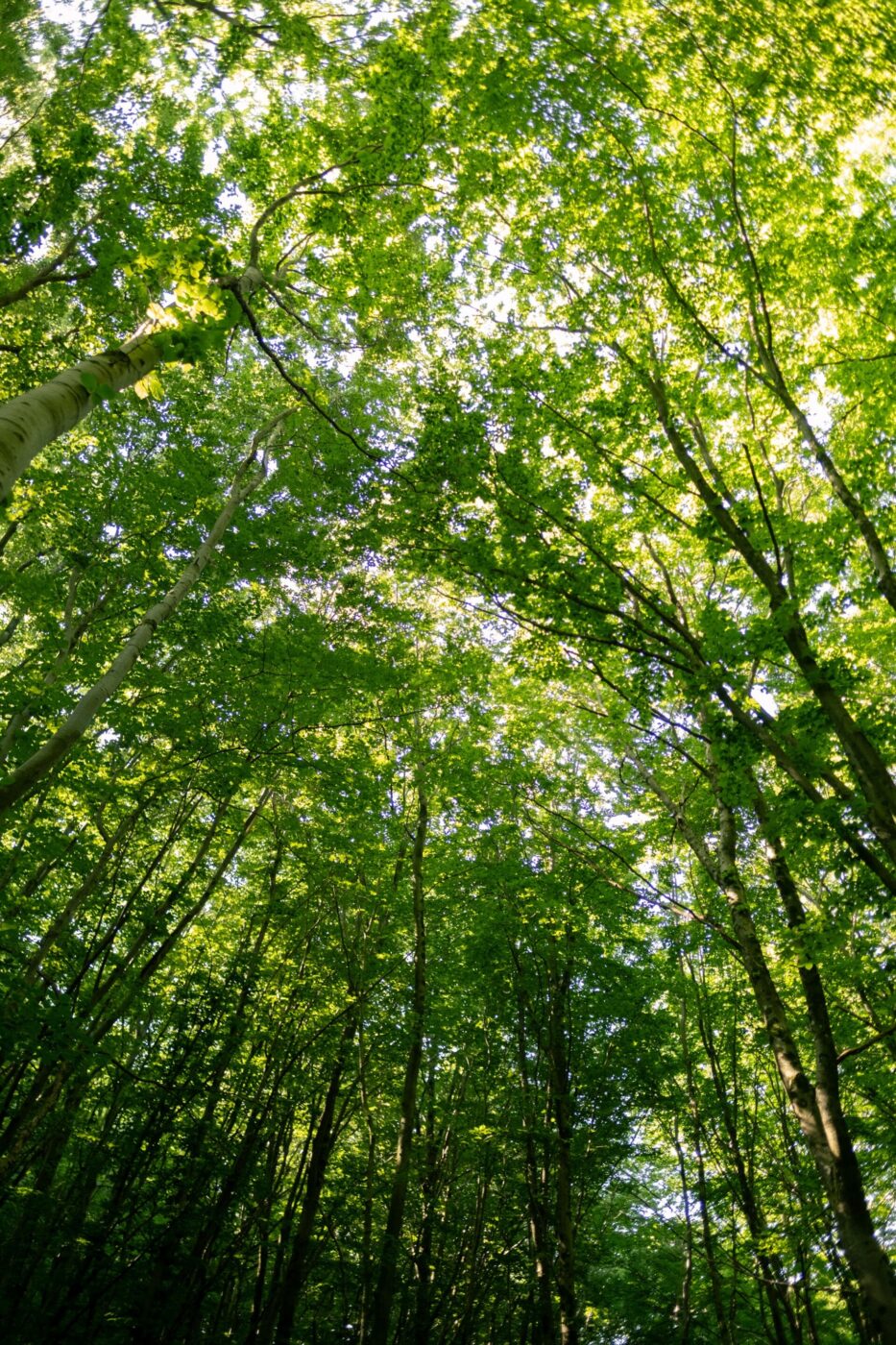
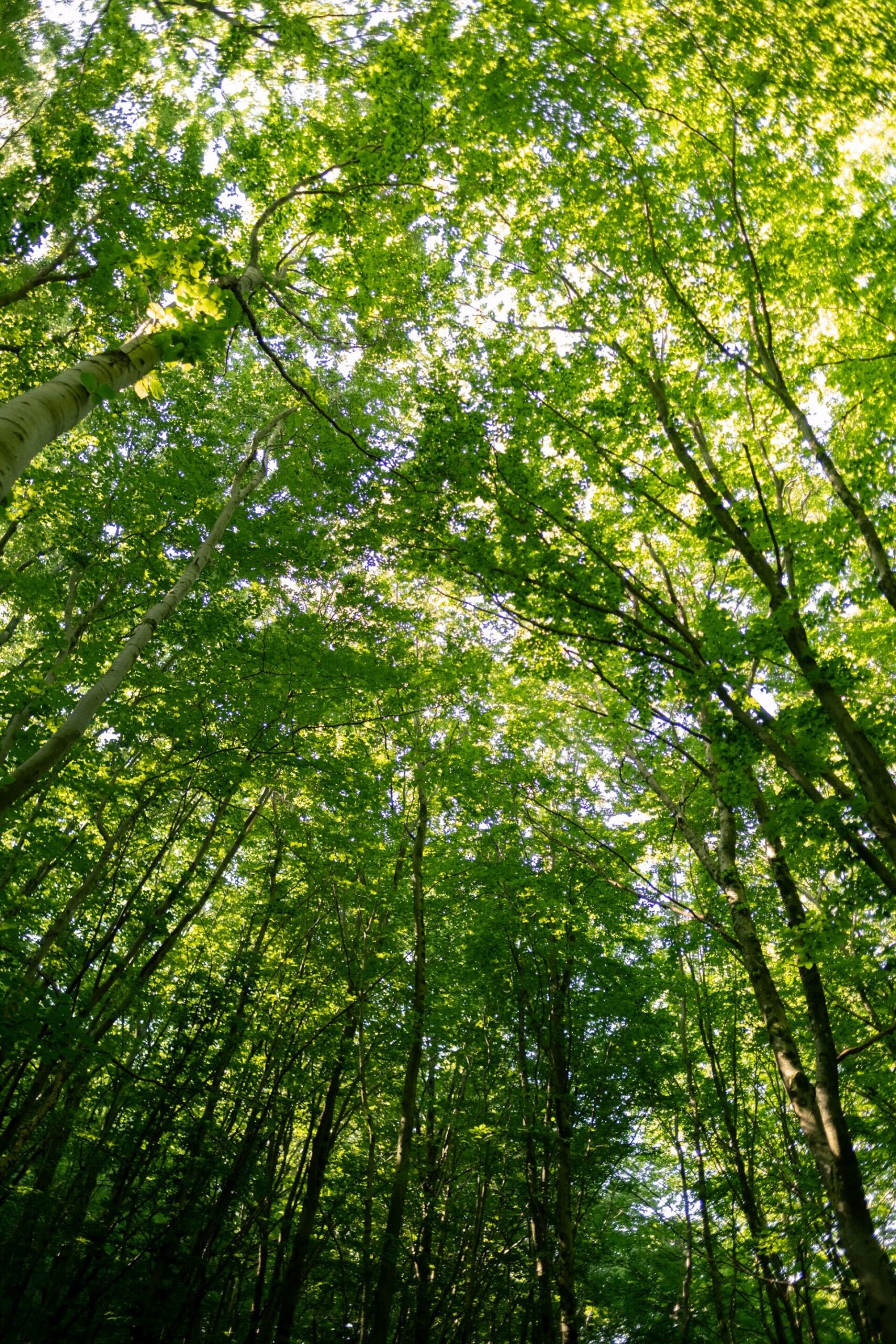
A steep trail leading from the Passo del Giogo pass ascends to Monte Altuzzo, a 926-meter ridge that served as a heavily fortified linchpin of the German Gothic Line defense network. In September 1944, the U.S. Army’s 85th Infantry Division engaged in a bloody, five-day assault here to breach the mountain barrier. Today, the tranquil beech woods contain a remarkably intact archaeological battlefield, where hikers can trace a network of deep, rock-reinforced trenches, subterranean command posts, and concrete machine-gun bunkers left exactly where the front line collapsed.