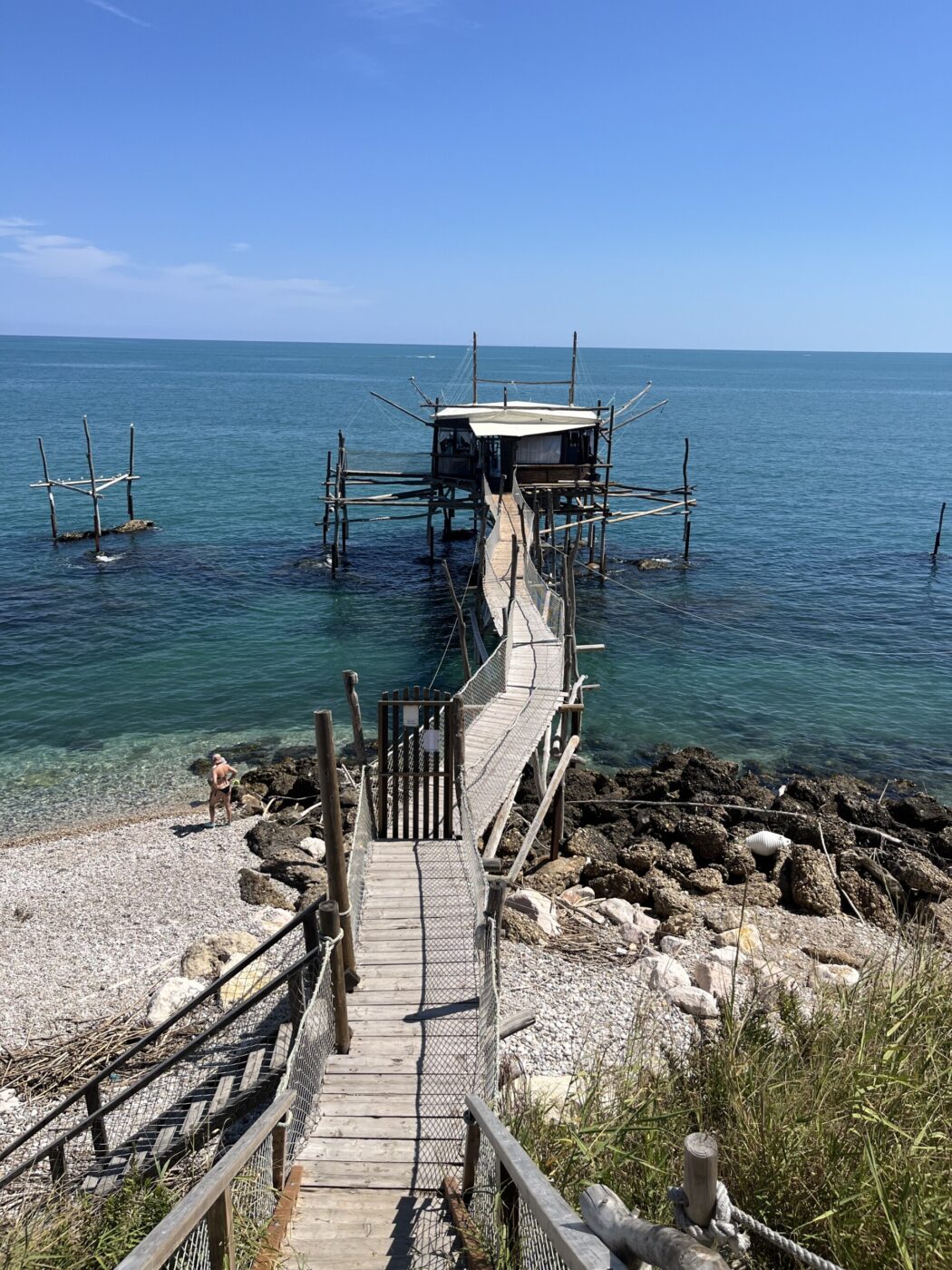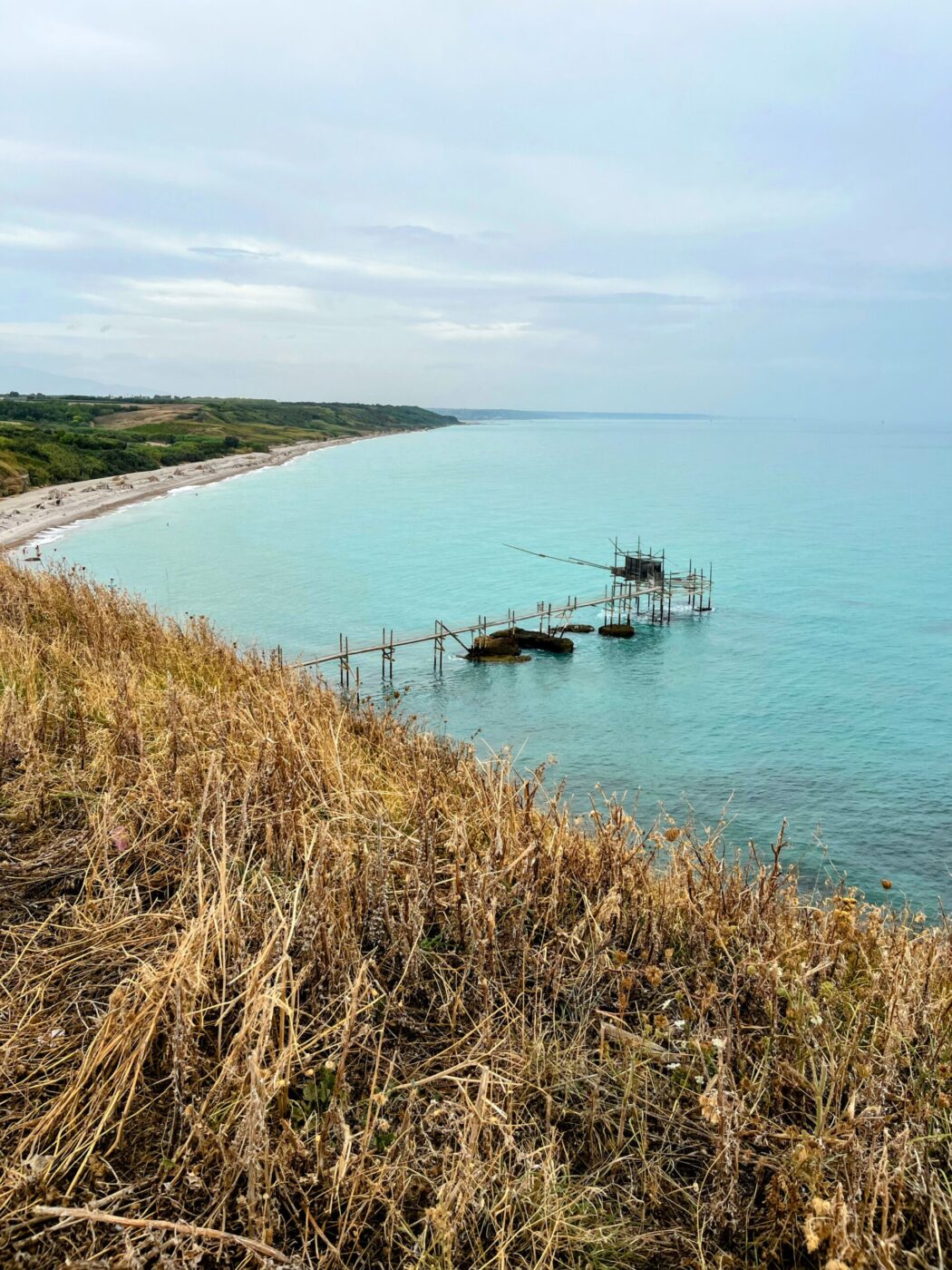
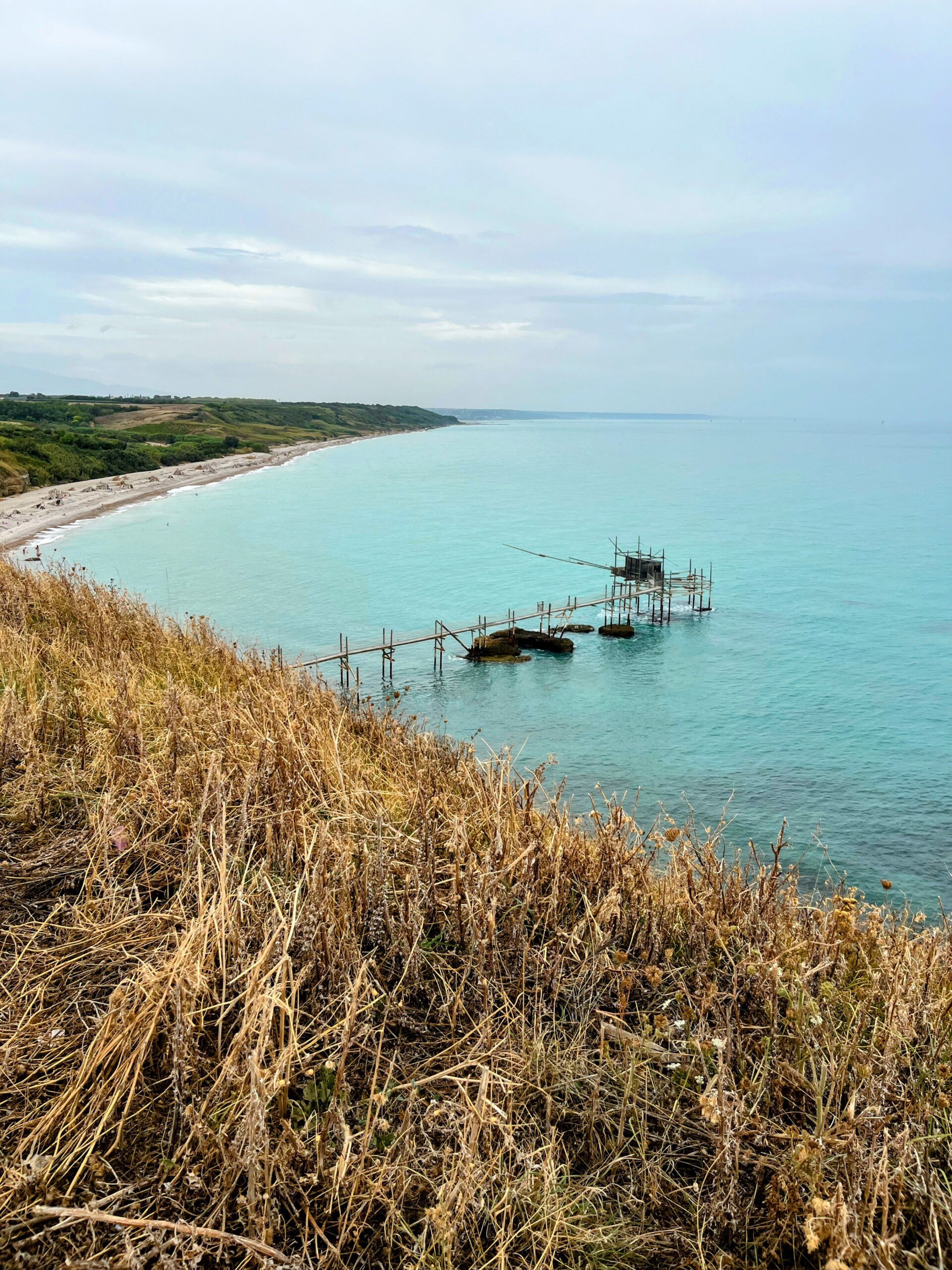
Along the southern reach of Abruzzo, vineyards and olive orchards spill directly into the sea, and the ingenuity of the Abruzzese is on full display in the form of the trabocchi, ancient wooden fishing platforms for which the coastline is named. These spindly structures allowed local farmers—historically wary of the open sea—to fish from the safety of a pier; using a complex system of winches and long wooden arms called antenne, they lowered massive nets into the currents to intercept schools of anchovies and mullet.
The coast achieved literary fame through Gabriele D’Annunzio, who famously described these “colossal spiders” while living in San Vito Chietino in 1889. Today, the region’s technical identity is shifting: the decommissioned Adriatic railway has been repurposed into the Via Verde, a cycling path that connects secluded nature reserves, and seasonal restaurants have set up shop inside trabocchi—a must-do while you’re on the coast.
This is the kind of place that rewards those who look past the typical Italian beach holiday. Here’s where to swim, eat, and drink on the Costa dei Trabocchi, according to a local.
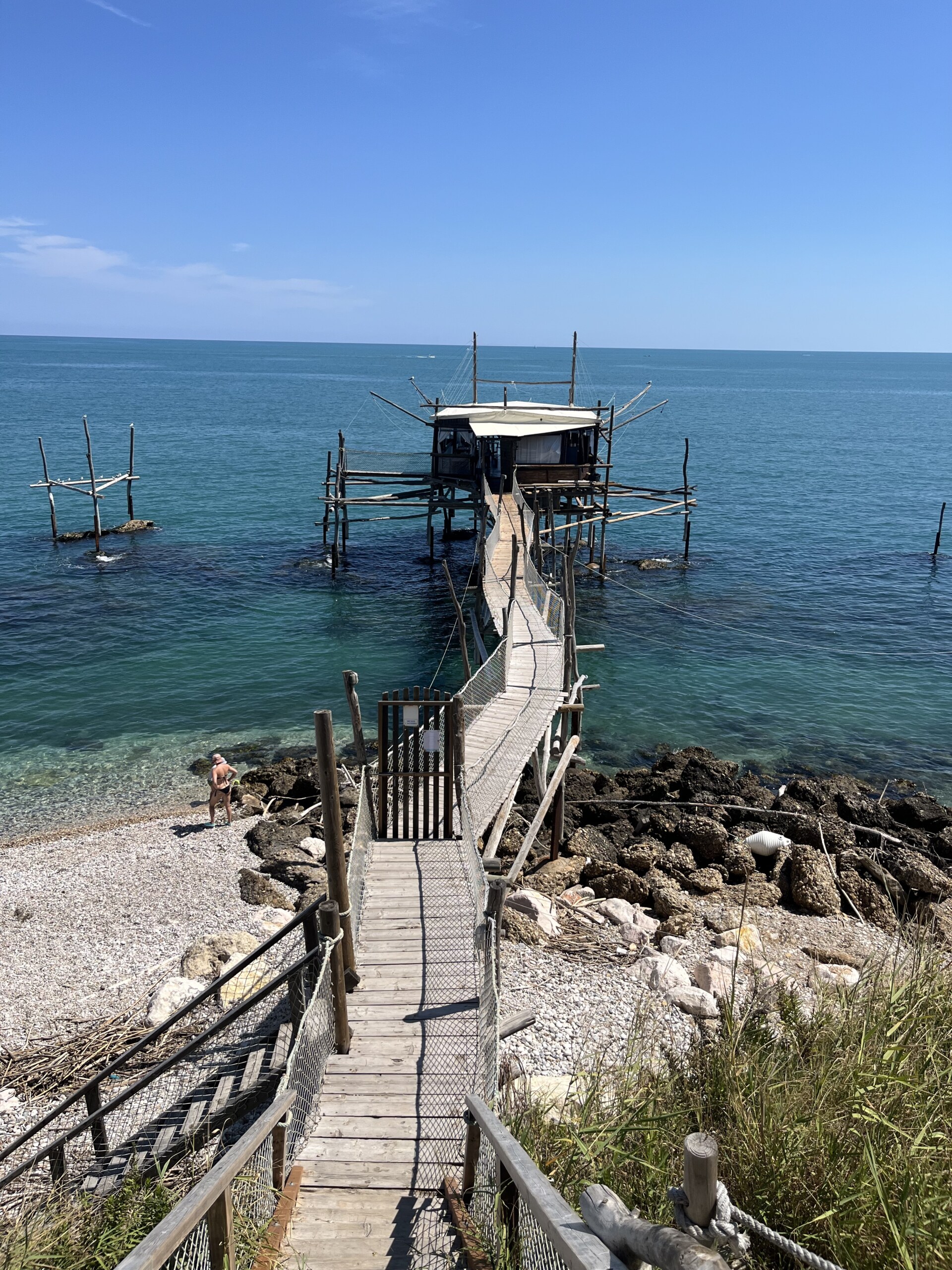
Spiaggia Ripari Bardella
THE BEST BEACHES ON THE TRABOCCHI COAST
La Spiagetta (Ortona) – At the edge of Ortona’s coast, La Spiagetta is a new beachside lido that’s both cool and easygoing—perfect for long summer days. The creative menu is a particular draw, as is the craft beer and natural wine, and the DJs make sure the playlist encapsulates the perfect Italian summer vibes, meaning you’ll probably end up wanting to linger and dance late into the night.
Spiaggia Ripari Bardella (Ortona) – This protected cove, set within a nature reserve, feels almost untouched. Pebbles give way to a turquoise stretch of water so clear that snorkelers float above shoals of silver fish. Local lore says the cove was once a smuggler’s hiding spot, as its cliffs offered perfect cover. Today, it’s one of the quieter beaches, where you can relax to the sound of waves rushing against the rocks.
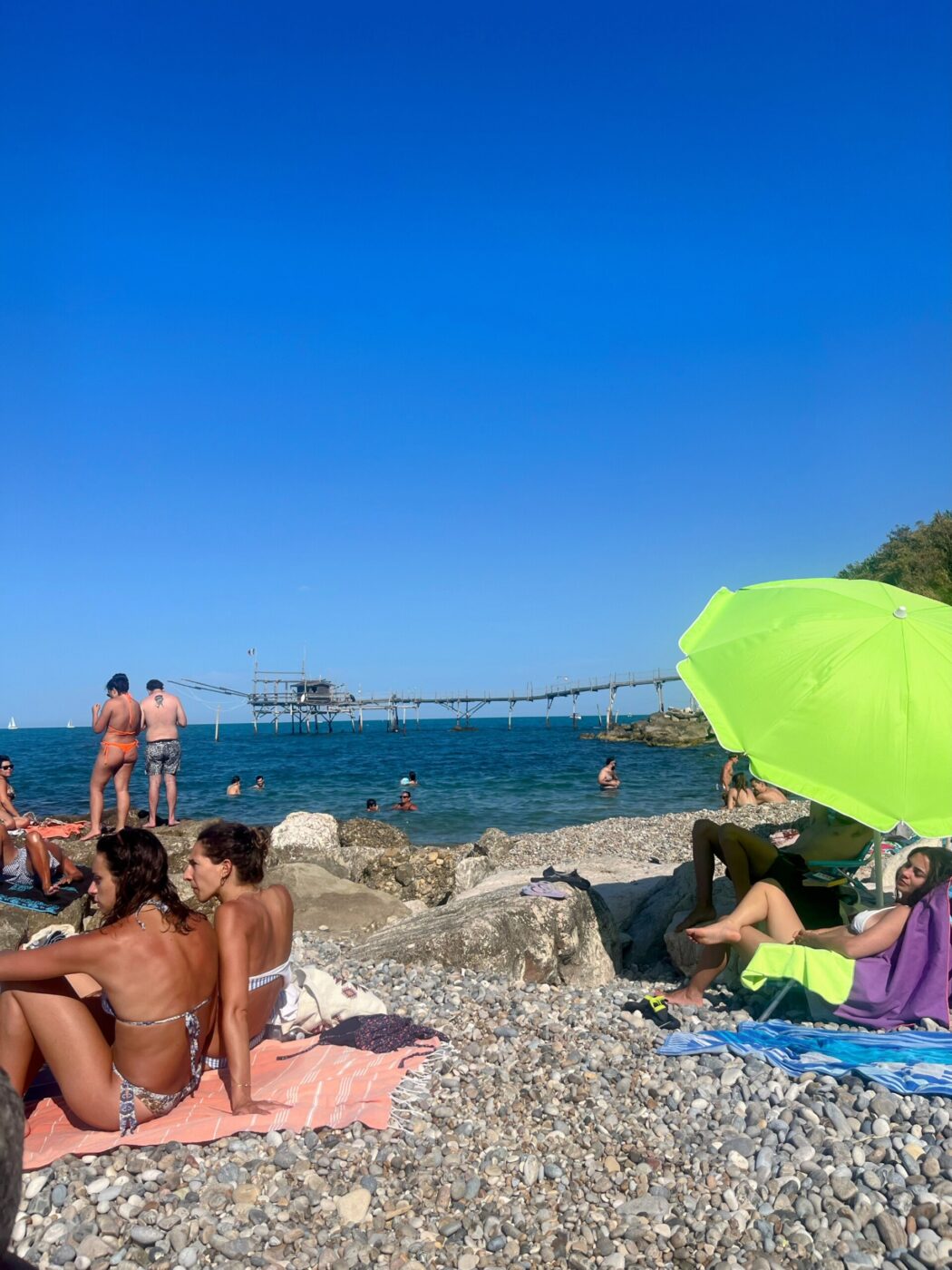
Calata Turchino (San Vito Chietino) – Calata Turchino is postcard Abruzzo: a pebbled shore, turquoise waters (from which the beach gets its name), and a trabocco standing guard at its edge. D’Annunzio immortalized the Trabocco Turchino in his prose, famously describing it as a “colossal spider” clinging to the rocks with a precarious, poetic grace.
Marina Di San Vito Chietino — For those who prefer a full-service bagno, this beach next to the Trabocco San Giacomo has got plenty of options. And, if you’re willing to spend a bit more for the less-crowded side of the beach, Alma Vibes is a contemporary take on the beach club. With cushioned loungers, straw umbrellas, and a cocktail bar, it’s become a popular spot among the younger local crowd.
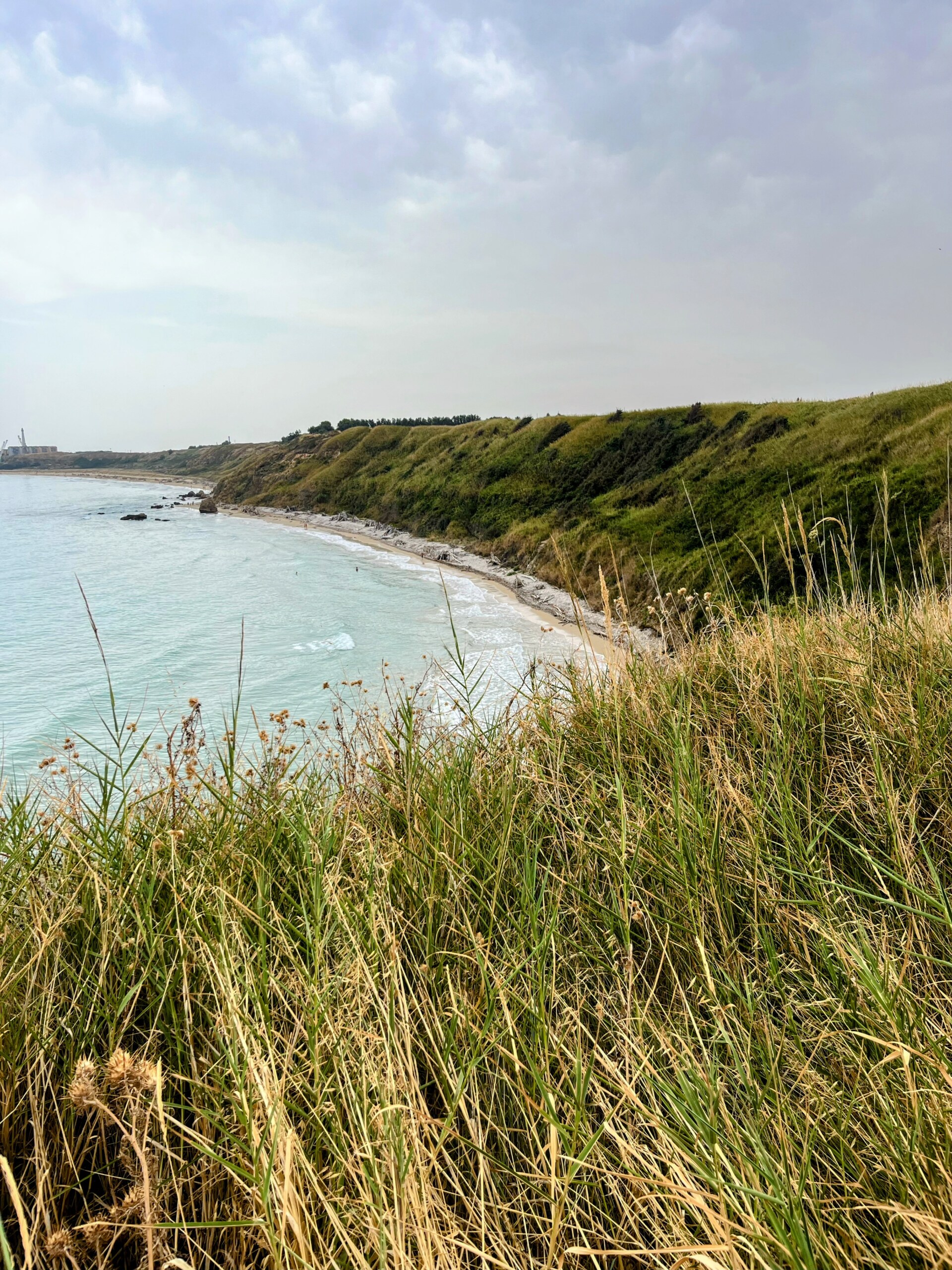
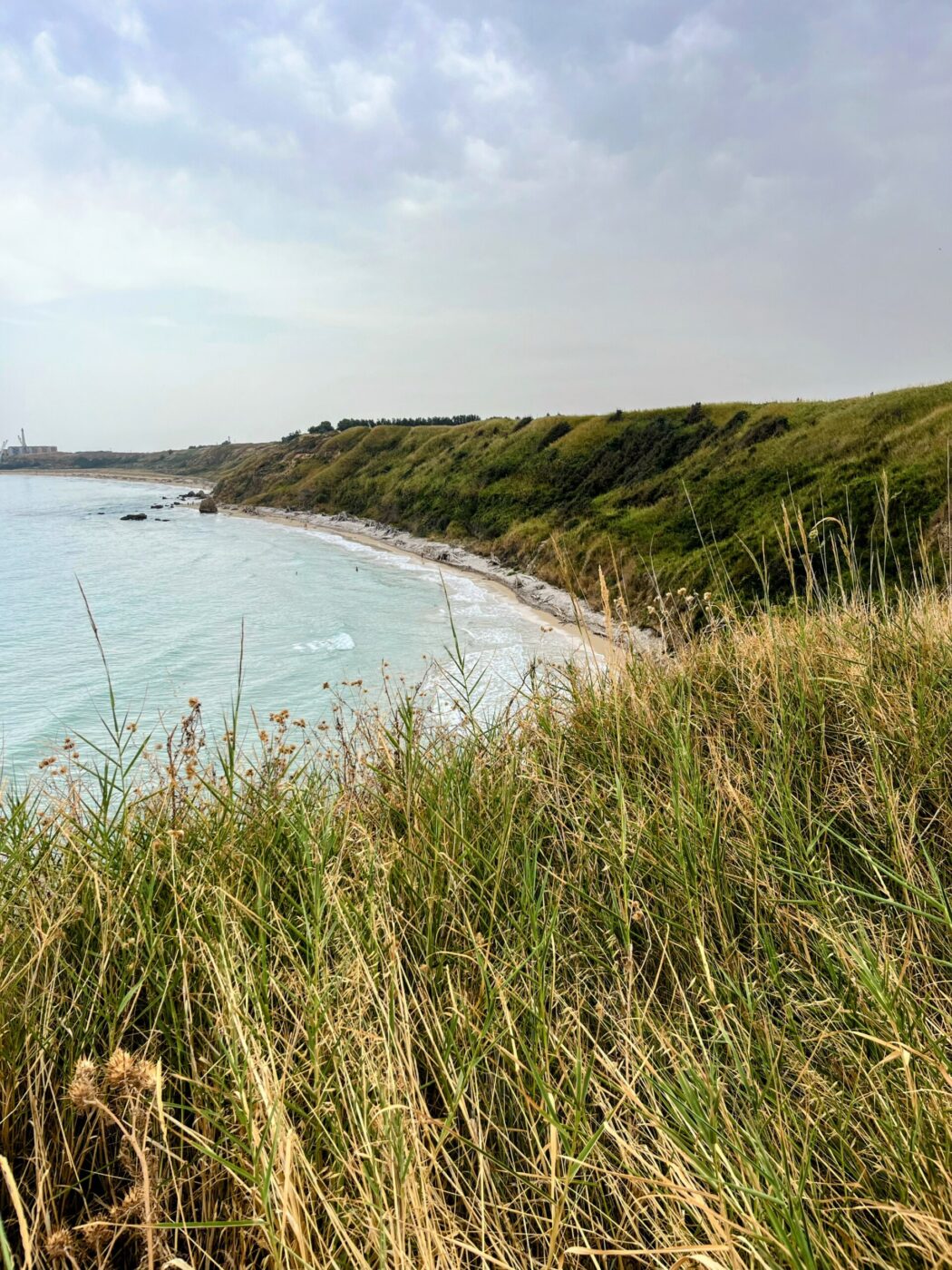
Punta Aderci (Vasto) – The wild heart of the Costa dei Trabocchi, Punta Aderci is a 285-hectare nature reserve where dunes roll into meadows and the sea meets the sky in dramatic sweeps. Walk the paths, and you’ll pass vineyards, wildflowers, and migratory birds before descending to the shoreline. It’s a landscape that really offers a raw cross-section of the Adriatic’s original topography.
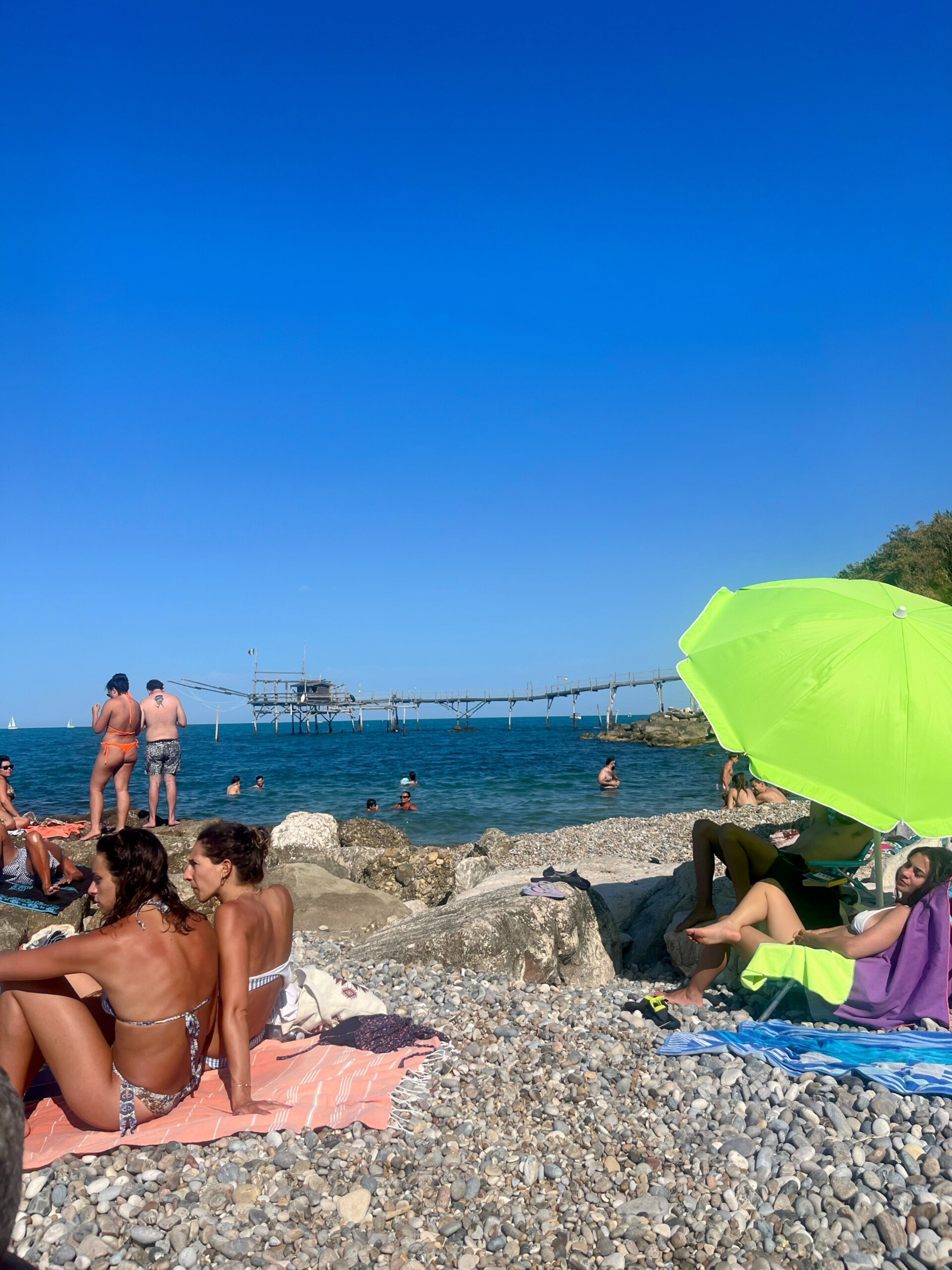
Calata Turchino
WHERE TO EAT: ON THE TRABOCCHI
While menus along the coast follow a similar pattern, these spots prioritize the hyper-local catch hauled from the nets directly below. The standard format is a seafood marathon: a set-price menu spanning antipasti crudo, primo, secondo, and dolce—though à la carte is also available for a lighter meal.
Trabocco Punta Fornace (Marina di San Vito) – Trabocco Punta Fornace, with food as honest as the hospitality, is on a promontory in San Vito Chietino, the historic center of the traboccanti culture. This family-run affair stays close to the essentials of cucina marinara, served on a deck that sways slightly with the sea. Plus, it’s one of the best places for watching the sunset on the coast.
Trabocco Mucchiola – Gli Ostinati (Marina di San Vito) – Blending contemporary refinement with its original rustic charm, Gli Ostinati lives up to its name (“The Obstinate”) by focusing on hyper-local ingredients, sourced from the surrounding waters and served via a daily-evolving menu—a consistently elevated experience.
Trabocco Sasso della Cajana (Rocca San Giovanni) – Along the rocky stretch of Rocca San Giovanni, Sasso della Cajana is named after the “Rock of the Seagull”. The dining experience here is defined by the sound of the sea crashing against the stones below, and the focus is entirely on the freshness of the seafood; expect perfectly executed classics from the fritto misto to seafood pastas and a wine list that highlights the best of Abruzzo’s Trebbiano and Pecorino labels.
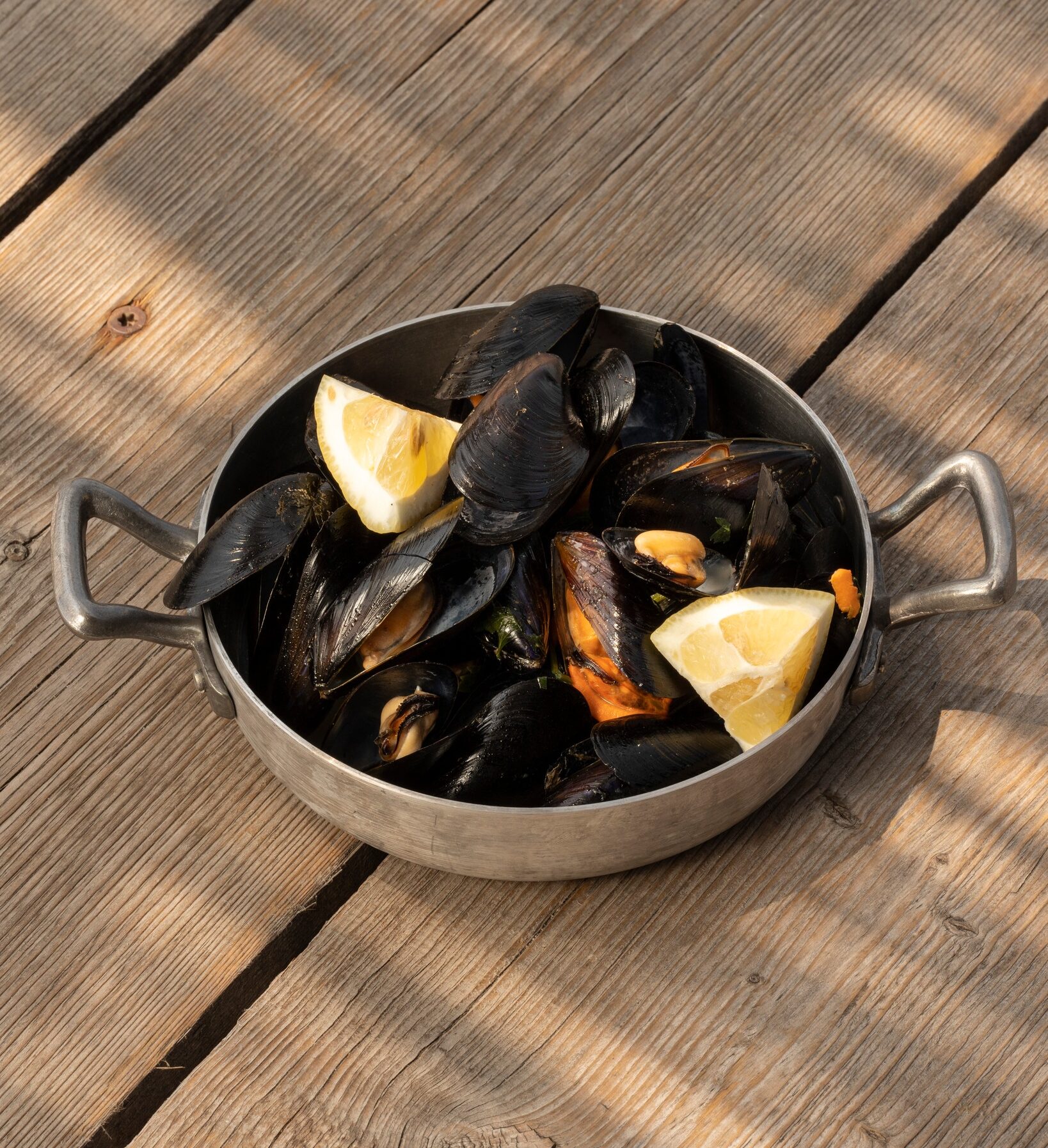
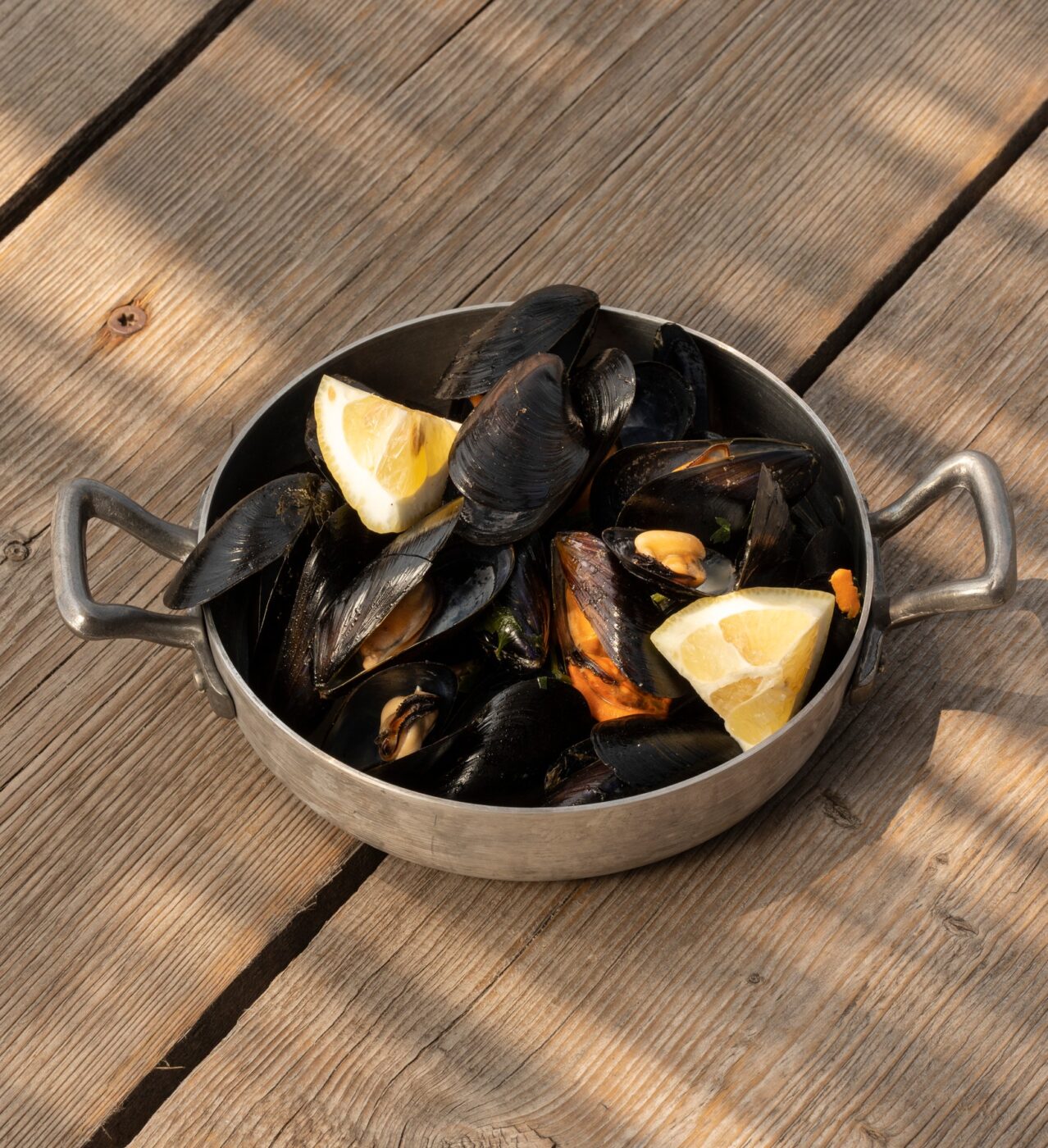
The mussels at Trabocco Punta Fornace; Photo courtesy of @traboccopuntafornace
WHERE TO EAT: OFF THE TRABOCCHI
Osteria del Mare (Pescara) – Steps from the Adriatic, this osteria feels like dining in a fisherman’s kitchen. Here, the star is brodetto alla pescarese (a local fish stew), the spaghetti with bottarga, and the ragù made with tonno rosso (red tuna). With a nod from Gambero Rosso, the unpretentious restaurant offers some of the freshest fish in Pescara (their Instagram bio proudly reads #NOFROZENPLEASE).
La Fabbrica del Vino (Pescara) – A modern haven for wine lovers, this Pescara gem pairs a young, lively energy with well-stocked shelves housing an exceptional list of Italian and iconic French labels. Here, the wine leads the way: every plate is designed to complement the bottle, from local pecorino drizzled with honey to rotating handmade pastas shared at communal tables. To see the kitchen at its best, order the lingotto di diaframma e guanciale con zucchine alla scapece—a standout dish that perfectly captures the restaurant’s spirited, sophisticated approach to pairing.
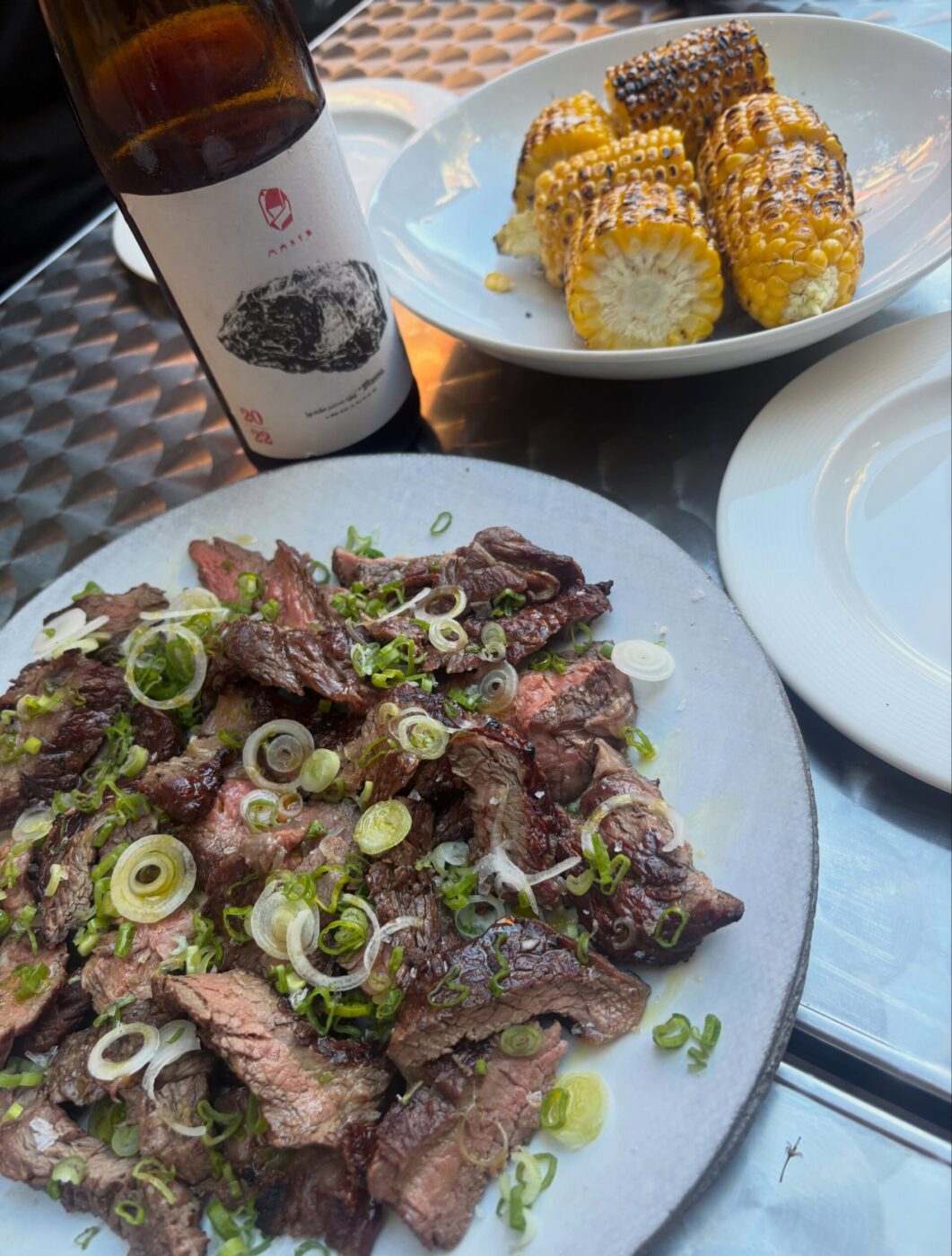
Radicale (Pescara) – Founded by Davide—the visionary behind the cult wine label Lammidia—Radicale pushes against the coast’s traditional boundaries with a restless, seasonal menu. By blending modern technique with the deep-rooted DNA of Abruzzo’s cuisine, the restaurant has become a magnet for food-obsessed locals and visiting chefs alike, all drawn to share plates of grilled sardines and bottles of the owners’ fun natural wines.
Bracevia (Francavilla) – A Slow Food osteria dedicated to arrosticini, Bracevia thrives on smoky simplicity. Long communal tables and the heady scent of grilling lamb fill the air, creating a space where plates are shared and hands inevitably end up slicked with local olive oil. In summer, the open doors draw in the sound of the waves. Naturally, the essential order is a mountain of their signature arrosticini.
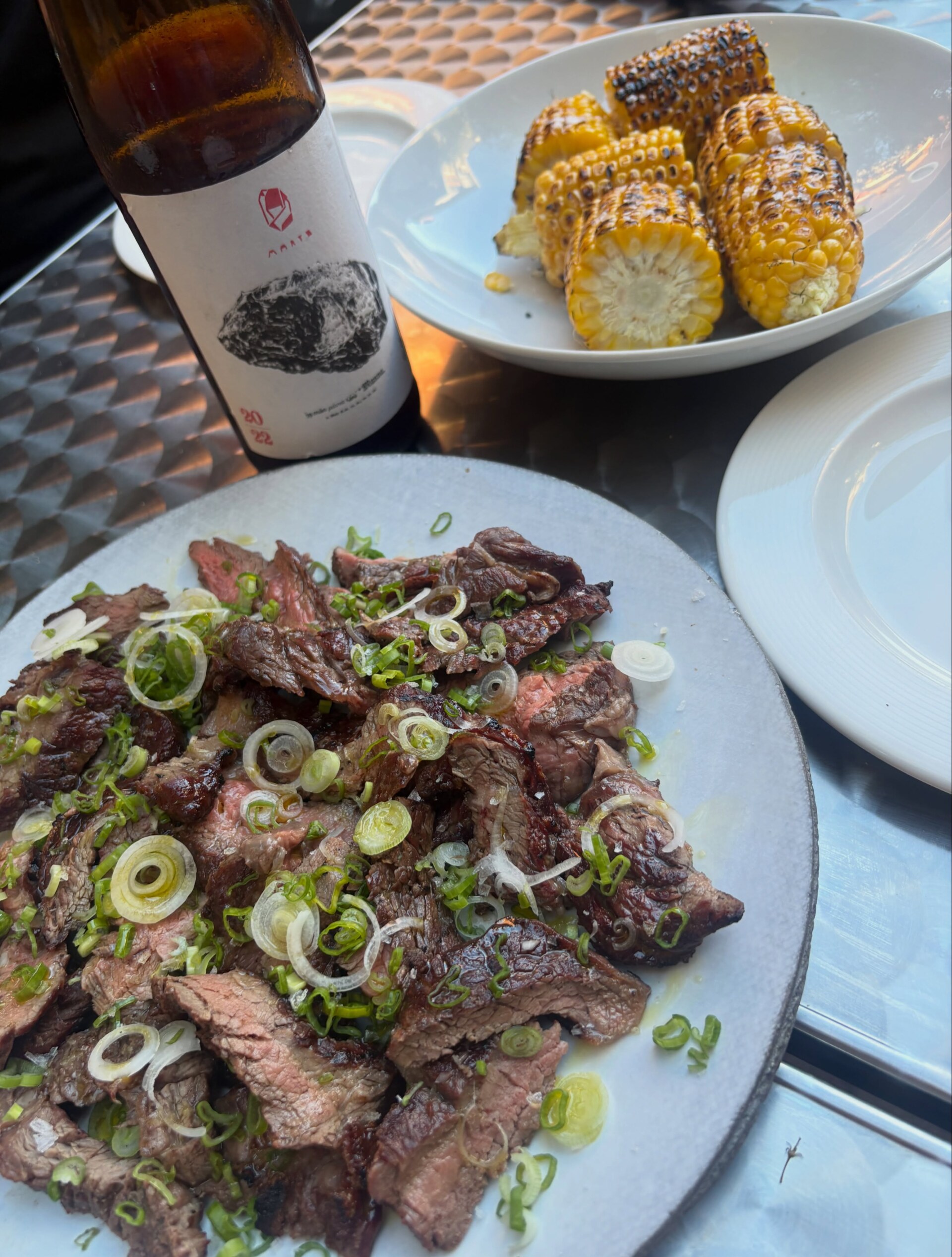
Photo courtesy of @radicale_is_for_radicals
Essenza (San Vito Chietino) – Matching the poetic vibe of San Vito, this seaside restaurant is focused on balance and precision. The menu brings delicate seafood crudo, light pastas, and vibrant market vegetables in a way that feels contemporary yet tastes deeply traditional. With a dining room that opens toward the horizon—where the trabocchi jut out like sculptures—the experience distills the essence of this coast. Don’t miss ordering the tacconcini alla Filippo.
Da Micchele (Vasto) – A cornerstone of the Vasto community, Da Micchele is a lively, unfussy staple where families gather for classic chitarra pasta with pallottine (tiny meatballs) to an exhaustive spread of seafood antipasti (like marinated sardines and fried anchovies). The kitchen is a straightforward reminder of why local traditions matter. You can’t leave without trying the brodetto alla Vastese, the restaurant’s definitive and most celebrated dish.
Trattoria Da Ferri (Vasto) – This is a trattoria in the truest sense, featuring handwritten menus and recipes that haven’t changed in generations. Famous for a brodetto vastese as old as the port itself, the small, lively space is often filled with the clink of carafes and fishermen recounting the day’s catch. Also recommended is the chitarra allo scoglio.
Hostaria del Pavone (Vasto) – More refined than the city’s typical trattorias, del Pavone is elegant without a hint of pretension. The interior mixes rustic beams with polished finishes, creating a celebratory atmosphere where the service is as attentive as the plating and locals come for anniversaries and gatherings. The spaghettone Vicedomini con vongole e bottarga di spigola is a top choice.
Osterie delle Spezie (San Salvo) – This Slow Food osteria built its reputation on combining traditional Abruzzese ingredients with accents like saffron and cinnamon. The result is a menu both comforting and surprising—a reminder of the region’s history as a crossroads for traders. With its jars of dried herbs and fragrant atmosphere, the space has the feel of a “kitchen apothecary.” Order the chitarrina del Tratturo.
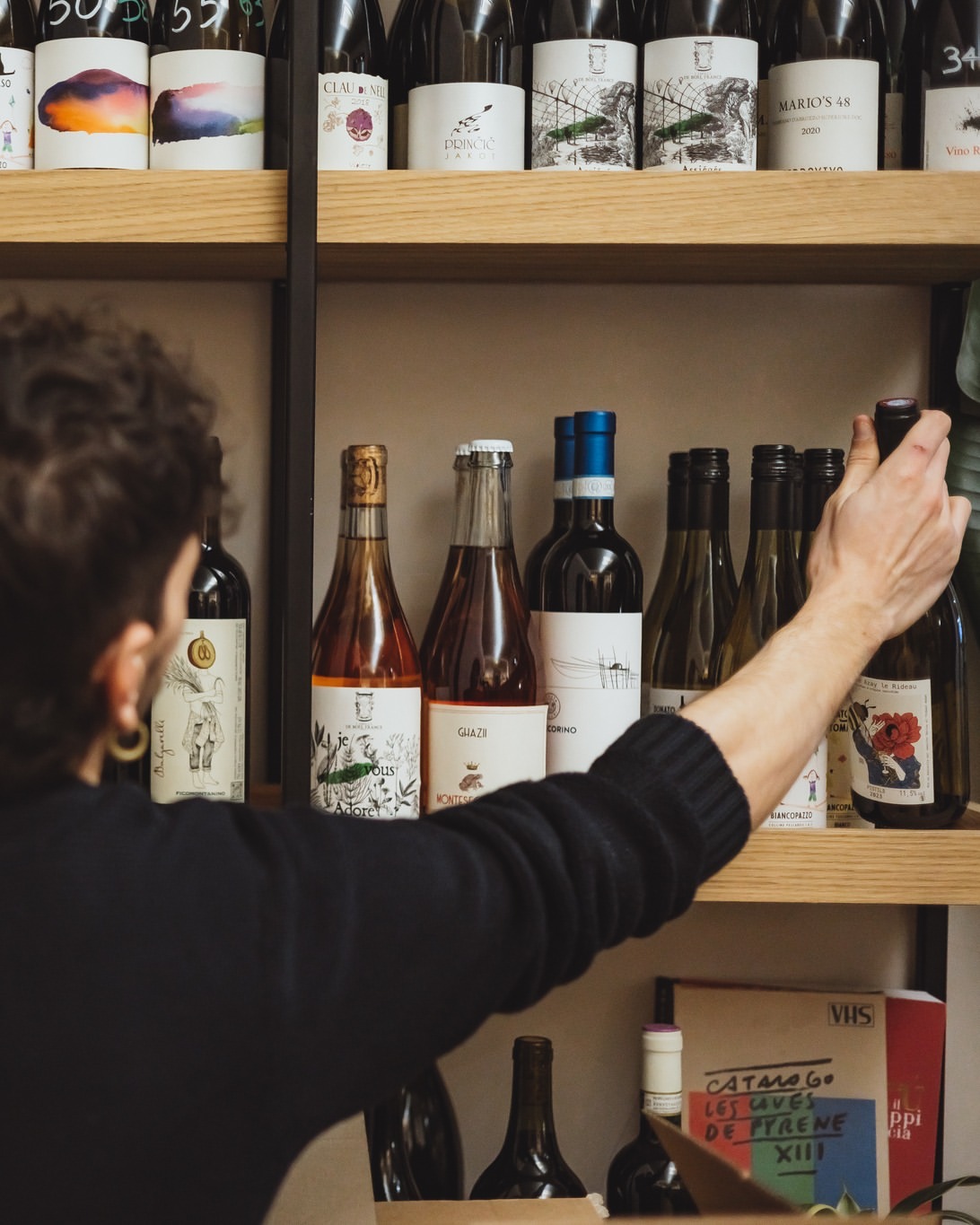
Photo courtesy of @glicine_vinoebar
WHERE TO DRINK ON THE TRABOCCHI COAST
Glicine (Pescara) – Glicine is Pescara’s newest and hottest place to drink. Owners Mattias and Andrea are behind the bar nightly, pouring minimal intervention wines from Abruzzo and beyond to be paired with a tight food menu. The bar’s name means wisteria, and in spring, its purple blooms arch across the doorway, perfuming the air and setting the tone for evenings that go on long past midnight.
Don Gennaro (Pescara) – A true institution with over a century of history, Don Gennaro is the pillar of the regional wine scene. Part bottle shop, part enoteca, the space always has groups of locals spilling out onto the street, glasses in hand, exploring a cellar that bridges the gap between small local vignerons and prestigious international labels. Friendly staff and a lively crowd make it a must.
Drogheria Buonconsiglio (Vasto) – Within the stone walls of Vasto’s historic center, Drogheria Buonconsiglio feels like an old-world apothecary reimagined for modern nightlife. The bar leans towards natural wines, and the owners are happy to share their extensive knowledge with curious guests.
Punta Aderci