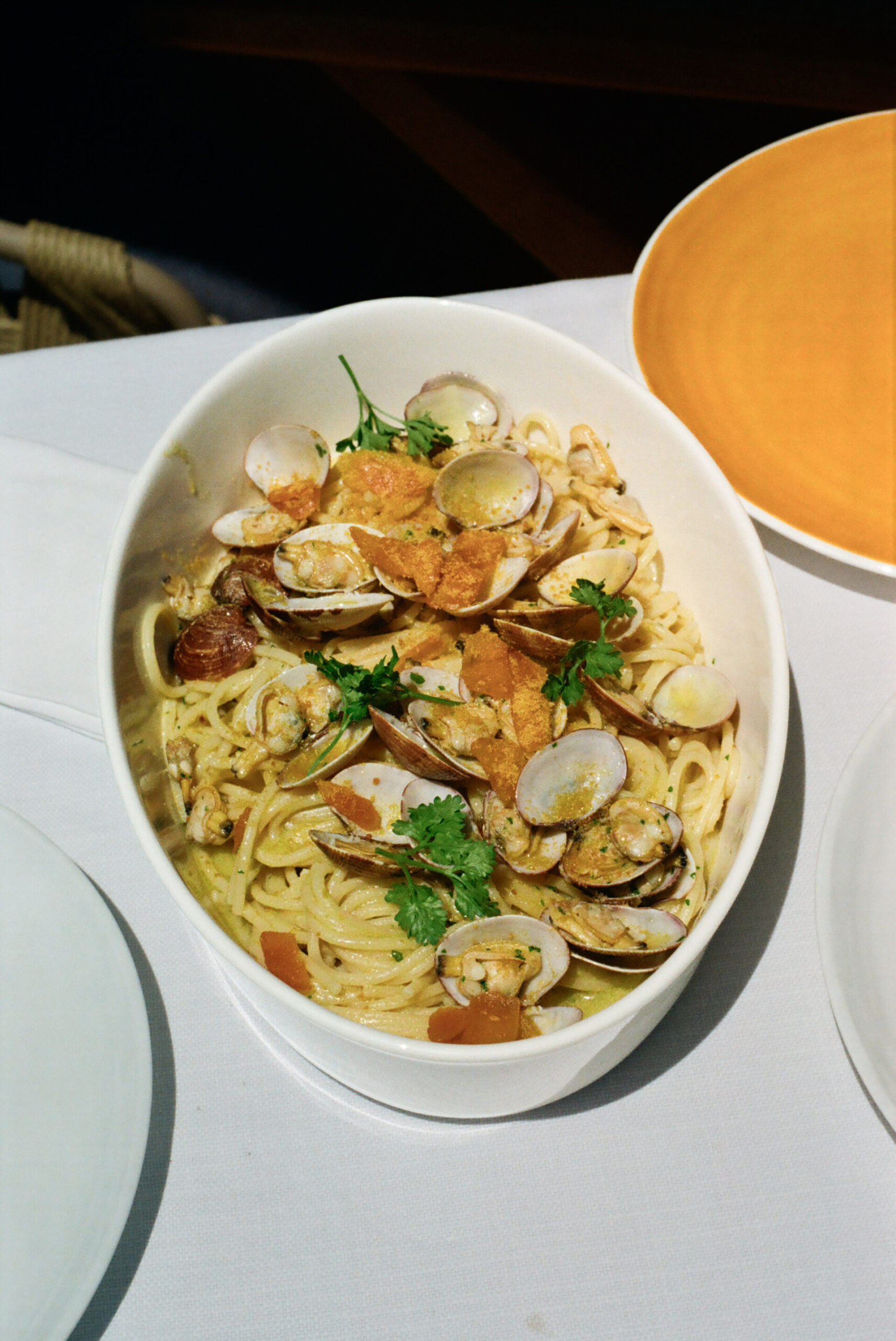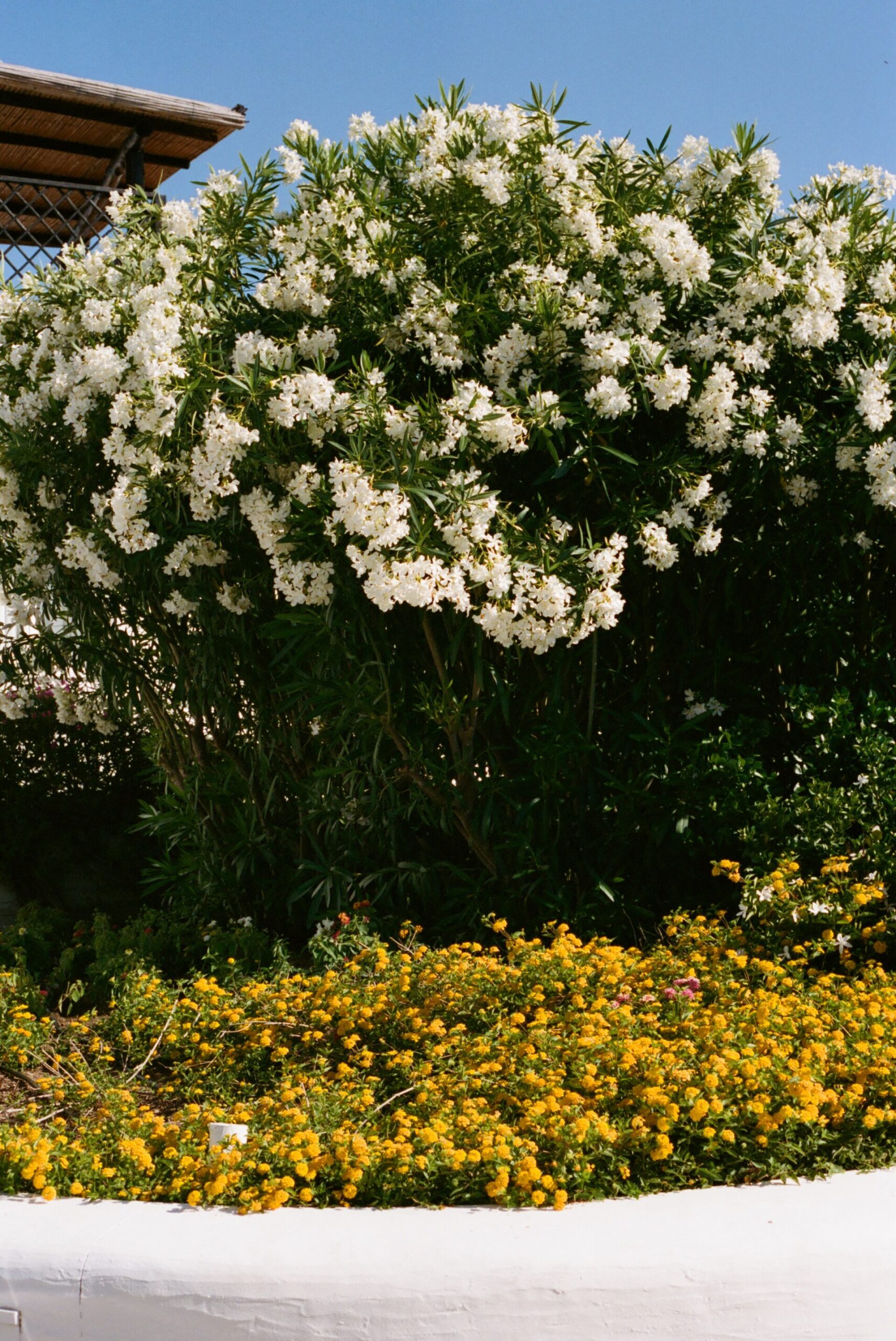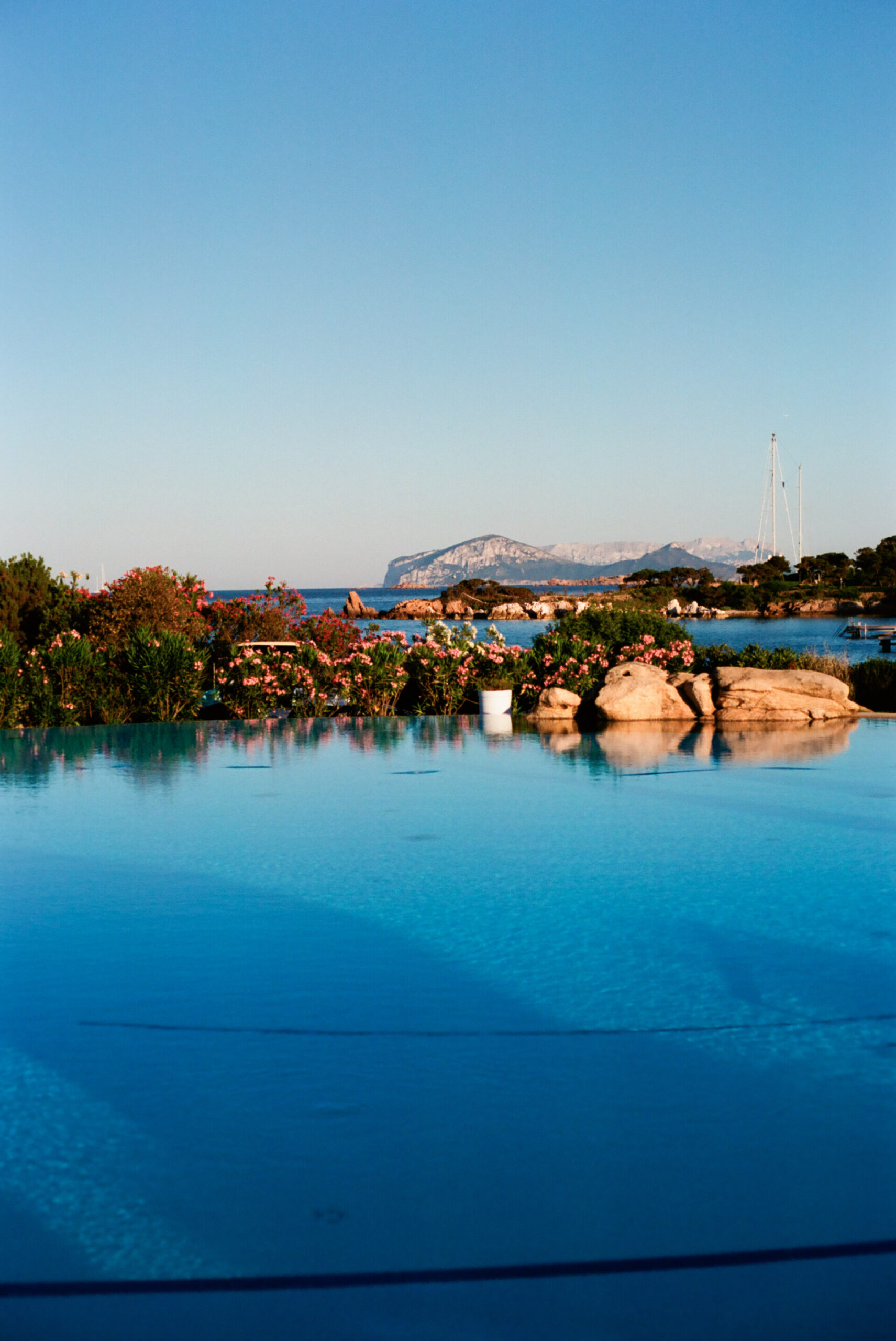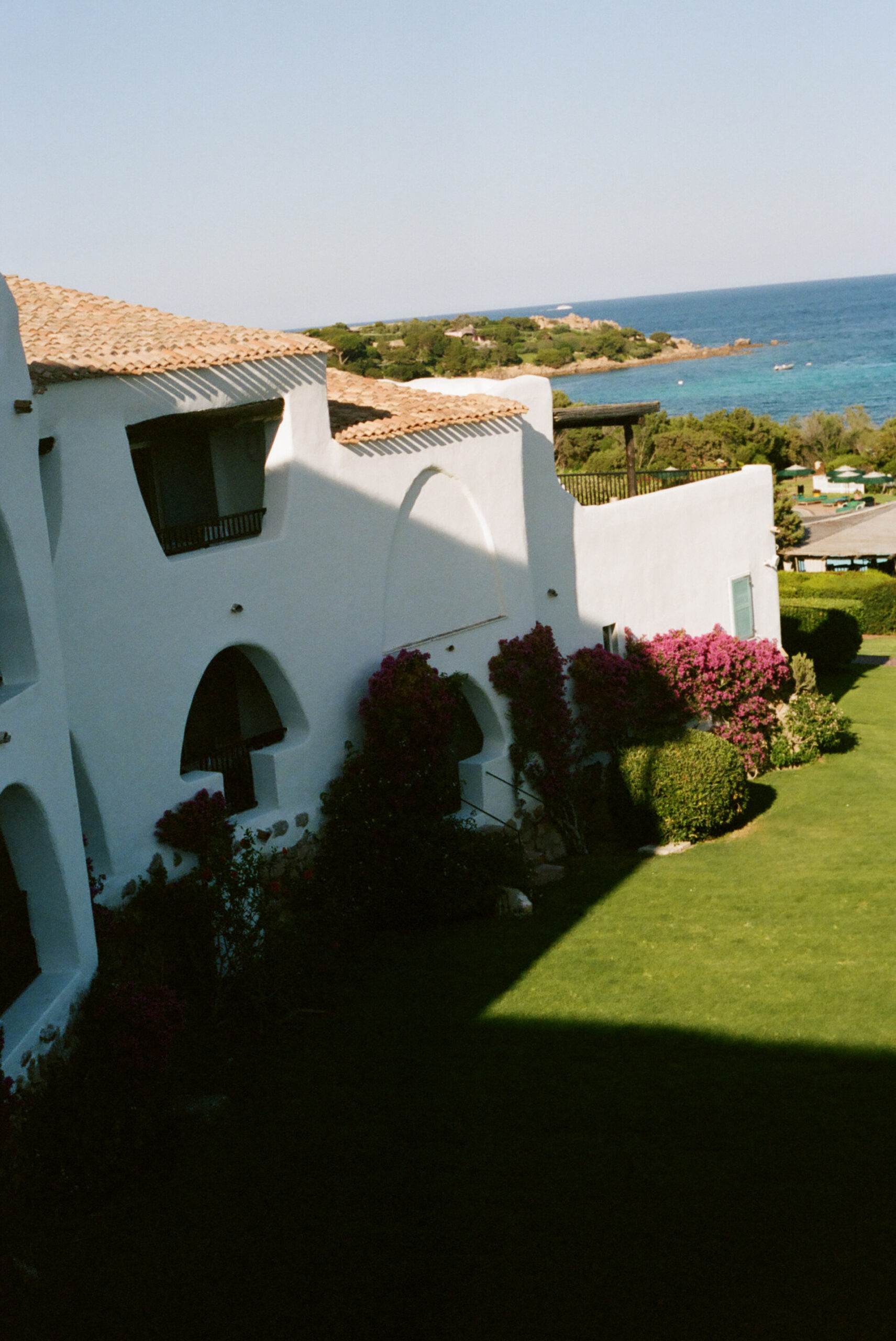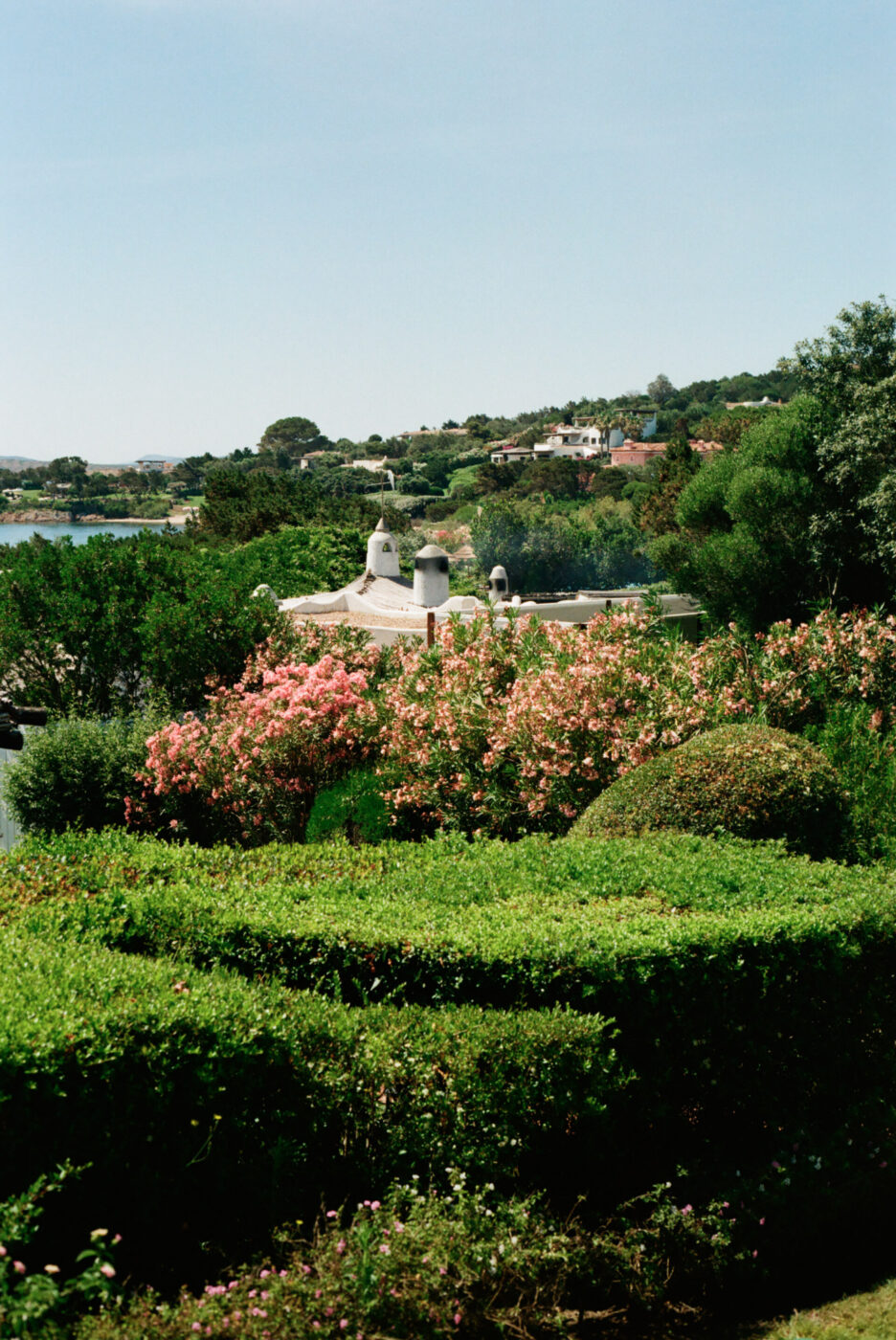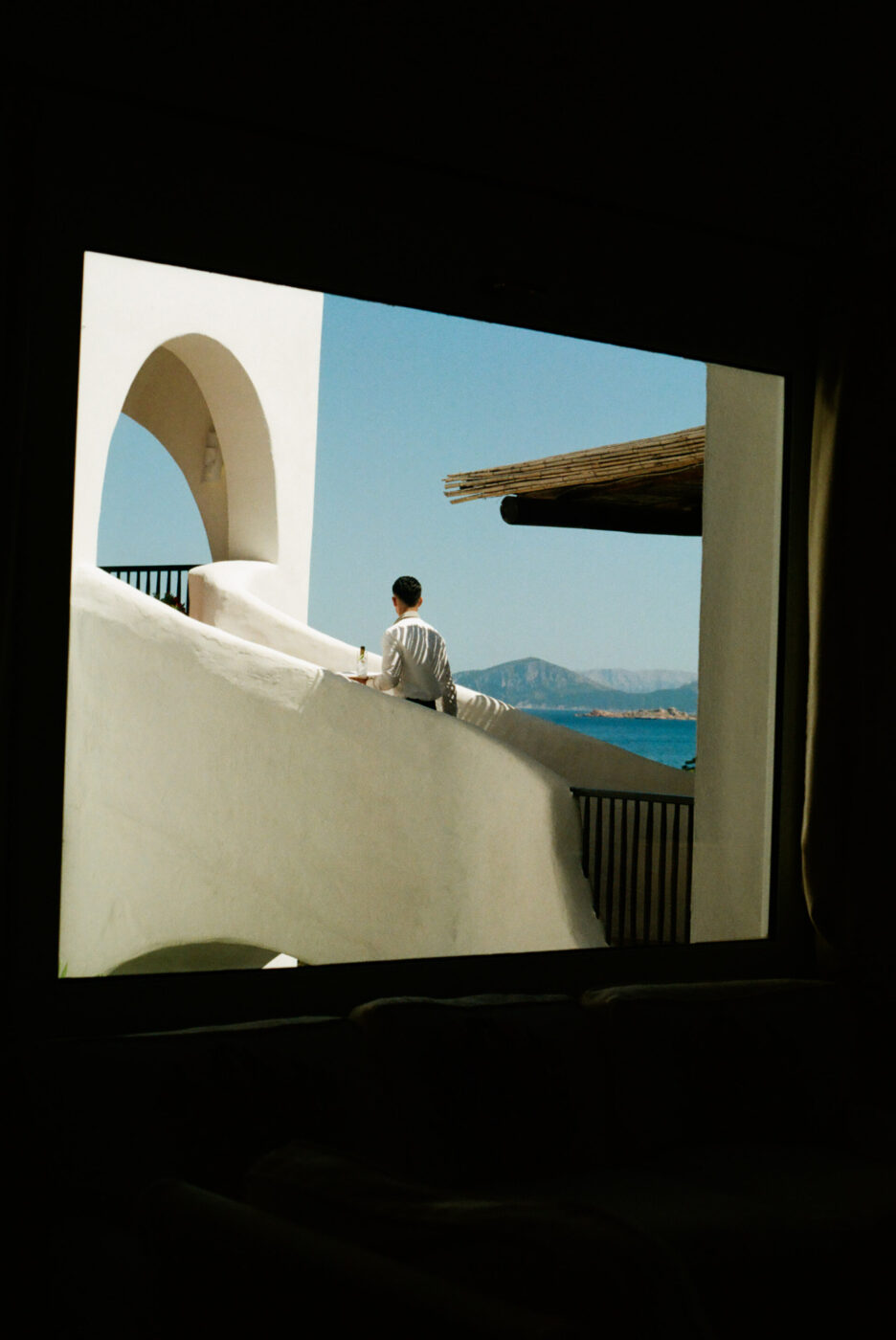
Standard Italian is the language of the nation, but dialetto is how you really get to know the regions. Thanks to Sardinia’s rugged, mountainous interior and centuries of geographic isolation, Sardo has resisted outside influence for millennia, making it the closest living relative to classical Latin. It sounds less like modern Italian and more like a rolling, rhythmic chant from an entirely different era.
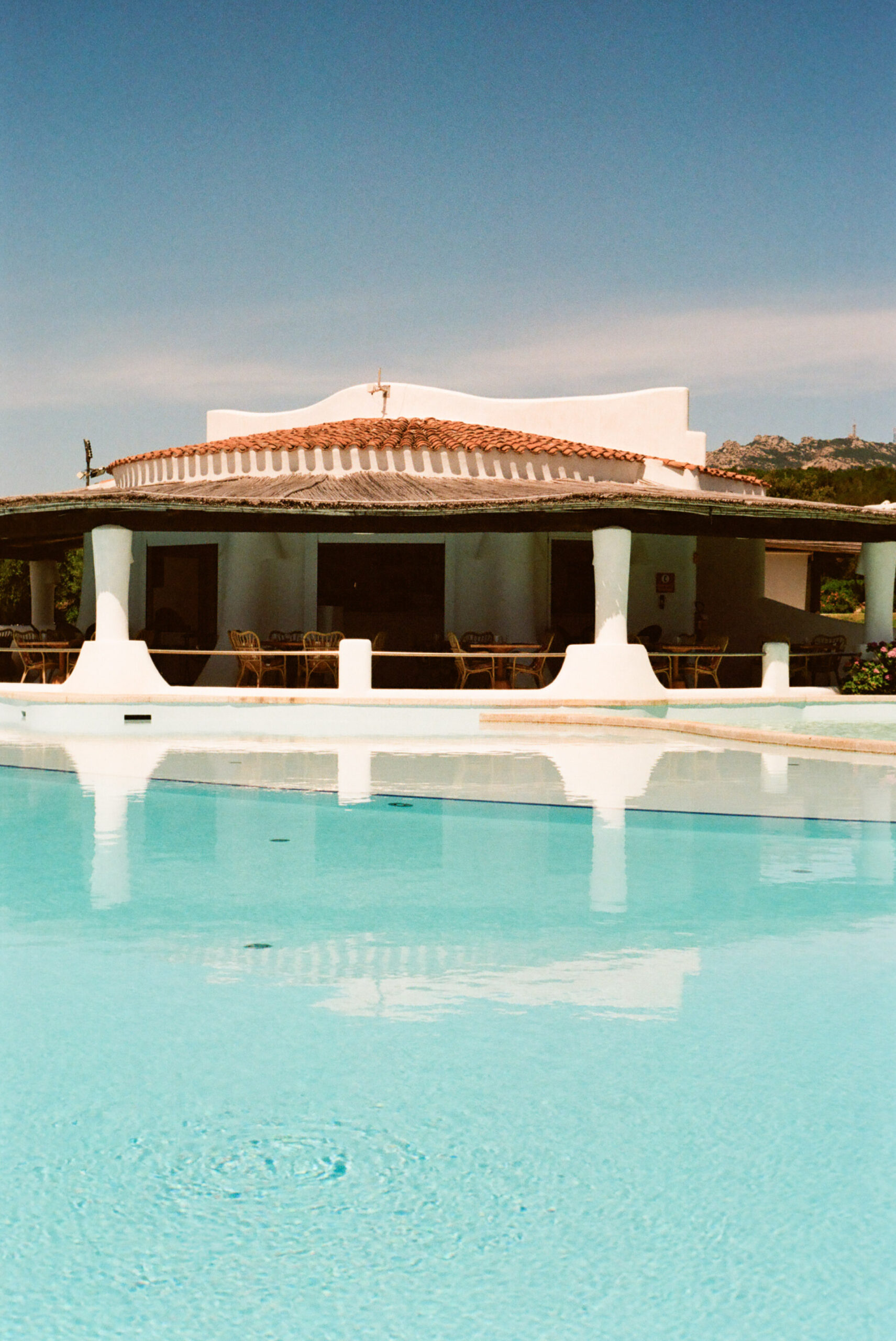
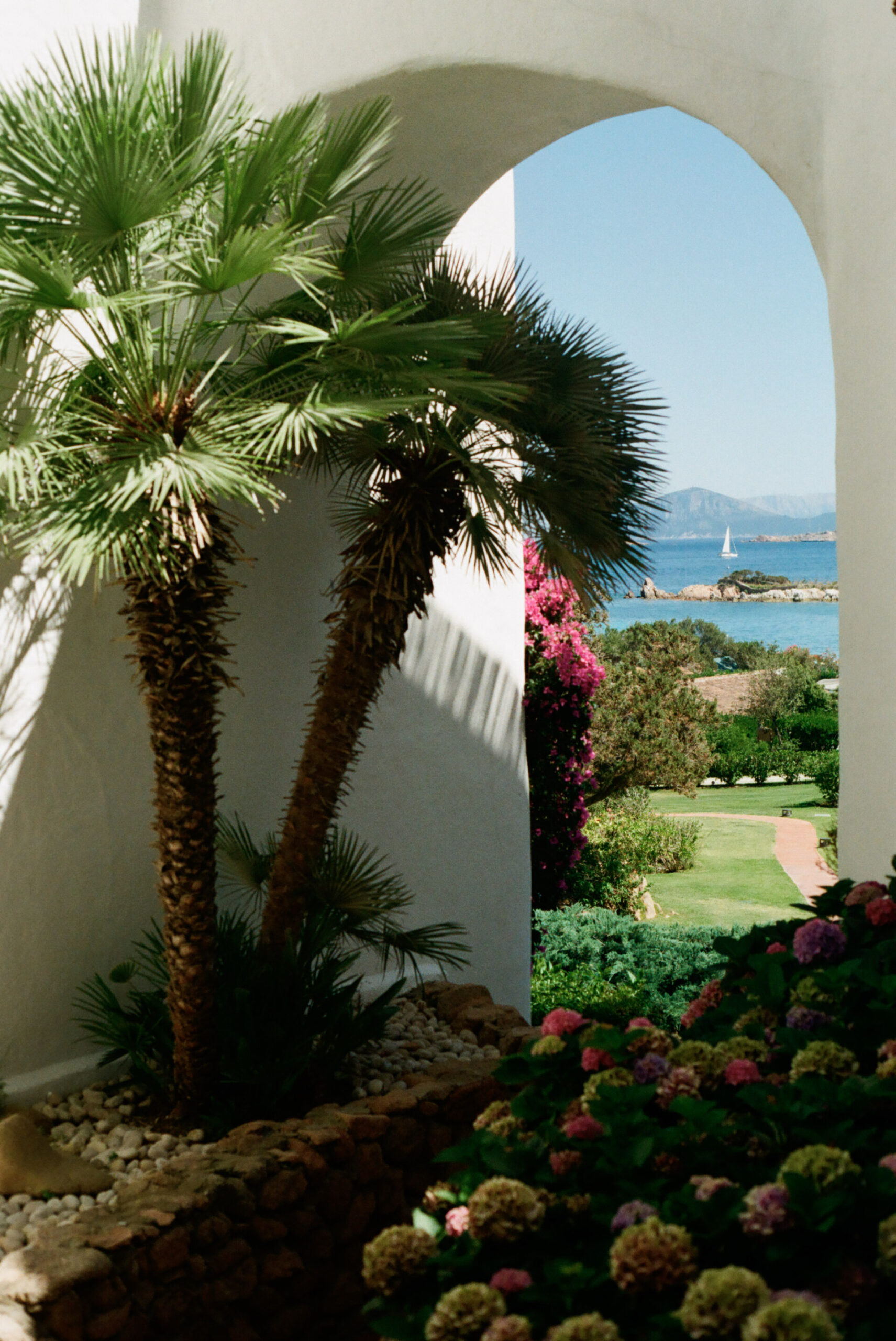
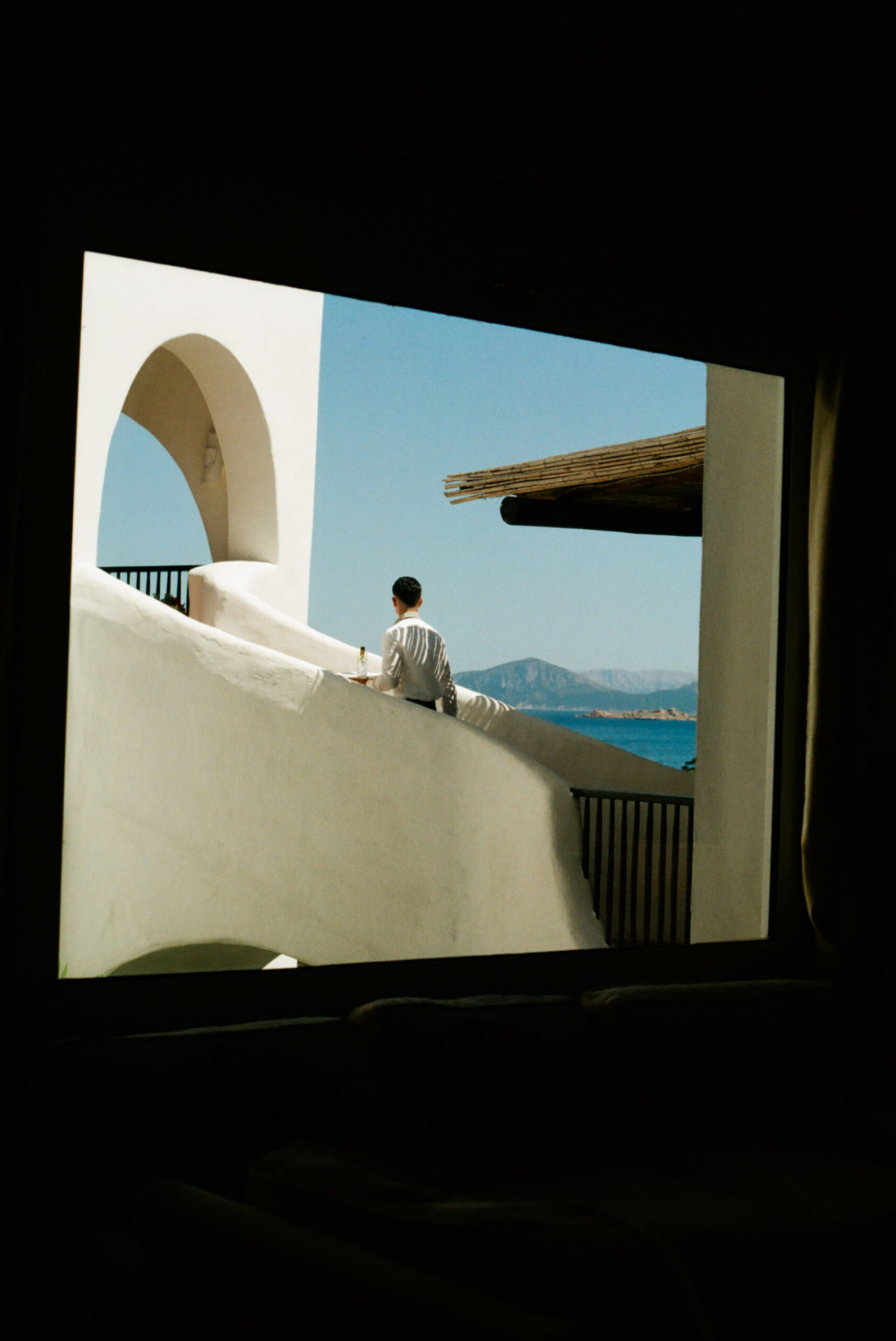
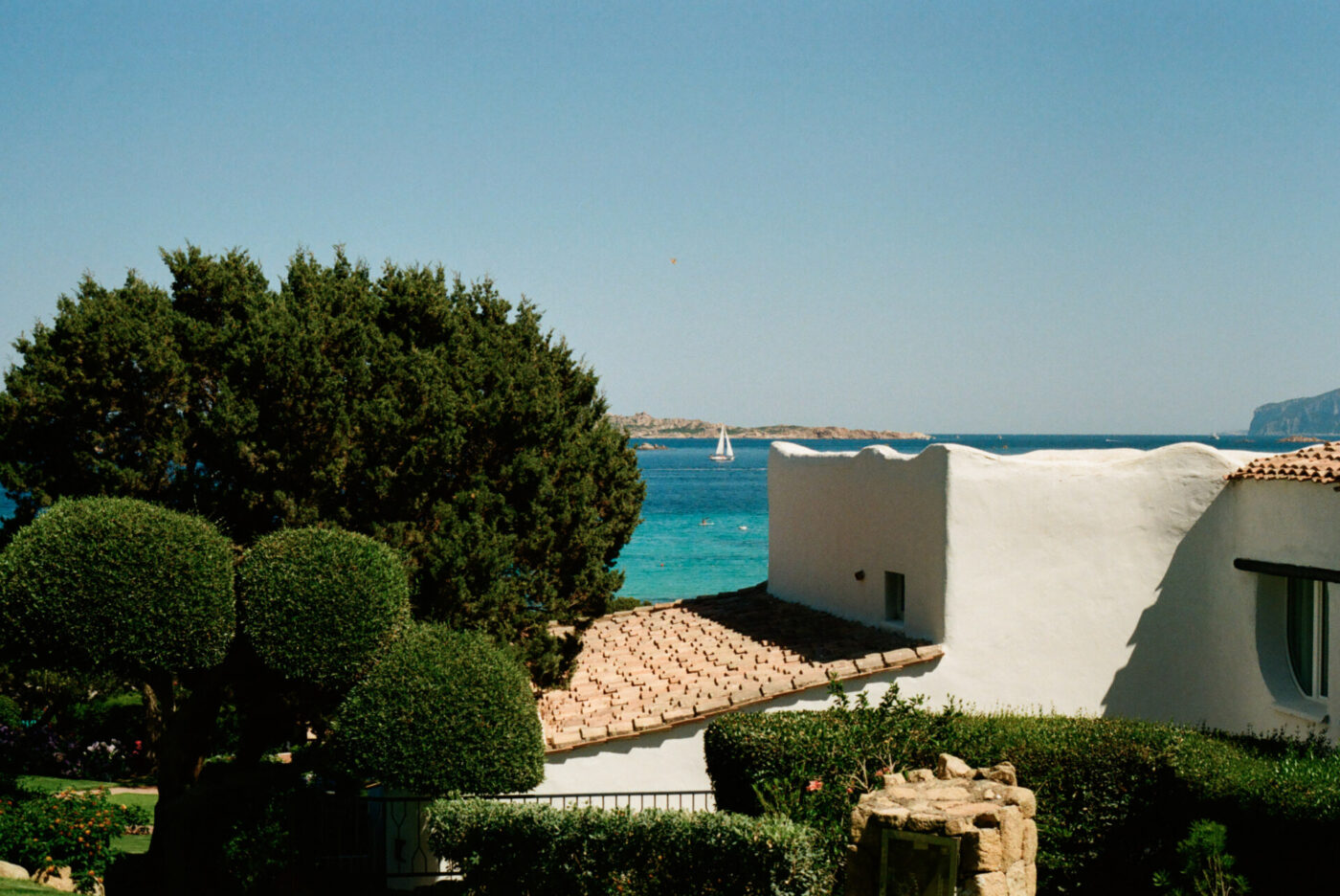
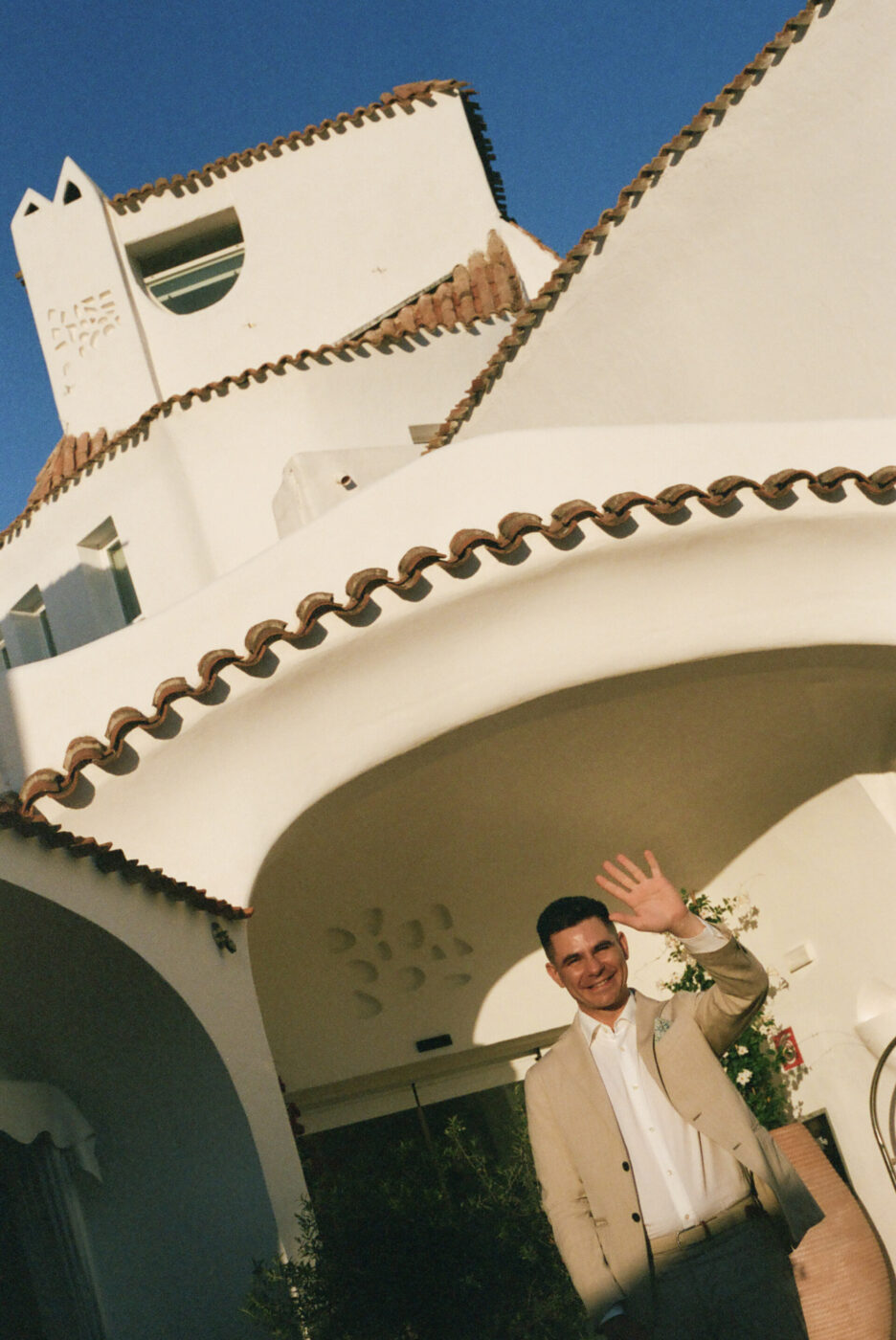
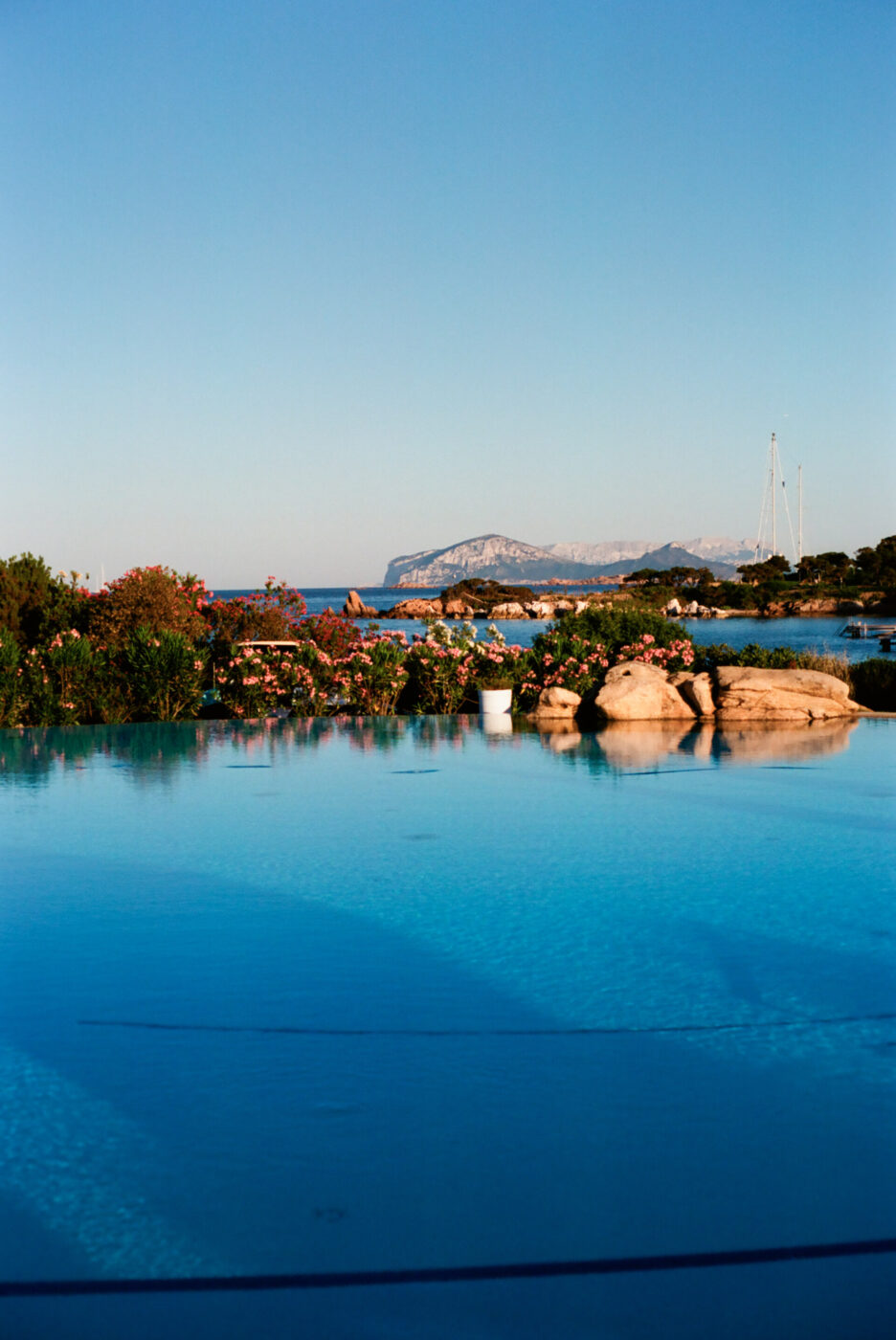
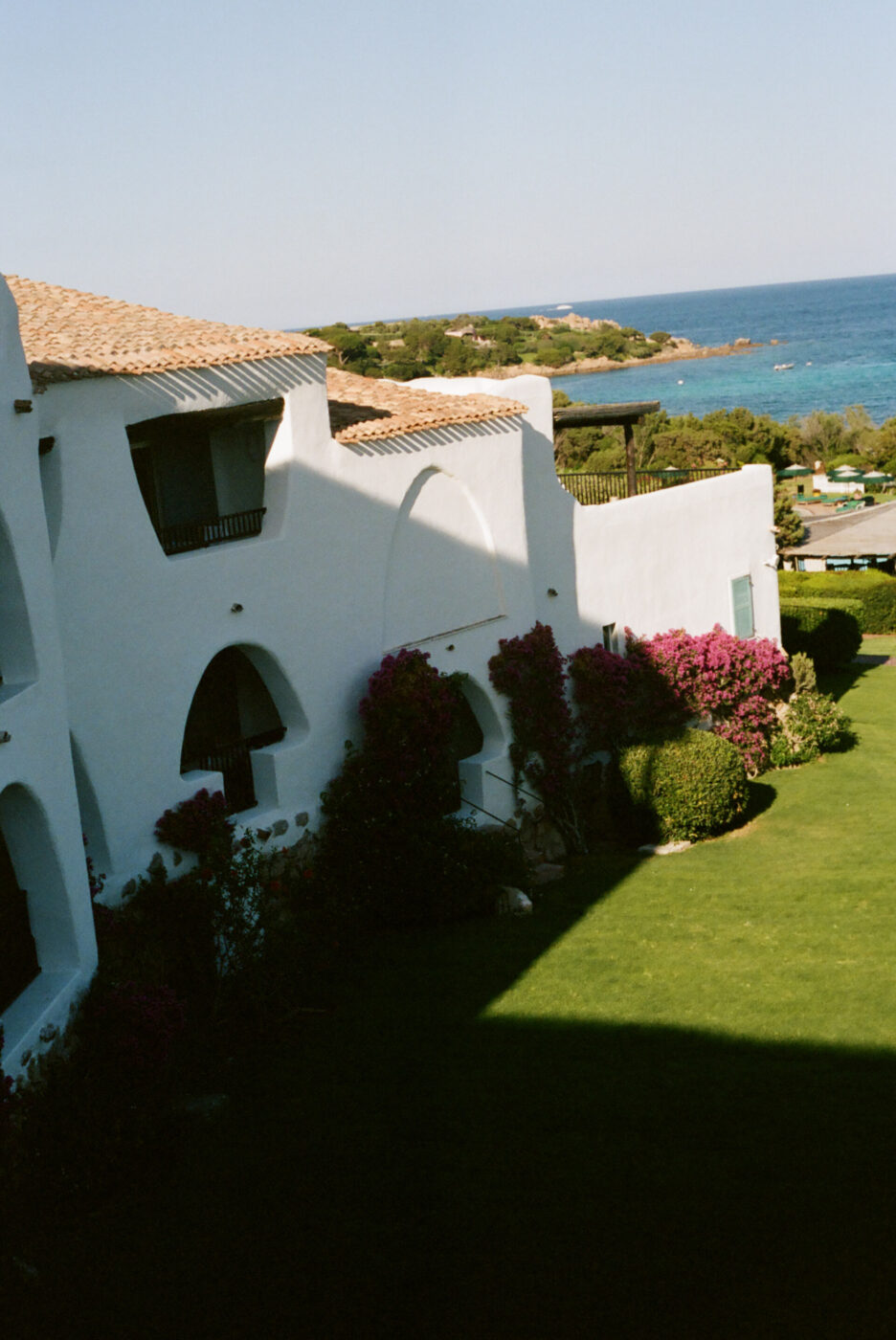
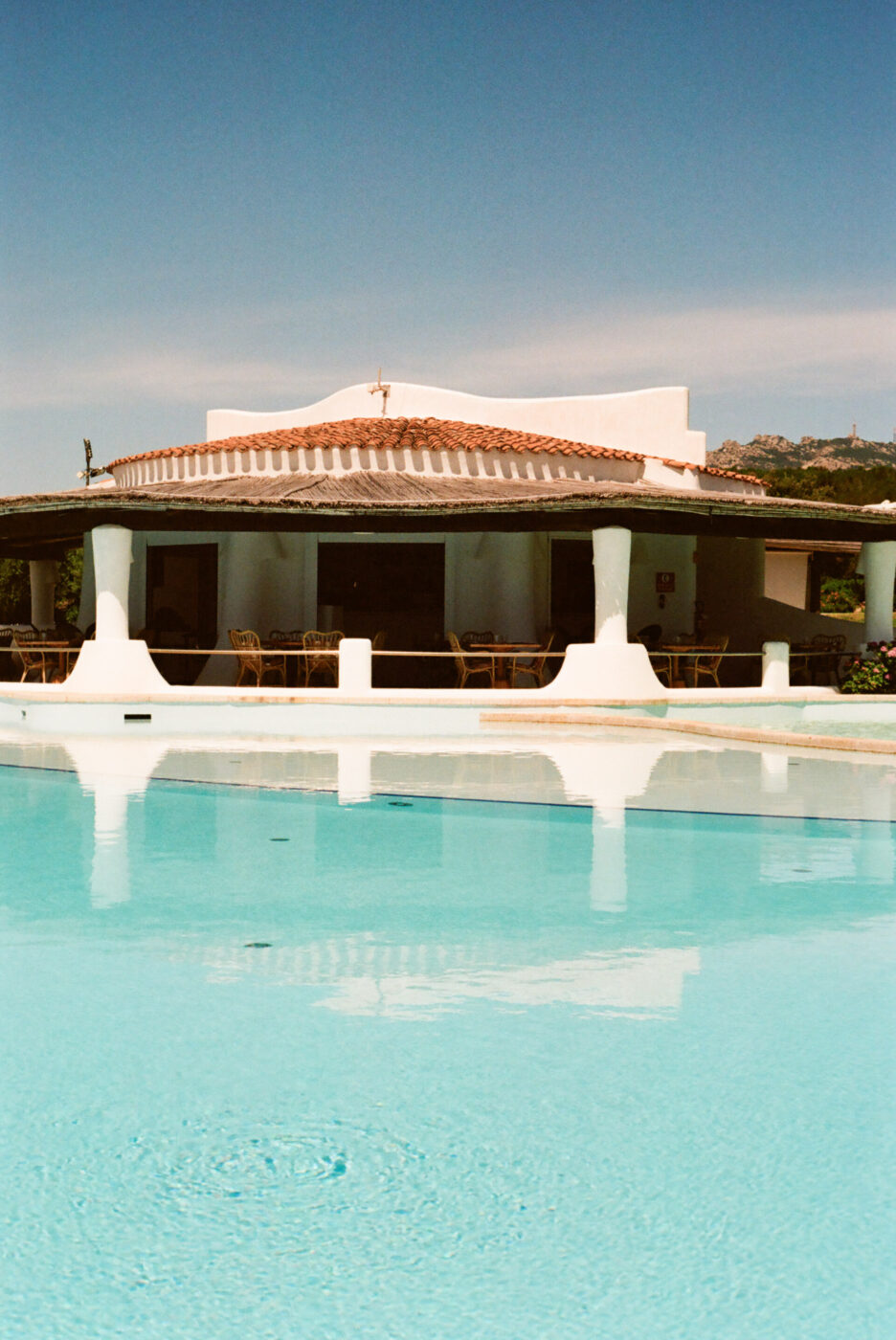
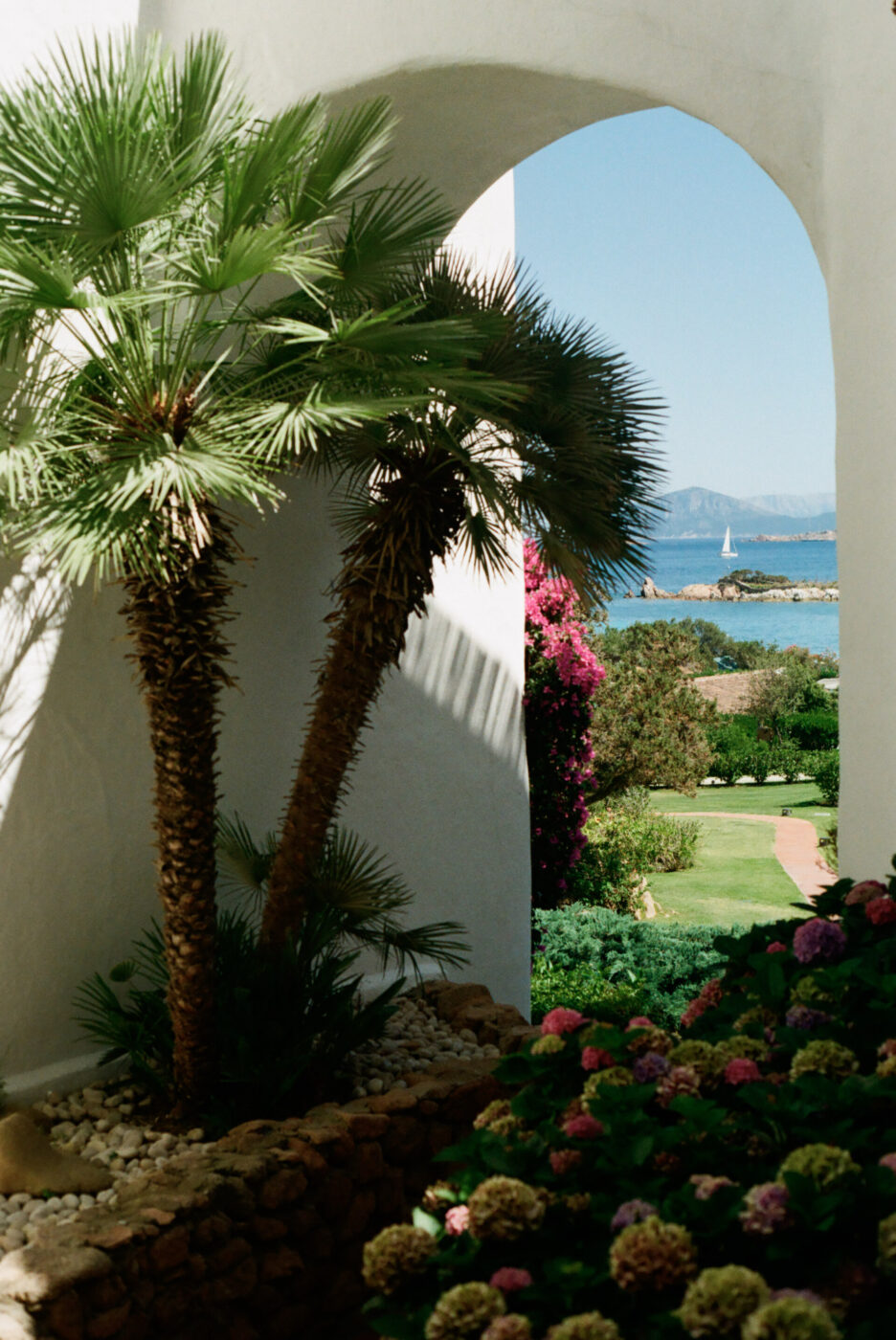
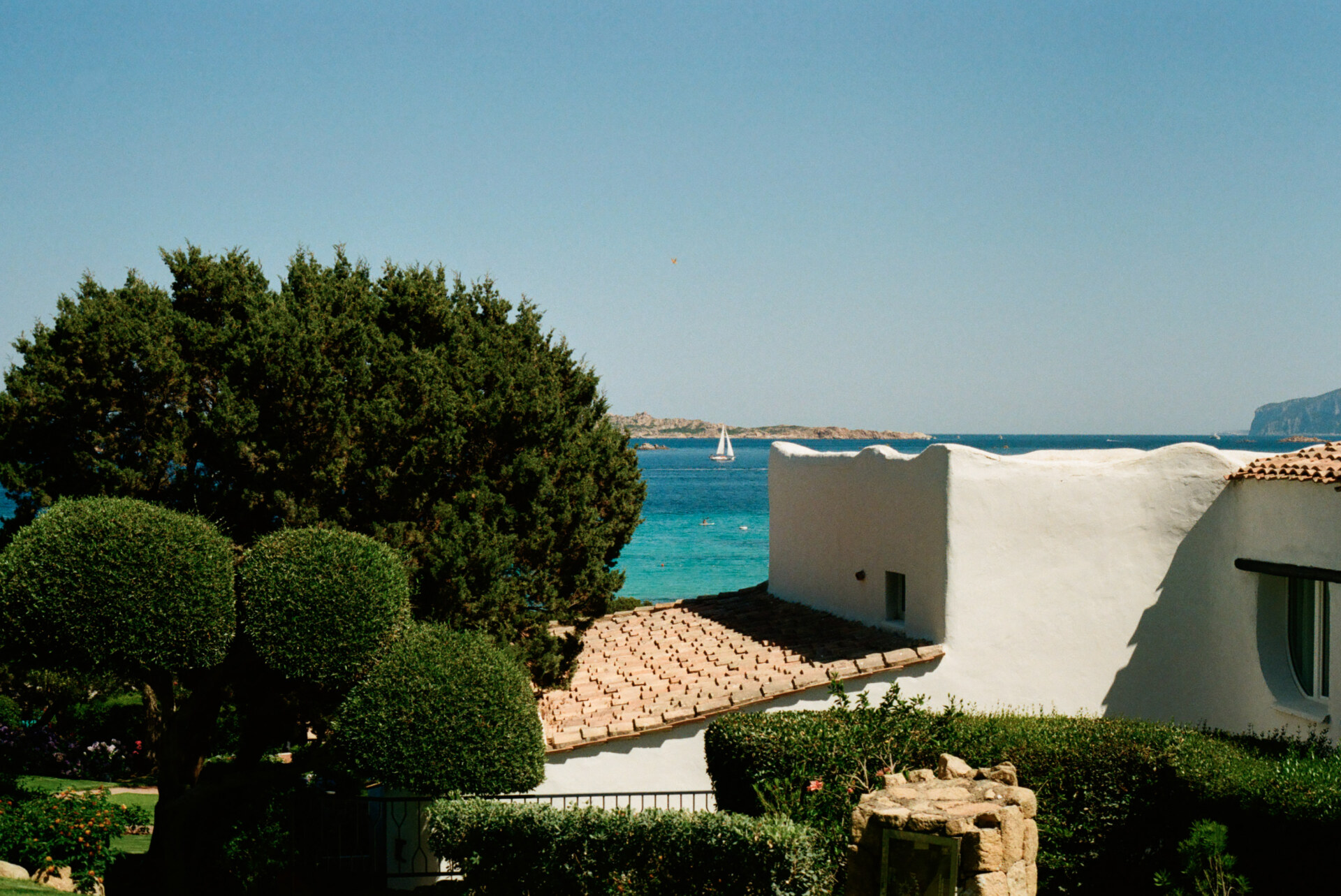
For anyone visiting the island—and perhaps escaping to the white-washed curves of Romazzino, A Belmond Hotel on the Costa Smeralda—understanding these terms is a shortcut to the Sardinian spirit. Here, 10 words and phrases that elucidate Sardinia’s mix of pastoral wisdom, fierce independence, and unshakeable respect for the old ways.
LEVEL: EASY
Itte vonu!
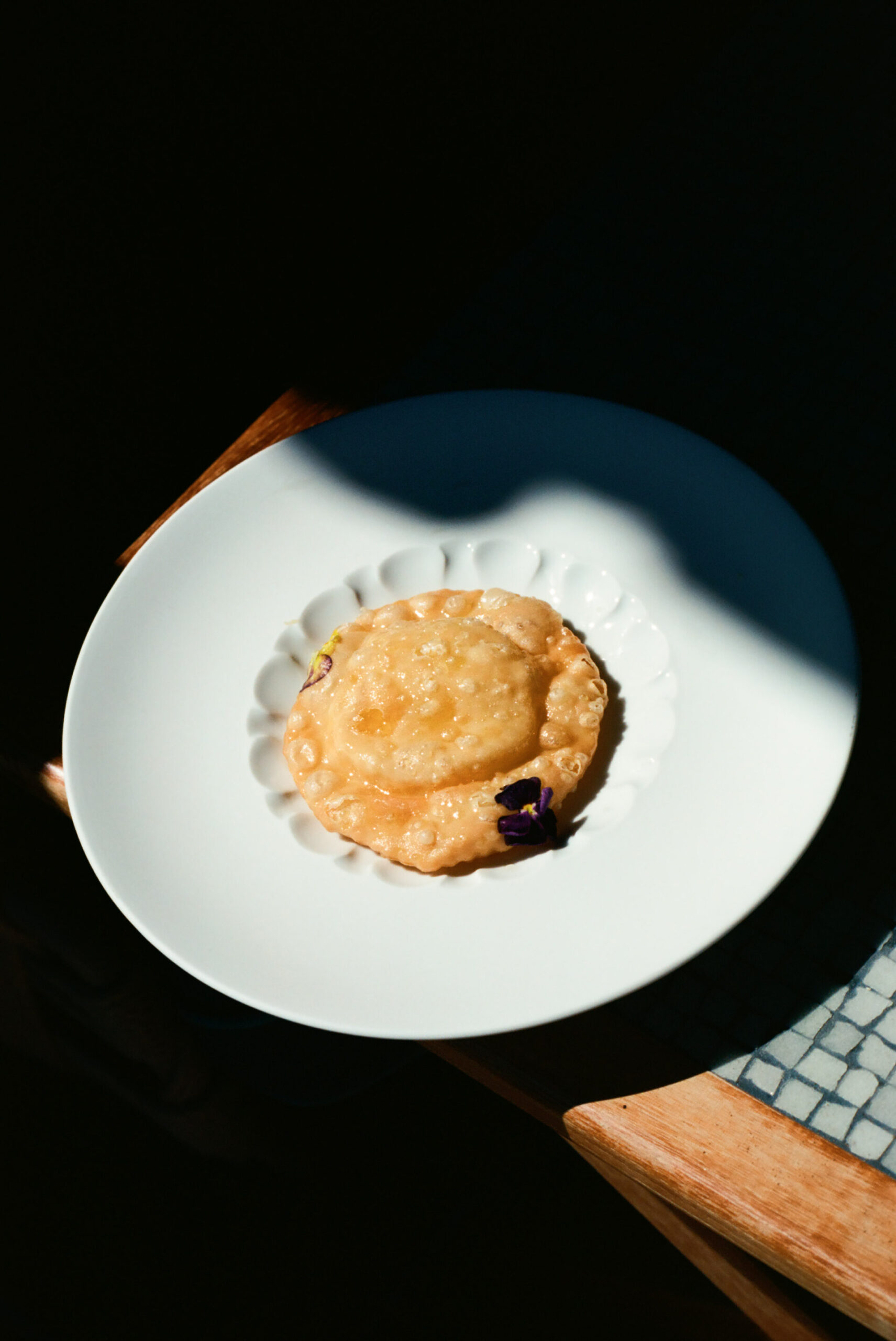
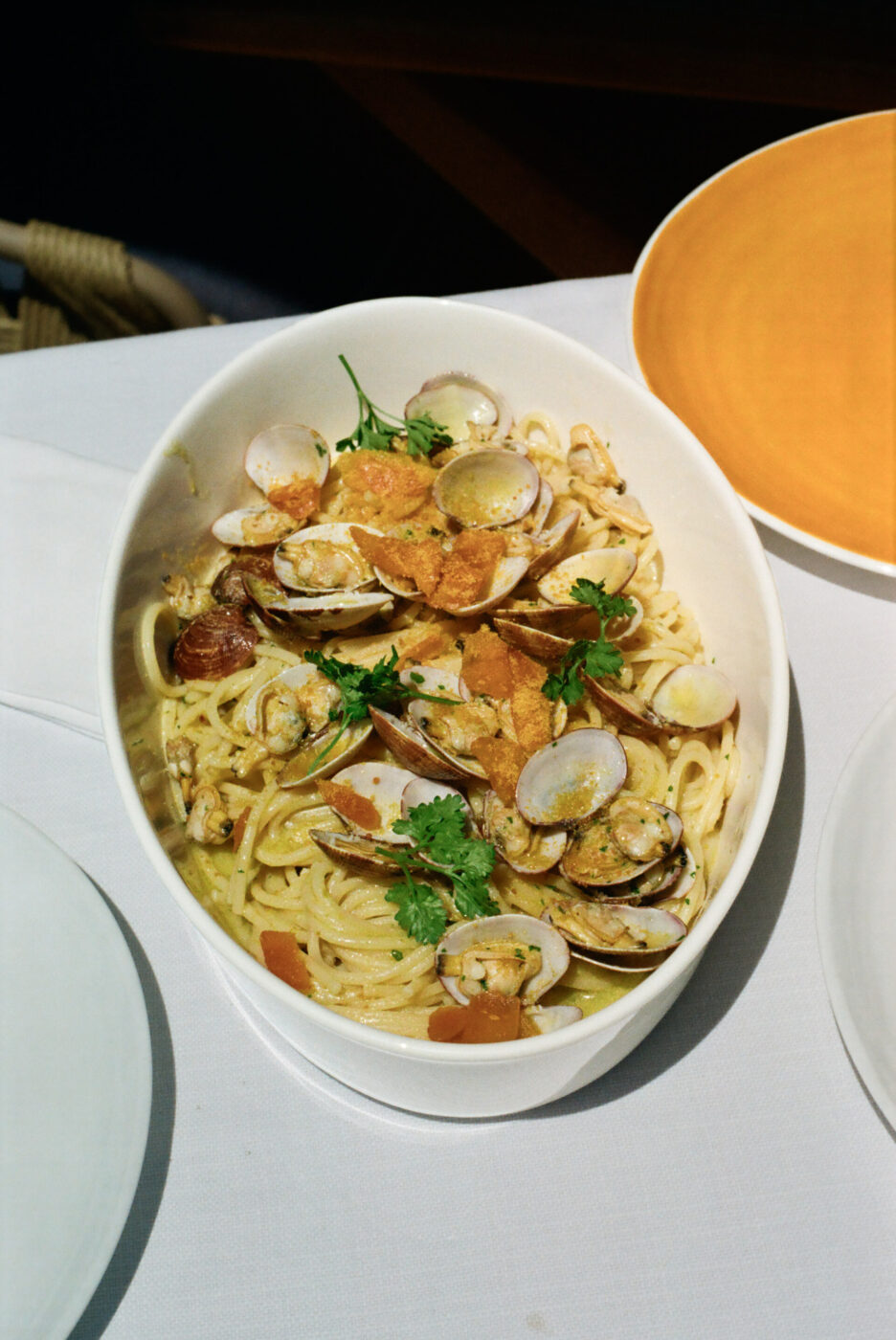
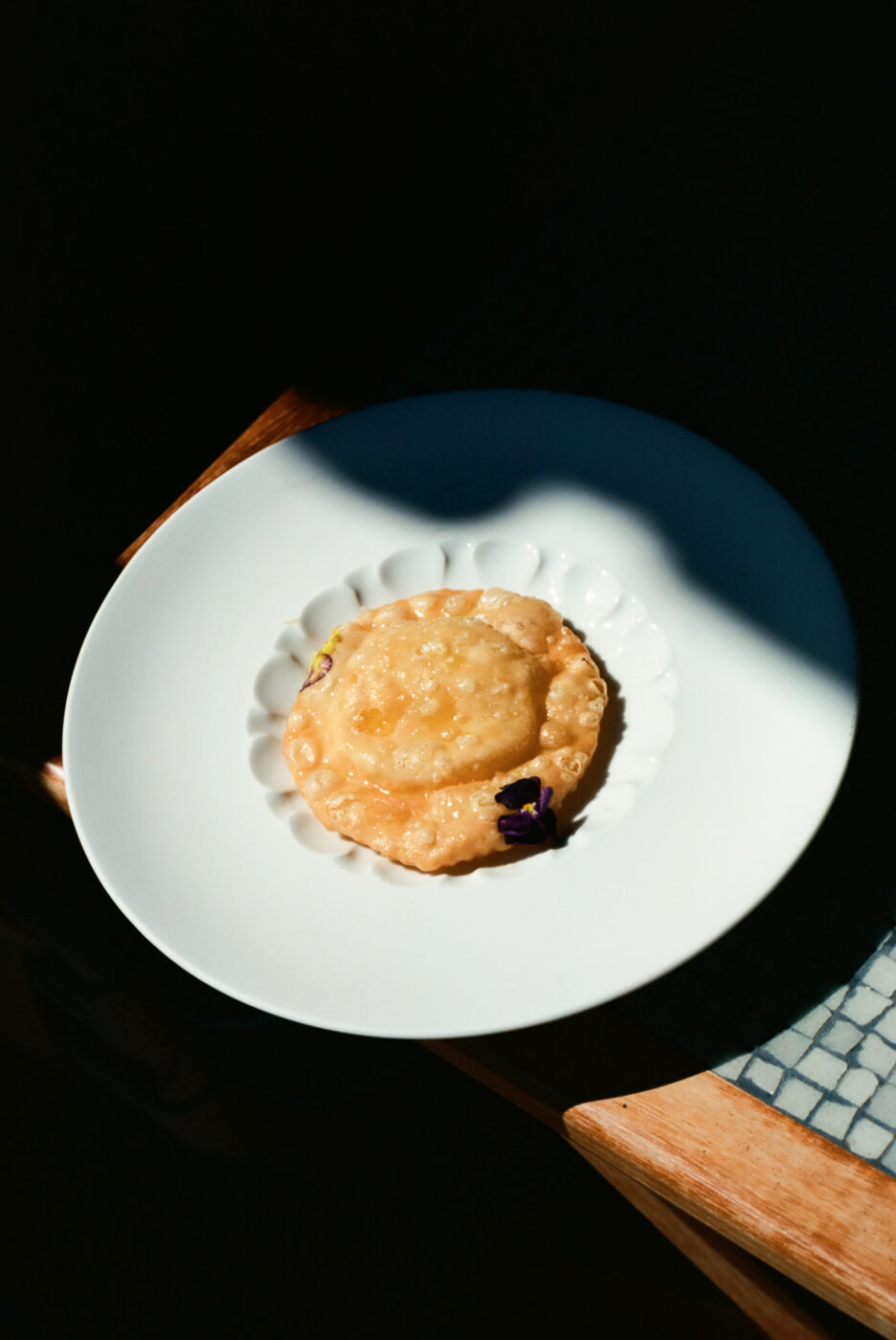
Sardinians don’t waste time with over-complicated flattery. If you’re dining in the rugged interior of the island and the food is incredible, you just say Itte vonu! (“How delicious!”). The best, direct compliment for a plate of hand-rolled culurgiones or a hunk of sharp pecorino cheese.
Umbè bonu
If you head up to the glamorous northeastern coast, Itte vonu! shifts into Umbe bonu. This is the Gallurese variant for “very good,” spoken in the region surrounding the Costa Smeralda. Using this version drops a hint to the locals that you actually know your way around the island’s hyper-local linguistic borders.
Itte novas?
“What’s the news?” In Sardinia’s tight-knit villages, where the rumor mill runs faster than a Ferrari, this will get you into the local intelligence network. Toss it to the village elders holding court on the benches of the piazza, and you might just get some juicy details about Maria’s cousin’s girlfriend’s brother.
Andabé
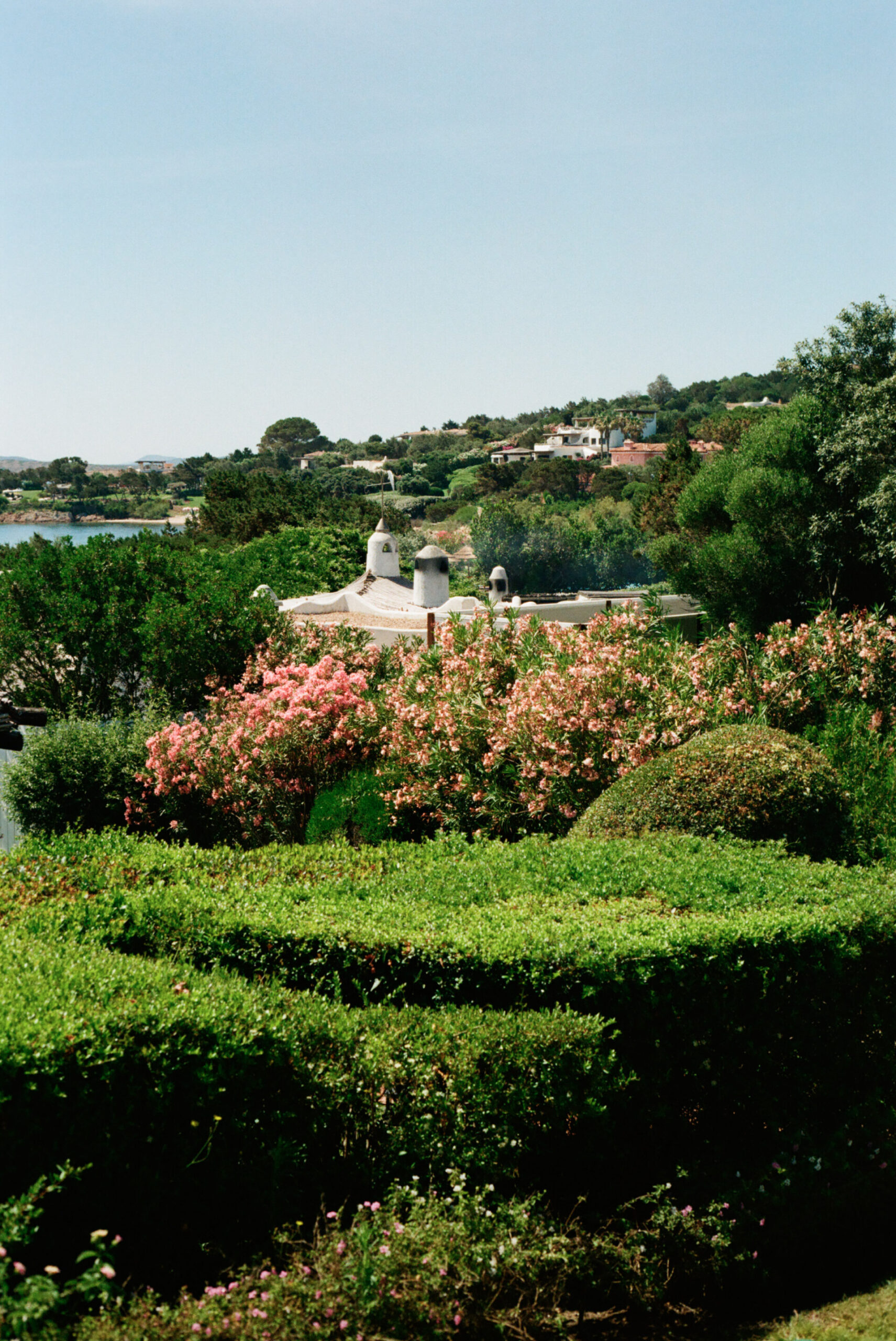
A laid-back Gallurese term that simply means va bene—”all good” or “alright.” If the fierce maestrale (mistral) wind suddenly kicks up and blows your beach towel into the sea, or your boat captain decides to take the long, slow route around the Maddalena archipelago, just shrug and say andabé.
Avvidecci sani
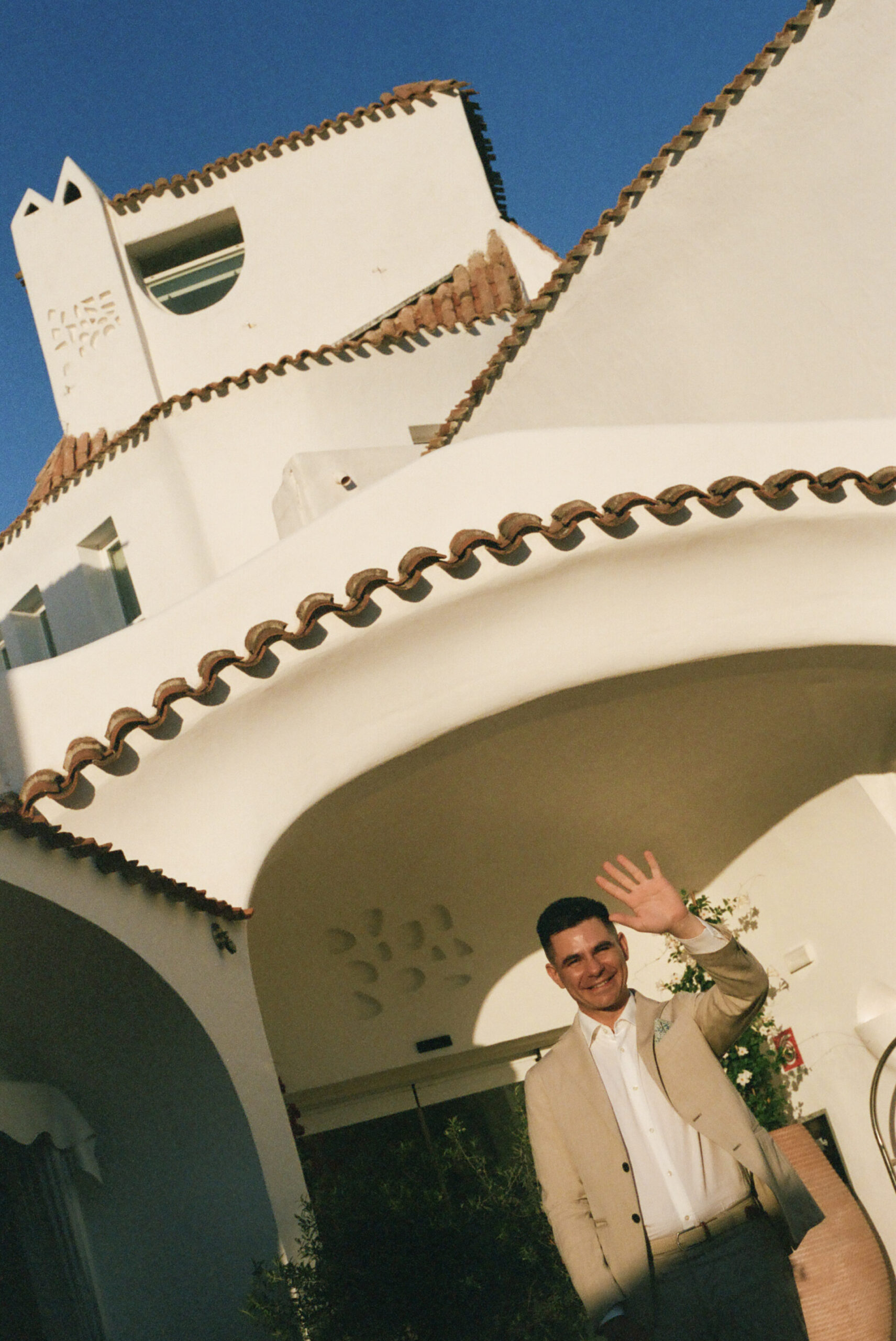
A far warmer way to say goodbye than a standard “see you later.” This Gallurese phrase literally translates to “goodbye in health”—a sign-off that genuinely wishes you physical well-being until your paths cross again.
Carasau
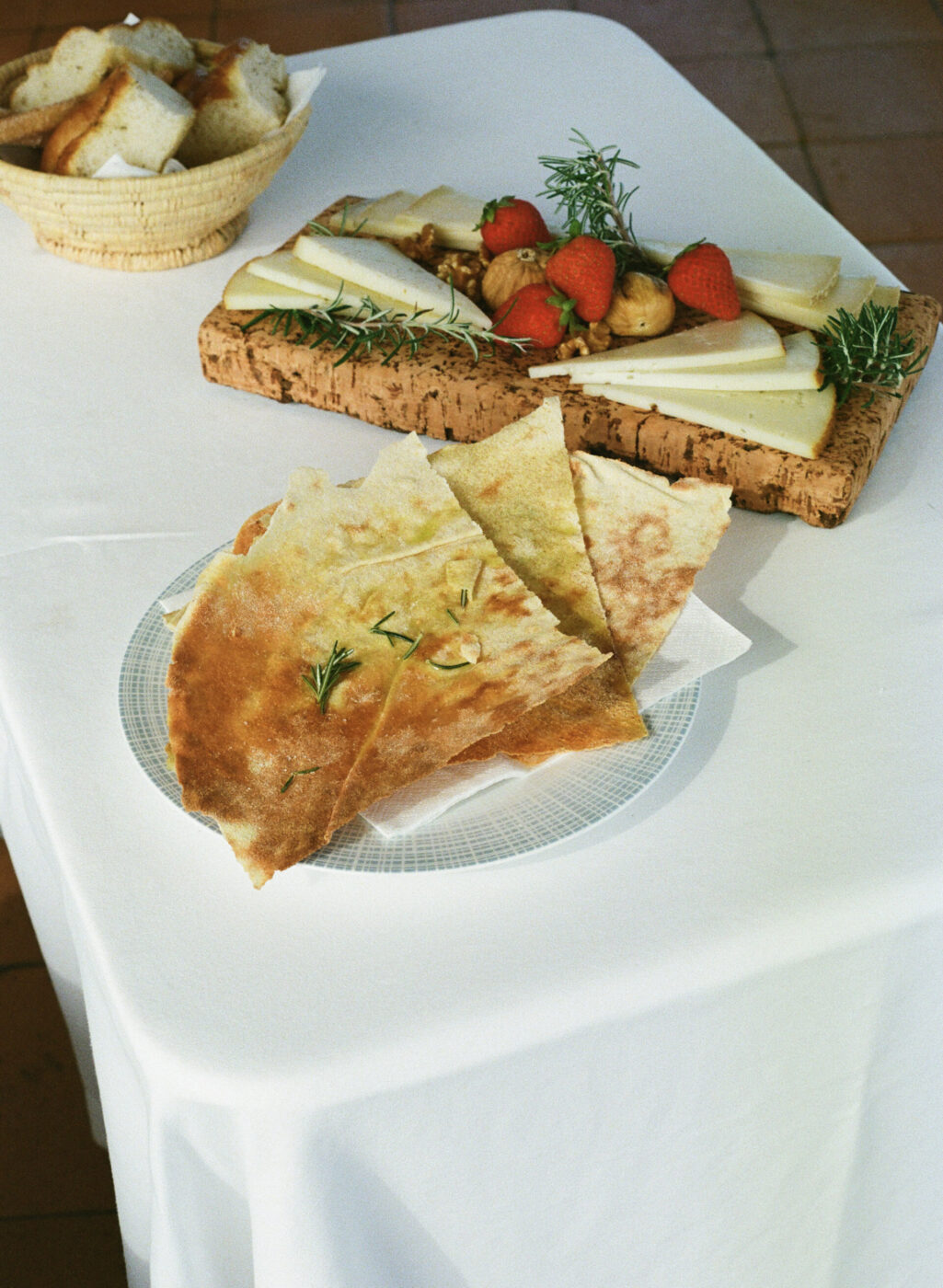
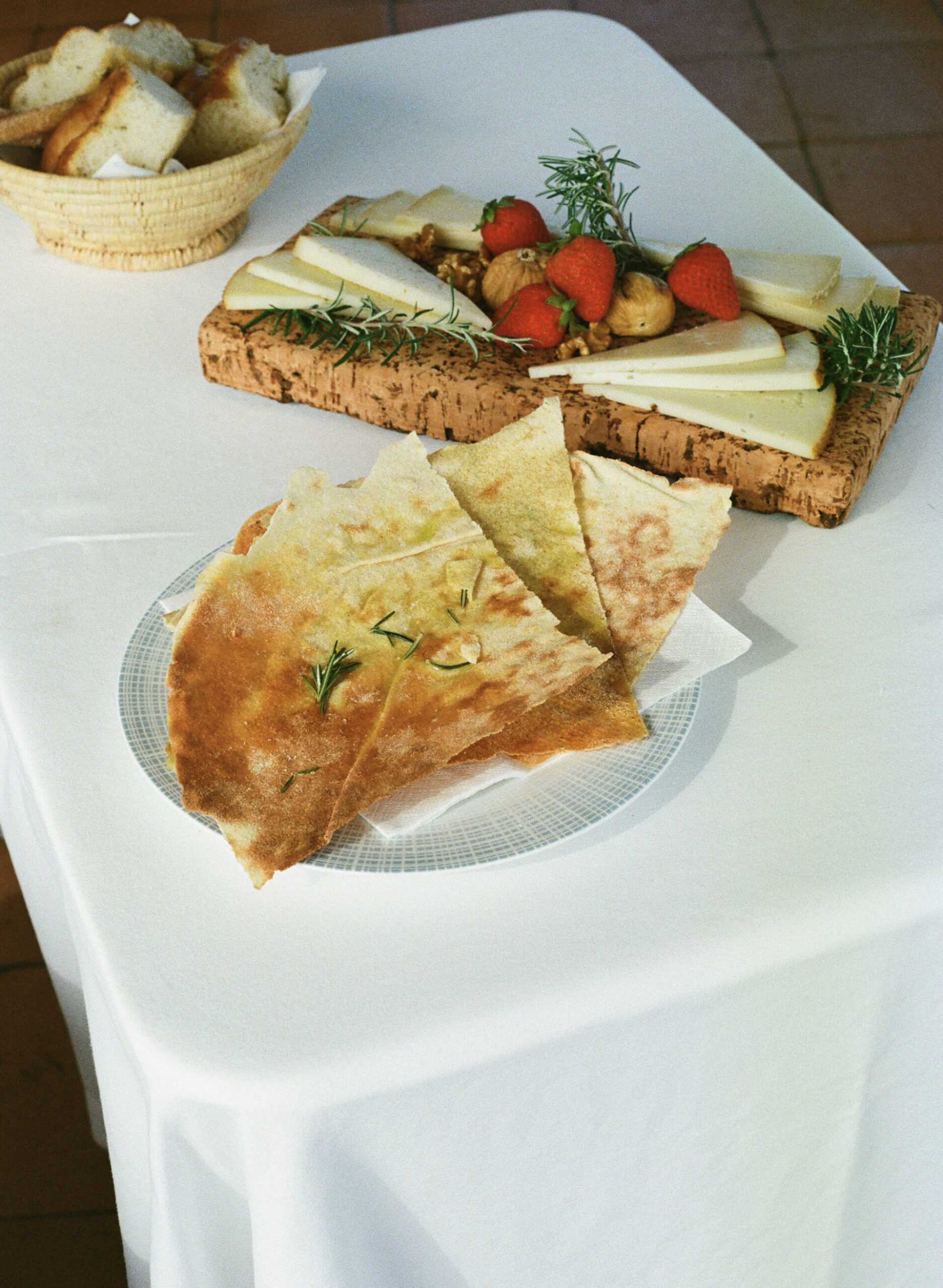
You can’t talk about Sardinia without talking about pane carasau. Also known as carta da musica (music paper), as it should be so thin that you can read sheet music through it, this crisp flatbread has been baked on the island since the Bronze Age. Historically, it was made for shepherds heading into the mountains for months at a time because it stays fresh indefinitely. Today, it’s a table staple, best enjoyed brushed with olive oil and sprinkled with sea salt, or served as pane frattau—soaked in broth and layered with tomato sauce and a poached egg.
LEVEL: HARD
Chentu concas, chentu berrittasa.
A hundred heads, a hundred caps.
A berritta is the traditional long black wool cap worn by Sardinian men for centuries, and this proverb means that for every hundred people you meet, you will find a hundred entirely different opinions. (Sardinians are famous for their stubborn, headstrong nature.) Don’t bother trying to win an argument here; everyone is completely wedded to their own cap.
Se bellu comente unu frore.
You are as beautiful as a flower.
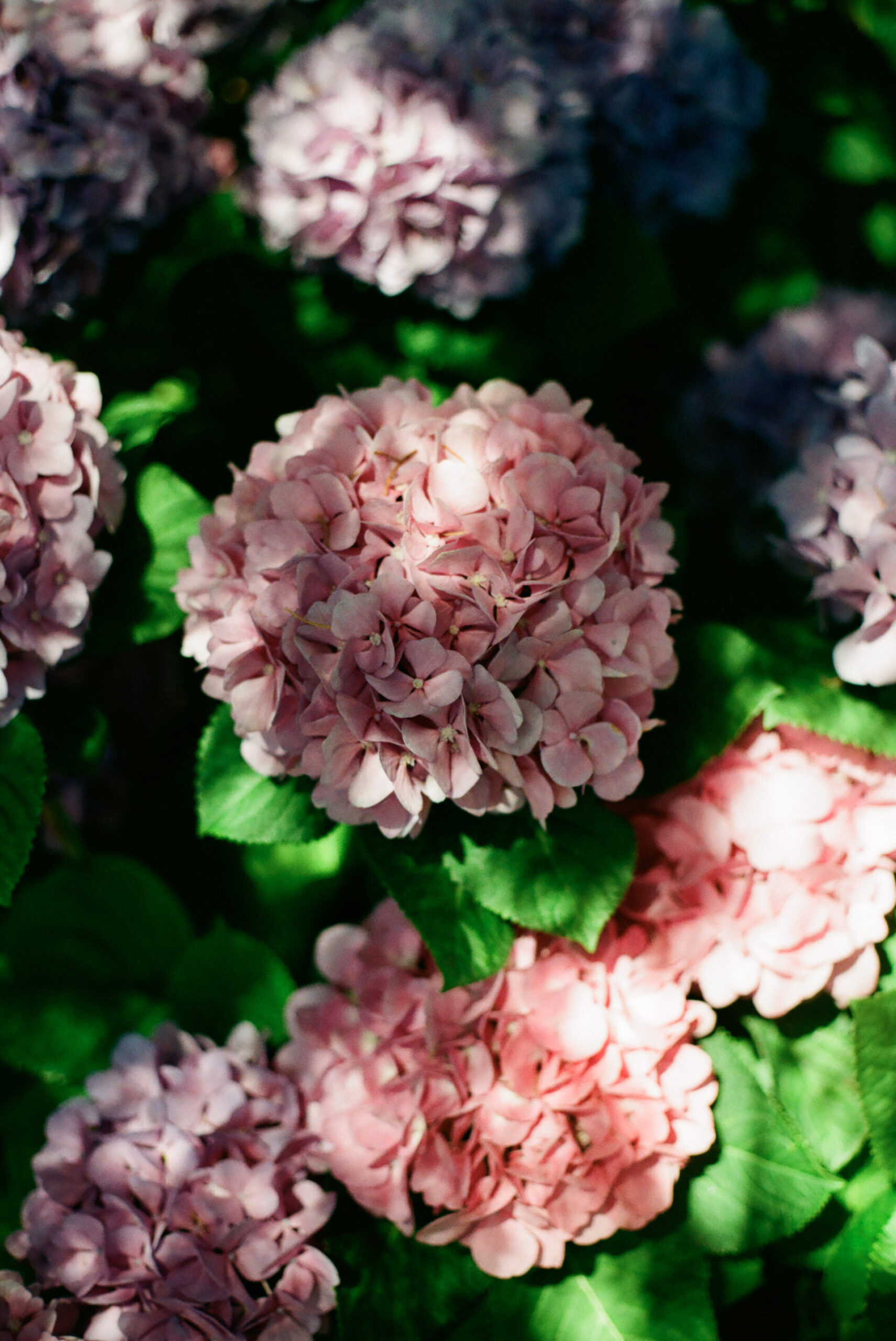
Although this sounds like a simple, sweet compliment, in traditional Sardinian folklore, paying a direct compliment can inadvertently attract the malocchio (the evil eye) born from hidden envy. Comparing someone’s beauty to a flower allows you to flatter them without accidentally blooming a curse.
Custu binu rinci oggara rottu is problemasa.
This wine takes away all your problems.
We’ll toast to that. Sardinia is famous for its Cannonau wine, which boasts some of the highest antioxidant levels in the world—one of the reasons the island is a Blue Zone where people routinely live past 100. When a glass of red goes to your head, the anxieties of the modern world evaporate—and, who knows, maybe you’re adding days/weeks/years to your life while you’re at it.
Hai l’ogghji piu manni di la entri.
Your eye is bigger than your stomach.
A warning against gluttony and greed, especially relevant at a traditional Sardinian feast. This one calls out the overambitious diner who goes whole-hog on the food—think endless porceddu (suckling pig roasted over myrtle wood), cured meats, and stuffed pastas—only to realize their stomach can’t keep up. Pace yourself.