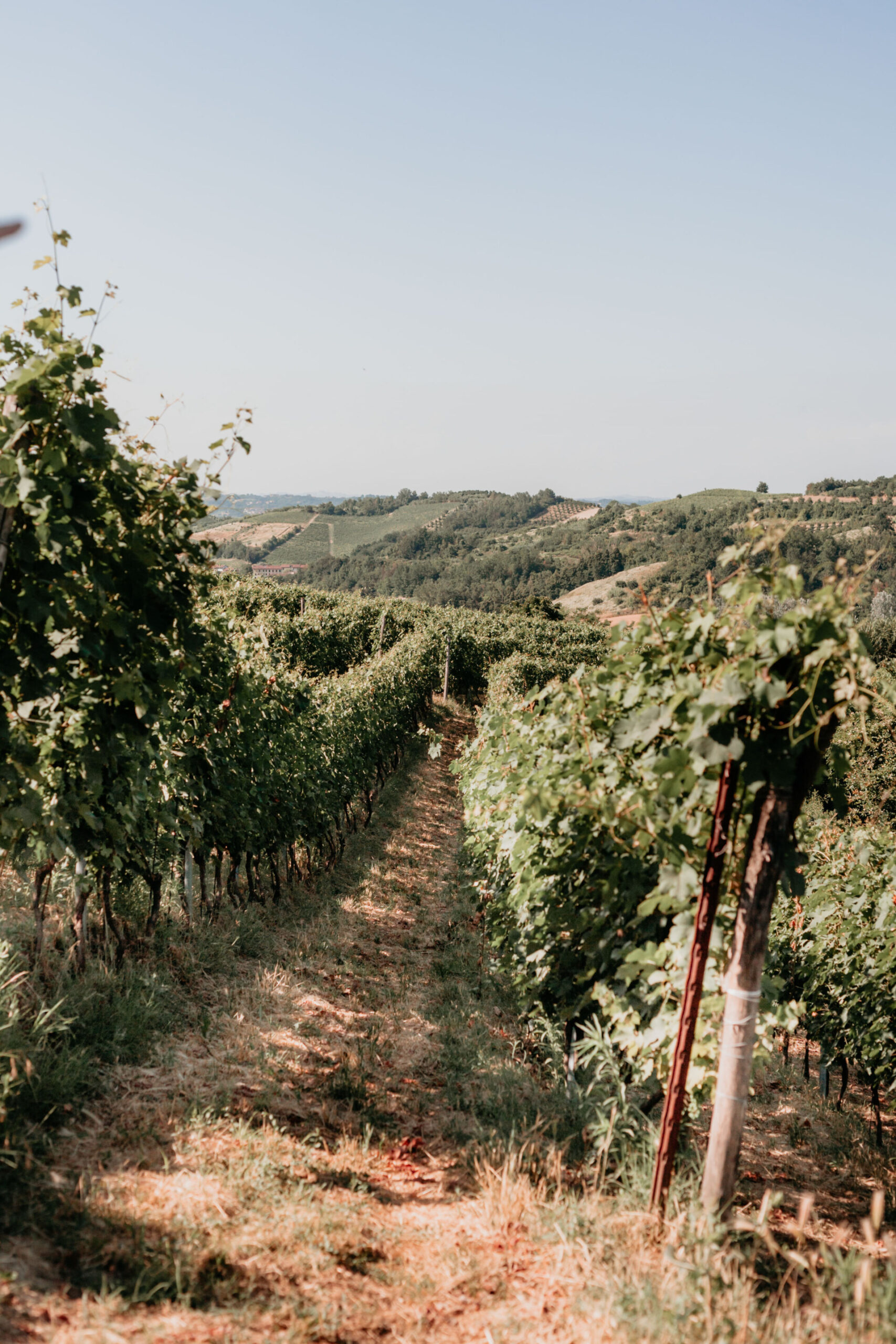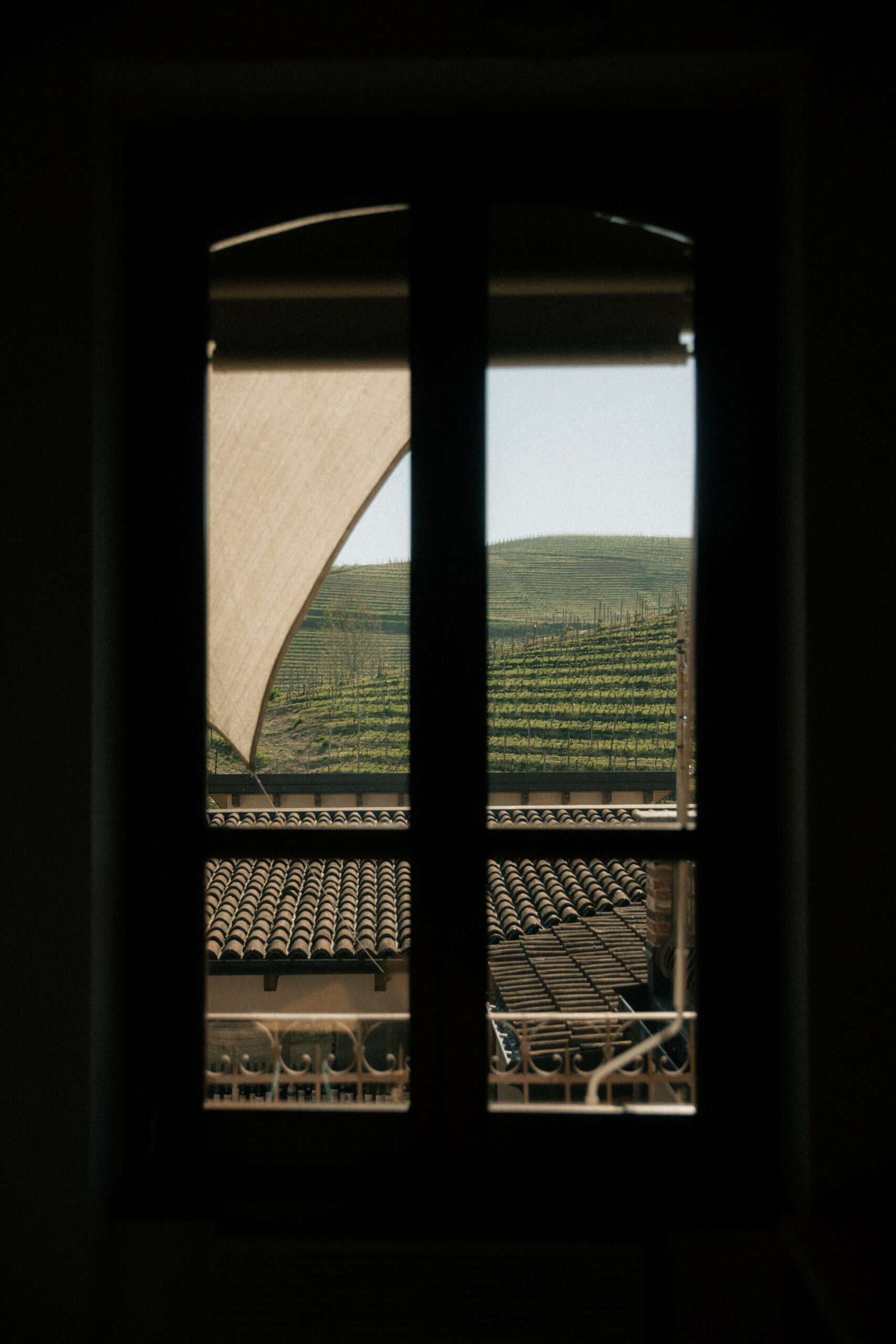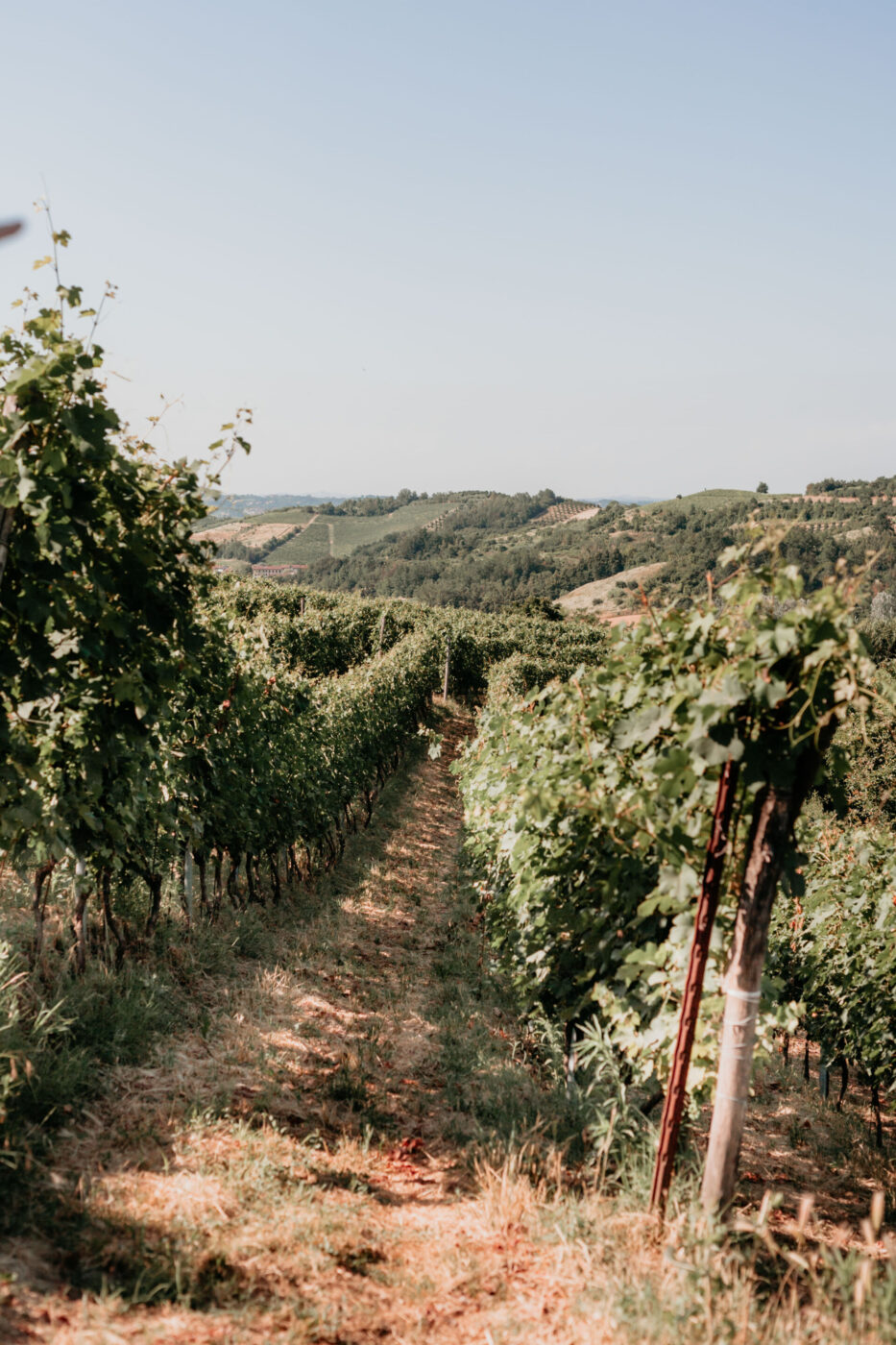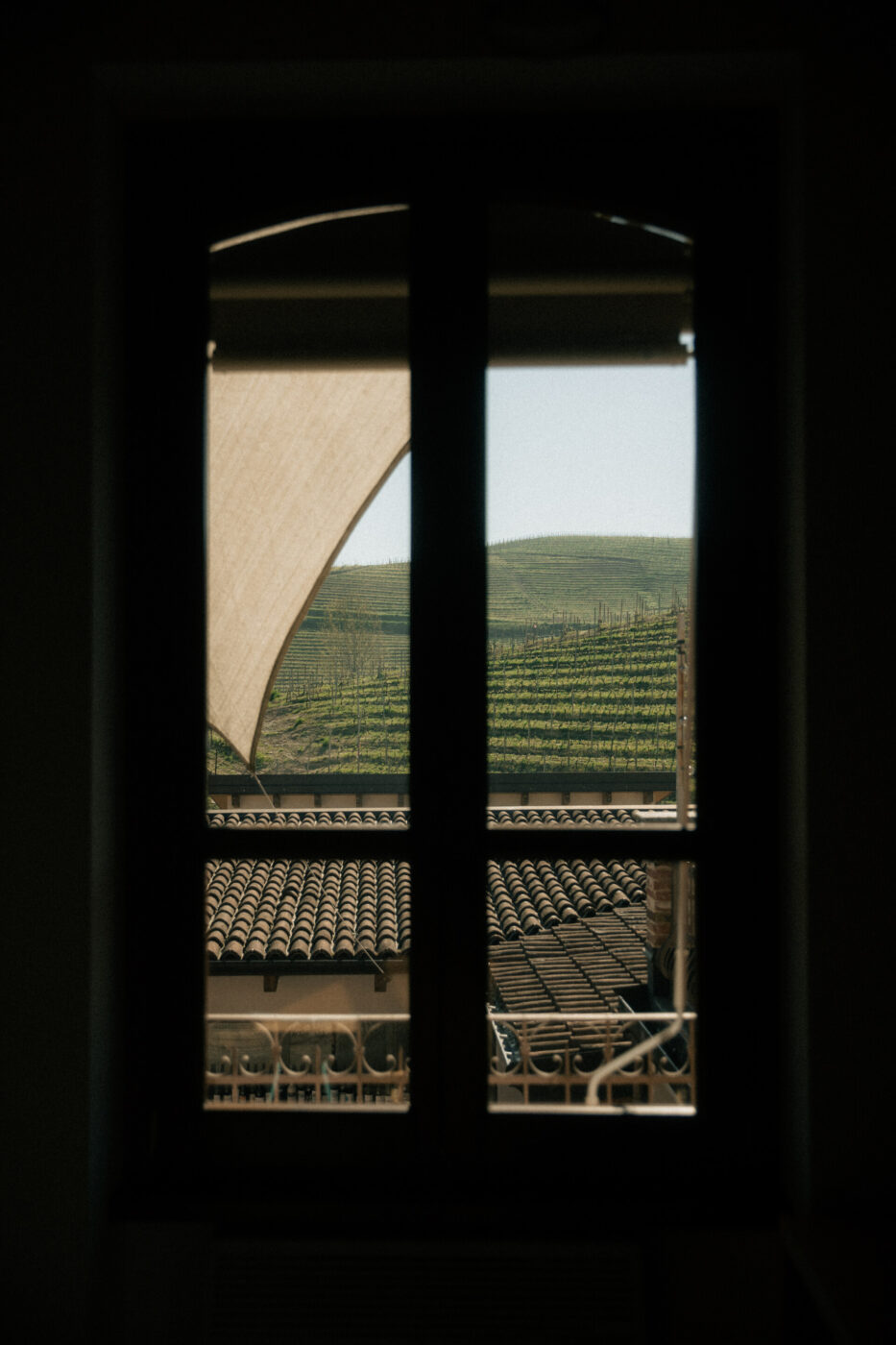
Just north of the Tanaro River, this 420-square-kilometer corner of Piedmont remains the wild, uncrowded alternative to its famous neighbor, the Langhe. Here in Roero, Piedmont’s normally orderly vineyard hills are replaced by the rocche—a network of deep canyons and woods that cut through the hills. These badlands and sandy canyons shape the landscape, but also its wines, of course: elegant, fragrant Arneis and Nebbiolo, which have a lightness you won’t find in their Langhe counterparts.
You can’t come to Roero and not visit a winery; here are 15 of the best to help you really get to know this region and its wines. Nearly all offer on-site tastings and tours of the vineyards, and once you walk the rows and duck inside the crutin (cellars), you’ll start to understand what lies at the root of Roero’s world-renowned truffles, topography, and wines.
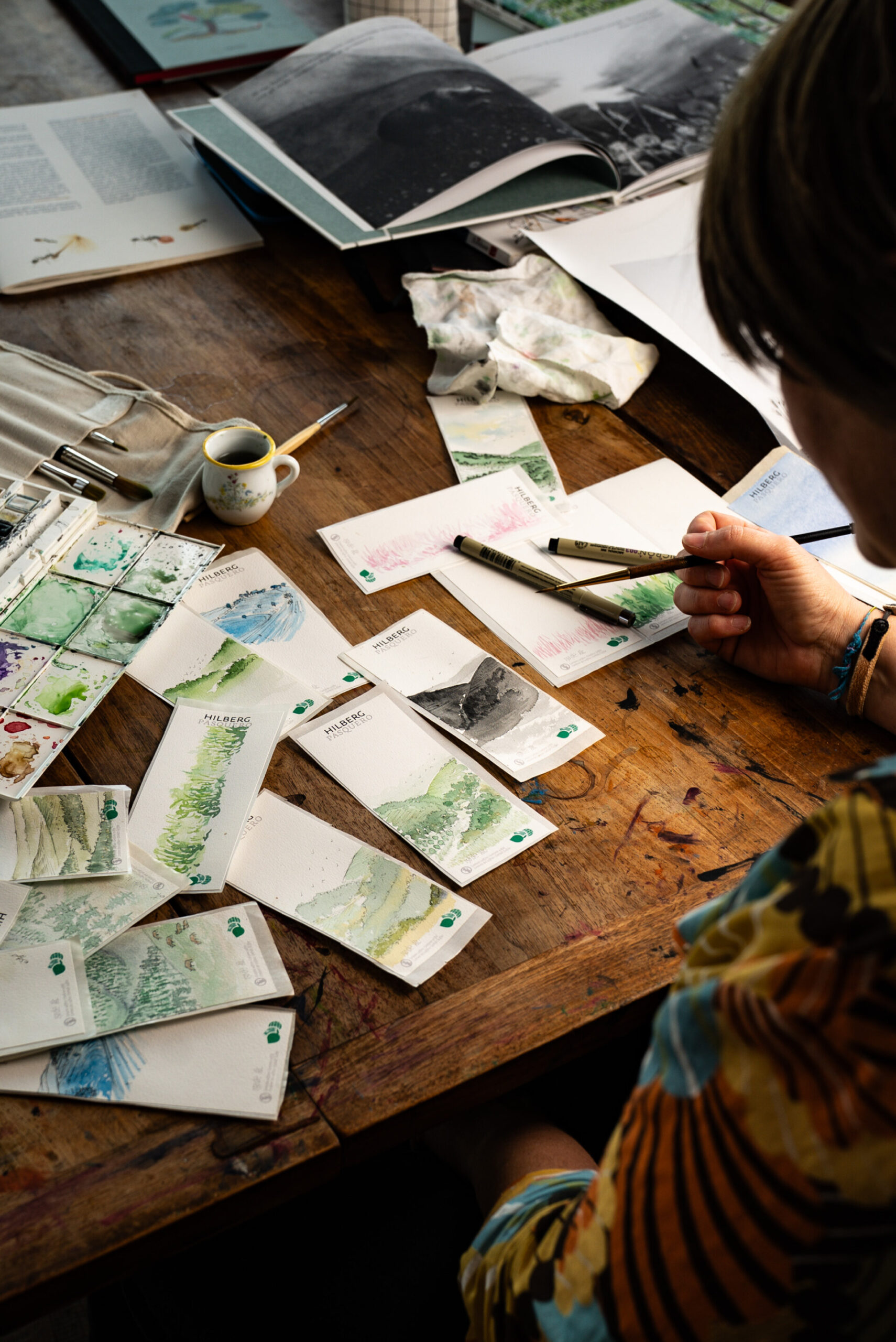
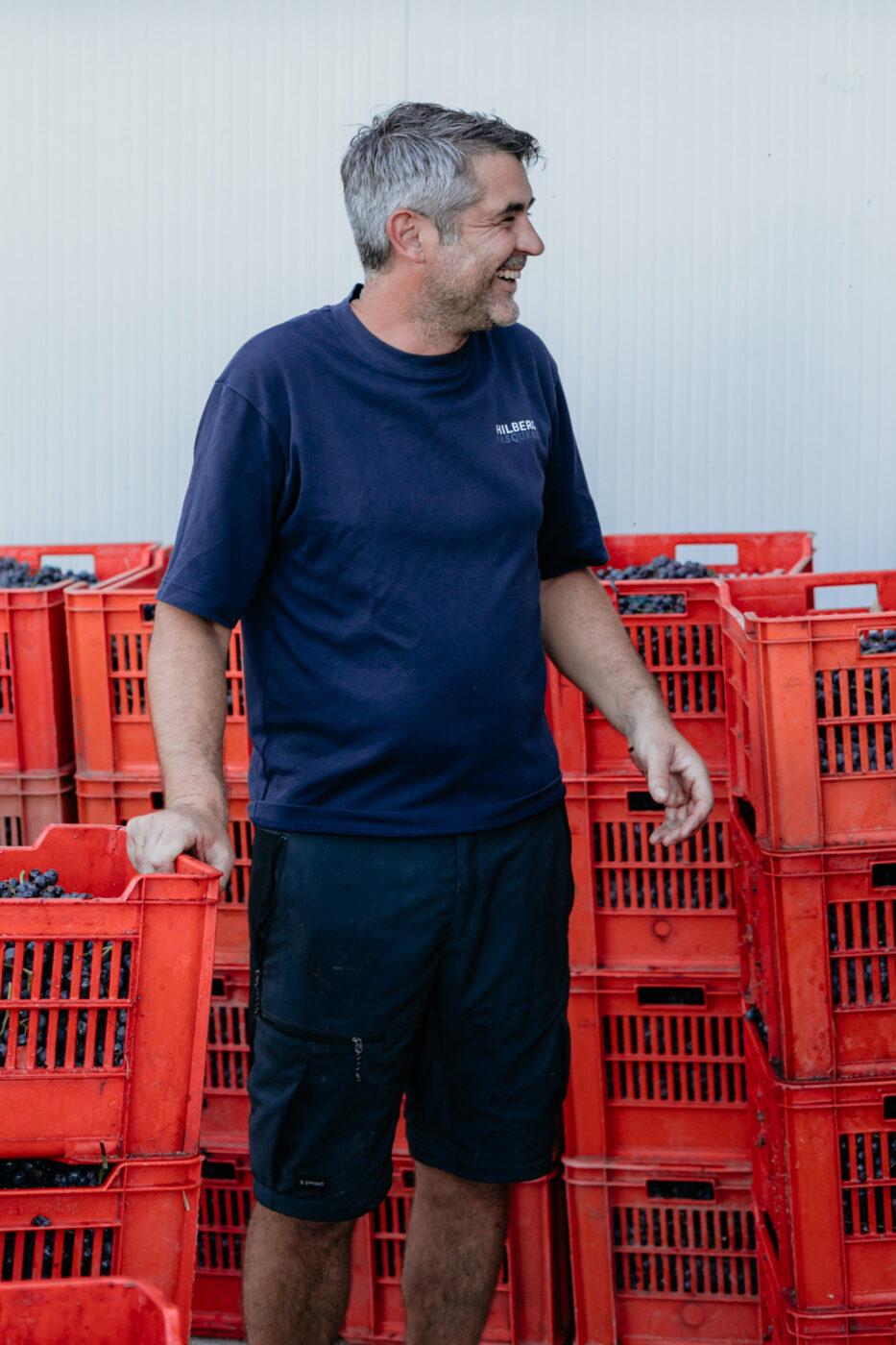
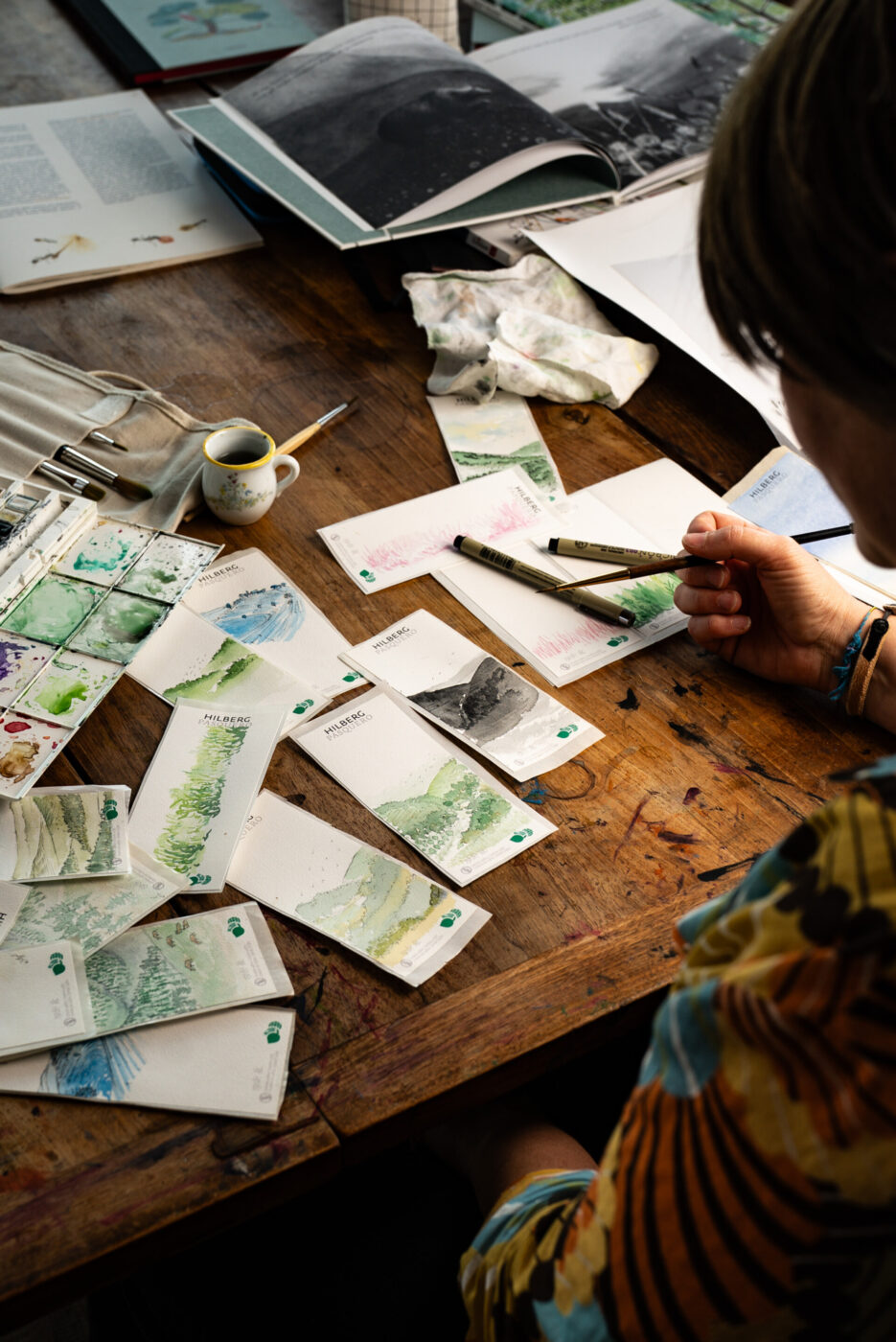
Hilberg Pasquero (Priocca) — We’ve been pioneers of organic and biodynamic farming since the early ’80s, when our founders—Michele, from Roero, and Annette, a German nurse—brought Central European precision and Italian lightness to our hills. The estate runs on a self-developed philosophy called “Bio-Ergo-Dynamics” that combines generational farming tradition with advanced science. The extensive wine lineup balances Arneis, Barbera, and Nebbiolo with experimental plots of Timorasso, Chardonnay, and Bragat—a rare native variety we use in our Vareij red blend. Tastings are either up on the hill, surrounded by vines, or in the aging cellar, among the barrels.
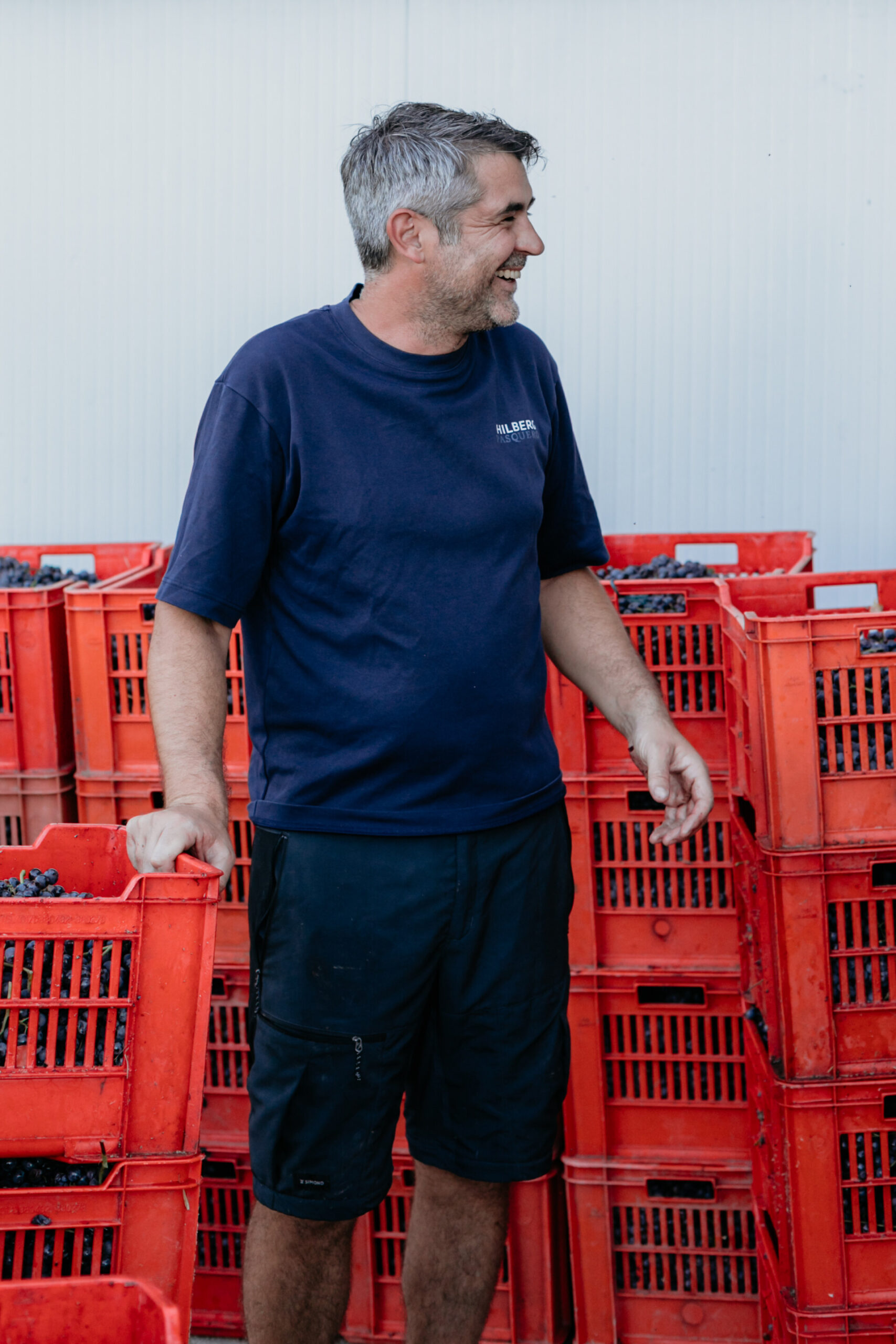
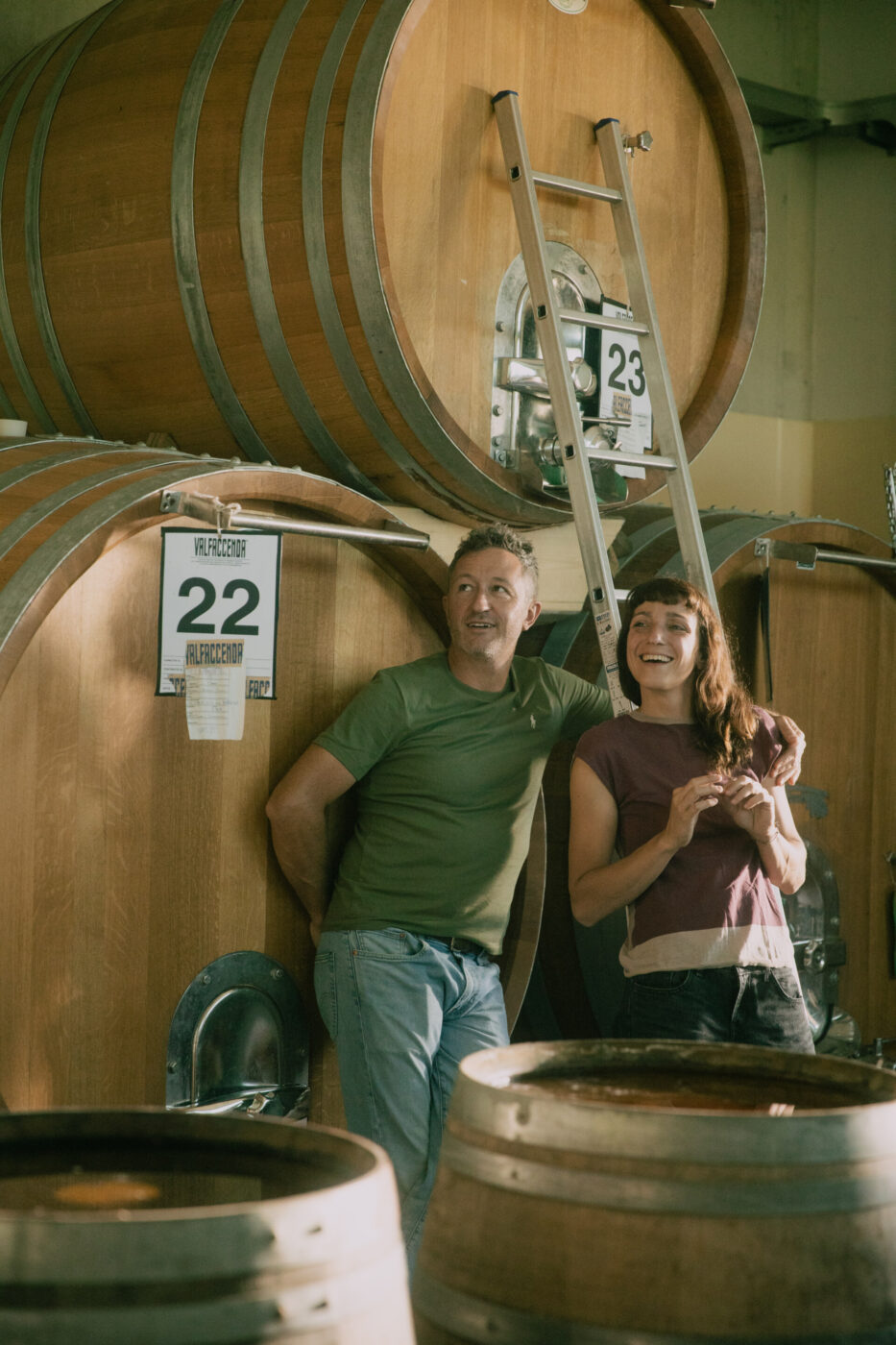
Valfaccenda (Canale) – This estate was founded in 2010 by work-and-life partners enologist Luca Faccenda and designer-turned-vintner Carolina Roggero. Based out of an early 20th-century family farmhouse, the duo works exclusively with the region’s two most historic varieties: Arneis and Nebbiolo. Because their organic vineyards are planted on dizzyingly steep hillsides of ancient marine fossils, almost all the labor is done by hand and the wines have a salty quality.
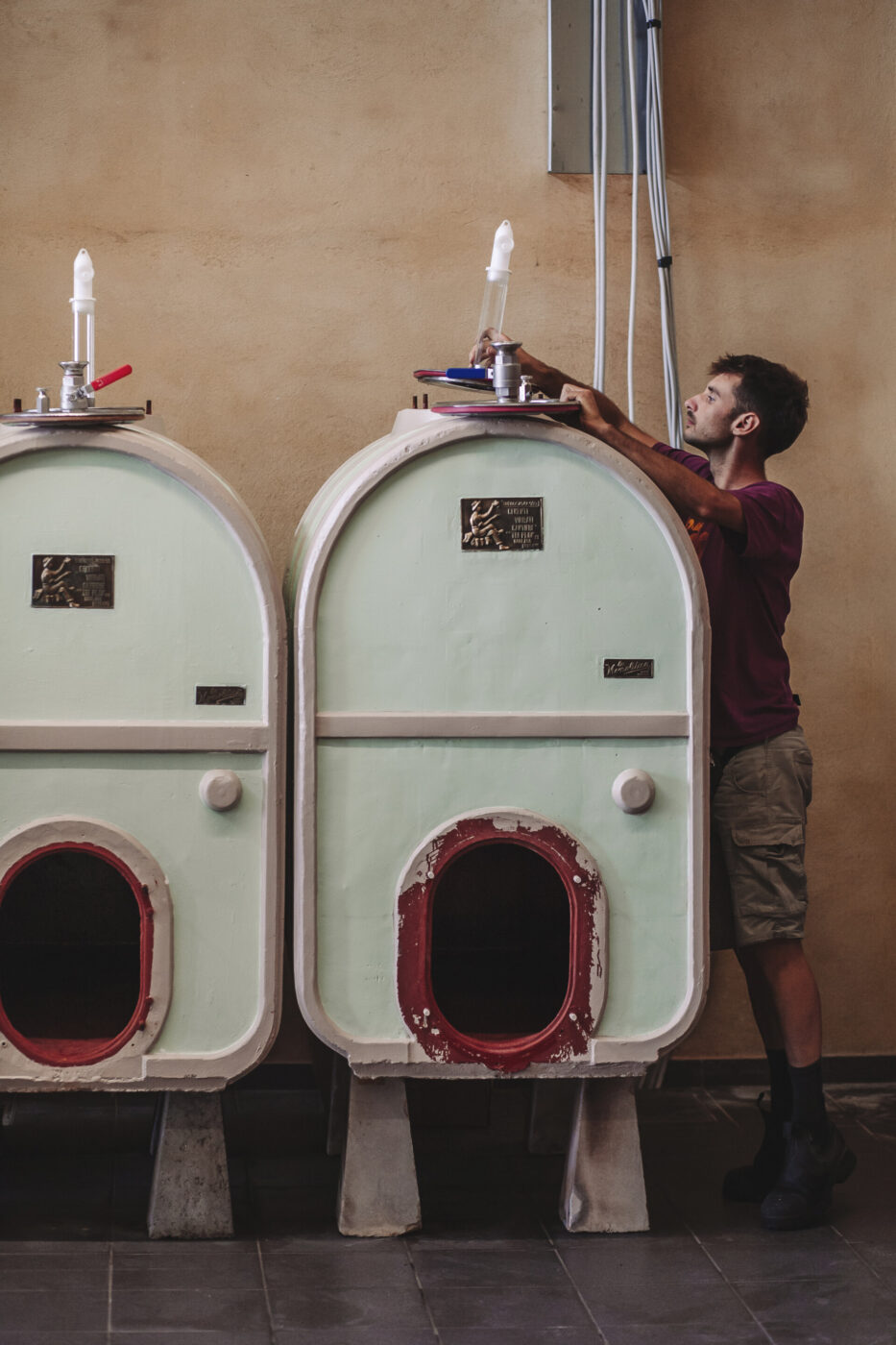
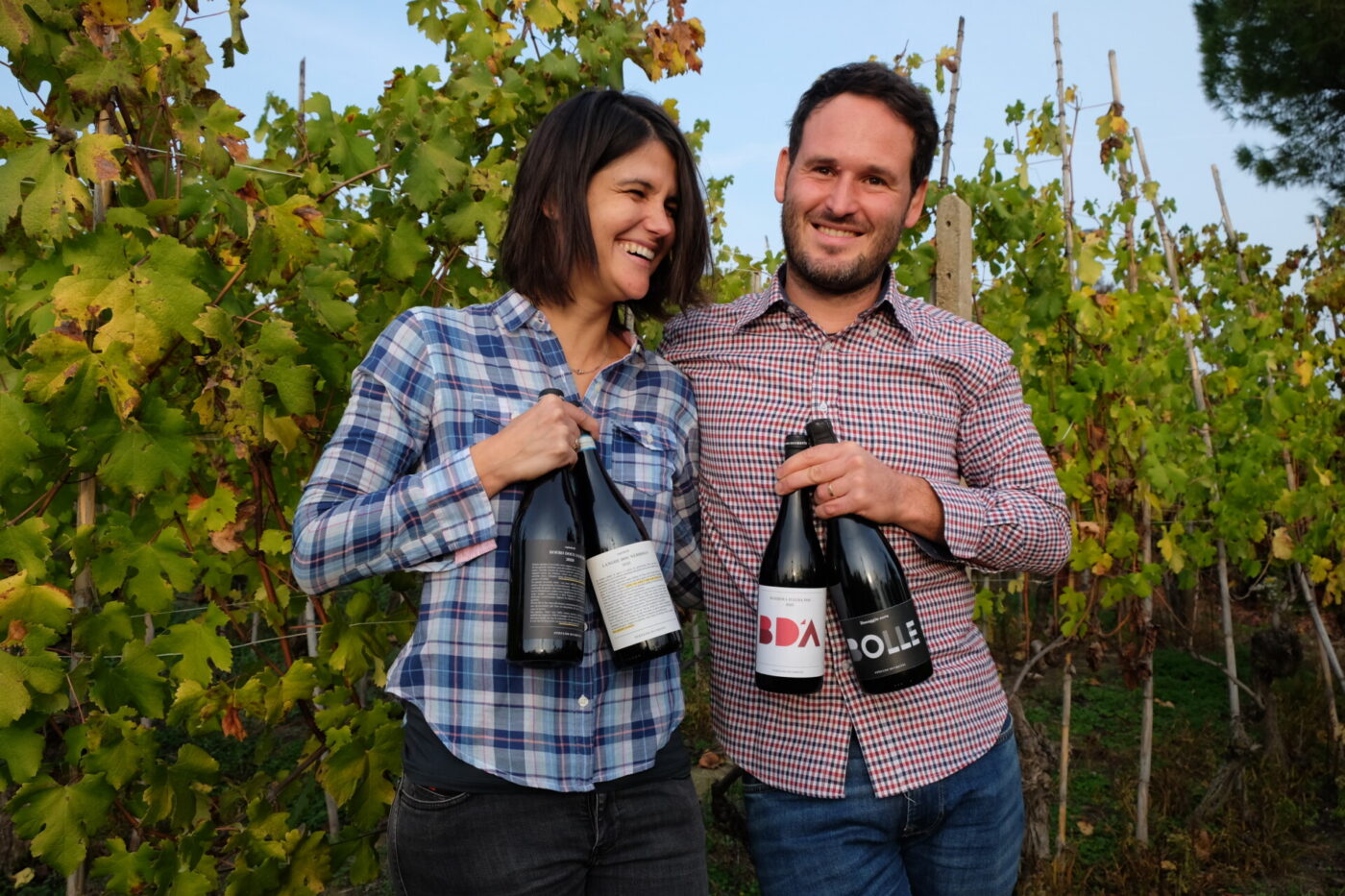
Le More Bianche (Magliano Alfieri) — This winery’s name and logo come from the massive, centuries-old white mulberry tree at the entrance of the property. Alessandro Bovio runs his 2.3-hectare vineyard without chemical pesticides, not only for the quality of the product, but primarily to protect the environment for his children. The wines are aged in large barrels, concrete tanks, and clay vessels to avoid oak flavors; try the Ironia Arneis (which has a unique, brief two-day skin maceration) and the Nebiulin, a light, easy-drinking Nebbiolo. All the bottles feature distinctive, colorful labels hand-drawn by his kids.
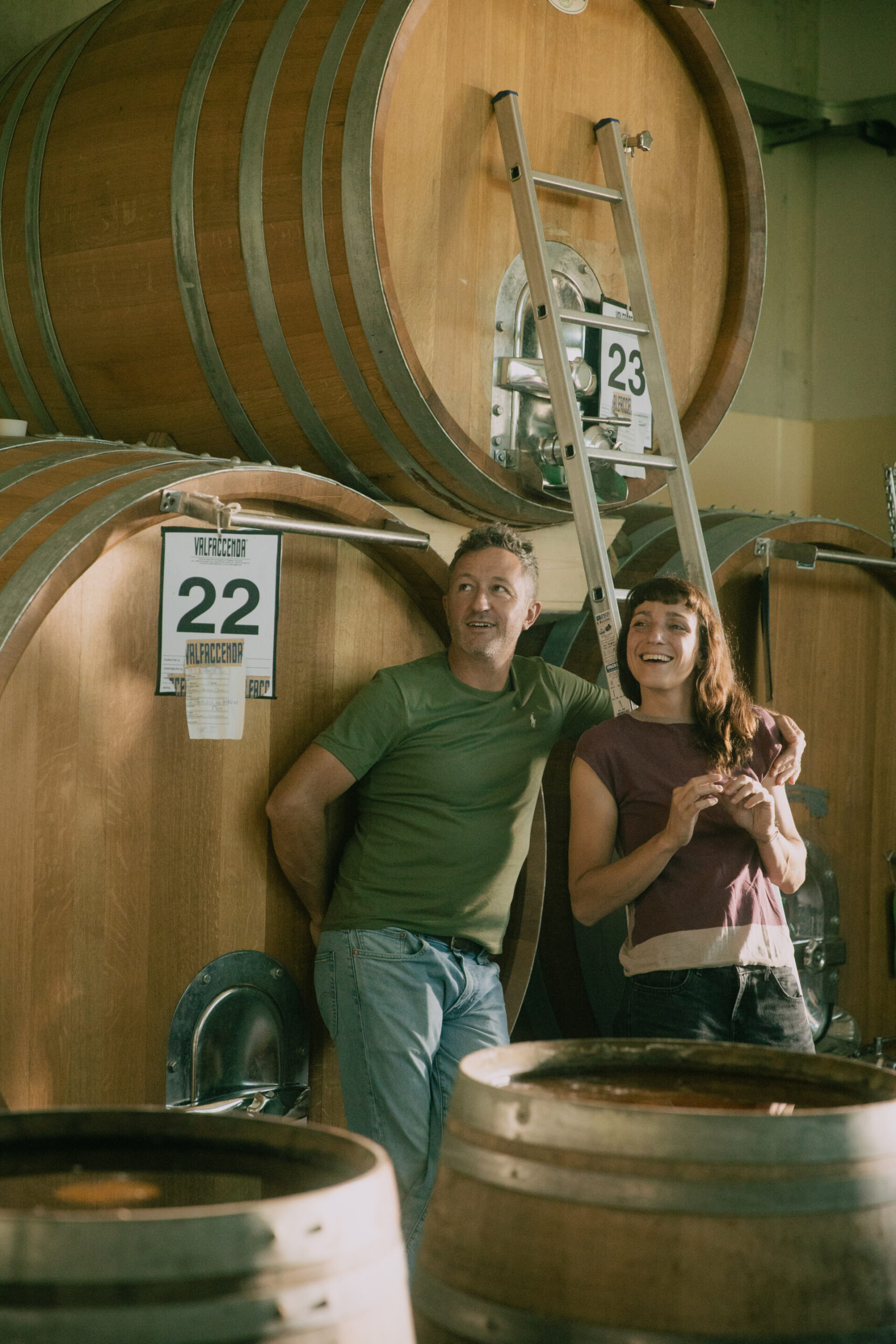
Valfaccenda; Photo by LARDO Studio
Marchesi Alfieri (San Martino Alfieri) — In 1990, three sisters found themselves staring at their very first 10,000 bottles of wine, wondering, “And now who will drink them all?” This was the start of Marchesi Alfieri, inside a 1696 baroque castle. While the property’s history includes Count Cavour introducing Pinot Noir cuttings here as a wedding dowry in 1851, the modern era is defined by the sisters’ willingness to take risks. They were among the first in the region to practice green harvesting (cutting off perfectly good grapes to increase the quality of the rest) in the ’90s, and later converted the castle’s 18th-century stables into a specialized aging cellar for 100% pinot noir sparkling wines.
Casa Tallone (Cisterna / San Damiano) — Founded in 2013 by brothers Davide and Matteo, this family-driven estate bridges the hills of Roero and Astigiano and grew from just four rows of family vines into a passionate project. Their philosophy centers on low-intervention, concrete-aged wines that honestly express the local terroir. You can sip superb Roero DOCGs, plus their signature Cisterna d’Asti, an uncommon red crafted from the hyper-local Croatina grapes.
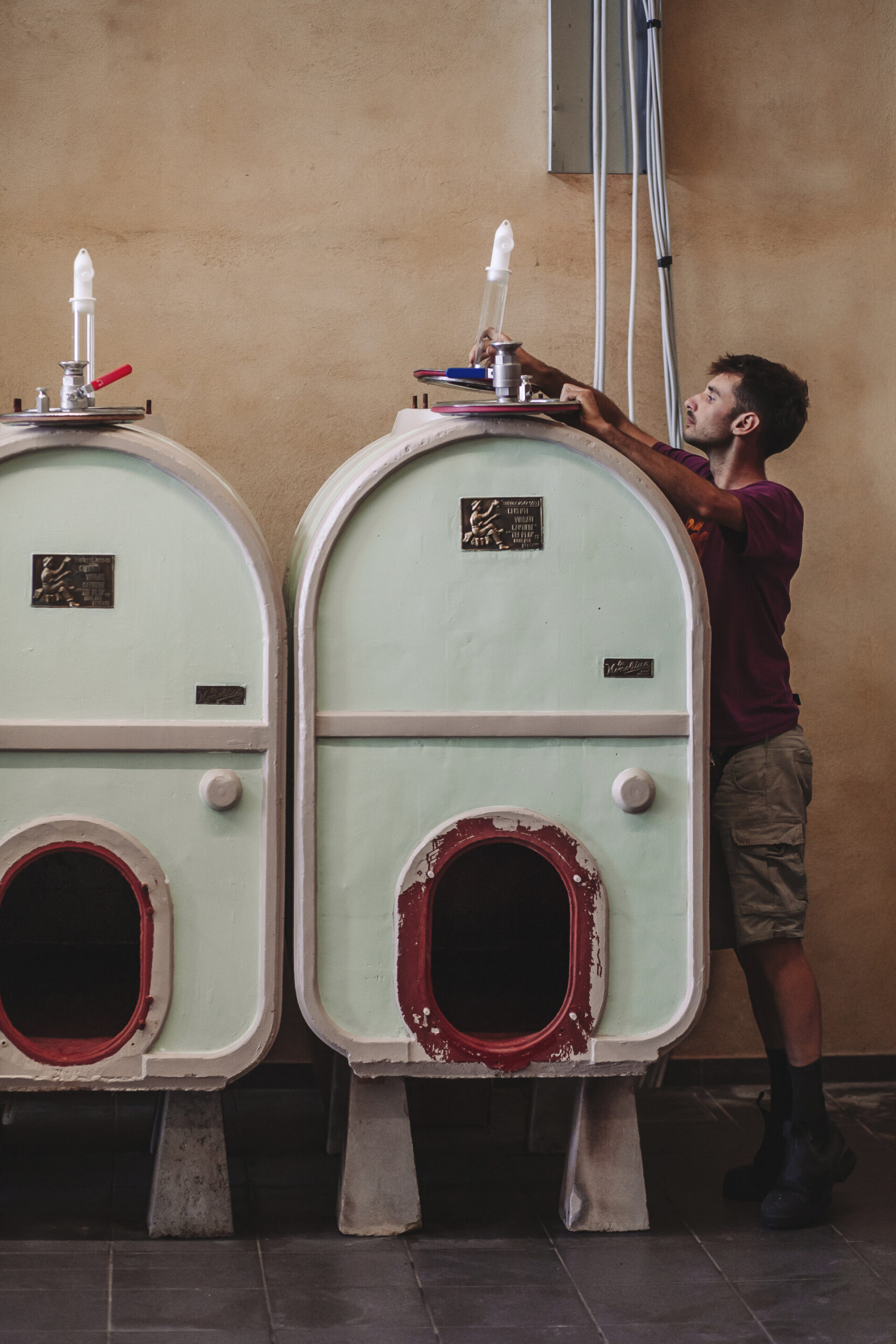
Dabbene Daniele (Santa Vittoria d’Alba) — At just 22 years old, Daniele Dabbene gutted his family’s old livestock barn in 2017 and built a modern winemaking cellar inside it. For nearly 70 years, his family had run a successful cattle farm, maintaining just a tiny plot of vines on the Santa Vittoria hill for the household table, until Dabbene saw a different possibility. Operating a tiny production of only around 4,000 bottles, he crafts surprisingly powerful reds from the steep slopes, including a Nebbiolo d’Alba with 16% alcohol content and a Barbera aged for nearly two years in French oak barriques.
Rabel (Santo Stefano Roero) — This winery was started almost accidentally by four friends and sommeliers—Michele, Paolo, Francesco, and Marco—“partly out of passion and partly as a joke.” Their project shifted gears when they were offered a set of old, abandoned vineyards planted 400 meters up in the hills. Following biodynamic principles to keep their wines light and fresh, they harvest early to avoid high alcohol and heavy concentration. Their wines are easy-drinking and capped with a twist-off to emphasize that (except the sparkling)—from their bright, signature red Acustico (a Slow Wine winner for quality-price) to the Soffio, a white aged in amphorae for a savory, minerally finish.
Manuele Priolo (Monteu Roero) – Priolo is an enologist who spent years working in Bordeaux and Burgundy before returning home to make wine under his own name. He takes a highly technical, almost clinical approach to his vines, mapping out his organic soils to a hyper-specific degree. Instead of the light, fruit-forward style common in the area, he draws on his French training to craft deep-black Nebbiolos and a “gastronomic” Arneis blend.
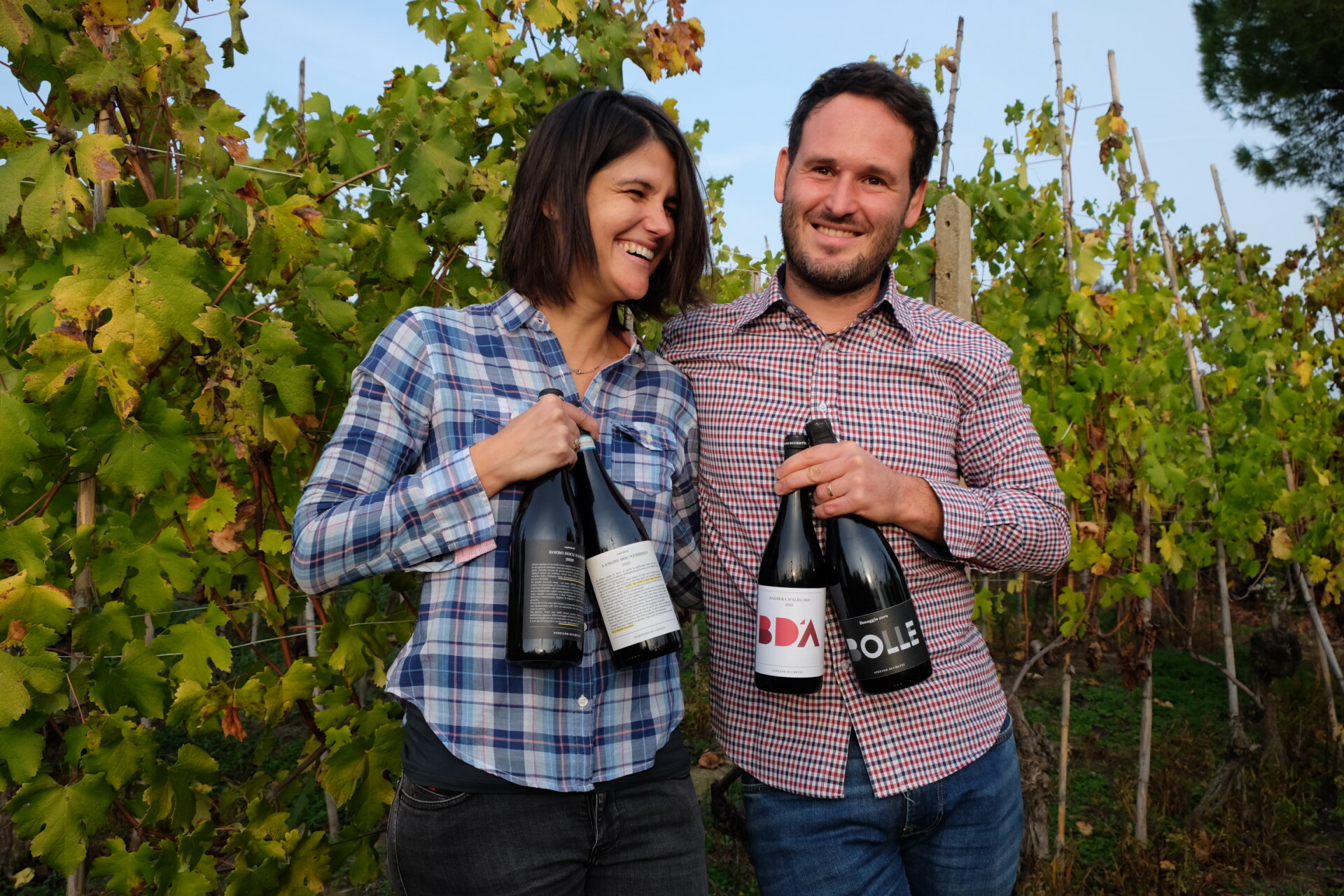
Stefano Occhetti (Monteu Roero) — In 2019, former civil engineer Stefano Occhetti traded corporate life in Rome and Paris for the hills of Roero to revitalize his grandfather’s vineyards—including a prized plot of Nebbiolo planted in 1945. Co-run by his partner Giulia, this winery makes low-intervention wines fermented with indigenous yeasts in concrete and aged in large oak barrels; try the artisanal Barbera, Arneis, and, of course, Nebbiolo.
Isnardi Ernesto (Castagnito) — This estate is part winery, part active cattle ranch: Grandson Andrea handles the oenology side, while his grandfather Ernesto—who inherited the land and house back in 1957—is still out in the fields tending to 33,000 grapevines and a herd of 50 Piedmontese Fassona calves. Andrea splits his wine list into “The Institutionals” (oak-aged local classics) and “The Convivials” (playful blends with names like Criminale and Daje Fresc, translating to “come on, chill out“). Plus, they run a certified agrimacelleria (farm butcher shop) on-site, so a visit here includes a walk through the vineyards, cellar, and cattle barn, followed by a tasting that pairs their wines with their raw Fassona beef and cured meats.
Ghiomo (Guarene) — Giuseppino Anfossi’s family’s estate dates back to the early 19th century and takes its name from a ghiomo—a traditional tool once used to shape wooden wine barrels. Because his vineyards sit on gray marl and clay soils identical to the famous Barolo hills of La Morra, his bottles have a heavier and more structured style than typical Roero wines. Giuseppino, who refers to himself first and foremost as a farmer, runs the winery with his wife, Federica, and his two sons. Their wines make great dinner party gifts, with names like First (Arneis), Enough (Barbera), and the flagship, Fussy (Nebbiolo).
Cantina Tibaldi (Pocapaglia) — Run by sisters Monica and Daniela Tibali, this young, independent estate focuses heavily on the natural biodiversity of Pocapaglia. Inspired by their winemaking father (who still helps in the fields) and grandfather, they avoid heavy-handed cellar techniques, letting the seasons and climate mark each batch. They just hit a milestone 10-year anniversary, winning backing from Italy’s Slow Wine Guide as part of the “young heart” redefining Roero. Try their Roccapalea, a Nebbiolo that spends extended time maturing in large wood, and the Ritastè, a sparkling Arneis white that ferments in the bottle for five years.
Careglio (Baldissero d’Alba) — At only 31, Andrea Careglio took over his family’s estate and was recognized by the Slow Wine Guide for his high-end wines made in this oft-overlooked area. His vineyards date back to the 1400s, but his winemaking style is punchy and leans into high-acid profiles; pick up a bottle of their salty, floral Favorita or the citrusy rosé named Gramplin.
Marco Pezzuto – Meamé (Vezza d’Alba) — Marco Pezzuto’s primary job is managing an operation of 400 honeybee colonies. His other job is tending to a small plot of vines in Vezza d’Alba. Working out of a renovated cellar right underneath his grandfather’s house, he uses a specialized compost rich with earthworms and microorganisms specifically to keep the vineyard flora healthy for his bees. This dual passion is reflected by his labels, which feature illustrations of both his bees and the fossils found in his sandy soils. Pezzuto produces only a small quantity of oak-aged bottles, telling Thatcher’s Wine that he aims for “an impressive nose, but I want you to be able to finish it quickly!” And whether it’s his juicy Nebbiolo or crisp Arneis (or even honey), you certainly will.