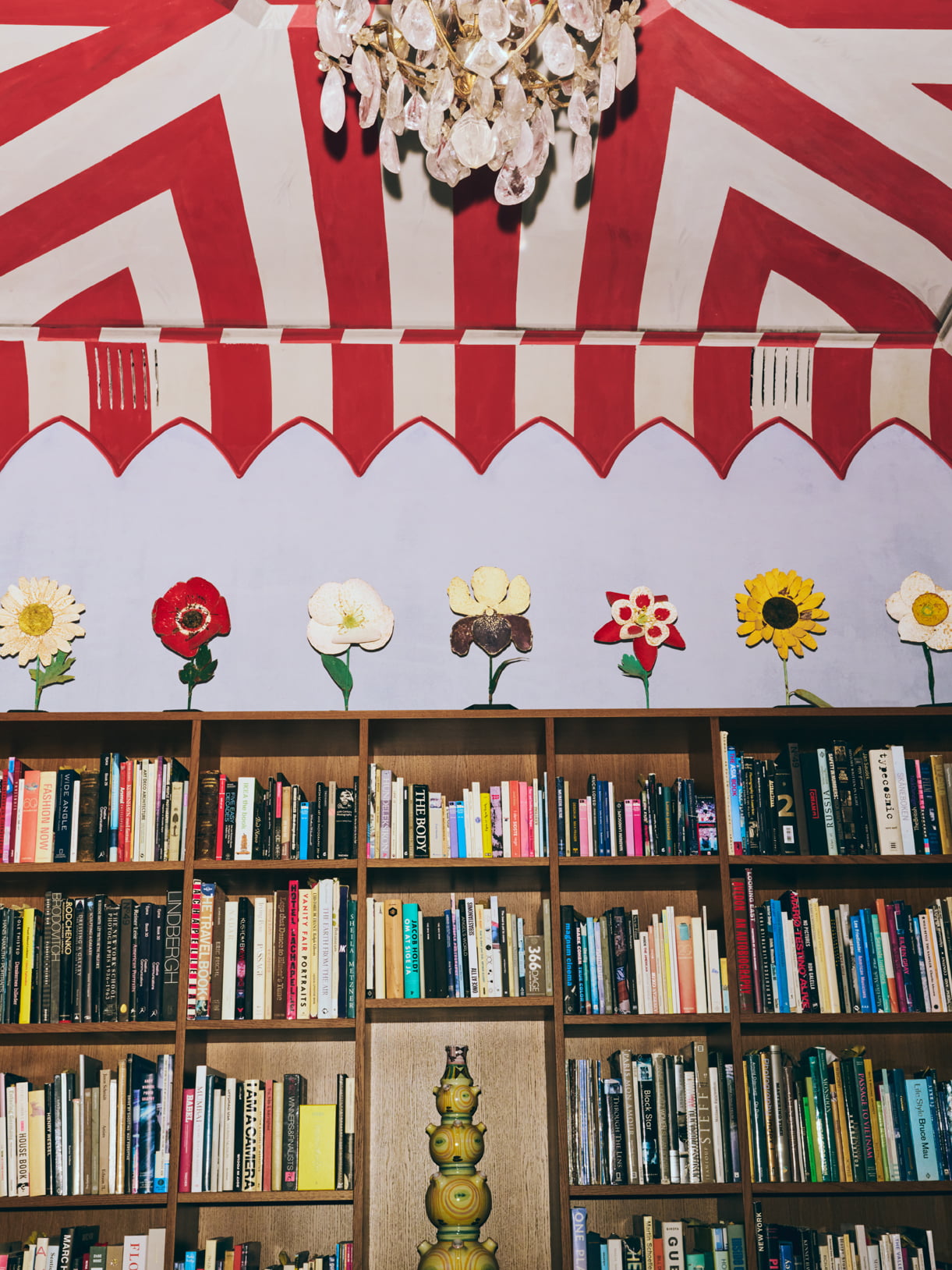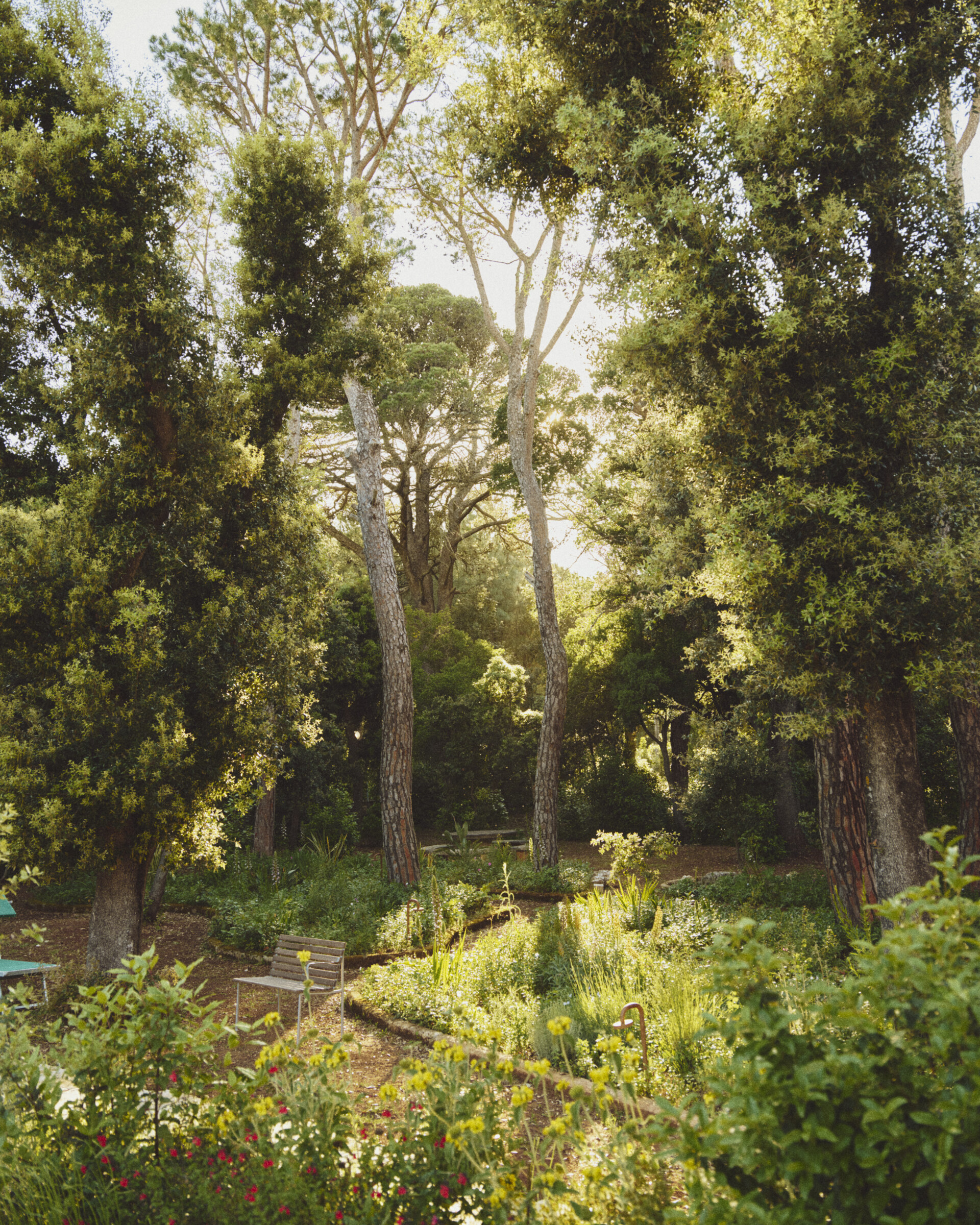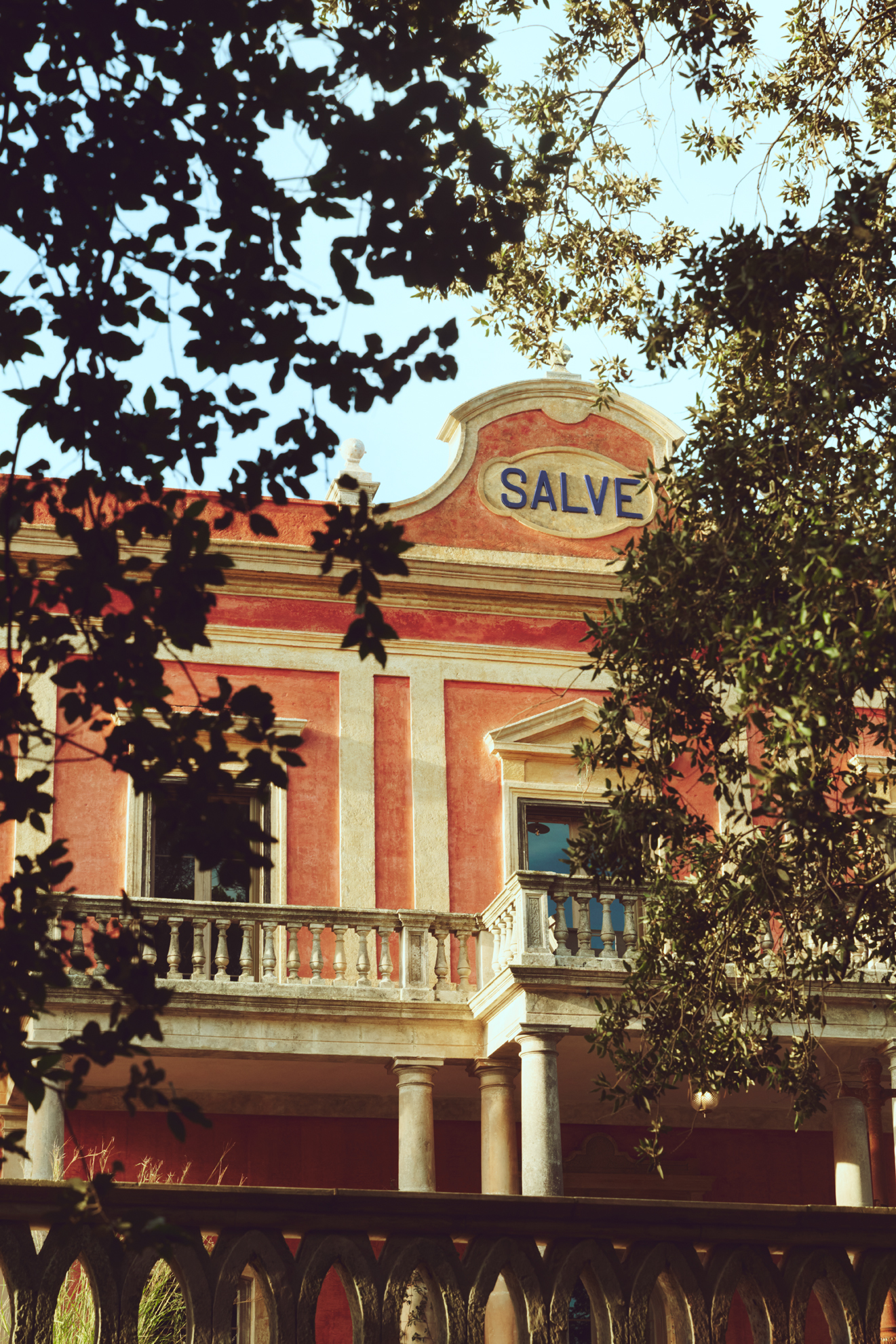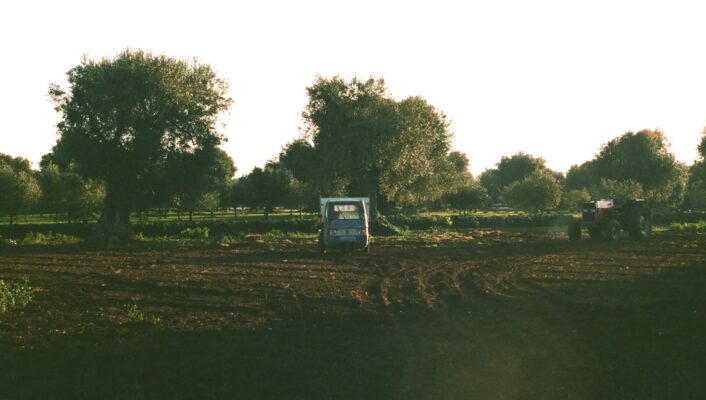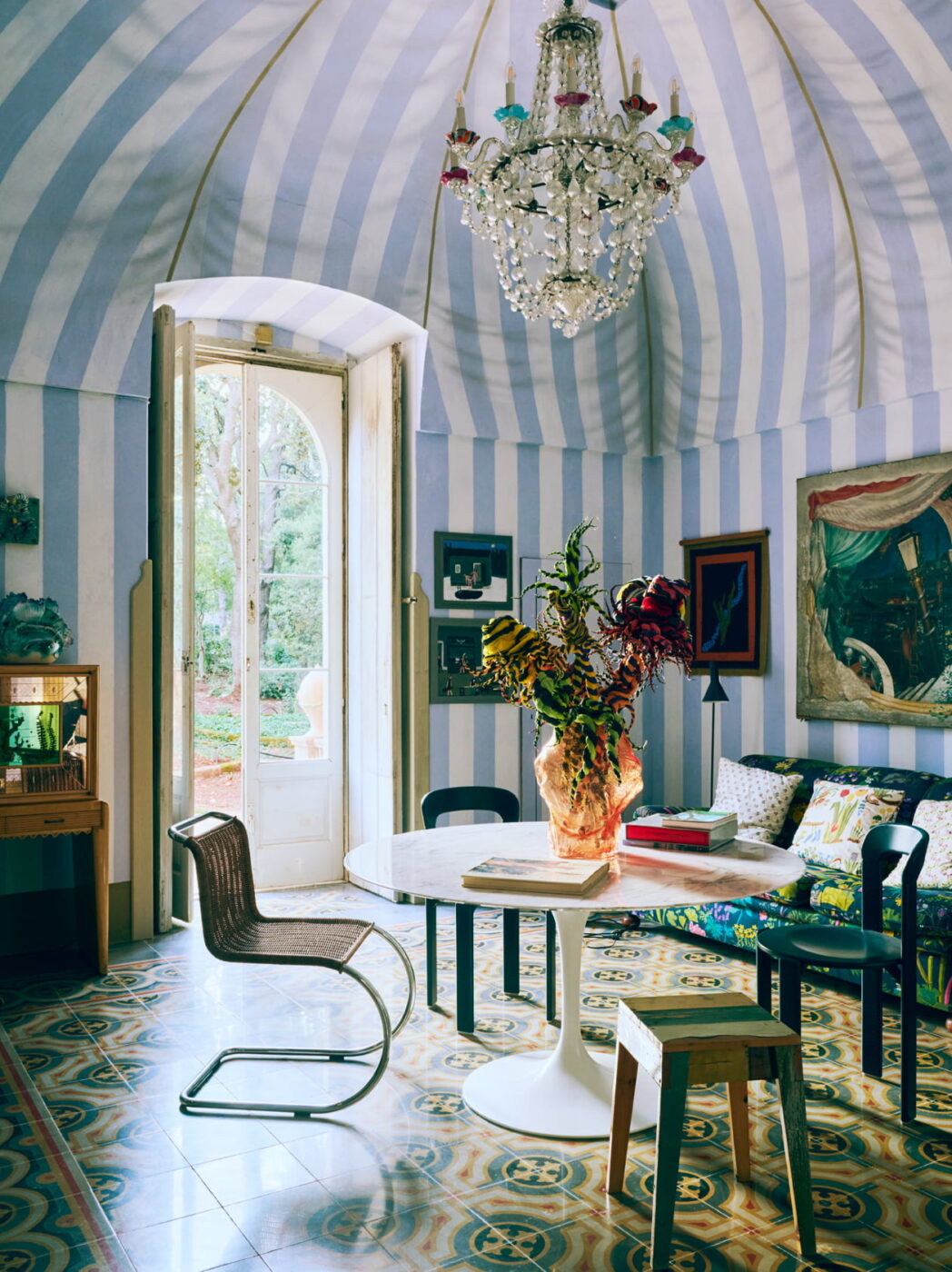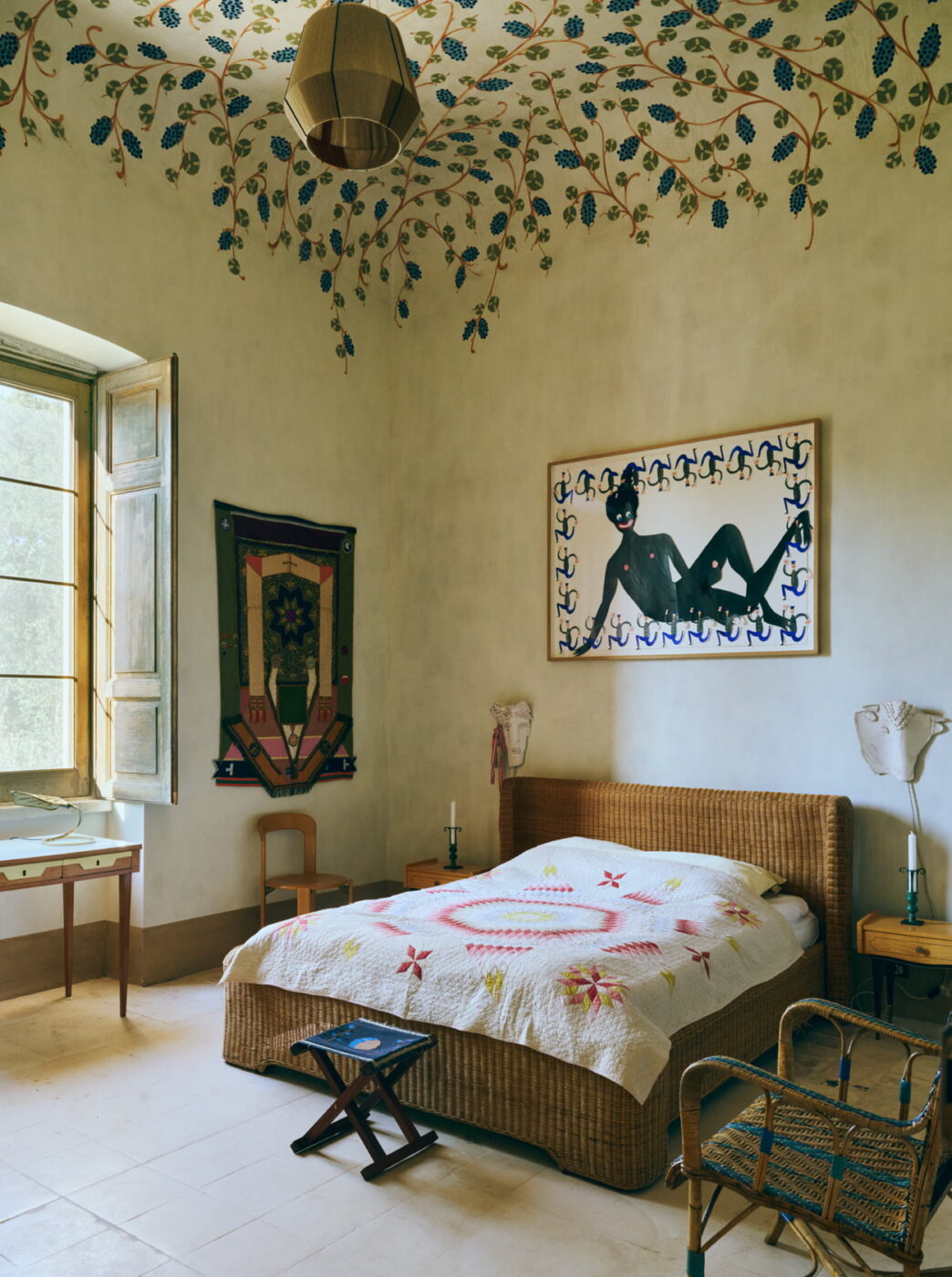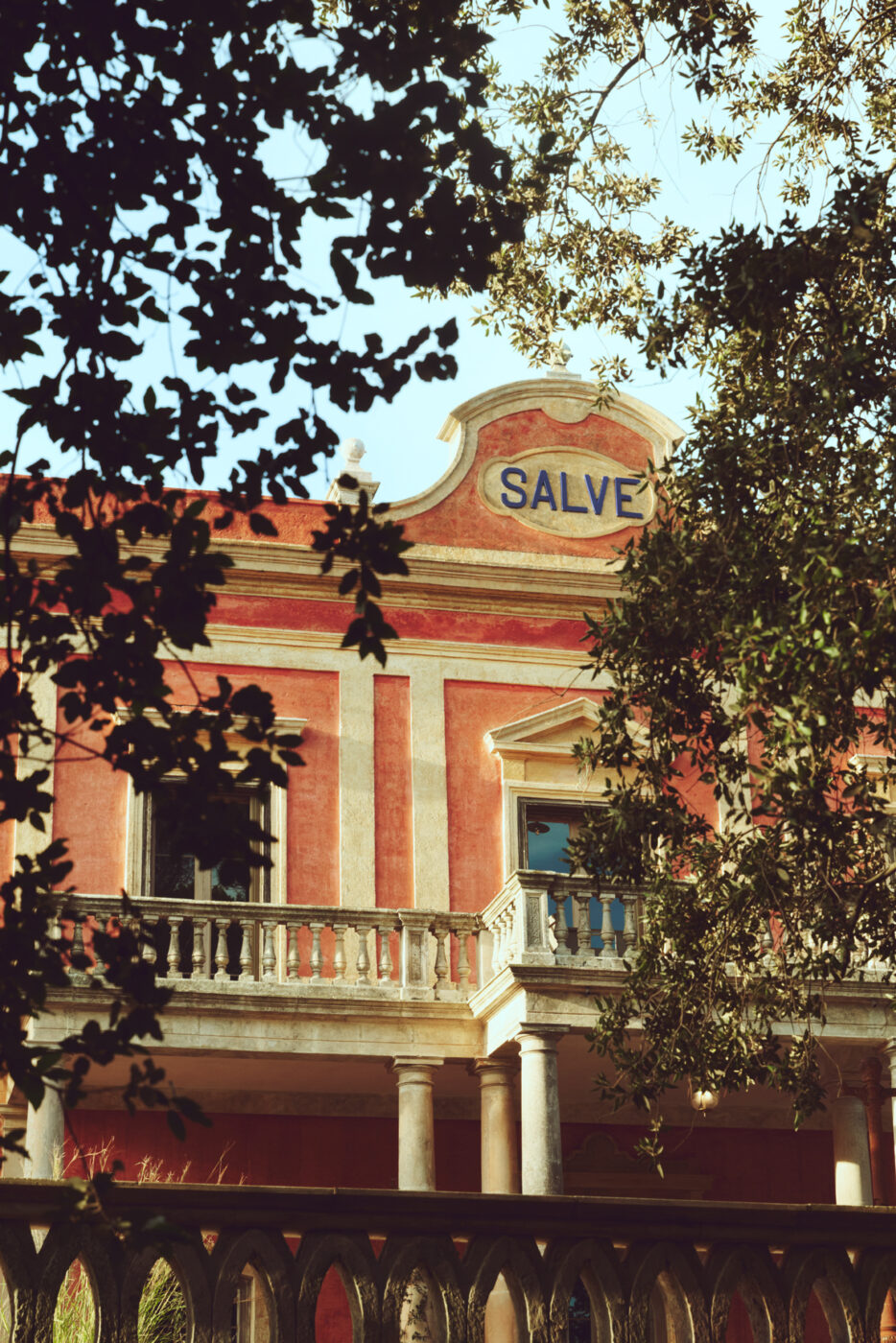
In the Selva di Fasano, among centuries-old olive trees, stands a palazzo built in the late 19th century that still carries the name of the family who built it: the Colucci. Empty for over two decades, swallowed by the woods, it was bought by two Danish families who signed the contract during a Teams call in the depths of the pandemic, before ever having set foot inside.
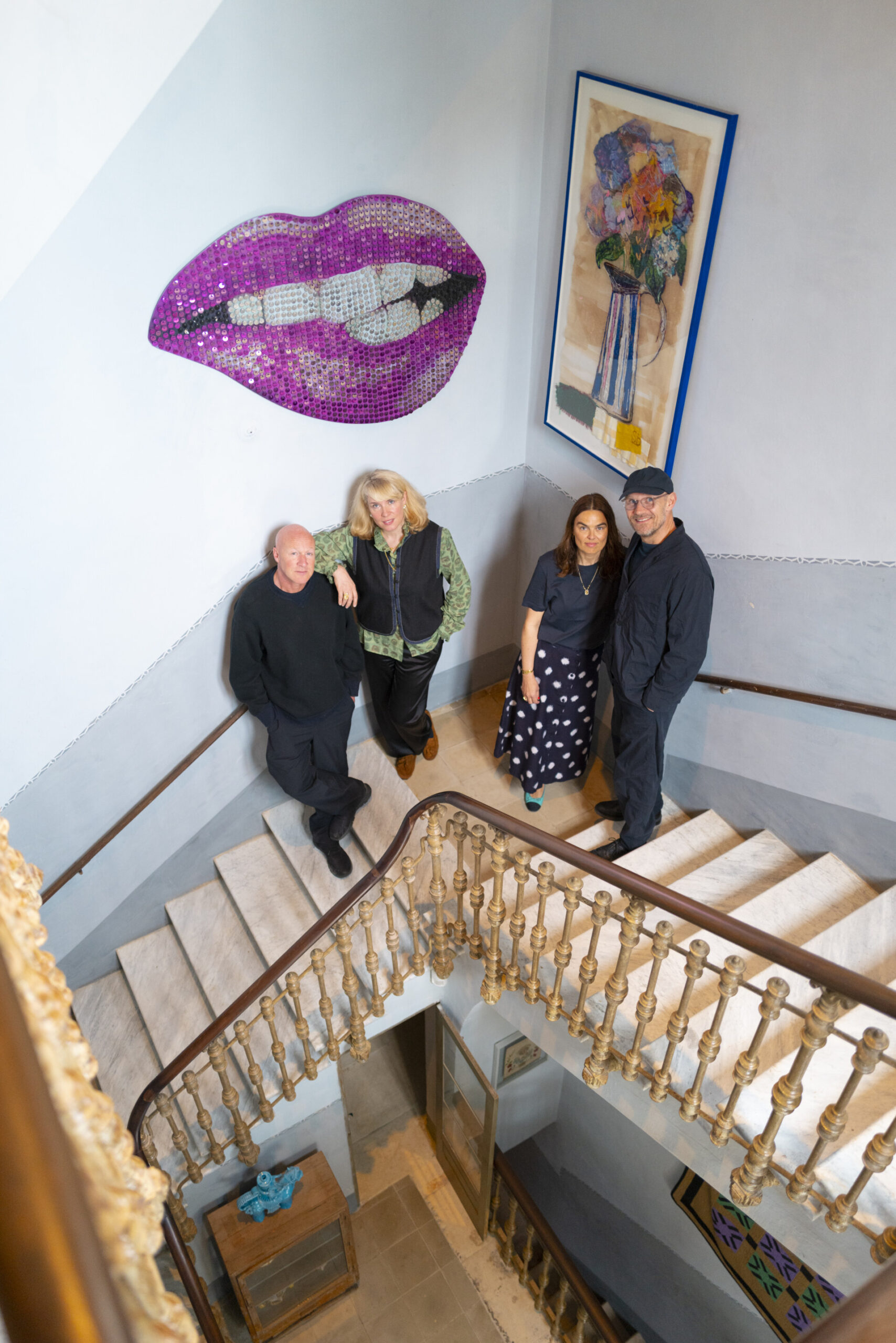
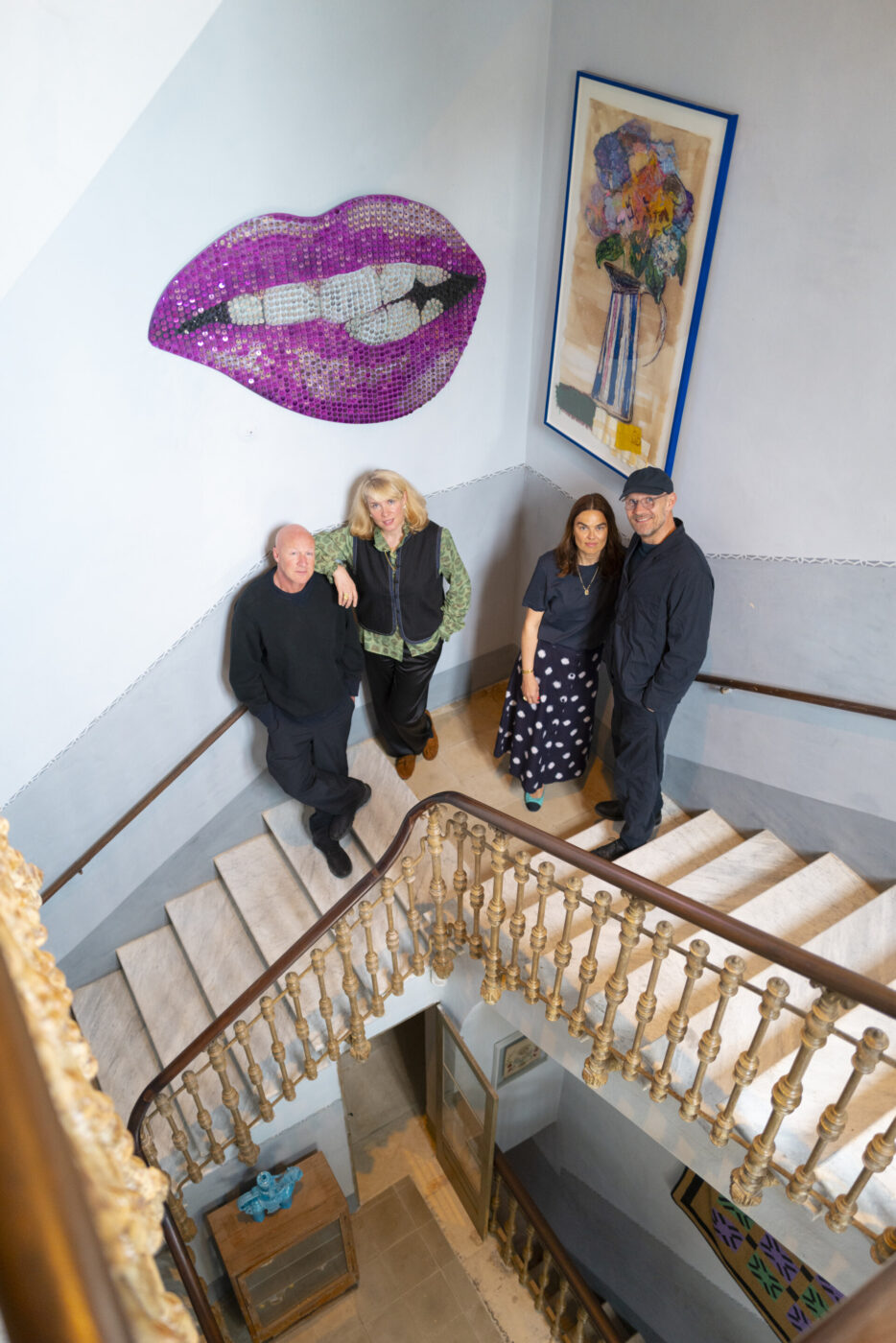
It’s no surprise they possessed an instinctive sense for the building’s hidden potential, given, of course, that they’re Danish design royalty: Mette and Rolf Hay, founders of design brand HAY, and their friends Bibi Husted Werner, entrepreneur and former owner of the Copenhagen boutique Holly Golightly, and her husband Martin, a film director. Long-time visitors to Puglia, they had spent years holidaying in the region before deciding, together, to take on Villa Colucci, which they’ll ultimately rent out as a by-the-week holiday home.
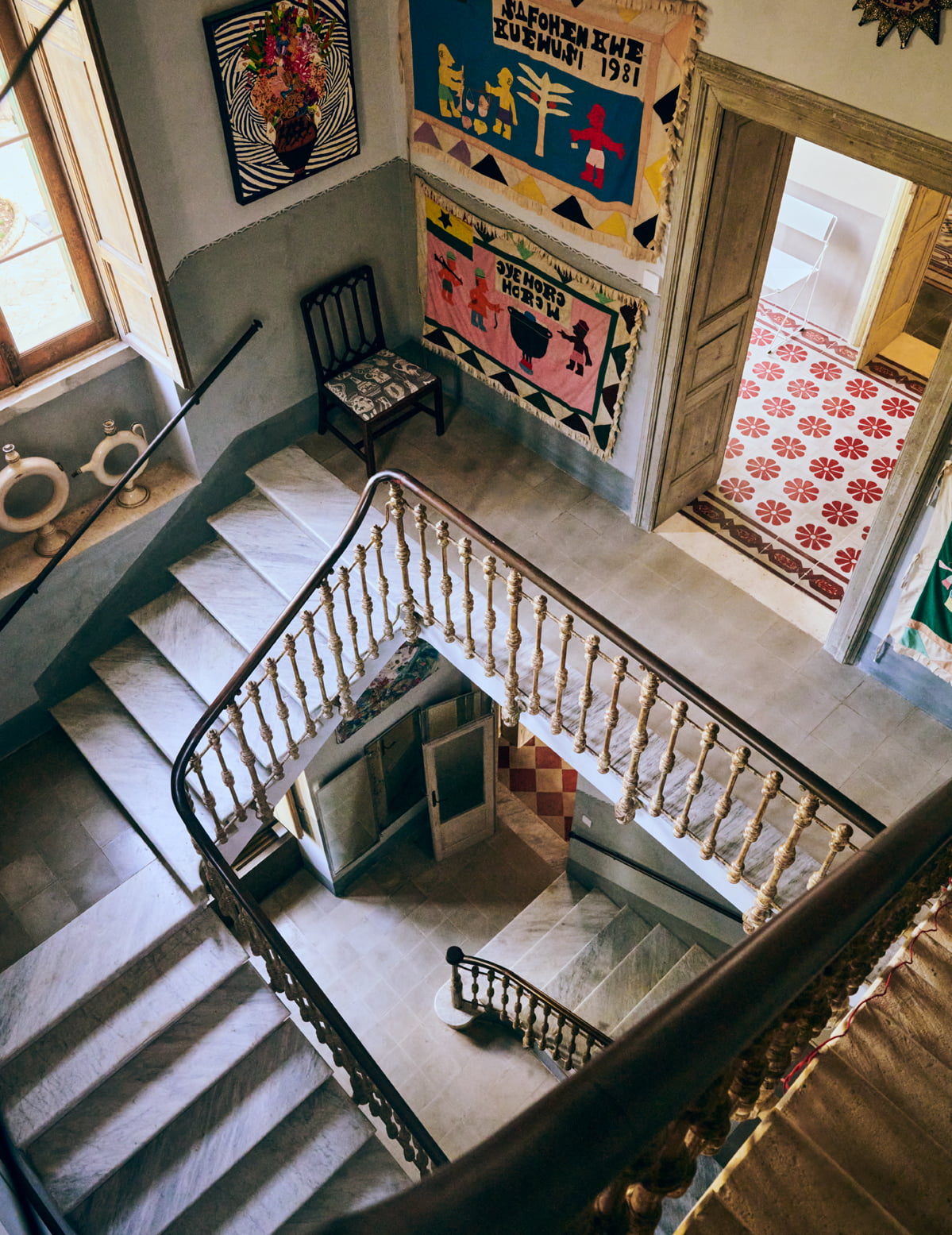
Photo courtesy of HAY
By the time they actually walked through its doors, the deal was already done, based on nothing more than a video call. “We’d got a pretty good idea of the house from a distance,” Rolf recalls. “We knew it would be a bit like Sleeping Beauty’s castle, as nobody had lived there for 25 years.” Mette remembers a physical sensation on that first visit: “There’s been an incredible vibe in the house right from the start. You relax in a different way the moment you step inside.”
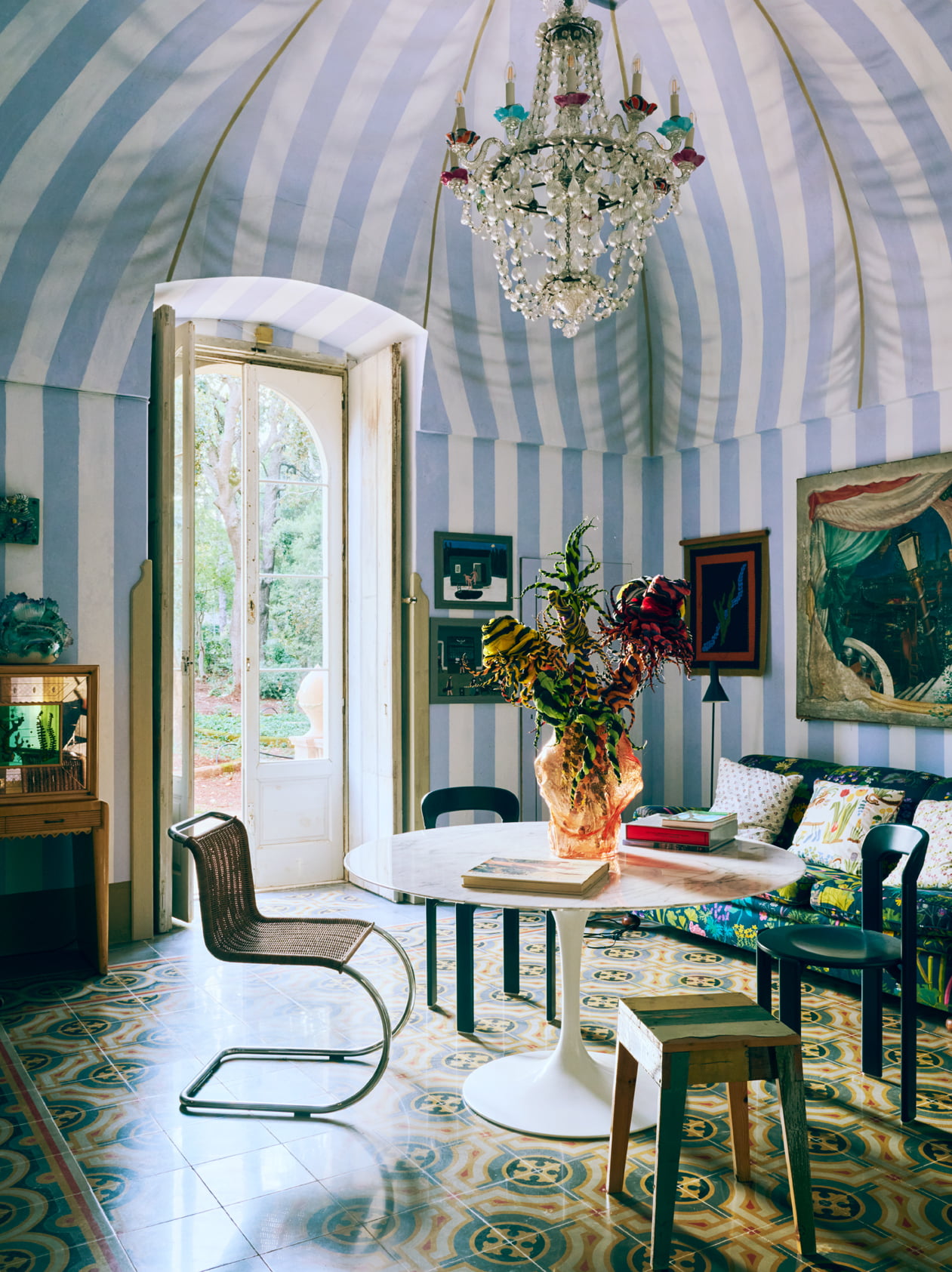
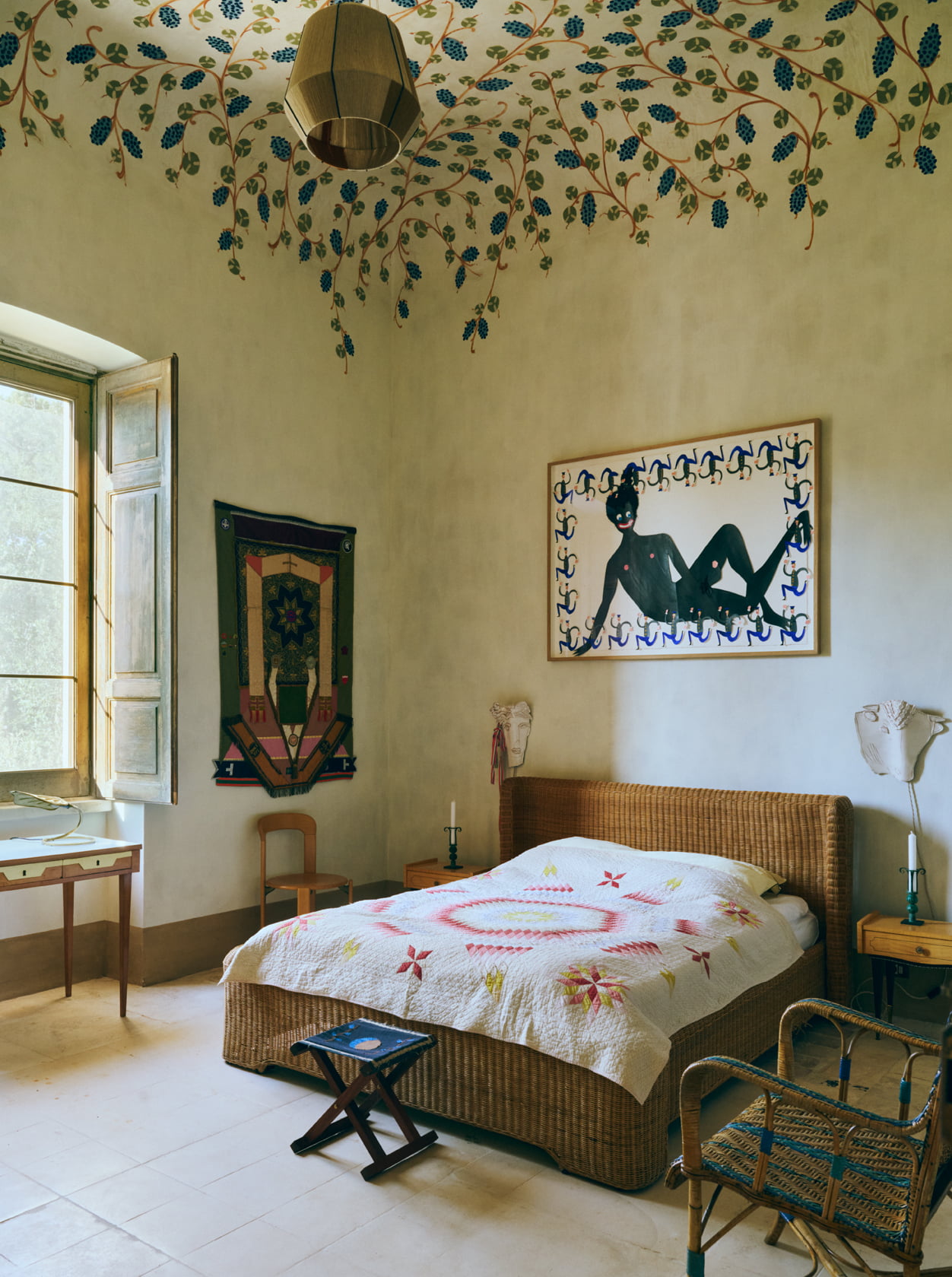
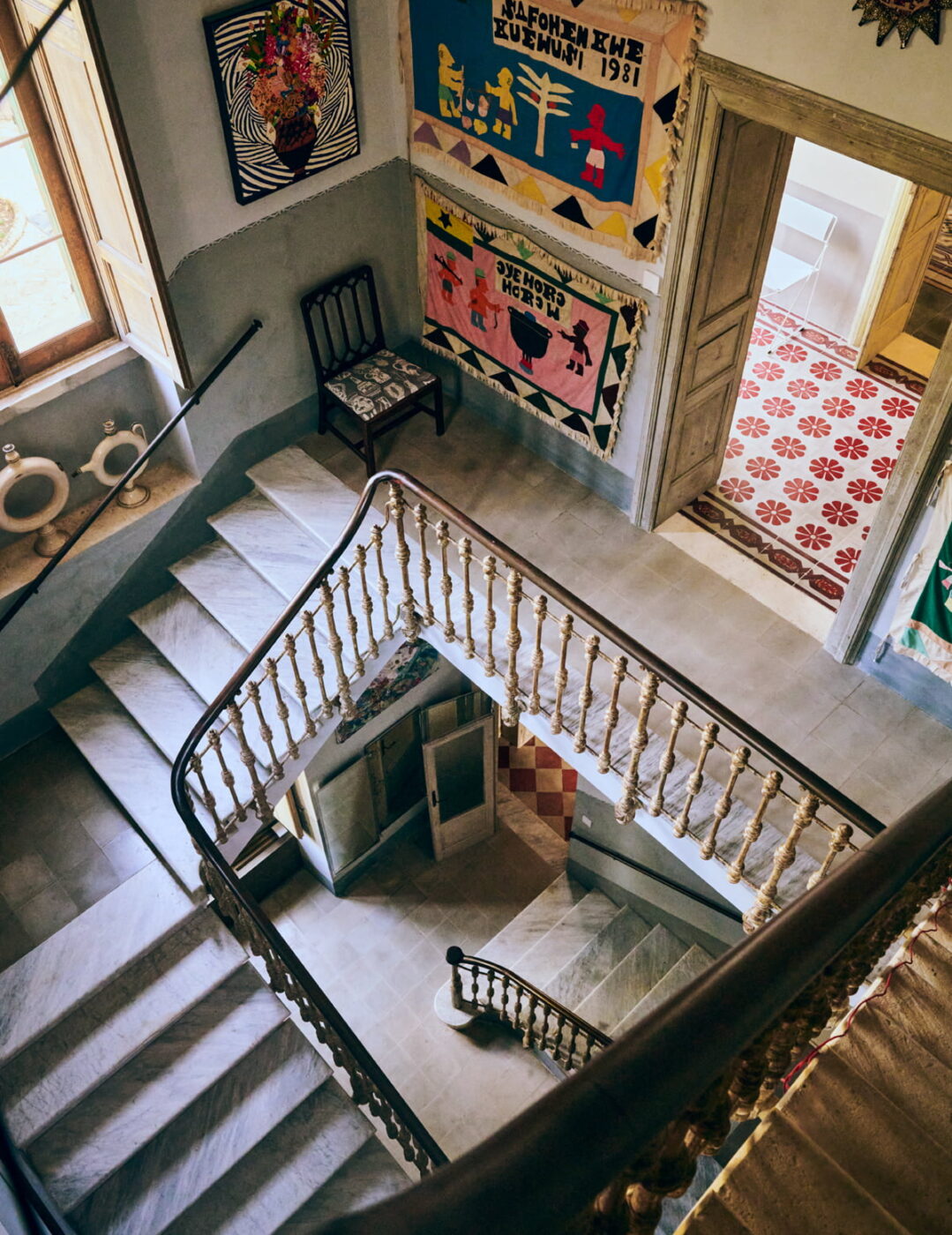
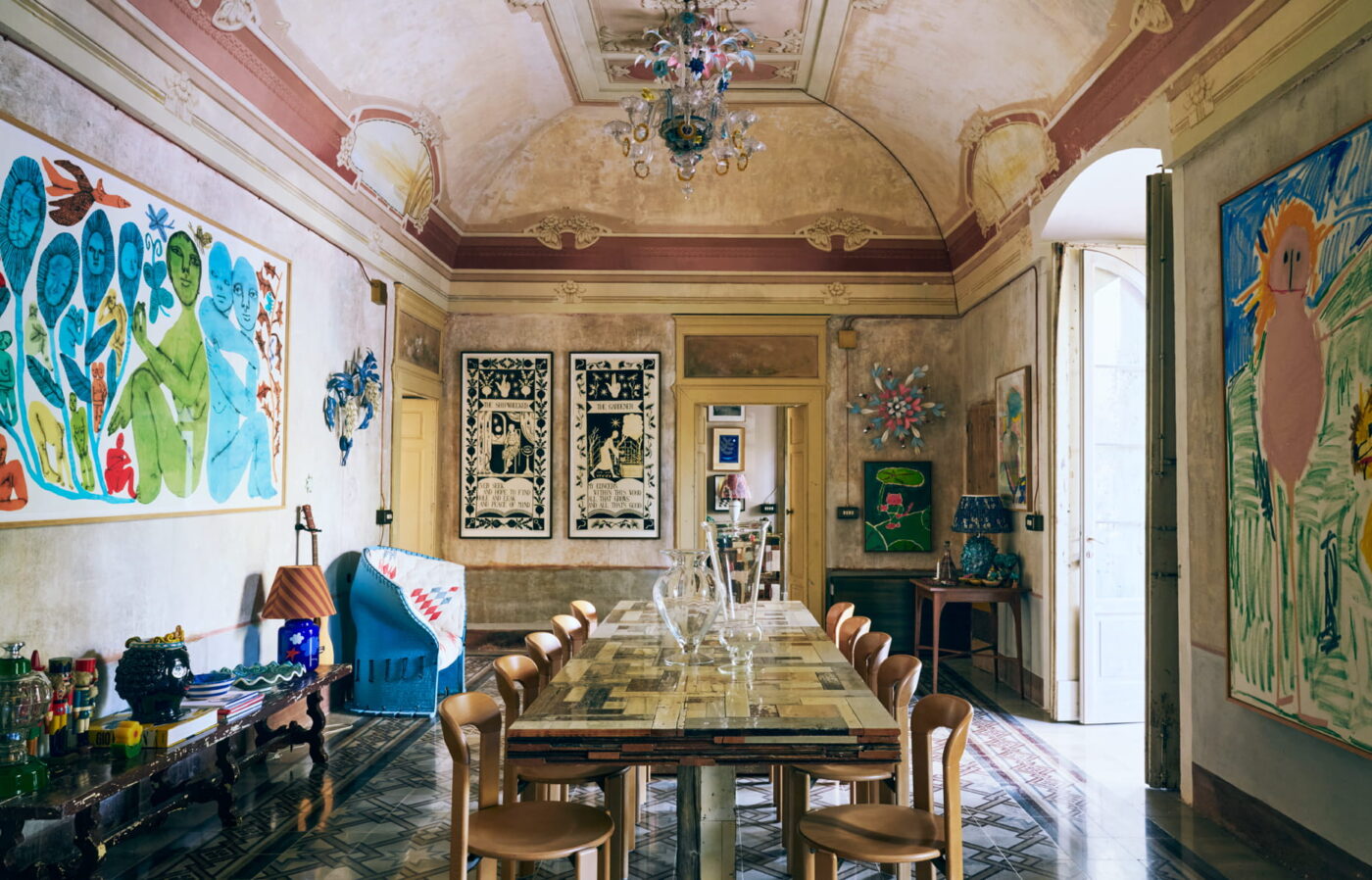
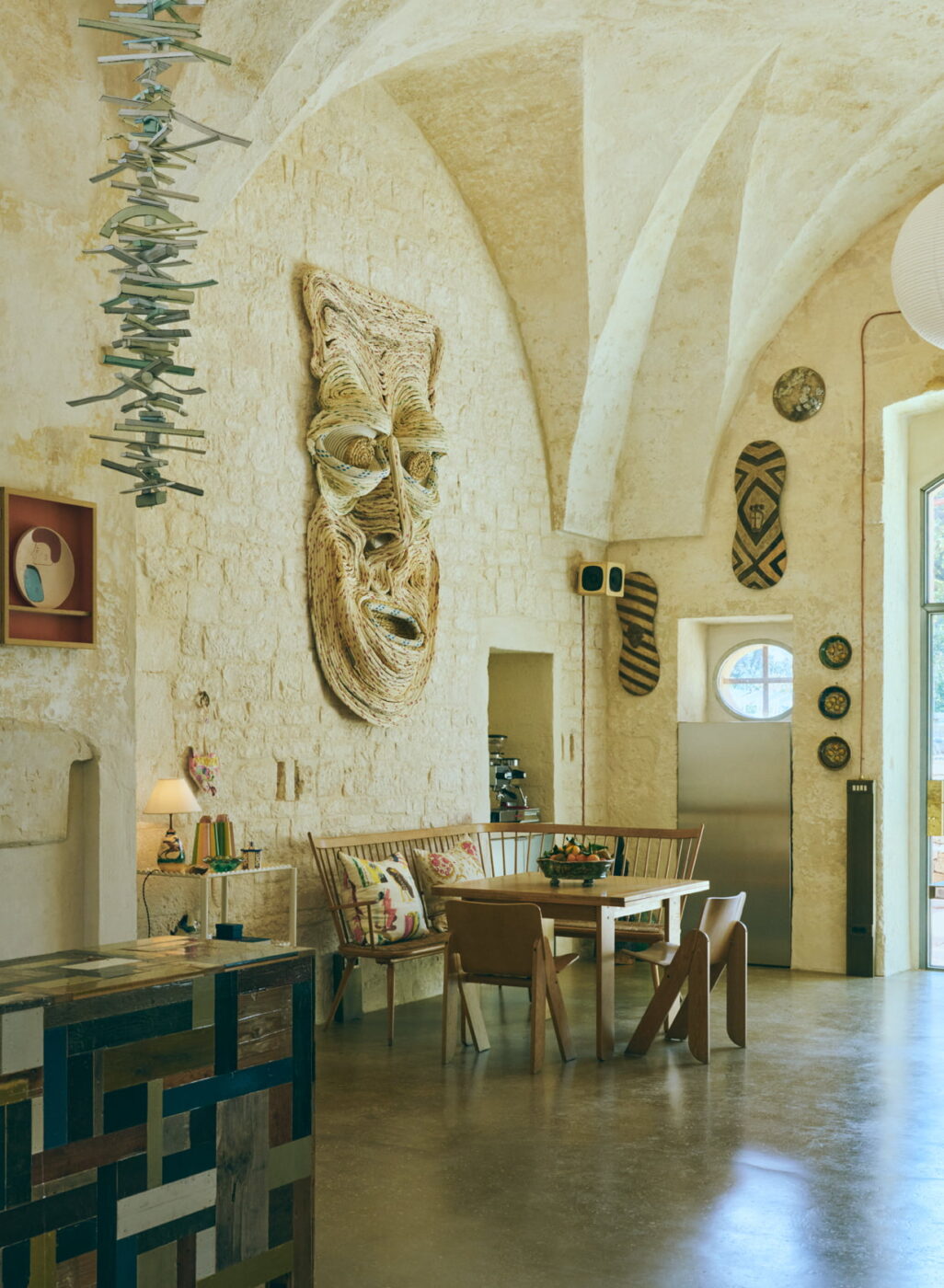
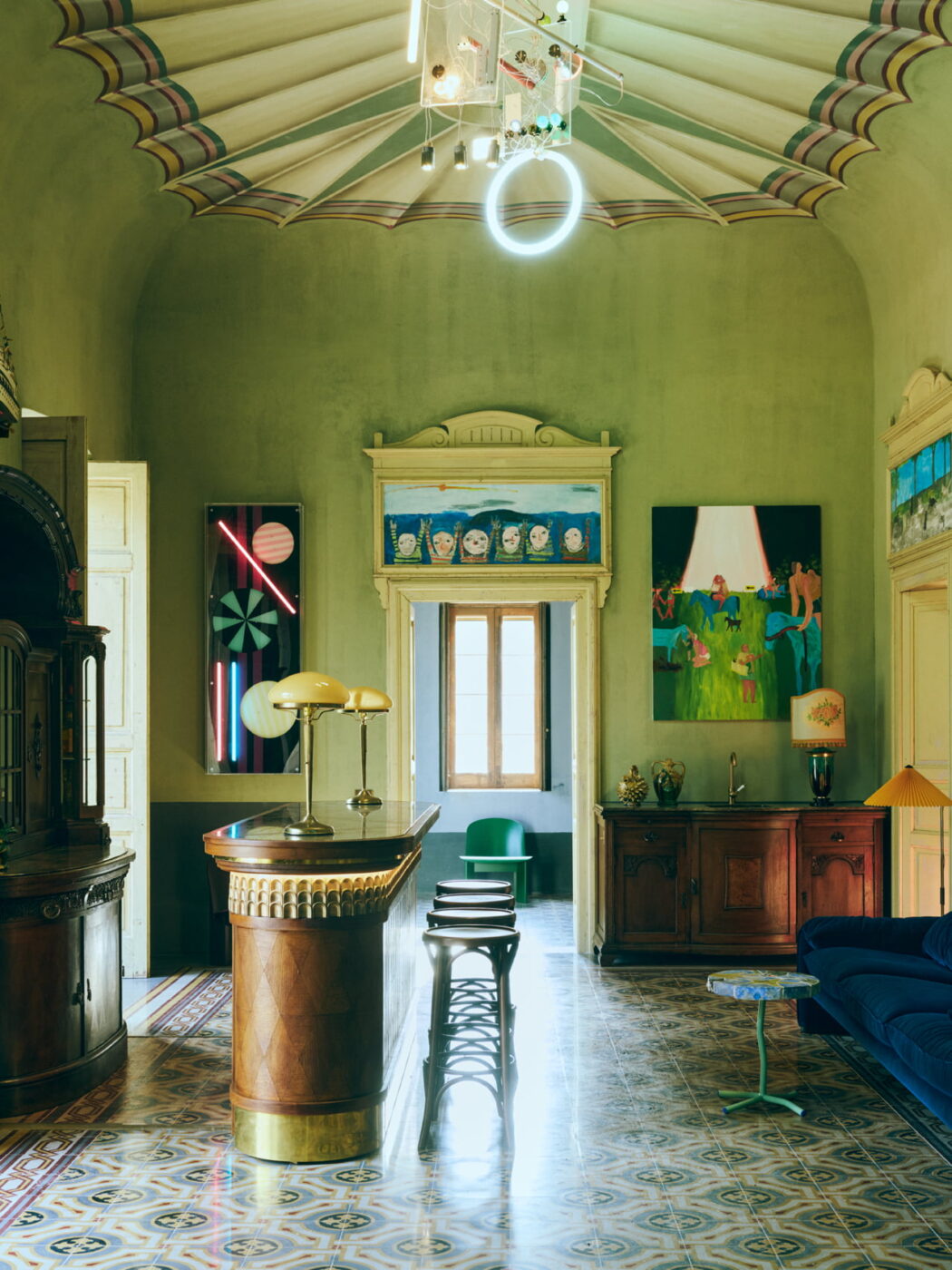
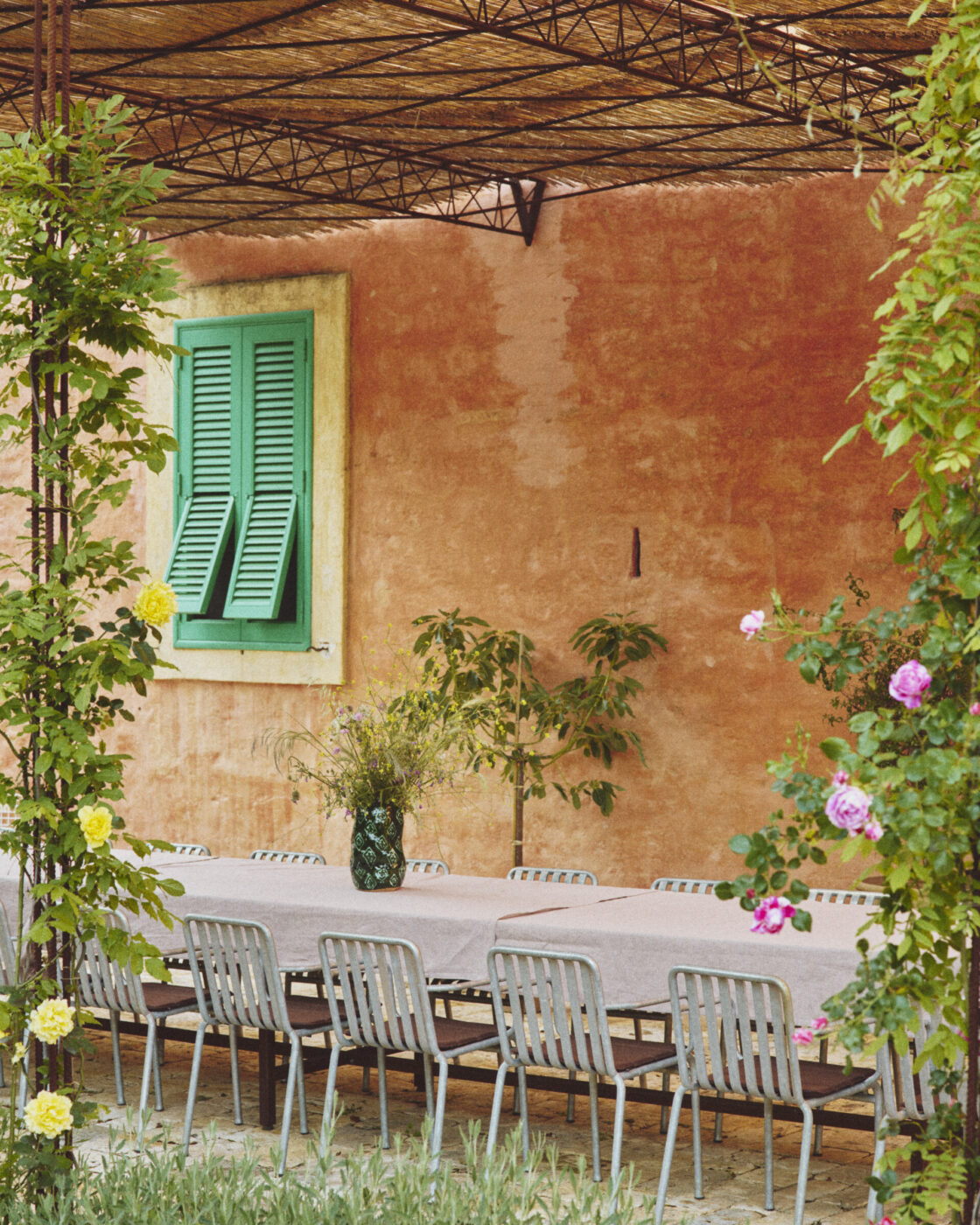
The project’s guiding principle, repeated by all four almost like a mantra, was to do and change as little as possible—not a restoration that transforms, but one that preserves. “Our aim was for the house to retain its originality,” explain Mette and Rolf. “All the floors are original, we’ve only replaced two windows, and some of the walls have simply been wiped down rather than repainted.” Its defining features—high ceilings, patterned cement tiles, an iconic red facade—have all been meticulously maintained. “We all agreed to restore as gently as possible and as close to the original colors as possible,” say Bibi and Martin. “In order to keep all original tile floors intact, we created a system to run the electricity on top of the wall and keep the heating and cooling systems in the ceilings or inside brass boxes.” Across the 10 bedrooms, the grand dining rooms and the old stables—now transformed into the kitchen, the heart of the house—only a single new wall was added to the entire complex.
It’s this commitment to preservation that sets Villa Colucci apart from many restored properties in the region, where interiors are often reimagined from scratch. Here, the architecture leads, and design fills in gently around it—which matters, given who’s behind the project. Pieces by longtime HAY collaborators are woven throughout the villa: Bruno Rey chairs, the Chisel Lounge, Palissade outdoor furniture, alongside work by Ronan & Erwan Bouroullec and Muller Van Severen. These sit next to antique finds—Gio Ponti chairs and Vico Magistretti sofas—gathered over years at flea markets across Puglia. But, contrary to what you may think, design is not really the protagonist here. Art is.
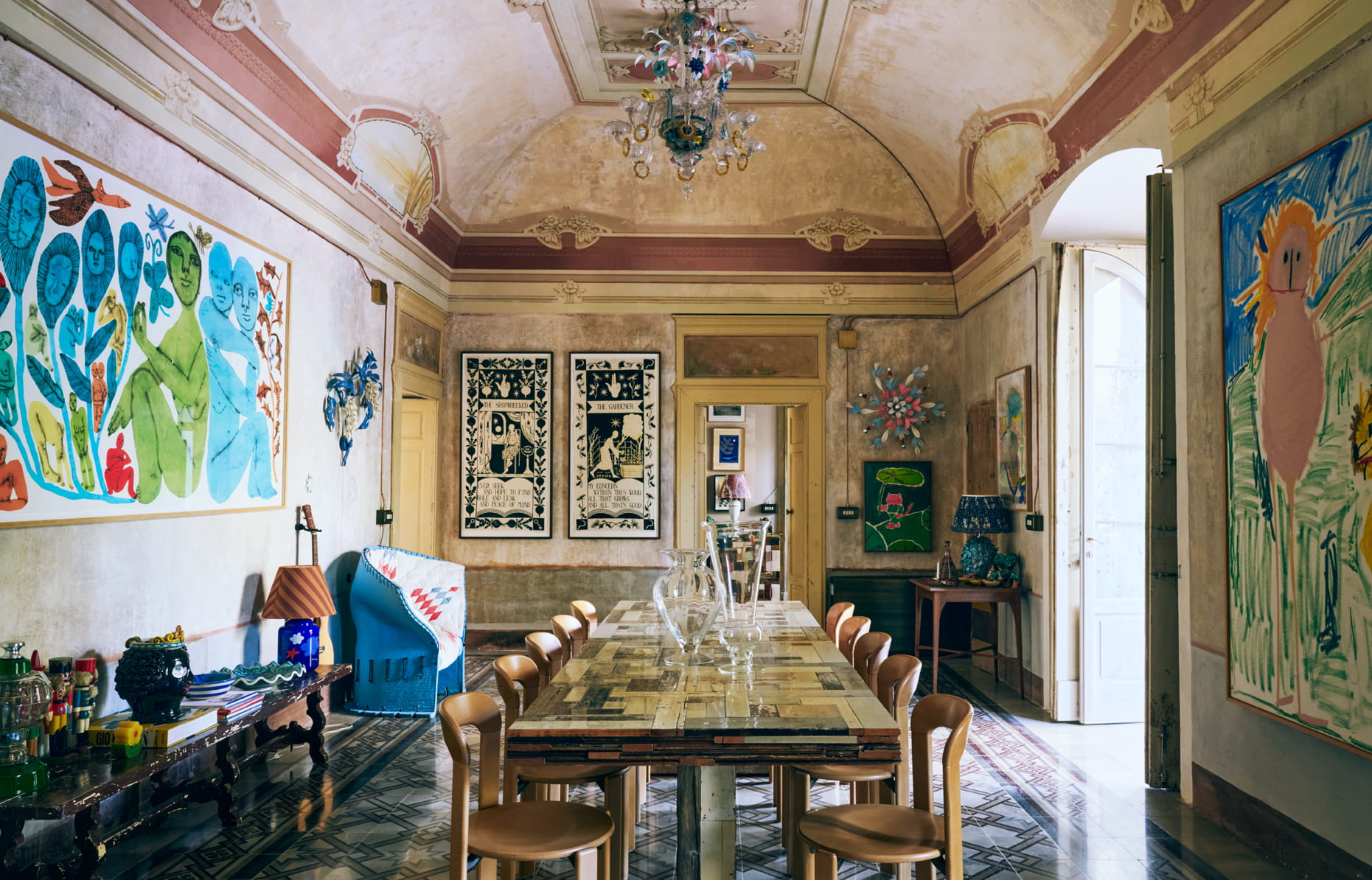
Photo courtesy of HAY
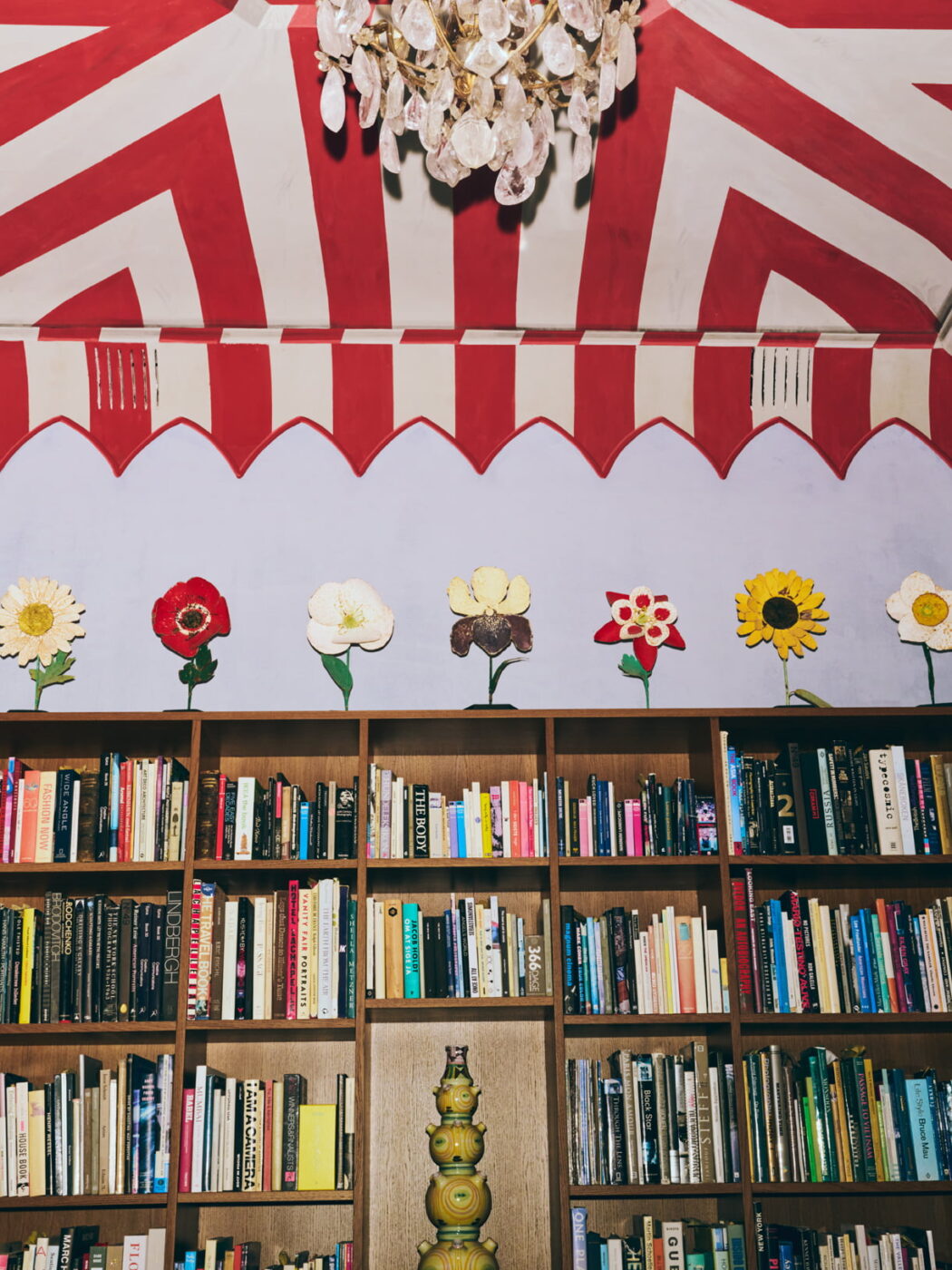
Walls throughout the villa hold pieces by Peter Doig, Emma Kohlmann, and Magnus Fisker, while corridors feature Berenike Corcuera’s embroidered tarot cards and traditional Asafo flags. Bedrooms showcase Lulu Kaalund’s handwoven wall hangings and textile works by Karl Monies, alongside ceramics by Stephen Bird and sculptures by Bjorn Wiinblad. Hand-painted ceiling frescoes by local artisan Francesco Melcarne Casi underline the historic character of the grand living areas.
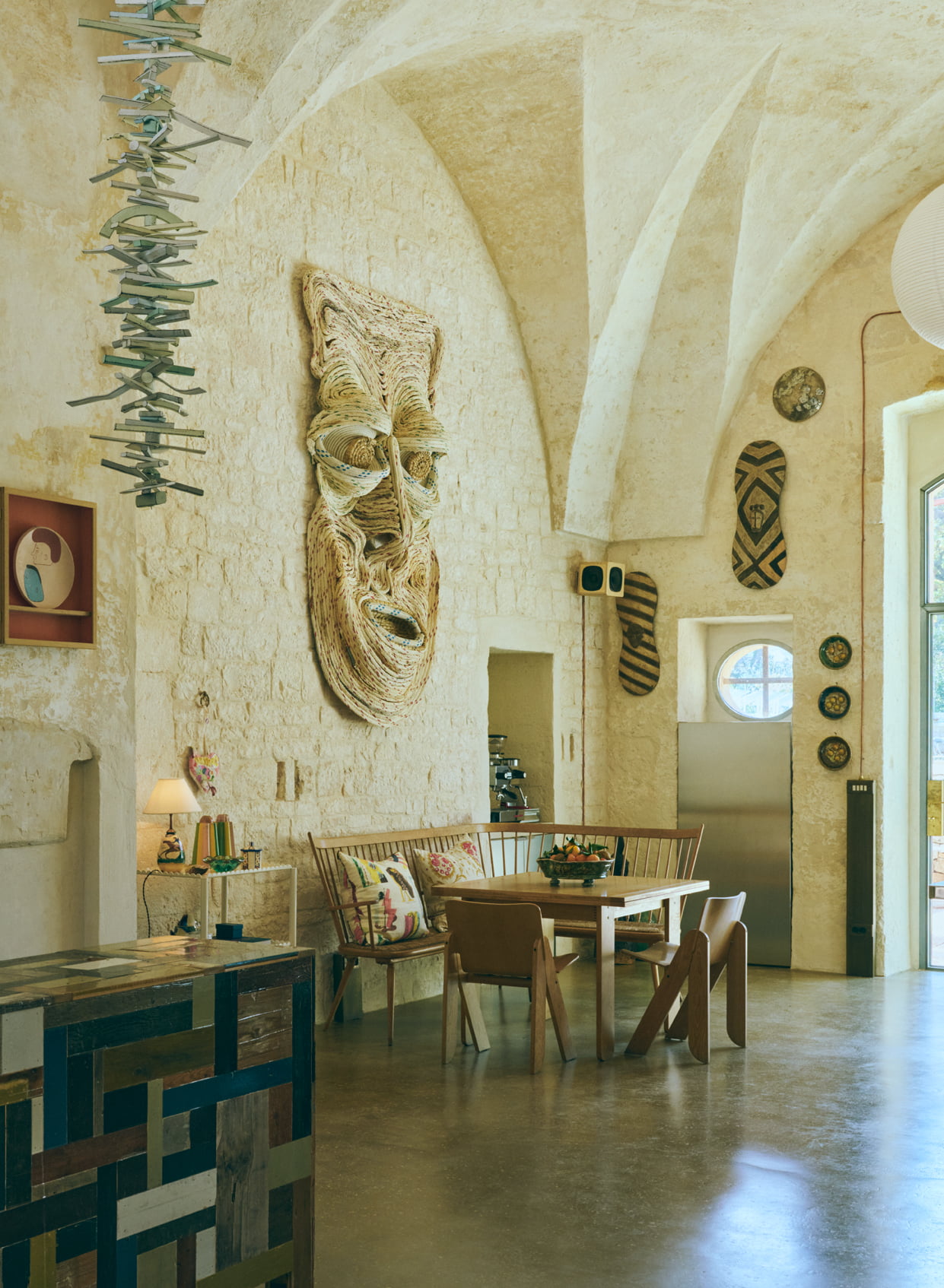
Photo courtesy of HAY
“You can certainly say that the collection of art is rather intuitive than speculative,” say Bibi and Martin. “We all four rely heavily on our intuitive decision-making, and we therefore have a very natural, easy-going approach to selecting the objects and artworks around us.” Among the local figures they hold dearest is Angelo Milano, founder of the Puglian gallery Studio Cromie, a name that surfaces again and again in their account of the region.
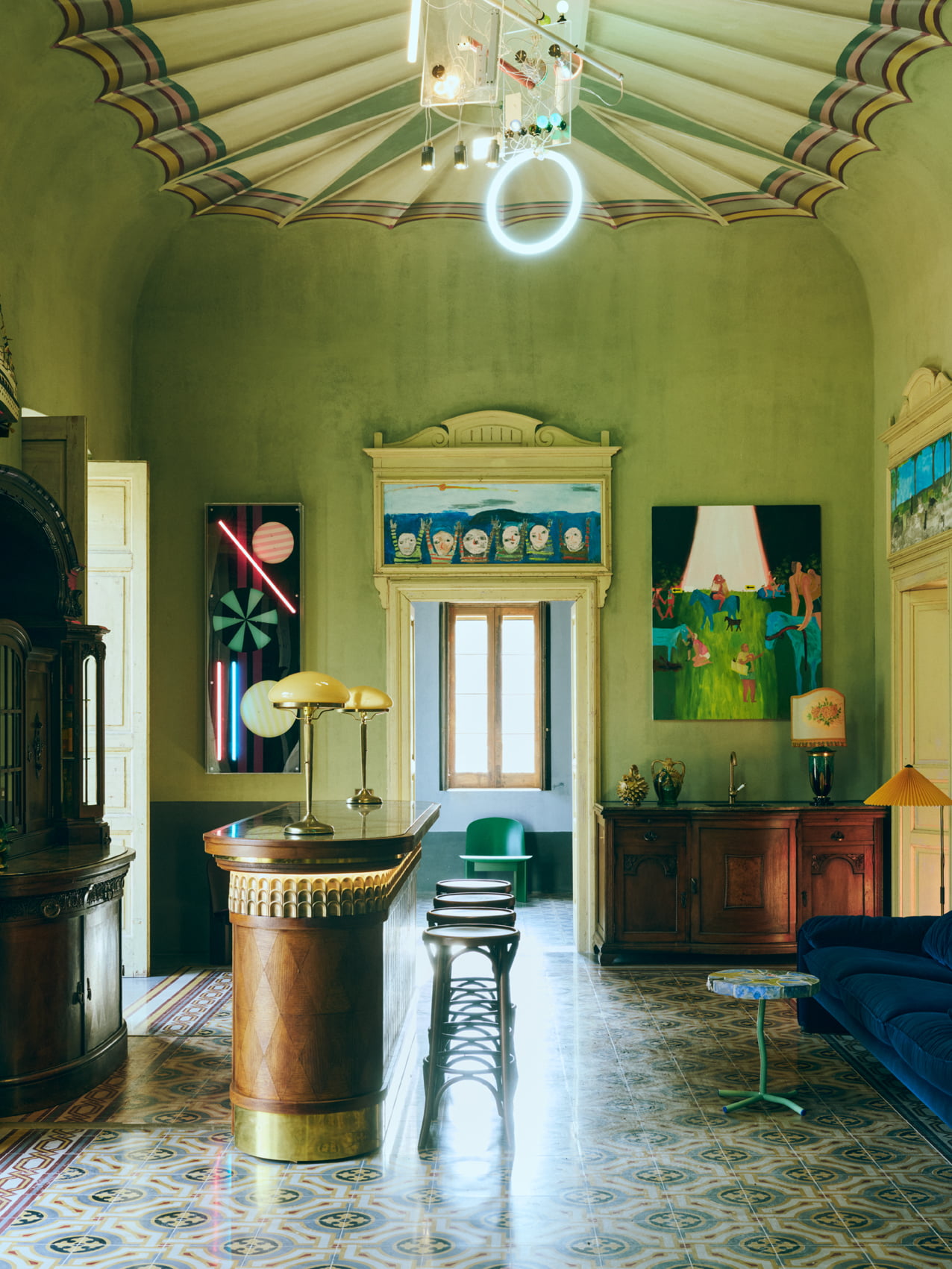
Photo courtesy of HAY
Villa Colucci arrives at a moment when Puglia is increasingly attracting design and art world attention. Several high-profile figures from the worlds of art and design have been investing in the region in recent years, drawn by the same combination of authenticity and untapped potential that first won over the Hays. What Villa Colucci does add to that conversation is a particular way of thinking about restoration: one where preservation, not reinvention, is the real design statement, and where the villa’s own history takes precedence over the presence of some of Scandinavian design’s best-known names.
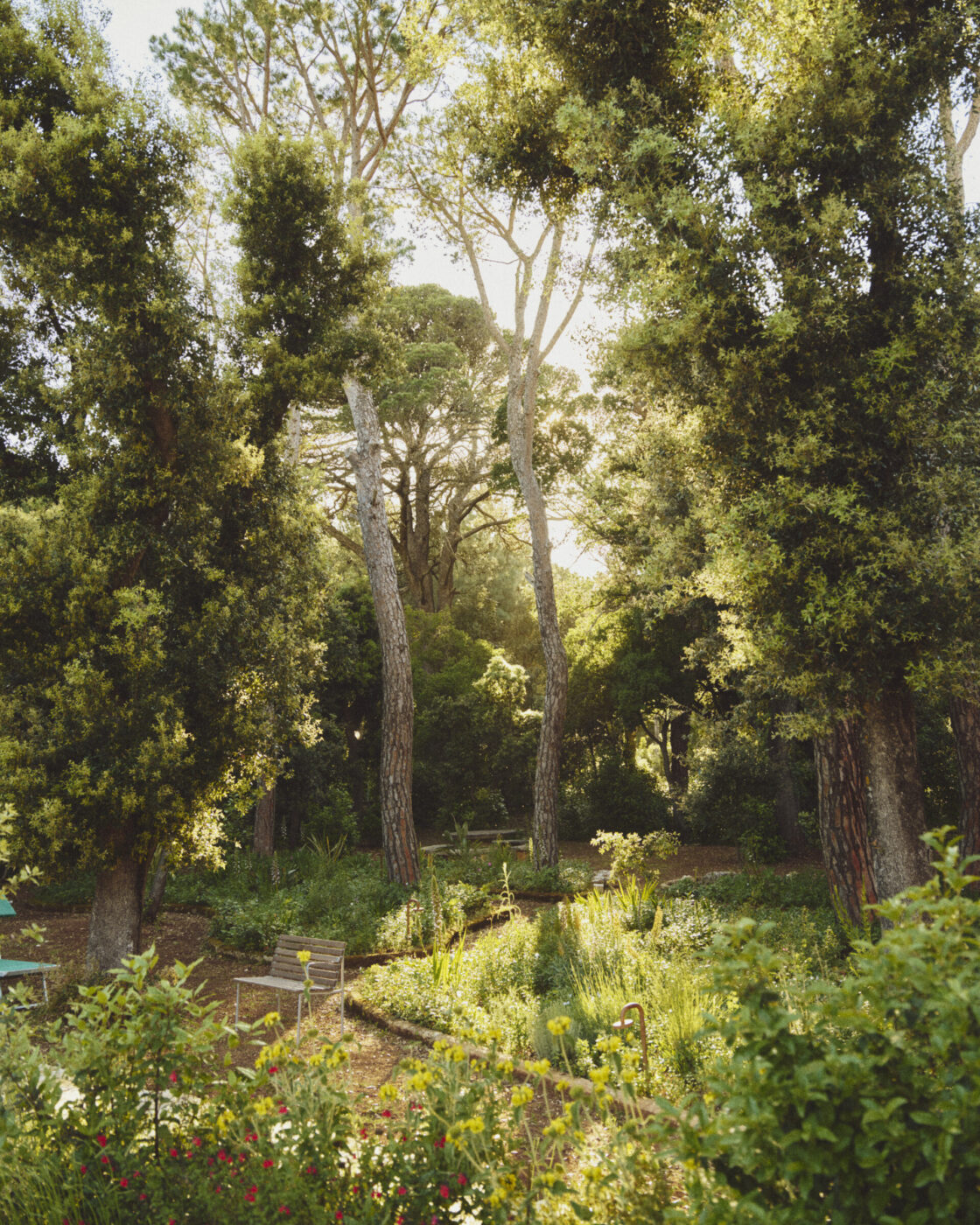
Looking ahead, the four owners want to share what they’ve built. Villa Colucci will be rented out as a whole-villa holiday home on a weekly basis, not by the room, giving guests the run of the property, its garden, its kitchen, and its collection for the length of their stay. “The whole idea of renting out the villa is to ensure that others can enjoy the art and the location and hopefully experience the same relaxed and inspired days that we do,” explain Bibi and Martin. Behind the scenes, they’re slowly building a team around the property’s house manager, developing relationships with local chefs and winemakers, and working on a small vineyard revived on the grounds. “Our aim is that a stay at the villa lets you experience the local cuisine, the art inside the villa, and the great hospitality Puglia has to offer. This will be an ongoing process that never really stops.”
As for the region itself, Mette and Rolf watch its rise with a mix of enthusiasm and caution. “Puglia has clearly been gaining momentum and has become a more popular travel destination. We hope that even though it’s become a more defined pin on people’s maps, it can maintain its authenticity.” Perhaps that’s the real wager behind Villa Colucci: proving it’s possible to love a place enough to restore it with care, without ever betraying its soul.
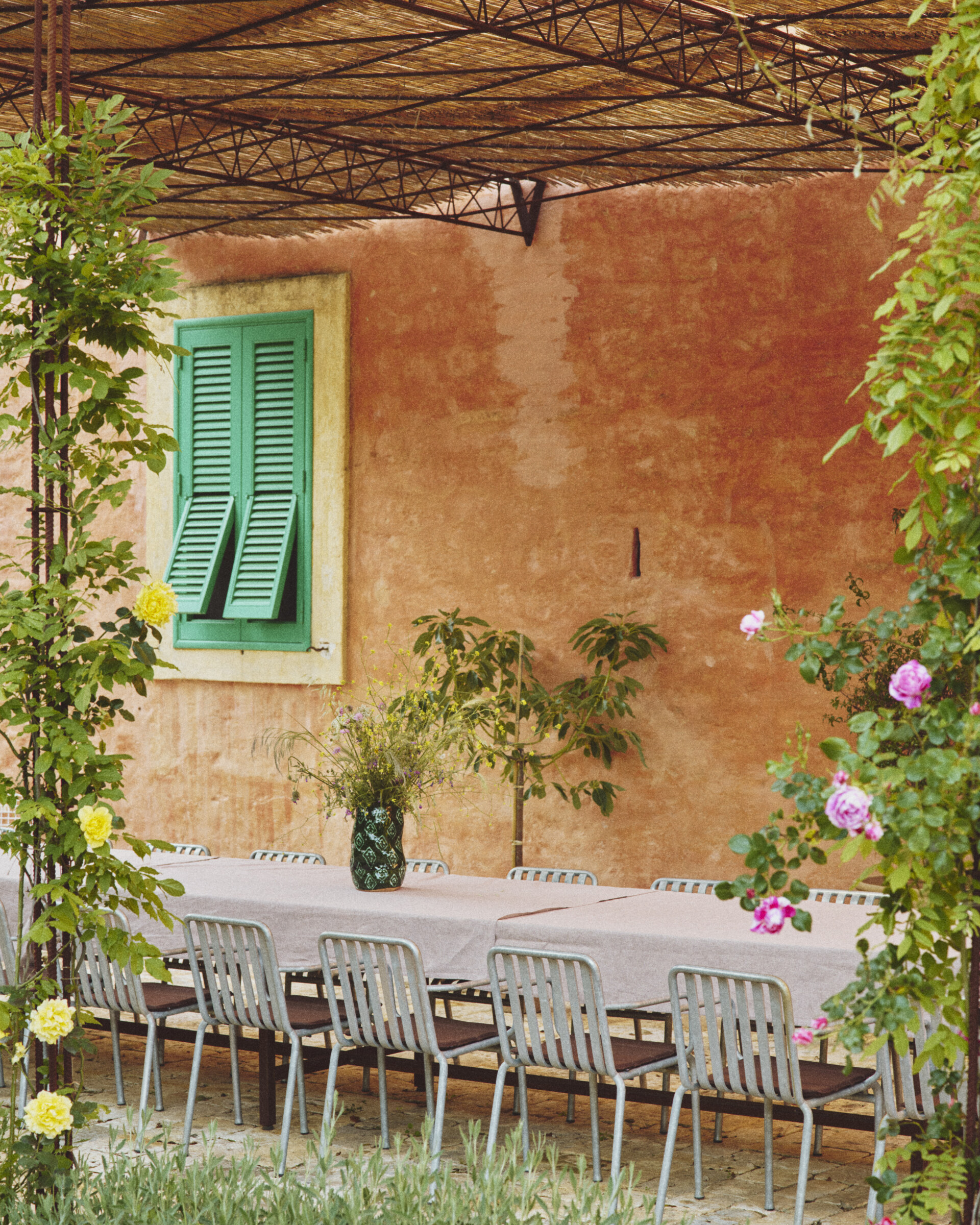
Photo courtesy of HAY
Recommended by the Hays and Werners:
Favorite beach: Coccaro Beach Club and Lido St. Stefano.
Favorite Pugliese dish: Seasonal vegetables and crudo di mare; fave e cicorie.
Biggest source of inspiration in Italy: “The food culture and local flea markets. We visit a flea market almost every Sunday.”
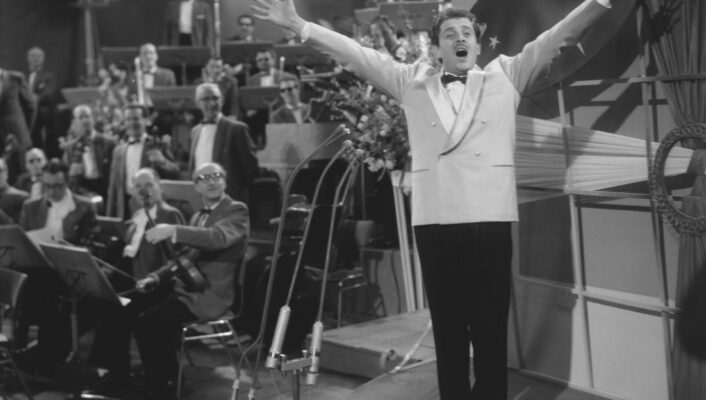
The film and soundtrack that capture the spirit of the villa: Call Me By Your Name by Luca Guadagnino and “Volare” by Domenico Modugno, who hails from Polignano a Mare.