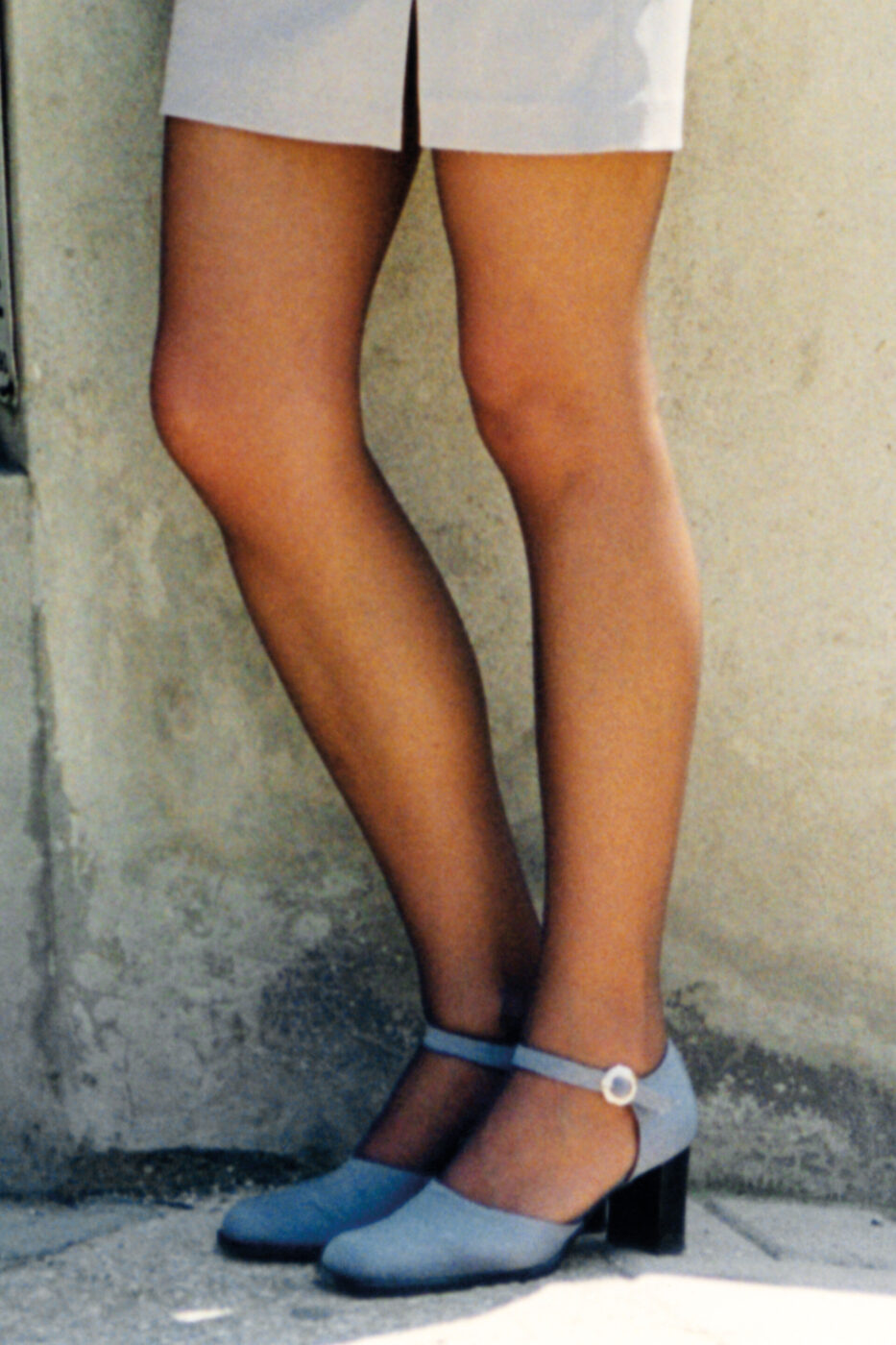
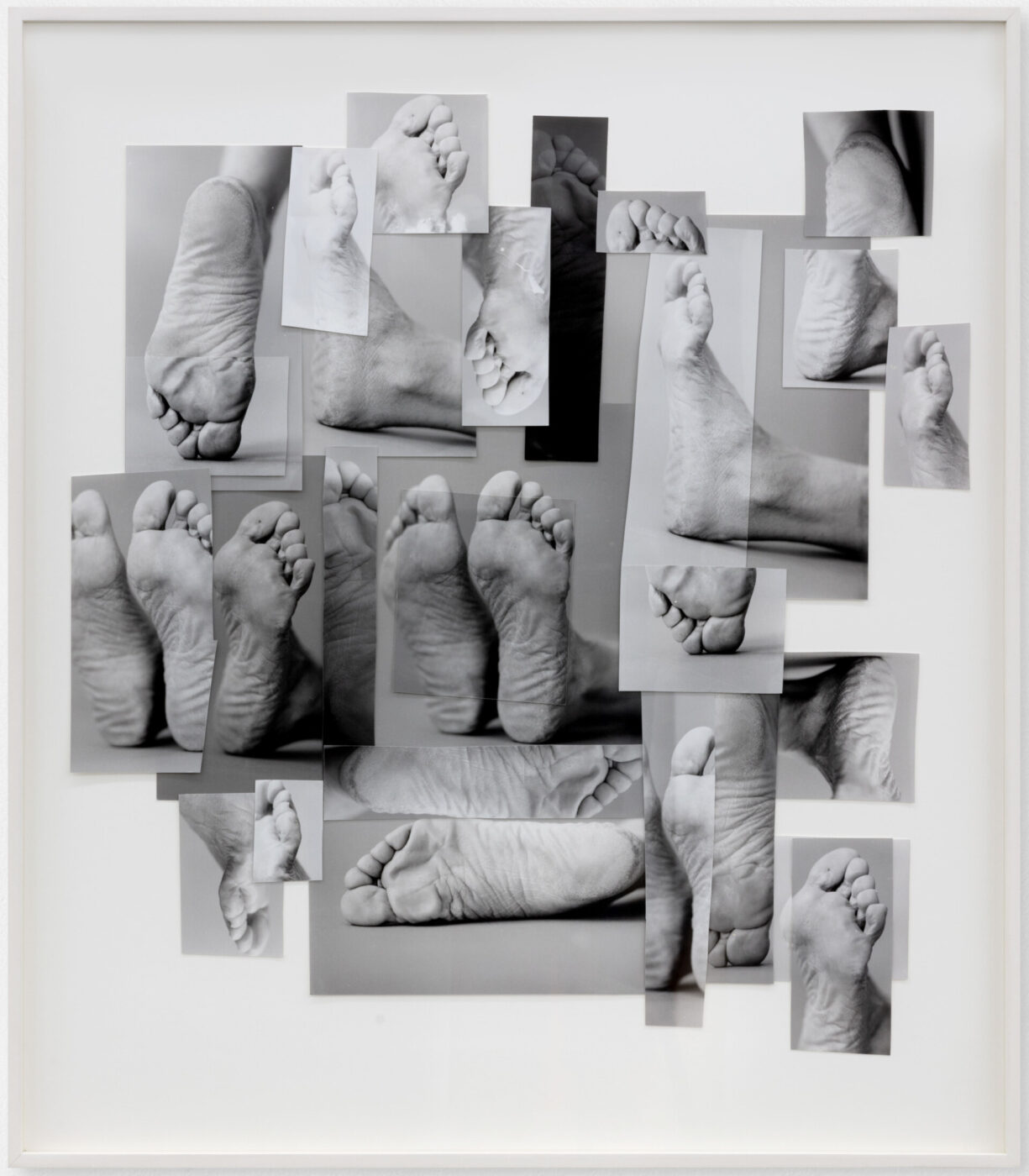
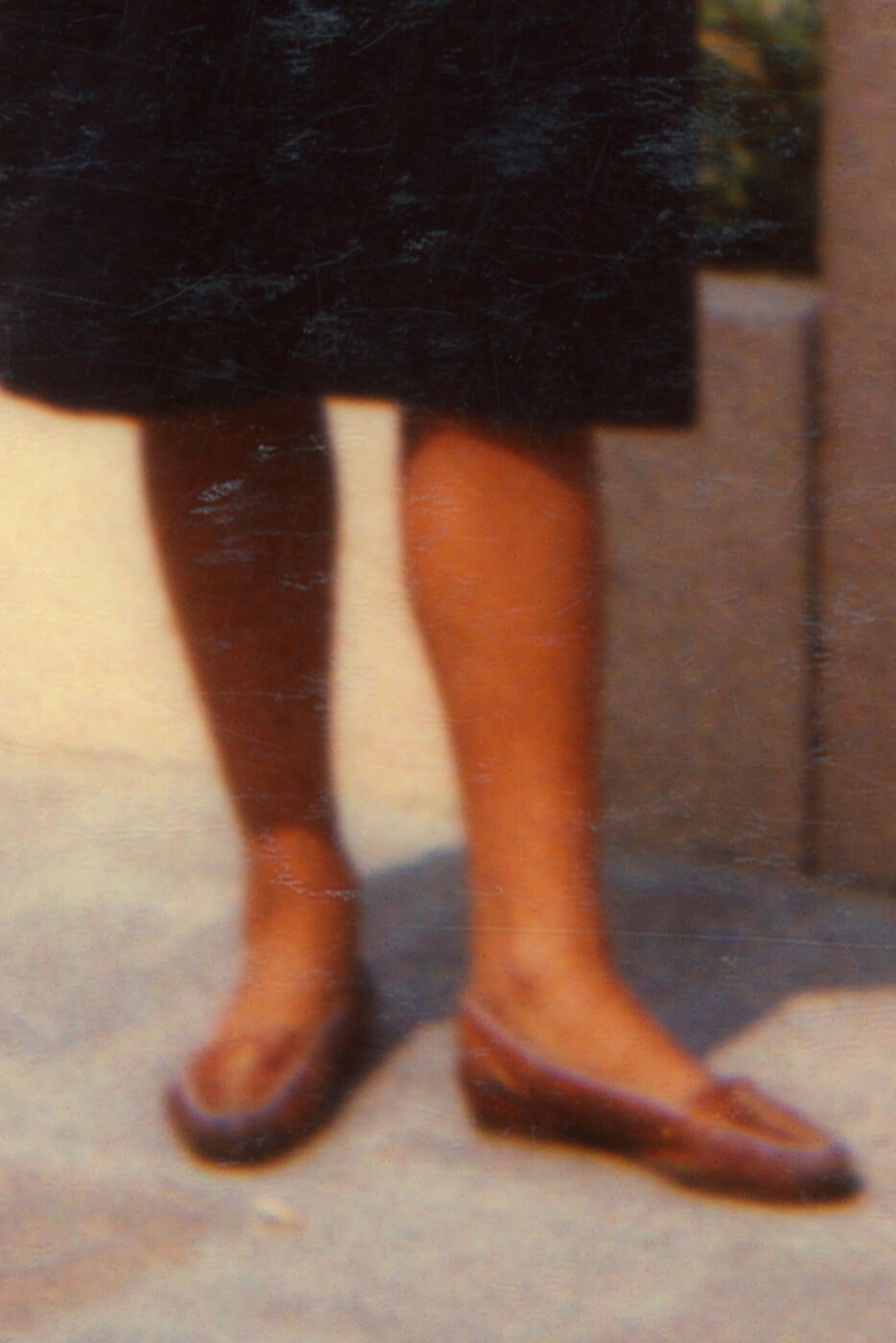
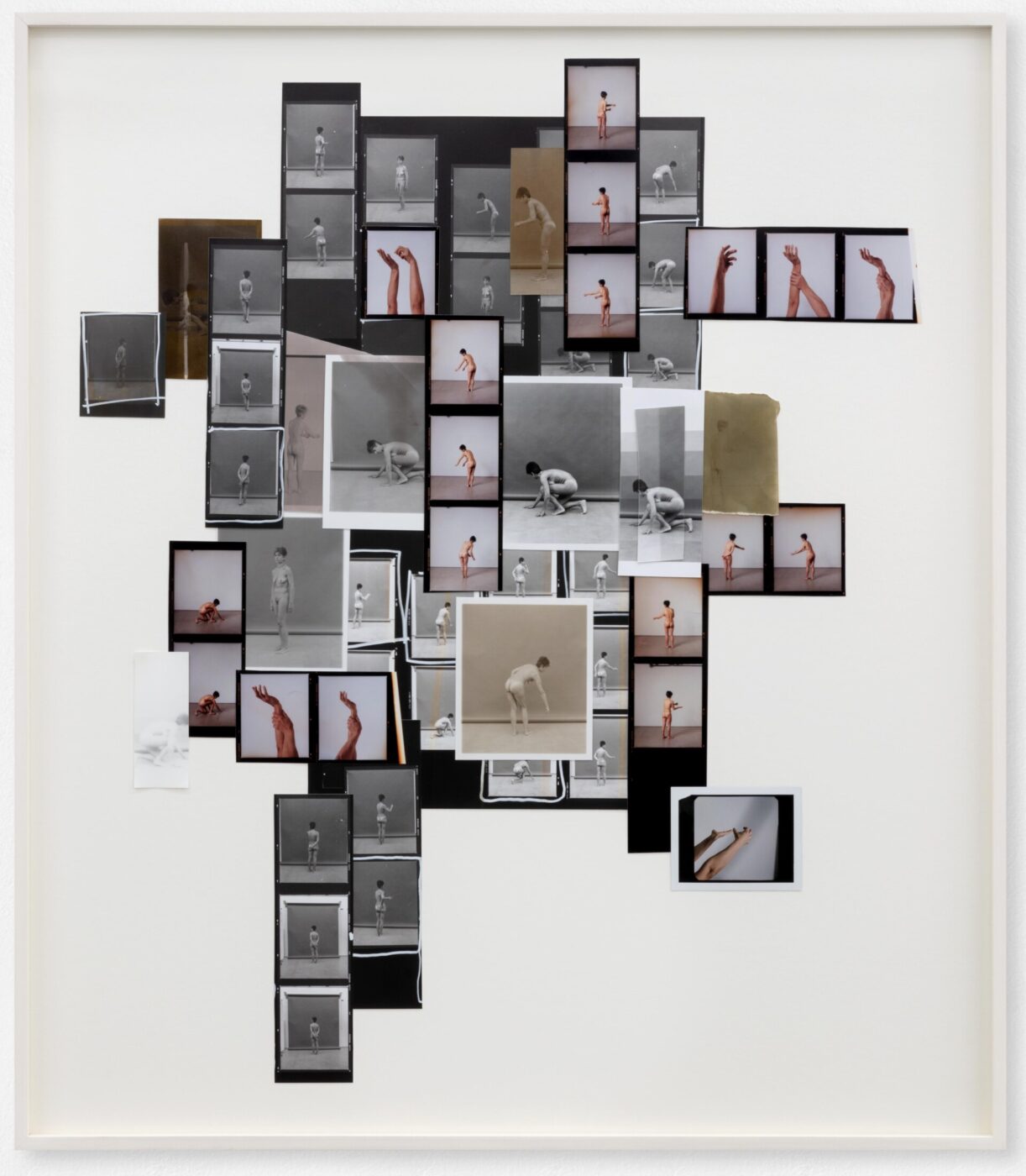
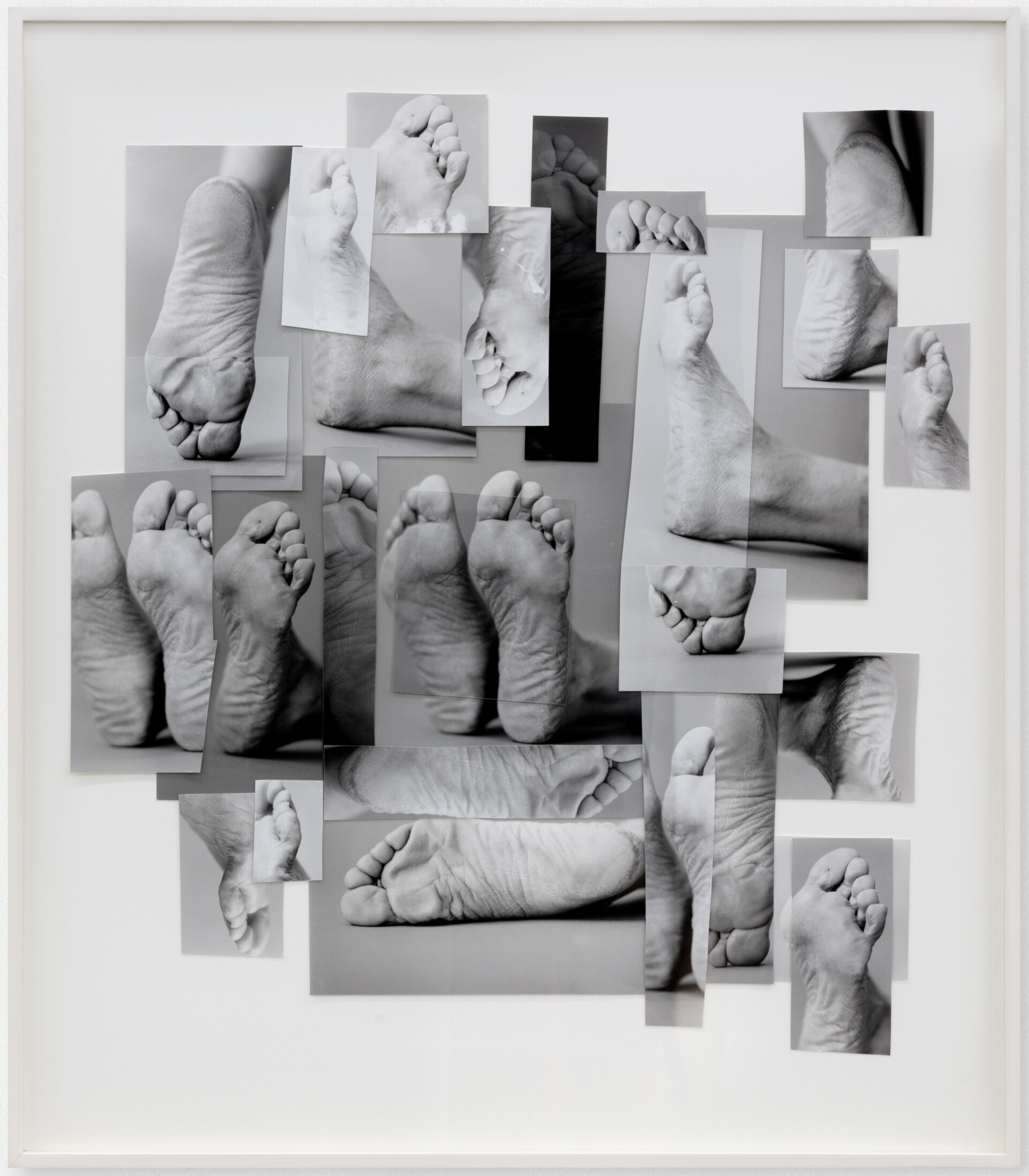
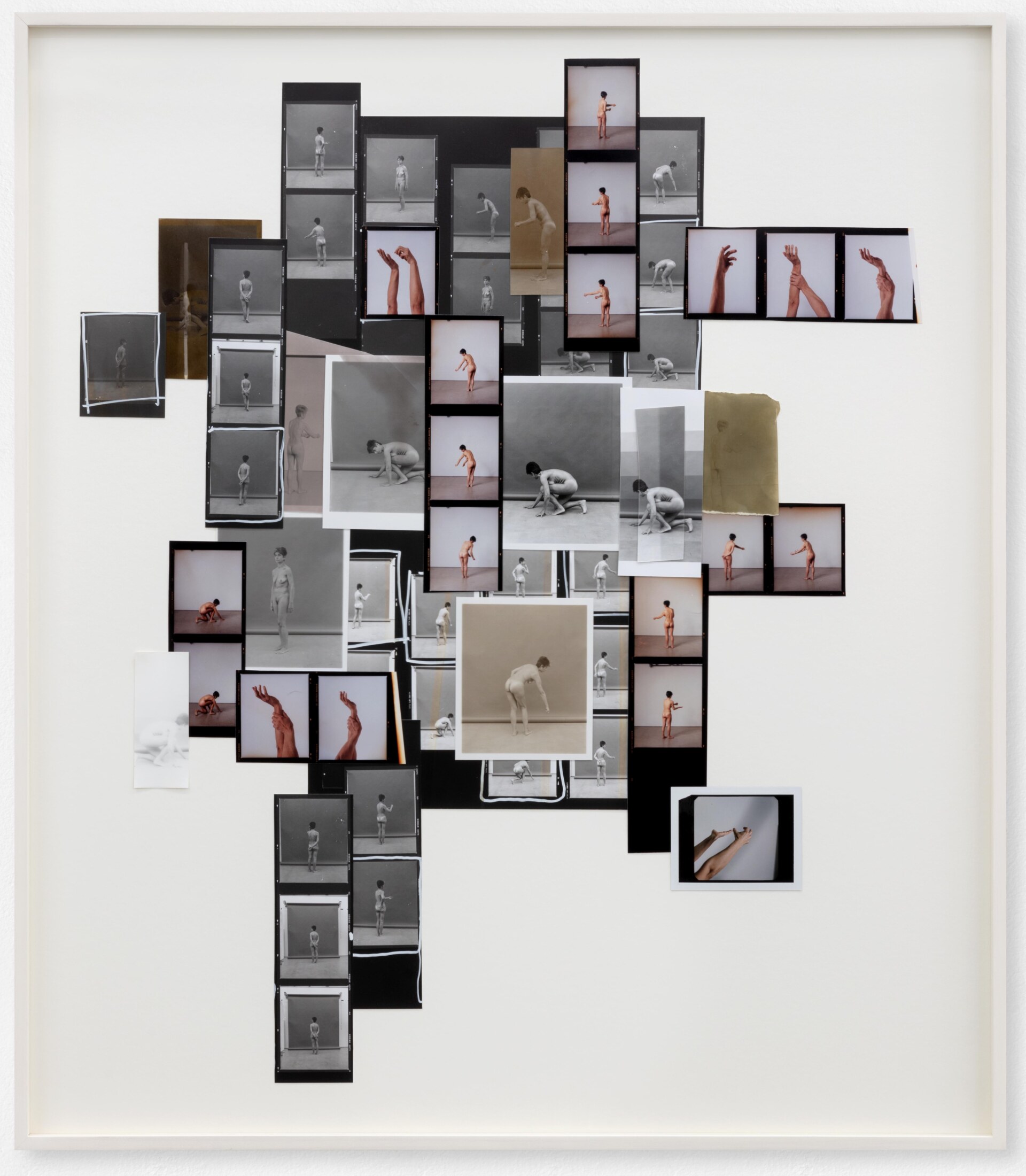
Feet. Lots of feet. But always the same ones, you can tell. Black and white, taken from underneath, the subjects lying down, a little battered, and with a hint of a callus on the heel.
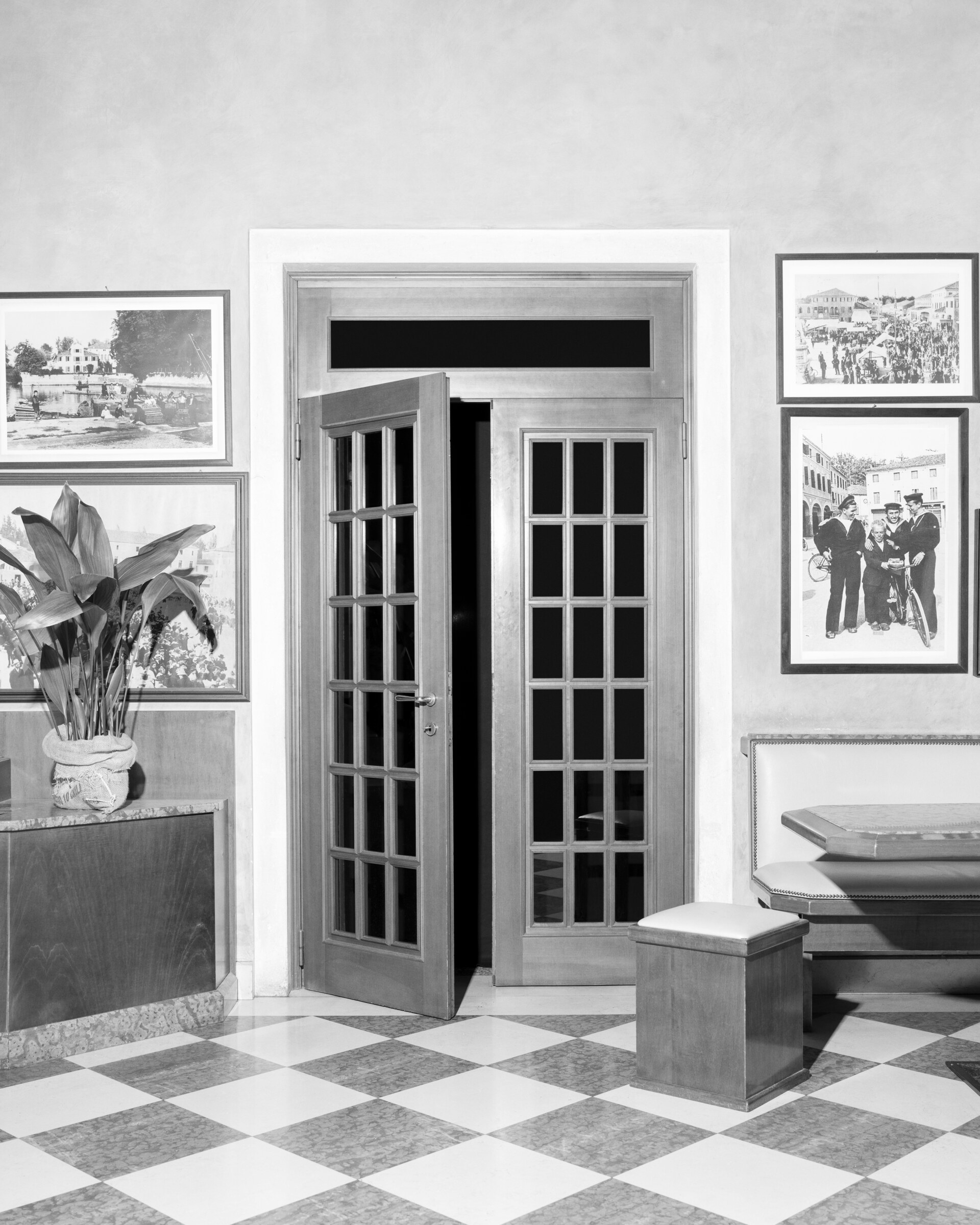
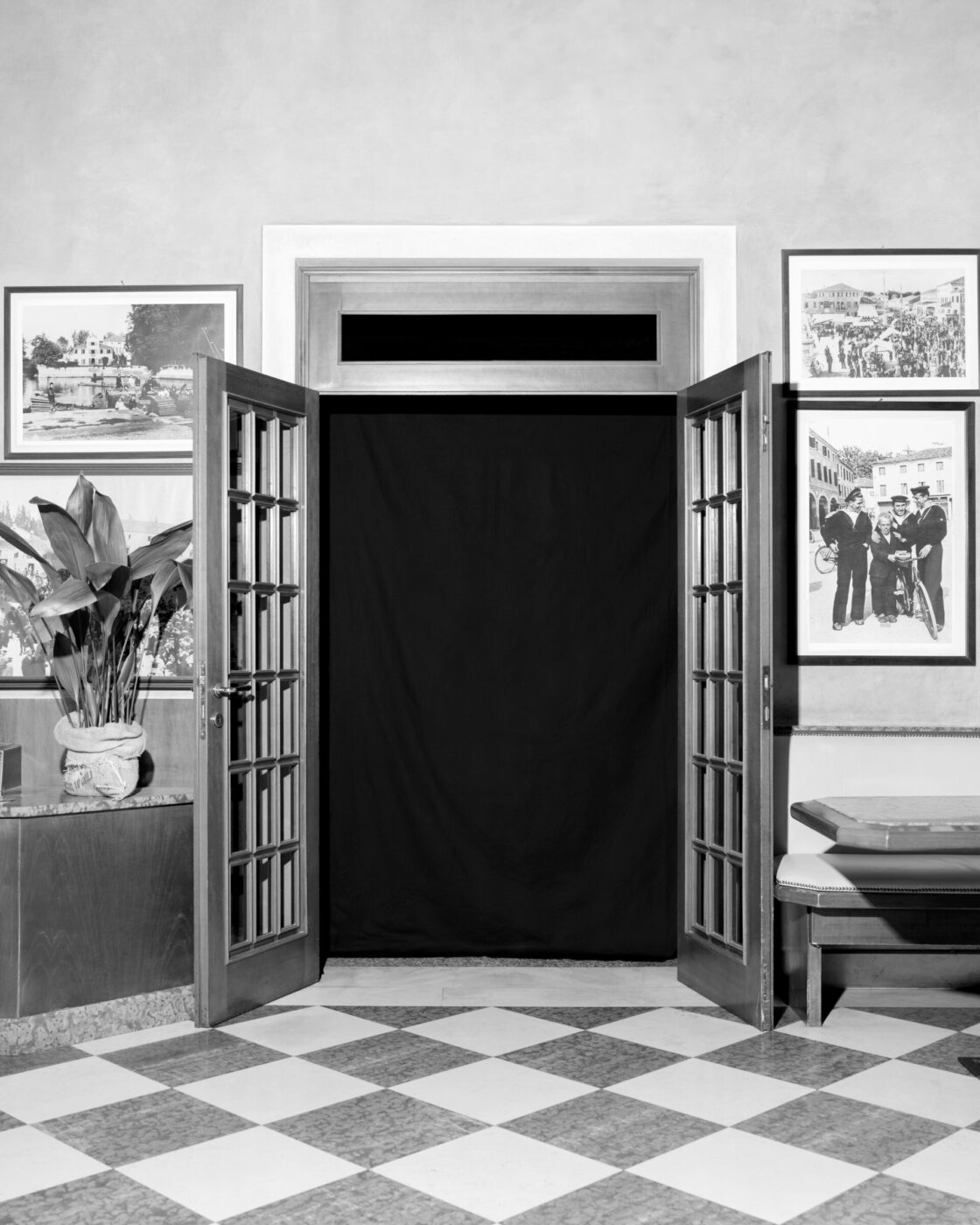
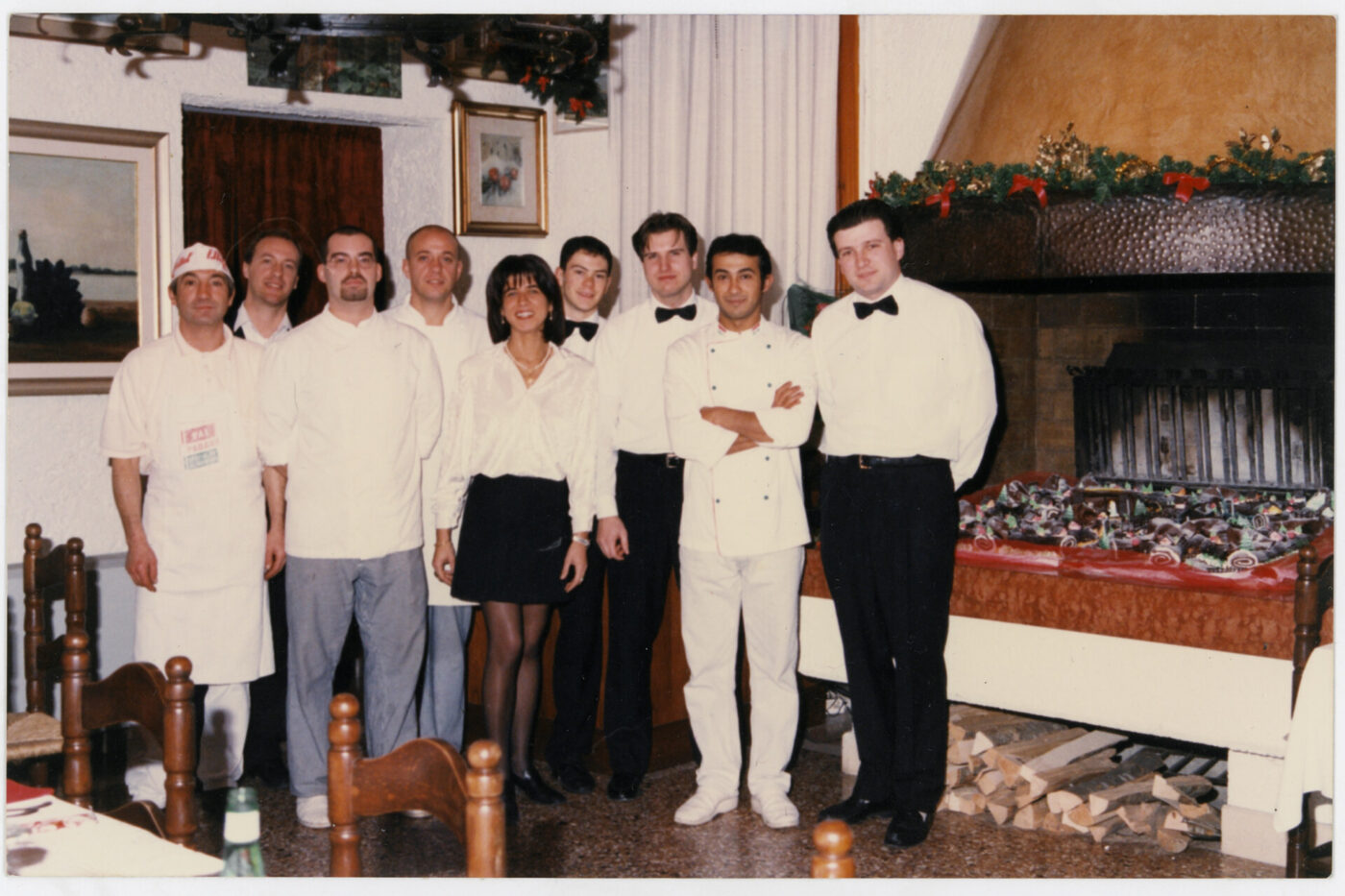
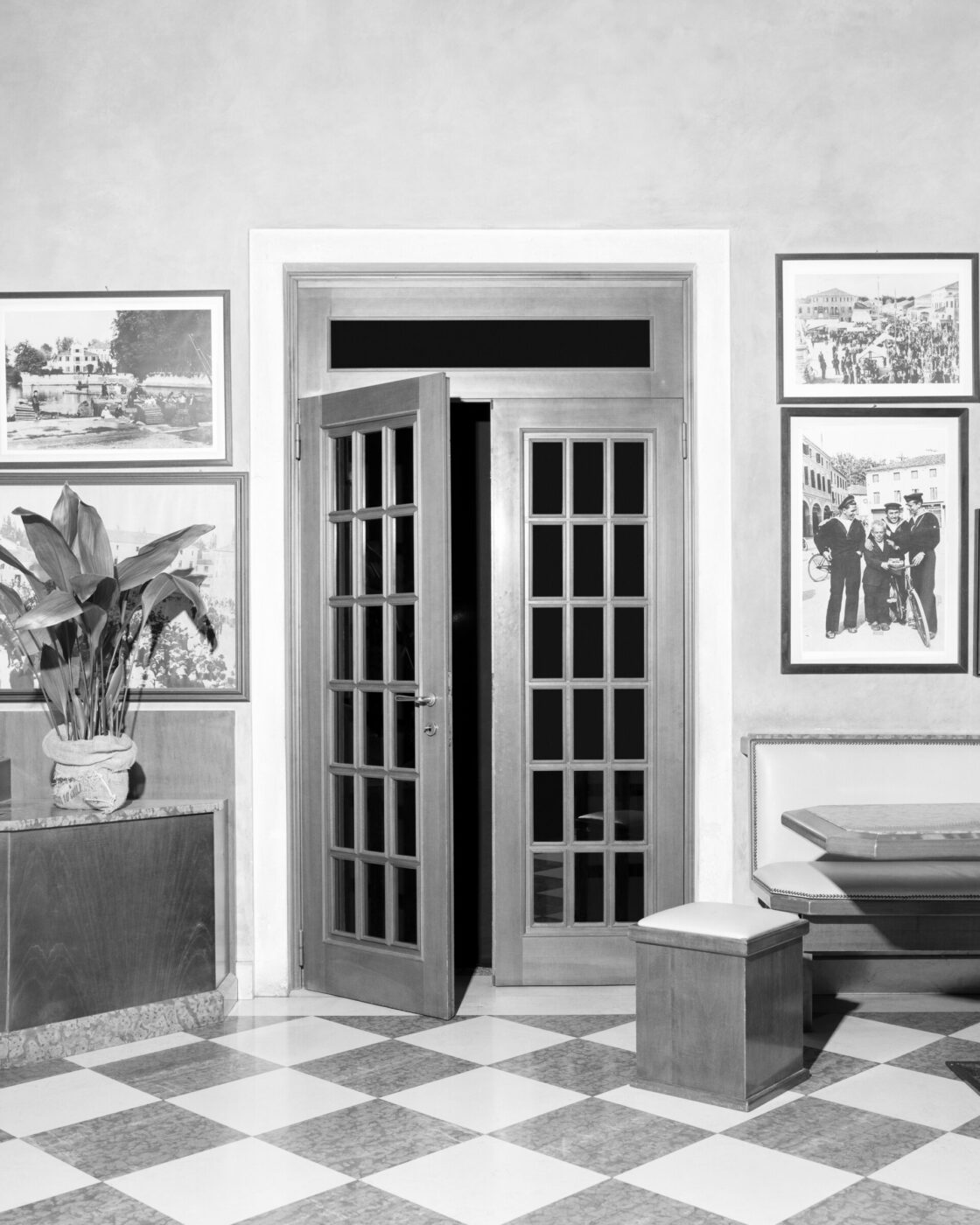
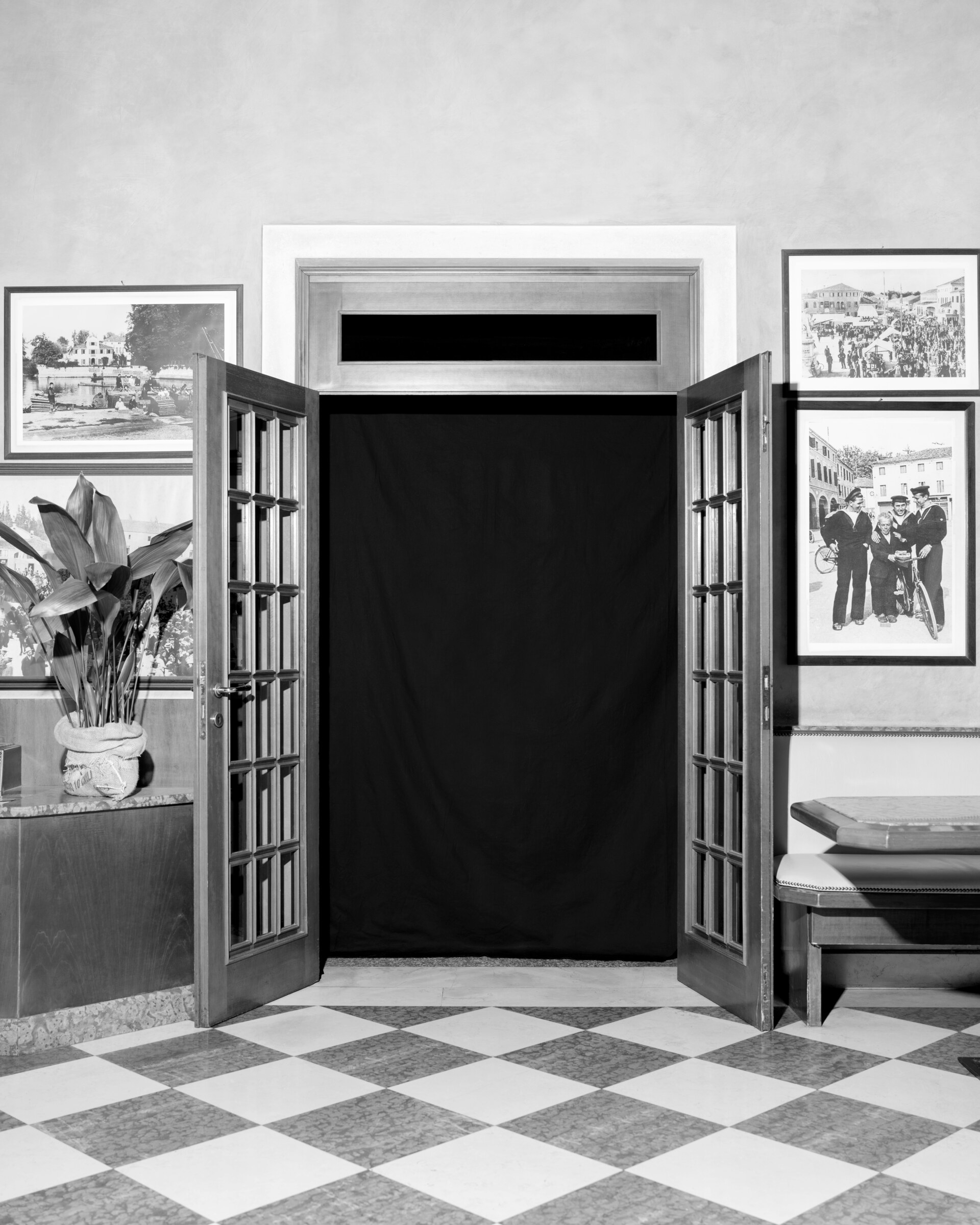
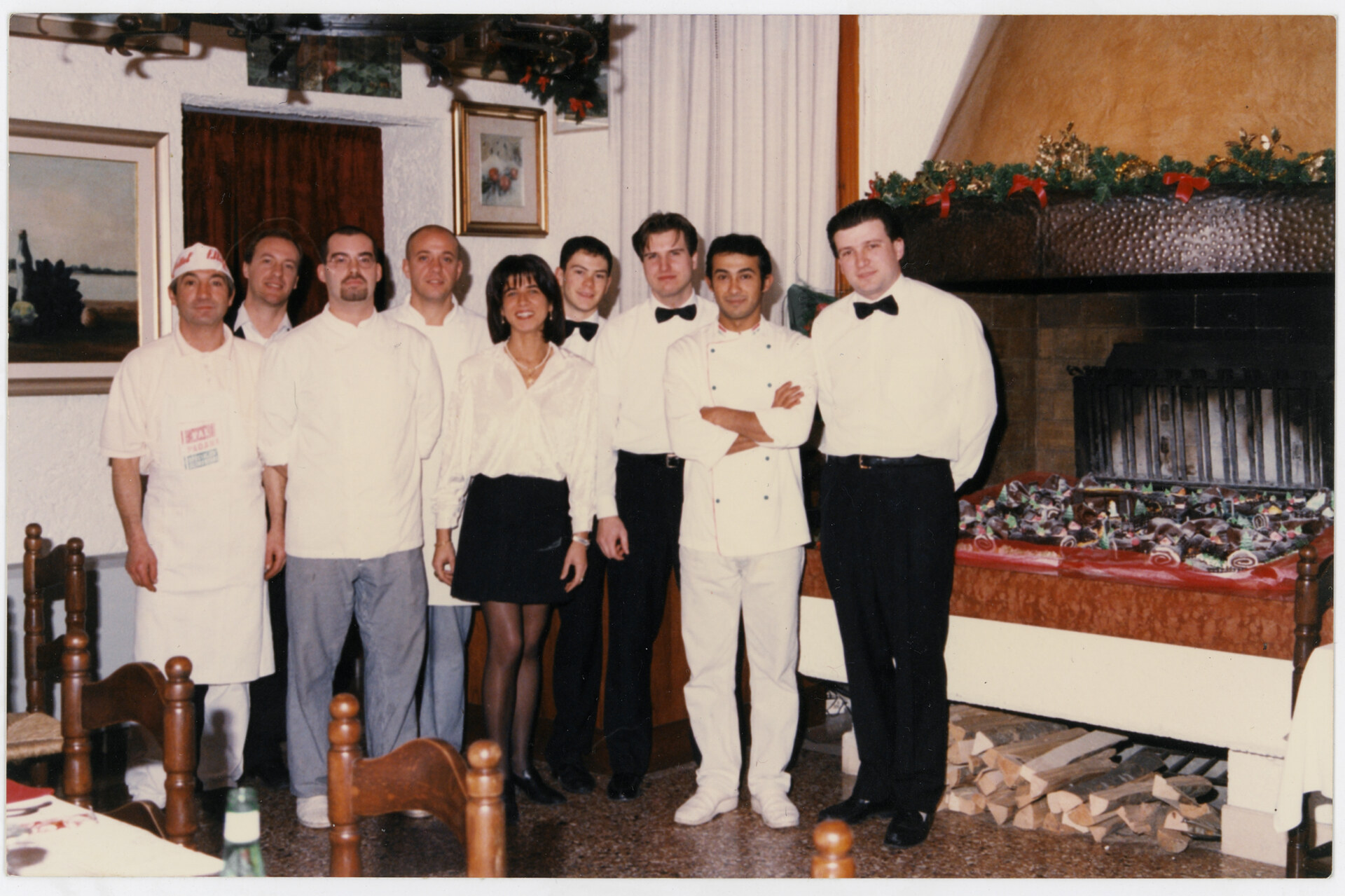
Another image shows folded curtains beside a sign reading “kitchen”—in photographer Eleonora Agostini’s world, a sort of theatrical wing dividing the stage from the backstage. Here, the customers are the audience and the workers the performers, only able to drop their characters when behind the scenes.
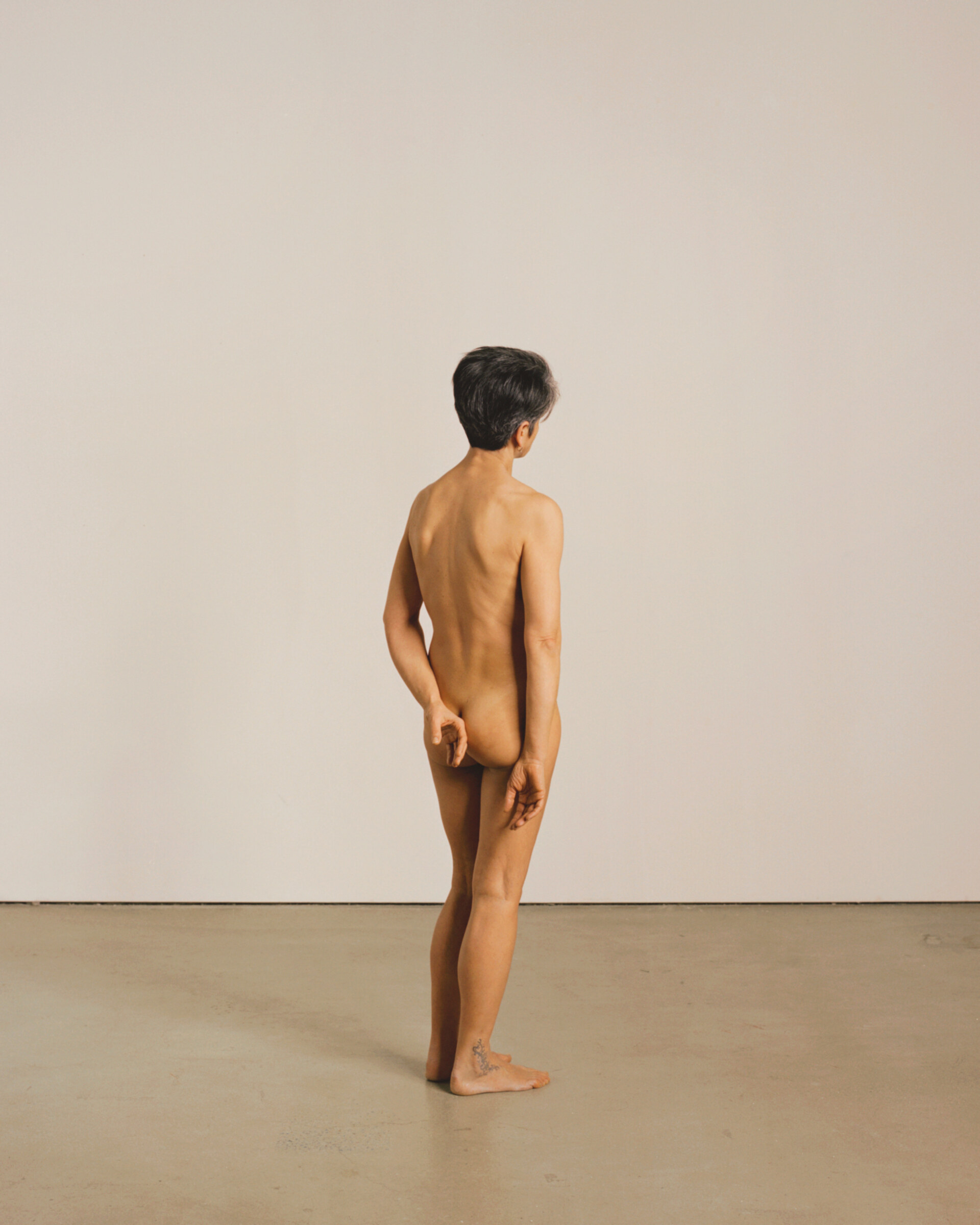
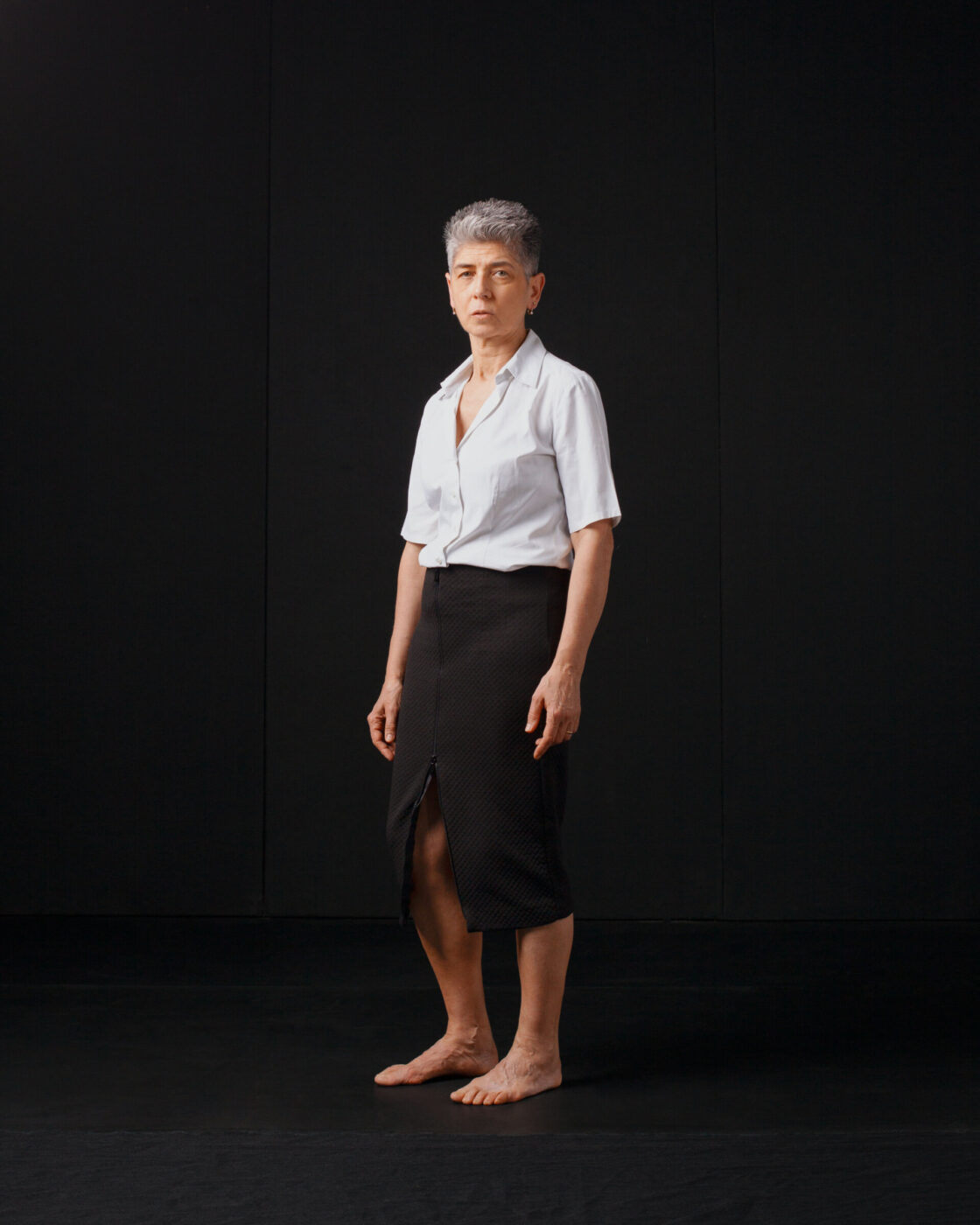
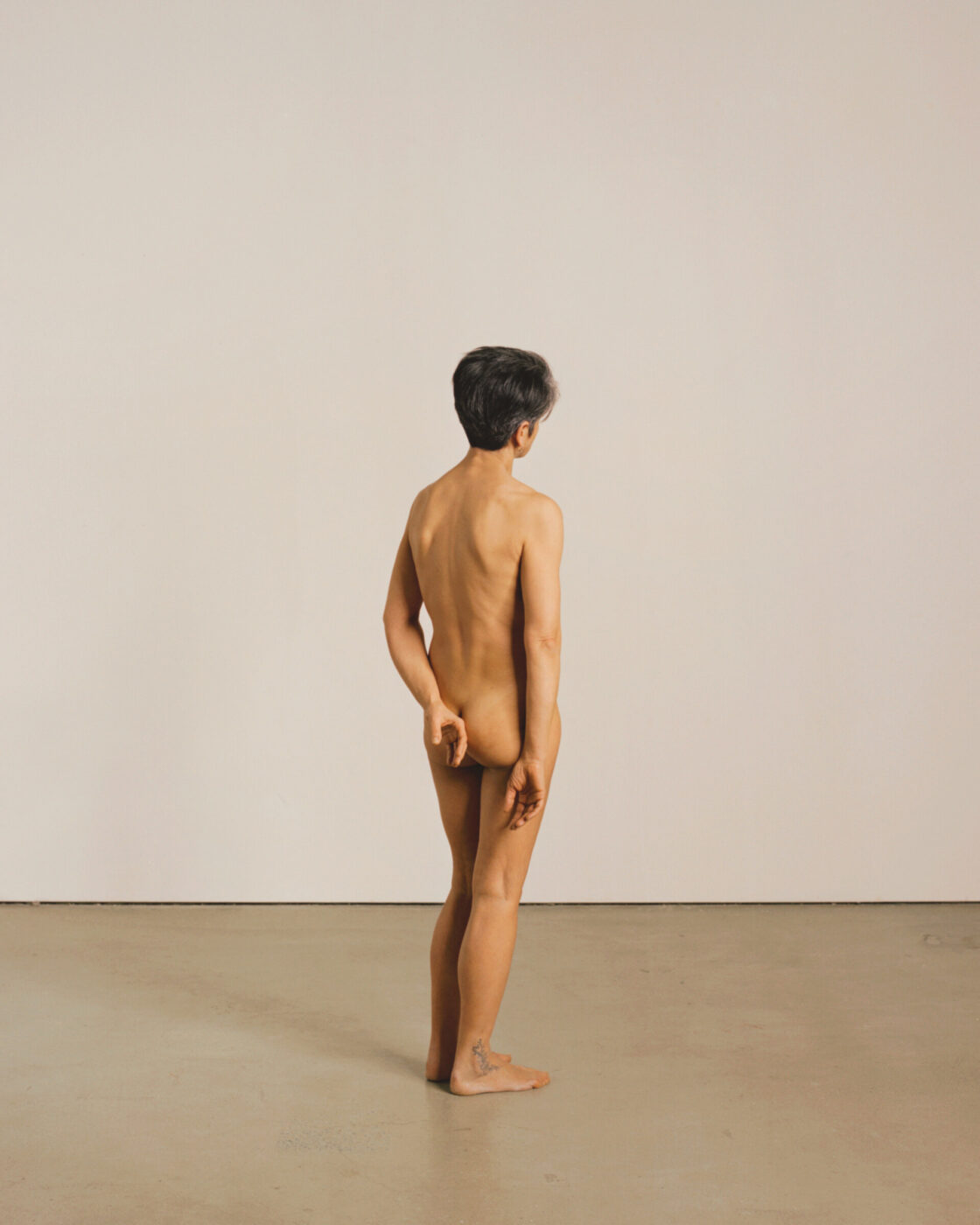
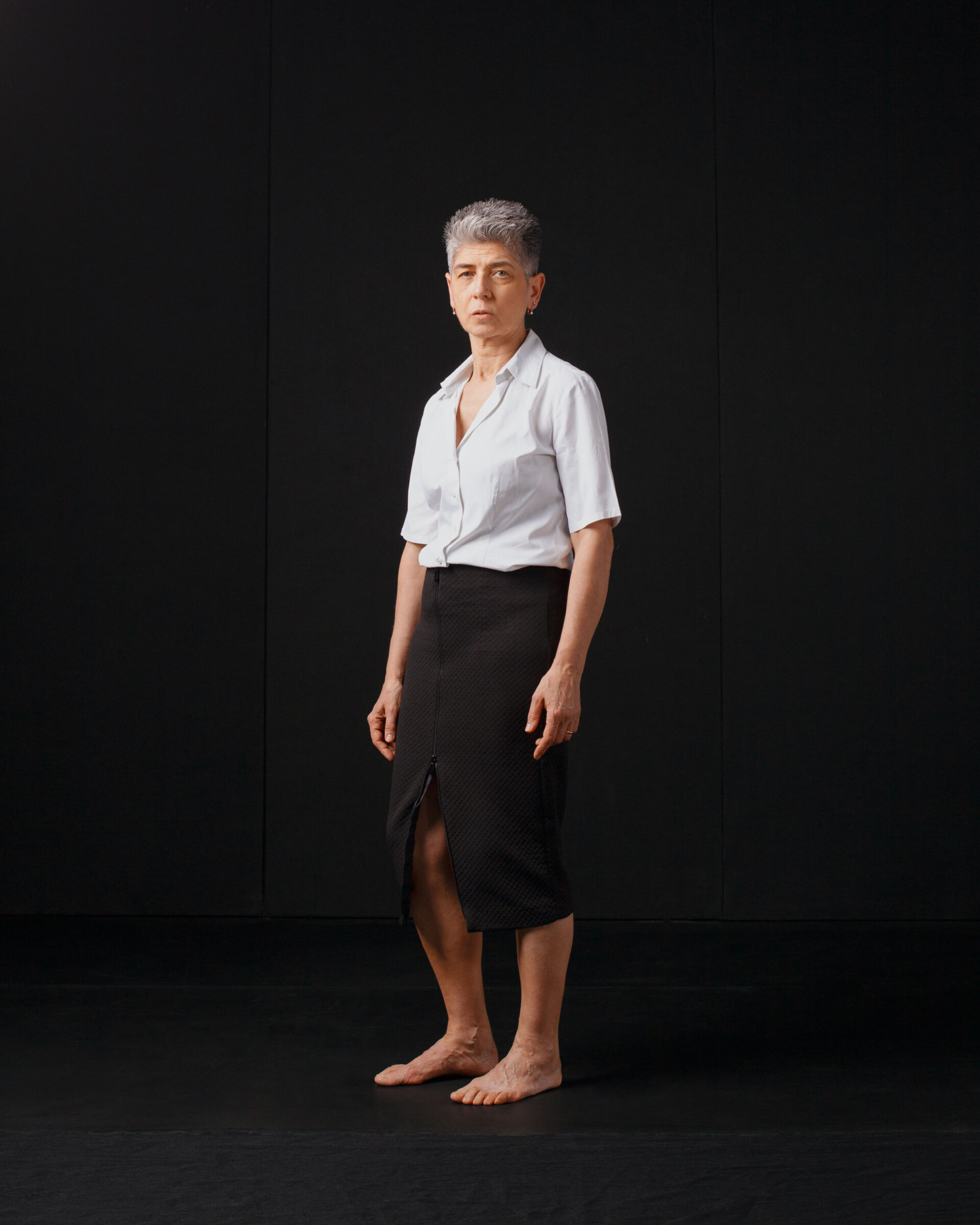
In her project A Study on Waitressing, Agostini, from Veneto and named a Foam Talent in 2025, studies her mother’s lifelong role as a waitress in order to explore female labor and the tension between public performance and private life.
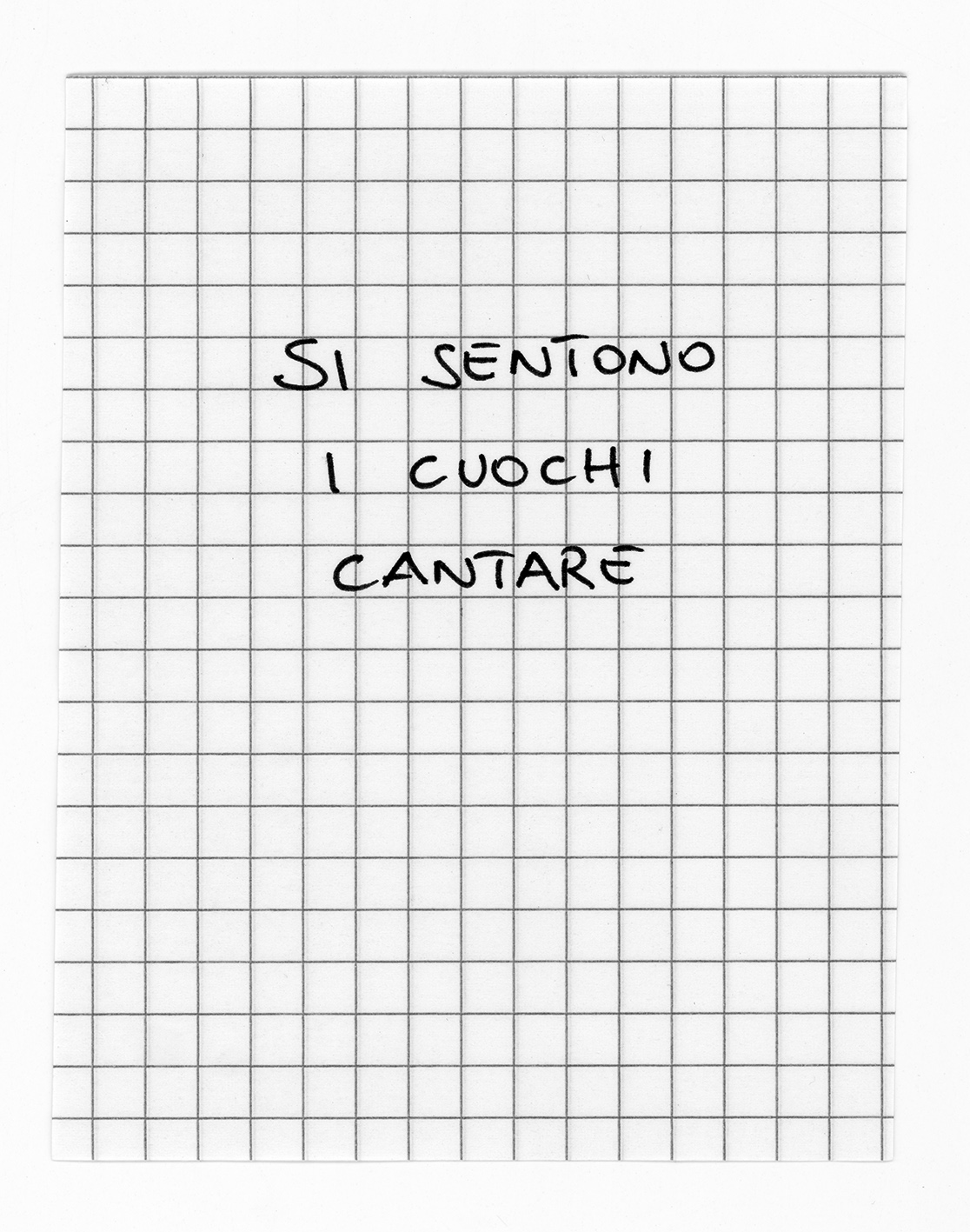
Perhaps it is my familiarity with the subject that makes the photographs strike so deeply. They evoke old Italian waiters in the provinces of northern Europe, clad in impeccable uniforms with gel in their hair, faithful to the timeless image of the Italian immigrant; shared plates of pasta at the end of a shift, finally al dente; pubs crowded with service staff letting off steam while the rest of the world sleeps.
My feet throb with memories. I’m pulled back to London, to a five-star hotel where I was Chef de Rang in the tea room: dark gray suit, required heeled shoes, 10-hour shifts spent thinking about my feet, until that final half hour barefoot in the back washing glasses—freedom. Then I’m in Wales, a classic pizzeria where I spent months waitressing while writing my thesis, a race between the kitchen and dining room, the risk of forgetting a smile on the way.
But as I look at the photographs, there’s more than just this bittersweet nostalgia. Agostini’s work dissects the profession like a waiter filleting a sea bass tableside, peeling back the skin to show us the bones of a life lived in service.
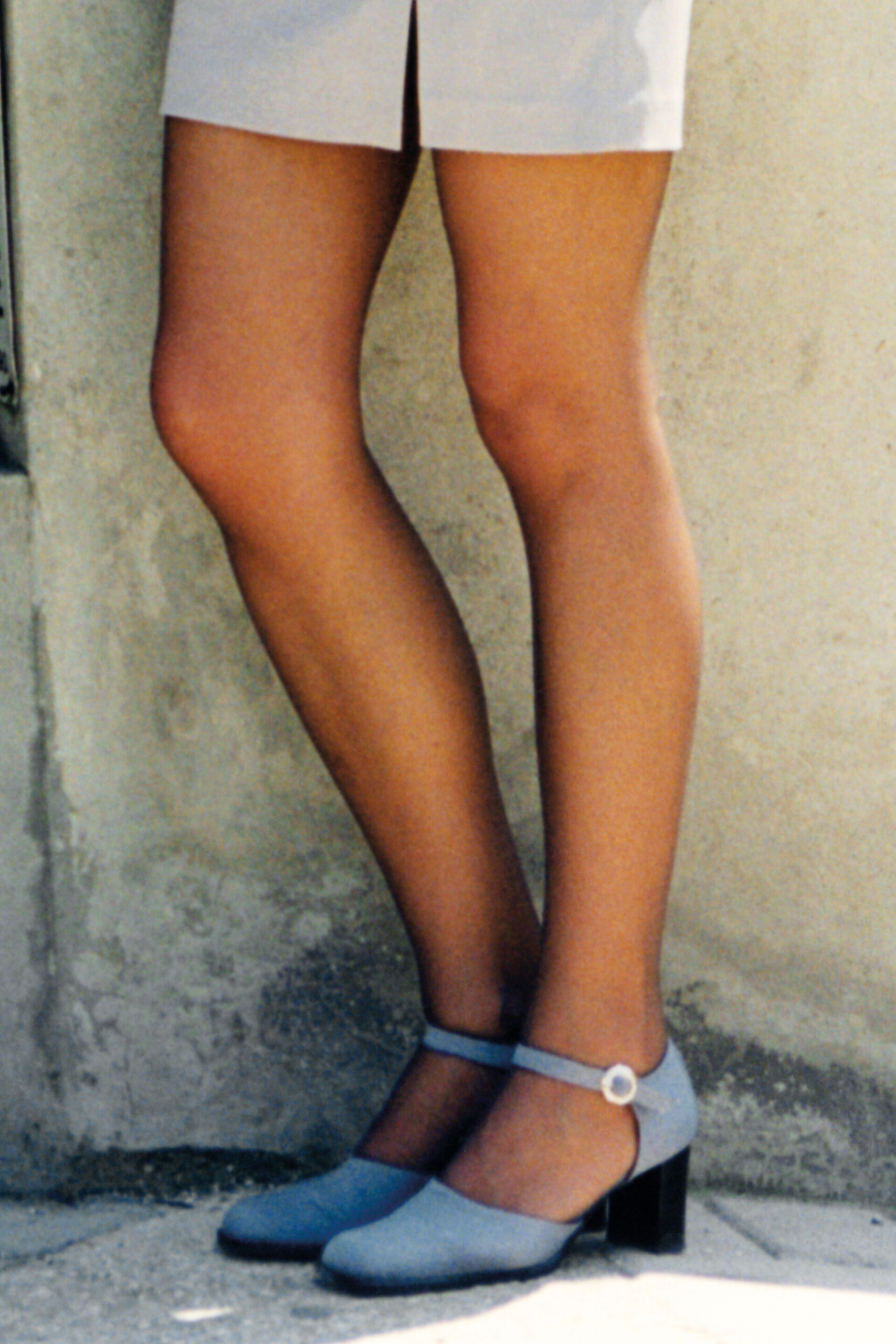
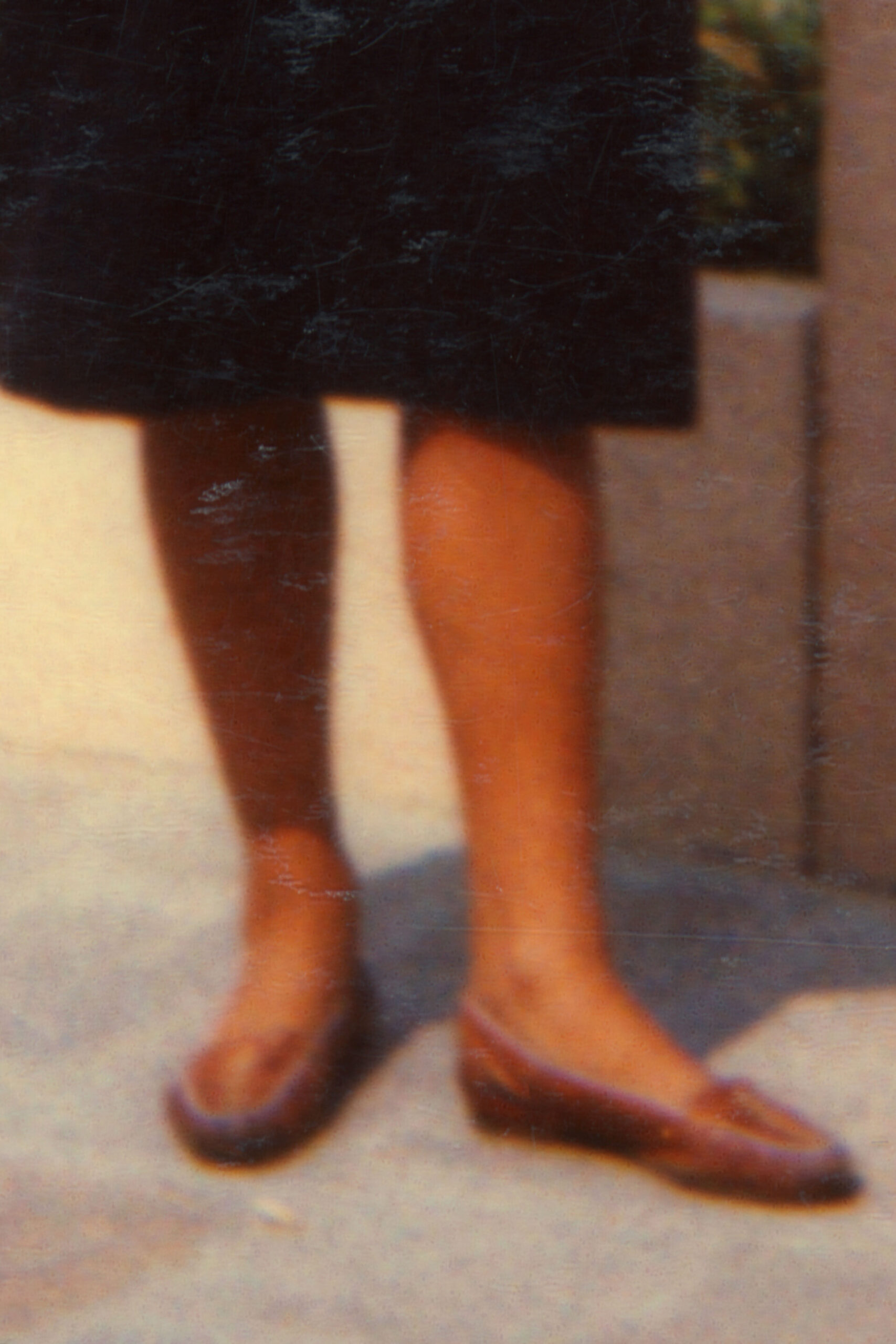
“The work began as a personal narrative,” Agostini tells me, “but it opened up to broader reflections on femininity. My mother is the figure moving through the family restaurant. I wanted to examine how we navigate the overlap between personal and professional lives—how fatigue and frustration are often expected to be gracefully hidden behind a smile.”
Growing up in the dining room, Agostini watched her mother oscillate between two selves. “I noticed these things as a child,” she says. “My mother repeating the same lines and movements in the dining room, then stepping into the kitchen, where her mask would slip. My first approach definitely came from childhood intuitions.”
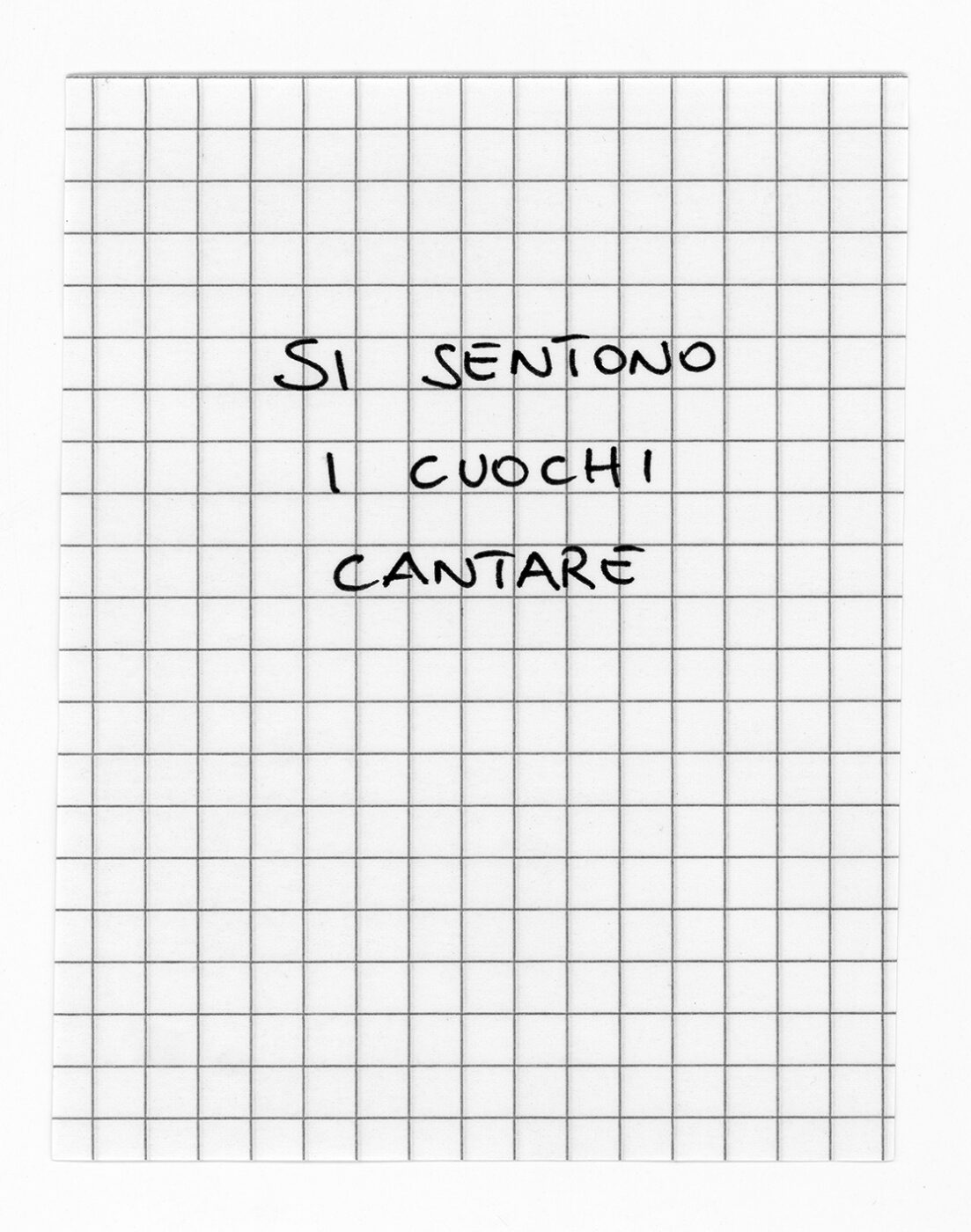
Agostini chose to investigate this performance through the metaphor of theater, combining photography, archive images, video, and text, and though her project is shot entirely in Italy, it really could be anywhere: after all, no matter where a restaurant is located, a waiter’s stage is one of white tablecloths, cutlery to be polished in vinegar at the end of the shift, and contrived politeness that must come across as sincere.
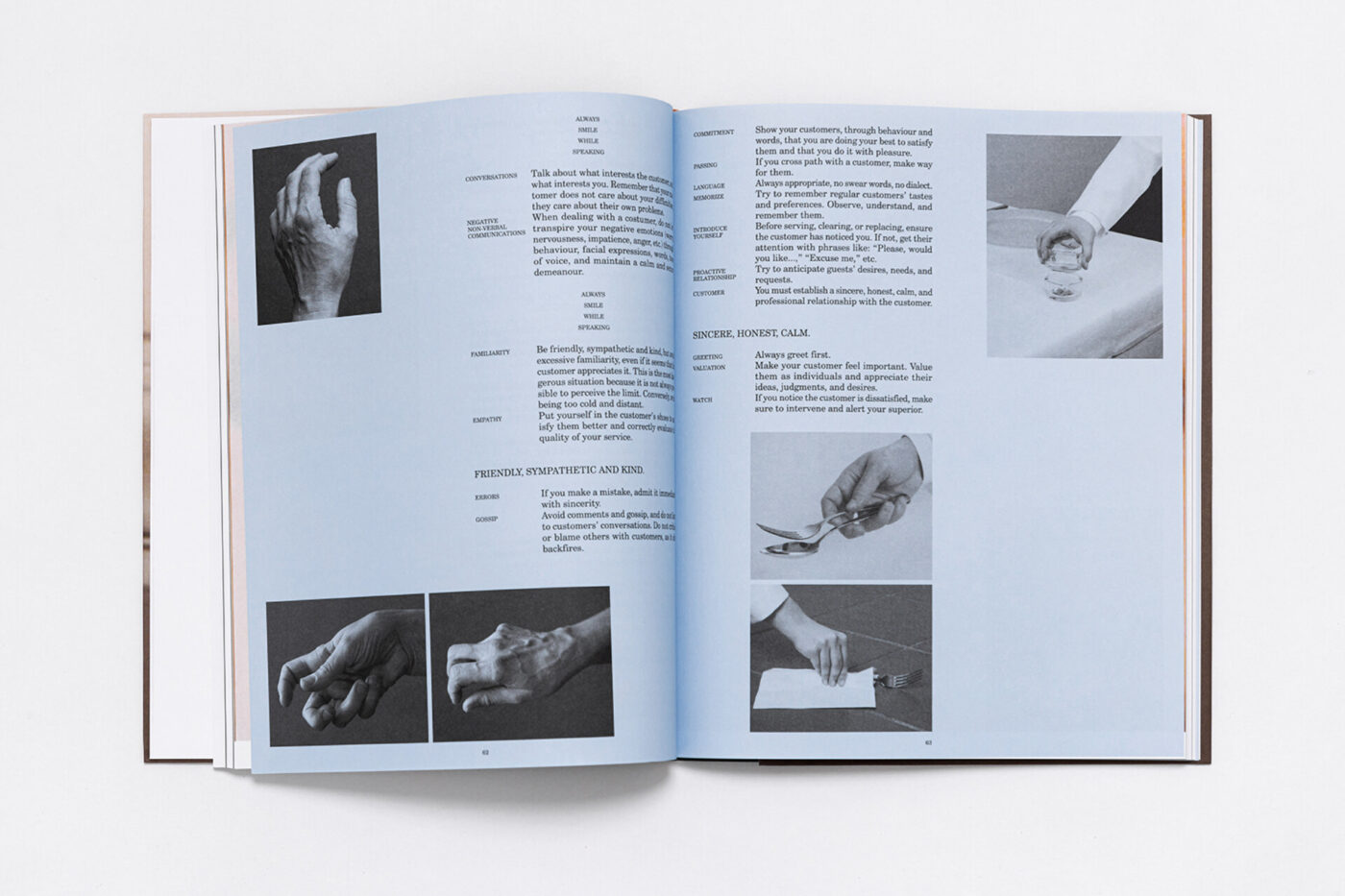
“The idea of focusing on the body emerged from the beginning, following the style of my previous series A Blurry Aftertaste,” she says. “From the body, I shifted to the feet, and later to the hands. At one point, I came across a manual that featured many illustrations of male hands and napkins. That’s when I decided to start a dialogue with the manual.” By applying these codified gestures to her mother’s experience, she reveals the irony of the performance and comments on how, for many years, most waiters in Italy were male. (According to ISTAT, Italy’s waiter demographics have shifted significantly. In 2001, men outnumbered women 210,000 to 130,000. By 2024, the gap had nearly closed, with 220,000 men and 214,000 women in the workforce.)
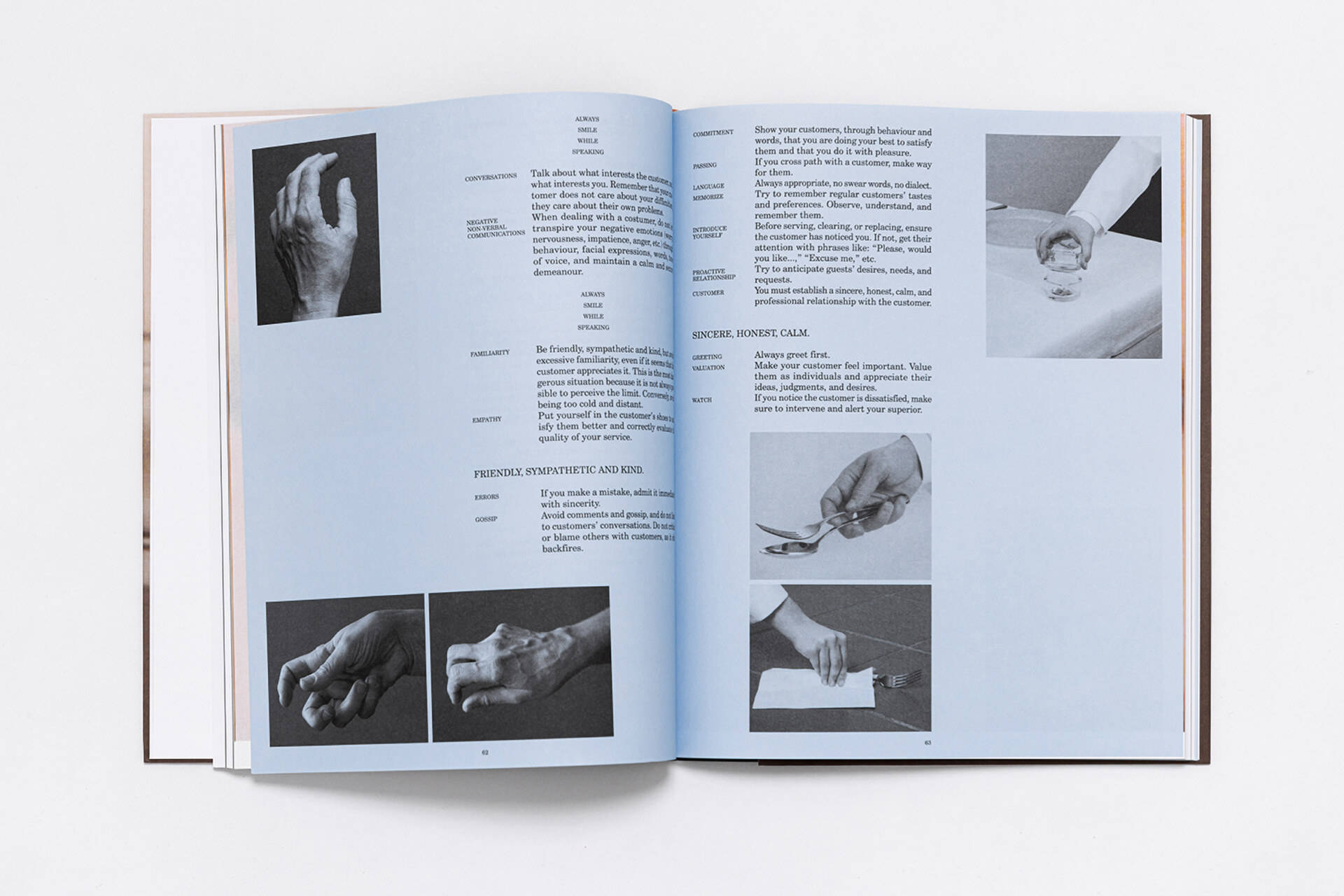
“I spoke with my mother about this—how when she started working at 14, female waitresses were rare, whereas now women are preferred for their ‘comforting’ attitude,” Agostini says. “We spoke about what it means to be looked at. When she was young, many things were normalized, and there wasn’t much conversation around them. What I’ve loved is that this project led her to start reflecting on dynamics she hadn’t previously put into words.”
In Agostini’s images, the mother is portrayed as the archetype of the ideal working woman. Yet, these portraits invite us to question her authenticity. Wait, you mean she was kind just because she was doing her job?
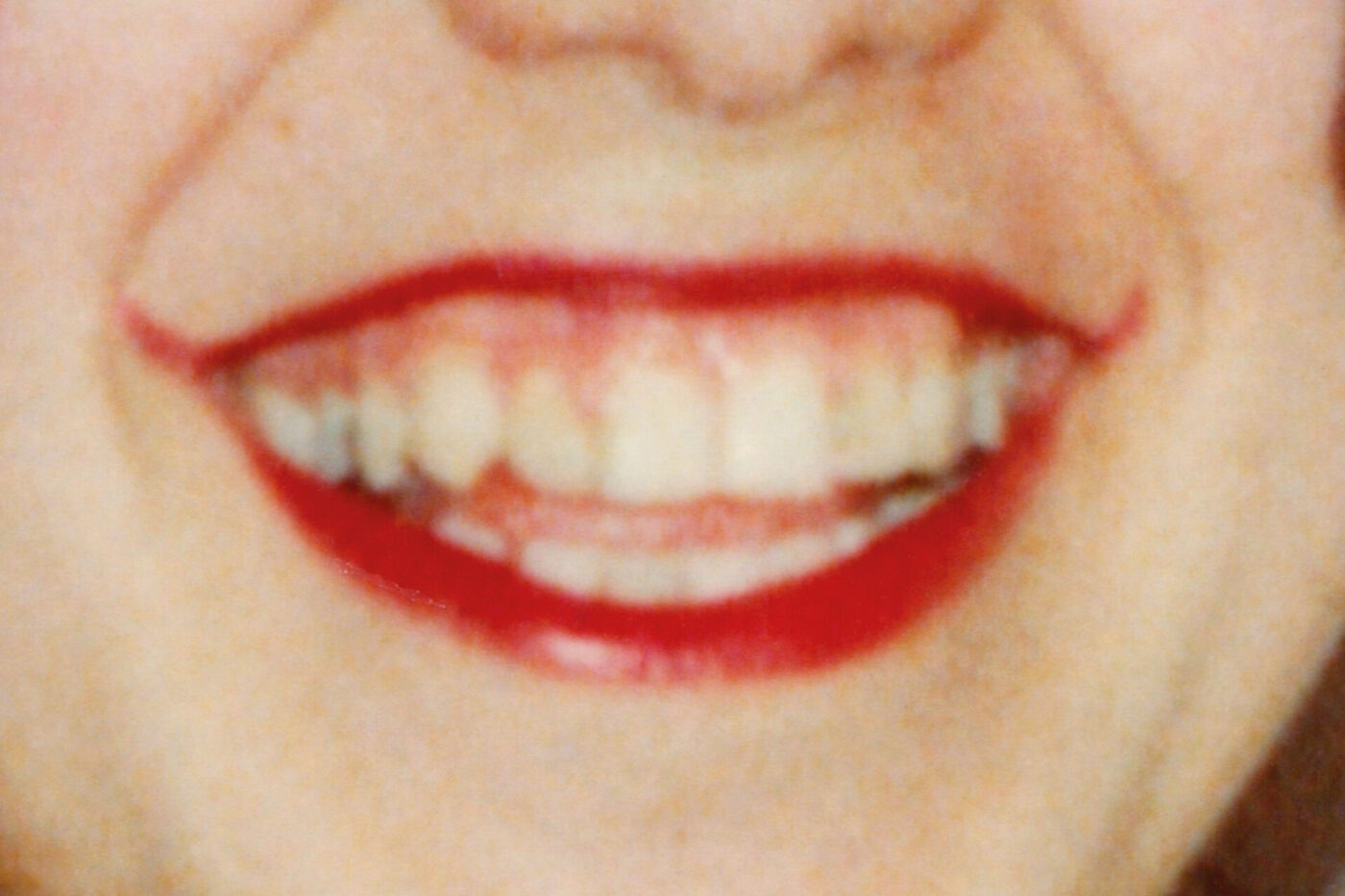
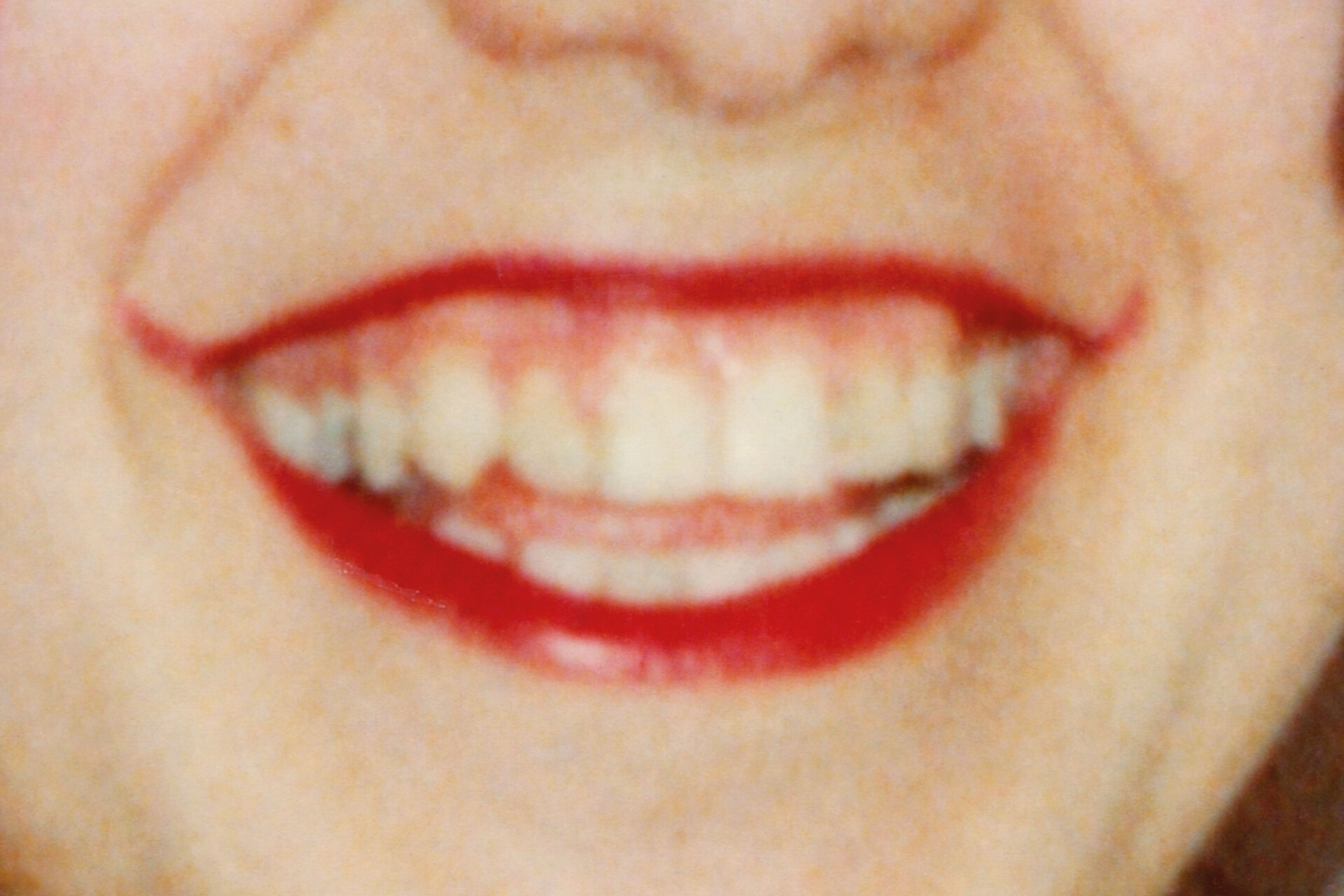
While Agostini doesn’t suggest a waitress is never genuine, she notes the difficulty of performing the service charade, day in and day out. This is evident in a video where she asks her mother to smile; both the skillful precision and the underlying exhaustion are palpable, even for something as simple as this.

Perhaps after viewing A Study on Waitressing, it will be difficult to sit at a restaurant and simply place an order. You might turn your attention to the stage: the table setting, the lighting, the number of cast members. Or you’ll focus on the cast members themselves: their genders, the creases in their ironed uniforms, their makeup, and their gestures, tones, facial expressions.
Some might feel a stronger connection to the waitresses, noticing the glances that trace their bare ankles. Some might pay more attention to the differences in how a waitress versus a waiter is treated. As for me, I will be keeping an eye on the kitchen door, ready to catch that exact moment when the character is dropped and the person returns.