My birthday falls in early August, a fact I never found to be anything other than fortunate until I moved to Italy.
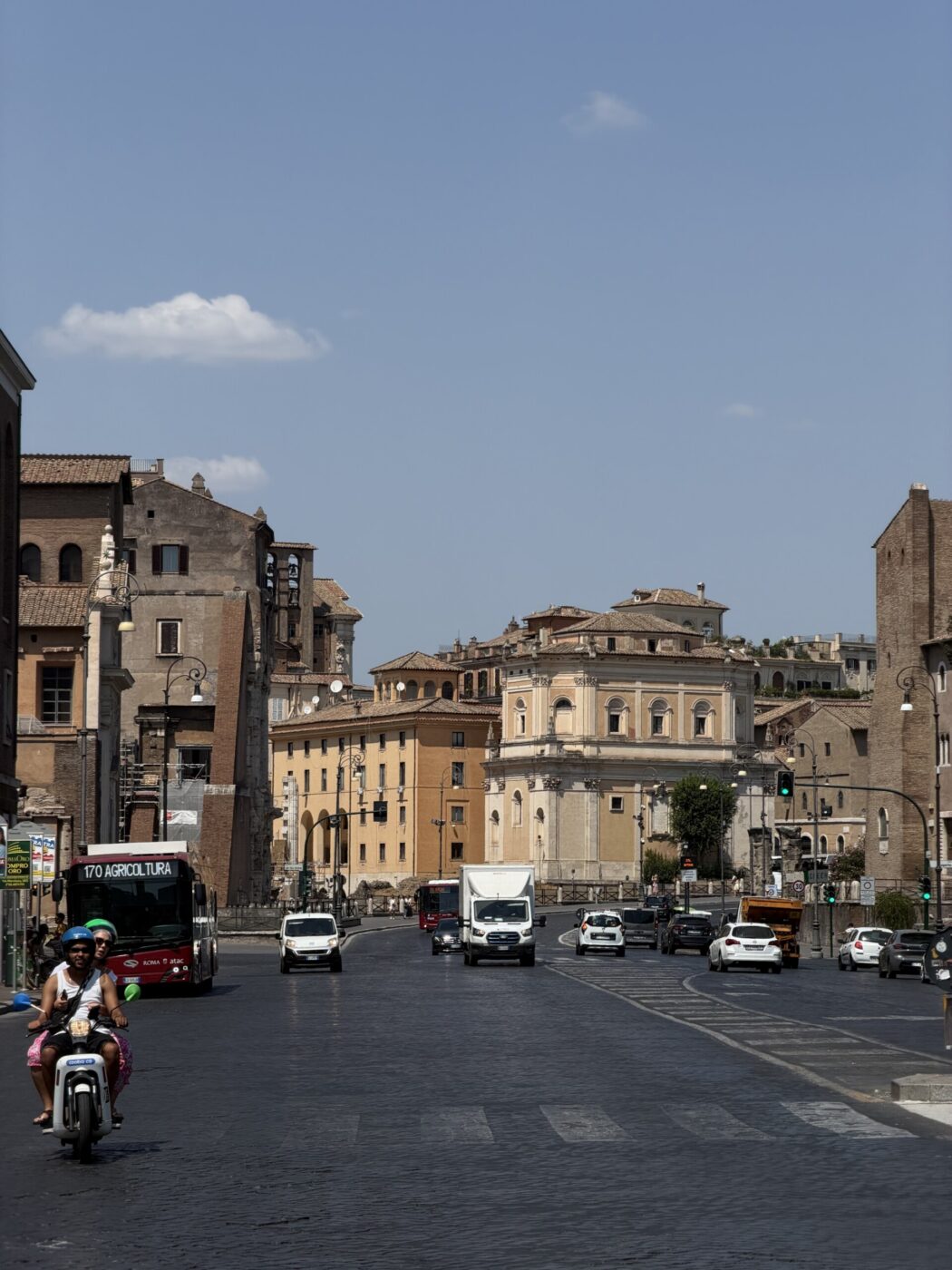
It was only then that I discovered that my annual birthday party invite almost always engendered multiple responses of “I would love to, but I’m away” or “I’m leaving August 1st, so sorry!” The reason for this was, of course, that August was the inaugural month that we all sought different shores, whether it was going home to the United States for some of my American friends, going home to Puglia or Sicily for some of my Italian friends, or embarking on a group trip to some far-flung part of the world for still others. I started to view the impending march towards August like a gruesome mandate, knowing I would have to go somewhere because August in Rome was a fate I simply could not handle, at least not again.
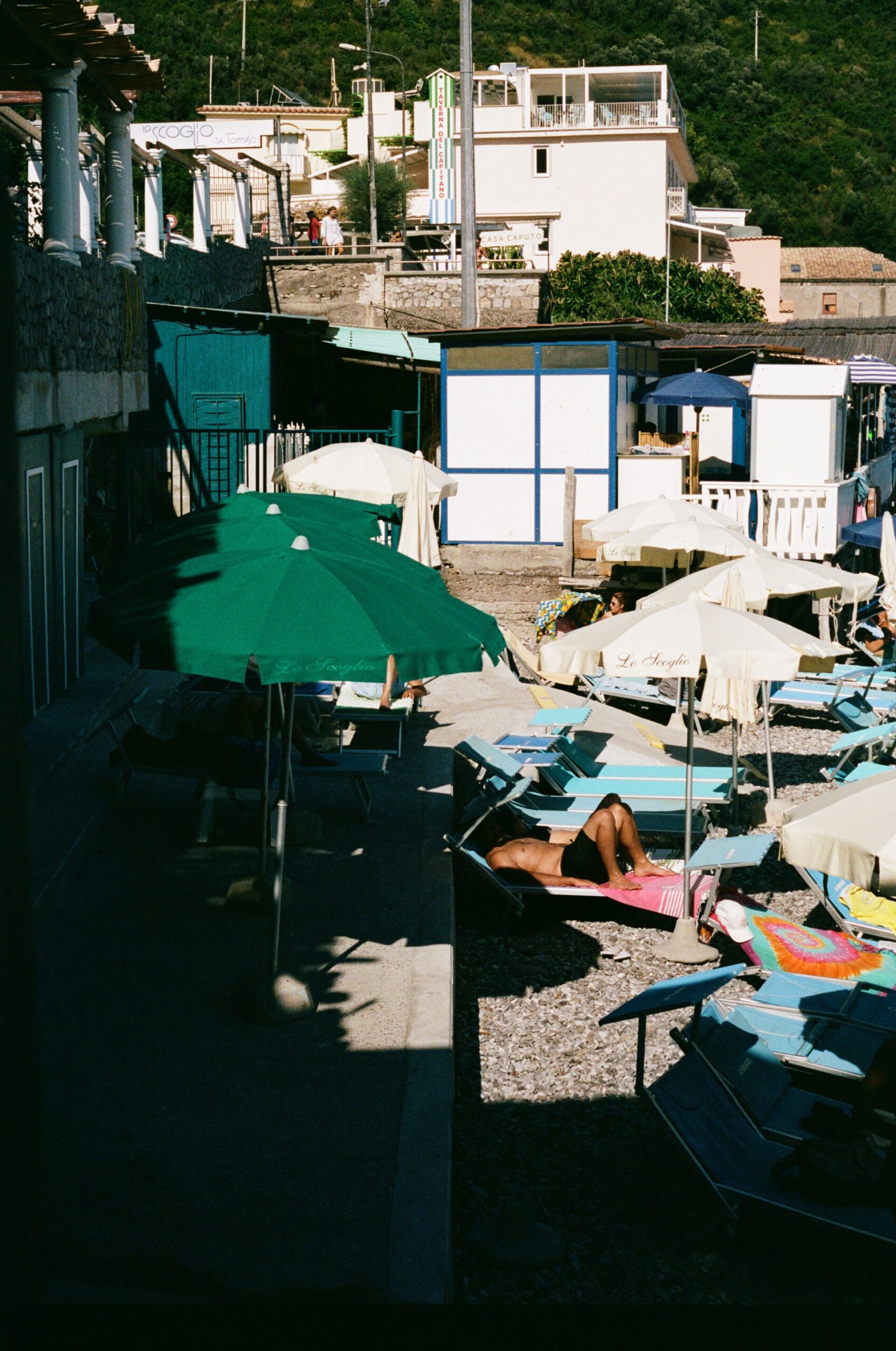
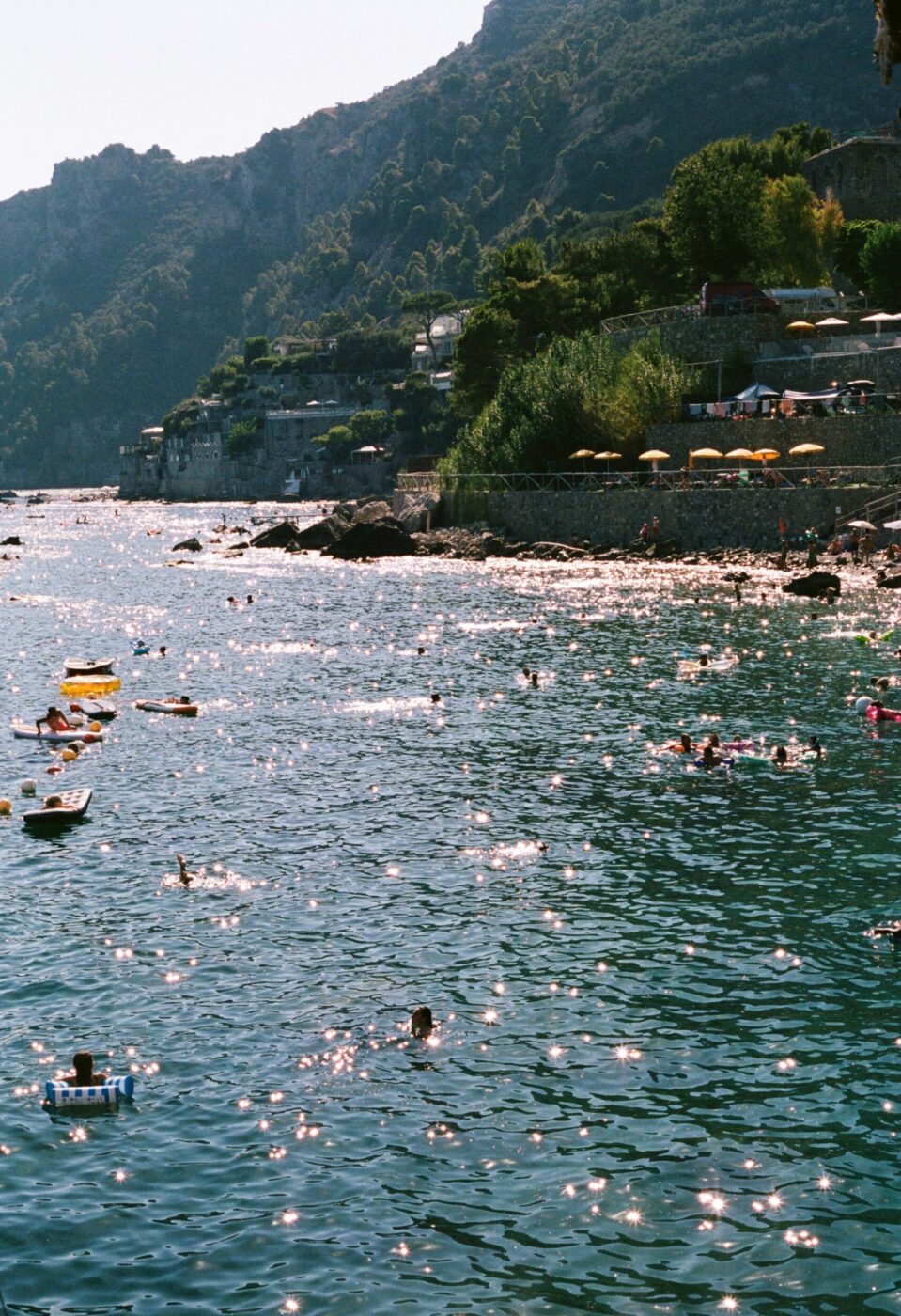
But while four years here have not cured me of my conflictual relationship with August, there is one part of the entire ritual that I have always loved: the rientro, that is, the coming home of it all. The lazy, sweltering feeling of a long August day, spent, if you’re lucky, on some Mediterranean beach with crystalline waters, was meant to prepare you for the crispness of the September rientro, when, come September 1st, your sundress was once again forbidden and you were newly permitted to talk about work.
In the United States, the calendar year seemed to bleed from one season into another, with little delineation other than the occasional holiday and the eternal blasting of air conditioning in the office. In Italy, there was a literal rhythm to the year, which you could feel in the slowing days of July, thick as molasses, in which a workday seated in front of the computer began to feel almost inhumane.
The rientro
The tradition of taking off the entire month of August is not just Italian, says Emanuela Locci, professor of modern history and history of tourism at the University of Turin, but one of southern Europe. And while Ferragosto and the beach vacations surrounding it have their roots in Ancient Rome, August as the month of empty cities has firm origins in Italy’s post-war industrial history.
“During that period, specifically the month of August, industrial activities were suspended because it was too hot,” Locci said. “So people, especially those from southern Italy who had gone to work in northern Italy in factories, would return home during that month. That’s where this tradition really took hold.”
In major industrial cities like Turin, Genova, and Milan, Locci said, city centers could be completely empty during the month of August. FIAT, which had its factory in Turin, would shut down operations for August, and other European countries adopted a similar pattern, meaning that there was no real point to production if sales and business operations were not also at play.
In the 1980s, according to data from the Italian National Institute of Statistics and referenced by the University of Turin’s Otto site, almost 43% of Italians spent at least some part of the year on vacation. From this mass movement came striking images of cities emptying out in August, in what came to be known as the “August exodus,” and long lines of cars heading towards the south on what was the Autostrada del Sole.
But data shows that this Italian tradition is slowly being relegated to the past. A study from Will Media showed that the percentage of workers who took holidays in August dipped from 15% in 2008 to almost 10% in 2023. A 2025 Ipsos survey indicated that Italians were about evenly split between July and August vacations. Among the reasons Italians wanted to avoid August were, aside from high prices and overcrowding, fear of excessively hot temperatures.
What do we lose when we lose the rientro?
But if we lose the annual August vacation, if August just becomes a month like any other, does that mean the same thing will happen to September? What will become of my beloved rientro, which feels like the first day of school and the first week after New Year’s in tandem? Come September, I always imagined that with the reflection of August, I might become someone else entirely. This was a chance to show off a new identity, one I had honed over the August break.
What’s funny is that I’m not alone. Despite the fact that the August vacation has continued to dwindle over the decades, and that Italy’s major cities are no longer empty in August, if only for the sheer number of tourists, Locci said that Italians just can’t get rid of the image of a slow August and a September rientro.
“People are still attached to that image—that is, that famous August when everything comes to a halt and that famous September when everything starts up again,” Locci said. “If we look at the cities’ visitor numbers, there’s no longer that sudden, total emptying out that used to happen. Before, entire neighborhoods would empty out.”
Part of the rientro is, of course, linked more to the start of the school year than it is to the end of August vacation, Locci added, and this is particularly felt in Italy, where schools close for three months in the summer, versus northern Europe, where schools may have more sporadic vacations and not an entire summer off.
And after the activity and high spending of August, where most meals may be conducted out with friends and family, September and October have come to be known as the “dead months,” Locci said. No more daily pizzas out and gelato in the piazza—September is officially the time to close our wallets.
But the end of an August vacation also means the end of returning to normalcy in September, because if you were already working in August, there’s no real shift between the two months. Was Italy beginning to resemble my home country, the calendar year just an endless sea of weeks with no division in between other than the seasons?
Luckily, at just the moment of my desperation, an email arrived in my inbox that convinced me that all was not lost. The city of Rome would be organizing, for the fifth year in a row, a free pranzo di Ferragosto, with more than 3,000 free meals for people staying in Rome and spending the holiday alone.
“Solitude can weigh on us even more during the holidays,” said Rome’s Assessor of Social Policy and Health, Barbara Funari, in a press release. “That’s why we wanted to have not just a lunch, but an occasion to meet, to celebrate and to share, so that no one feels ‘invisible’ or forgotten during Ferragosto.”
This, to me, was proof that the rientro, in some way, would always exist and that there were some intrinsic cultural differences that would always remain. Here, we wouldn’t live in our individual bubbles, impermeable to the outside world and to the others around us.
It was something I couldn’t help but appreciate, having come from the United States, in which the end of a vacation was usually just accompanied by a sense of dread. And while I write this as I count down the last of my beach days and long dinners with relatives in Greece before I go back to a full working life in Rome, I realize that I do not so much dread the rientro as I expect it with anticipation.
Perhaps accepting that it is a transition gives us the freedom to view it not just with fear but with excitement and a curiosity about what might be next. Perhaps we might gladly re-enter in September, thankful that we can leave the family nest to return to the home we have built for ourselves.