The world, at the moment, is not exactly short of topics of conversation. There is an increasingly unhinged president in the United States, a war in Ukraine that has been going on for more than four years, and an artificial intelligence revolution moving so quickly that no one knows whether they will actually have a job five years from now.
There is, in other words, plenty to talk about. And yet, with the arrival of summer, Italians collectively decide that none of these subjects is quite as pressing as a single topic: the weather.
“Yes, today there’s the sirocco, and it’ll be windy for the next few days.”
“Have you checked the weather? Is it still going to be like this tomorrow?”
My friend Cesare enthusiastically shows me an Instagram account called @previsionidelcazzo, a hilariously dramatic weather app that’s only tenuously connected to meteorology. The reality is that in summer, when everyone talks about the weather, no one cares all that much about atmospheric pressure or ozone levels: the weather, rather, becomes an inexhaustible source of national analysis and complaint. What matters is that this heat is not normal. That last year was definitely cooler. That there might finally be a bit of a breeze tonight. And, above all, that times have changed.
“We grew up without air conditioning, and we were perfectly fine. We certainly didn’t have these tropical nights.”
From June onward, we become amateur meteorologists and human humidity gauges. We discuss l’afa (muggy heat) versus dry heat with the seriousness normally reserved for politics. We track the arrival of the sirocco, wait hopefully for the mistral, and debate whether opening the windows will create un pò di corrente (a bit of a draft) or simply invite more heat.
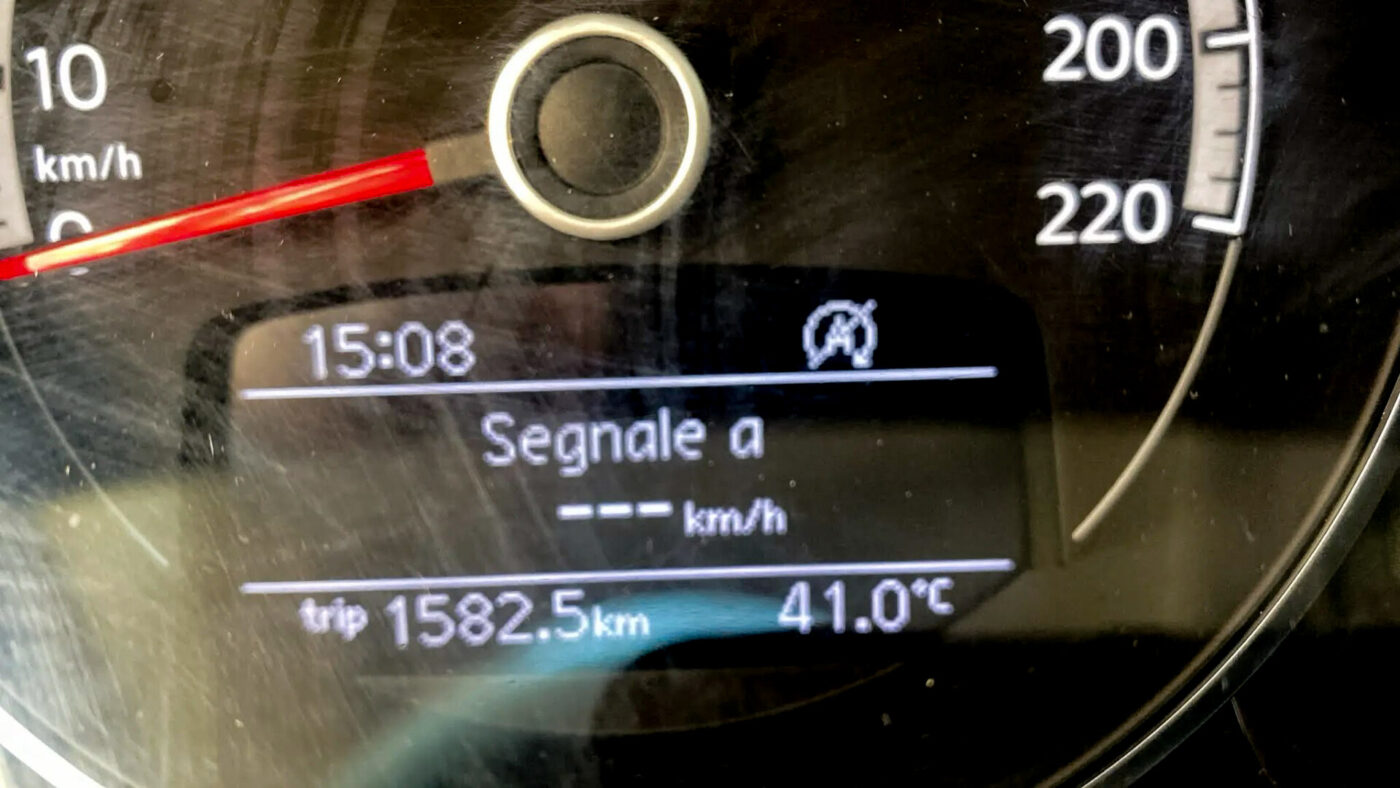
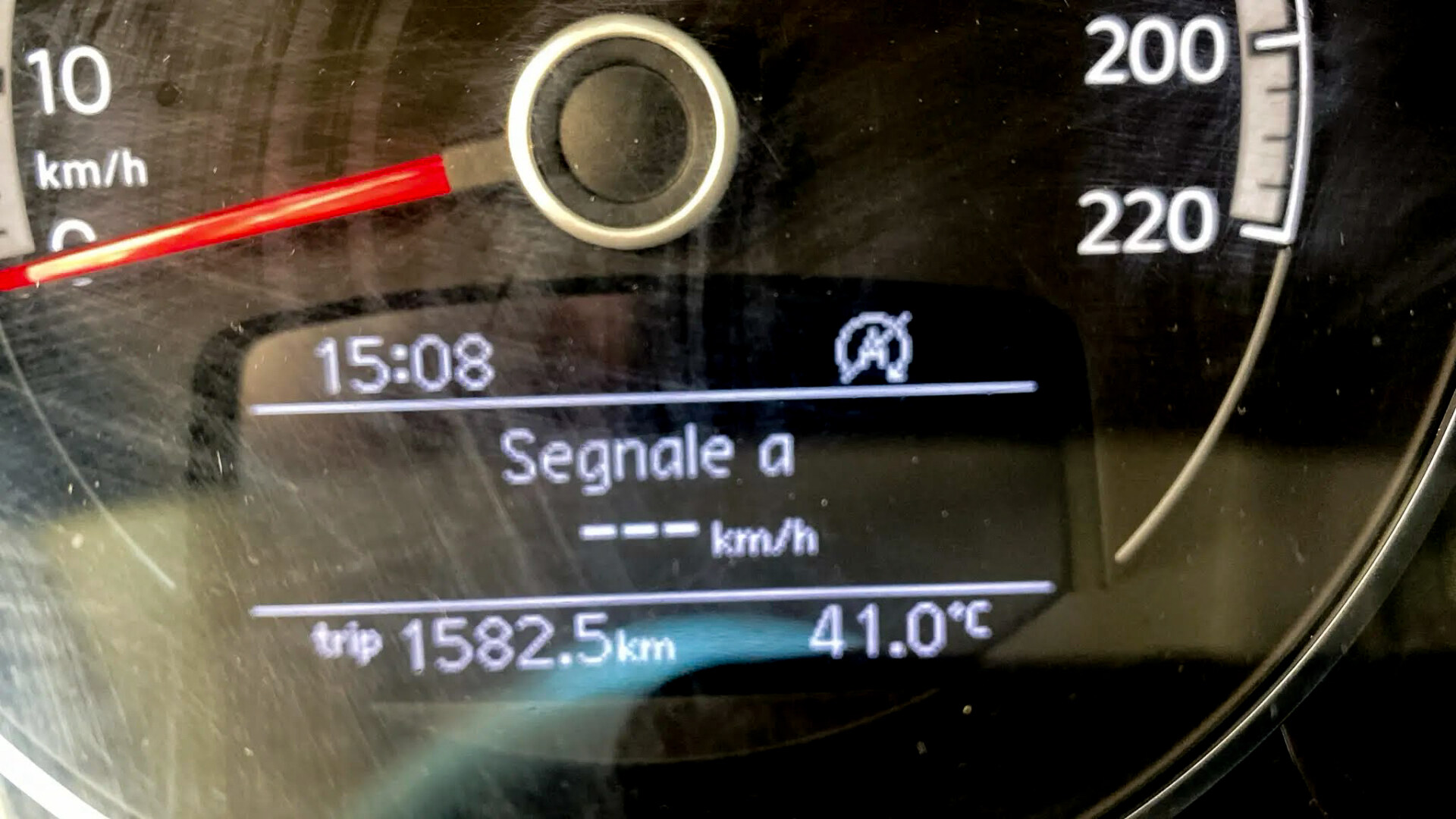
And then there is the great authority of summer: the car thermometer. My mother photographs the dashboard flashing 40°C almost every day and circulates it in the family WhatsApp group as proof that civilization is nearing its end, regardless of the fact that the car has been sitting in direct sunlight for three hours.
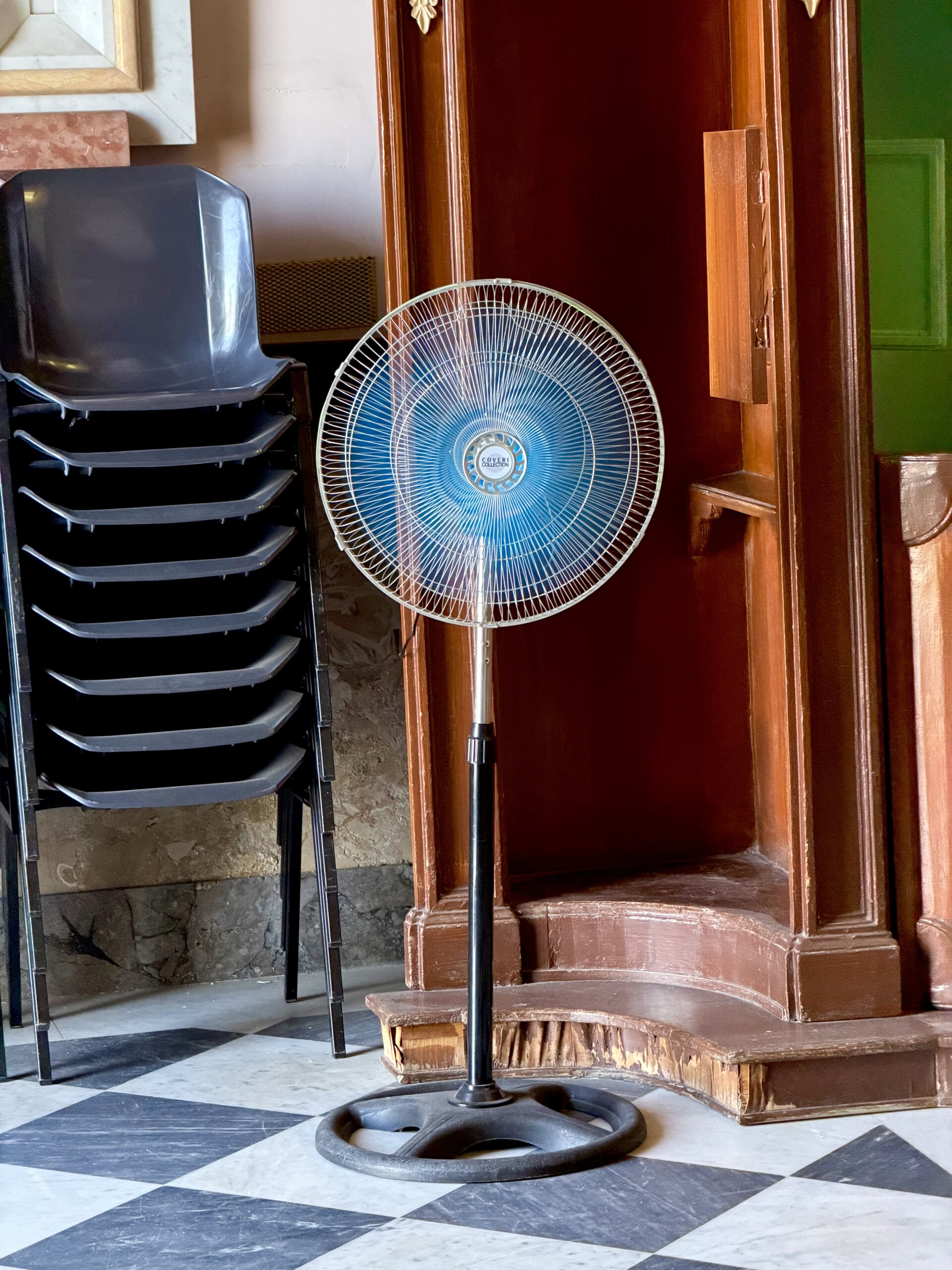
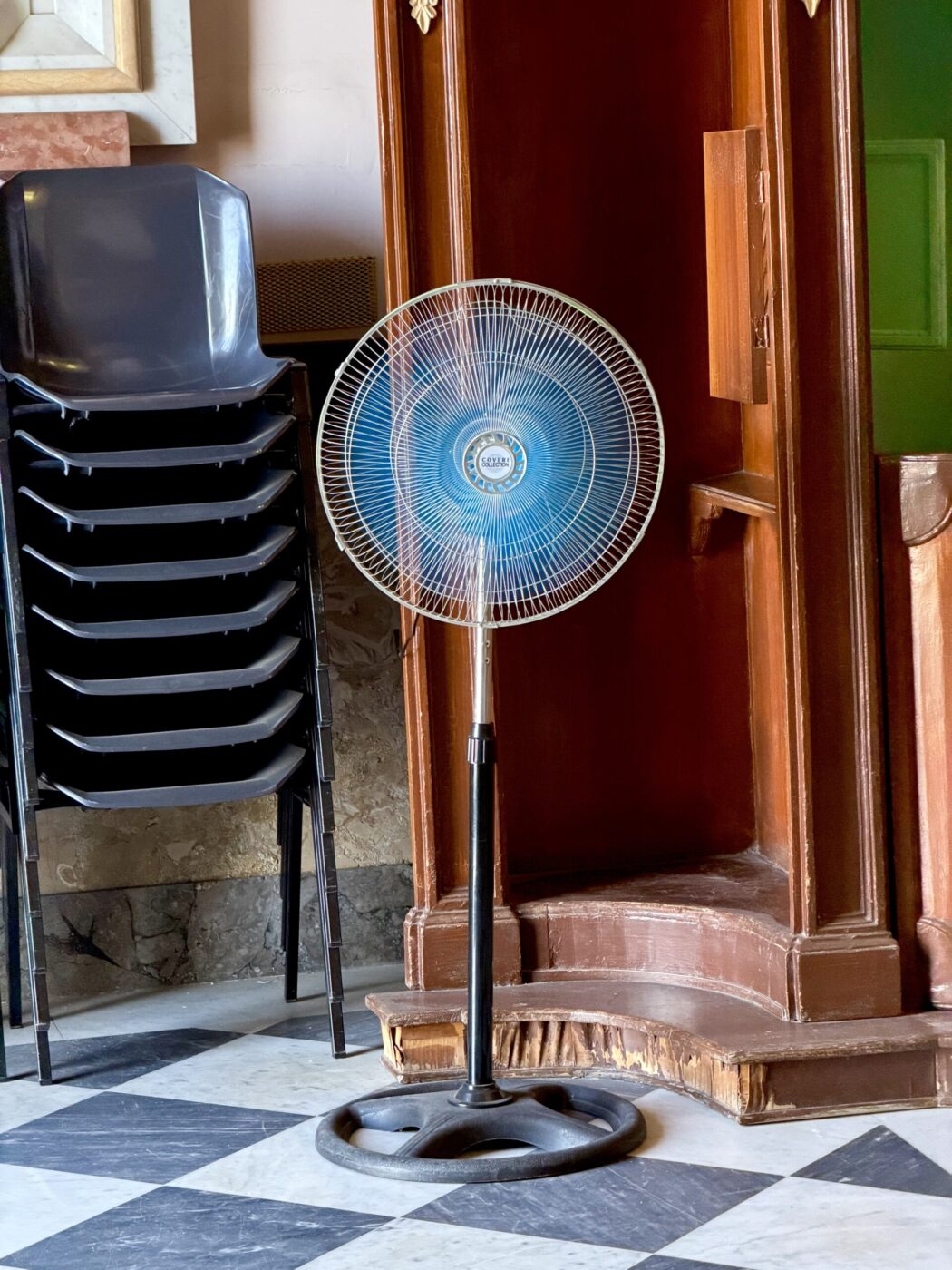
According to everyone, there was once a different Italy. One where evenings were cooler, August thunderstorms arrived when they were supposed to, and leaving the house after dinner without un golfino (a light sweater) was practically reckless. And, all chatter aside, they are right. Italy really is getting hotter: in 2024, the country recorded 11.4 more days above 35°C than the 1991–2020 average. All those endless conversations about how “it wasn’t like this once” carry a truth within them. It is simply that we process a planetary climate crisis in the most Italian way possible: through debates about sleeping without air conditioning, arguments over cross-breezes, and the firm conviction that in 1999 no one needed a fan at dinner—what they needed was a windbreaker.
We love to talk about the weather, but only when doing so allows the bigger issue to remain abstract enough not to demand too much of us. Perhaps because talking is easier than putting yourself on the line. Big collective issues allow us to hold very strong opinions without necessarily having to reveal too much about ourselves. It is easier to say “non ci sono più le mezze stagioni” than to ask ourselves what part of the problem, however small, might also come down to us. How many of the people who complain then adopt everyday habits that could genuinely make a difference, however small? Even if only by starting with recycling.
Behind this apparent superficiality, there may also be a certain resignation: the deeply Italian feeling that even when you try to change something, the system will ultimately prove stronger than you. After enough failed attempts, becoming indignant together can seem almost more realistic than expecting a result.
And so, the chatter remains.
Perhaps that is why the weather is the perfect subject: we can keep ourselves busy until the heat eventually breaks and the problem appears to resolve itself. Nothing has really changed, of course, but we forget about it and move on to something else… until, of course, the next heat wave.