To the uninitiated, a piazza is simply a square. But in the Italian psyche, the piazza is the city’s social club, playground, communal foyer, catwalk, and neighborhood parliament all in one.
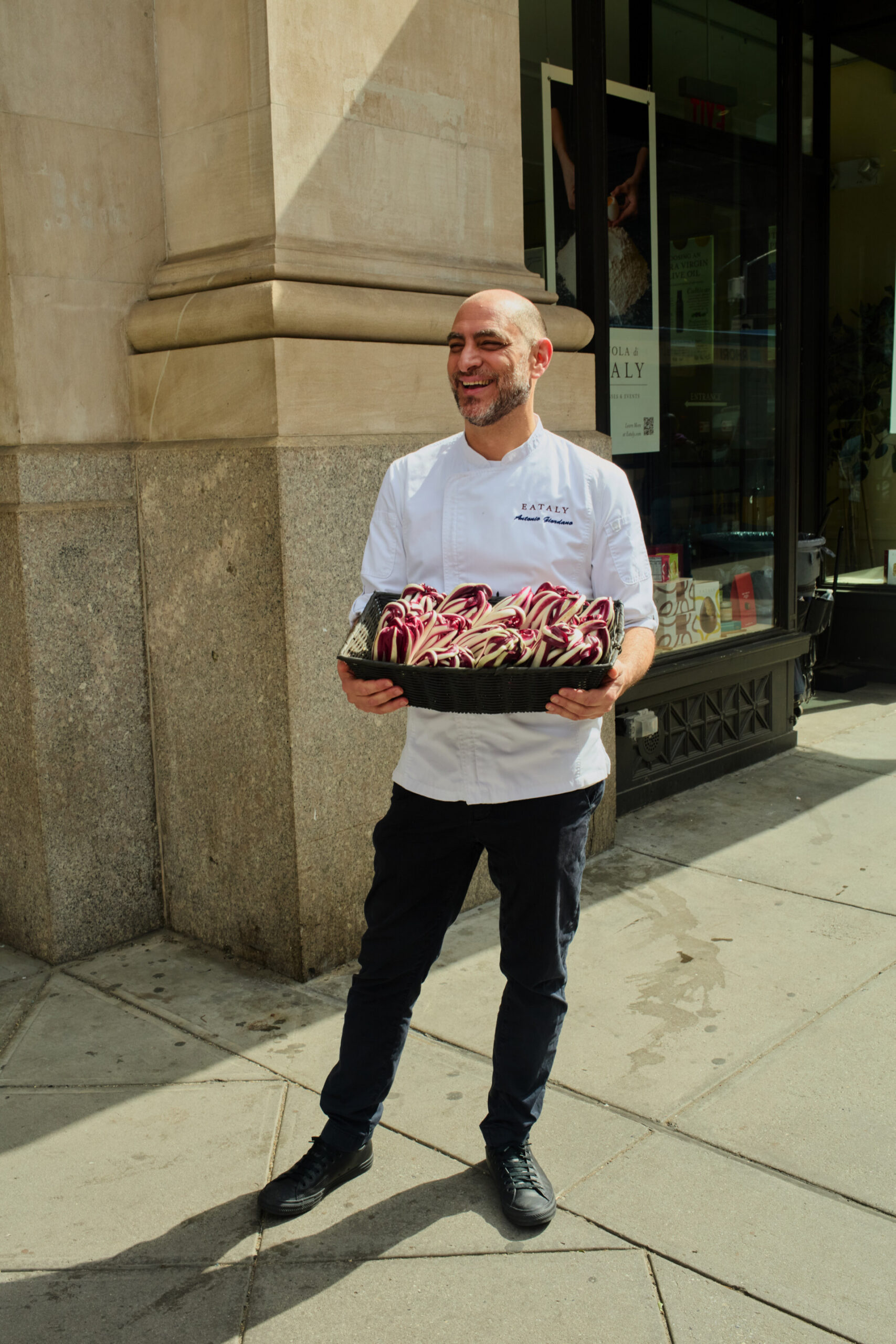
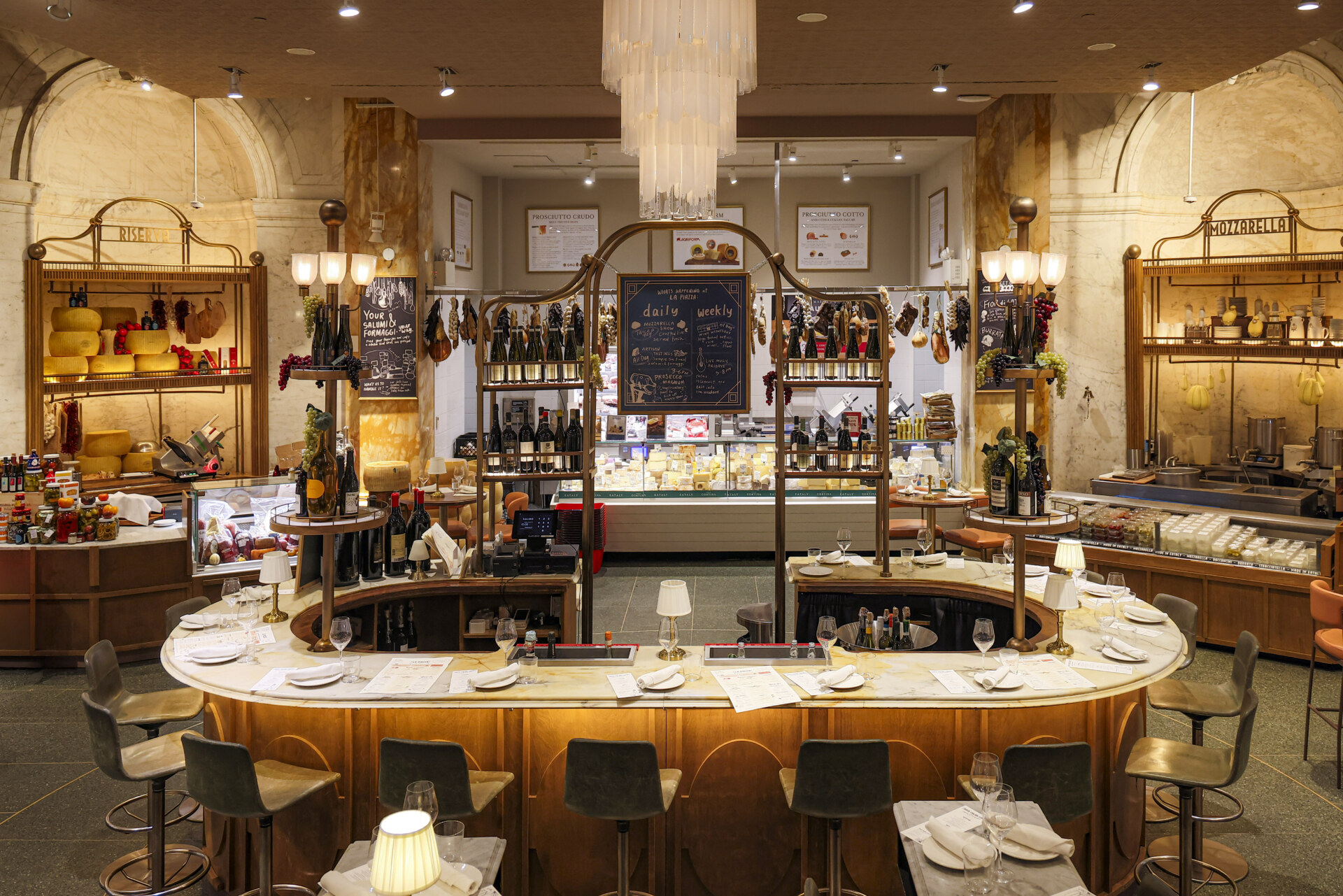
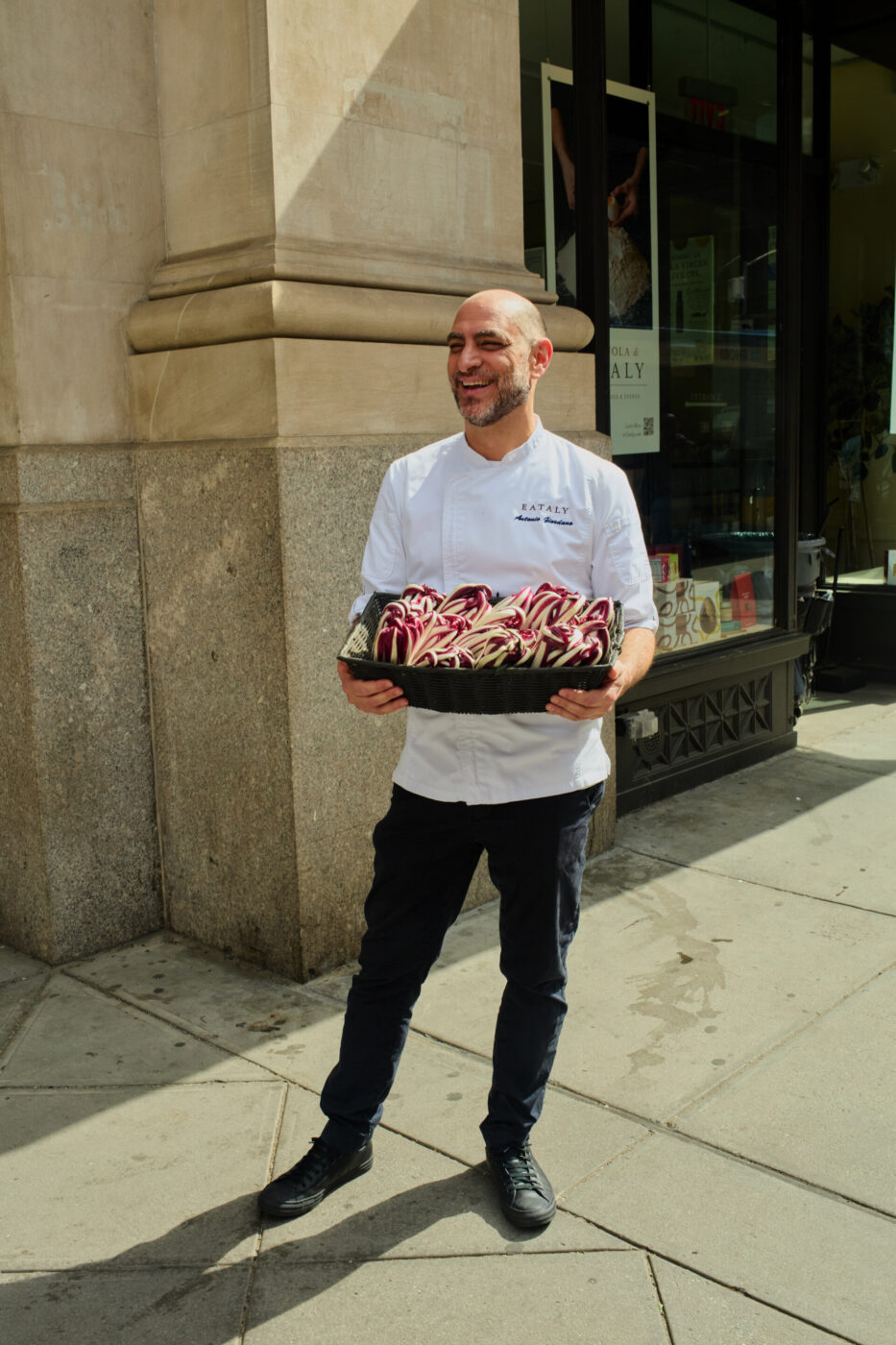
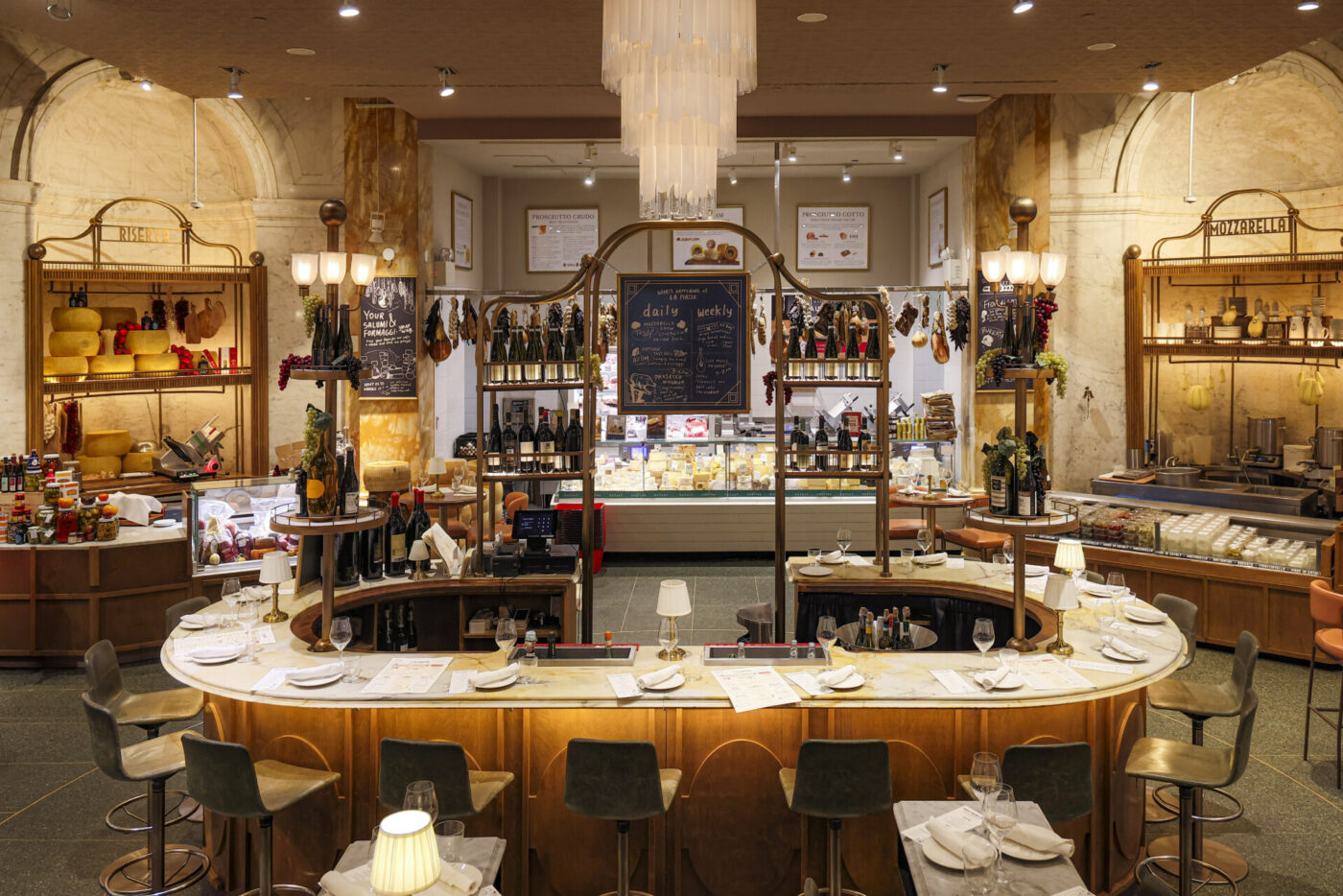
And today, the concept of the piazza is no longer confined to Mediterranean coordinates. In New York City, Eataly has launched La Piazza, taking inspiration from its namesake to be a space for community. (Rather than a cathedral, however, the focal point here is a striking circular bar.) Under the motto “where everyone meets,” this modern iteration brings mozzarella-making, live music on Fridays, and the daily 3:00 PM uncorking of a magnum Prosecco bottle to the Flatiron district.
Whether built on ancient stones or Manhattan marble, the piazza’s goal never changes: to make a space in the chaos where a city can finally start connecting.
THE ORIGINS OF THE PIAZZA
The modern piazza emerged in the 12th and 13th centuries when the comune—the city-state—grew powerful enough to begin tearing down the thickets of fortified towers and narrow alleys to create a sort of urban void. This reclaimed space was used as a stage for the three pillars of Italian life: the sacred (the church), the civic (the town hall), and the profane (the market). Here, laws were shouted to the masses, monks thundered fire-and-brimstone sermons, and dukes and butchers were forced to share the same paving stones in a rare moment of civic parity.
Unlike the verdant, gated “squares” of London or the grand, axial places of Paris designed for royal perspectives, today, the piazza is the ultimate “third place”—that realm between work and home. It’s a place that refuses to dictate its own use, which means you can do everything and nothing in a piazza. You may go to a piazza for a specific reason—buy an artichoke, shop for vintage, grab an aperitivo—and find yourself seduced into a passeggiata. It is where reputations are built (or dismantled) over a three-minute espresso and where the energy of a neighborhood is most strongly felt.
Or, to put it more succinctly, to spend time in a piazza is to participate in the civitas; few spaces better capture the Italian instinct to conduct one’s life outdoors.
There are countless piazzas across Italy (the capital alone boasts over 2,000), but, in collaboration with Eataly’s La Piazza, we take you on a journey through piazzas in some of our favorite cities—Florence, Rome, and Naples—here.
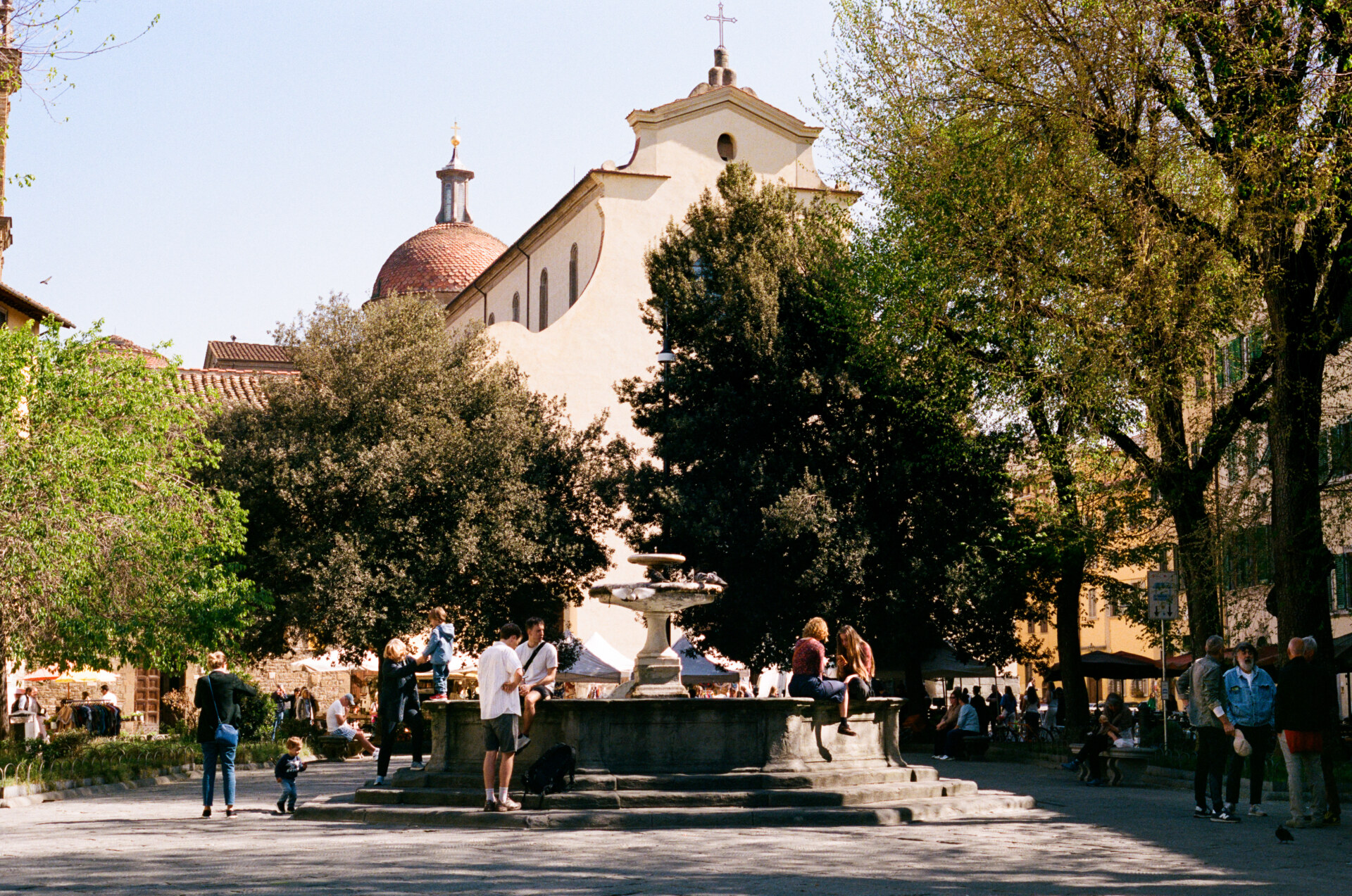
Piazza Santo Spirito, Florence
PIAZZAS IN ROME AND NAPLES
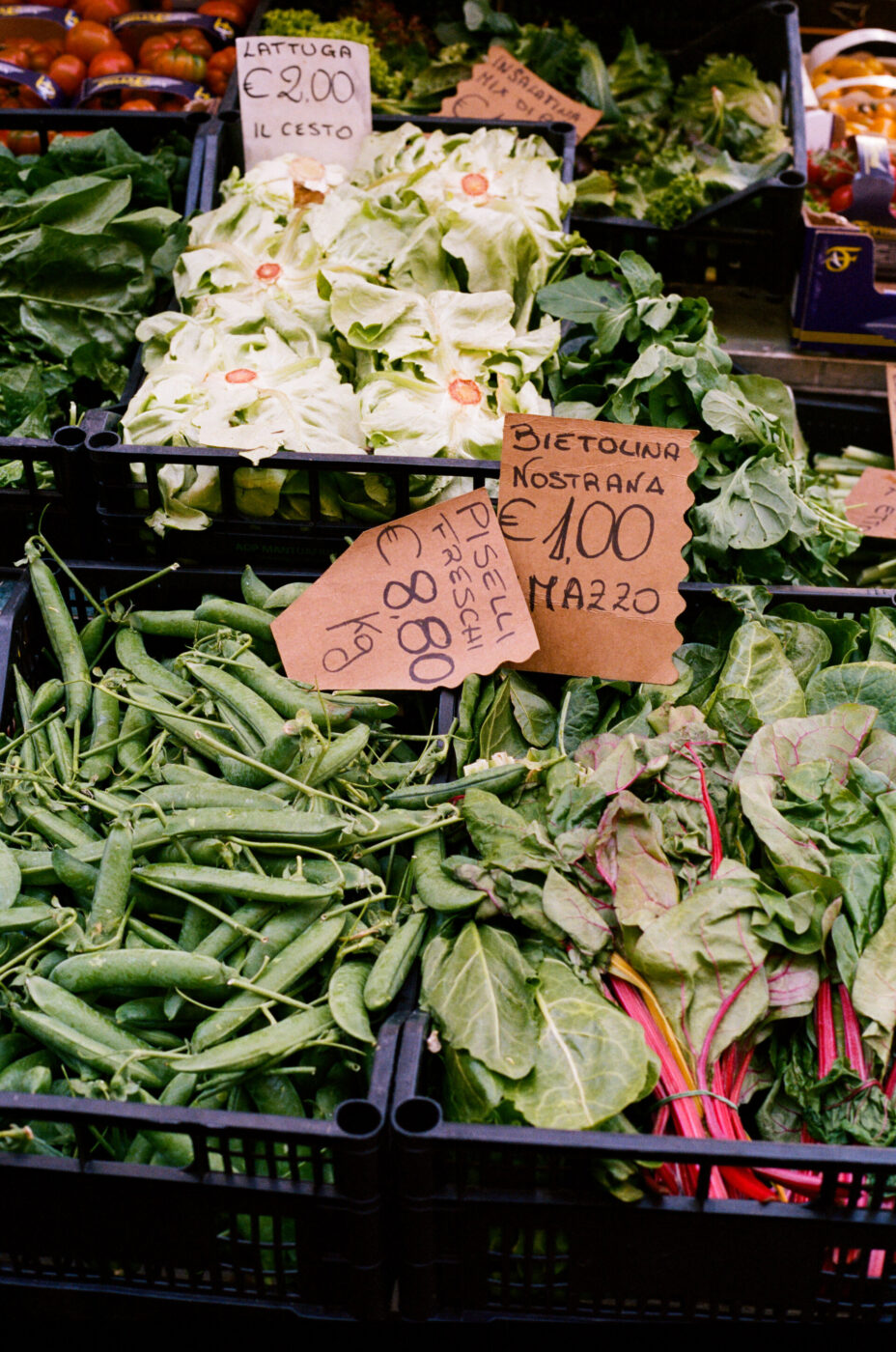
In Rome, Campo de’ Fiori is the ultimate outlier: it’s the only major square in the Eternal City without a church. Instead of a bell tower, the space is presided over by the brooding bronze statue of Giordano Bruno, the philosopher burned at the stake there for heresy in 1600. By day, it’s a busy marketplace that smells of wild strawberries; by night, it sheds its aprons and transforms into a rowdy, neon-lit hotspot for international crowds and local revelers.
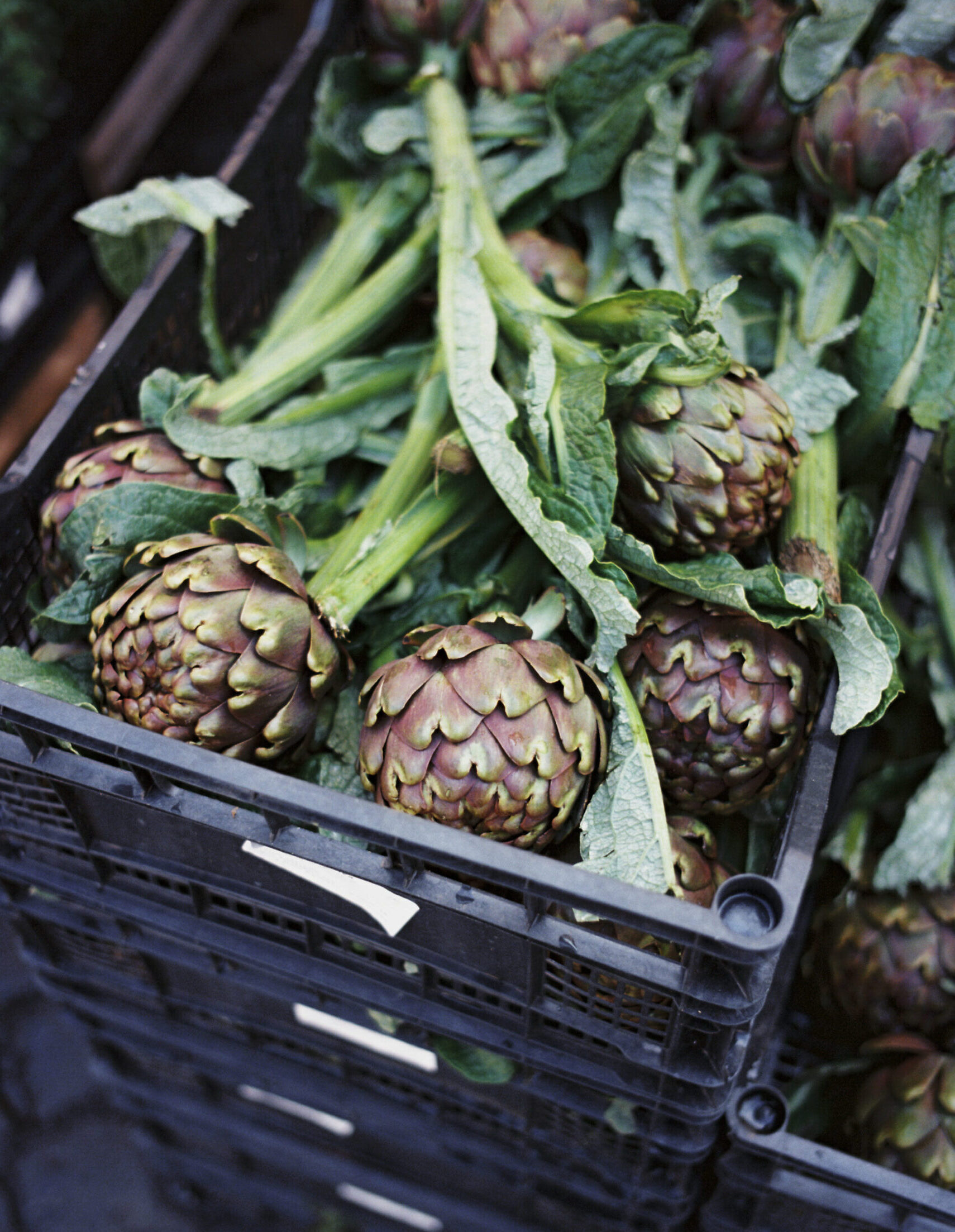
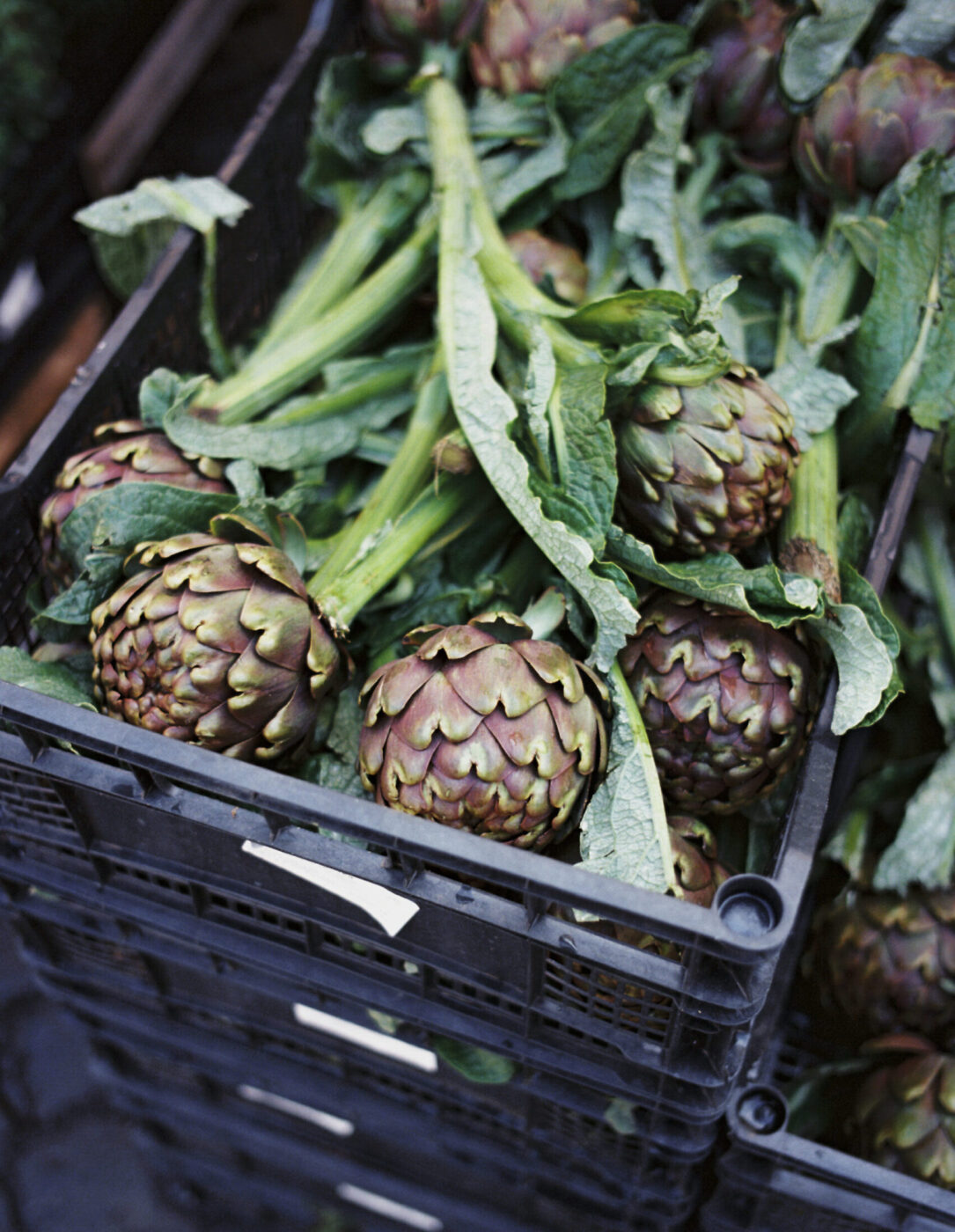
Artichokes for sale in Campo de' Fiori
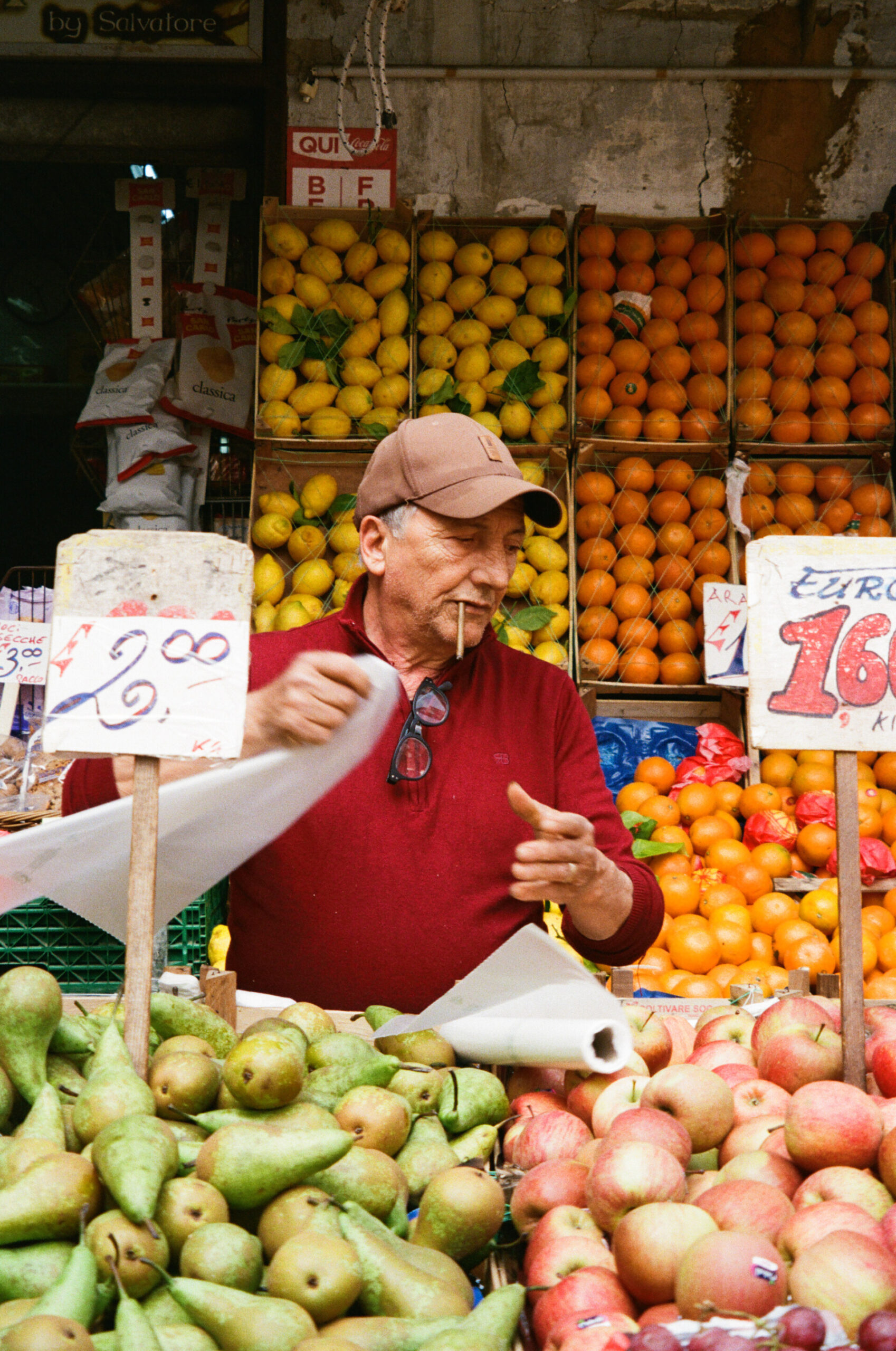
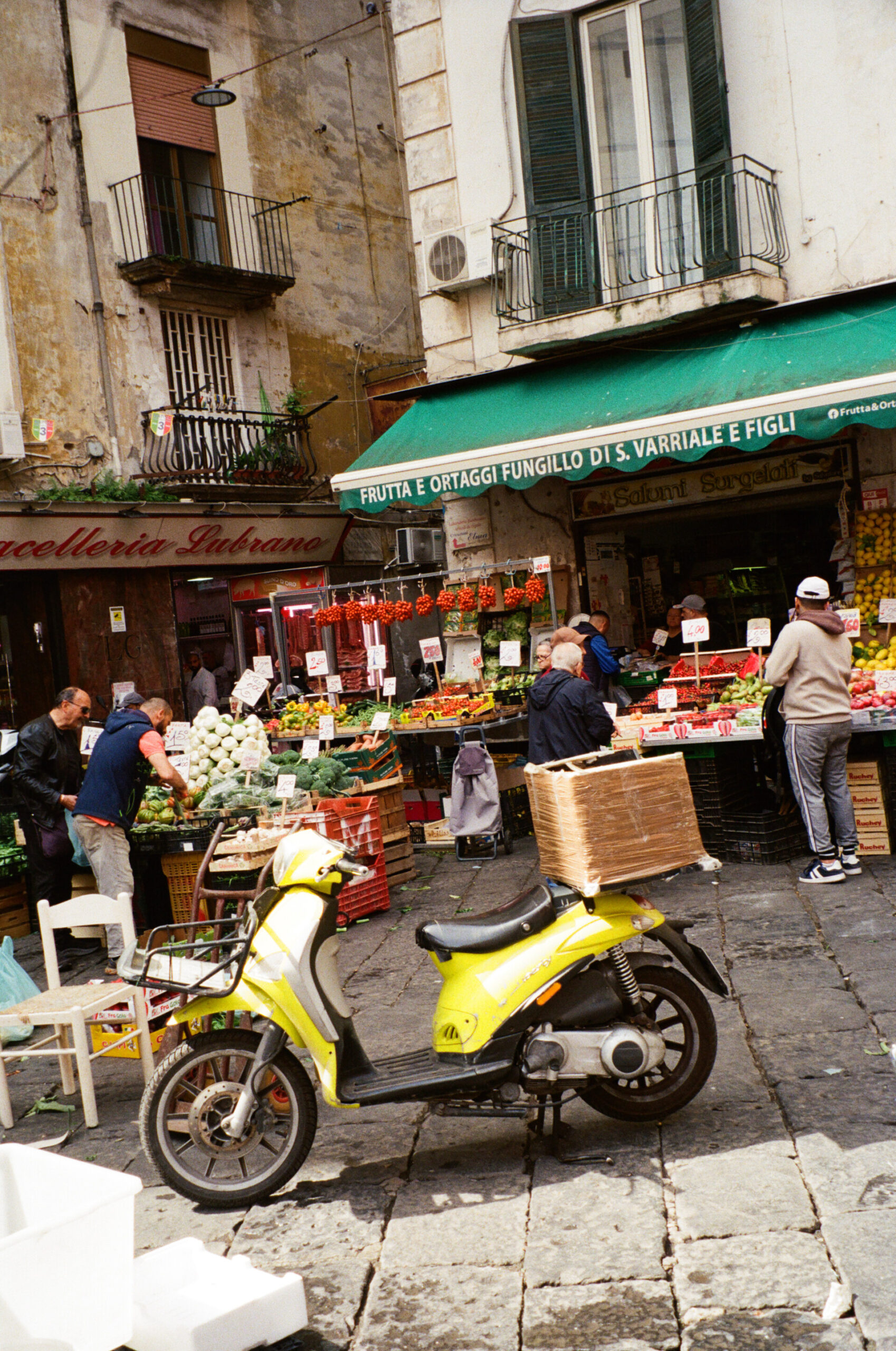
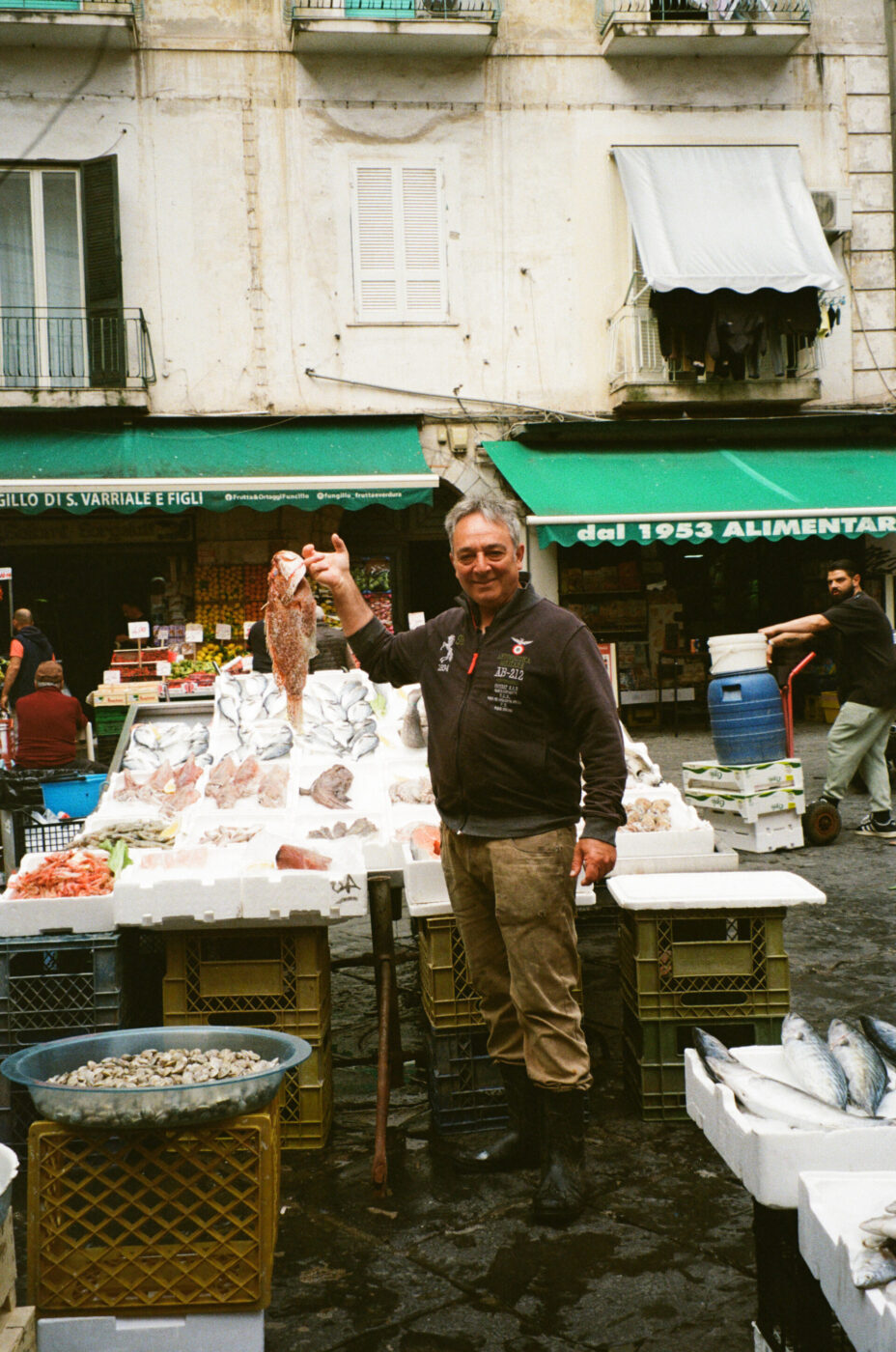
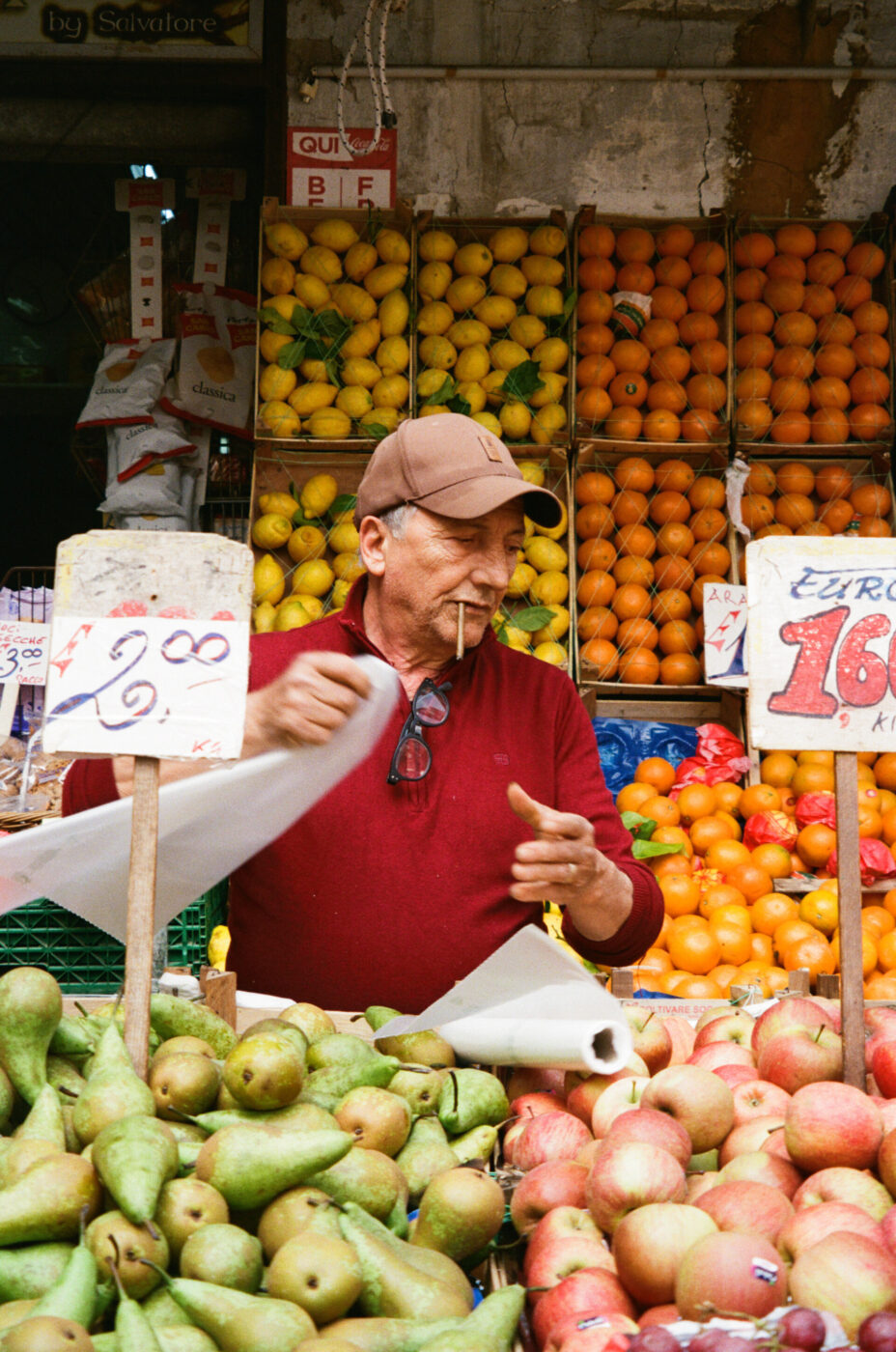
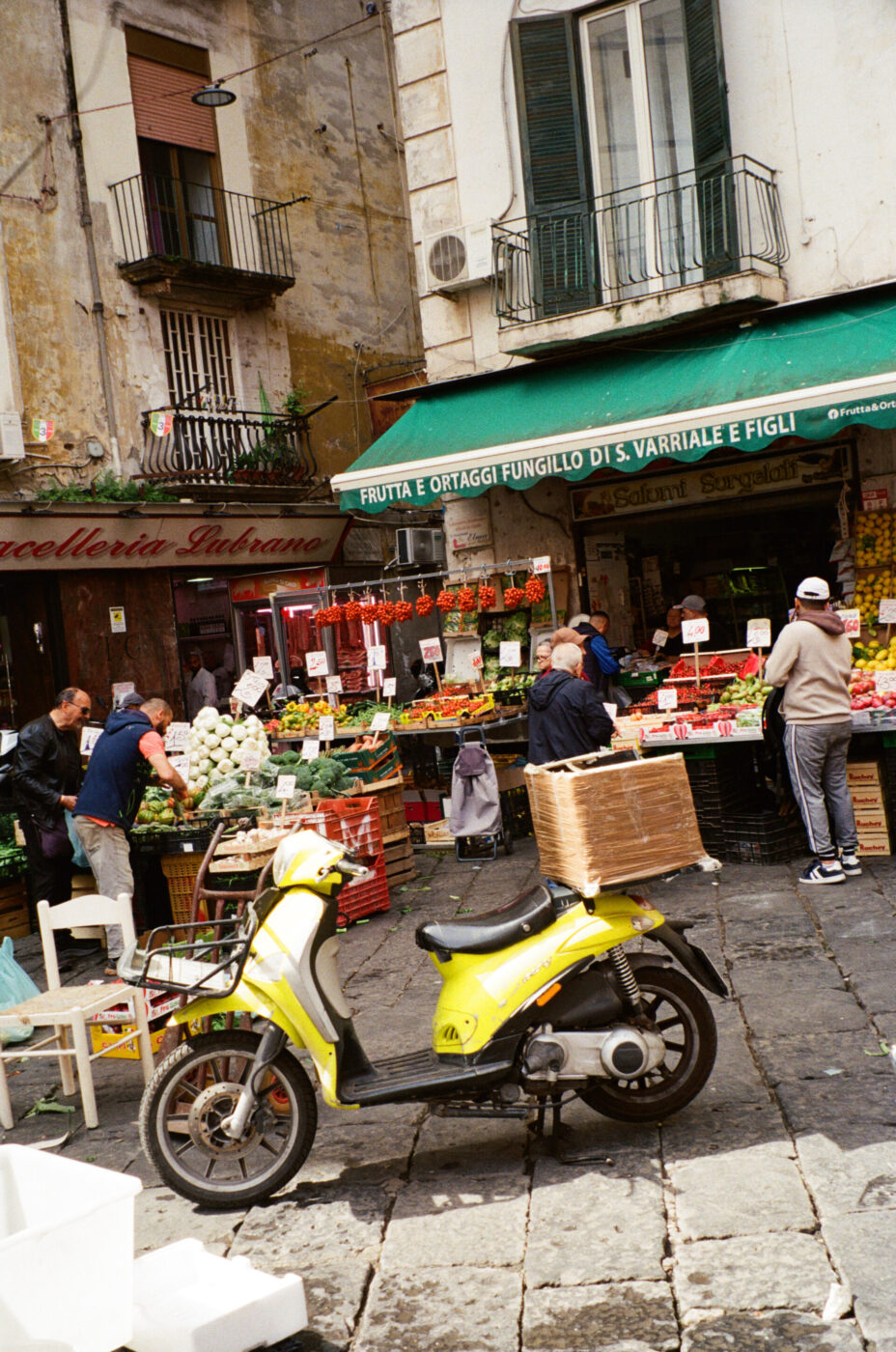
Travel south to Naples, and the piazza’s scale becomes monumental at Piazza del Plebiscito. This vast semi-circle in front of the Royal Palace was originally designed to project Bourbon power, but is now the site of a local challenge: attempting to walk blindfolded in a straight line between two bronze horses—a task made nearly impossible by the imperceptible slope of the stones. Just a 20-minute walk away, Piazza Pignasecca is its converse—the site of the city’s oldest street market, famous for its competitive pescherie, where fishmongers shout prices over mounds of octopus and silver-scaled bream fresh from the Tyrrhenian. Beyond the raw stalls, cuoppi di pesce, cones of fried calamari and shrimp, are doled out in portable paper containers.
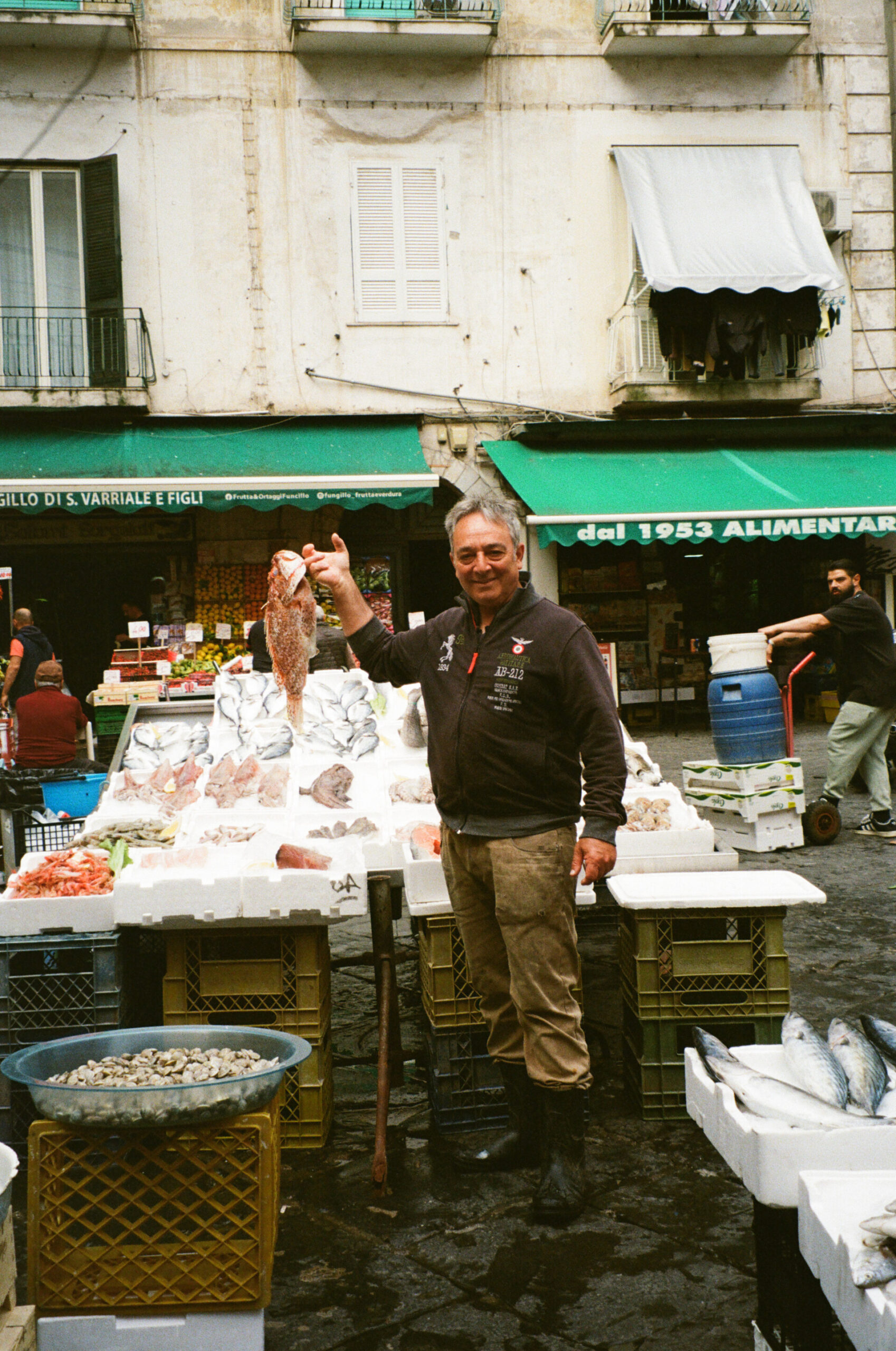
Piazza Pignasecca's seafood market
FLORENCE’S PIAZZA SANTO SPIRITO: THE PLATONIC IDEAL OF A PIZZA
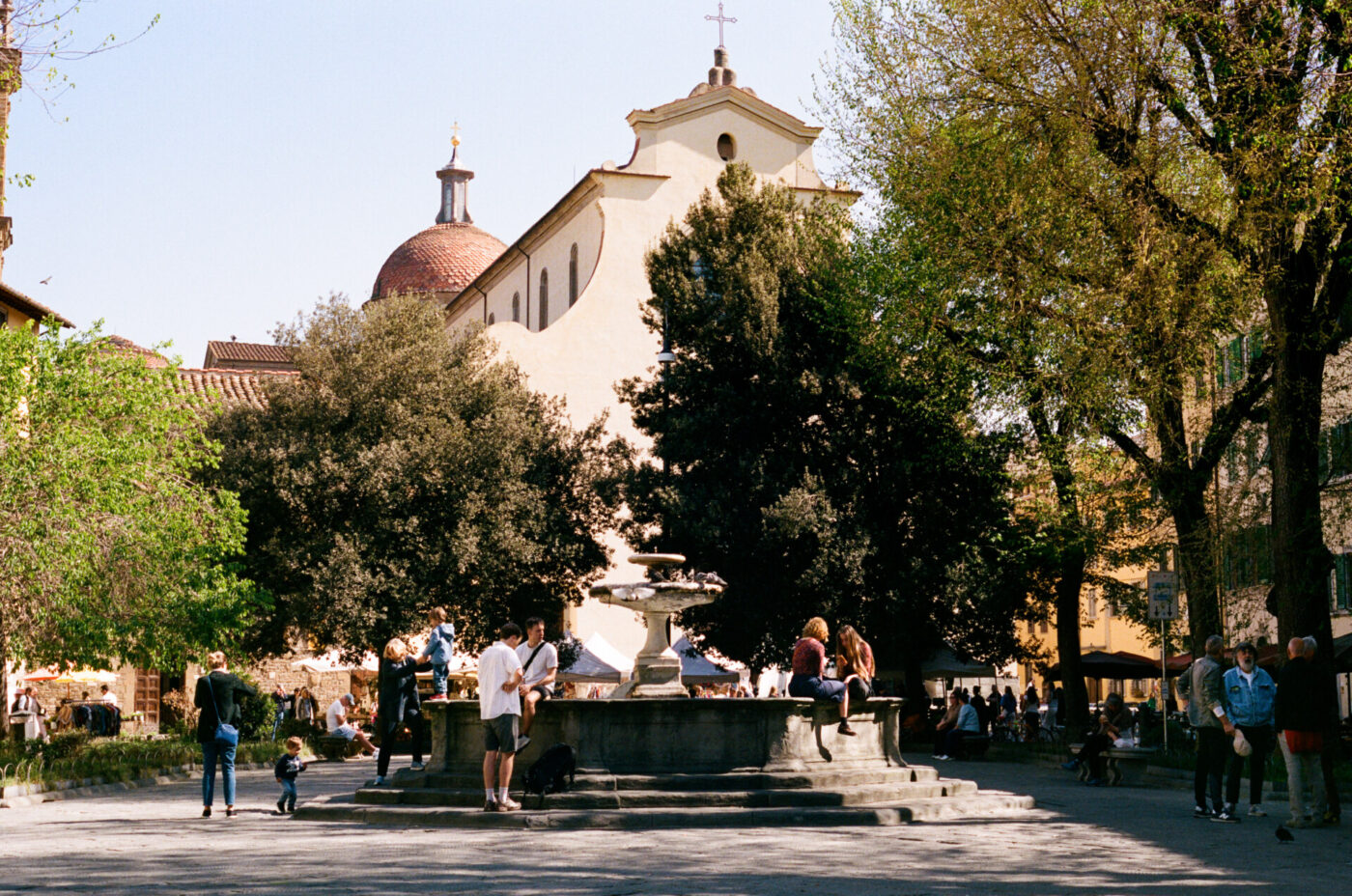
Piazza Santo Spirito is perhaps one of the last true strongholds of local life in Florence’s city center. While the areas across the Arno have largely surrendered to international retail and high-turnover tourism, this square is the communal hub of the Oltrarno, the core of the “other side” of the river.
The piazza wasn’t an accident of urban planning; in 1301, the city actually bought up and demolished several houses just to create a public space for the Augustinian monks to preach to the rowdy locals, and from the start, it was a politically explosive neighborhood. This is where the Ciompi Revolt—the great uprising of the wool-carders—erupted in 1378, and where political assassinations were common enough that people had to be on the lookout while exiting mass.
The focal point of the square is the Basilica di Santo Spirito. Filippo Brunelleschi, the genius behind the Duomo’s dome, designed it as his final masterpiece, but it’s famous for what’s missing: a fancy marble facade. (Due to Brunelleschi’s death and various disagreements, the church was never finished.)
During WWII, when the Germans blew up the bridges, the Oltrarno became a liberated island known as the “Republic of the Oltrarno.” Piazza Santo Spirito was the headquarters of the local resistance, a stronghold of partisans who used the labyrinth of backstreets to fight the Nazi occupation before the Allies could even cross the river. It has always been the people’s square, and it still is.
Which is why Santo Spirito might just be the Platonic ideal of a piazza: an open-air living room, a 24-hour social club with no membership fee. From the first clatter of the market to the last teenage stragglers heading home, this is a day in the (always busy) life of Piazza Santo Spirito.
A DAY IN THE LIFE OF PIAZZA SANTO SPIRITO
6:30 AM
White Fiat Ducatos and Iveco vans reverse into designated spots, their tires vibrating over the uneven paving stones. This is the daily morning market. In near silence, vendors unload, moving with a practiced efficiency, snapping together iron frames and tensioning blue plastic tarps. Sellers hold specific municipal licenses to occupy allotted sections of the square’s perimeter.
7:15 AM
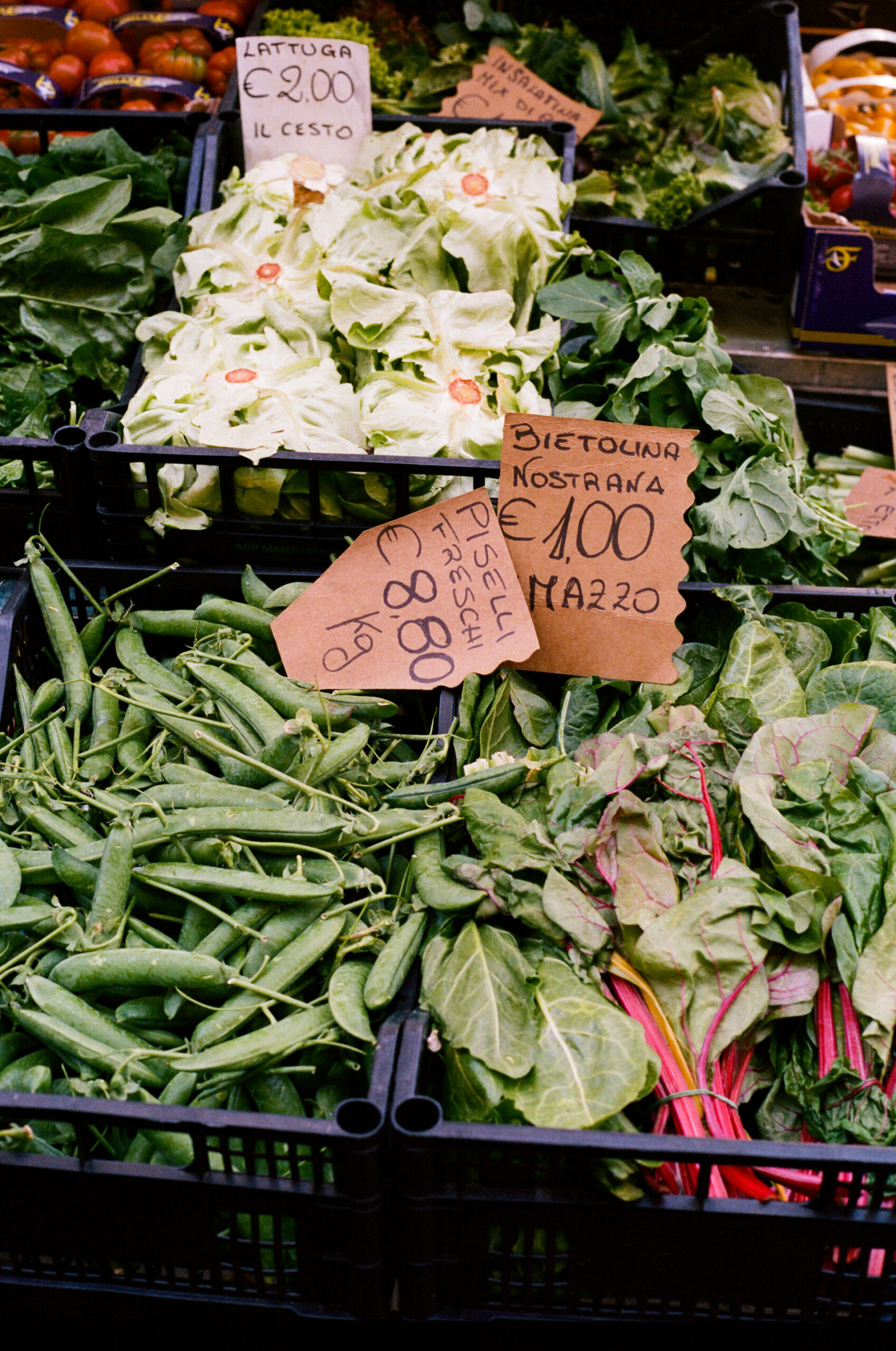
Set up is complete. Heavy bronze door knockers, drawer pulls, and lion-head finials are stacked haphazardly in wooden crates. Vintage leather jackets are hung on rolling racks, while a tangle of shirts are hawked at a flat rate of one for €5 or two for €8. Violet-streaked artichokes with long stems sit next to dense bundles of cavolo nero. Customers point and nod, and vendors lob off carrot tops and ragged leek ends with percussive thuds.
9:00 AM
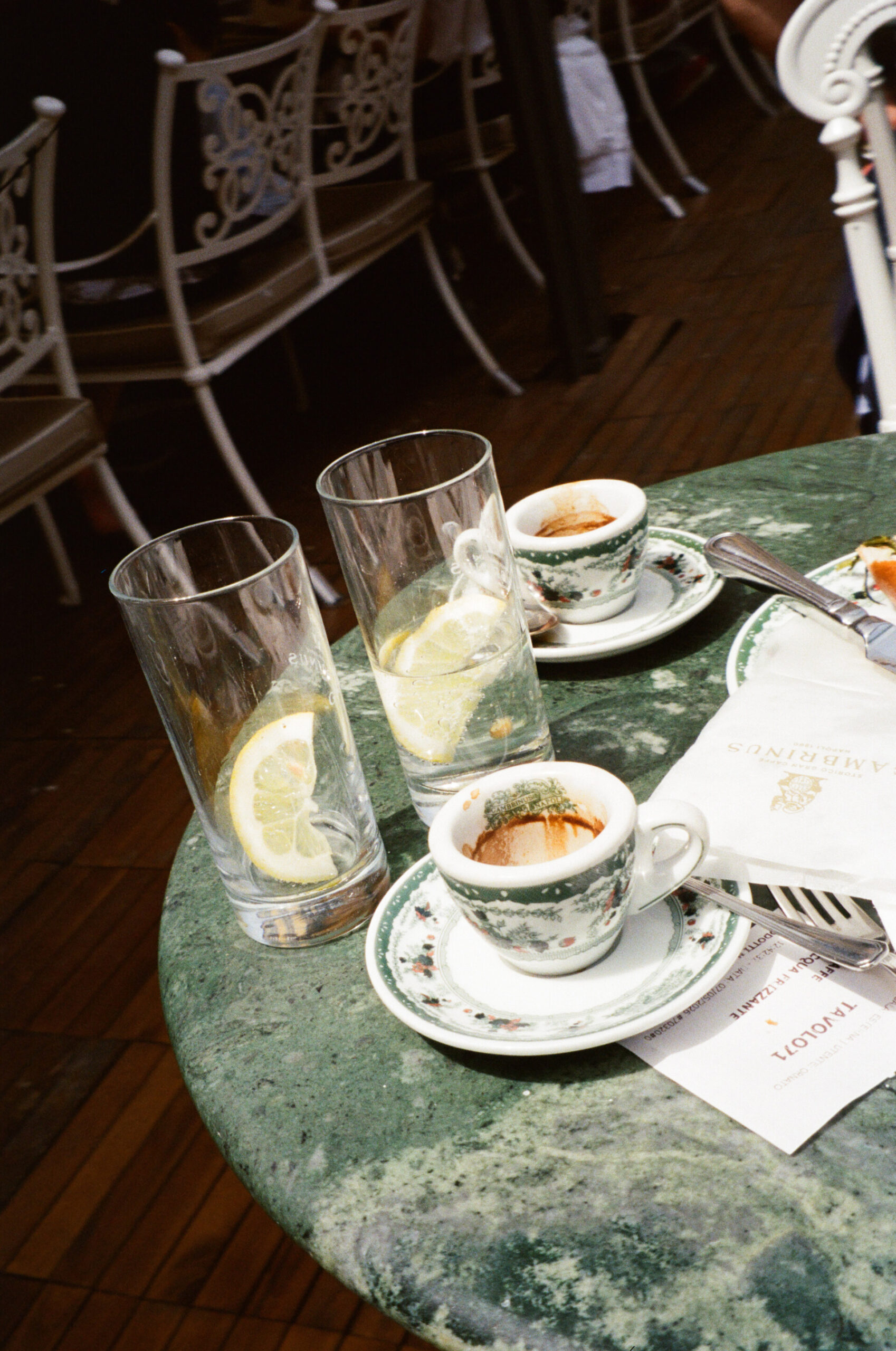
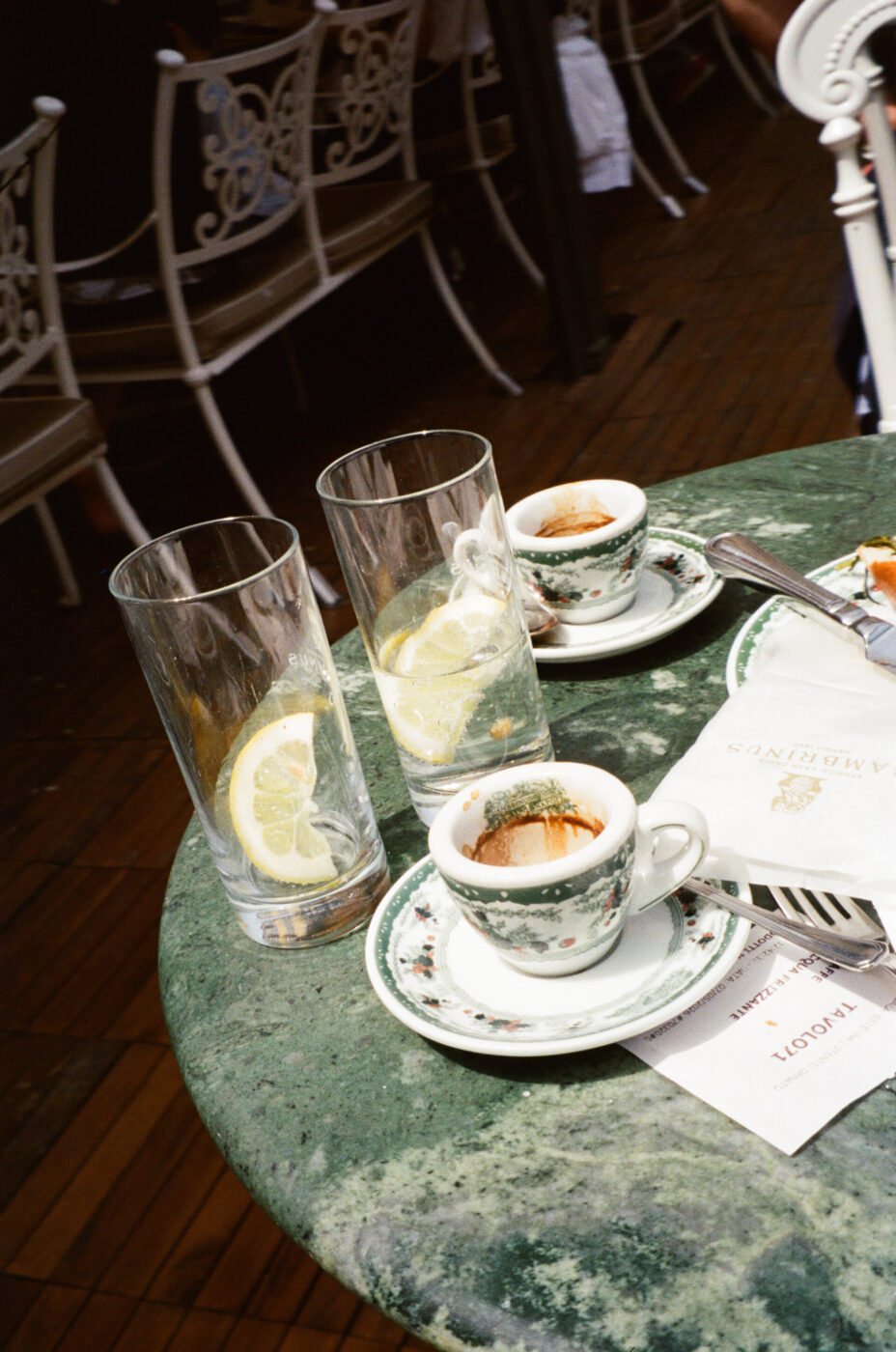
By 9:00 AM, the market is in full swing and the square is under the jurisdiction of the neighborhood’s nonni—a self-appointed board of directors who spend their mornings critiquing the price of chicory and the life choices of anyone under 70. At the bars flanking the piazza—Pitta M’Ingolli and Cafe Ricchi—coffee is being pulled. Those in a hurry take their coffee standing, reading La Nazione or Il Tirreno as they lean against zinc counters. Others sit at the tables outside, faces turned to catch the first rays of sun filtering into the square. Regulars catch up with their baristas with the aspirated accent typical of Tuscany. At the central fountain, vendors dispose of ice or rinse fruit crates.
11:30 AM
By late morning, a thin stream of visitors enters the Basilica. The interior is a stark contrast to the marketplace outside—cool and silent, a rigid space of 38 gray Corinthian columns. The biggest draw here is the sacristy, where there’s a wooden crucifix carved by a teenage Michelangelo during his time studying anatomy at the convent’s hospital.
1:00 PM
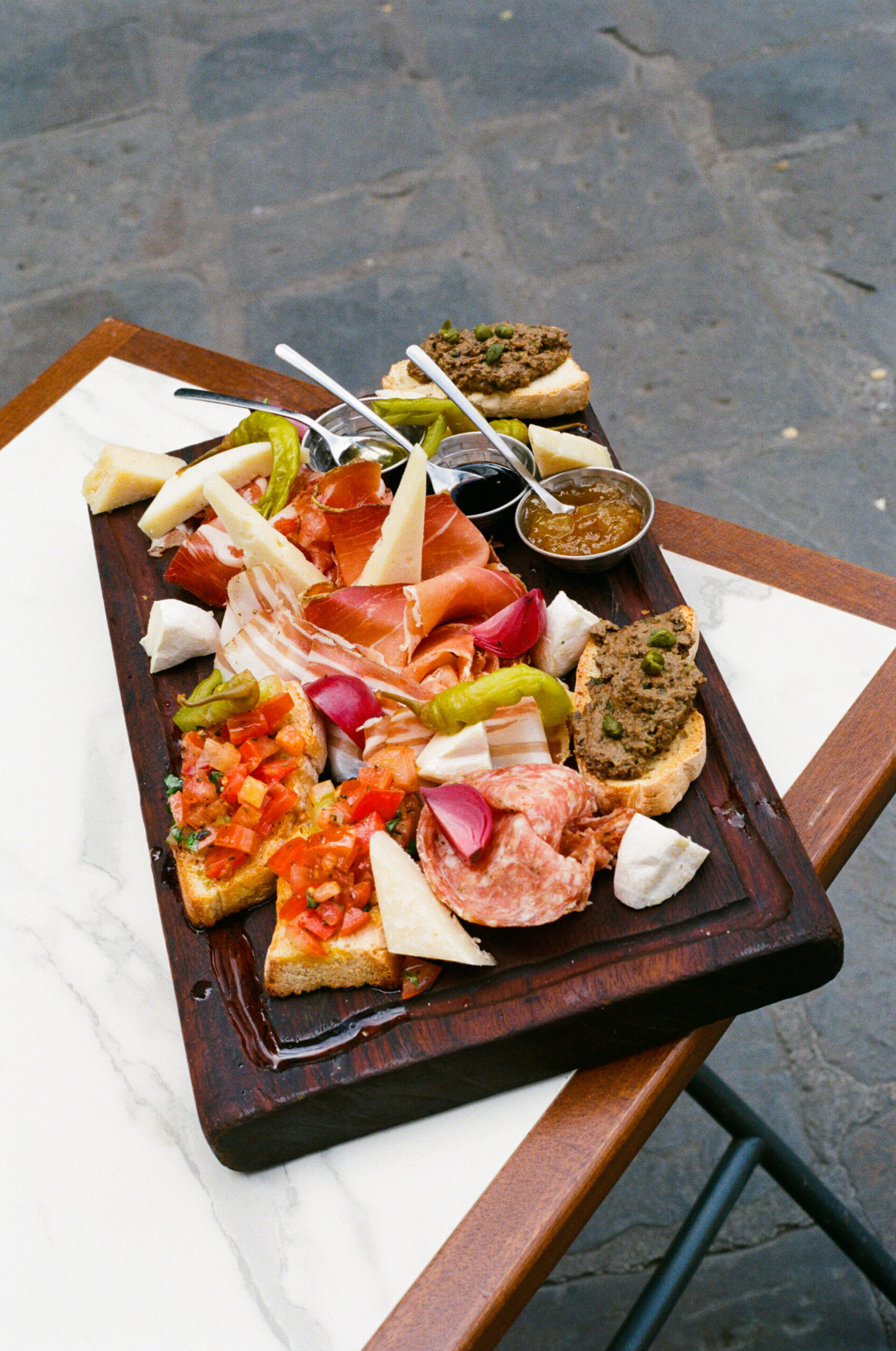
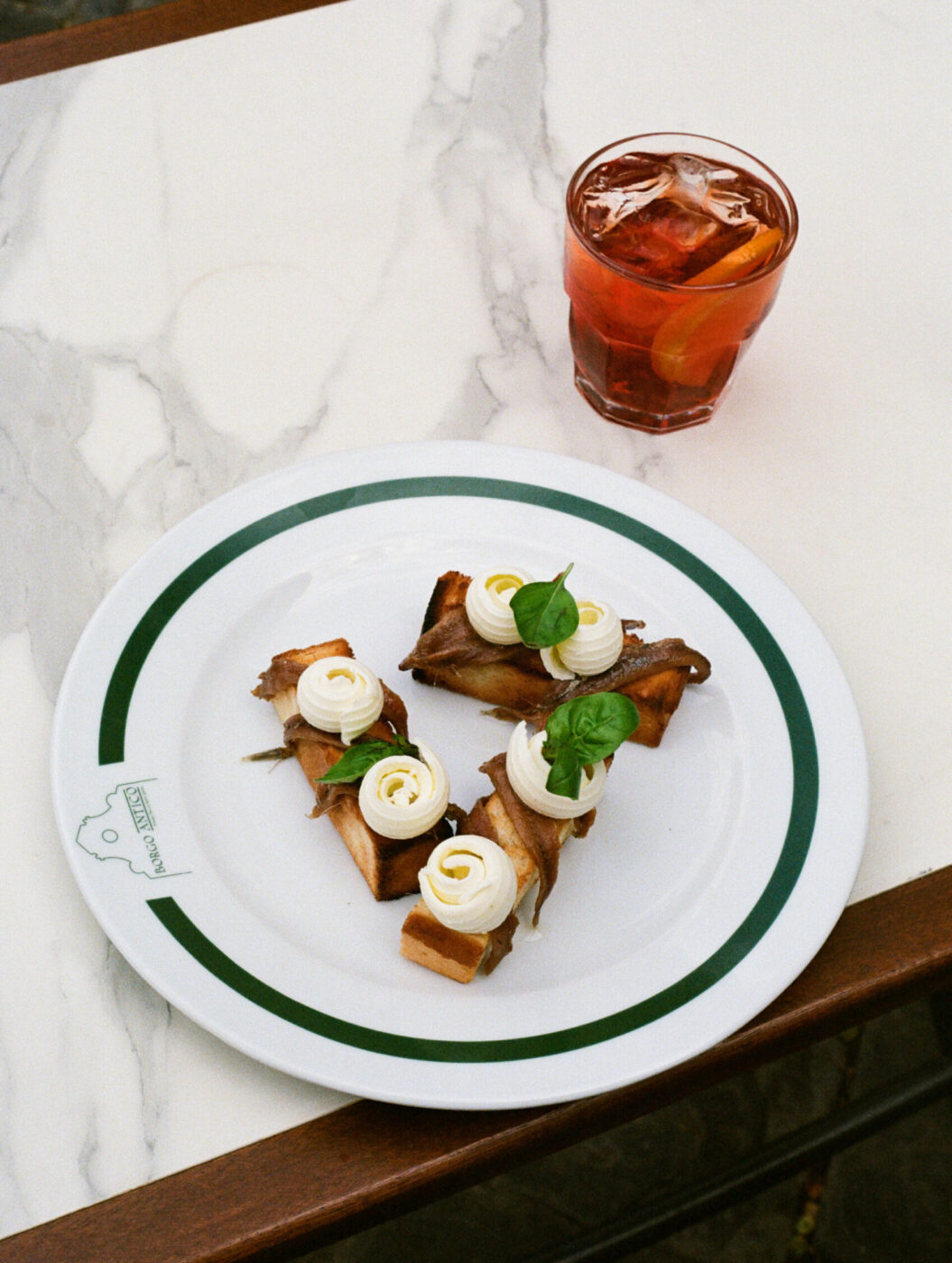
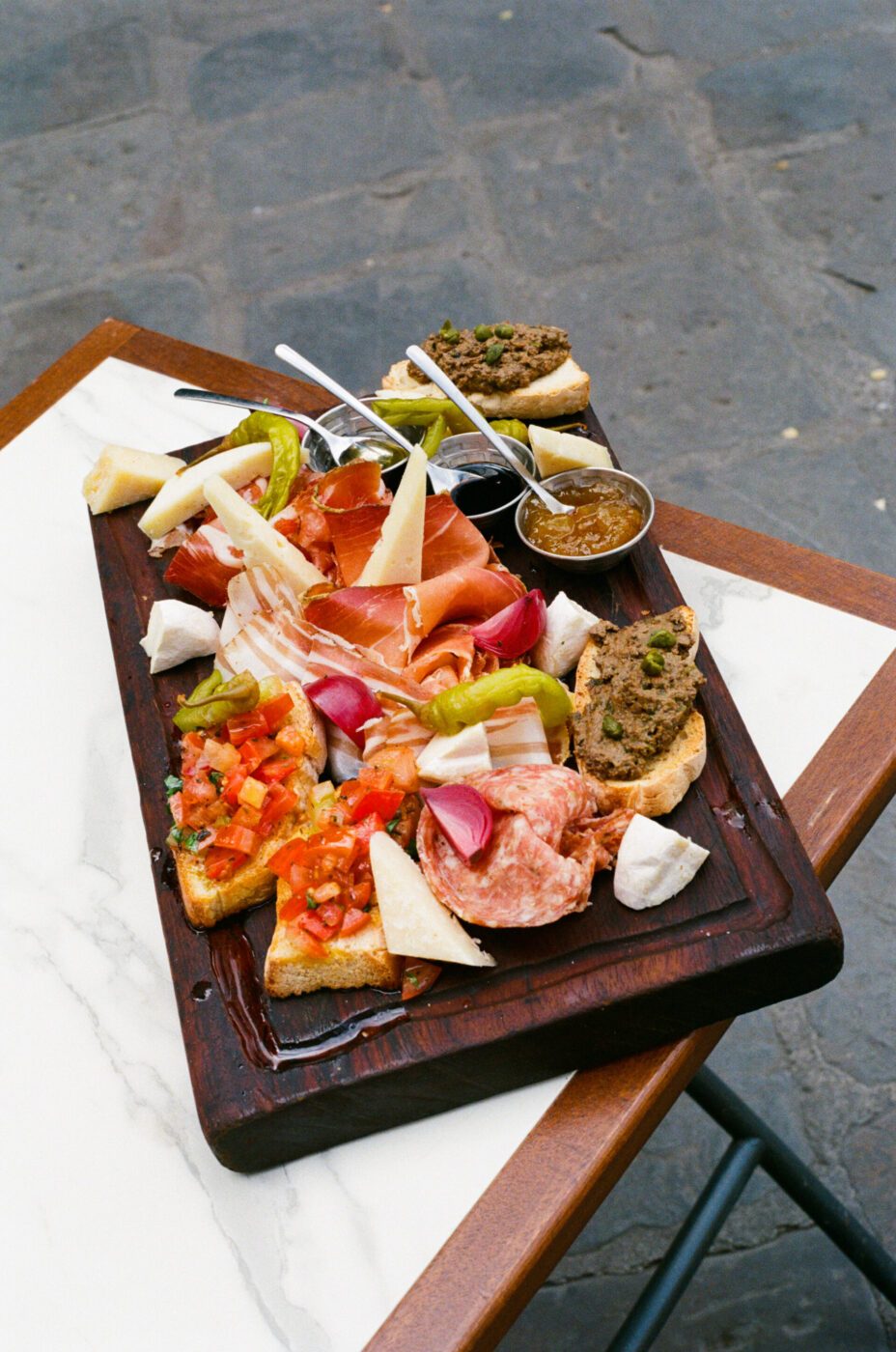
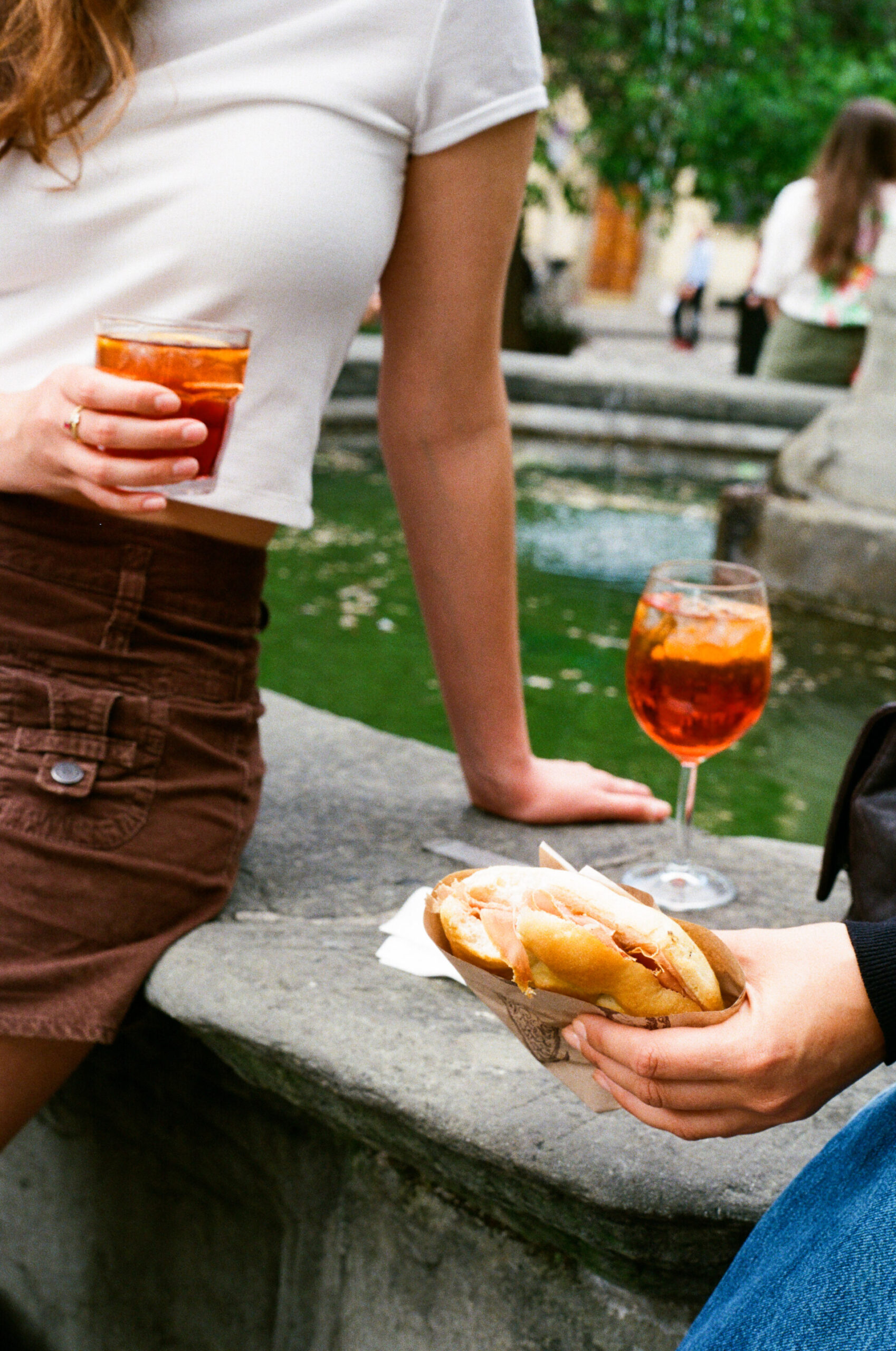
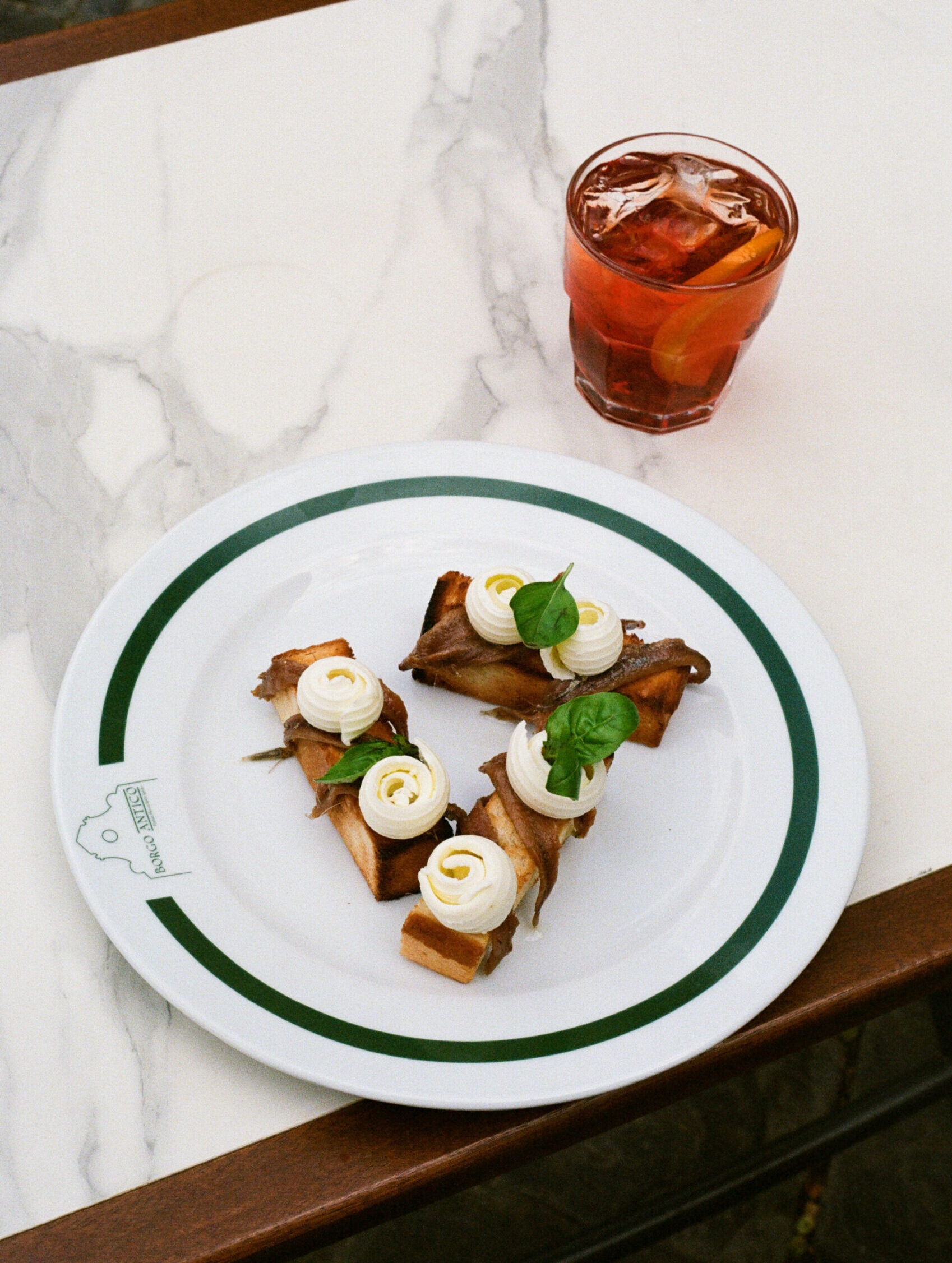
Just after midday, the market vendors strike their stalls. Within 30 minutes, the vans depart, leaving behind a temporary wasteland of bruised vegetable leaves and skeletal cardboard crates before municipal sweepers clear the debris. Students from the nearby schools and workers from the neighborhood’s botteghe and cantieri congregate on the church steps for functional lunches: parchment-wrapped schiacciate from Gustapanino or I’Raddi di Santo Spirito. At Borgo Antico, those who want to eat with back support go for the tagliere misto with local prosciutto and cheeses and crostini.
4:45 PM
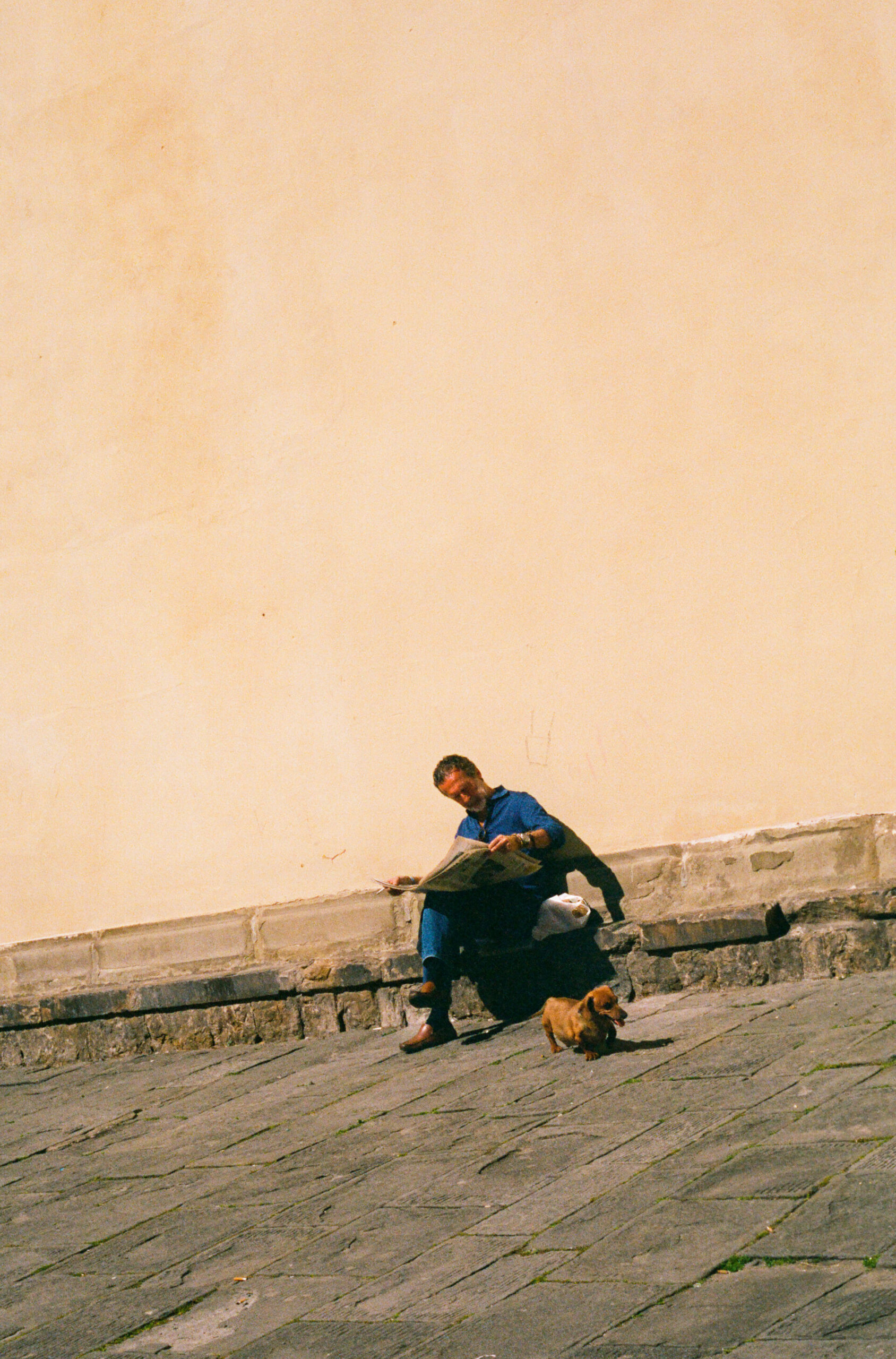
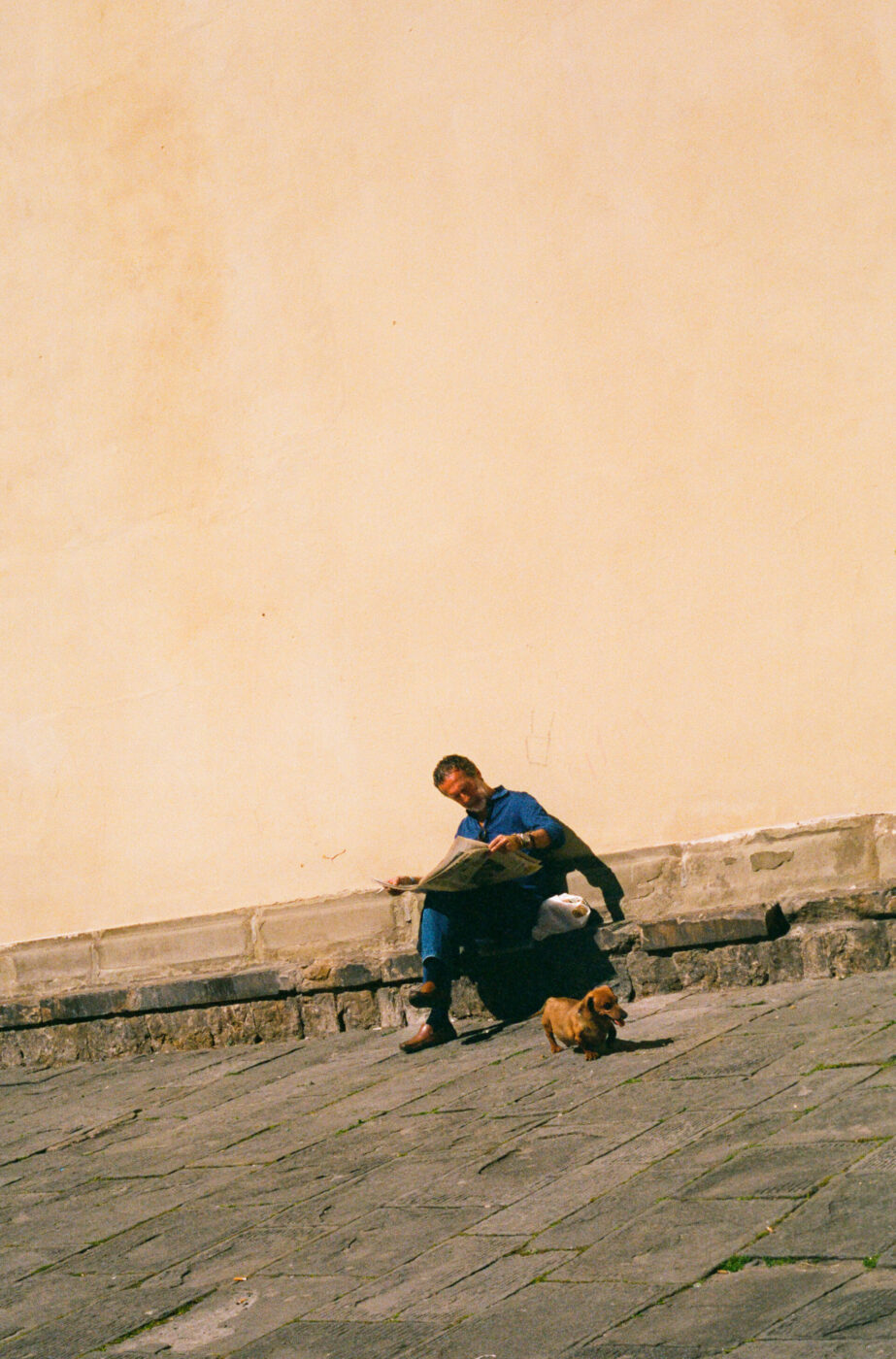
The pace of the piazza slows. Local residents cross the square with dogs; children use the base of the Cosimo Ridolfi statue as a makeshift goalpost for soccer. The light hits the ochre facade of the church, casting long, geometric shadows.
6:15 PM
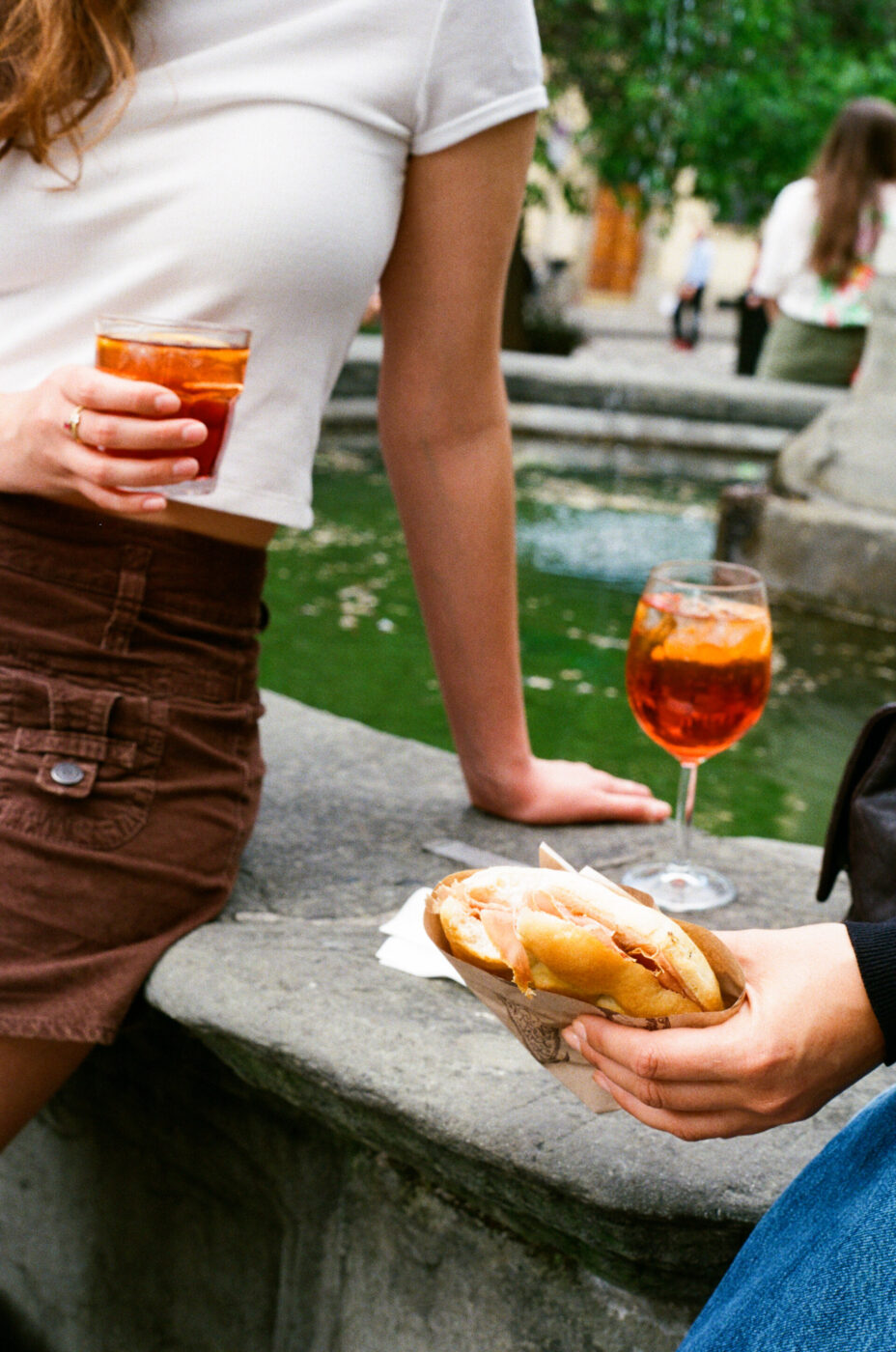
The demographic pivots sharply. Within minutes, aperitivo will be in full swing. At Volume, housed in a former woodcarver’s workshop, tables of twenty and thirty somethings spill into the square, ordering rounds upon rounds of Negronis—a Florentine staple—and spritzes. Bowls of peanuts, potato chips, olives, and taralli are tossed onto tables. Other groups of twenty- and thirty-somethings hover, waiting for a chance to snag a table of their own. There’s no longer a clear boundary between the bars and the public space; the crowd flows from the terraces to the fountain.
8:30 PM
The smell of the square changes as the surrounding trattorias hit peak service. Dinner in Santo Spirito is a democratic affair. There’s no haute cuisine here; the food is homey and unpretentious. At Trattoria Casalinga, a Florentine family favorite since 1954, the air is thick with the scent of roasted meats and garlic. Borgo Antico’s clientele—large, noisy groups—now opts for crostini with burro e acciughe, simple pizzas, and hearty bowls of pasta. Meanwhile, truffle begins to waft from Osteria Santo Spirito, where the line of study-abroad students, eager for the signature gnocchi, starts to stretch the length of the piazza. In the center of the square, teenagers stand in circles, drinking beer from glass bottles bought at the corner store.
12:15 AM
The restaurant lights dim, but the square remains populated as street musicians—jazz trios, solo guitarists, Latin bands—continue to lend their sound. The steps are now completely obscured by people, and the chatter rises to a dim roar. Those who have finished dinner elsewhere flock to the square’s perimeter, the energy bleeding into the surrounding streets of the Oltrarno. Self-sorting by vibe, there’s the young fashion group at L’angolino on the corner, the more local and grungier set at Caffè Notte, and those seeking something refined at Spirituum.
2:00 AM
By law, the bars must now close, but the piazza isn’t ready for bedtime just yet. The crowd thins to a few dozen people, and the sound of the fountain, previously drowned out, becomes audible again. Teenagers light up more cigarettes.
4:15 AM
The last group of teens, jackets zipped up against the morning damp, finally disperses toward the bridges. For a few minutes, the square is empty, actually empty. Then, the silence is broken by a familiar sound: the low rumble of a white van turning into the square. The first vendor of the day has arrived. The market begins to rise again.