Head to Venice’s Rialto market before 8 AM, and you’ll likely catch the city’s most iconic chefs and restaurateurs doing their morning rounds—Francesco Agopyan from Antiche Carampane, Luca di Vita from Osteria alle Testiere, and Cesare Benelli of Al Covo. They’ll be chatting with local fishmongers about the day’s best catch from the Lagoon—whether standard cod and sardines or prized local delicacies like gò (the Lagoon’s famously ugly, fatty goby), bisato (eel), and moeche (soft-shell crab). One word appears everywhere, scrawled in white pen on black signs: “Nostrane” (“Ours”). A declaration of civic pride for the natural bounty of the Lagoon.
On any stroll through the vegetable and fruit stalls, too, my eyes seek out that “Nostrane”. Violet artichokes, all matters of radicchio, fennel, zucchini (depending on the season, of course), brought primarily to market from Venice’s “Garden Island”: Sant’ Erasmo.
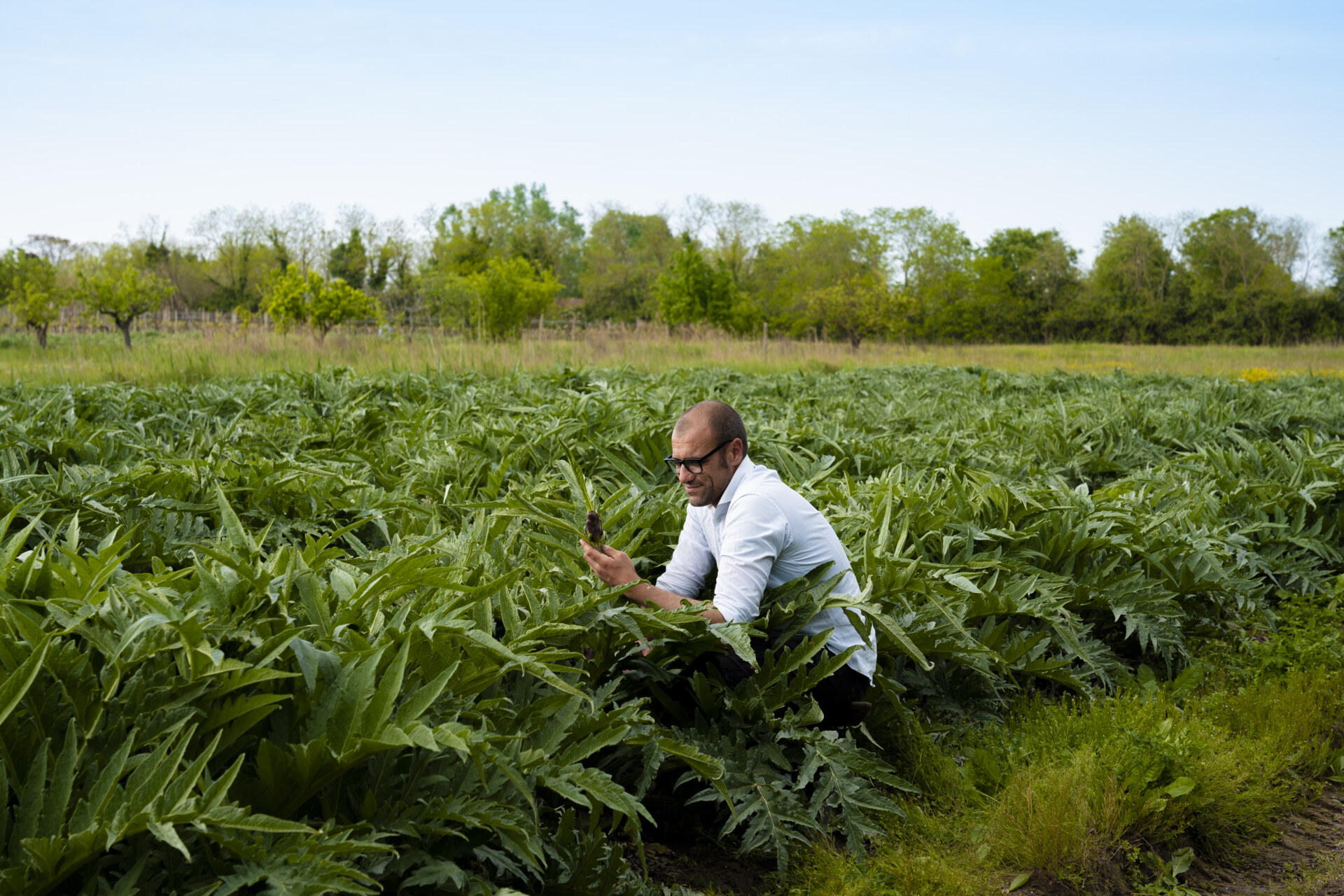
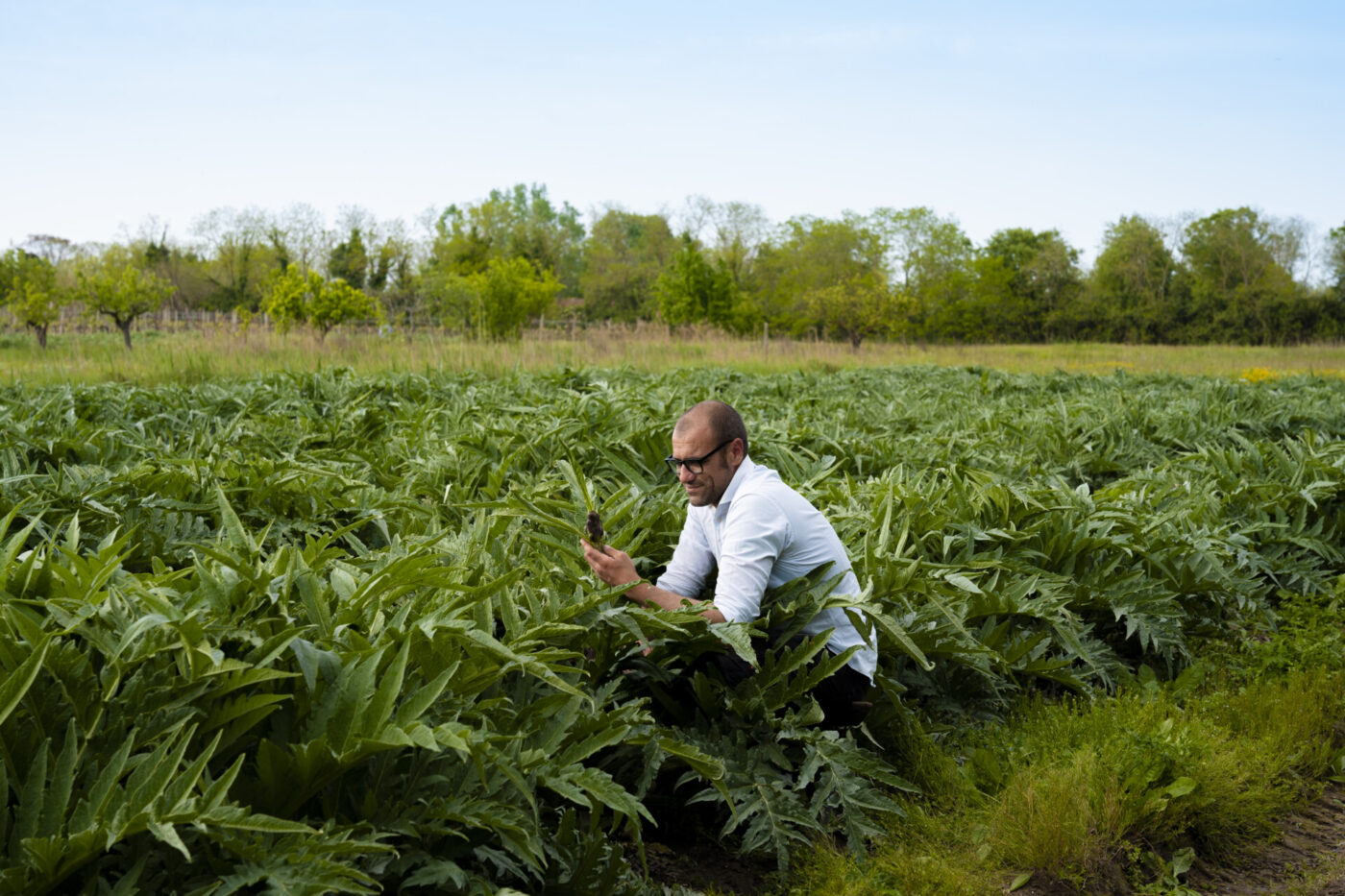
Photo courtesy of Osteria alle Testiere
The traditional pipeline from Sant’Erasmo’s fields to the Rialto’s vendors and the city’s top kitchens, however, is facing unprecedented modern pressures. Enter Osti in Orto. Founded in 2020, this unique agricultural alliance was born from a shared mission among top local chefs to protect the Lagoon’s delicate environment and preserve the true taste of Venice.
The driving force behind Osti in Orto (which translates to “Innkeepers of the Garden”) is Cesare Benelli, the chef-owner of Al Covo. Venetian to his core, Cesare has always centered his cooking around local ingredients and the long-term future of the Lagoon. The unexpected pause in mass tourism brought by COVID gave him, as he puts it, “an opportunity to rethink Venice by returning to its deepest roots… and question how to value the uniqueness of the ‘territorio-acqueo’ of the Lagoon.” When he learned that a family farm on Sant’Erasmo had gone up for sale, he found his perfect catalyst. Cesare rallied 14 chefs, restaurateurs, and—most importantly—close friends from across Venice to buy the land, forming a collaborative dedicated to sustaining its productivity.
While the delicate lace of Burano and the brilliant glass of Murano usually overshadow Sant’Erasmo’s famous violet artichokes, the agricultural traditions of Venice’s “Garden Island” are no less vital to Venetian heritage. As the Lagoon’s largest island (at four kilometers in length), Sant’Erasmo’s farming roots date back to the 16th century, when the chronicler Francesco Sansovino praised the exceptional fruits and vegetables feeding the city. For Cesare, Osti in Orto represents “an image of another Venice: a city that recognizes its agricultural tradition and sees conservation not just as reflecting on the past, but a shared daily responsibility.”
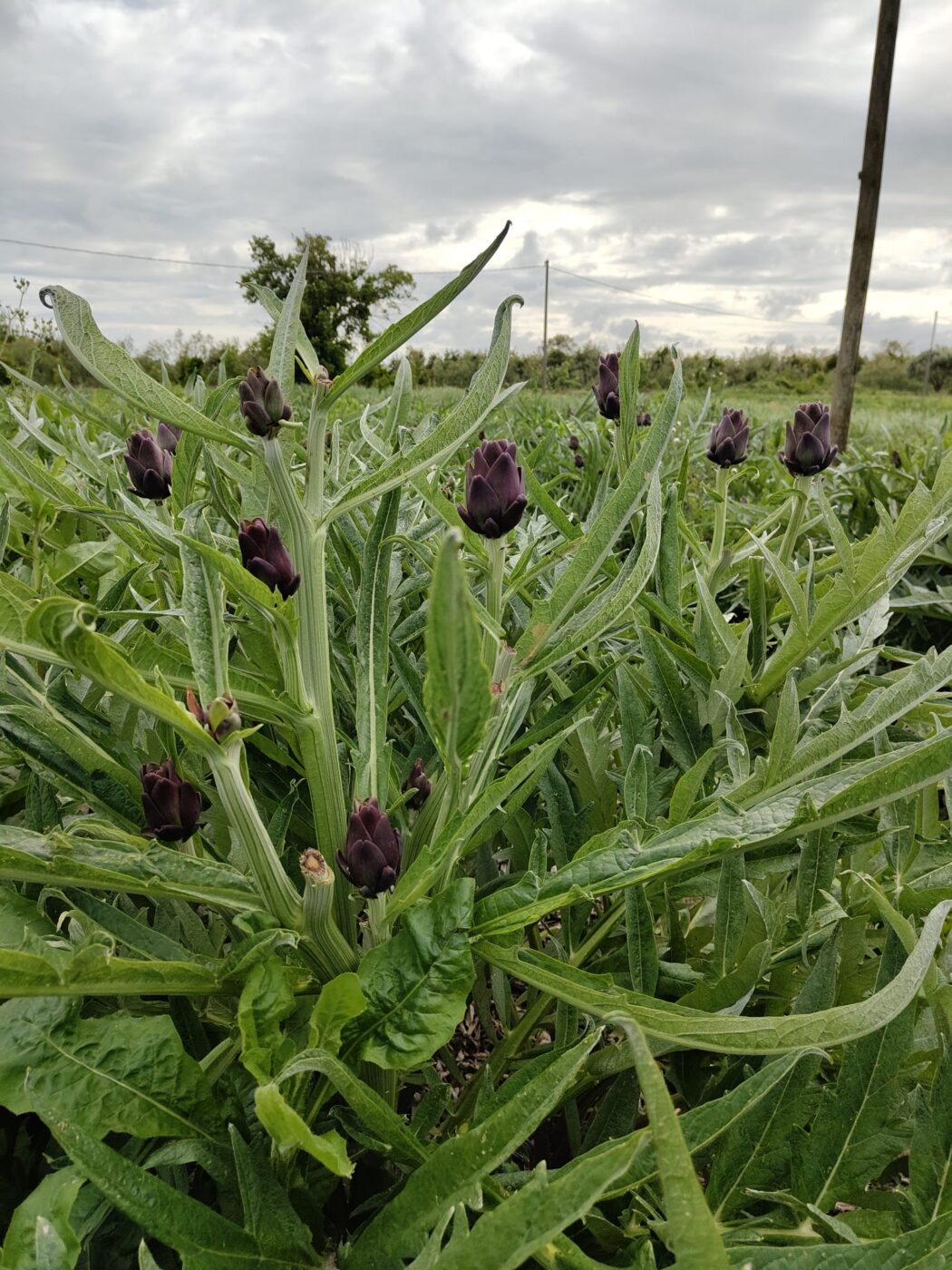
Growing exceptional vegetables on land frequently flooded by saltwater might seem illogical, but it is certainly not irrational. The fine soil of Sant’Erasmo is a blend of silt and clay, naturally enhanced by the brackish tides that periodically cover the fields. This fertile, saline environment imparts a distinctive, savory flavor to the local produce, the undisputed star of which is the violet artichoke, whose prized first buds—known as castraure—are so celebrated there’s a festival held annually in their honor.
It is no surprise, then, that alongside its initial four-hectare farm, Osti in Orto has expanded to reclaim an abandoned carciofera (artichoke field) spanning over 6,000 square meters. As Cesare tells me, “This means that from the five years since its foundation, Osti in Orto can now provide 80% of the vegetables used by the 15 founding restaurants.”
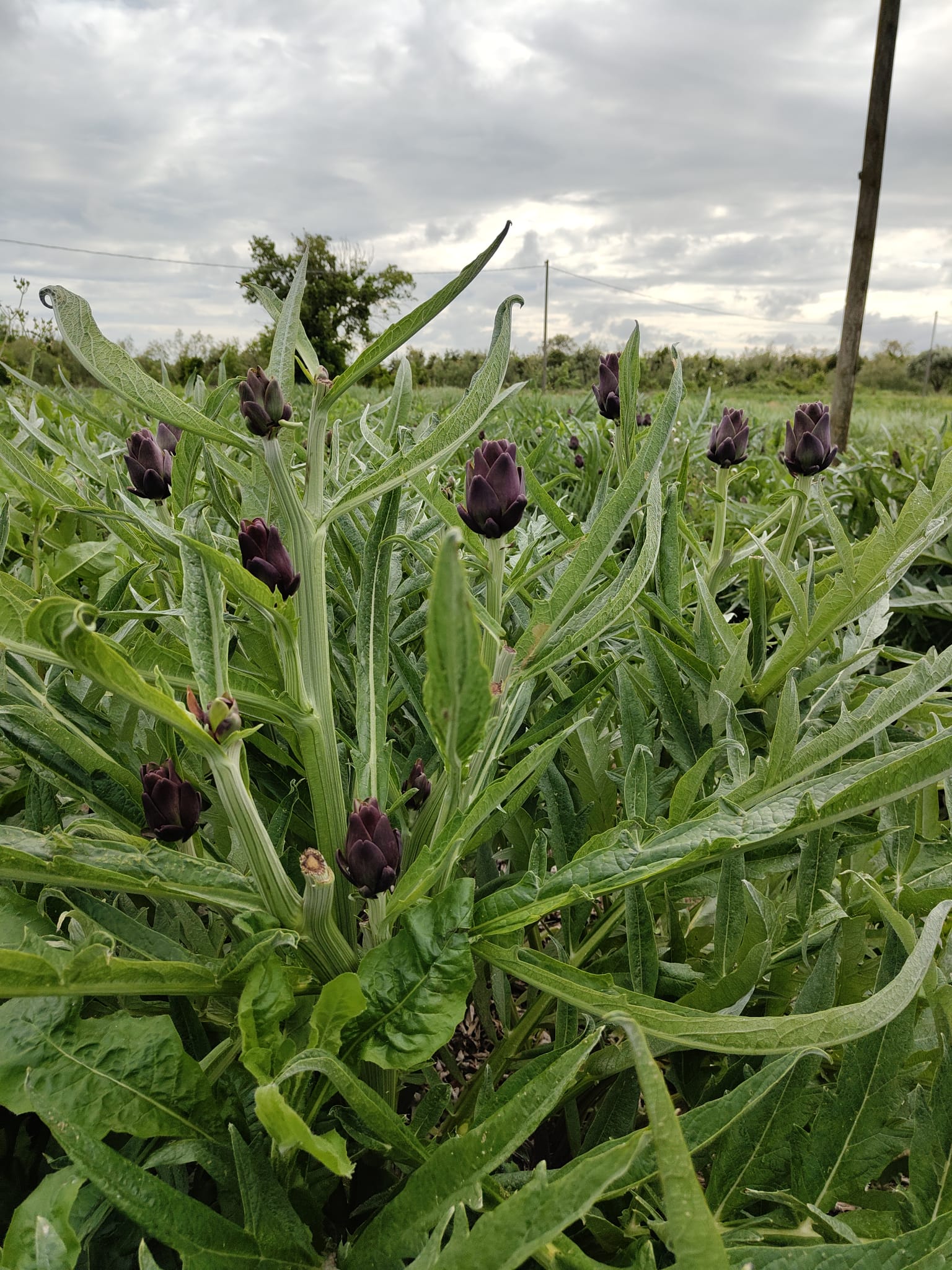
The famous purple artichokes; Photo courtesy of Al Covo
The daily fieldwork at the farm and carciofera is managed by two full-time workers—Mattia Costantini and Mario Saviolo, a young Sant’Erasmo local with a background in environmental biotechnology—alongside one seasonal hand. Together, they employ sustainable practices that build directly on centuries of local agricultural wisdom tailored to the Lagoon’s difficult geography. Resourcefulness is embedded in every acre: high sea walls buffer the crops against exceptionally high tides, intricate irrigation channels manage water flow, and careful crop rotation preserves soil fertility. Mindful of their impact on the broader ecosystem, the team uses only organic fertilizers and minimal chemical intervention to prevent harmful runoff from entering the surrounding waters.
Venice is fragile—we all know this—and the unique ecosystem of the Lagoon is constantly challenged by the impacts of climate change: rising sea levels, polluted waters, unpredictable weather… These same threats impact Osti in Orto and its produce, Cesare tells me, forcing the farm to constantly adapt within an ecosystem that is already incredibly delicate. They’ve had to get creative, including installing new polytunnels that provide protection from increasingly unpredictable seasons and bring the growing season forward by 40 days.
But, for all its pragmatism, there is an undeniable romance to the project that is best understood firsthand. Making the journey to Sant’Erasmo means escaping the tourist crowds to witness a quieter side of the Lagoon. Located on the eastern edge of the island facing Treporti, Osti in Orto is enveloped in a rural tranquility so profound that, were it not for the sweeping views of the water, you might forget you are on an island at all. Arrive in late spring or early summer, when the fields are at their peak, to truly appreciate the wealth of Venetian agriculture: orderly rows of artichokes, crisp radicchio, and vines heavy with sun-ripened tomatoes. As Diane, Cesare’s wife, puts it, a day at Sant’Erasmo is “quite simply heaven.”
I’d argue that a meal at any of Osti in Orto’s member restaurants is also heaven. Indeed, the close synergy between grower and chef is the true cornerstone of Osti in Orto’s success. While all the member restaurants share a deep reverence for Venetian culinary tradition, each showcases the harvest in its own idiosyncratic style. At alle Testiere, the produce shines as a daily changing contorno of slow-cooked vegetables. Antiche Carampane integrates the ingredients directly into its main menu—whether highlighting them in a primo like paccheri with swordfish, artichokes, and leeks, or preserving them sott’olio (in oil) to accompany San Daniele prosciutto. Meanwhile, at Al Covo, the vegetables take center stage as a standalone course, with each variety served individually to celebrate its distinct flavor.
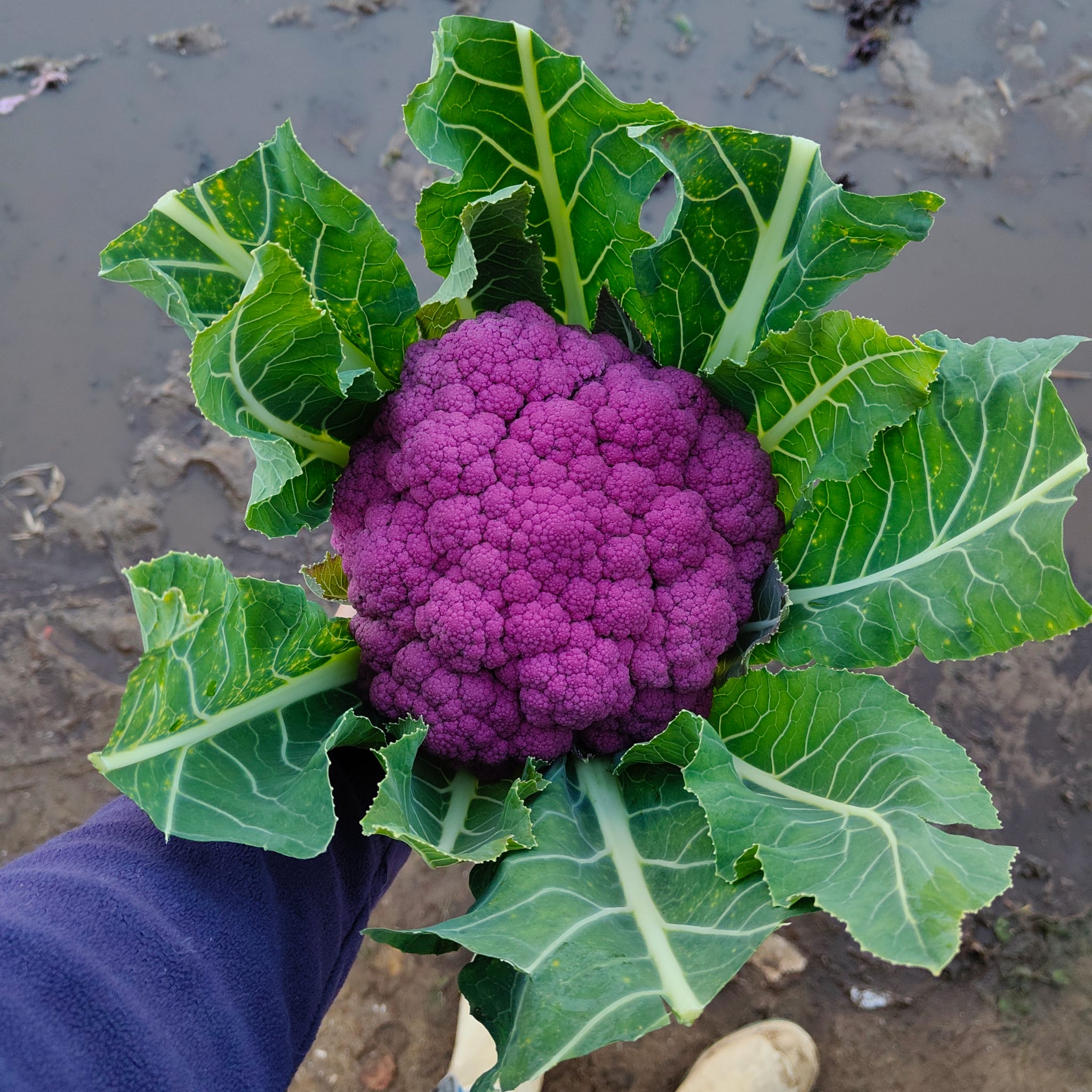
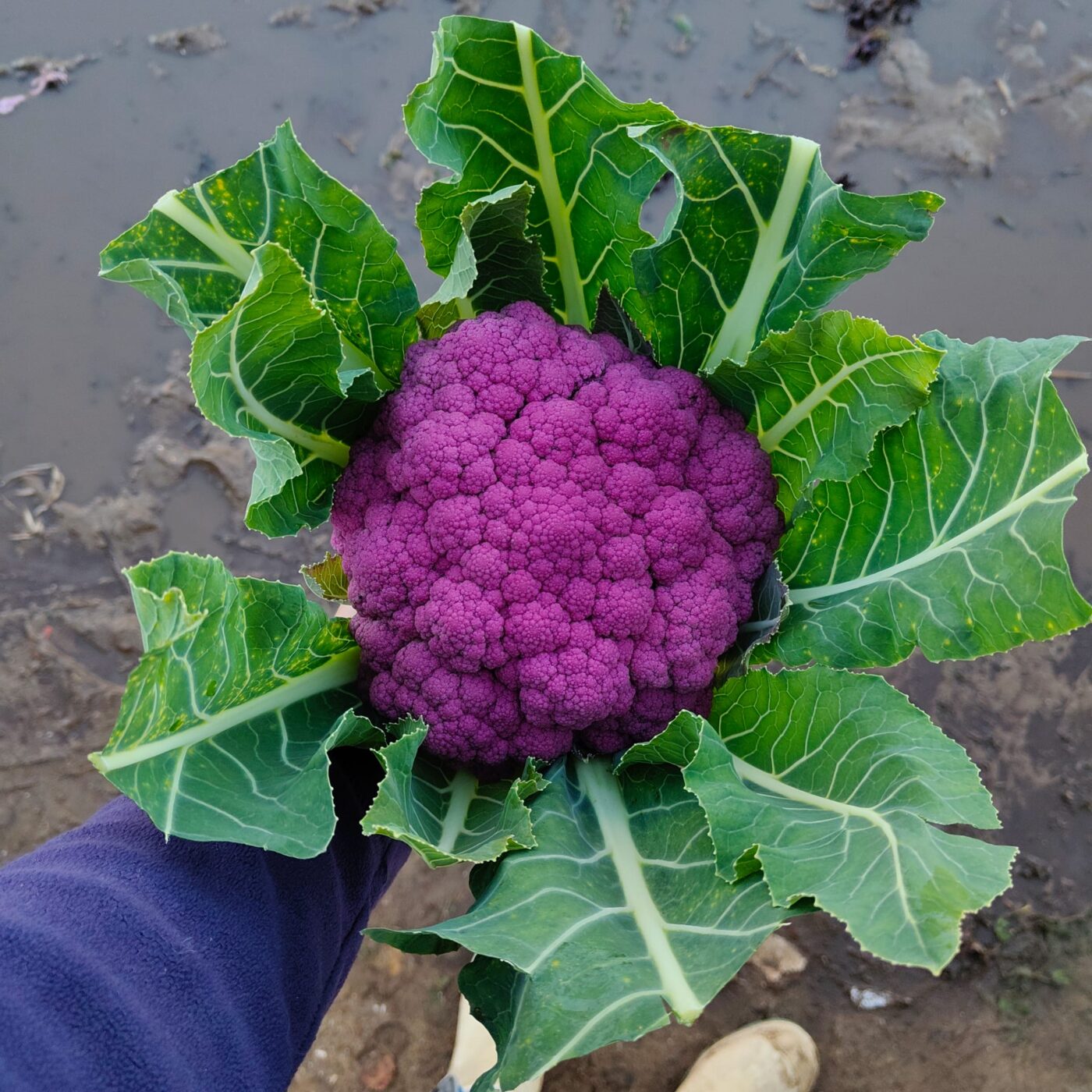
Photo courtesy of Al Covo
The practicalities of getting produce from the field to these plates are their own challenge, with Venice’s aquatic geography posing an obvious hurdle. To navigate this, Osti in Orto collaborated with the historic transport agency Rialto > Frutta; each day, fresh produce is carried by boat from the farm to the Tronchetto transit hub, where it is quickly distributed to the cooperative’s restaurants. This ultra-fast turnaround means the verdure del giorno served alongside my seppie in nero is likely harvested on Sant’Erasmo that very morning. “These logistics,” Cesare adds, “are integral to the suitability model of Osti in Orto, valuing the territory of the Lagoon and a respect for its fragility, time, and balance.”
Next time you walk through Rialto, look for that “Nostrane” and remember that there’s an entire culinary community standing guard over the Lagoon’s ecosystem, and next time you dine at any of the restaurants keeping Osti in Orto alive, savor every bite. On your plate rests a piece of Venice, of its beauty and delicacy.