In Milan, someone is always telling you about a new restaurant. A neo-trattoria, a Scandinavian-inspired café, a ramen counter worth queuing for. But there are mornings when all we want is a coffee in a room that was beautiful long before anyone thought to photograph their breakfast.
Under the glass vaults of the Galleria, behind the windows of Marchesi on Via Santa Maria alla Porta, or among Cucchi’s mirrors and dark wood, even a quick breakfast comes with a certain sense of occasion.
Then there are the people who made these places what they are. Peppino Gattullo arrived from Puglia and learned his trade in Milan’s pastry kitchens before putting his own name above the door. Luigi and Vittorina Cucchi opened a place where people came to dance. Their surnames became part of the city’s vocabulary: “Ci vediamo da Cucchi.” Places to meet, to stop on the way home, to take someone visiting. The stories of these cafés belong as much to the streets around them as to the rooms inside.
Each deserves an article of its own. For now, a little something to bring up over your next coffee: a former soldier, a dance floor, and some very clever plumbing.
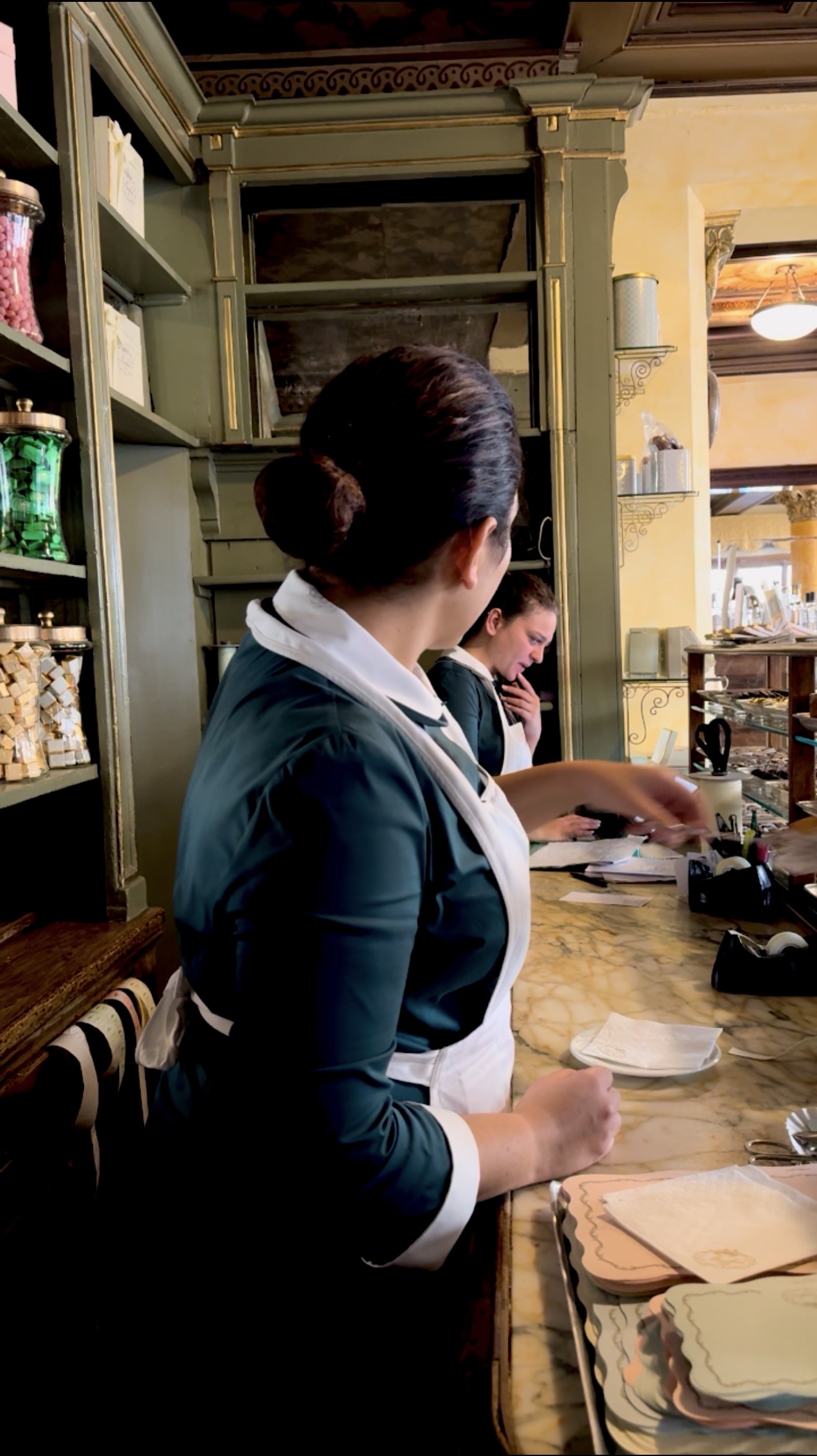
Cova — a former soldier’s café.
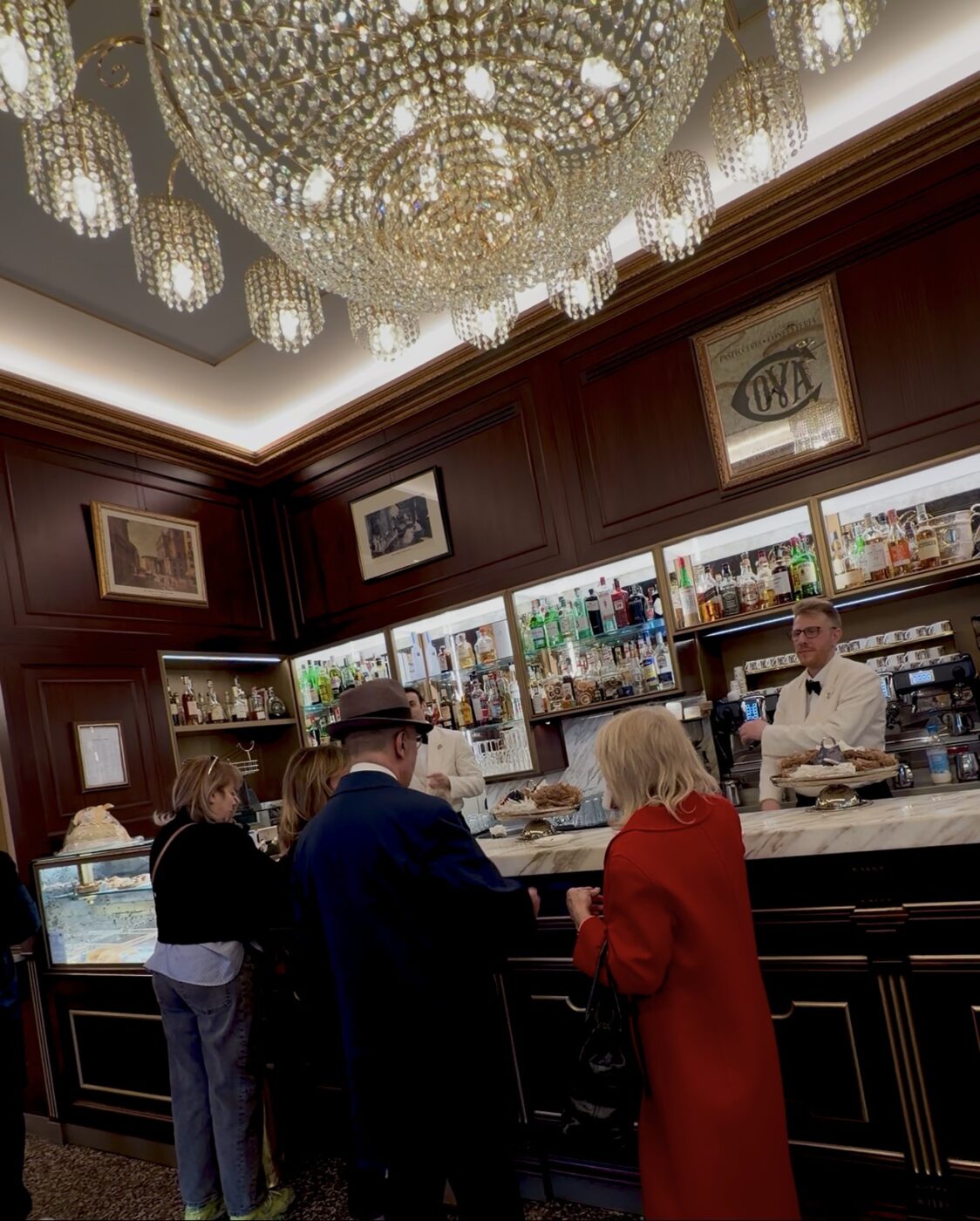
Before opening his café beside La Scala in 1817, Antonio Cova had served in Napoleon’s army. His next chapter brought him into Milan’s cultural life, with Giuseppe Verdi and Giacomo Puccini among the café’s famous patrons. It also found its way into Hemingway’s A Farewell to Arms: the narrator imagines taking Catherine to dinner at Cova, then walking along Via Manzoni. Although the café now seems inseparable from Via Montenapoleone, it only moved there in 1950. Hemingway was writing about its earlier home beside the theatre.
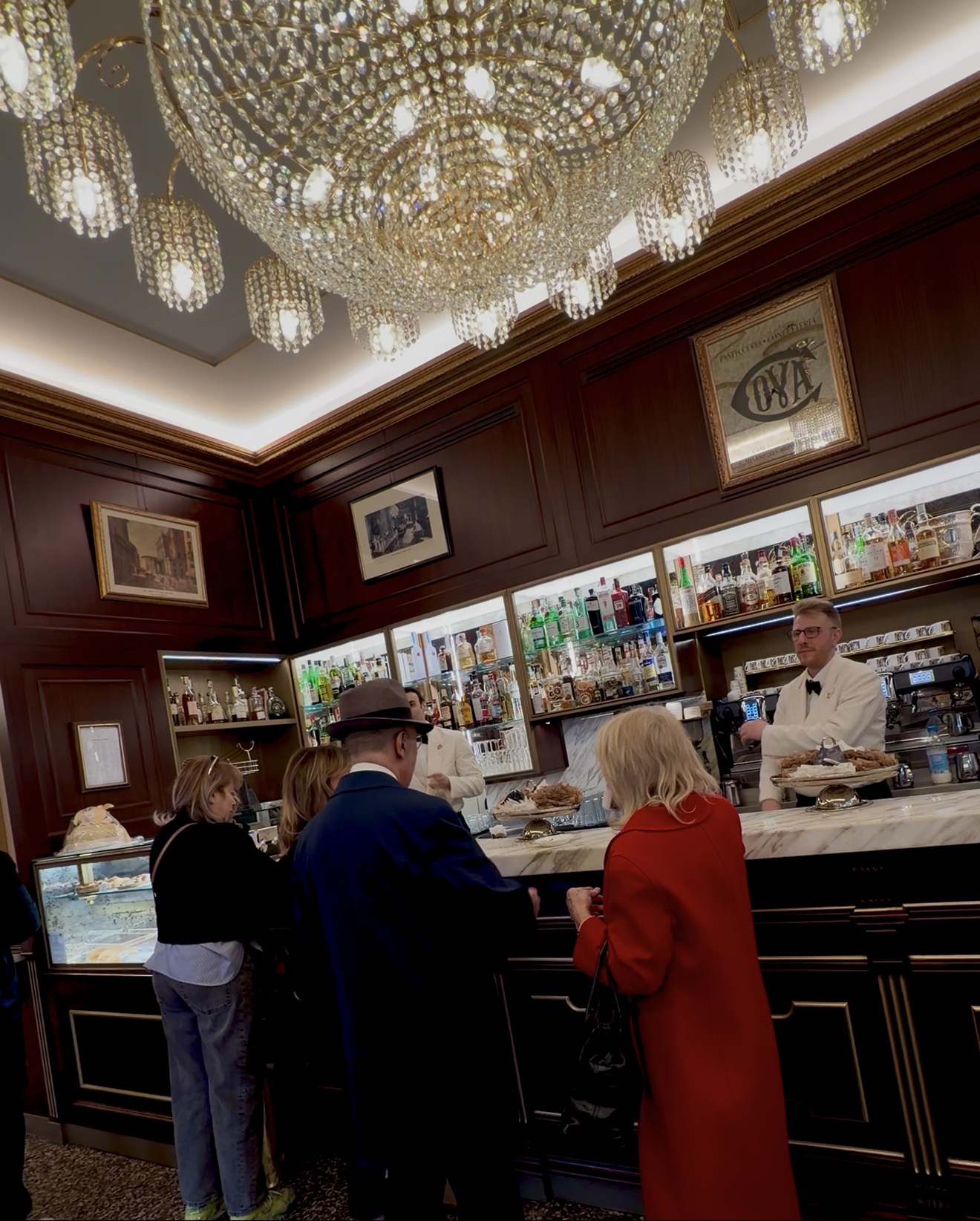
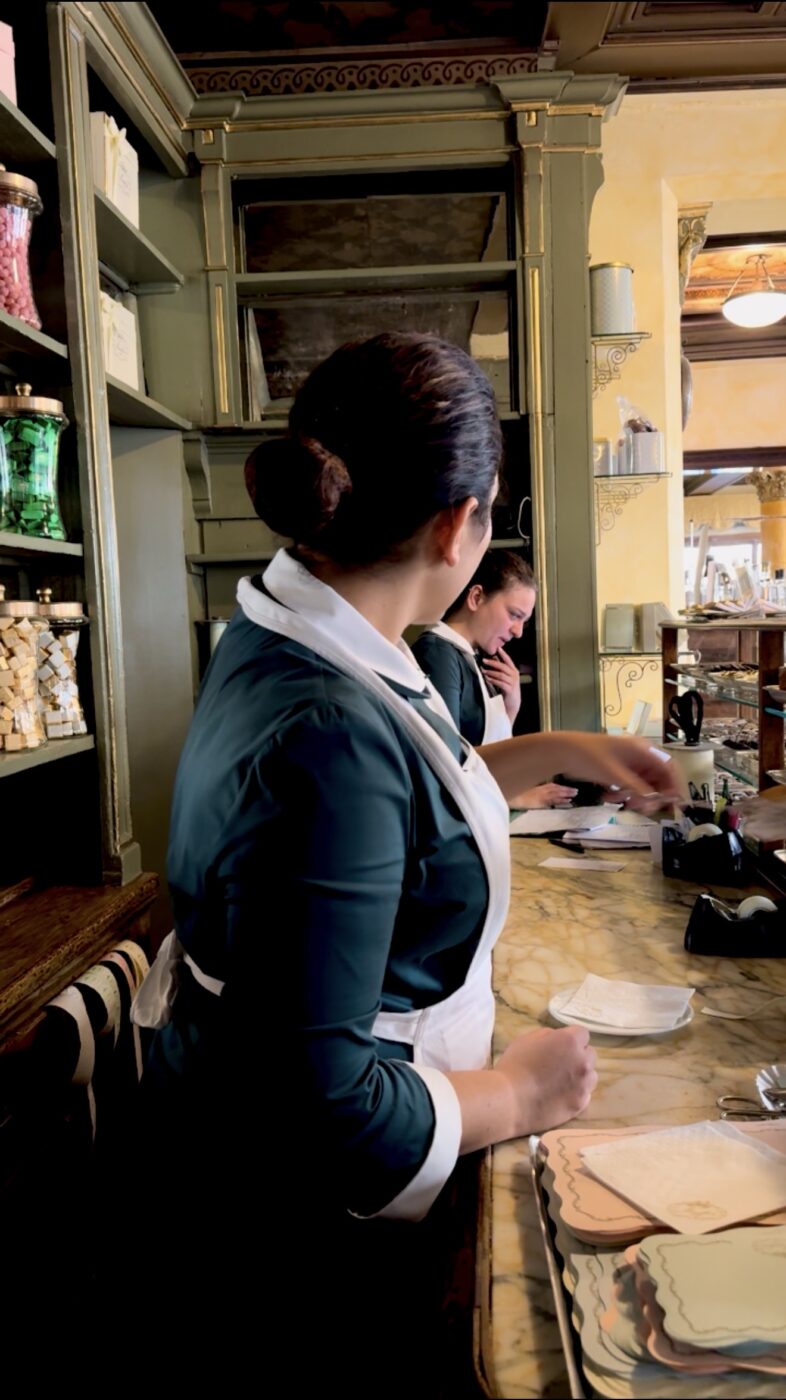
Marchesi — older than Italy itself.
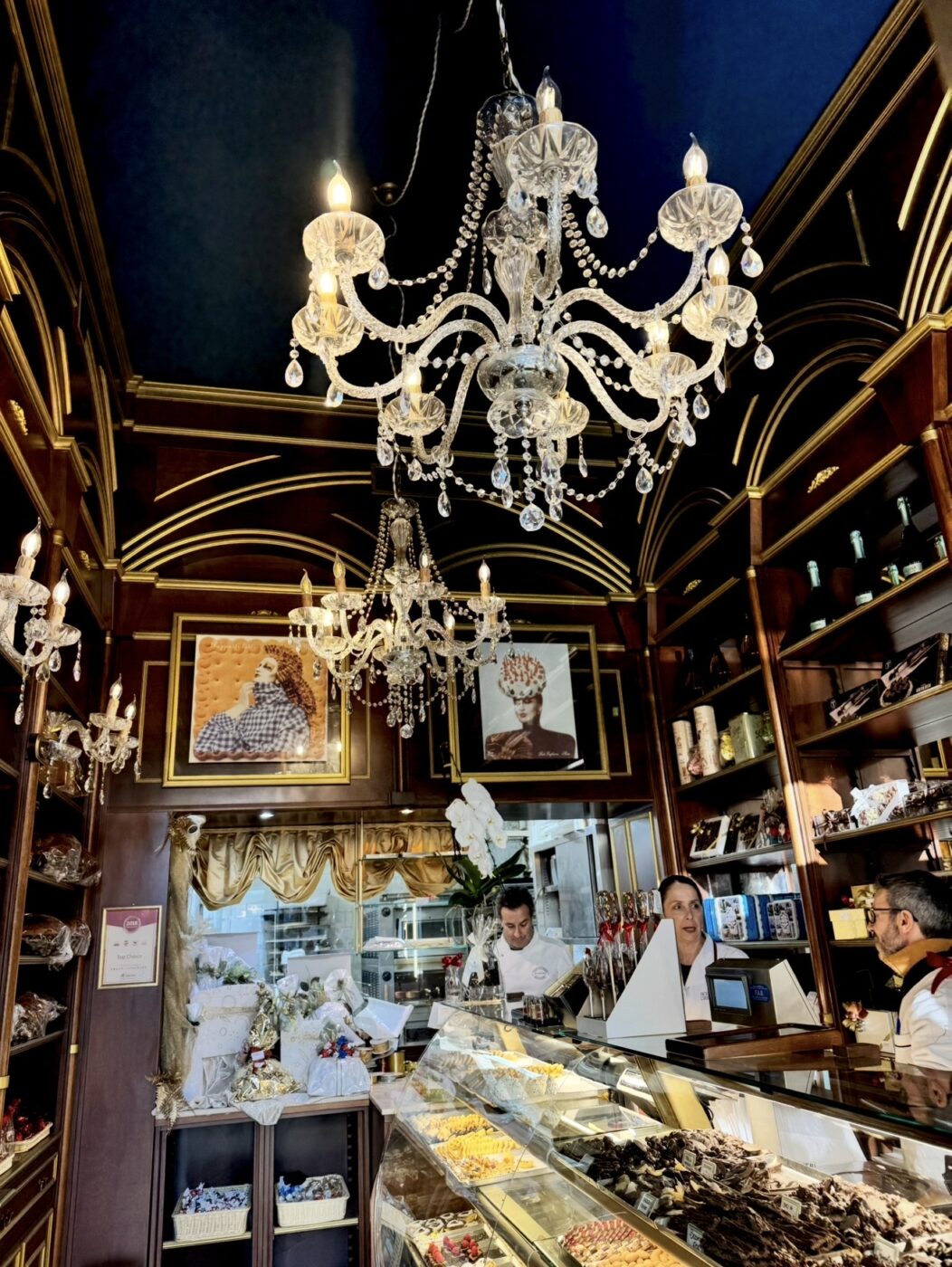
The Marchesi family opened their pastry shop in 1824, nearly four decades before Italian unification. Its original address on Via Santa Maria alla Porta remains part of the business today. In 2024, Italy marked its 200th anniversary with a postage stamp depicting the historic storefront. A pastry shop important enough to put on your correspondence: a very Italian sort of honour.
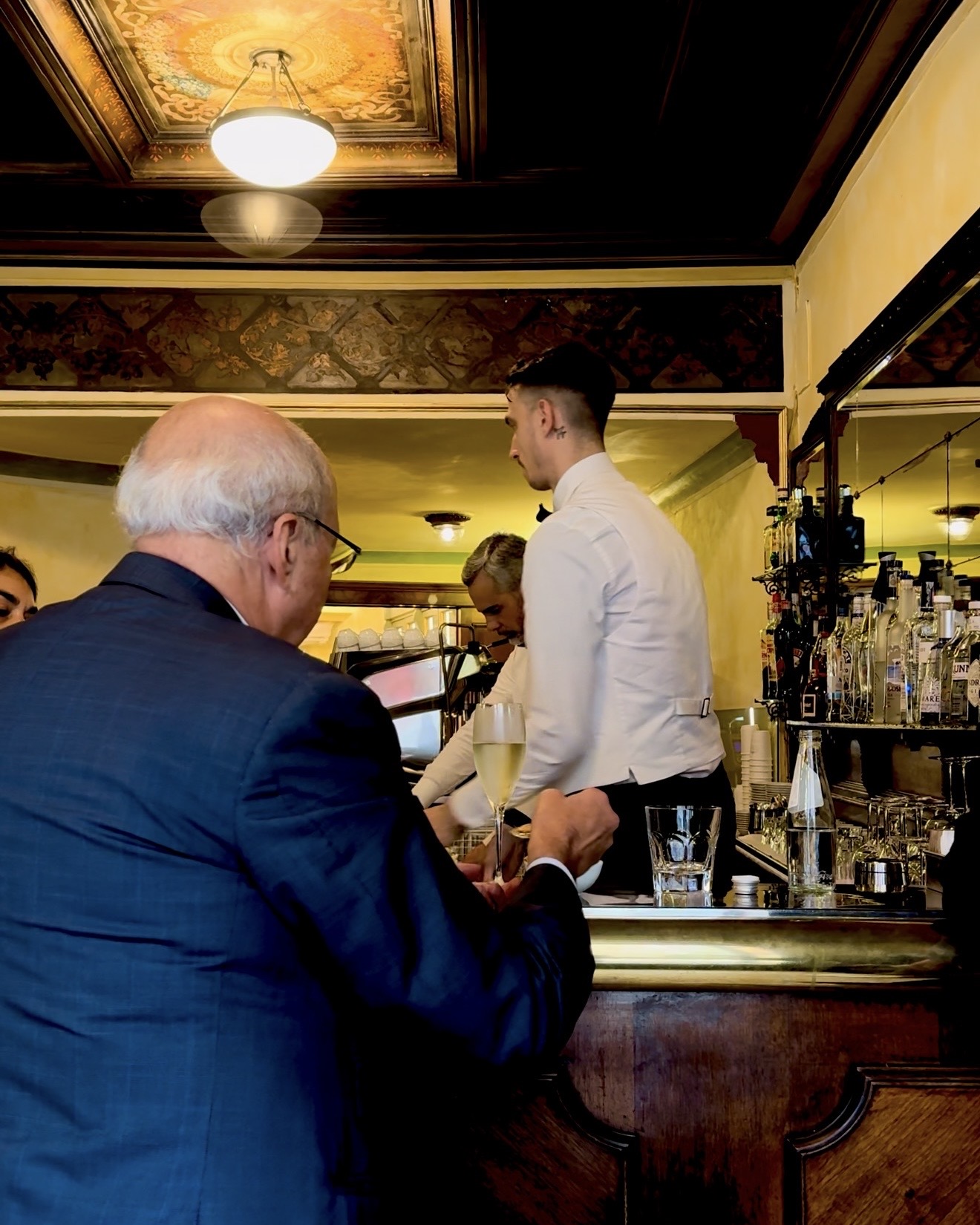
Ranieri — two pastry chefs and a window dresser.
Ranieri opened on Via della Moscova in 1967 through the meeting of pastry chefs Francesco Rana and Giovanni Rovelli and William Parenti, a window dresser from Alemagna. Two knew what should go into the pastries; the third knew how to make you stop and look. It’s a fitting beginning for a Milanese pasticceria, where what’s behind the glass can be enough to rearrange your morning.
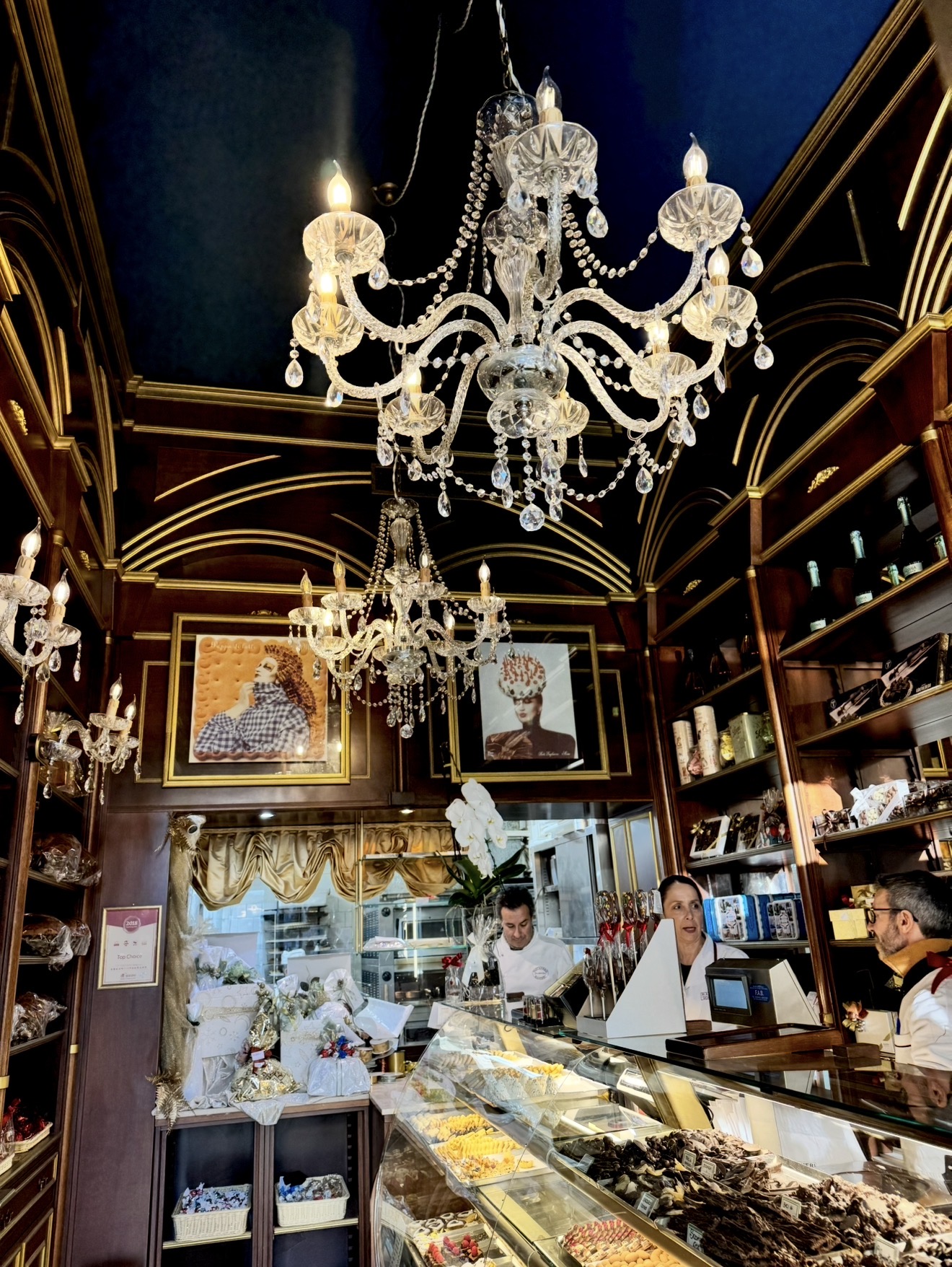
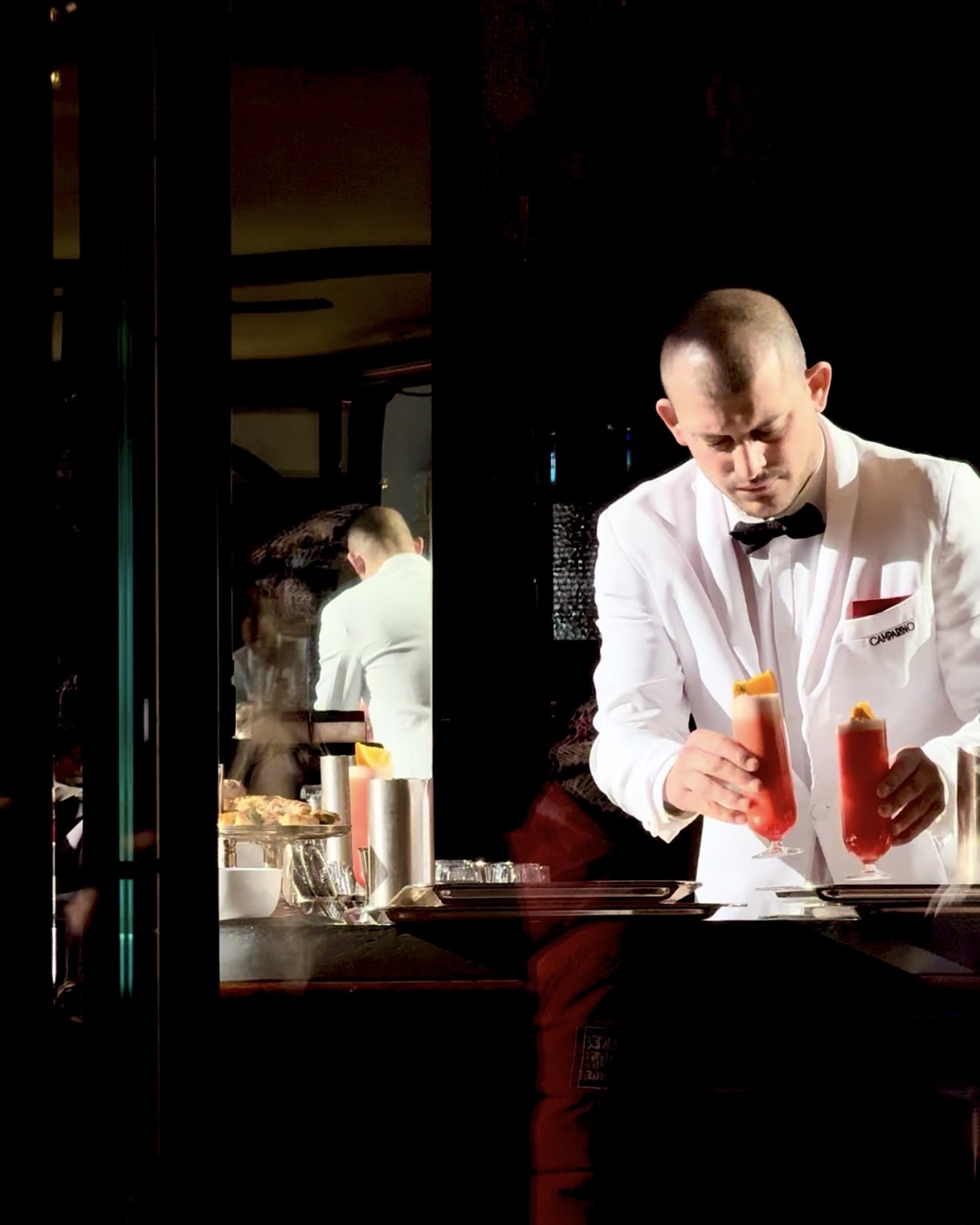
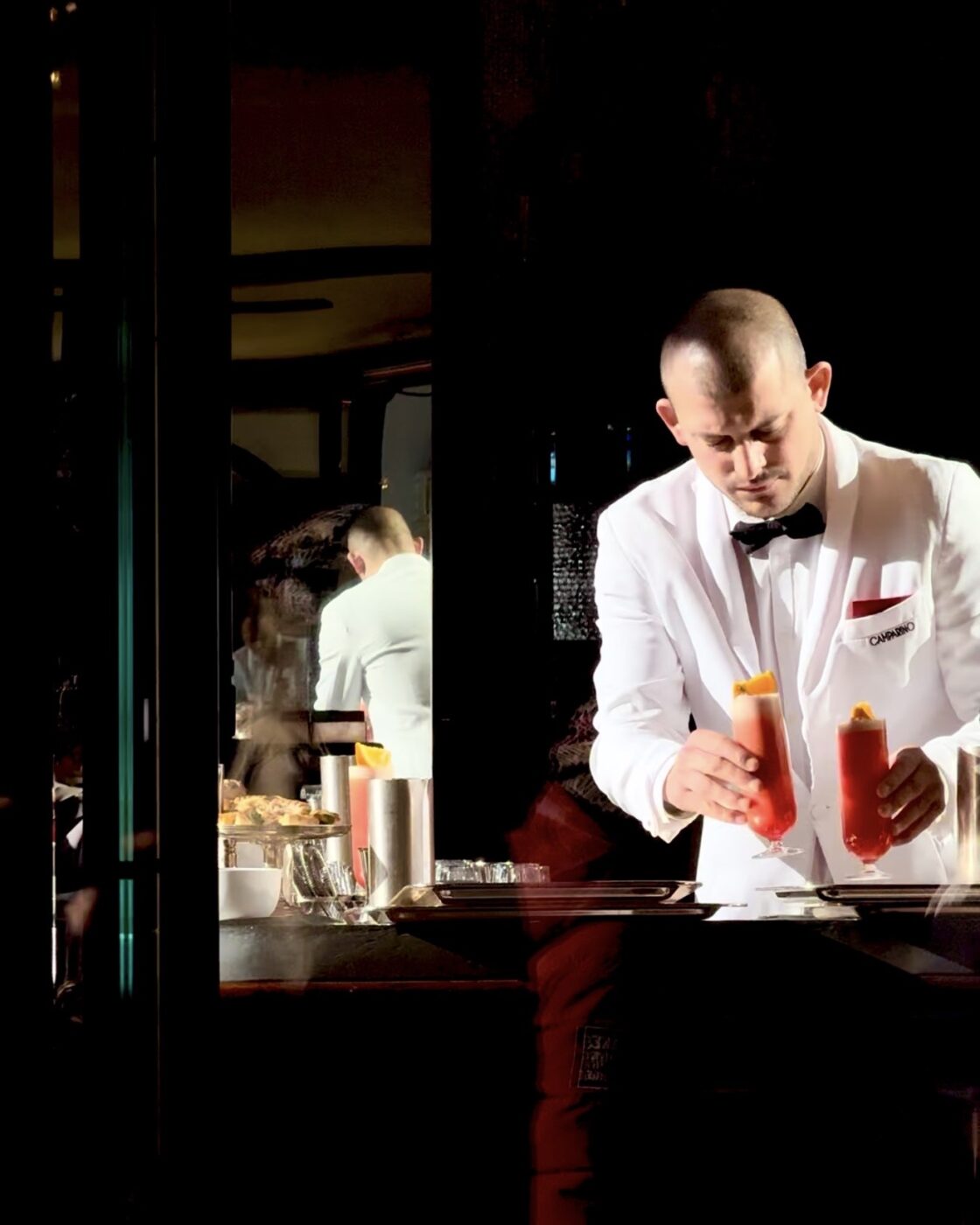
Camparino — an elaborate room for a quick drink.
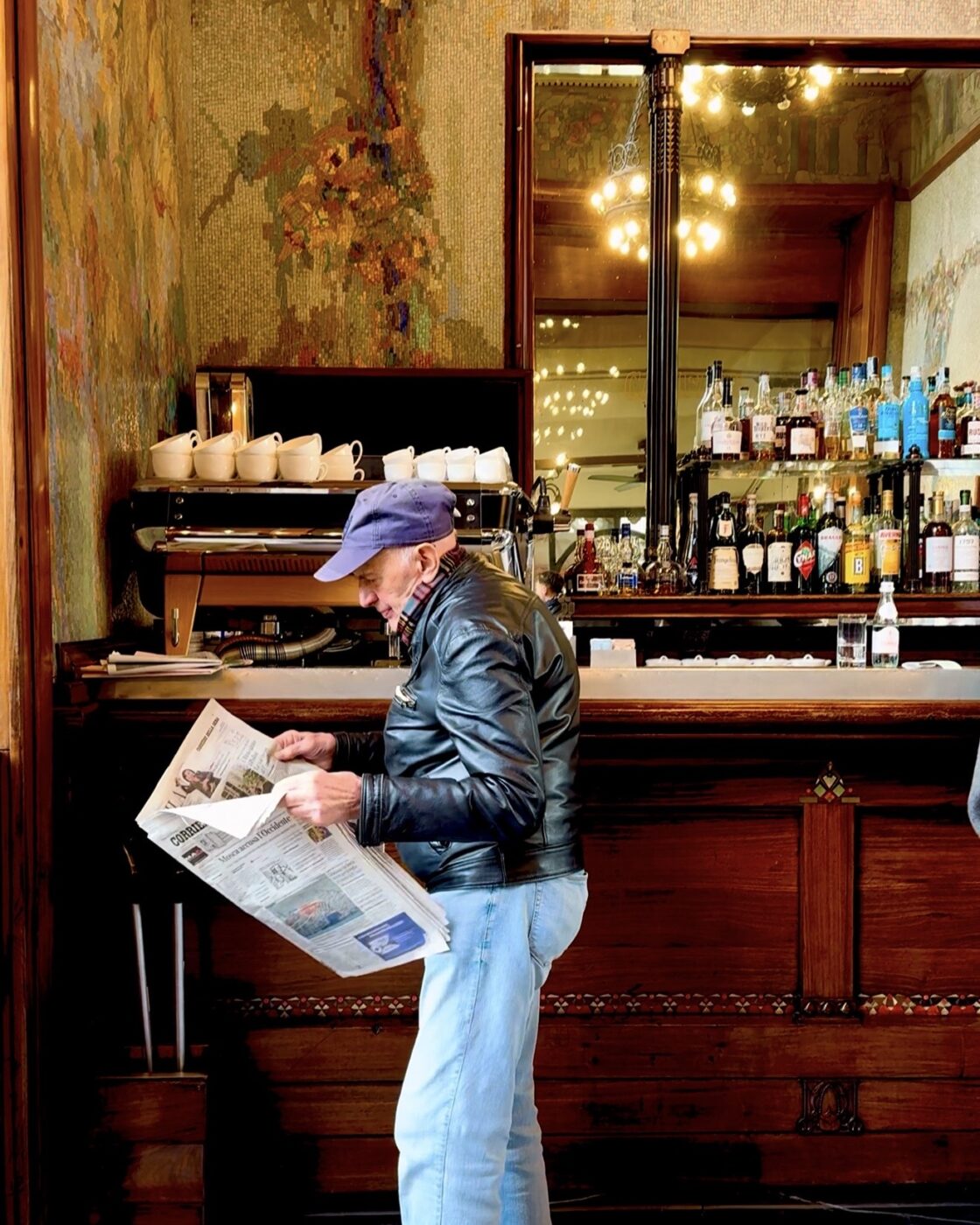
Camparino became known as a bar di passo: somewhere to stop for a drink standing at the counter. Yet that counter was designed by cabinetmaker Eugenio Quarti, the ironwork by Alessandro Mazzucotelli, and the mosaics by Angelo d’Andrea. You might finish your Campari before you’ve taken in all the details. A good excuse to order another.
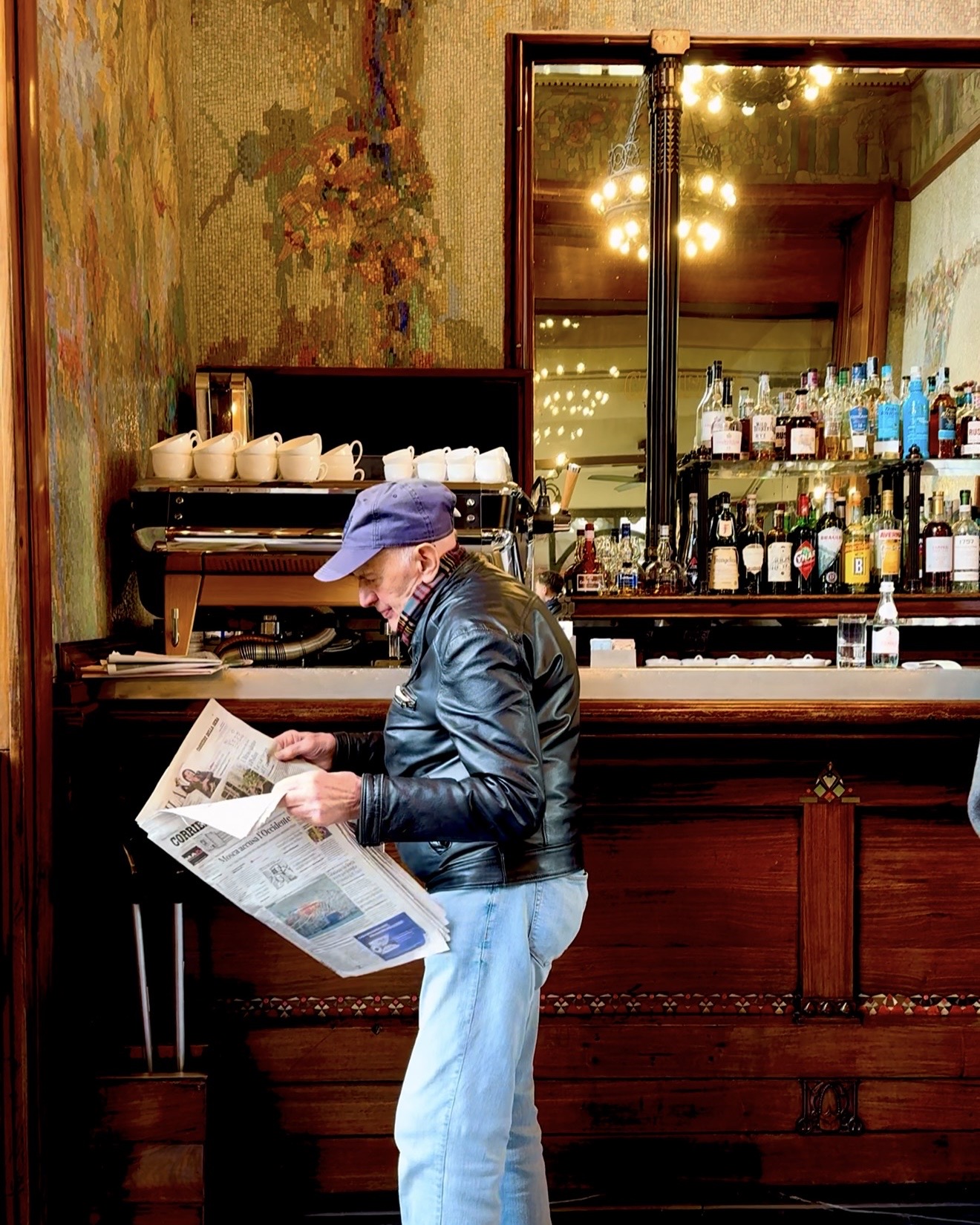
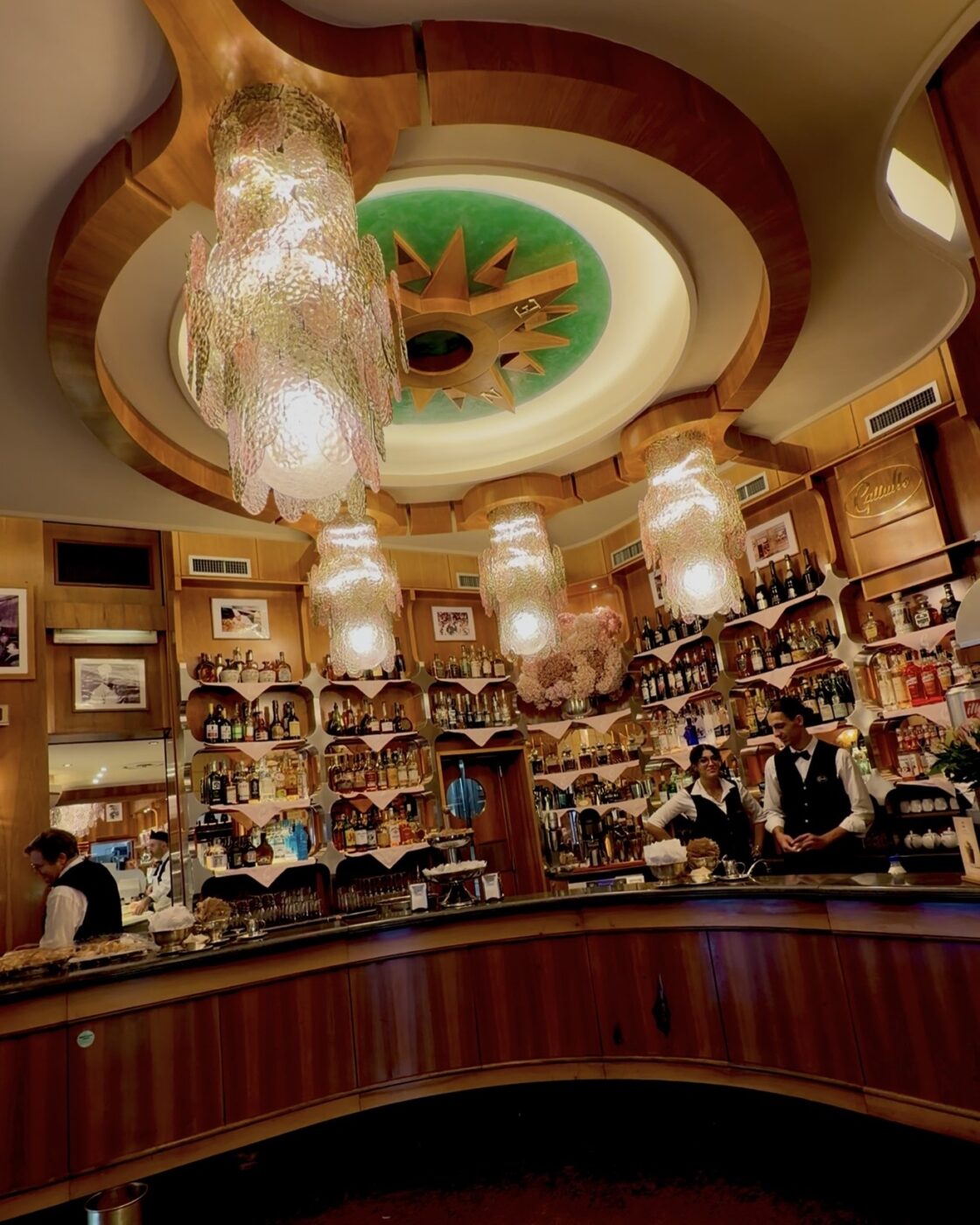
Gattullo — the unofficial backstage of Milanese comedy.
Beppe Viola, Enzo Jannacci, and Renato Pozzetto gathered here in the evenings before heading to the Derby cabaret club, eating freshly prepared cannoncini and bignè. The family’s story began with Peppino Gattullo, who arrived from Ruvo di Puglia in 1926 and worked in Milan’s established pastry kitchens before opening his own place in 1961. For some of the city’s funniest men, the evening began at his counter.
And while the regulars supplied the entertainment, the interiors suggested a voyage: Arredamenti Scarpa gave Gattullo a nautical theme, with a compass rose at the entrance and a curved counter recalling a ship’s deck. Something to notice next time you navigate your way to the pastries.
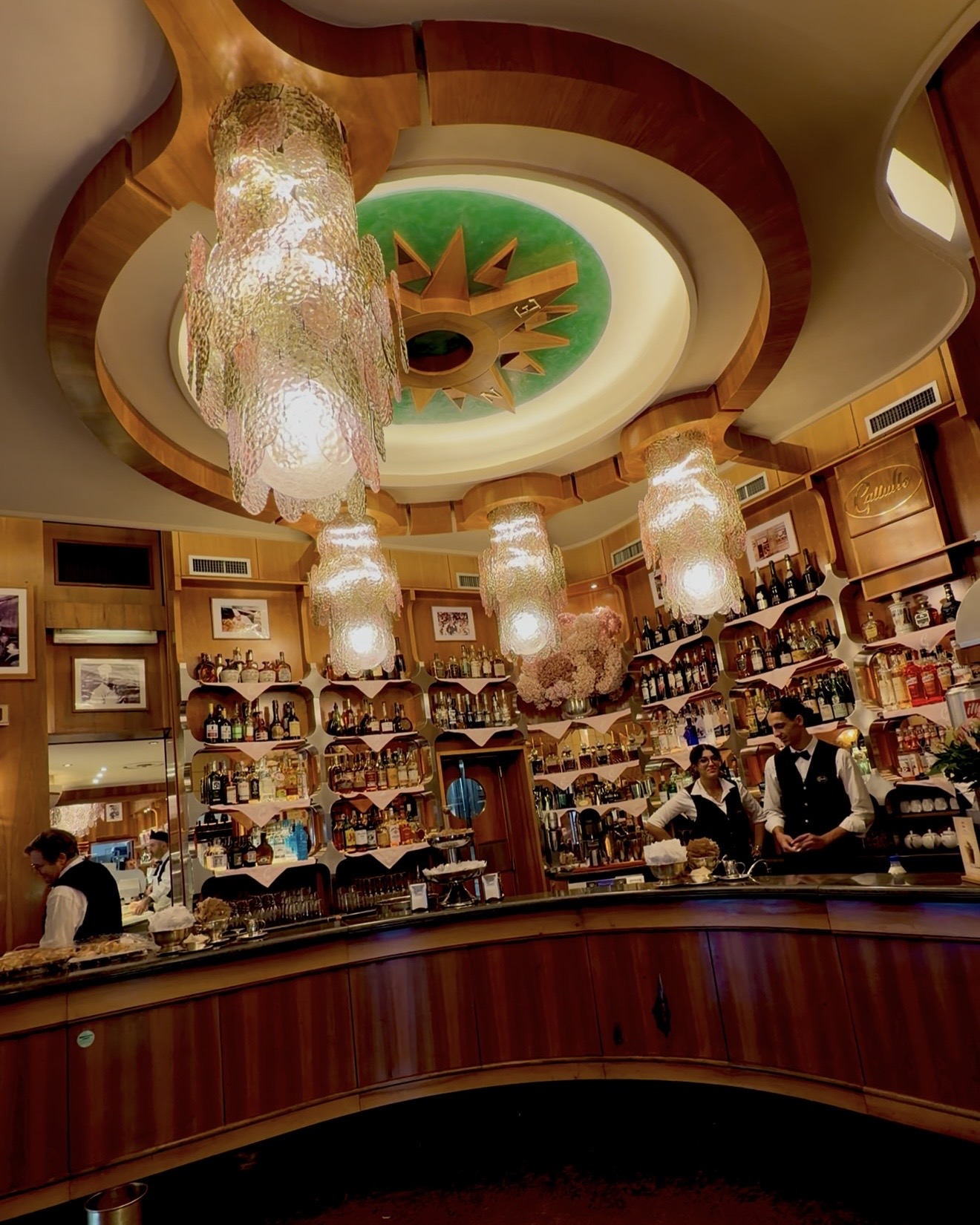
Jamaica — a little Hitchcock in Brera.
The bar opened in 1911, but its tropical-sounding name came later. According to the café’s own history, musicologist Giulio Confalonieri took inspiration from Alfred Hitchcock’s 1939 film Jamaica Inn—with the name also offering a playful contrast to Milan’s grey days. Its tables became a meeting place for figures including Lucio Fontana, Piero Manzoni, and photographer Ugo Mulas. A corner of Brera where the conversation could be as interesting as anything hanging on the walls.
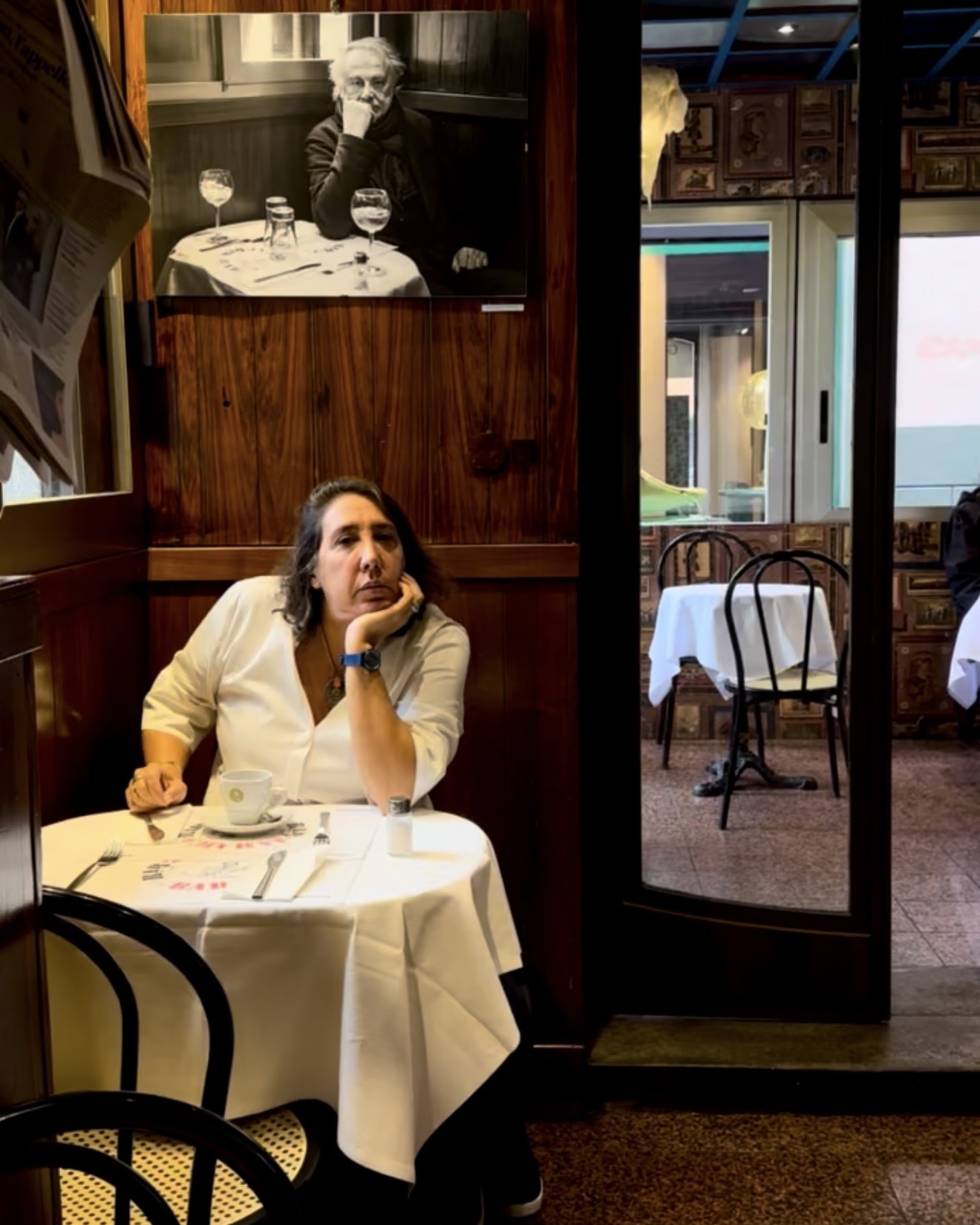
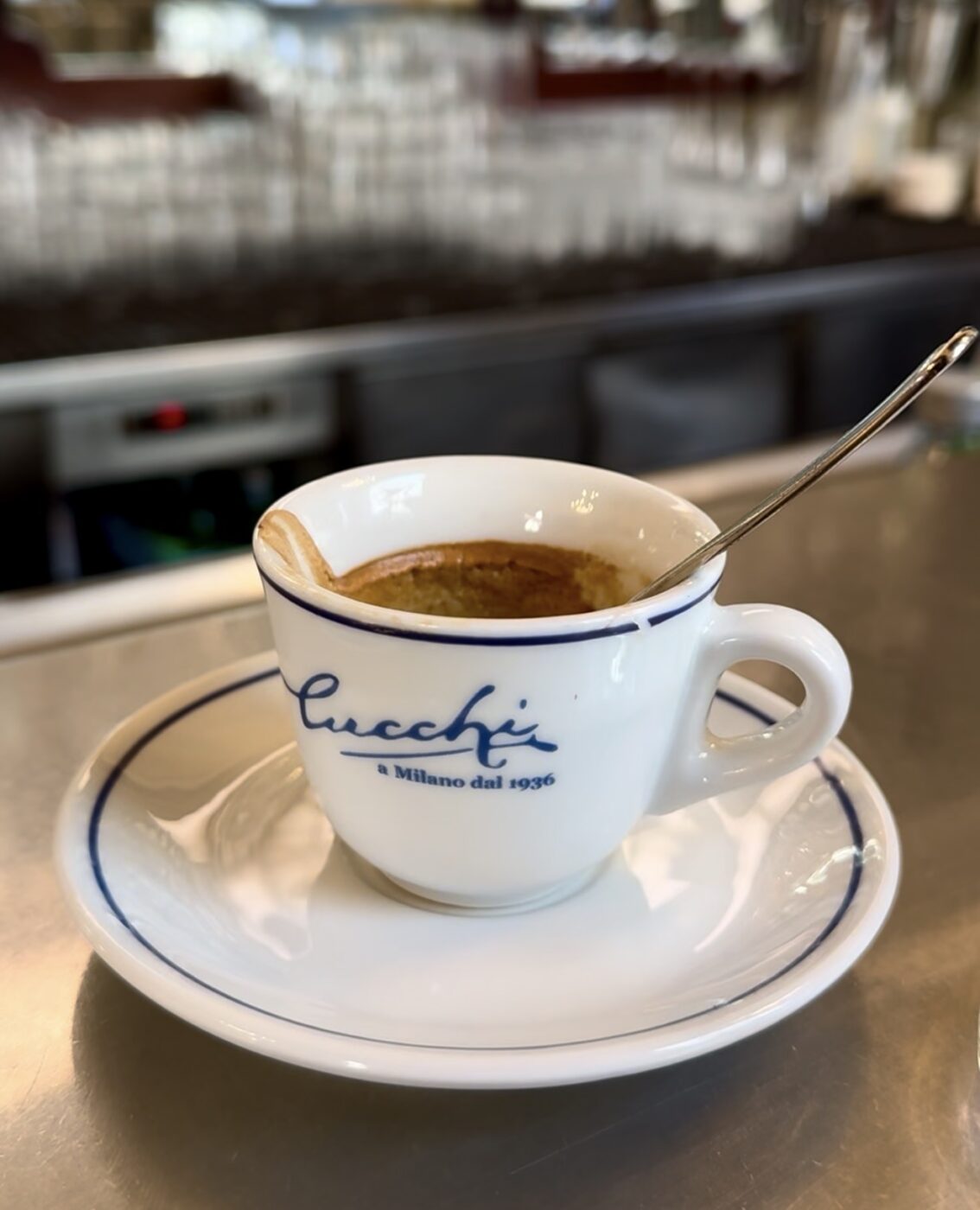
Cucchi — pastries with a dance floor.
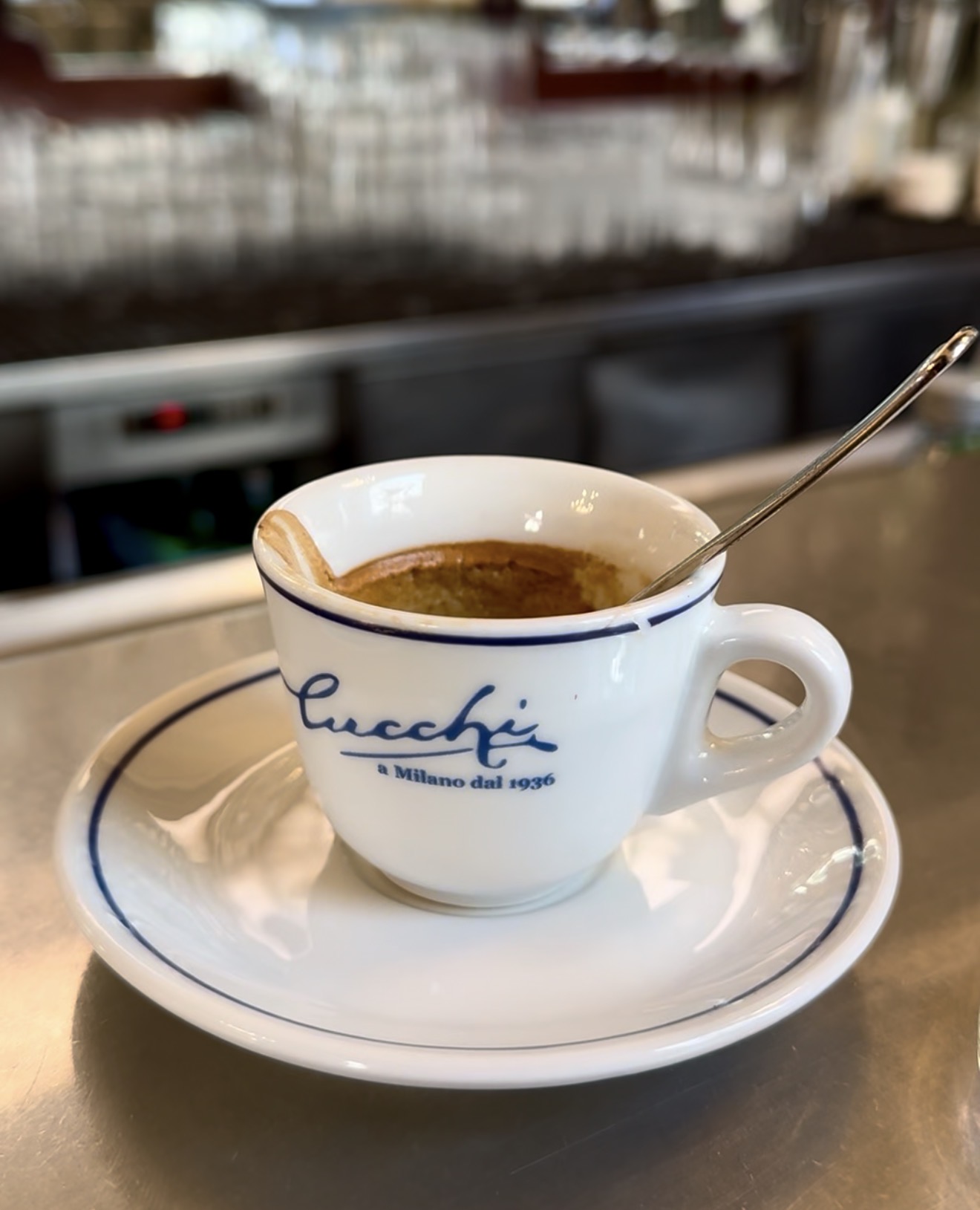
When Luigi and Vittorina Cucchi opened in Corso Genova in 1936, it was a caffè concerto, with a Spanish orchestra and dancing late into the evening. After bombing destroyed the premises in August 1943, it was rebuilt and developed into the pasticceria we know today. Those familiar rooms once had a rather different rhythm: people came for a night out, long before we came for breakfast.
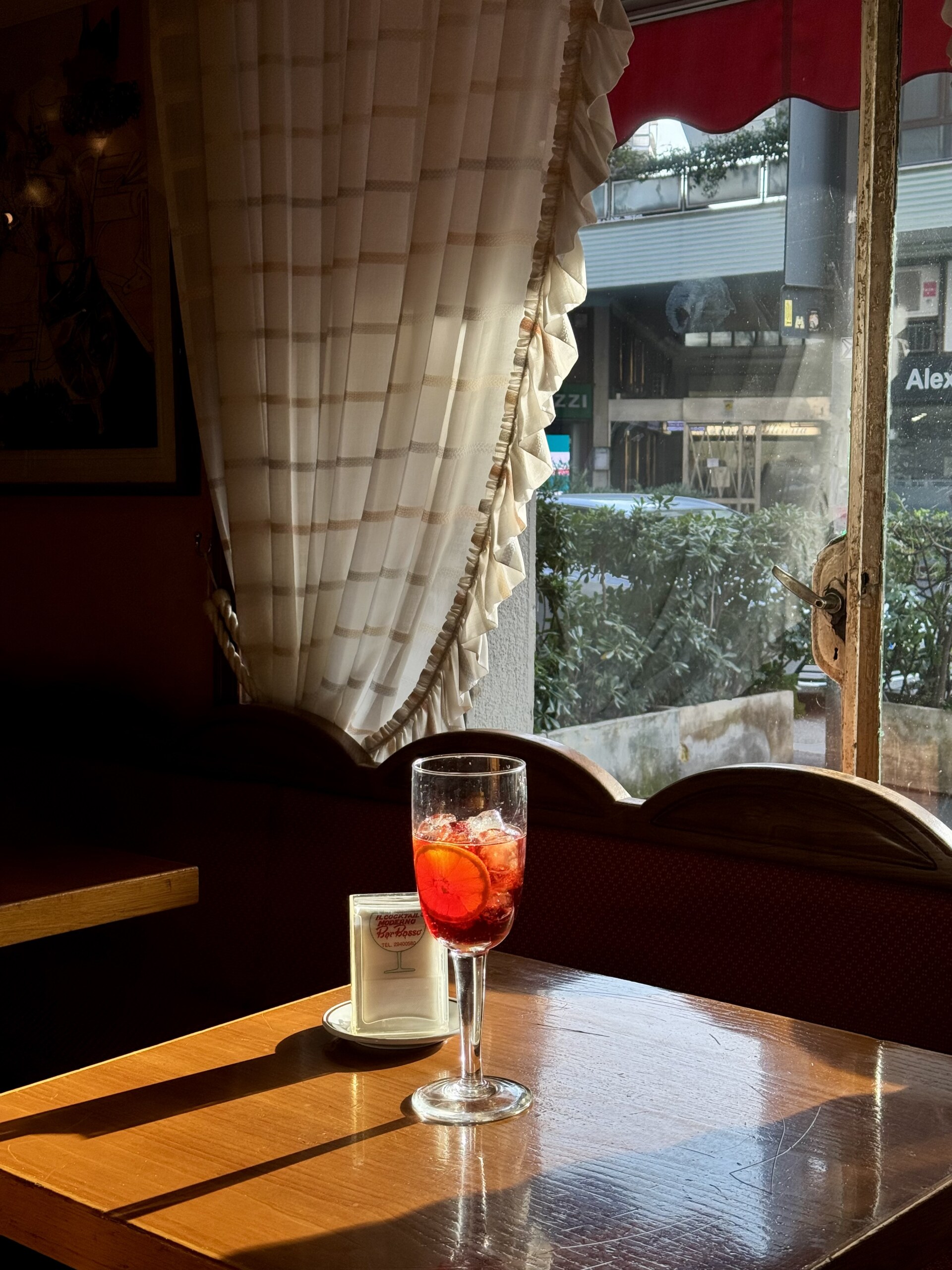
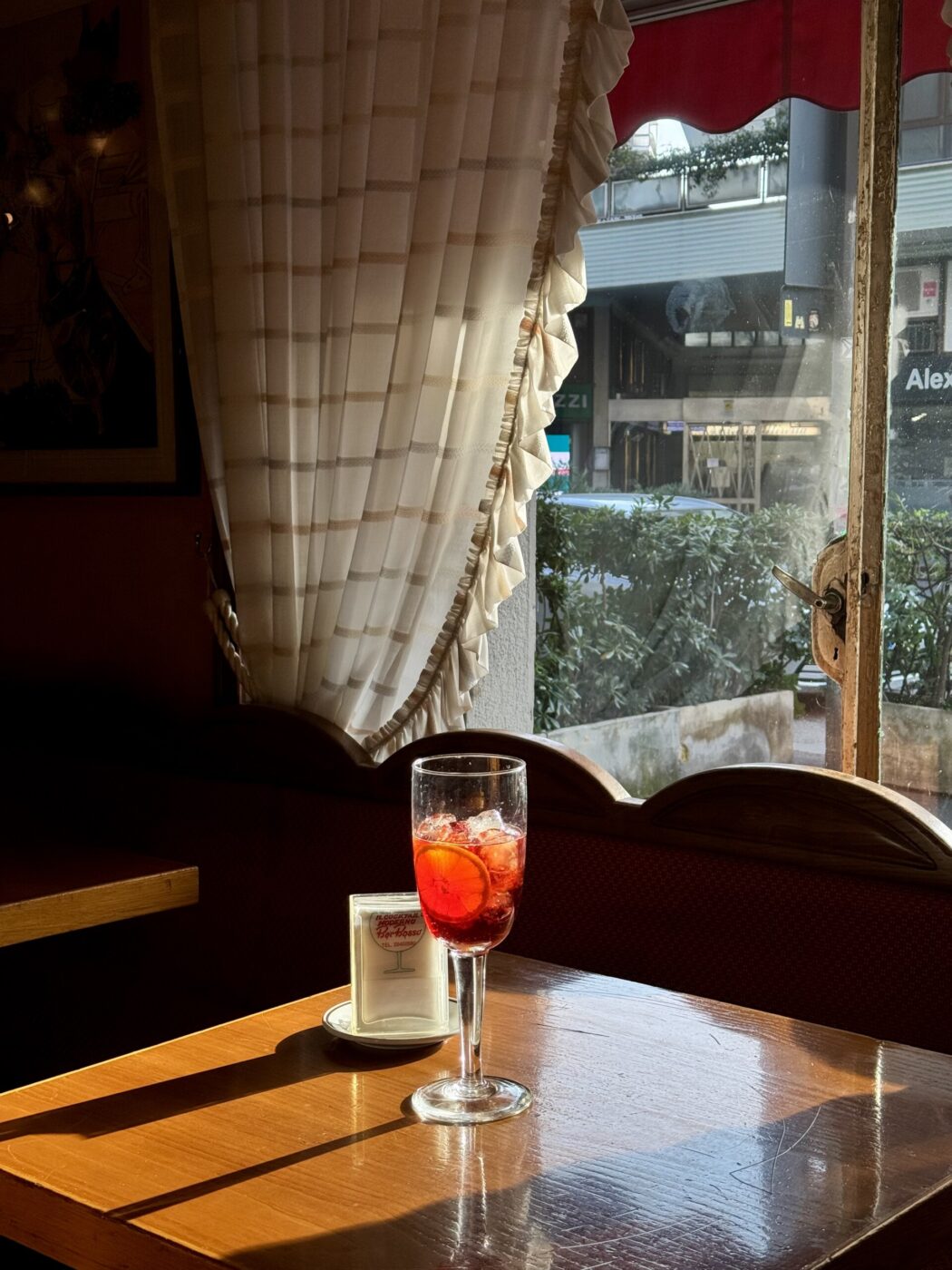
Bar Basso — the glass was no accident.
The story goes that Mirko Stocchetto invented the Negroni Sbagliato by reaching for sparkling wine instead of gin. But the enormous stemmed glasses became part of the experience through deliberate design: Mirko created them himself, later licensing the design to WMF in the 1980s. The cocktail may have been a mistake; its presentation was carefully considered.