Florence is a world-class tourist magnet that desperately tries to remain a village at its core. In 2024, Florence welcomed a record-breaking 16.2 million visitors, a figure that has transformed the city into an economic powerhouse where tourism now accounts for over 60% of the local economy. But this “success” comes at a price. As the city enters 2026, new regulations have taken hold—including a landmark ban on outdoor dining structures in 50 of the most historic streets—to combat “visual clutter” and return the narrow medieval alleys to the residents.
In this climate of rapid change, we spoke to three people who represent three stages of the Florentine food chain to understand how the true flavor of the city survives.
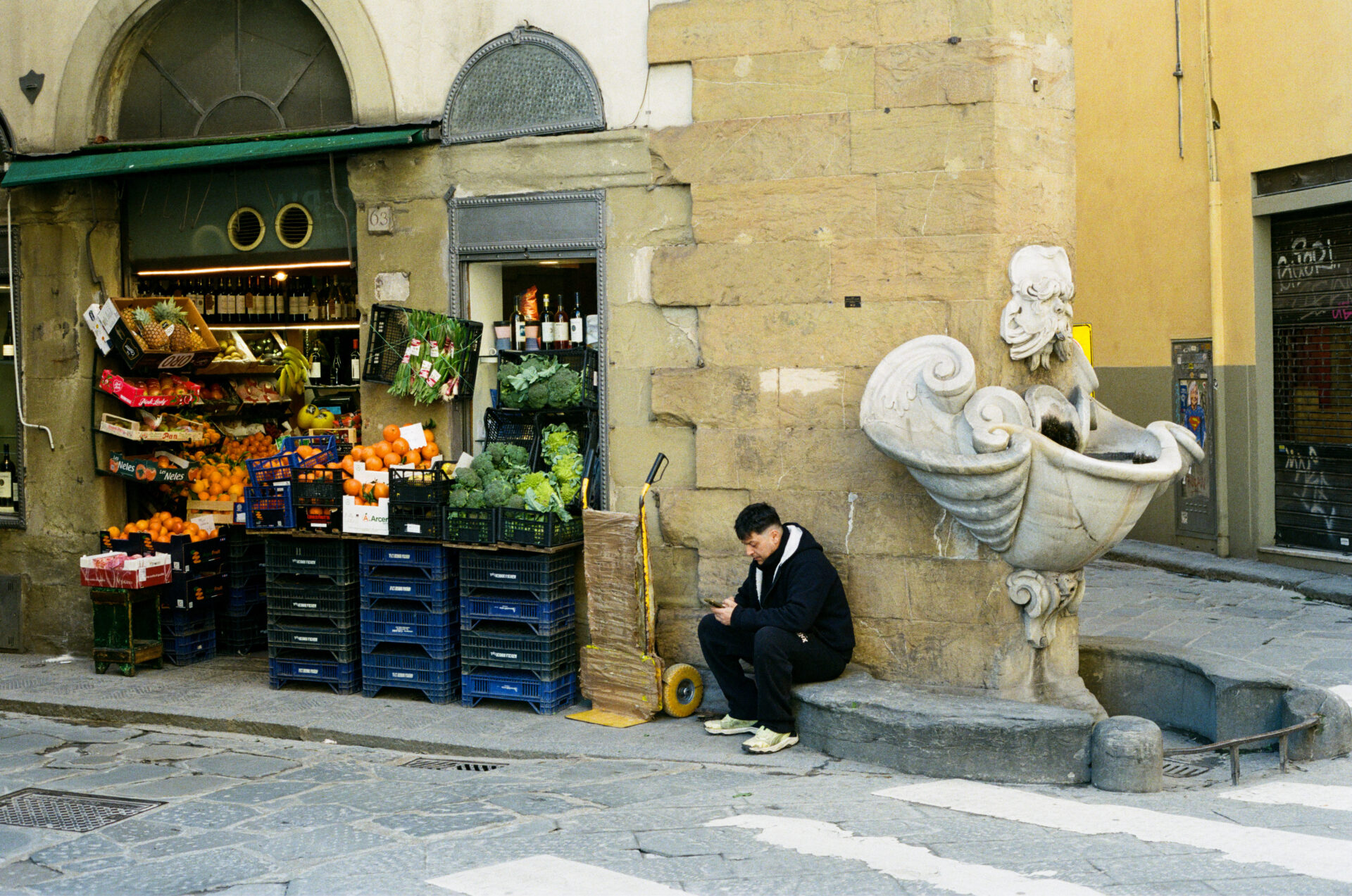
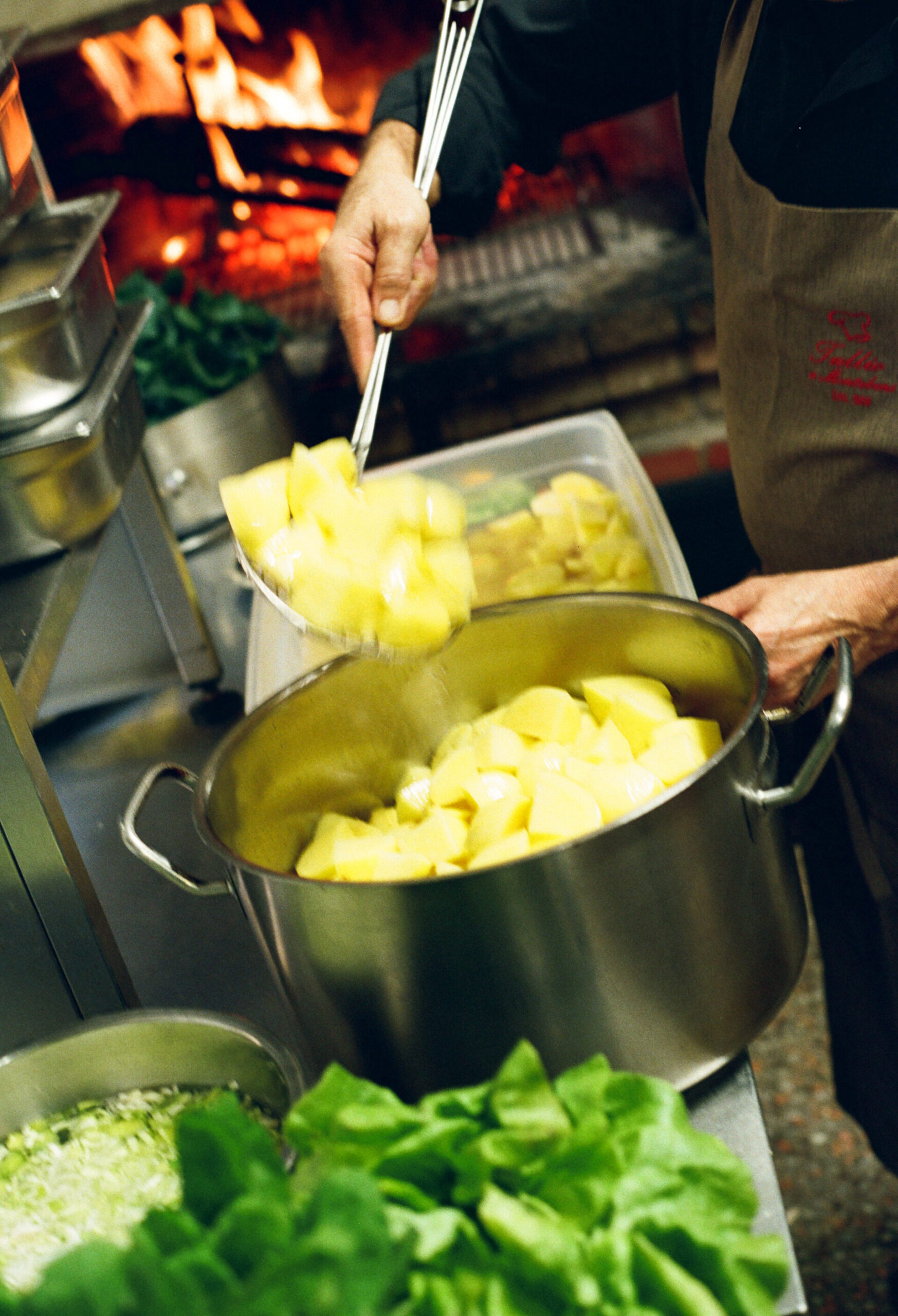
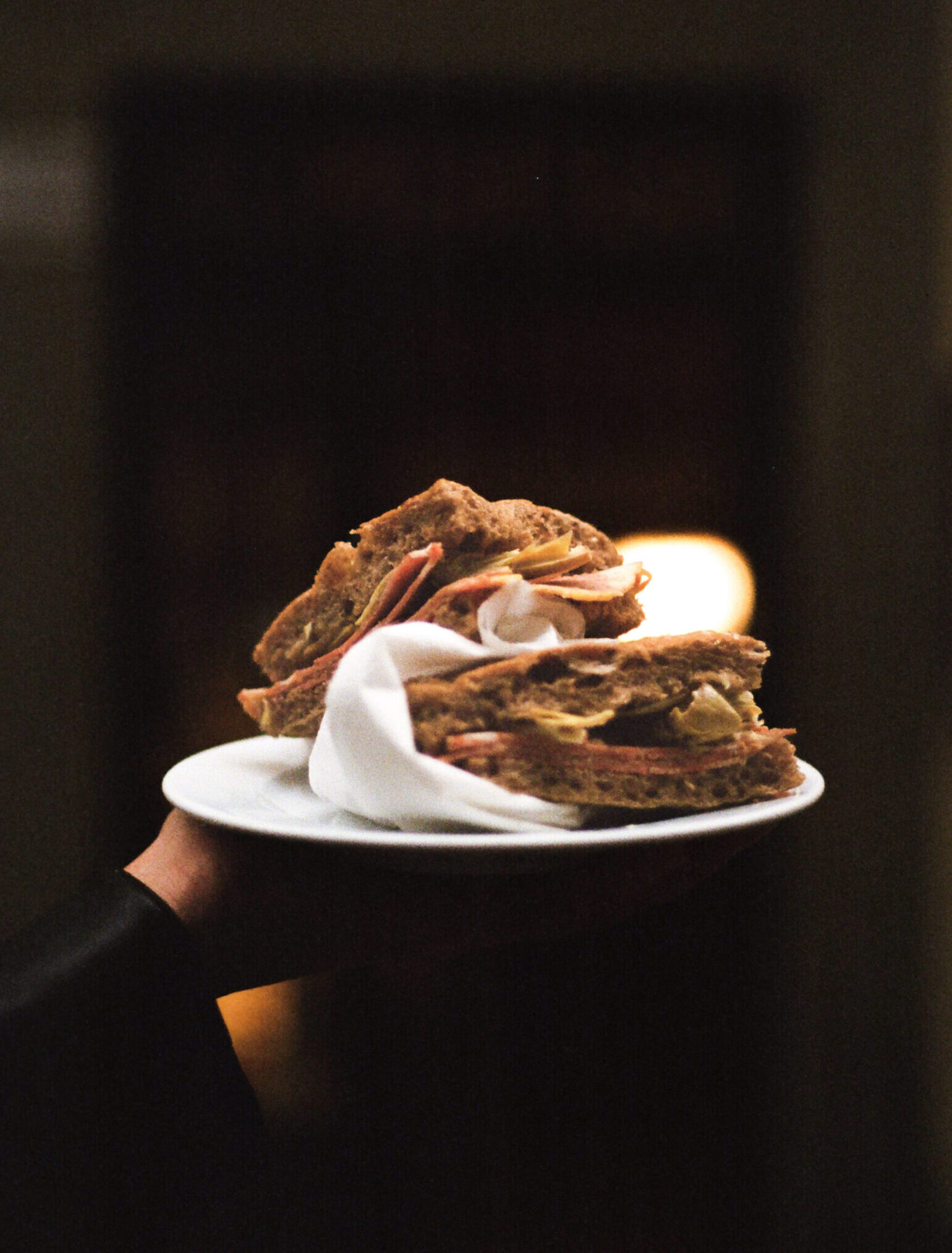
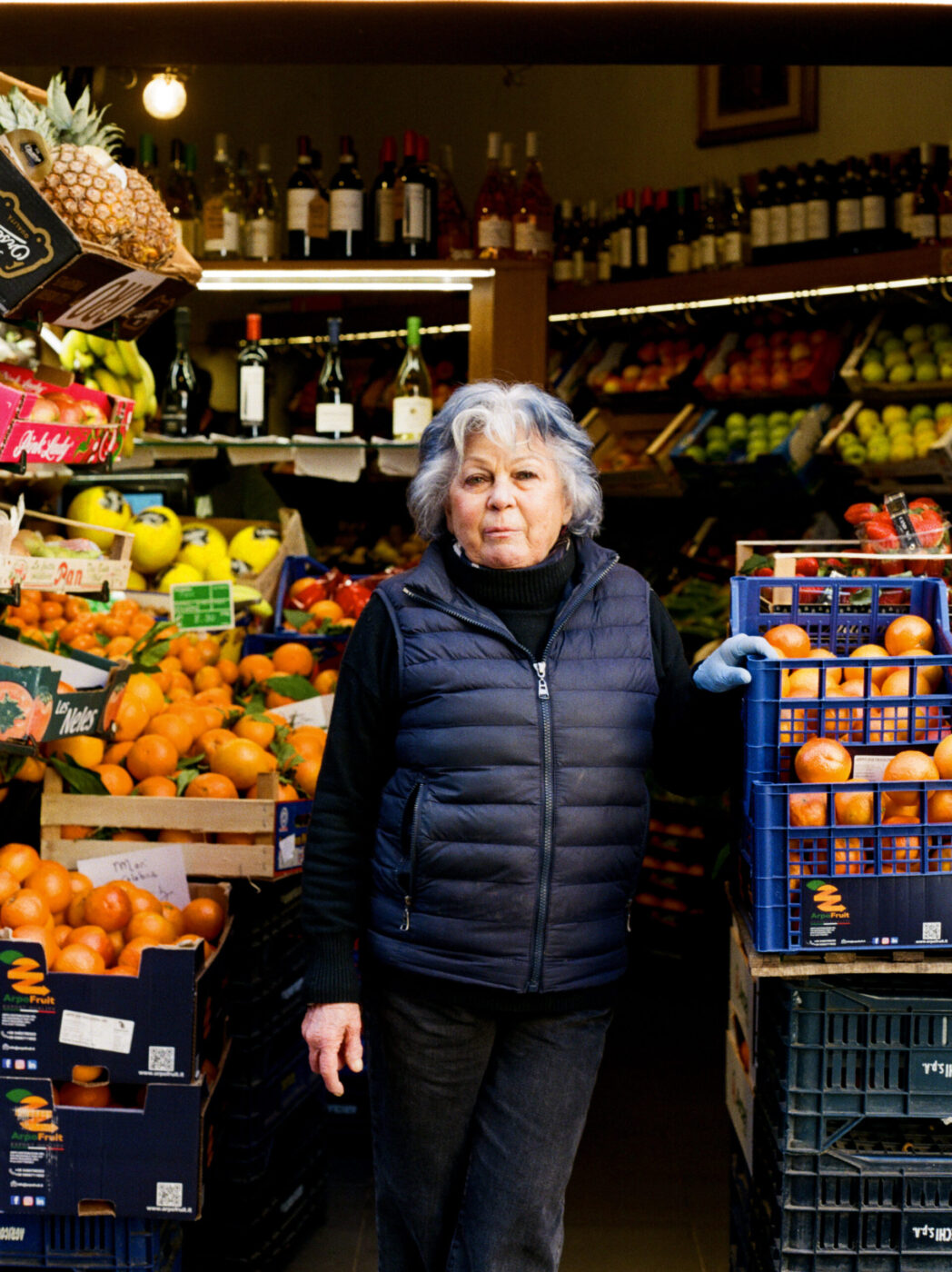
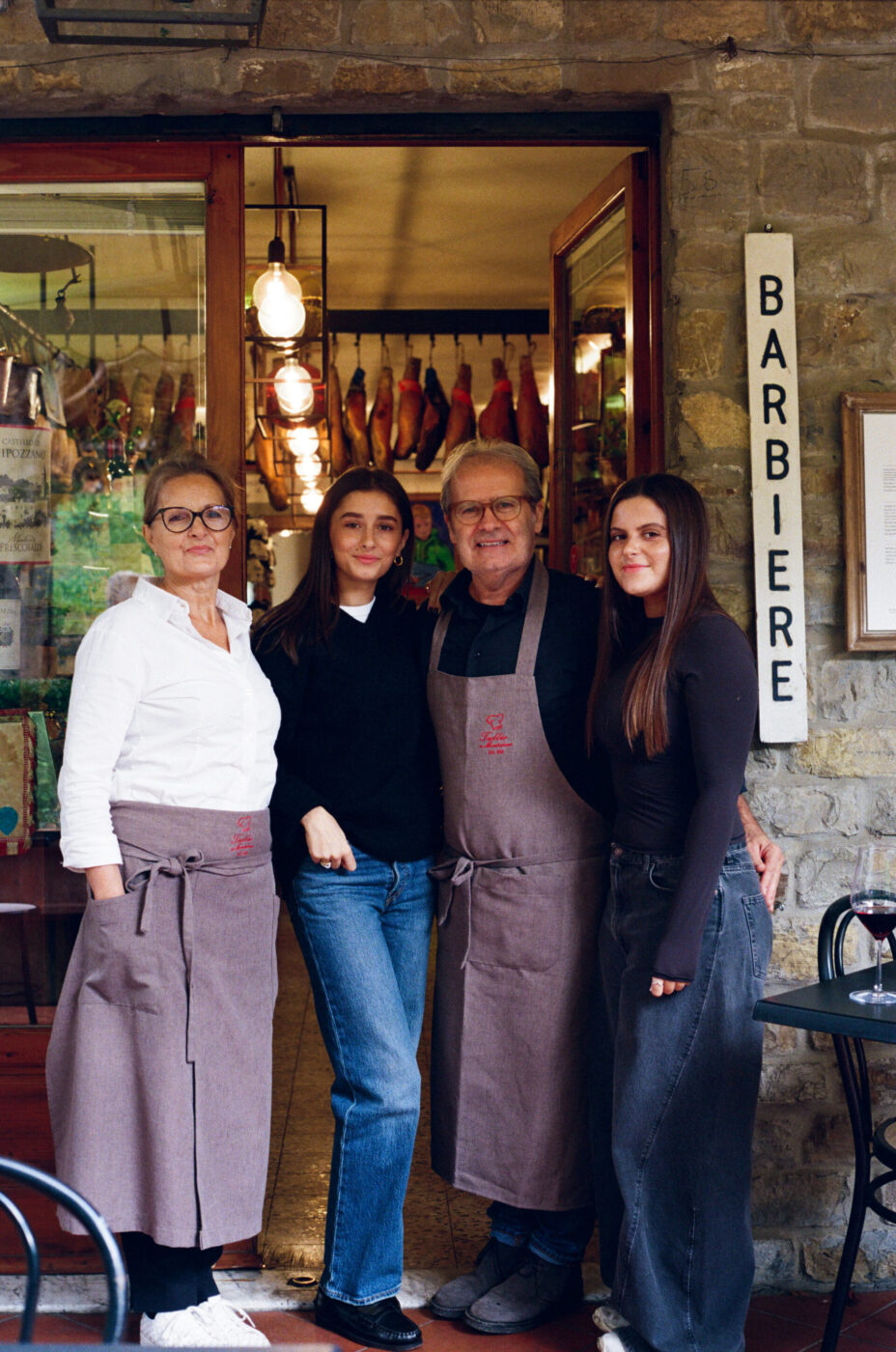
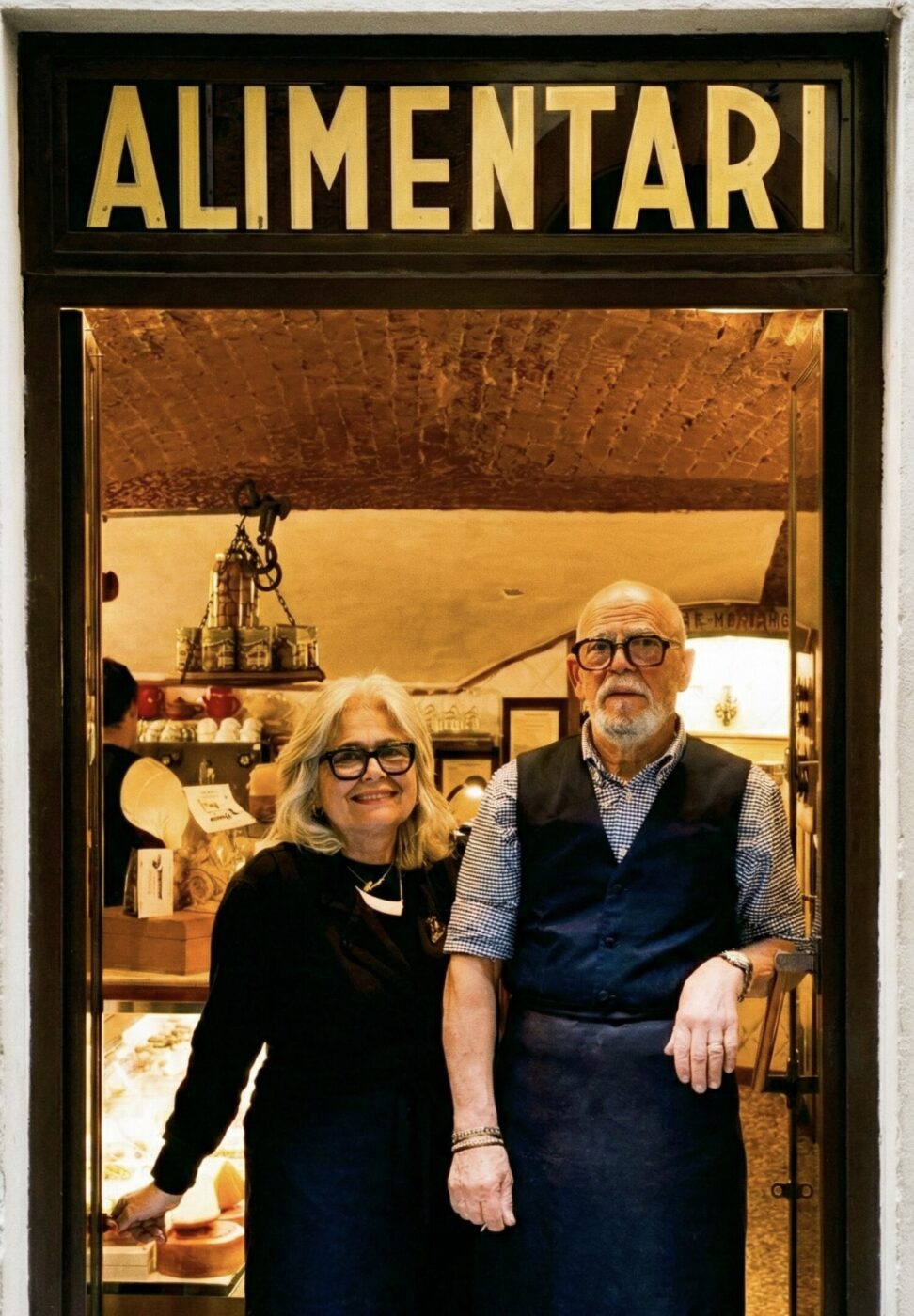
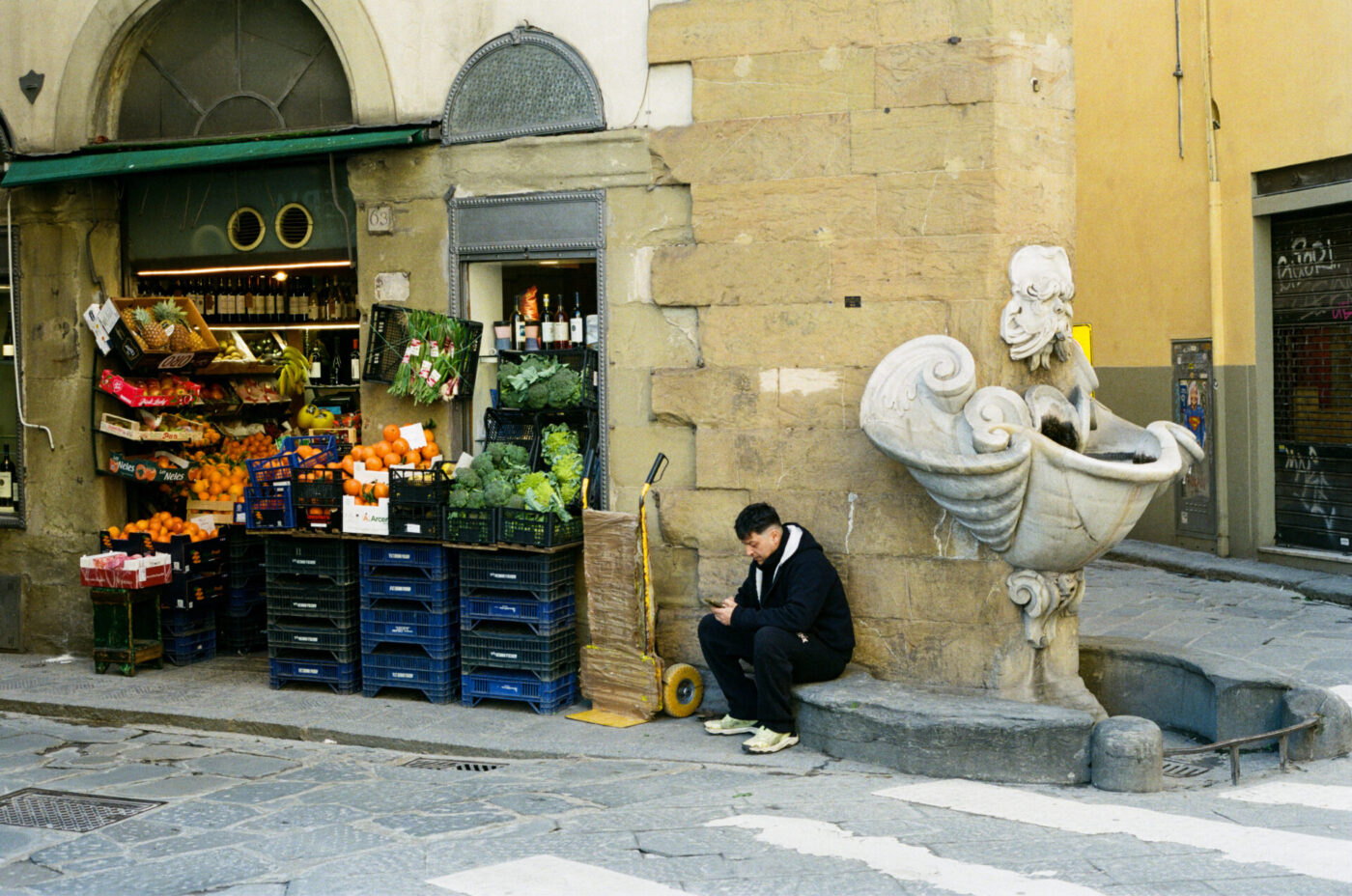
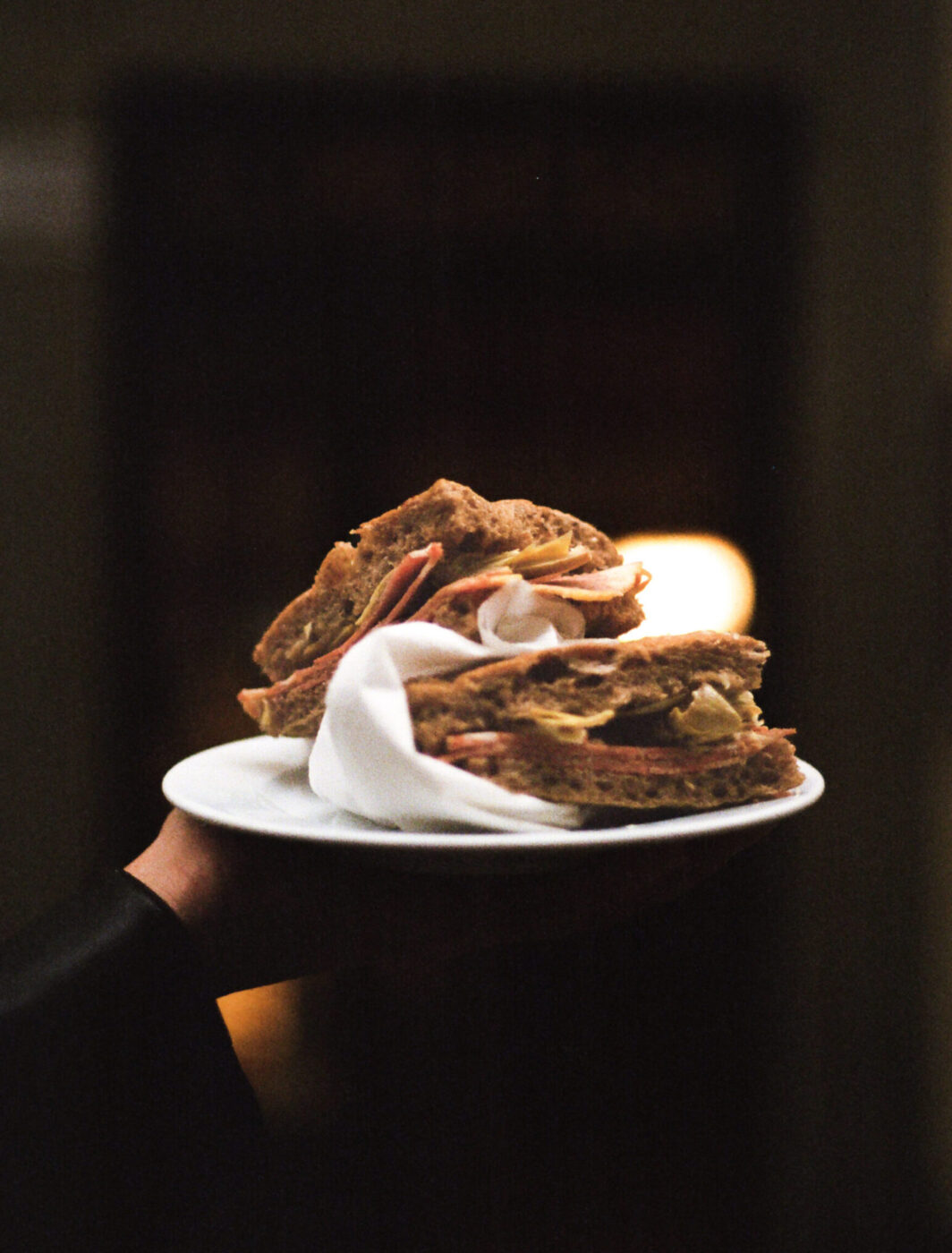
At the base is the fruttivendolo, the city’s first link to raw produce. Grazia Nencini’s small, unmarked bottega is next to the globally renowned Trattoria Cammillo but unmapped by Google. Dictated entirely by the Tuscan seasons, her shop overflows with the bounty of the land before it is processed or plated. The second link is the alimentari, where you can find daily grab-and-go staples. Alimentari on Via del Parione—run by Mariano Orizi alongside his wife Lucia, their son Matteo, daughter-in-law Natalia, and grandson Francesco—is a deli that doubles as a panino stop and is known for its sandwiches stuffed with all sorts of cured meats and cheeses (and a fan-favorite lingua, or tongue). The chain reaches its endpoint in the hills of Fiesole at Ristorante Tullio a Montebeni. Here, Paolo Bacciotti helms a legendary, full-service restaurant that has been a destination for bistecca alla fiorentina since 1958.
As Florence navigates the changes of 2026, Santa Cristina marks its own milestone of 80 years. Like the business owners featured here, the Tuscan producer has spent decades balancing deep-rooted tradition with sustainable innovation to ensure the city’s liquid history remains as vibrant as its food.
Below, these three business owners talk about how culinary tradition survives in an era of “fast” consumption in a city that the world can’t seem to get enough of.
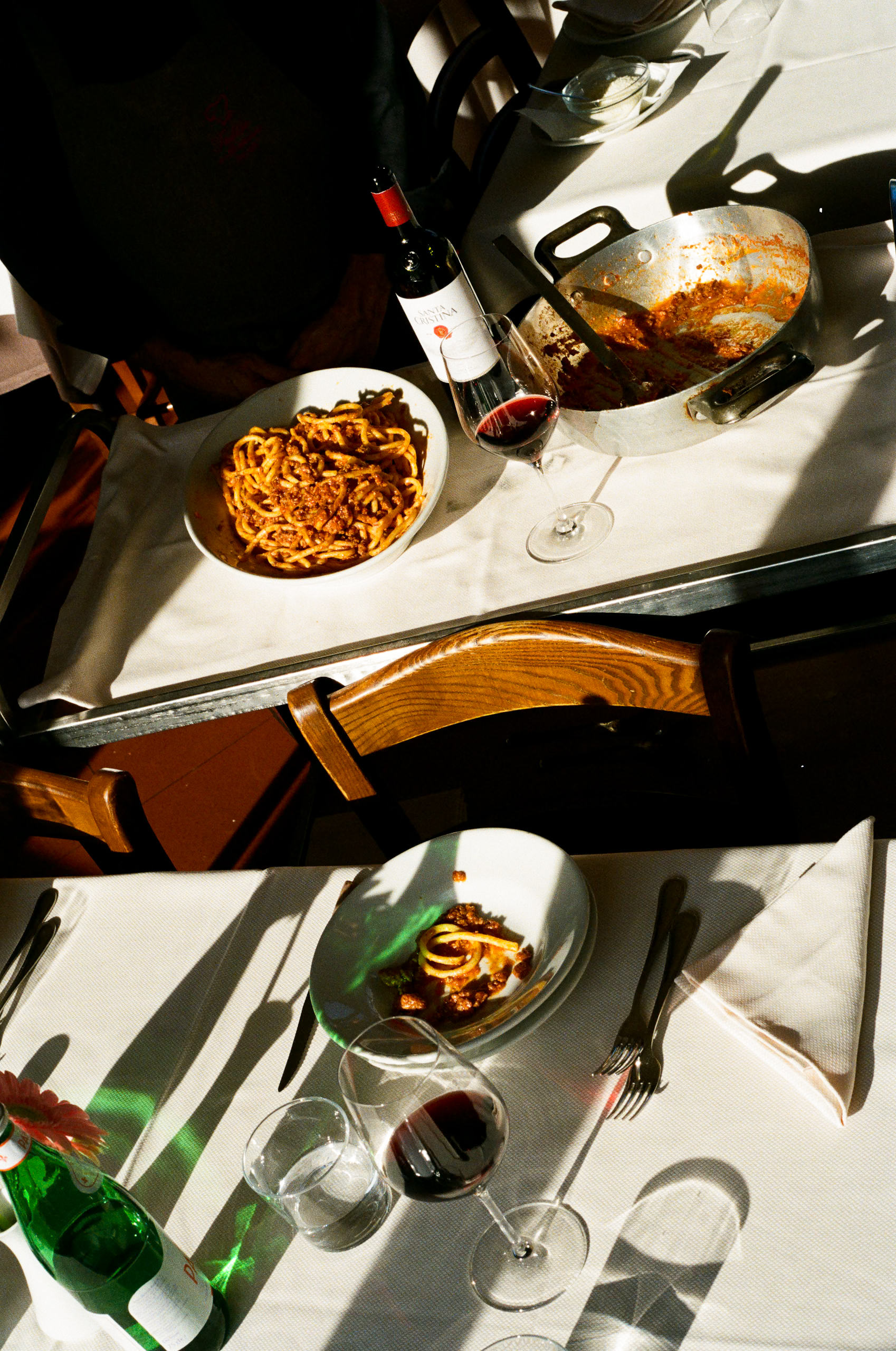
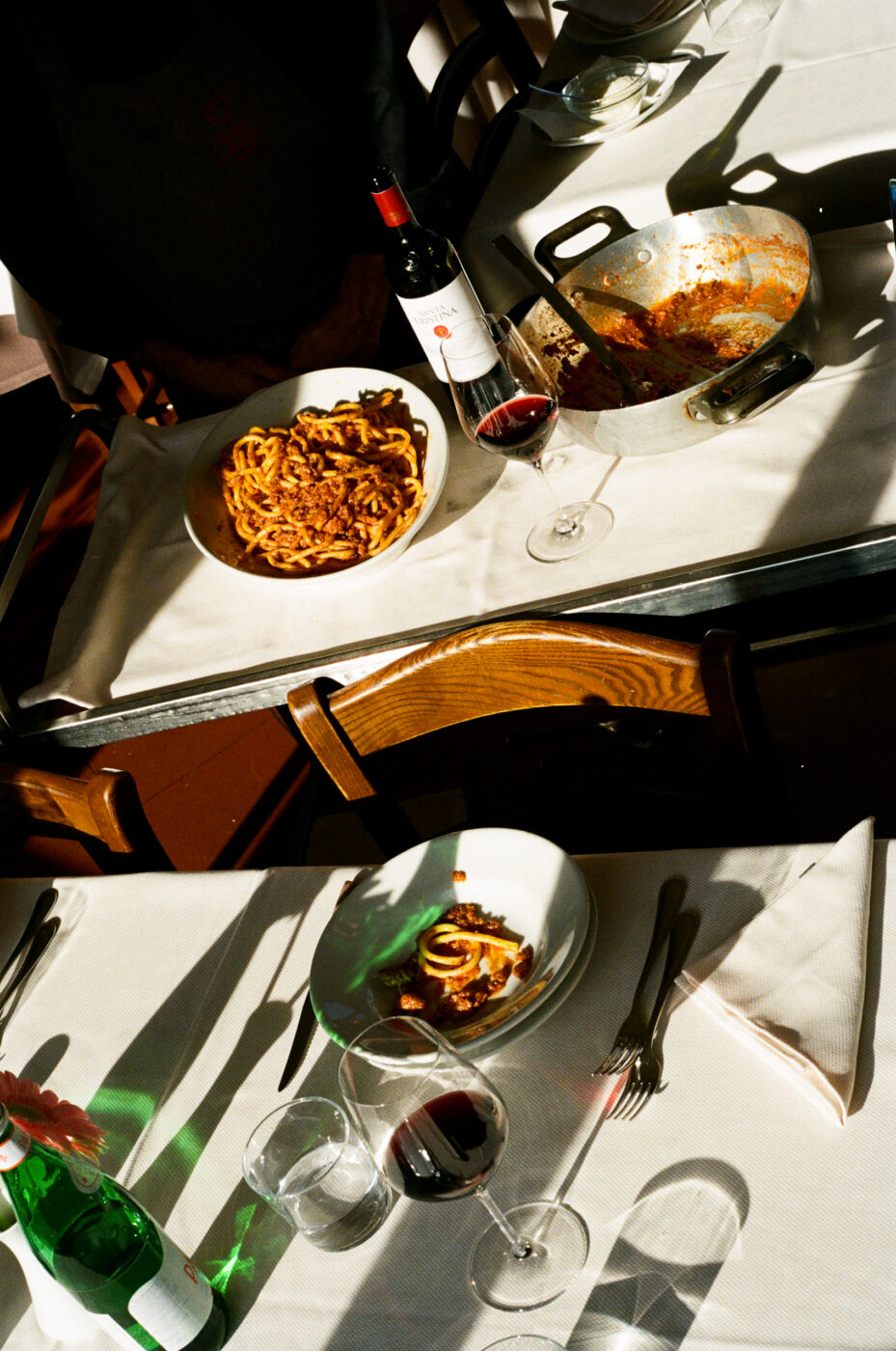
Tullio's pici with ragù
Italy Segreta: Today, “sustainability” is often treated as a modern trend, but for Florence, cucina povera (peasant cooking) was a necessity. How do you ensure “zero-waste” feels like an authentic part of your heritage?
Mariano (Alimentari): For us, sustainability isn’t a strategy; it’s family education. We grew up in a shop where nothing is wasted and every ingredient is respected because it represents someone’s hard work. Zero-waste is simply the continuity of Tuscan cucina povera—it’s how our grandparents always worked.
Paolo (Ristorante Tullio): It’s a return to our roots. In our kitchen, we still use everything; nothing is thrown away. We create dishes of unique flavor, like pappa al pomodoro or ribollita, from this philosophy. It’s not a marketing label for us; it’s the legacy of cooking with respect for the land.
Grazia (Fruttivendolo): Since cucina povera was born from economic necessity, it would actually be very useful to reclaim some of those old habits and traditions today.
IS: In a world of fast food and instant delivery, what is the one “slow” tradition you refuse to compromise on?
Mariano: Even though we make sandwiches, we are not fast food. Every sandwich is made after it’s ordered. We slice everything on the spot and listen to the customer. We could be faster, but we’d lose the relationship and the care. Our slowness is our attention.
Paolo: Time at the table. We don’t rush the pace to turn over more tables. People need to sit, talk, and be together. For us, a meal isn’t just a quick service; it’s essential for maintaining quality.
Grazia: I simply refuse to compromise for the sake of fast food culture.
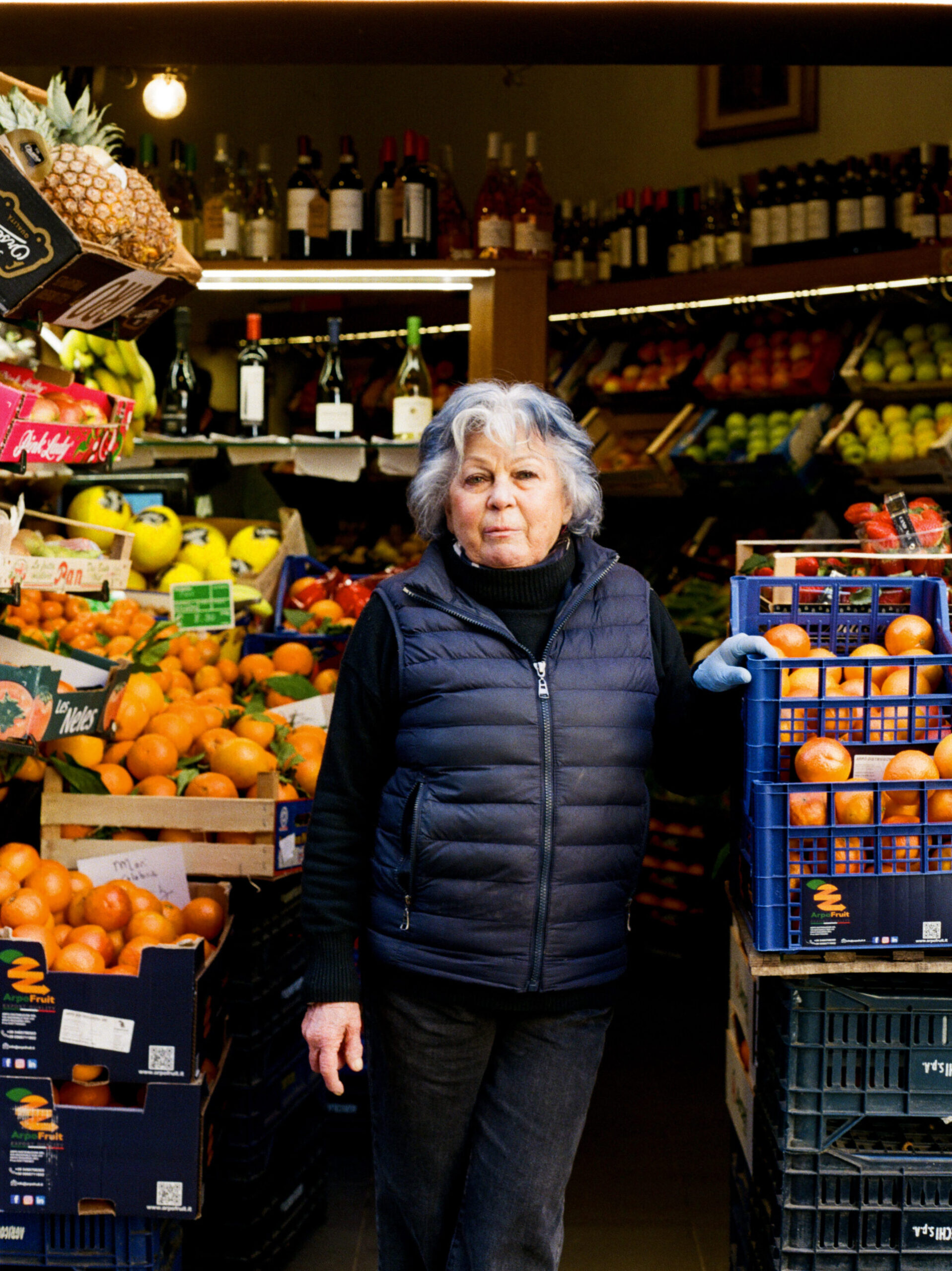
Grazia
IS: What is an aspect of Florentine food culture that the rest of the world hasn’t quite understood yet?
Mariano: That Florentine cuisine isn’t about abundance; it’s about balance. A few ingredients, but chosen well. You don’t need to add more; you need to understand the essential taste of the bread, the cured meat, and the cheese.
Paolo: We don’t try to impress with special effects. We focus on the quality of the ingredient. People should realize that simplicity, when done well, is the highest form of elegance.
Grazia: It’s about the passion you dedicate to being behind the stove.
IS: If you had to pick one dish or ingredient that defines Florence, what would it be?
Grazia: Cavolo nero (Tuscan kale) is definitely the most popular and defining ingredient.
Mariano: Finocchiona (fennel salami) paired strictly with Tuscan pecorino. In a simple sandwich, it tells the story of Florence better than any elaborate dish.
Paolo: While everyone thinks of the bistecca alla fiorentina, I believe the true defining dish is ribollita—specifically the way my grandmother taught me to make it.
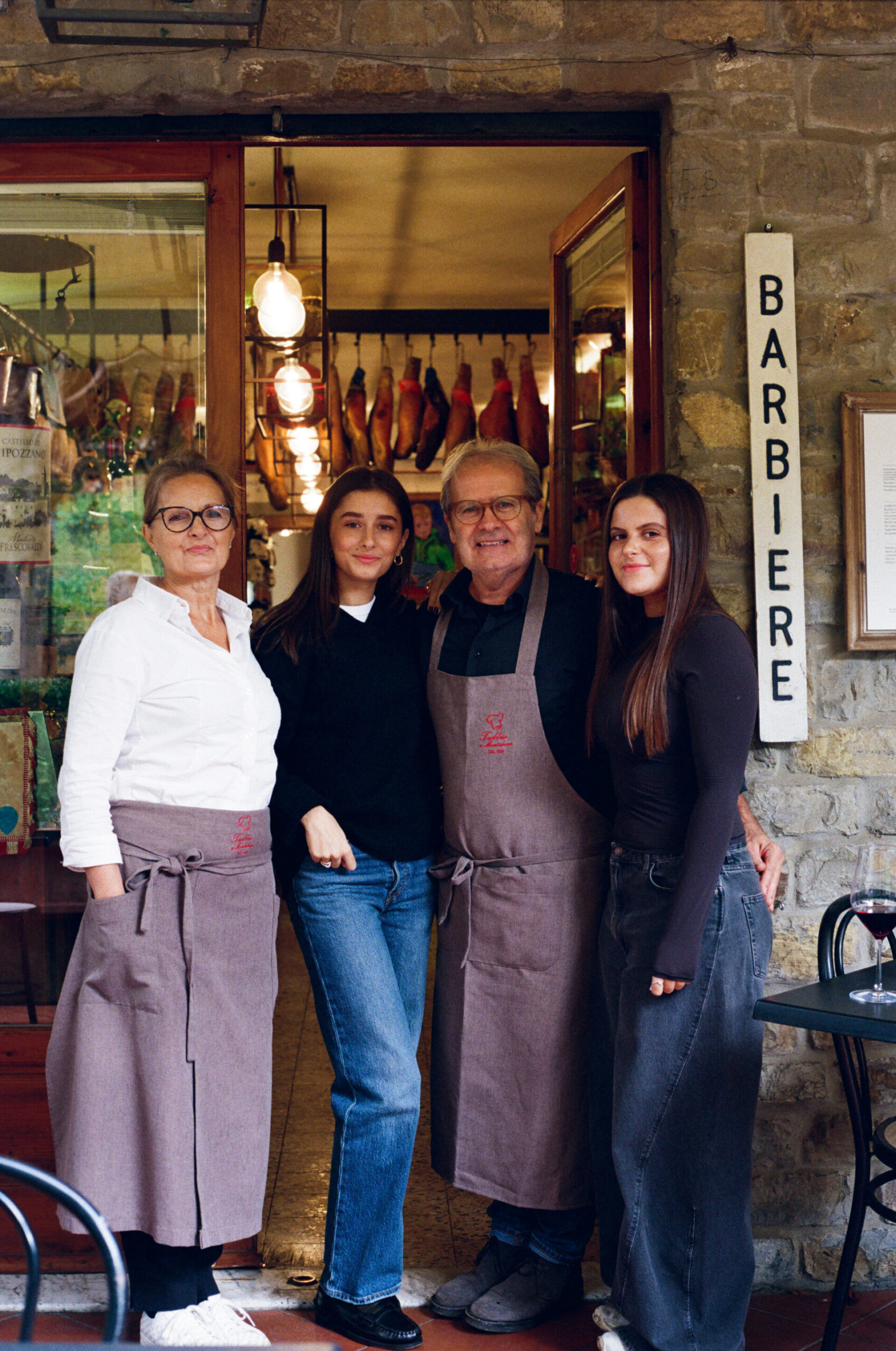
Paolo with his wife and two daughters, who also help run Ristorante Tullio
IS: How do you ensure your business remains a reference point for locals rather than just a stop for tourists?
Mariano: We are a family—grandparents, sons, wives, and grandsons all work here. Florentines return because they find continuity and they know the same hands are behind the counter. We aren’t a “window” for tourists; we are part of the neighborhood.
Paolo: We have been here since 1958. We are up in the hills of Montebeni, so people have to make a choice to come here. We see the grandchildren of our first customers now. We want people to feel like they are part of a story, not just a guide or an Instagram reel.
Grazia: By maintaining a good relationship with residents and always providing excellent produce.
IS: When someone leaves your shop or restaurant, what is the “true flavor” of the city you hope they take with them?
Mariano: The ritual of cantucci dipped in Vin Santo. It’s a slow, convivial gesture. I want them to feel like they were welcomed, not just served.
Paolo: The smell and taste of the dishes that you can’t perceive through a screen. I want them to leave with the feeling of having experienced a real, unconstructed Florence—the warmth of a table that has been set the same way for decades.
Grazia: I hope the cordiality of our Florence stays in their hearts.
IS: If you could change one thing about how people “consume” Florence today, what would it be?
Mariano: I would slow them down. Enter fewer places, but with more attention. Stop and talk to the person behind the counter. Florence shouldn’t be consumed; it should be encountered.
Paolo: I’d change the rush. I love seeing our customers arrive at noon and not get up from the table until 5:30 PM. It means they’ve forgotten the clock. I want people to enjoy the table without worrying about the “second or third shift” of seating.
Grazia: There are so many things that need to change, it’s hard to even list them all.
Interviews have been translated from Italian and edited for length and clarity.
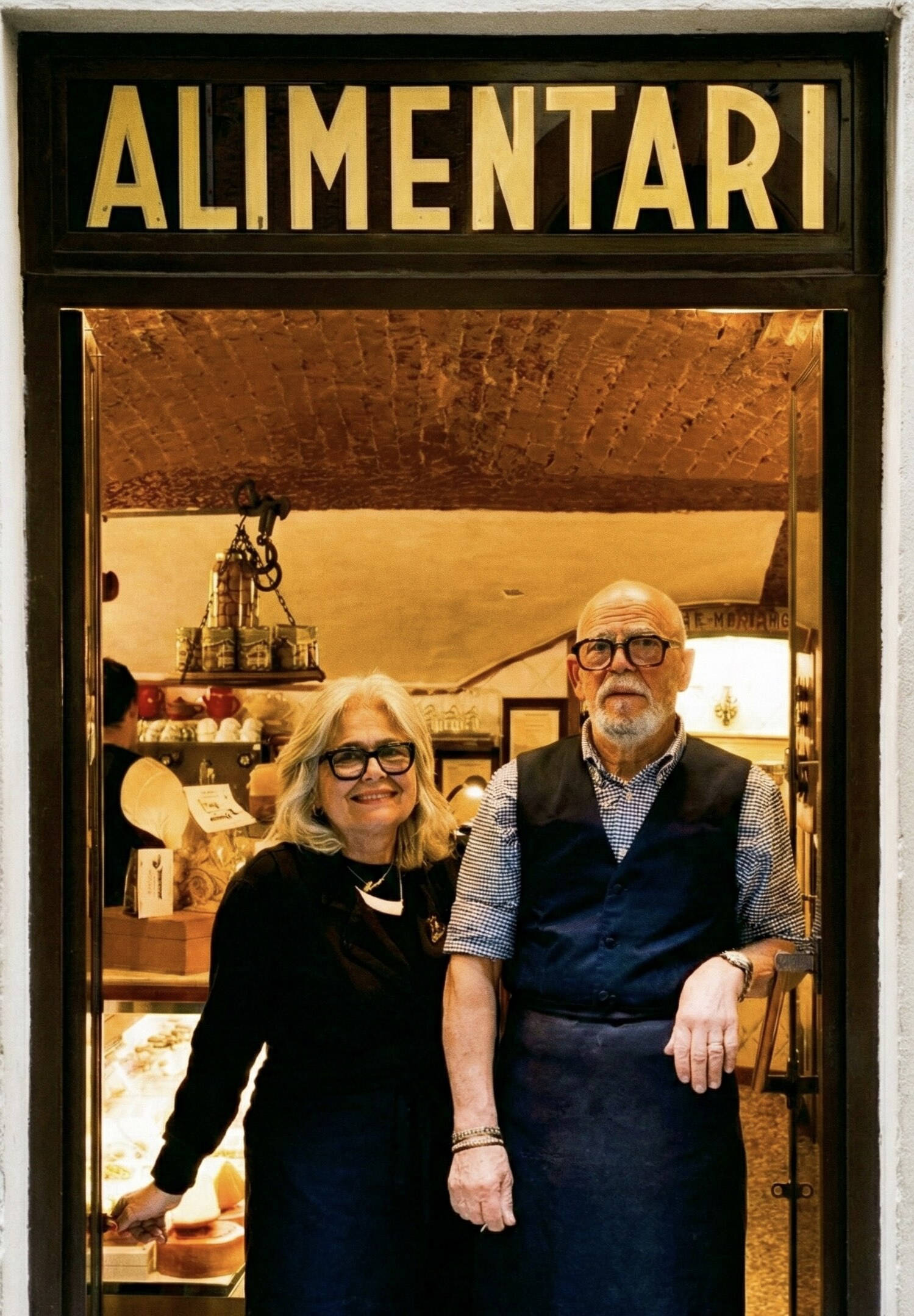
Mariano and his wife Lucia