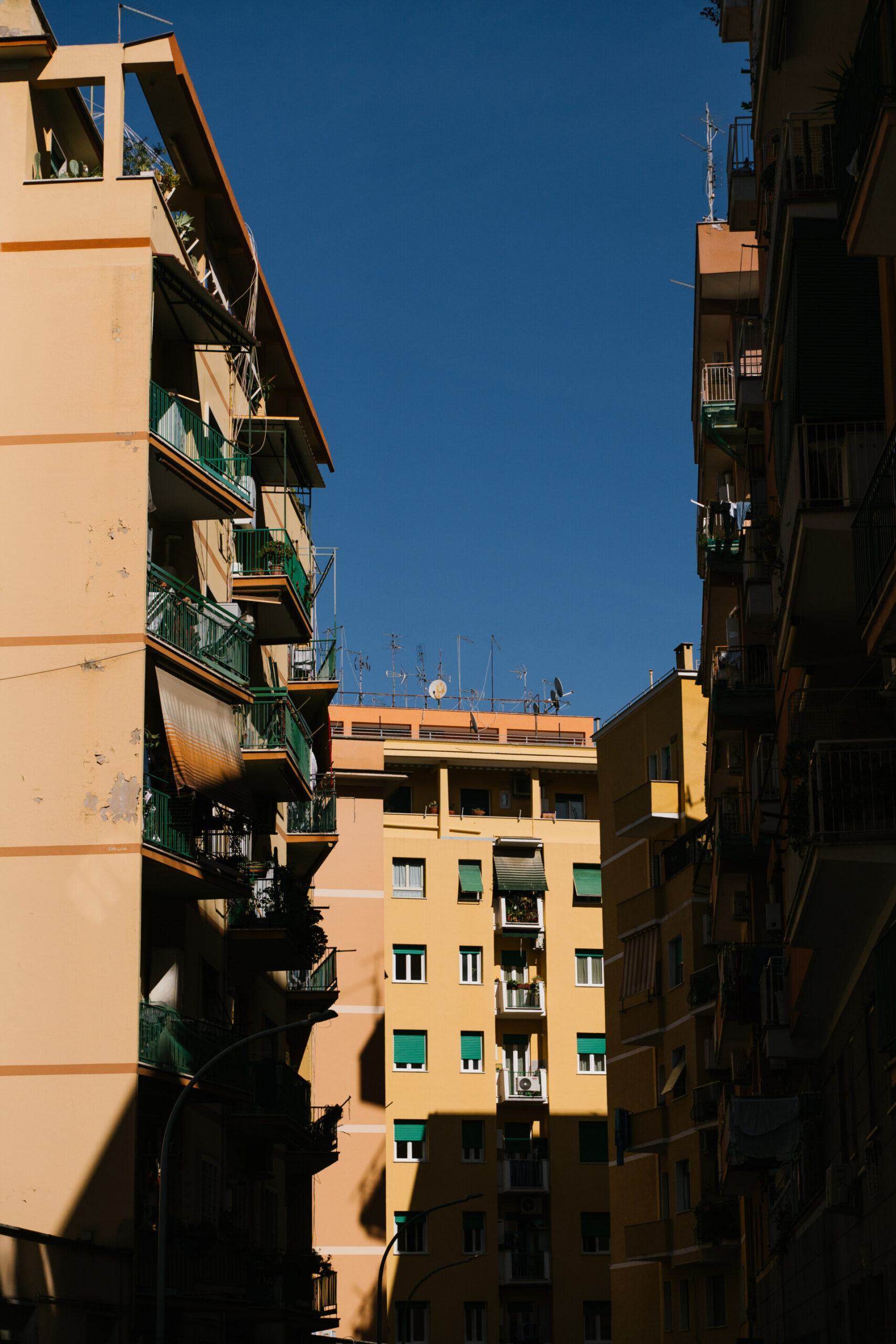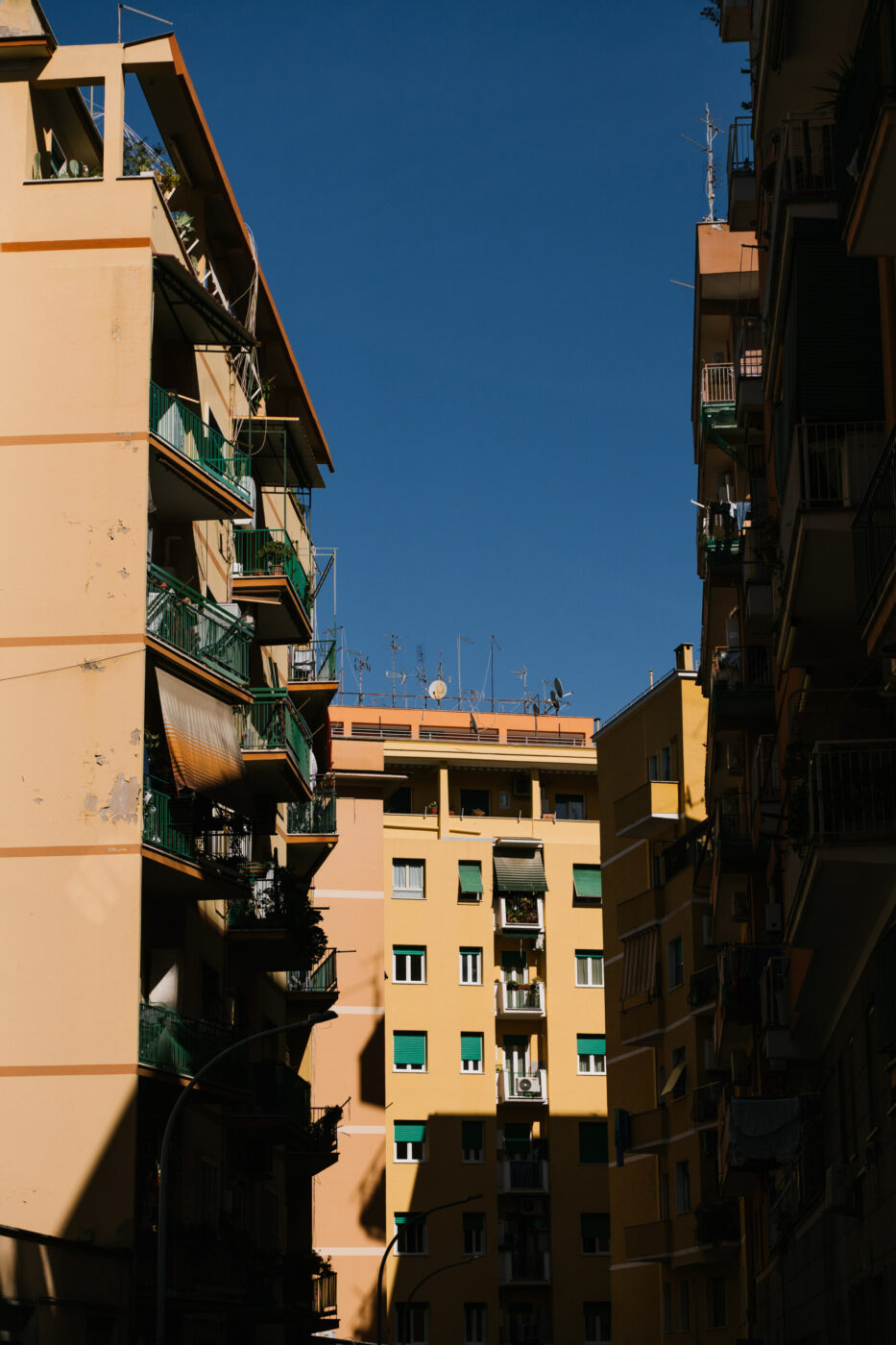
The tracks of the Centocelle–Laziali railway run along Via Casilina, and though the legendary little yellow-and-white train has recently stopped running, it still feels like you can hear the puff of each stop, the signature metallic trumpet blast. Situated between Via Casilina and Via Prenestina (two ancient consular roads in the city’s eastern quadrant) is Tor Pignattara, a neighborhood which gets its name from the Mausoleum of Saint Helena, a cylindrical brick tower that once had terracotta jars (pignatte) embedded within it. Stretching out in a triangle from the back tip of Roma Termini, it is a far cry from the Baroque splendor and tourist crowds of the center, yet remains blissfully immune to the coolness (and rampant gentrification) of nearby Pigneto.
“Torpigna”, as Romans call it, is the city’s multicultural capital, with strong communities from Bangladesh, Pakistan, China, Eastern Europe, and South America. The result is a hum of different languages, the scent of curry mingling with soffritto, shop windows advertising halal specialties, Arabic breads, kebabs, Indian barber shops, and small mosques alongside Roman trattorias, classic pizzerias, and historic pasticcerias.
Tor Pignattara has mostly been known through sensationalist headlines that propel a narrative of grit and crime. But these stories are spurred more by prejudice than fact, and if you look past them, you’ll find Tor Pignattara to be one of Rome’s most dynamic neighborhoods. Now, aided by relatively low rents, Torpigna has been experiencing exceptional cultural ferment. Beyond the grassroots efforts of organizations like Asinitas, the Pisacane School, the Casilino Ecomuseum, and the Karawan Fest, a wide range of other studios, galleries, workshops, and ARCI clubs have emerged. Plus, two new festivals—SOS (Serbelloni Open Space) and Terrazze e cortili aperti a Torpignattara—are offering bigger stages to the neighborhood’s artists.
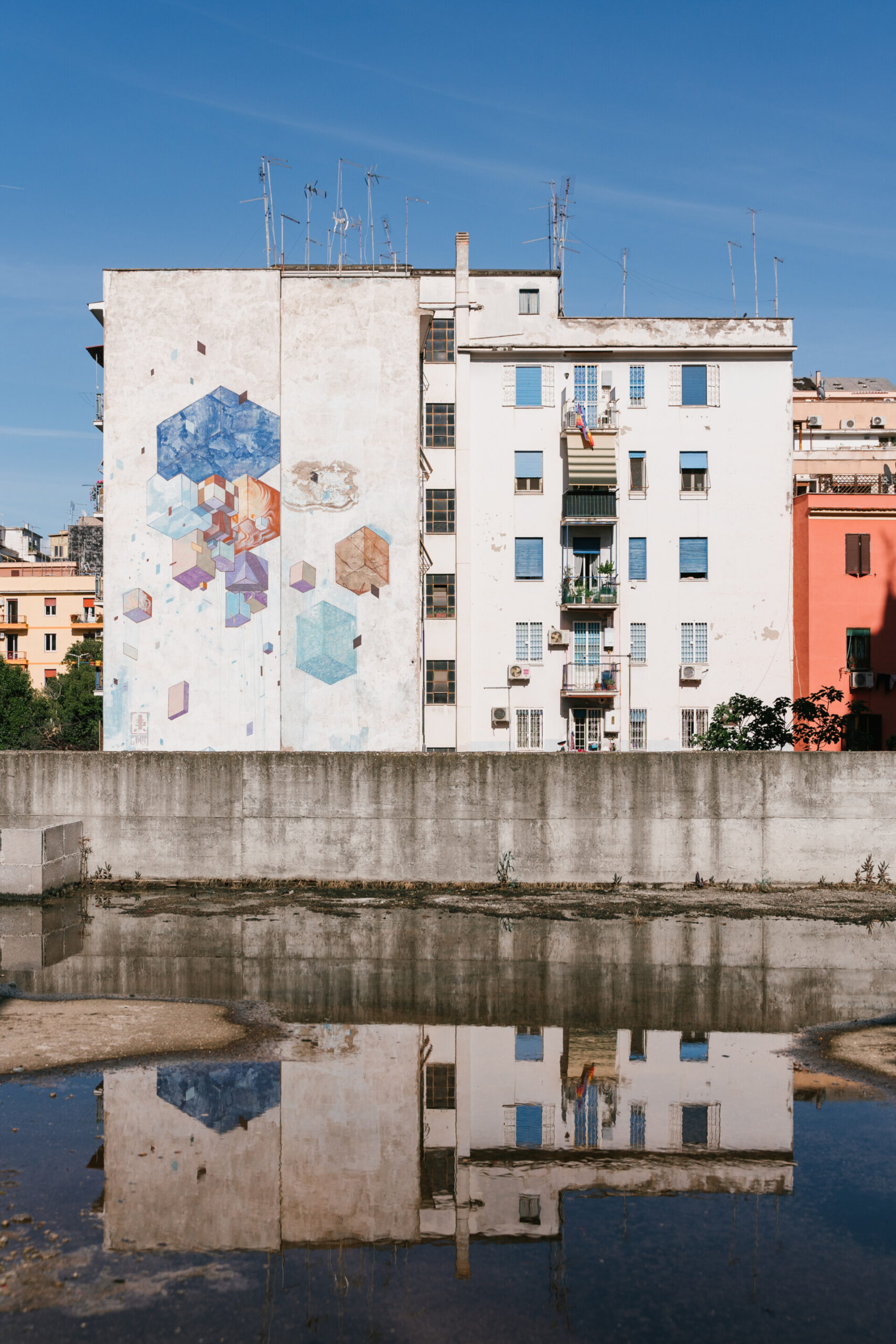
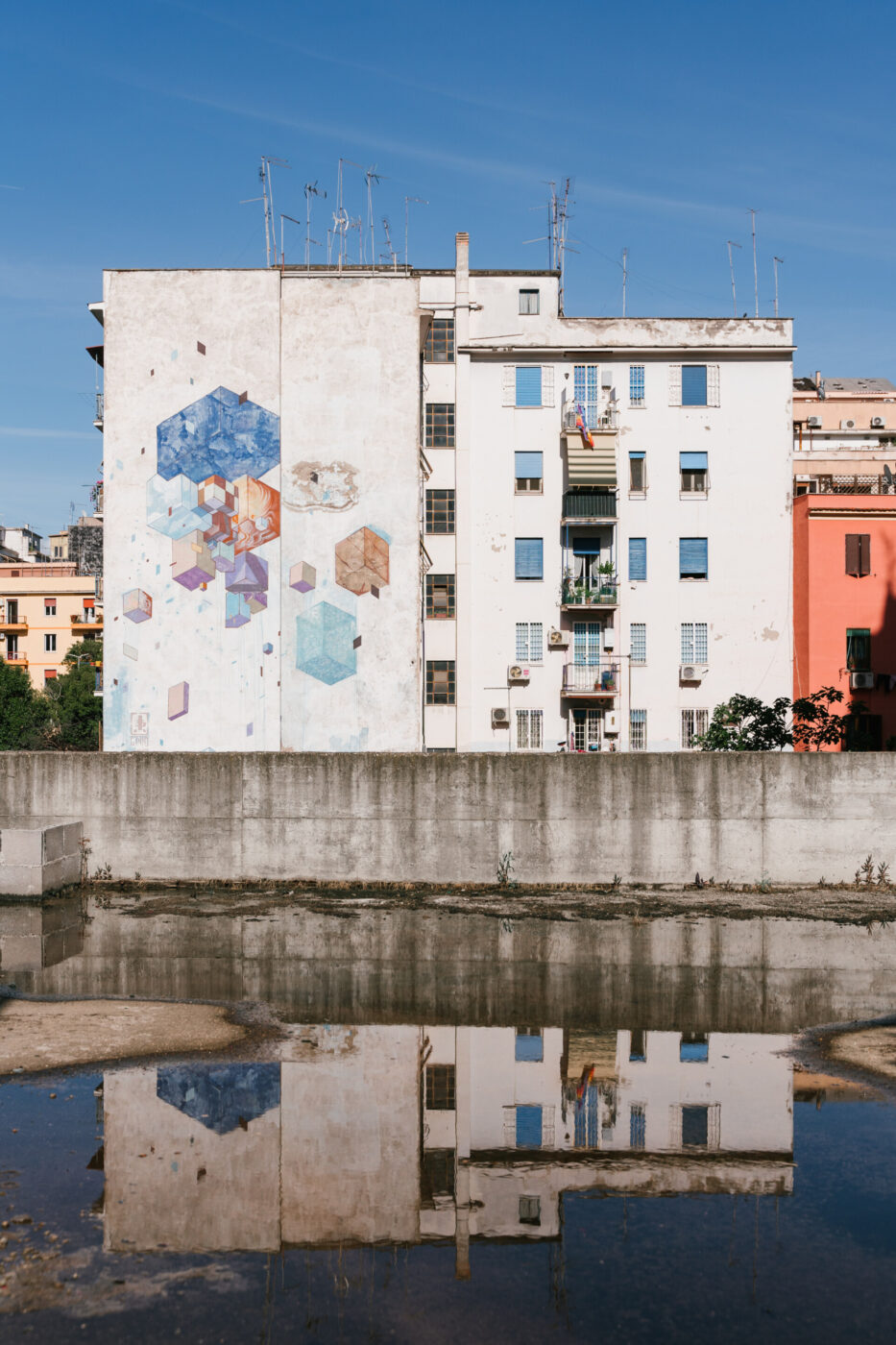
The buildings, too, tell a new story of the neighborhood; in recent years, many of the crumbling facades have been covered with massive murals by local and international names, a virtuous synergy among artists, residents, and property owners. These artworks are testament to the community’s greatest assets: defiance and creativity.
These urban artworks provide the perfect backdrop for exploring the 2.27-square-kilometer district. Below, a local’s guide to discovering Tor Pignattara, with tips on where to eat and drink, what to see, and where to shop.
WHAT TO DO IN TOR PIGNATTARA
Mausoleum of St. Helena – Along Via Casilina, the Mausoleum of Saint Helena harkens back to days of Imperial Rome. The grave was built by Roman emperor Constantine I between 326 and 330, originally as a tomb for himself, but later dedicated to his mother, who was buried in a large red porphyry sarcophagus that’s now in the Vatican Museums. The brick tower remains the symbol of the neighborhood as Tor Pignattara’s namesake.
Catacombs of Marcellinus and Peter – Located beneath the Mausoleum of Saint Helena, these catacombs are an invaluable trove of early Christian art thanks to an extraordinary, perfectly restored cycle of frescoes. The catacombs span more than 18,000 square meters and are divided into four levels, making them the third-largest in Rome, and it’s estimated that they could host up to 15,000 burials.
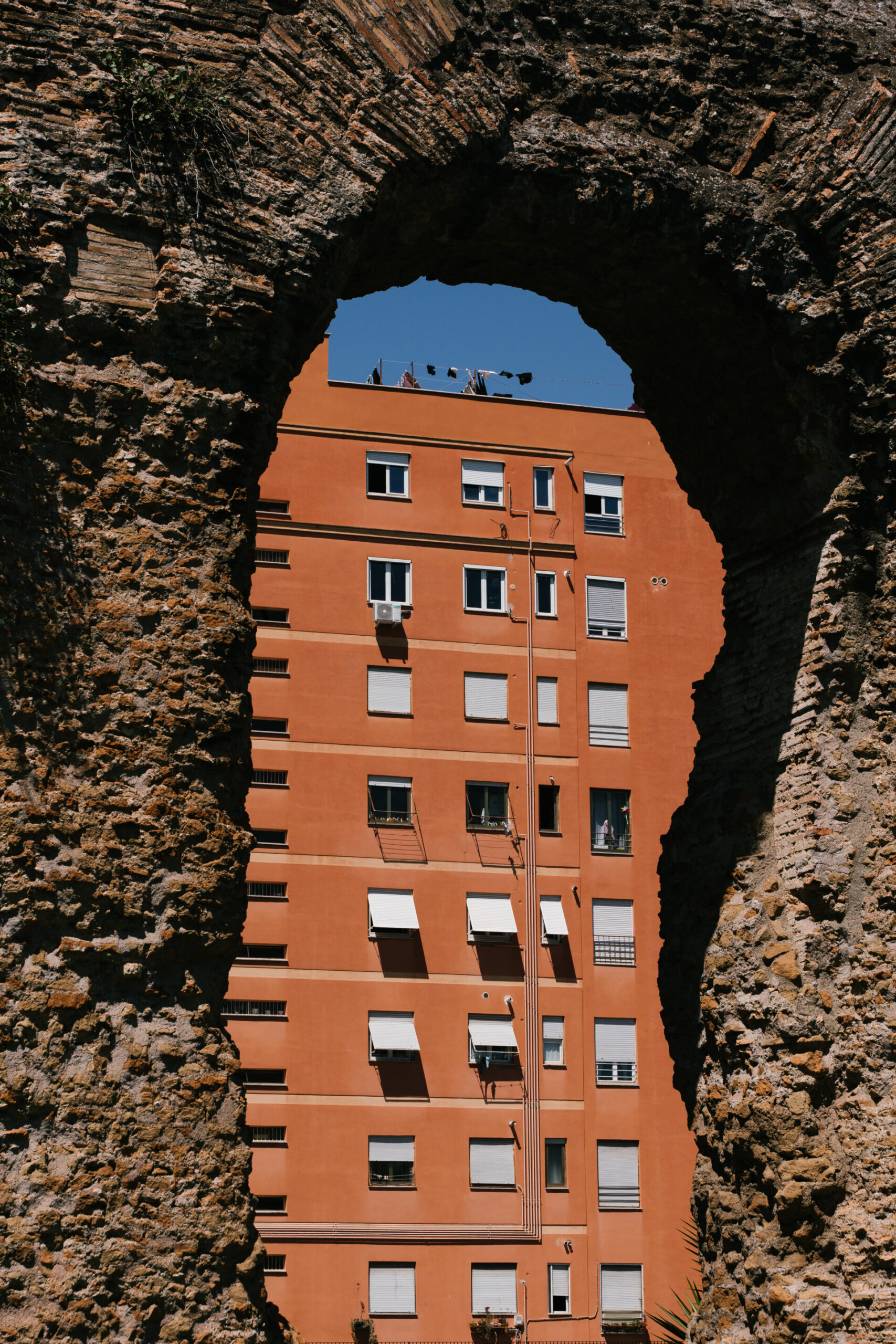
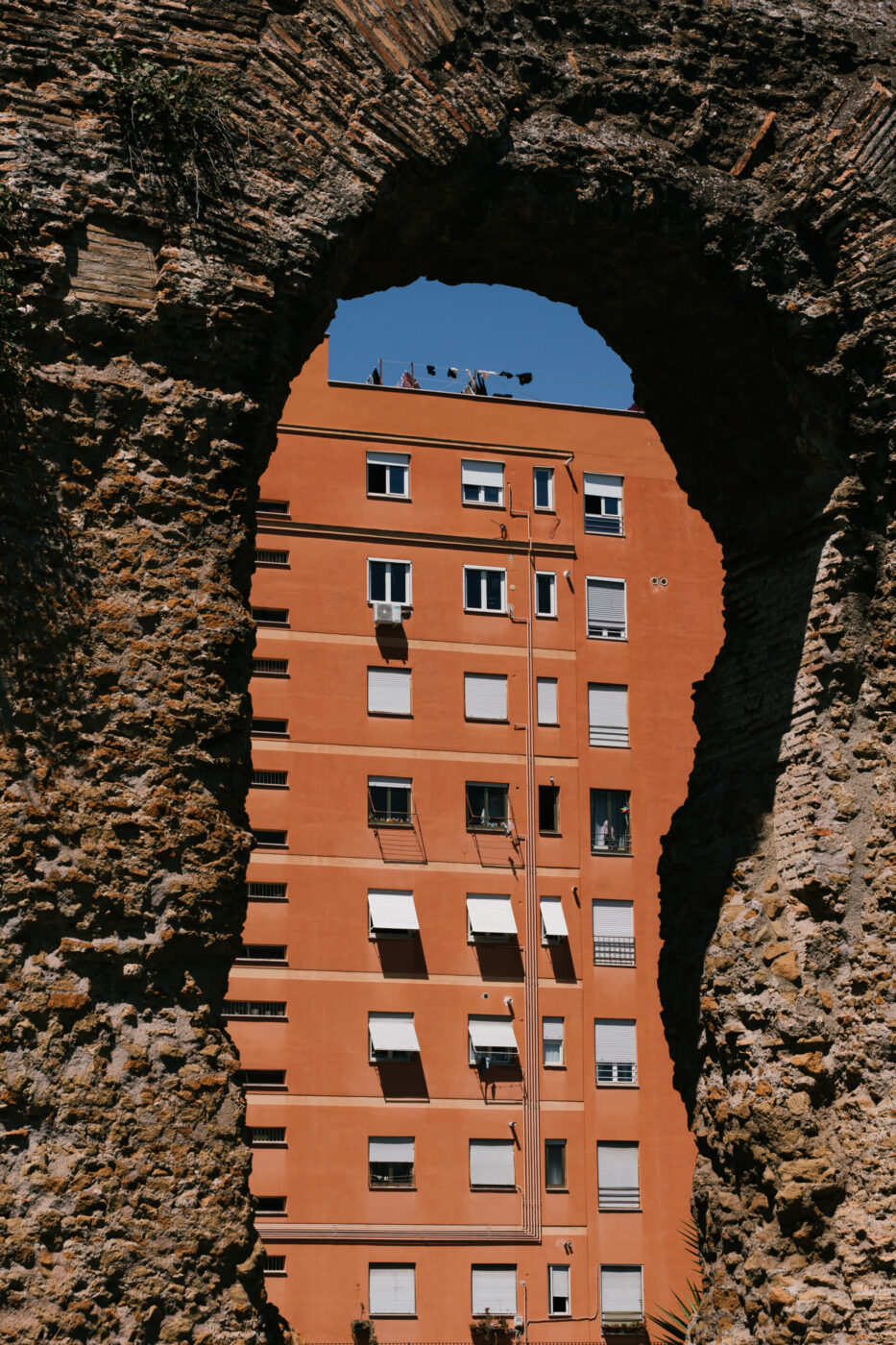
Parco Giordano Sangalli – Dedicated to the young partisan who died at 16 during the Battle of Monte Tancia on April 7th, 1944, this park is crossed by the massive arches of the Alexandrian aqueduct. The grassy areas around the imposing structure are great for whiling away a sunny afternoon.
M.A.U.Mi – Inside the garden of Casa Scalabrini 634—an association working to bridge the gap between locals and migrants—is the first Museum of Urban Art on Migrations. The project, curated by the Casilino Ecomuseum, aims to tell the story of migration in Rome through murals by artists such as Mr. Klevra, Nicola Verlato, and David “Diavù” Vecchiato.
Parco Villa Filippo De Sanctis – The green heart of Tor Pignattara, this expansive park houses the remains of the ancient Mausoleum of Saint Helena alongside a collection of contemporary sculptures, most notably The Moon by Costas Varotsos. The park is a vital intersection of Roman history and everyday life, where locals often jog or picnic on sunny days.
La Certosa – Marked by the railway, La Certosa is a sort of village within the neighborhood, featuring low houses, venues, and incredible street art. There’s a strong sense of community here, thanks in part to the work of the Certosa Neighborhood Committee, a local antifascist activist group working to safeguard the area.
ART SPACES IN TOR PIGNATTARA
Fondazione Bertugno-Moulinier – An artistic laboratory, library, and research center situated in the former home-studio of its founders, artist Simone Bertugno and art historian and curator Magali Moulinier. More than just a gallery, the foundation acts as a hub for urban regeneration. Through workshops, international residencies, and collaborative projects, it uses art to promote the “dissemination of know-how” and the active participation of the local community.
Studio 54 – Founded in 2006 by painter Nicola Rotiroti, this atelier serves as both a creative hub and a residential workspace for the neighborhood’s artistic community. The site functions as a live-work laboratory, featuring expansive windows, a central courtyard, and a communal kitchen designed to foster collaborative production.
Mutable Flat Lab – Located in a former industrial warehouse, this multidisciplinary space blends architecture, electronic music, and art. Founded by composer and visual artist Luca Longobardi and interior designer Michele Rutigliano, the space functions as an intermedia laboratory, hosting intimate house concerts and music-focused workshops.
Spazio delle Arti Blu – Founded by RAABE APS, this multidisciplinary space hosts exhibitions, literary presentations, and lifelong learning programs. The space focuses on upcycling, transforming found objects into contemporary art to foster a direct, everyday connection between the gallery and the neighborhood.
Santa Libbirata- La Carretteria – A community-centric venue that pairs live music with a focus on local activism. The space serves as a primary hub for an active queer collective, hosting a monthly schedule of performances, political debates, and readings of unpublished literary works.
Spazio Impero – The former Cinema Impero, once one of the largest in the city, now hosts this space that includes artist residencies, the headquarters of the Stap Brancaccio Advanced Training Academy, a series of street art works dedicated to cinema, and a student hostel coming soon.
Spazio Rivoluzione Roma – Originally founded in Palermo, this political art space occupies the former bakery of Pietro Cipriani, a renowned anti-fascist militant. The gallery bridges historical resistance with contemporary activism, operating on the belief that in Tor Pignattara, the revolution starts with art.
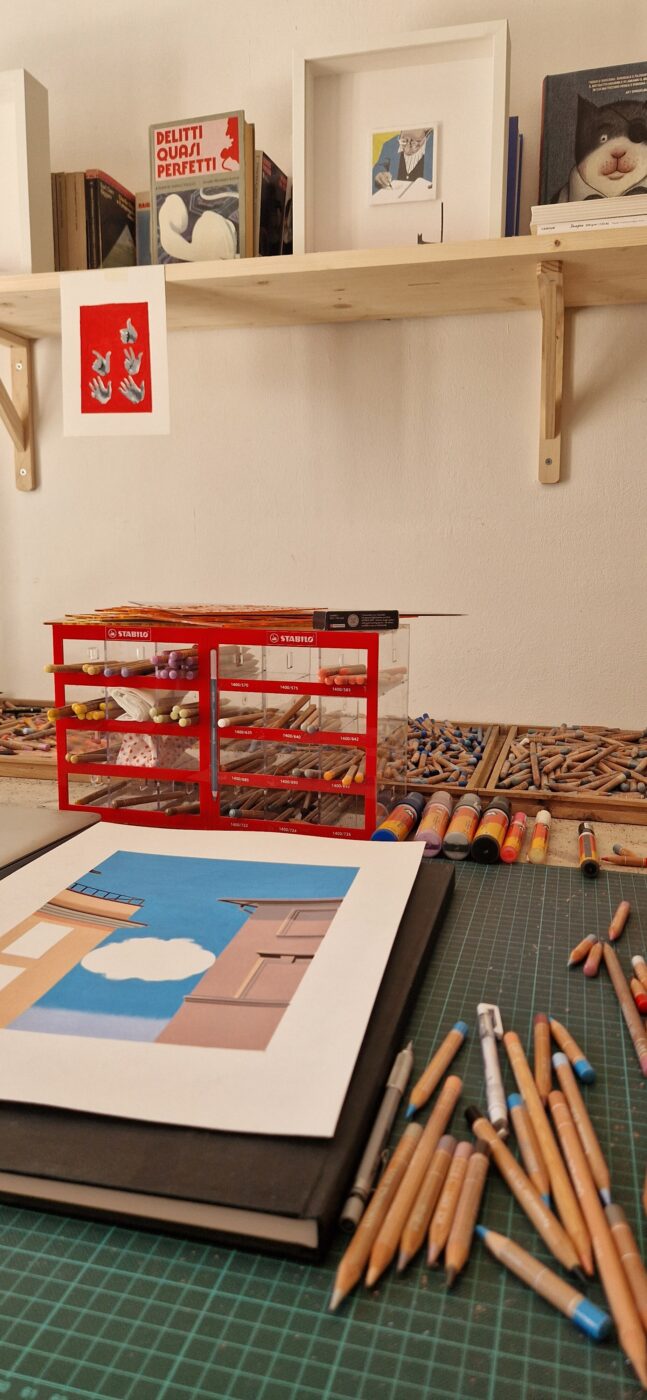
Linea Bar – Six artists, one studio, and one exhibition space create this chaos of prints, books, comics, and illustrations. More than just a shared workspace, it functions as a creative engine for the neighborhood, hosting everything from book presentations and small theater performances to exhibitions and readings.
Spazio Celestino – Occupying the former studio of painter Celestino Ferraresi, this versatile hub hosts a dense program of concerts, theater, art workshops, coworking, and more. Inside is spacious and filled with projects, from costumes to paintings, and they have a nice terrace overlooking the surrounding rooftops. They always update their Instagram with upcoming events, from a Tarantella workshop to photo exhibitions.
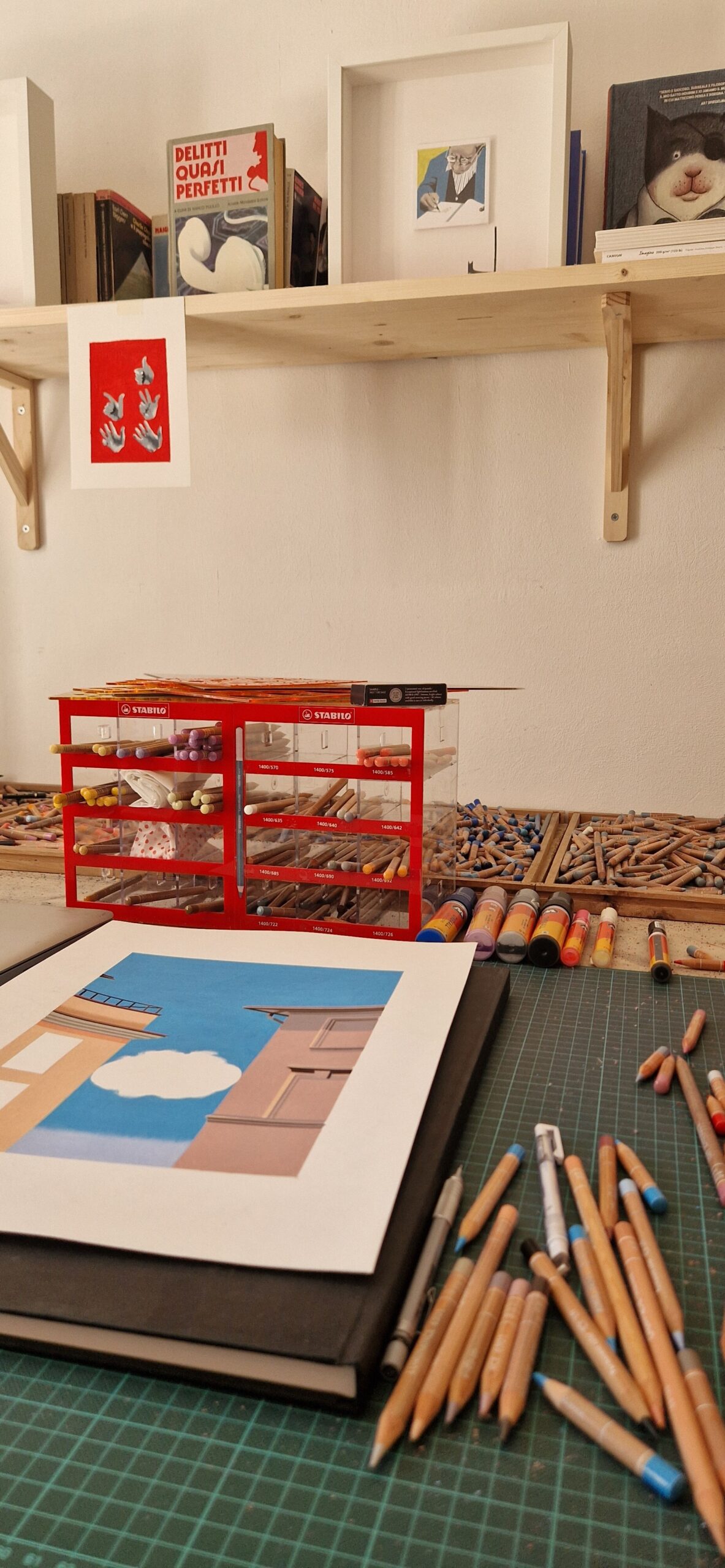
Linea Bar; Photo by Antonio Pronostico
WHERE TO EAT IN TOR PIGNATTARA
A Rota Pizzeria – Roman pizza—the thin, crackly kind—is perfected here with a serious focus on light dough. Pizzaiolo Sami El Sabawy is among the best interpreters of this style, offering various classics and a few seasonal options, like pizza with Jerusalem artichoke cream, pioppini mushrooms, and cheese aged in walnut leaves, or one topped with Gratinéed fennel, artisanal coppa, Corbara tomato reduction, and a spicy green herb pesto. Book in advance online.
Bazar Taverna Curdo Meticcia – This restaurant is Kurdish-meets-Neapolitan cuisine, with a specific focus on activism both in Italy and abroad. The menu is an eclectic mix—from börek and chicken kutlik to handmade ravioli—paired with house-brewed craft beer or wines from independent producers. You can stay for dinner or just pop by for a tea or delicious cardamom coffee.
Betto e Mary – At this historic trattoria in the Certosa area, run by the Spoletini family, you’ll be greeted with a blunt joke along with great plates of tripe, oxtail rigatoni, coratella, cacio e pepe, and grilled meats. The interiors are spacious and often chaotic—all part of the experience.
Ristorante Indiano Bombay Curry – A small, female-run Indian spot where you can eat excellent samosas, tandoori meats, biryani, and chicken curry. The flavors are exceptional, and it’s a great place to come as a group so you can try lots of different dishes.
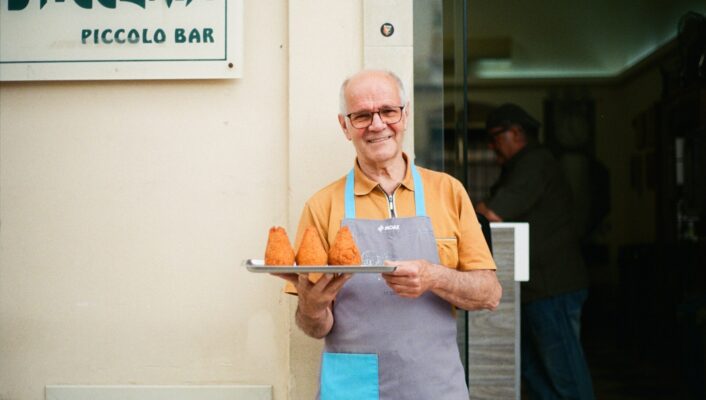
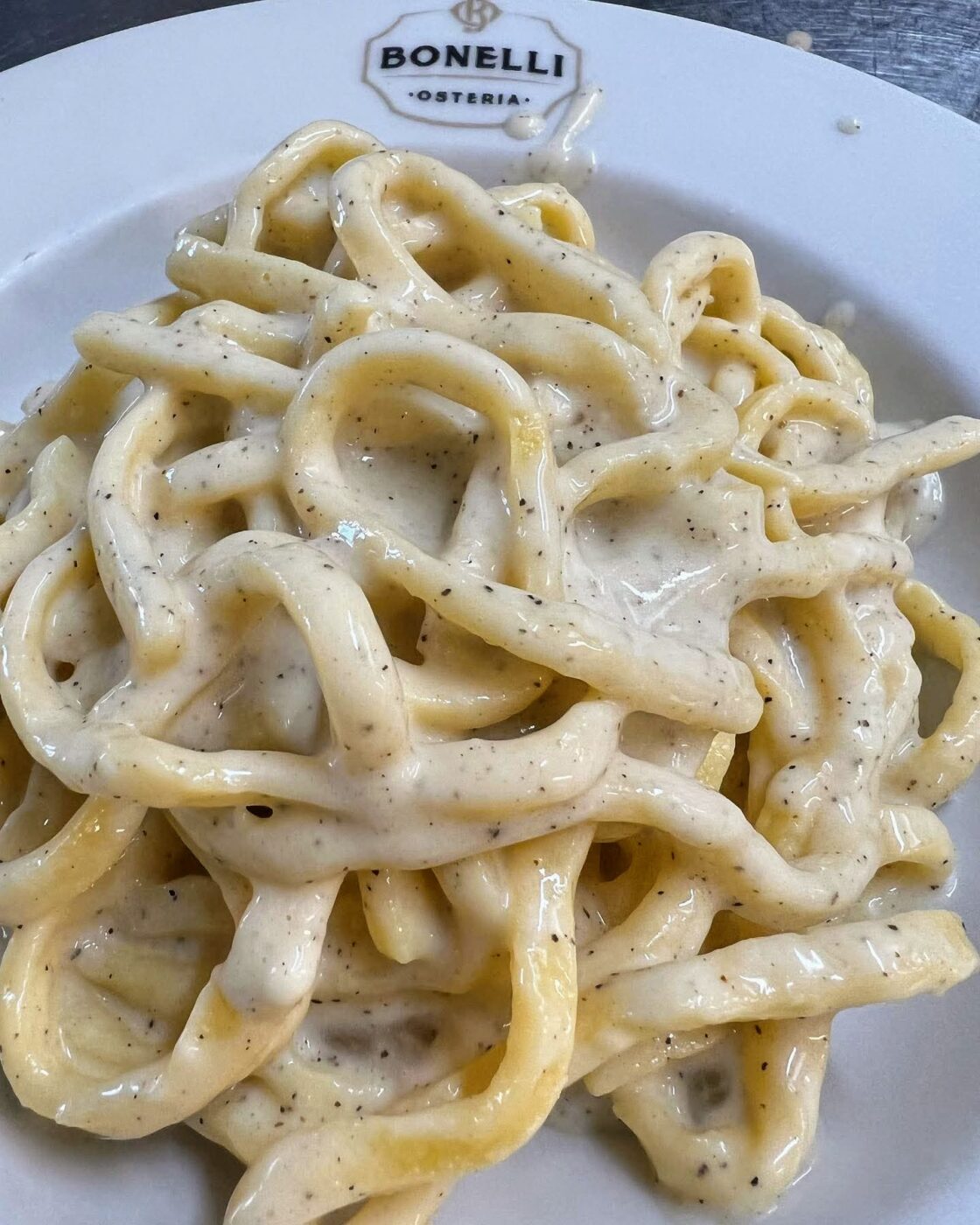
Osteria Bonelli – A neighborhood landmark that’s spartan in service but unbeatable in the kitchen. Supplì, carciofo alla giudia, Roman tripe, tonnarelli alla gricia, and bucatini all’amatriciana are just some of the house specialties. Expect generous portions and good quality.
La Certosa – In the center of Certosa, this bar/fish shop/trattoria has a simple style that matches the neighborhood’s family atmosphere. The stars are seafood dishes like fried anchovies, tonnarelli with mussels and pecorino, and, of course, spaghetti alle vongole.
Fatti di Farina – Following the passing of their father, Amilcare, 20-year-old brothers Enrico and Emanuele took over the family bakery, inheriting both the business and his lifelong passion for baking. Today, it’s a neighborhood powerhouse serving everything from artisan sourdough and pizza alla pala to Roman primi and secondi. Whether you’re there for a morning cornetto or a late-night craft beer, the dedication to fermentation remains the star of the show.
Eufrosino Osteria – Named after the patron saint of cooks, the restaurant deliberately recalls old-school osterias, with wood-paneled walls covered in photos and “Buon Ricordo” ceramic plates. The open kitchen celebrates Lazian tradition, with hard-to-find dishes like Roman pandorato (savory French toast) with pecorino and cardoncelli mushrooms, or their oxtail lasagna—breaded and deep-fried. The bread comes from the aforementioned A Rota.
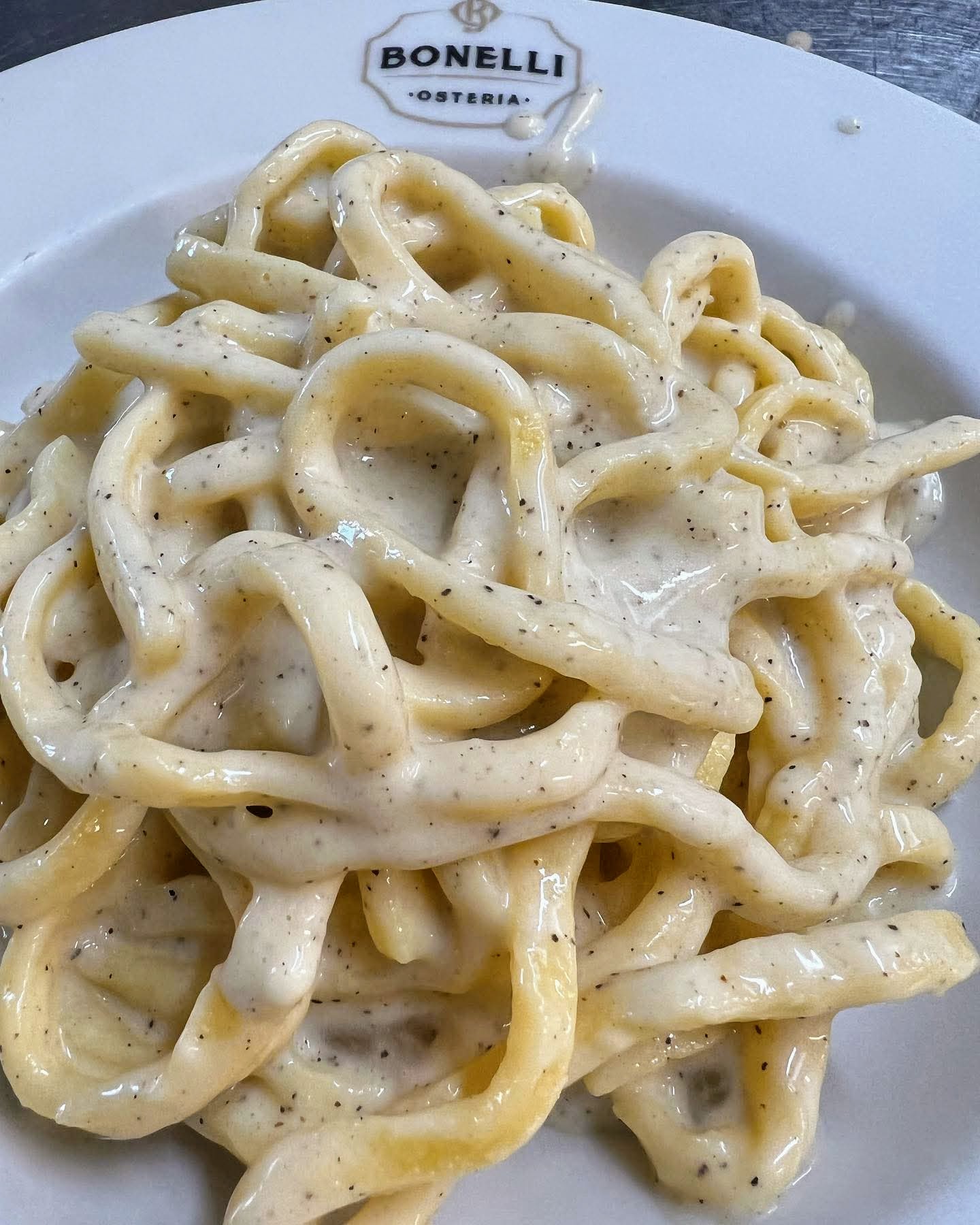
Cacio e pepe at Osteria Bonelli; Photo courtesy of Osteria Bonelli
Ristorante Euro Bangla – Run by a Bangladeshi family, this simple restaurant is a staple for classic, well-seasoned Indian and Bangladeshi dishes. Don’t miss the tandoori chicken with yogurt and spices, lamb biryani, samosas, and chicken vindaloo.
Gelateria Fratelli Vecchio – Open for over 40 years, this quaint gelato shop has a vintage interior and some of the best gelato in the area. Try the excellent zabaglione flavor—it has a cult following here.
L’ Angolo Cottura Trattoria – This small trattoria has a chalkboard menu featuring a handful of seasonal vegetarian dishes and Roman classics. You’ll often find regulars enjoying a simple, filling lunch menu (at €12 with meat, or €10 without) and picking up some of the food to go for later. Don’t forget to inquire about their off-menu items.
Nando’s Pizzeria Popolare – This pizzeria finds the sweet spot between Roman crunch and Neapolitan fluff, serving a hybrid dough that handles bold toppings well. Go for the Assoluto di Marinara: a vibrant red-and-yellow pie of classic tomato, charred datterini, garlic oil, olive powder, and a silky yellow tomato confit cream.
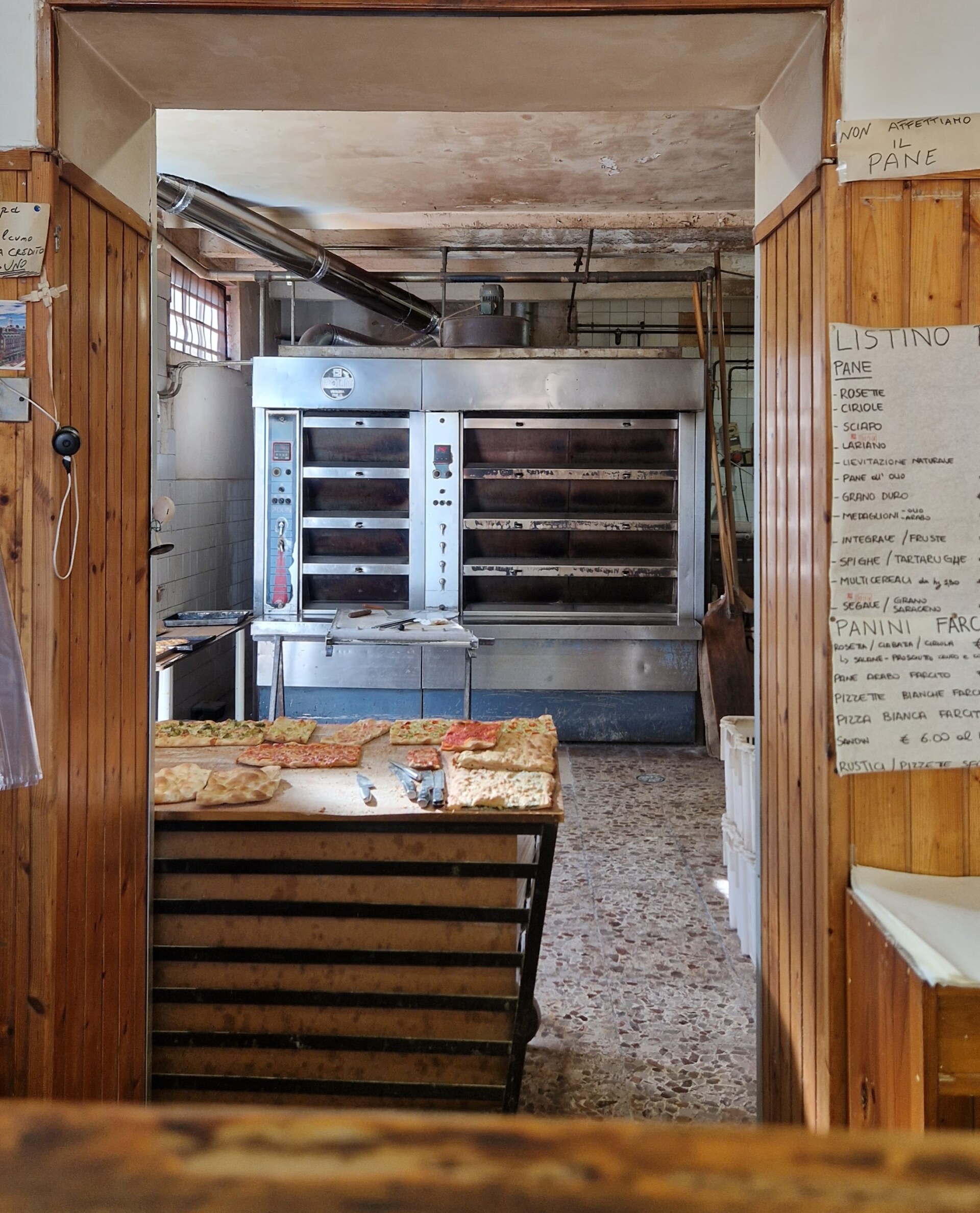
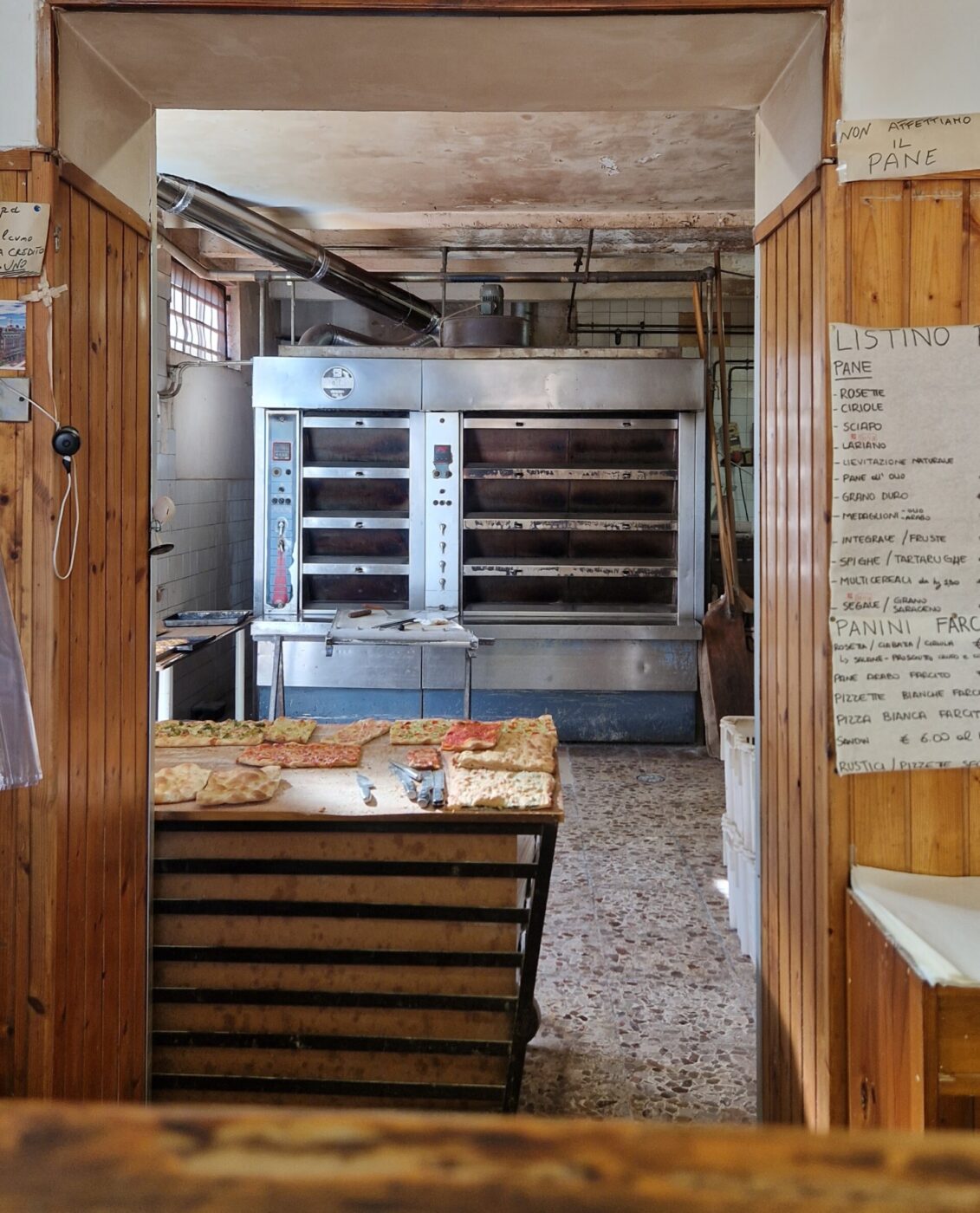
Forno Certosa – Panificio Fratelli Marrocchini; Photo by Mario Luongo
Panificio Fratelli Marrocchini (Forno Certosa) – The faded sign is barely visible, camouflaged among the low houses of Via Savorgnan, but at certain times of day, the smell of fresh bread is irresistible and will lead you right to this longstanding bakery. Bread, freselle, pizza al taglio, and sandwiches are all excellent.
Pasticceria Signorini – Active since the early 1930s, this pastry shop is a staple for many neighborhood residents (and beyond) for pastries and cakes, especially the legendary Sacher Torte and tronchetto (Swiss roll). It’s also a great morning stop for a coffee and maritozzo.
Il Ragioniere – Since 1932, this simple trattoria has boasted one of the best kitchens in Tor Pignattara, with seafood dishes and classic Roman fare served atop white tablecloths in a large-windowed, bright dining room. They have excellent cold octopus and potato salad, as well as a standout carbonara and spaghetti alle vongole.
Sabor a Perù – Right next to Tor Pignattara’s covered market, this place is easy to blink and miss—but you certainly shouldn’t skip it. It’s a vibrant slice of Lima in the heart of Rome, serving up heavy hitters like ceviche de pescado, papa a la huancaína, and caldo de gallina (hen soup) at prices that are as friendly as the service. Sundays are filled with live music and a Peruvian brunch, and Thursdays and Fridays bring karaoke nights.
WHERE TO DRINK IN TOR PIGNATTARA
Bar Volo – One of the most interesting spots in the area, the bar is equally a destination for small plates, drinks, culture, and music. Open from morning until late evening, the kitchen turns out handmade desserts and refined, simple dishes paired with a curated selection of natural wines, cocktails, and craft beers. Beyond the menu, expect excellent cultural events, DJ sets, live music, and creative workshops.
Chourmo – In the center of Certosa, this small enoteca is a great aperitivo spot for a glass of wine or craft beer. It was founded as a place of bread, wine, and good company, and that’s exactly what you’ll find. They pay special attention to their natural wines, hoping you’ll discover “geology in a glass.” Check their Instagram for an up-to-date schedule of live music and activist speakers.
Hop Corner – Craft beer lovers flock to this aptly named, beer-forward spot. With a selection of natural wines and spritzes as well, it’s the perfect spot for catching up over a drink and an assortment of surprisingly tasty sandwiches, mini pizzas, and other snacks. The indoor space is small, but on nice days—and there are many in Rome—the crowd spills outside, keeping the atmosphere lively well into the evening.
Shakespeare&Co. – This wine bar has a lived-in charm, friendly service, and fair prices. Inside is really tiny, so you’ll want to join the throngs of locals enjoying a glass of wine, beer, or spritz at the many tables outside. The food options are a bit more limited, but they have nice tagliere to share.
Tante Care Cose – Between Pigneto and Tor Pignattara, this intimate gastro-bar features a few tables, an open kitchen, and a knockout menu of ever-changing small plates. It’s a playful mix of global influences—think cabbage with furikake and honey kosho, or a pastrami sandwich spiked with beetroot and sriracha mayo. Everything is seasonal and well-executed, with great natural wine and beer options to pair.
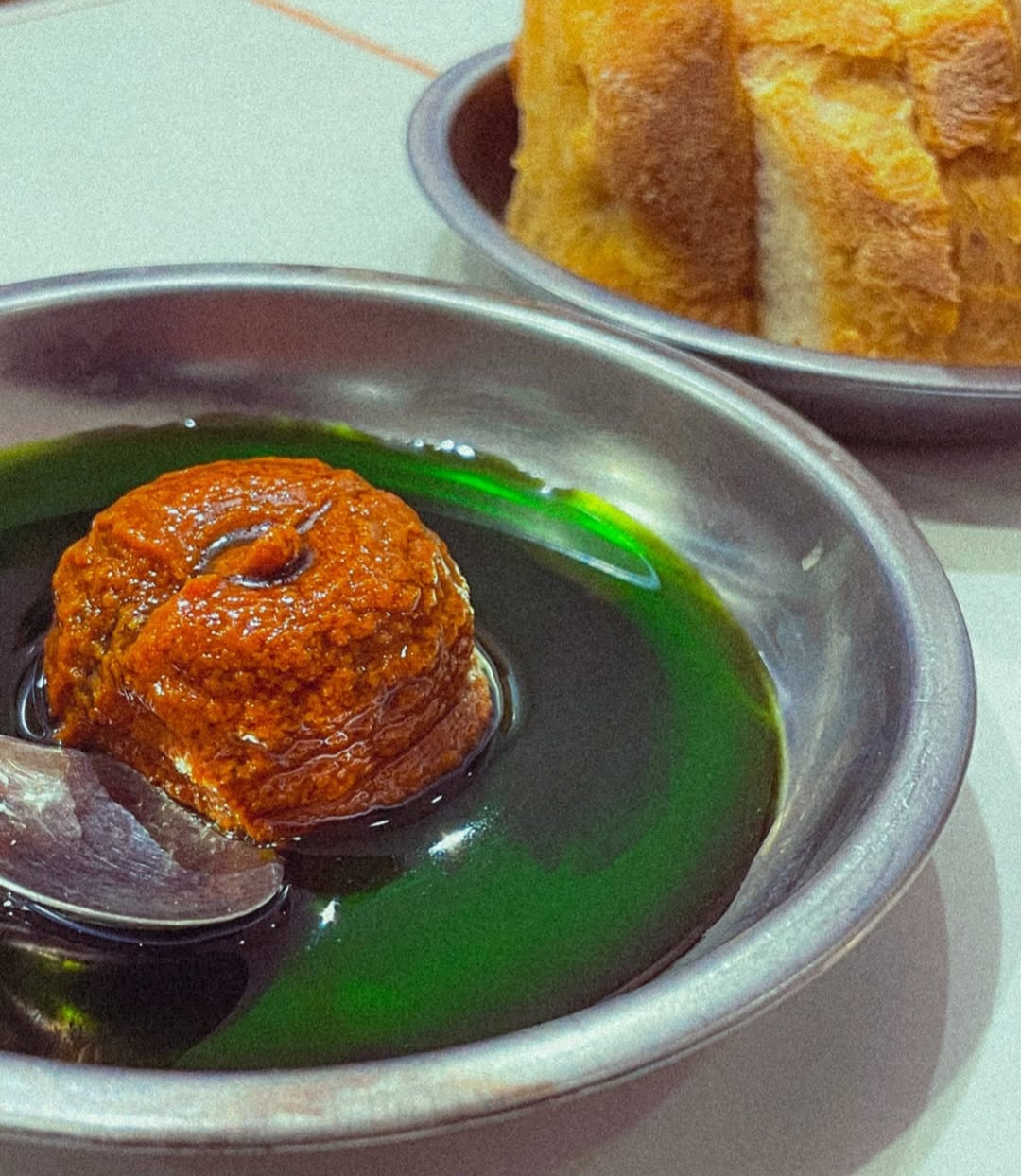
Tante Care Cose; Photo courtesy of Tante Care Cose
WHERE TO SHOP IN TOR PIGNATTARA
Ba.to Vintage – One of the best-stocked and most colorful vintage shops in the area, with a selection of both men’s and women’s clothing and accessories. Simone, the owner, is a true expert, and chatting with him is always a pleasure.
Fortezza Est – This multidisciplinary space features a theater focused on contemporary language and a curated bookstore specializing in graphic novels and children’s literature. They also host a range of workshops and courses designed for everyone from ages 4 to 99.
Risma Bookshop Libreria – An independent bookstore toward Pigneto that was born from owner Serena Dovì’s passion for graphic novels and everything related to illustration and drawing. Perfect for those looking for small independent publications, comics, illustrated books, zines, and picture books.
Book-Cycle – This small but well-stocked bookstore operates on a “pay-what-you-want” model: visitors can choose up to three books and set their own price via donation. All proceeds support an association dedicated to providing free access to literature in marginalized settings—including prisons, hospitals, schools, and reception centers—across Italy and worldwide.