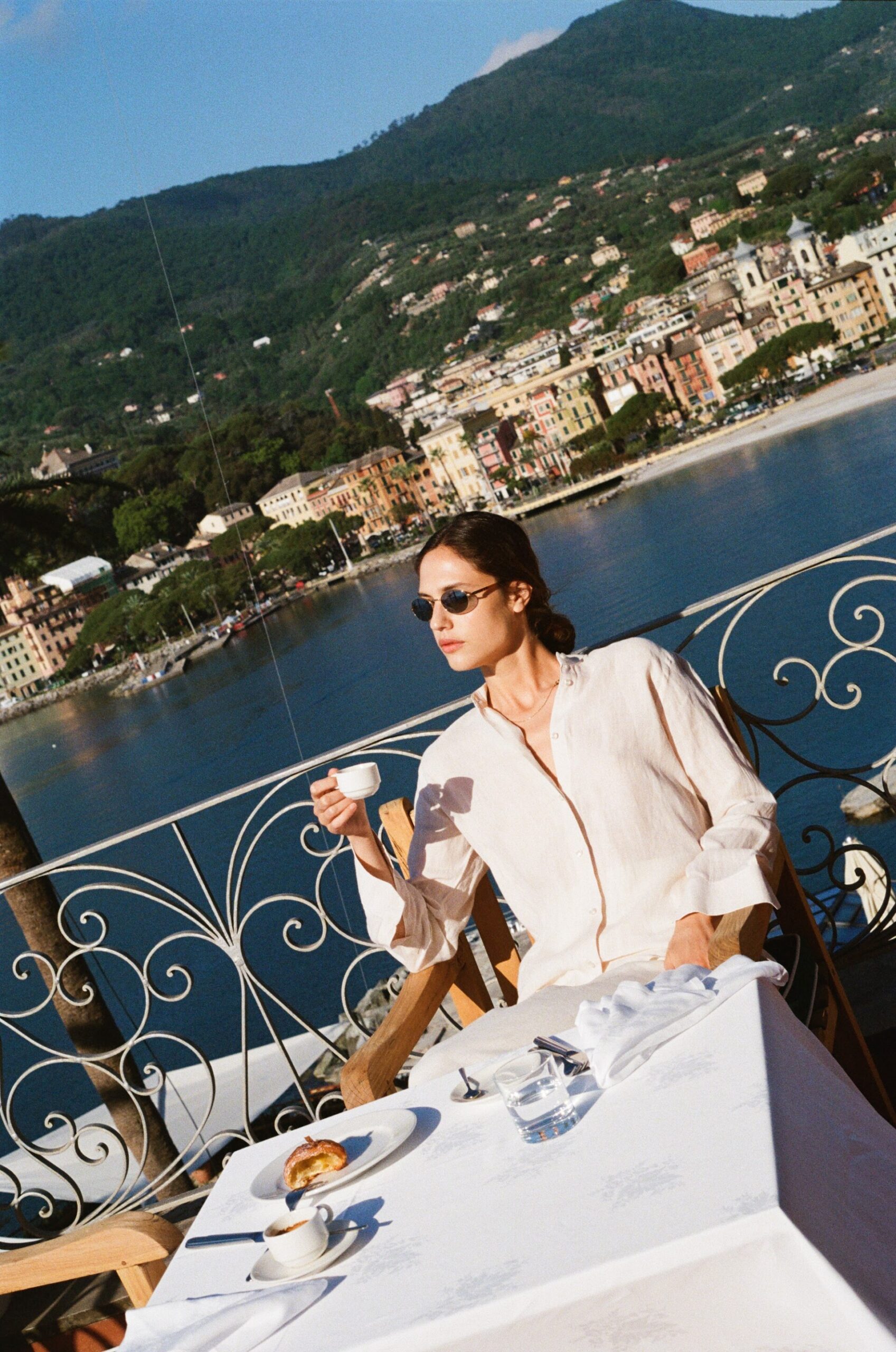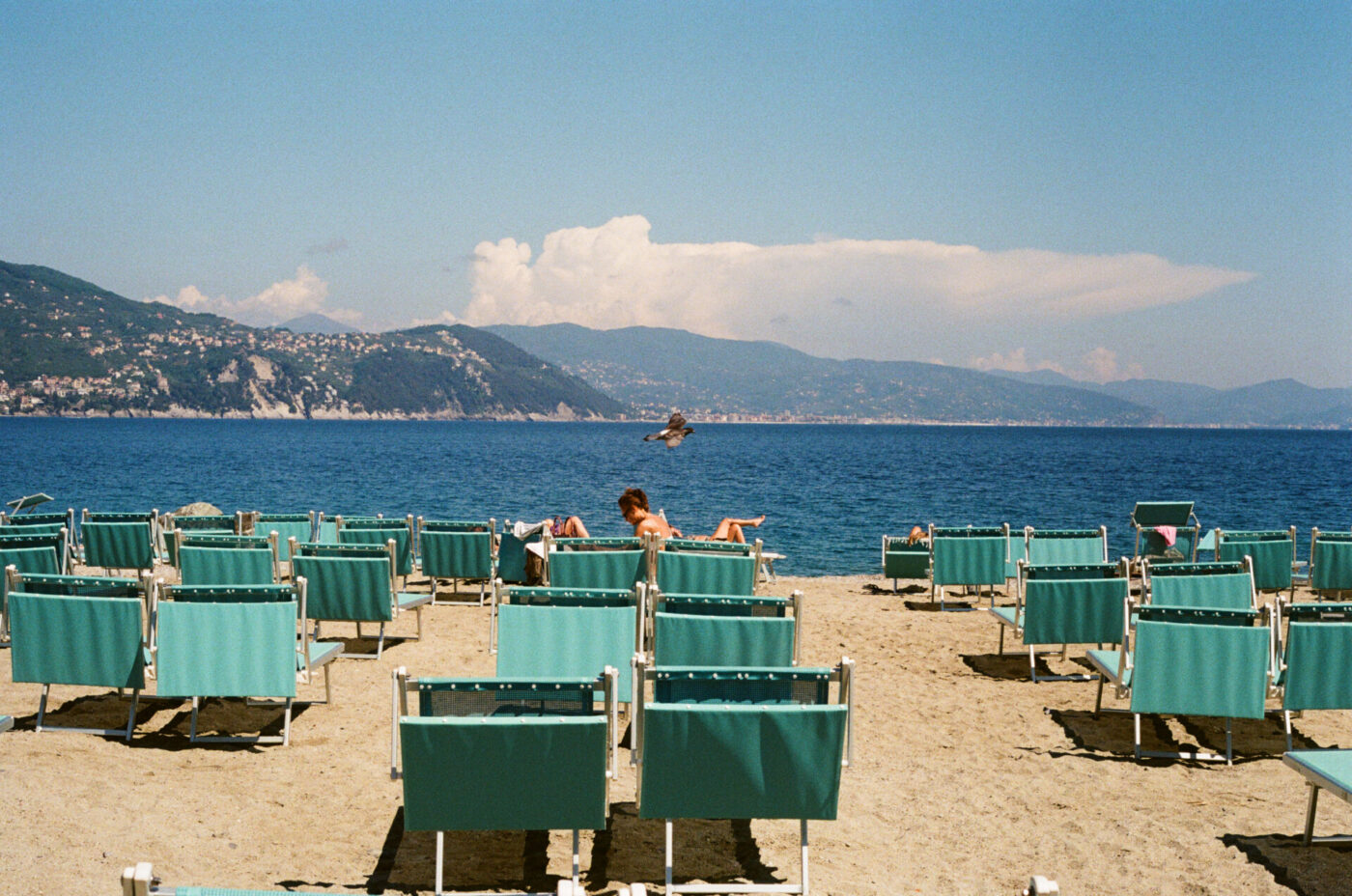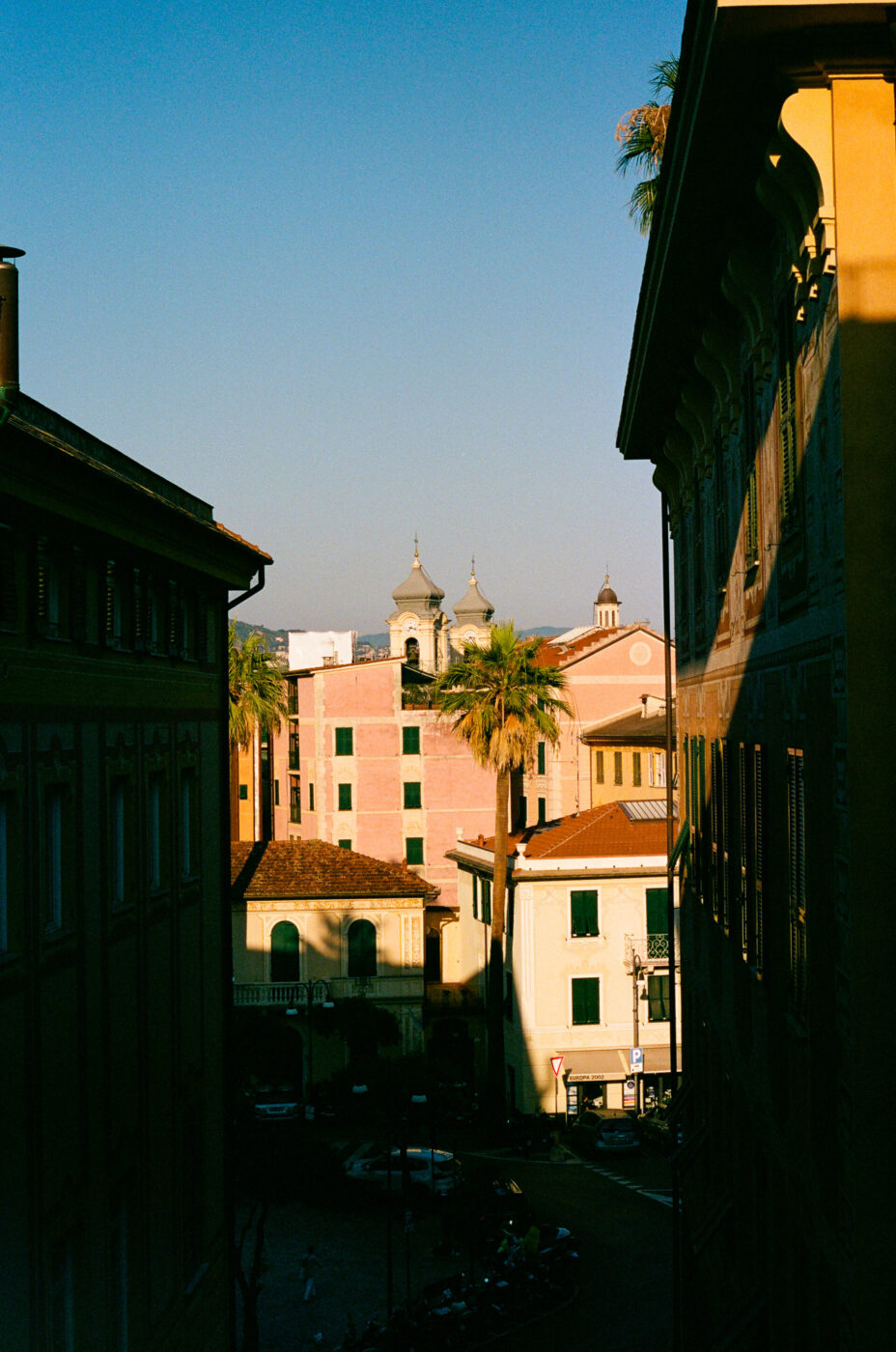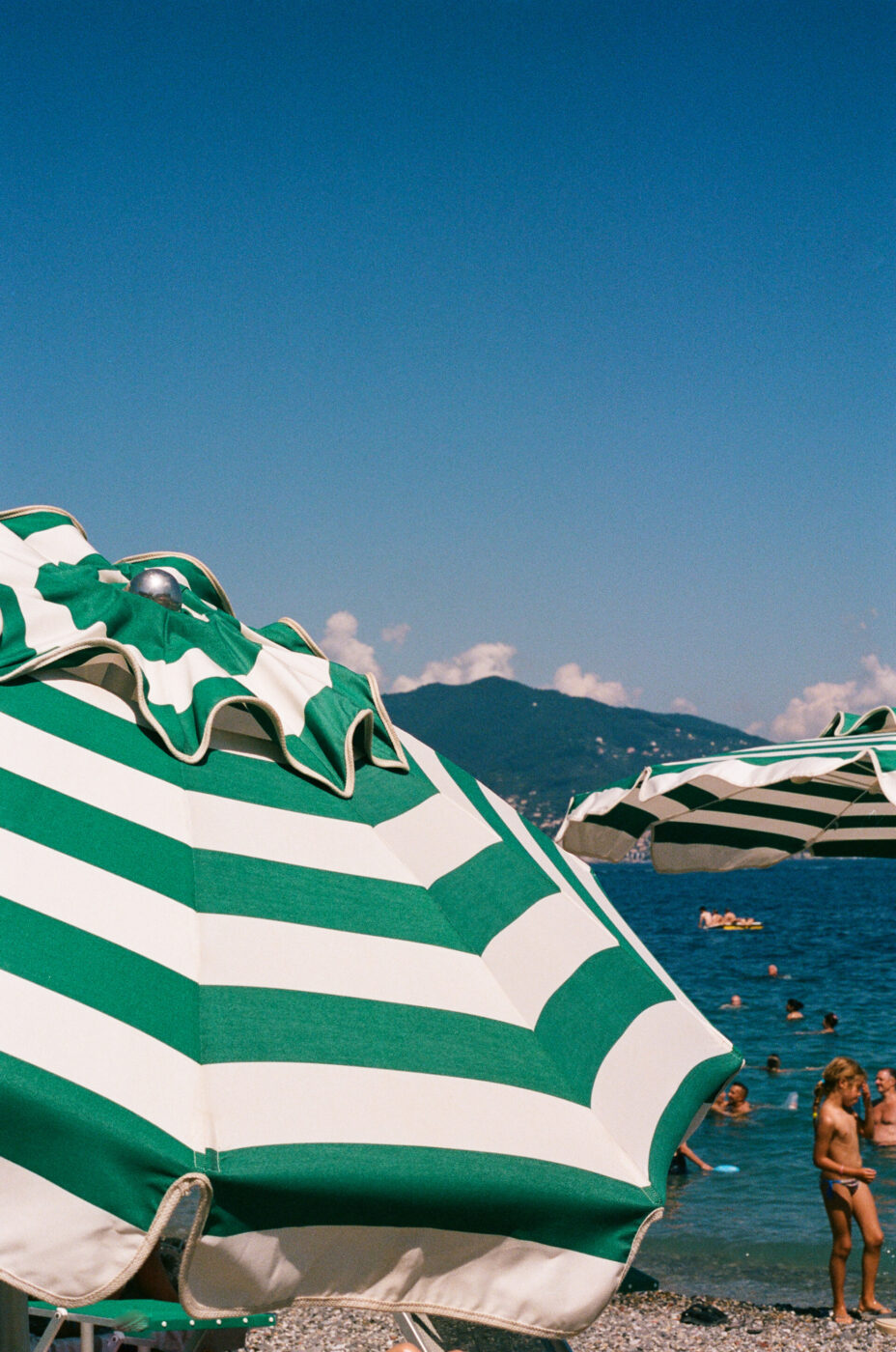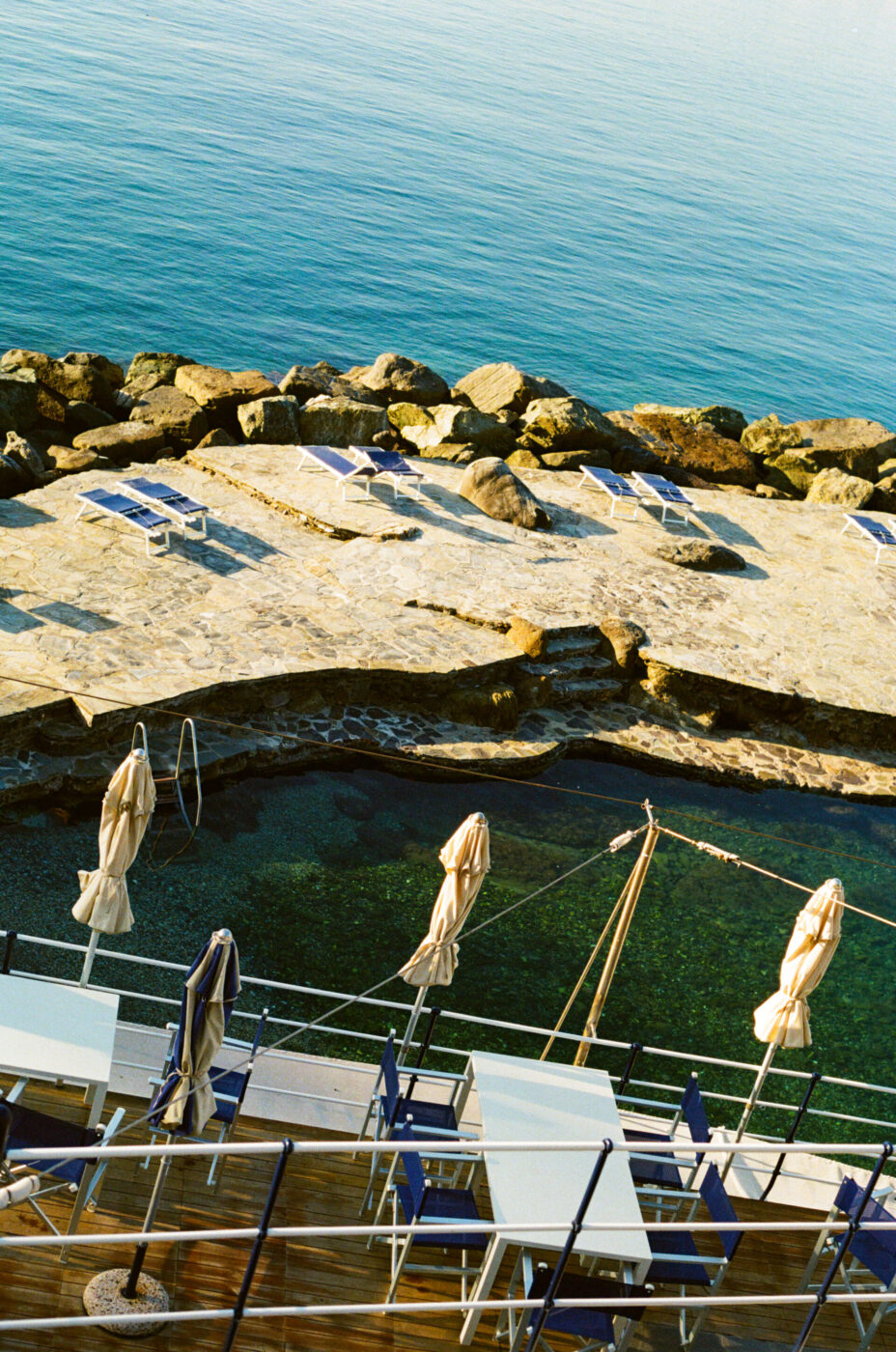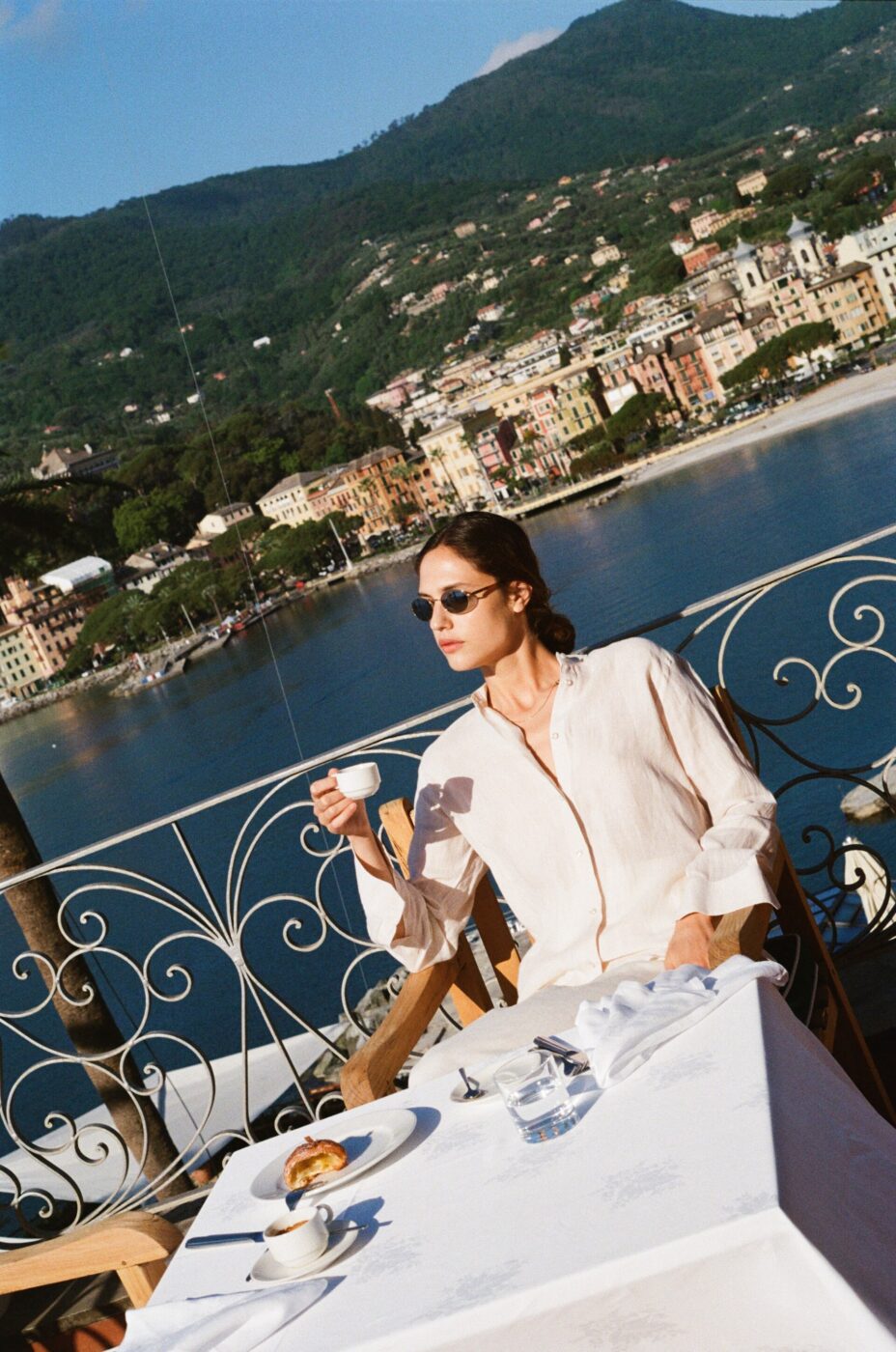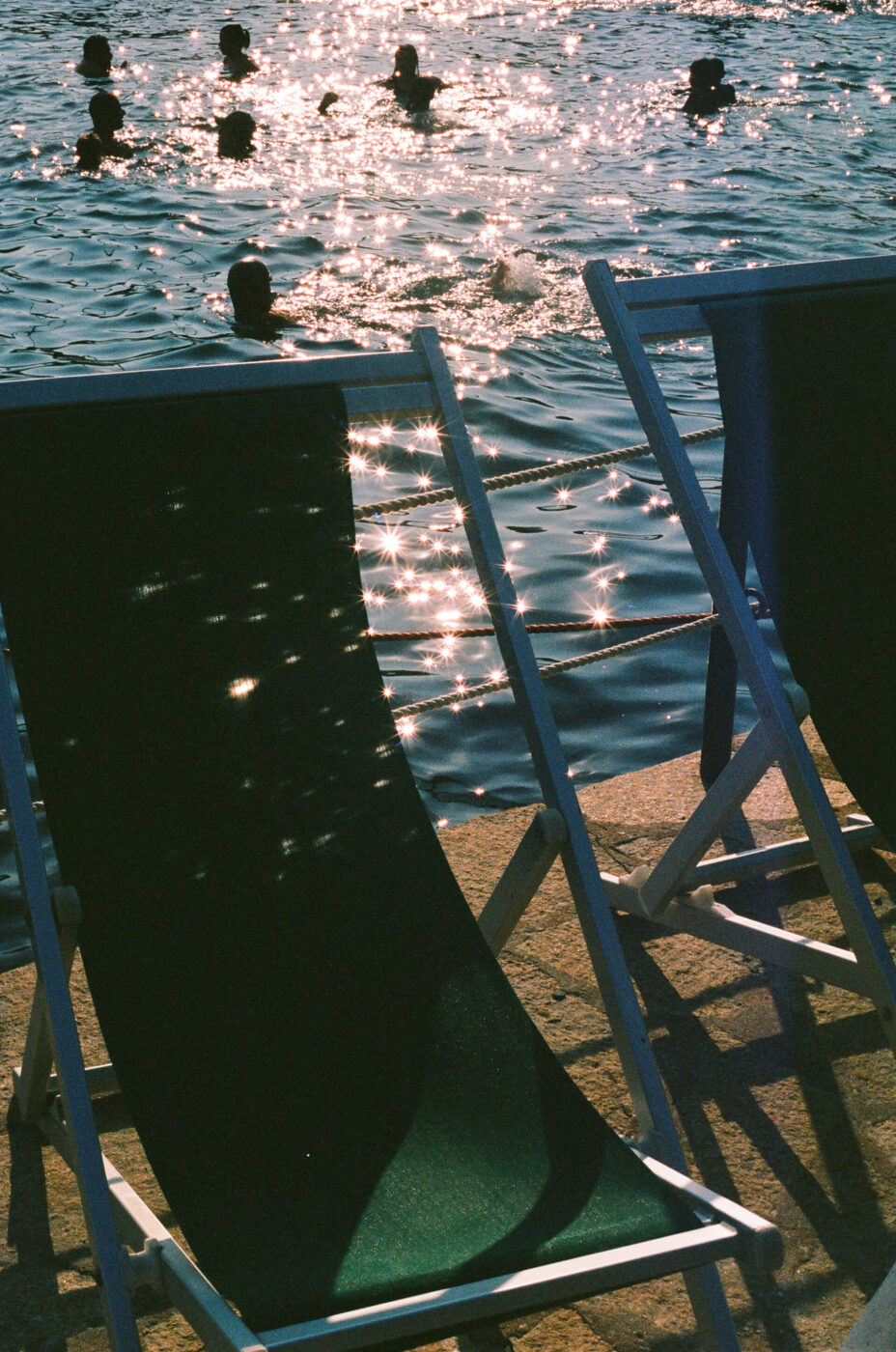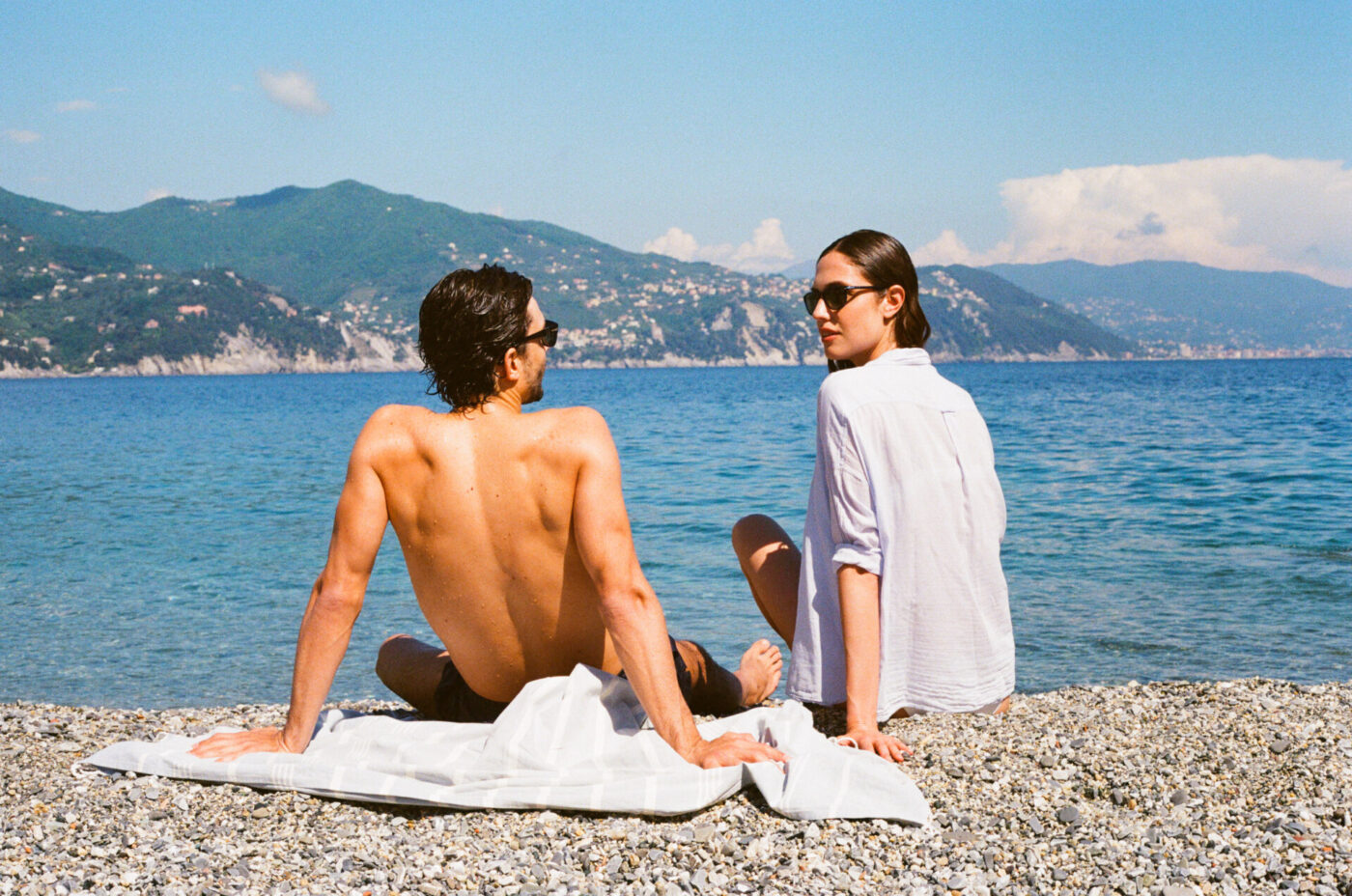
Known as the “Pearl of Tigullio”, after the gulf it overlooks, this town certainly lives up to its moniker. Framed between the sea and the mountains with Liguria’s classic color palette, Santa Margherita Ligure offers lots to do, many places to eat, plenty of beachfront, and buckets of charm. Vestiges of its storied past are found today in the likes of the 17th-century hilltop Villa Durazzo with its spectacular Italian garden, originally a summer residence for wealthy silk merchants from Genova; the central Castello di Santa Margherita Ligure, constructed in 1550 to protect the city against pirates; and, farther up the coast, the Abbazia di San Fruttuoso, a Benedictine monastery from the 10th century only reachable by foot or boat.
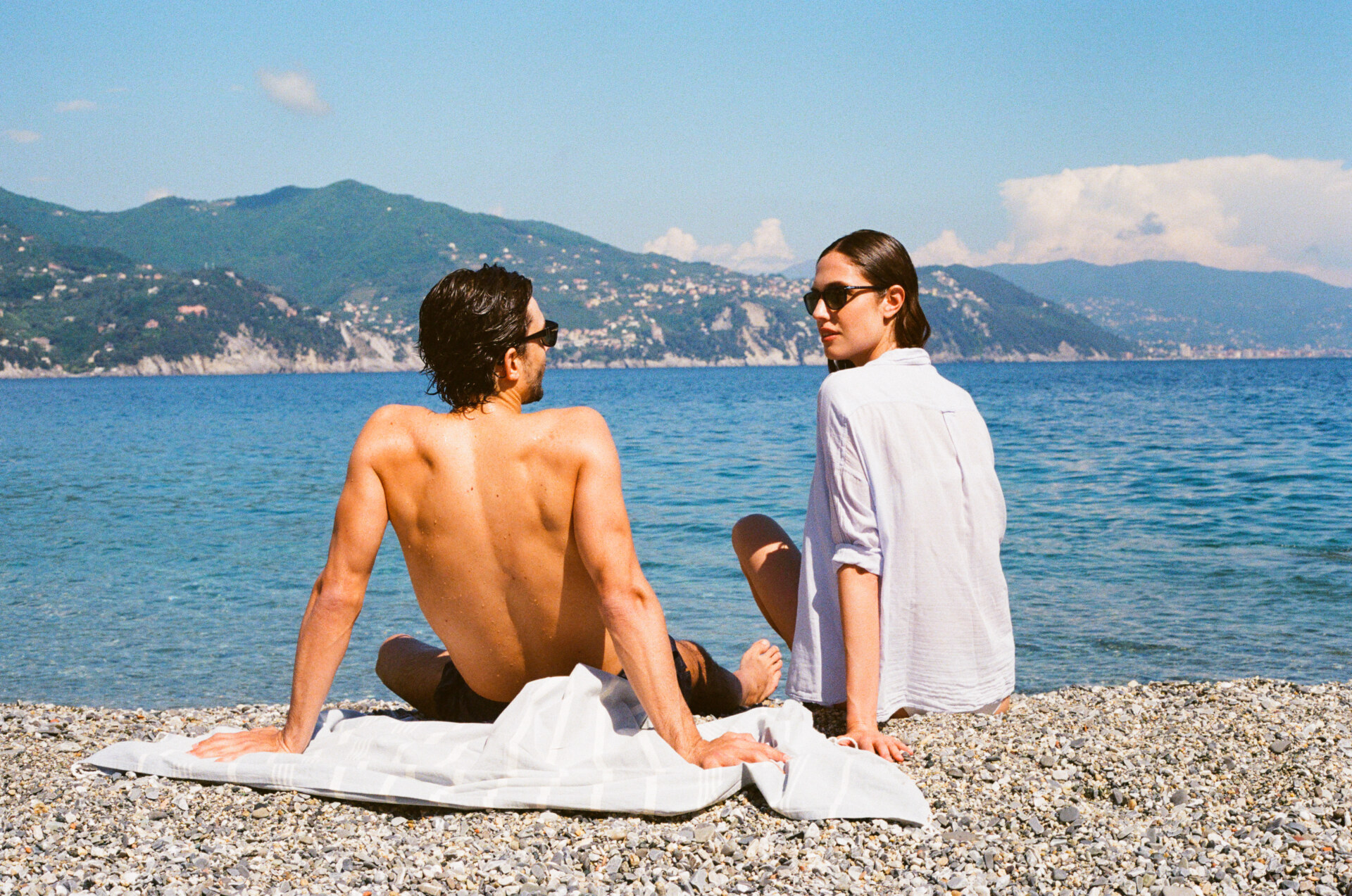
The food scene here is unsurprisingly seafood-focused—don’t miss the buttery gamberi rossi (red shrimp) or the frisceu di baccalà, crispy salt cod fritters that sometimes get a local treatment with honey and raisins—though you can find all the Ligurian classics, including trofie al pesto, farinata, and focaccia genovese. Beaches here are ideal for swimming; thanks to the town’s position in a cove, the waters are calmer, and there’s a large port for fishing, tourism, or any sort of boating. From here, Camogli, Rapallo, and Portofino are a hop, skip, and a jump away.
To experience Santa Margherita Ligure at its most idyllic, we recommend planning your trip between mid-April and June when the Italian Riviera weather is balmy and there are fewer visitors. You can arrive by train along the Genova–Pisa line, though driving the panoramic SS1 coastal road offers breathtaking vistas and the perfect excuse for a scenic lunch detour at Trattoria Oü Settembrin. Alternatively, you can touch down at nearby Genova City Airport and make a quick car transfer, or opt for a cinematic entrance by sea via the ferries connecting the town to Portofino and Cinque Terre.
WHERE TO STAY IN SANTA MARGHERITA LIGURE
Grand Hotel Miramare — This white-washed Art Nouveau icon has been the place to stay in Santa Margherita Ligure since 1903. Inside, the rooms lean into a palette of Riviera blue and crisp cream, featuring hand-painted floral frescoes, polished parquet, and Carrara marble bathrooms. The sea-facing balconies offer the kind of view that makes you forget your phone exists. It’s old-world glamour—complete with crystal chandeliers and vaulted ceilings—maintained with a modern eye. If you want to lean into the history, book Room 105; it’s where Guglielmo Marconi, who invented the radio, stayed in the 1930s.
WHAT TO DO IN SANTA MARGHERITA LIGURE
Villa Durazzo — If you want to feel like a 17th-century aristocrat, head to Villa Durazzo. Built in 1678 as the summer residence of the Durazzo family—and later snatched up by the Centurione princes in 1821—this Alessian-style estate is the town’s crowning jewel. Getting there is a gentle workout, and you’ll be rewarded by the Piano Nobile, rooms filled with 17th-century Piola frescoes, turquoise Murano glass, and a “Sea Loggia” where trompe-l’oeil seasons compete with actual harbor views. But the real draw is the expansive park, with a citrus grove of lemons and grapefruits, camellias, ancient cycads, bougainvillea-covered pergolas, and the Centurione Princes’ “Secret Garden”—a 19th-century lovers’ refuge. Get lost following the risseu paths, those intricate hand-laid pebble mosaics that are traditional in Liguria.
Castello di Santa Margherita Ligure — Built in 1550 by order of the Genovese Senate, this sentinel was Antonio de Càrabo’s answer to the constant threat of Saracen pirate raids. It originally stood directly in the surf, an architectural cousin to the castle in Rapallo designed by the same hand. There’s a small exhibition inside, open every Sunday morning for two hours only, but you can also just give the castle a quick nod for its service before continuing your stroll.
La Cervara – Abbazia di San Girolamo al Monte di Portofino — On the cliffs between Santa Margherita Ligure and Portofino, this 1361 Benedictine monastery proves that monks had better taste in real estate than probably anyone you know. Dedicated to Saint Jerome, the abbey’s monumental garden is the only one of its kind in the region, with geometric hedges and wisteria that seem to practically hover over the sea. The site is open via guided tour from March to October, on the first and third Sundays of the month, so make sure to plan in advance.
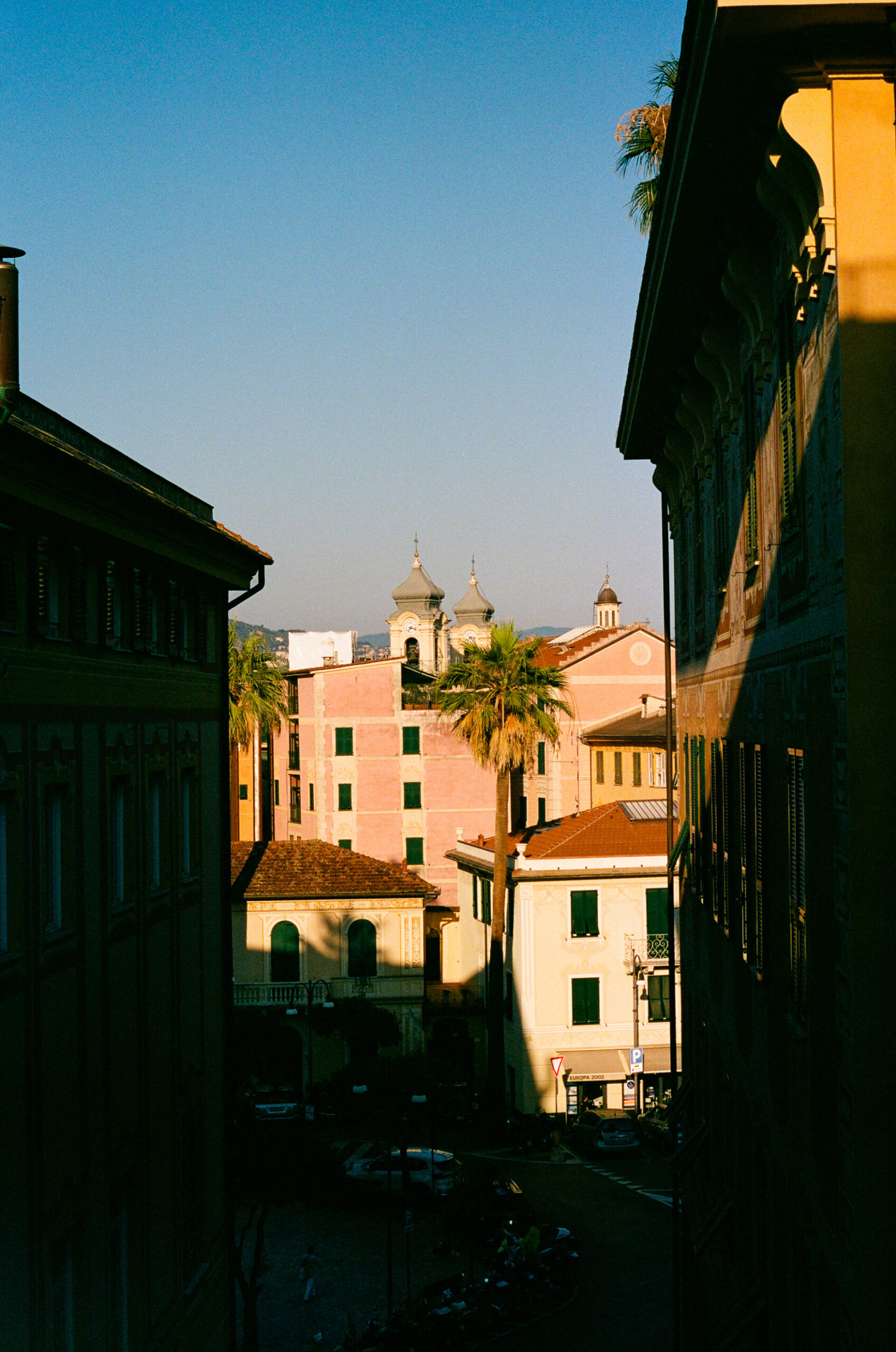
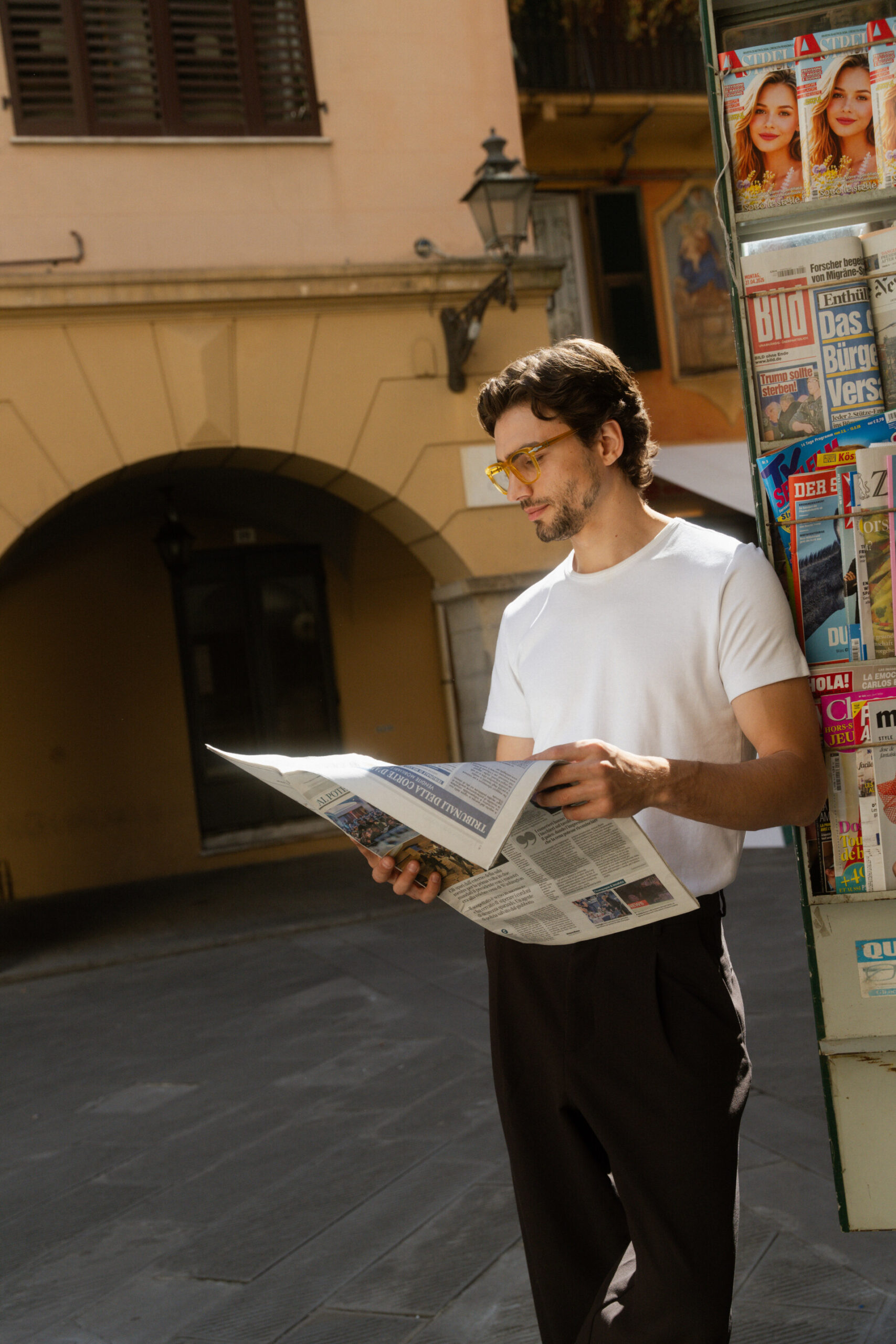
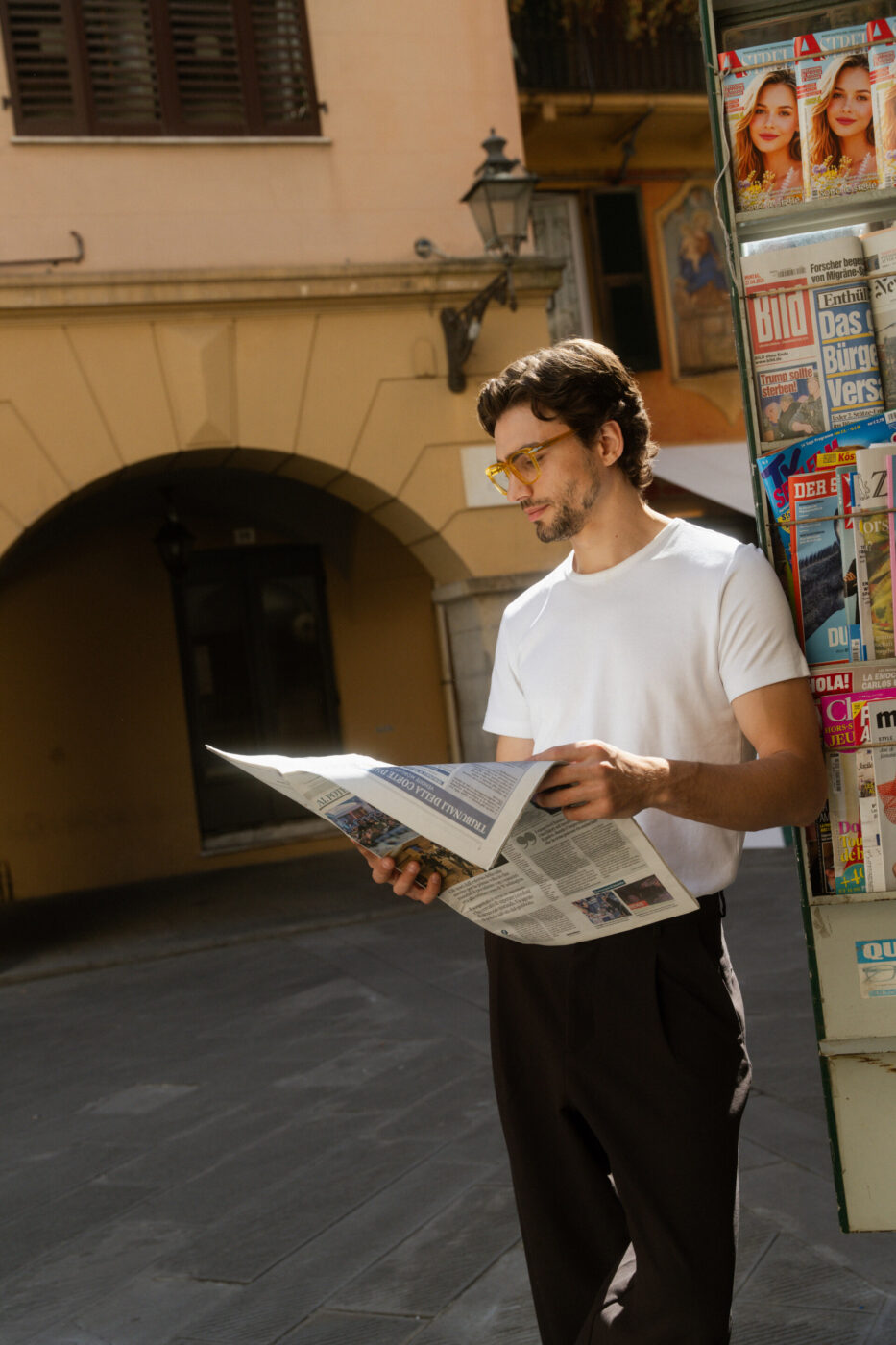
Piazza Caprera — This is the town’s primary piazza, behind the harbor, in front of the Basilica di Santa Margherita. The domain of the local sciuras—the well-dressed matriarchs who gather at the newsstand or on the benches to trade morning gossip—this is where you’ll want to grab a coffee and settle in for some people-watching.
Basilica di Santa Margherita — This church from 1658 is the town’s high-Baroque “more-is-more” moment. Built over a 13th-century site, the gilded interiors feature a dramatic vault frescoed by Giovanni Battista Carlone and notable canvases by Valerio Castello and Bernardo Castello. Look up for the massive crystal chandeliers and find the intricate wooden sculptures by Anton Maria Maragliano; all of it was designed to reflect the piety (and wealth) of the town during its maritime glory days.
Chiesa di San Giacomo di Corte — Perched up on the hill, this was the long-time private parish of the Doria family, offering a slightly more aristocratic vibe than the main Basilica. Here you’ll find rare polychrome marbles, vivid frescoes by Nicolò Barabino, and its most famous resident: the Madonna della Lettera, a wooden statue that—according to local legend—drifted all the way from Messina after the 1783 earthquake and was fished out of the bay by sailors from the Corte district. It’s a great place to dodge the promenade crowds and catch a cinematic view of the harbor masts from the church square.
Chiesa di San Siro — While the San Siro neighborhood’s church has been a parish since the 14th century, the current structure is a clean, Neoclassical revamp from 1888 that trades Baroque drama for a more grounded vibe. Inside, keep an eye out for a delicate wooden Virgin and Child by the master Anton Maria Maragliano and a 1742 canvas by Antonio Sebastiano Bettini. The caruggi (alleys) surrounding it are pleasant for a stroll and to get a sense of local life.
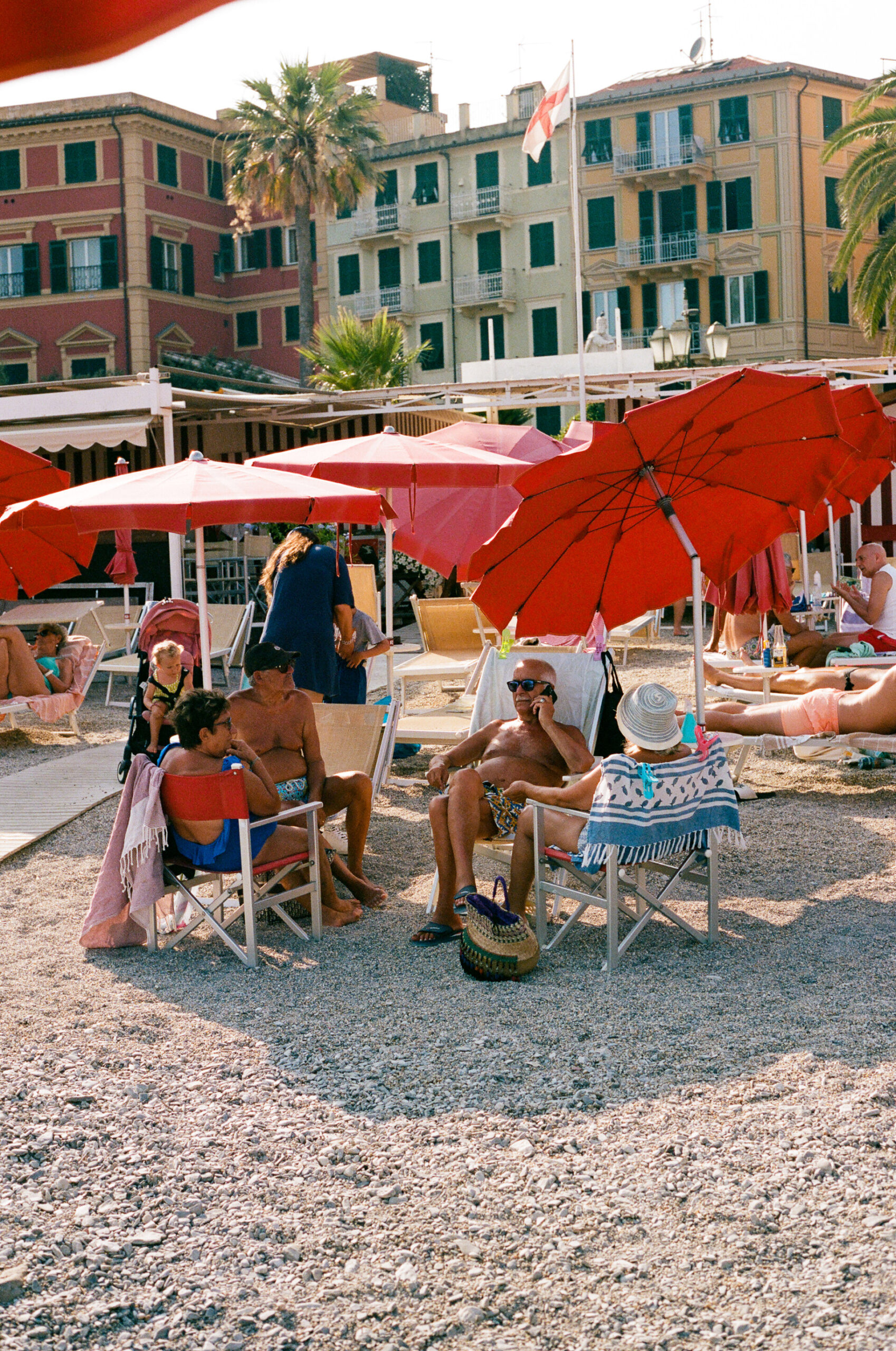
WHERE TO GO TO THE BEACH IN SANTA MARGHERITA LIGURE
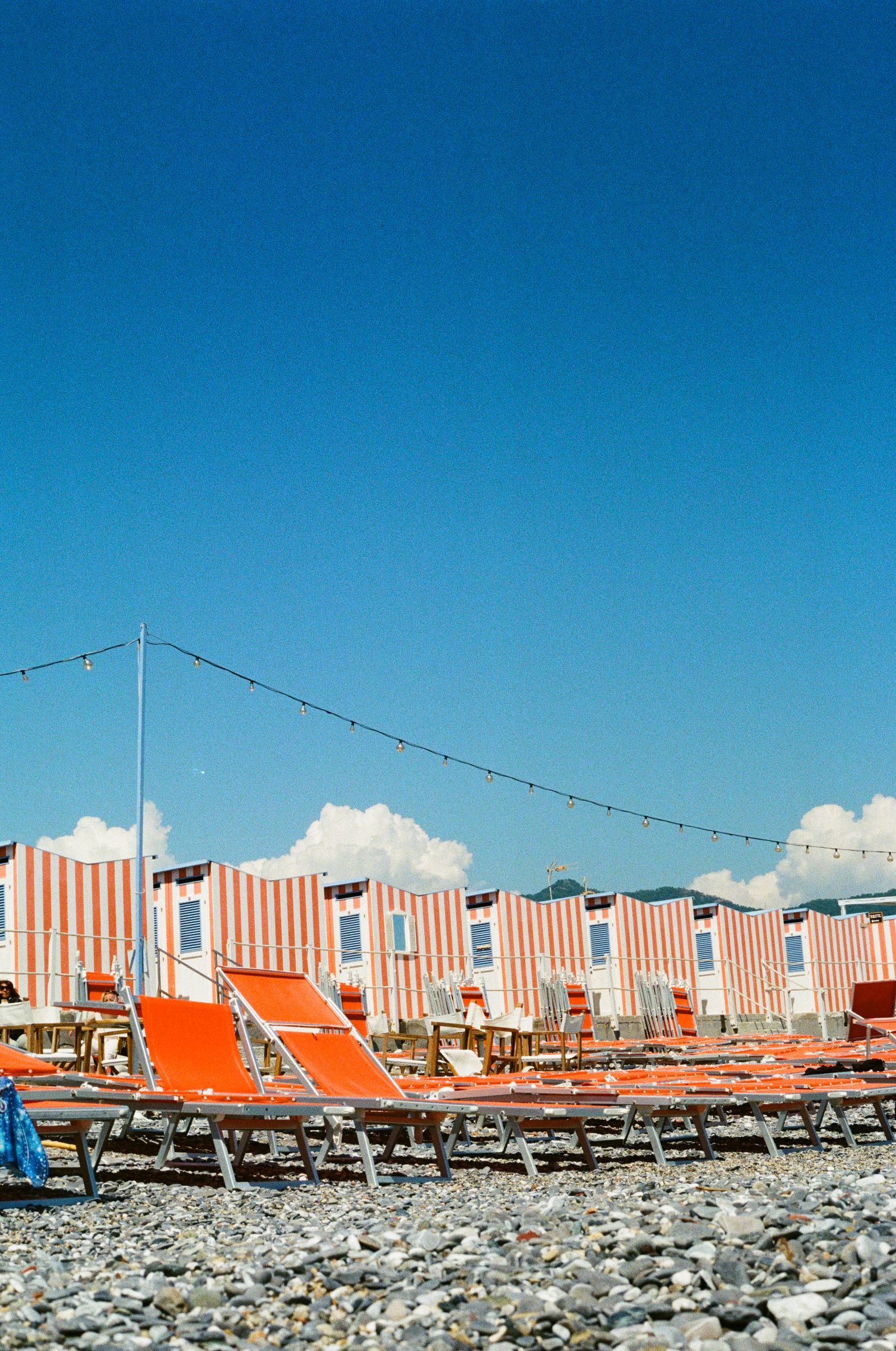
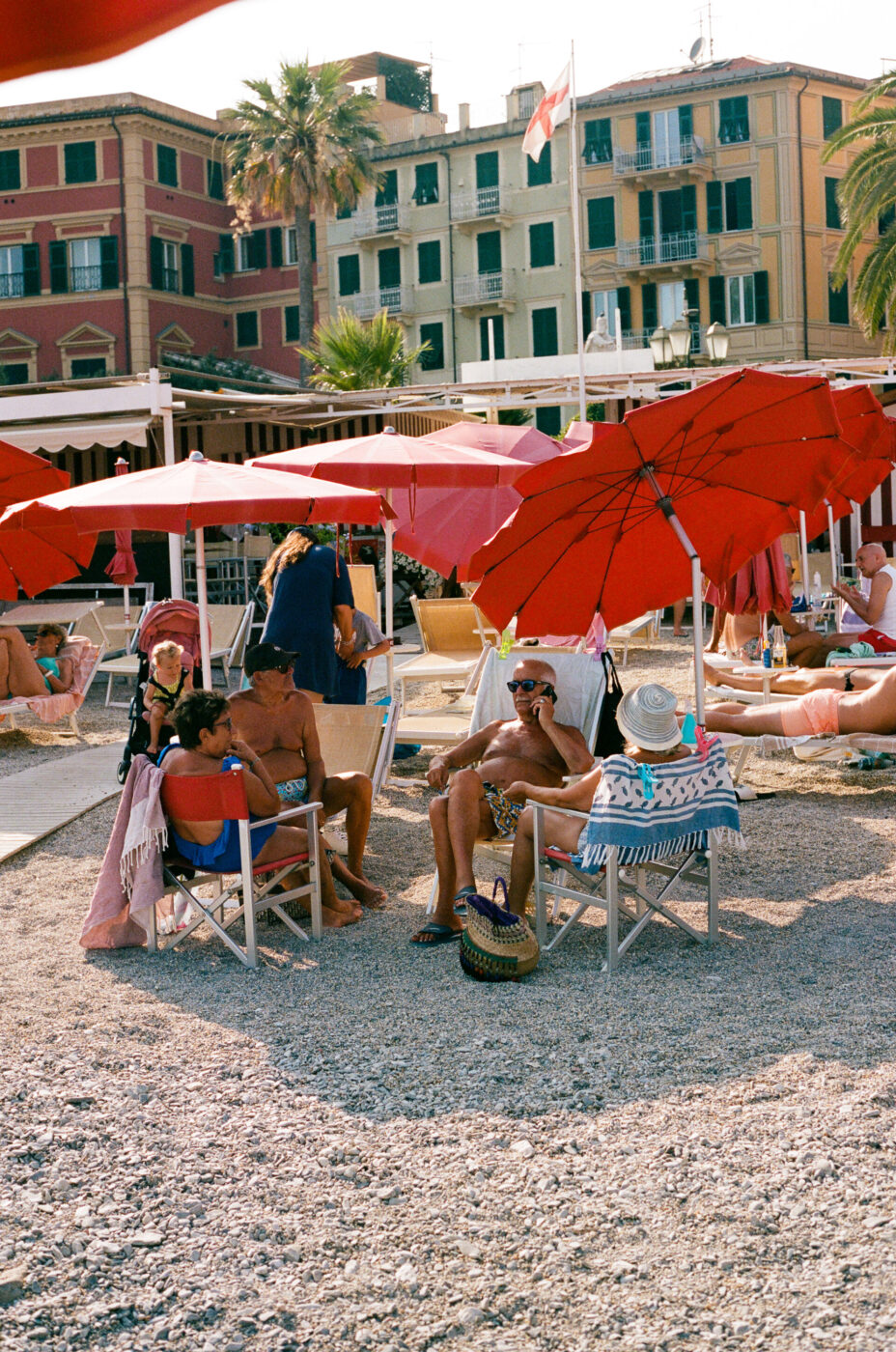
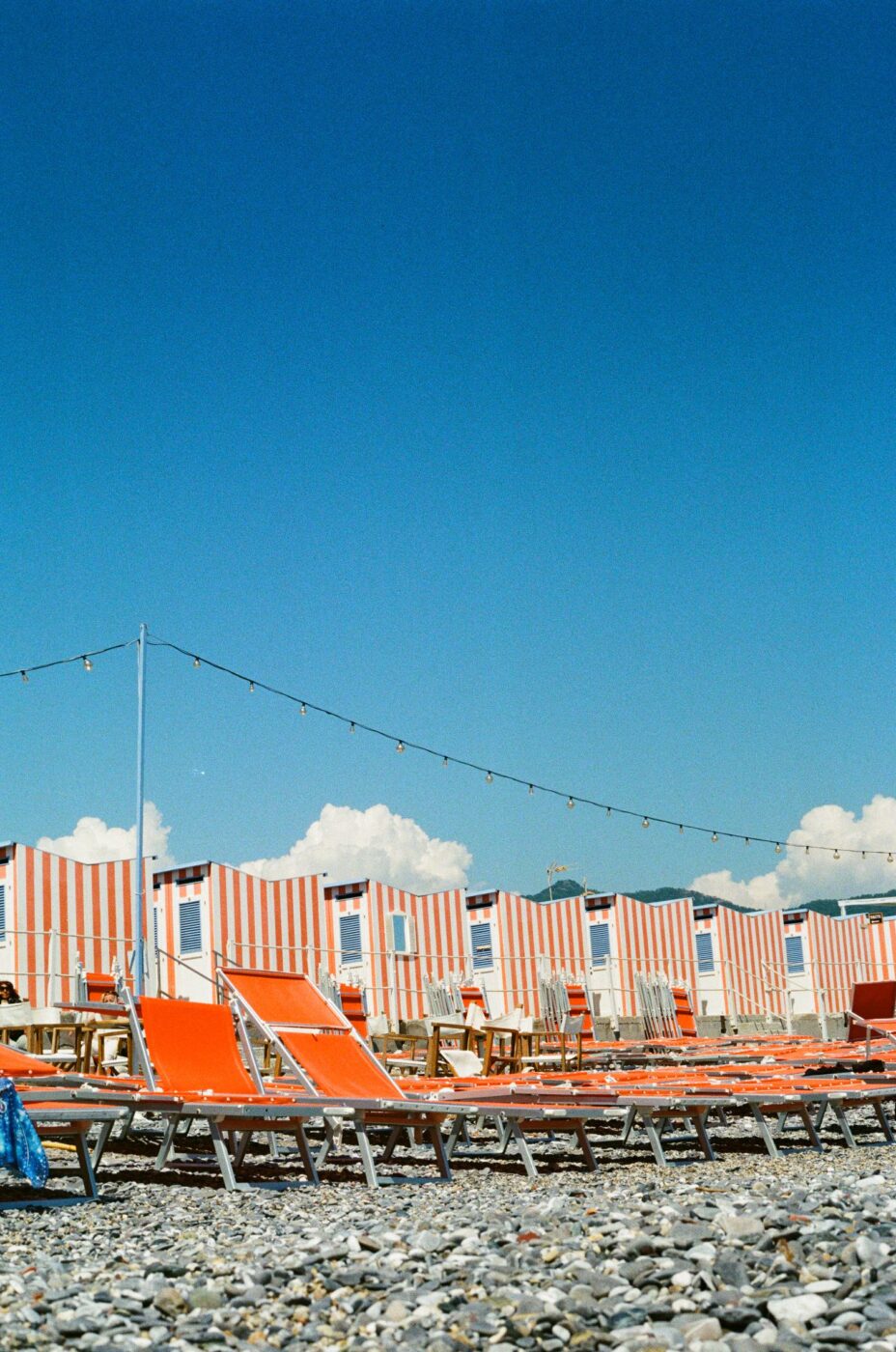
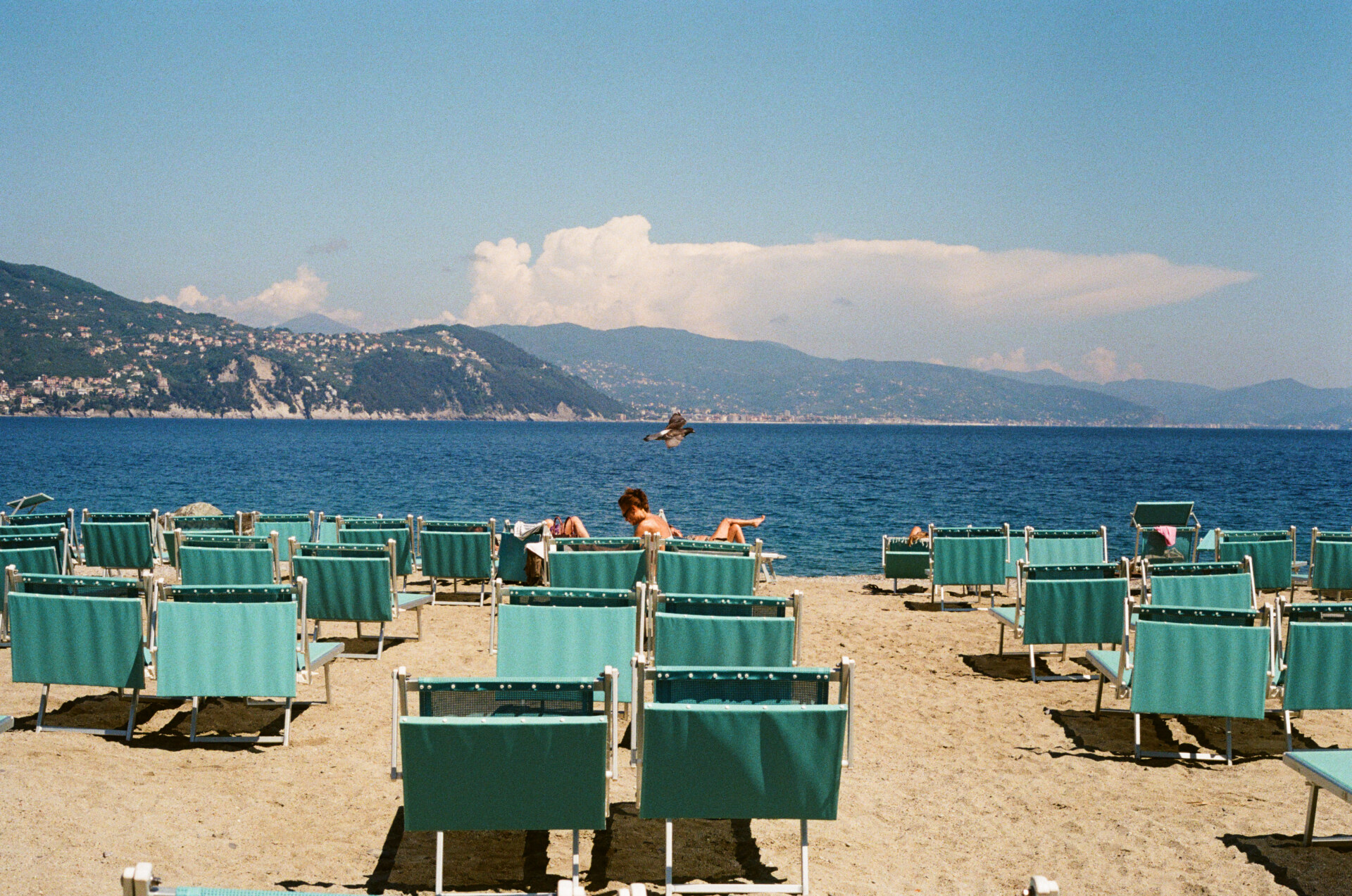
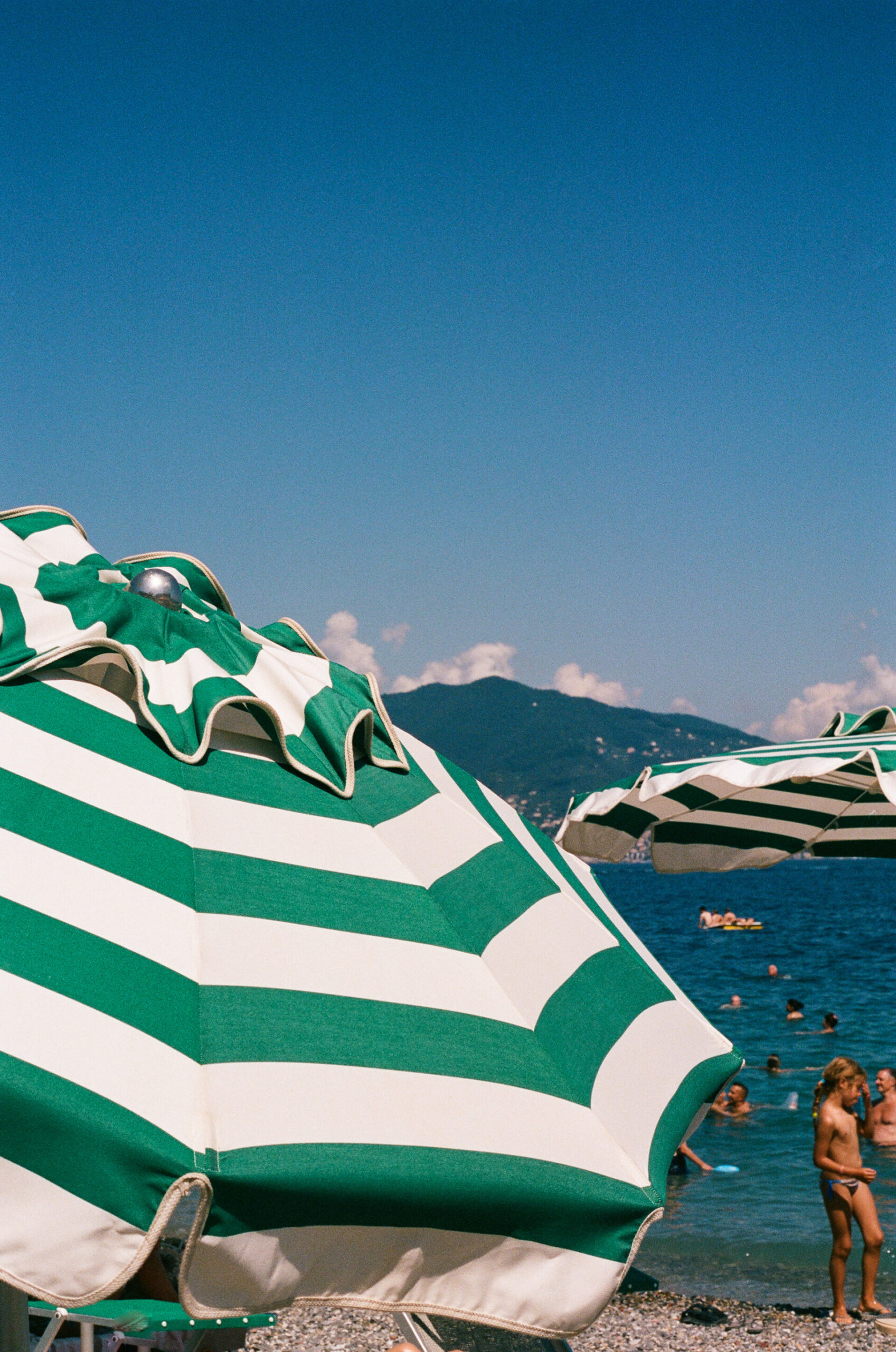
Bagni Sirena — Just past the port, where the water gets clear, you’ll find the crisp orange-and-white umbrellas of Sirena. While the lido is classic Riviera, the two elevated terraces are the real score for anyone seeking a sand-free space. The kitchen serves a tight menu of Ligurian hits facing the sea and is open well into the evening. A great spot for aperitivo, too.
Bagni Margherita — If you want to experience the Italian summer of the 1970s, look for the best signage in town and pull up a plastic chair at this unapologetically casual bagno. Lunch is served from a kiosk that somehow manages to produce exceptional plates from a tiny space. Plus, there’s a foosball table.
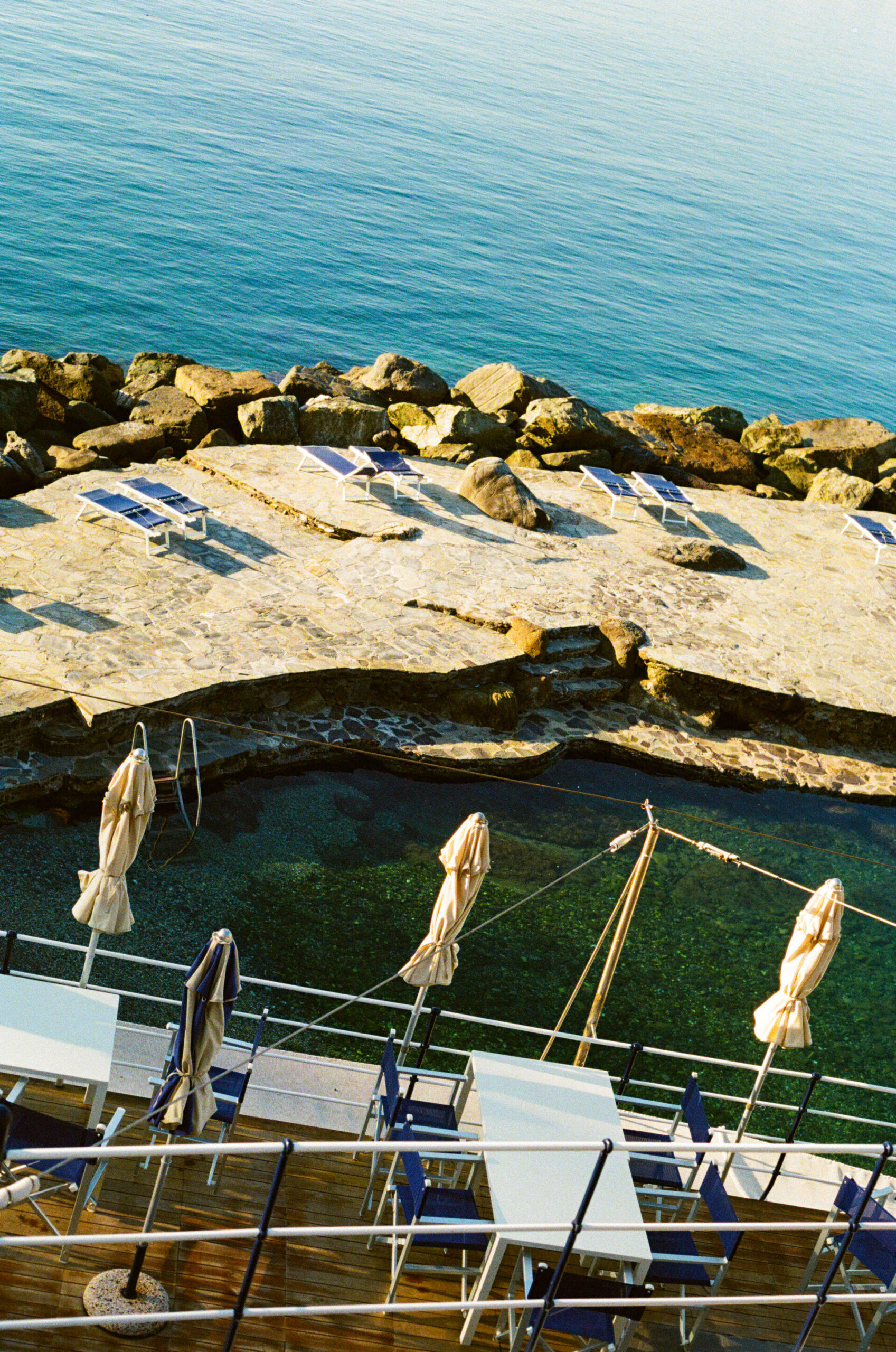
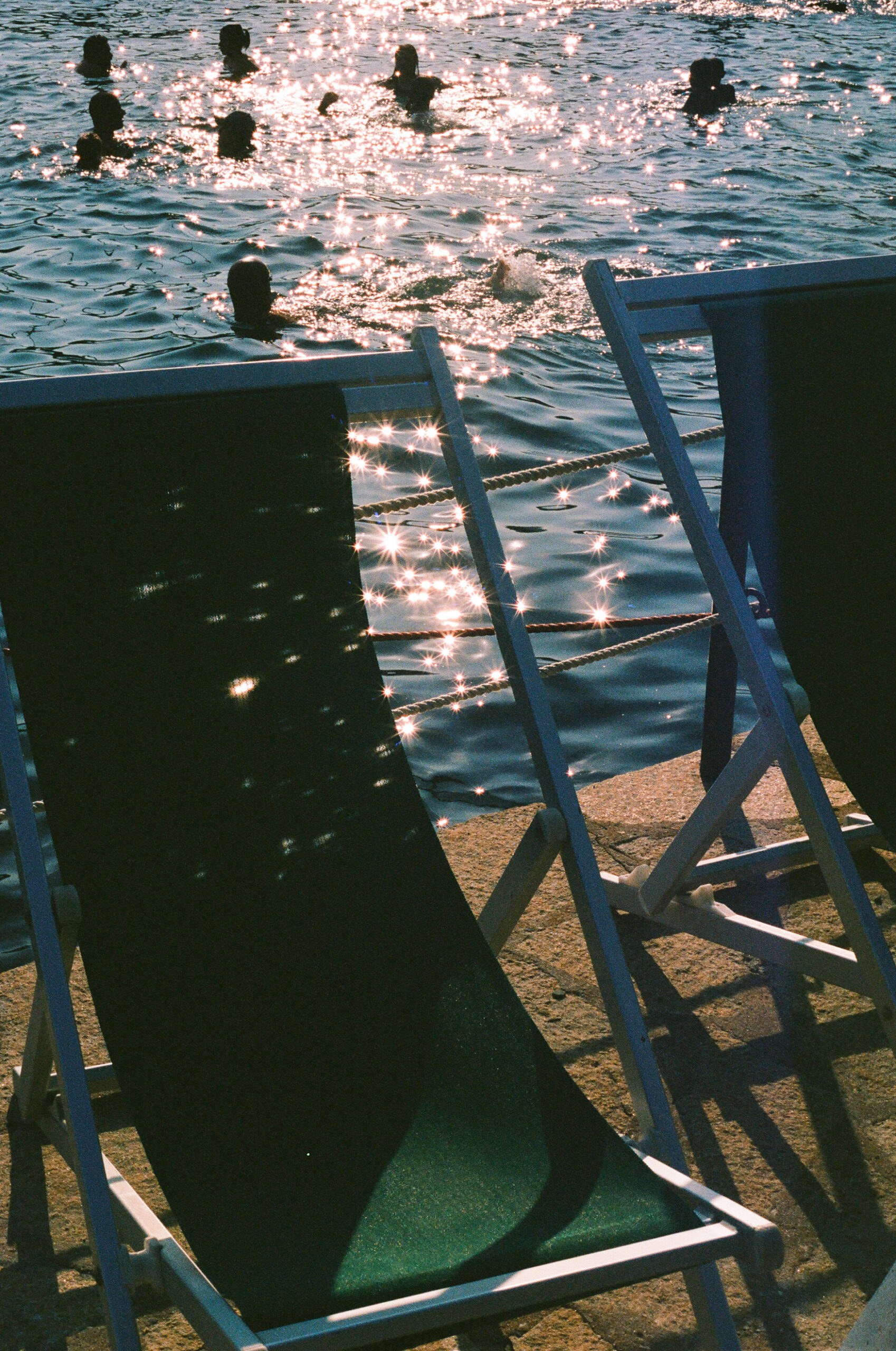
Covo di Nord-Est — Carved into the cliffs on the road to Portofino, this bagno is one of Santa Margherita Ligure’s most cinematic spots for a swim. A setup of blue-and-white umbrellas and wooden platforms jutting over sparkling waters, it’s perfect for those who want to dive straight into the deep end.
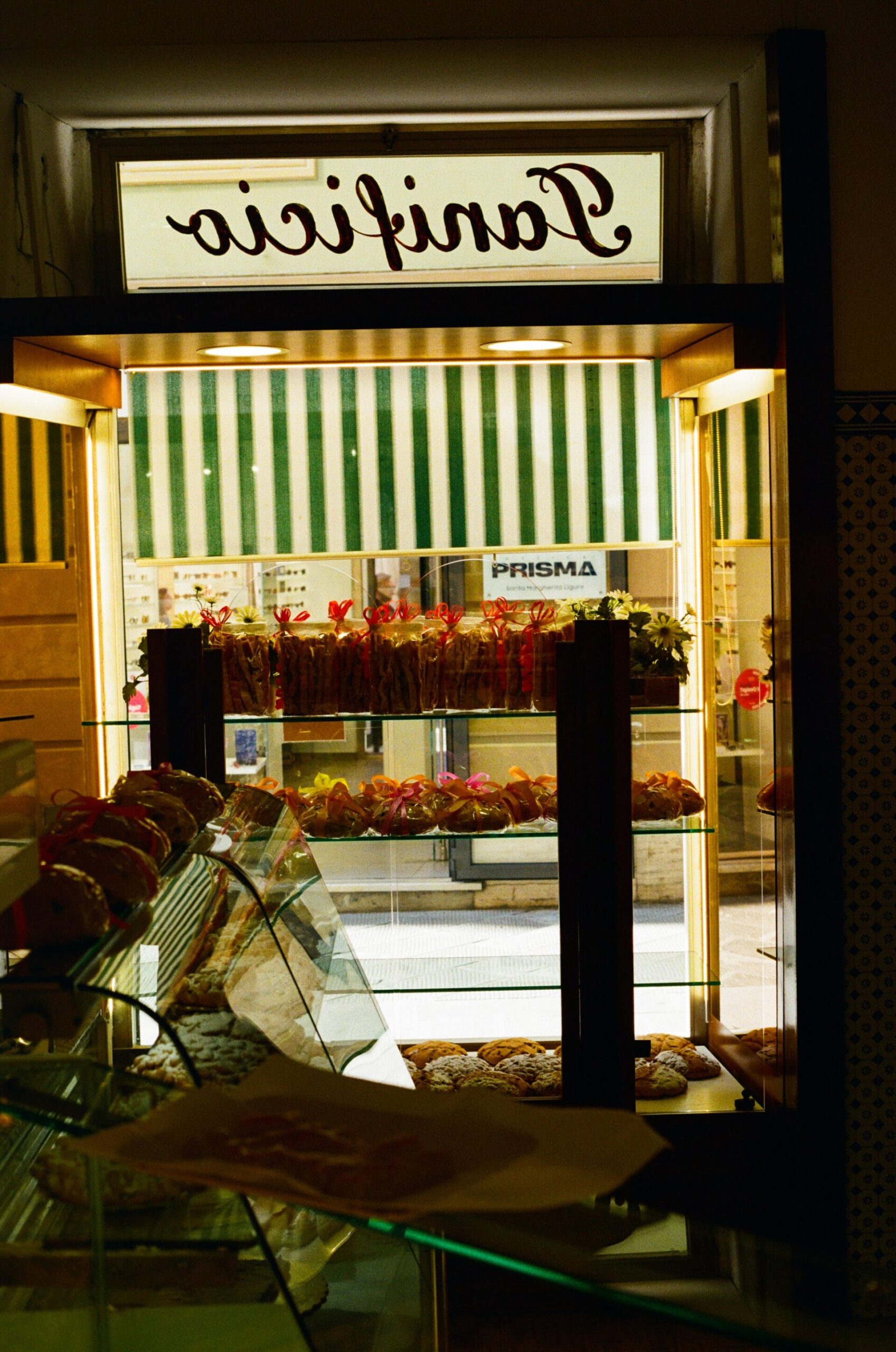
Panificio Dama
WHERE TO EAT IN SANTA MARGHERITA LIGURE
BAKERIES
Panificio Fiordiponti — Put simply: they make the best focaccia in the world. It’s a local cult favorite, and the only way to avoid the heartbreak of a “sold out” sign is to arrive early, before the queue snakes down the street. Warm, oily, and perfectly salted, it’s an absolute must for breakfast or merenda.
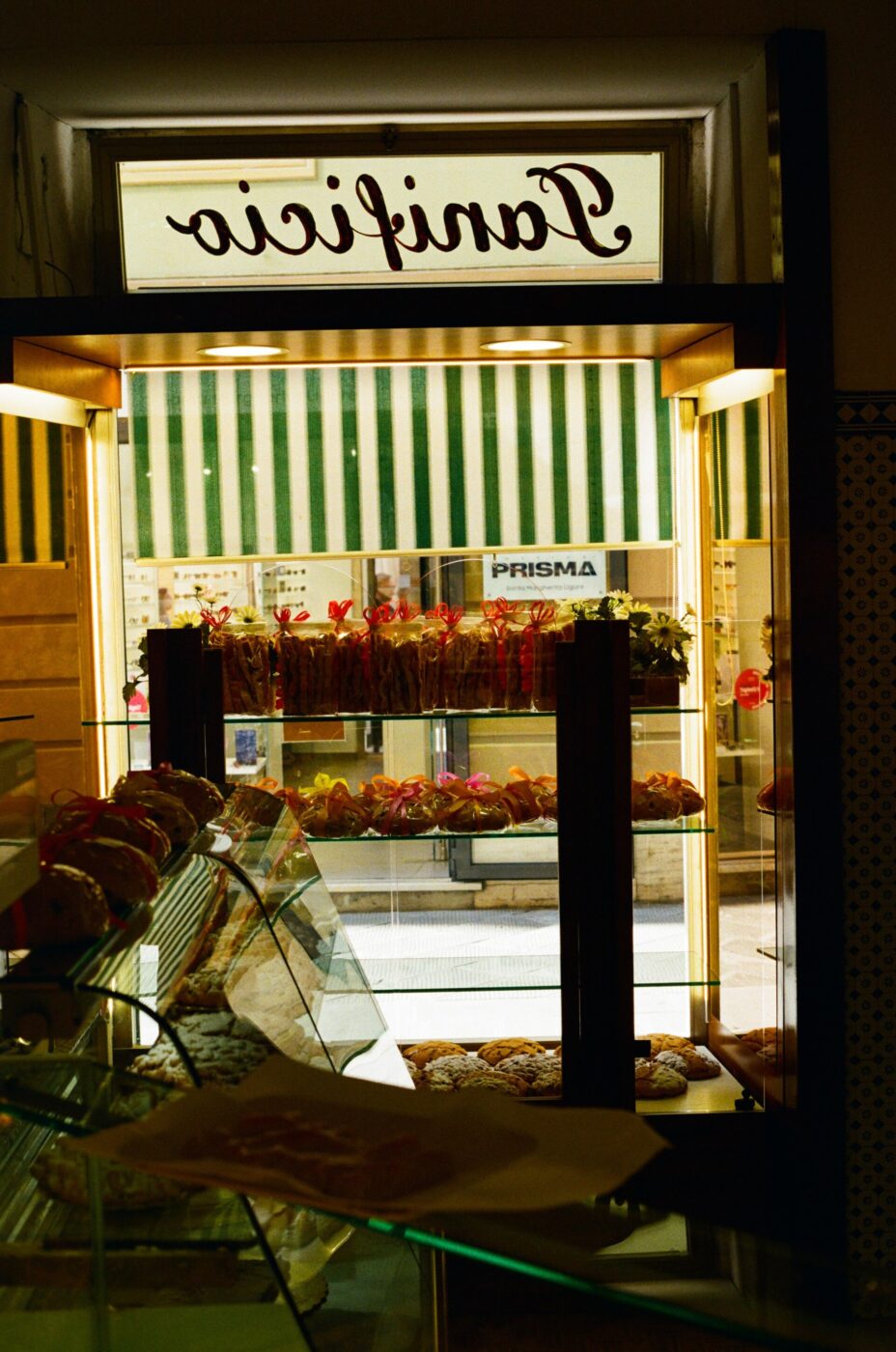
Panificio Dama — Look for the large “PANIFICIO” sign and green doors to reach this jack-of-all-trades bakery on Via Palestro—where the neighborhood goes for their daily bread and all matters of cakes, cookies, and crostatas. Sweet and salty lovers alike will find plenty to choose from in an expansive selection running the gamut from pizza, farinata, and onion-, olive-, or pesto-topped focaccia to rustic pear and apple strudels, petite baci di dama, and hearty buckwheat cake.
Sapori di Pane — For those who take their carbohydrates seriously, this bakery offers an impressive variety of breads. They’re also the only ones in town making focaccia without strutto (lard)—making it a mandatory stop for vegetarians or anyone wanting a lighter focaccia that doesn’t compromise on flavor.
Pasticceria Arte Dolce — Secure one of the coveted outdoor tables at this old-world Italian bakery for a morning cappuccino and a pristine breakfast pastry. Their signature daisy-shaped hazelnut biscuits—a charming nod to the town’s namesake (Margherita)—are baked using a legacy 1970s recipe.
Grapes — For a modern spin on the traditional Italian breakfast, this stylish pasticceria pairs an upbeat soundtrack of curated Italian and disco tunes with iced lattes and immaculate house-made baking, ranging from delicate choux creations to inventive, flaky pastries. The basil cruffin is a memorable morning treat.
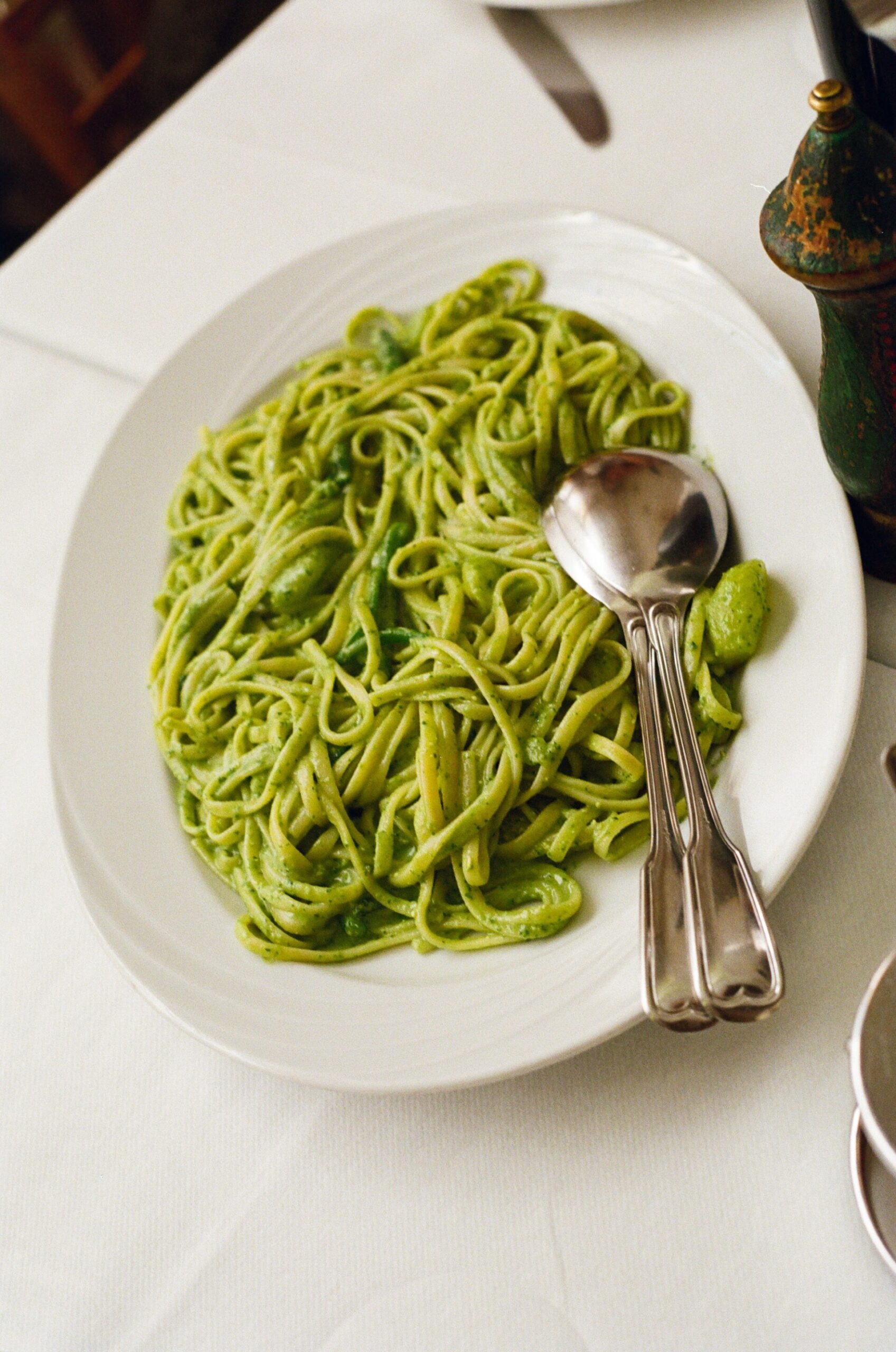
Trattoria da Pino's pasta al pesto
RESTAURANTS
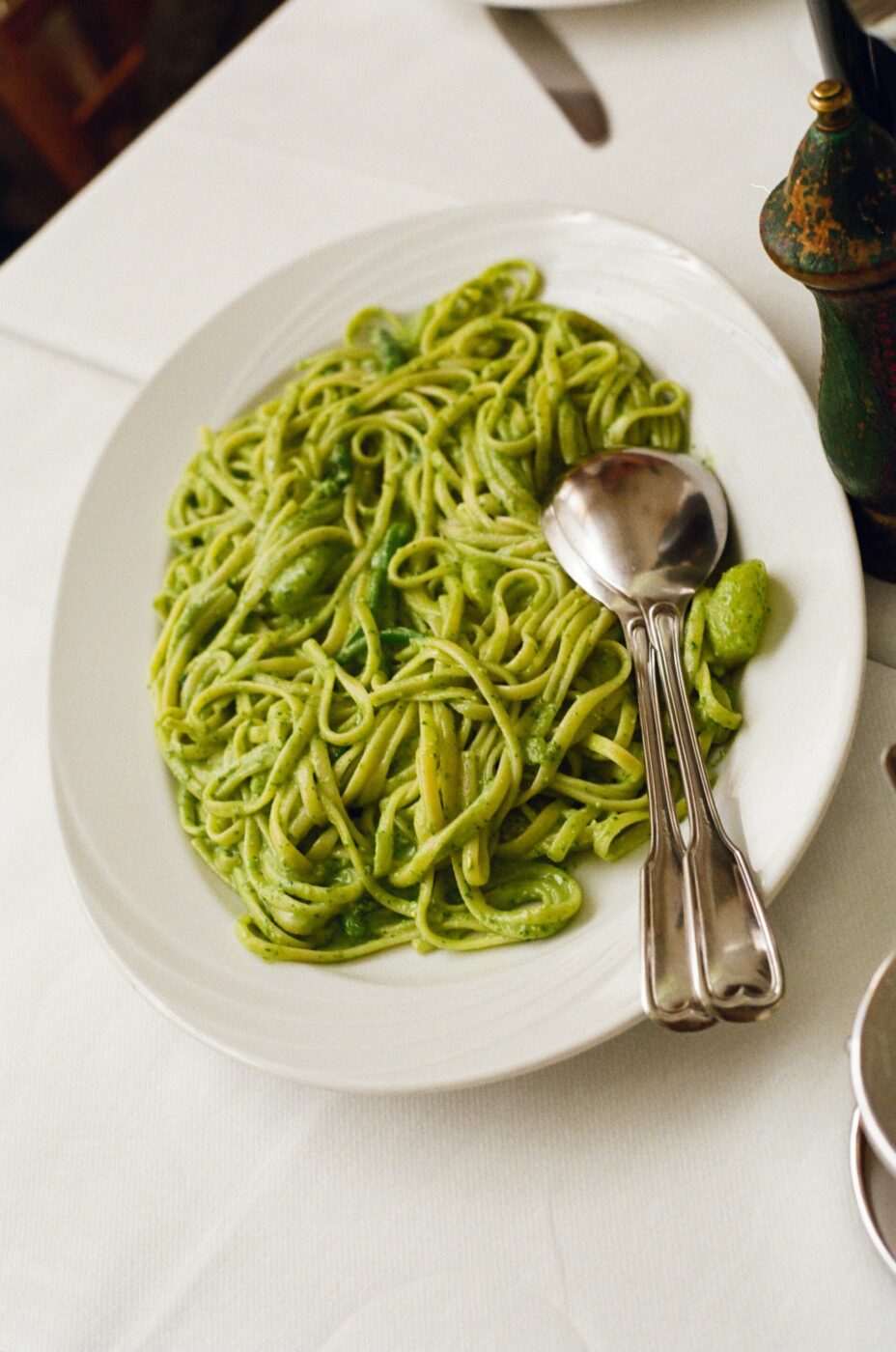
Trattoria da Pino — This small, family-run spot is in Santa Margherita Ligure’s backstreets, marked by a classic blue-and-white striped awning. This is where you go for the deep cuts of Ligurian tradition. Order the cappon magro, a 17th-century layered dish of fish, bread, and vegetables, or the mandilli de sea (silk handkerchiefs)—large, thin pasta sheets draped in pesto fresh from the mortar.
Ristorante Beppe Achilli — A family-run maritime institution down by the port, Beppe Achilli’s menu is laser-focused on the sea. Sit outside to get a feel for harbor life and order the alici al limone or the filetto alla ligure. Vanda, the matriarch and a professional sommelier, will guide you through a wine list—Ligurian hospitality at its finest.
Madachì — More contemporary than your standard trattoria, Madachì is for the diner who wants edgier seafood dishes. The polpo rosticciato (charred octopus) is a winner, as is the caserecce pasta with red mullet, pine nuts, and toasted breadcrumbs. The dining room, with vaulted frescoed ceilings, is particularly pretty, too.
Oca Bianca — In a town where every menu is a competition for the freshest catch, Oca Bianca is the town’s premier land-based restaurant. The kitchen focuses on elevated dishes (and plating) like foie gras with berries and veal jus, Black Angus fillet with brown butter braised carrots, or caramelized pineapple with dulce de leche and crunchy meringue. (If you’re visiting in the winter, they also have a great white truffle menu.) All in all, it’s a favorite for locals who want a high-level wine list and a break from the nautical norm.
Angolo 48 — Balancing land, sea, and vegetarian options with equal respect—making it a great compromise for groups with clashing craving—this neighborhood spot serves simple, honest flavors that occasionally “dress up” with some artistic plating. Try the ravioli di branzino—sea bass stuffed pasta with datterini tomatoes, pine nuts, olives, and sage.
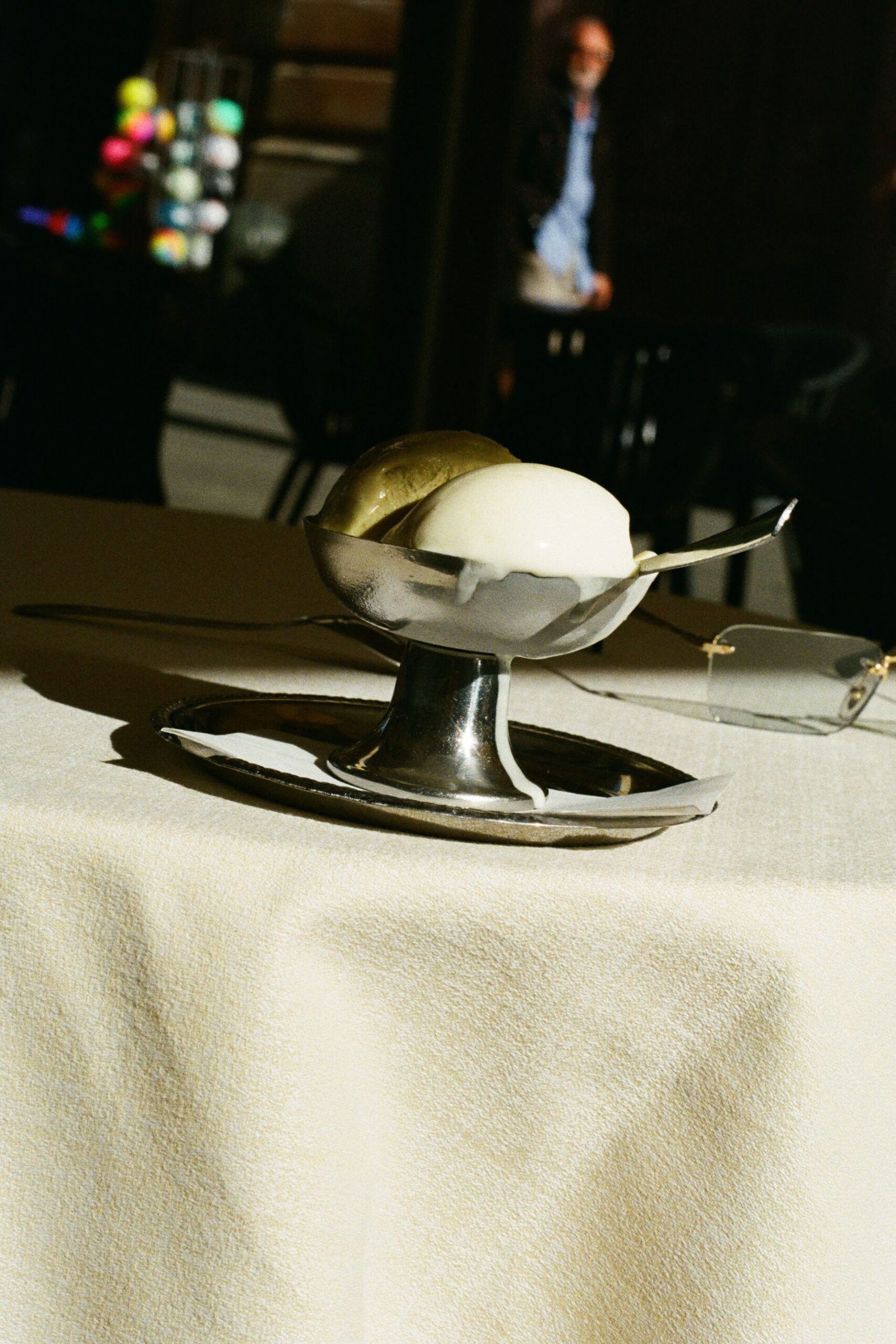
Gelateria Gepi
GELATO
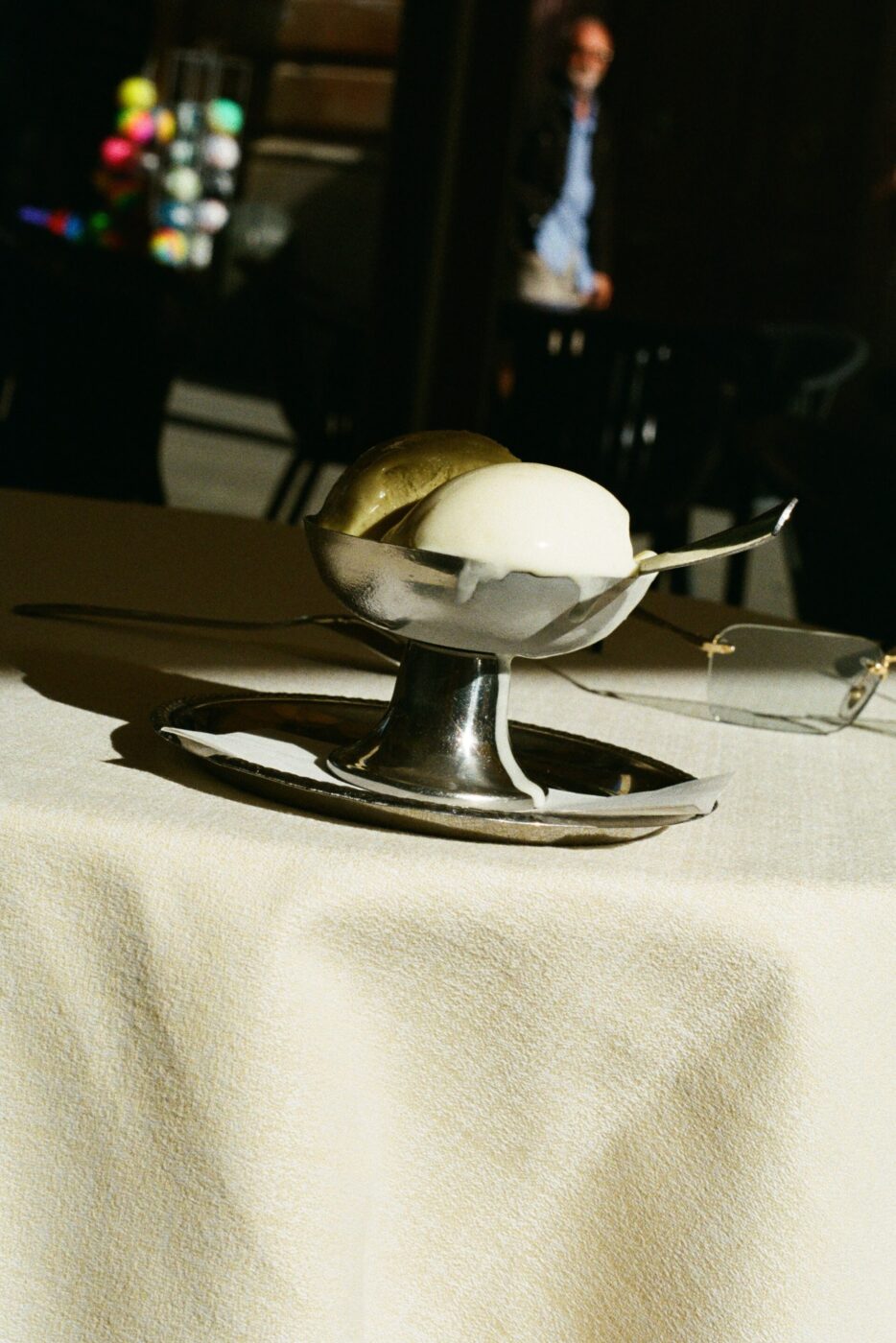
Gelateria Gepi — A gold standard artisanal gelateria, Gepi makes gelato with 100% natural ingredients. The fruit sorbets are seasonal and surprisingly dense, but the real move is the less-common flavors like castagnaccio, zabaione, or lemon and basil.
Gelateria Centrale — Officially certified as a historic Bottega Ligure, this recently renovated family-run gem has great ultra-creamy, artisanal gelato, including gluten-free cones and vegan options. While classic scoops like pistacchio are excellent, the ultimate rite of passage here is ordering the Pinguino: a customizable bar of gelato flash-dipped into a snappy chocolate shell right before your eyes.
ON THE GO
Seghezzo — Since 1905, this Via Cavour landmark has been the town’s high-end gastronomic pitstop (it’s also one of the town’s oldest institutions; firewood and coal were served here in the early 20th century). Find all sorts of provisions—including pestos, rare oils, an extensive wine selection, candies, and more—as well as a rosticceria with various pre-made salads, meats, vegetables, and sweets.
The boats at the port — This is the most no-frills meal in town. On weekends, you can usually find the fishermen firing up their fryers right on the quay and throwing in whatever the Mediterranean brought them that morning—usually squid, shrimp, and various small fish—for a frittura mista.
A SHORT DRIVE AWAY
U Giancu (San Massimo) — To try the region’s best country cooking, you have to drive into the hills of Rapallo to U Giancu. This place is a fever dream for children and a nostalgic retreat for adults. Immersed in greenery, with an outdoor garden, the restaurant has literally covered its walls in over 1,000 original comic illustrations. While the kids are occupied with the playground and the books, the adults can focus on the shareable plates, like the Giancu antipasto, featuring addictive cheese-filled focaccia and a preboggion salad of wild herbs and edible flowers. Don’t leave without trying the chestnut fettuccine and the braised rabbit. All in all, it’s one of the most traditional, rustic, and cozy places in the area.
Da ö Vittorio (Recco) — A town over in Recco, Da ö Vittorio is a mandatory pilgrimage for the focaccia di Recco-obsessed (plus the drive there is gorgeous). This is a white-tablecloth institution where the thin, molten, and salty stuff has been a hallmark of the family business since 1860. They’ve got all the other Ligurian classics too, from mandilli al pesto and pansotti con salsa di noci to stoccafisso alla genovese and fritto misto, and you really can’t go wrong with any of them. It’s an incomparable Sunday lunch—just book ahead like the rest of the coast.