You may not know Olimpia Zagnoli by name, but you’ve inevitably seen one of her illustrations: bright, eclectic colors, geometric formats, a hint of the blocky forms popularized by Italy’s Futurists like Fortunato Depero, and a touch of unexpected whimsy.
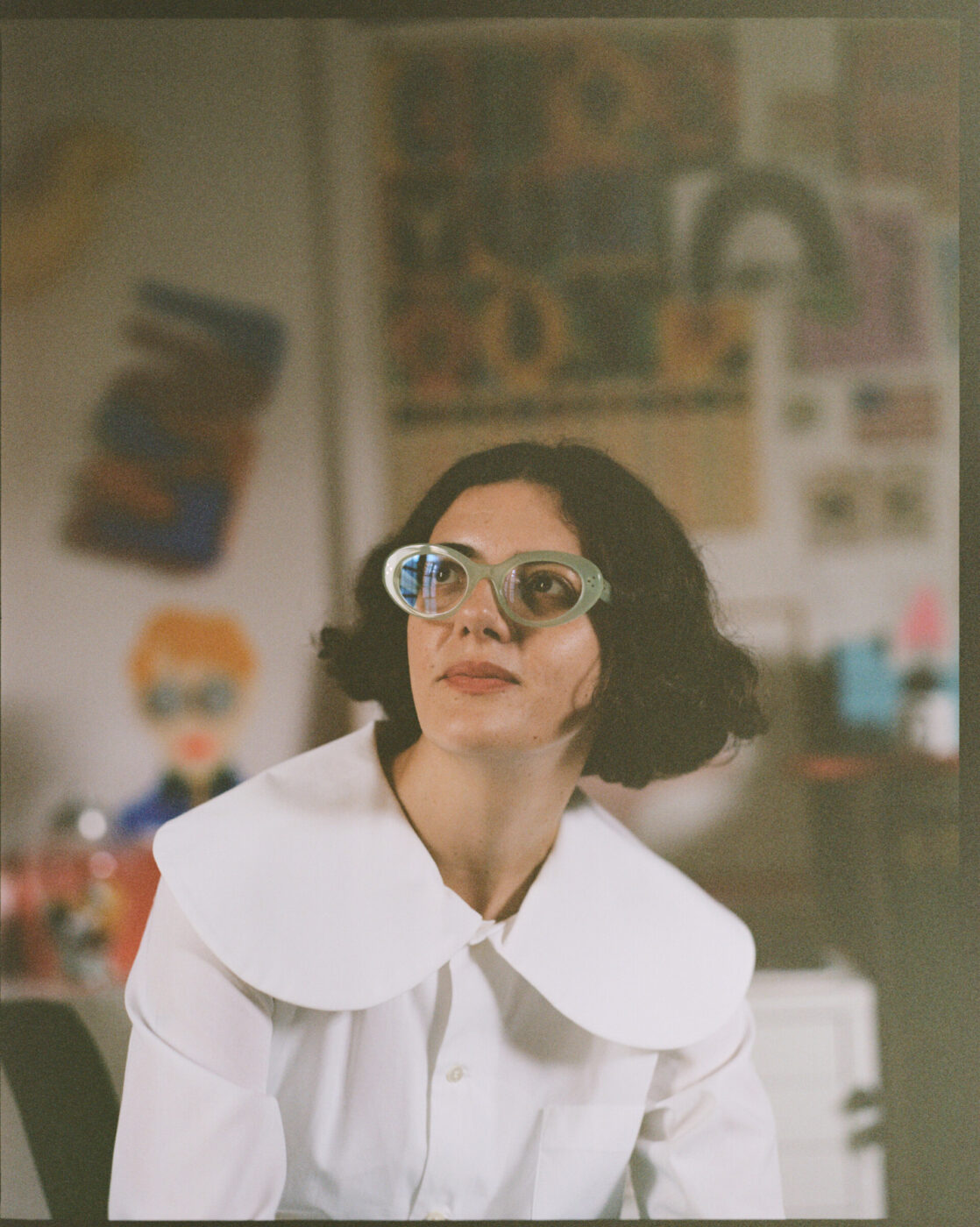
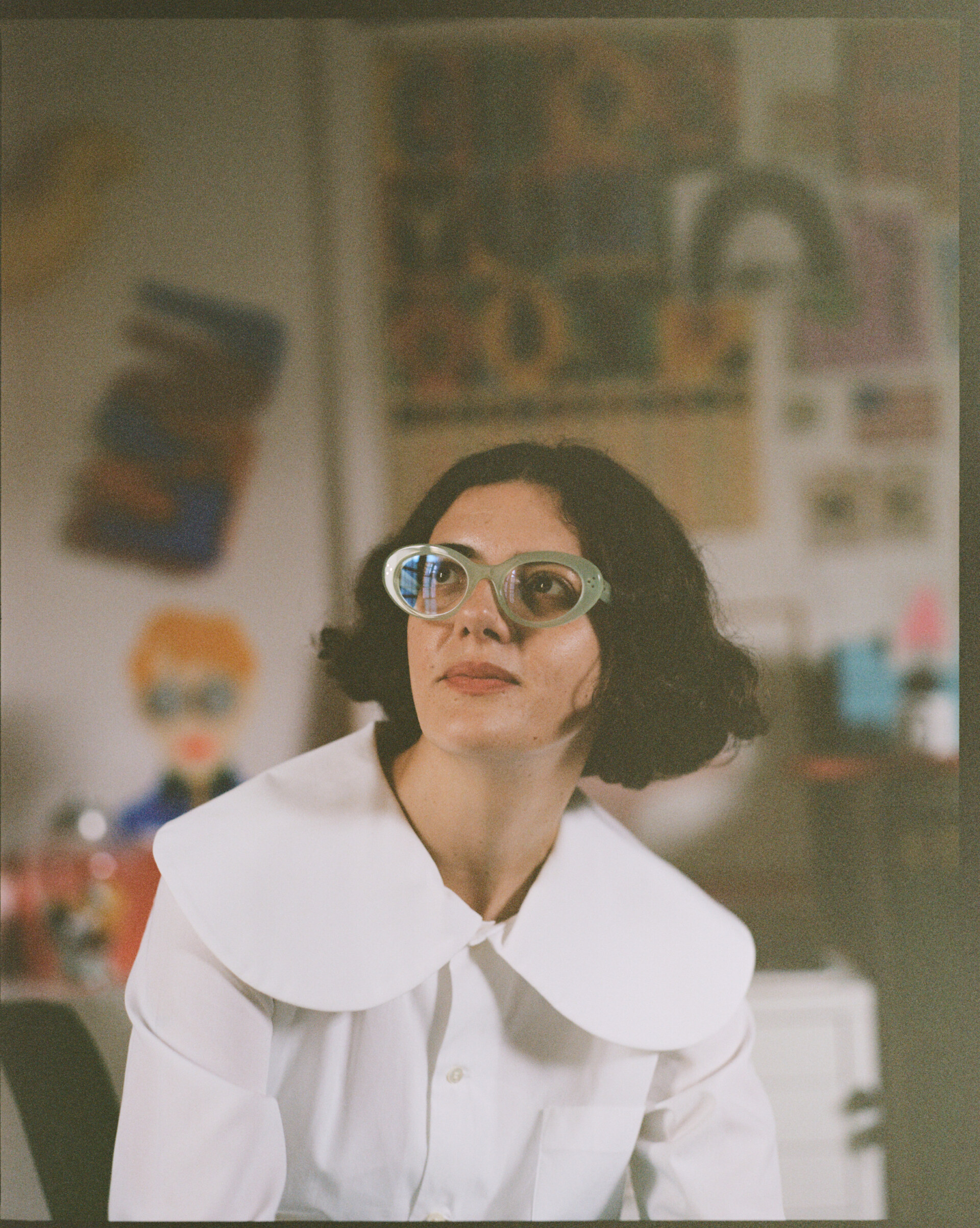
When I first meet Zagnoli, 42, it is outside of Rome’s hip Cantiere Galli Design. In person, she is almost like a figure from her illustrations brought to life, with stylishly cropped brown curly hair and sage-colored cat’s-eye glasses that stand out like a style trademark against her face. Today, she is presenting, along with the interior design studio and polystyrene producer Poliart, a collection of modular furniture to be donated to Trastevere nonprofit Peter Pan ODV, an organization that helps and hosts children diagnosed with cancer.
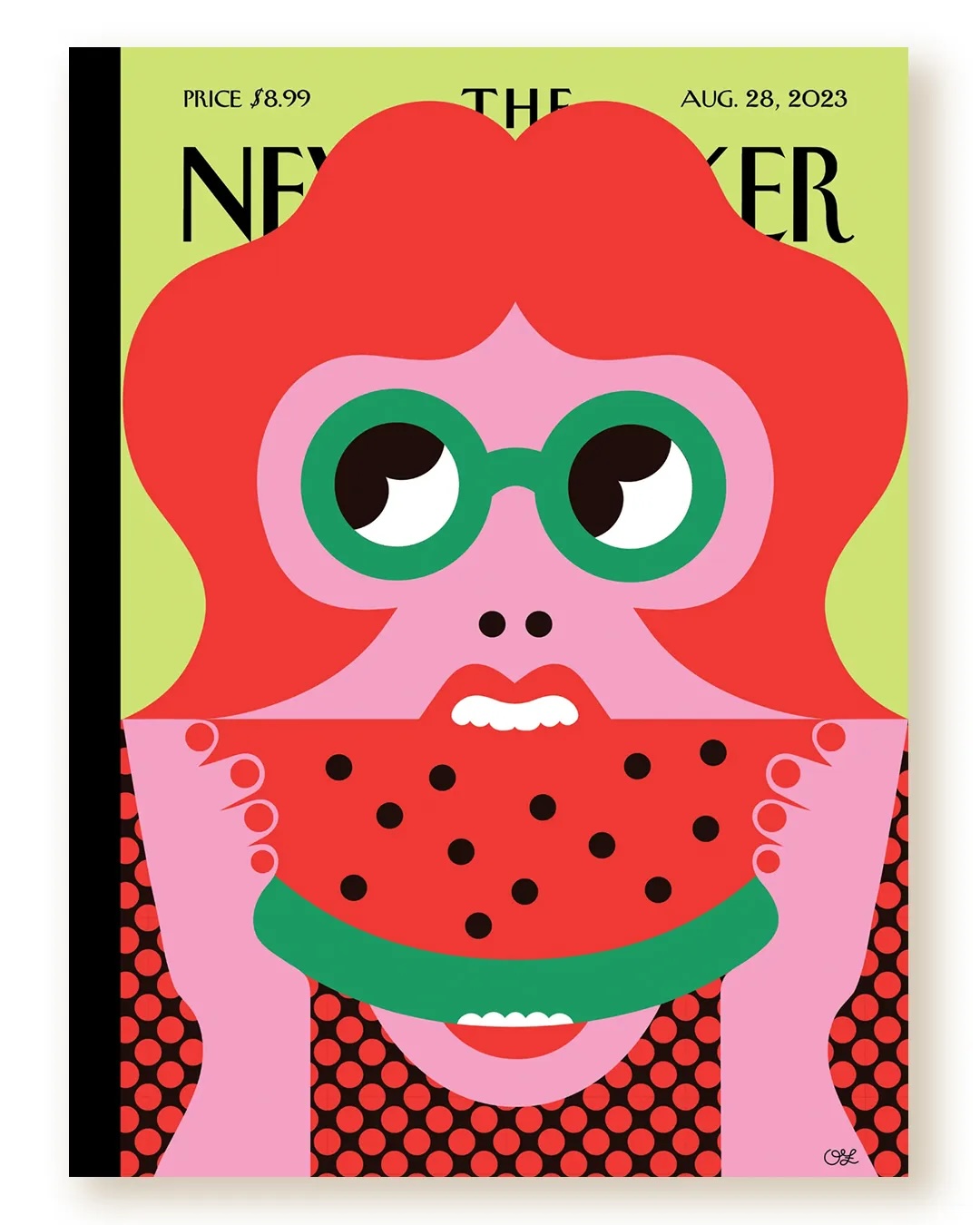
When we talk more extensively on Zoom from her office in Milan, cups of pencils and a replica of a cat-shaped Depero sculpture in the background, Zagnoli is humble about her career but also refreshingly honest. She doesn’t have a breathless, Taylor Swift-esque “how did this possibly happen to me?” attitude but takes rightful ownership of where she has ended up. And where she has ended up is worth noting: among her editorial clients are The New York Times and The New Yorker, including a cover. The Montecchio Emilia-born illustrator has worked for brands like Barilla, Eataly, and Apple and designed capsule collections and accessories for Dior, Prada and Fendi.
In a country where creative professions are still often considered hobbies and the oft-discussed “brain drain” means that so many of Italy’s successful young people don’t feel they can stay, Zagnoli has made it work—and then some. In 2025, she was chosen as the illustrator of the official iconic poster for the 2026 Winter Olympics in Milano-Cortina. Aside from her distinctive style, perhaps she’s gotten so far because of her philosophy: she dreams big, and each time a new opportunity comes, she doesn’t think “Wow, really?” but “Finally.” Should we all be taking notes?
![[Image Title] - A woman with short dark hair and round glasses sits in a green chair in an art studio surrounded by colorful abstract paintings and wall art.](https://italysegreta.com/wp-content/uploads/2026/10/621611629_18053562413410258_6373855884834540240_n.jpeg)
Courtesy of @olimpiazagnoli
Italy Segreta: So when did you first realize that illustration could become your career and not just a hobby?
Olimpia Zagnoli: I was drawn to the idea of becoming an illustrator even before I knew exactly what it meant to be one. I come from a family of artists—my father is a photographer and my mother paints.
One thing I knew was that I really loved to draw—in my free time, I would draw, and as a child, it was almost like playing. And in my research, it seemed to me that one possibility was to do illustrations—I didn’t know exactly what it meant at the time. I loved illustrated books, and I imagined it had something to do with that.
IS: It’s clear your illustrations have a distinctive style. I’m curious whether that happened naturally over time or if you consciously tried to create a style from the beginning?
OZ: I wasn’t looking for a style all my own. I did, however, try to recognize myself in what I was doing, and for many years in school, I’d create things that were nice but in which I only recognized myself to a certain extent. For me, the effort was to try, once the drawing was finished on the page, to say, “Ah, okay, I’m here in this—I understand what I’m talking about. This is me.” And it’s a process that never ends. But thankfully, there’s always an evolution. If I look at my work from even 15 years ago, I see it as very different.
IS: Starting out, did you worry it would be difficult to work in a creative field in Italy?
OZ: When I graduated, around 2006-2007, it was a time when illustration wasn’t widely used. It wasn’t in newspapers, in magazines, and there were few advertising campaigns that used illustrations. I’d send emails, call editorial offices and even go in person to publishing houses. And the response was pretty lukewarm compared to what I’d expected, not for the quality of my work, but in general.
I realized that if I actually wanted to build a career, it would be very difficult. I knew The New Yorker as a magazine, and I knew that The New York Times also used illustrations, and so I thought maybe it would make sense to show my work there. I went and spent a week in New York staying with a friend, and during that week, I sent some emails asking if I could show my work. That’s when I started getting my first commissions. And once I had those first commissions in the United States, it was much easier to work here in Italy once I returned.
IS: In Italy, people often say, ‘You have to already have the connections to break into an industry.’ I find that the cold email strategy is viewed as being more American or intrusive. How did you see it?
OZ: For me, it was normal, because I had this urgent desire to a) express myself and b) find a job. There was also that naivete you have when you’re very young and you’re not necessarily overthinking. If I had to set up a meeting with The New Yorker from scratch right now, I’d be much more anxious. When you’re that young, you also have the audacity to say, ‘Okay, let’s see.’
And in a way, not knowing anyone, having fewer constraints, fewer rules, fewer connections, you just kind of go for it. Paradoxically, it’s harder in your own country, in your own city, because you’re much more aware of the dynamics.
IS: Since then, you’ve had so many major commissions. You must have had a moment in your career where you felt like ‘Okay, I’ve made it.’
OZ: I’m very cognizant of the fact that I’m able to continue doing this work, so all my efforts are focused on trying to keep doing it for as long as possible. And I’ve also learned to compromise, of course, but also to stand up for myself and defend my point of view. For me, success is the idea of being able to do this. Since I love this job, the more time I have guaranteed, the better it is.
Courtesy of @olimpiazagnoli
IS: Still, I imagine that designing the official iconic poster for the 2026 Winter Olympics in Milano-Cortina was an important milestone. Have there been any commissions that made it clear that you had reached a certain level of success?
OZ: The truth is, maybe because I love this job, my mind is always racing at 3,000 and constantly thinking about what can be done, what I’d like to do, and so on. Usually, when I get a big commission and I see it pop up in my email and realize there might be something good, my first reaction is to say, “Ah, finally!” I would’ve wanted to do this five or 10 years ago. The feeling is always a bit like, ‘See, it did happen.’ I don’t know if I’ll make all of my dreams come true, but definitely a few of them.
IS: Going back to the Olympics, that poster was obviously seen by millions of people around the world and is an image that is broadly associated with Italy. Did you feel a sense of responsibility in representing the country?
OZ: It’s a very important event, so naturally there needs to be a certain level of seriousness. That said, the strongest feeling I had while working on it was shame, because I’m not at all athletic or a sports fan, so most of the time I found myself thinking, ‘Who knows what those who follow the Olympics with real passion and attention will think?’ I also tried to listen to all the people who work behind the scenes at an event like this, to understand what they wanted to represent in this poster, what the focus was that they wanted to convey.
IS: And what was the main takeaway for you?
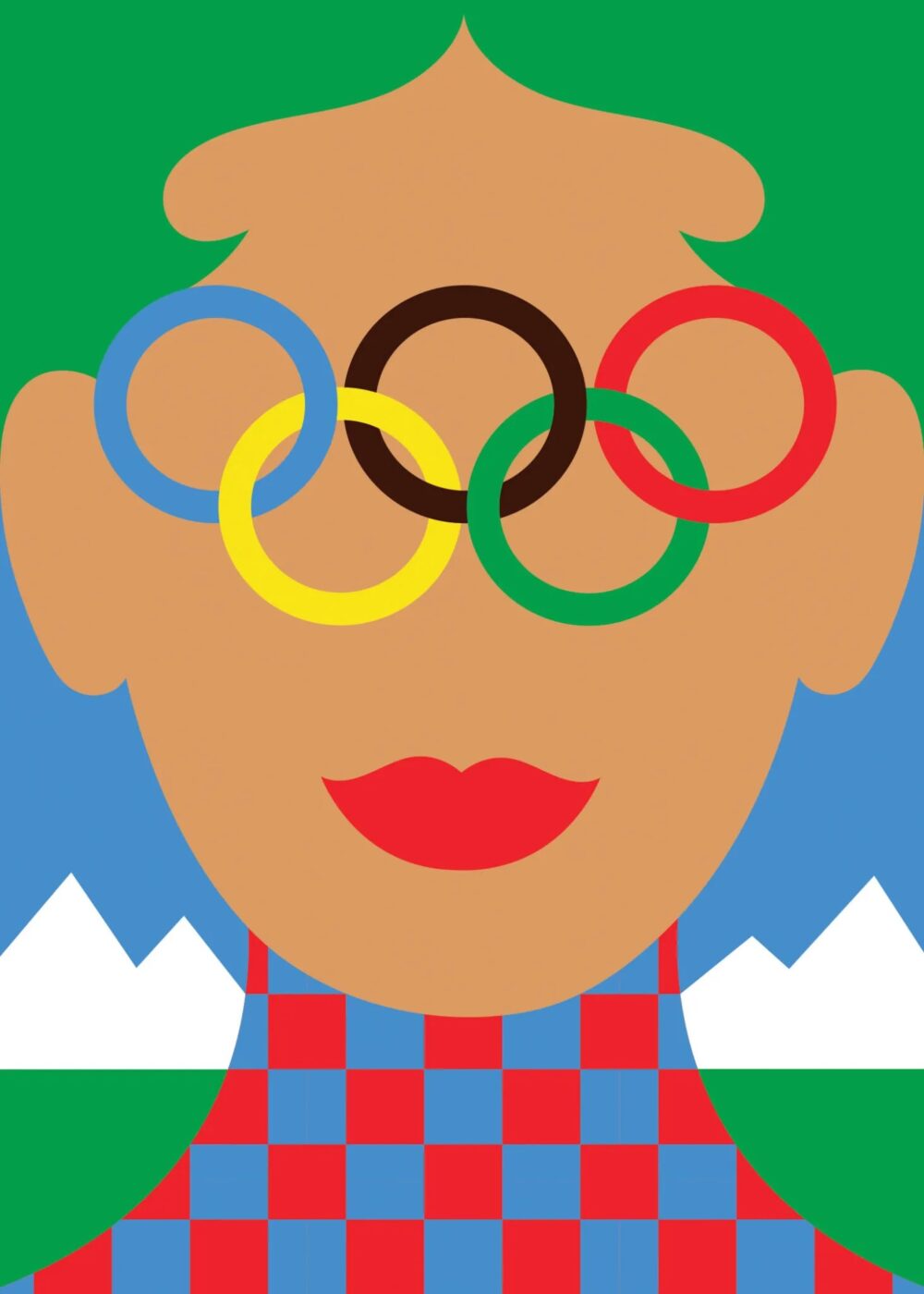
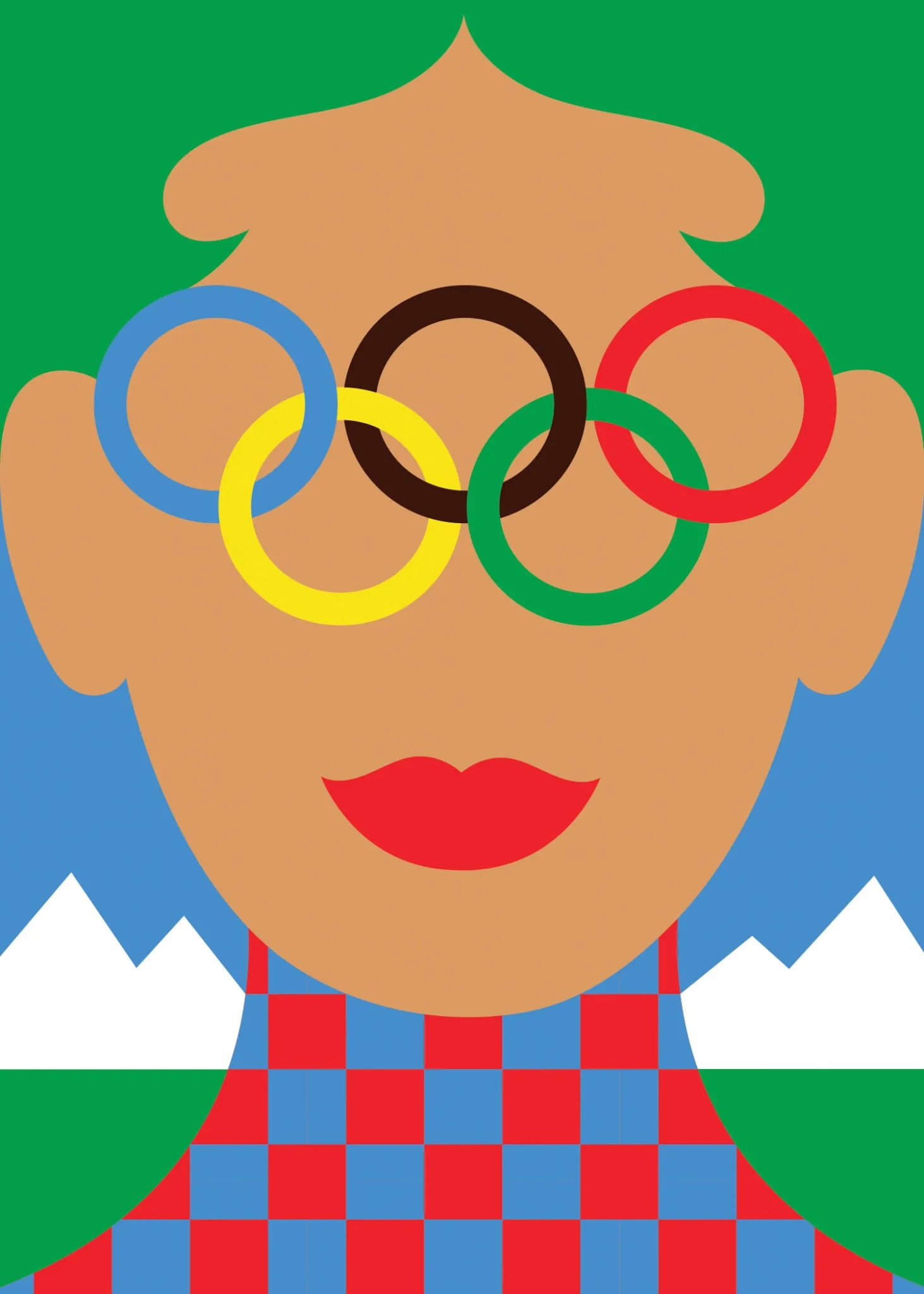
OZ: The most interesting thing is the involvement of the people and this spirit of unity that comes not only from the athletes themselves but those who participate and follow their teams. These events are filled with such a sense of community and hope, especially if you consider that the Olympics used to come in the middle of wars. And in the poster, there’s precisely this idea of a person participating in the Olympics—it could be an athlete, or someone who is simply paid to be there, or a relative of someone who is actually competing, sitting in the stands and participating with great enthusiasm, wearing glasses shaped like the five Olympic rings.
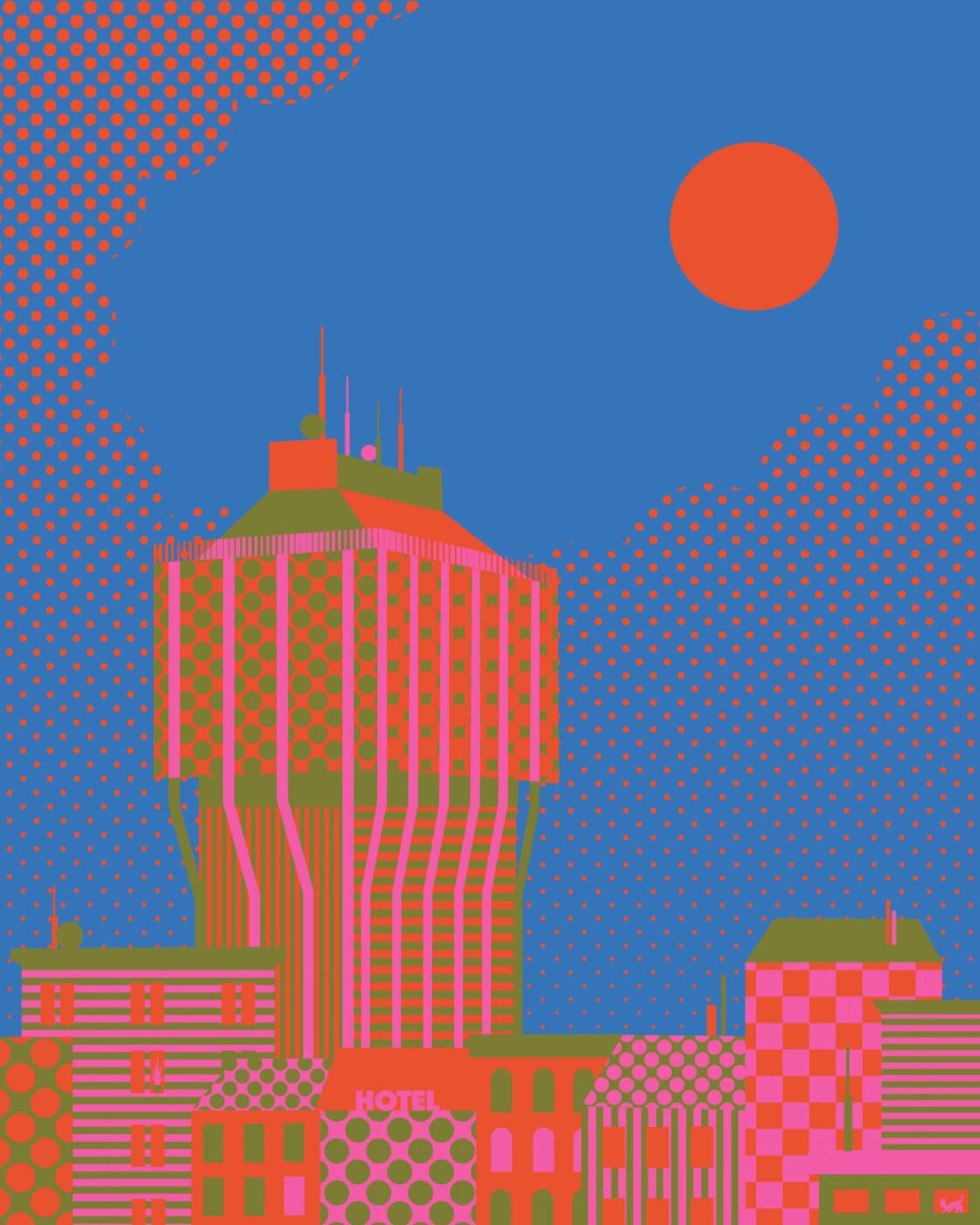
The idea was also to put a touch of Milan into it and Cortina—Cortina is represented by those mountains in the background, and Milan is represented in the figure’s personality, as someone who is very eclectic, with a little bit of style.
IS: Has artificial intelligence changed the value of drawing by hand or developing a personal visual language?
OZ: Even before artificial intelligence was accessible to everyone like it is now, there was already a trend toward a return to illustration, art and painting as manual as possible. When I started out, my artistic language was always digital because I’ve always had a sort of natural inclination to a certain flatness. When I first started, the style back then was completely different from what I do now—it was very textural, even painterly. From there, we gradually moved toward an evolution of digital illustration.
But as often happens, there are shifts in taste. When someone has seen too much of that, they naturally start looking for something different. Even before AI became as widespread as we know it today, there was already a demand for greater use of real, hands-on tools. It’s no coincidence that painting is currently in a moment of total hype—there are now so many artists expressing themselves through painting who, for years, received no attention but are now suddenly discovering a renewed curiosity about painting.
And when it comes to the more general question about AI, I never know how to answer, because I’ve been asked this question constantly over the last two years, and every time I say that I find it incredibly boring.
IS: Why?
OZ: Because I don’t know much about it. I haven’t had a chance to use it for my work yet, and that’s fine with me. Maybe there will come a time when it will be necessary. I’m not against it—like with all technology, what matters is what you do with it. That said, we have much more information about this technology than we did about many others in the past, and we know it also has some problematic aspects, and I think those need to be taken into account.
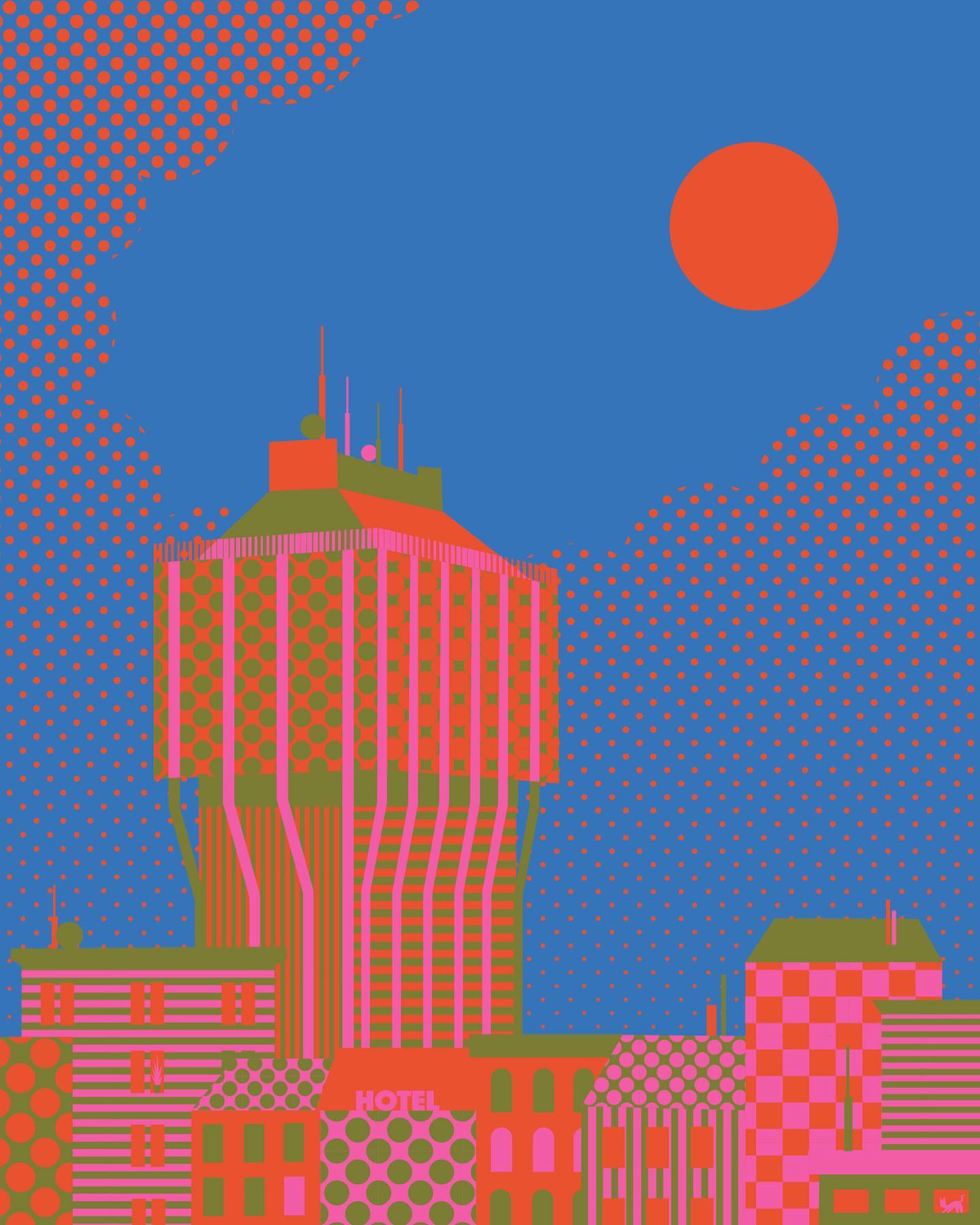
Milan; Courtesy of @olimpiazagnoli
IS: We first met at the presentation of “Isolotto” at Cantiere Galli Design in Rome. It’s an installation project that was donated to Trastevere-based nonprofit Peter Pan ODV. Can you talk a little bit about the inspiration behind the work?
OZ: I was invited by Cantiere Galli to take part in this format called “Incontro,” where they bring together a designer, a company that can produce a piece of furniture and a nonprofit. The first thing I wanted to do was go and get to know the organization, specifically the director of Peter Pan, so we toured the space, I asked him what they needed.
Their need was to have something that could be used in various ways within the space—…the idea was to try to come up with an object that could serve as a sort of support for a very young child and could then eventually become a play element for a slightly older child or possibly a seat for adults.
IS: On a personal note, you’ve also published stories about how difficult it is to find a house in Milan. You eventually created an Instagram page called Casa Futura, which started as a diary of your search for a home but quickly documented a broader crisis. Did publicly documenting your search change your experience of it?
OZ: I started the page because my phone was full of photos of houses I was going to see, and I didn’t know where to put them. I didn’t want to delete them because I needed to remind myself where I’d been, so at first I started posting them on this Instagram page, and then I realized that the search was taking much longer than I’d thought.
At some point, as I kept posting more and more, I started getting a ton of requests. People were telling me, ‘I’m looking for a place, too.’ ‘Have you by any chance seen a two-bedroom apartment?’ ‘Did you see this apartment as well?’ Rather than actually looking for houses, it became more of an observation of the listings and a sort of imagination of what the story tied to that apartment might be.
The project continues, because there are still a lot of people in my situation. In big cities, especially in Milan, the situation has changed a lot: prices have gone way up, and there are many more foreigners who have moved here for tax reasons. So there’s a different level of demand now compared to just five or six years ago, and as a result, it’s ended up unintentionally becoming a political story as well, about how much more homes cost, what type of people are looking for houses and the expectations.
Courtesy of @olimpiazagnoli
IS: What’s the most important piece of advice you’d give to someone who wants to work in a creative field in Italy?
OZ: Right now, precisely because the chance of being discovered is probably at its peak compared to the past, the real thing that makes a difference is doing good work. When I talk to students, there’s a lot of anxiety, understandably, about what comes after school: How will I find a job? How will I get noticed?
This fear is absolutely legitimate, but I think, in the end, sometimes we forget why we decided to pursue a creative career, which is, by its very nature, a precarious job with no guarantees whatsoever. It’s because we enjoy it, isn’t it? We want to do it as well as we possibly can, and we want to contribute to this form in a certain sense. The important thing is to remember that we need to keep working at it, to try to do our best, with a certain honesty, and with a certain level of quality in what we present.
IS: Is there a project that could scare you in a good way, that might make you think, ‘I’m not sure I can really pull this off?’
OZ: All of them—when they come in, it’s not like I just say, ‘Sure, I’ll do it in a second.’ Every project needs a certain amount of attention, a certain seriousness, and therefore also a certain amount of fear.
At the end of the day, the projects that scare you the most are the personal ones—when you have a deadline, a client, an opening, you already know that it has to happen. So you put yourself in a more productive mindset—you know you’ll get to the end of it with what you need to do. But when it comes to personal projects, that’s when you’re most afraid, because you find yourself without a client, without a deadline, without guidelines. And you find yourself having to face only yourself.
Italy Segreta asked Olimpia Zagnoli a round of rapid-fire questions to end our interview.
IS: What’s your favorite color?
OZ: It changes, obviously. More than a favorite single color, I really like color combinations. My favorite color right now is Glow in the Dark, you know, that kind of greenish-white that glows in the dark.
IS: What’s your favorite art medium, marker, pen, charcoal, etc.?
OZ: Pencil.
IS: What’s a place in Milan that inspires you creatively?
OZ: Maybe the Triennale di Milano—I always see really beautiful exhibitions there.
IS: What’s your dream home?
OZ: My dream house was from the 1930s—there aren’t as many of those in Milan as there are in Rome, for example. And I found it. And after I found it, I realized that maybe it really wasn’t my dream home. Every house has its issues. So you think, ‘Once I’m there, everything will be perfect.’ But really, that’s not the case.
Right now, my dream home is a 1970s apartment building, one of those Klinker buildings with a large communal garden and a balcony.
![[Image Title] - A woman with short dark hair and round glasses sits in a green chair in an art studio surrounded by colorful abstract paintings and wall art.](https://italysegreta.com/wp-content/uploads/2026/10/621611629_18053562413410258_6373855884834540240_n-1400x1400.jpeg)