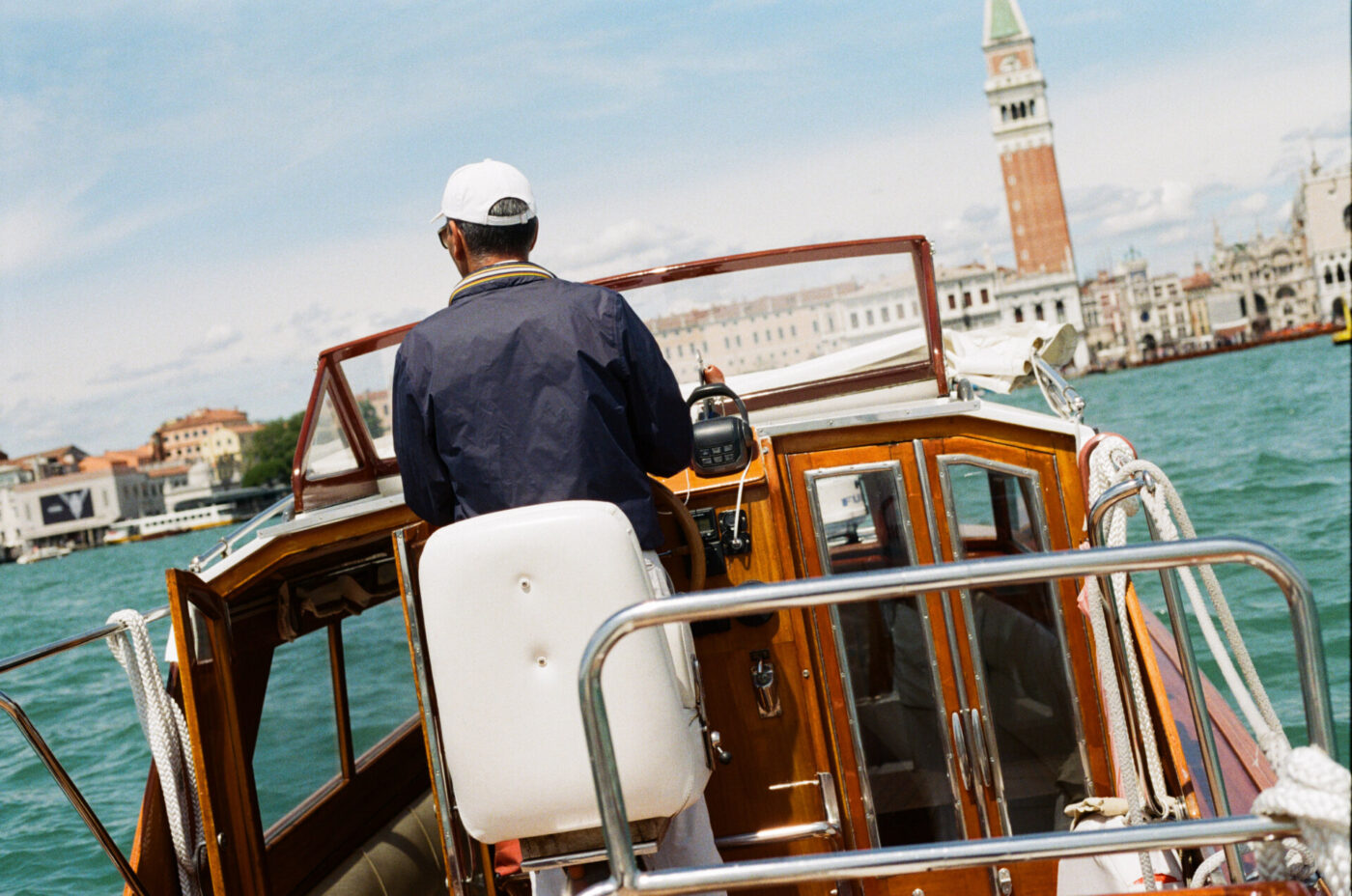
Standard Italian is the language of the nation, but dialetto is how you really get to know the regions. In Venice, the local tongue is actually its own distinct language, which evolved directly from Vulgar Latin rather than the Tuscan dialect that became standard Italian. Veneziano came into its own during the time of La Serenissima, when the city was a fierce maritime superpower trading with the Byzantine Empire and the Far East. Because it served as the official language of international commerce and diplomacy across the Mediterranean, it absorbed a colorful mix of Greek, Arabic, and Spanish words, making it just as worldly as the merchants who spoke it.
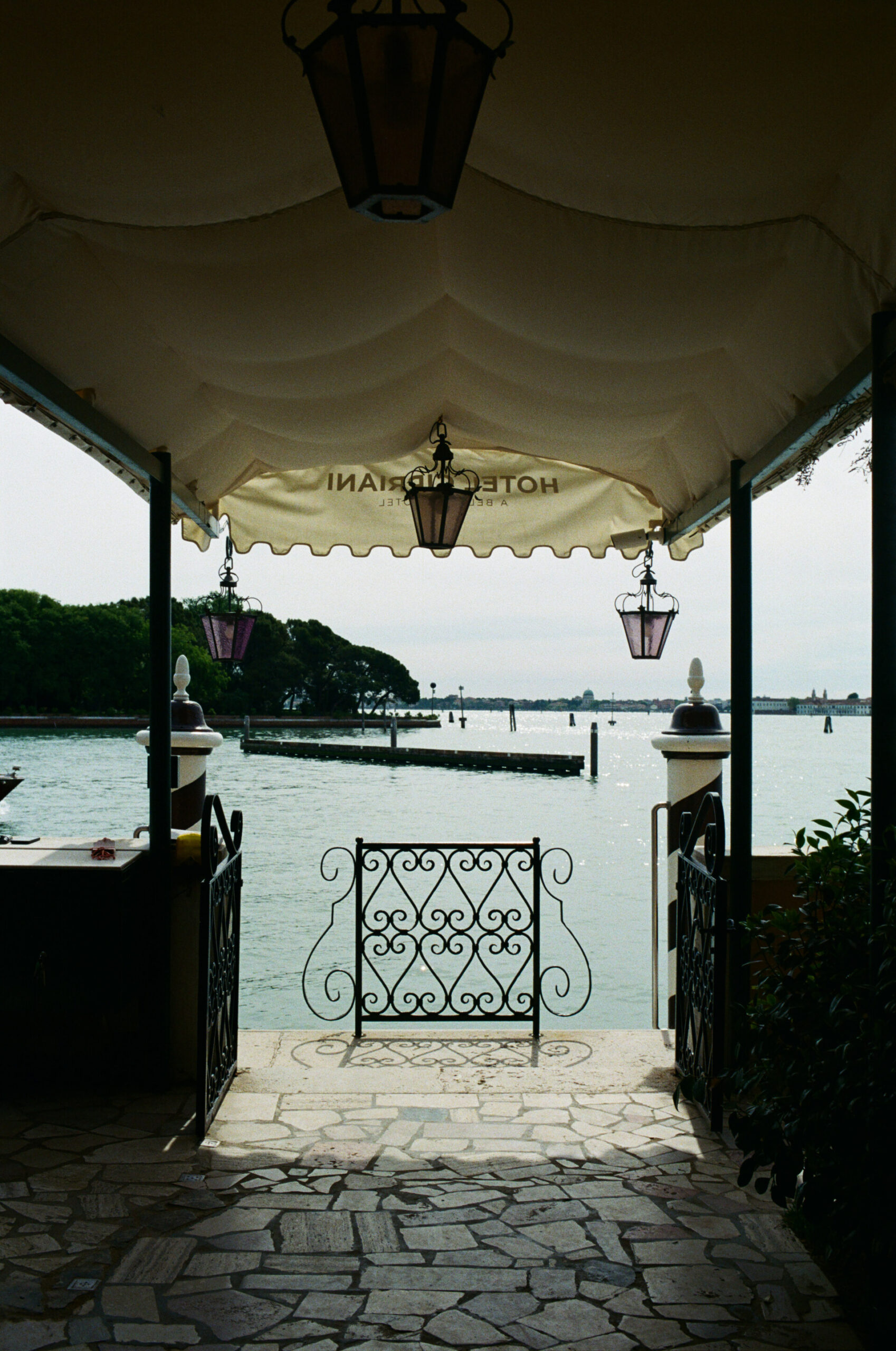
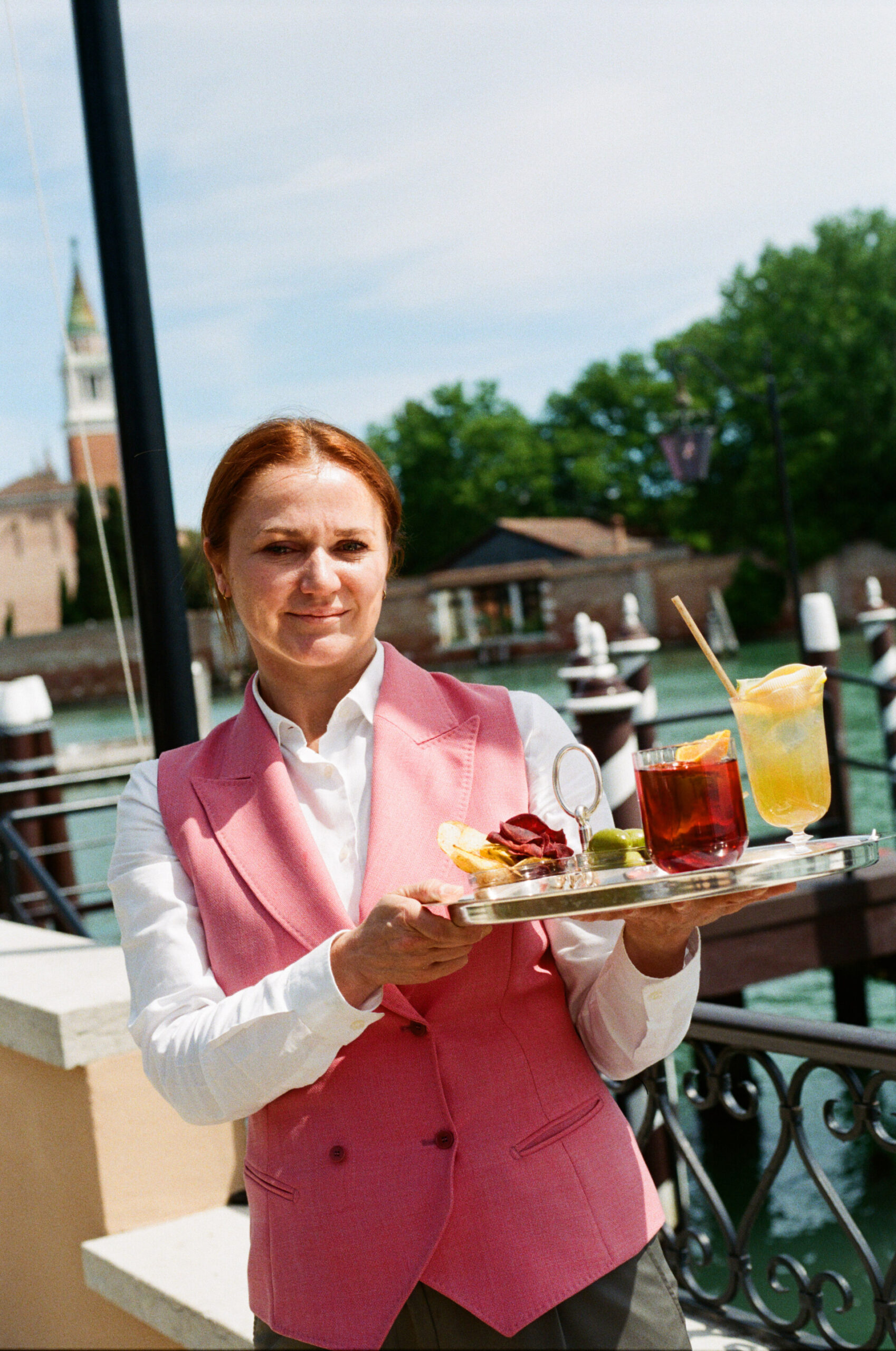
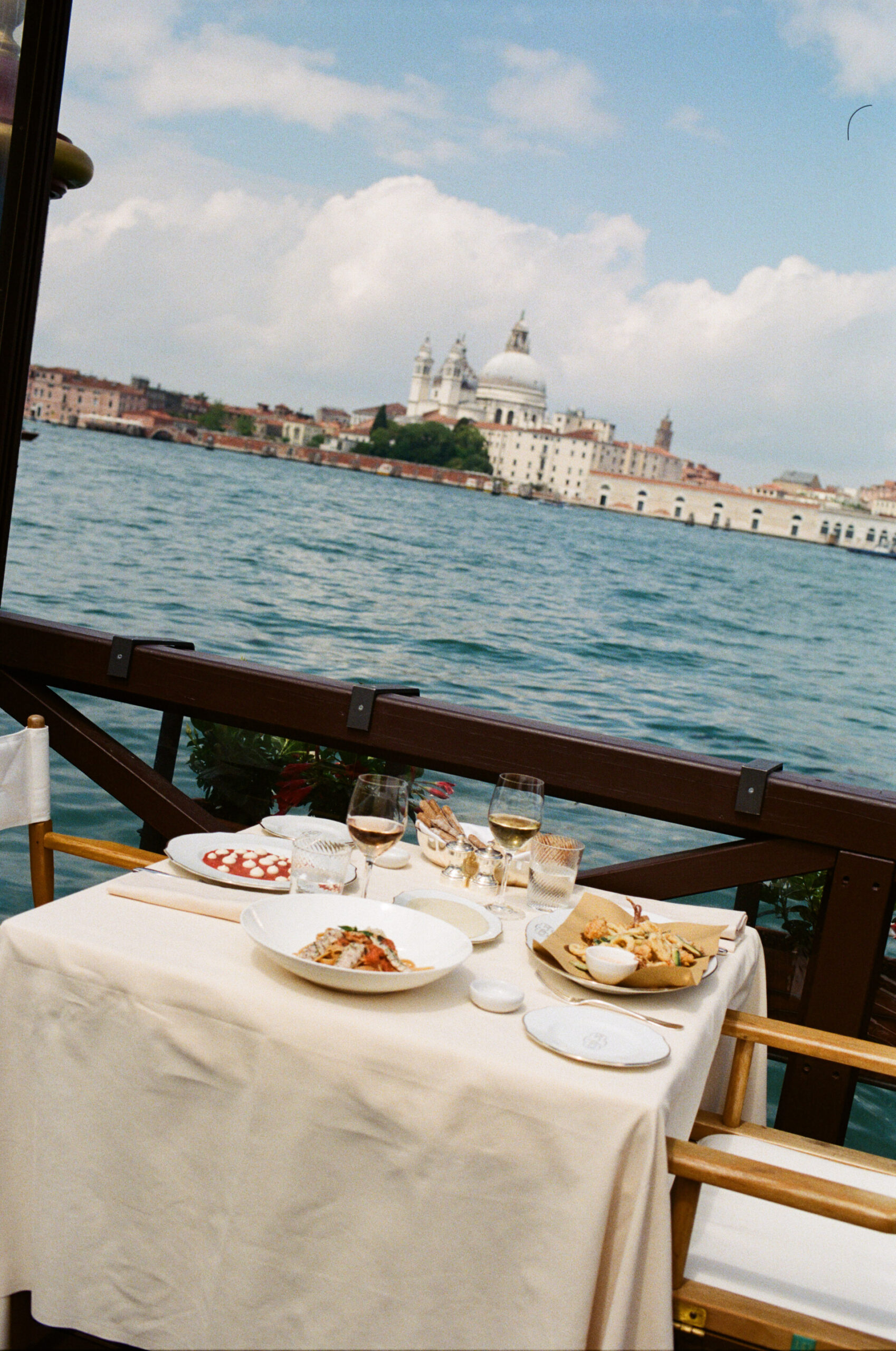
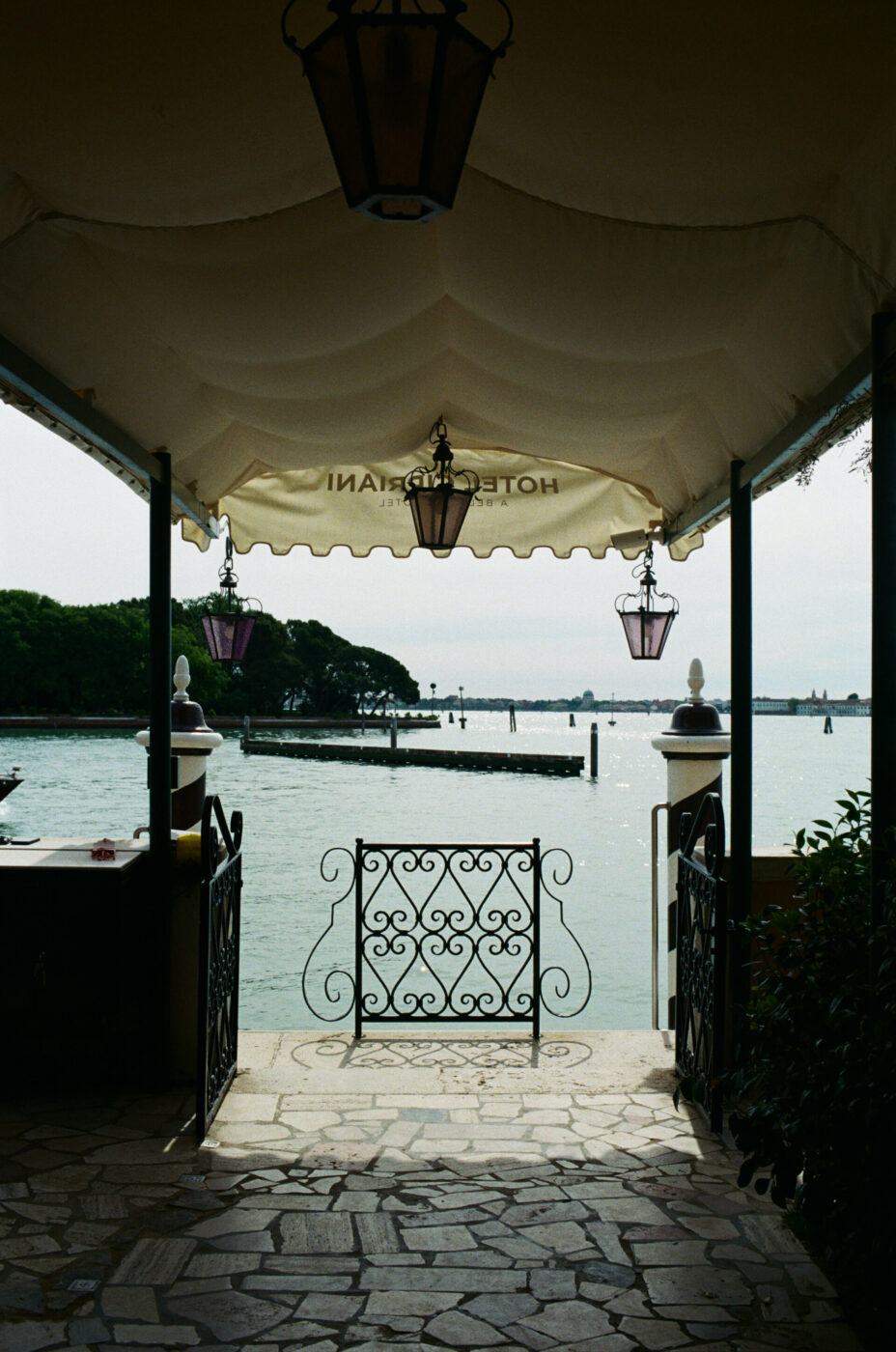
Fast, fluid, and completely stripped of double consonants, Veneziano sounds as smooth as the lagoon water that laps against the city’s canals. For those visiting the floating city—and perhaps escaping the crowds with a stay at Belmond’s Hotel Cipriani on Giudecca—these words and phrases will elucidate the merchant-minded pragmatism and devotion to living well that’s defined Venice for centuries.
LEVEL: EASY
Ombra
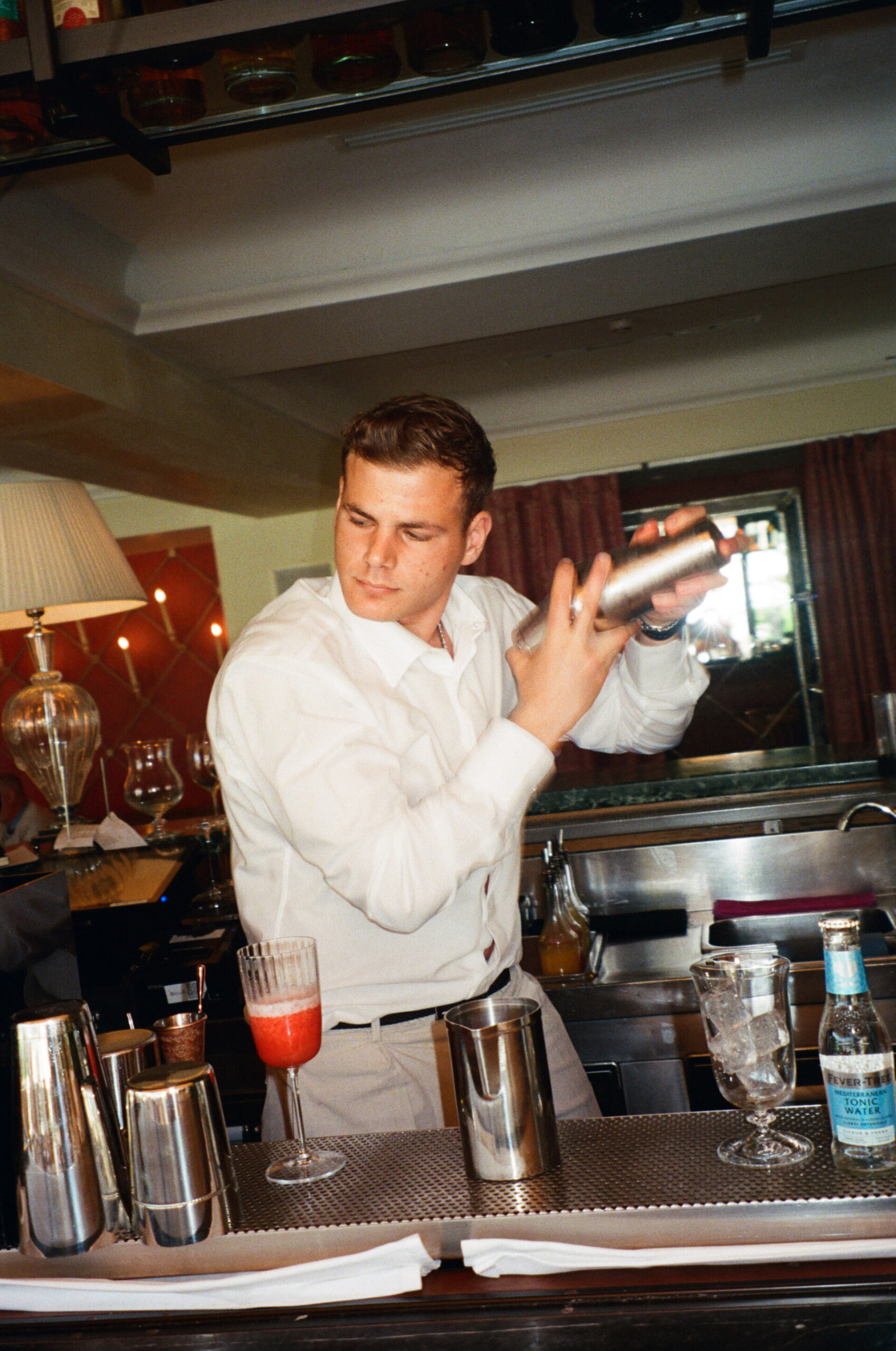
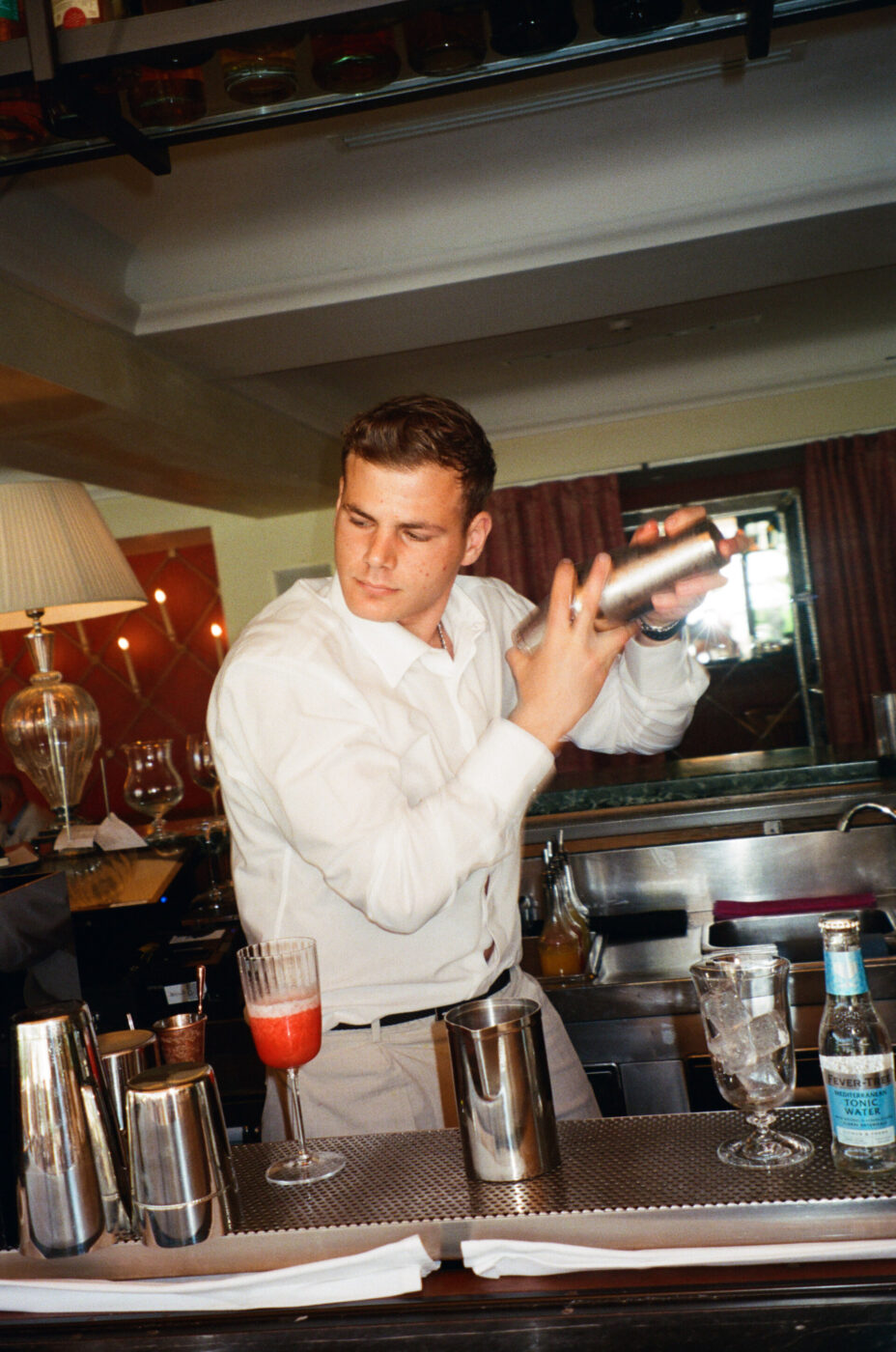
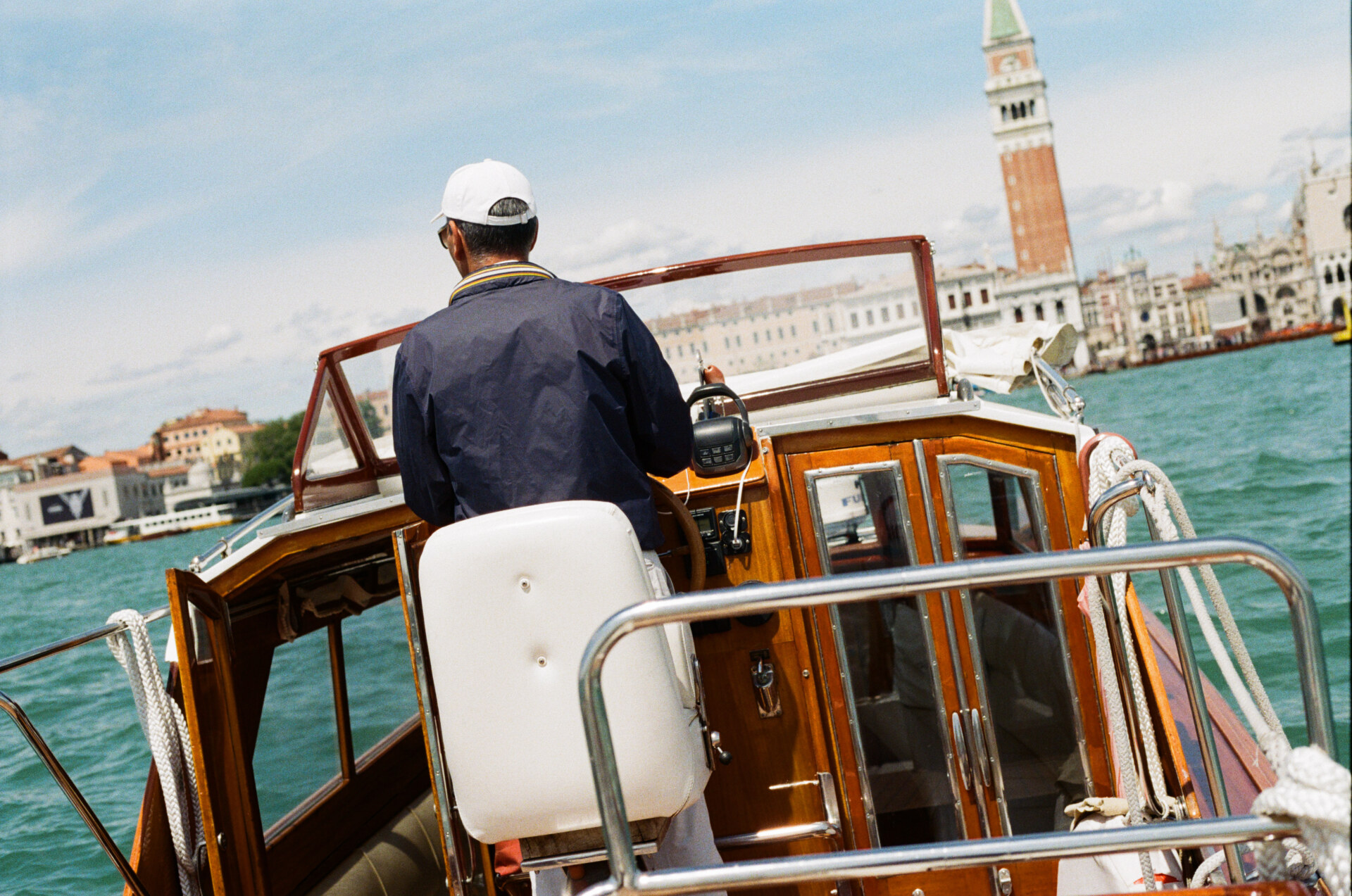
An ombra (literally, “shadow”) is the Venetian word for a small glass of local wine, about one-tenth of a liter. Legend has it the name dates back to the days of the maritime republic, when merchants set up wine carts in Piazza San Marco, physically moving their stalls throughout the day to stay in the shadow of the Campanile so the wine wouldn’t spoil. It’s a great word, and thing, to know if you like to try many different wines (or if you’re a lightweight).
Cicchetti
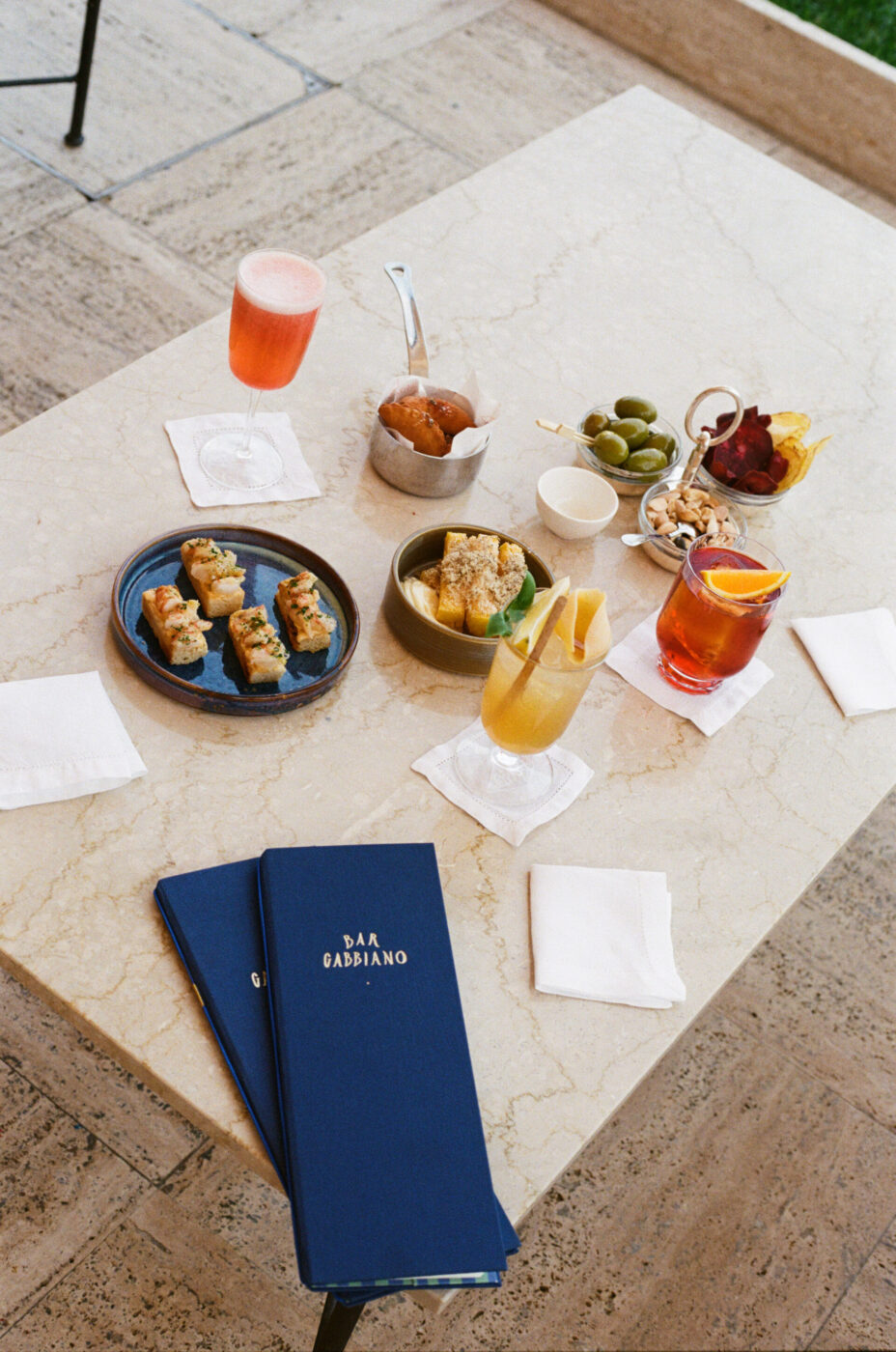
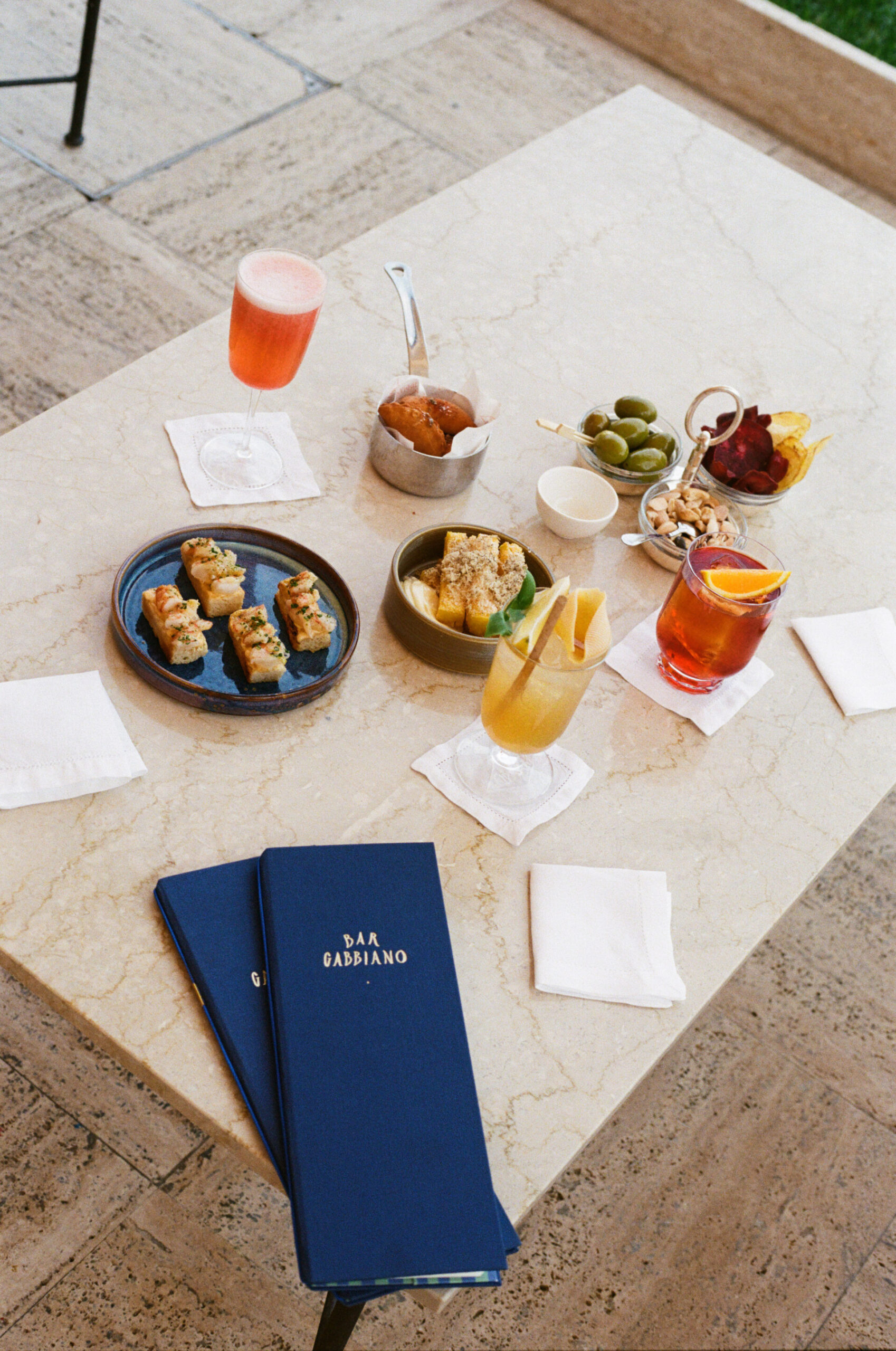
Do not call them tapas if you value your life. Cicchetti are the ultimate Venetian bar snacks—think crostini topped with baccalà mantecato (whipped cod), marinated sardines, or fried meatballs. Derived from the Latin ciccus, meaning “a little thing,” these bite-sized foods are designed to be eaten with your fingers while standing up; to try them, seek out a bàcaro—a small, traditional Venetian wine bar.
Calle
In Venice, you will never walk down a via or a strada. Instead, you’ll navigate a calle. Calli are the city’s labyrinthine streets, varying from wide, sunlit thoroughfares to spaces so impossibly narrow you have to turn sideways just to pass a stranger. You’ll have to accept that your phone’s GPS will inevitably fail you in a calle, and that getting lost is entirely the point.
Rio
While many focus on the Grand Canal, day-to-day life is more likely to be found on the rii (singular: rio). These are the hundreds of smaller canals that weave through the city’s neighborhoods; they’re basically the canal version of back alleys. This is where you’ll see delivery boats parking to unload prosecco, teenagers heading out to the lagoon on their barchini, and the like.
Altana
The ultimate status symbol in a city short on space. An altana is a private wooden deck built directly on top of the roof, practically hovering above the city. Historically, Renaissance noblewomen used them to bleach their hair into the famous biondo veneziano, wearing crownless straw hats to bake their elixir-soaked locks in the sun while keeping their faces pale. Today, they remain the most coveted perches in Venice for a private evening drink, far above the crowded alleys below.
Ciacola
This is the art of friendly gossip, lighthearted banter, and rapid-fire small talk, usually exchanged over the counter of a crowded bar or across neighboring balconies. Onomatopoeic in nature—mimicking the sound of clacking tongues—a good ciacola is the social glue of Venice.
LEVEL: HARD
Xe inutie filar caigo.
It’s useless to spin fog.
Anyone who has seen the thick winter fog (caigo) roll across Venice knows it feels like trying to grasp a ghost. To try and spin that mist into useful yarn is the ultimate fool’s errand. Venetians use this phrase to call out overthinking, pointless worrying, or wasting energy on anxieties that lead absolutely nowhere.
Chi ga inventà el vin, se nol xe in Paradiso, el xe vissìn.
Whoever invented wine should be in Paradise, or at least very close.
Given the sheer volume of prosecco and ombre consumed daily in Venice, this is practically a theological doctrine. This proverb gives the highest divine praise to whoever first fermented the grape. Hard to argue with that.
Magna e bevi, che a vita xe un lampo.
Eat and drink, because life is a flash of lightning.
The local version of carpe diem. Life is beautiful, terrifyingly brief, and unpredictable—much like a sudden summer storm rolling across the Adriatic. The Venetian antidote to this existential dread is beautifully simple: order another plate of cicchetti, pour another glass, and enjoy the present company before the flash is over.
Duri i banchi!
Hard the benches! (Meaning, “Hold fast!” or “Brace yourselves!”)
Originally a command shouted by galley sailors to grip their wooden benches tightly before an imminent collision or a massive wave, this has evolved into the city’s ultimate motto for resilience. It’s what you say to a friend facing a hardship or what you whisper to yourself before crossing the sea of crowds near the Rialto Bridge on a Saturday afternoon.
Se no xe pan xe poenta.
If it’s not bread, it’s polenta.
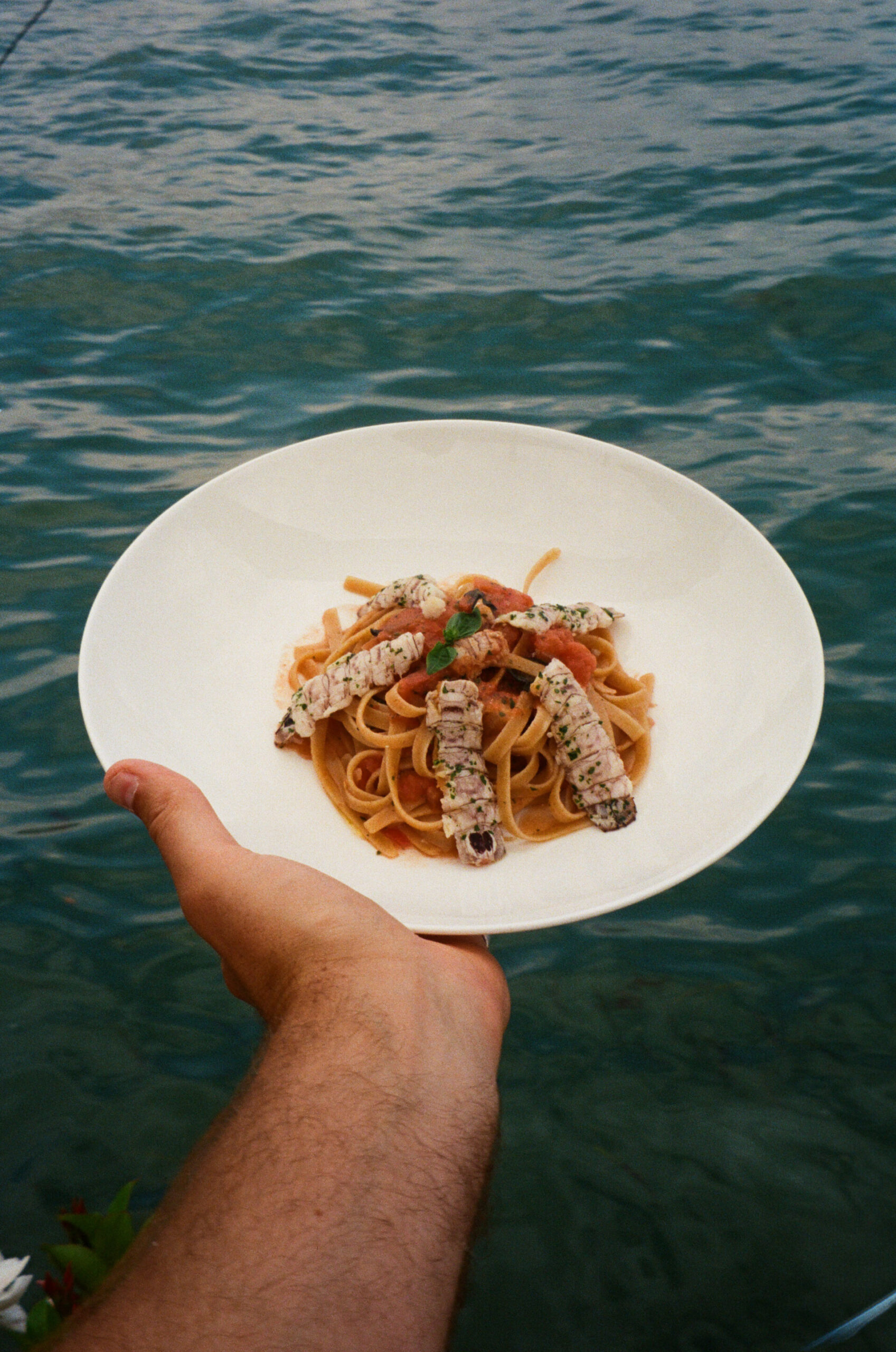
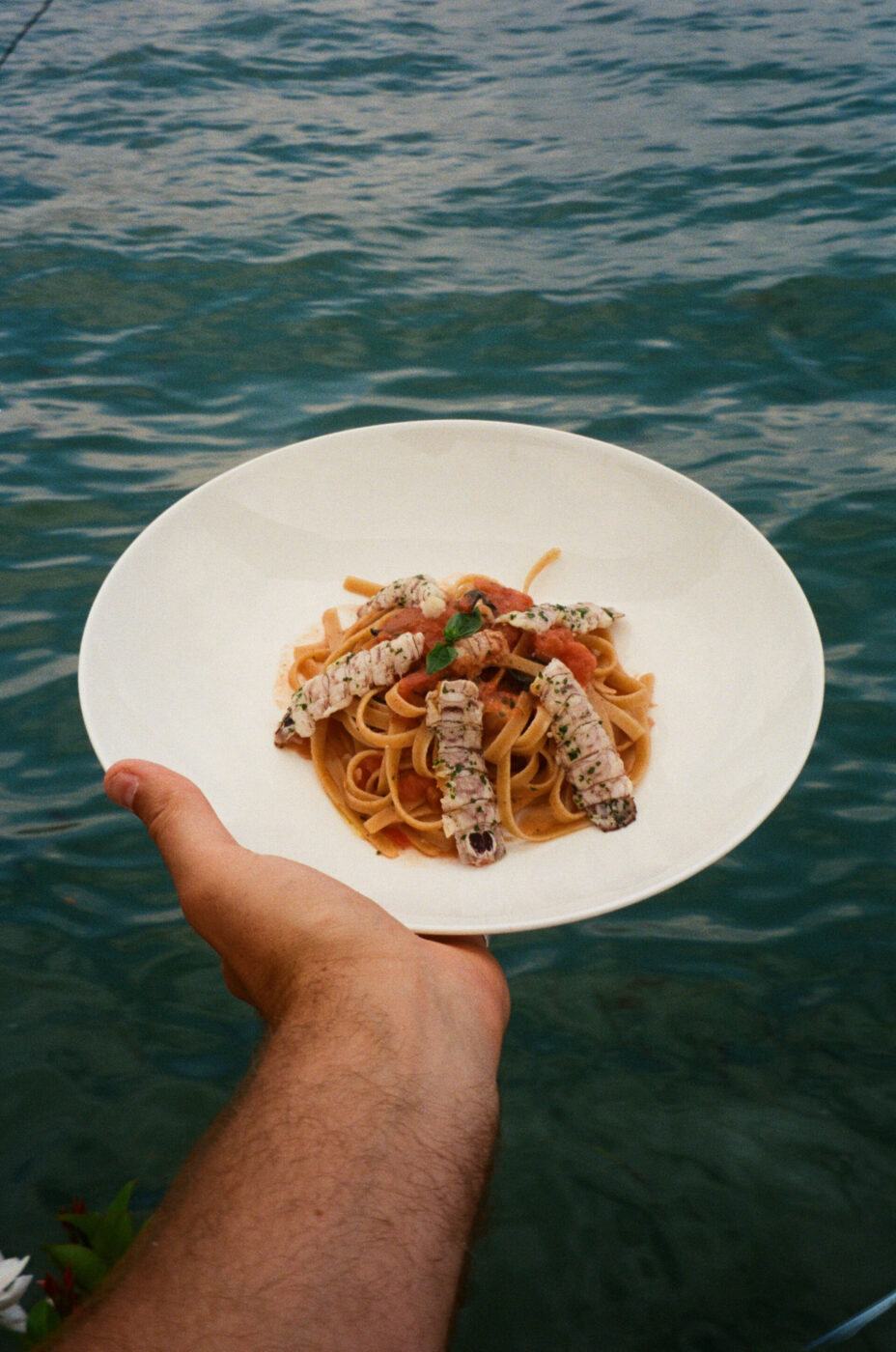
Historically, if a family couldn’t afford wheat for bread, they turned to the cheaper and more reliable cornmeal (which arrived from the New World in the 16th century) for polenta—it filled the stomach just the same. Today, this phrase is the local reminder to adapt or to embrace the backup plan, even though polenta is far from peasant food. You’ll find it everywhere from casual bacari to fine-dining spots, most often served hot and creamy under the likes of seppie al nero (cuttlefish ink) or schie (tiny lagoon shrimp), or sliced, grilled crisp, and topped with various things as a cicchetto.