Standard Italian is the language of the nation, but dialetto is how you really get to know the regions. In Sicily, the local tongue is recognized by linguists as its own independent language; long before the Tuscan dialect became the national standard, Sicilian was actually the true cradle of Italian literature, flourishing in the 13th-century poetic court of Emperor Frederick II. And, because the island is at the historic crossroads of the Mediterranean, its language is like an archaeological dig—layered with the DNA of the Greeks, Arabs, Normans, and Spanish.
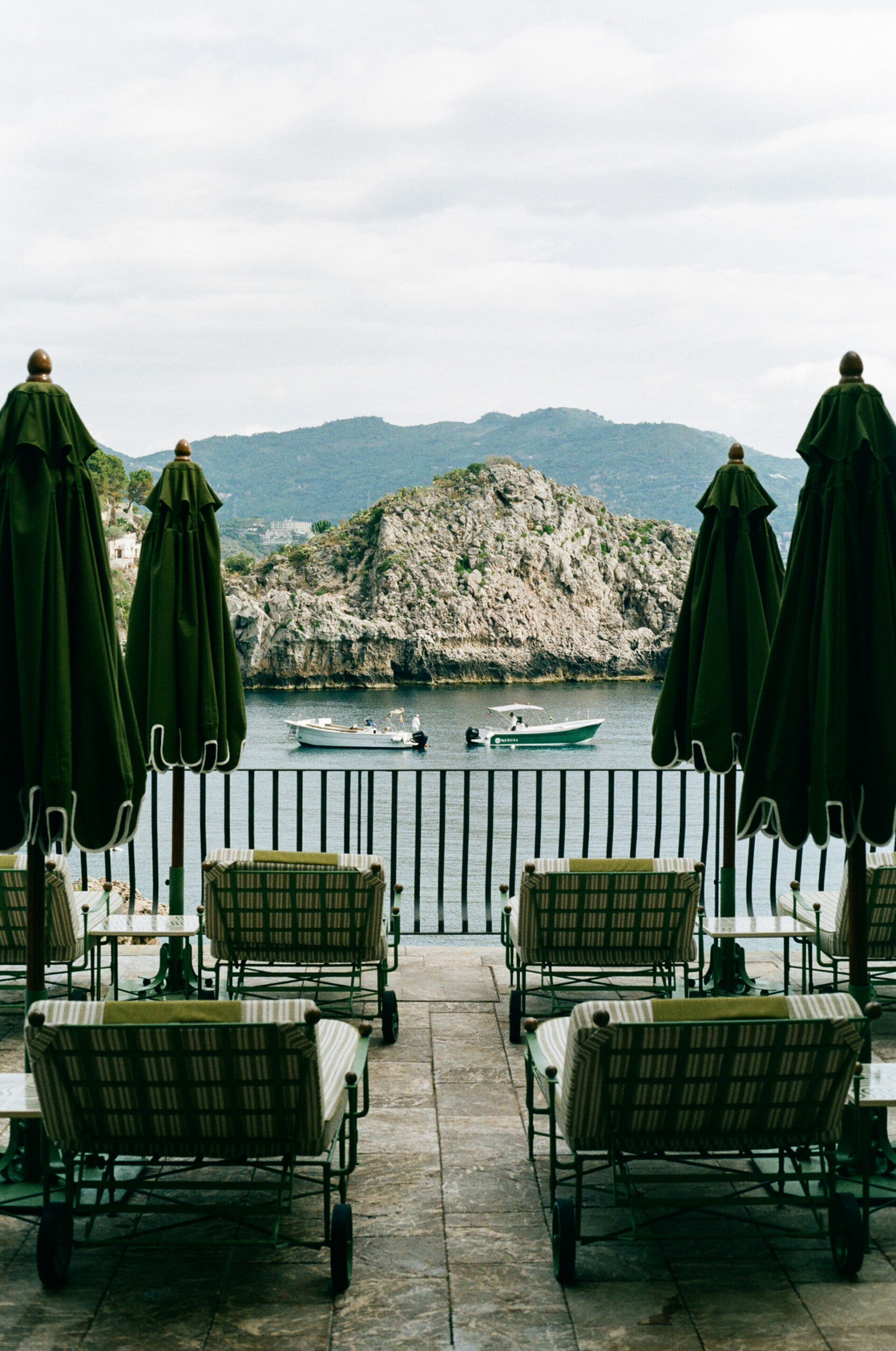
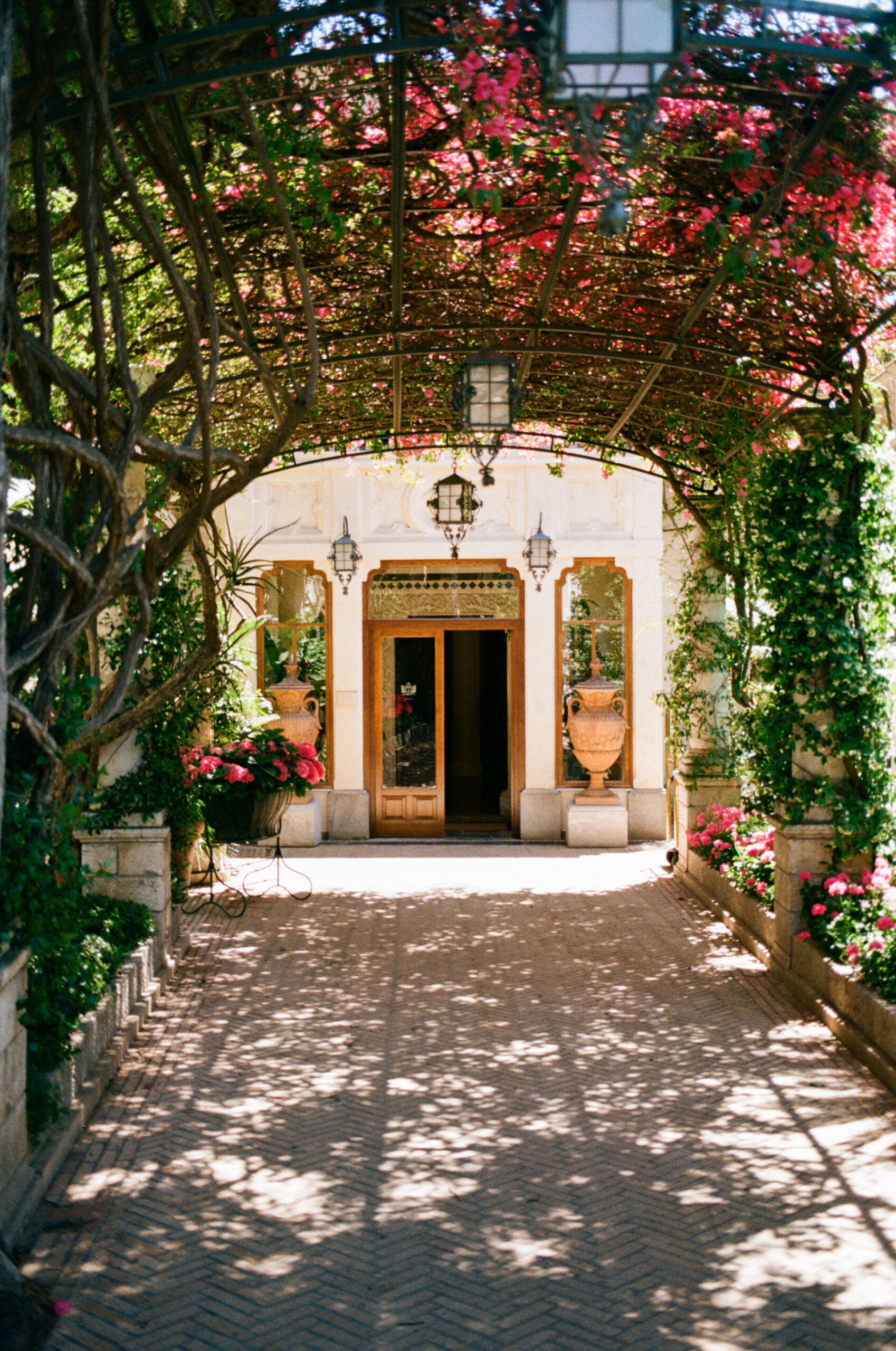
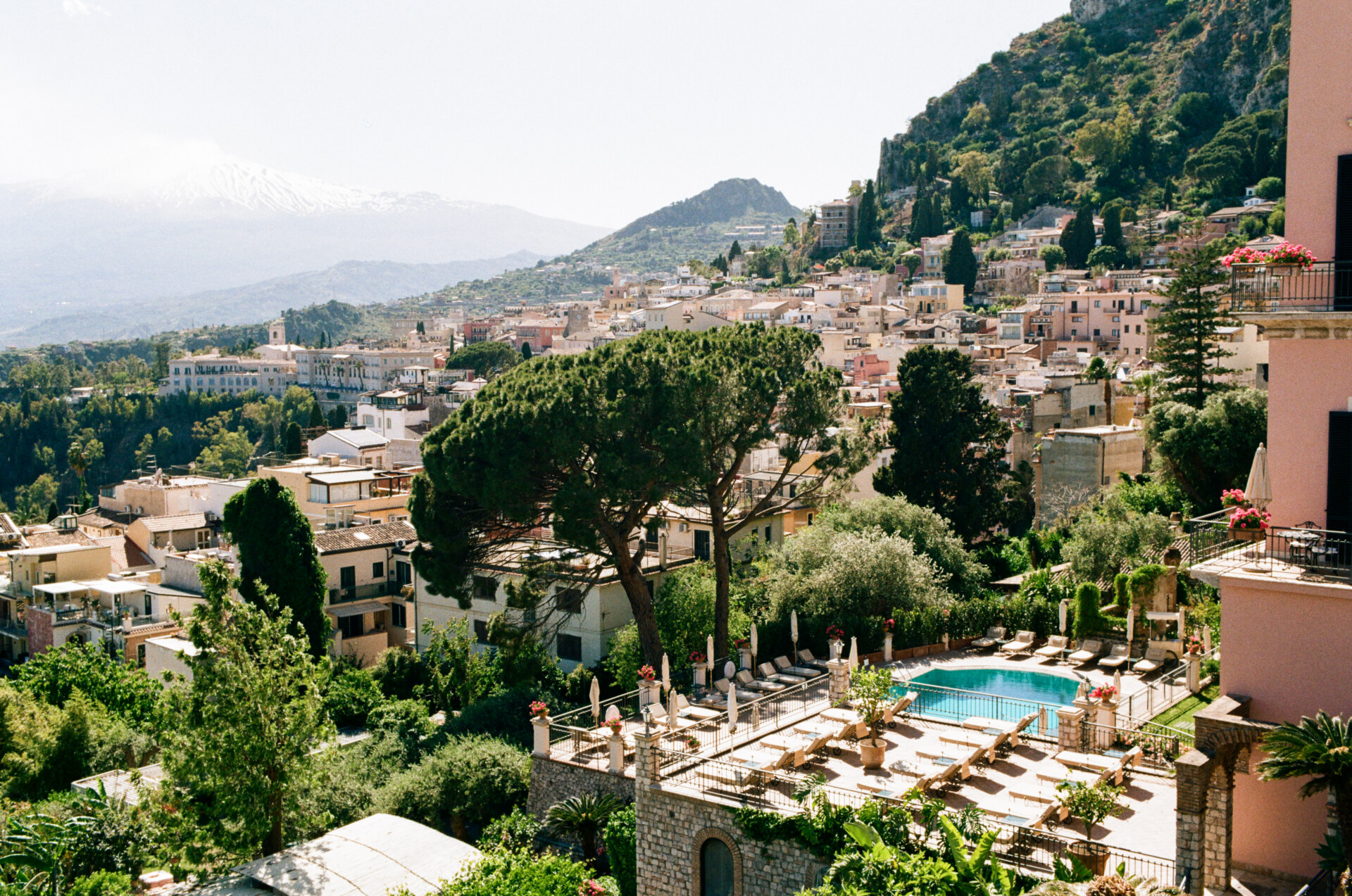
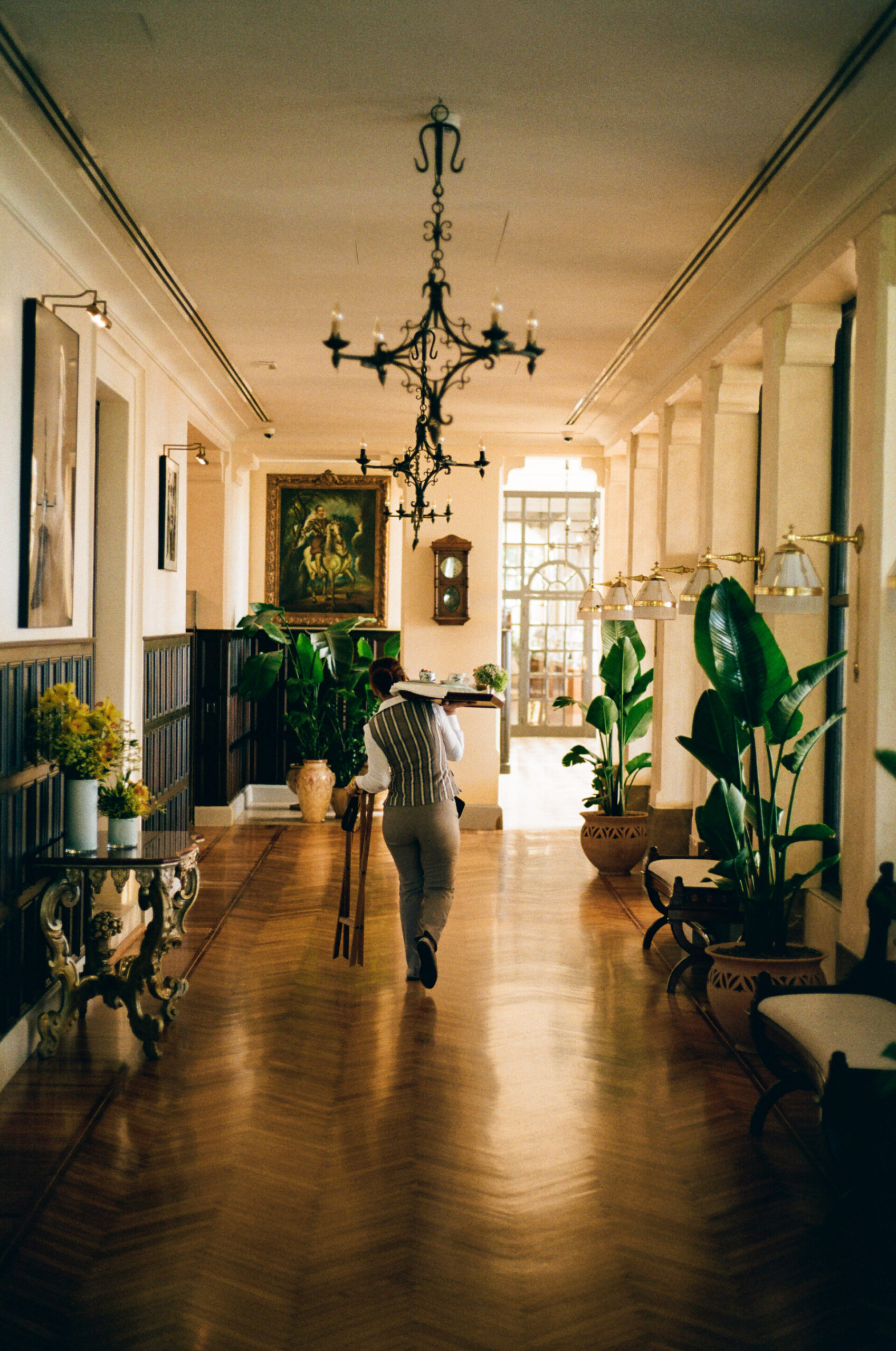
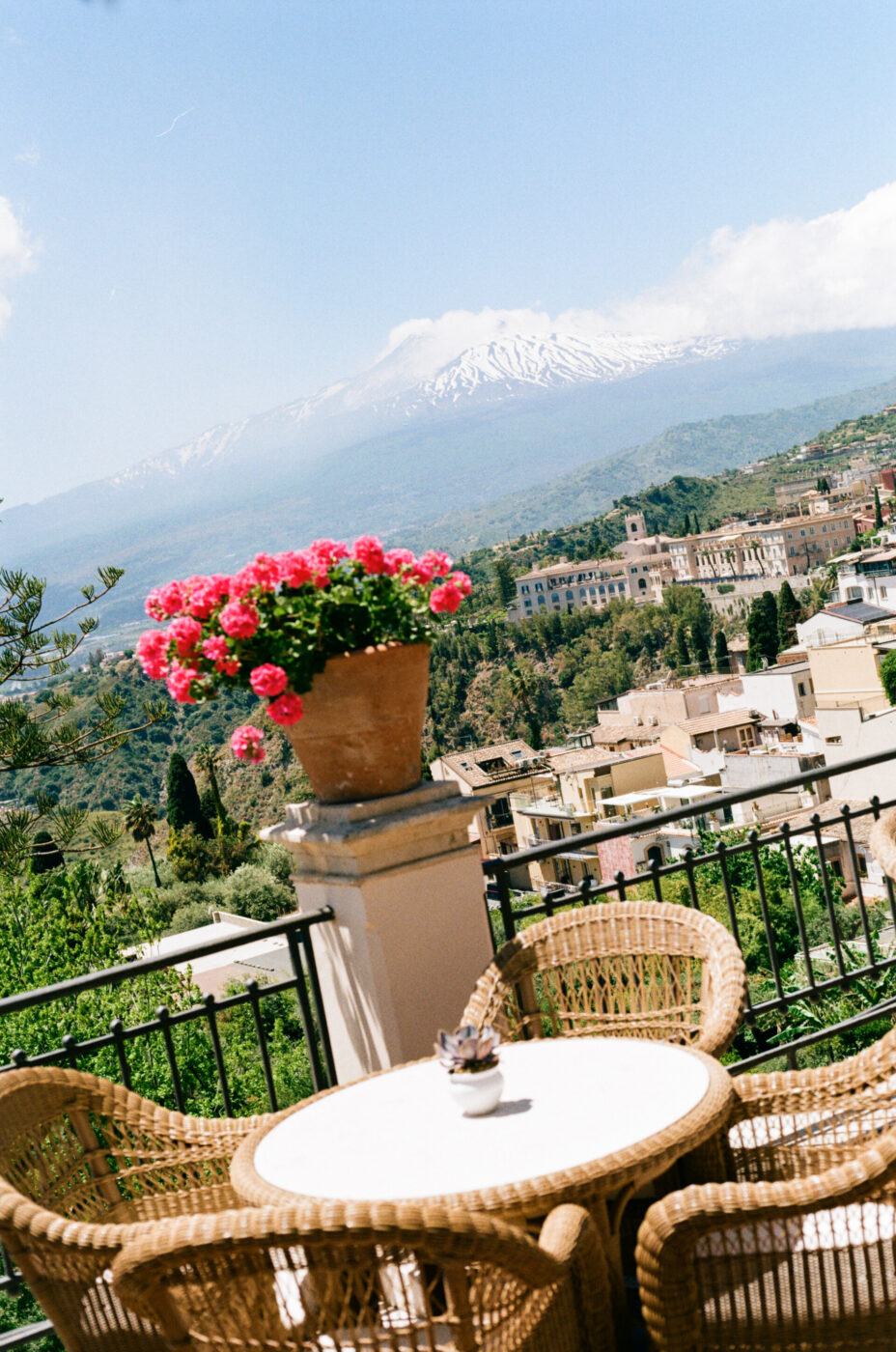
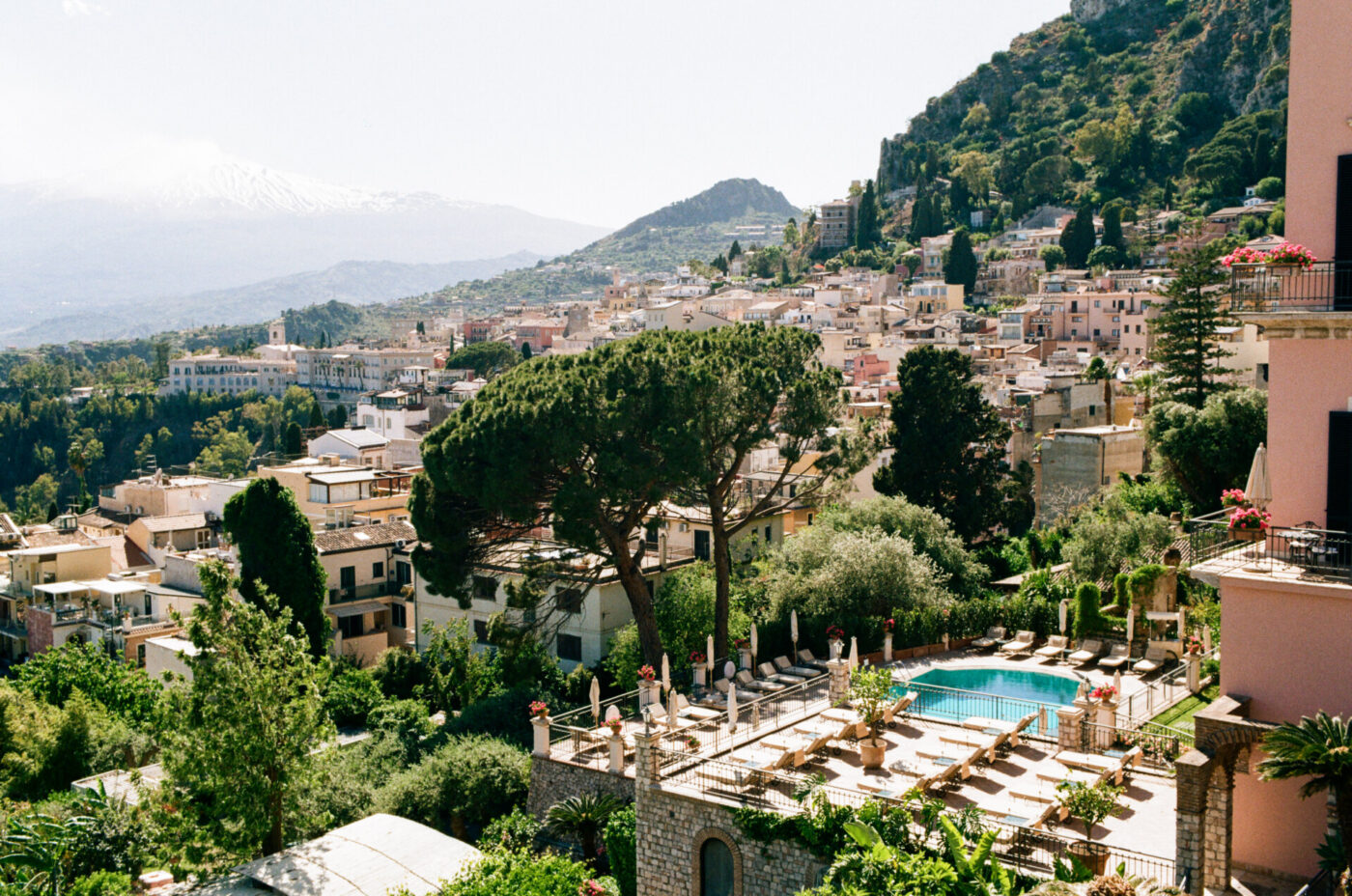
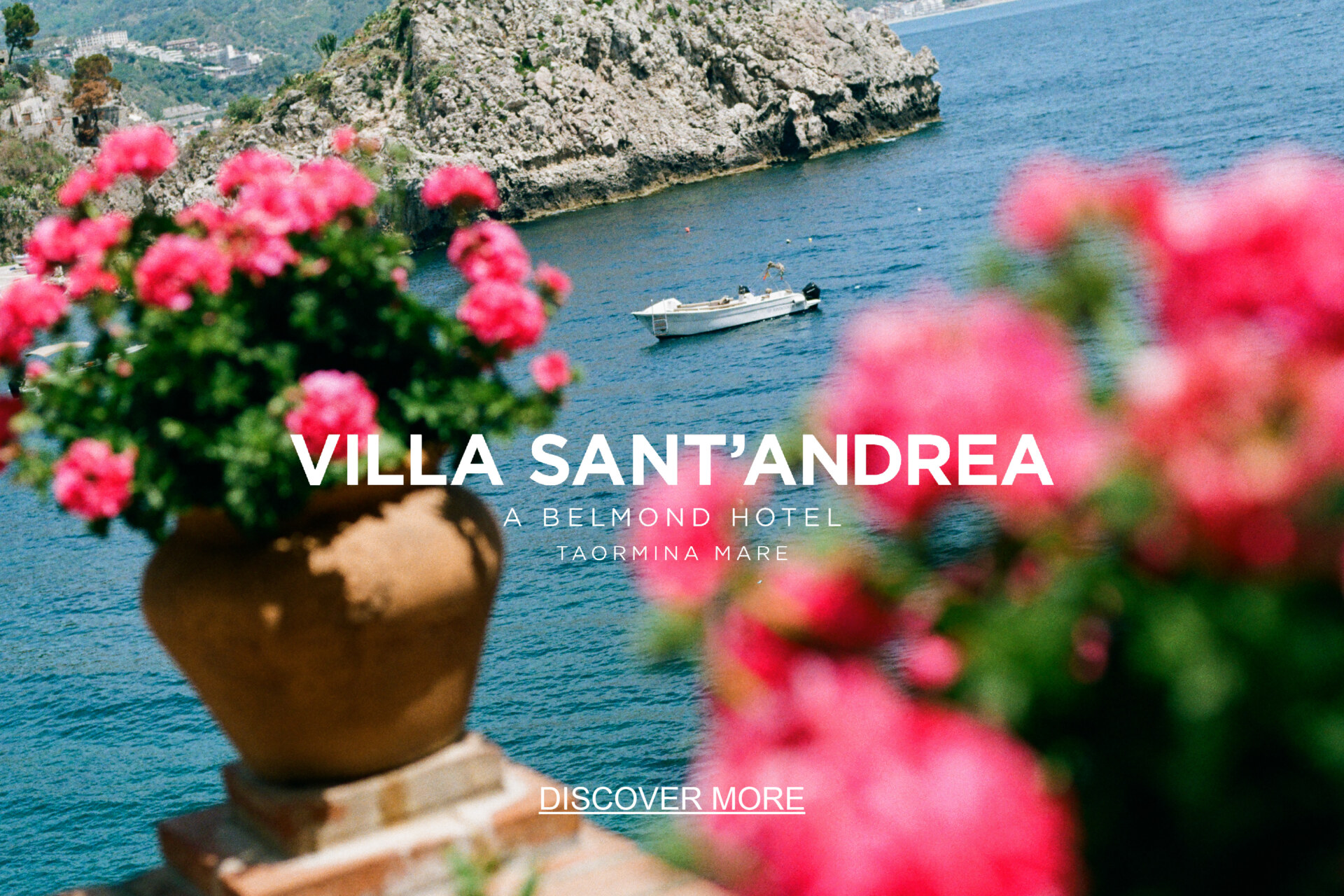
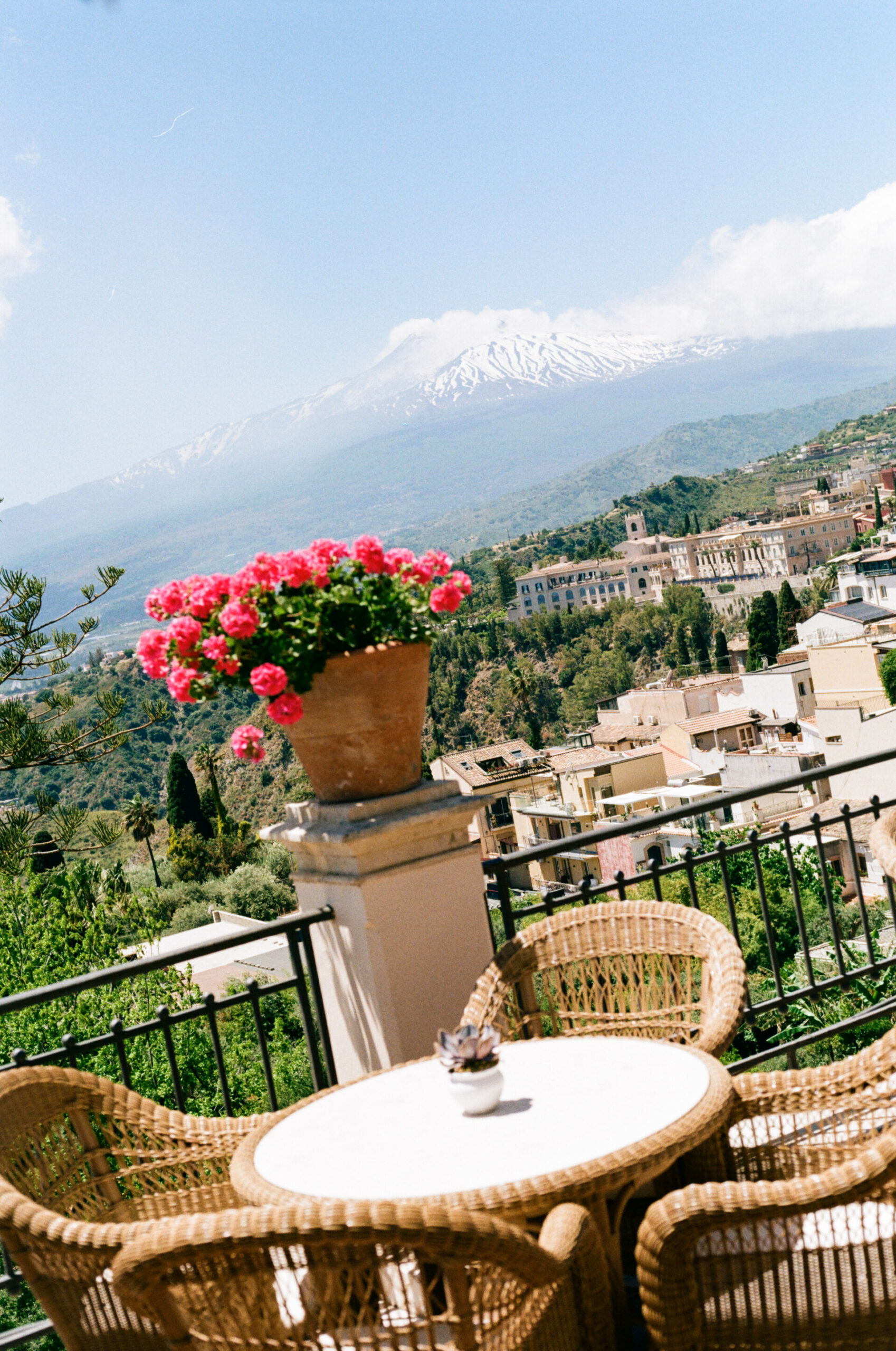
For those visiting the island, and perhaps watching smoke drift off Mount Etna from the gardens of Belmond’s Grand Hotel Timeo or Villa Sant’Andrea in Taormina, learning these terms is the ultimate way to tap into the Sicilian psyche: a mix of deep-rooted fatalism, fierce pride, and a historic devotion to survival—a collective grit born from millennia of enduring foreign occupations and the volatile whims of the landscape itself.
LEVEL: EASY
‘A Muntagna
To the rest of the world, it’s Mount Etna. To Sicilians, it is simply ‘A Muntagna (The Mountain). Spoken with a mix of maternal love and deep respect, this active volcano isn’t viewed as a threat, but as a living entity that dictates the island’s weather, shapes its black-soil landscapes, and gives its world-class wines their signature volcanic grit. You don’t live near Etna; you live with her.
Annacarsi
Sicily’s fluid relationship with time, distilled into a single verb. Meaning to sway back and forth, it captures the state of rushing without actually getting anywhere.
Peri-peri
Literally translating to “feet-feet,” to go peri-peri means to wander around aimlessly, drifting from place to place just to see who’s out and what’s happening.
U scrusciu du mari
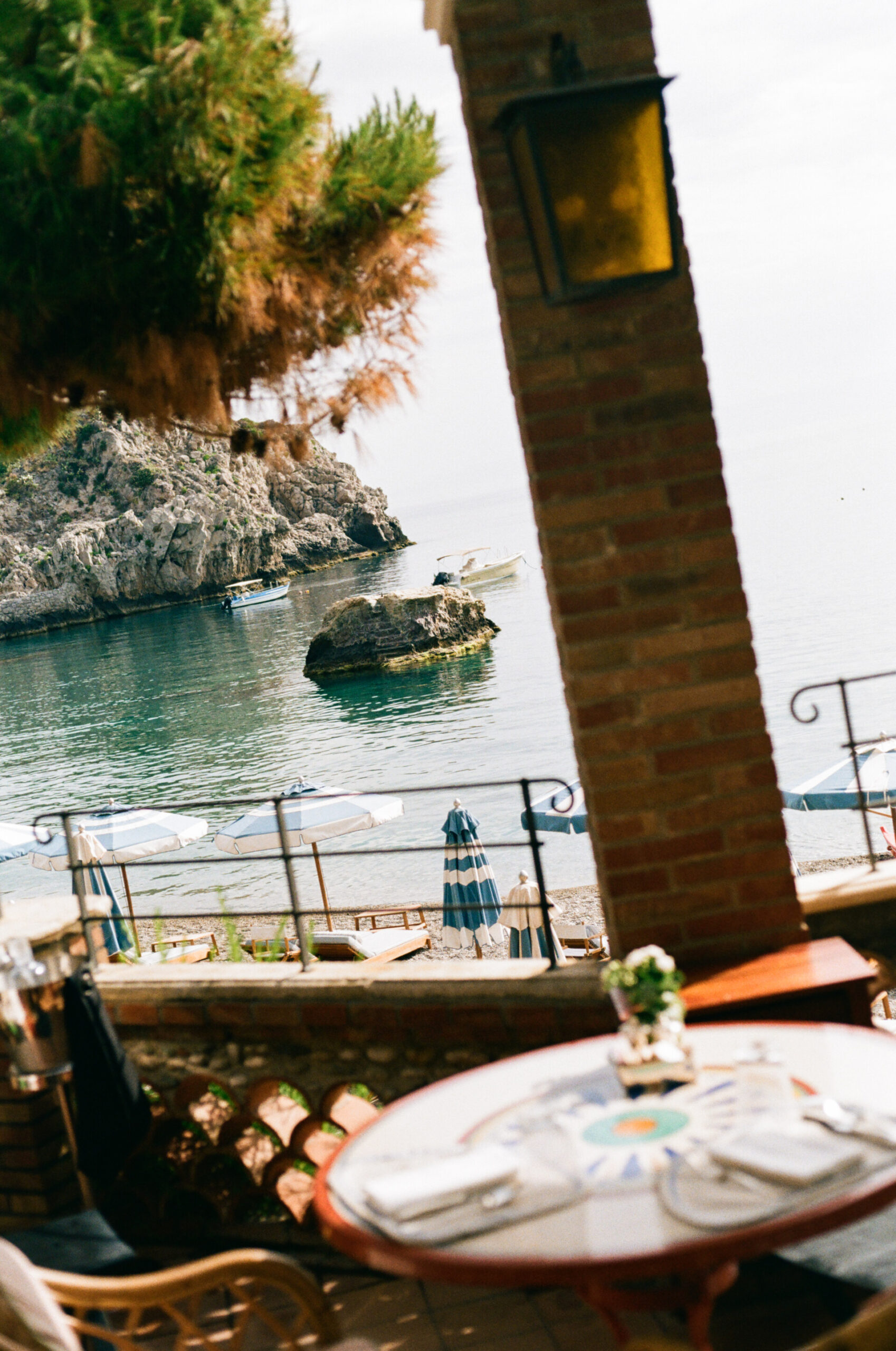
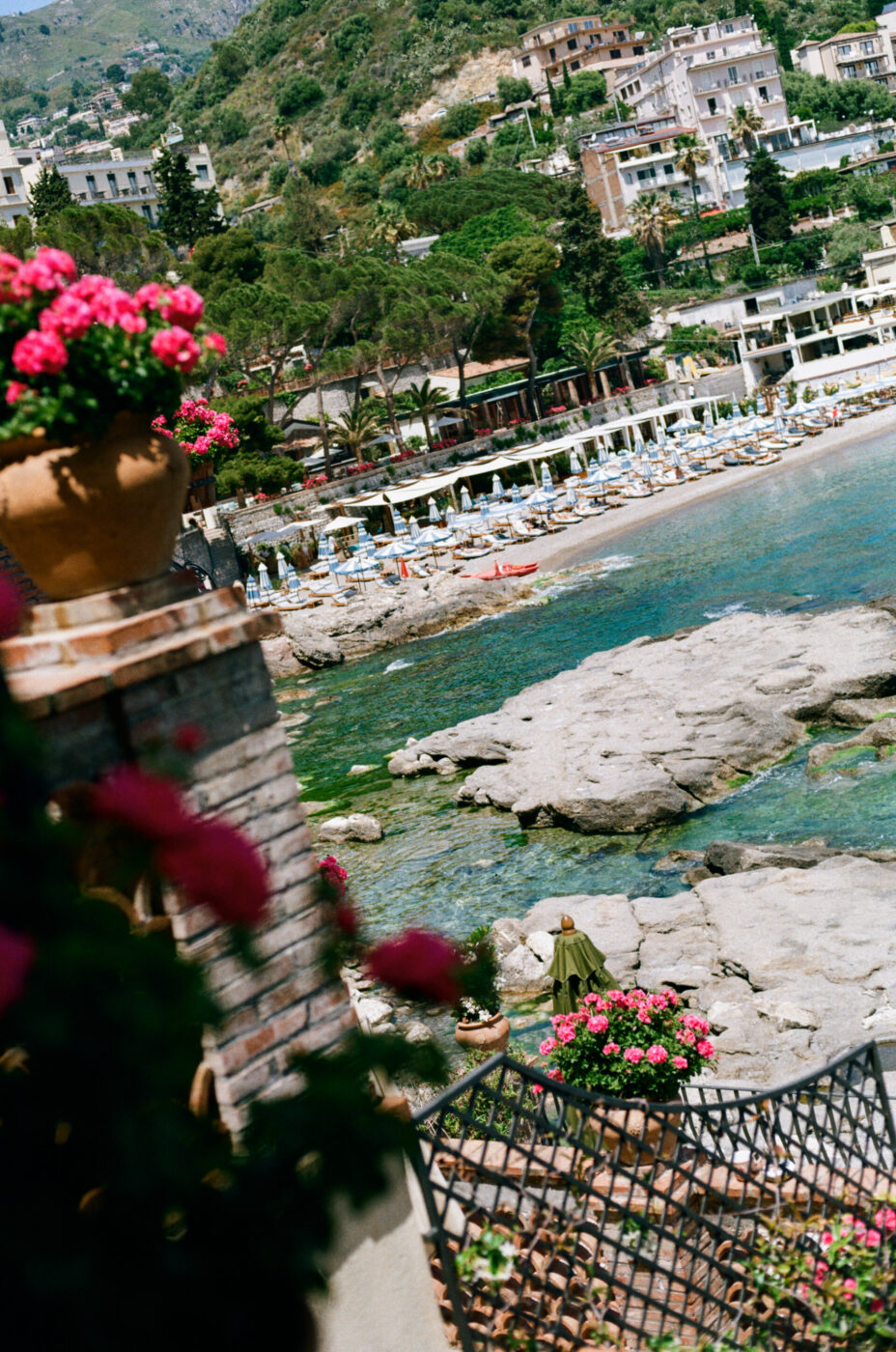
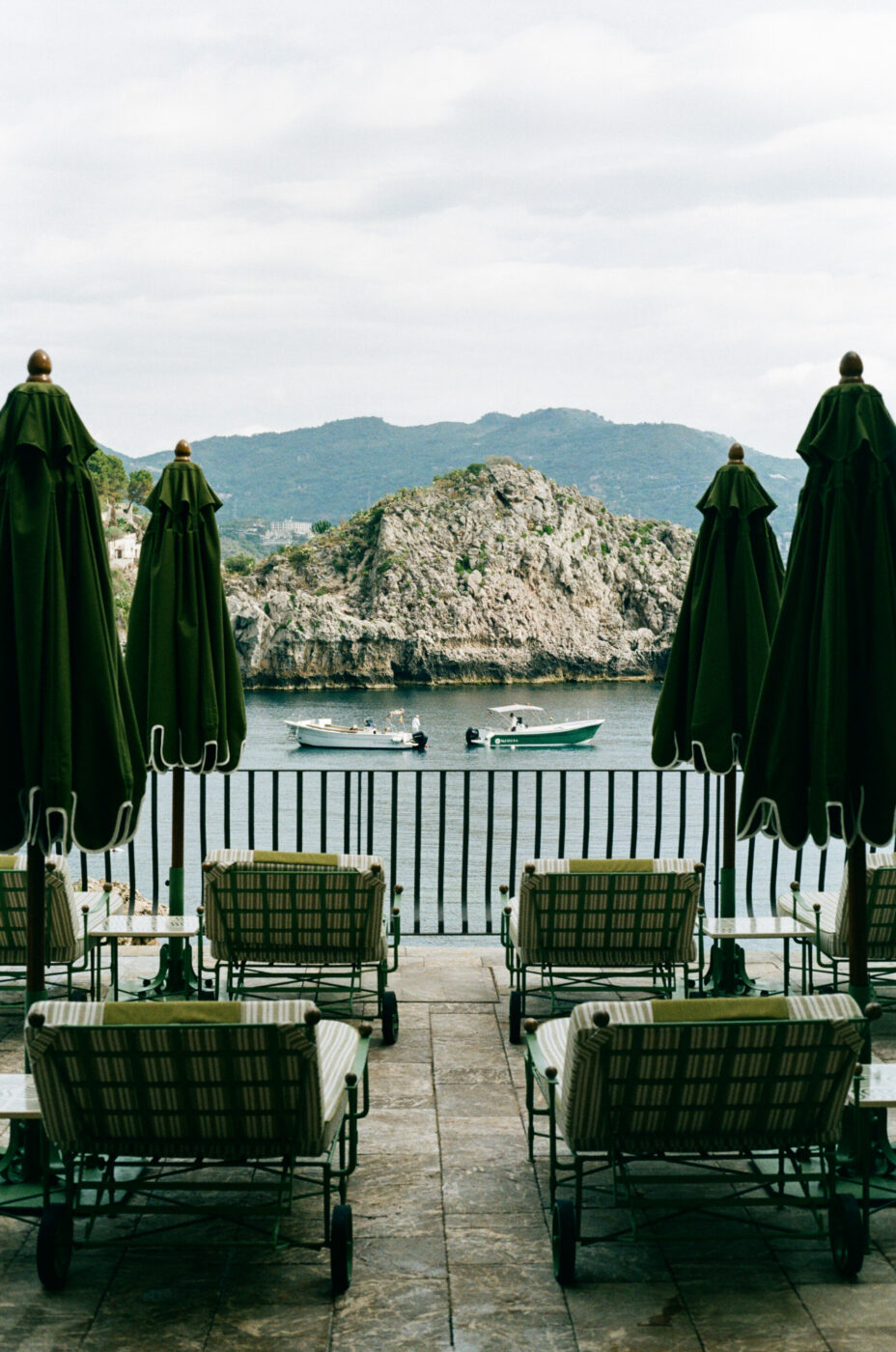
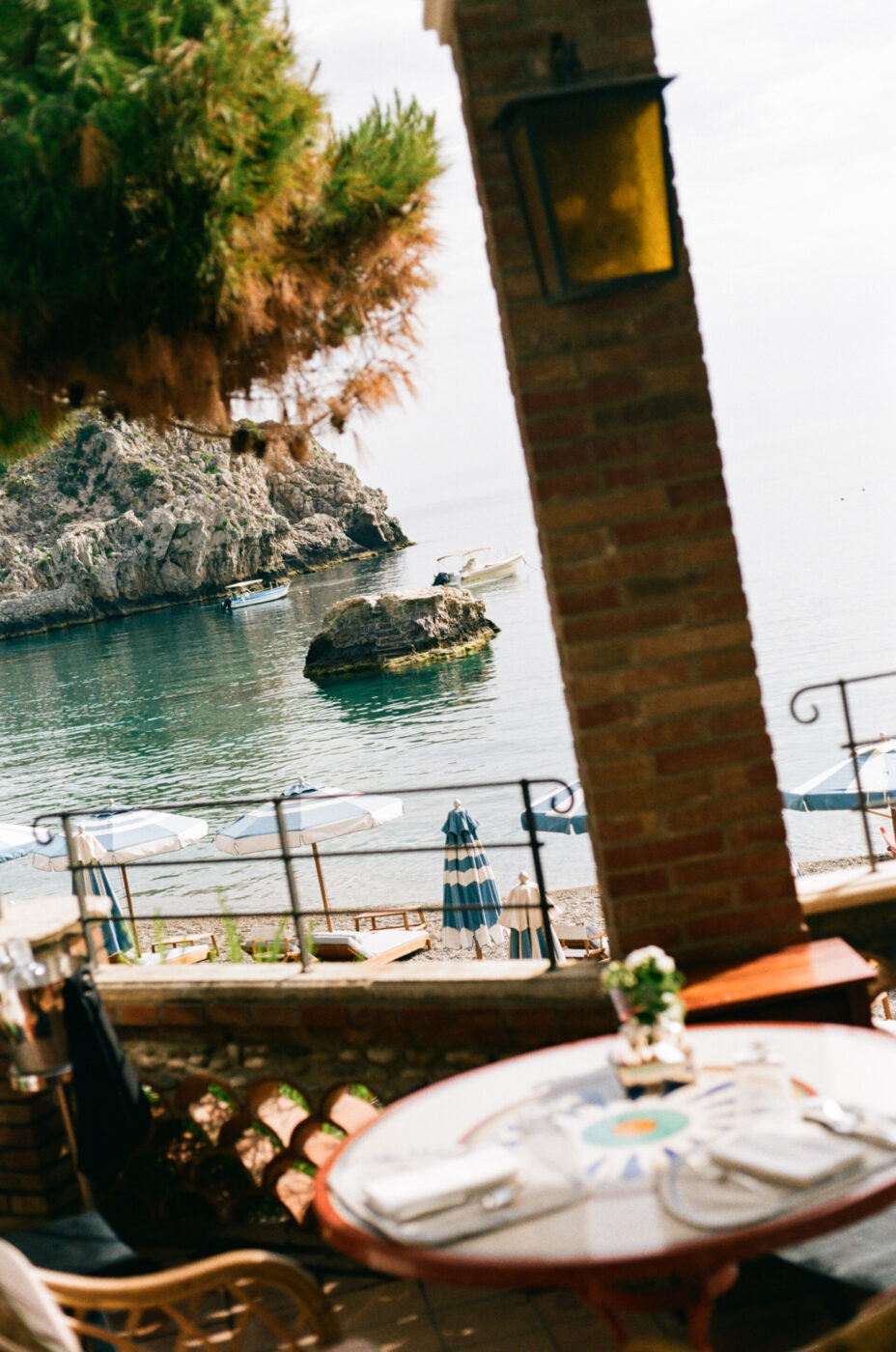
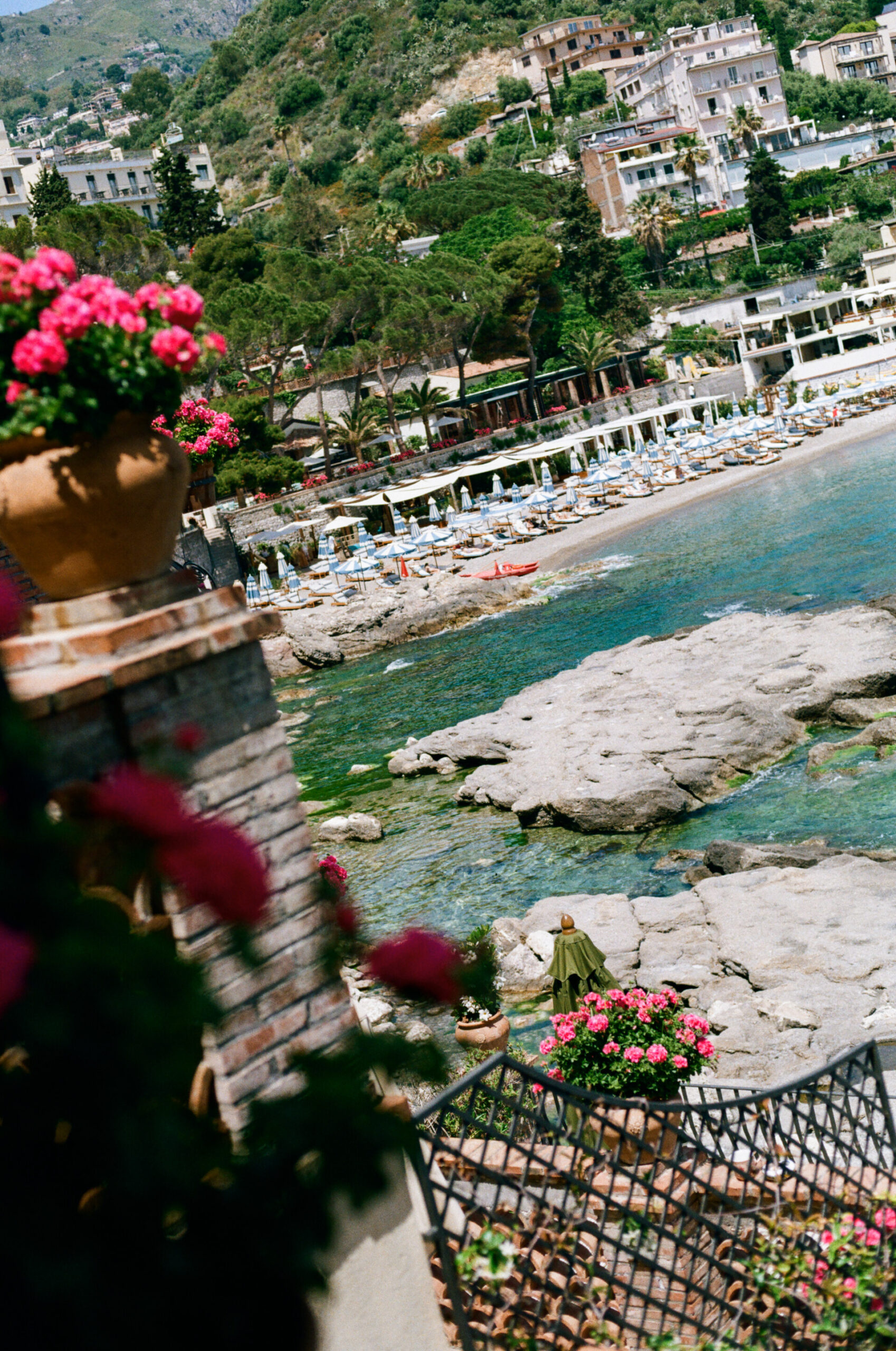
The soothing sound of the waves—Sicily’s endless white noise. Here, it’s the soundtrack all year round, and the absolute first thing an islander complains about missing the second they step away from the coast. If you can’t hear the scrusciu, you’re too far inland.
Liscìa
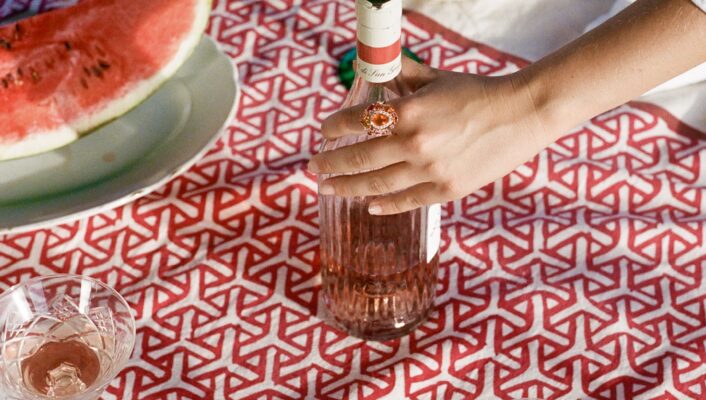
A specific psychological state of pure, unadulterated silliness. Liscìa is that uncontrollable, giggly mood where absolutely everything is funny and nothing can be taken seriously. Can be brought on by a few too many glasses of Nero d’Avola, or simply a poorly (or well?) timed look at your best friend.
Diserta
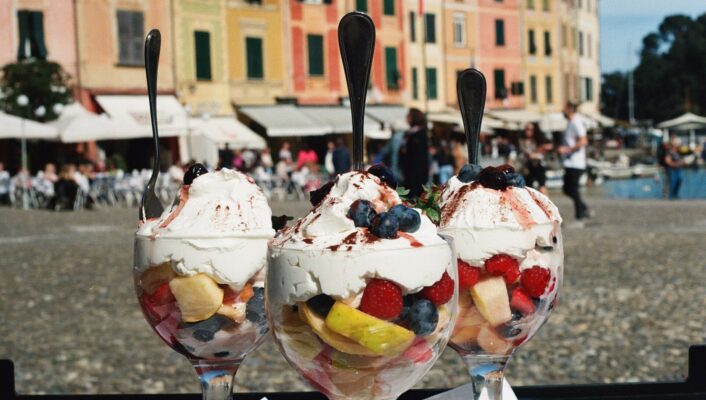
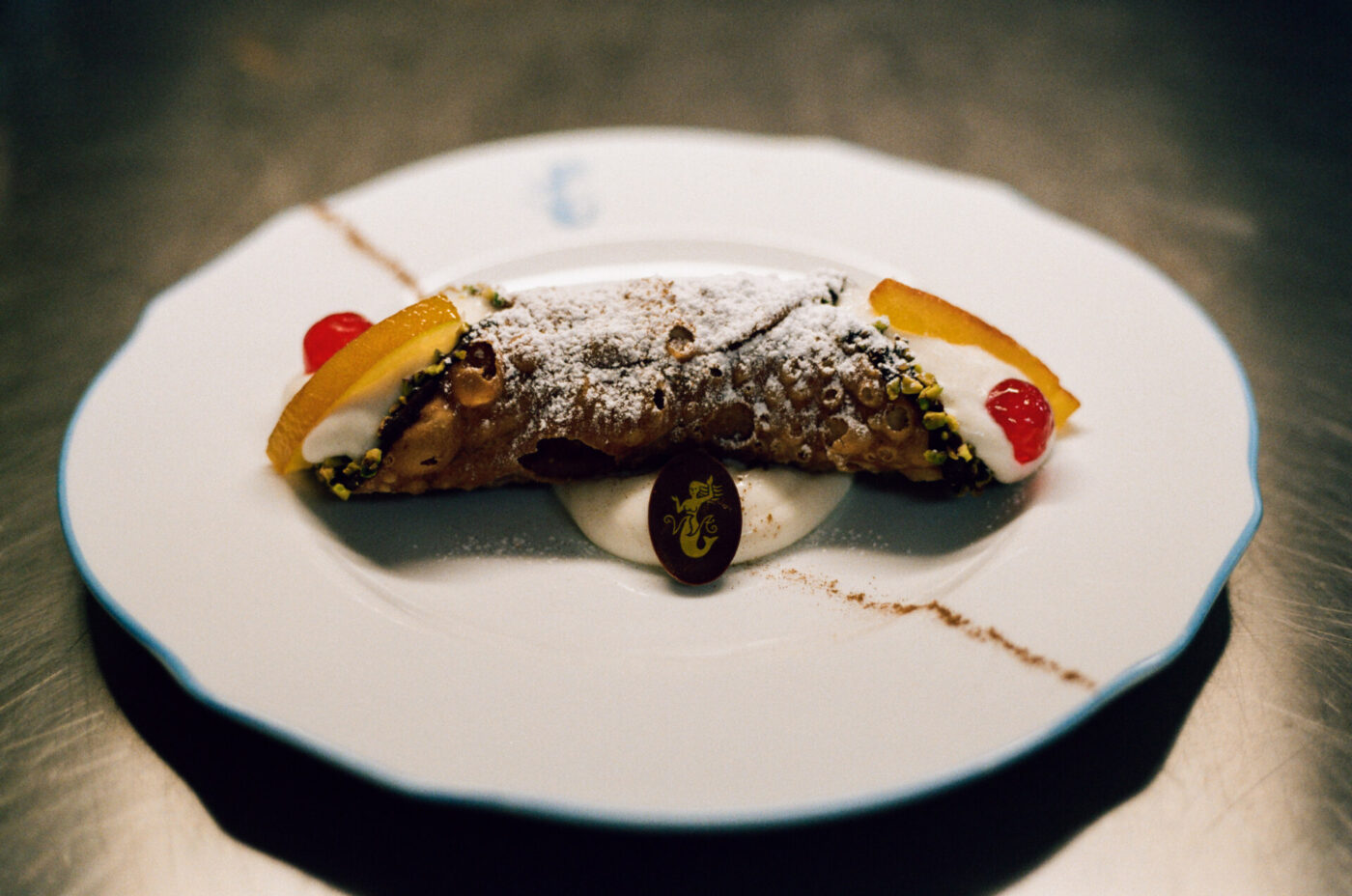
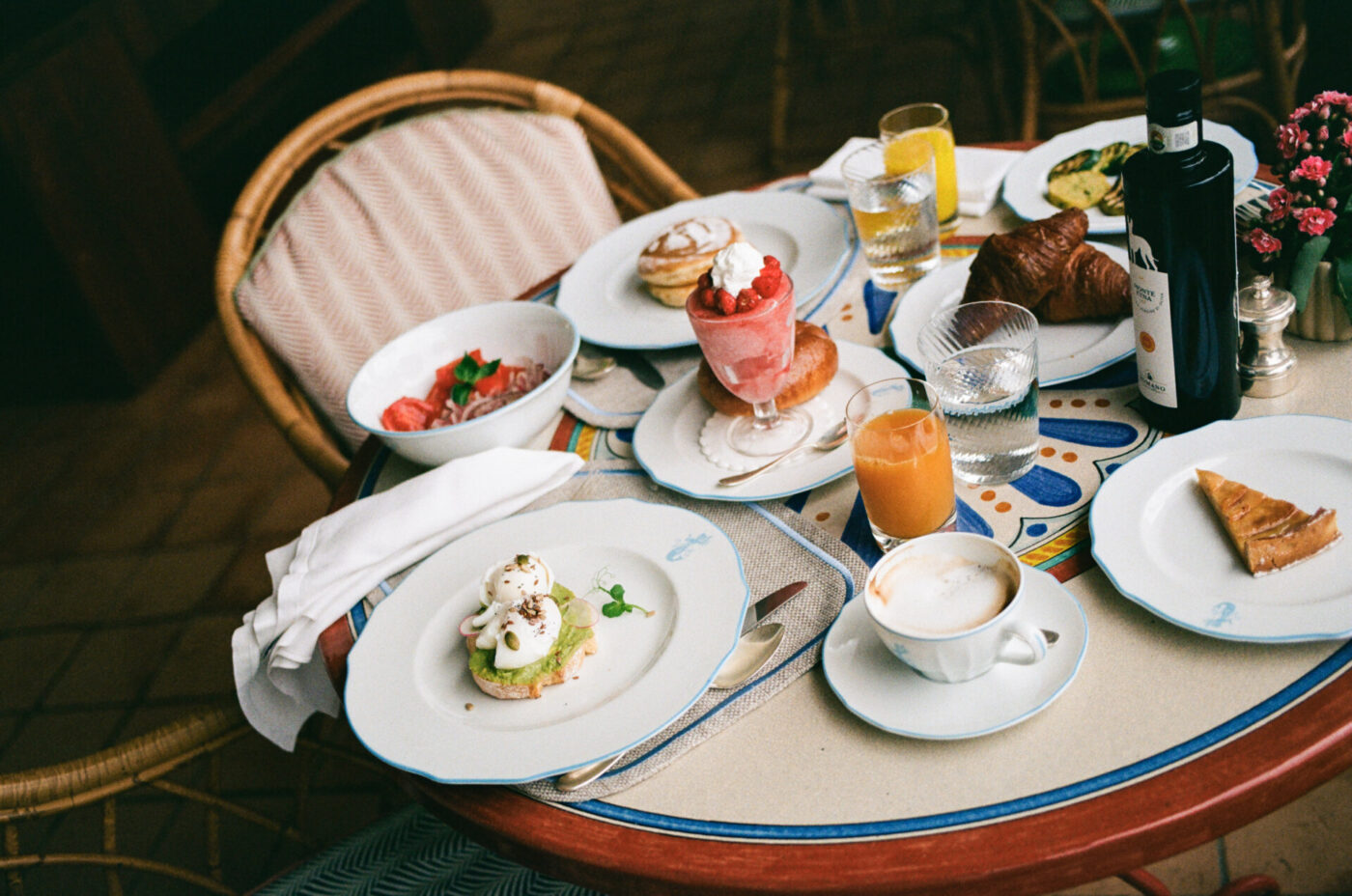
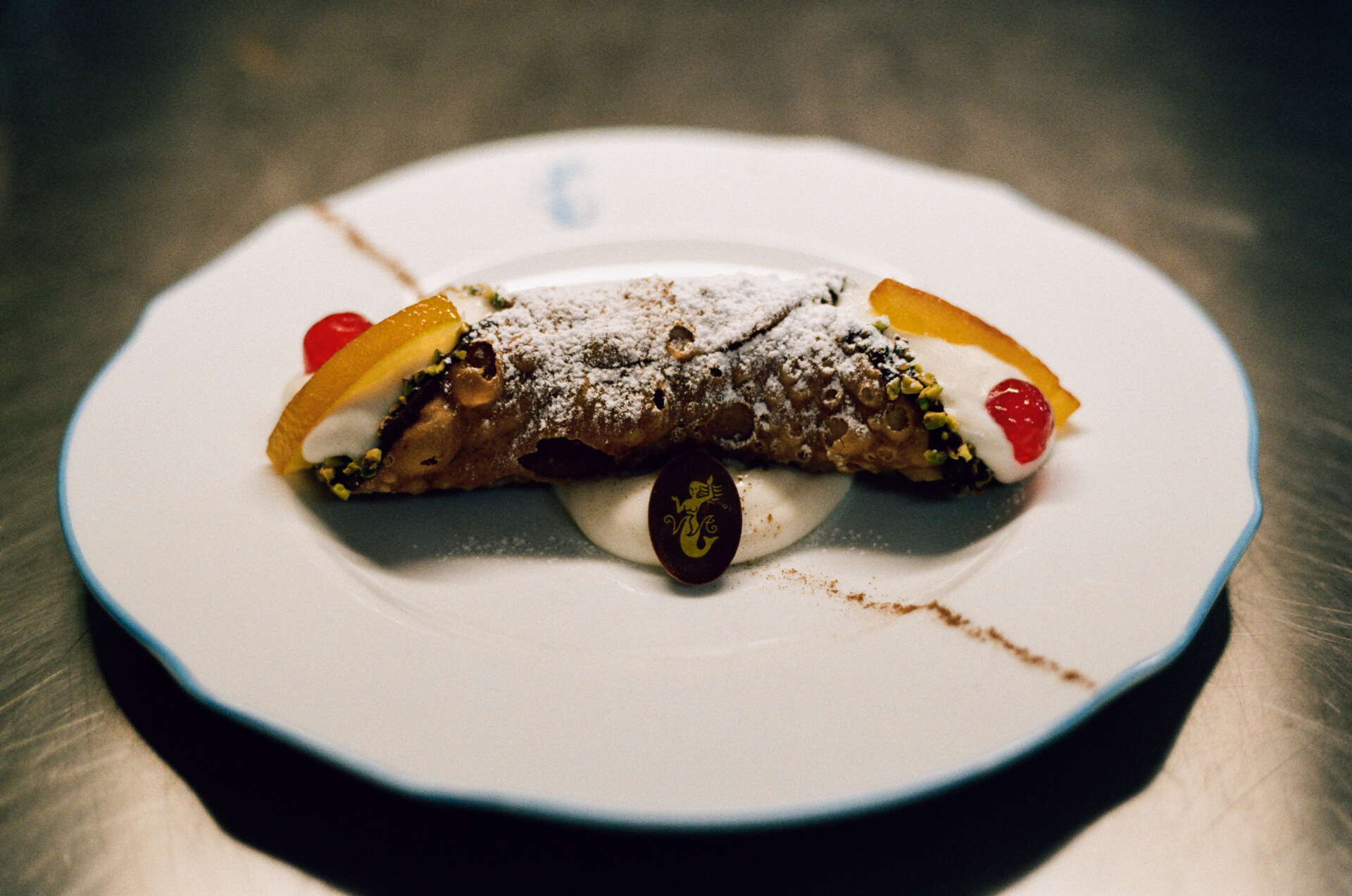
While it sounds like a barren wasteland, diserta is actually the sweet finale of a meal—the dessert. And here, sugar is worshipped. Whether it’s a sheep’s milk ricotta cannolo or a jeweled cassata, the diserta is never a light afterthought.
LEVEL: HARD
Lu rispettu è misuratu, cu lu porta l’avi purtato.
Respect is measured: whoever brings it has it returned.
A variation of “treat others as you’d like to be treated.” There’s no fake politeness in Sicily. Act entitled, and you’ll be met with stone. Act with genuine humility and respect, and you’ll get them back in turn.
Casa quantu stai e tirrinu quantu viri.
A house for as long as you stay and land for as far as you see.
A commentary on true luxury. The land is where you find freedom; true wealth on the island is measured by how much uninterrupted horizon you can see when you step outside.
Non c’è megghiu sarsa di la fami.
There is no better sauce than hunger.
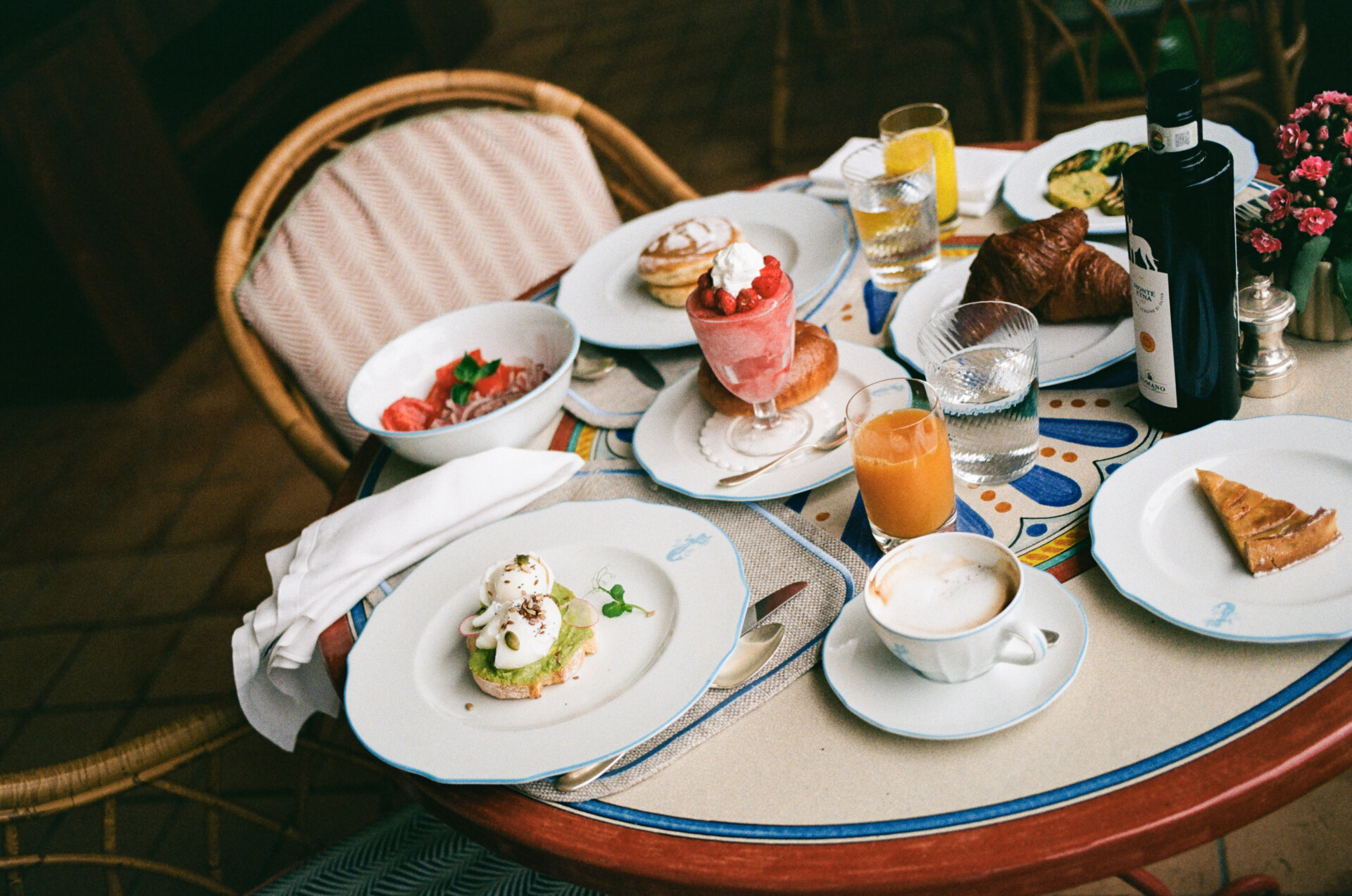
In Sicily, this phrase is used to compliment a simple meal, but it’s also a warning to picky eaters to stop fussing and be grateful for whatever’s on the table. You don’t need Michelin stars or complex emulsions to achieve culinary ecstasy; a hunk of yesterday’s bread with olive oil will always beat a tasting menu.
Acqua ca duna a tanti vadduni a mari non ci n’arriva.
Water that flows into many streams does not reach the sea.
Spreading your energy too thin prevents you from achieving your primary goal. Consider this a direct warning to the overambitious traveler trying to see Palermo, Taormina, Agrigento, and Noto in a four-day weekend.
Bisogna masticari amaru, cui voli a tempu agghiuttiri duci.
One must chew bitter if they want to swallow sweet later.
Work hard, and you’ll reap the benefits. After all, that week-long holiday to Sicily wouldn’t taste nearly as sweet without the months of office hustle that preceded it, and a plunge into the turquoise sea wouldn’t feel half as miraculous without having survived a grueling winter first.