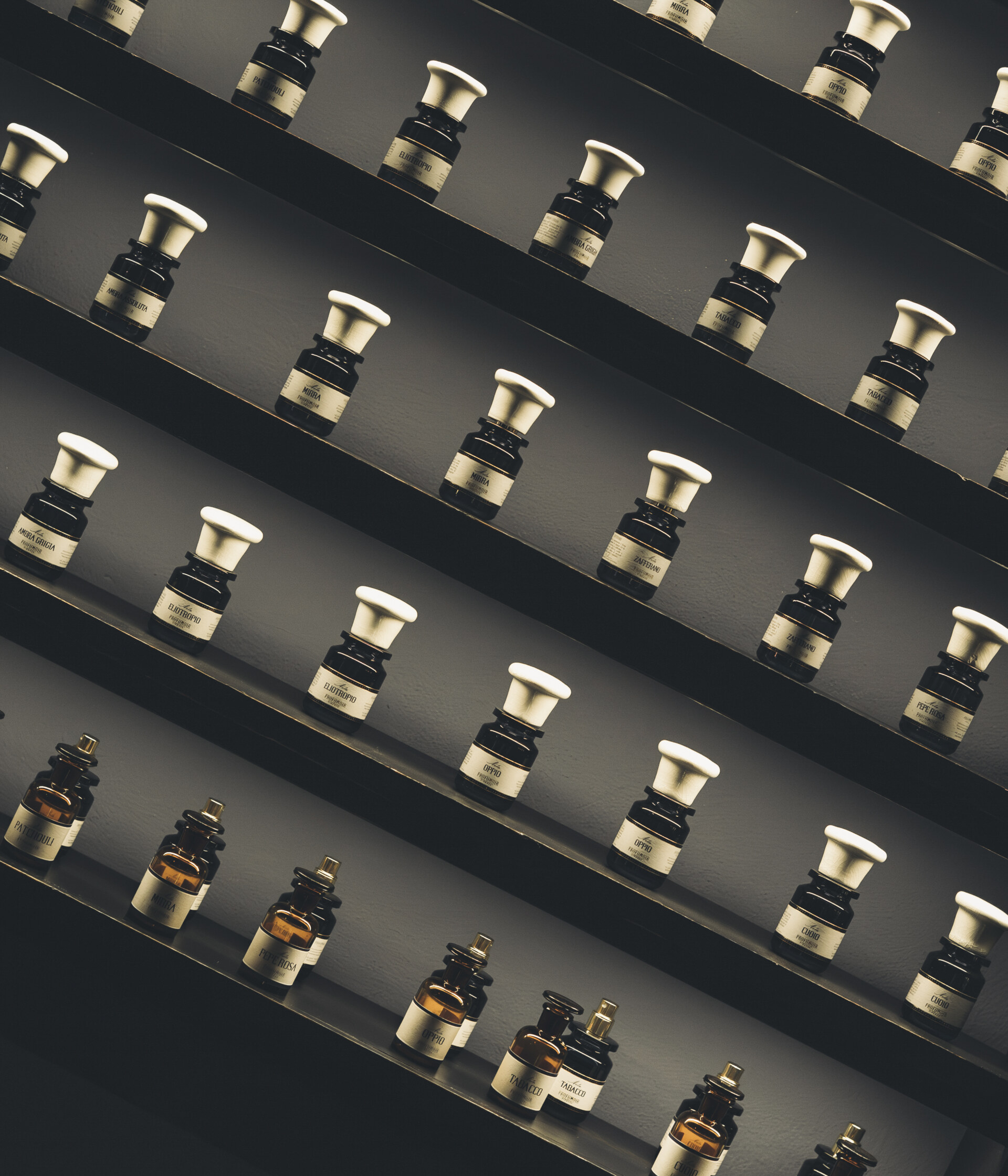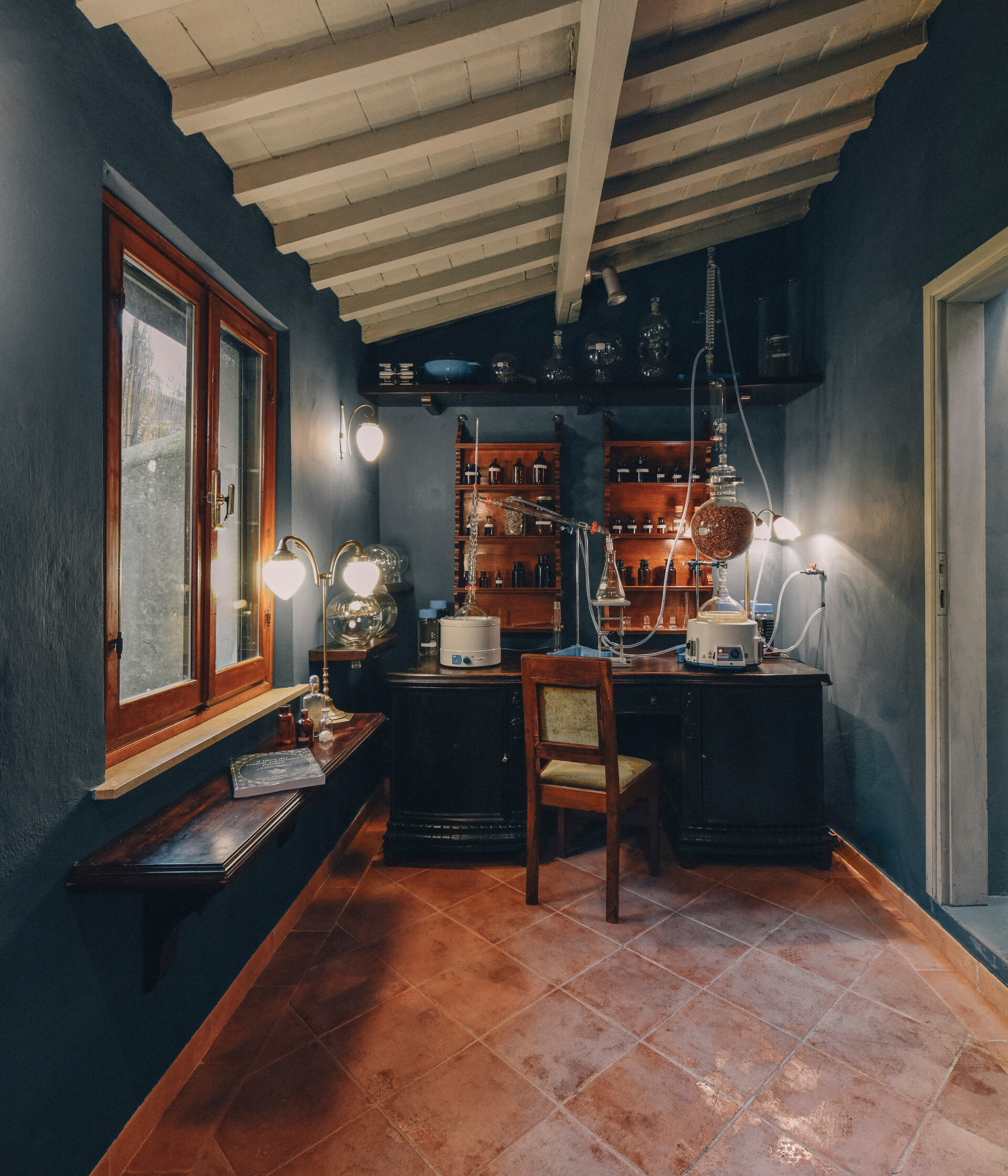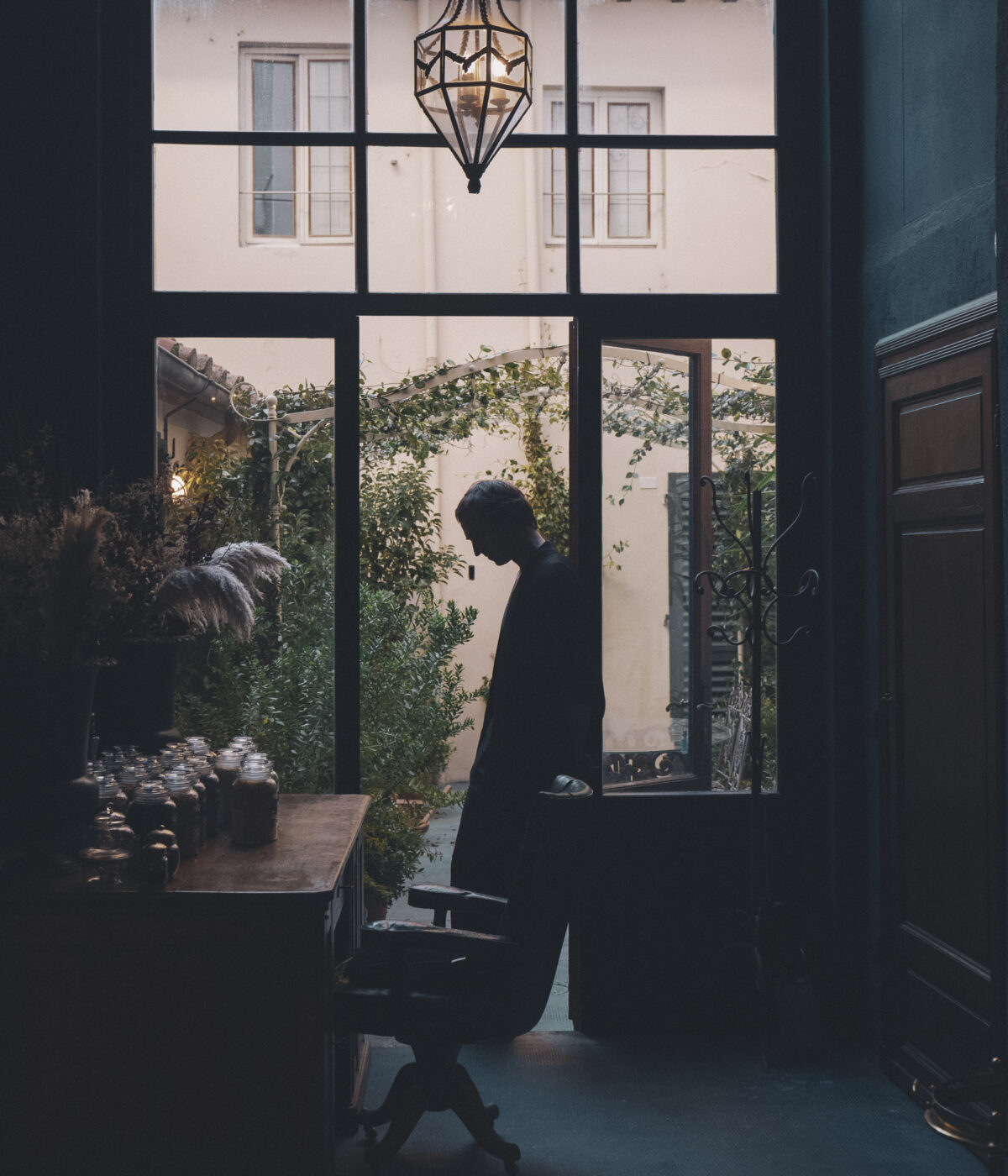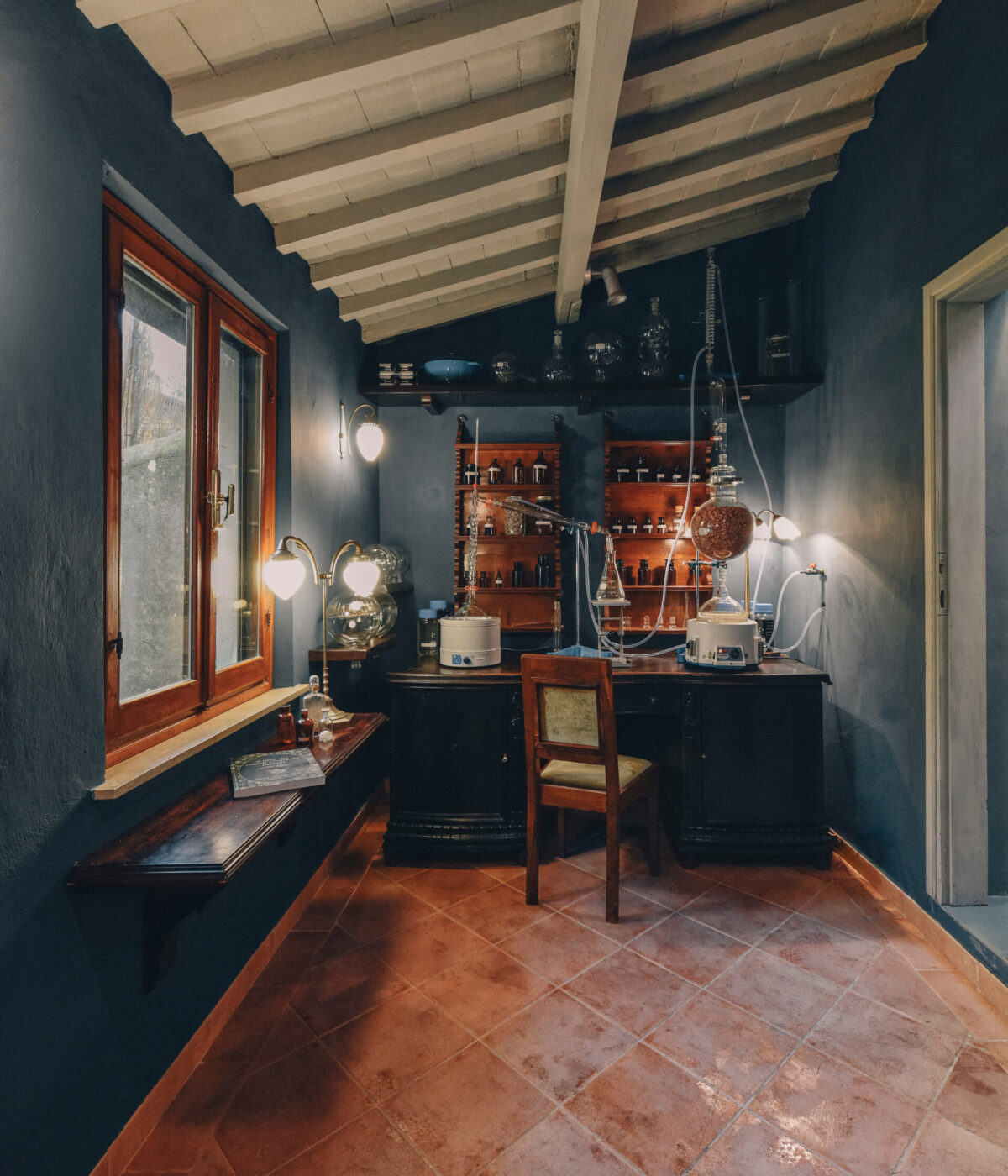
On a slate-gray afternoon in Florence, the rain turns the cobblestones slick, and I dodge puddles down the length of Via di S. Niccolò. Stepping inside Profumoir, however, the damp chill of Tuscan winter is replaced by the warm haze of burning incense. Sinking into deep velvet couches, I find an atmosphere that feels less like a retail space and more like an alchemist’s laboratory of yore.
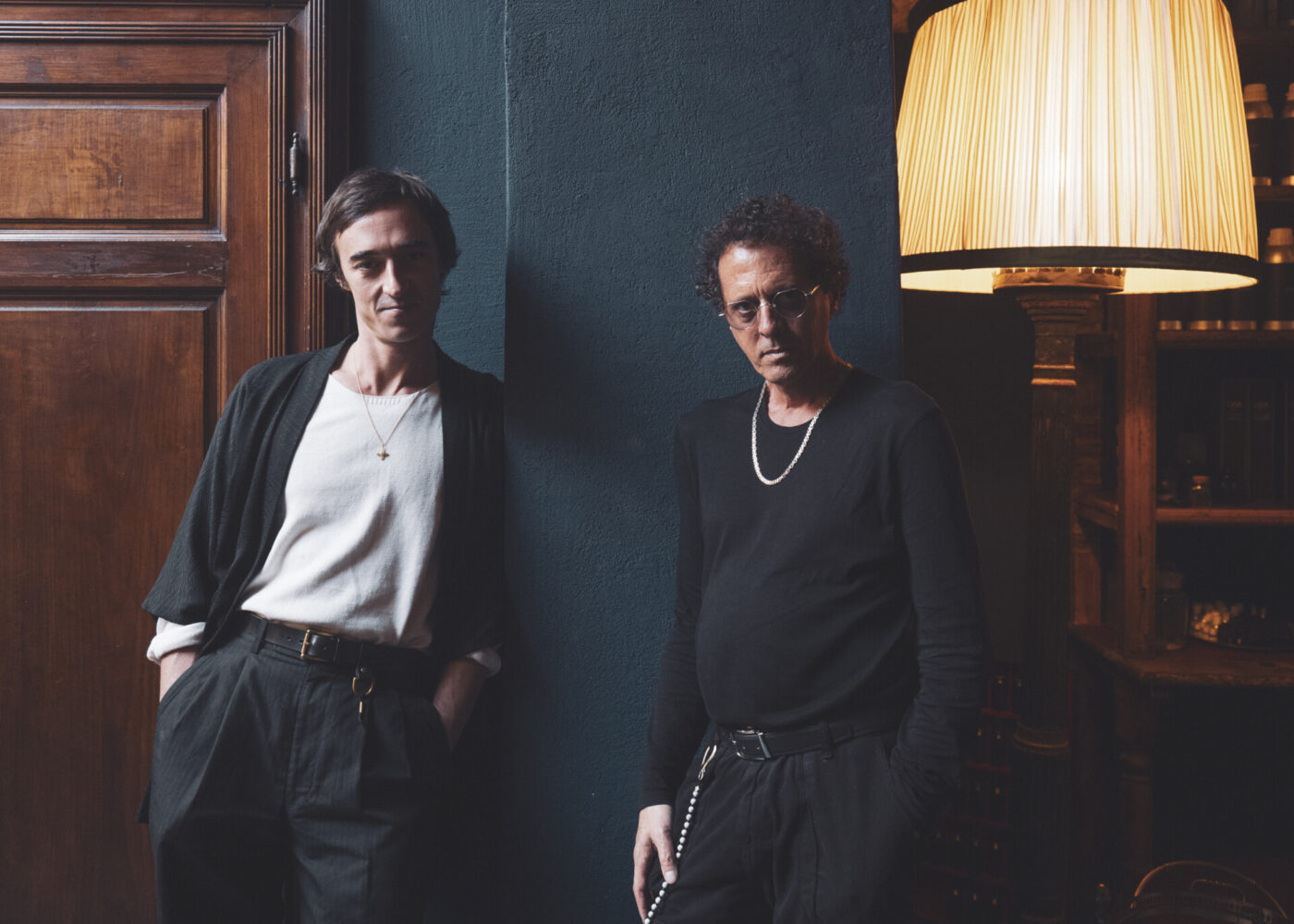
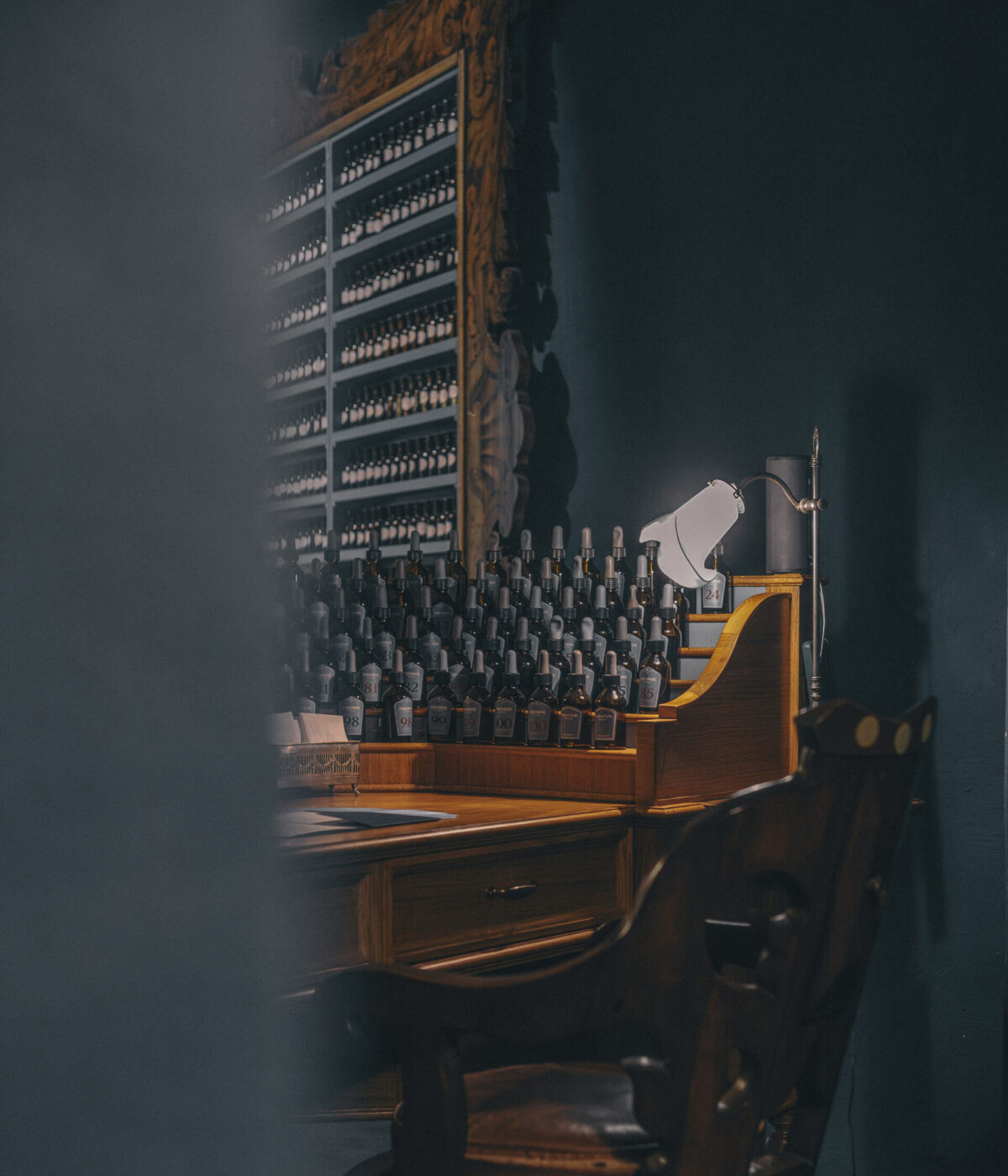
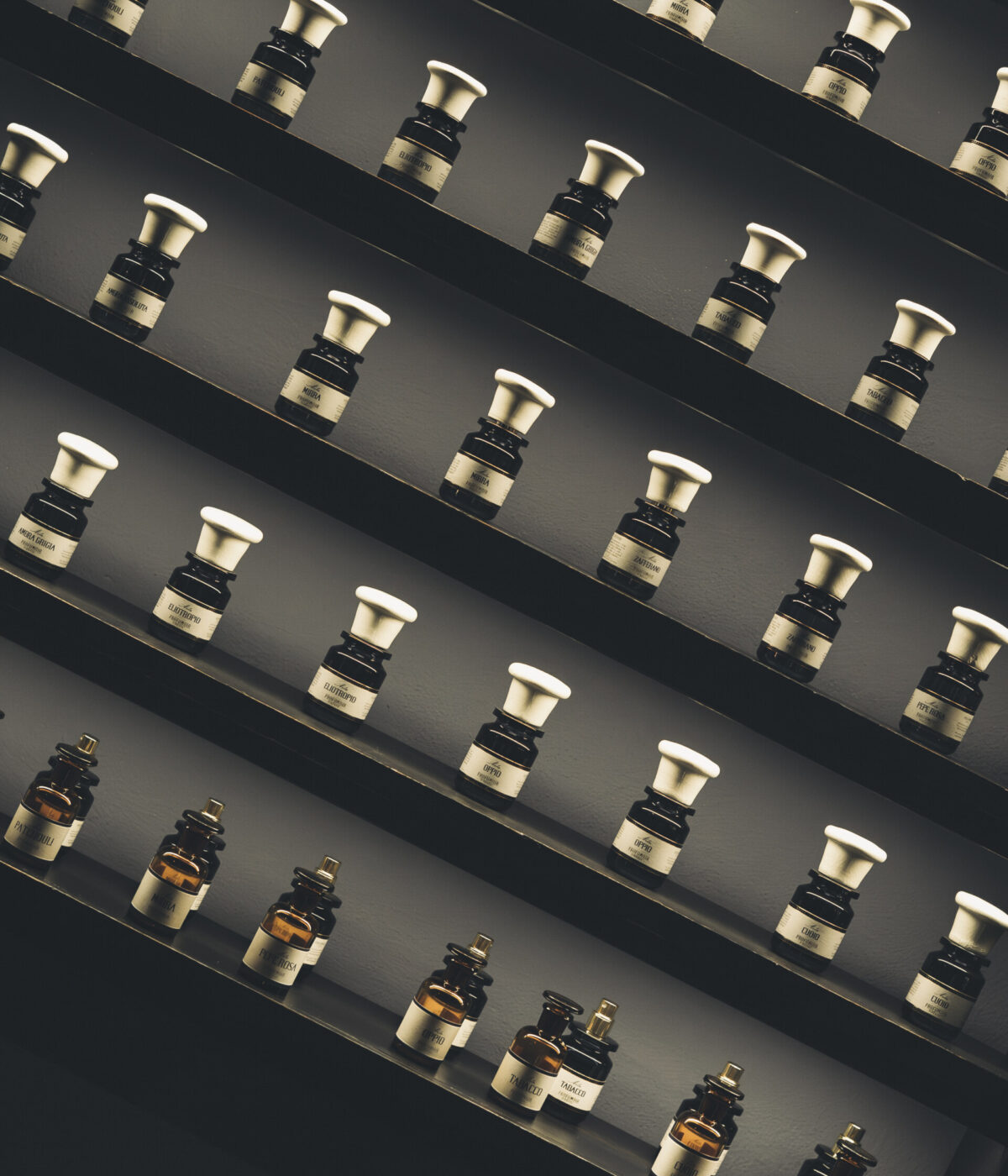
Master Perfumer Sileno Cheloni’s path to perfumery began years ago at an ashram in Cyprus, a spiritual calling that’s shared with his partner Daniele Cavalli. Together, they’ve reimagined the studio as an “Olfactory Library,” where the tools of the trade—hundreds of pure essences—are laid out in a tiered “Olfactory Organ.” Cavalli, who spent decades as a creative director in fashion, tells me he finds the idea of a single “signature scent” limiting. To him, fragrance is a fluid extension of style, something to be changed with the seasons or a shift in mood. The duo’s aim is to turn the traditionally gate-kept world of bespoke fragrance into a more accessible, and playful, exercise in personal expression.
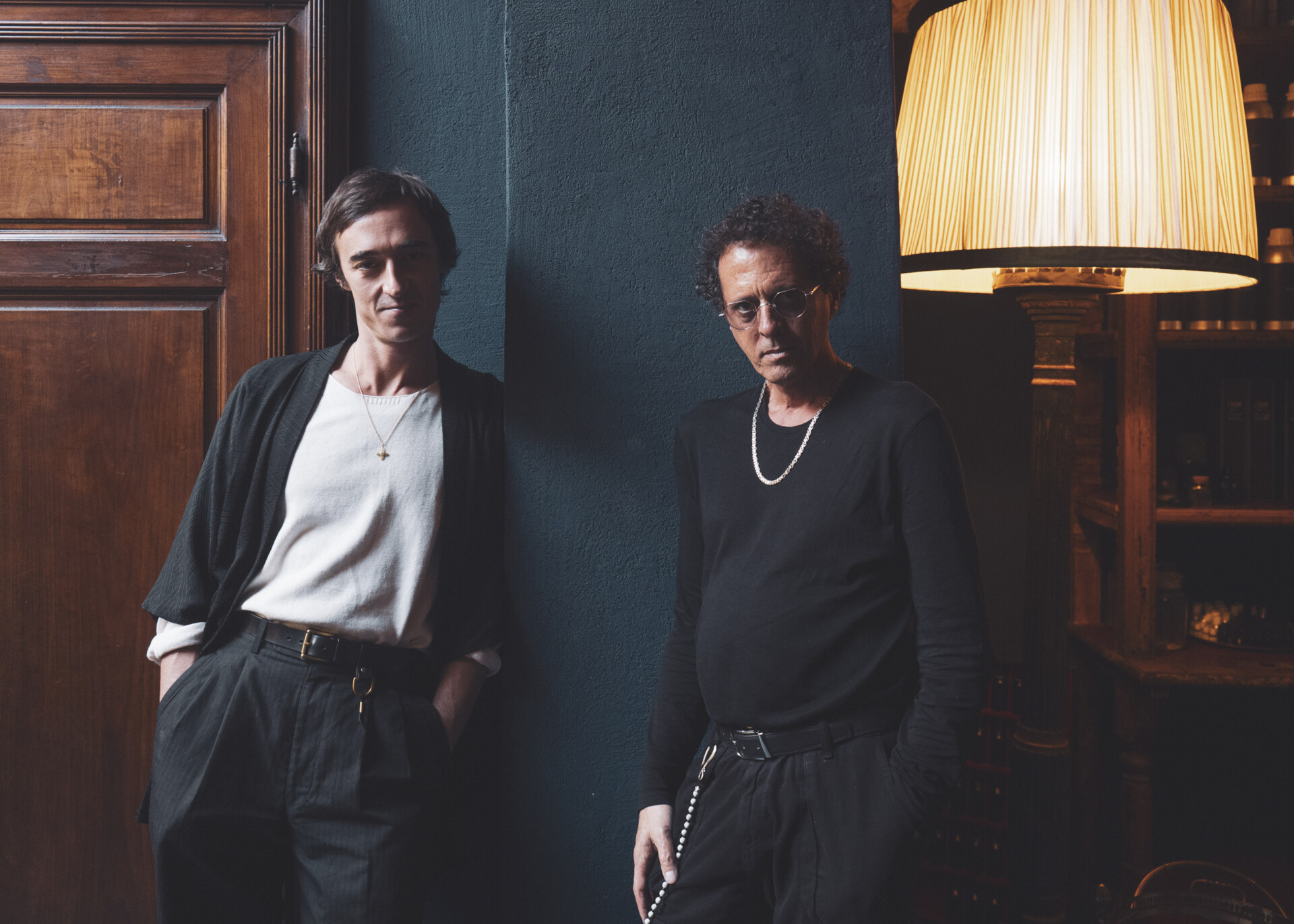
Daniele Cavalli & Sileno Cheloni
I arrive at Profumoir a devotee of the bright and the botanical—jasmine, grapefruit, and fig leaf are my tried-and-true favorites—and, as I sit down at the Olfactory Organ, I expect my creation to reflect these sensibilities. Confronted with the organ’s vials, however, which are stripped of their names and identified only by numbers, my prior assumptions begin to dissolve.
Later, I find out that I’d reached for the likes of amber and musk, scents I had never before identified as my own. Most surprising was an attraction to violets, a note I had long dismissed as cloying and dated. I hadn’t completely disregarded my beloved fig leaf, but it was tempered by heavier base notes to become something rich and sultry, entirely unexpected but also unmistakably me. “Quintessence is the highest concept of alchemy,” Cavalli explains, when I ask about the distillation process. “You transform, with knowledge, plants into something higher than what they were in the beginning.”
Here, Cheloni and Cavalli discuss why the Medici treated perfume as medicine, how Florence is an “antenna” for creativity, and why Italy is the “Land of Eden”.
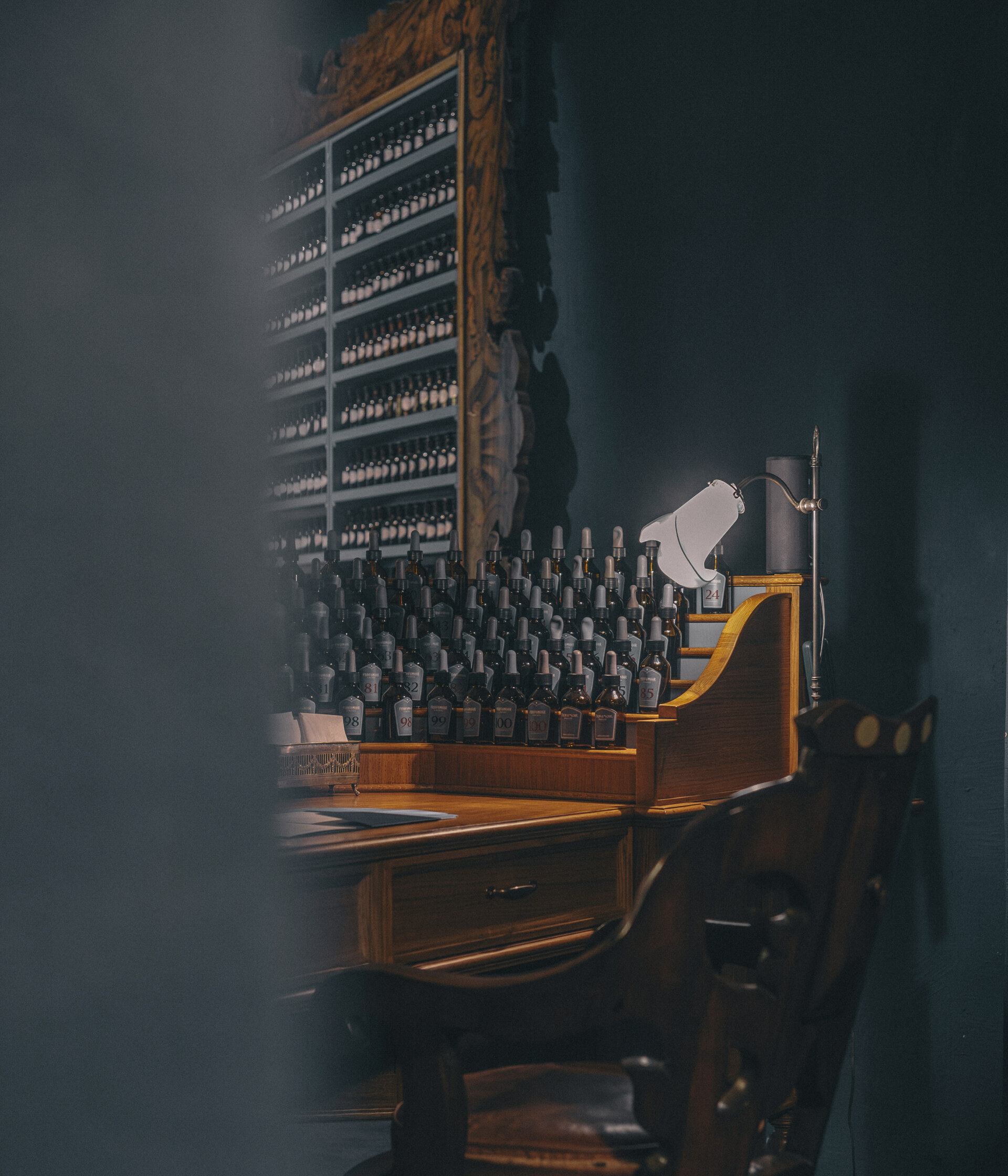
The Olfactory Organ; Photo by Daniele Civetta
Italy Segreta: Sileno, take us back to the beginning—what was the spark that led you to perfumery?
Sileno Cheloni: It began with a spiritual search rather than a professional one. I met a man who spoke of a living master in Cyprus, and something called to me, so I went to meet him. The first thing I noticed when I entered his ashram was the smell; the entire place was filled with incense, wood, and amber. He used a particular dance combined with these perfumes and incense ceremonies to connect with the divine and reach an ecstatic state. That emotional impact was very strong. He named me Alauddin, which I thought was a reference to the Disney character at the time. I later discovered it was the name of the most famous Sufi perfume master. He began teaching me how to make perfumes in a very natural way.
IS: Daniele, you came from a background in fashion. What excited you about moving into perfume?
Daniele Cavalli: I worked as a creative director in fashion for decades, but I eventually stepped away from that world. When Sileno invited me to collaborate, I realized I could help transmit a dream or an identity message through scent. I became passionate about the sourcing of materials and the secret worlds behind these plants.
IS: How does one transmit identity through scent?
DC: For me, moving beyond the concept of a “signature” perfume, I think of scent as a representation of nature that should change with the seasons. Earlier in my life, I expressed my personality by changing my outfit and my look every day. Today, I wear a uniform, and I find that same sense of exploration and fun through scents and oils instead. It’s a new frontier for personality: less of a “scream out,” and more of a “scream in.” This is why the vision for Profumoir is for it to be a collectible product. We invite people to collect various notes and integrate them into their daily lives based on their activities, the weather, or their feelings.
IS: Can you explain the concept of your “Olfactory Organ”, and why you call Profumoir a “Biblioteca Olfattiva” (“Olfactory Library”)?
DC: Our retail space is like a library where you can reconnect with notes—understanding what jasmine or gardenia truly smells like. In the experience, you deal with 200 notes, and for custom projects, that can expand to over 1,000. The crucial part is that the notes are numbered, not named. This removes preconceived biases. You select based purely on feeling, which often connects to the unconscious part of yourself. We’ve seen people sit down, go through the exploration, and suddenly start crying because a scent triggered a memory they weren’t even consciously aware of.
IS: Do you have a particularly strong scent memory?
DC: For me, it’s turpentine. My grandmother was a painter, and I remember her house always had that strong smell of dirty oil and solvents used to wash brushes. Her studio was surrounded by Tuscan plants, and it would mix with their aromas.
SC: Essential oil of rose. My master in Cyprus was very focused on roses; we did lots of research to find the best rose to bring to him. At that moment, I started to distinguish among all kinds of roses and their quality. In every holy book, and even in Dante’s works, Paradise is full of roses or described through the flower. Rose is purely of the divine world. When you smell a true rose, you are no longer connected to this material world.
IS: Speaking of finding the “best”, how do you source ingredients for your perfumes?
DC: Sourcing depends entirely on the material. While some ingredients, like frankincense, come from very precise locations around the world, I have come to realize that Italy is the golden land—what I call the Land of Eden. Most people, including 99% of Italians, don’t realize the incredible fertility and power of this land; there’s a reason human history developed here so extensively.
The secret is in the wind. We live in a unique microclimate, positioned between the heat of the Sahara and the cold northern winds filtered by the Alps. This environment creates the highest biodiversity in Europe. It’s why most of Profumoir’s ingredients come from Italy.
IS: Are there any parts of Italy where this biodiversity is particularly concentrated?
DC: This fertility is especially evident near our volcanoes. The mineral-rich volcanic soil found around Vesuvius or in Sicily allows for the highest expression of nature. Some plants here grow with a quality that is difficult to replicate anywhere else in the world.
Take, for example, the plant the Romans named salvia, known in English as sage. They called it salvia from the word salvarum because they understood that consuming or smelling it could save your life from disease. While we now use it in our cooking, to flavor our arrosto, ancient traditions recognized its power for sacred ceremonies. Our mission today is to reclaim this sensitivity—to study what the ancients were trying to communicate to us and fulfill our responsibility to carry that knowledge forward.
IS: Can you tell me more about the medicinal history of perfume?
SC: During the Renaissance, perfume was not aesthetic—it was medical. In Florence, historical evidence shows they developed essences following the principles of Chinese medicine to create a balance between “cold” and “hot” in the body, which was believed to make you healthy. Because we were connected with China through the Silk Road and the spice trade, there were lists of ingredients and perfumes that had to be used in the summer or the winter for health reasons, specifically to balance body temperature.
This is why they used to sell perfumes in pharmacies like Santa Maria Novella. Instead of eating plants and getting their healing properties that way, they wore them and inhaled them. Wearing it would signal to other people that you were healthy. Even the Medici, when they visited people with disease, wore the “Medici mask.” At the top of the mask were two holes with a piece of cloth soaked in perfume as protection.
IS: To you, what’s the smell of Florence?
DC: On a good day?
IS: Let’s not be reminded of Florence’s smell on a bad day.
DC: You have to look at the “title” of everything. Florence, or Firenze, comes from Florentia, which means “flower”. The first people who came here found a beautiful river passing through a valley surrounded by gentle hills that were full of flowers.
SC: Iris is also a major part of it; the symbol of Florence is the giglio. But you have to ask: why does a plant create a flower? A flower is like an antenna used to catch the sun’s energy and give it to the plant. Energetically, Florence is a place where you can put your antenna to connect with the source of life. I believe there is a connection here with creativity. That is why all these creative people—from the Renaissance to modern fashion—are born here or come here to develop their art. You can only find this specific creativity in Florence. So, when I think about the smell of Florence, it’s a bit silly to say, but it’s “millefiori“, or one thousand flowers.
IS: Why is that silly?
SC: It’s funny because, normally, millefiori is not a very nice perfume. When I worked in a big factory in Milan, if we made a mistake in a batch, rather than throw it away, we would throw it into a big bin. That mix was millefiori. Once a month, a guy would collect it and use it to make soap. It was just a way of recycling mistakes. That’s the power of good branding!
IS: Last but not least: Daniele, since you’re also a musician and Sileno, since you’ve named your workstation an “organ”, how is composing a scent similar to writing a song?
SC: Perfume and music are very similar because they both rely on composition. Sometimes a song becomes an “earworm” that stays in your head; perfume stays in your memory in the same way. Like a song, the best perfume happens when complexity meets simplicity.
DC: In the creation of music, you start with a baseline; you start with a rhythm and you build with layers. Sometimes you might even start from the melody, but the process is about putting these layers together to create something beautiful. In perfume, we are also dealing with frequencies. We need the frequencies of flowers, which are high, related to the upper chakras, but we also need the low frequencies of wood and resin to connect our roots to our crown. To find the center between those two things is to find harmony.