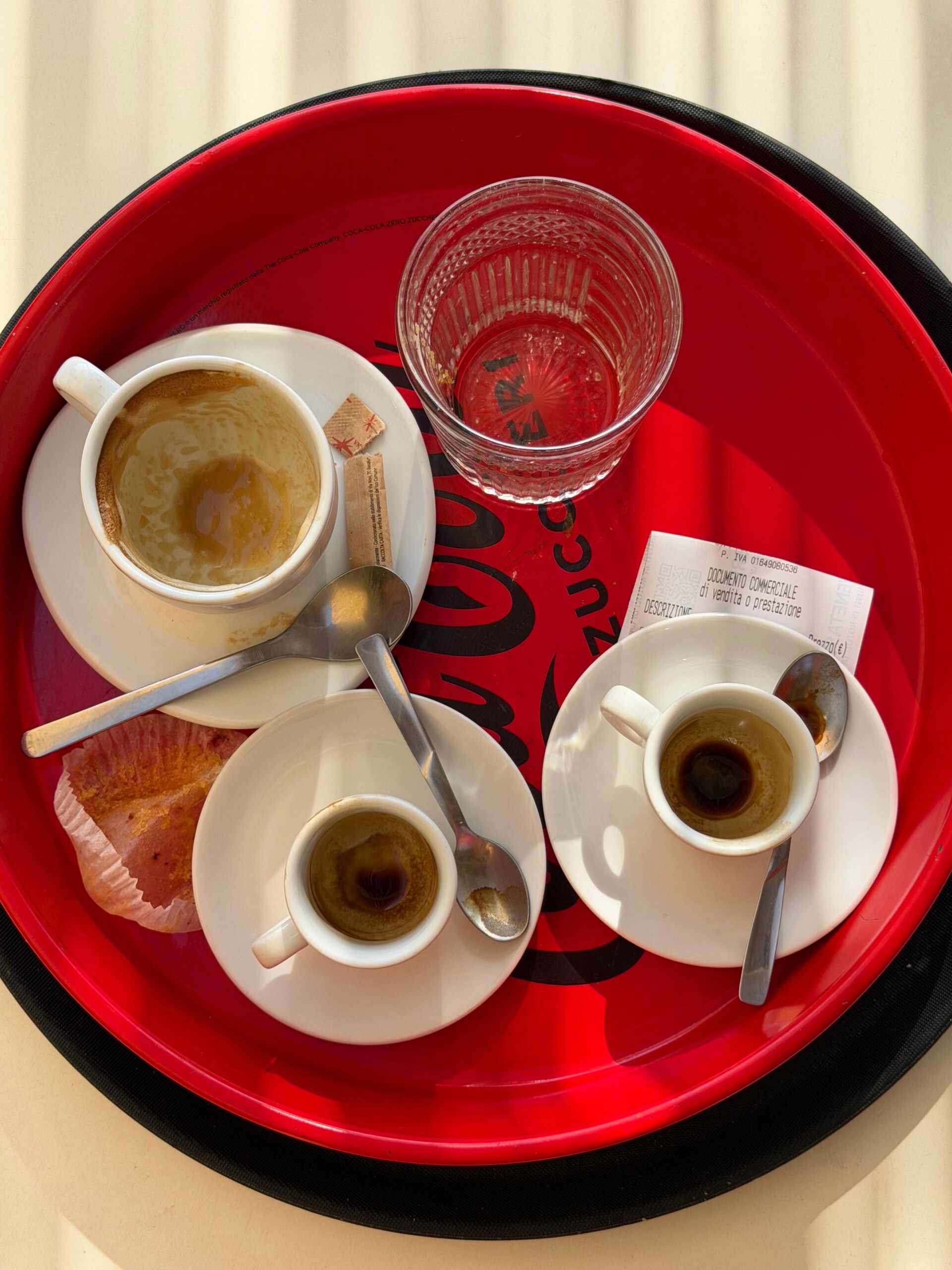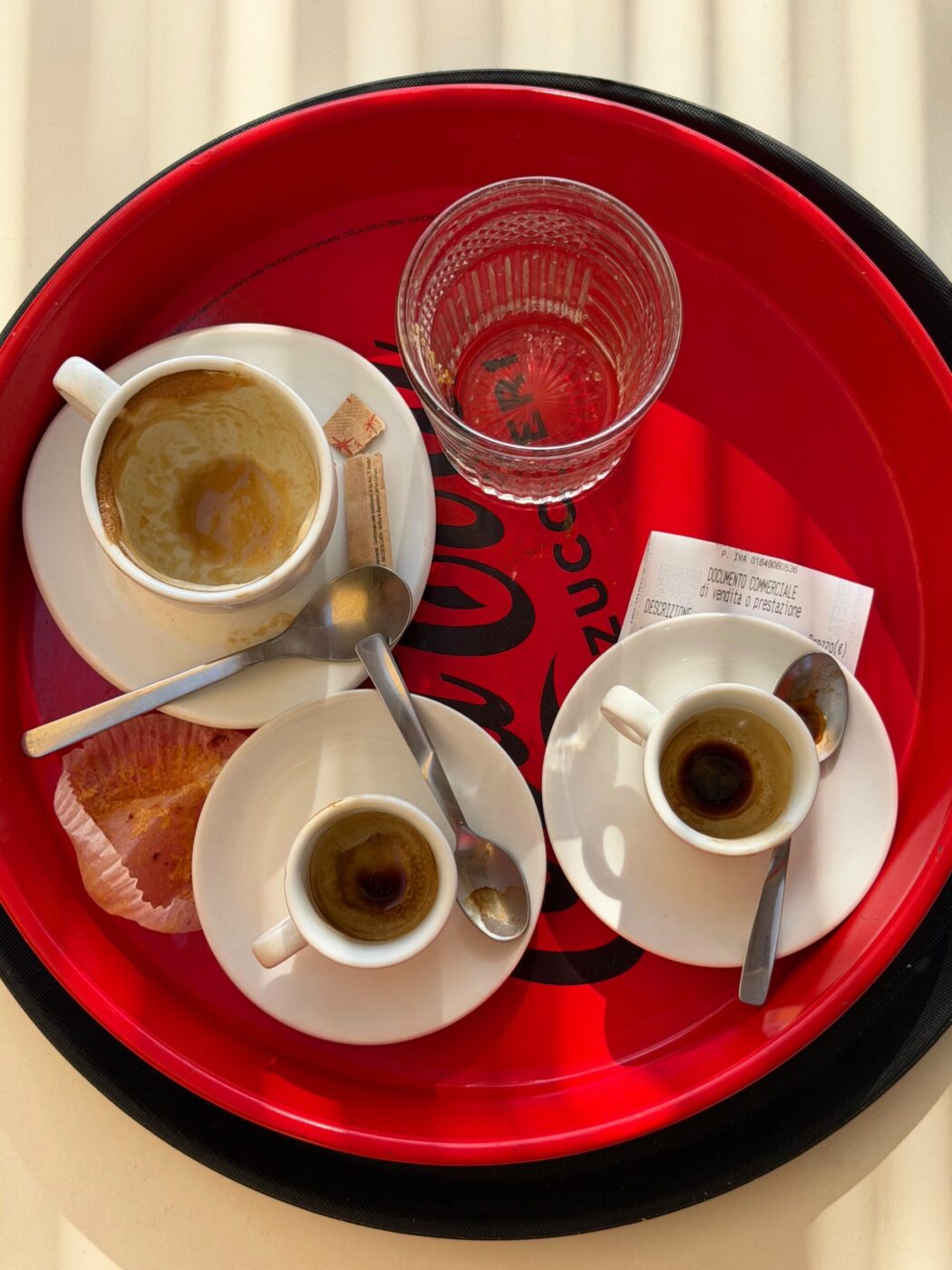
Many know how much Italians like their coffee. Very few know how much they like their caffè d’orzo.
Despite its name, the drink is not actually coffee at all; though it is served alongside espressos and cappuccinos al banco in Italy’s bars, and its convincingly coffee-like smell and taste would deceive the uninitiated. The beverage, rather, is made of barley (orzo), roasted and ground into a naturally decaffeinated coffee substitute, in the same vein as the chicory coffee that became a staple of wartime rationing throughout Western Europe and the US in the 20th century. Caffè d’orzo was similarly popularized in Italy during World War II, yet by no means has it been banished to the dark corners of national memory. Instead, you can find it being dispensed from glossy plastic machines in coffee bars across the country; the addition of d’orzo after the preferred coffee order will suffice for it to be mixed with powdered milk, sweetener, and flavorings accordingly. A familiar, nostalgic custom in Italy—and yet caffè d’orzo is being discovered anew overseas.
The drink is thought to date back to antiquity; an assumption partly drawn from its nickname, la tisana d’Ippocrate (Hippocrates’ tea), so named for the Greek physician and philosopher who held barley in high regard, particularly a drink called ptisan, or barley water. A staple of the ancient Greek diet, he was known to prescribe it frequently to both the healthy and sick. For centuries, it was drunk in Italy by peasant farmers who could not afford the coffee that had begun to be imported in the 16th century. They roasted the grain, readily available to them, ground it, and then added it to water that was brought to a boil, the remaining barley residue left to settle. Italians began to drink it widely during the 1930s, when the Fascist regime imposed sanctions on goods being imported into Italy. With the trade embargoes reverting coffee beans to a rare luxury, the barley brew that was once reserved for the rural poor gained traction, becoming popular throughout the nation during World War II and the post-war period.
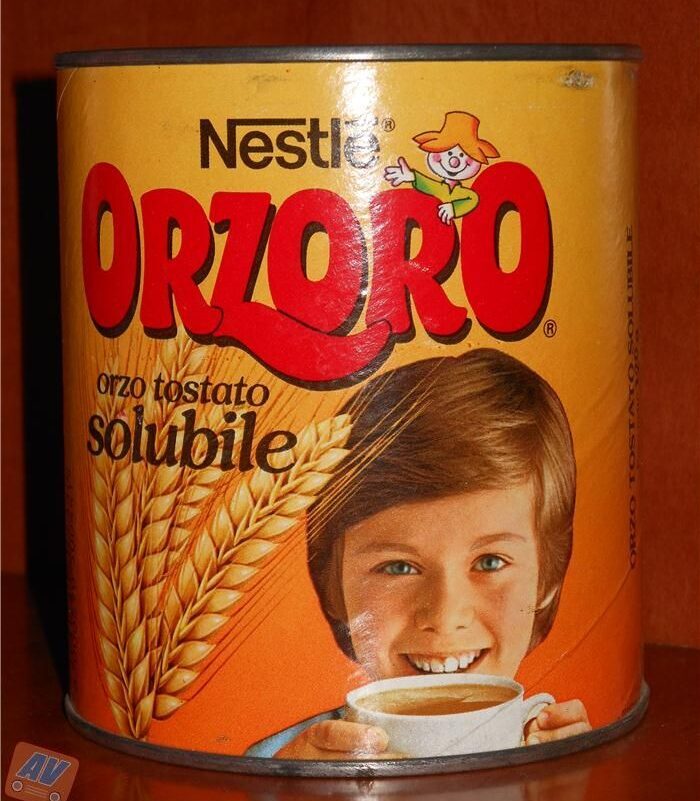
Unlike countries with lengthy post-war periods, such as Spain, where substitute coffee continues to bear negative associations with wartime hardship, by the end of the 20th century in Italy, caffè d’orzo had shed its former reputation and morphed into something else. Naturally decaffeinated, it was now a popular drink for children (you may have seen Orzo Bimbo, the shiny green tin of instant barley coffee, glinting up at you from the shelves of Italian supermarkets), who wanted to participate in the adult ritual of coffee drinking. It had also become favored by the health-conscious who wanted to avoid caffeine or reduce their intake, often made in the evening as a bedtime drink. The techniques proliferated with its continued popularity: besides the traditional brewing of days yonder, instant grounds, and whirring bar machines, an orziera, a kind of moka pot complete with a filter for barley residue, was specially designed for brewing caffè d’orzo. The drink had undergone a successful rebrand. Here in the modern day, grounds can be brewed in a French press, and orzo capsules have been made by the likes of Lavazza to slot into home coffee machines.
Caffè d’orzo had become beloved, but it was glaringly far from cool. A deeply Italian tradition primarily associated with children and the elderly, this drink did not possess the social capital belonging to the doppio espresso of the nation’s hardcore coffee drinkers. One long-abandoned Italian coffee blog states in a tone that borders on the self-loathing: “Caffè d’orzo ‘è un costume italianissimo; all’estero il ‘barley coffee’ è completamente sconosciuto.” (“Caffè d’orzo is a deeply Italian tradition; ‘barley coffee’ is completely unknown abroad.”)
And yet outside of Italy, the consumption of caffè d’orzo is growing. The growth of the wellness industry has prompted a spike in consumers turning away from coffee in favor of coffee substitutes. This, combined with the broader trend towards natural and minimally processed foods, has brought caffè d’orzo to the attention of coffee shops outside of Italy. The Times reported last year on the rise of the Italian drink in Paris’s modern and specialist cafés, citing growing consumer preference for the drink over regular decaffeinated coffee, which contains solvents. Coffee substitute brands have emerged; Yoann Gouéry, who grows grain in his local Brittany, sells orzo to French customers, branded as “la célèbre alternative italienne” (“the celebrated Italian alternative”). Its low calorie count and antioxidants have turned it from fond yet frumpy Italian tradition to rising star amongst a health-conscious, trendy European café culture.
With a new wave of buyers looking to avoid caffeine, coffee substitutes like orzo have become increasingly coveted; yet health-conscious consumers and cool cafés aren’t the only ones turning to the Italian staple.
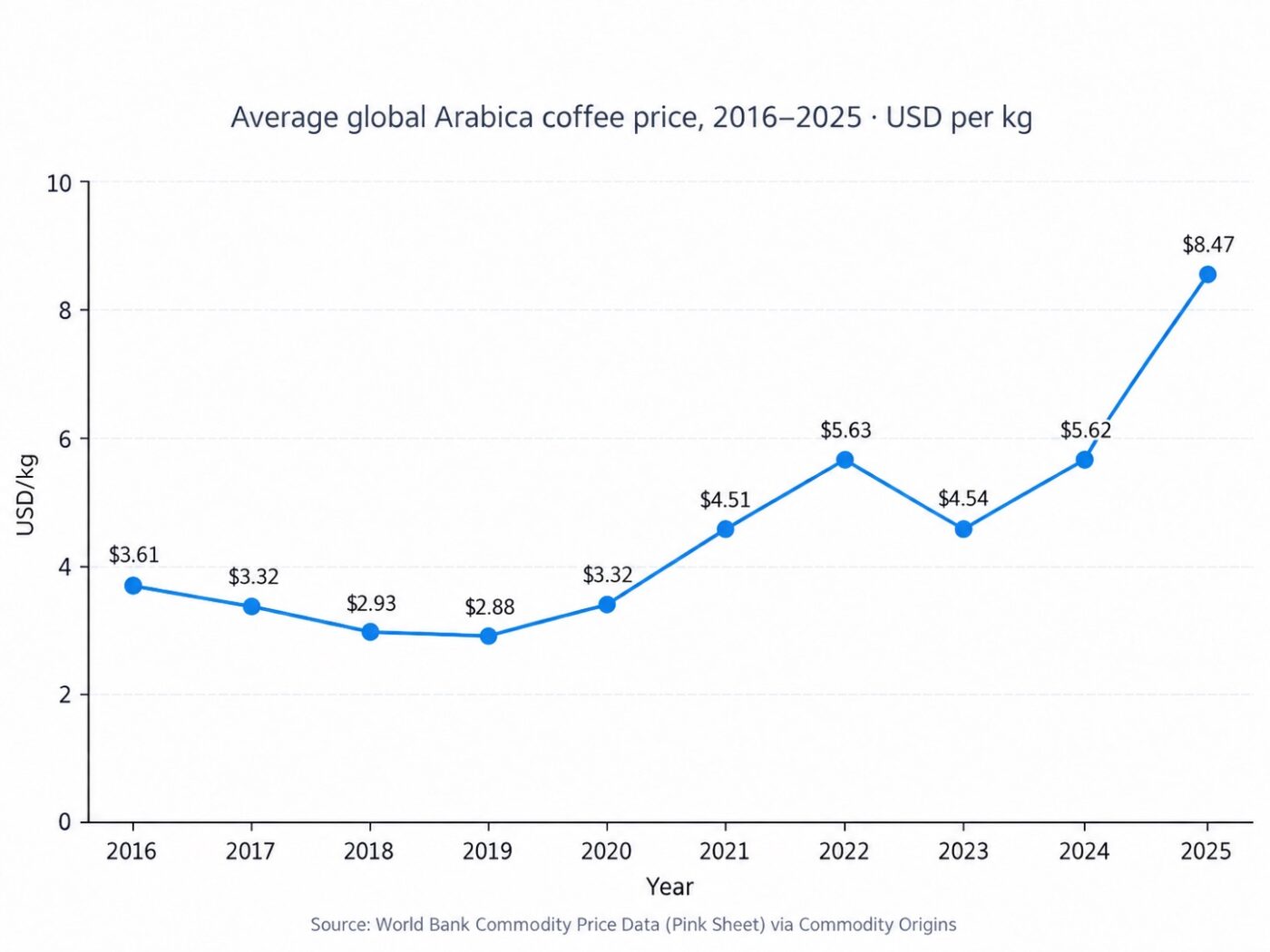
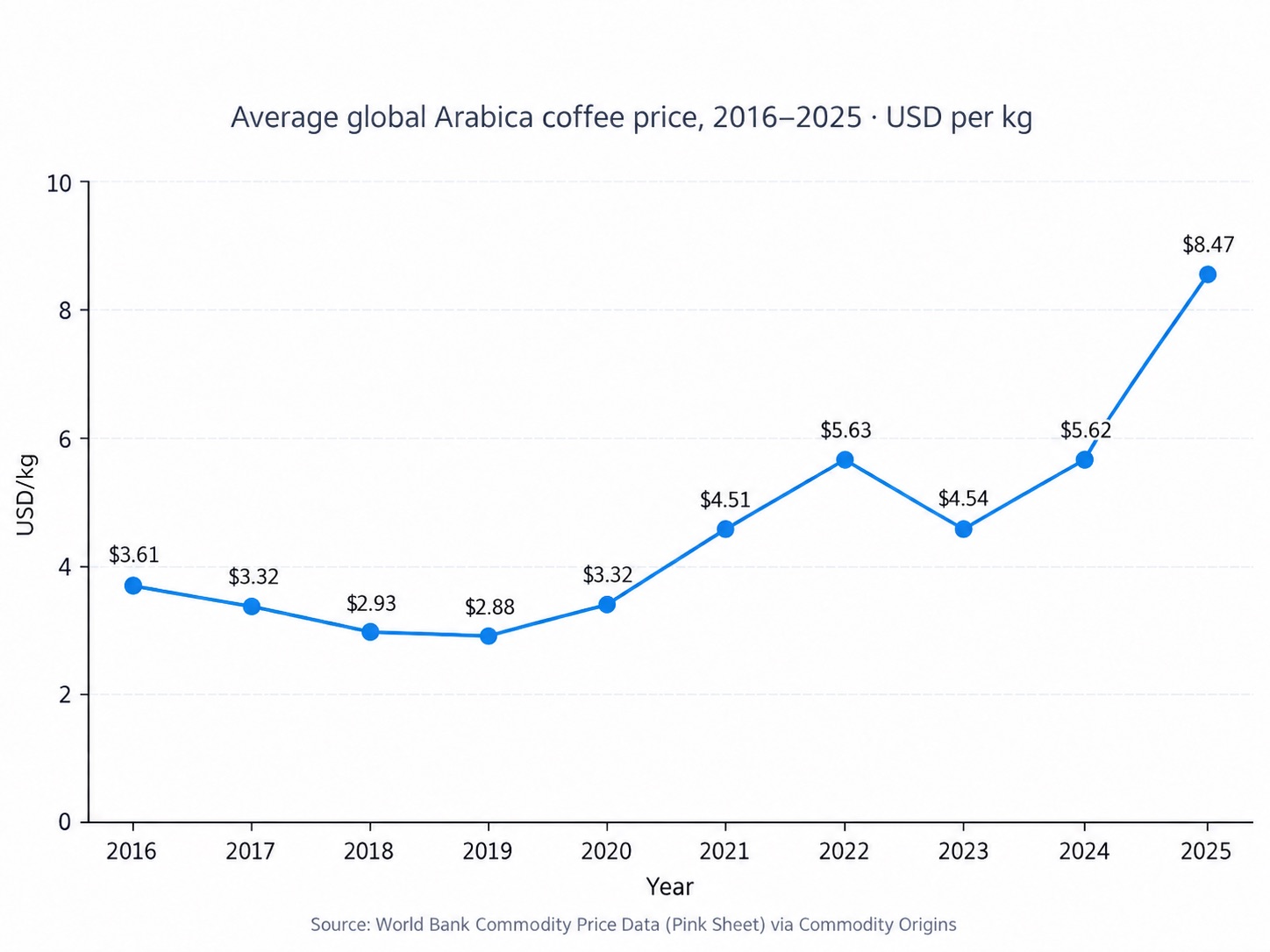
The rising cost of raw materials, brought about by climate change, has put coffee bean production under threat. Droughts in both Brazil and Vietnam—the world’s two largest producers of coffee—have triggered a hike in coffee prices, and the Intergovernmental Panel on Climate Change has predicted that half of the land currently used for coffee cultivation could become unsuitable by 2050. As a result, companies have begun to invest heavily in the coffee substitute market, estimated to be worth $16.2 billion in 2025 and projected to reach $24 billion by 2032. Orzo has gained traction in countries such as Korea, where the expansion of the coffee substitute market has led Korean importers to source primarily from Italy, and who have recently seen a sharp rise in their sales of caffè d’orzo. The global barley coffee market itself reached $2.14 billion in 2024, marking expansion across multiple regions. With coffee substitutes being taken increasingly seriously, caffè d’orzo has begun to be invested in on a global scale.
Between the wellness craze and the alarming impact of climate change, caffè d’orzo, formerly obscure outside of Italy, and once a peasant farmer’s drink, wartime staple, and child’s coffee, may well be on track for international stardom. The rising interest in coffee alternatives has brought these lesser-appreciated drinks out from the shadows, formerly dismissed as products of the past, currently invested in as products of the future. Italy has enjoyed its caffè d’orzo for centuries; now the rest of the world is waking up to it too.