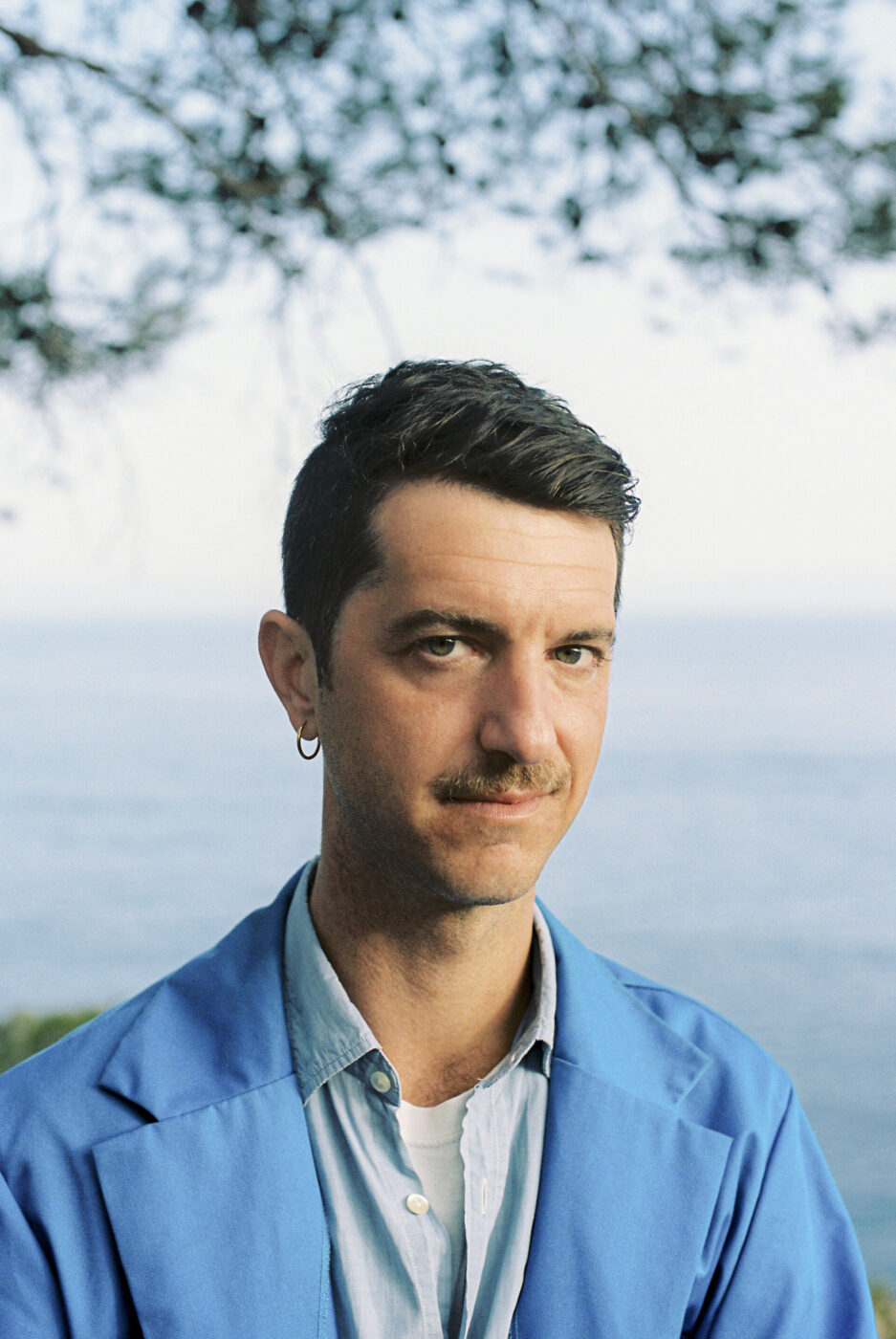
Stuck in his Berlin apartment during the pandemic, Vincenzo Latronico hadn’t published a book in almost seven years. A Milanese writer and translator, now 43, he had moved to the German capital in his twenties while working on a PhD. To overcome boredom (and maybe writer’s block) he came up with a game: to copy, line by line, the first chapter of Georges Perec’s Les Choses, an inventory of the objects surrounding a Parisian couple in the 1960s, but transplanted into his own world. He began cataloguing the things around him—silver laptops, designer lamps, culture magazines, bottles of natural wine—and, by extension, the items that defined his circle of friends.
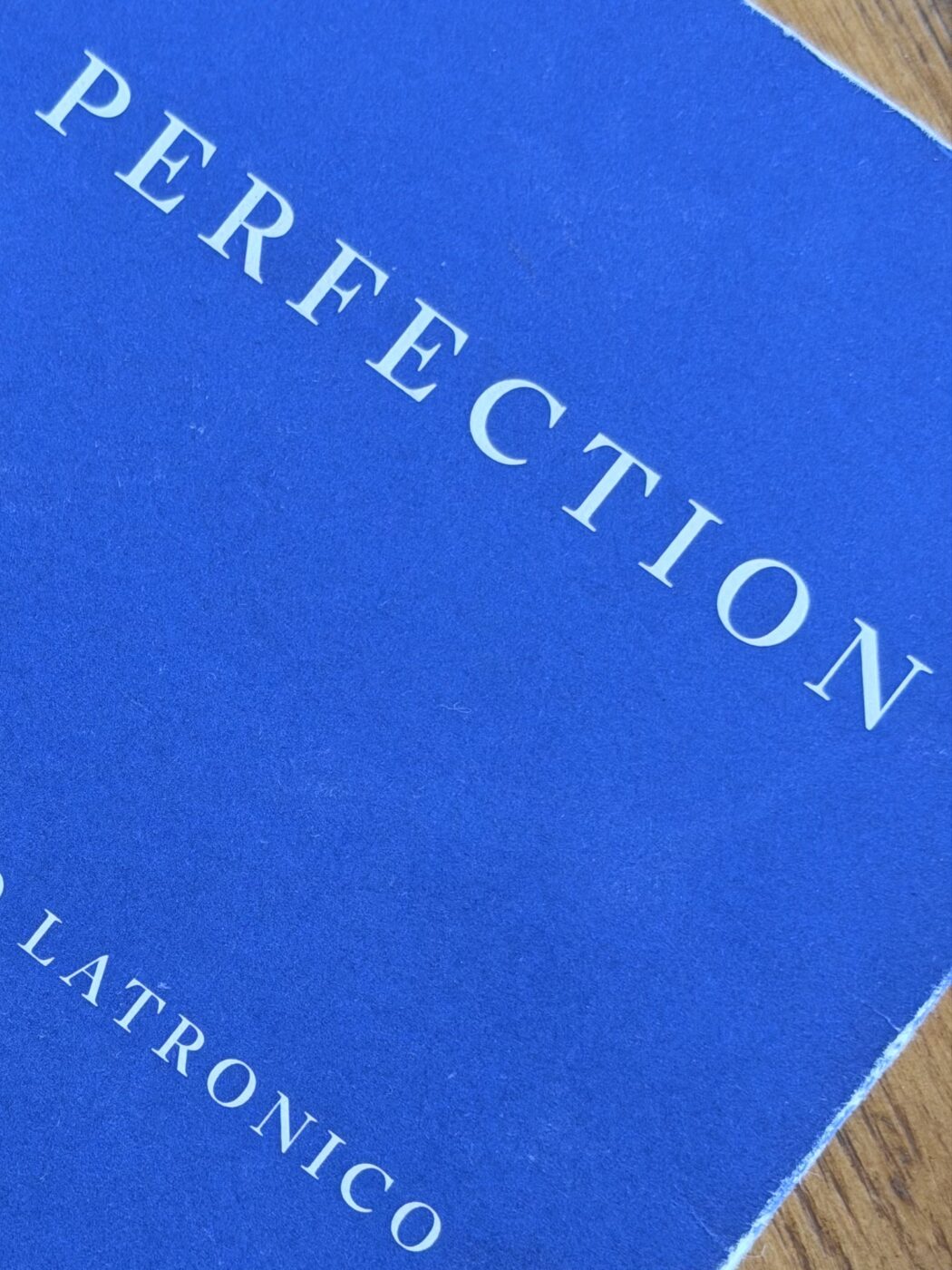
From that catalogue a story took shape, the one of Anna and Tom, an Italian graphic-design couple who, having left home nearly a decade earlier, emerge as the archetype of the 2010s creative expat in Berlin, chasing cheap rent, creative freedom, and the illusion of perpetual youth. Little did Latronico know that his fourth novel would become a bestseller—translated into more than 40 languages, shortlisted for the International Booker Prize and Premio Strega, and winner of the Air Mail Tom Wolfe Prize—capturing the millennial experience with uncanny clarity.
I meet Latronico on a November morning, sunlight pouring into his Milanese living room, just after he’s returned from an international tour that’s taken him from New York to Poland. We speak about the end of the expat illusion, belonging, and what comes next for a writer who has become the voice of Italy’s “cervelli in fuga”—the brain drain generation who began leaving the country after the 2008 financial crisis. Italy is among the EU countries hardest hit by this phenomenon and has lost an estimated 40,000 university-educated young people every year for the past decade—a demographic shift that has reshaped the cultural conversation.
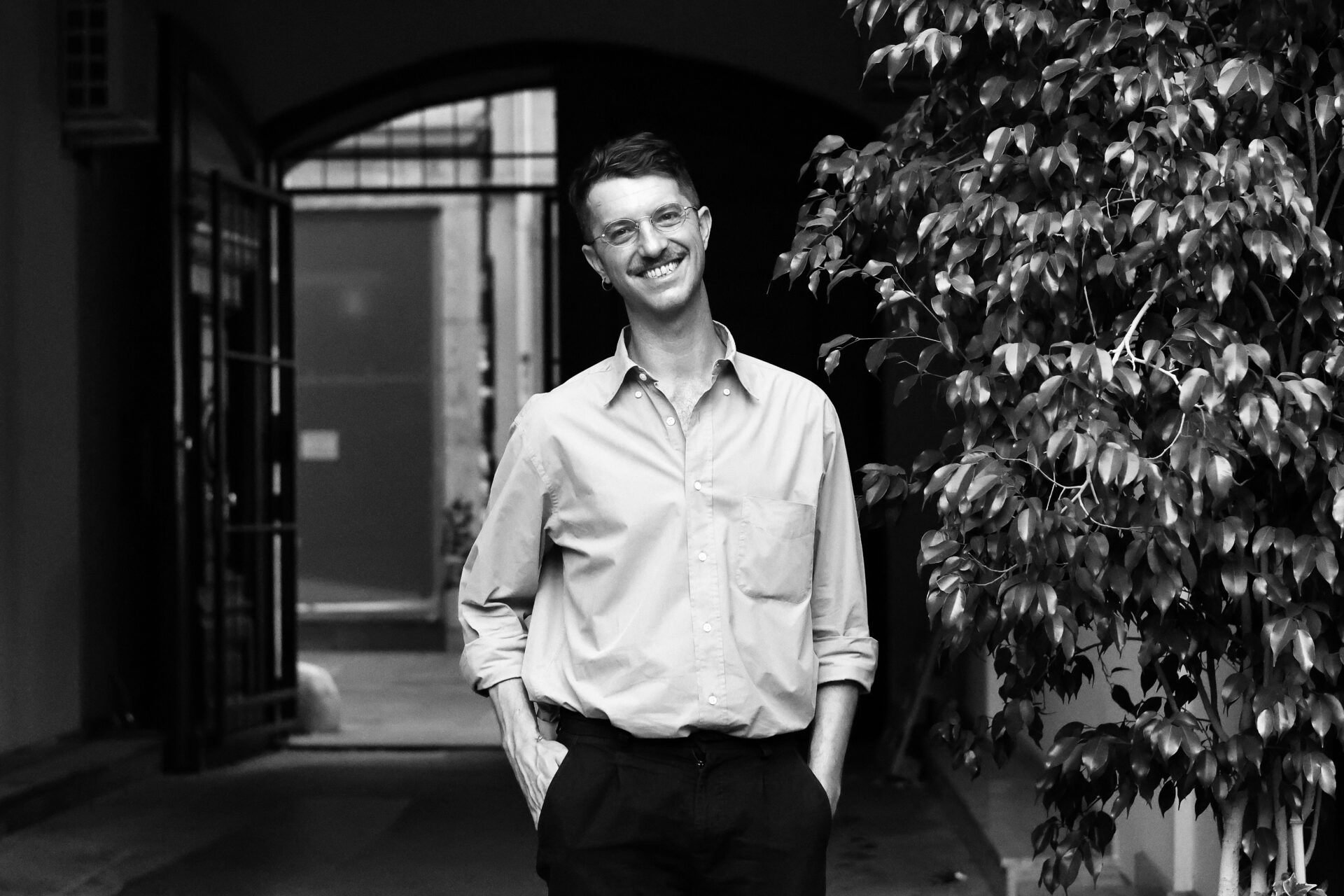
Vincenzo Latronico; 02.09.2024., Zagreb, Hrvatska_Vincenzo Latronico, Sven Popović, Monika Herceg, FSK, Fraktura, ZKM. Foto: Anto Magzan
Giulia Kappelin Cingolani: What first sparked the idea for Perfection? To what extent was it something observed or lived?
Vincenzo Latronico: Both, I’d say. My life in Berlin was, in some ways, very different from Anna and Tom’s. They have more money, they’re a couple, they live in a more bourgeois way than I ever did. But much of what’s in the book comes either from my experience or from the lives of people around me. So even though it’s a novel, every single detail is true.
GKC: The book feels at once intimate and analytical. How did you balance personal experience with sociological observation?
VL: I think the real contrast isn’t between experience and observation, but between analysis and empathy—a way of standing on their side, which comes more naturally when it’s your own life. As a writer, you have the right to steal from the lives around you—to take details, experiences, things people have told you—but that right carries a duty. You owe respect to what belongs to someone else. Even if I keep my gaze analytical, I never use it to ridicule or flatten.
GKC: The novel’s protagonists belong to what in Italy we call “cervelli in fuga” (literally “brains on the run”). Italian media have long debated this as a national failure.
But what I have been noticing after the pandemic is a return of this generation. You have moved back, I have too, and so do your characters. Is the cervelli in fuga phenomenon coming to an end?
VL: I don’t think it has ended, but it has evolved. Young people will always move just because it’s a natural part of being young. But there is less faith in the idea that happiness lies elsewhere, and more awareness that the “elsewhere” we’ve been chasing might no longer exist. The period I’m writing about, the post-2008, early-2010s years, was a time when we thought, perhaps naïvely, that the national dimension would soon be transcended. There was this impression that Berlin would become the New York of Europe, the melting pot of a united continental culture.
Reading the book now, I realize it has become a nostalgic document of a bygone era, something I never intended. Back in 2021 we could still imagine that the decade of political and technological optimism wasn’t over, that the pandemic was only a pause. Now we know that era is gone, between wars, Brexit, the authoritarian turn in the U.S., and a tech world that today feels closer to control than to the countercultural promise we once projected onto it. And on top of that, there’s the housing crisis which makes it much harder for young people today to move around.
While I was writing Perfection, I was still in Berlin and, honestly, a bit frustrated. I’d been there for 10 years, spoke German well enough to do psychotherapy, paid my taxes—all that—and I decided to set a story in Berlin partly to claim the city as my own, to say: Okay, this is my place, I belong here. But now I realize I was actually writing a farewell.
GKC: What was your experience of returning?
VL: What struck me about coming back is how my everyday experience became richer. No matter how long you live in a country, there are tiny things you still are cut out of, like sitting on a bus and immediately knowing what world someone belongs to, what they think. Daily life here has more information in it, and that makes it easier to form social ties. My social life in Italy is much more layered than it ever was in Germany—not just close friends but all the in-between people, the ones you half know and keep running into. And it makes me feel part of the country’s life in a way I didn’t [in Berlin]. And Milan has also changed a lot. It’s more international now.
GKC: And therefore more interesting?
VL: If you can afford it, yes.
GKC: You’re an international figure—you’ve translated for years, and the literary references behind Perfection (Perec, Lockwood) are mostly non-Italian. Your prose also feels in dialogue with an international scene. Do you consider yourself an Italian writer?
VL: Ten years ago, I would have said I wanted to be a European writer. I didn’t feel part of the Italian tradition. That was a slightly cocky, youthful stance. But you eventually realize that literary belonging isn’t something you choose entirely, it happens to you.
There are rare cases of writers who adopt another language (think of Conrad or Nabokov). Yet even in those cases, they carry with them a heritage, a way of thinking and writing. Are they truly American writers? Not quite. In my case, writing in Italian, I feel that my formation in Italy remains there. Even when I live or work elsewhere, that literature resurfaces like a background layer.
Writers like Claudia Durastanti or Veronica Raimo, who have lived abroad and also work as translators, ask themselves the same question: what does it mean to belong to Italian literature today?
Maybe we shouldn’t have too narrow a view of what “belonging” means. As writers, we are the ones constantly redefining the borders of the canon. It’s a moment of great openness for Italian fiction. Our books are now in deeper dialogue with the world, and the boundaries of Italian-ness are expanding.
GKC: Do you think we are less critical of Italy now, as Italians?
VL: When I first arrived in Berlin, every dinner conversation started with “bunga bunga” [former prime minister Silvio Berlusconi’s infamous sex parties]—that was Italy’s international image. Now it’s different. There’s a bit less self-hatred among Italians, a bit less irony from others. And maybe, paradoxically, that’s because so many of us have come back. We have stopped seeing Italy only through the lens of escape.
GKC: So what are you working on next—what questions still feel unresolved for you after Perfection?
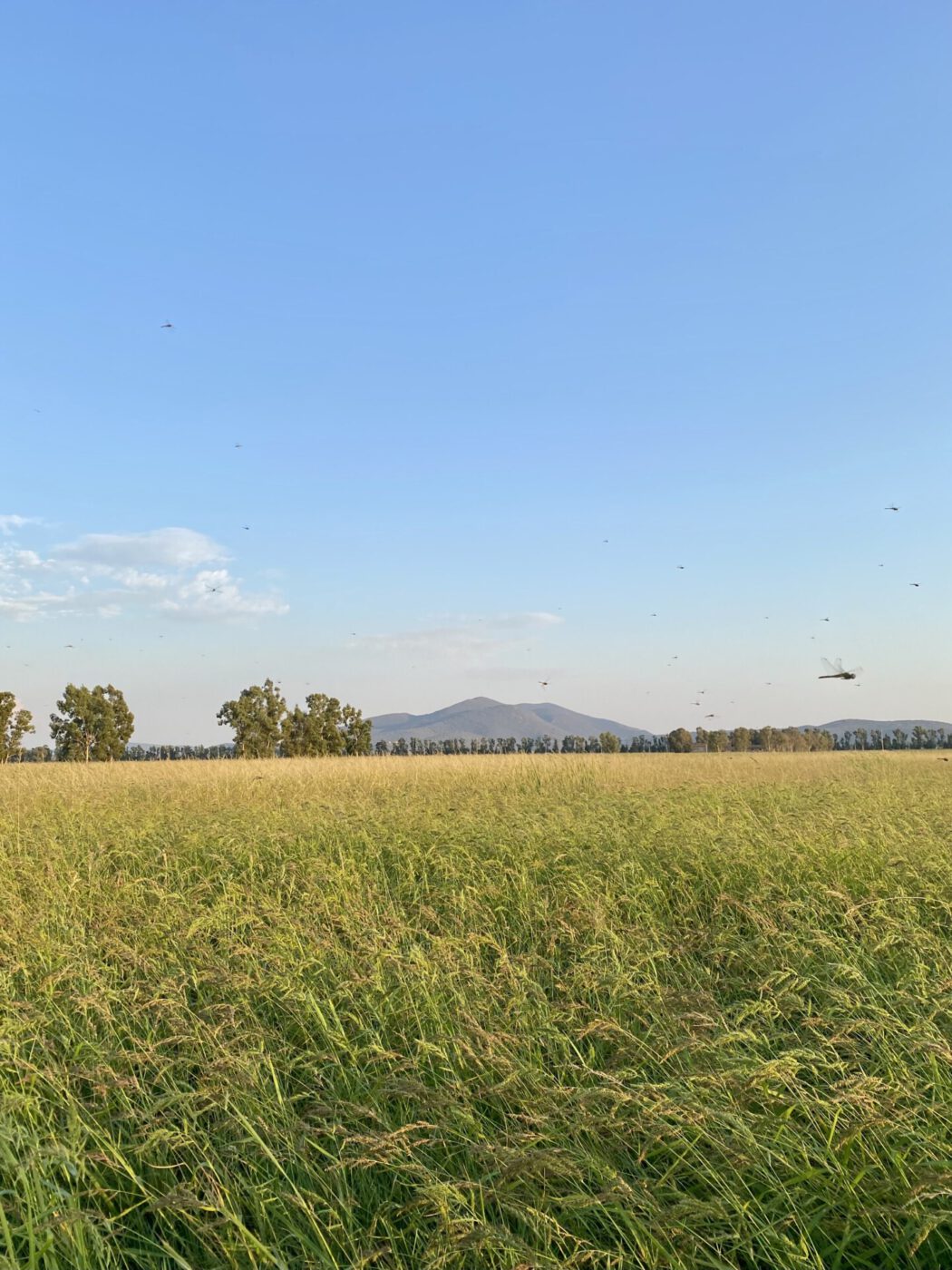
VL: I’m working on a novel that deals with another kind of generational dream. The myth of leaving everything behind and moving to the countryside.
GKC: What Anna and Tom end up doing…
VL: Exactly. The same thing I did too, and failed at miserably.
This interview has been translated from Italian and edited for length and clarity.
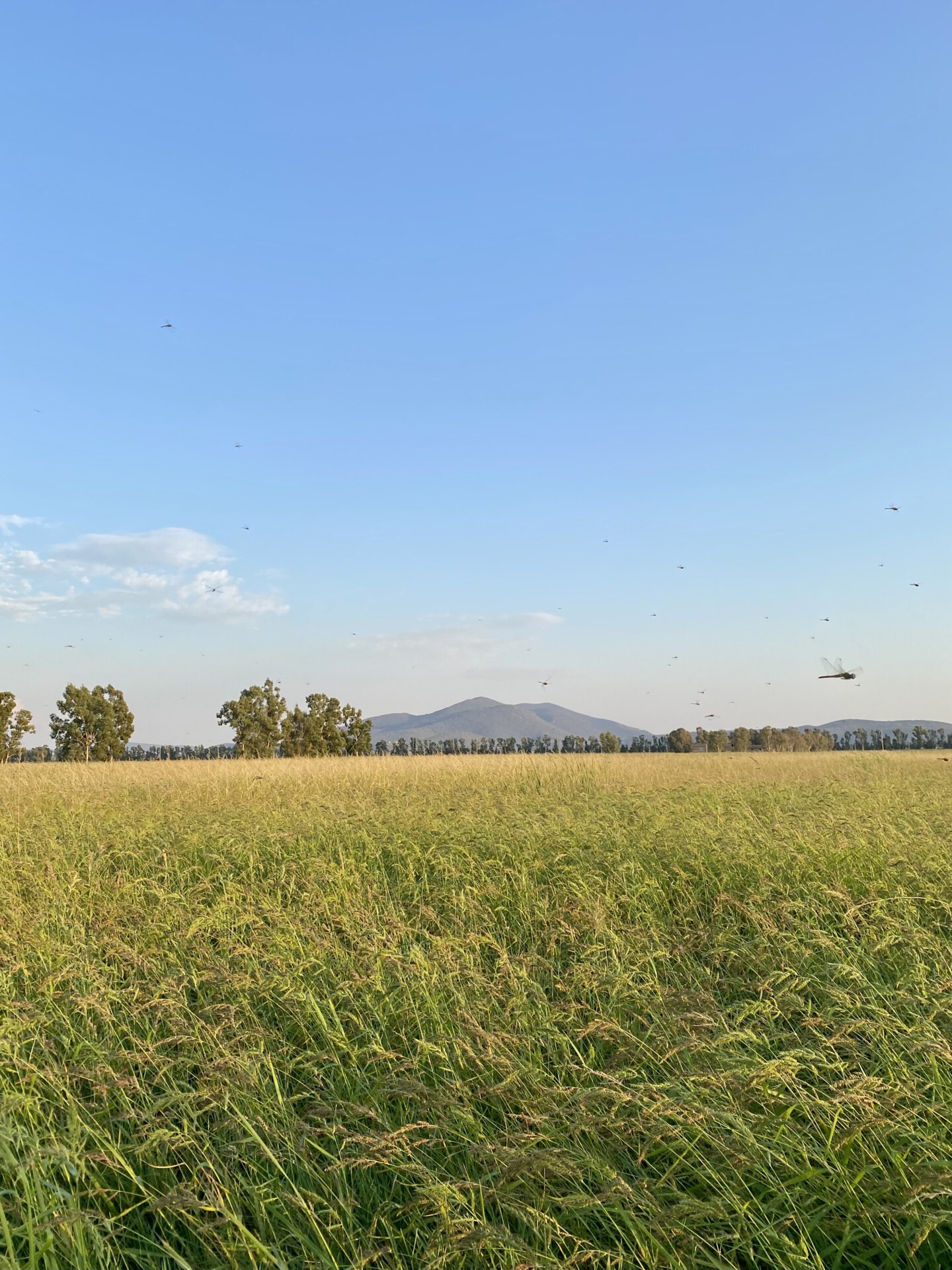
The siren song of moving to the countryside...