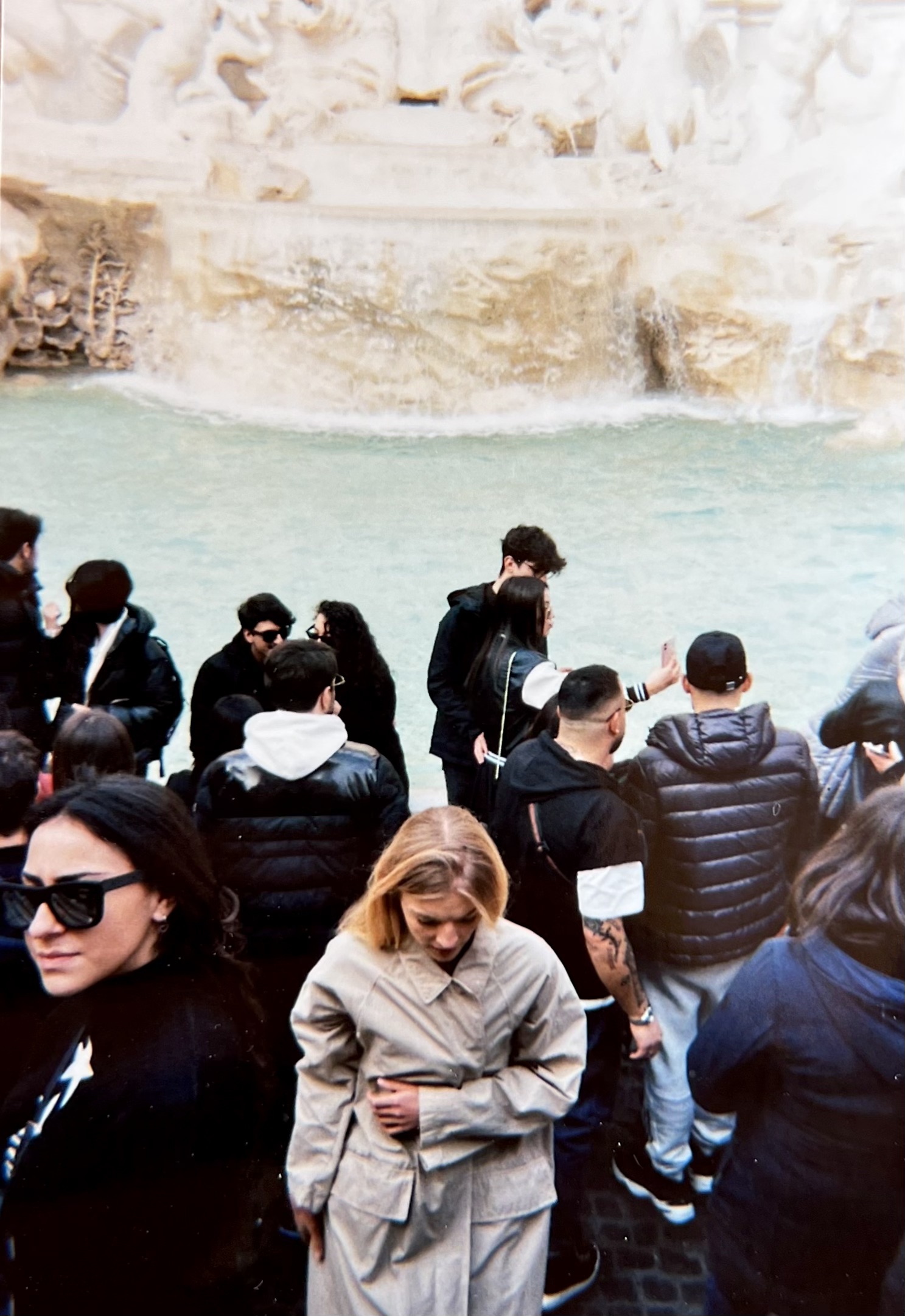
Without looking at a map, the Trevi Fountain is the kind of destination you feel in Rome before you can see it.
The cobblestone alleyways of the historic center begin to narrow with people, and groups push in on either side. The merchandise of the stores hits a consistent trickle towards a more touristic audience, shirts and bags emblazoned with “Roma” lined up in a row or limoncellos claiming to have real Capri heritage perched in windows. One has only to round a corner to come across the Baroque masterpiece that has become a symbol of the city.
We might say rightfully so. The Trevi was an 18th-century wonder commissioned by Pope Clement XII to mark the terminus of the Acqua Vergine, an ancient aqueduct fabled for delivering “Rome’s softest and best tasting” water, per Encyclopedia Britannica. And almost immediately after its completion in 1762, it became a Roman icon, one of the must-see sites that defined the city. On screen, it has played the scenic backdrop in some of the most characteristic pop culture moments featuring the Eternal City, from Anita Ekberg’s late-night dip in La Dolce Vita to Lizzie McGuire’s closed-eye coin toss.
But beginning Monday February 2nd, those very experiences—not Ekberg’s dip, which is not allowed, mind you—will now come at a cost. In a move that was first announced in December, officials from the city of Rome have instituted a €2 entrance fee to access the internal rungs of the monument. Tourists, of course, are still allowed to swarm the outer areas of the fountain for free, but actually descending the steps and gazing on its depths will require a ticketed entrance. For anyone wanting to partake in the tradition of throwing a coin in the fountain, that is, you’ll have to pay.
There are, of course, certain hours to abide by—the ticket is in play most days from 9 AM until 10 PM, except for Monday and Friday, when the line to the fountain opens at 11:30 AM until 10 PM. On the first day the Trevi received ticketed tourists, from 9 AM to 6 PM, it saw more than 5,000 visitors, according to a press communication from the city. And while a representative for the capital city declined to respond to a request for comment, a recent press release indicated that the decision to ticket the fountain came after a year-long period of experimentation and monitoring of visitor numbers. City officials said that, within a year, there were more than 10 million visitors to the Trevi, with around 30,000 entrances a day and high points of 70,000.
In theory, the ticketing is a way both to protect the monument literally—by lessening the number of people in its immediate vicinity—and, it seems, financially. Officials say that the “fountain’s conservation, from this point on, will be supported in a clear way by the new access fee,” though in what way, exactly, has yet to be disclosed.
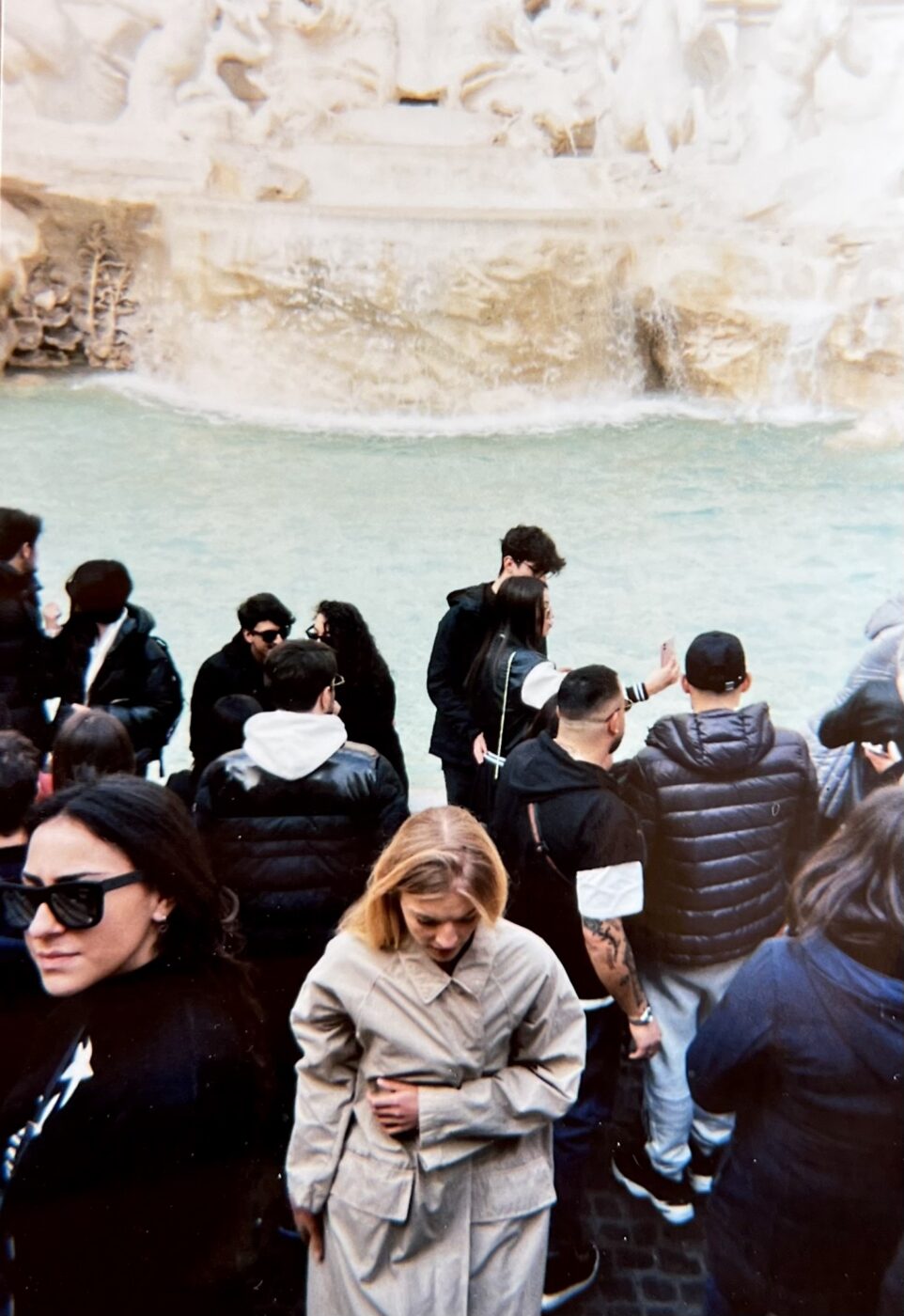
On a Tuesday roughly a week from its inception, tourists did not seem overly confused by the new system, as they lined up on one side of the fountain to enter, took their photos and threw in their coins on entrance, enjoying ample space as they went, and exited on the other side. There were still the usual hordes of people milling about, but now they were relegated to the external space of the fountain.
David Jones and Christina Smart, who had come from Wales and had just conducted their internal Trevi visit, were pleasantly surprised by the experience, though they noted that all depended on where the money actually went.
“I’m not that keen on tourist taxes if you can’t see where it’s going,” Jones said.
Barb Bernstein was visiting from Minnesota, traveling with her sister. It was her first time in Italy and, naturally, at the Trevi, but her sister, who had been before, noticed a difference in the fountain visit.
“Usually, this is a lot busier,” her sister told her. “This is a way they can control some of the crowds.”
But not everyone was pleased. A German family who did not want to give their full names but offered their daughter’s, Leonora, emphasized the dichotomy: “You have to pay,” they said, “but there are still too many people.”
The city of Rome allows Roman residents, people with disabilities and the person accompanying them, children under the age of 6, and tourist guides to enter for free. Adventurous tourists who would like to visit after the 10 PM daily closure will find it “freely visible to everyone,” per a press release.
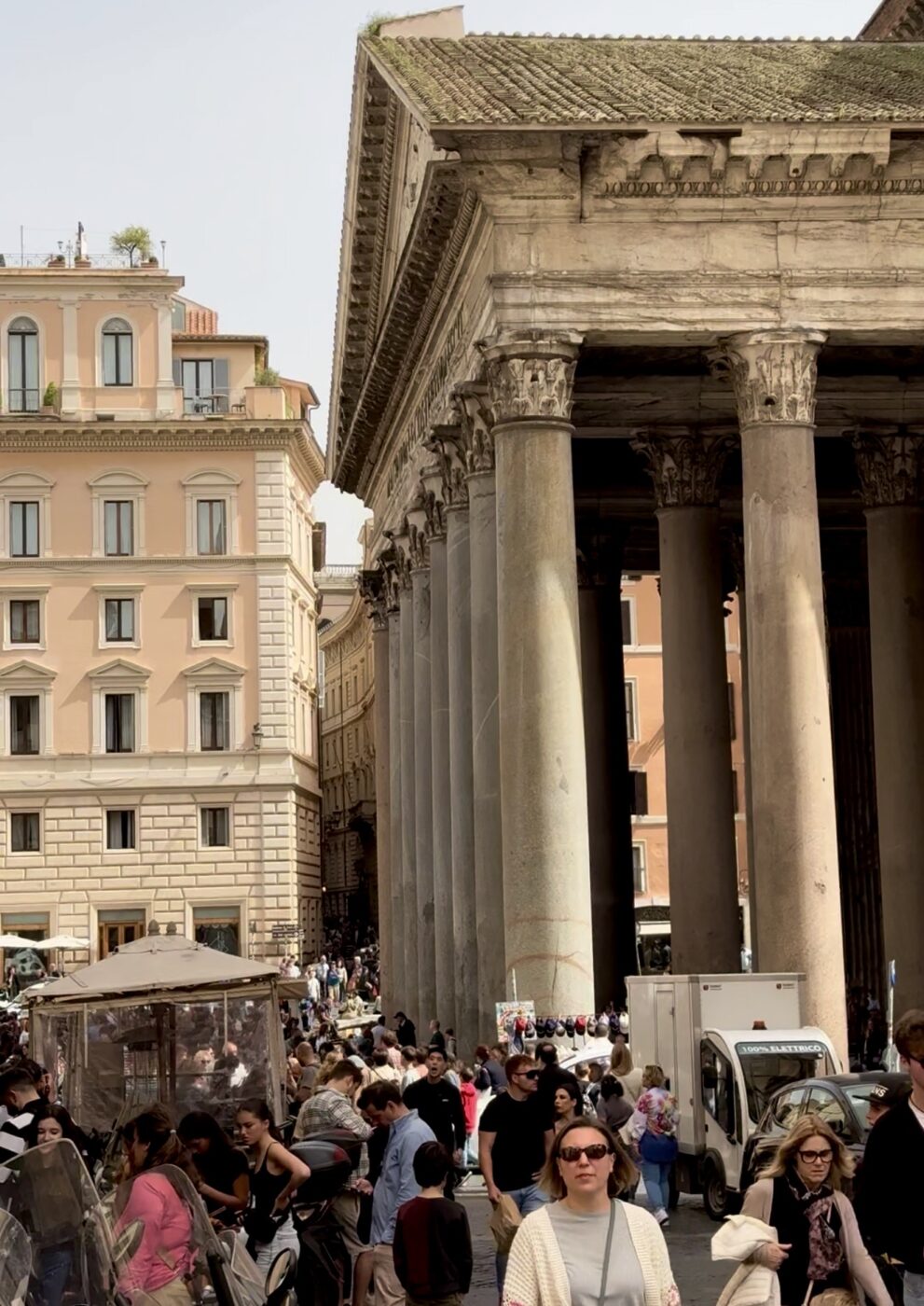
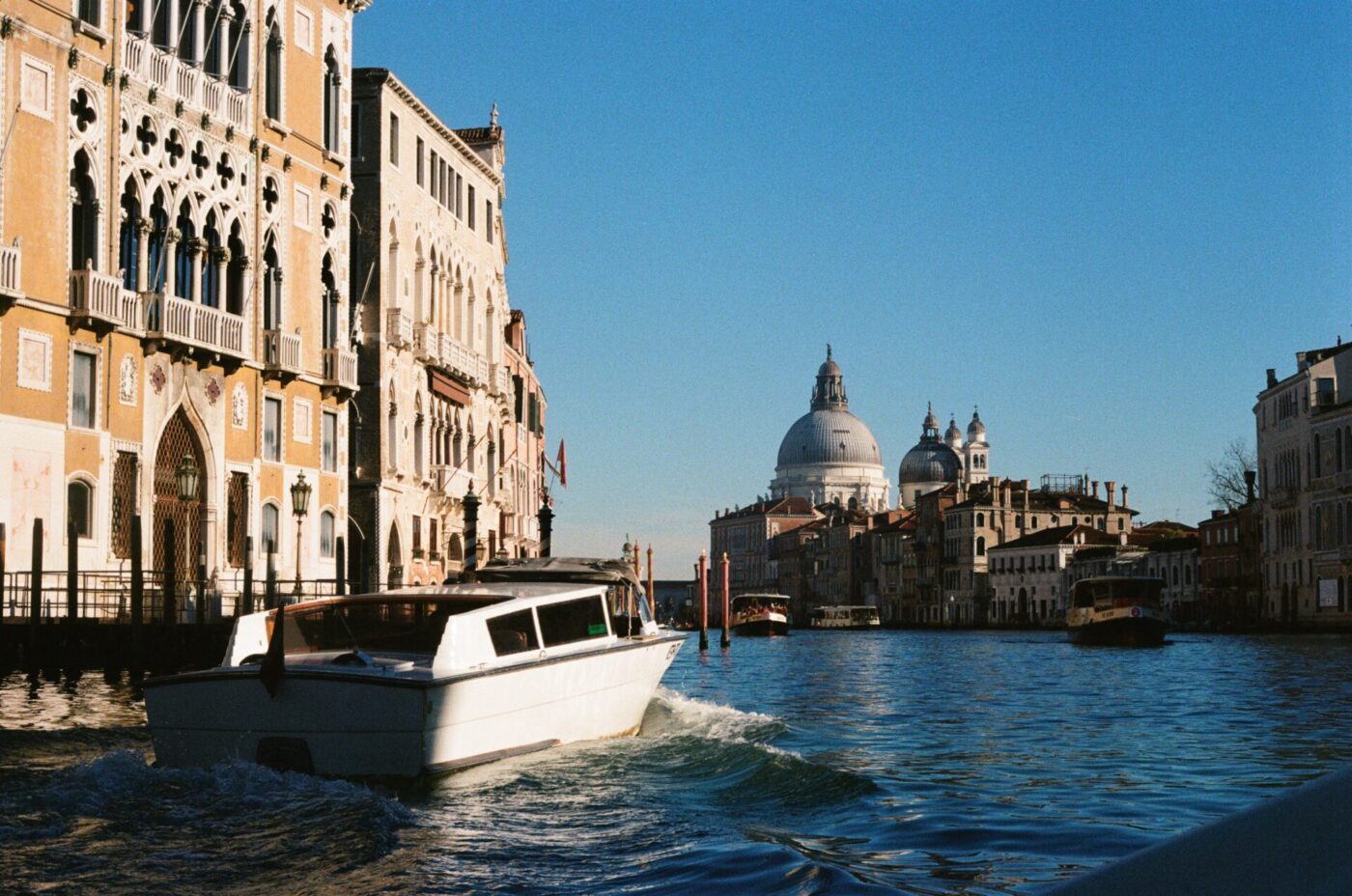
Yet the move to ticket the Trevi fountain comes amid a broader context of closing free entrance to tourist monuments and even entire cities, partially in an effort to control overtourism. The Ministry of Culture announced that, starting July 2023, the Pantheon, another of the city’s most famous sites and an active church, would be subject to a €5 entrance fee. And the city of Venice famously introduced an access fee in 2024, requiring day-trippers to the island to register for a €5 daily ticket (or €10 if paid last minute) on certain days of peak travel, although it debuted to protests and claims that Venice should remain “an open city.” What city officials call the “experiment” is still in effect for 60 days this year, spanning from April to July.
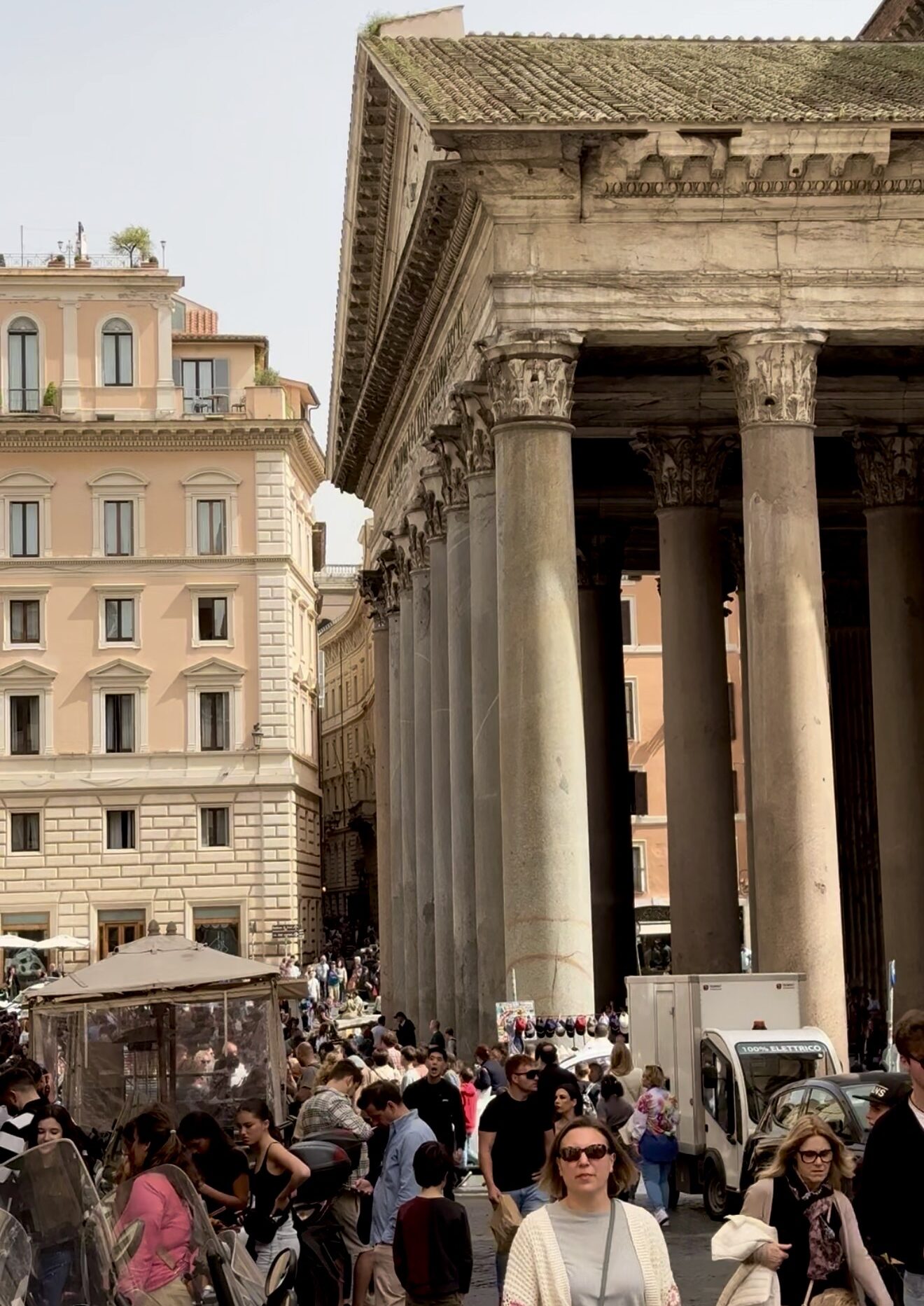
Pantheon
Venice’s Assessor for Tourism, Simone Venturini, said in an email interview that the program is just one in a patchwork of solutions to combat overtourism in the city. He referenced the fact that new hotels no longer receive automatic approval and that the opening of “low-quality” stores has been banned in certain parts of the city, while guided tourist groups are now limited to 25 people. Still, it is the access fee that has perhaps remained the most controversial proposal.
“Venice is a city as beautiful as it is fragile,” he said. “That’s why, after decades of debates and discussions, a few years ago, we reached the moment for action on the management of the influx of tourists. No one has a magic wand.”
From 54 access days in 2025, the proceeds totaled roughly €5.4 million, according to Venturini, and these funds are used primarily to lessen the additional cost of trash pick-up in Venice, which is conducted literally by hand due to the city’s unique geographic position. The revenue also goes towards environmental protections and improving mobility services, he added.
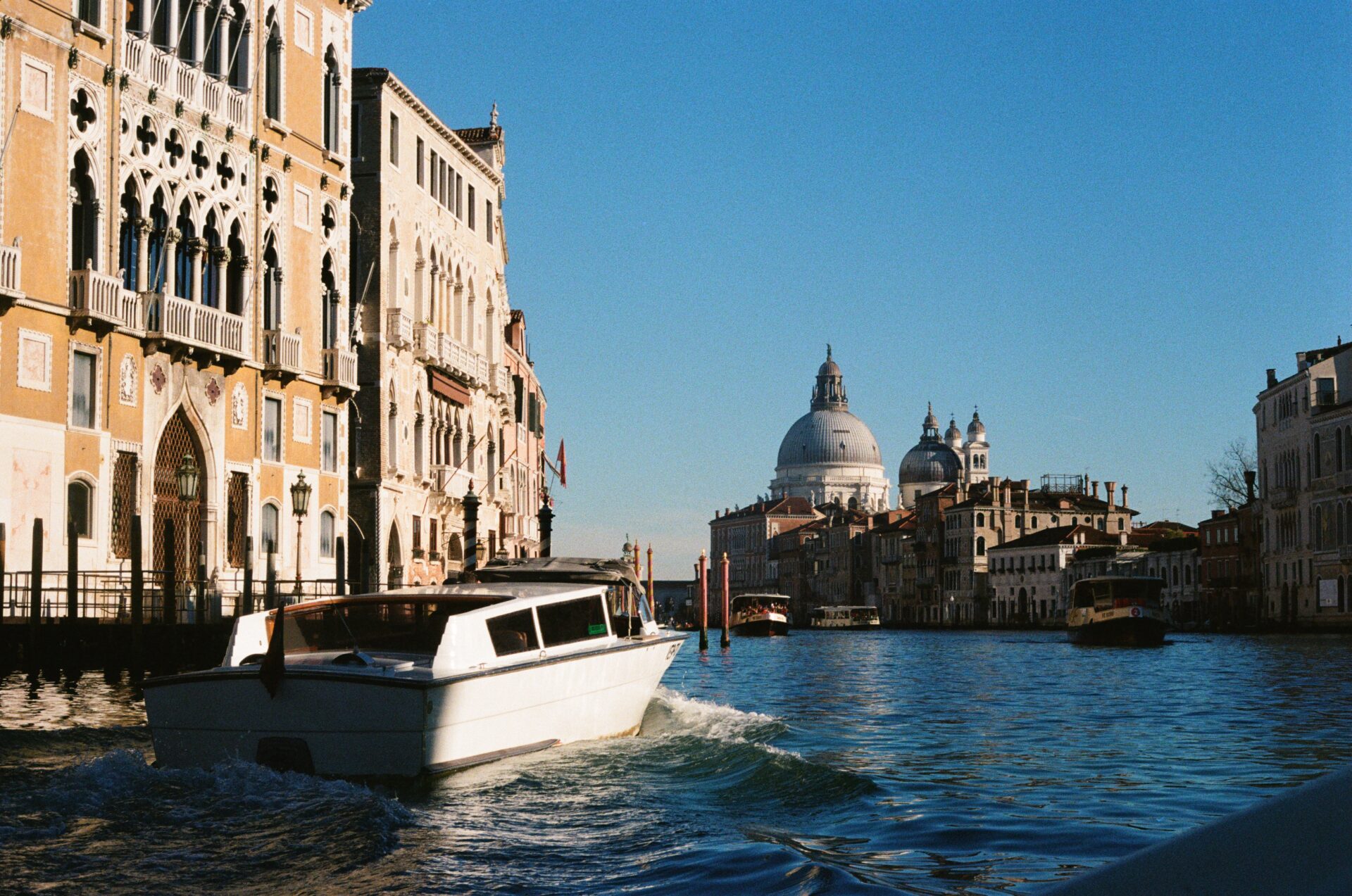
Still, whether the experiment has worked, either in lessening visitors or helping the city in procuring more funds, is perhaps a question we cannot yet answer. The initiative was only meant to last three years and will come to an end in 2026, at least until upcoming city elections decide who will continue to lead and legislate Venice.
Data has indicated that, at least in past years, the access fee did not lead to a decreased number of visitors in the city on those days versus days where it was not in use. Still, Venturini said that the fact that criticism of the fee has “abated with time” is proof that it has “absolutely no impact on the daily life of residents.”
“The controversy, which was unfounded, has died down, making room for positive comments from, above all, foreign tourists, who were very happy to spend some money to contribute to the uniqueness and the beauty of our city,” he said. “The access fee has worked without issue, from checks to payments, without negative logistical consequences. We will continue on this path, understanding that nothing is permanent and that we are only at the beginning of a long journey.”
That perspective didn’t seem so far from what some of the tourists last week felt as they ascended the steps from the Trevi’s foreground to the more bustling city center. North Carolina-dwelling Dawson and Vilma Stokes looked dazed, in a positive way, as if they had just witnessed a stirring piece of art. When asked about the new ticket, they seemed unbothered. After all, they said, before everyone could come in—and now, there was more privacy, for not even that high of a price.