Years ago, I won a scholarship to spend a summer in Greece, studying classical archaeology at the British School of Athens. For weeks, I was ported around the country with 30 other students to visit its ancient sites, from the sanctuary at Delphi to the monasteries of the Peloponnese to the ruined remains of ancient Athens that break the city into fragments. It was a trip that would change me fundamentally, that taught me more about myself than the ancient people I had come to learn about.
I was 20, five years bereft. My mother had shocked us with her untimely death a month shy of my 16th birthday; my grandmother followed exactly 12 months later. I had yet to tumble down the canyon of my grief. Instead, I worked hard and traveled as much as possible. I sought dramatic landscapes, arid Mediterranean summers, forgotten ruins perched on hilltops, and cliffs where I could watch the indigo ocean crashing into the rocks below. I sought graveyards and monuments paying tribute to someone else’s dead. I could not articulate it at the time, but I was looking for places that might echo my pain, drown it in their bigness. Landscapes that might absorb me into some bigger picture, some higher meaning; pull me by both arms from the dark waters of my past and plunge me back into the present, clear blue.
Before the trip, I had been feeling around blind for what I had lost. Maternal cords cut, I felt like a piece of string, slowly fraying, forever at a loose end. I needed to be reminded that I had come from someone, somewhere; that I was with history, although I felt divorced from it. I needed to step foot in places where things had been lost or abandoned, to identify the grief that I carried as a symptom of living, part of a cycle that nothing and no one is exempt from.
I found clarity and meaning on Mediterranean soil. In landscapes so animated with others’ lives, where the past was so prevalent, I began to believe in the potential of continuation; in a life beyond death, an energy that lingers long after we’re gone; in the possibility for land to hold an imprint. I found the marks of something perpetual, recalled from memory, but already known by heart.
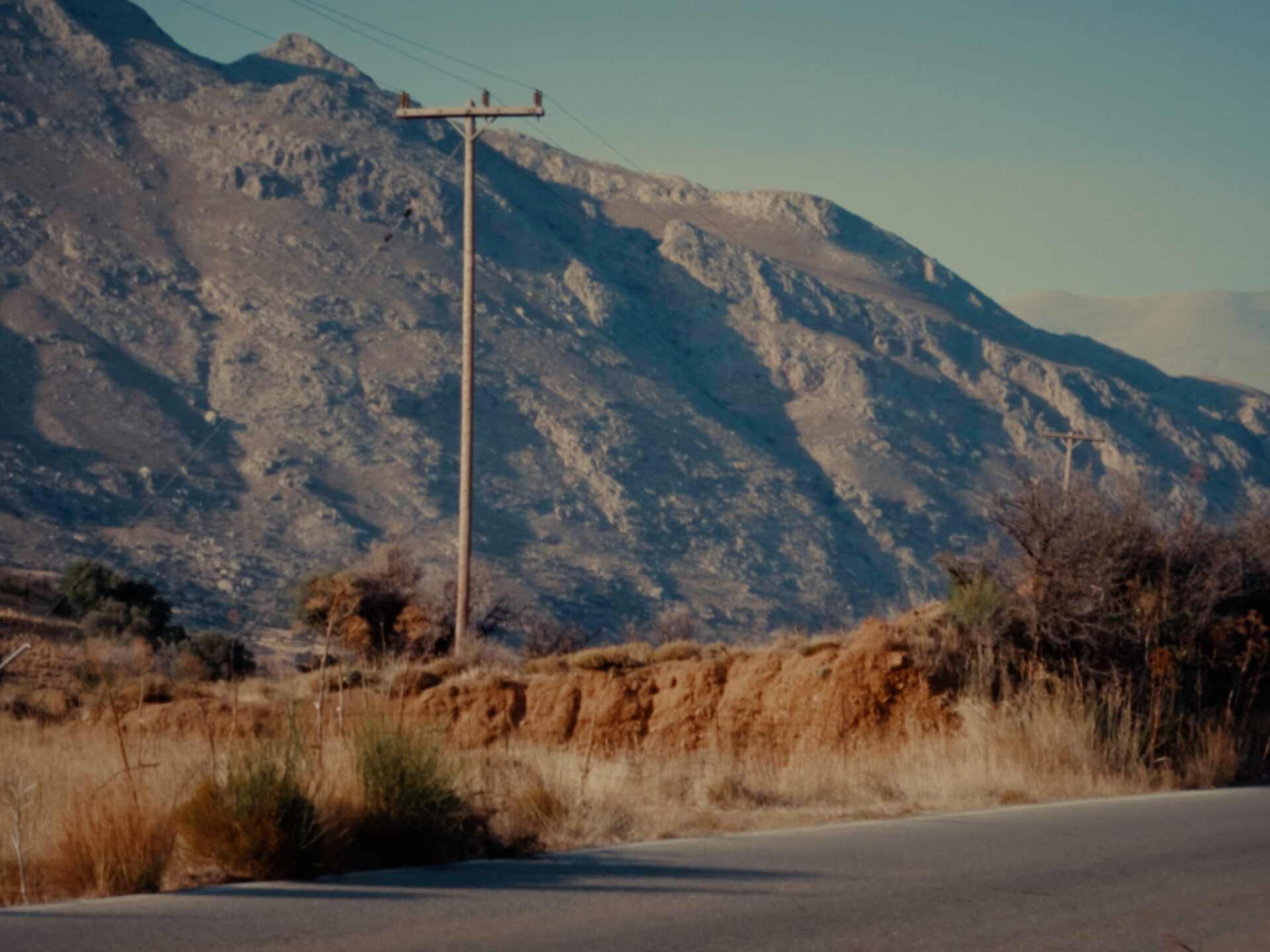
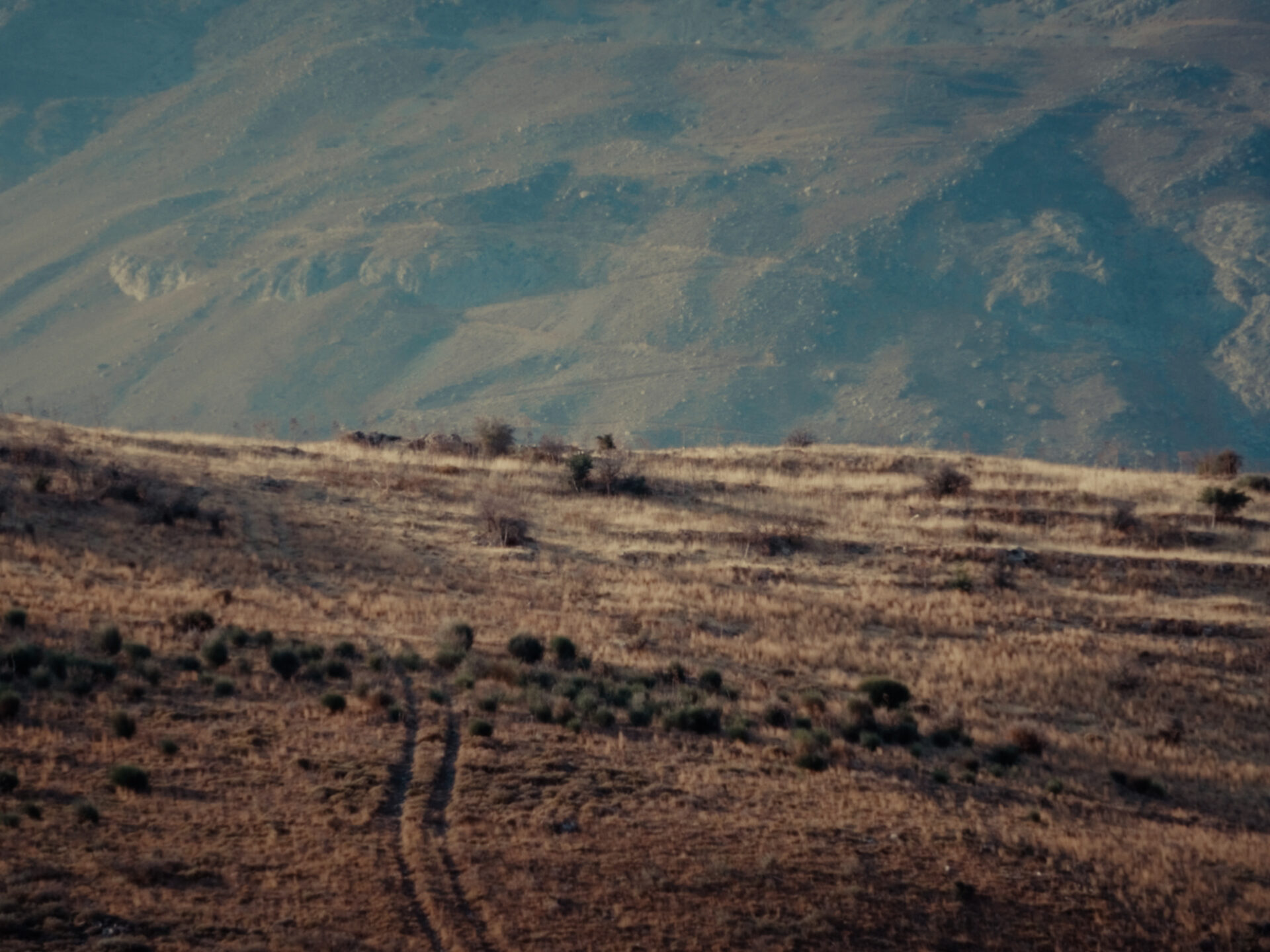
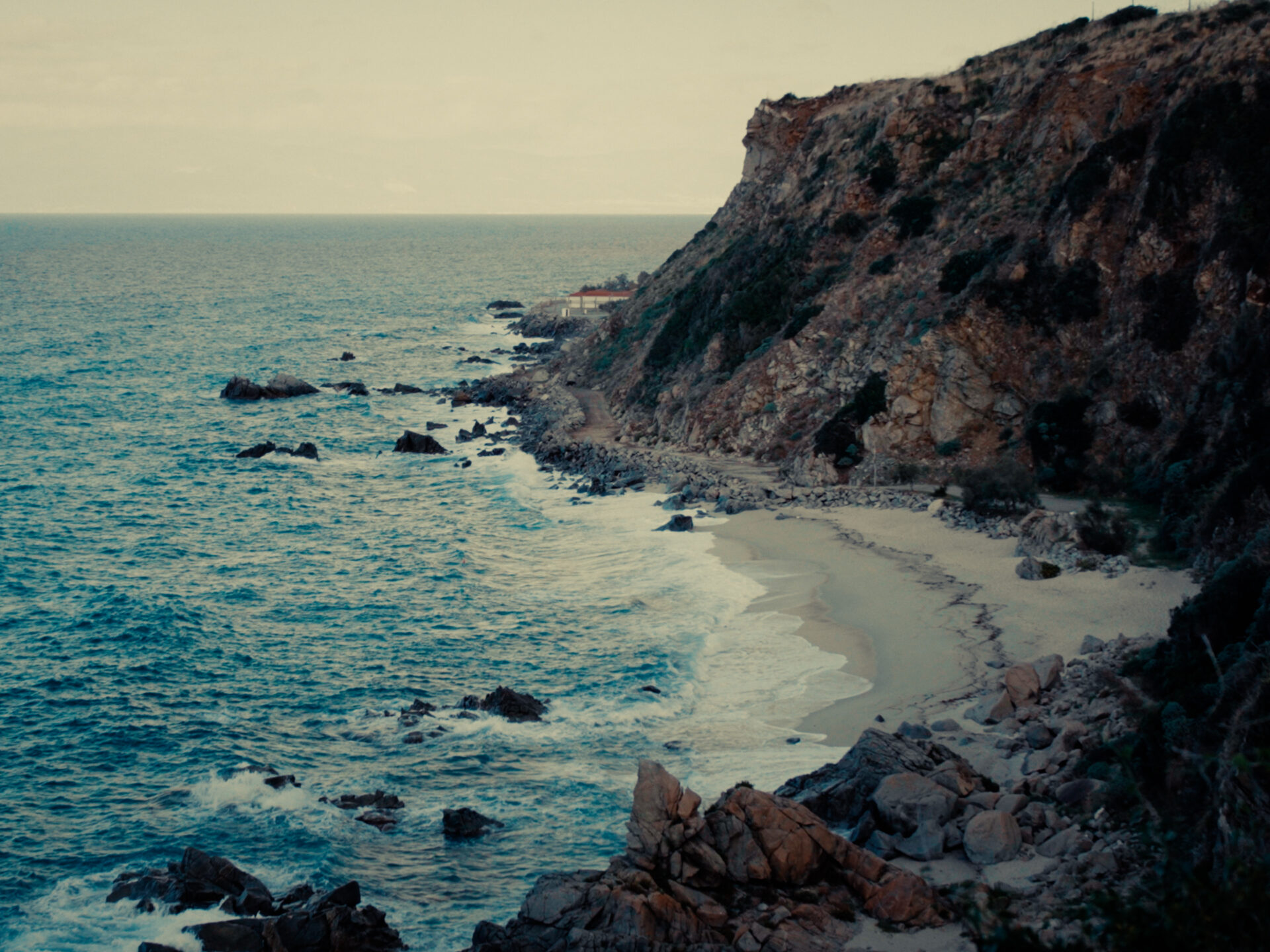
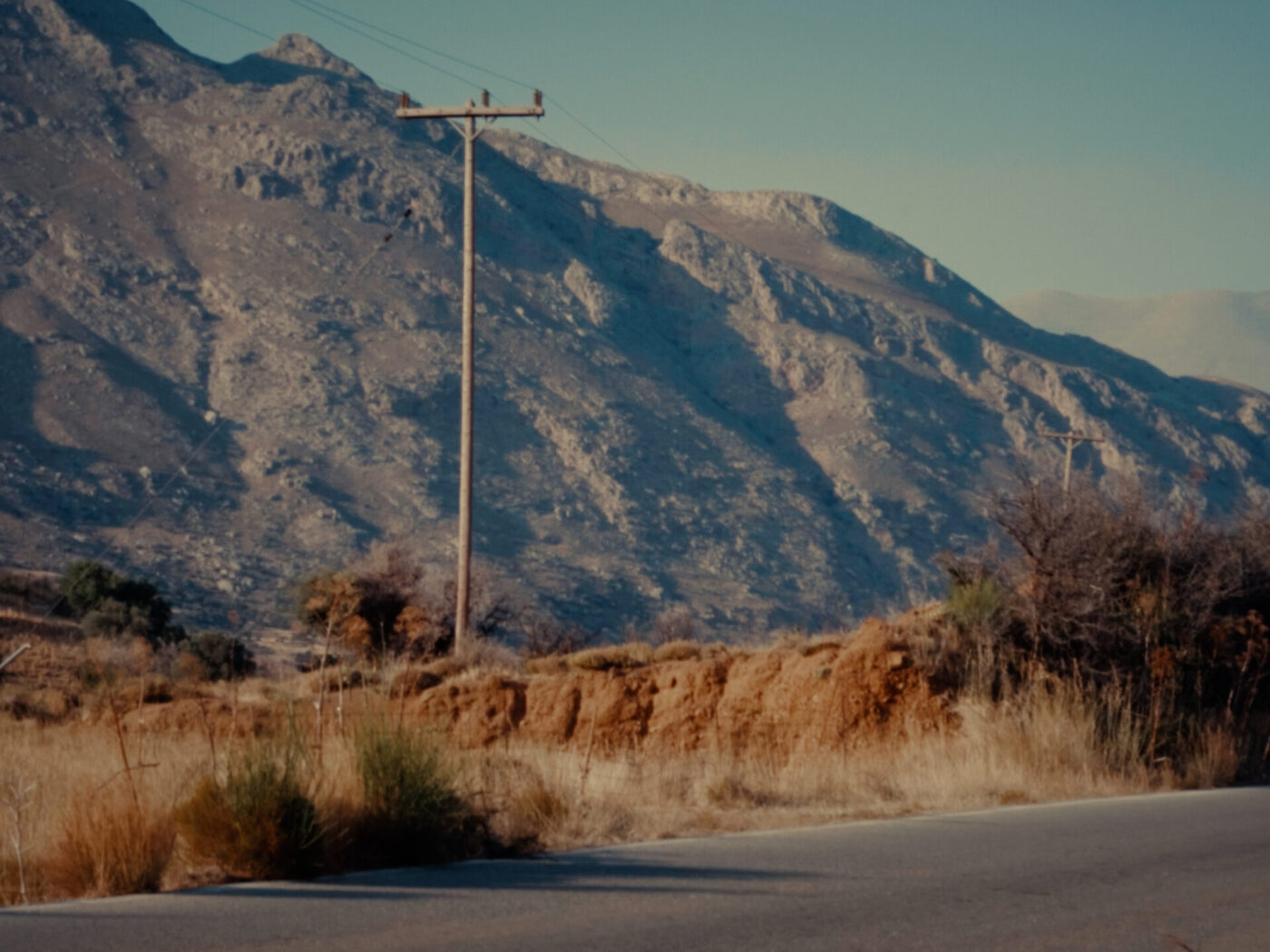
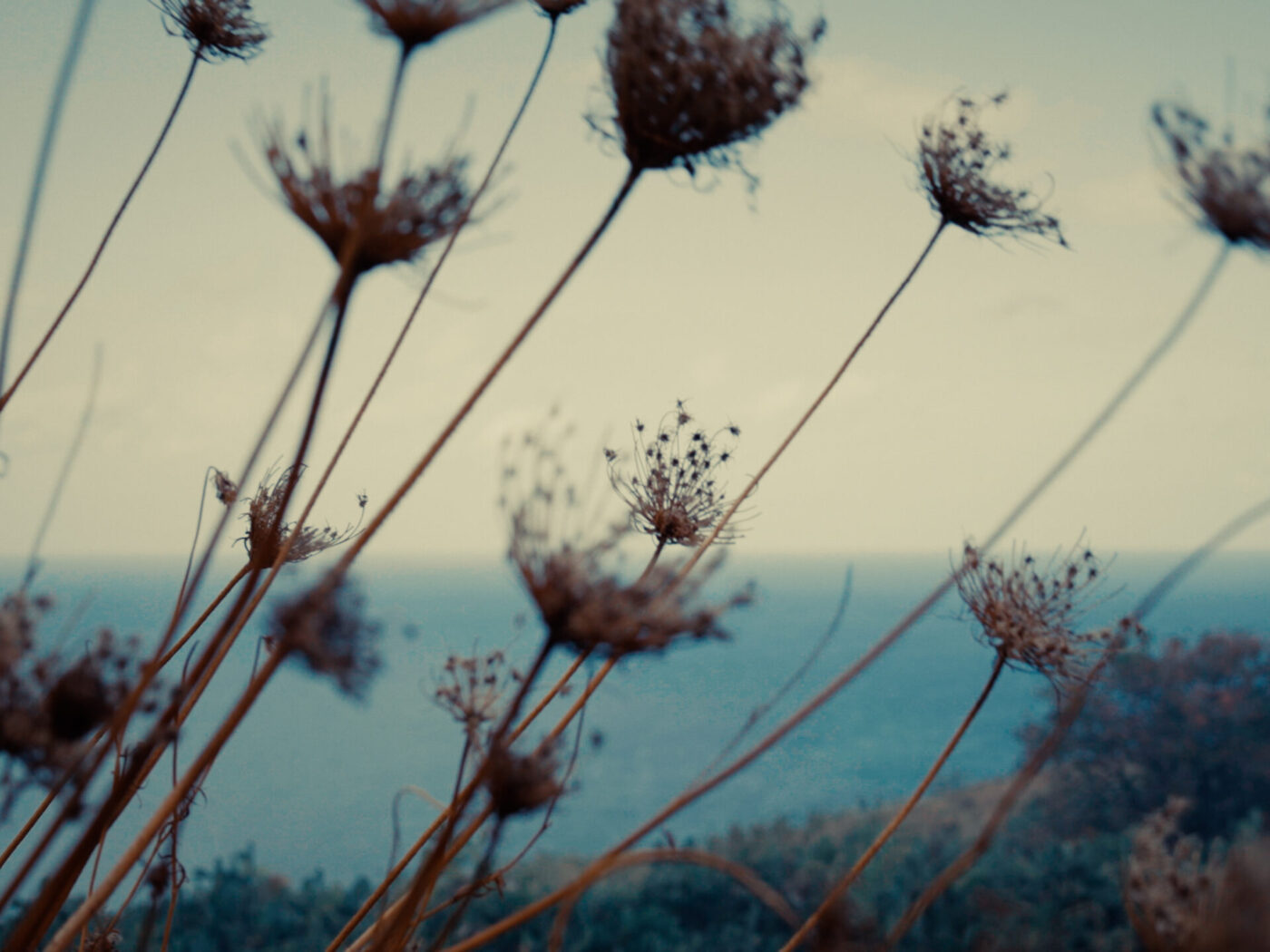
A still from "Topos", by Issabella Orlando
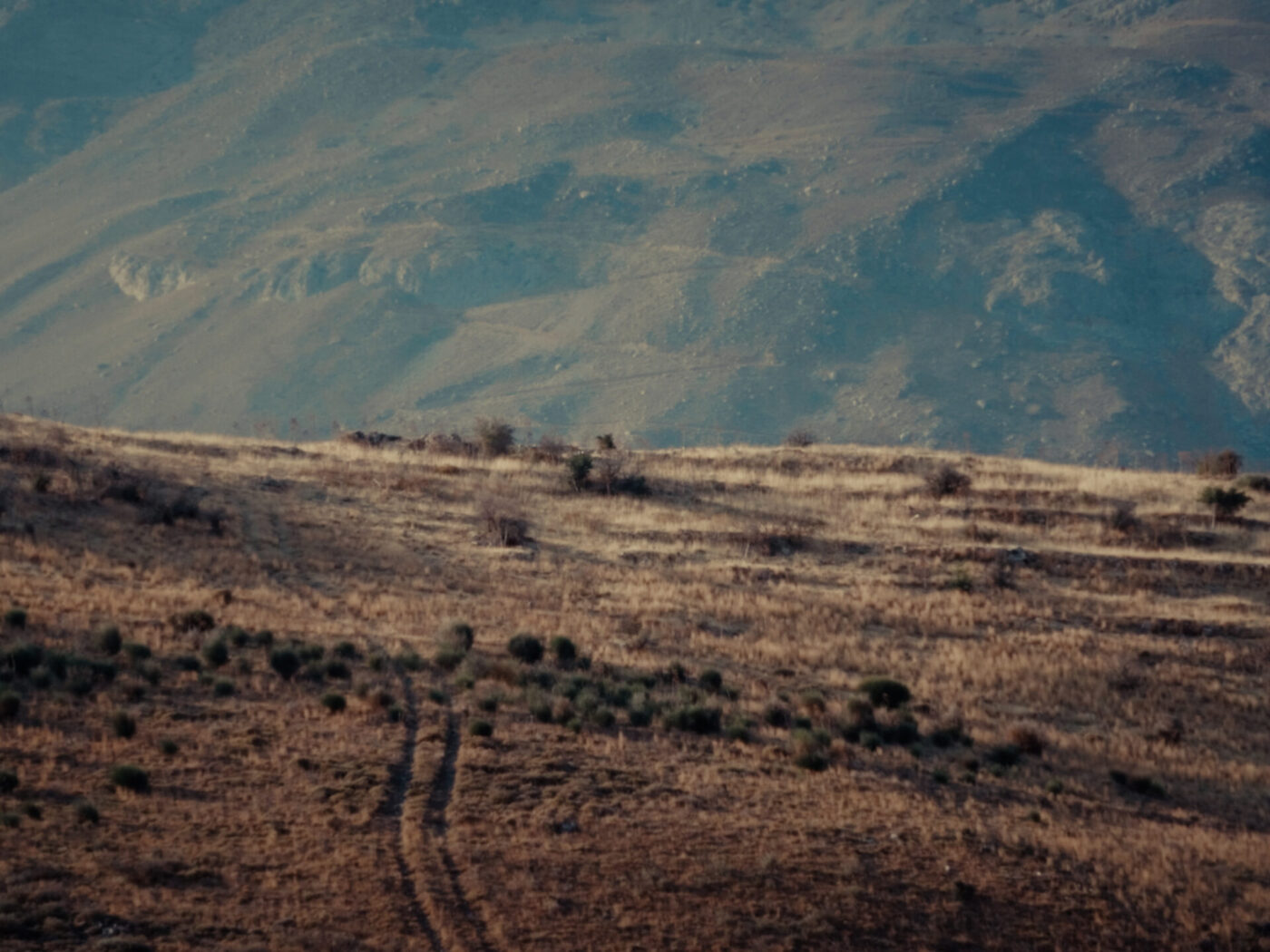
I had felt this remembrance before: in Calabria, on farmland tucked in the toe of the Italian boot. I was 12, standing with my only living grandmother on the land she worked as a girl of my age. She often told stories of her long walk to school, of the little stone house she slept in with her eight brothers and sisters, of the olive grove they worked on together in the ’50s. They never owned the land in deed, but in spirit it was theirs, filled with the sound of their chatter and the radio they perched on the windowsill, sending music rolling down the hillside. I could practically hear it echo as I stood with her there, at the site of her stories, and again years later, when I returned after she had gone.
On those visits, logic dissolved and something else replaced it, far more solid: the notion that I had lived there, too, in part, in spirit, in memory. I felt in my body an acute sense of having been there before, of knowing it intimately. I learned later about the sciences that would explain the feeling—epigenetics and cognitive archaeology—with their theories that memory could be held not just in the brain but in the body, passed down in our very DNA.
I learned the word topos, too. Greek for “place”. I read during my studies that ancient people likely saw their geography as more than physical topography, each feature imbued with overlapping significance on different scales. A topos was not a place itself so much as the layers hovering above it, a mental map passed down between those who moved through it: memories carried through generations, signposts for way-finding or resources, mythologies of resident gods and monsters, true and fabricated. Looking out at a landscape in this way, the past could come alive, even if it was not your past exactly, and you would know exactly where you were.
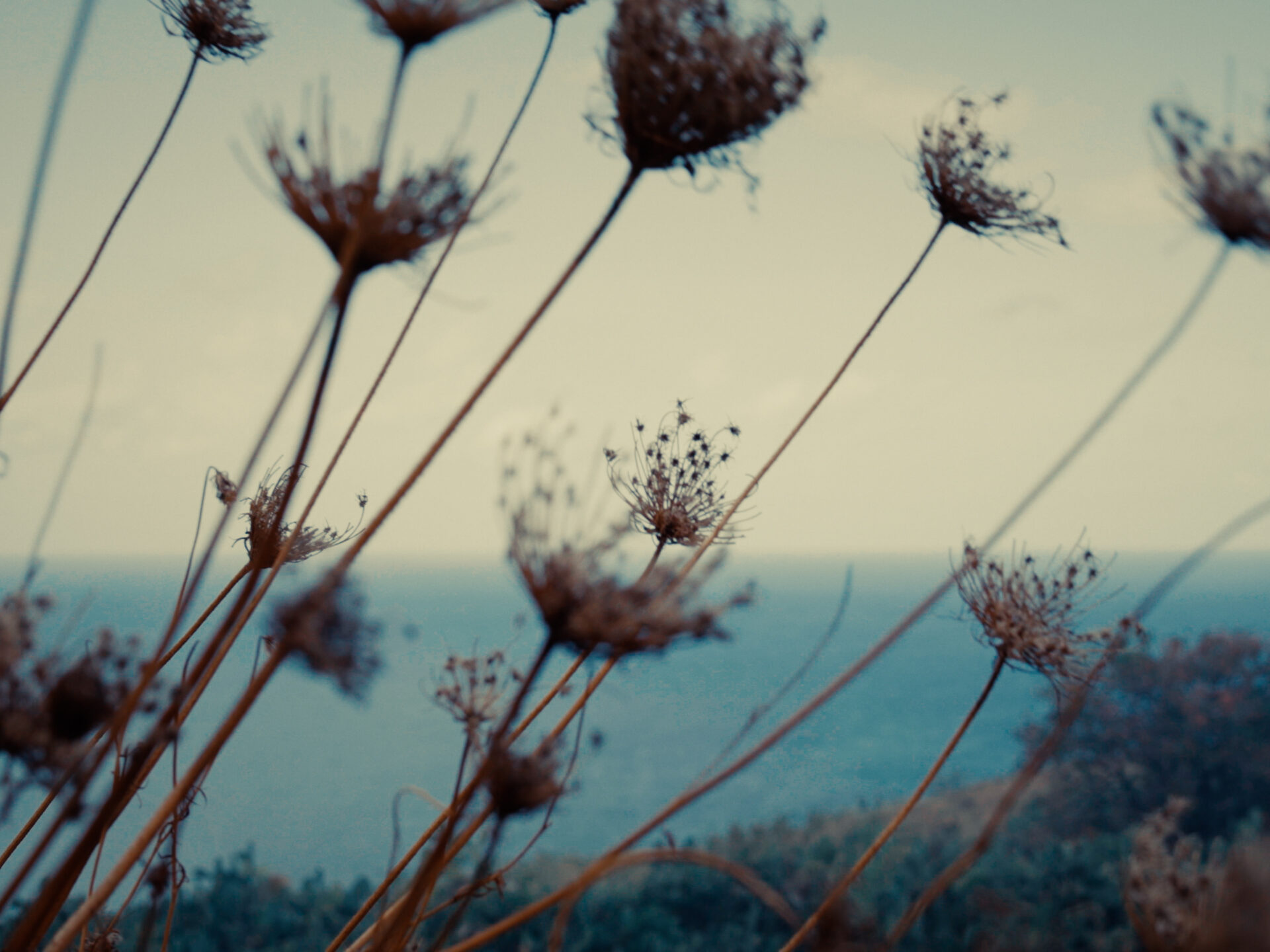
A still from "Topos", by Issabella Orlando
I continued to study Classical archaeology after that early trip, and the Mediterranean called out to me, again and again. I followed its voice, much older and wiser than I—sometimes for reasons unclear, scarcely more than instinct—in search of something I could not until recently put my finger on. I climbed its mountains. I dove to the bottom of the sea. I spent time with its people and encountered its ghosts. I quickly learned that I had come to re-situate myself among them after losing the touch points that tethered me to land, to lineage, to life after so much had been lost. To retrace something of a topos.
It was through the process of making a short film of the same name that I finally put the pieces together. Capturing the voice that spoke to me on the wind in the mountains of Crete, and tumbling down the Calabrian hills to the coastline, my cut cords began to transplant. As I spun this story, of losing and finding again, of a past alive and yet forgotten, I crystallized all this land had taught me, teaches me still: that my maternal line, and our lineage at large, is eternal, residing somewhere between land and body. That we can find it again, so long as we can return to our land, or land like it. That we can learn to reconcile the past and let it be at the same time, and that this process can set us free.
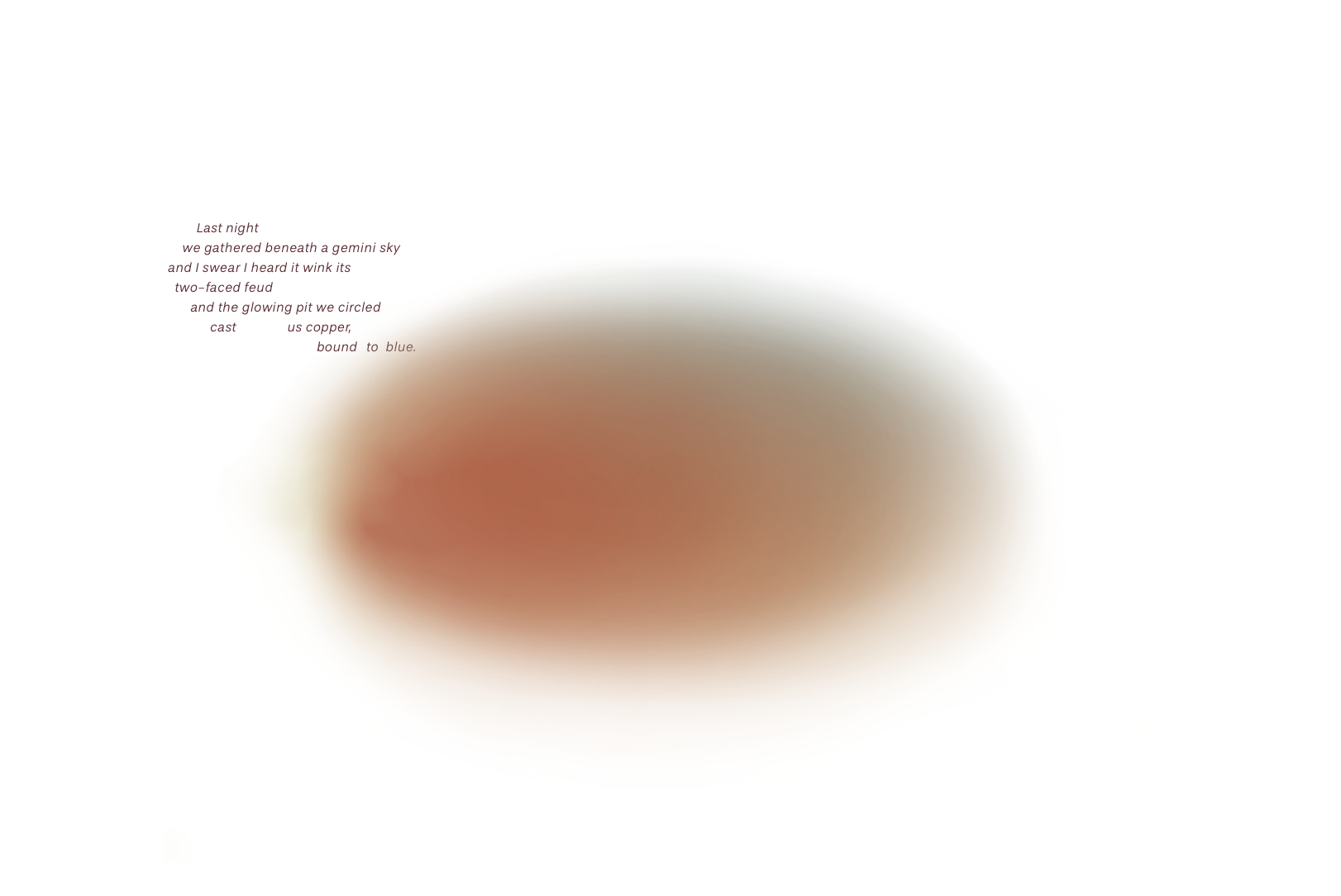
Excerpt from "Topos, a poetic landscape", a zine by Issabella Orlando and Nikita Steinberg