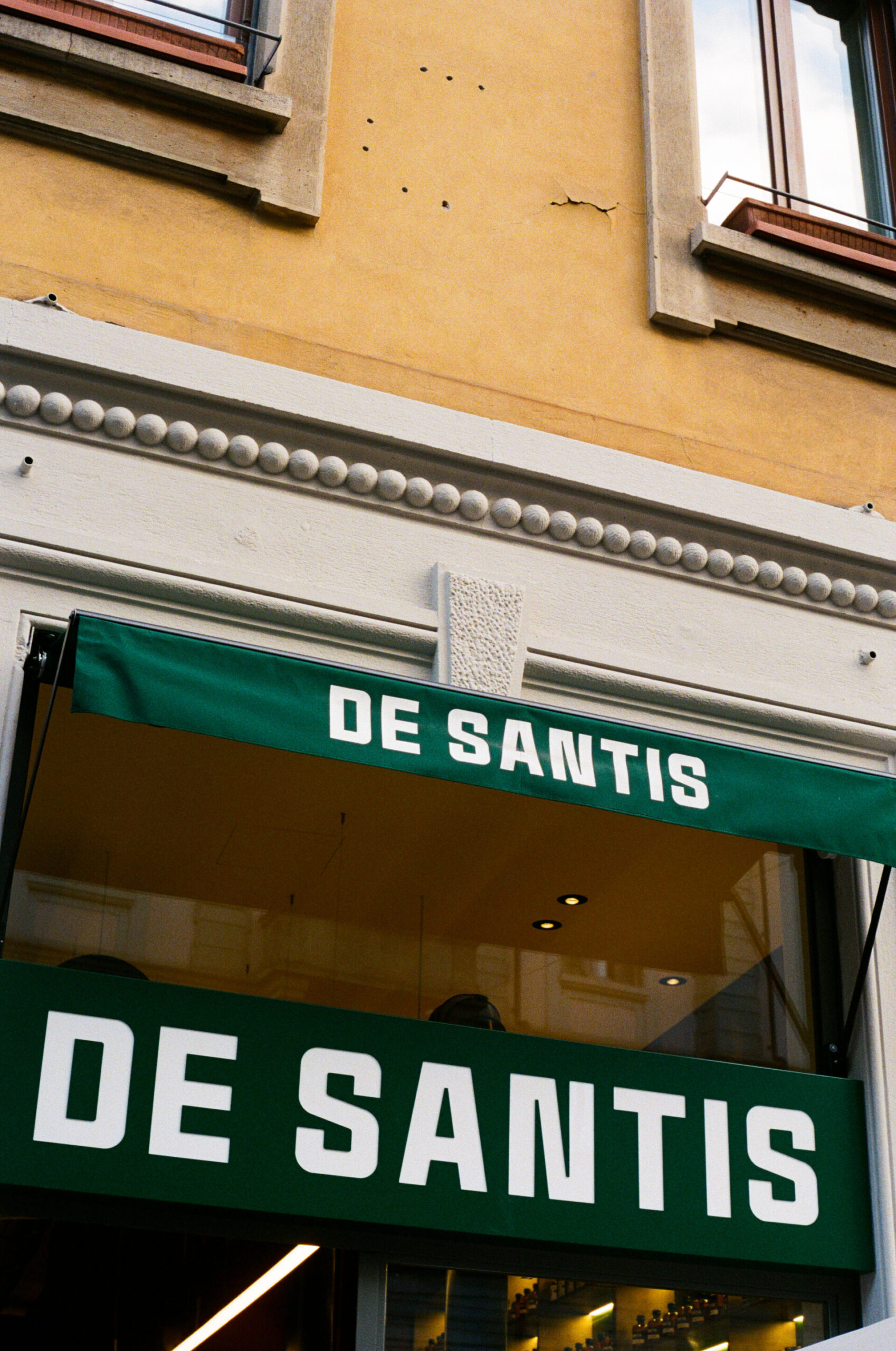
When we think of Italian cuisine, we tend to think in associations. Carbonara in Rome, tramezzini in Venice, pizza in Naples. Milan has the flavor of saffron risotto and veal cutlets, but in reality, the capital of fashion and design is the city of the panino.
Panini here are efficient, effective, and high-performing, perfectly matching the metropolitan rhythm of life. They are eaten standing up, taken in bites between a business meeting and a social engagement, or eaten seated and served with care. They are the lunch break for downtown professionals, the snack for daily commuters, or the last meal before bed after a late night out. Many might object that two slices of bread with something in the middle can hardly be defined as an identity ritual, a recipe, or a specialty. But they would be wrong; to understand why, one only needs to visit De Santis during rush hour. Since 1964.
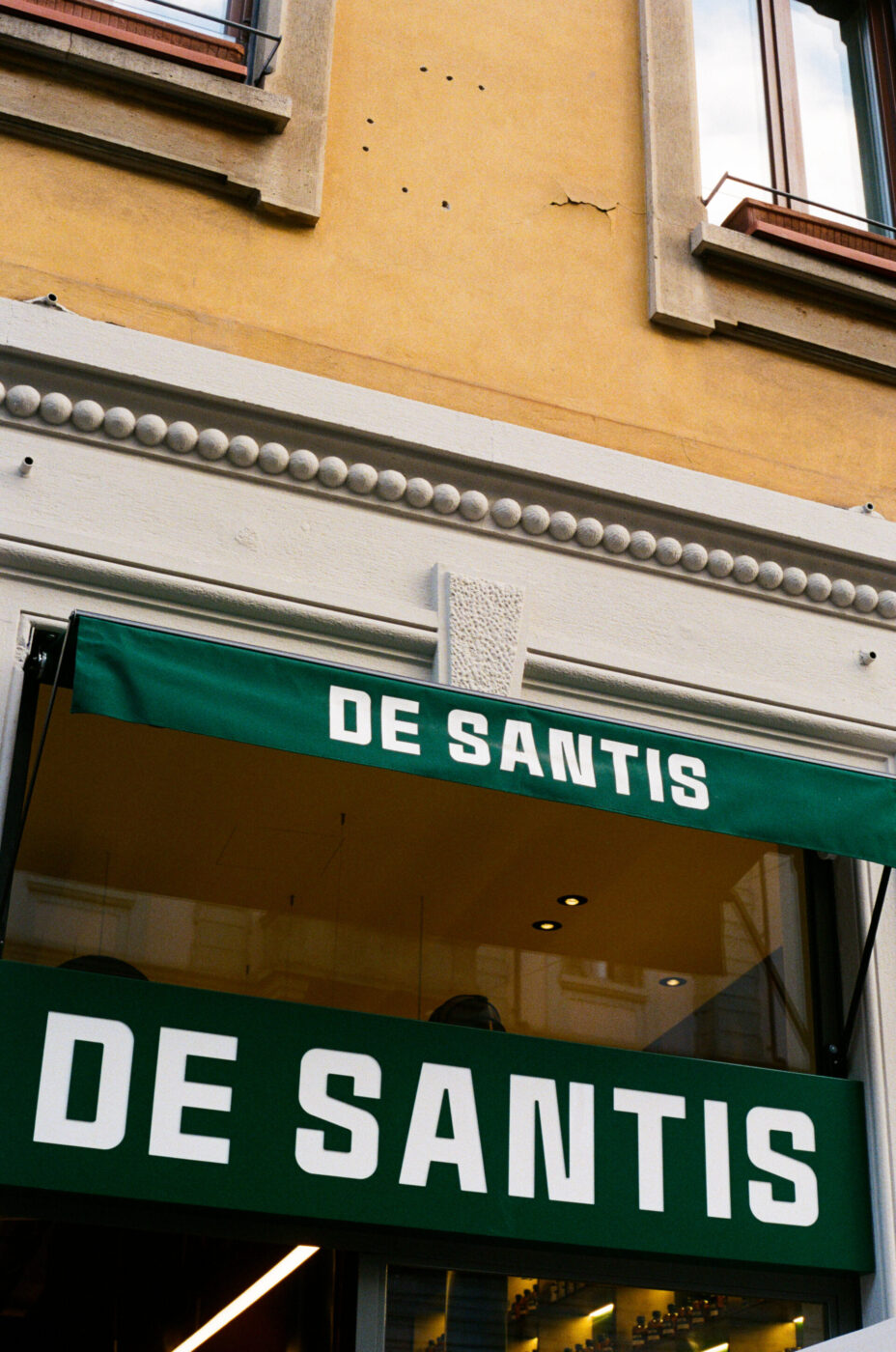
In 1964, the roaring years of the economic boom were well underway. In Italy—and specifically in Milan—the first highway and the first subway line were inaugurated almost simultaneously, changing the geography of both the city and the nation. The Beatles were on the radio, Mary Poppins was in theaters, and new foods, like Nutella, were appearing on tables. Milan was in a state of fervent energy; everything was moving faster. On Corso Magenta, right in the center of the city, Renzo and Dina De Santis opened their bar. Just a few square meters (13, to be precise), a counter, a few folding seats, and an original idea: serving sandwiches, quickly. They were the first to do it, and it was exactly what the Milan of that era needed. Immediately, a procession of students, artists, athletes, and famous faces decreed its success through word of mouth. It was always full—so much so that people ended up eating on the sidewalk. Legend has it that on Saturdays, the place was so crowded that customers would occasionally take a bite of their neighbor’s sandwich by mistake.
“From a small place comes the best sandwich in the world,” wrote lifestyle journalist Lina Sotis in Corriere della Sera. The Lina is named after her: filled with bresaola punta d’anca, melted brie, arugula, porcini cream, and truffle—a mix of Lombard mountains and 1980s luxury.
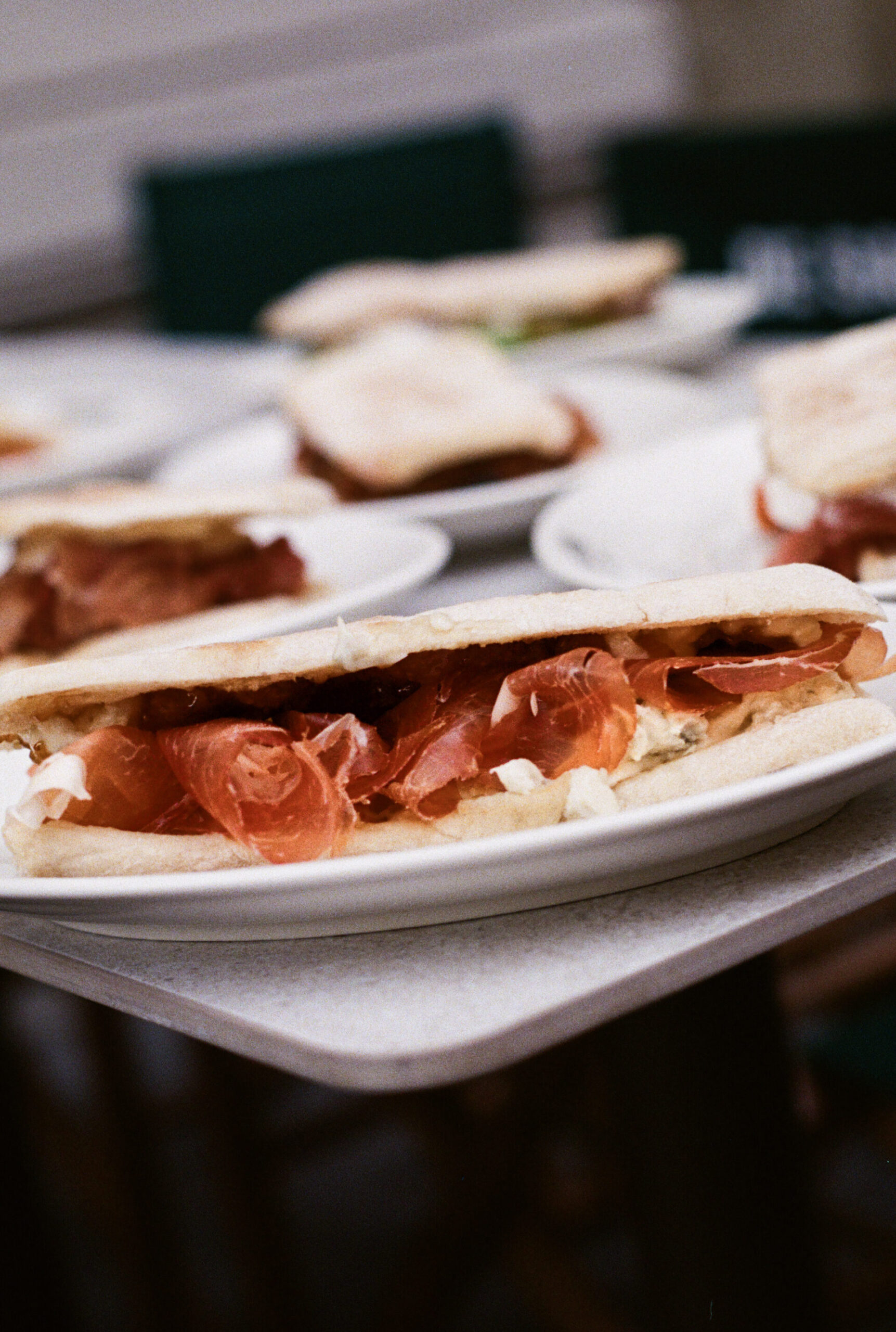
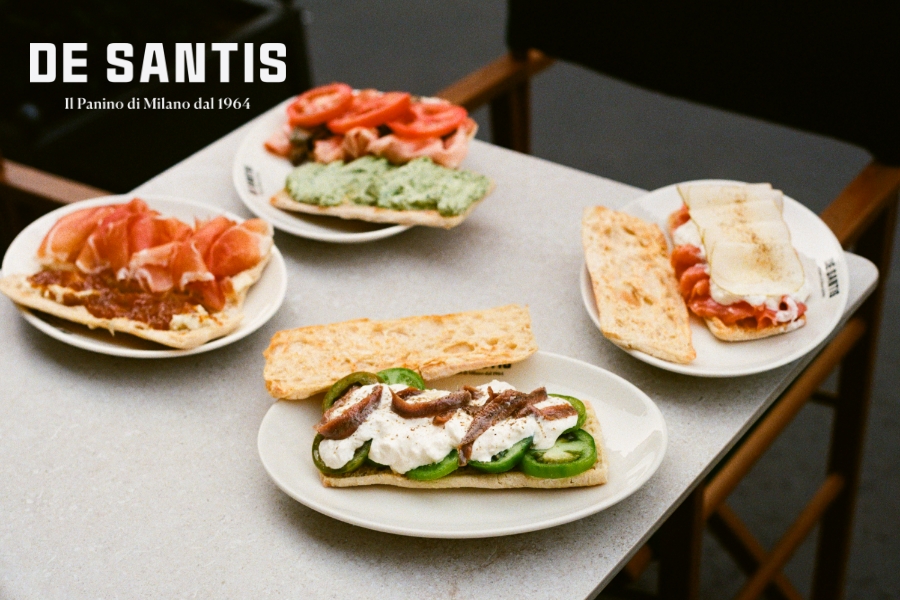
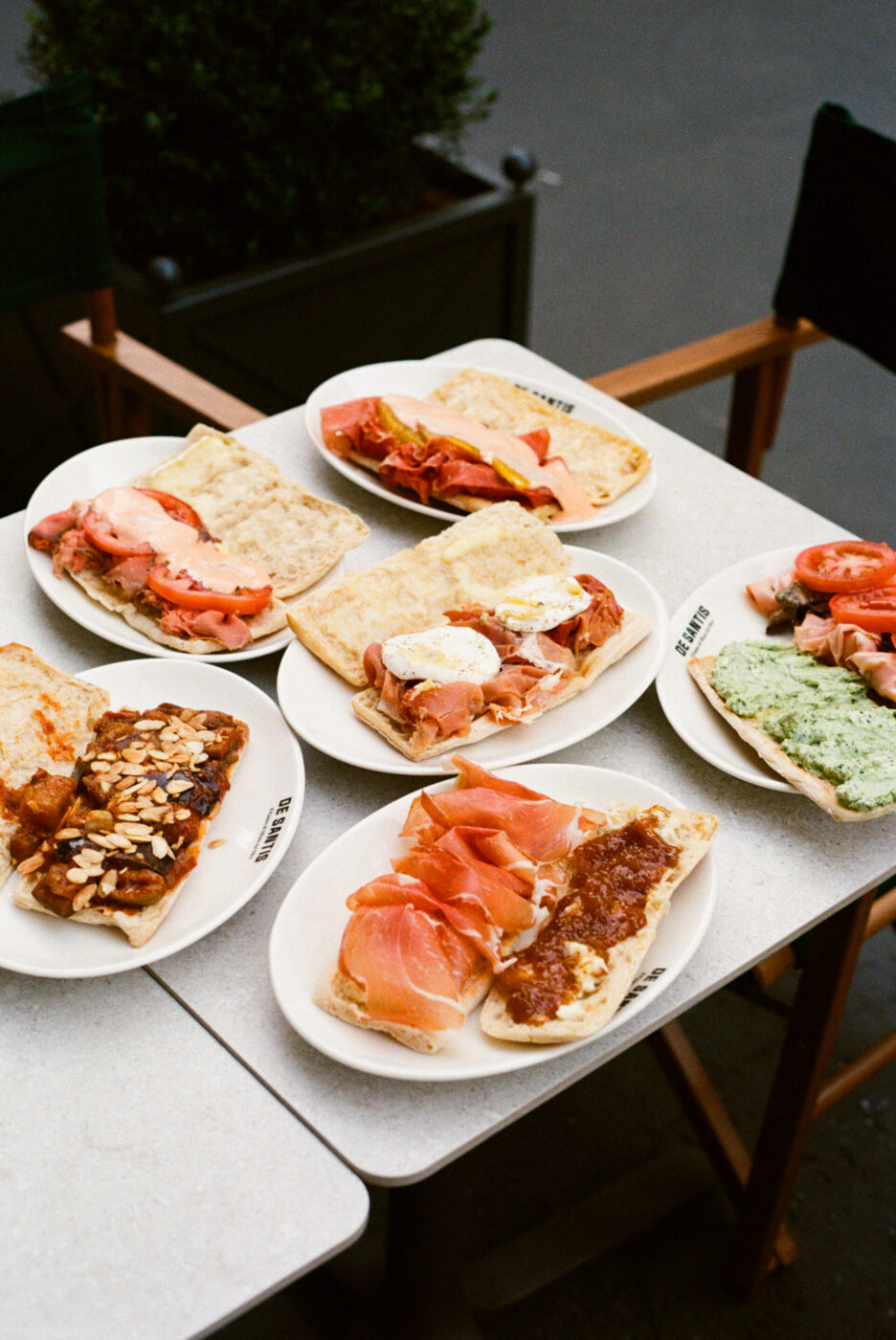
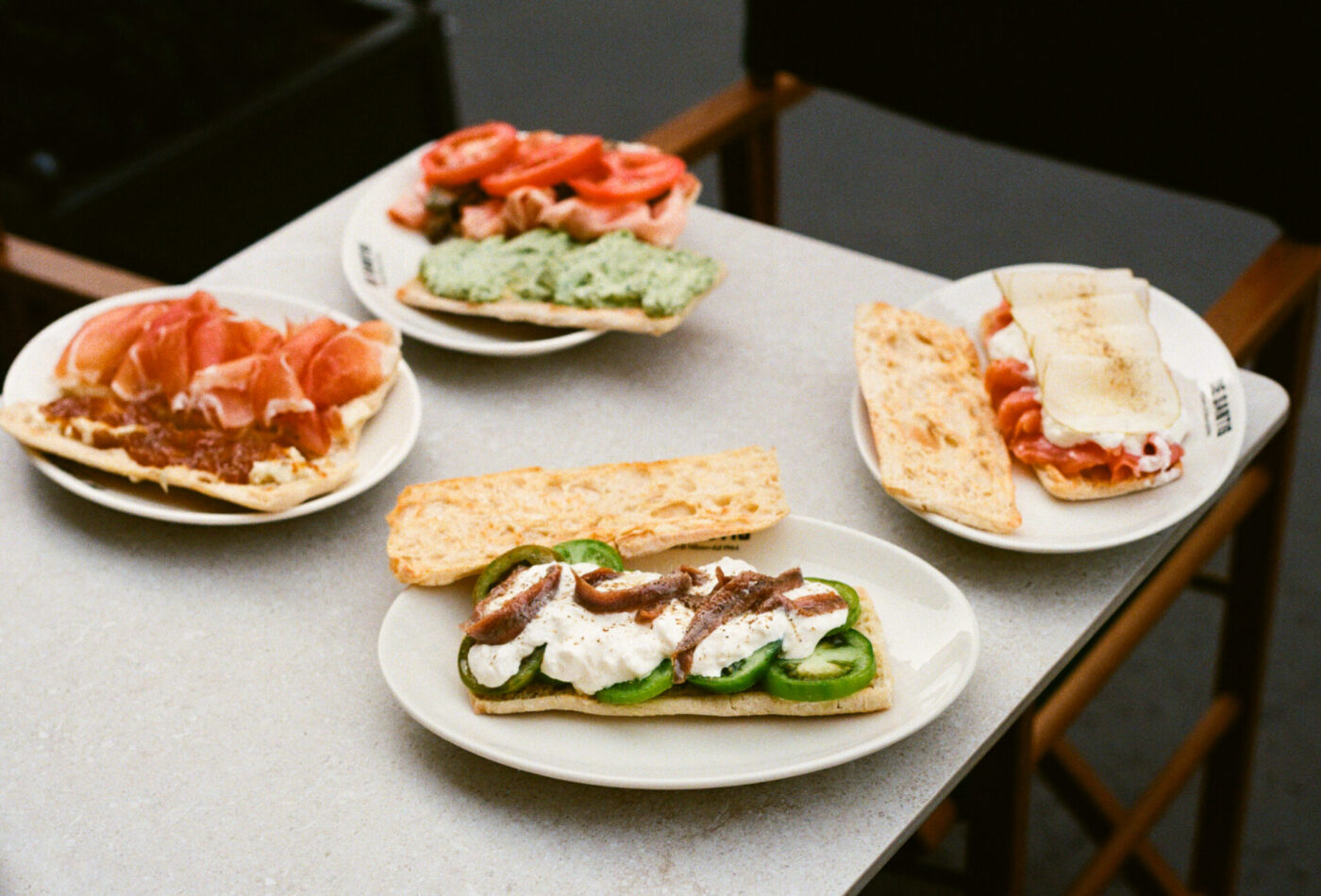
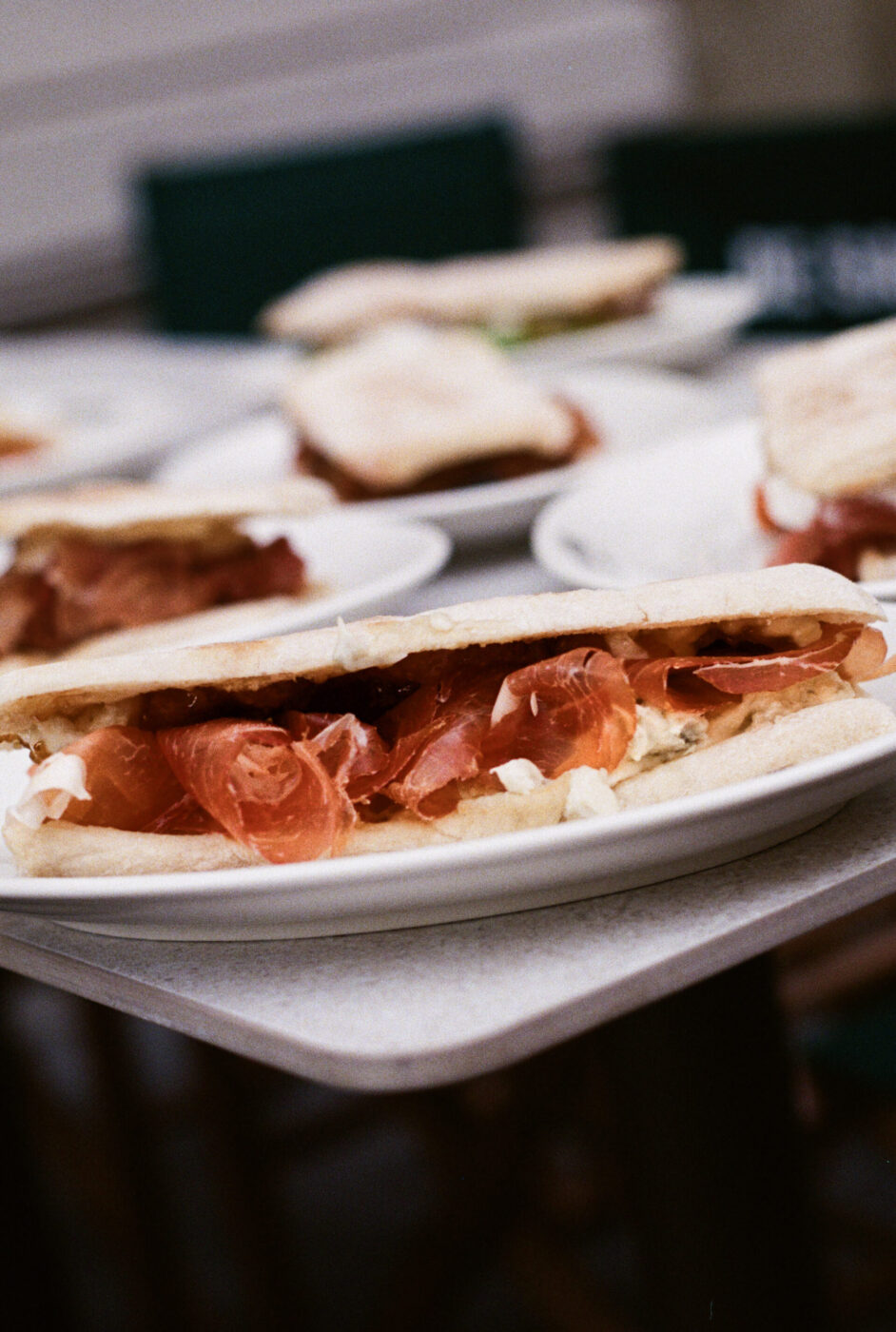
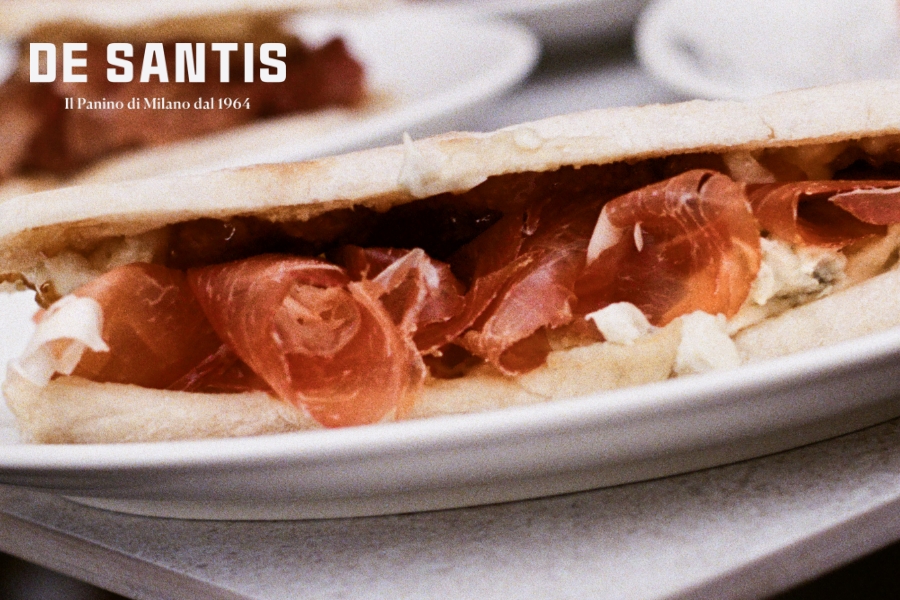
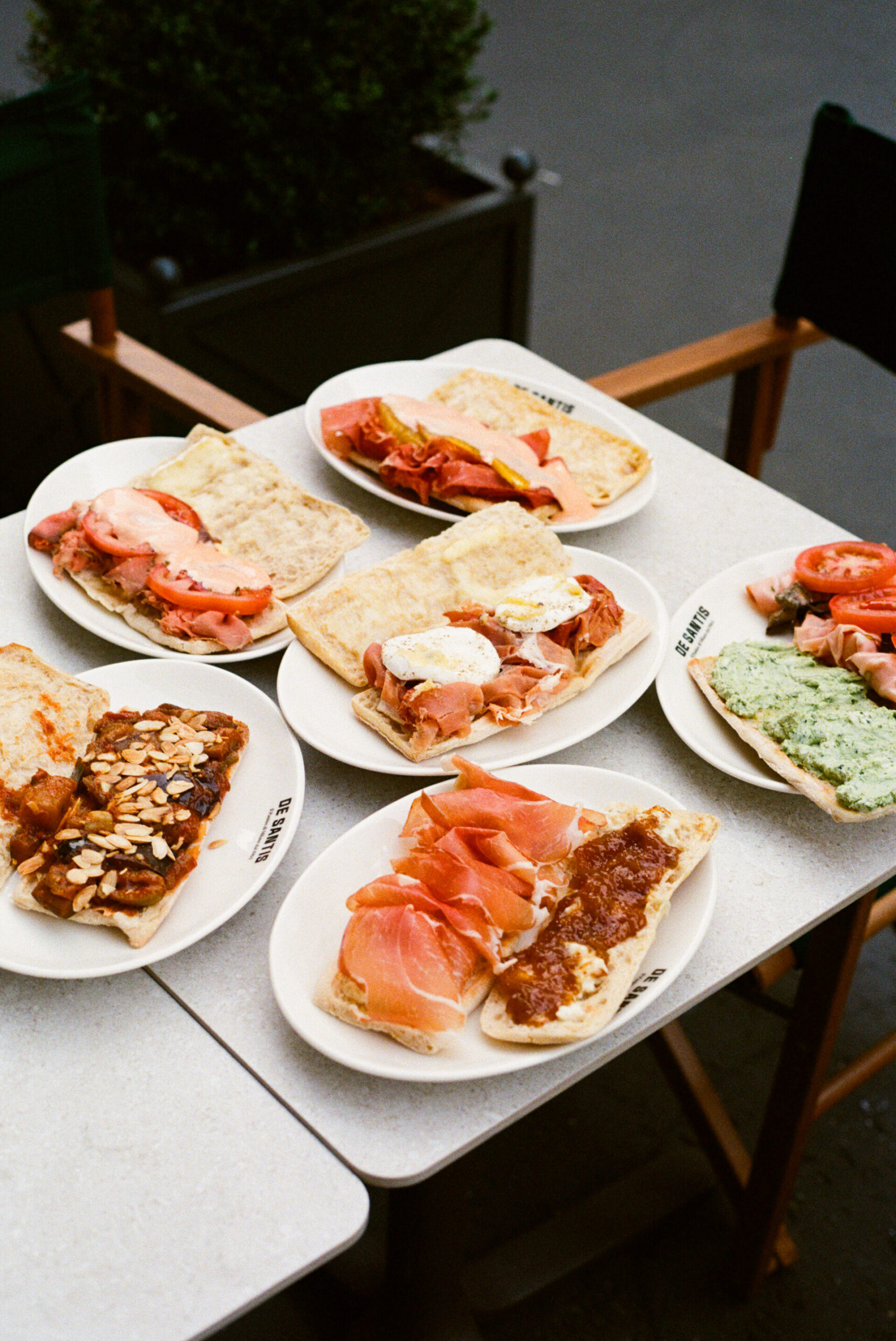
De Santis panini are truly Milanese: rich with top-quality fillings, an unexpected twist in the ingredients, balanced flavors, and thin, crustless bread that is lightly toasted. They are indulgent yet elegant, almost rigorous—a perfect example of applied design and non-trivial Made in Italy. The Prosciutto di Parma comes from Mario Gallina, the cheeses from the Gennari dairy, and the pancetta from the San Patrignano community in Romagna (to whom the Sanpa sandwich, with pancetta and melted semi-aged cheese, is dedicated).
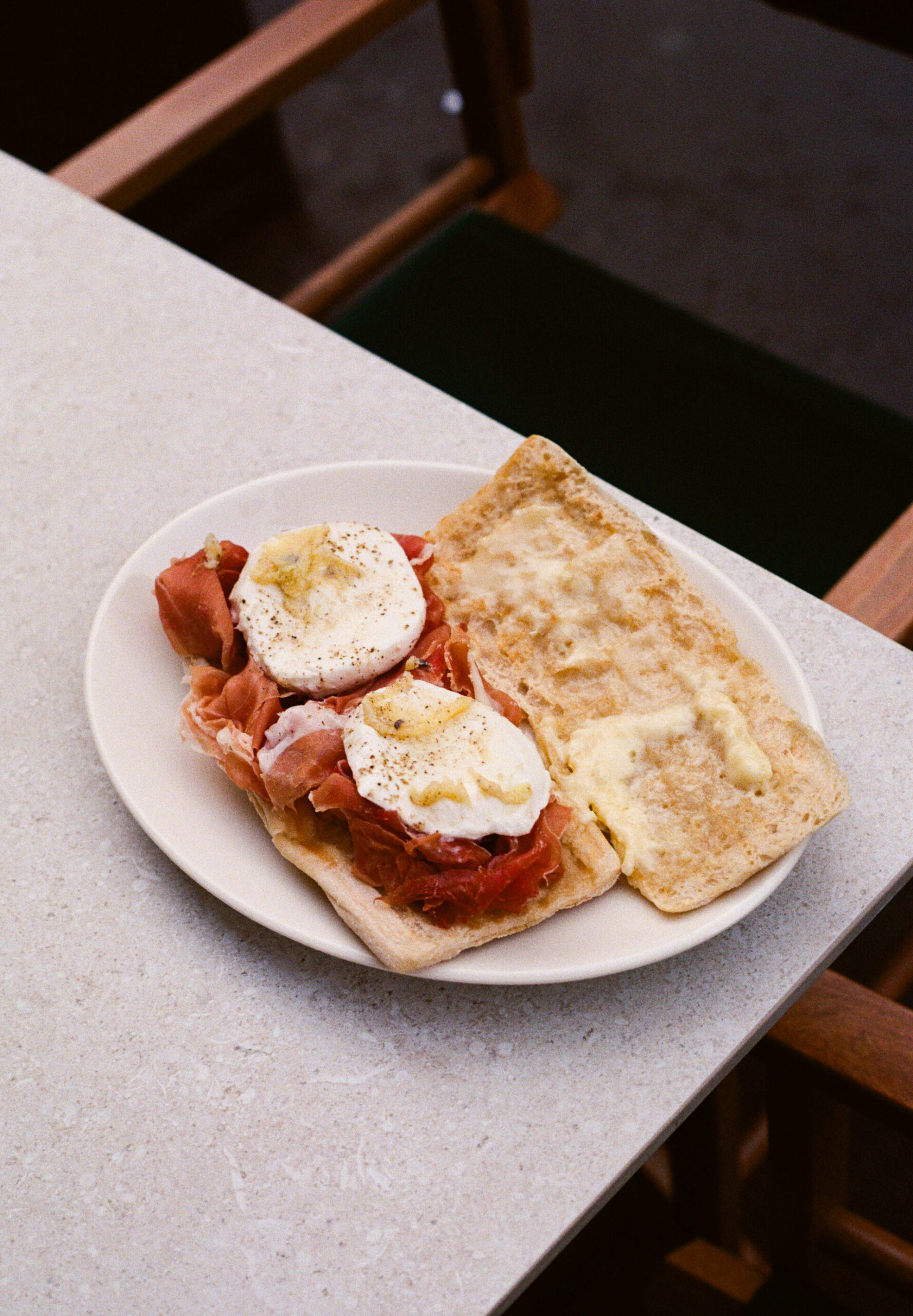
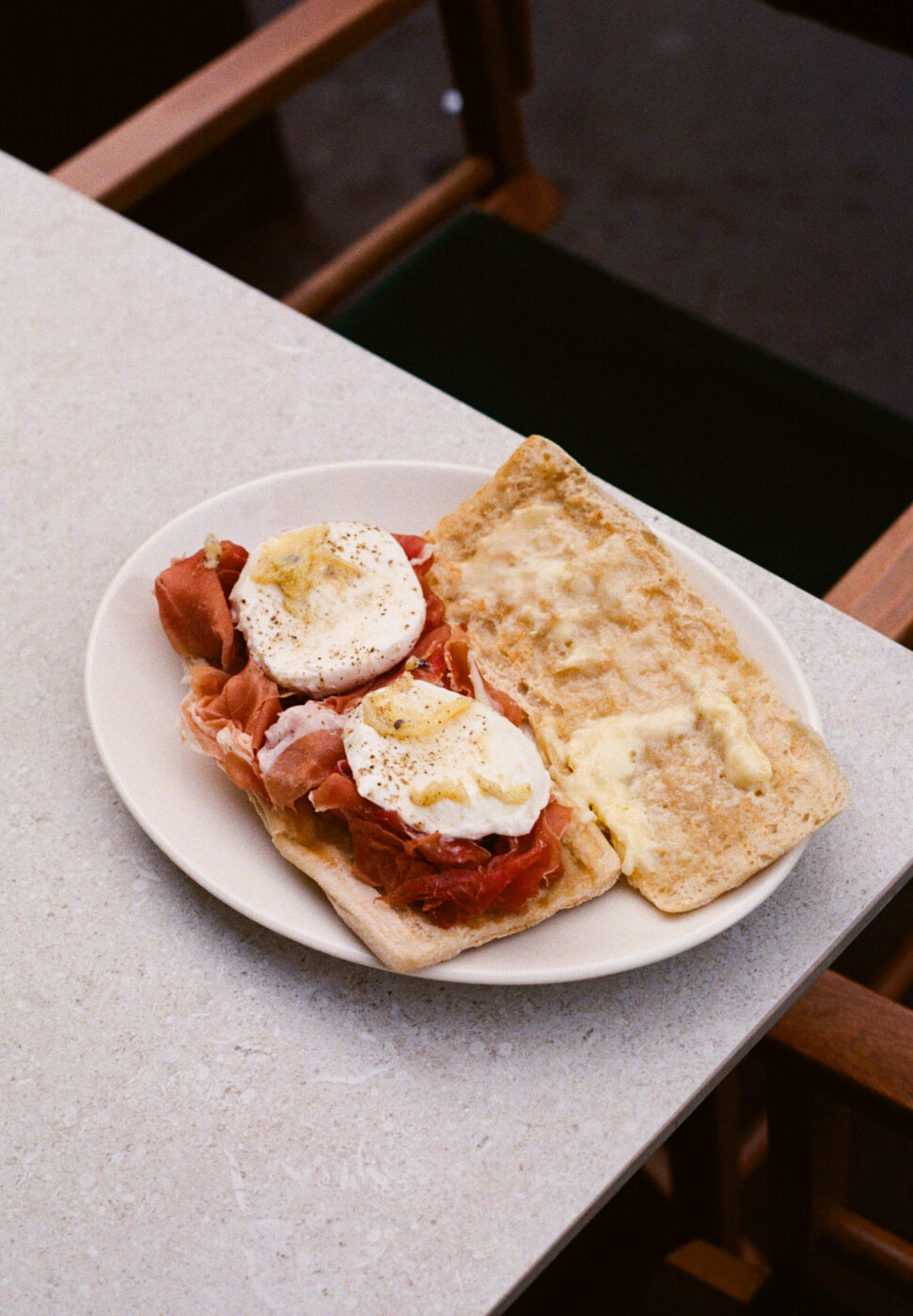
The Ronny: PDO Parma ham, melted brie cheese, mozzarella, white truffle butter, lemon, black pepper
As with all places steeped in history, the menu tells its story, year after year, item after item. There are sandwiches with cocktail sauce or arugula—splendidly vintage and delicious—and those with roast beef or salami. Take the Derby, a signature item from the start; in Milan, the name evokes both a famous 1980s stand-up comedy club and the day the city stops to watch Milan play Inter. Say “Derby” in Milan, and you unlock a memory.
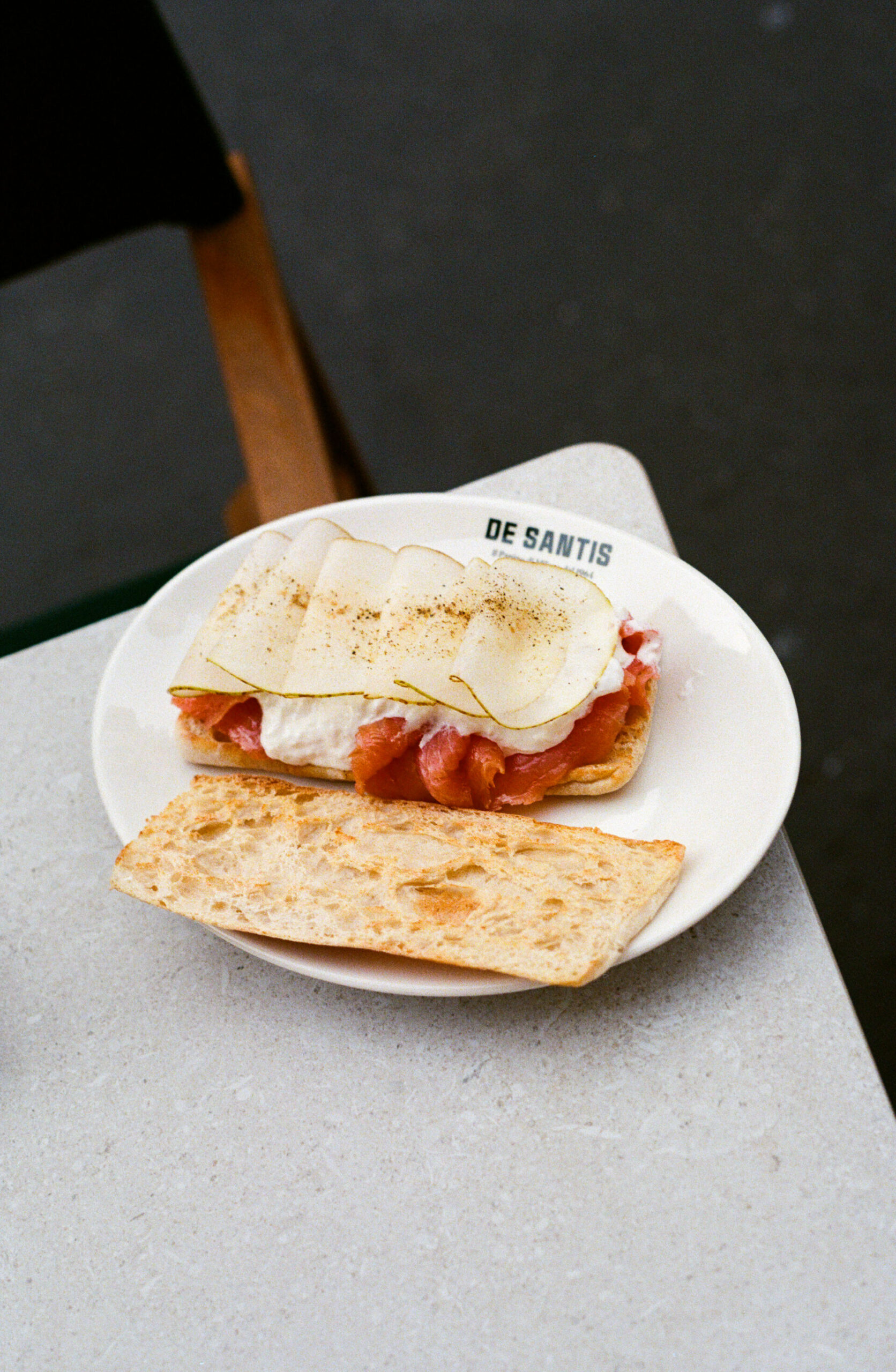
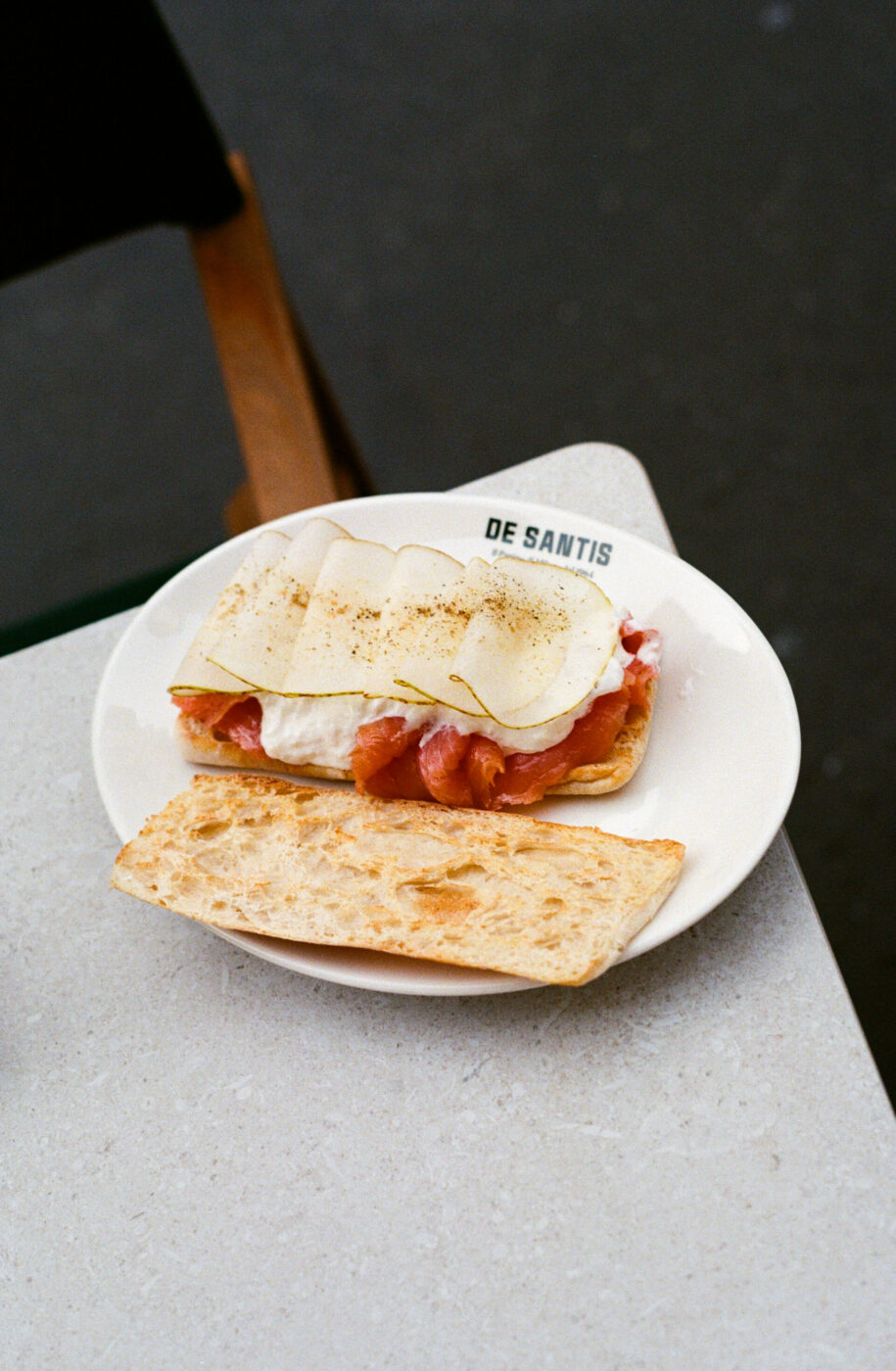
Today there are 37 sandwiches on the menu, but until the 1990s, the list included 200: regulars would deposit their own preferred recipes and sign them with their names. You can still order a Gaia, a Cesare, a Nadia, a Grace, or a Ronny (dedicated to the footballer Ronaldo, “The Phenomenon” of Inter at the turn of the millennium). The menu has since expanded to include smoked salmon options like the Fiordo, Mediterranean tuna in the Tritone, and proposals for vegetarians and vegans, ensuring everyone is satisfied.
More than 60 years have passed since that initial intuition. Milan is no longer what it once was, but De Santis is still there. In the historic location, which remains intact, you still find the dark wood paneling, the simple stools, and the shelves to perch on. There, time has stopped. Meanwhile, the De Santis family has grown: there are now two locations in the city (a spacious, bright one in Brera and one on the rooftop of La Rinascente near the Duomo), one in Rome, and the next stop will be London, in Mayfair. Because not all sandwiches are created equal—and those from De Santis taste of Milan, which is exactly why they can travel the world.