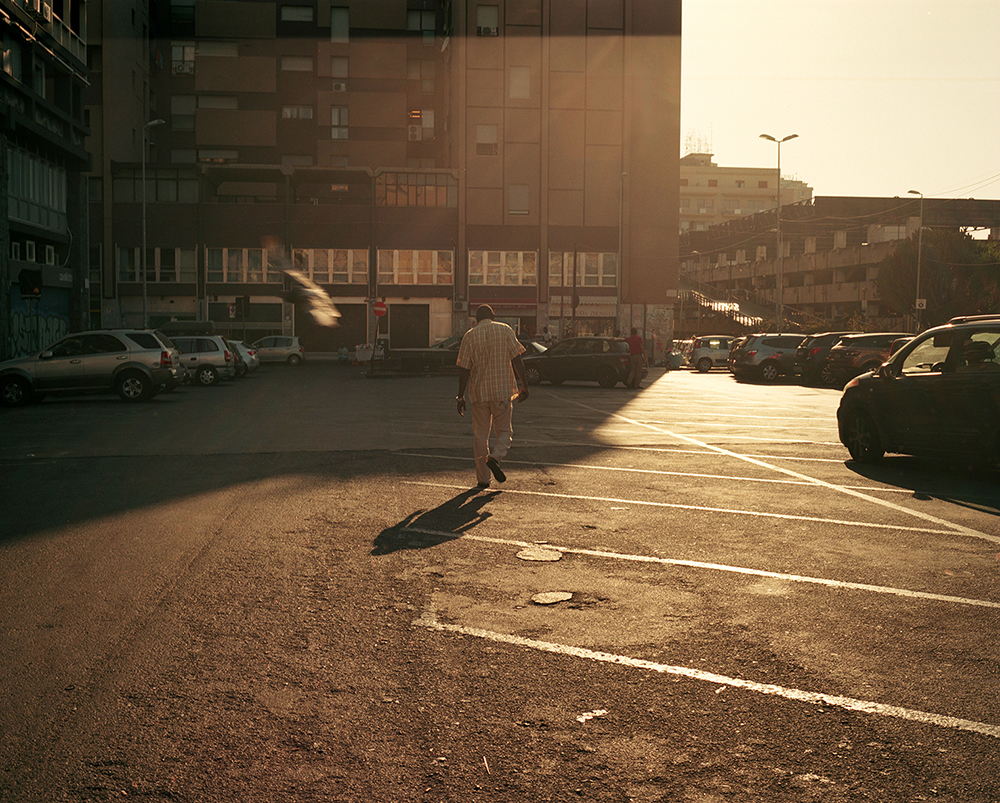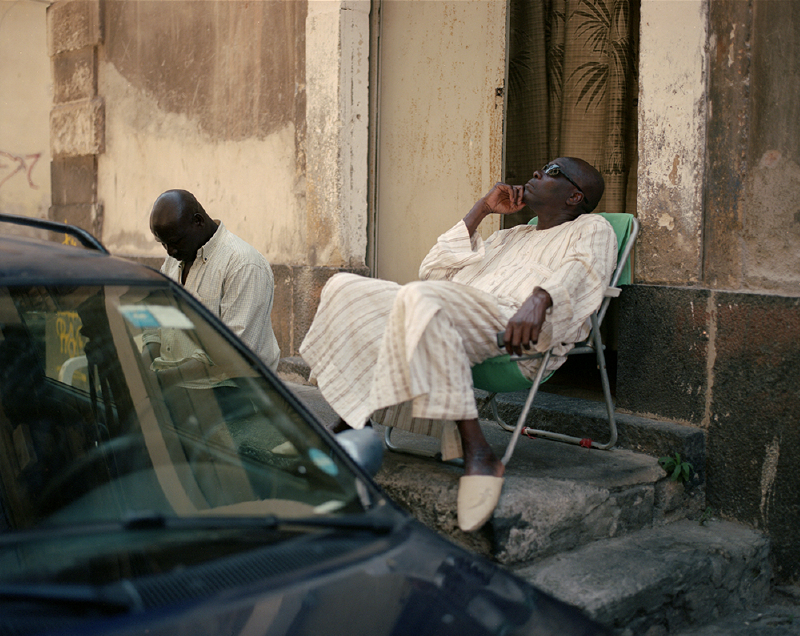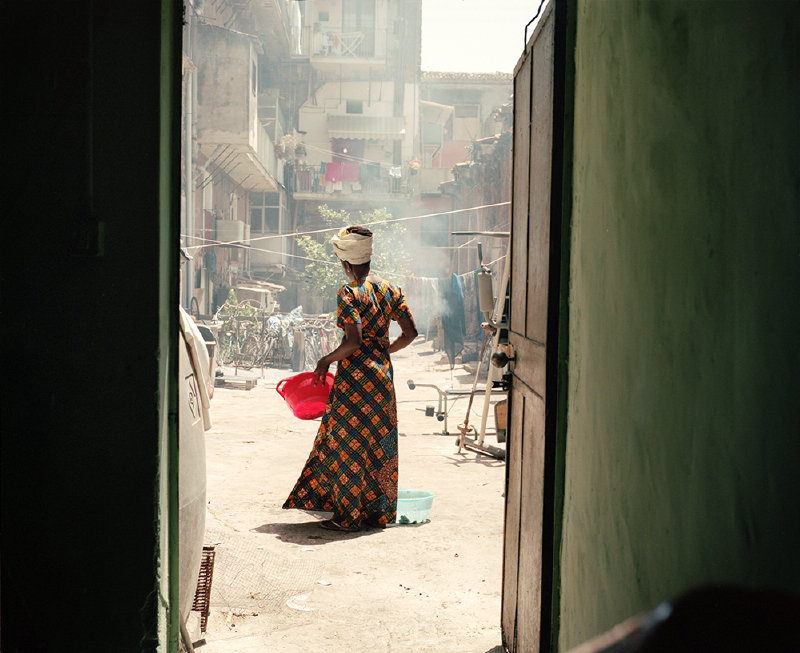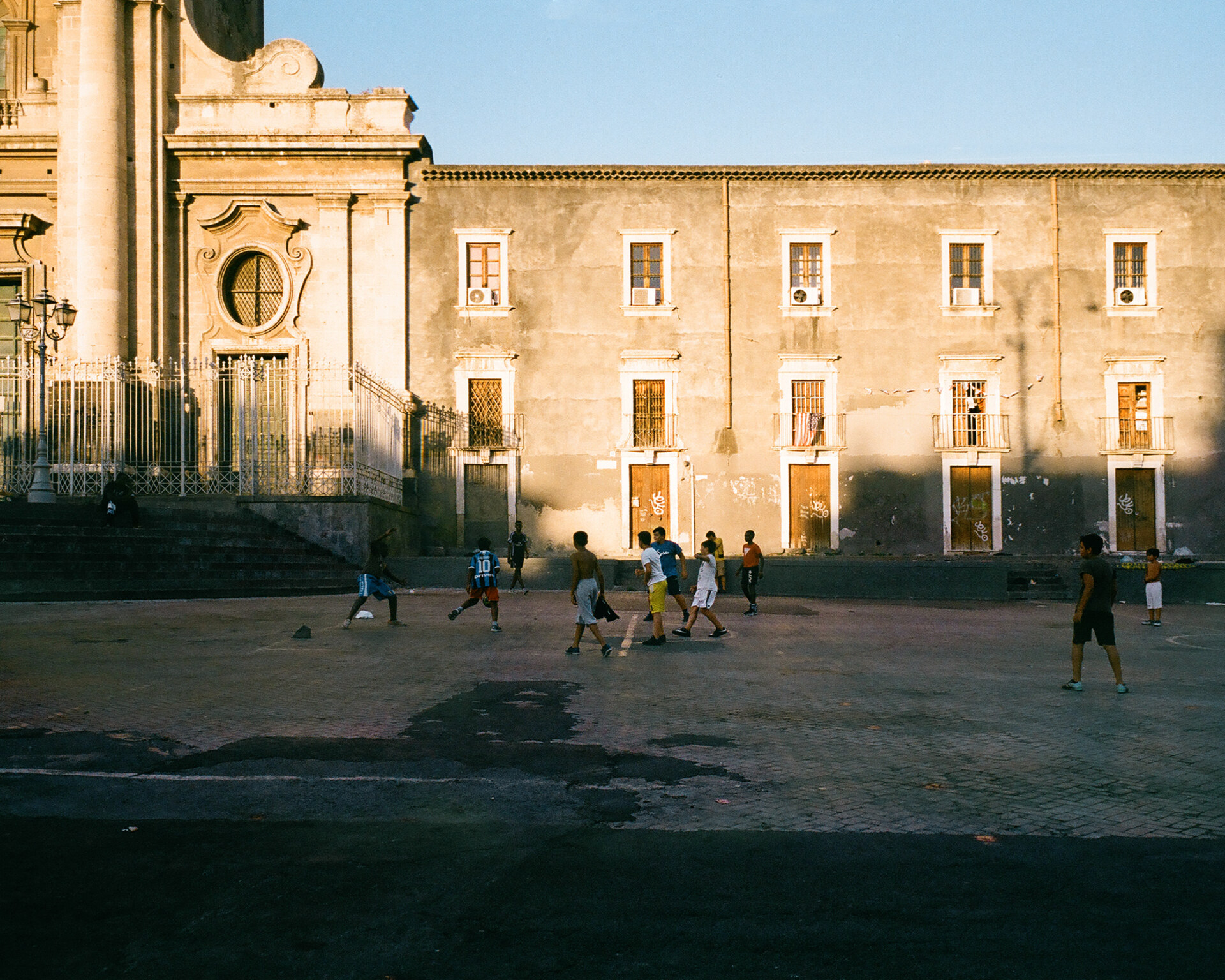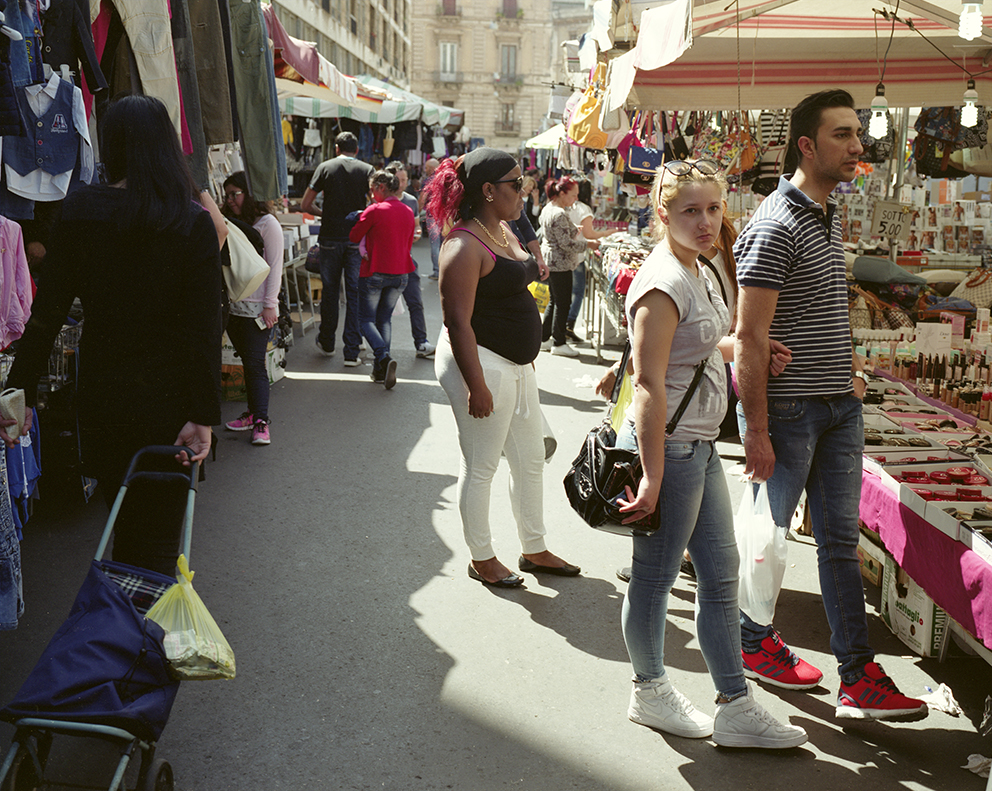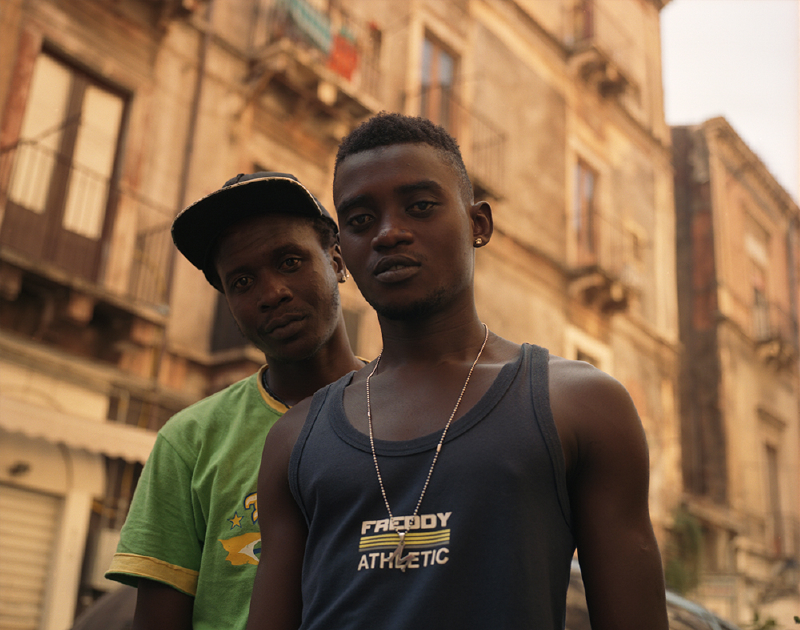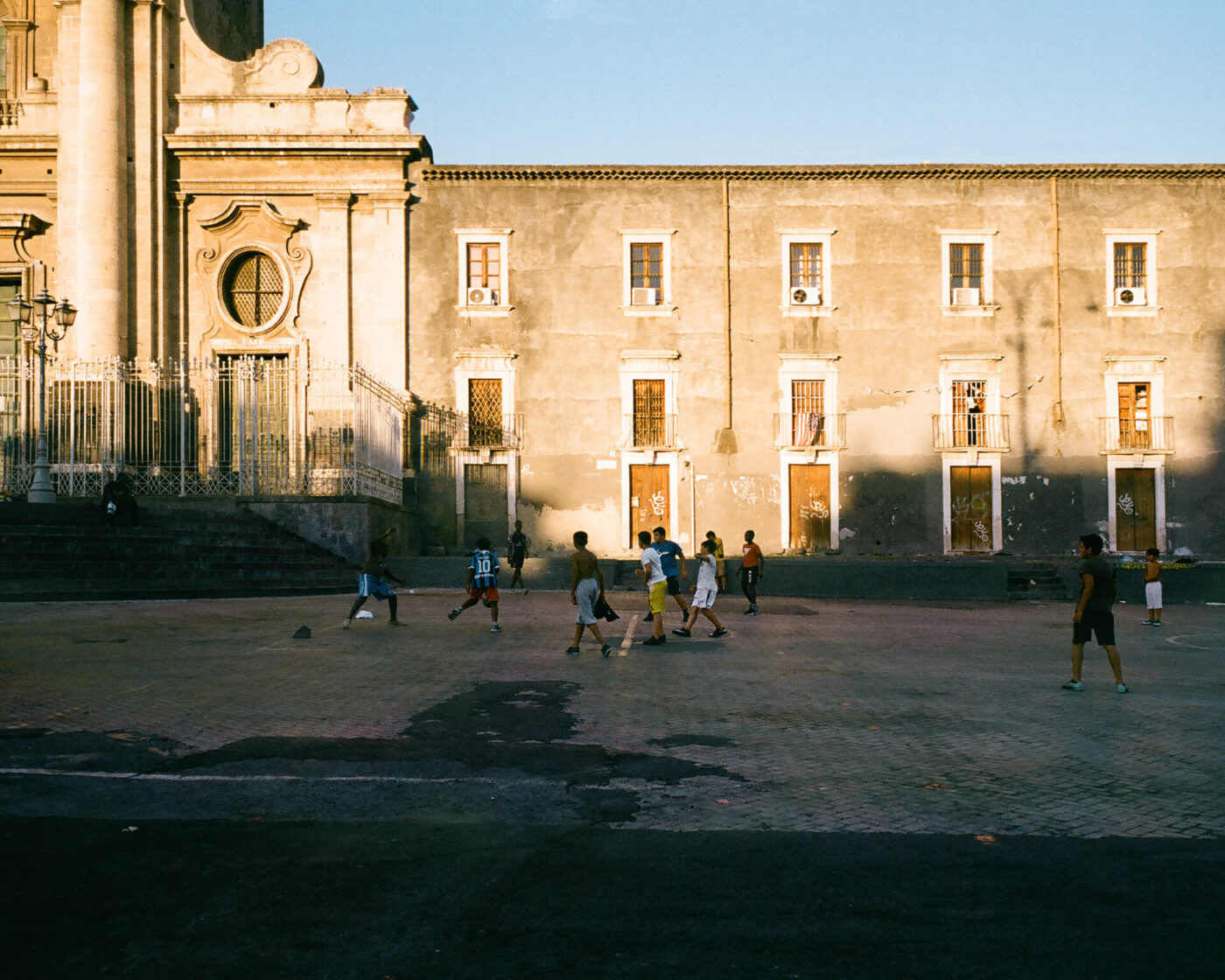
You may hear people say that Sicily is situated in the south of Italy. You may find others placing it at the farthest reaches of Europe. But let me change your point of view: Sicily is the heart of the Mediterranean. It has been for centuries, and it could be again. It could be a place where the sea is not the border between tourists’ dreamy beaches and migrants’ broken dreams. We’re used to a narrative that makes Sicily the first bastion of Europe, the border that marks fortune for those who reach it or tragedy for those who get lost in the waves. But it’s by dint of telling this story that we have made it truer than the truth. The reality is much more complex–and ancient.
The envoys of Byzantine emperor Belisarius were once sent to Palermo to regain possession of the western territories in 535. Islamic leader Aṣbagh ibn Wakil took the city from them about three centuries later. The Normans reached the island to take it from the Arabs and gain control of the famous sea around the year 1000. What did these people have in common? They saw Sicily’s enormous potential as a strategic hub in the center of the Mediterranean.
These various dominators, instead of destroying the culture that came before them, often learned from their predecessors, building the rich culture of Sicily in collaboration. We can see traces of such in the pointed arches, mosaics, and inlays that give life to the Arab-Norman style and make Palermo’s skyline unique. We can see them in the Zisa Palace, the historic summer residence of the Norman king. We can see them in the impressive golden interiors of the Monreale Cathedral. But this exchange of cultures is not just limited to ancient history. There is a long legacy that links Sicily and North Africa, even if people on both sides of the sea might not be aware of it today. Current migrations may be driven by different economic and political needs than in the past, but they are shadowed by the ghosts of history.
Between 1861 and the start of WWI, when large swaths of southern Italians left for the Americas with cardboard suitcases, Sicily’s depletion of manpower became an opportunity for neighboring Tunisia. Between the 60s and 70s, Tunisia was experiencing a demographic boom–the population counted 4.24 million in 1960 and 6.42 million people by 1979–and higher rates of unemployment drove Tunisians, especially of the younger generations, towards the Sicilian coasts. The choice of these first migrations was actually influenced, however, by the converse: Italians who’d migrated to Tunisia. After the unification of Italy, many Italians moved to Tunisia, making up around 70% of the country’s foreign population, even though Tunisia was a French territory at the time. The Italian presence, especially that of Sicilians, in the north African country continued through the time of Fascism (and built upon the ideology’s imperialism), and it wasn’t until the victory of the Allies, the end of the Fascist regime, and the struggles of Italy after WWII that Italians began to choose the United States and northern Europe as the primary destinations of emigration instead.
Around the same time, migrants began to arrive in Sicily from new directions; the movement of peoples from the Maghreb increased, and the first flows from sub-Saharan Africa and Asia joined them. The 1980s is when we started hearing about Sicily as a “gateway” to Europe. It’s a definition that has drawn a line in our minds, creating a way of thinking that divides the world between who is above and who is below.
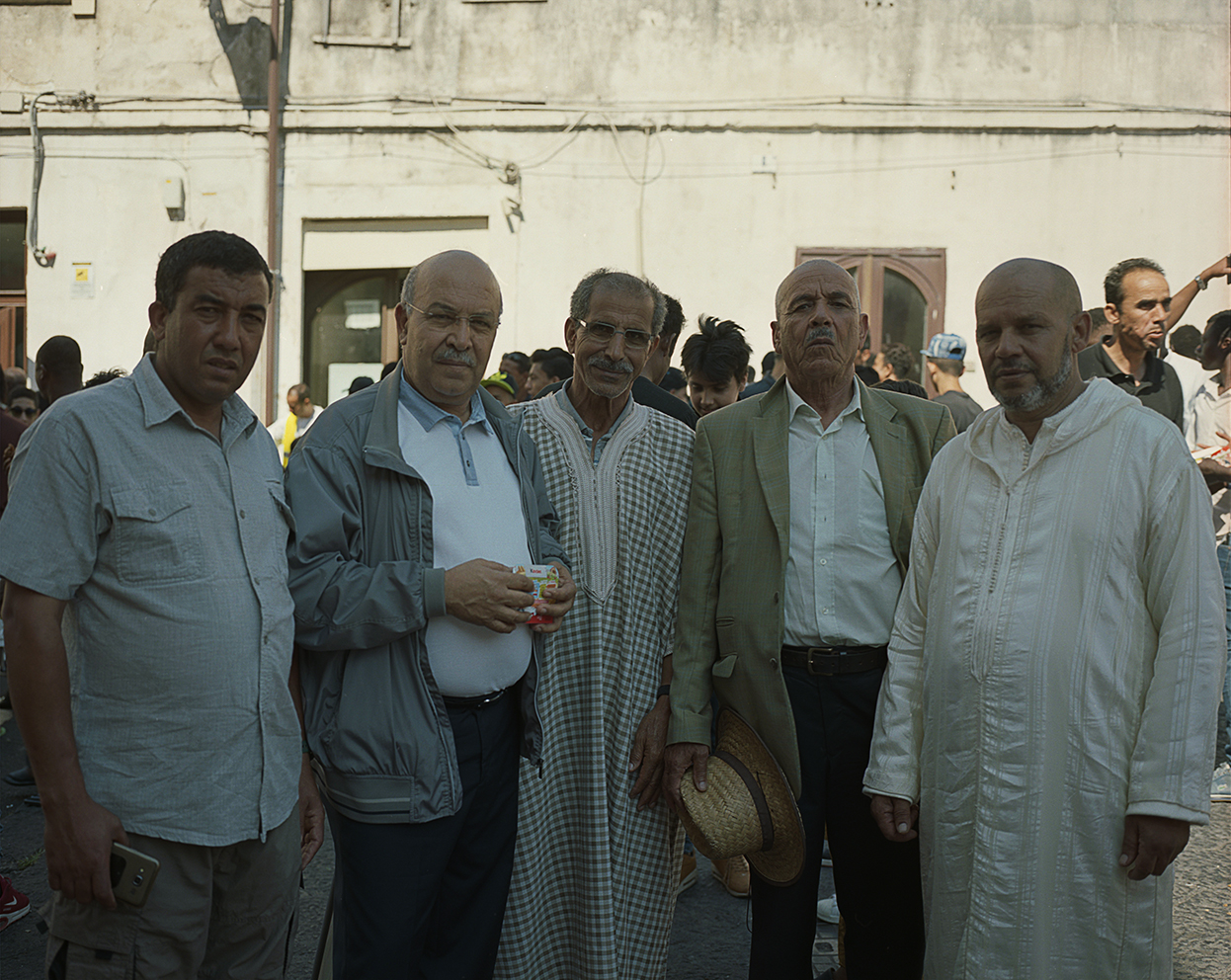
Photography by Glauco Canalis
From the 1990s to the present day, people from the Middle East (following the Gulf Wars), eastern Europe (Albania, Kosovo), and Asia have primarily comprised those who arrive on Italy’s largest island. The foreign population living in Sicily at the end of December 2023, according to I.Stat, reached 200,320; Palermo is the main hub for immigration, with 17.6% of the total.
Despite the high unemployment rate in Sicily, the departure of fishermen, farmers, and the poorest sections of the population to richer European nations left gaps in the workforce–but gaps at the limits of legality and in the humblest jobs, like subsistence farming, construction, caretaking, and roles at small businesses that can more easily avoid regulation. These gaps have been filled by migrants, whose often vulnerable conditions are greatly exploited, causing them to be underpaid and “in nero” (in cash and without contract). Often arriving without paperwork, immigrants face tantamount difficulties obtaining permits to stay and have limited power when it comes to bargaining for adequate compensation and workplace rights. These same factors make them easy targets for organized crime.
The attitude of the current government hasn’t ameliorated the situation. Prime Minister Giorgia Meloni has made immigration law a key point in her platform, and she and her team have developed strict policies against NGOs helping migrants in the Mediterranean, have reduced the chance of reunion based on family relationships, and are increasing the number of CPRs (detention centers) as well as the criminal sentence for those sailing by boat (without differentiating between real smugglers and those forced to). Despite this wave of regression, Palermo is home to some fantastic examples of projects that look to the future. These initiatives aim to go beyond integration and, following in the city’s historical footsteps, celebrate migrants, Palermitans, and the beauty that can come from melding cultures. Moltivolti–a community center and restaurant where migrants cook and serve food from their home countries–in the Ballarò district is one such project that has paved the way.
The first time I visited Moltivolti was on a hot and humid summer’s day in 2021, and founder Claudio’s enthusiasm struck me like a gust of fresh air as he brought me to the kitchen where migrant chefs from all over the world were discussing the menu and setting up for service. The smells of saffron, together with the aroma of oranges and frying aubergines, were the strongest and most obvious clues of Claudio’s vision: a feast of flavors and cultures. Moltivolti’s tagline is “our land is where our feet rest,” and this is why I turn to Claudio to understand Palermo today.
Claudio, like many Sicilians of his generation, considered leaving the country, but it didn’t take long for him to understand that his relationship with Palermo had greater pull than he thought. Upon return, he decided to commit himself to Sicily and build paths of value despite the island’s difficulties. “The opening of a commercial activity in a complex place like Ballarò scared me immensely,” he admits. “Fortunately, everyday life has dismantled many of my prejudices and proved me wrong.”
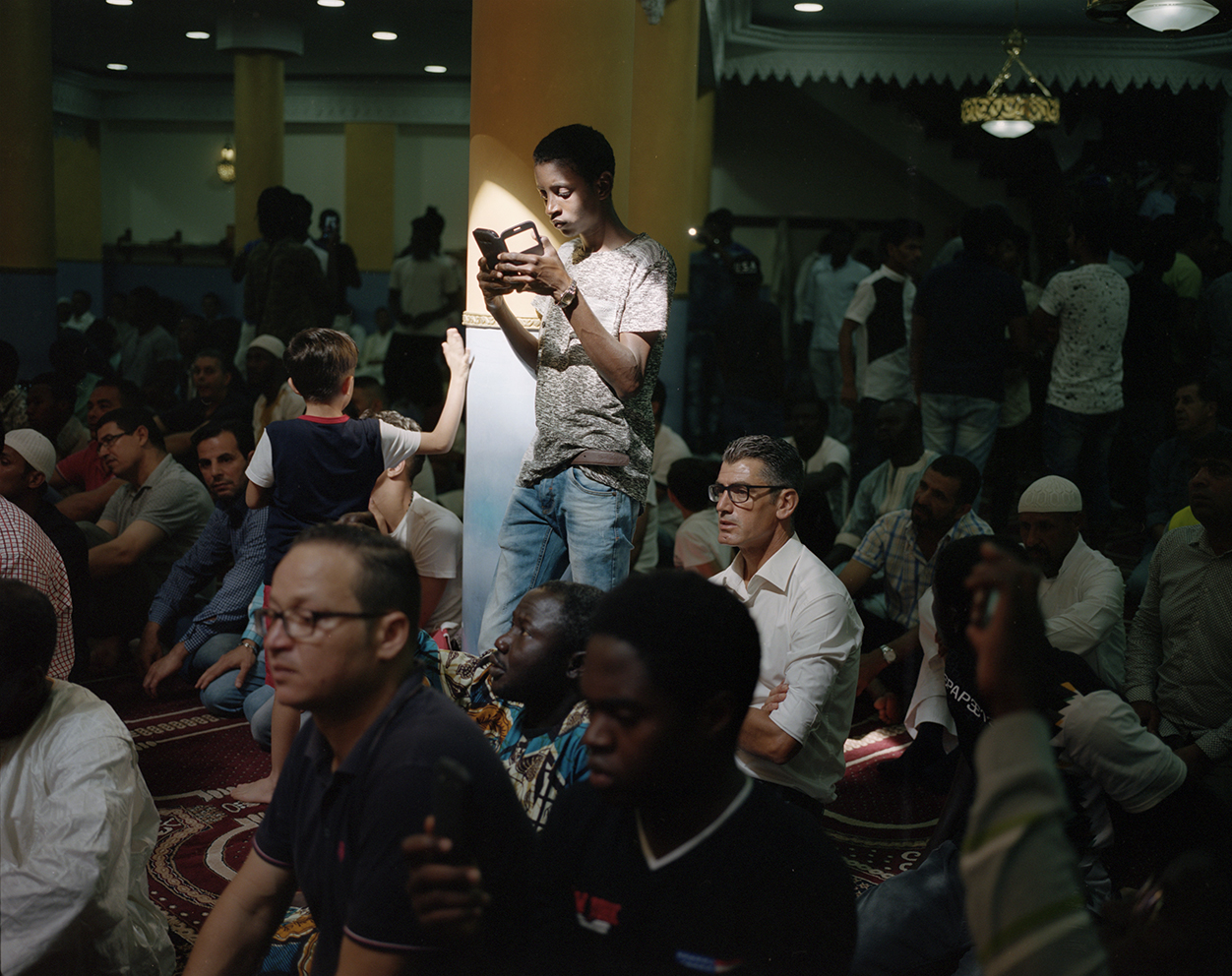
Photography by Glauco Canalis
Established in 2014, Moltivolti aims to integrate young migrants into the workforce. Claudio, however, believes that offering job opportunities isn’t just about aiding individuals during tough times, but empowering them to shape their own destinies. And he has success stories to prove it. An army commander who escaped the Taliban, Shapoor Safari was first hired as a cleaner at Moltivolti and, one day, offered to cook a dinner for the members. It was a home run, and he became an assistant cook, soon to become a pillar of the kitchen team. Today, he is the proud owner of his own restaurant, Oriente da Shapoor, around the corner from Moltivolti.
I ask Claudio how Palermo has received Moltivolti and what role the project plays in the city’s ecosystem. He tells me that it has been a mixed bag, that much progress has been made but that even more needs to be. “There is much more activism than when we started, many more organizations that deal with issues of human rights, and much more maturity: Palermo has a lot to teach in grassroots work. However, with respect to the theme of reception, there are still steps to be taken,” he continues. “For example, working on access to rentals for migrants. Locals are afraid of renting houses to foreigners, a theme that is rooted in stereotypes.” Even so, he tells me, support can be seen coming from many corners of Palermo; Claudio remembers with affection a donation to Moltivolti of 800 euros, collected by students who put in two euros each.
When the place caught fire in January 2022, the international community collected the 120,000 euros needed for the reconstruction in just five days, and the tradesmen of the neighborhood came to help rebuild for free–a perfect example of how the organization has become embedded in the Ballarò neighborhood. (Claudio tells me the flames were not an act of mafia retaliation nor of racist violence, despite the media being hungry for a more juicy story and positing otherwise.) “After the fire, activity resumed as before, but it was also an opportunity to make the space more beautiful! Four Palermo-based artists gave us works of art that have become the subject of a small exhibition.”
Although there are many associations to contact about the migrant experience–CLEDU Legal Clinic for Human Rights, SOS Ballarò network, Gambian Youths Association, StraVox, Libera–Moltivolti remains a point of reference for locals and tourists alike. Claudio and his colleagues organize many free activities and educational opportunities for young foreigners: among them, a social counter, computer literacy courses, and language classes. They also offer services for tourists, like the sightseeing route “Through My Eyes”, a tour through the historic center guided by a young migrant who tells the story of the city through their experience.
Another community-focused organization is Danisinni, a Franciscan outpost, led by Capuchin friars. The neighborhood of Danisinni is historically critical: it has high unemployment and low education rates and has been a pond for crime to fish in. Here, the primary goal is the rehabilitation of the social environment; the Danisinni community works to restore values in the neighborhood and link this geographically-isolated area to the rest of Palermo. For them, a success for the community is a success for the whole neighborhood, made by local inhabitants and migrants. Danisinni has recovered the historic papyrus field, created a community farm (with horses, geese, and chickens), installed a stage for shows, started the practice of home restaurants (dinners for tourists in the homes of local families), and opened a B&B.
To grasp the true multicultural nature of Palermo, Claudio urges that “tourists should position themselves in Palermo and think they are the center of the Mediterranean in 2050 and not in the south of Italy today.” Though a given in the ancient world, the idea today is nothing short of revolutionary. It’s one that opens the door for the future of Sicily as a contemporary hub in the Mediterranean: a place where everybody feels at home, where tourists can live a dream without migrants having to face a nightmare.