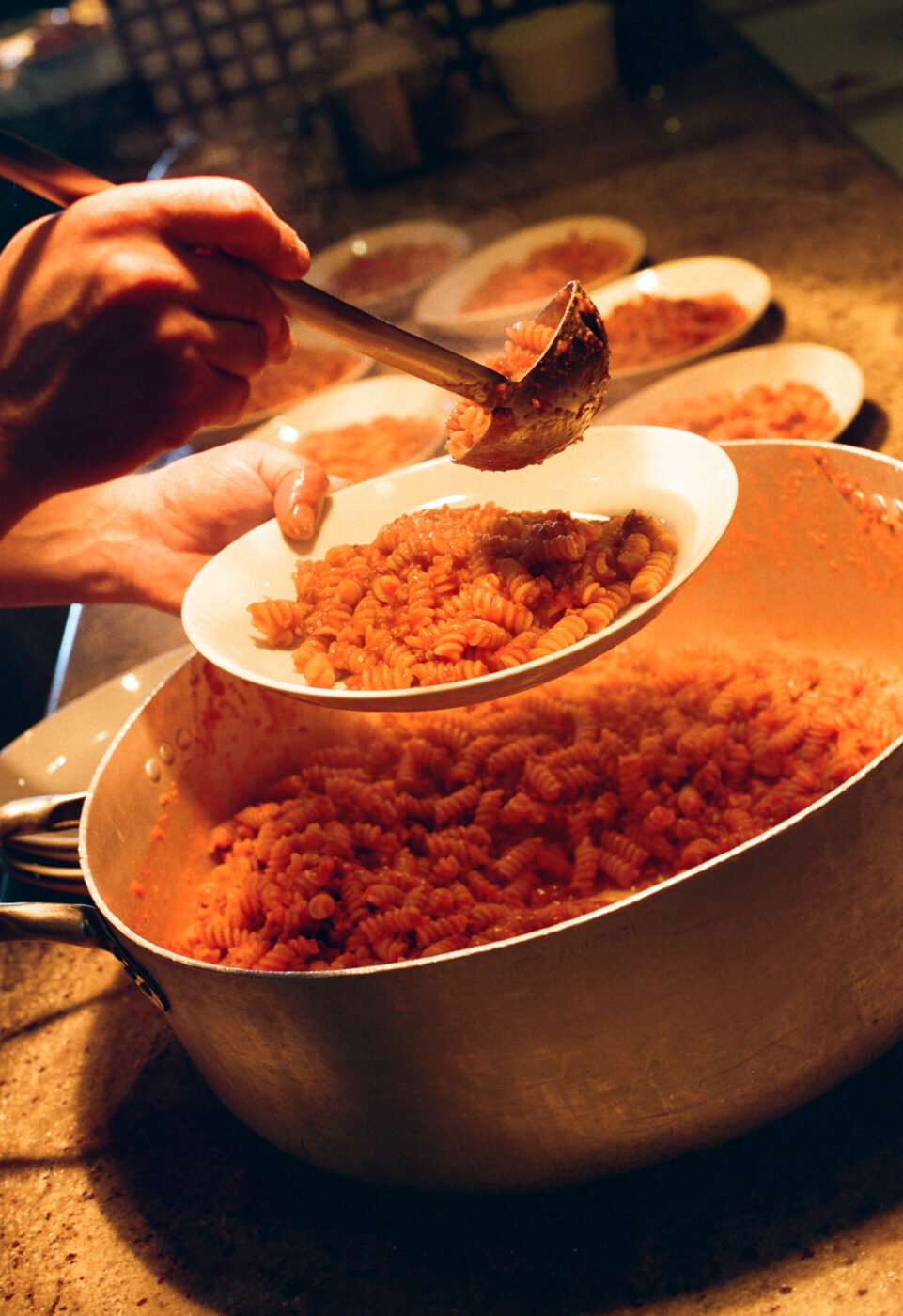
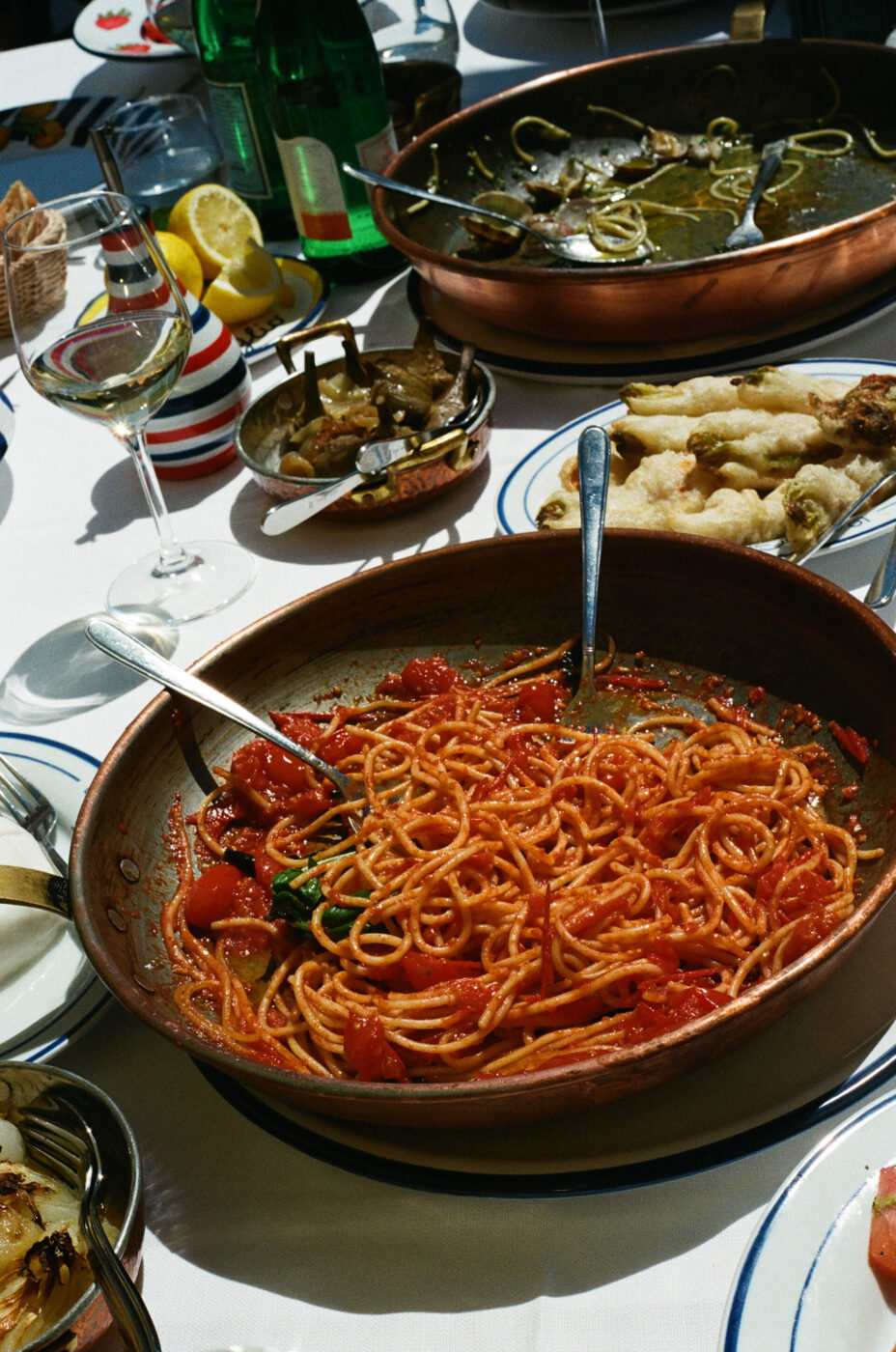
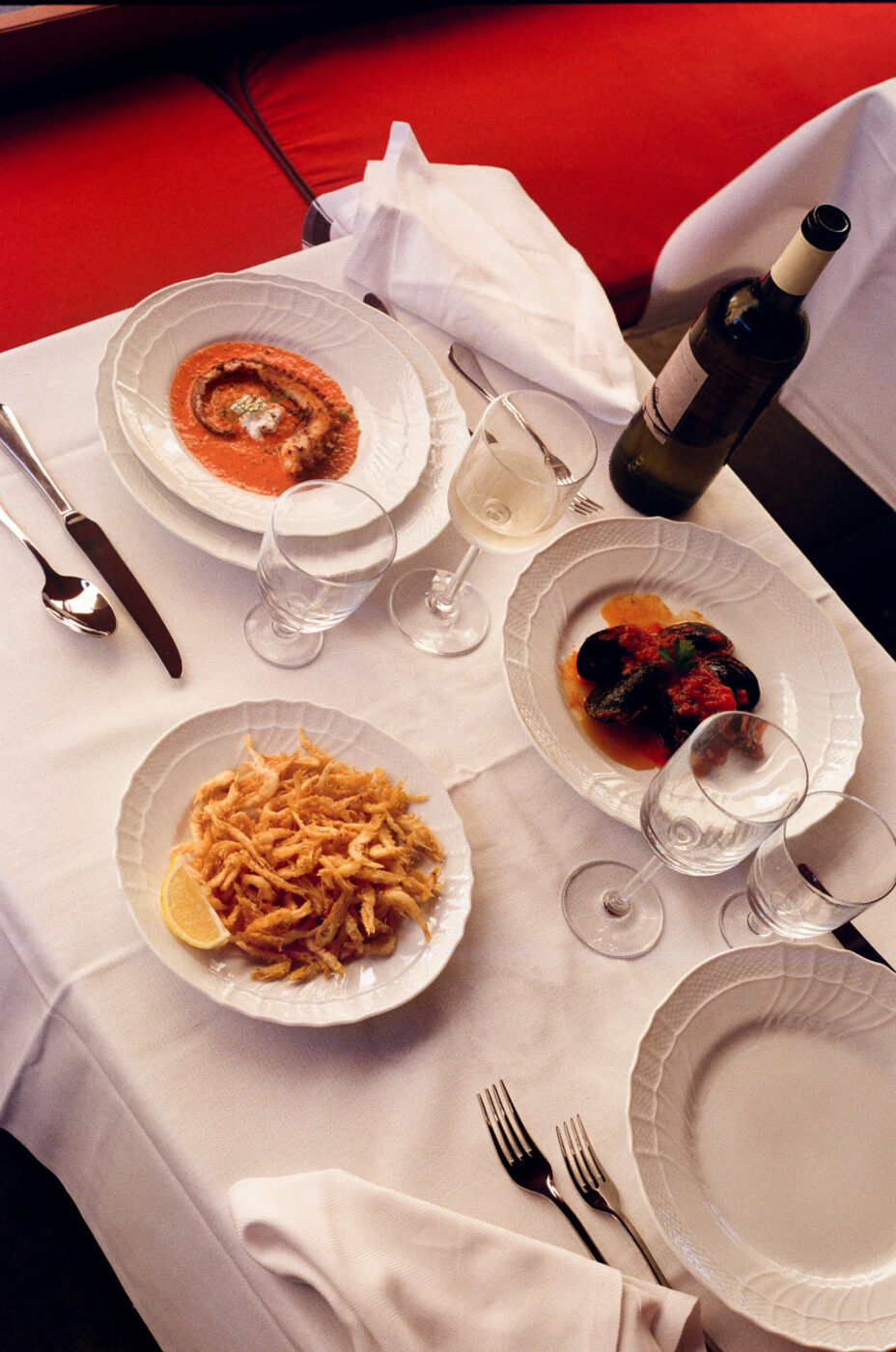
Last week, UNESCO officially designated Italian cuisine as part of the world’s “intangible” cultural heritage—marking the first time a national cuisine, in its entirety, has been enshrined on the list. The announcement was met with standing applause in New Delhi, where the conference was held, and celebrations across Italy. Prime Minister Giorgia Meloni hailed it as proof that Italian cuisine is “culture, tradition, work, wealth.” Massimo Bottura, perhaps the world’s most famous Italian chef, took to Instagram to declare it “a love ritual, a language made of gestures, perfumes and flavors that hold an entire country together,” alongside a photo with the overlaid text, “EAT ITALIAN. SMILE. REPEAT”.
Who could argue with that? Four years ago, I moved to Italy to pursue a Master’s degree in, of all things, gastronomy, and it goes almost without saying that I love Italian food. I want to feel a Bottura-esque swell of pride that comes with seeing the habits of my neighbors—the pranzo della domenica (Sunday lunch), the hand-rolled pici—elevated to the same pantheon as the French gastronomic meal (inducted in 2010) or the cider culture of Spain (2024).
But as the applause dies down, I find myself filled, rather, with unease.
While the UNESCO designation, the culmination of a three-year campaign by the Italian government, is ostensibly a celebration of, yes, a very rich culinary culture, a closer look suggests it is also a calcification of it.
That calcification could have three consequences. First, it allows Italian cuisine to be even more exclusionary than it already is—ripe material for nationalist agendas. Second, it contributes to the continued hollowing out of Italian cities as they become more tourist-centric food courts and less where locals can live. And third, it distracts us from the uncomfortable truth that Italy is betting its entire economic future on a plate of pasta.
Italy’s winning bid argued that Italian cuisine is unique because it adheres to seasonality and non-wasteful recipes, romanticizing what food historian Alberto Grandi, in a recent article for Domani, calls “the Italy of checkered tablecloths and immortal grandmothers.”
It’s a lovely story, but, as Grandi points out, it’s historically porous. The “non-wastefulness” celebrated by UNESCO is, in reality, the scar tissue of centuries of poverty. It frames necessity as virtue, repackaging hardship as a charming and premium lifestyle brand. Italians had the chance to present “our truth: a story of misery, ingenuity, and improvisation,” Grandi writes. “We preferred the postcard.”
The bid, to give it its due, does correctly note that Italian cuisine is a “mosaic.” The Arabs who ruled Sicily gave Italians the very concept of dried pasta, as well as citrus and sugar (inventing cannoli and cassata); the Austro-Hungarian legacy in the northeast brought about canederli; and the Spanish introduced the New World tomato, without which there would be neither pizza nor pomodoro. But today, migrant influences are often glossed over in favor of a monolithic idea of “Italian purity.” (And that’s not to mention the prevalent xenophobia around “ethnic” cuisine, which Sara Baron-Goodman outlines well for Italy Segreta here.)
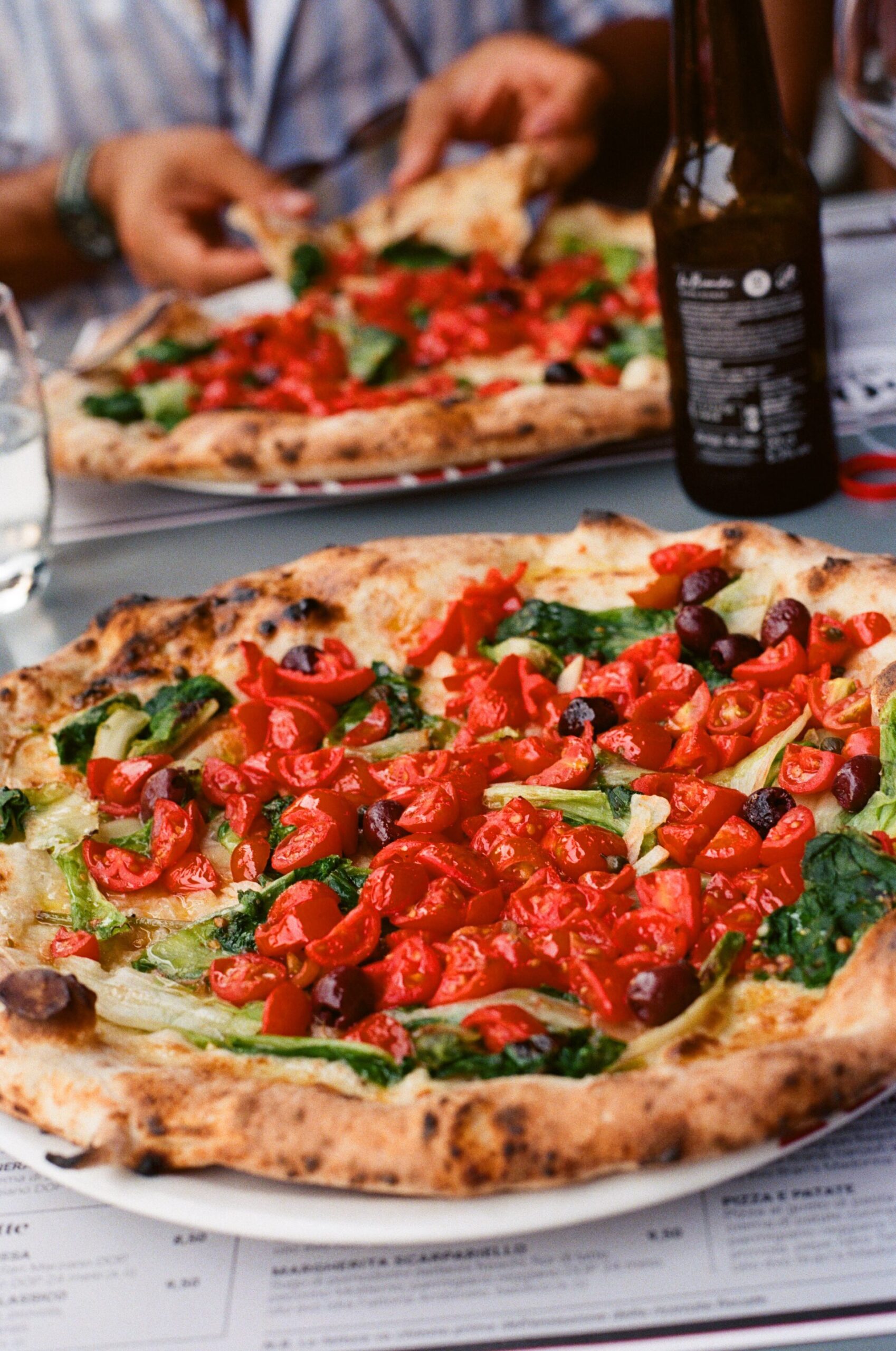
This brings us to a more jagged pill: the weaponization of heritage to define who belongs and who doesn’t, a concept called gastronationalism.
The UNESCO status is the result of a crusade by the Agriculture Ministry to fight against “fake” Italian food. The government frames this as a war against culinary identity theft, and economically, they are right to wage it. Coldiretti, the national farmers’ association, estimates that the global market for “Italian sounding” products—“Parmesan” made in Wisconsin, olive oil blends masquerading as extra virgin—siphons off €120 billion annually from the Italian economy. It’s often the case that genuine Italian artisans, bound by strict and costly production rules, are routinely undercut by industrial imitations abroad that retail for a fraction of the price. (Though it should be noted that UNESCO is a cultural body, not a trade court; it possesses no legal mechanism to seize counterfeit products or ban production.)
But while the economic defense is necessary, the rhetorical one comes off as weak, as if the Italian government knows it needs food to shore up a fragile sense of nationhood.
As food historians like Grandi have argued, Italy is a relatively young state with a fractured history (it was only unified in 1861), which means Italians often struggle to agree on anything except that pasta should be al dente. In the absence of strong political or civic cohesion, the government has pushed a culinary agenda to manufacture a shared identity, with food becoming the flag Italians rally around.
It explains why Italy is a country where political corruption is often met with a shrug, but putting cream in a carbonara is treated as a crime against humanity. The UNESCO seal of approval risks reinforcing this rigidity around food, turning Italy’s fluid, evolving culinary history into a statue that must be defended against outsiders.
And here’s the irony. Despite all the nationalistic posturing, who really benefits? Increasingly, not Italians, but tourists.
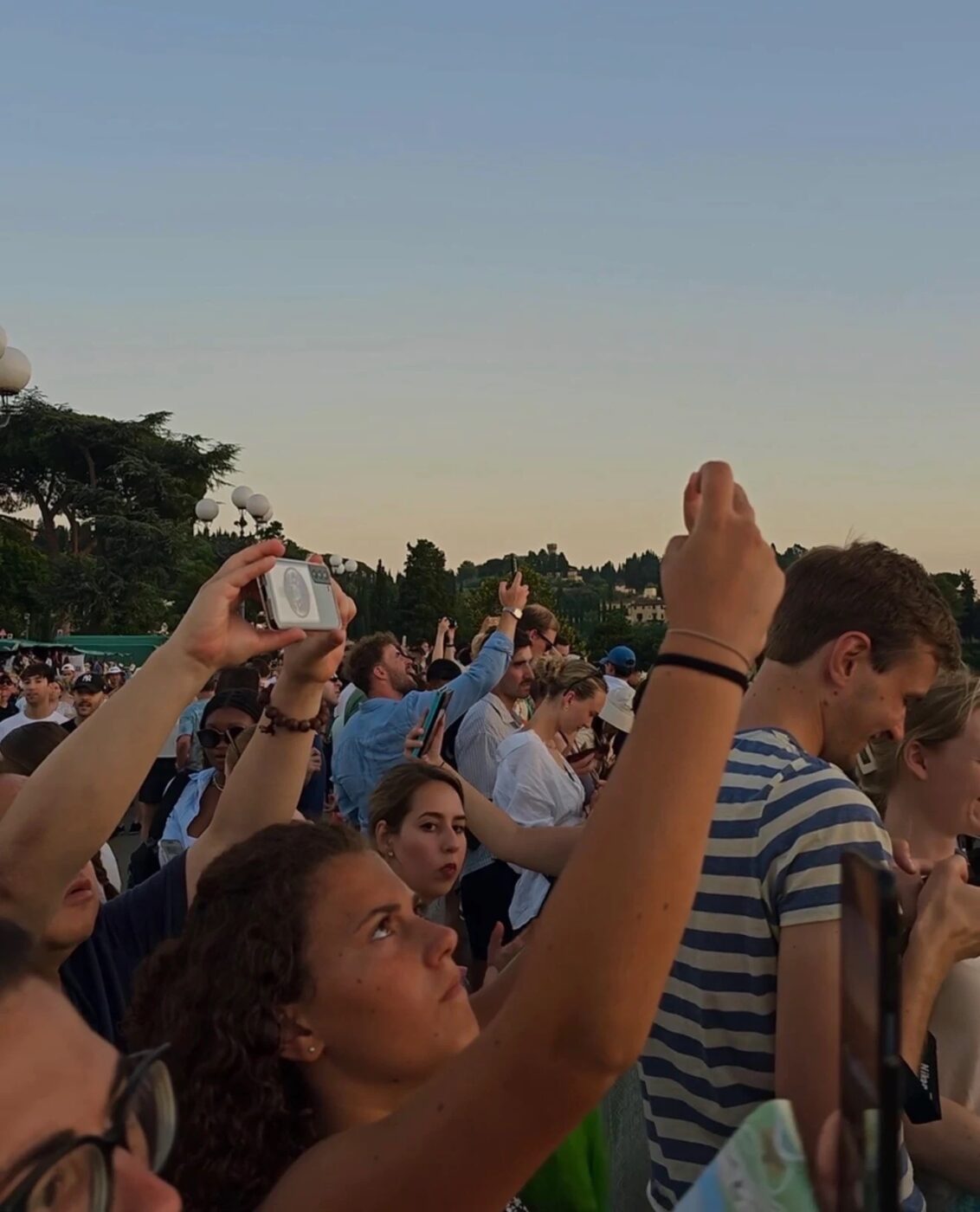
Industry groups estimate UNESCO’s recognition could increase the number of visitors by up to 8% in two years, adding another 18 million overnight stays. The tourism sector employs approximately one in seven Italians, and that number is now sure to increase. But for a country already groaning under the weight of over-tourism, this hardly feels worthy of celebration.
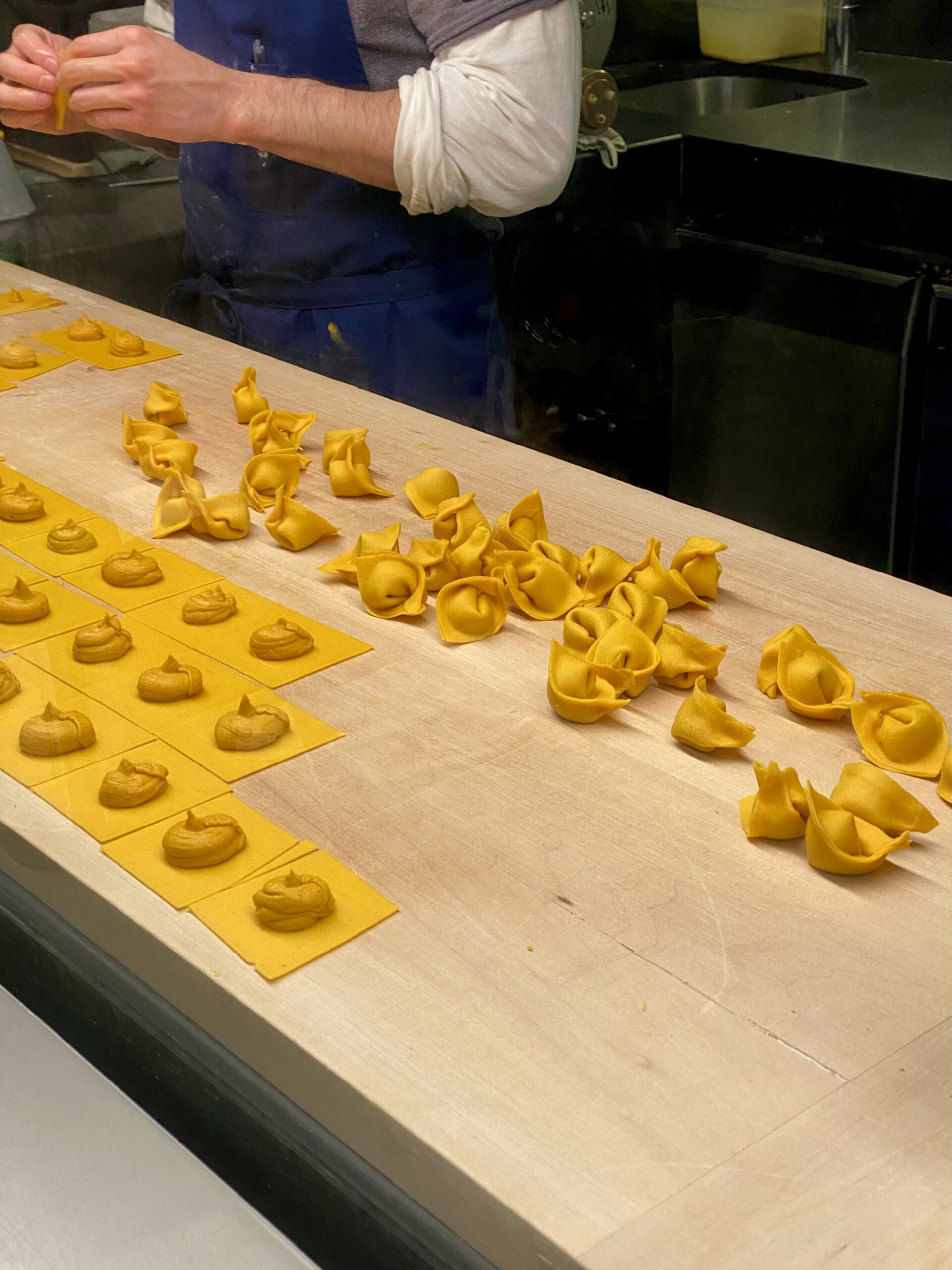
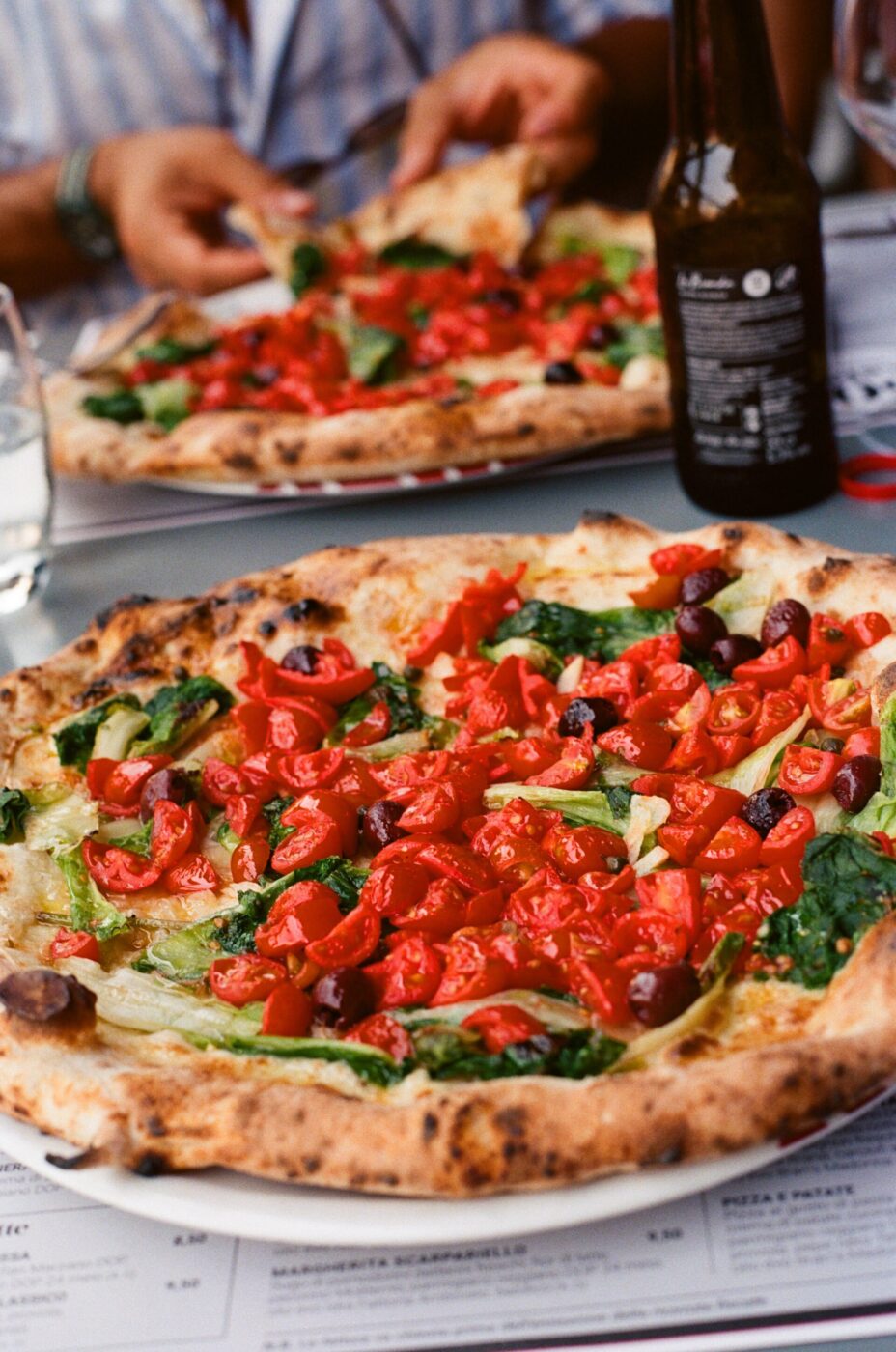
In Italy, we have been witnessing rapid foodification, a term originally coined in 2010 by the Brooklyn Paper to describe the restaurant-led gentrification of New York neighborhoods. It’s been adapted by Italian scholars like Mirella Loda to describe a specific urban pathology: the transformation of historic centers into “food-dominant retail spaces.” It presents as streets around major attractions lined with identical-menued restaurants—an endless parade of uninspiring cacio e pepes and Margherita pizzas, all washed down with oversized Aperol spritzes. Zooming out, it’s a commercial monoculture where essential urban infrastructure—the cobbler, the hardware store, the kindergarten—is cannibalized by the hospitality sector. Residents are pushed out not just by short-term rentals and rising rents, but by the sheer unliveability of a city that functions only as a cafeteria.
Case in point: in Rome’s city center, the local population has dropped by over 25% in the past 15 years. In Florence, officials have had to ban new restaurants on 50 streets in a desperate attempt to stop the city from becoming an open-air food court.
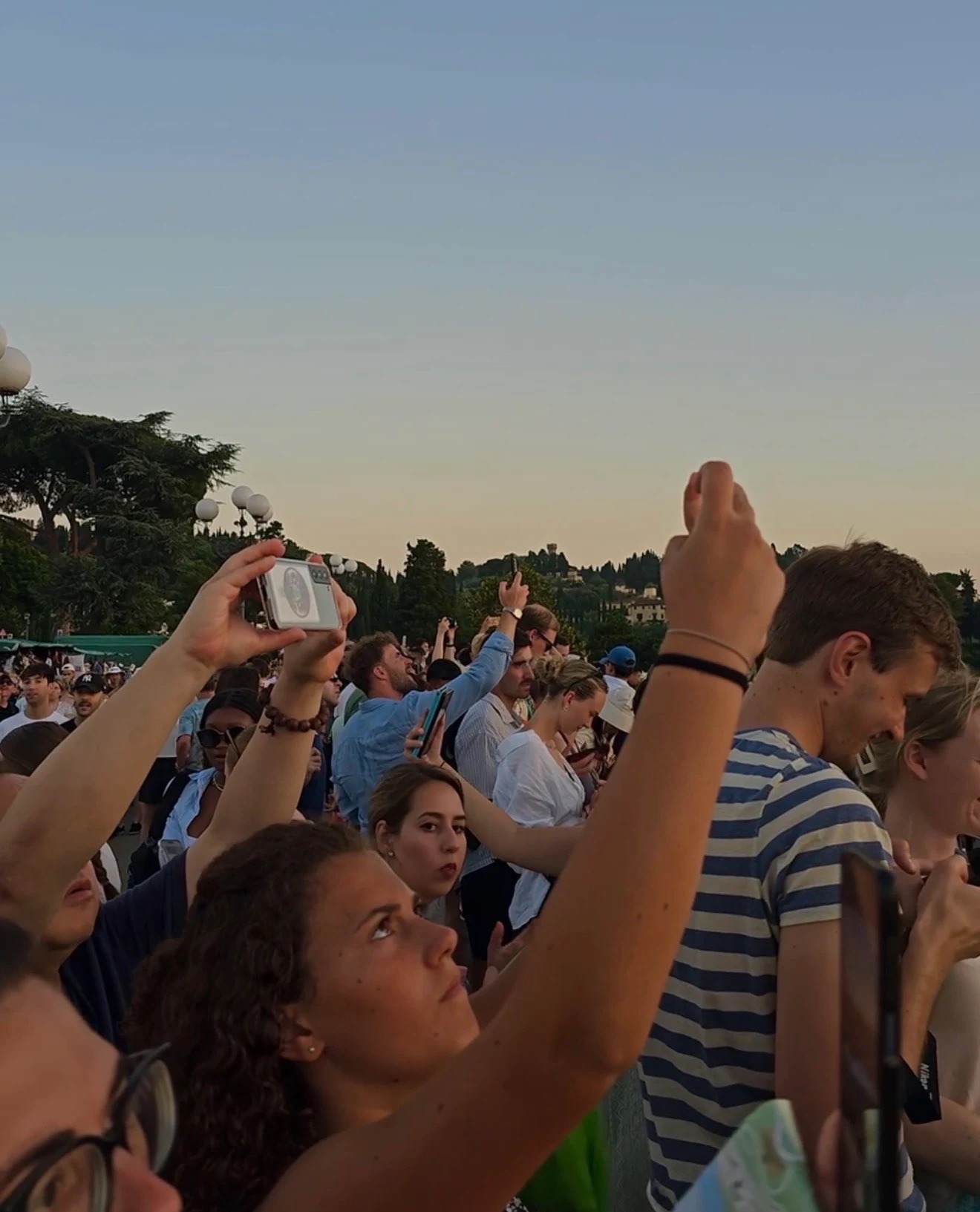
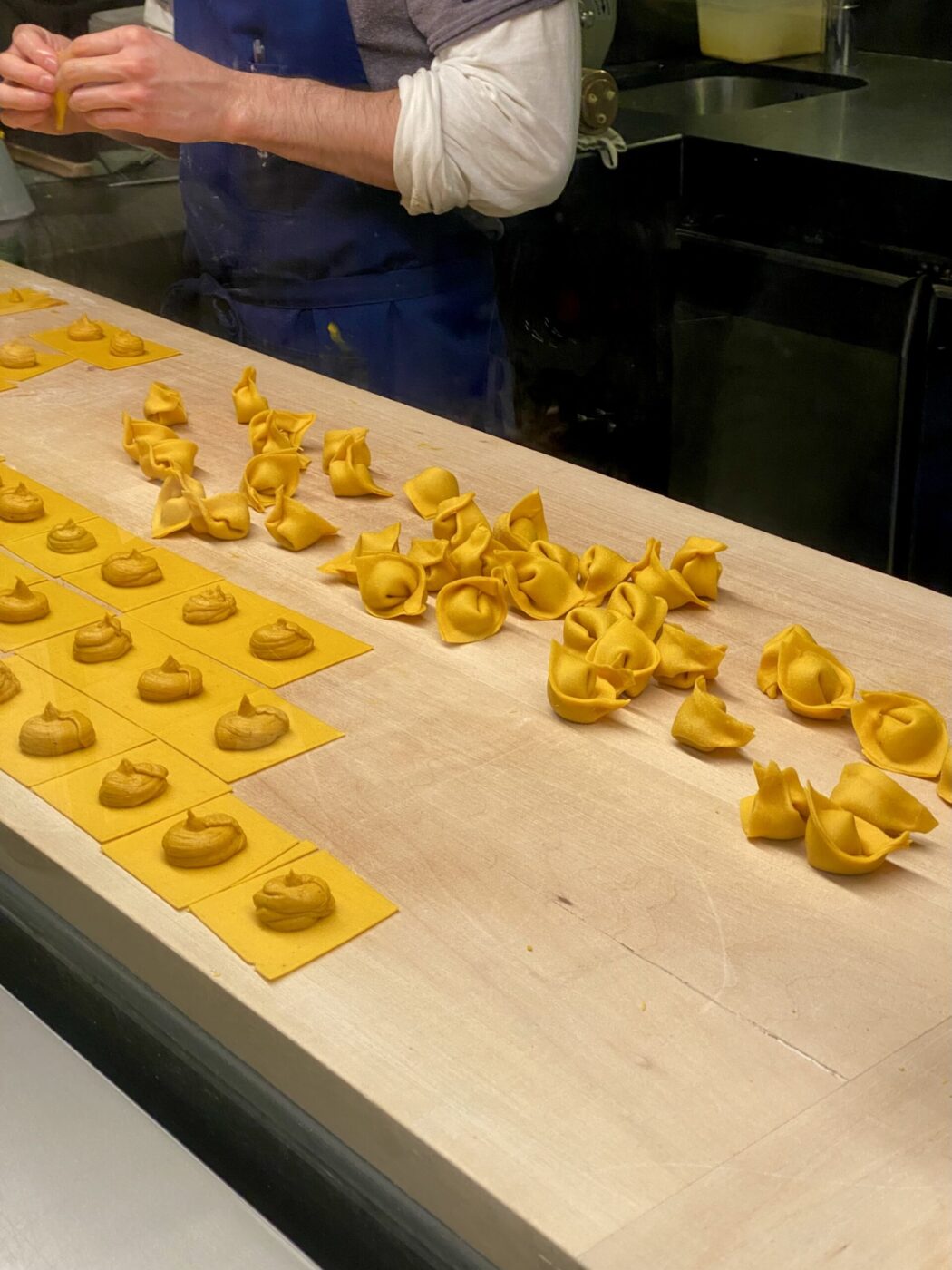
Historic centers across Italy are descending into a sort of culinary theater. Walk through Bologna or Rome today and you witness a performative nostalgia: pasta-making stations positioned in shop windows like department store mannequins, where dough is rolled out not actually for dinner, but for the amusement of passersby filming on their phones. They are curating a theme-park version of domesticity while actual domestic life is pushed to the suburbs and, in doing so, Italians are in danger of becoming a caricature of themselves. They’ve already begun heading down the path of the Disneyfication of Italian culinary “authenticity.”
So, I’m forced to ask, why does the Italian government continue to make tourism and food its top priorities? Because, perhaps, it is the path of least resistance. It’s easier to apply for a UNESCO badge for pizza than it is to modernize Italy’s digital infrastructure or reform its bureaucracy.
According to a recent ranking by The European House-Ambrosetti, Italy falls behind all major European economies in innovation. By focusing so heavily on their culinary past, Italians are, yet again, neglecting the investment needed for a diversified future. The country cannot thrive just being the world’s museum and the world’s kitchen.
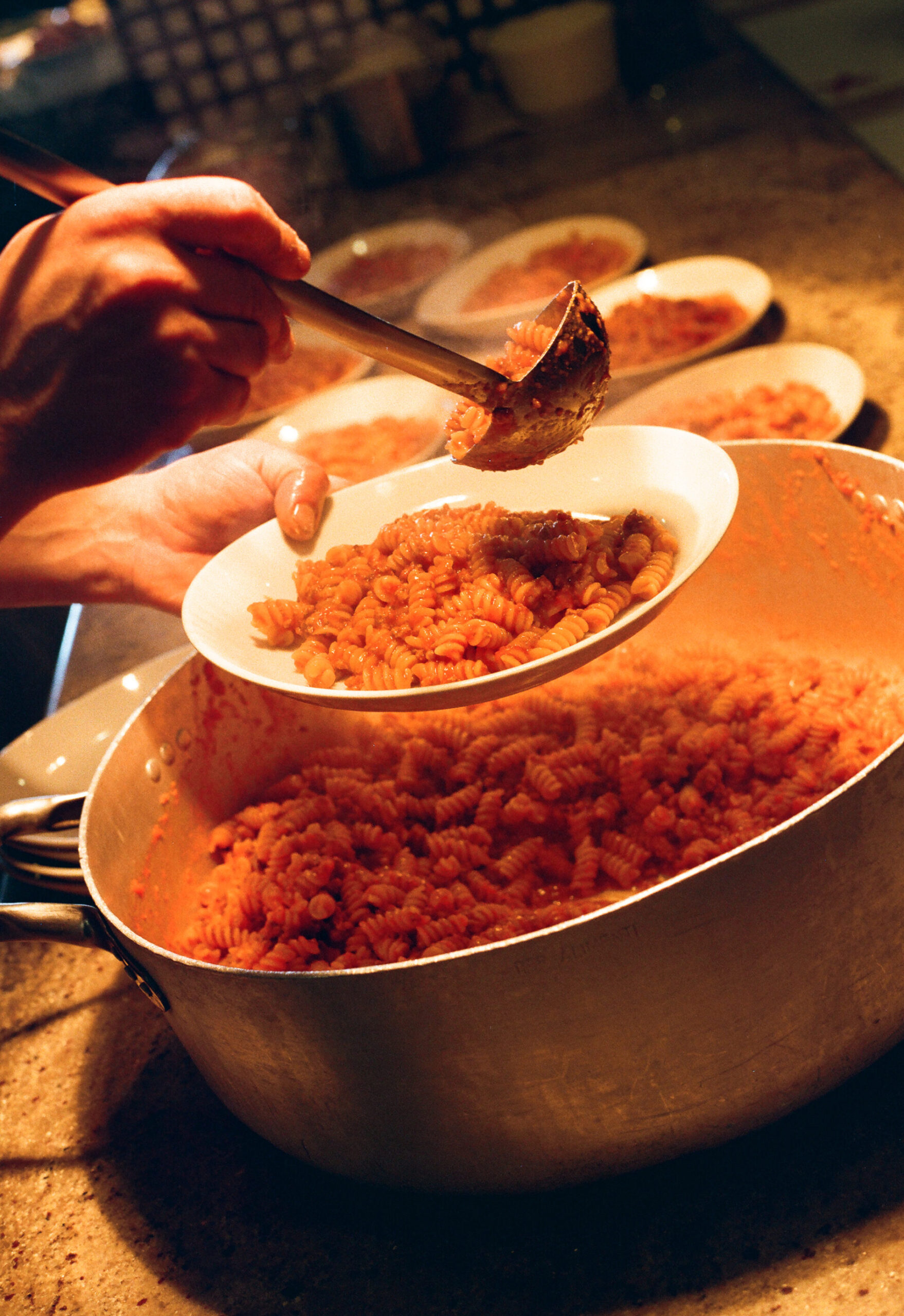
Massimo Bottura is right: Italian cuisine is a “love ritual”. It is about memory, family, and the profound act of sharing. But love, when it becomes obsessive and exclusionary, can turn toxic. If Italians allow their cuisine to become nothing more than a marketing tool for tourism and a shield for nationalism, they risk destroying the very thing they claim to be saving.
I don’t mean to drag down UNESCO—the organization plays a vital role in safeguarding truly fragile heritage, from the whistling language of the Canary Islands to the Đông Hồ Folk woodblock printings—but ultimately, Italians don’t need this designation. Italian cuisine is already the most popular food culture on Earth, with a global market value of over €250 billion and a 19% share of the entire world’s restaurant market; it doesn’t need the UN to tell it it matters.
What Italian cuisine could use, perhaps, is to be left alone, allowed to grow, evolve, develop as it sees fit, by and for the people who cook it and eat it. It’s been that way for centuries, and it turned out all right. Just ask UNESCO.