ARIES
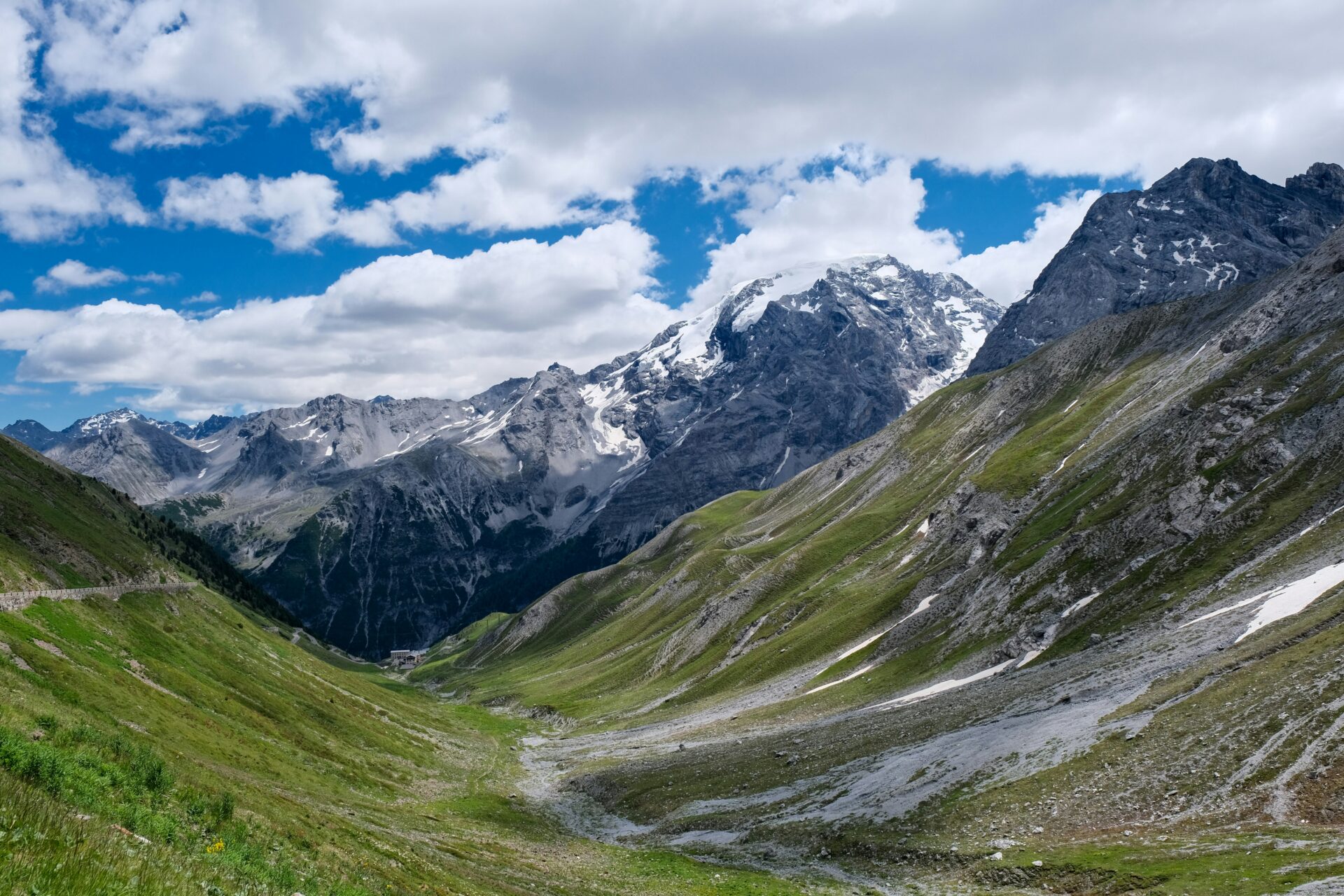
Subtlety is not in your vocabulary, and neither is the “bunny slope.” Enter BORMIO. Like an Aries, this mountain is aggressive, fast, and has seen its fair share of conflict. Amidst the glaciers of the Stelvio Pass, the “White War” was fought here during WWI—the highest altitude battle of the war. Soldiers dug trenches into the ice at 3,000 meters, a level of extreme endurance that speaks to your Martian ruler. Today, that warrior spirit lives on in the Pista Stelvio, a World Cup downhill course with a vertical drop of nearly 1,000 meters that demands pure power. You don’t go here to “relax”; you go here to conquer. And once you’ve punished your quads, you retreat to the Bagni Vecchi (Old Baths). Mentioned by Pliny the Elder in the 1st century AD, these Roman thermal caves are where legionaries once soaked their battle scars. You’ll fit right in.
TAURUS
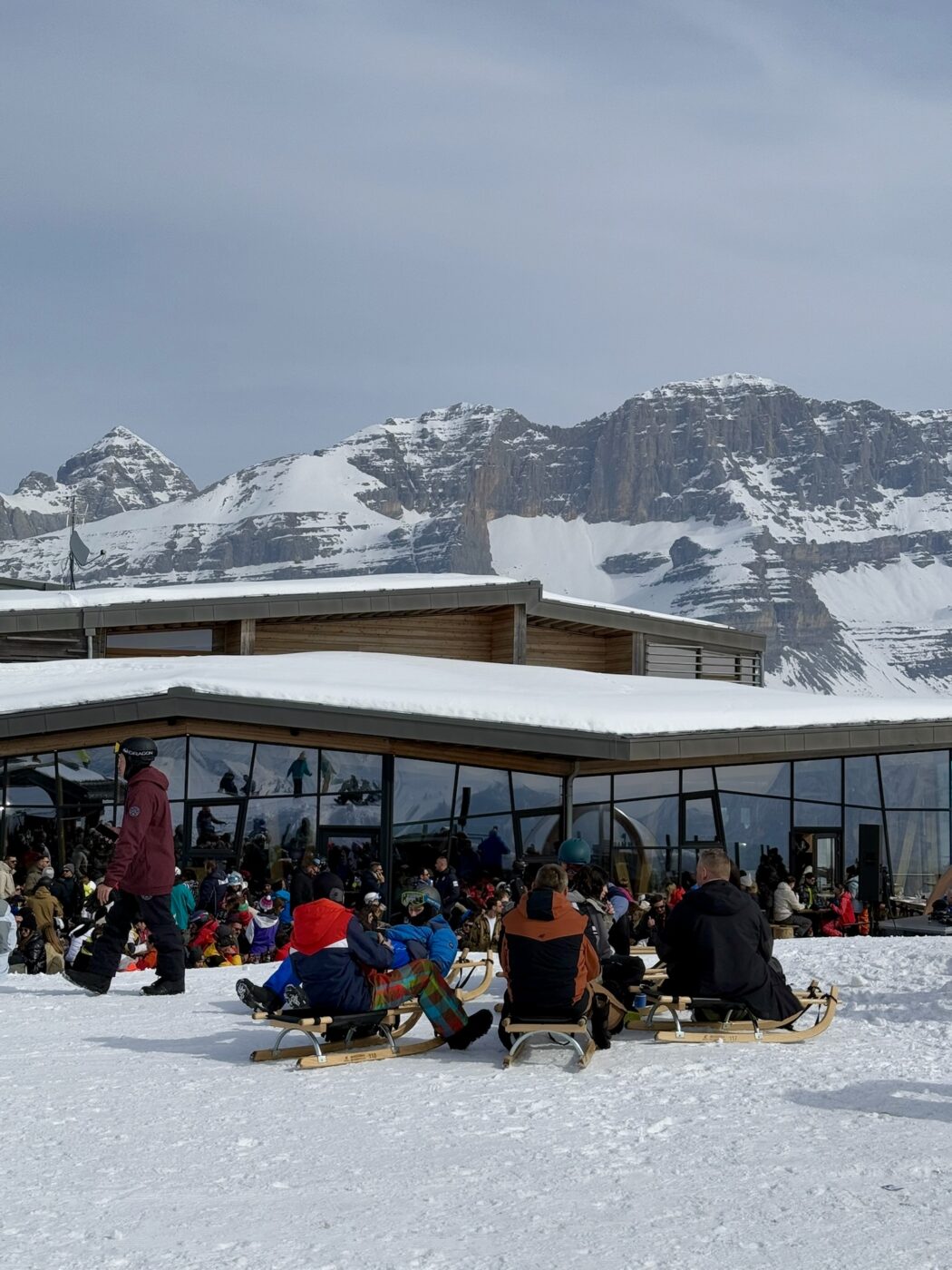
Let’s be honest, Taurus: you ski for the creature comforts. ALTA BADIA—a ski area encompassing the towns of Corvara (at the base of the epic Piz Boè mountain), Colfosco, and La Villa—is the heart of the ancient Ladin culture, a civilization that has inhabited these valleys since the Roman Empire fell. Like a Taurus, the Ladin people are stubborn, rooted, and fiercely protective of their home. You can see this in the Les Viles—the unique, mushroom-like clusters of farmhouses that date back to the Middle Ages. They were built to share resources (ovens, fountains) in a communal, slow-living system that appeals to your earthy nature. But your spiritual ancestor here is the Ursus ladinicus. In 1987, a local hotelier discovered thousands of 50,000-year-old bones in the Conturines Cave, belonging to a massive prehistoric cave bear that slept through the winter. A creature that loves good food and long naps in a cozy cave? Very Taurus. Today, you honor him by skiing the Armenterola run, famous for the horse-drawn sleigh lift at the bottom—because why push with your poles when a horse can pull you to the restaurant?
Corvara in Alta Badia
GEMINI
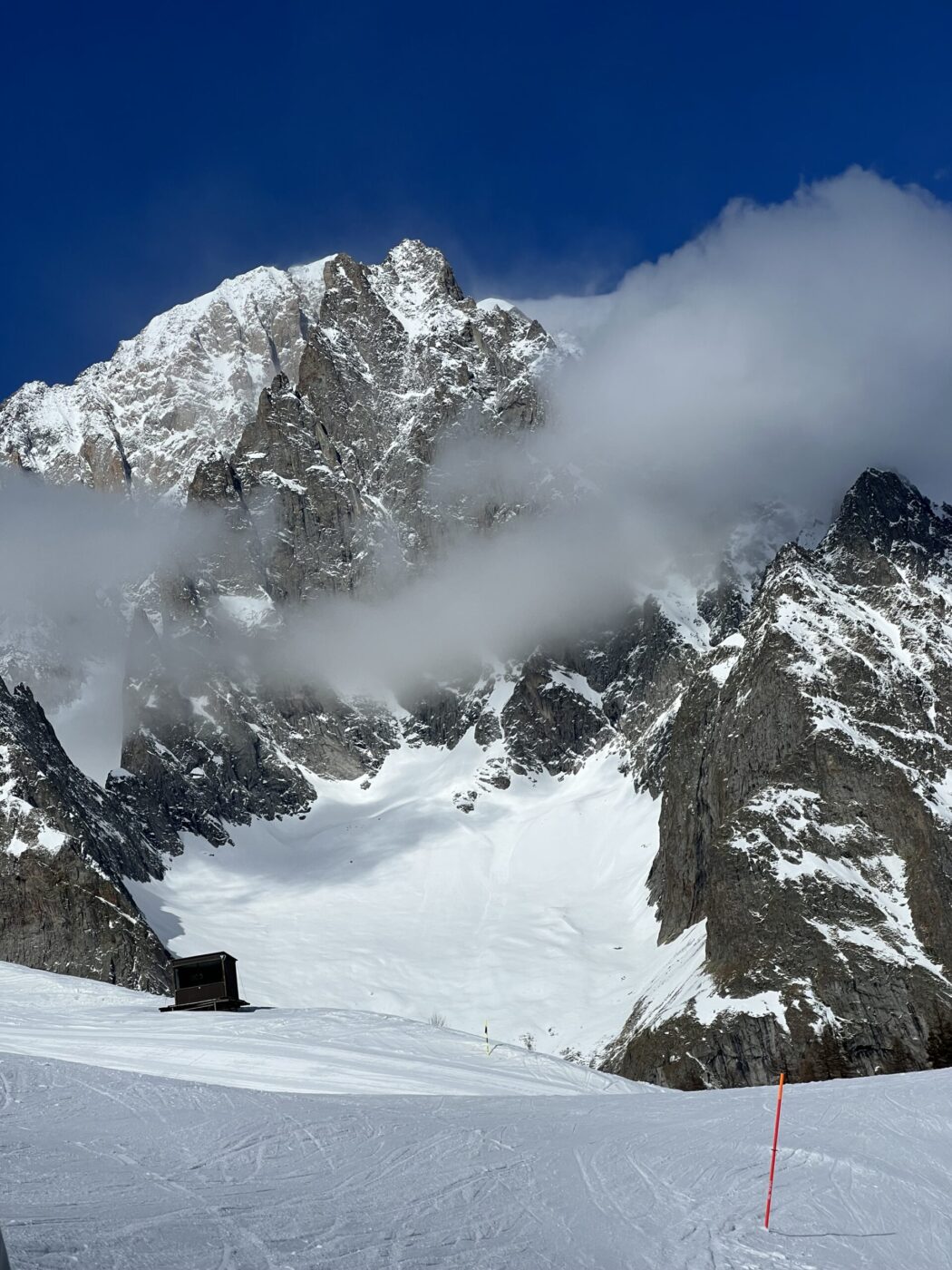
You are the social butterfly of the zodiac, the one who needs to be in two places at once, so naturally, COURMAYEUR fits your vibe. On the sunny side of Monte Bianco, Courmayeur suffers from a delightful split personality (like you): half-Italian, half-French. But you can connect with anyone, much like the Mont Blanc Tunnel which opened here in 1965, physically drilling through rock to connect two nations—a very Gemini feat of communication. You Geminis also have a strong studious side, and Courmayeur is the home of the Società delle Guide Alpine di Courmayeur, the oldest mountain guide society in Italy (established in 1850). You might frequent the Museo Alpino Duca degli Abruzzi to read about their feats, but by 5 PM, you flip the switch. You’ll be on Via Roma, the movida (nightlife) capital, where the Milanese elite come to talk, flirt, and drink. You might be the only sign that can jump from the silence of the Vallée Blanche glacier in the morning to the champagne-fueled roar of the Super G club in the evening.
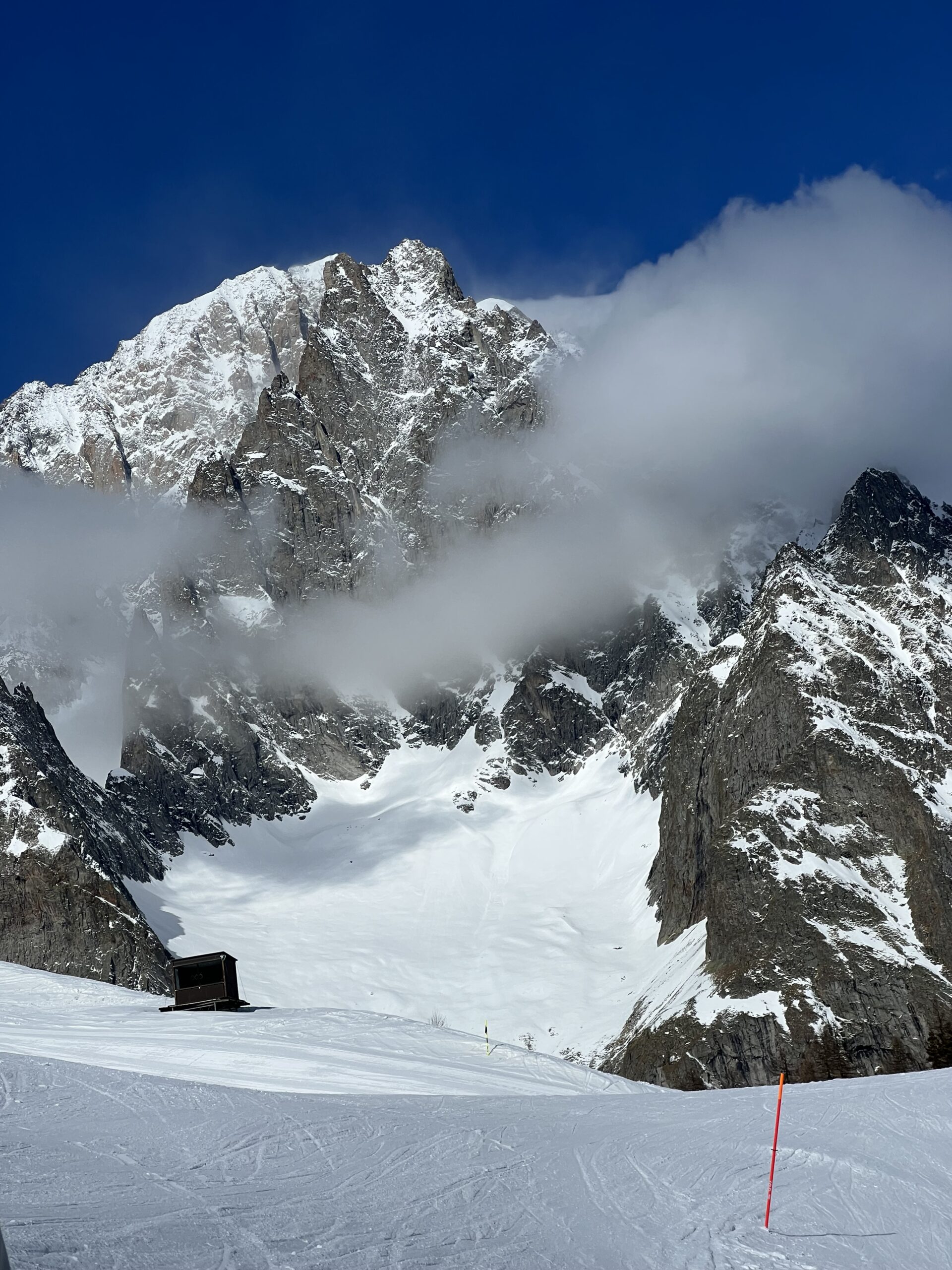
Mont Blanc; the peak of Courmayeur
CANCER
You need a place that feels like a warm hug, and that’s VAL GARDENA. This valley, encompassing fan-favorite towns like Ortisei and Selva, is the heart of Ladinia, an ancient Rhaeto-Romanic civilization that has survived here for 2,000 years. Like the crab that symbolizes your sign, the Ladin people developed a hard outer shell—their unique language and culture—to protect the soft, communal life inside from the Roman, German, and Italian empires crashing against their walls. Cancer is also ruled by the Moon, and Val Gardena is the setting of the Legend of the Pale Mountains (I Monti Pallidi). The story goes that the Dolomites were once dark, jagged rocks. A local prince married the Daughter of the Moon, but she fell ill from homesickness for her glowing white home. To save her, the prince made a deal with the Salvans (gnomes) to spin moonlight into threads and wrap every peak in a blanket of lunar light. (Scientifically, we know this effect actually comes from calcium magnesium carbonate.) Don’t miss skiing the Sella Ronda, a long circular route that loops around the Sella massif, a continuous circuit that keeps you safely held within the moonlit walls of your perfect ski destination.
LEO
Was there ever any doubt? You’re the “Queen of the Dolomites”, CORTINA D’AMPEZZO, the jewel of the Dolomiti Ampezzane. Just like the ski destination, your identity is built on a legacy of excellence that demands the world’s attention. Cortina is the historic host of the 1956 Winter Games—the first to be broadcast on television—and is currently preparing to reclaim its throne as the host of the Milano-Cortina 2026 Winter Olympics. (For a Leo, this type of global stage is an average Tuesday.) But you Leos are not all glamour; you also have verve—the type of verve that gets you down the Olympia delle Tofane, the most iconic run in the Dolomites. Carving down the famous Schuss—a steep, narrow chute flanked by massive limestone towers—requires a technical mastery that commands respect. Plus, Leos are ruled by the Sun, and the Tofane slopes are perfectly positioned to bask in light from morning until the enrosadira turns the peaks a burning shade of pink at dusk.
VIRGO
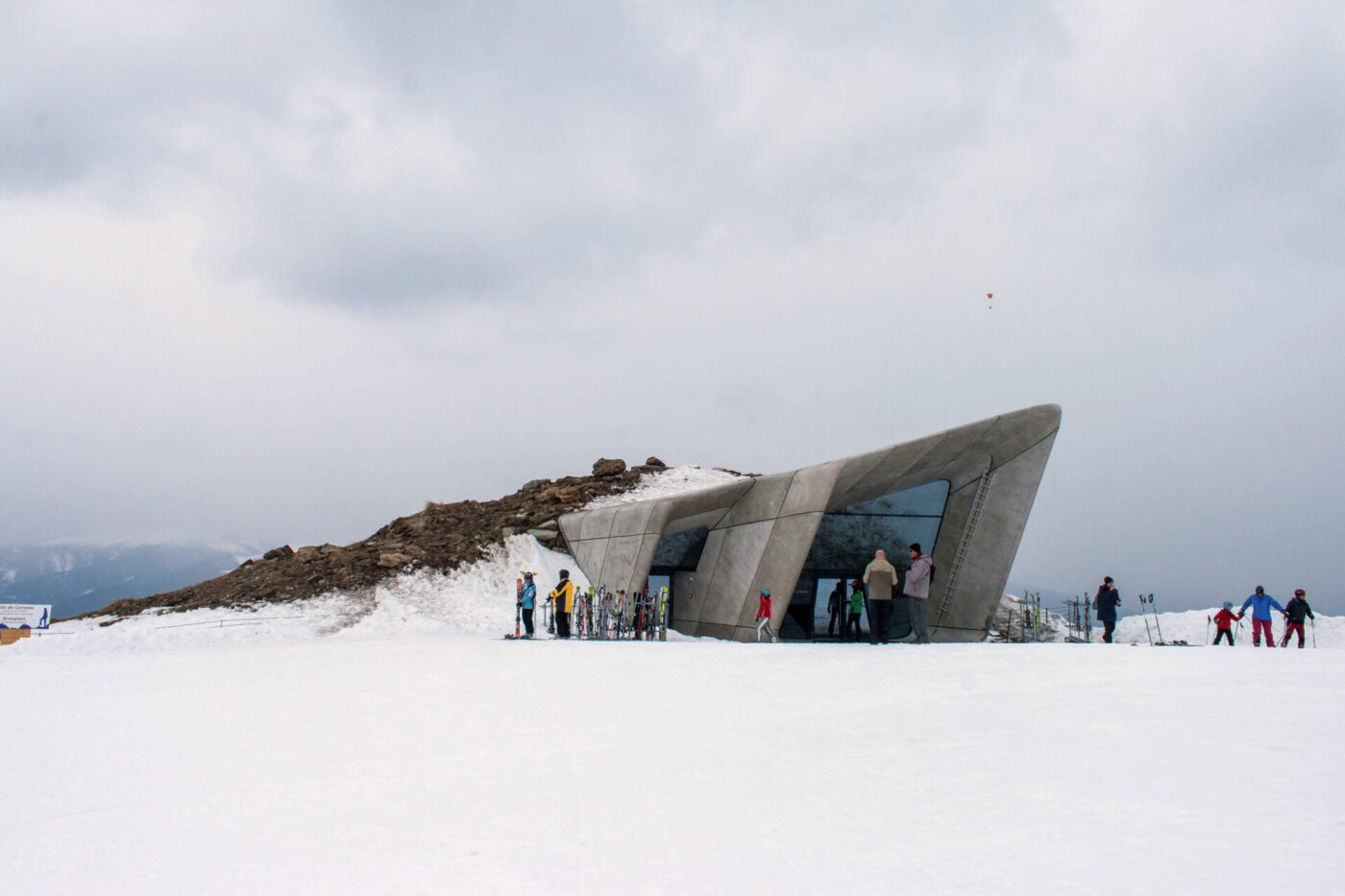
Your ideal ski resort is a perfectly calibrated machine, and that’s PLAN DE CORONES (the name of both the valley and its primary town). While other mountains rely on “luck” for snow, Plan de Corones relies on science—the embodiment of Virgoan efficiency. The panettone-shaped mountain features 360° descents, 100% artificial snow coverage (guaranteed perfection), and a lift system so advanced it practically eliminates lines. You’d also appreciate the perfectly executed architecture of the MMM Corones, the Messner Mountain Museum designed by the late, great Zaha Hadid. Buried inside the mountain, the museum features concrete viewing platforms exploding from the rock face. The name Plan de Corones (Place of the Crown), also hints at your maiden archetype. According to the ancient Saga of the Fanes—the national epic of the Ladin people—this plateau was where the warrior princess Dolasilla was crowned with the Rajëta (a magical gem). Virgos are the sign of service and harvest, and in the legend, Dolasilla fought to protect her people until she was betrayed; riding out into battle anyway, she sacrificed herself to defend her people one last time on the surrounding slopes. Today, the massive Concordia 2000 peace bell at the summit rings out daily at noon. Its Latin inscription prays for peace (Donet deus populis pacem), a daily tribute to the maiden who gave everything for it.
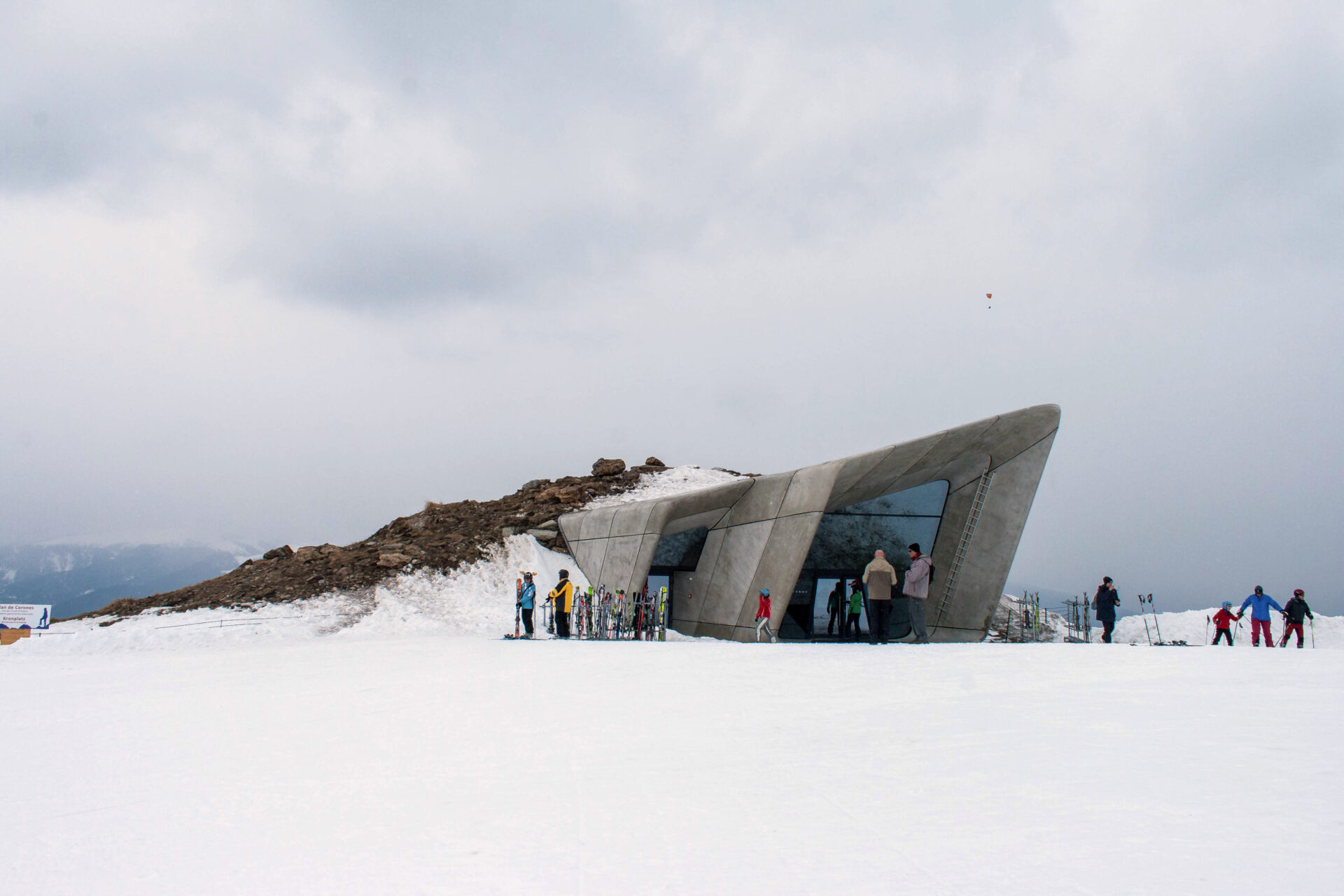
Messner Mountain Museum in Plan de Corones; Photo by Marco Almbauer - Own work, CC BY 3.0, https://commons.wikimedia.org/w/index.php?curid=47998658
LIBRA
Balance and beauty is the order of the day for you Libras, and MADONNA DI CAMPIGLIO fits the bill. Madonna di Campiglio is often called the Salotto delle Alpi (The Drawing Room of the Alps), and for a Libra, who treats social interaction as an art form, this is your natural habitat. In 1868, Giovanbattista Righi bought a crumbling medieval hospice here and, with a visionary eye for beauty, built the first grand alpine hotel for the winter-sport-loving elite. But Madonna di Campiglio’s true Libra moment came in the late 19th century, when it became the preferred hideaway of the Habsburg Court. Empress Elisabeth of Austria—the legendary Sissi—came here in 1889 and 1894 to escape the suffocating protocol of Vienna. A true Libra-like aesthete, she would hike into the Brenta Dolomites to find emotional equilibrium, and you can still visit the specific boulder, the Sasso di Sissi, where she would sit for hours admiring the view. The slopes here also fulfill your need for equilibrium. Madonna di Campiglio has hosted the 3-Tre, Italy’s oldest World Cup race, since 1957, and the famous Canalone Miramonti slope is not a brute-force run, but a technical slalom that requires rhythm, cadence, and elegance to conquer. Madonna di Campiglio offers the perfect balance: the rugged beauty of the mountains by day, and the refined ambience of a Liberty-style salon by evening.
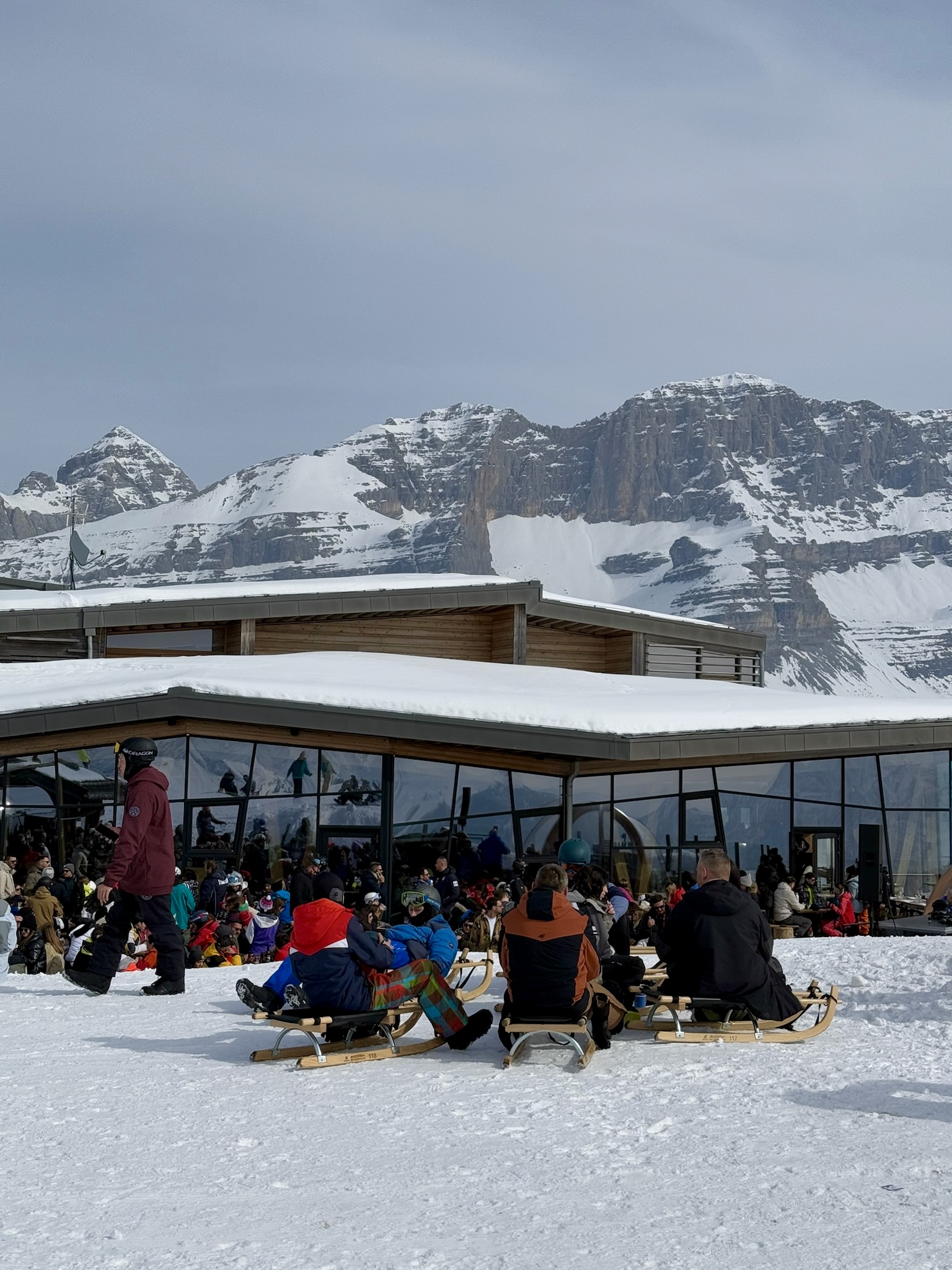
Chalet Spinale in Madonna di Campiglio
SCORPIO
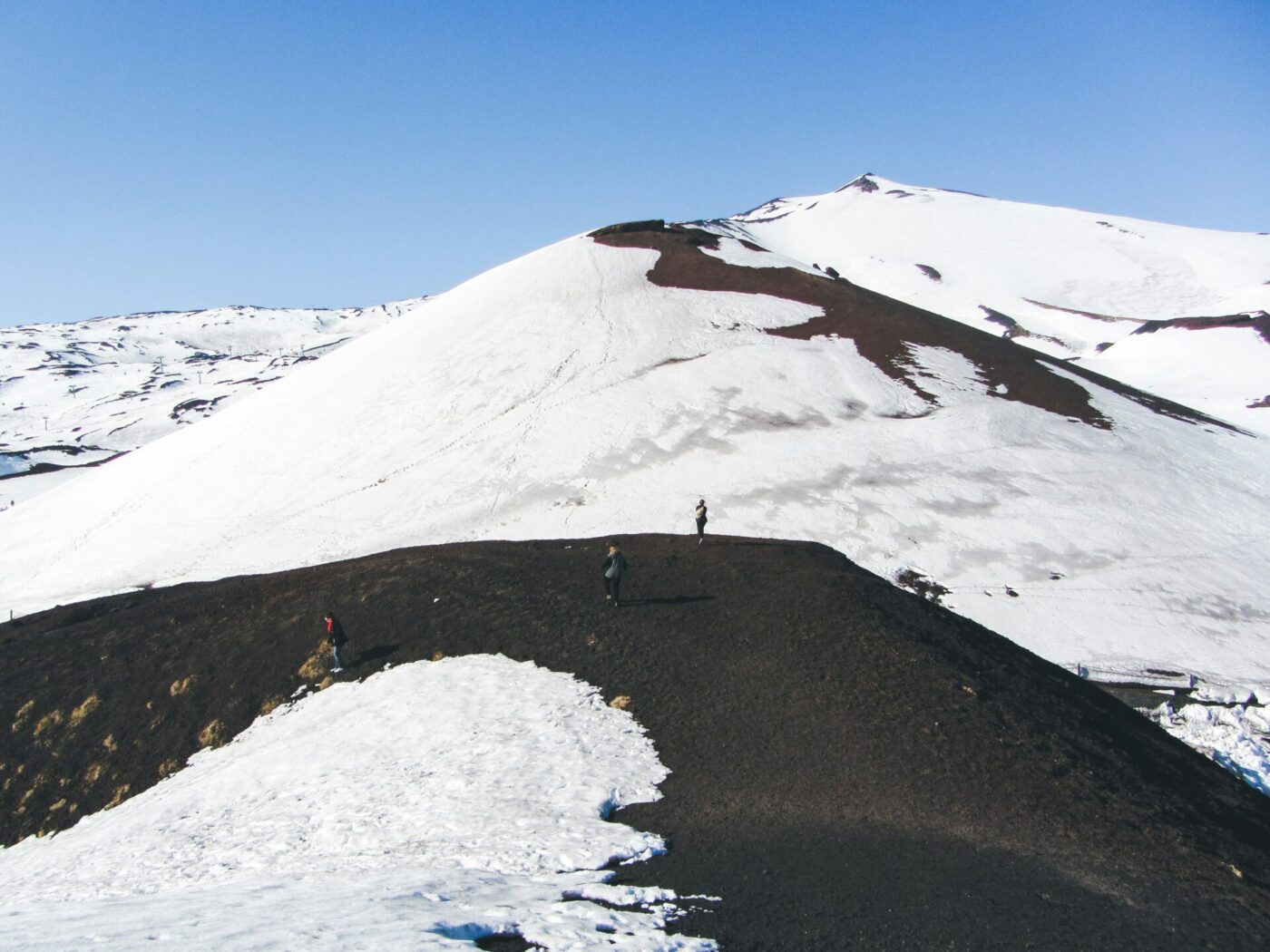
The intense, mysterious outlier of the zodiac, you’re Sicily’s MOUNT ETNA. Skiing on an active volcano? That’s pure Scorpio energy. You aren’t interested in the curated fun of the Alps; you want the raw, subterranean power of the earth’s core. Here, the snow is often dusted with black volcanic ash, creating a stark, moody contrast (fire and ice) that speaks to your complex nature. The Scorpio sign embodies the cycle of death and rebirth, and in 2002, during the “perfect eruption,” a massive lava flow completely annihilated the ski lifts and the tourist village of Piano Provenzana station in a display of Plutonic power. But, true to the Scorpio archetype of the Phoenix, the resort rose from the ashes, rebuilt on the very solidified lava flow that destroyed it. You also share this slope with the ghost of Empedocles, the pre-Socratic philosopher. Legend has it he threw himself into the main crater around 430 BC to prove he was an immortal god. The volcano, unimpressed, spat back one of his bronze sandals. It’s this kind of dark, dramatic history—hovering between the divine and the destructive—that makes you feel alive. Others ski for the après-ski; you ski to stare into the abyss and have the abyss stare back.
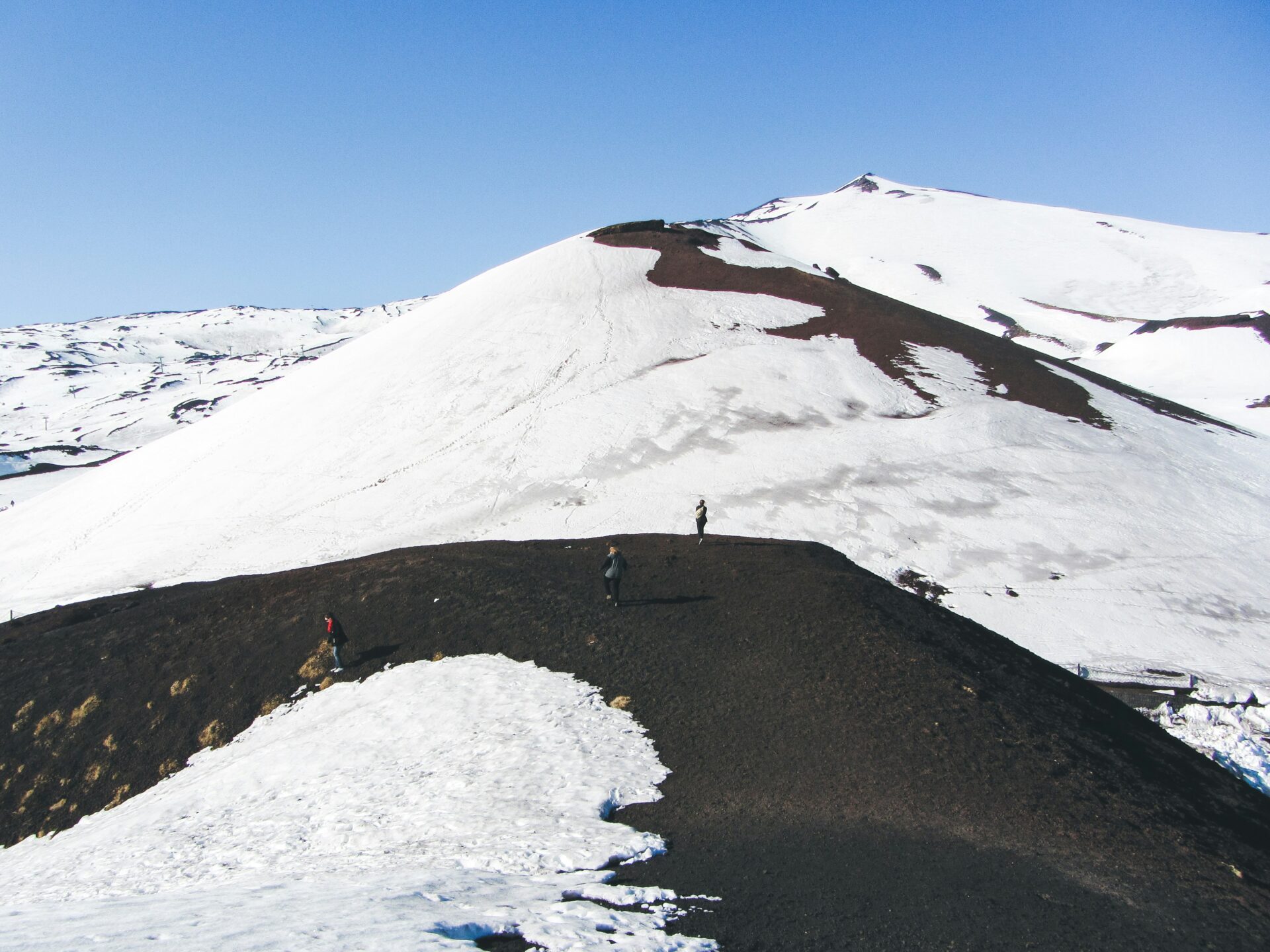
Stripes of vlocanic ash peek through on Mount Etna's snowy peak
SAGITTARIUS
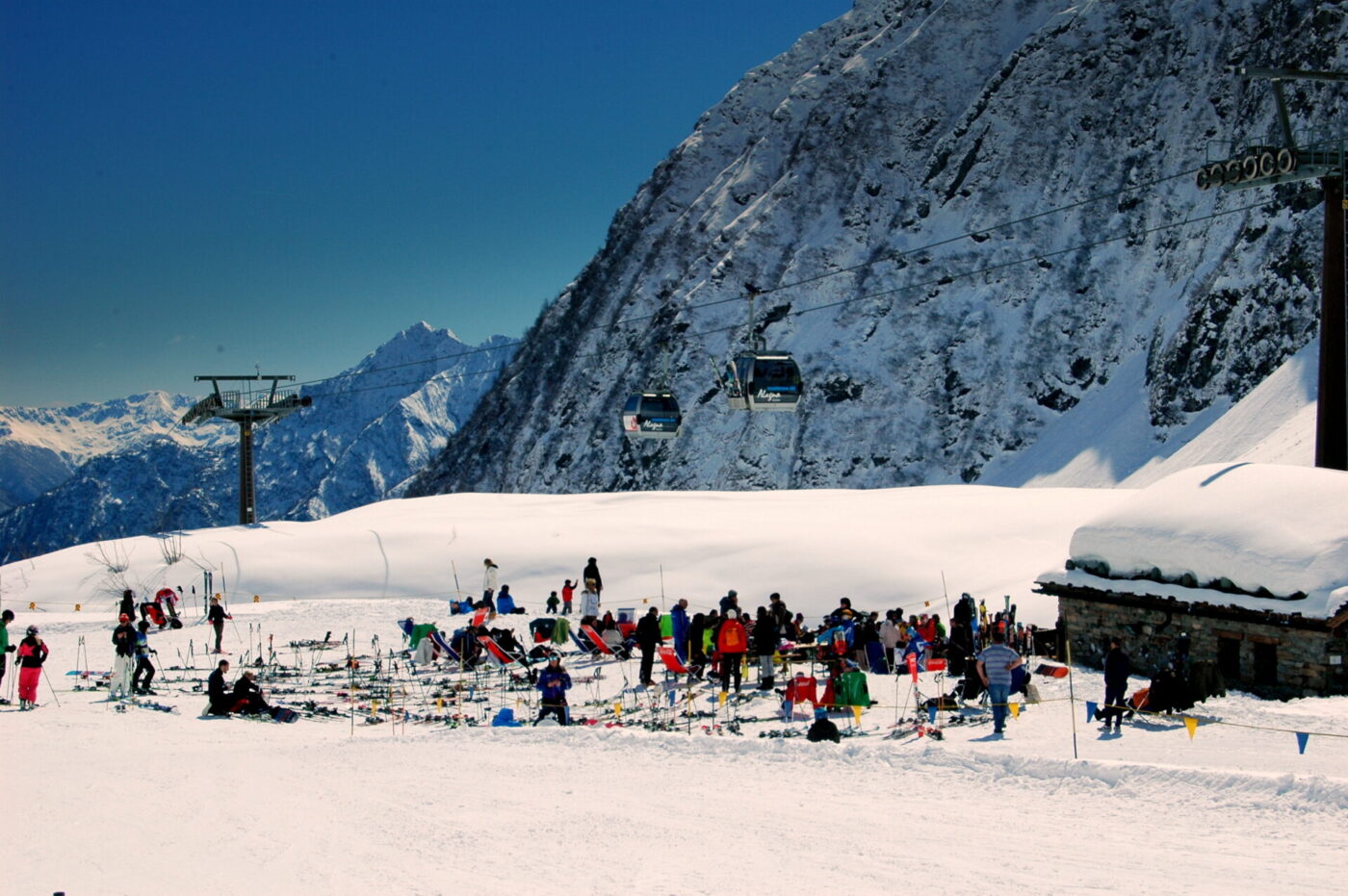
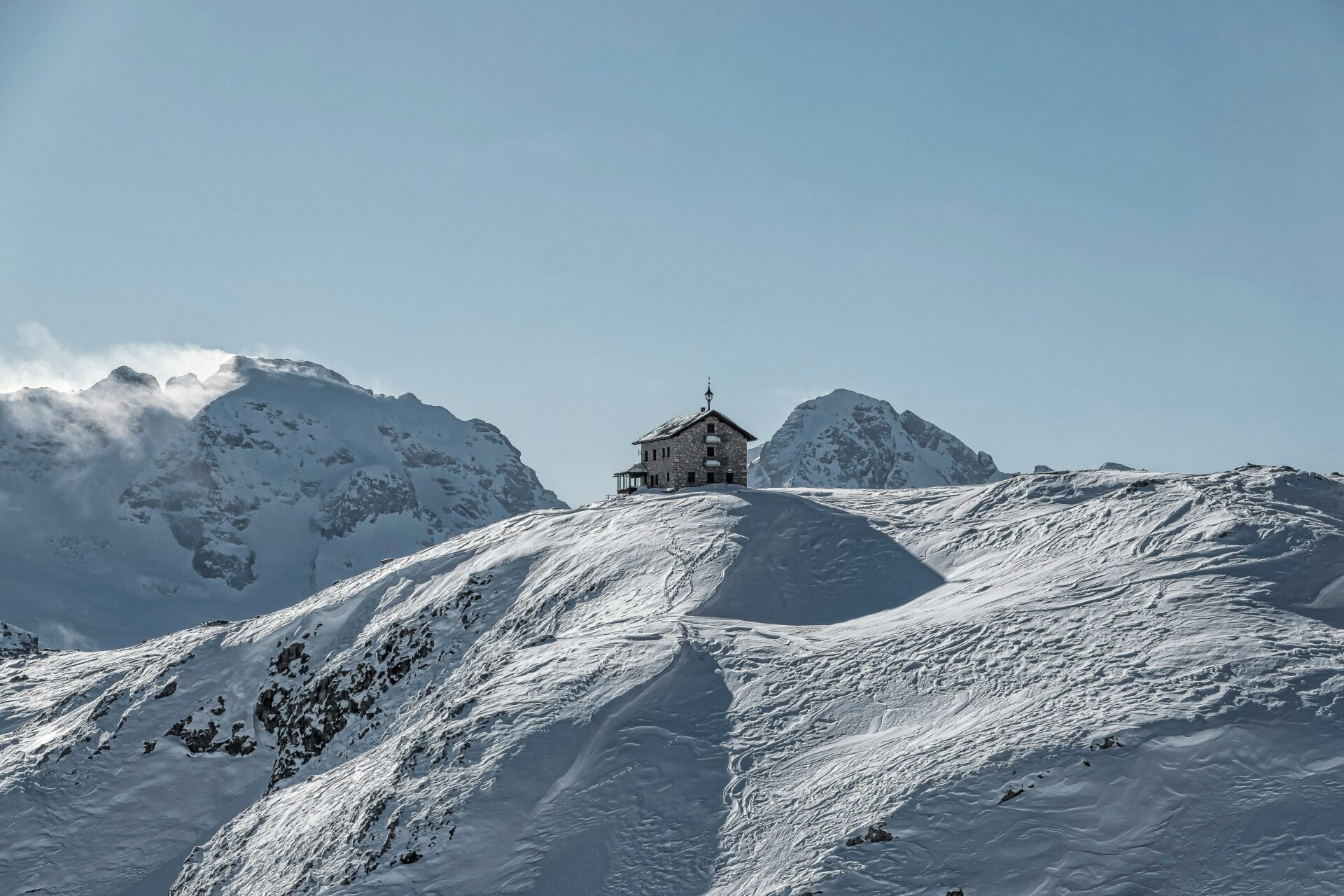
Boundaries? You don’t believe in them. You’re Monterosa, specifically the wild side of ALAGNA VALSESIA. You aren’t interested in a manicured resort; you want a frontier. In this, you are the spiritual successor to the Walser people, a Germanic tribe of nomads who migrated here from Switzerland in the 12th century, settling in the highest, most inhospitable valleys they could find. They were the ultimate explorers, just like you. But your Sagittarian need for expansion goes even higher—literally—and Monte Rosa is also the home of the Capanna Regina Margherita, the highest building in Europe at 4,554 meters. It was built in 1893, and in a move that screams Sag, Queen Margherita of Savoy herself climbed the glacier to inaugurate it, sleeping amidst the ice to prove her mettle. Today, Alagna is known as “Freeride Paradise.” You’re going to want to strap your skis to a backpack, hike into the unknown, and drop into a couloir that crosses three different valleys. The piste map—literally and metaphorically—is just a suggestion to you.
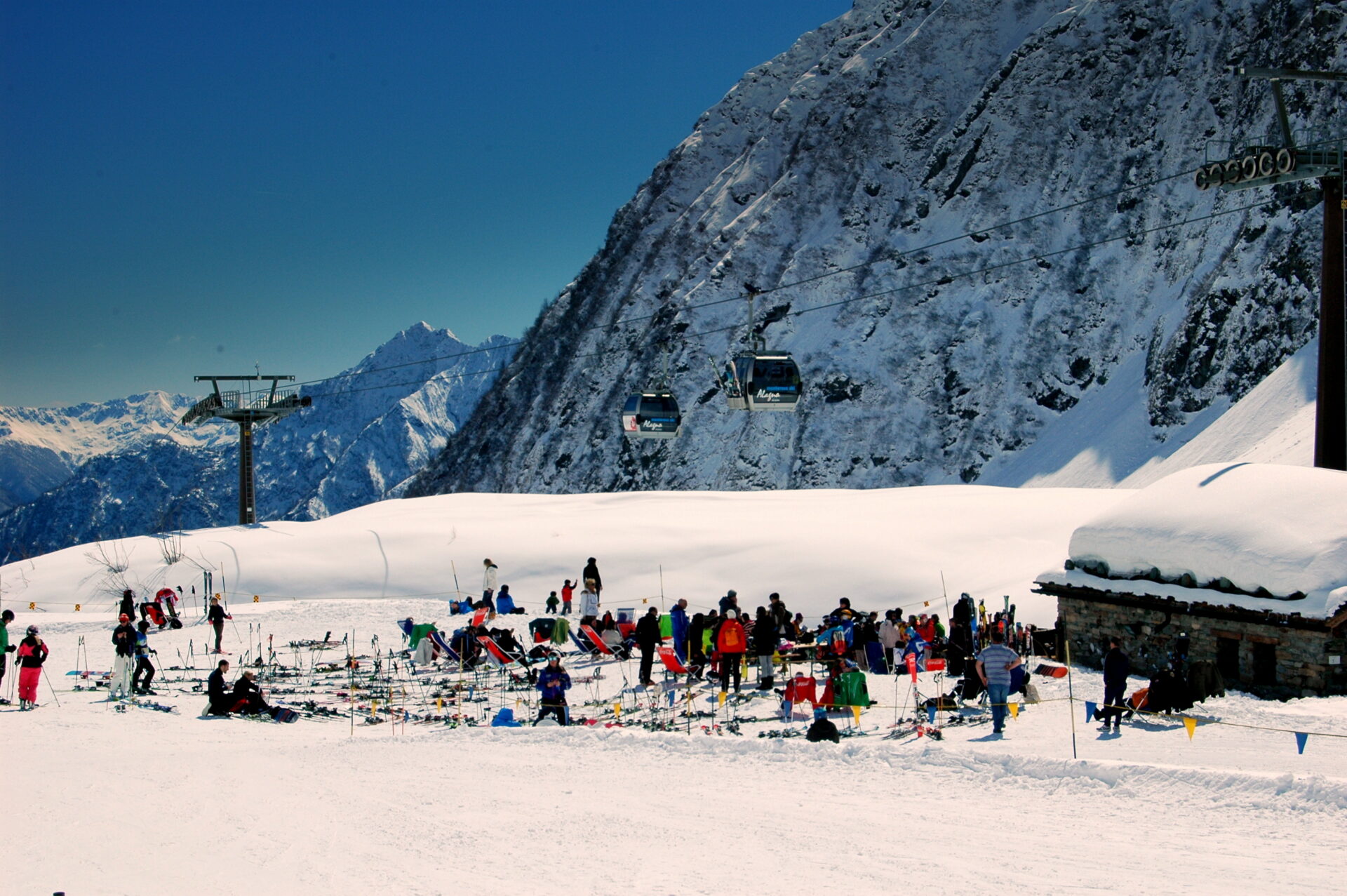
Alagna Valesia; Photo by Massimo Beltrame - Own work, CC BY-SA 4.0, https://commons.wikimedia.org/w/index.php?curid=71453289
CAPRICORN
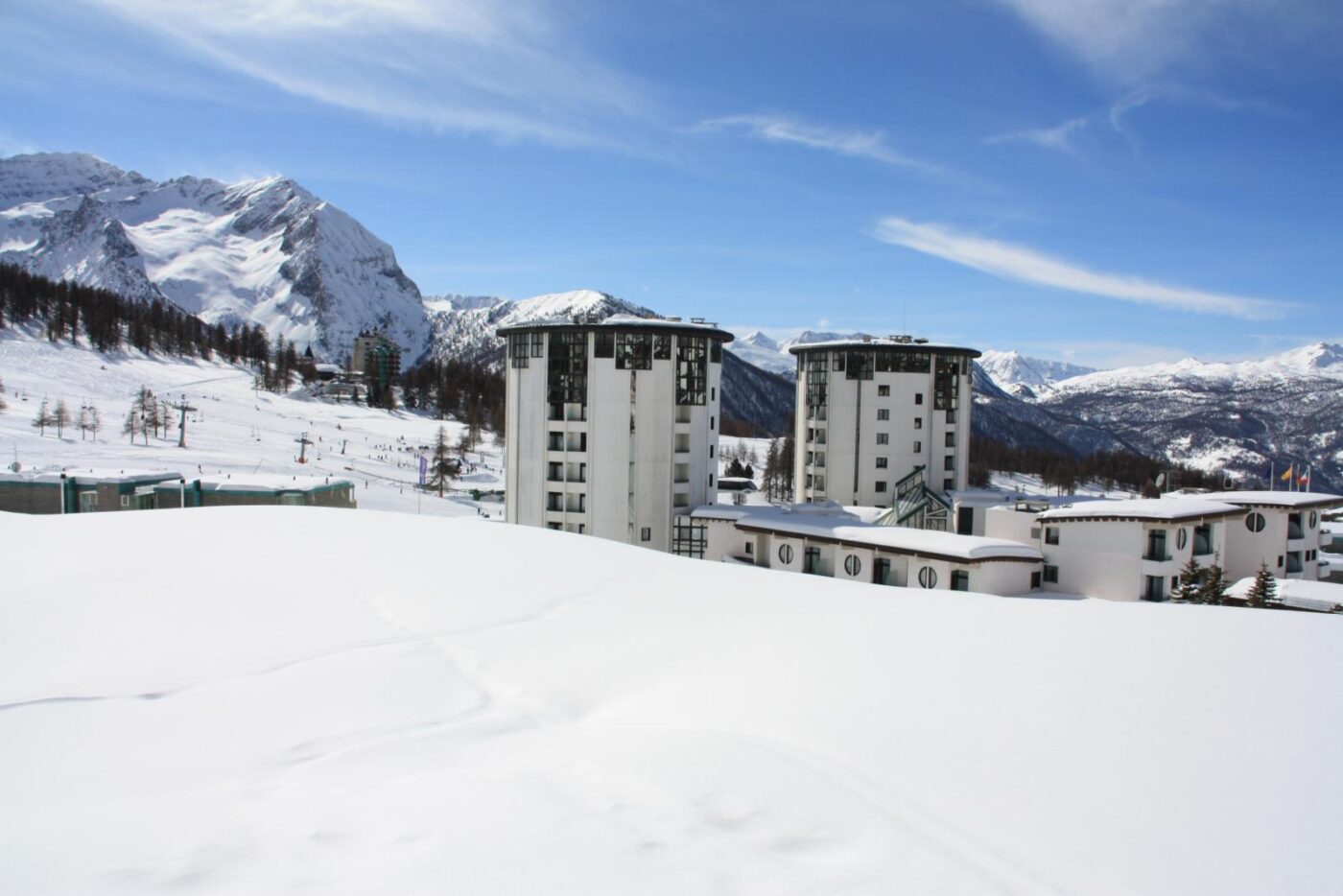
You respect ambition, structure, and legacy, which makes you SESTRIERE. Not a quaint ski village that “grew organically,” Sestriere may be the only ski destination birthed entirely from a boardroom. In the 1930s, the Agnelli family (the founders of FIAT) bought this land for 40 centesimi per square meter—a return on investment that would bring a tear to a Capricorn’s eye—and created Europe’s first purpose-built ski resort, envisioned specifically for the workers and executives of Turin. While other signs coo over gingerbread-house-looking chalets, you appreciate the stark, imposing beauty of the two towers built by Vittorio Bonadè Bottino. Designed in the Rationalist style, they are masterpieces of efficiency, featuring internal spiral ramps so guests could access the slopes without ever facing the cold—a feature that speaks to your love of logic. You channel the energy of L’Avvocato himself, Gianni Agnelli, who famously treated the mountain with CEO-level efficiency. He would take a helicopter from Turin at dawn, ski furiously for two hours (often in jeans), and be back at the FIAT desk by mid-morning. As he said, “Sestriere is a place where you ski. You don’t go there to be seen, you go there to do.” Sounds like you.
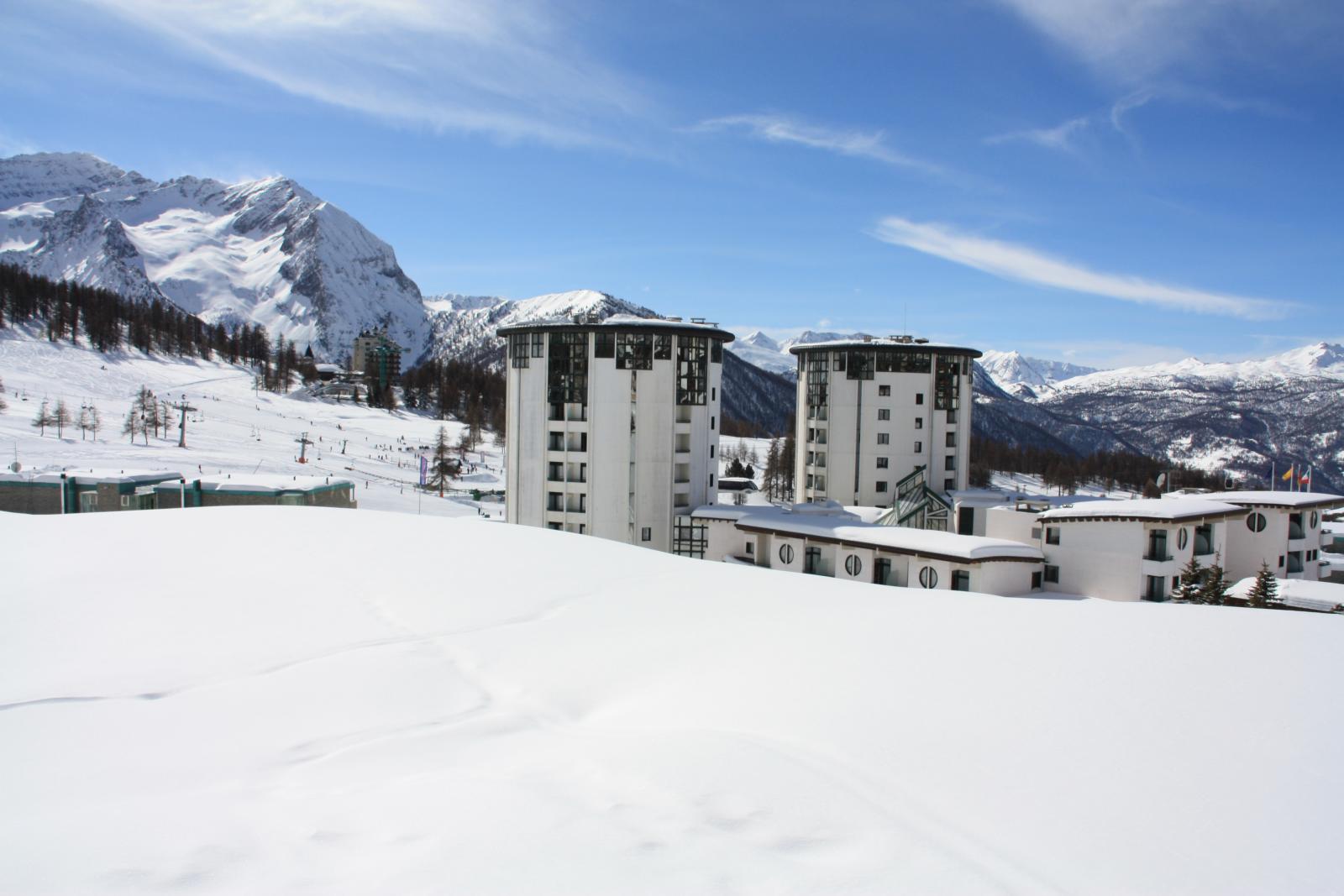
Sestriere; Photo by Raffaele Sergi, via flickr
AQUARIUS
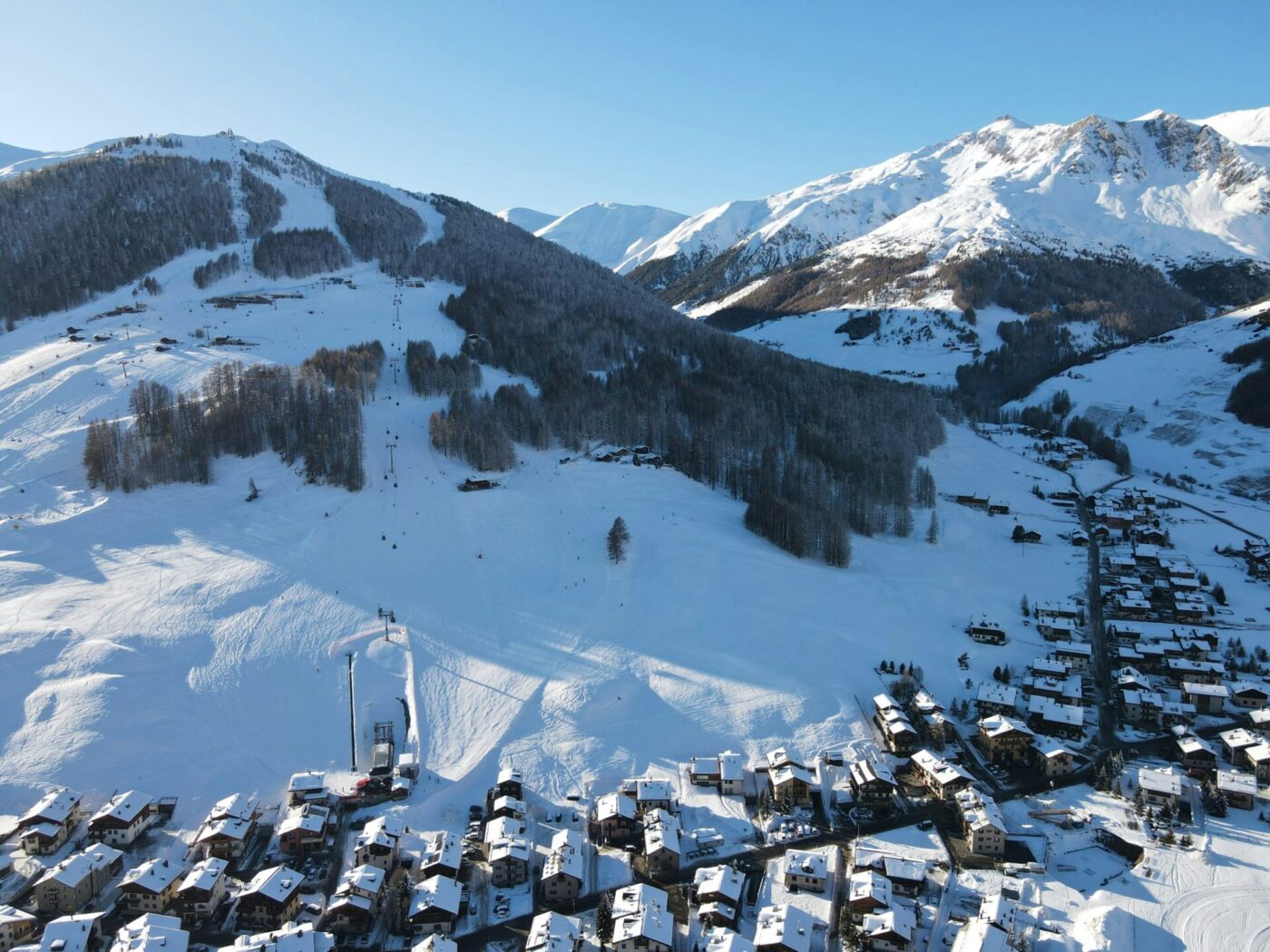
You are the rebel, the outsider, the one who plays by their own rules. What else than LIVIGNO? In Lombardy, near both the Swiss and Trentino–Alto Adige borders, it was geographically isolated for centuries, earning the valley the nickname “Little Tibet”. Its remoteness was so severe that in 1538, the local community negotiated a tax exemption just to survive. Until the Foscagno Pass opened in the winter of 1952, the village was completely cut off from the world for months at a time, developing a unique, autonomous character that Aquarians adore. And its duty-free status remains today—in other words: no VAT. Cheap alcohol and cheap fuel has attracted a younger, scrappier crowd than the fur-wearing elite of Cortina, creating a very Aquarian “outsider” energy that’s also the bedrock of freestyle culture. The mountain’s Mottolino Snowpark was one of the first in Italy to build massive “XL” lines—jumps so big they require specific waivers and professional-level speed. While others are drinking mulled wine in a cozy hut, you’re at Mottolino launching yourself into the ether. You stand alone, and you wouldn’t have it any other way.
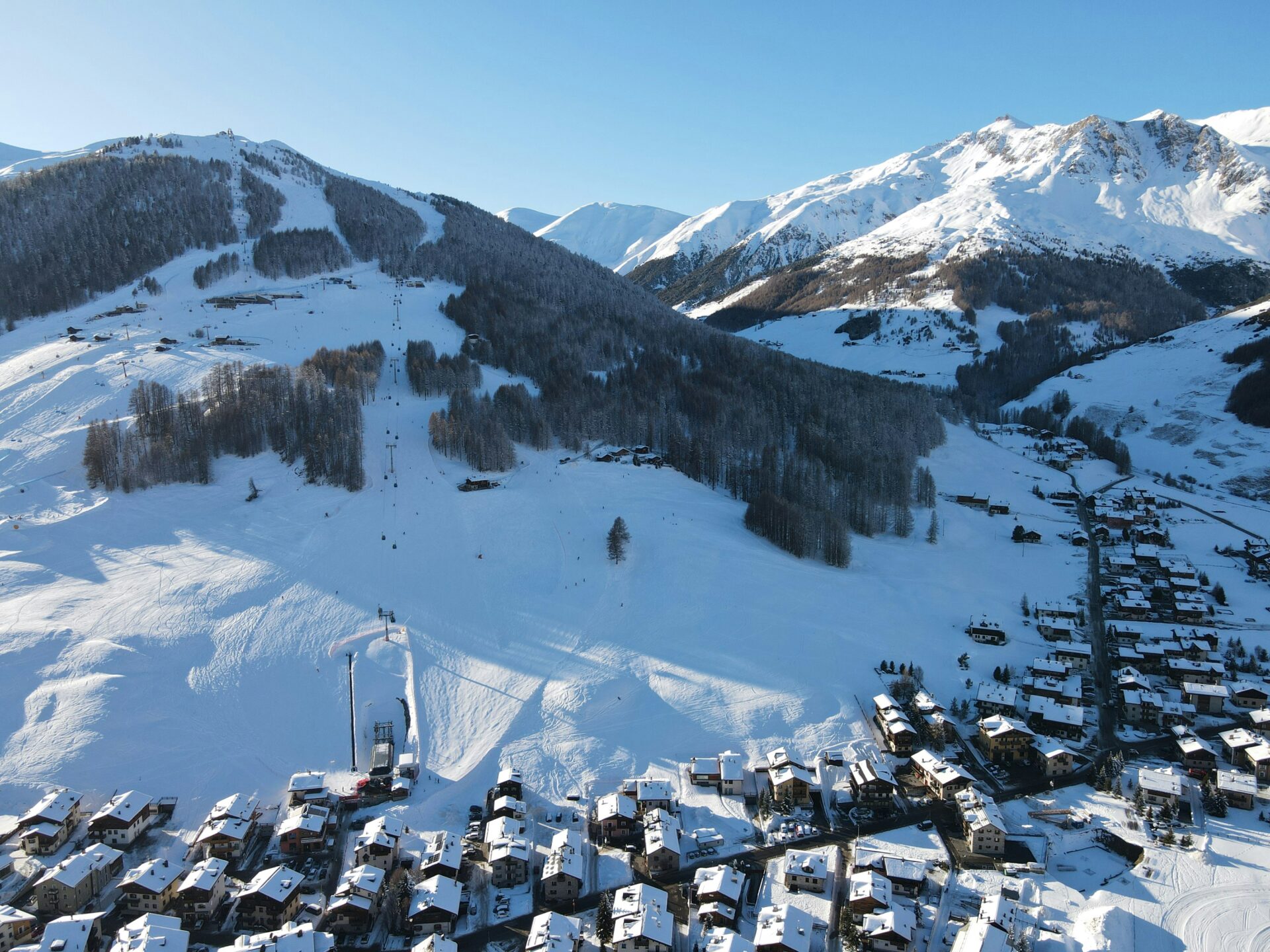
Livigno
PISCES
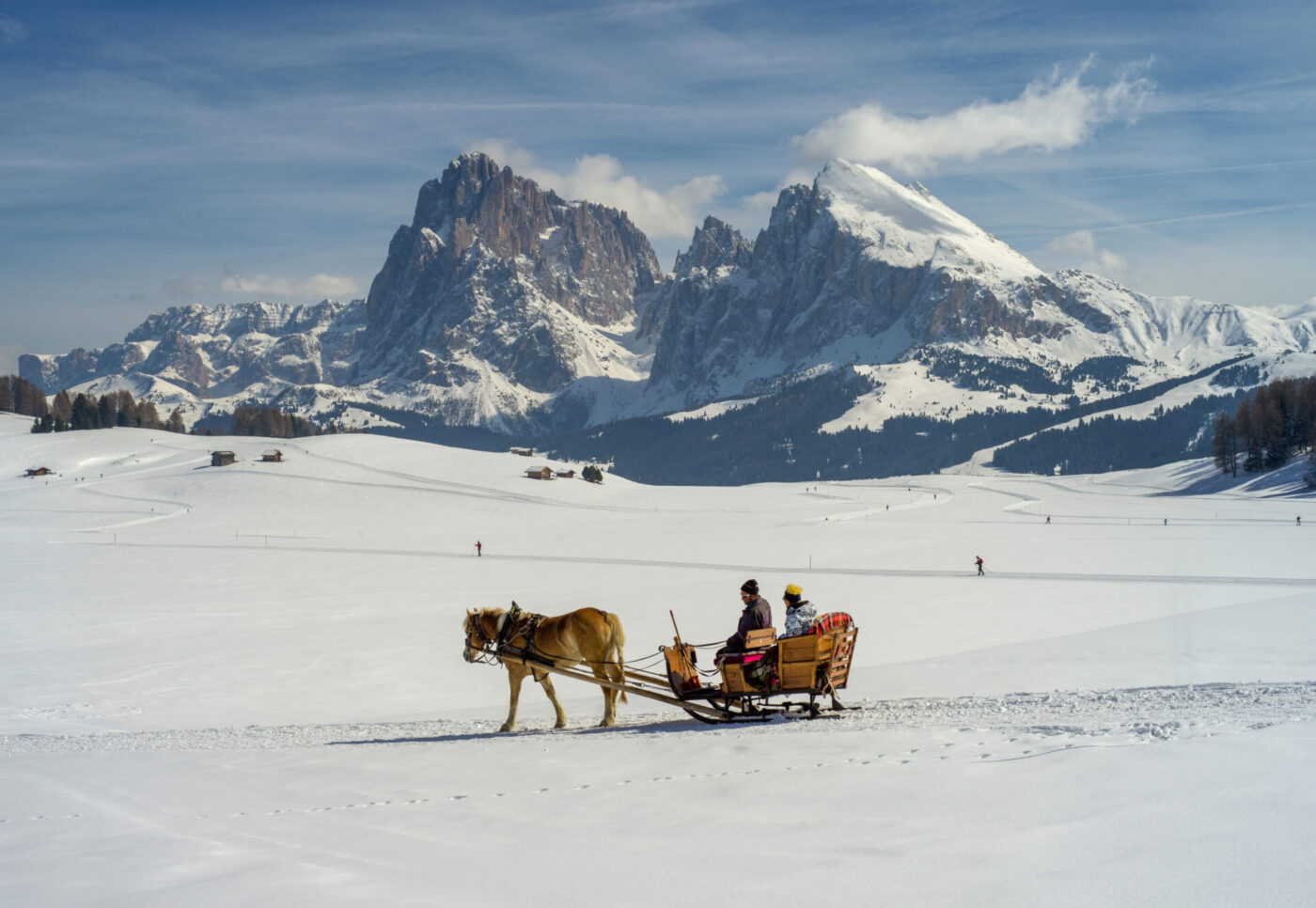
You live in a dreamworld, and now you can ski in one too. You are ALPE DI SIUSI, a ski resort above Val Gardena but also a folkloric hotspot. The Sciliar mountain that looms over the plateau was historically feared as the meeting place of the Schlernhexen (Schlern Witches), and in the early 16th century, actual witch trials were held here, where women were accused of conjuring thunderstorms to ruin the harvest. You can still visit the “Witches’ Benches” (Hexenbänke), a formation of stones where the covens allegedly gathered. But don’t worry, the energy now is enchanting. It’s a sanctuary for cross-country skiers, and as Europe’s largest high-altitude Alpine meadow (covering 56 square kilometers), it offers a soft, rolling landscape that feels oceanic in its vastness—perfect for a water sign. You can drift down wide, gentle slopes in a meditative trance, and later, indulge in a traditional “hay bath”—a local ritual that wraps you in fermenting alpine grasses, a practice born from farmers who realized sleeping in the hay cured their aches.
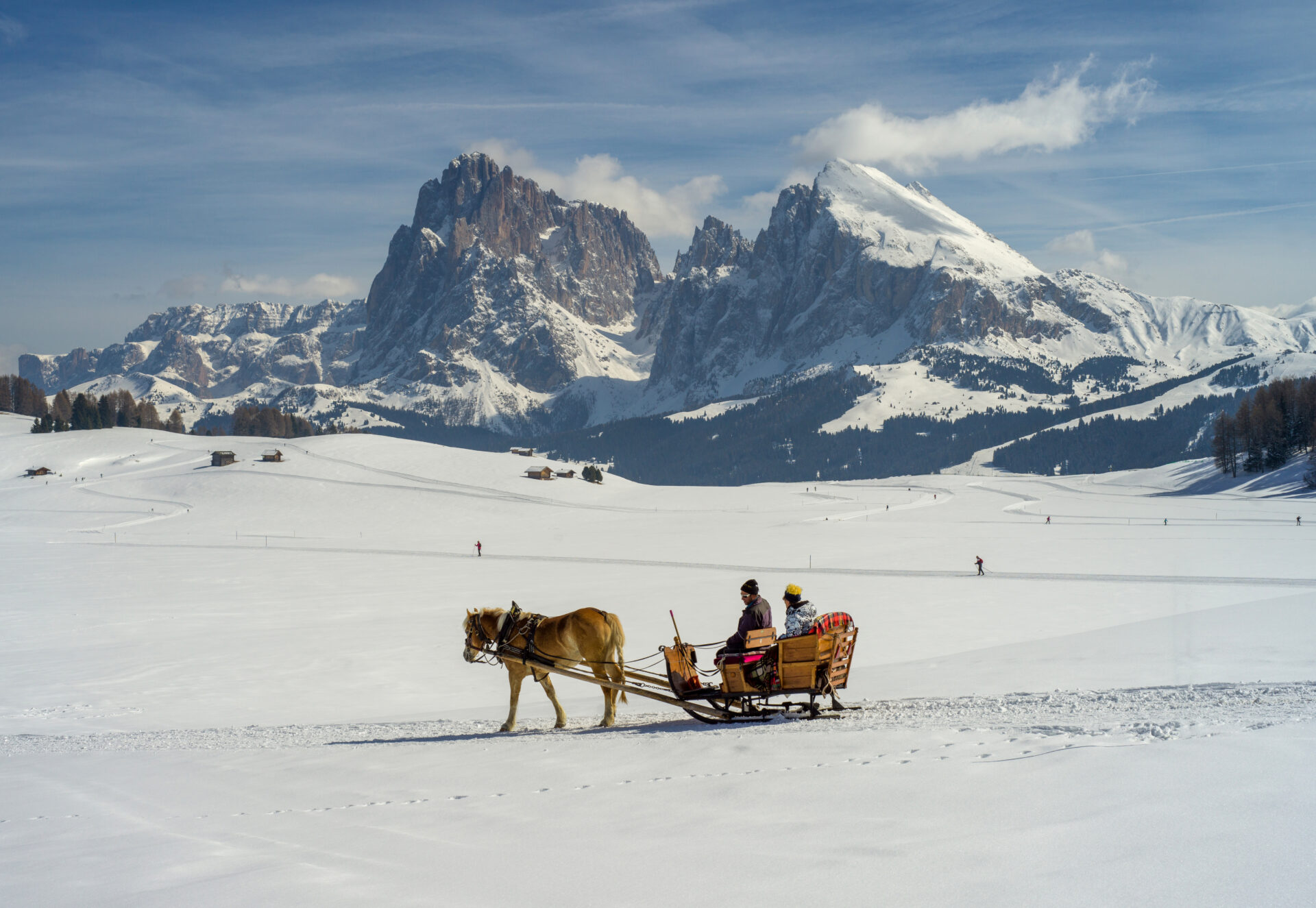
The Swiss Alps; Photo by Wolfgang Moroder. Own work, CC BY-SA 3.0, https://commons.wikimedia.org/w/index.php?curid=77212986