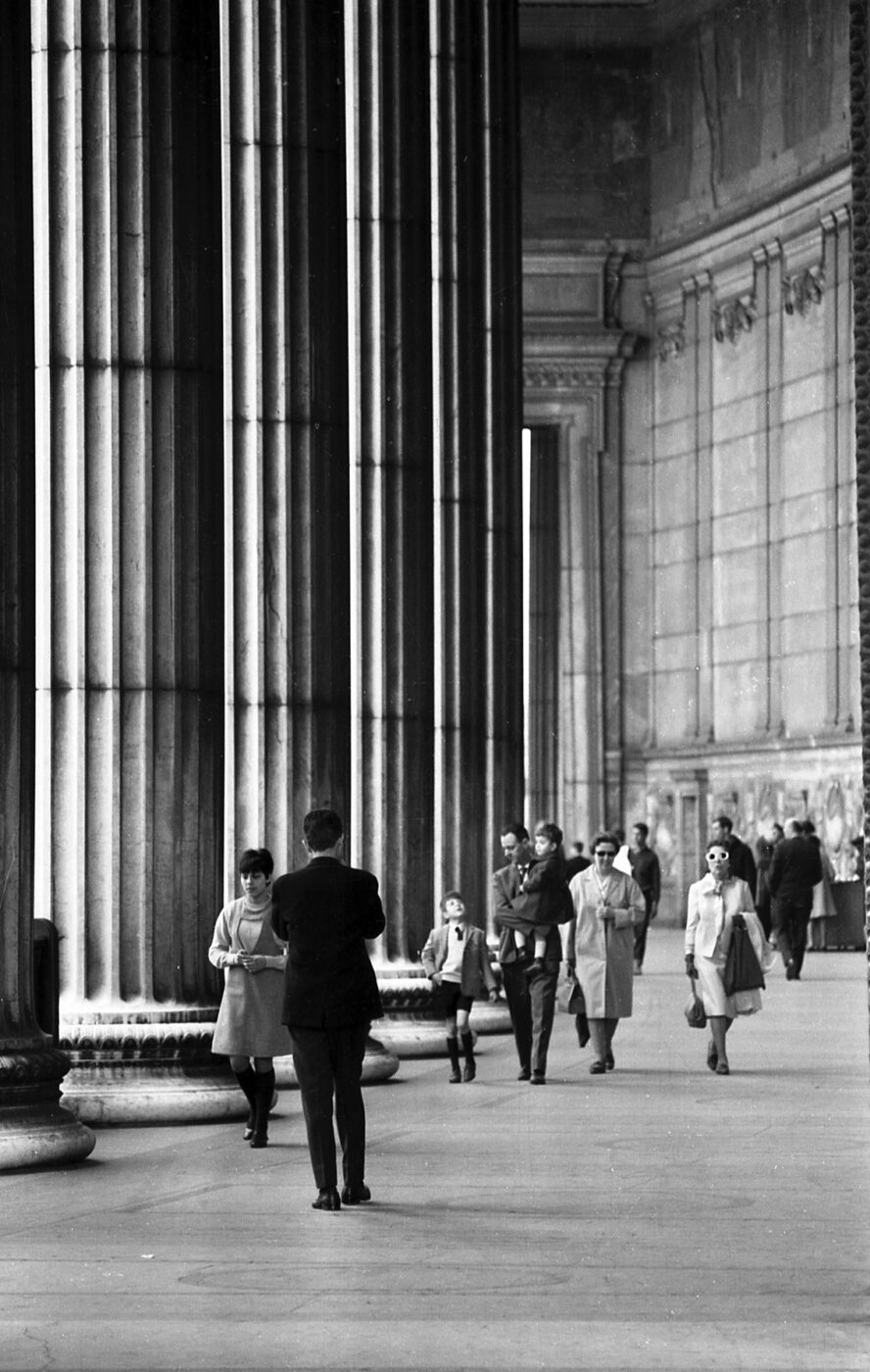
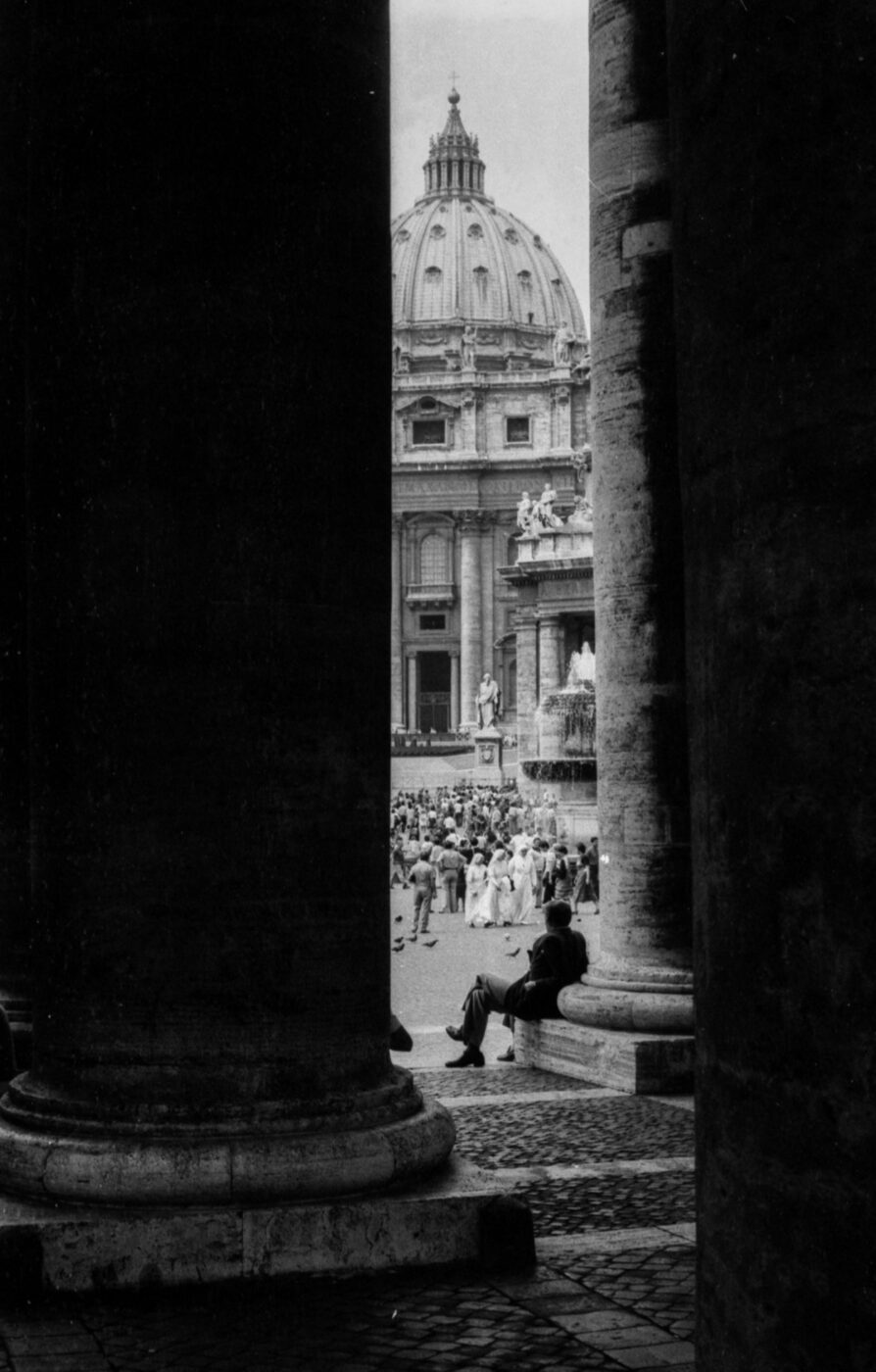
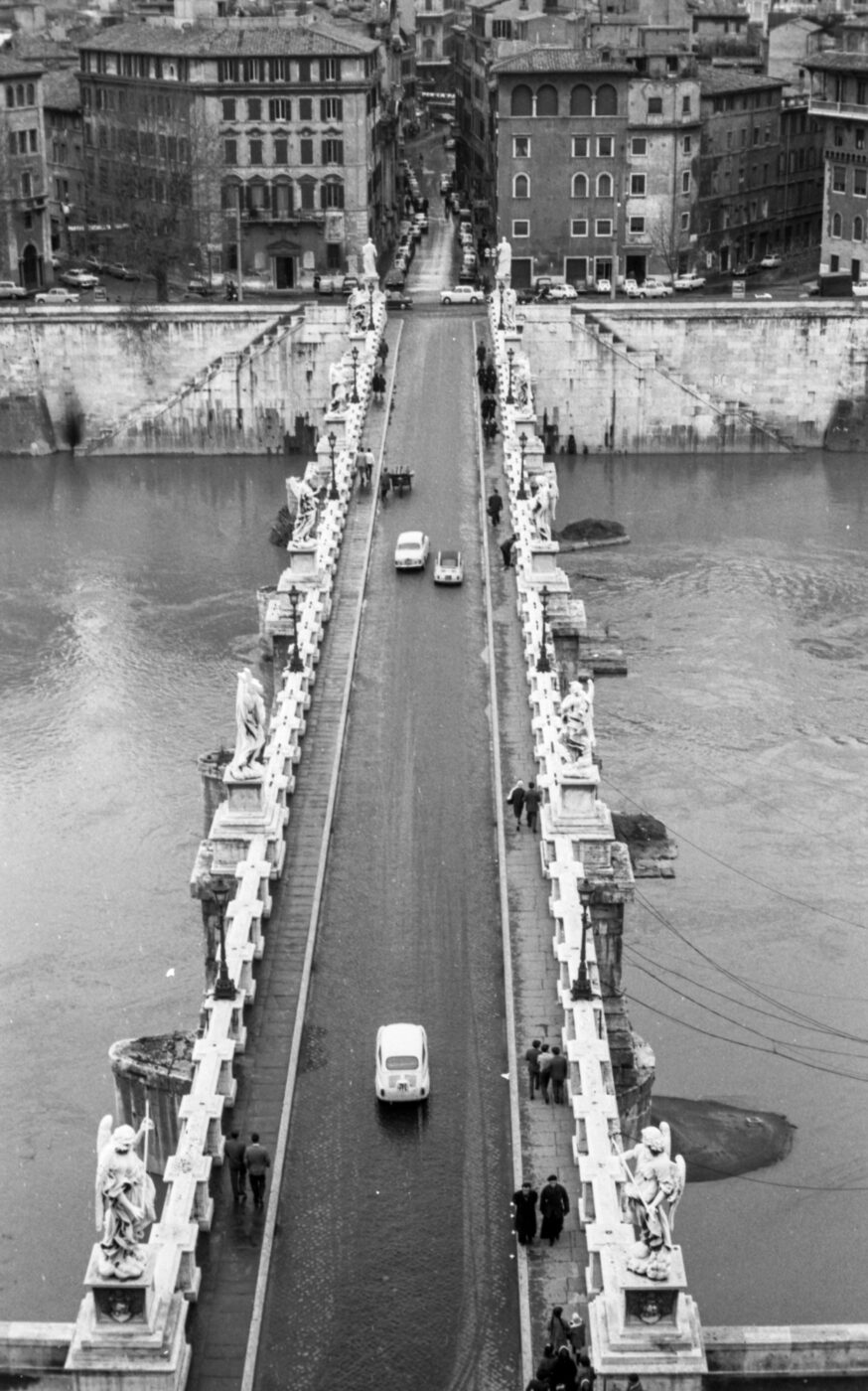
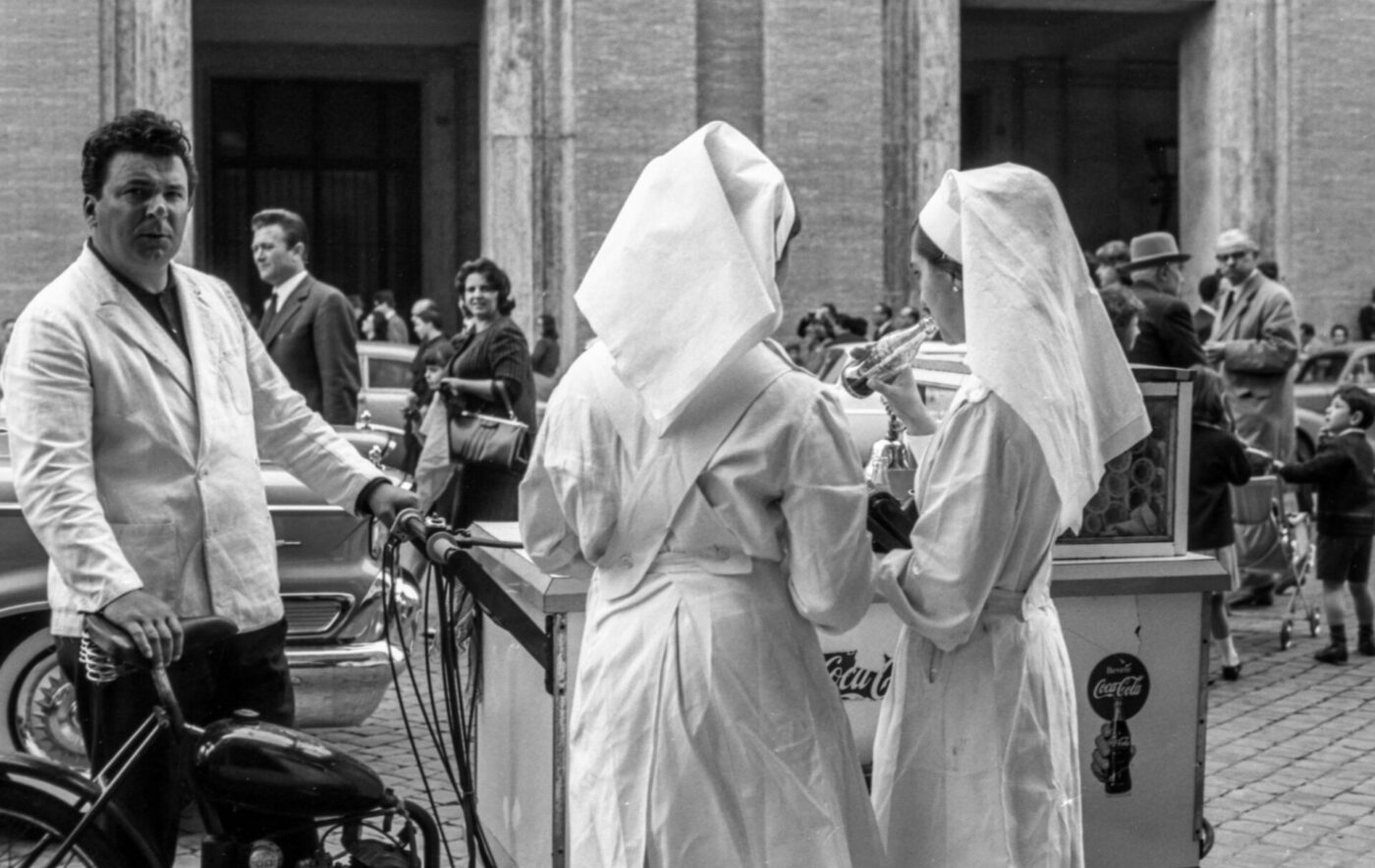
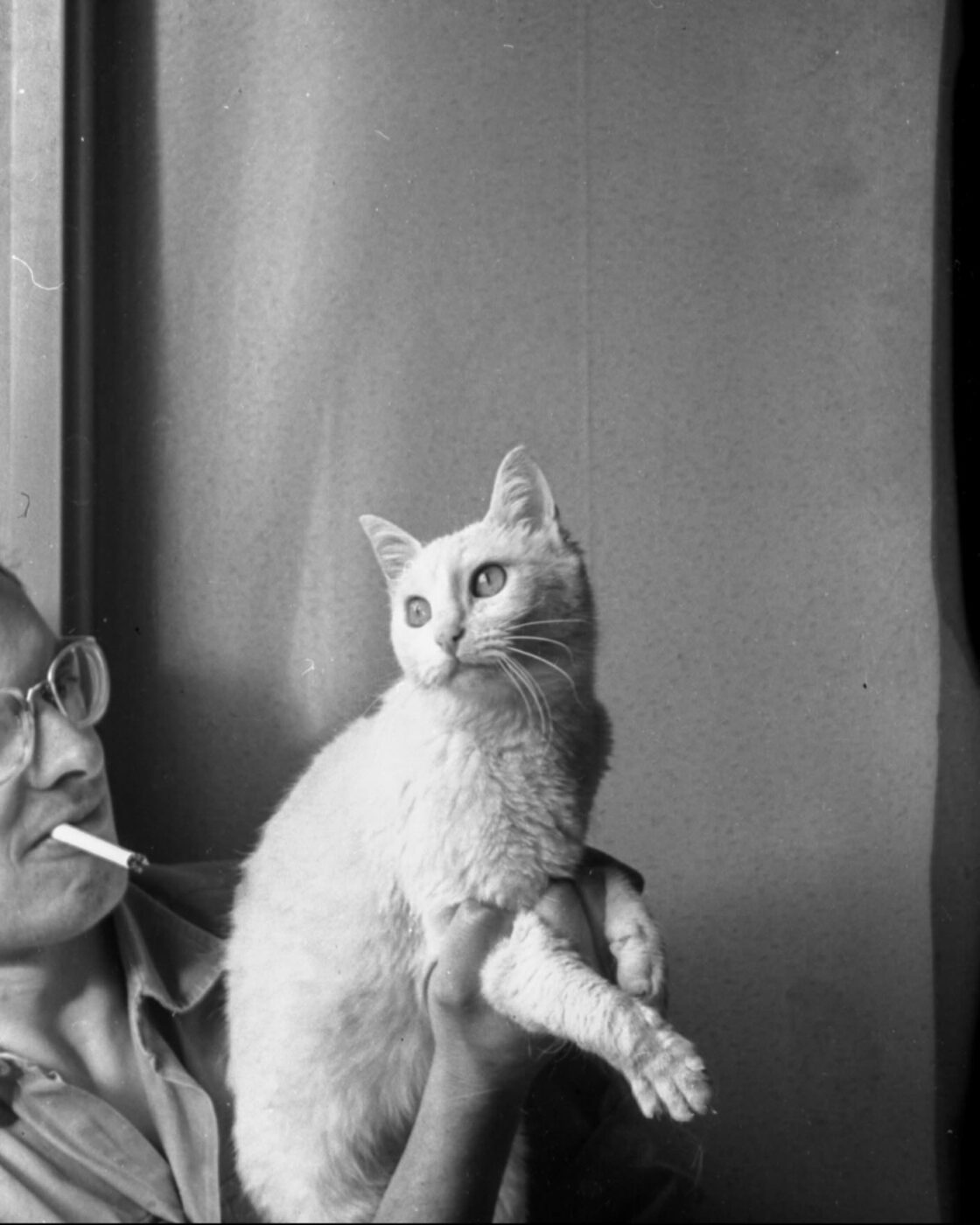
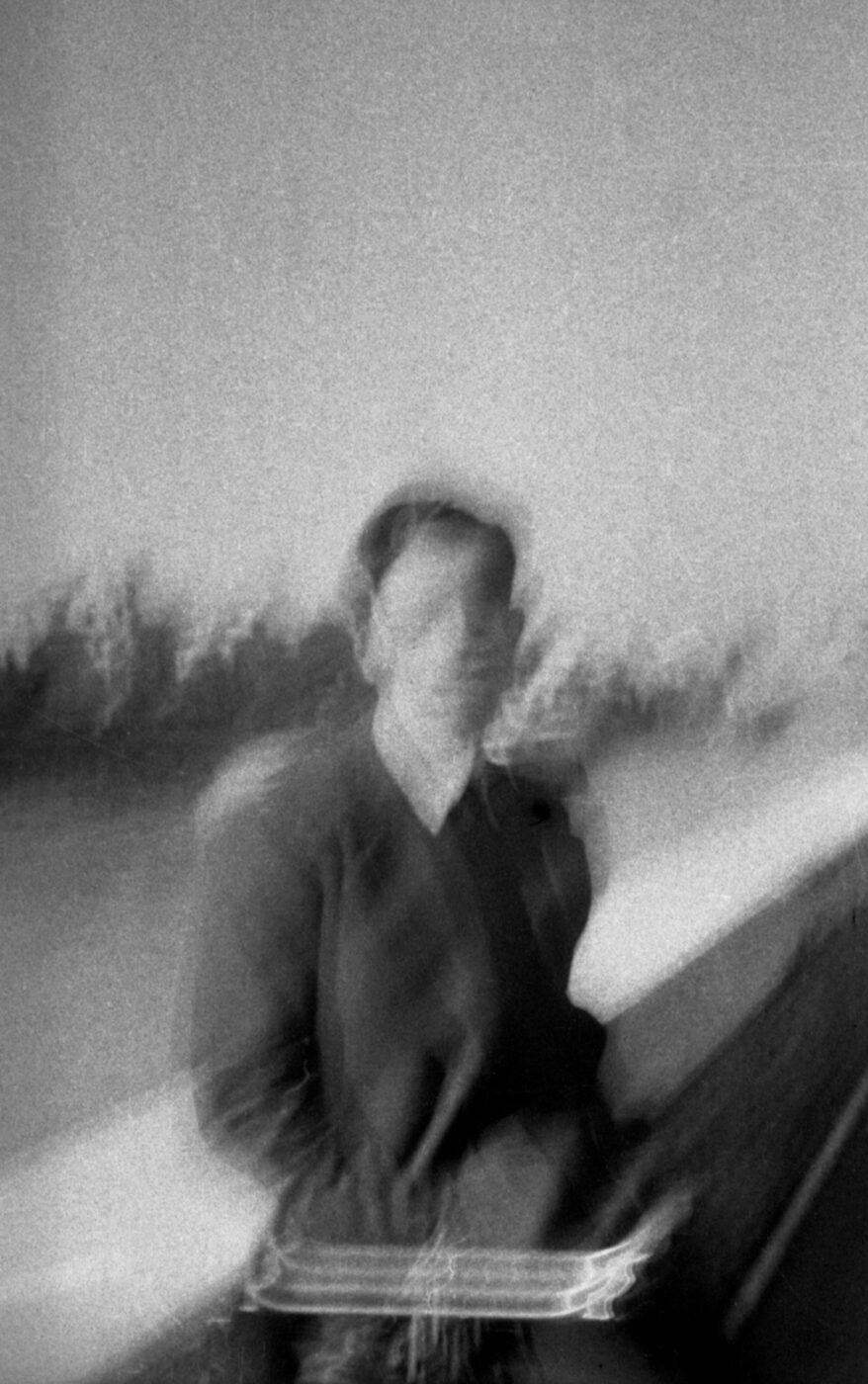
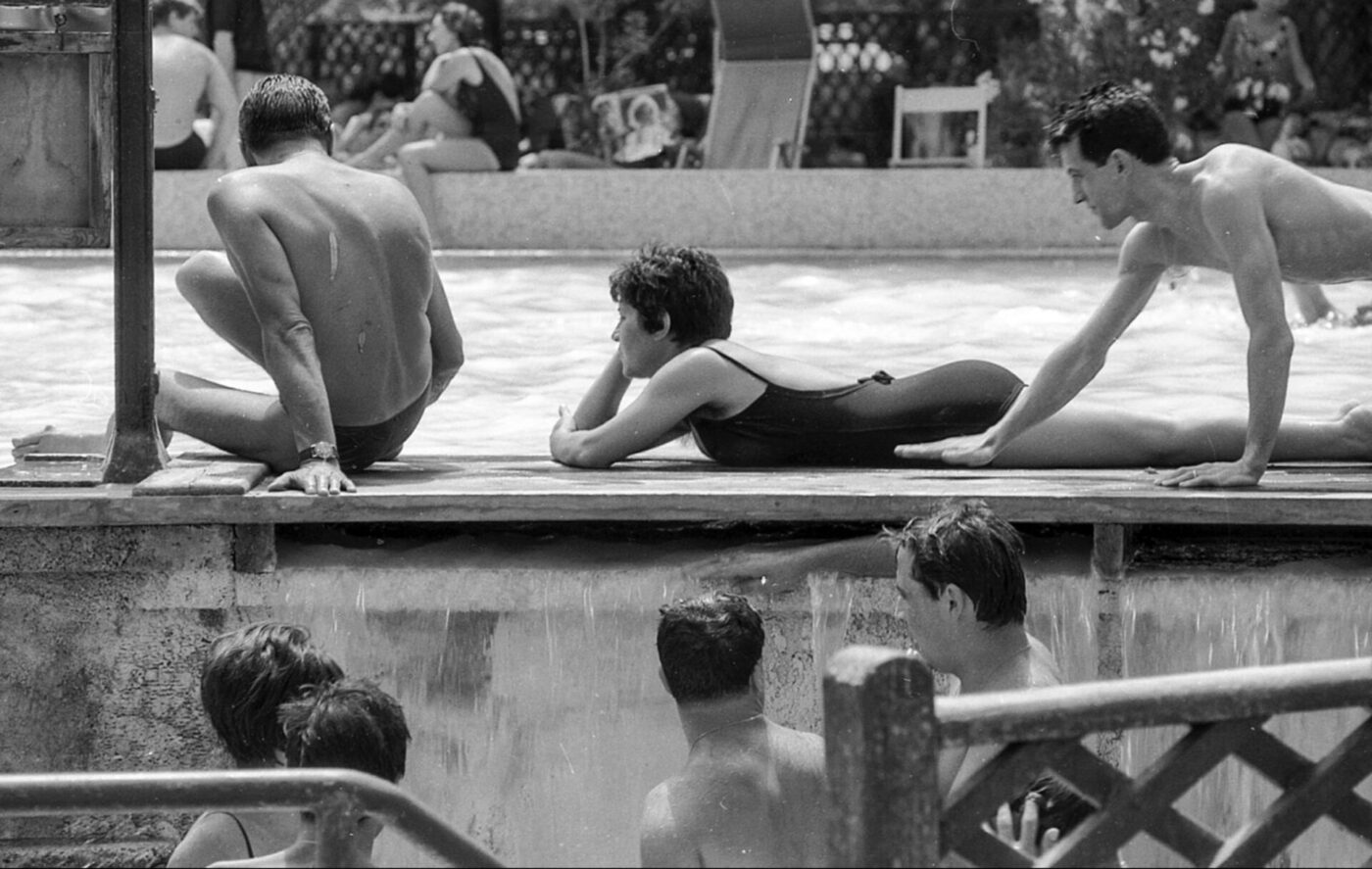
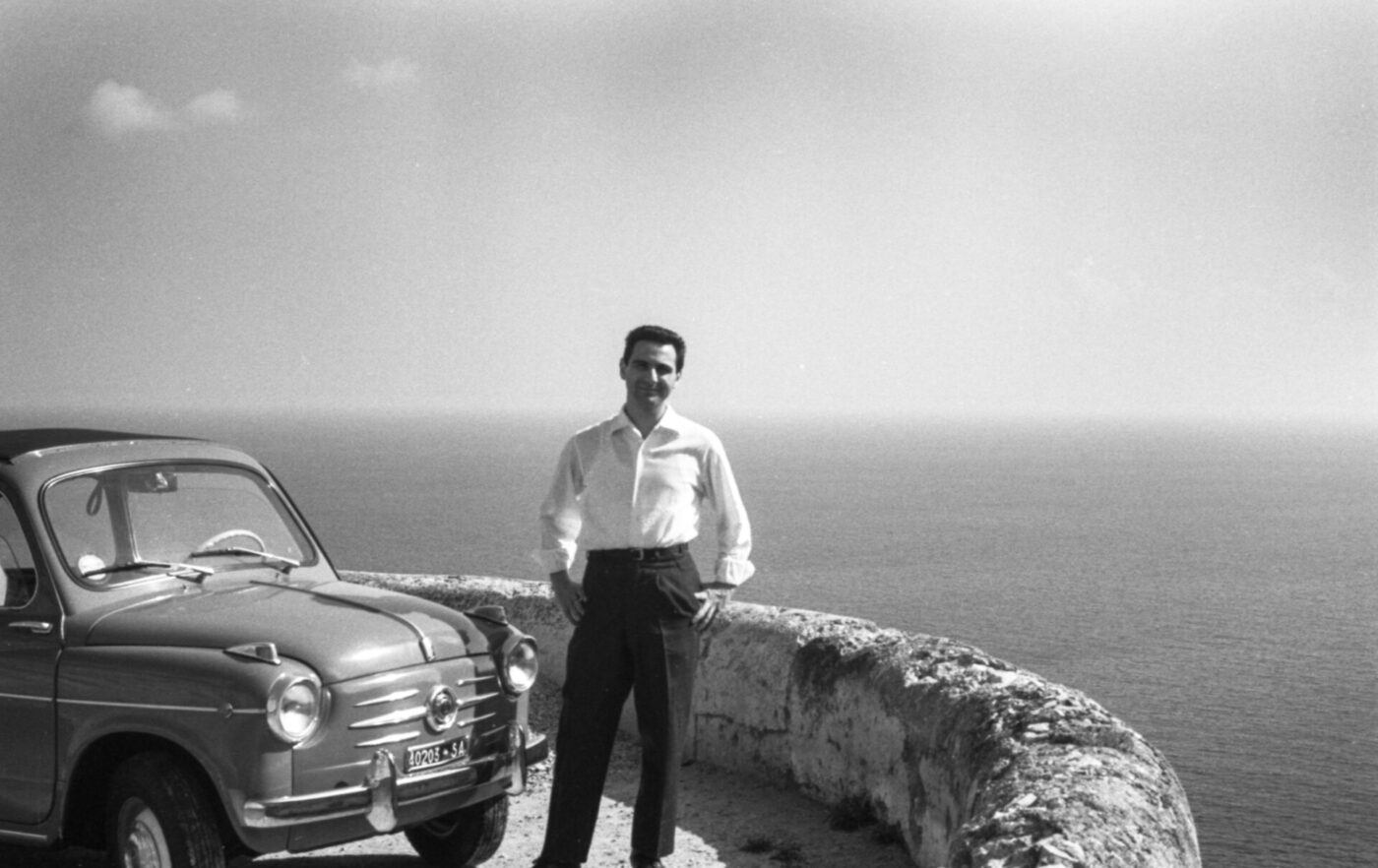
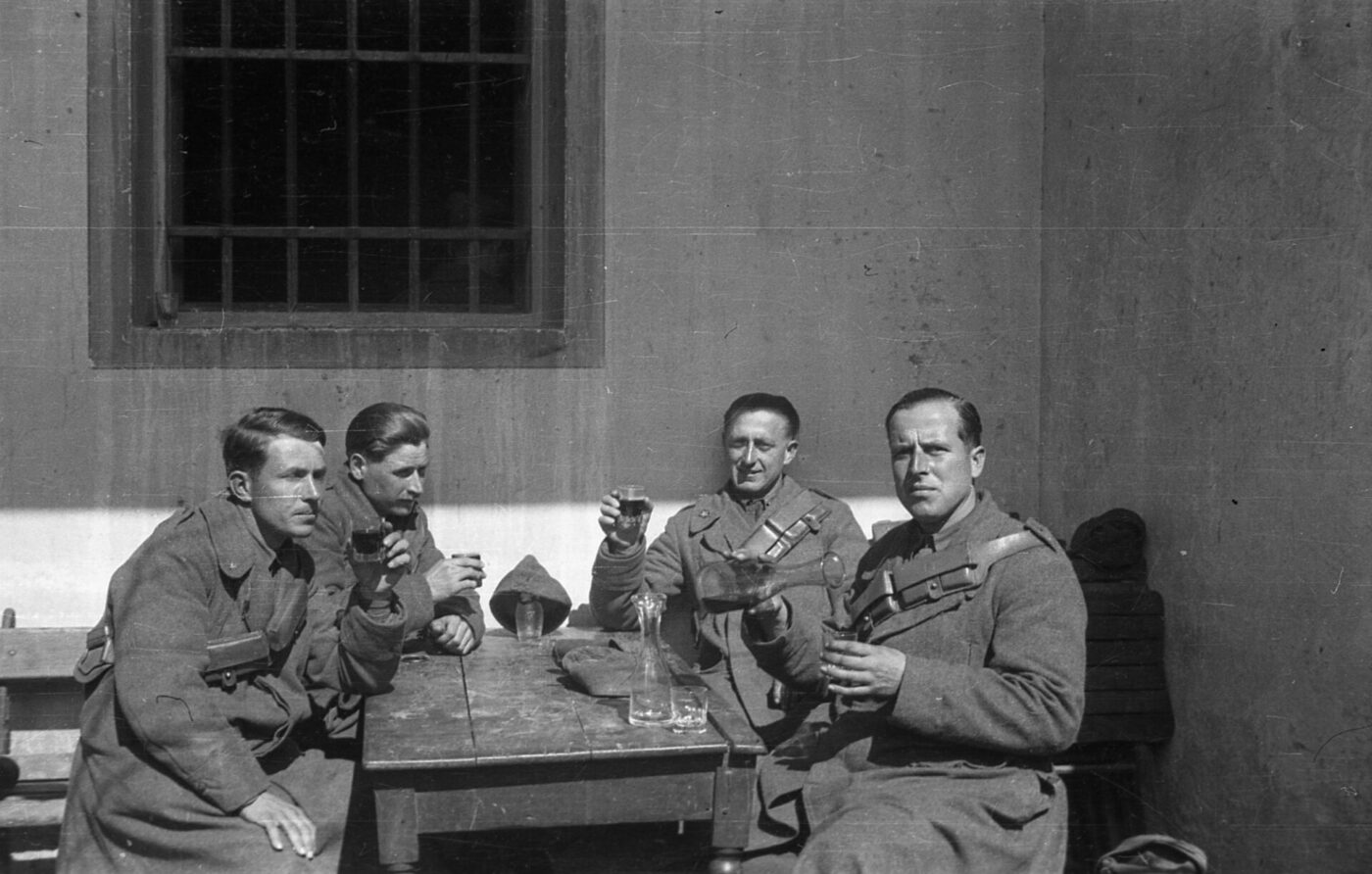
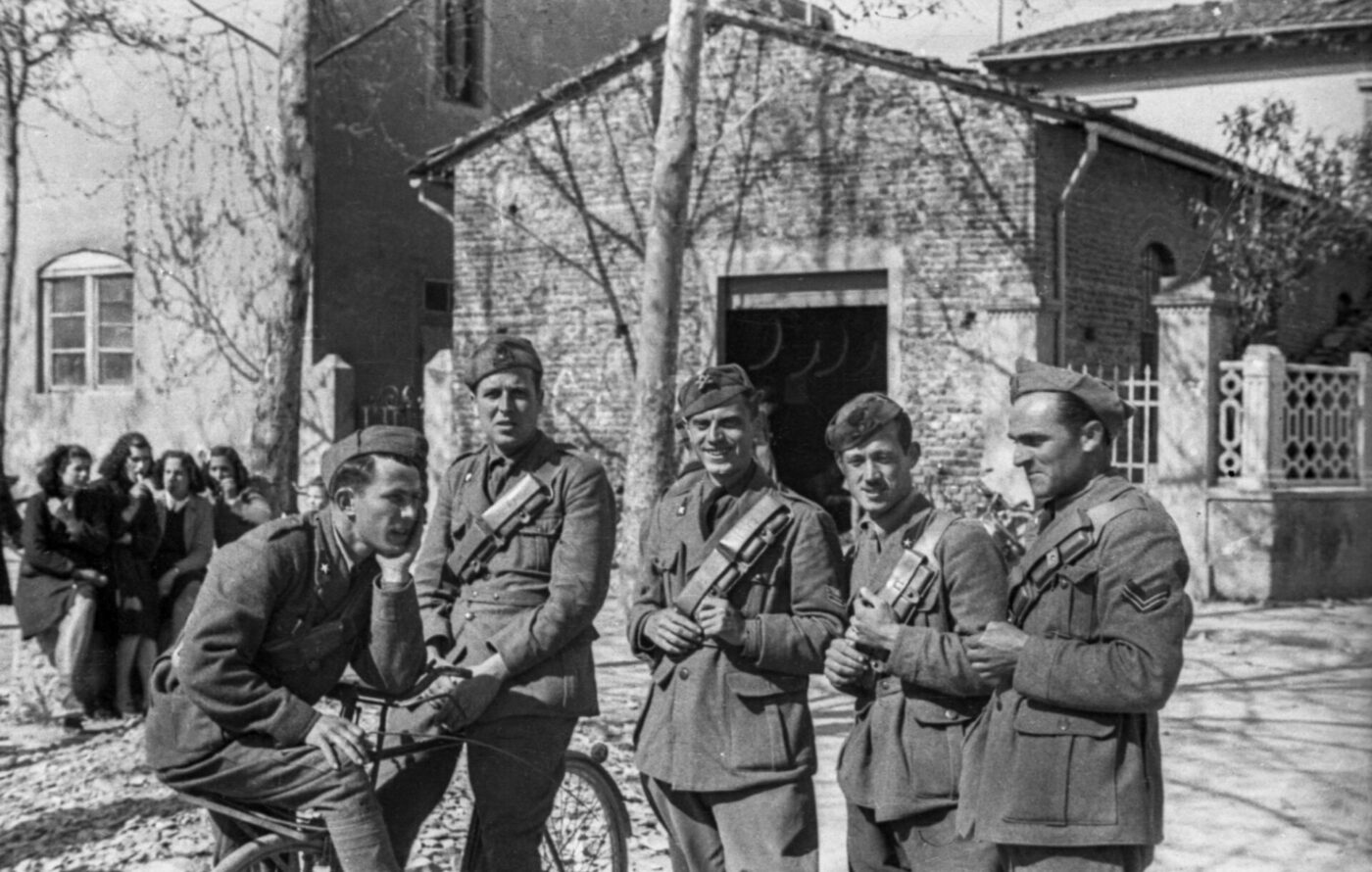
I’ve spent the last few years recovering a large photographic archive of Italy, shot between the 1930s and the 1990s by my great-uncle, Gianfranco Torossi. Taken together, they form a long, incidental record of a country in motion—not through its official history, but through the daily life that unfolded alongside it.
Torossi, born in Rome in 1921, was an amateur photographer and an avid collector of cameras. He began shooting as a boy, after his father gave him his first camera at the family dinner table, hidden under a napkin. From then on he photographed incessantly: lengthy summers on the Lazio coast, first loves, childhood friends, and a city slipping into Fascism and racing toward World War II. During the war he kept photographing—artillery training, fellow soldiers, the movement of his regiment north. He didn’t stop even when, taken prisoner after the armistice, he was interned in a labor camp in Nazi Germany.
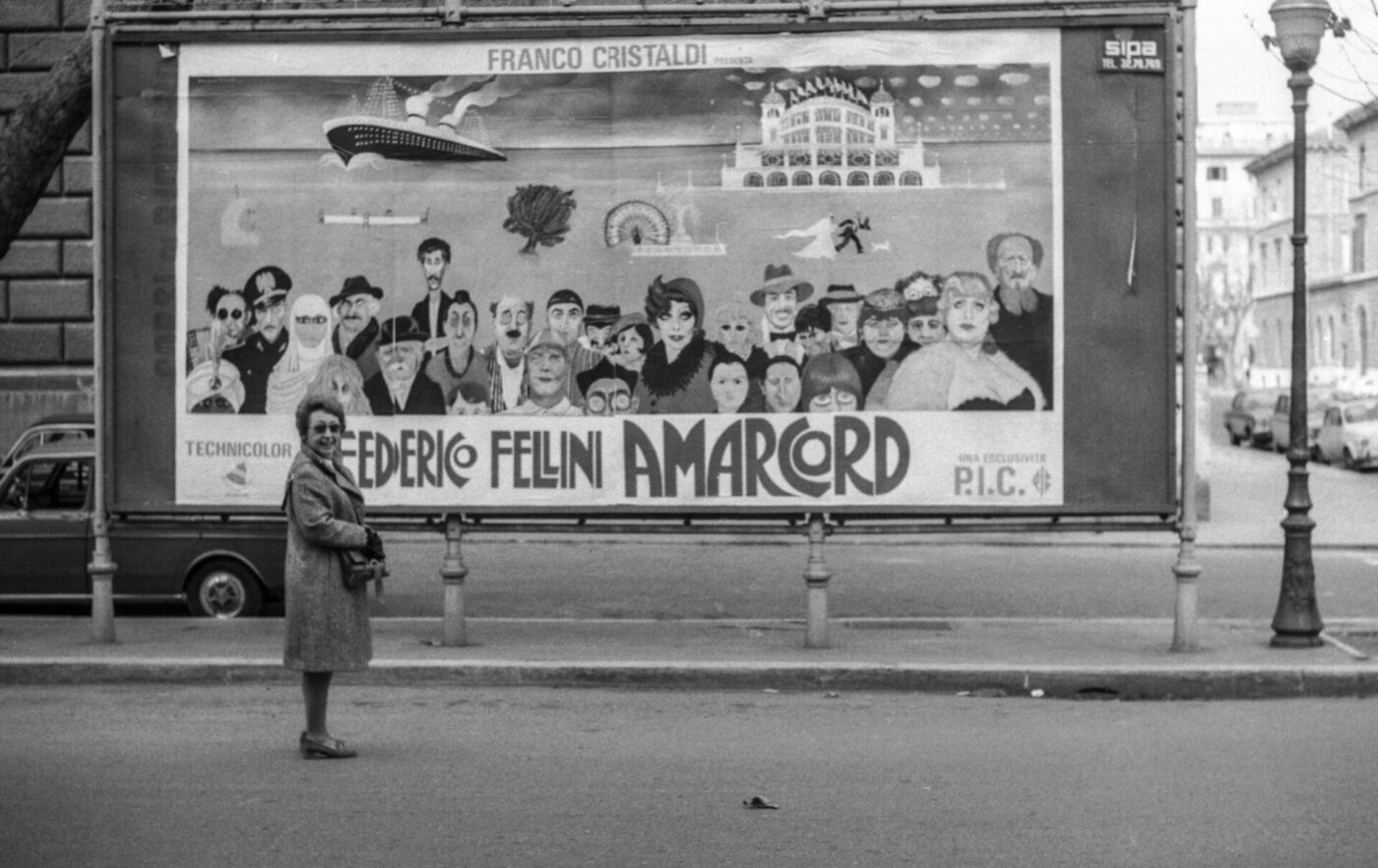
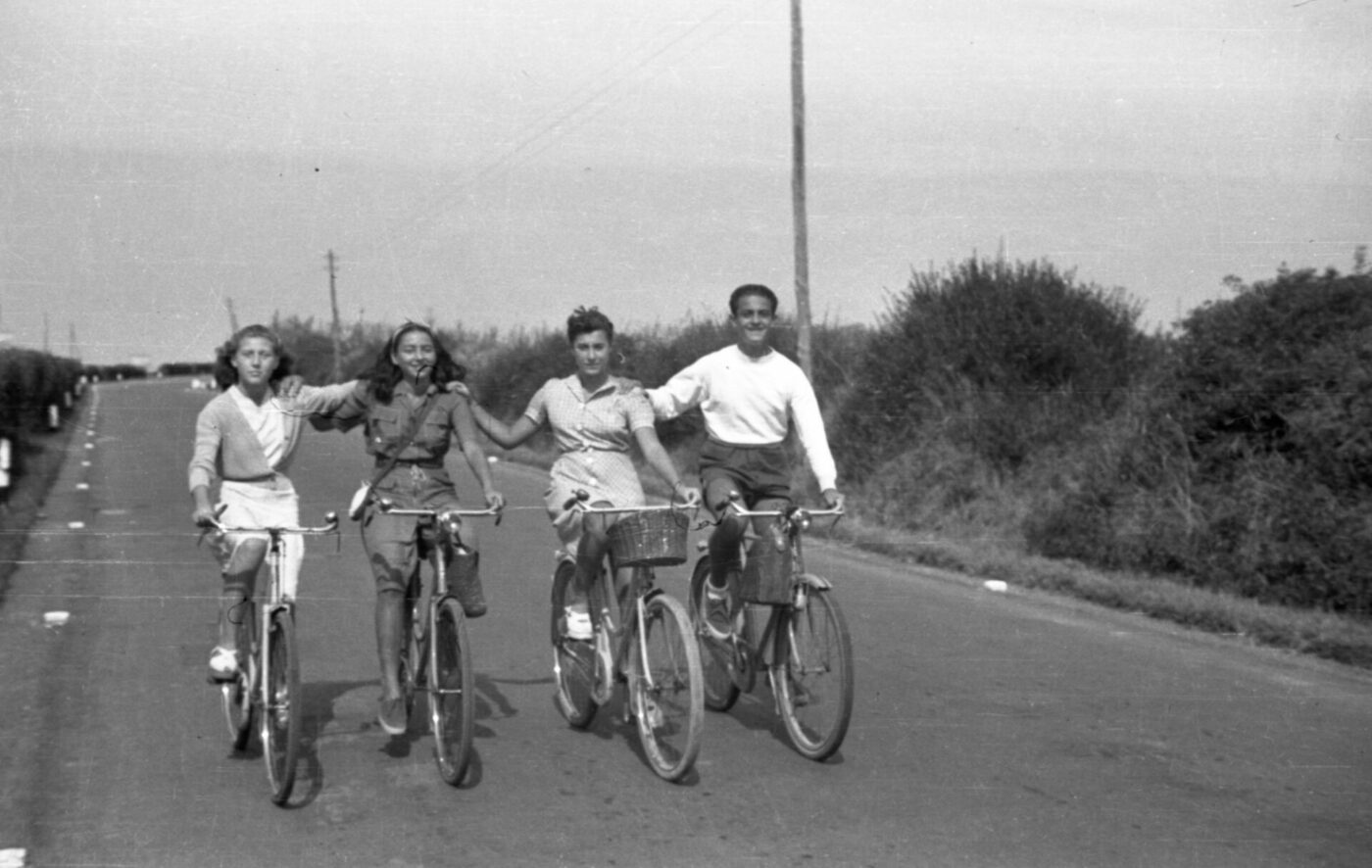
After the war, he returned to Rome and to a conventional bourgeois career as an official at Banca Commerciale Italiana. The cameras stayed with him. He recorded reconstruction and the economic boom, the contradictions and protests of the 1970s, the hedonism of the 1980s, and the increasingly cosmopolitan Rome of the 1990s—always as an amateur with more of an eye for the little moments than the “wow” shot. As such, his archive is full of family trips and romances, colleagues and passing strangers, public works, museums, flea markets, boulevards; six decades of life in Italy as it moved fast and changed violently.
What emerges is an intimate portrait of a bourgeois Italy—now largely vanished—seen through the eyes of a bourgeois man.
I was born in 1987, Torossi’s great-nephew, and grew up among his cameras—a proximity that probably shaped my own path into professional photography. After his death, I gathered and preserved the hundreds of rolls of film stored in our family’s Roman home. Scrolling through meters of negatives, I watched an Italy take form: a remarkably beautiful, often nostalgic, image of the Bel Paese that once was. Of course, the archive contains a bit of everything: the impeccable poise of passersby along the Lungotevere, cars threading through piazzas, naïve and tender nudes, mistakes and burned frames.
I have now curated a collection from the archive, selecting compositions and framings that align with my own sense of documentary photography and portraiture. For some time now, I’ve been sharing the images through an Instagram page, Archivio Come Eravamo (@archivio_come_eravamo), posting them gradually while printing others in the darkroom. Here is a selection of them, of moments lived and photographed by my great-uncle Gianfranco.
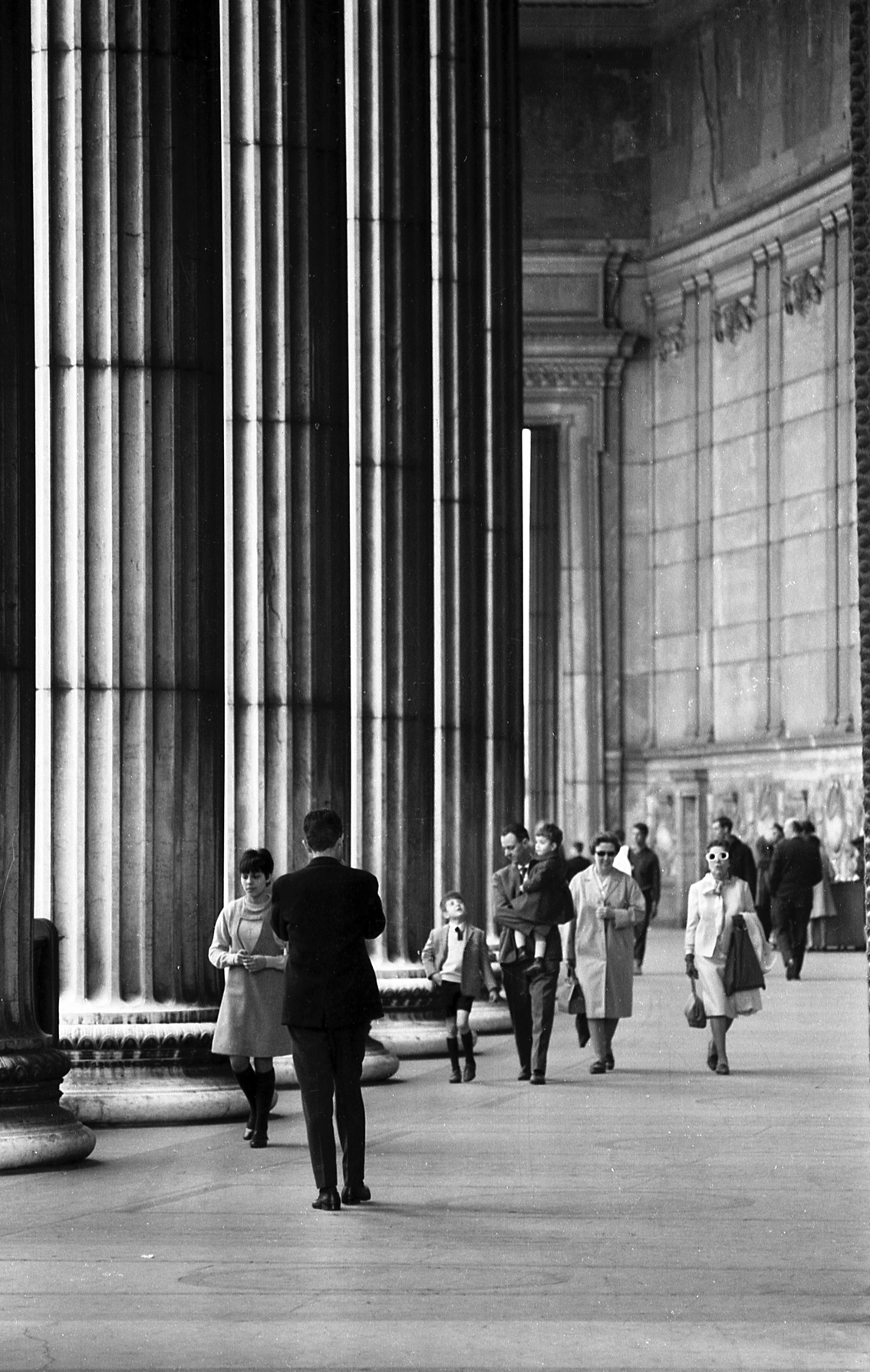
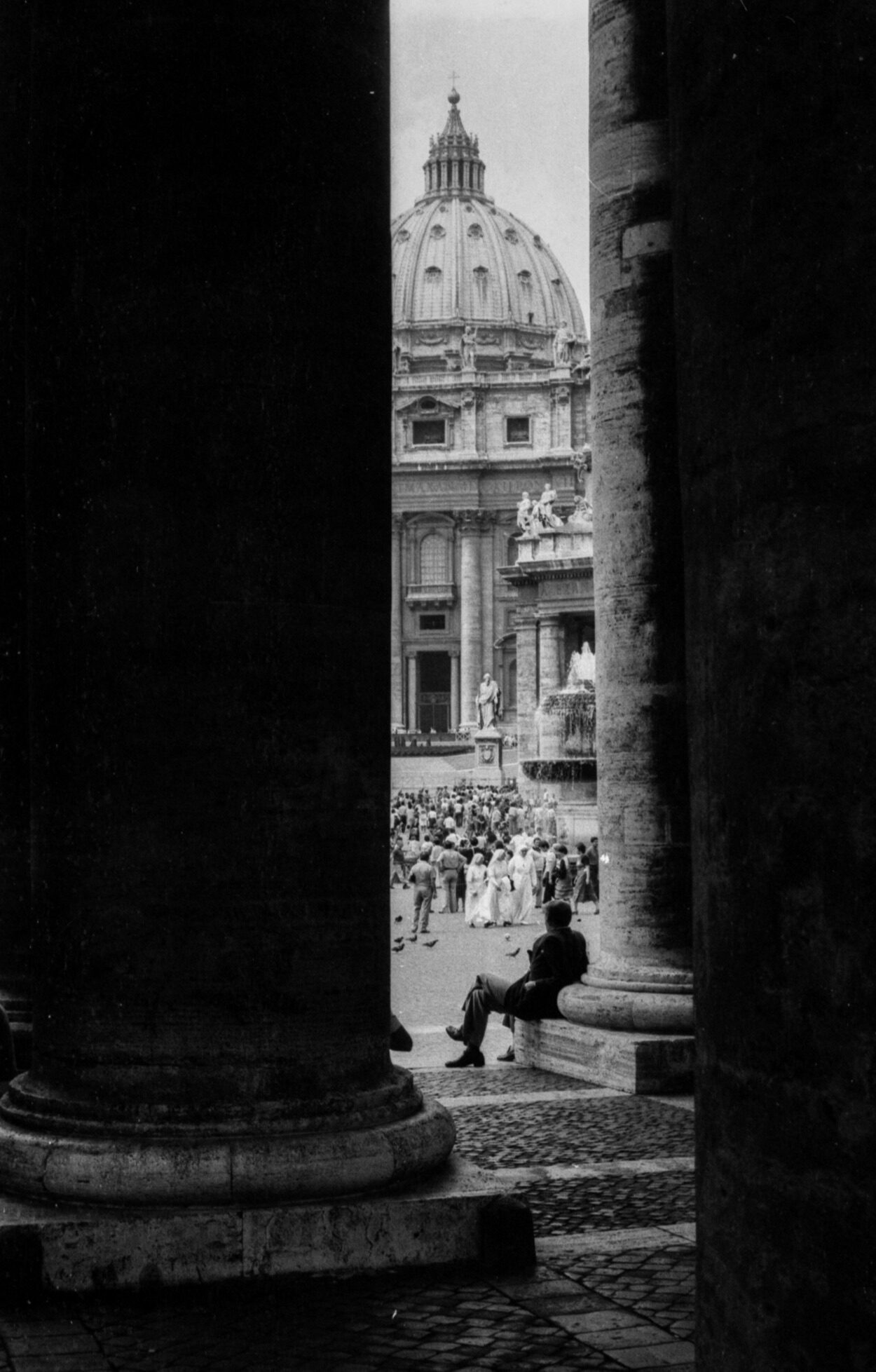
Rome's Piazza San Pietro during the funeral of Pope Paolo VI in August, 1978. © Archivio Come Eravamo / Gianfranco Torossi
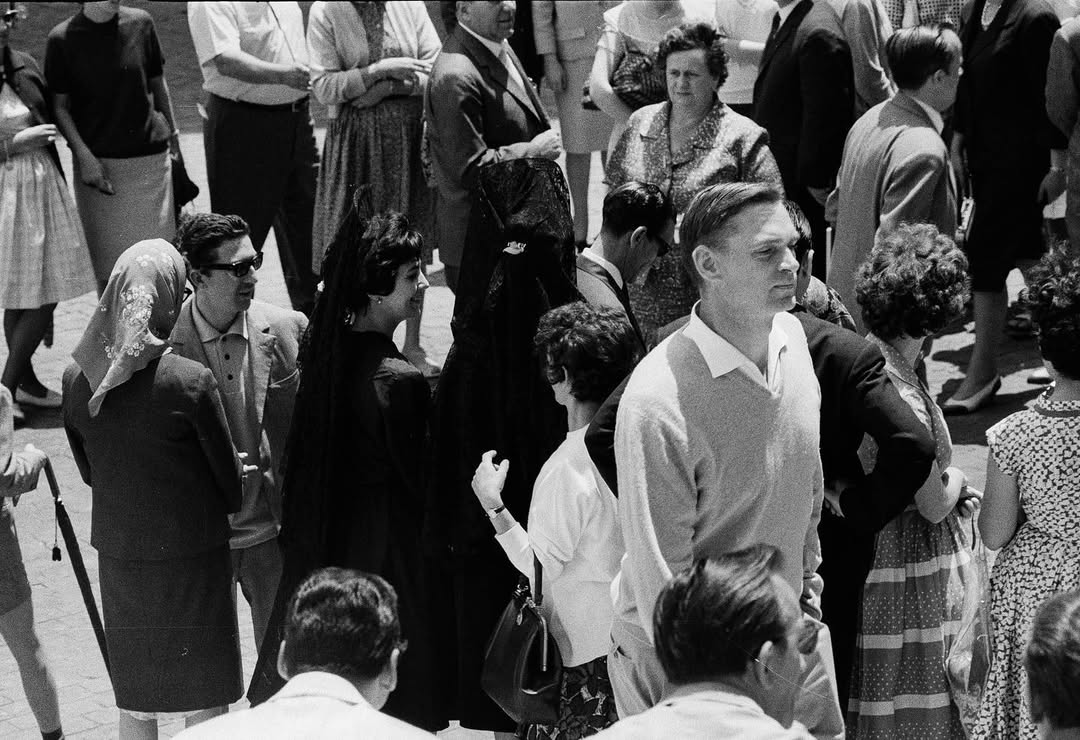
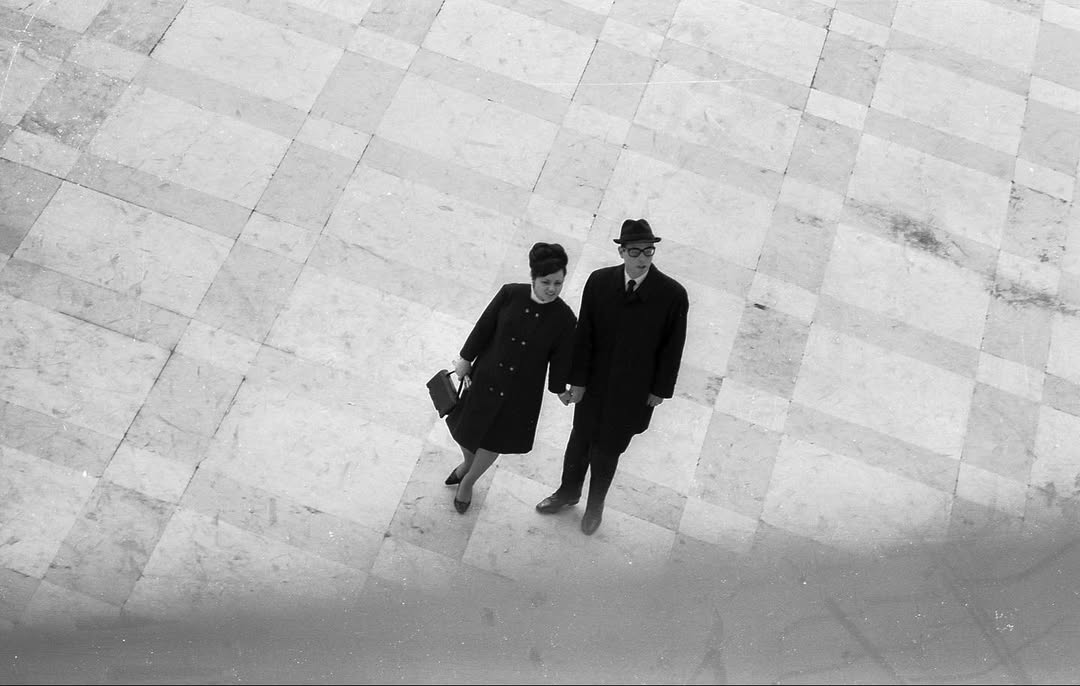
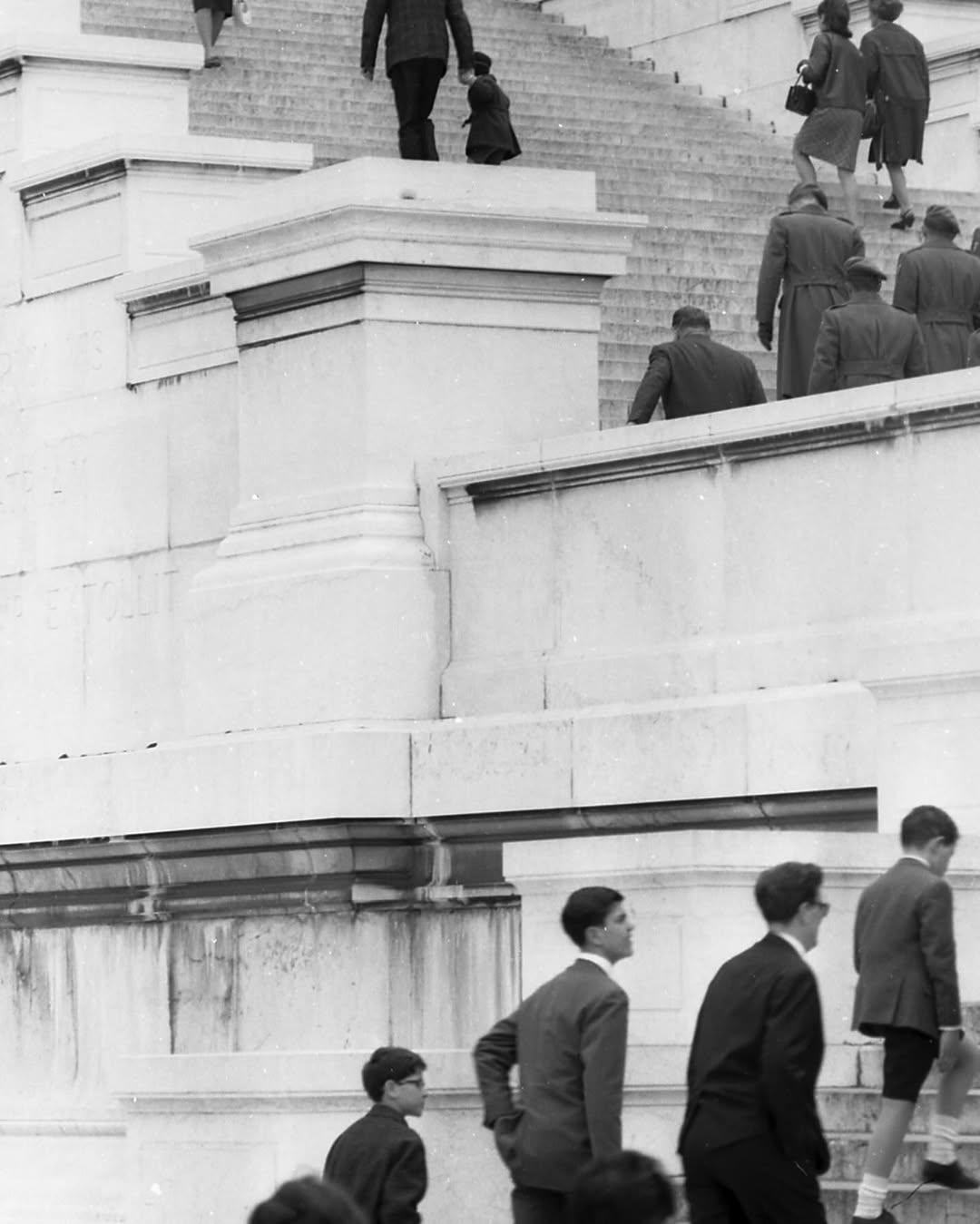
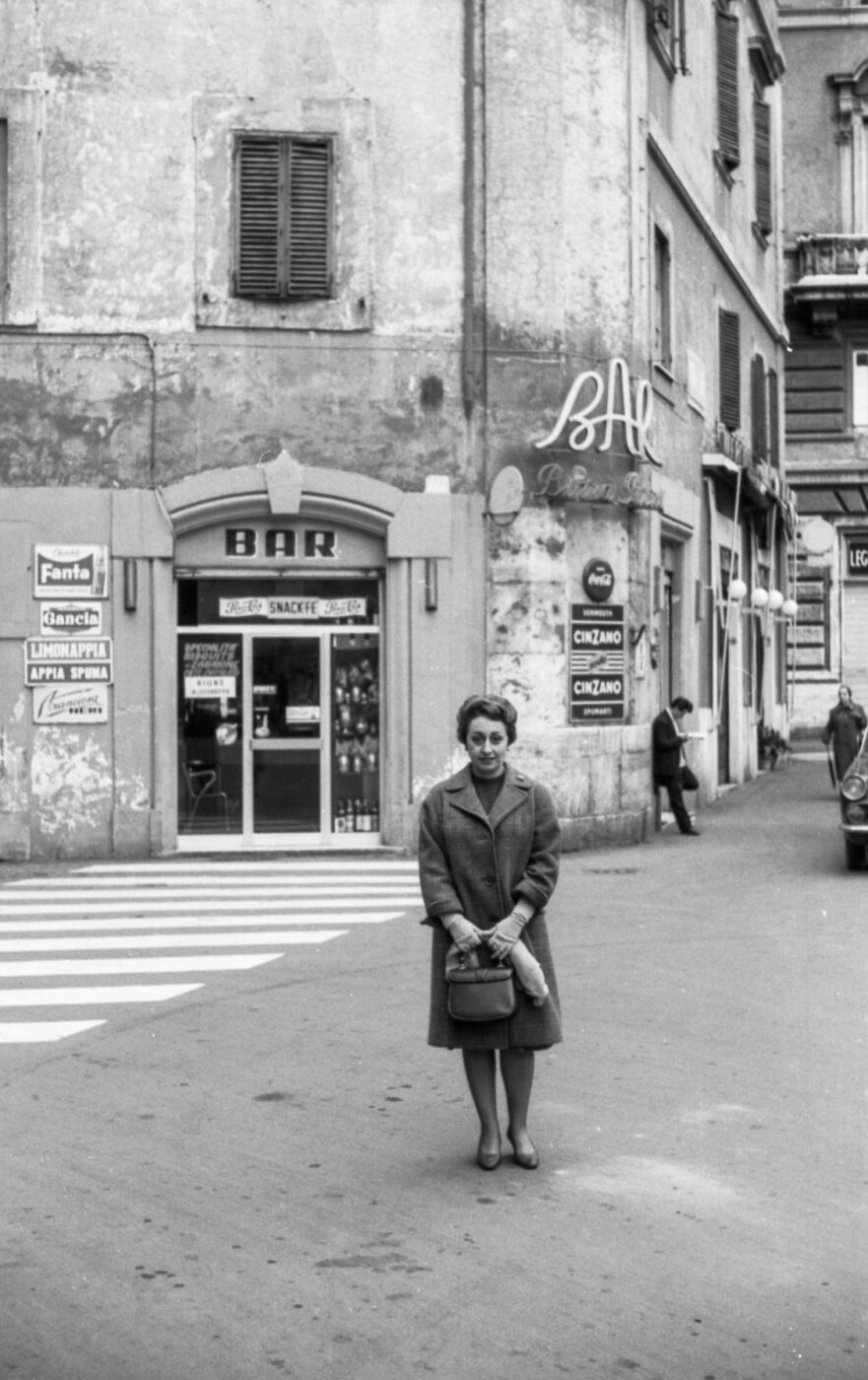
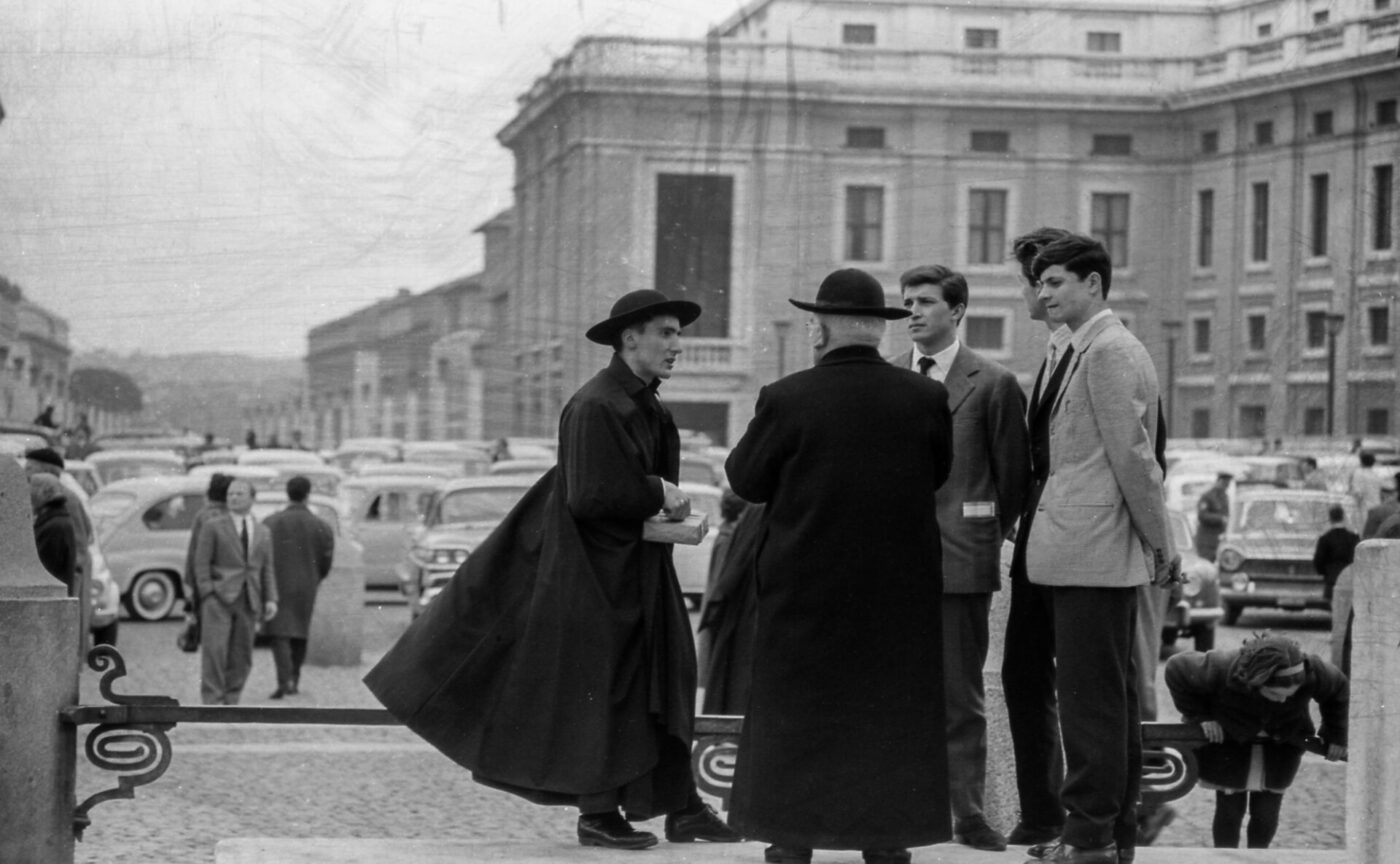
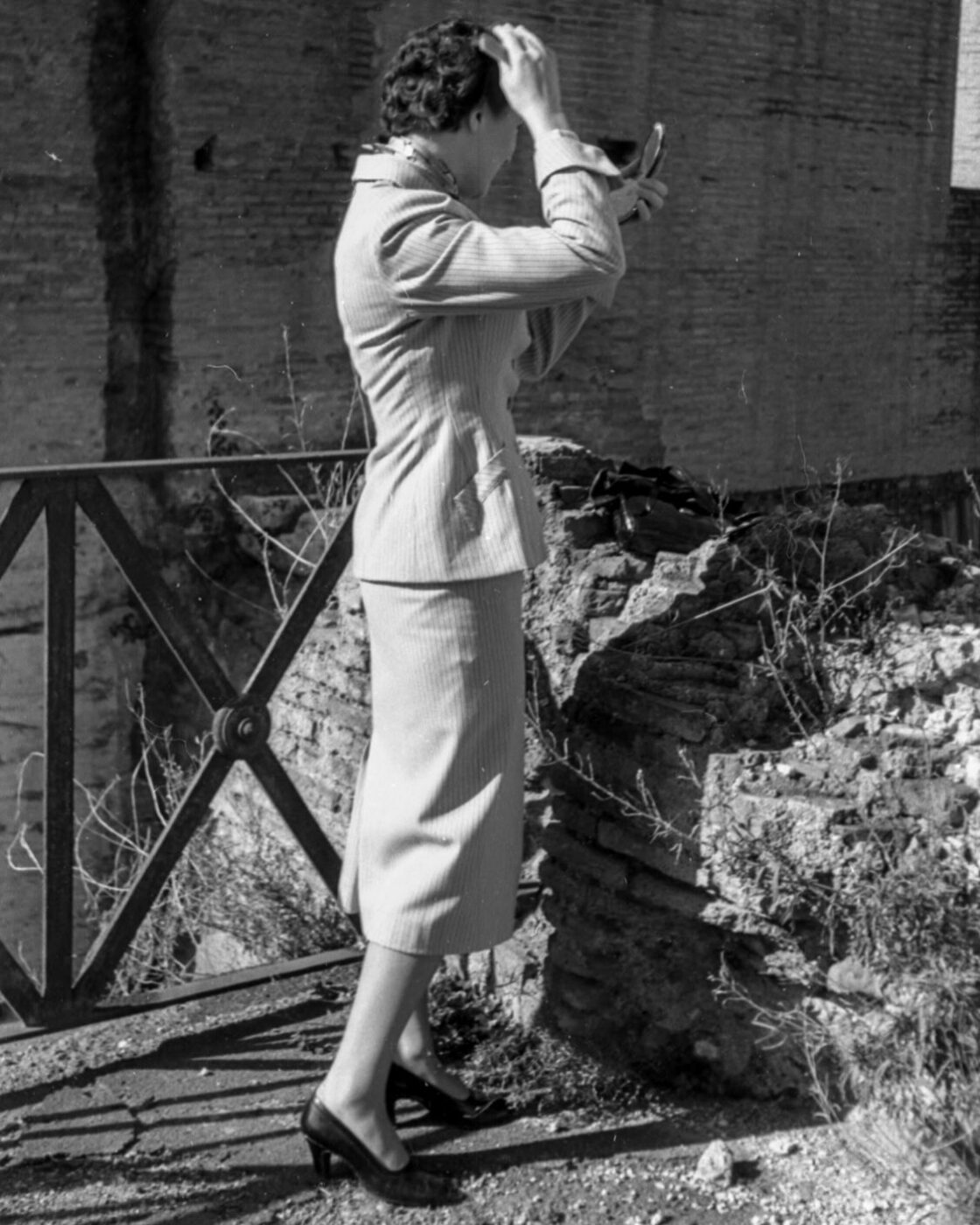
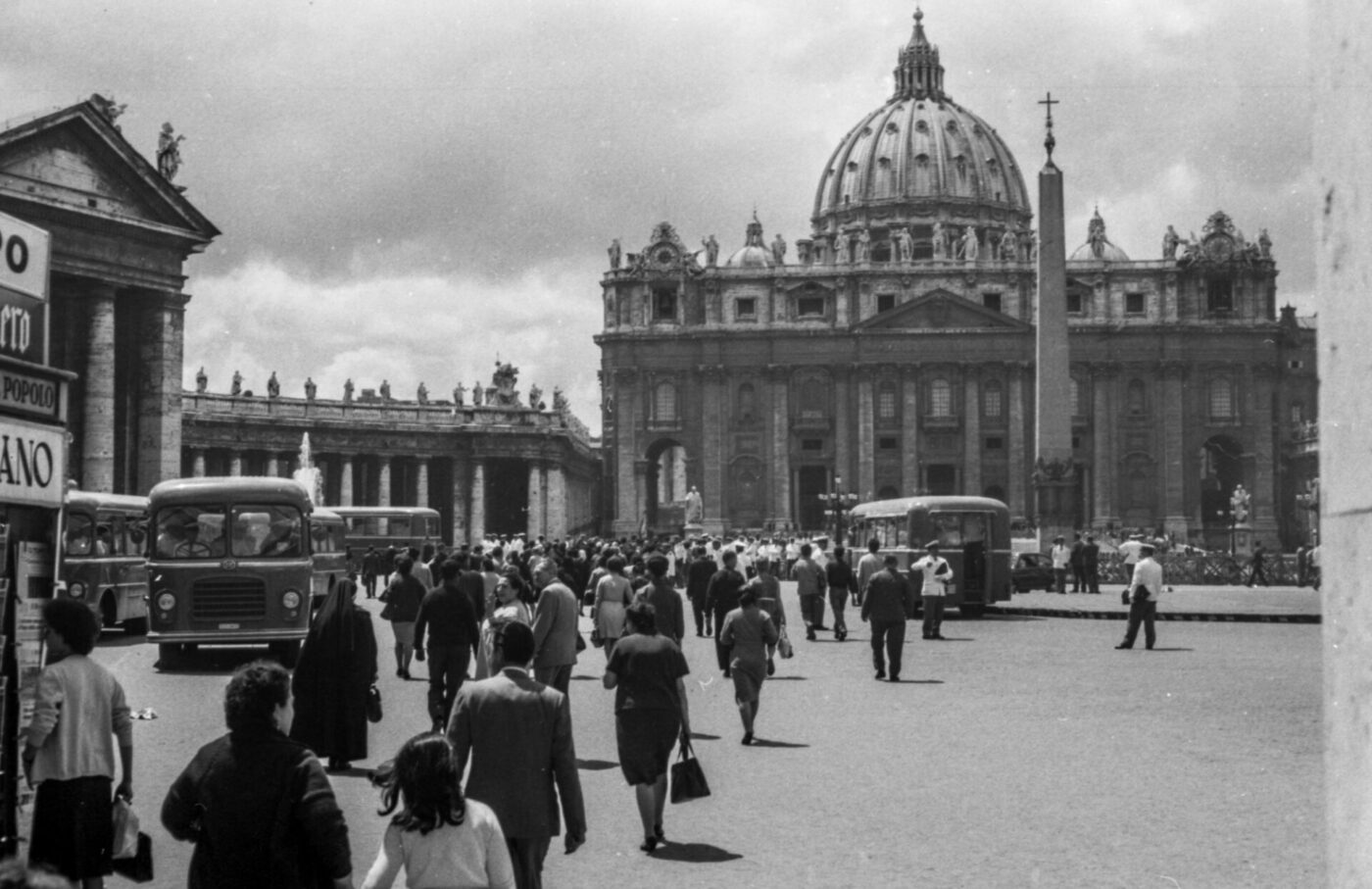
Scenes from Rome in the '60s. © Archivio Come Eravamo / Gianfranco Torossi
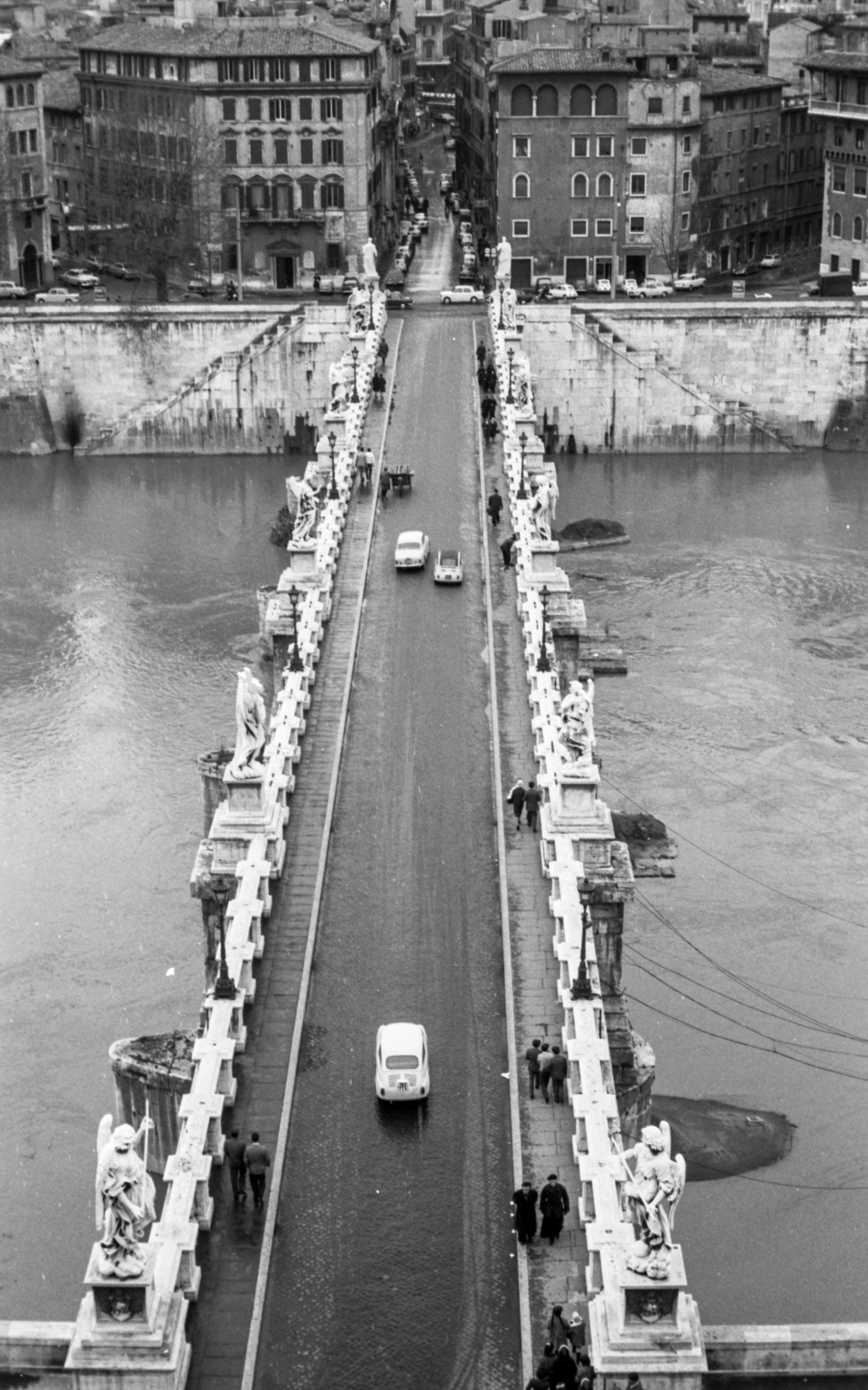
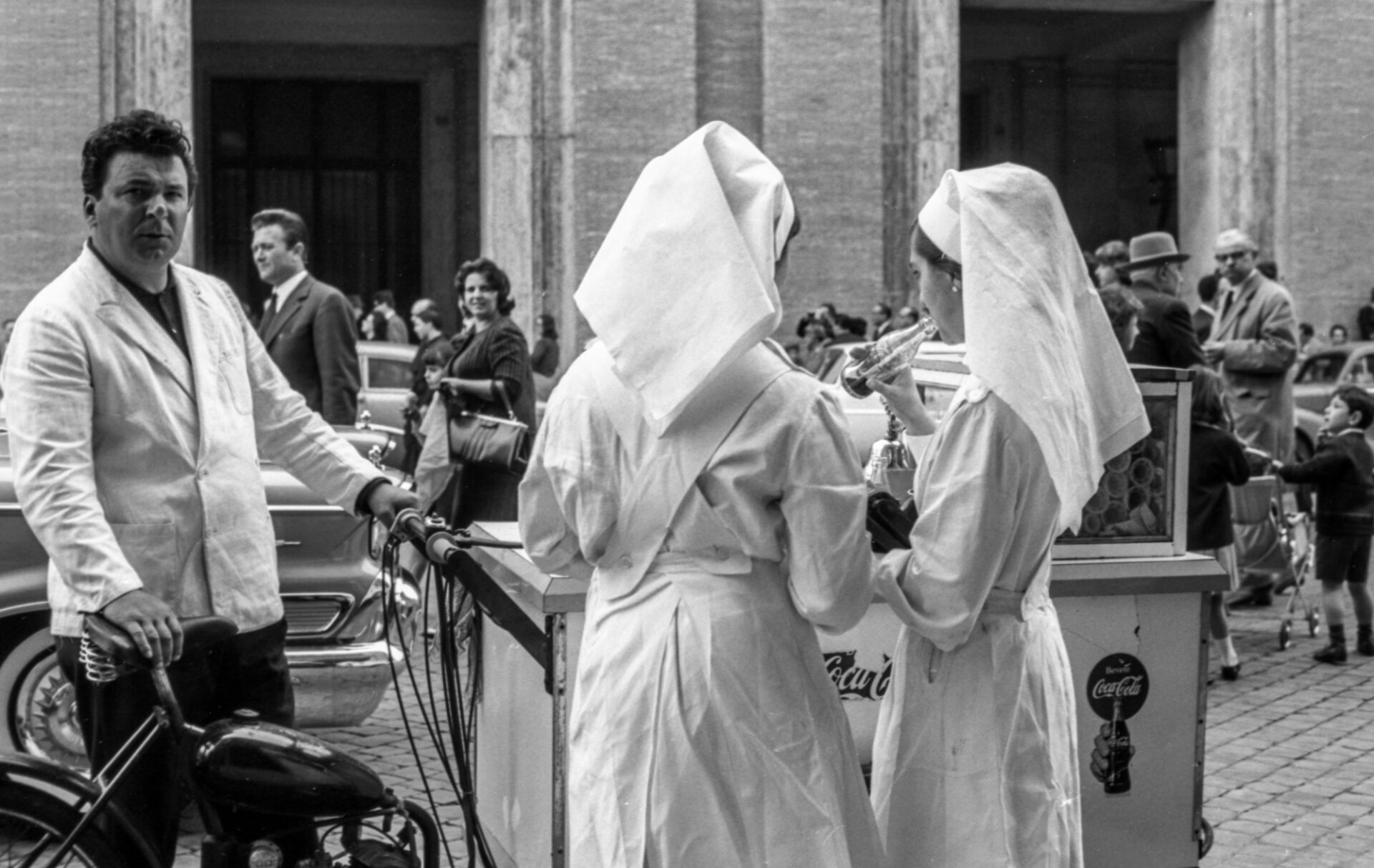
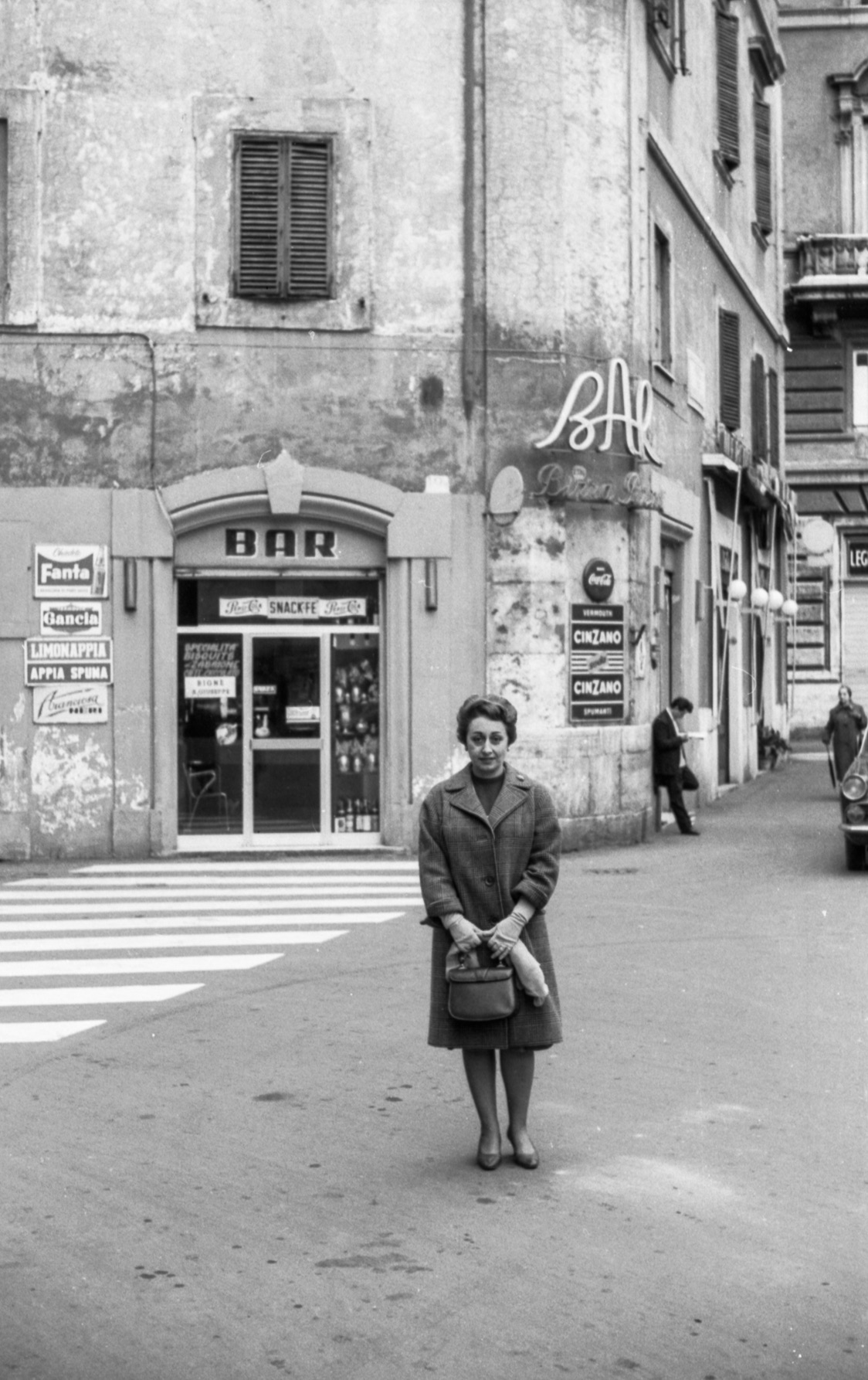

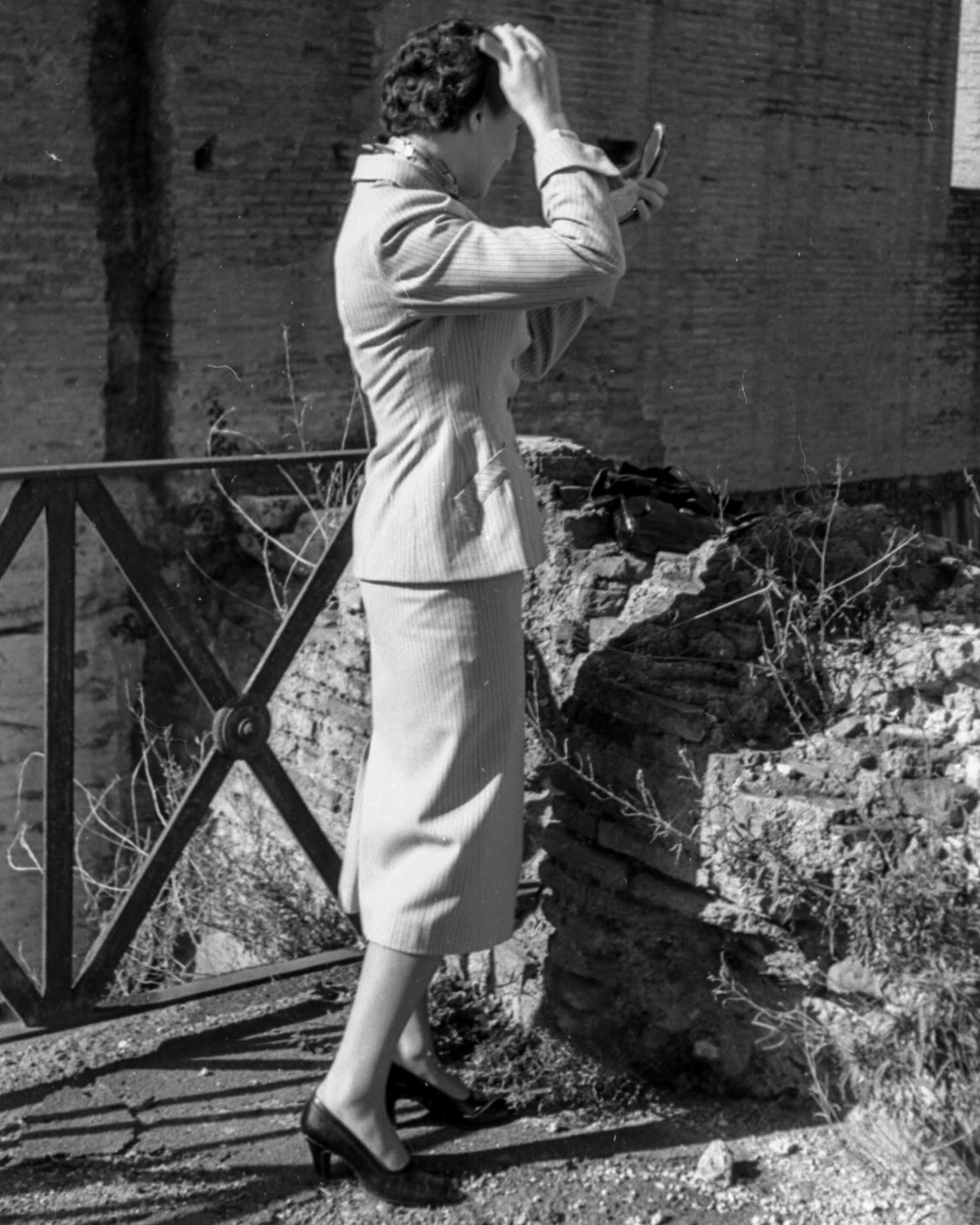
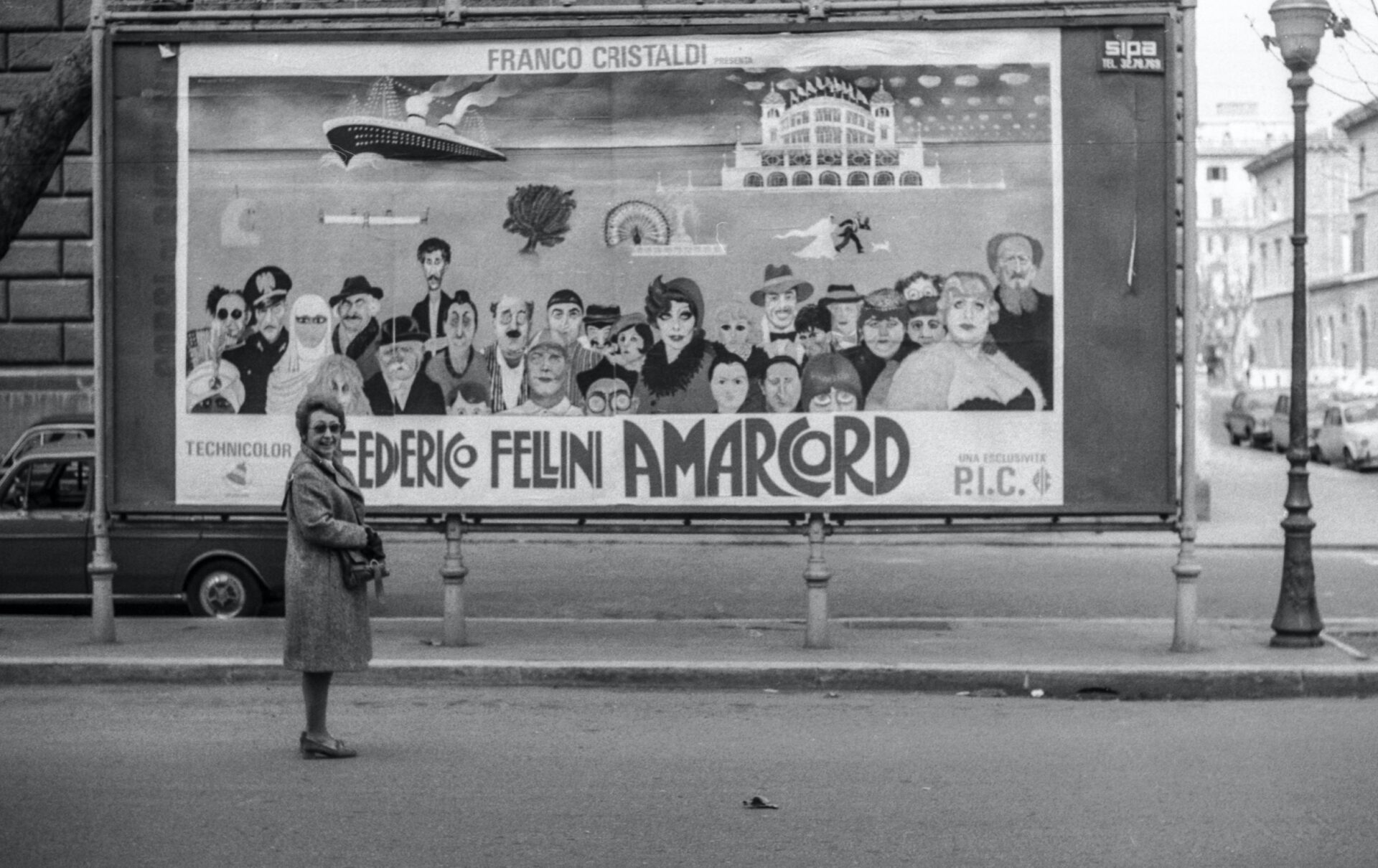
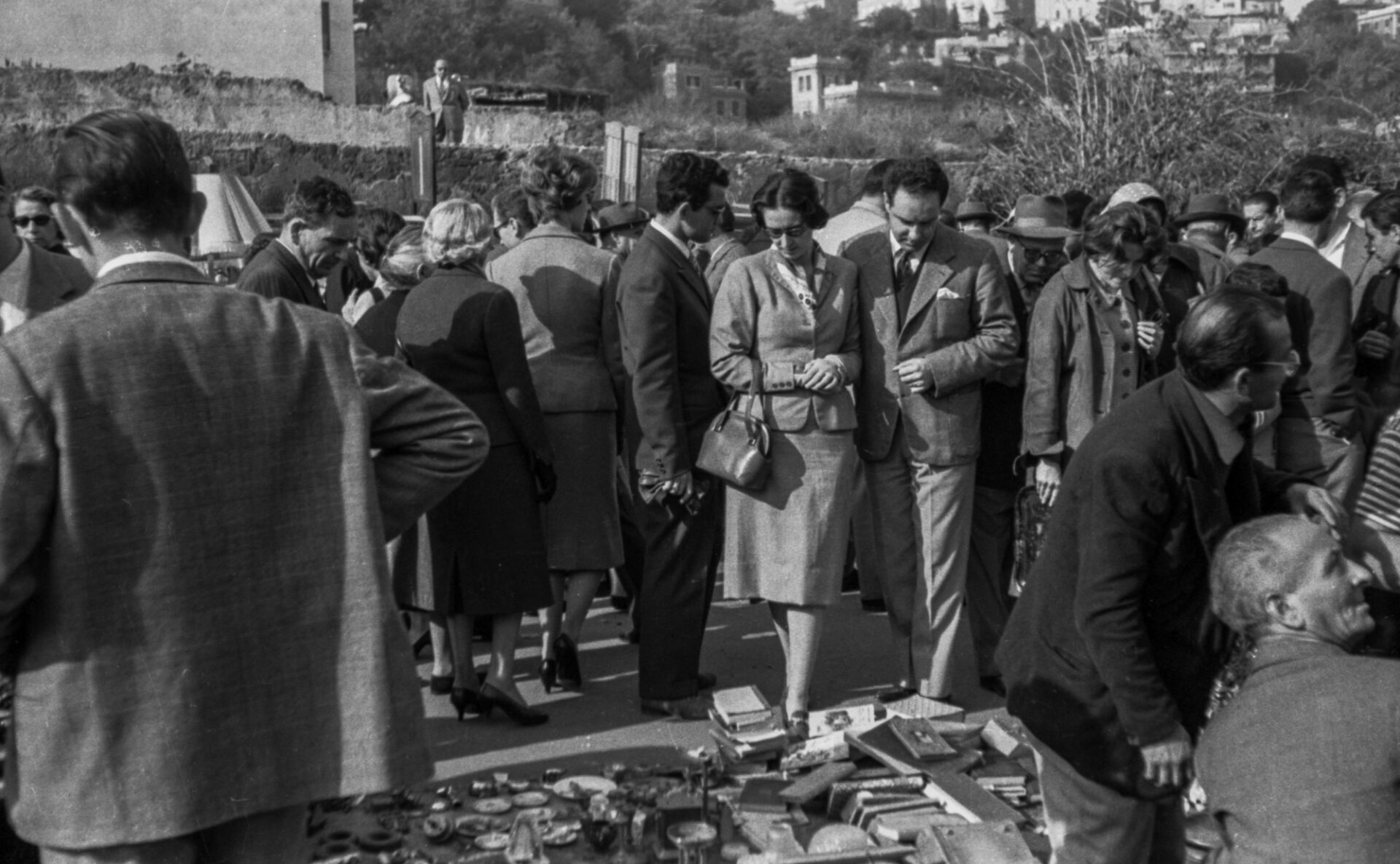
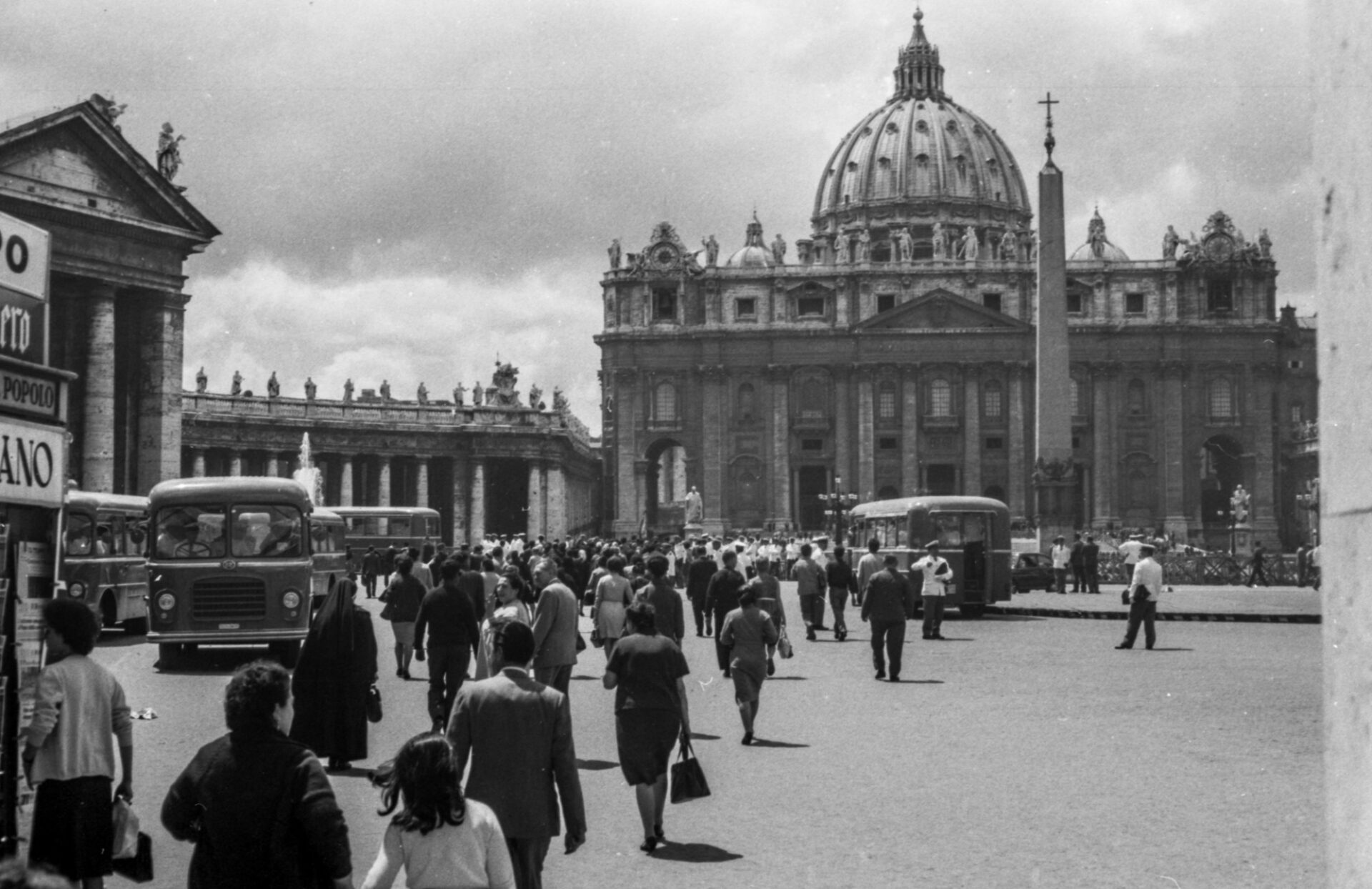
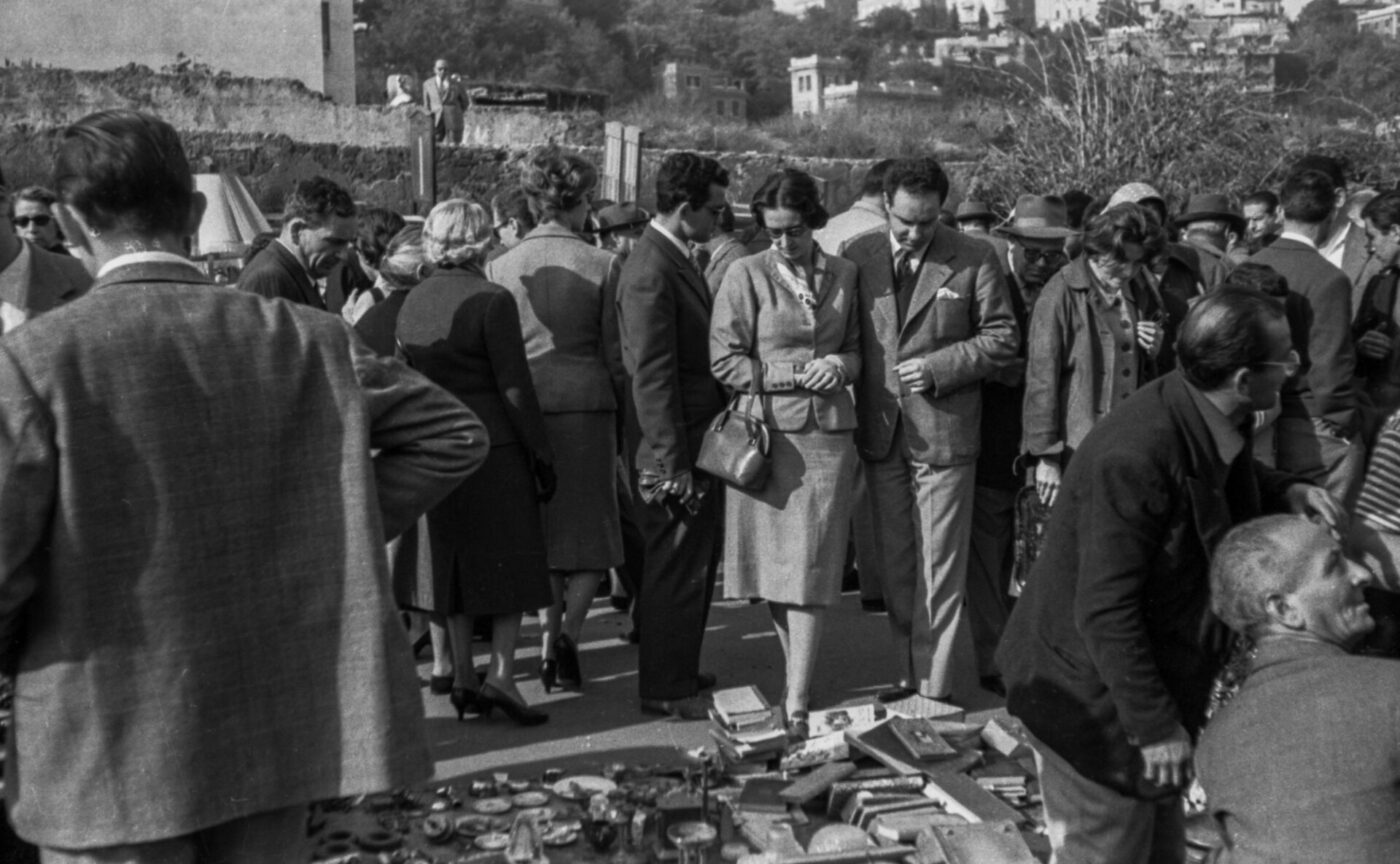
More moments of daily life in Rome, including Sunday's Porta Portese market, taken at the end of the '50s or early '60s. © Archivio Come Eravamo / Gianfranco Torossi
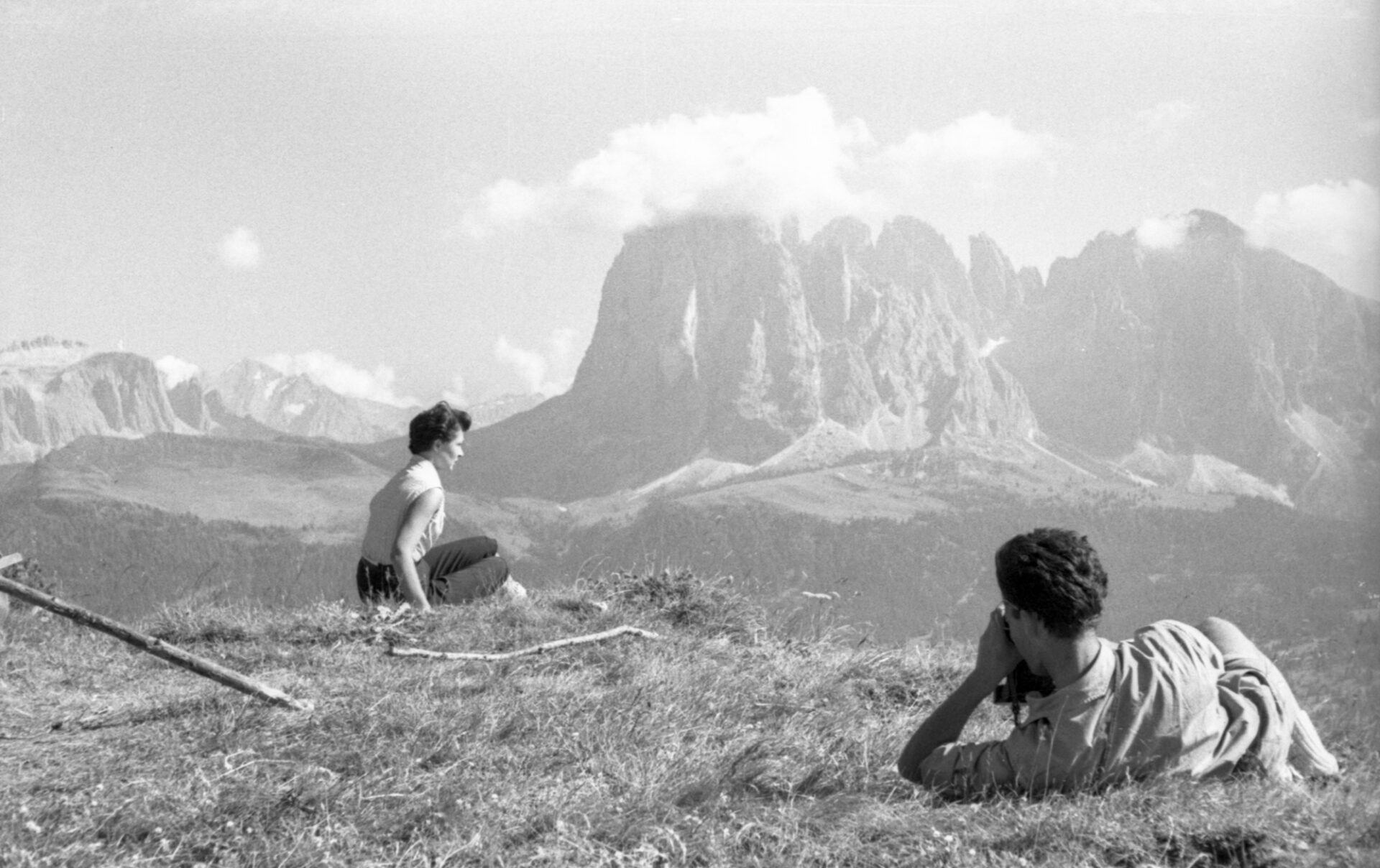
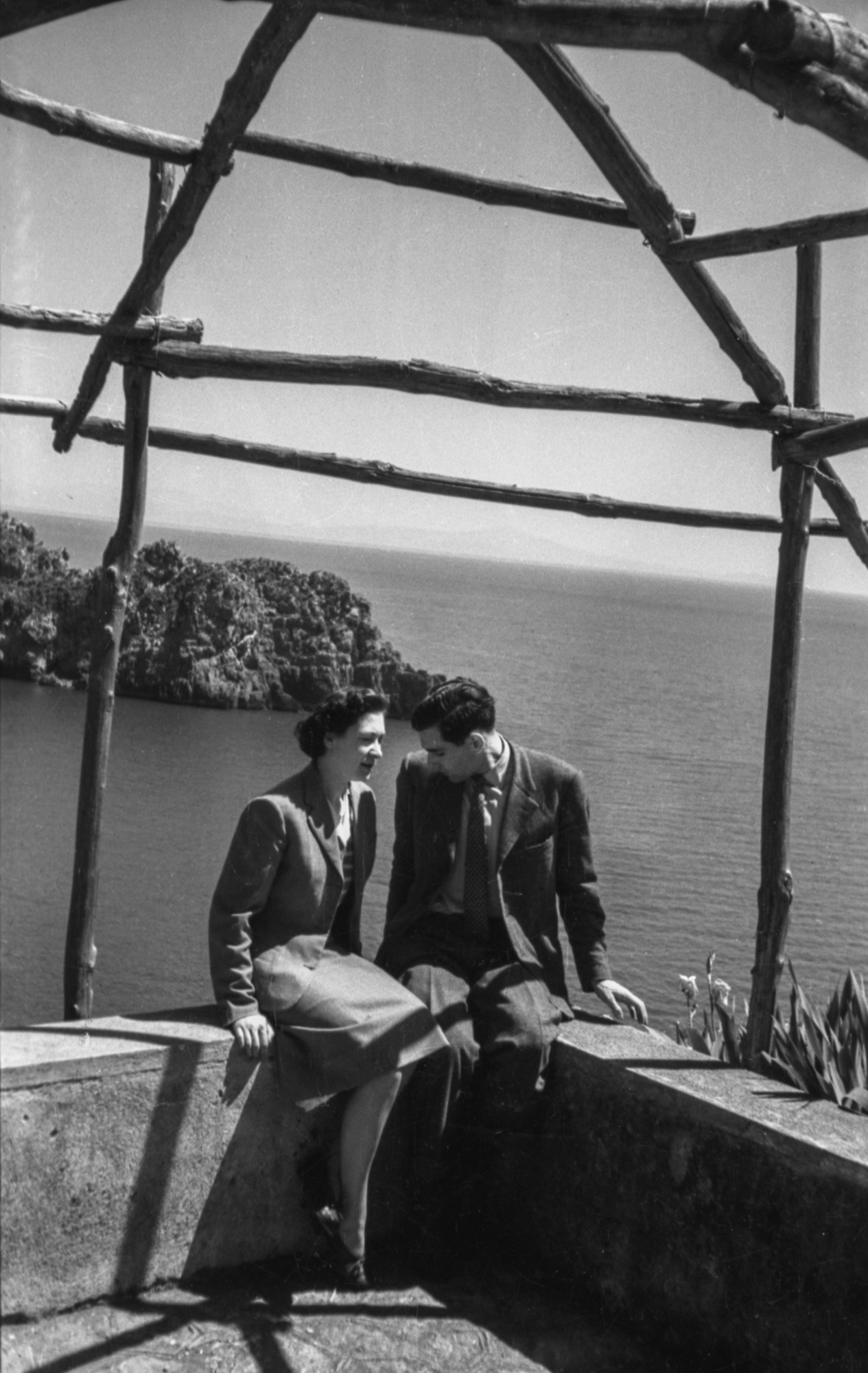
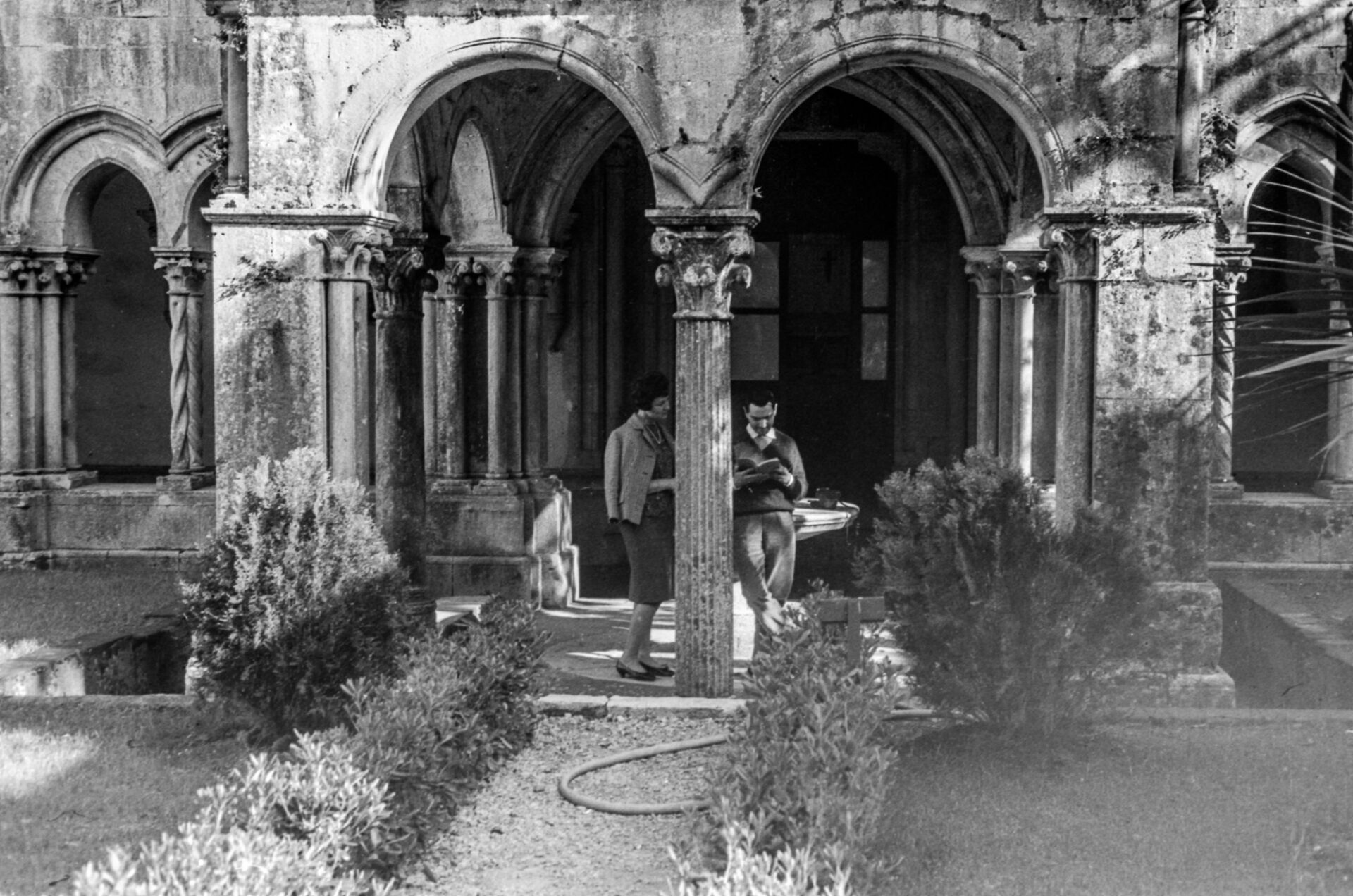
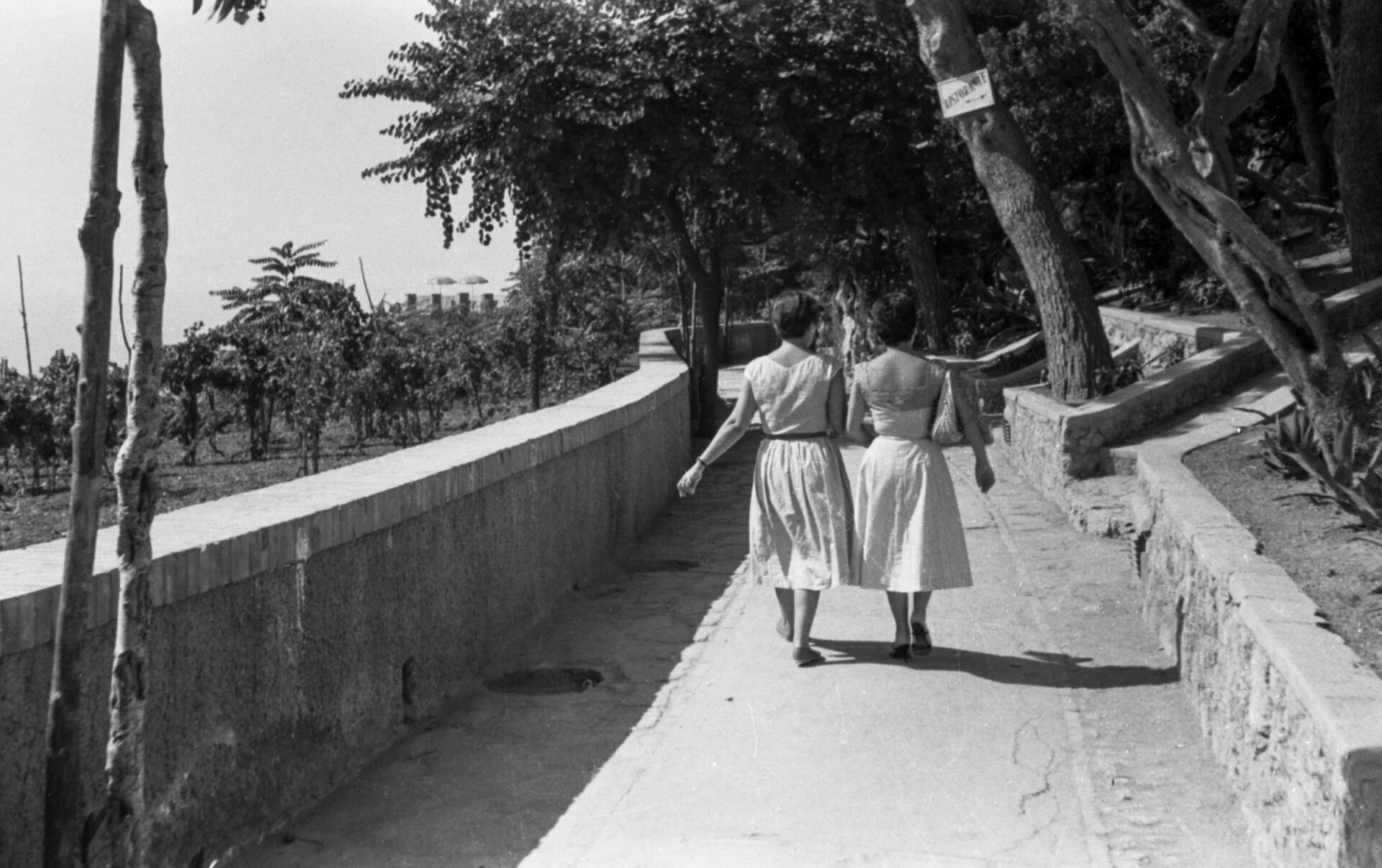
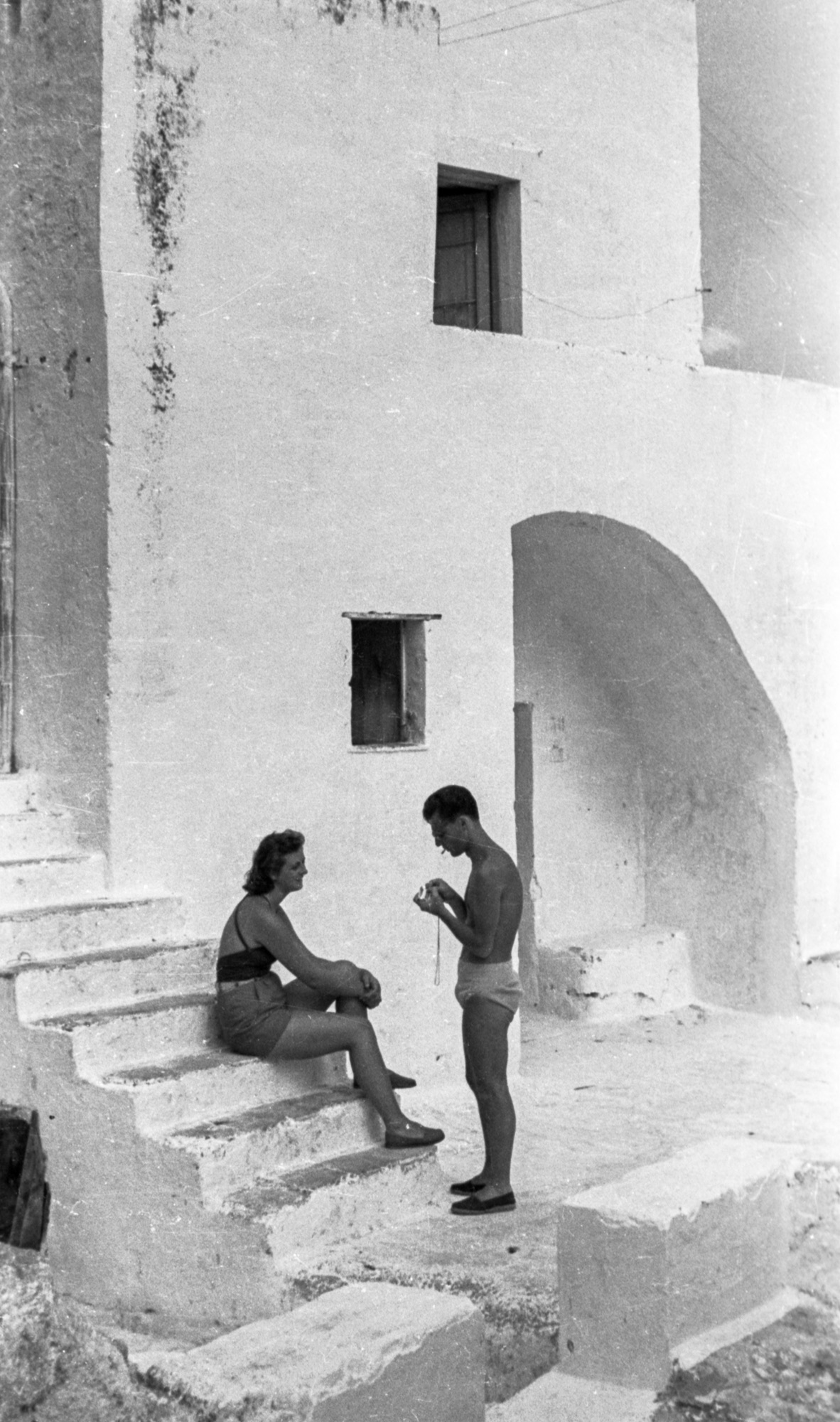

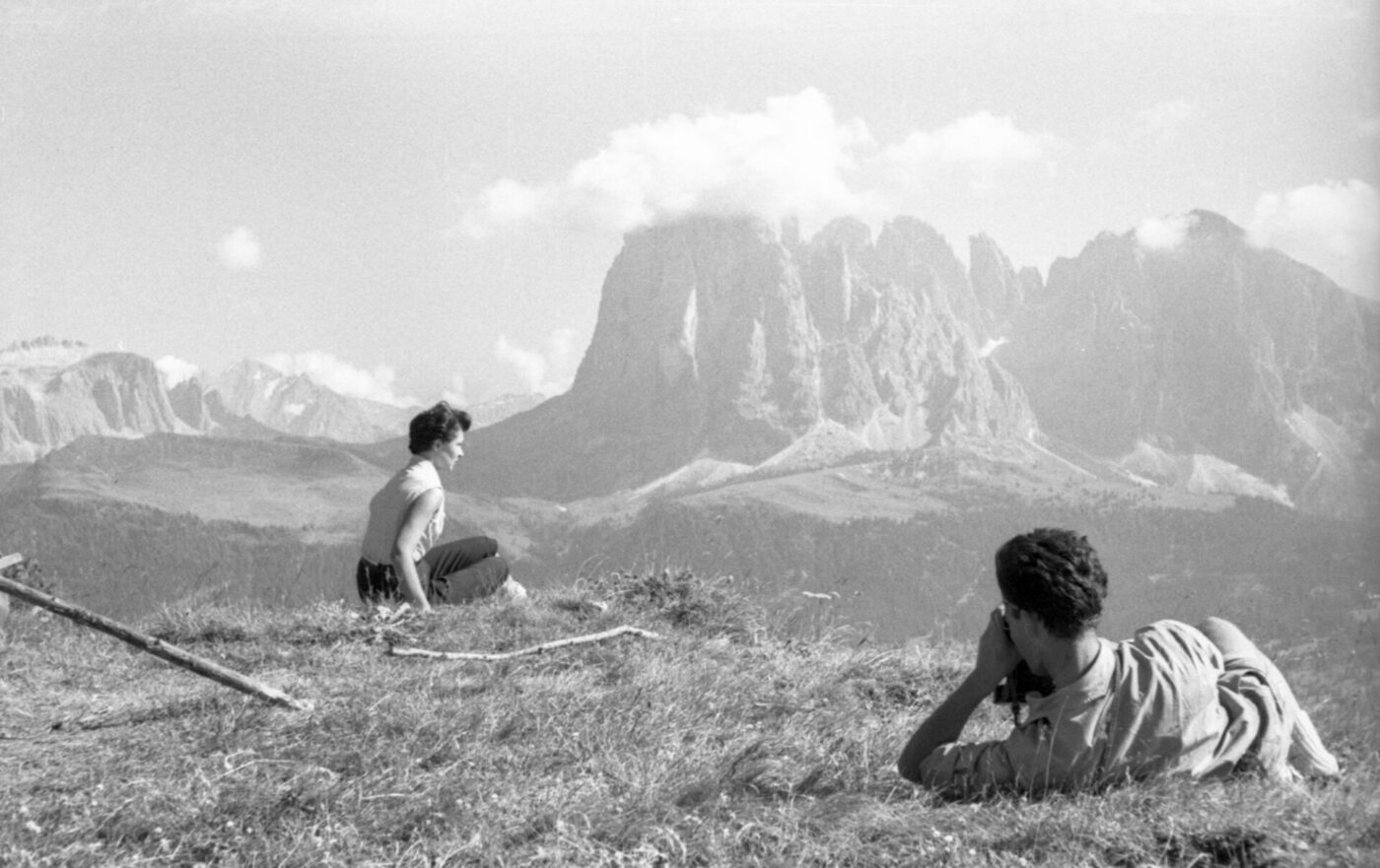
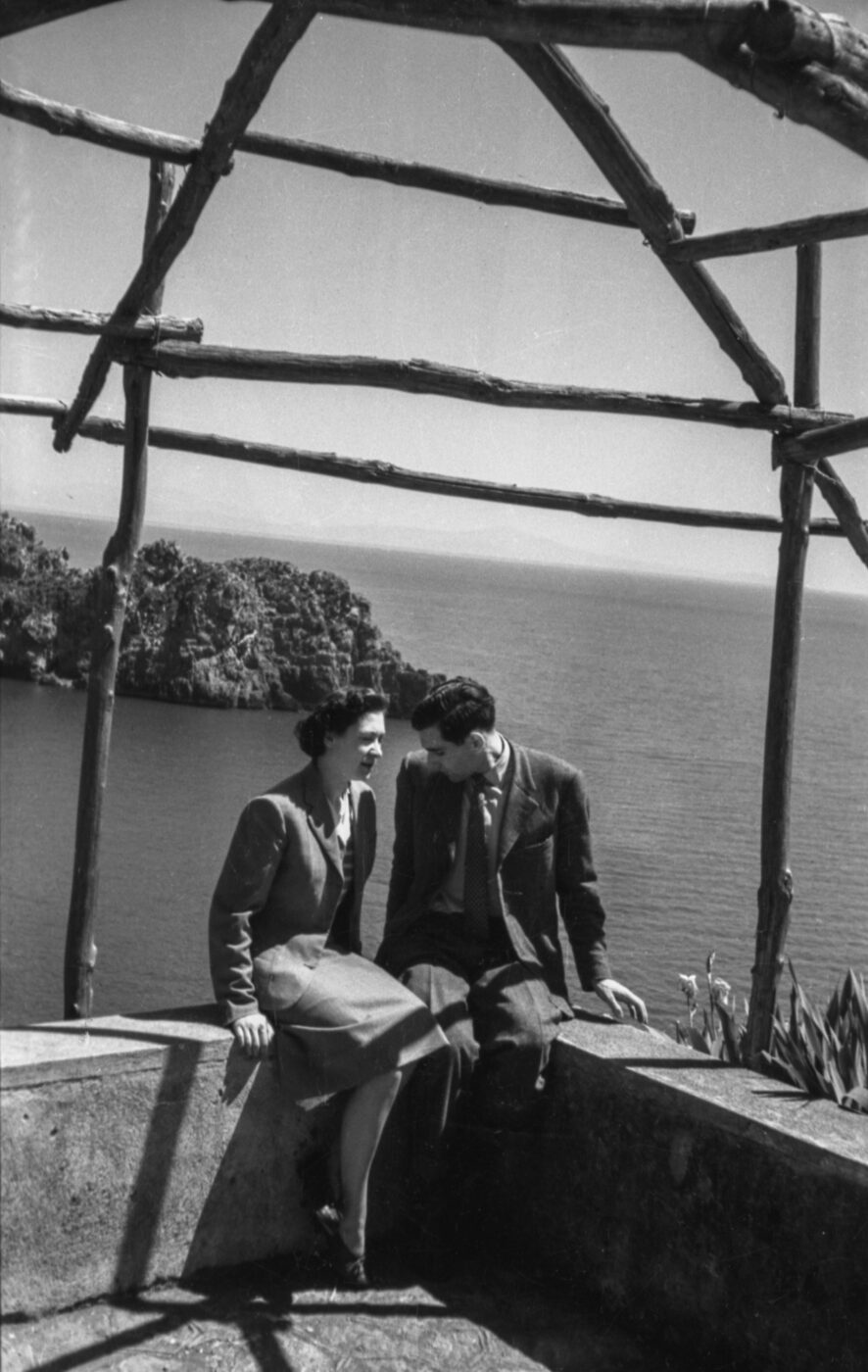
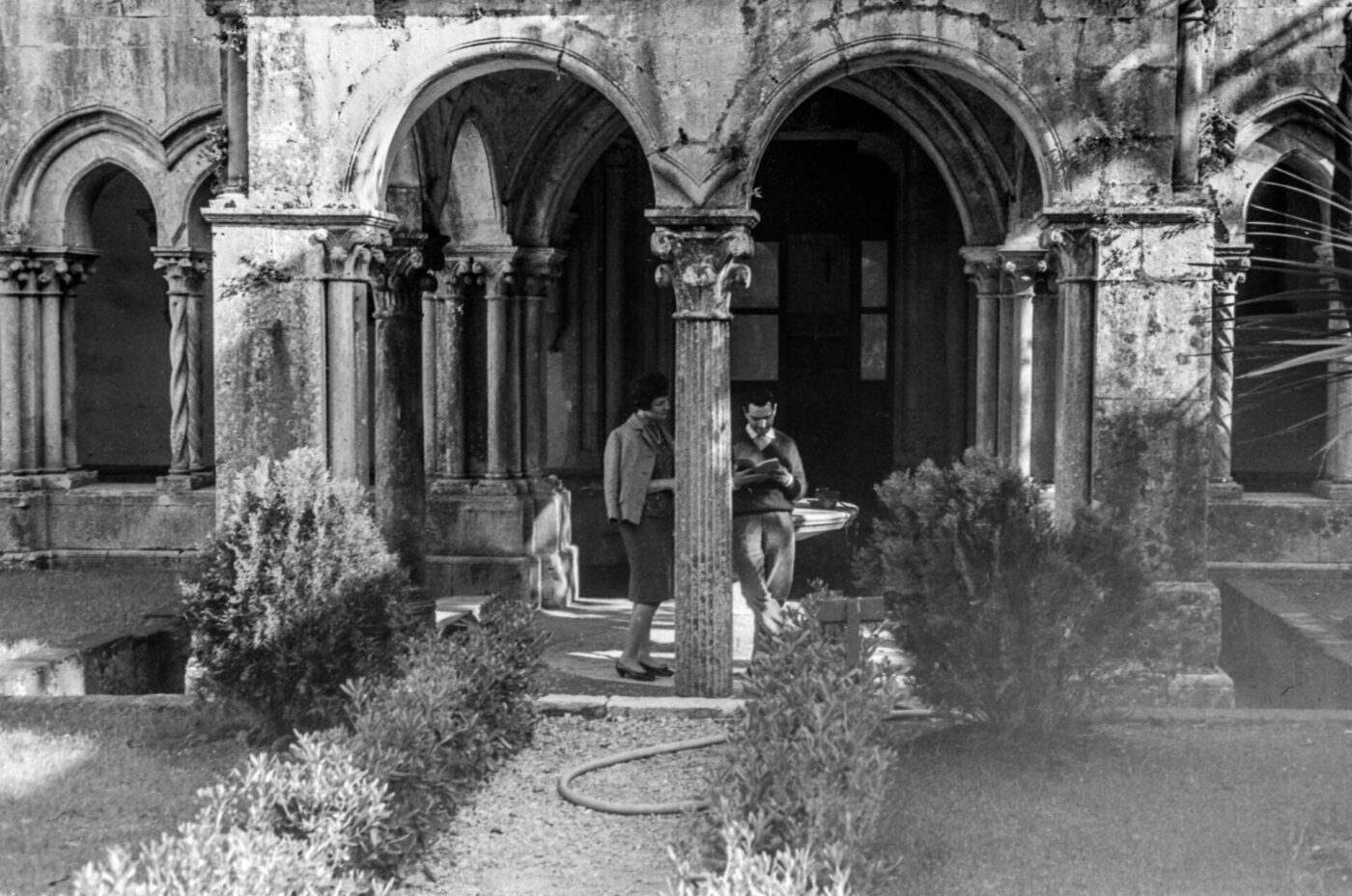
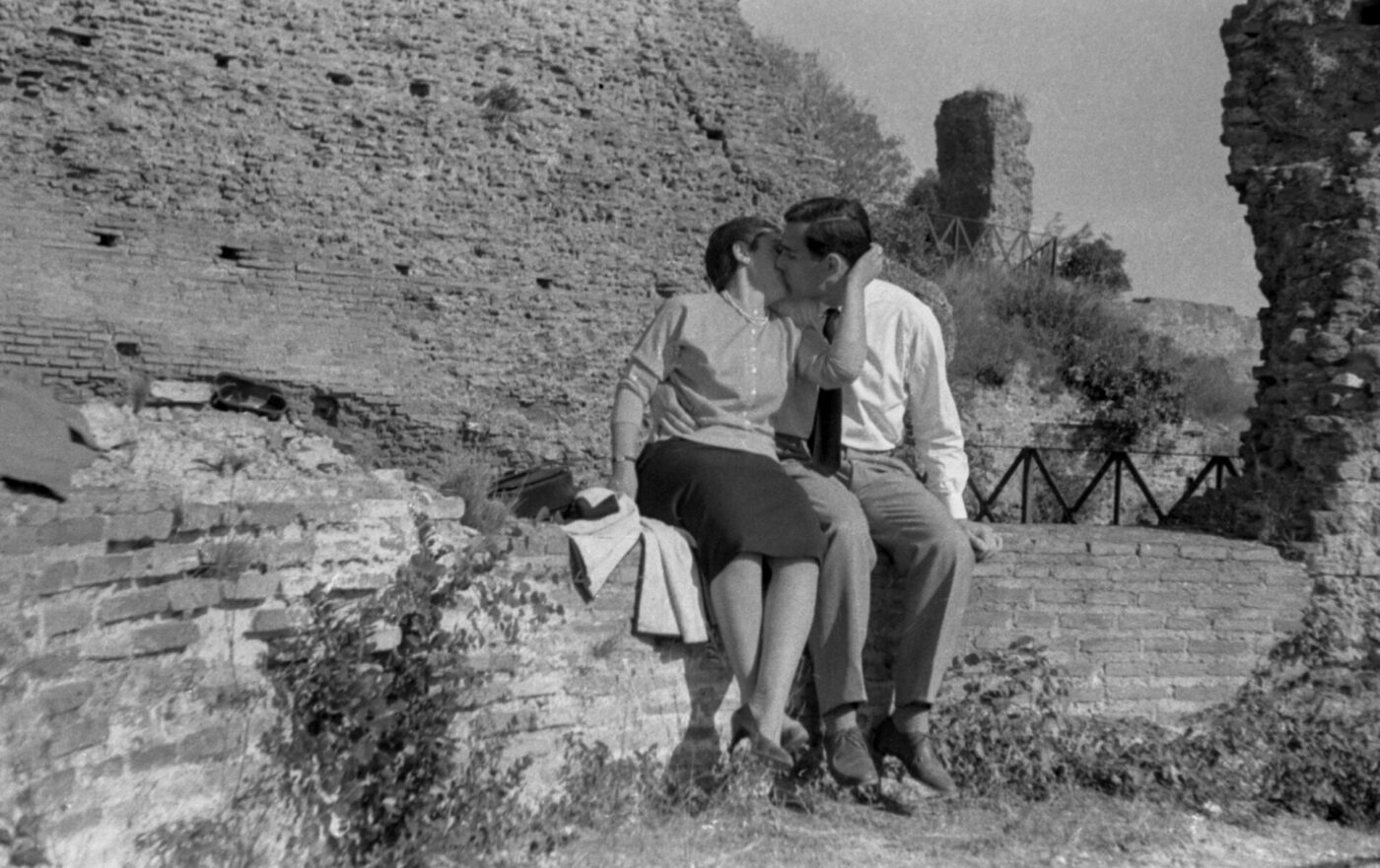
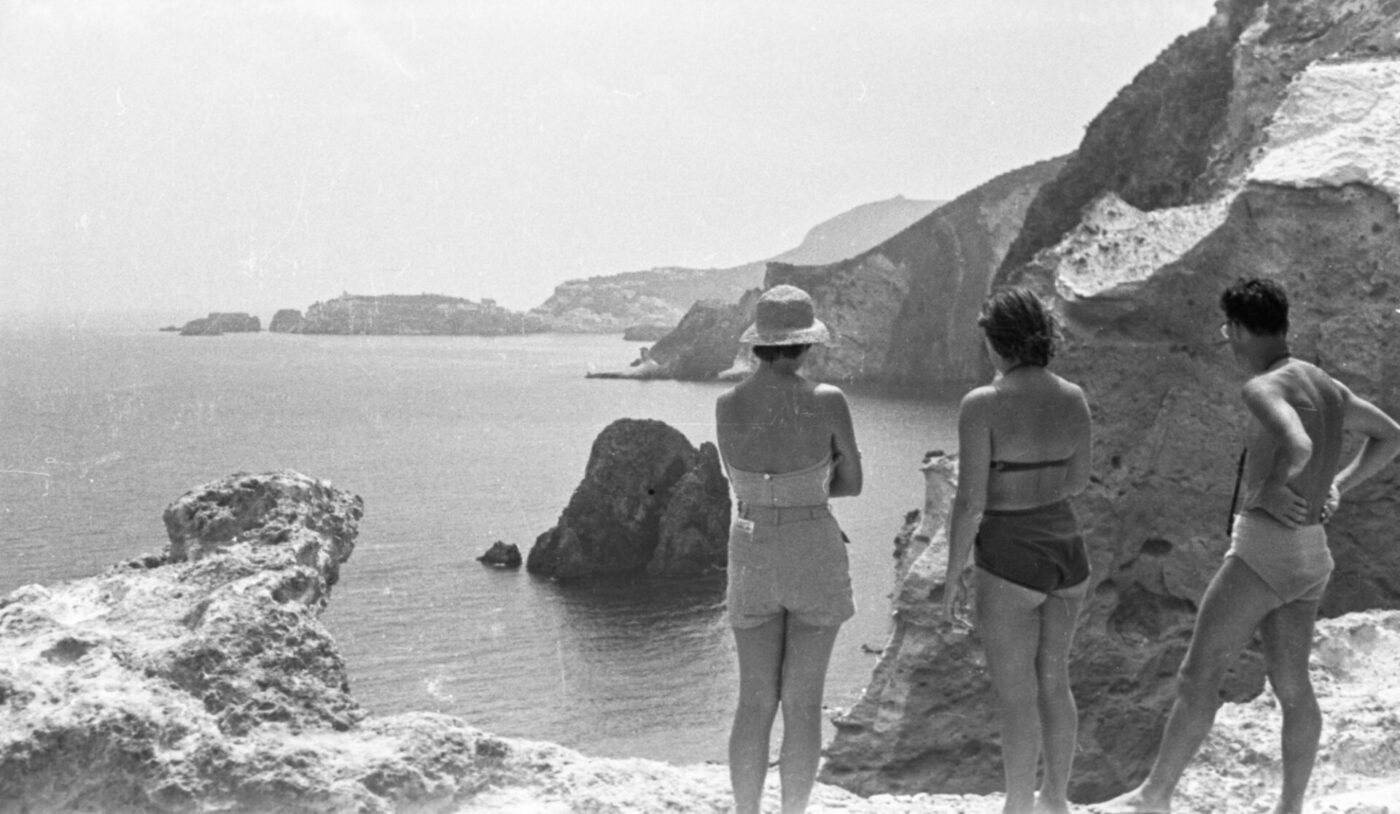
A love that traveled from Rome to Ponza, Ortisei, the Amalfi Coast, the Abbazia di Fossanova in Lazio, and the Tyrrhenian coast. © Archivio Come Eravamo / Gianfranco Torossi
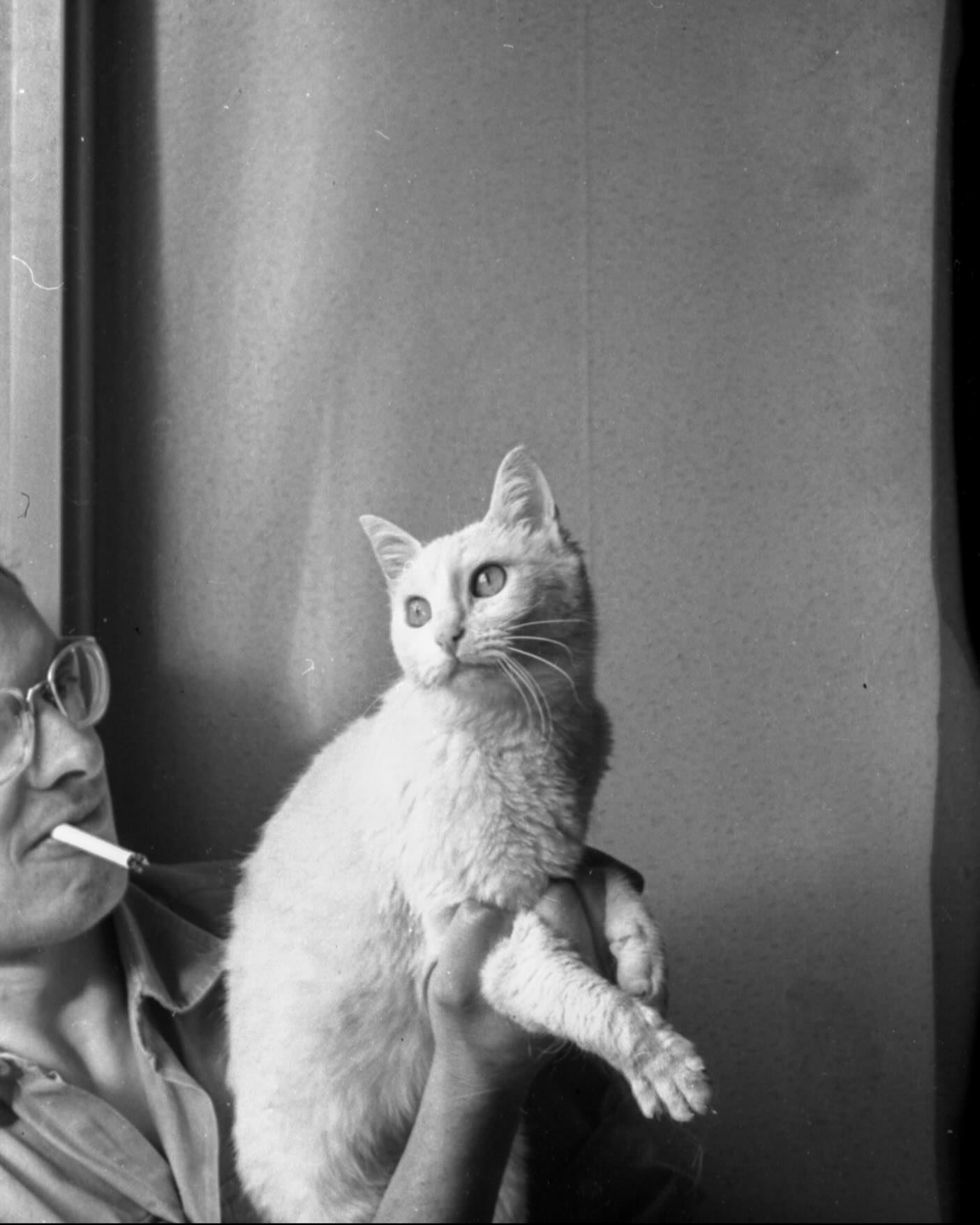
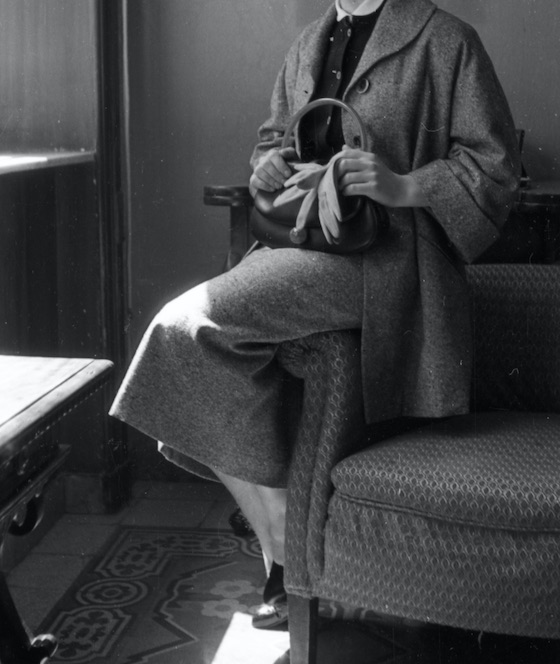
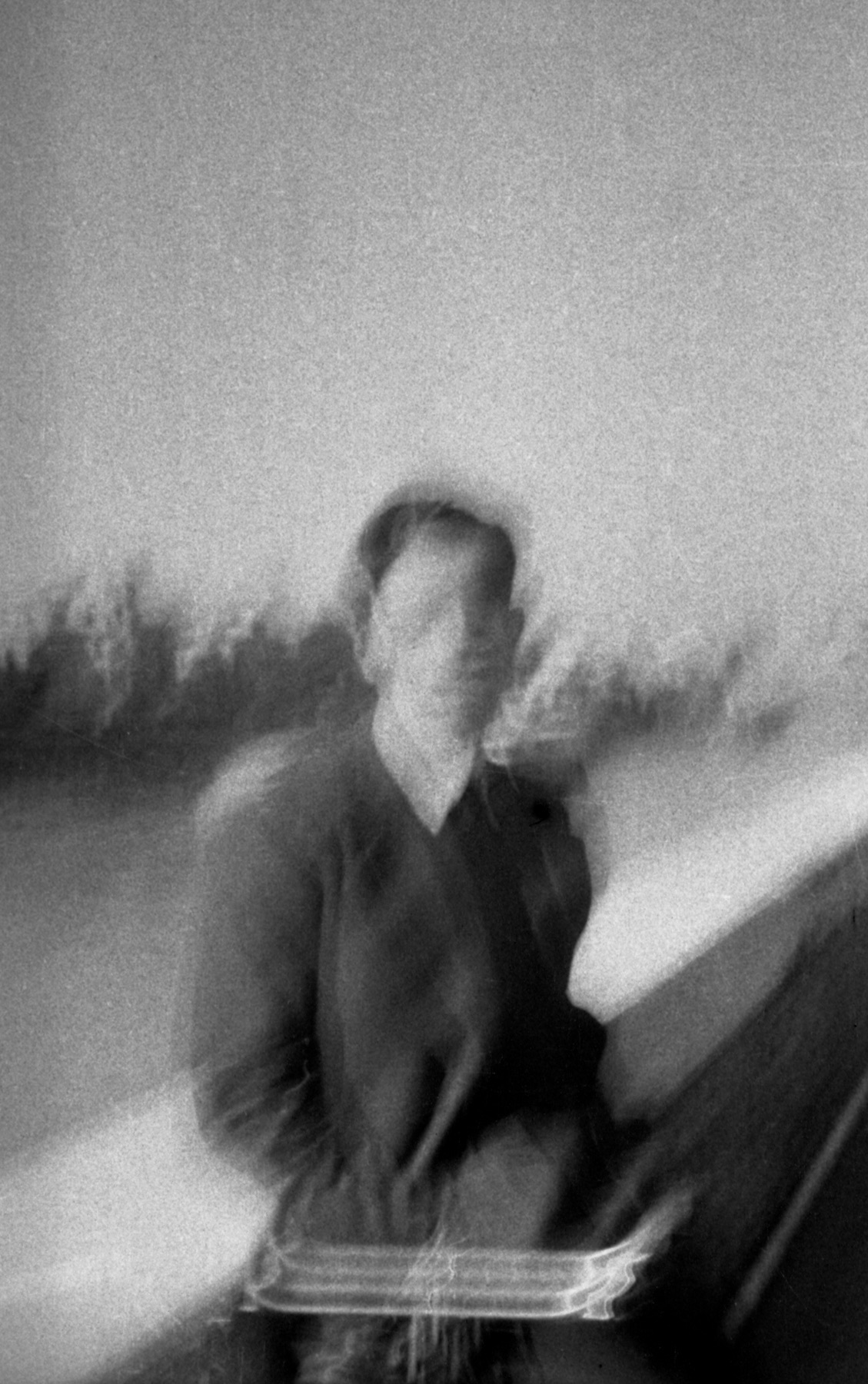

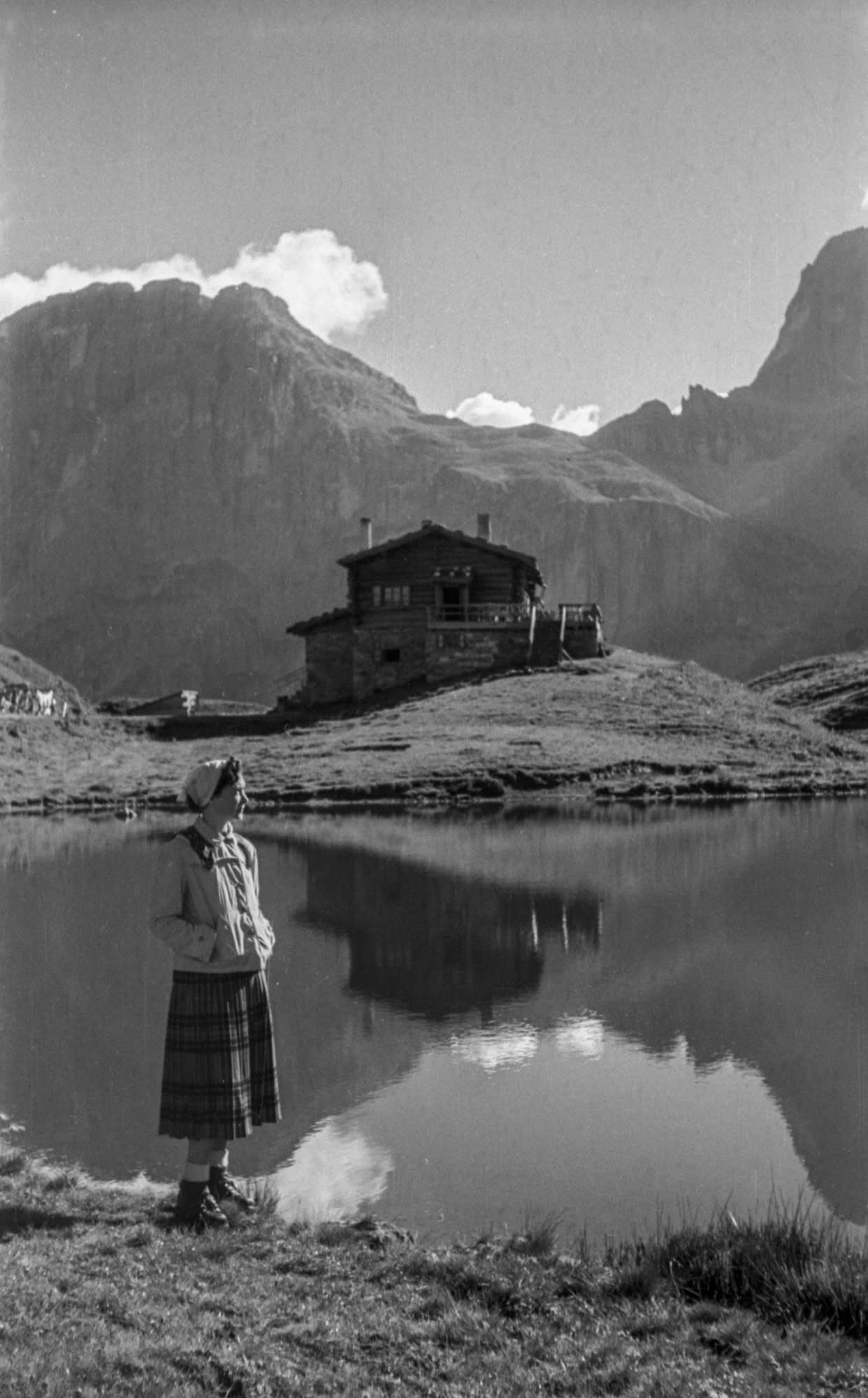
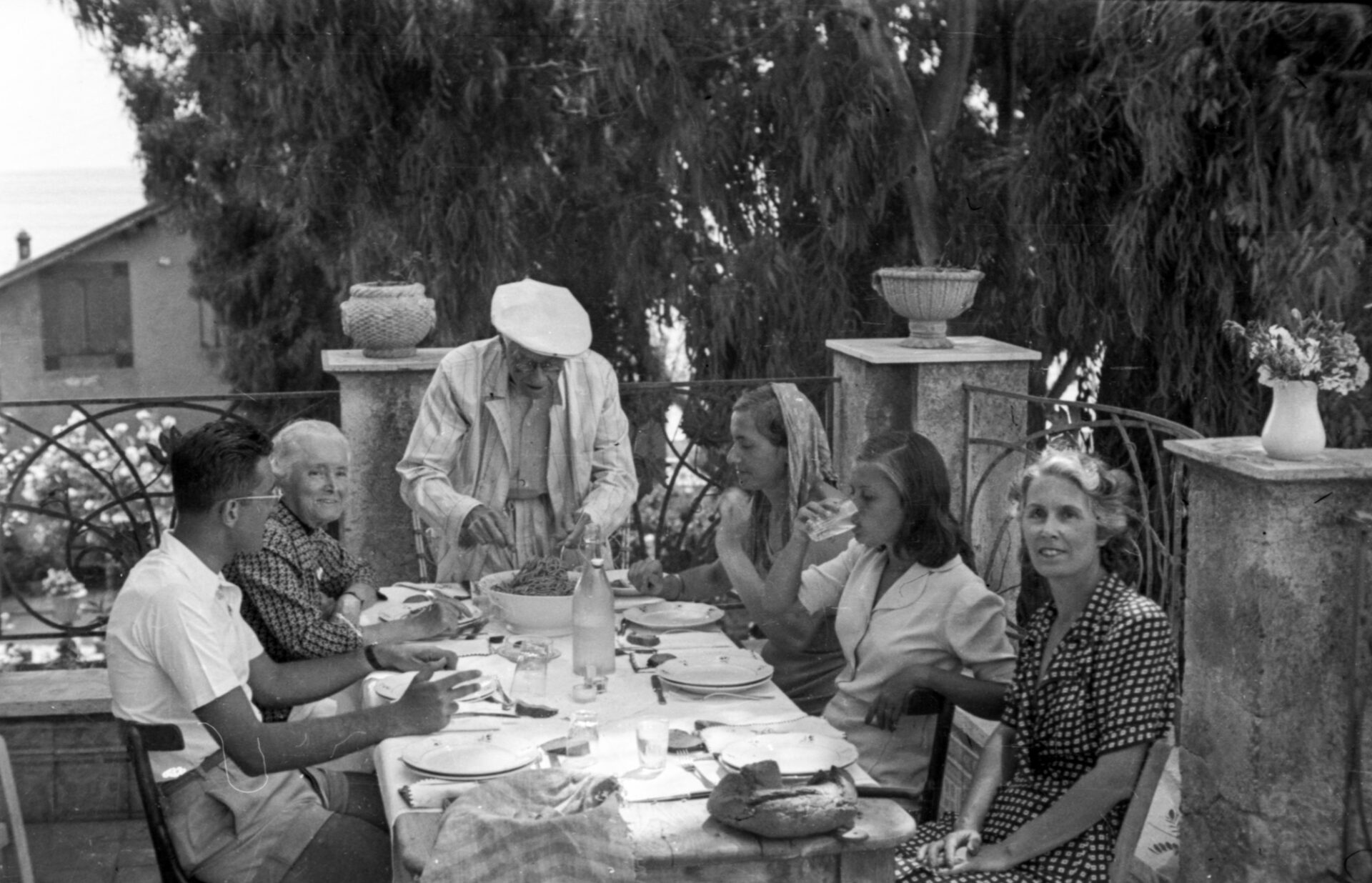
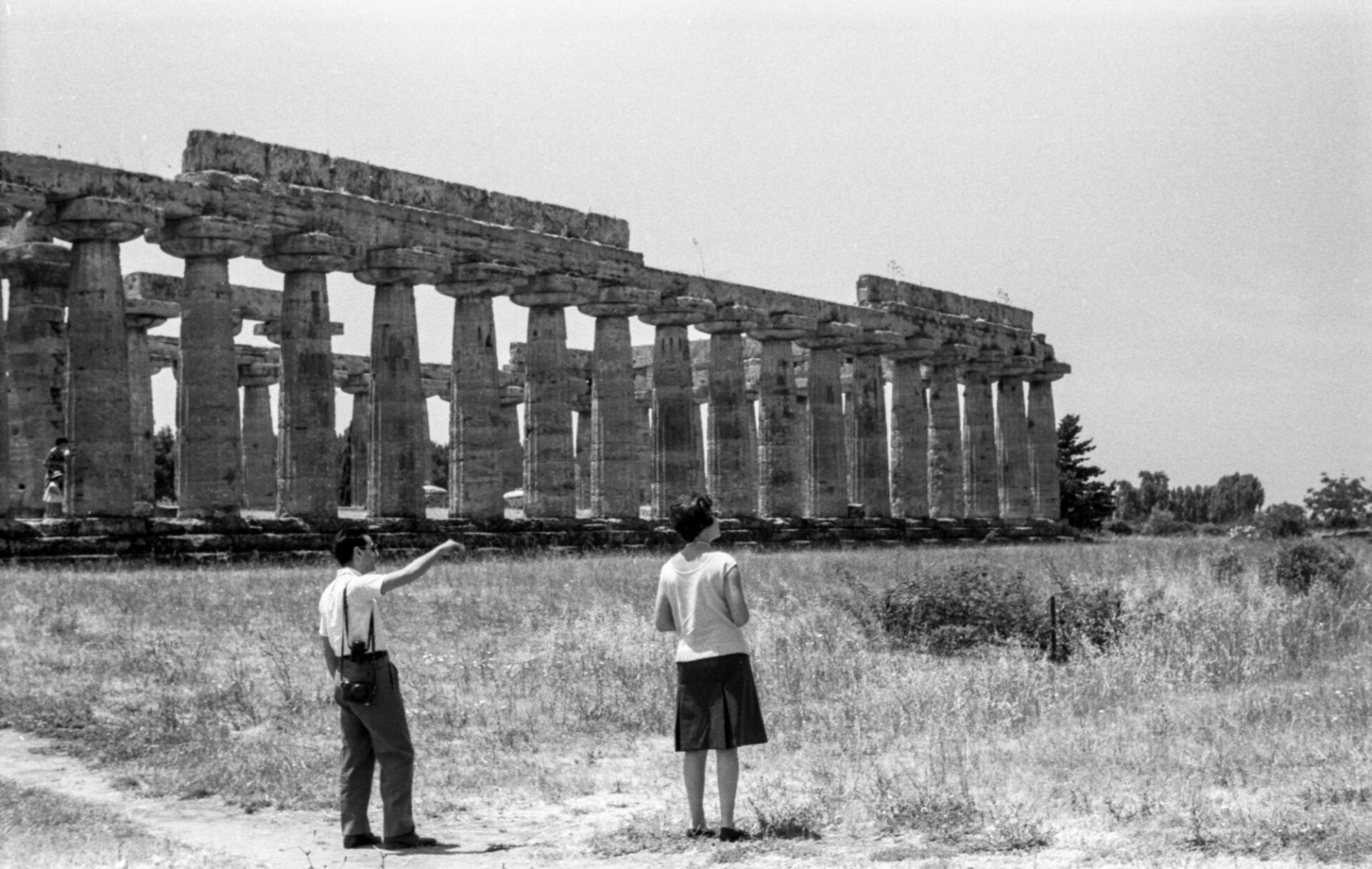


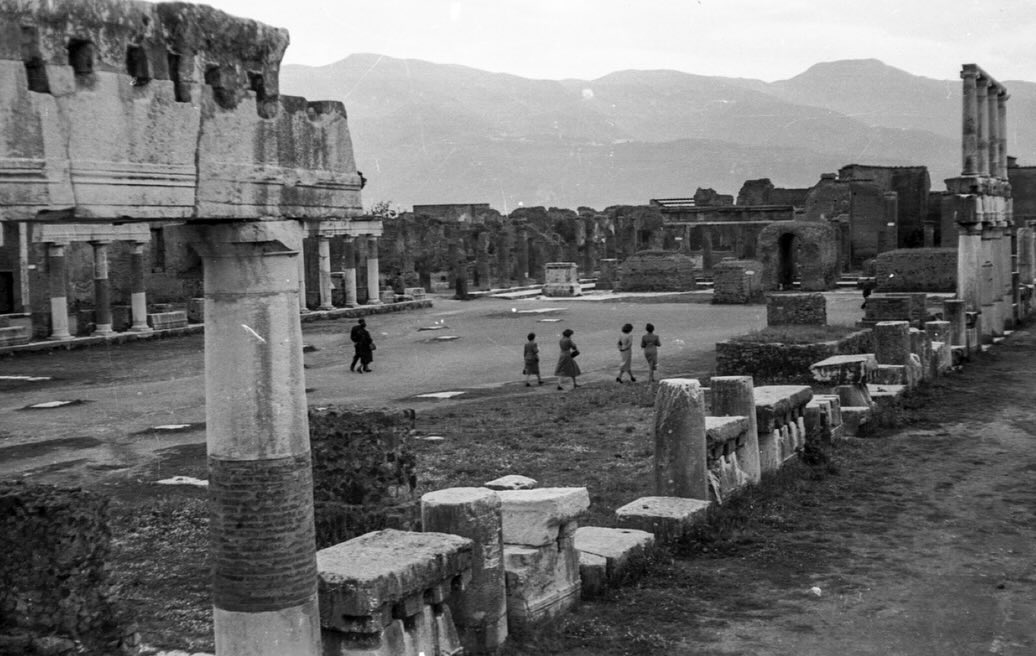
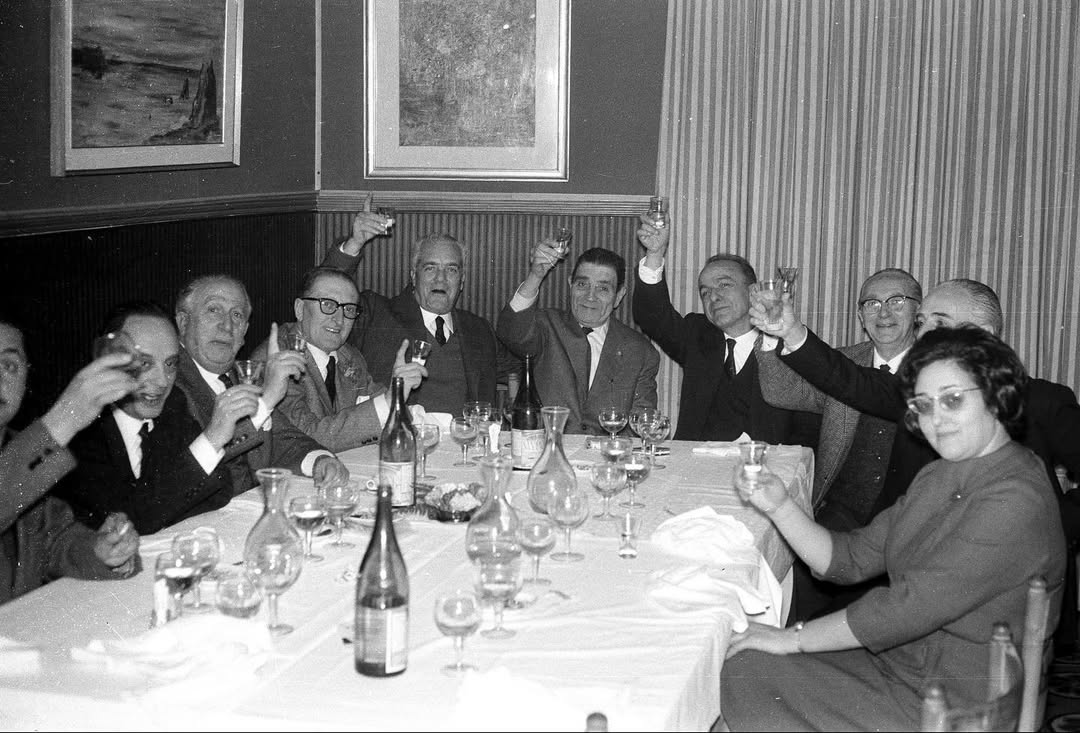
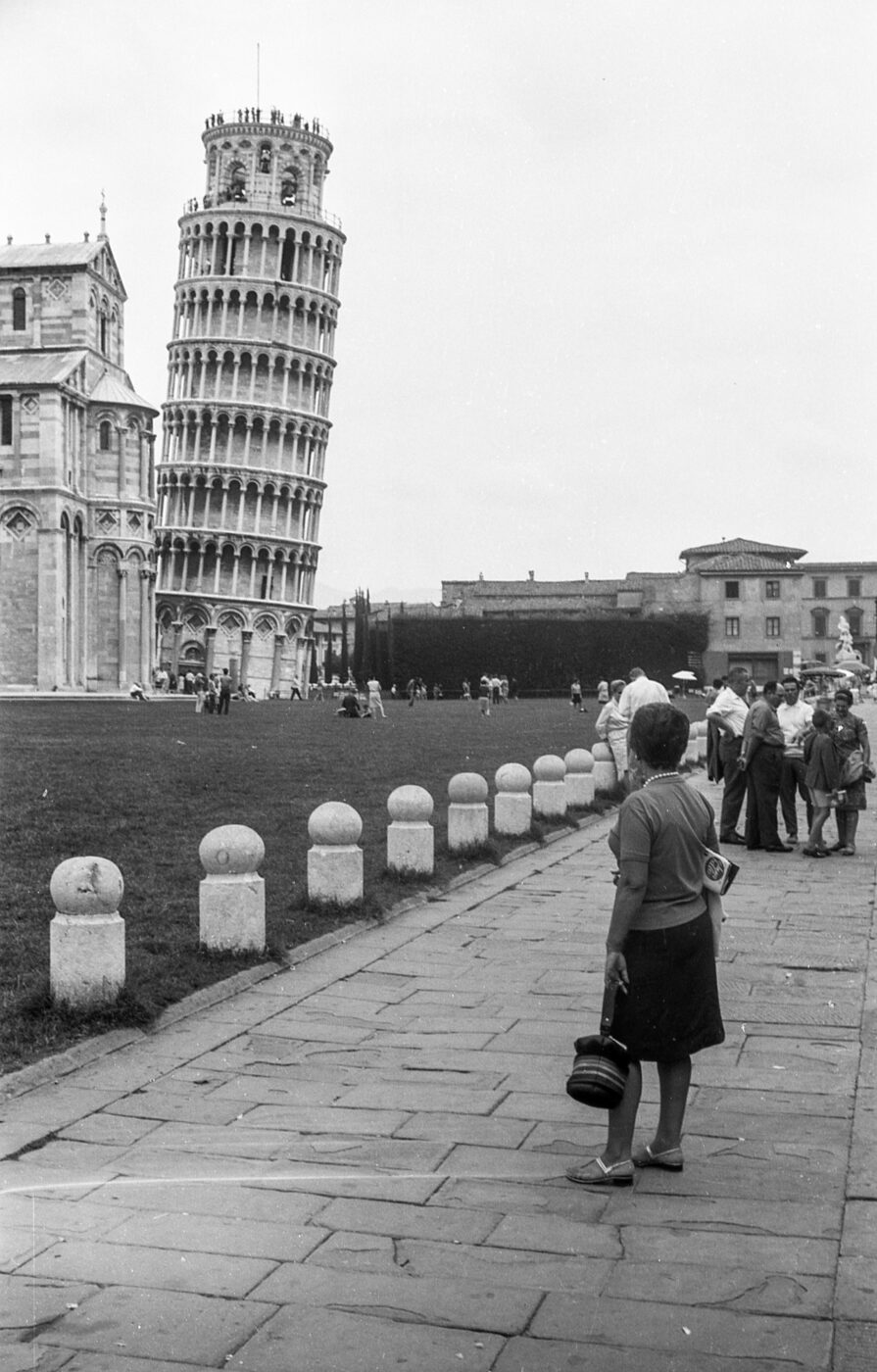
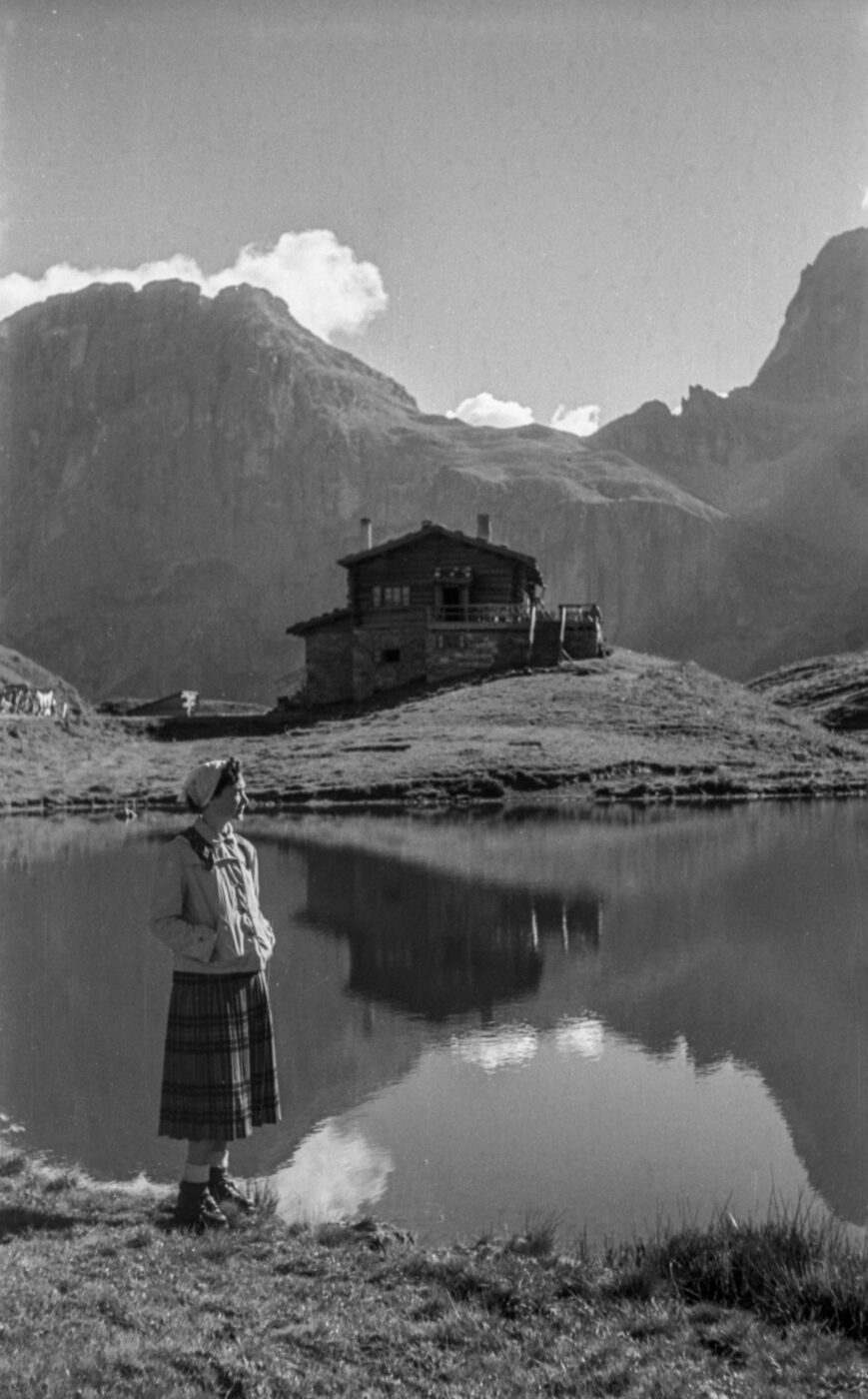
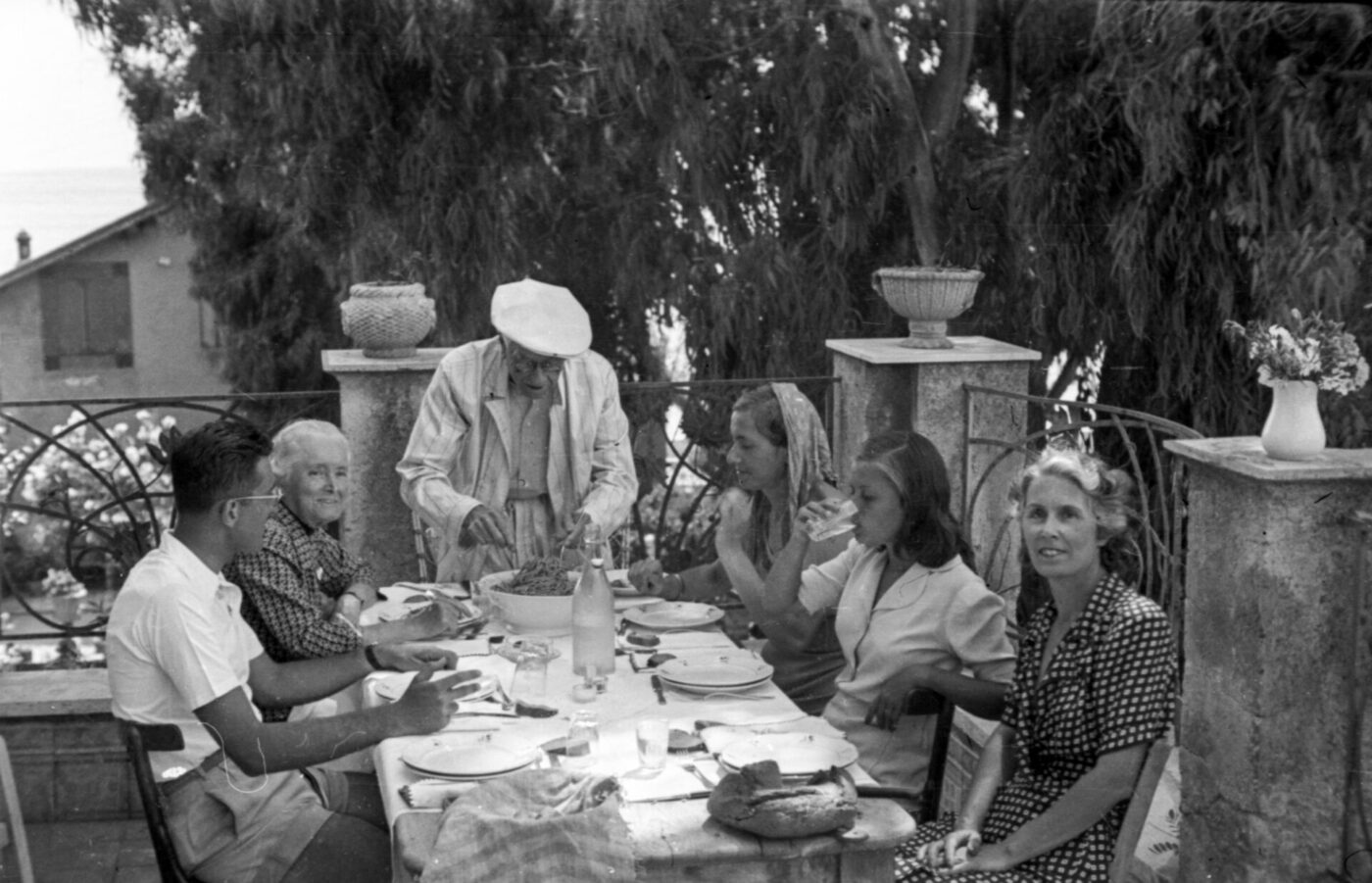
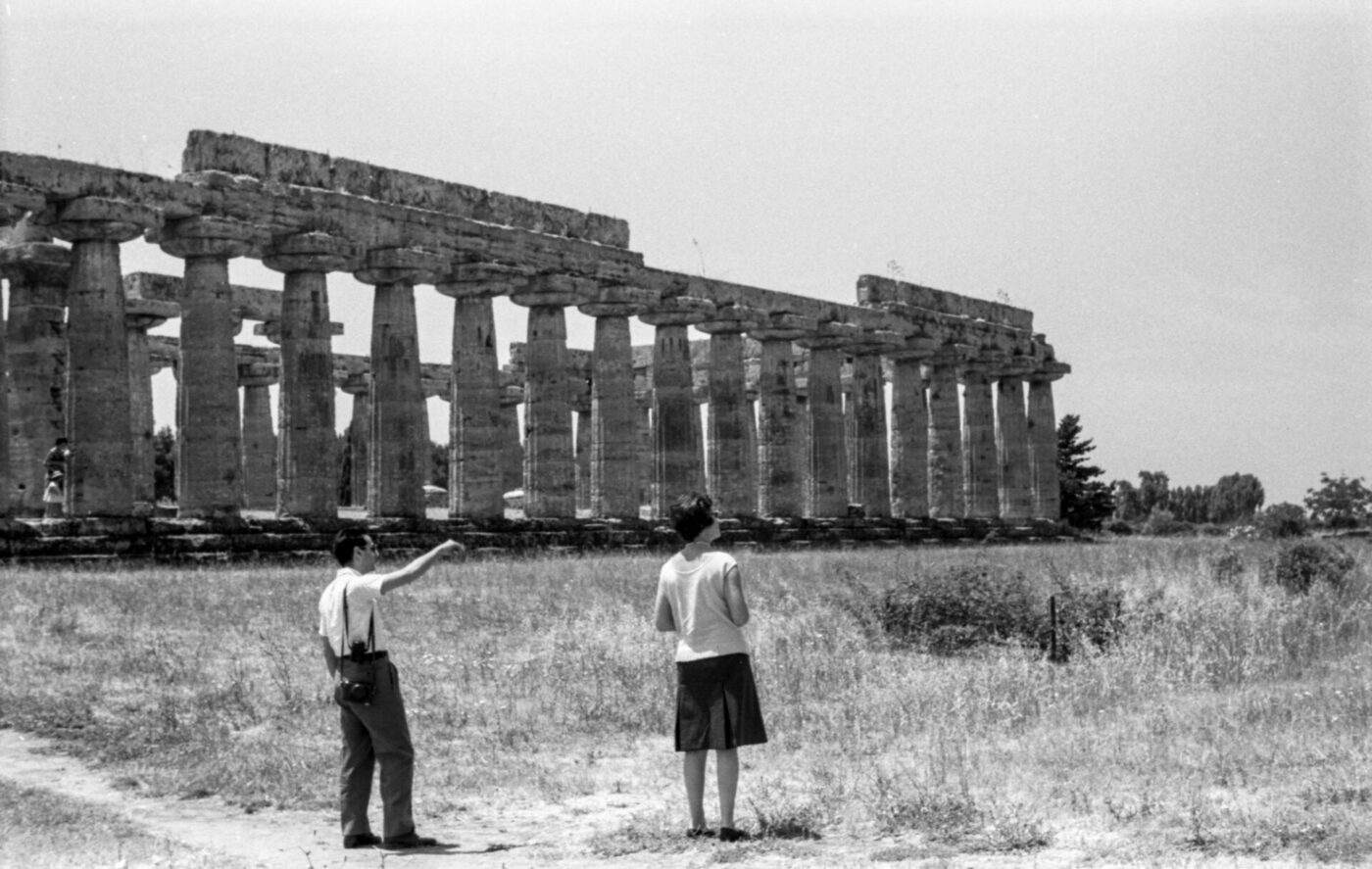
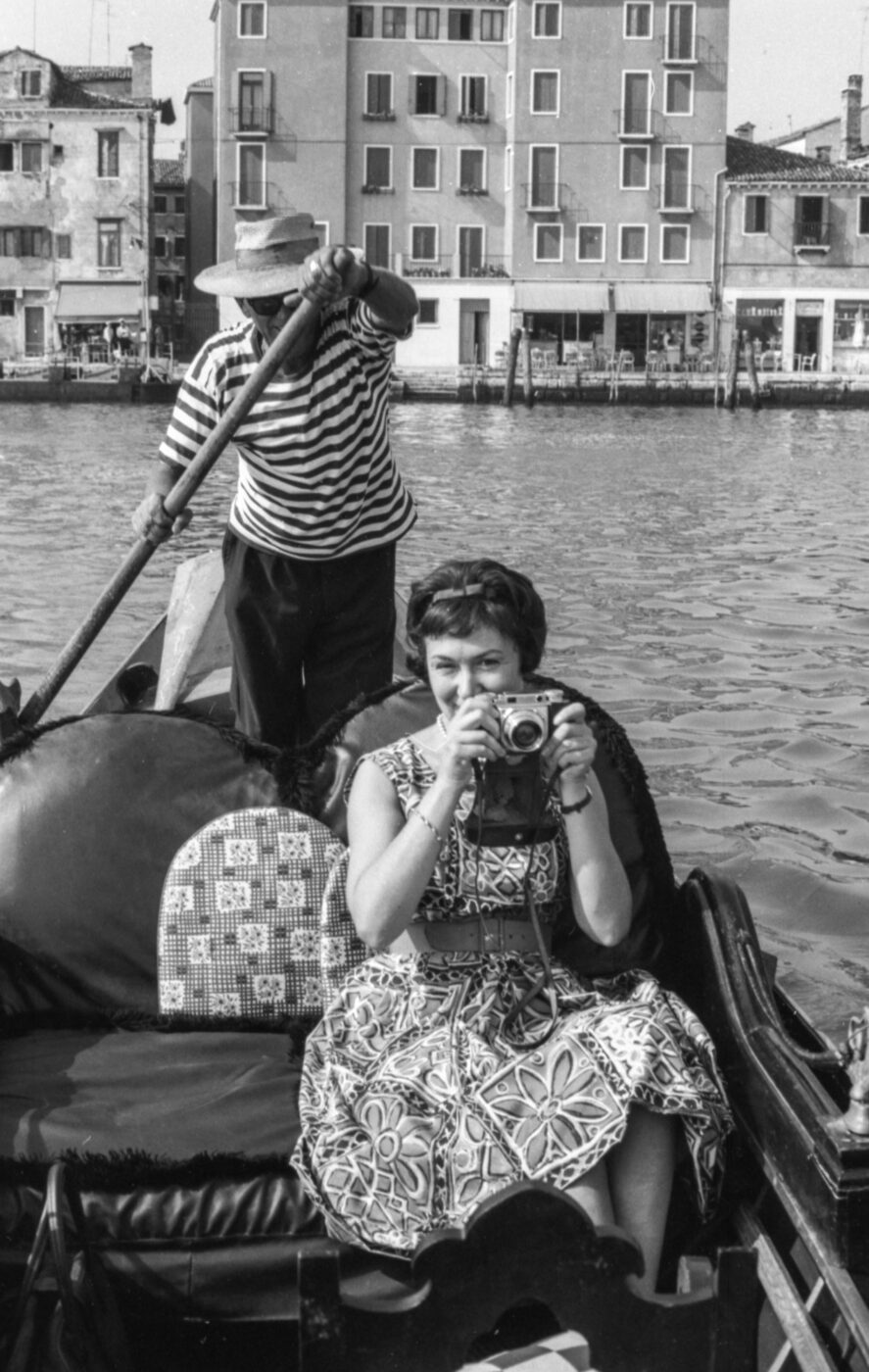
Being bourgeois meant many vacations—to the likes of Venice, Lago di Resia, Pompeii, Pisa, the Pala Dolomites, the Litorale Laziale, and Paestum. © Archivio Come Eravamo / Gianfranco Torossi
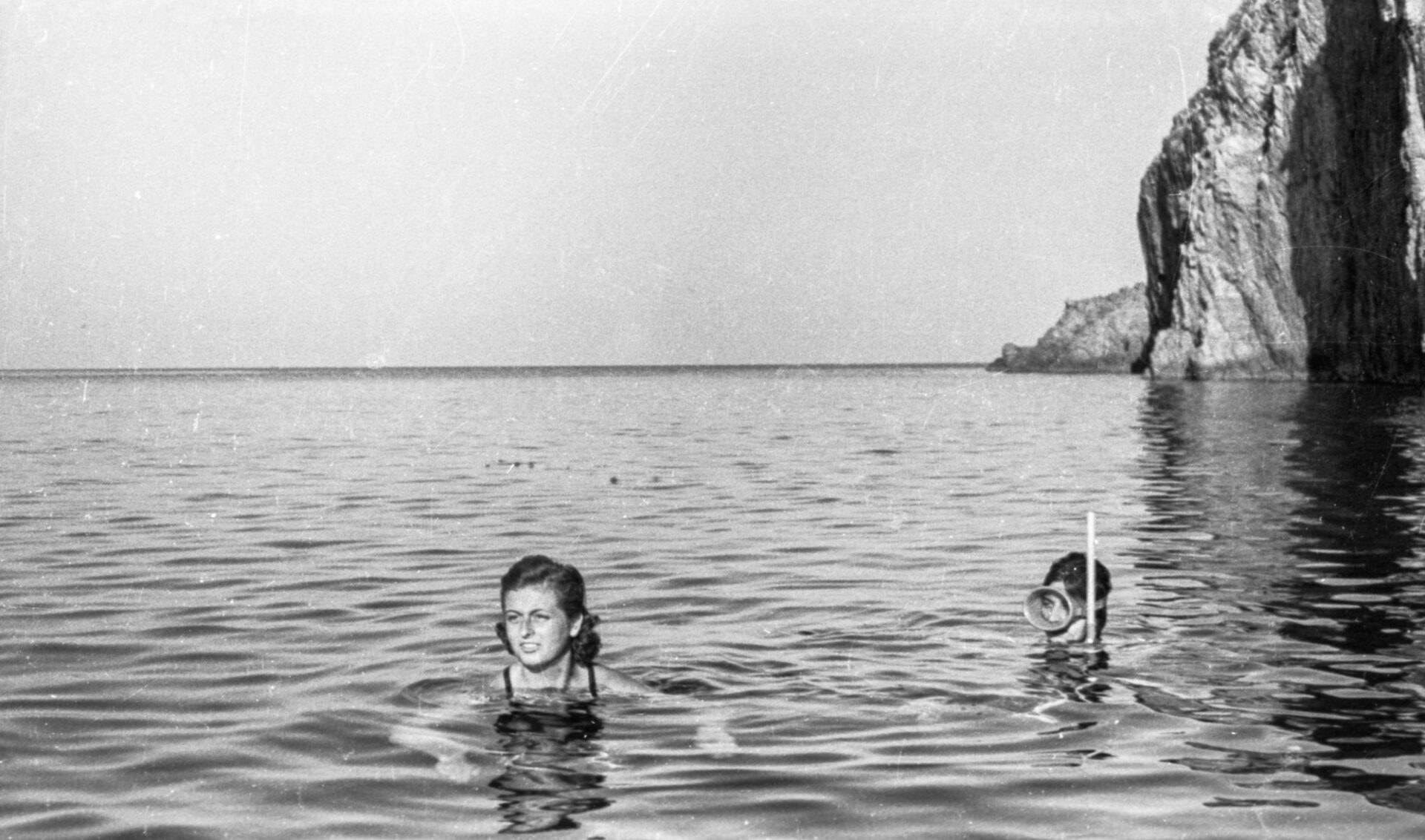
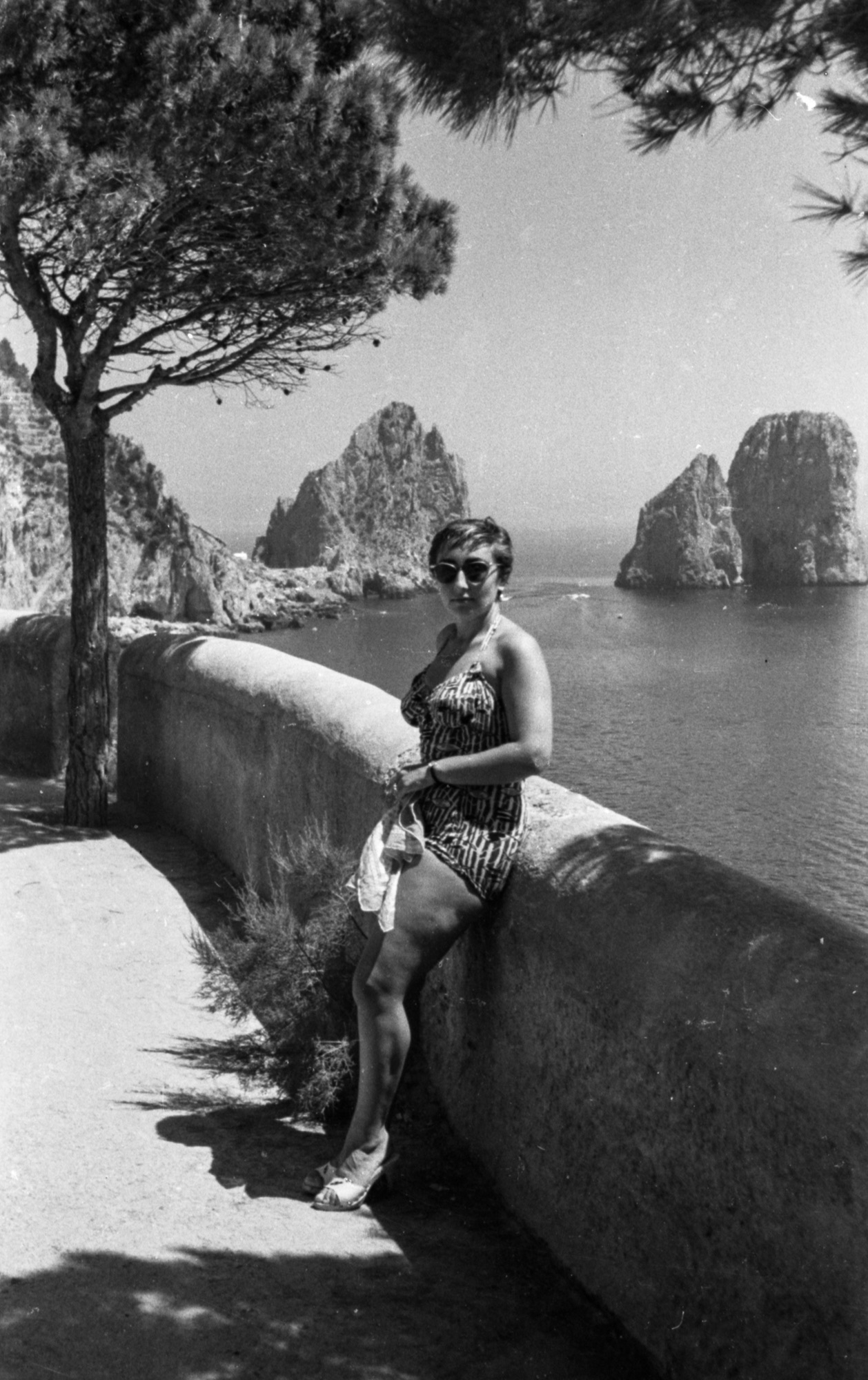
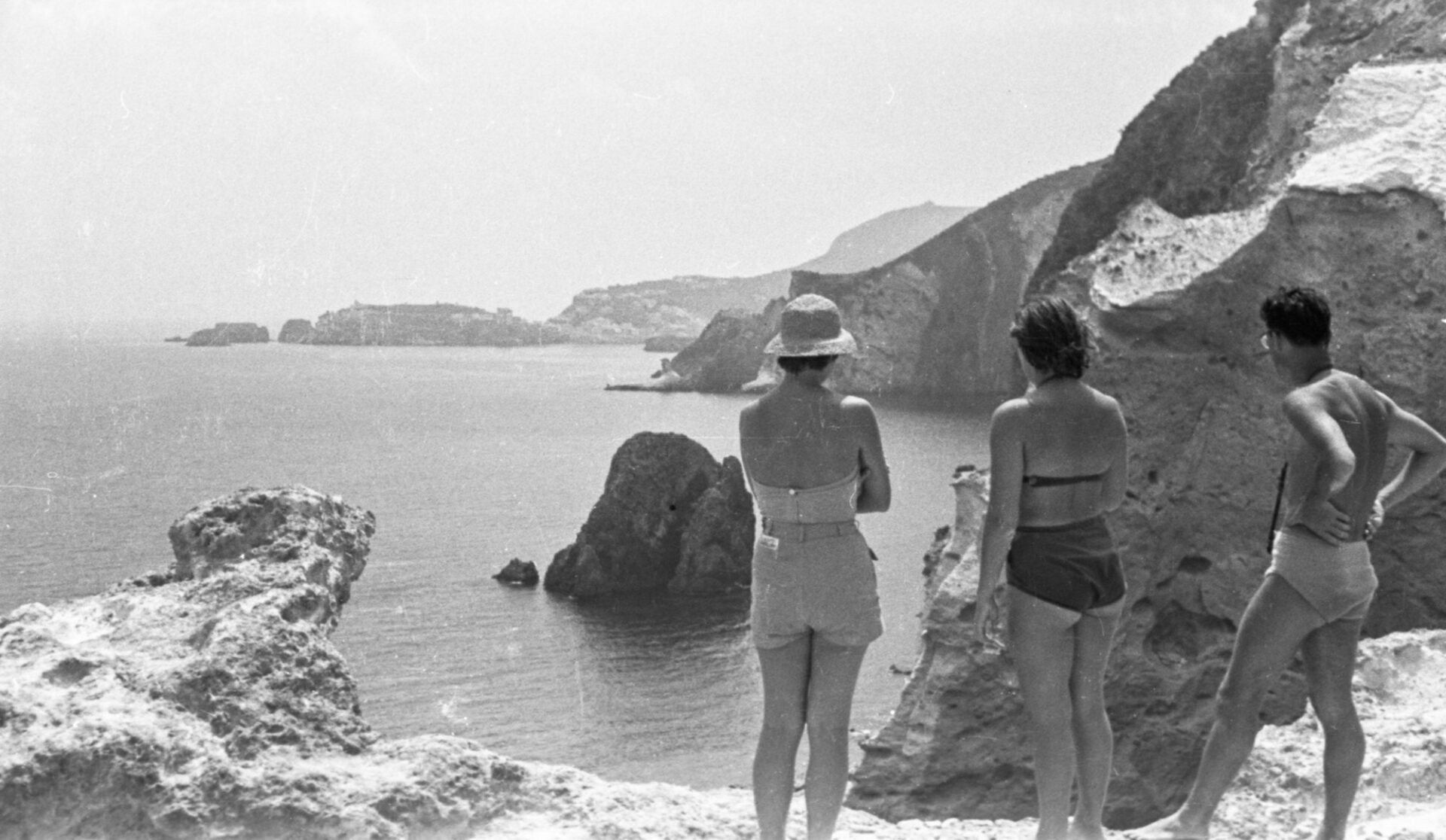
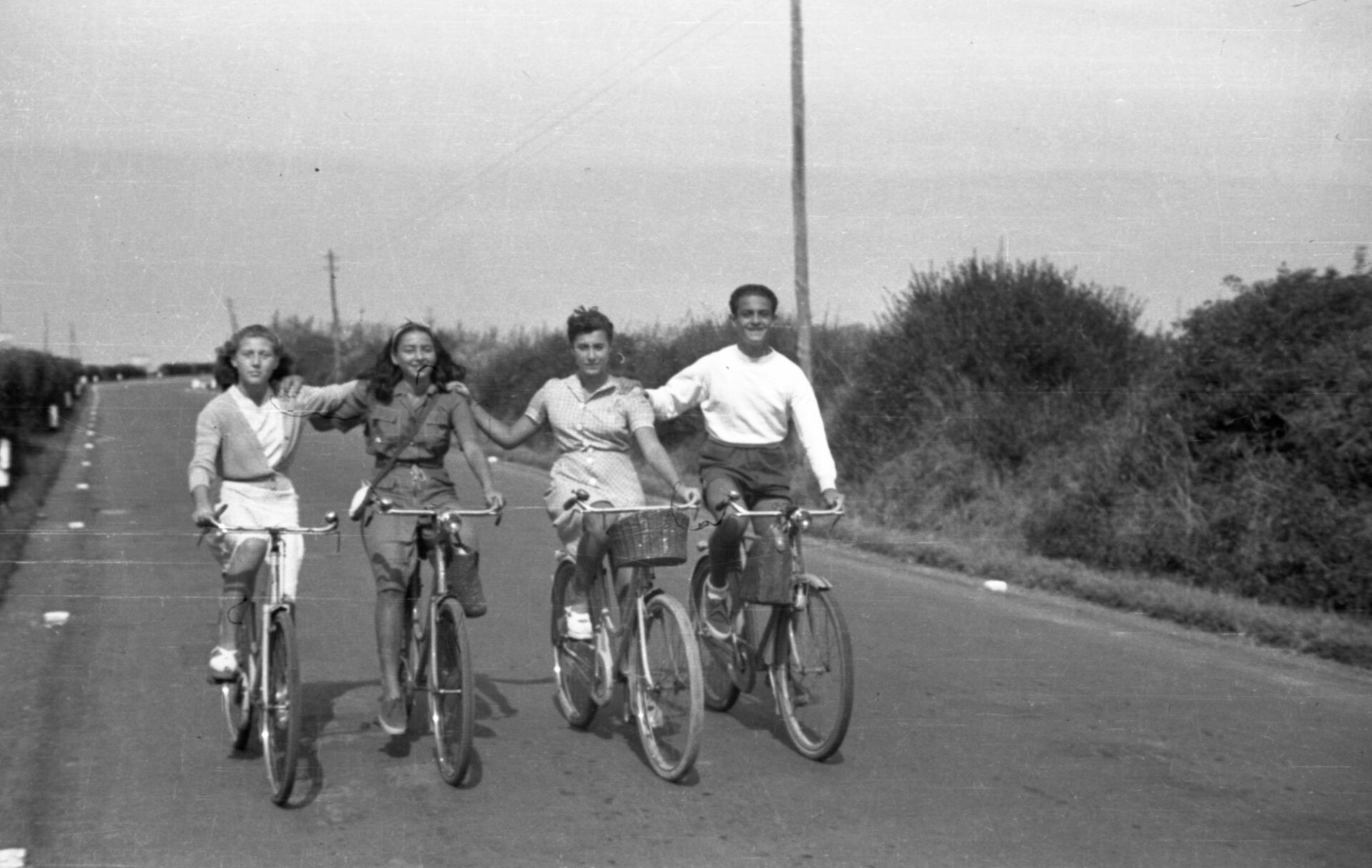
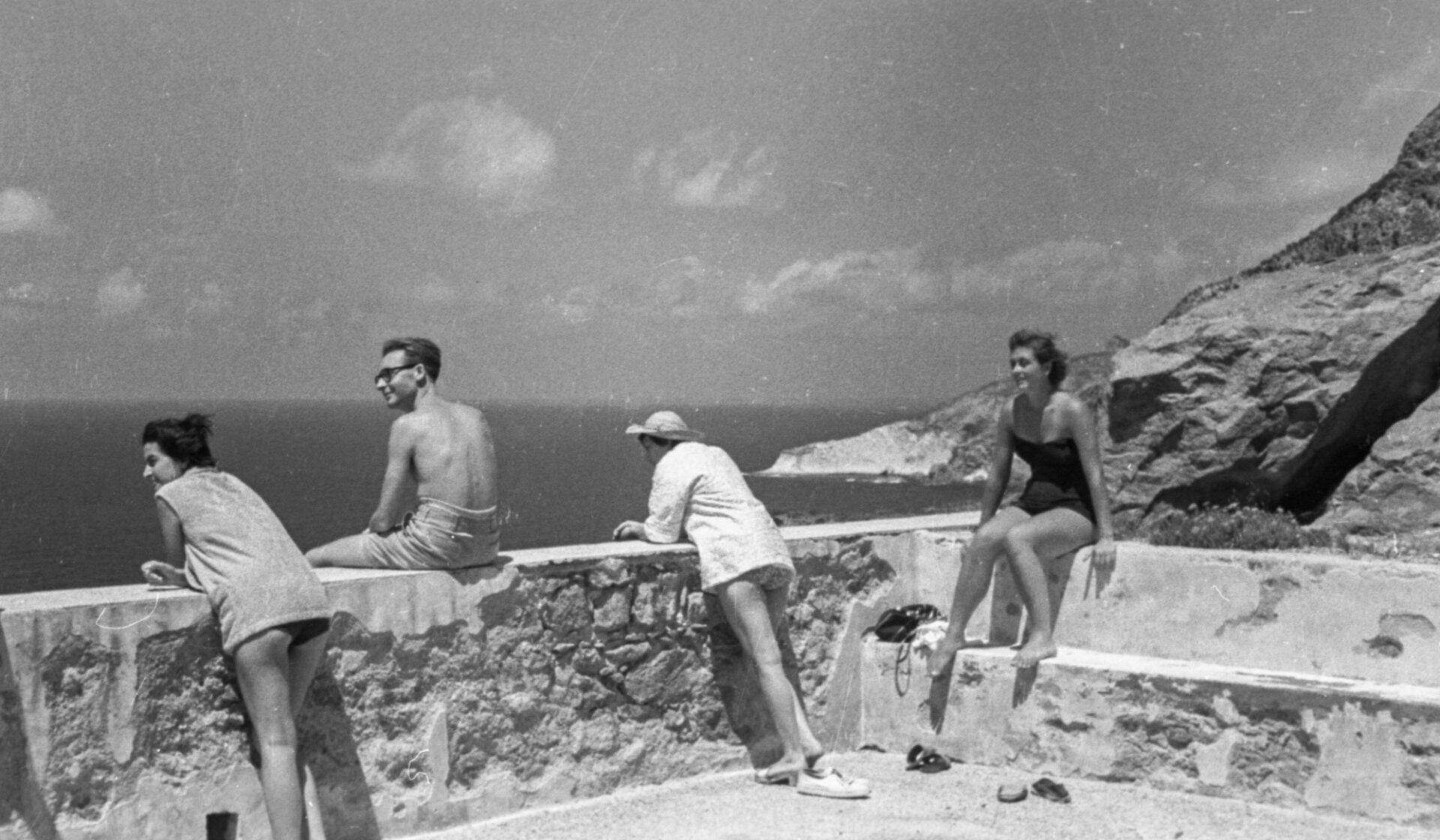
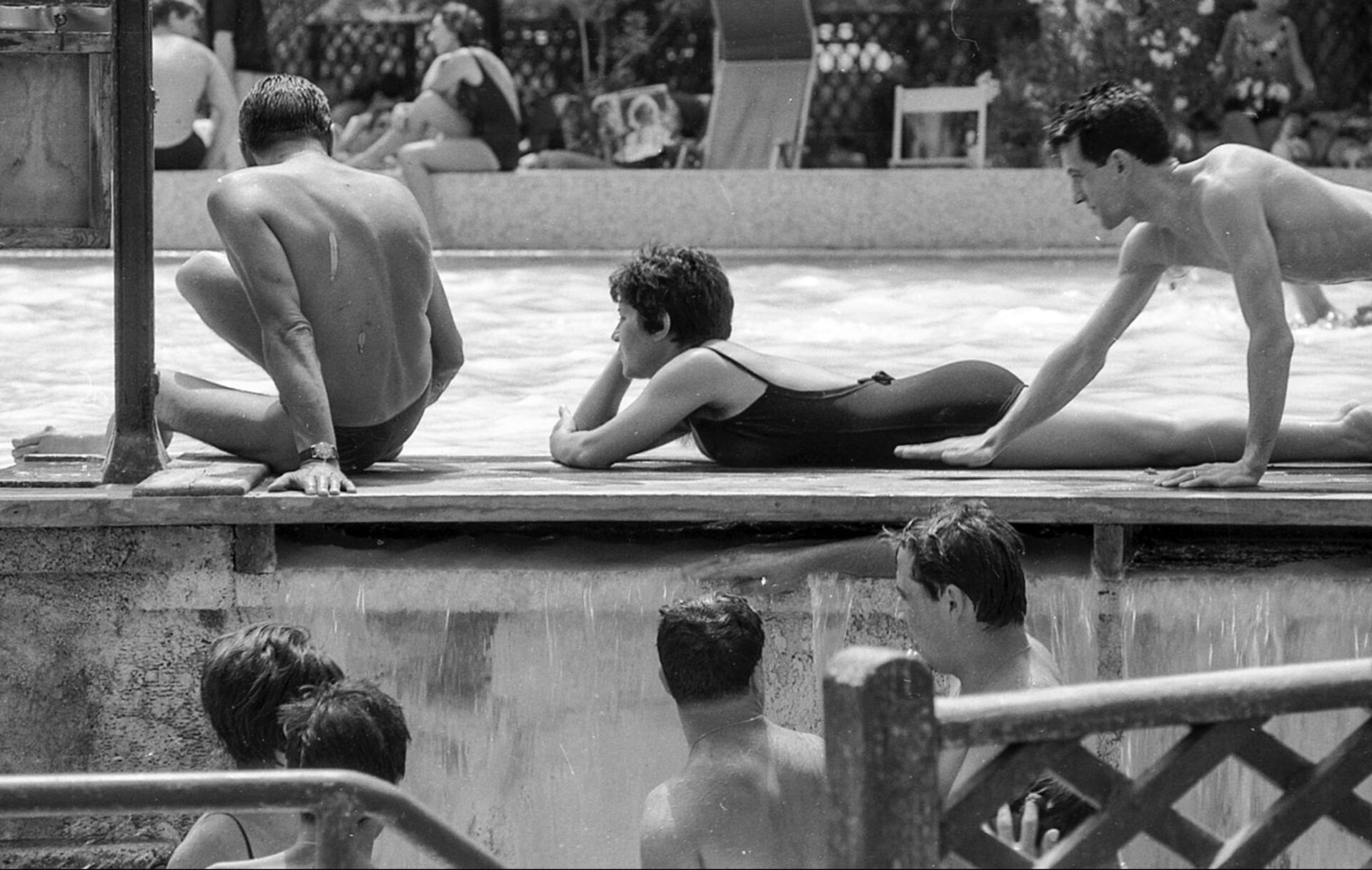
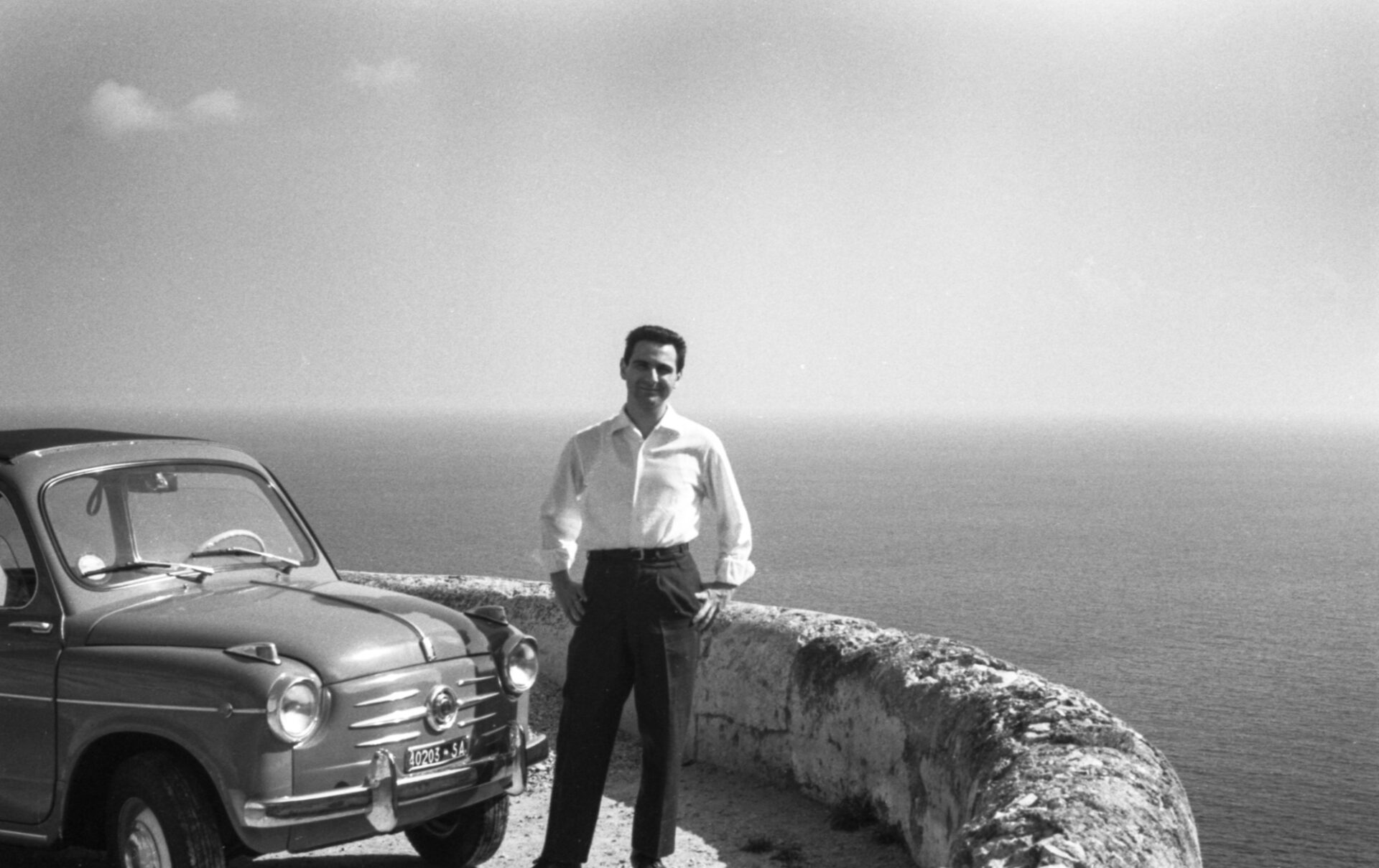
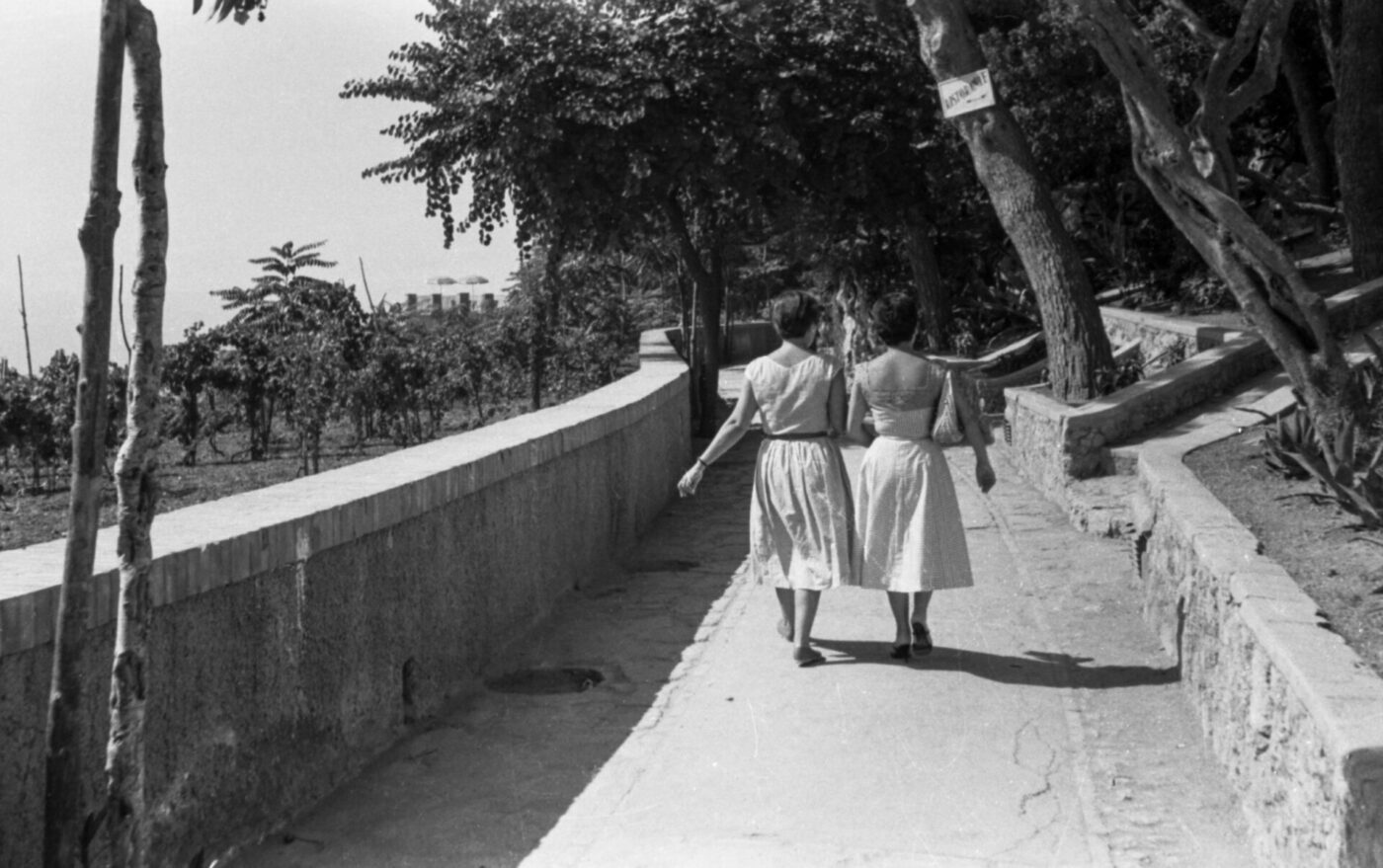
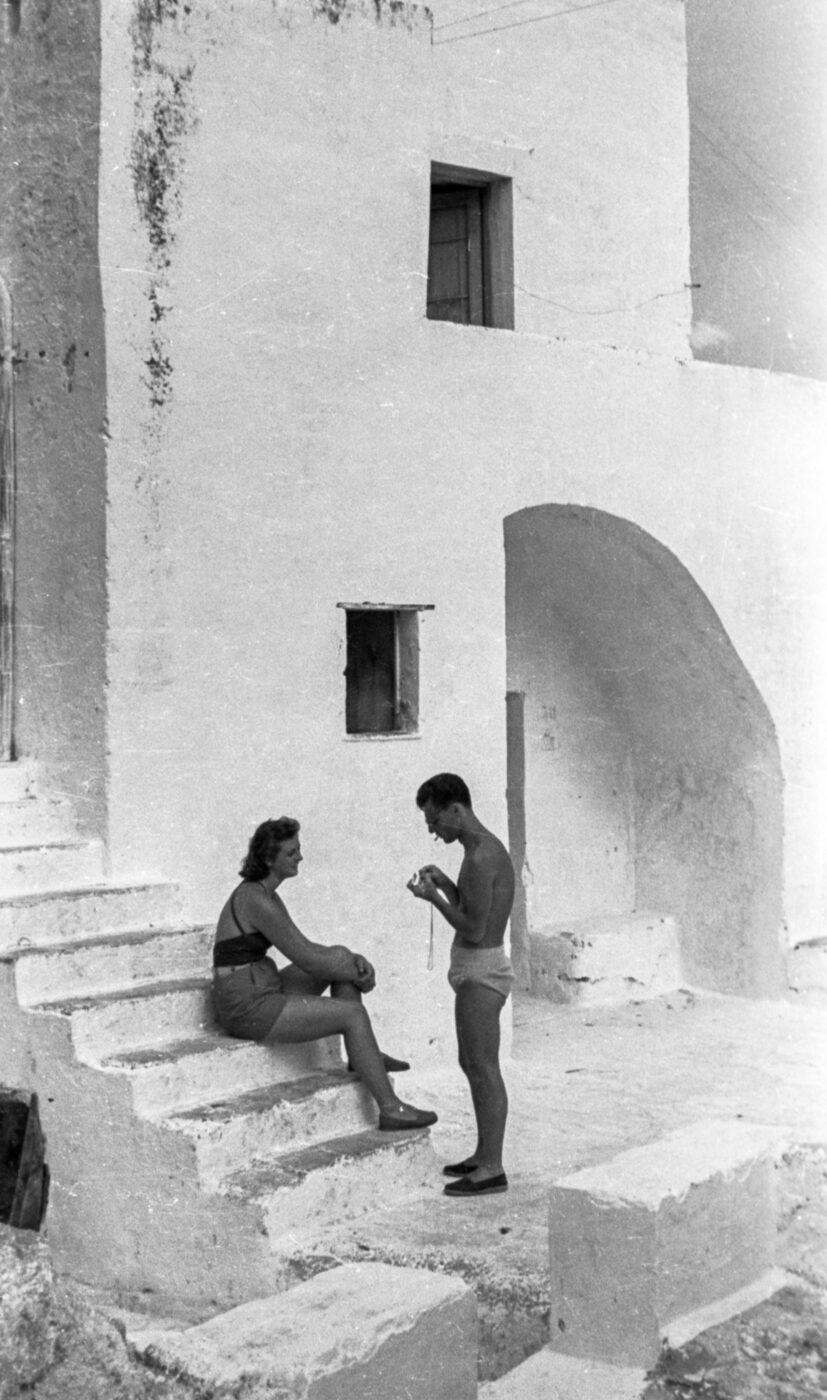
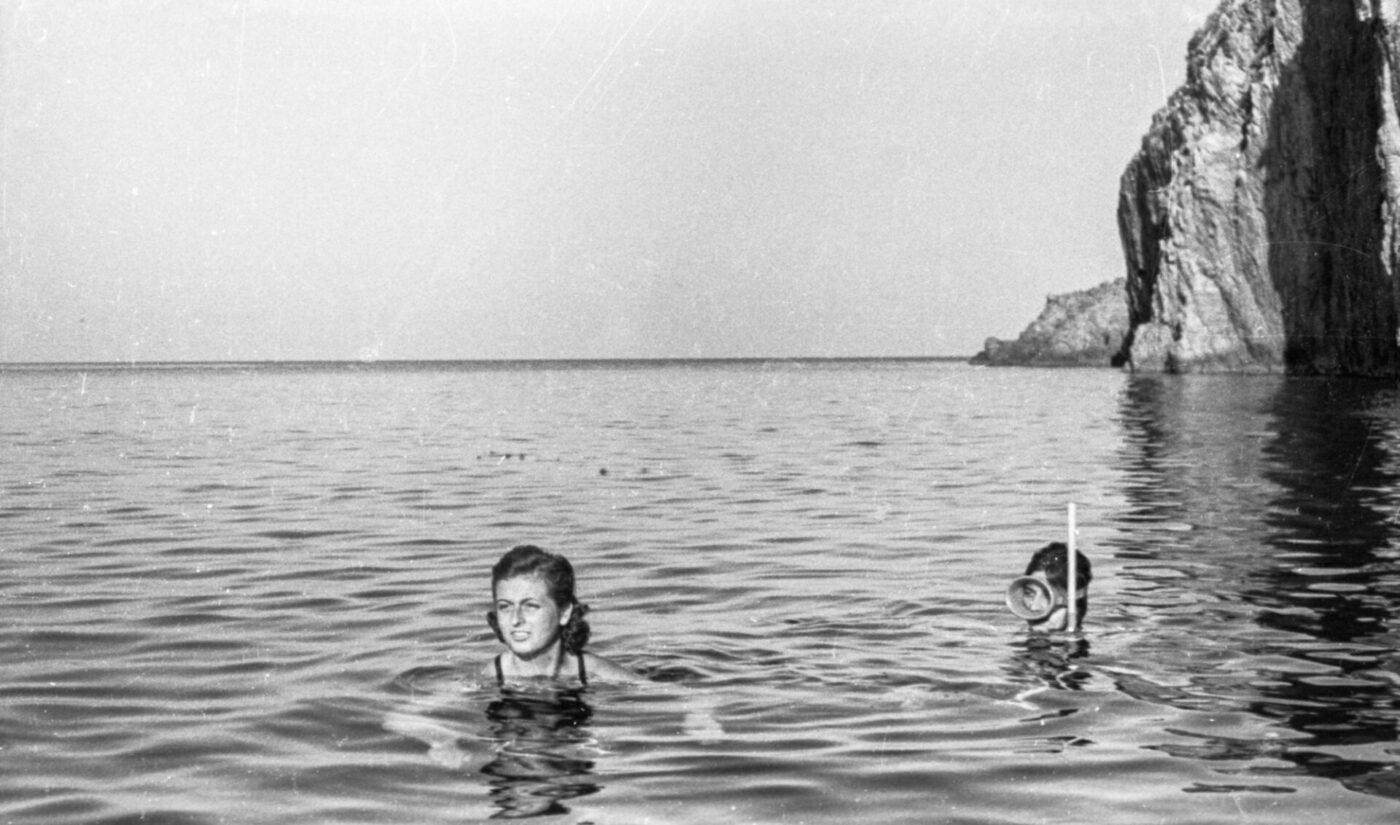
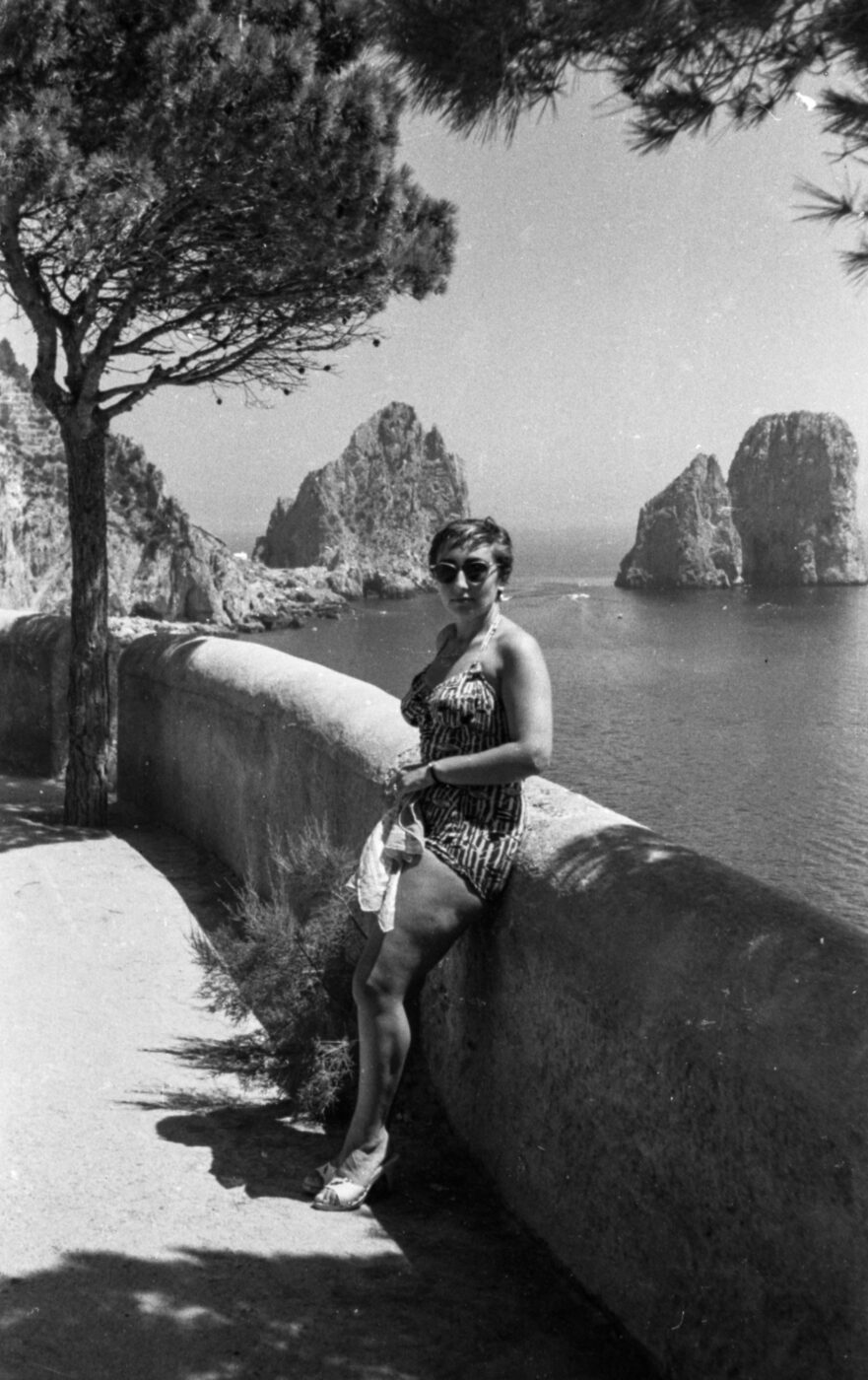
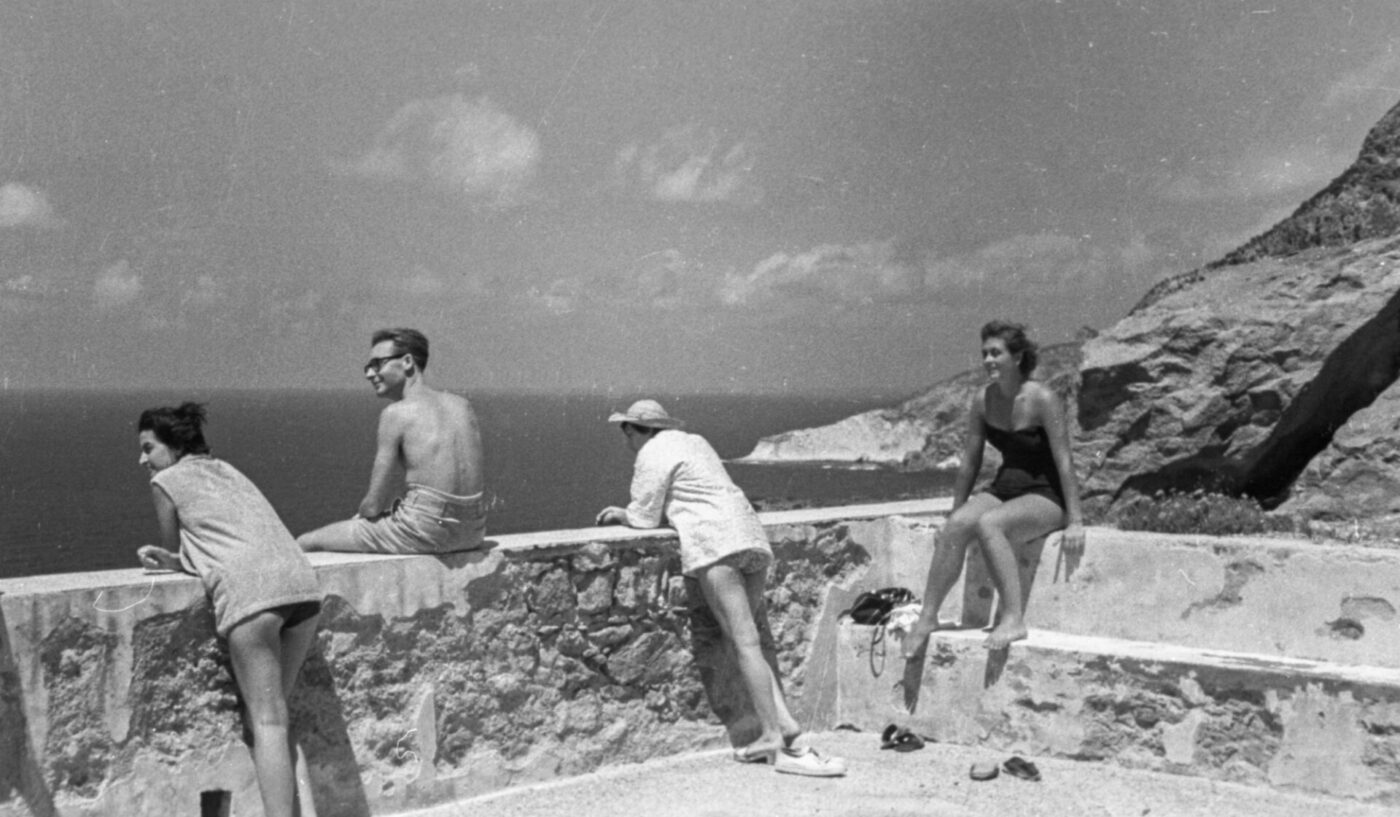
...and lots of time at the sea. Pictured here: Ponza, the Amalfi Coast, Capri, and the Litorale Laziale. © Archivio Come Eravamo / Gianfranco Torossi
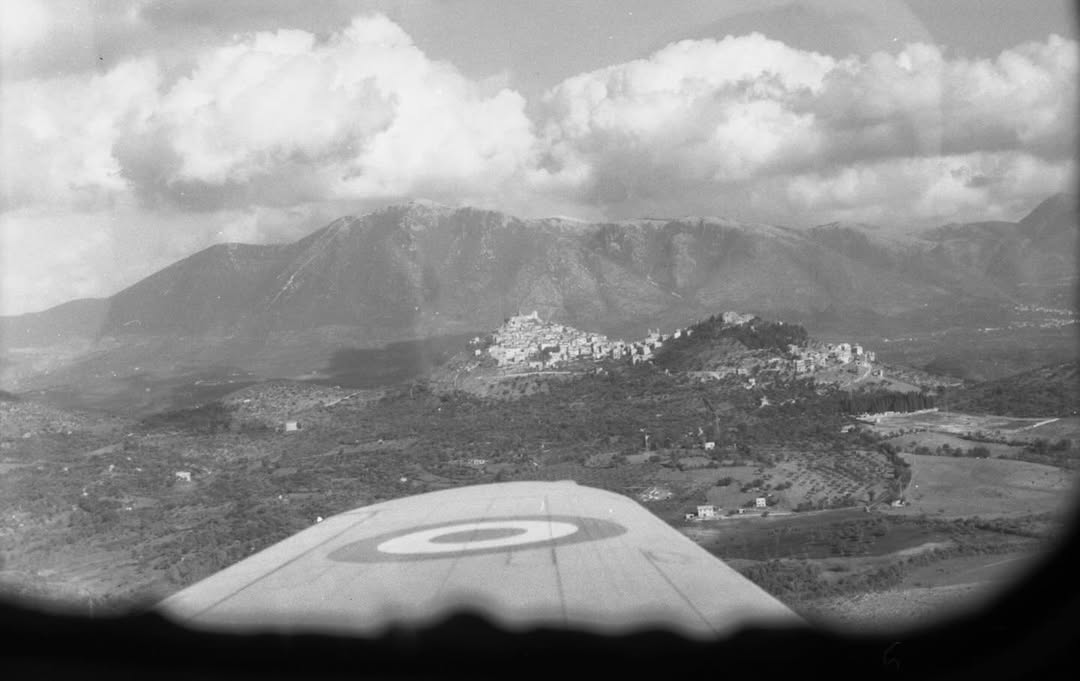
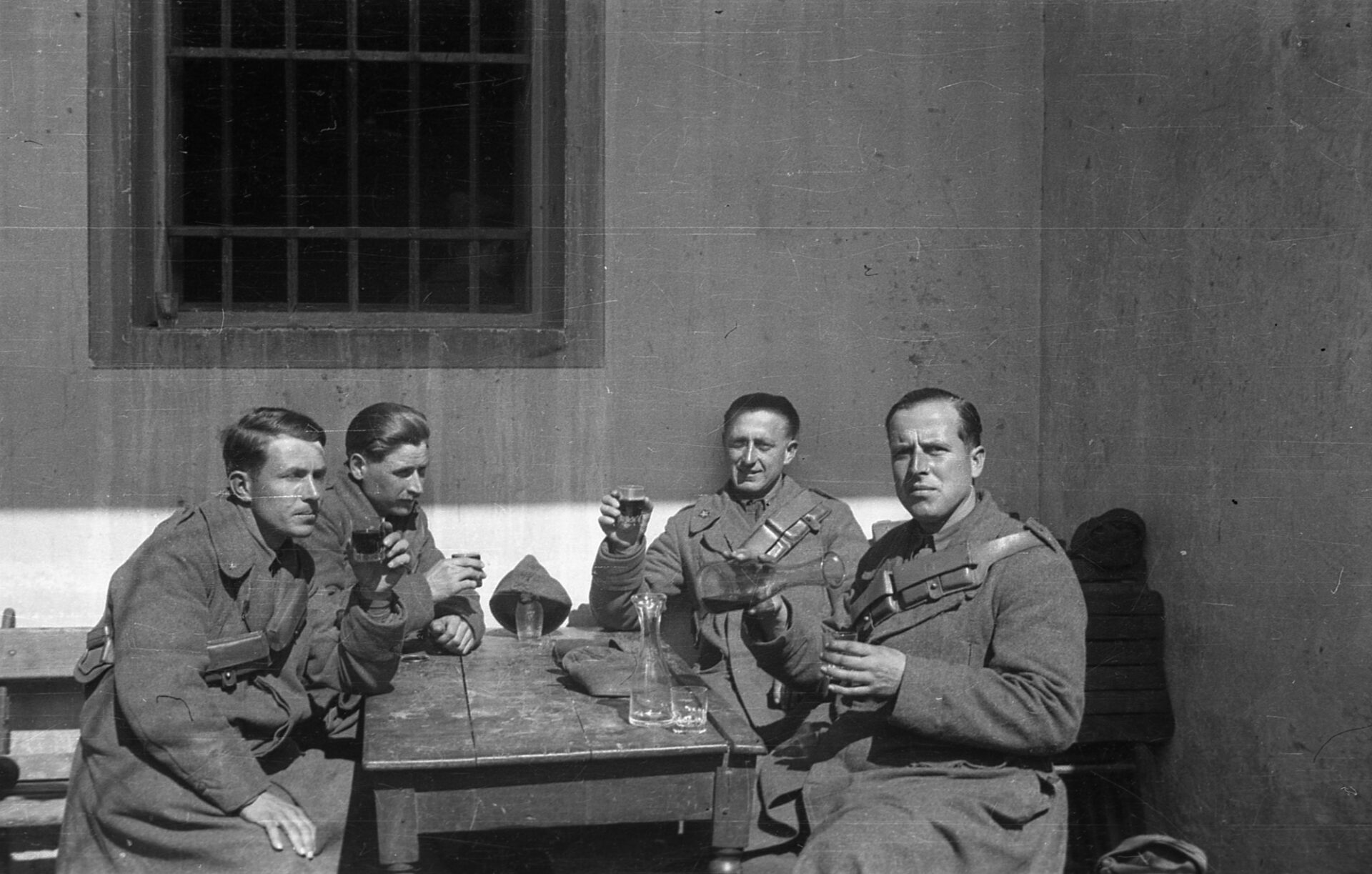
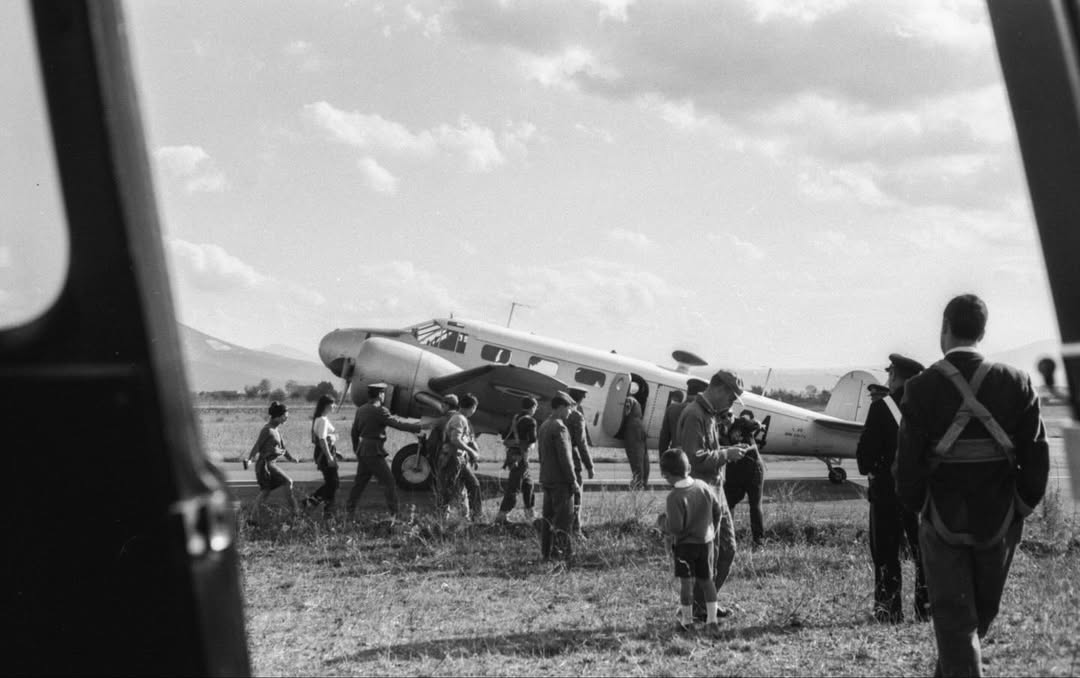
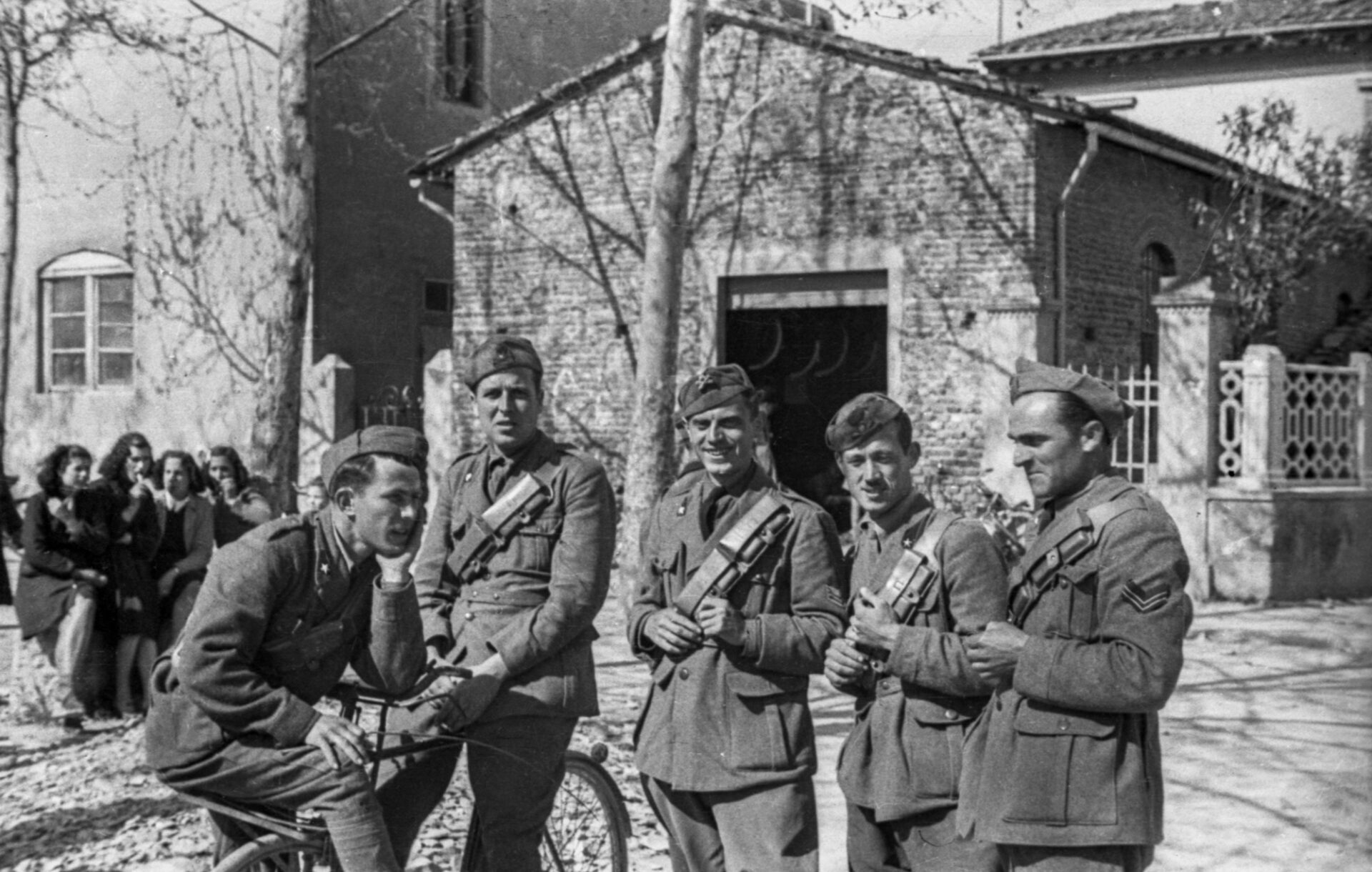
Life in the military during the early '40s and first flights above the Roman countryside in '67. © Archivio Come Eravamo / Gianfranco Torossi