The streets surrounding Brunelleschi’s Duomo in Florence are increasingly characterized by generic offerings, and yet, amid the bustle of the historic center, there are still a handful of stubborn, family-run institutions that choose to uphold their heritage rather than lean into mass-market trends.
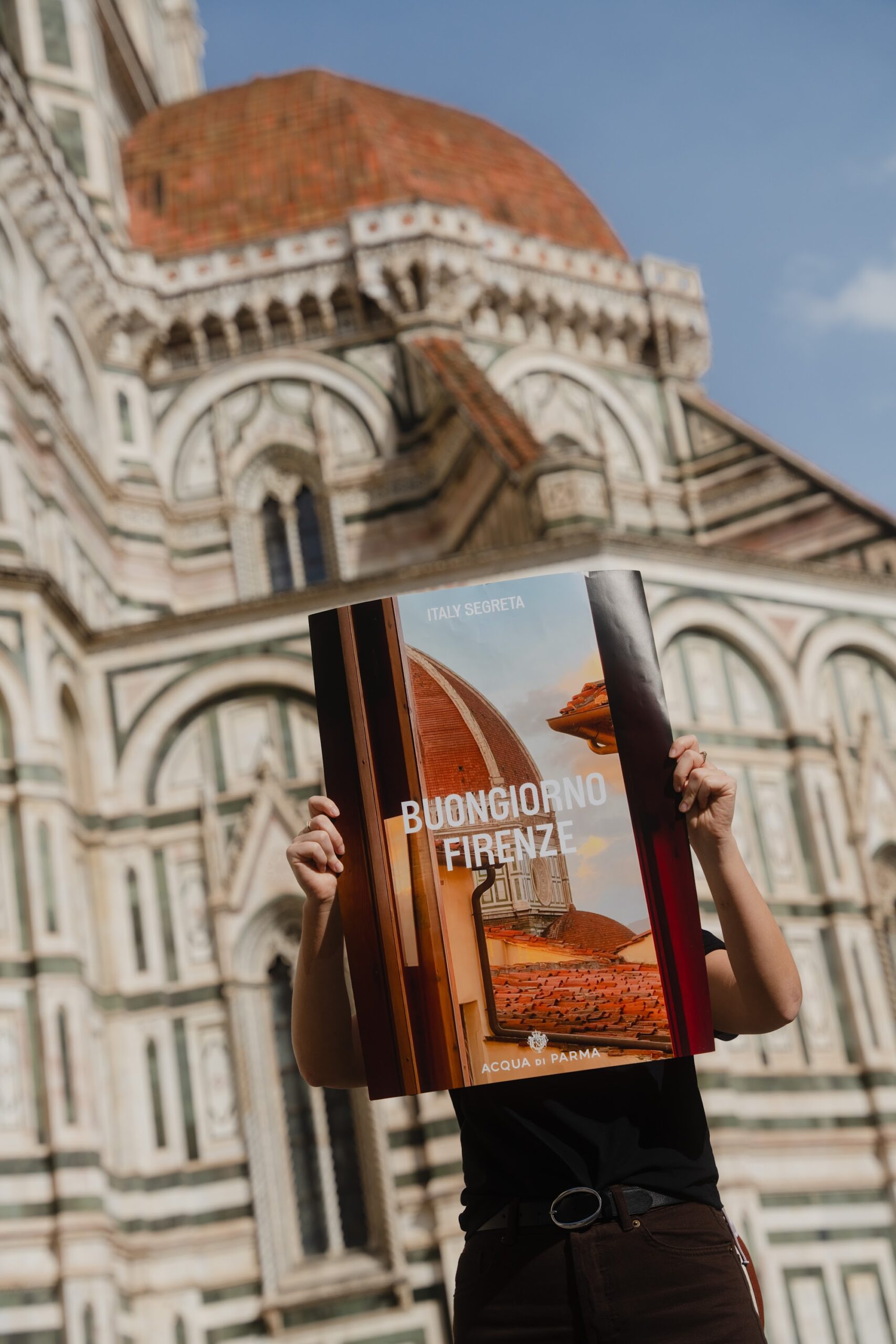
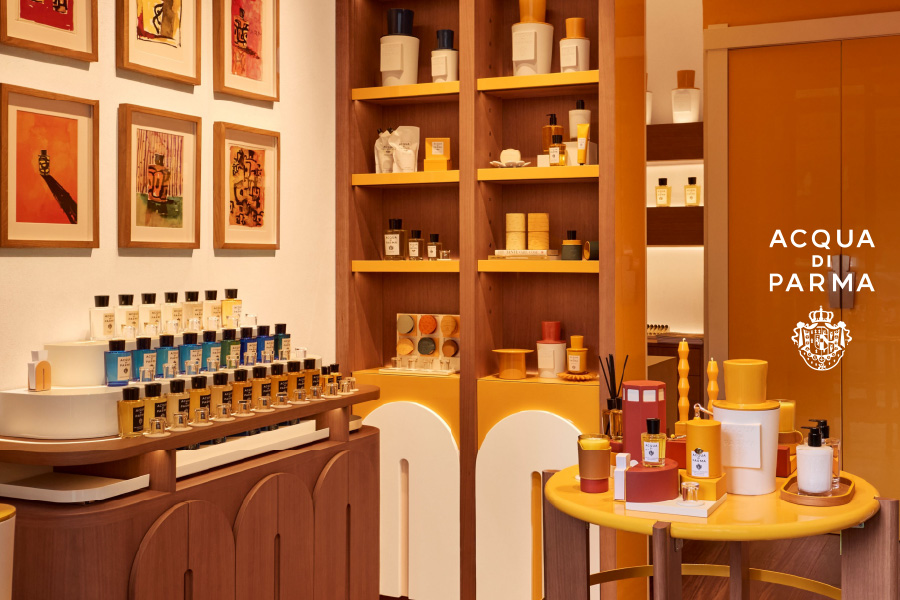
As we celebrate the opening of the new Acqua di Parma boutique in the heart of the city, we’re reminded that true Florentine elegance is a matter of staying power. The Italy Segreta offices are just a few blocks away, and so, for us, this neighborhood is where we live our day-to-day. The following is a guide to the spots we actually frequent—all within a three-block radius of the Duomo.
ARTISANS & PROVISIONS
Zecchi — Working out of a historic workshop on Via dello Studio since the 1950s, Zecchi is a pilgrimage site for the world’s top art restorers. They still produce and sell their own pigments, including genuine lapis lazuli and malachite, according to 15th-century technical treatises. You can also find a wide range of glues, gildings, brushes, sculpture tools, and more. It’s a rare place that keeps the spirit of the Renaissance bottega culture alive, where the staff can still explain the intricate chemistry of egg tempera or the specific handmade paper required for silverpoint drawing. From March 17th, customers will receive a signature yellow Acqua di Parma branded pencil with every purchase at Zecchi, available for a limited time.
I Fiori della Signoria — This florist is a locals’ landmark overseen by lovely proprietress Maurizia. Eschewing the stiff arrangements of modern shops, she specializes in wild and textured bouquets that feel plucked directly from a Medici villa garden. Find seasonal Tuscan blooms, from fragrant garden roses to dramatic flowering branches, all composed with Maurizia’s eye for balance. From March 17th, while supplies last, visitors will find their floral purchases elegantly wrapped in exclusive Acqua di Parma paper!
Pegna — Located in a former 17th-century monastery, this gourmet grocery has been the choice for Florentine families for pantry staples since 1860. You’ll find everything from rare single-estate olive oils and Martelli pasta to niche regional sweets like panforte and ricciarelli here. They still have the vintage wooden counters and brass scales, used to weigh out spices, truffles, and local legumes.
Paperback Exchange — This indie bookstore is the literary heart of Florence’s international community. What began as a book-swap for students has evolved into a quaint shop with new and secondhand English titles; you’ll find everything from classic fiction, non-fiction, and YA to rare academic titles. You can also trade in your books for store credit.
RESTAURANTS, BARS, & PANINI
Cantinetta dei Verrazzano — This elegant wood-paneled forno and wine bar is the urban outpost of the Cappellini family’s famed Castello di Verrazzano estate in Greve in Chianti. Most of the offerings, from the estate-bottled Sangiovese to the extra virgin olive oil, travel only a few kilometers from the farm to your plate. We love to go for coffee, an easy lunch, or merenda and order something made in the 15-foot-high wood-fired oven: cecina (chickpea flatbread) or focaccia filled with fresh peas and cheese. If you have time to sit, order the tonno del chianti. You can also buy bread, cookies, and cakes (the seasonal chestnut and ricotta one is transcendent) to take home. From March 18th, find your coffee served atop an Acqua di Parma napkin.
Regina Bistecca — Housed in a former 1870s antiquarian bookshop, this upscale restaurant is a tribute to the bistecca alla fiorentina. Owners Simone Arnetoli and Matteo Perduca have preserved the original floor-to-ceiling bookshelves, but the focus is now on steak, aged for a minimum of 21 days, grilled over oak and hornbeam charcoal in an open kitchen. When we go, we opt for the classic Chianina, which comes from Val di Chiana farm Tenuta San Giobbe, or the Maremmana, a breed of cattle famously raised by the butteri (cowboys) of the Tuscan coast.
Vini e Vecchi Sapori — Located on a tiny side street behind Piazza della Signoria, this family-run osteria is so committed to its standards that the menu still carries a famous “No Pizza, No Steak, No Ice, No Cappuccino” warning. The daily menu changes with the seasons, dictated by the freshest produce and game available that week. The pappardelle sull’anatra (duck ragu), white beans with bottarga, and raspberry tiramisù are all local legends, and the pici al ragù is one of the best in the city. Because the dining room only holds a handful of tables, you must reserve at least a few days in advance.
Maledetti Toscani — On a narrow alley just off Piazza della Signoria, this takeaway panini spot is the antithesis of the city’s over-marketed sandwich chains. While the selection is lean—focusing on a few prime meats and cheeses—it’s everything a panino shop should be: fast, friendly, and remarkably hearty for the price. The schiacciata is excellent, but salt fiends should opt for the covacino, a house-made sandwich bread crafted from pizza dough. (To balance it out, we recommend filling it with less salty things, like prosciutto cotto, a cheese of your choice, and the artichoke sauce.) With no formal menu, you’re encouraged to mix and match cured meats and cheeses to your liking.
Trattoria Le Mossacce — Founded in 1925 as a fiaschetteria (wine bar), this trattoria is one of the few places in the center that hasn’t bowed to a single trend in a century. Now run by Fabio, Francesco, and Lorenzo—former employees who took over from the original family—the kitchen specializes in easy classics that change daily. We love the polenta with ragù (available on Tuesdays in the winter), arista, and fresh cream of pea soup (on the menu during spring). The atmosphere is informal and no-frills; expect a high-speed meal during which you share a long wooden table with strangers.
I Fratellini — A Florentine landmark since 1875, this literal hole-in-the-wall panino stop is one of our favorites for an on-the-go lunch or easy merenda—currently helmed by brothers Armando and Michele Perrino, the fourth generation to man the counter. There are no tables; instead, patrons perch on stools on the sidewalk. Their menu features some 30 varieties of panini, filled with a range of meats, cheeses, veggies, and sauces, all made using crusty, saltless Tuscan rolls. Try one with the local finocchiona, salame di cinghiale, or salsiccia cruda, a fresh, raw sausage.
Trippaio del Porcellino — Orazio Nardini’s stall near the bronze boar fountain has been a fixture of the Piazza del Mercato Nuovo for decades, serving one of the city’s great lampredottos. Orazio prepares the innards using a family recipe, simmering them with tomato, onion, and parsley until they become tender. Order it “con tutto” (with both spicy and green sauce) and ask for the bun to be “bagnato”—dipped back into the flavorful cooking broth.
Move On — This dual-concept space was born from a collaboration between musician Andrea Bracali and owner Marco Valenza, blending a high-end bar with a curated vinyl shop. The ground floor serves artisanal Italian craft beers, cocktails, and polished pub fare, while the first floor houses a massive collection of records overlooking the Baptistery. Settle into one of the window seats upstairs to pair a Piazza Duomo view with your Negroni and listening session.
GELATO & BAKERIES
Perchè No! — The name of this gelateria translates to “Why not?”, which is exactly how one should approach an afternoon gelato in Florence. Marked by a vintage red neon sign on a side street off Via dei Calzaiuoli, this family-run institution has been serving artisanal gelato since 1939. While they excel at the classics like crema and cioccolato fondente, they are equally famous for their soy-based nocciola and their Buontalenti—the honey-and-egg cream flavor named after the Renaissance architect who invented the dessert. Beginning March 17th, look for the limited-edition mandarin sorbet by Acqua di Parma, inspired by their signature Buongiorno fragrance and available while supplies last!
La Gelatiera — On Via dei Ginori, this relative newcomer has quickly ascended the ranks of the city’s elite gelaterias by pairing a great scoop with a charming setting (original, high-vaulted Renaissance frescoes). The laboratory focuses on small-batch production using high-quality seasonal fruits and creamy nut bases, alongside more adventurous, wildcard flavors like matcha, peanut, and tigernut. (Note that the hours aren’t always as listed; the owner tends to open and close at his discretion.)
Edoardo Gelato Biologico — Directly under the Duomo, Edoardo was the first certified organic gelateria in Tuscany and remains a family-run standout for its cozy, neighborhood creamery feel. The waffle cones are made by hand on-site—the scent of which defines this corner of the piazza—and the gelato uses only seasonal, organic fruit and free-range eggs. While the flavors change with the harvest, their dairy-free salty pistacchio and chocolate-hazelnut “Gianduia secondo Edoardo” are fabulous.
Caffè Gilli — Established in 1733, Gilli is the oldest café in Florence and a masterpiece of Belle Époque architecture, featuring ornate ceilings and a sweeping mahogany bar. The pastry counter is filled with all sorts of goodies from hand-painted chocolates to the iconic, multi-layered millefoglie, and while its outdoor seating offers prime people watching in Piazza della Repubblica, the local move is to take an espresso standing at the bar, paired with a budino di riso.