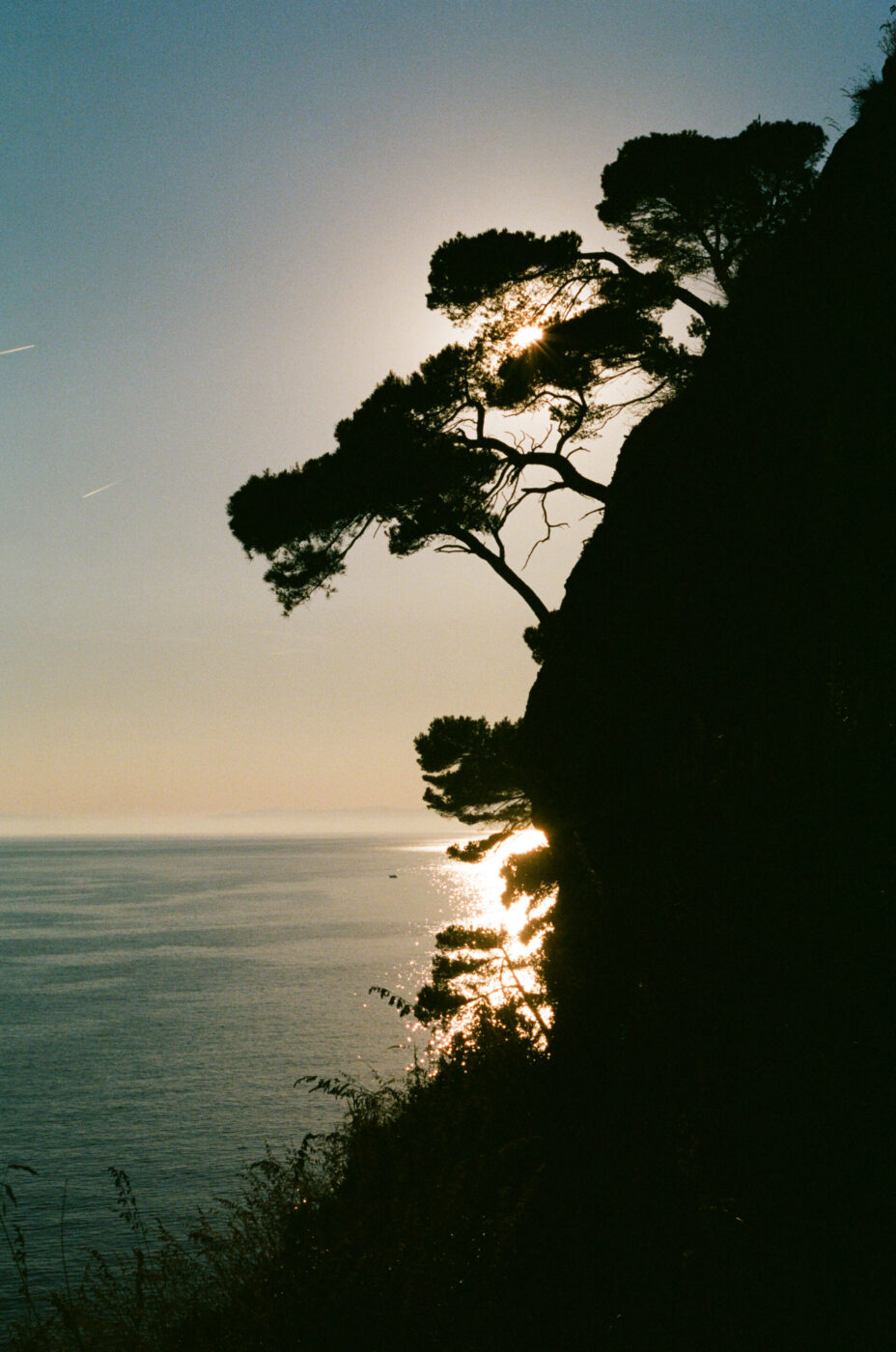
Standard Italian is the language of the nation, but dialetto is how you really get to know the regions. Liguria is a narrow crescent of steep rock pinned between the Apennines and the Mediterranean, a geography that left very little room for fluff—or outsiders. Because of this natural isolation, the Ligurian dialect (primarily Zeneize, or Genovese) evolved not as a regional dialect of Italian, but as its own distinct Romance language.
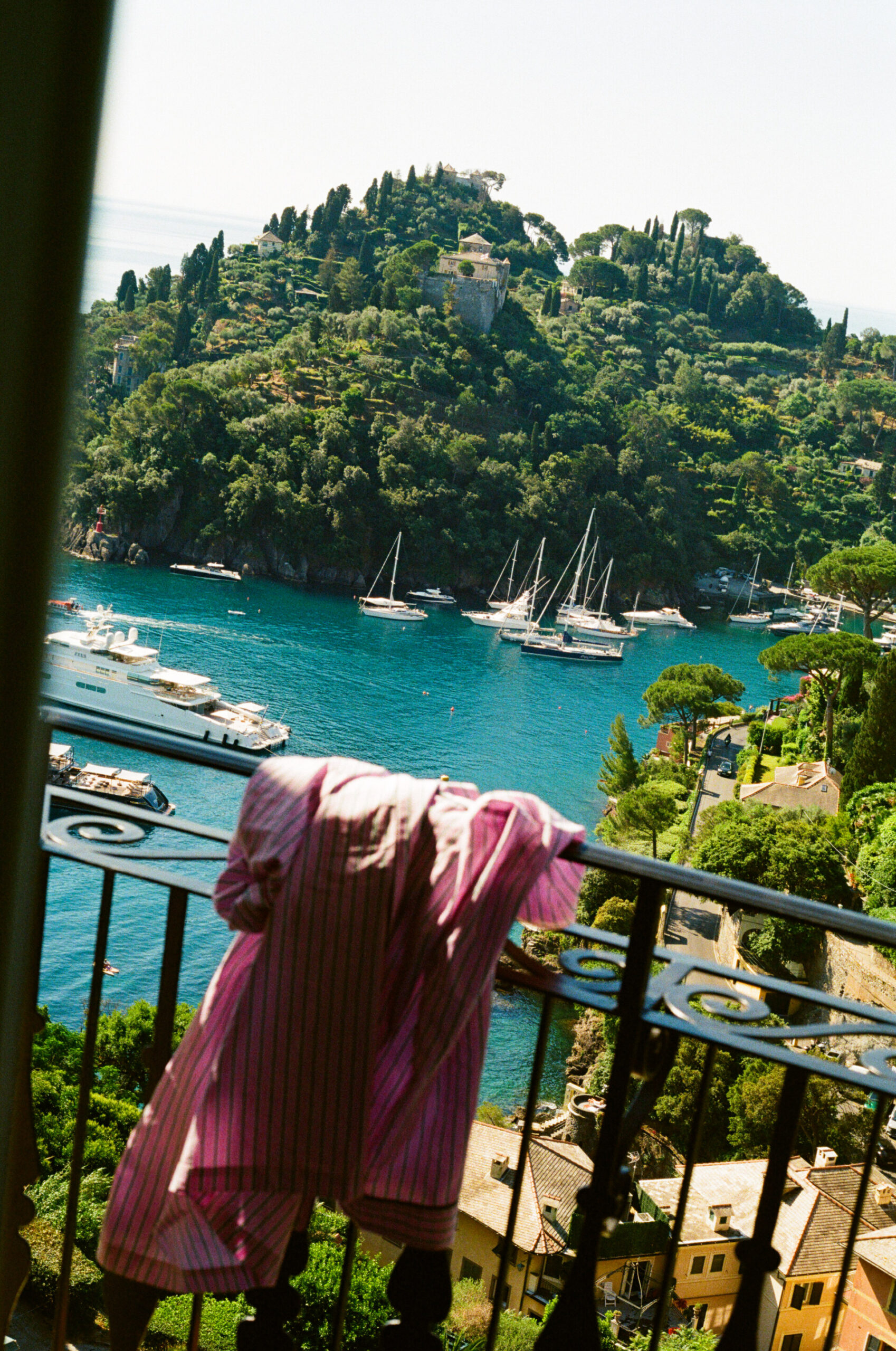
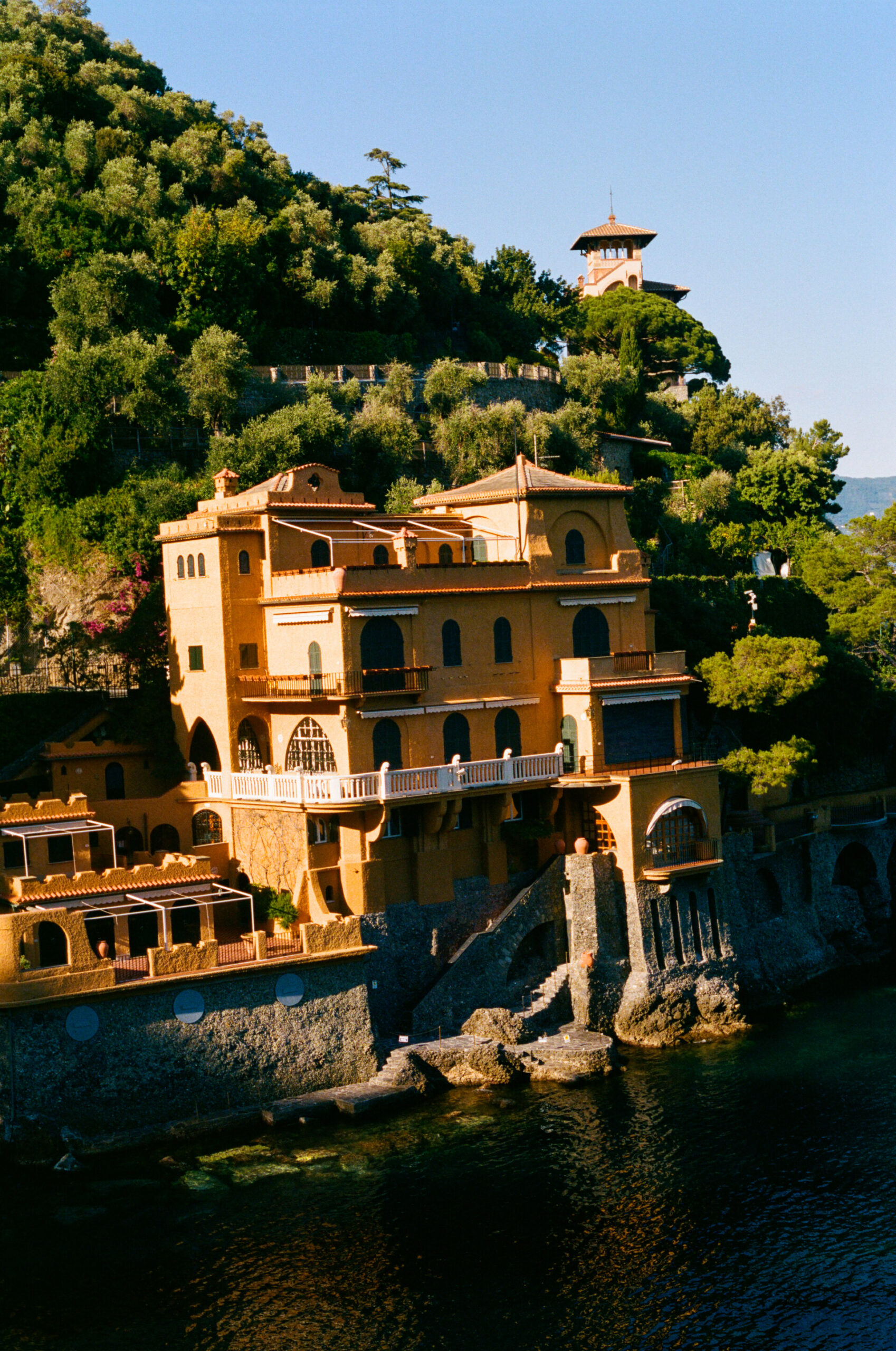
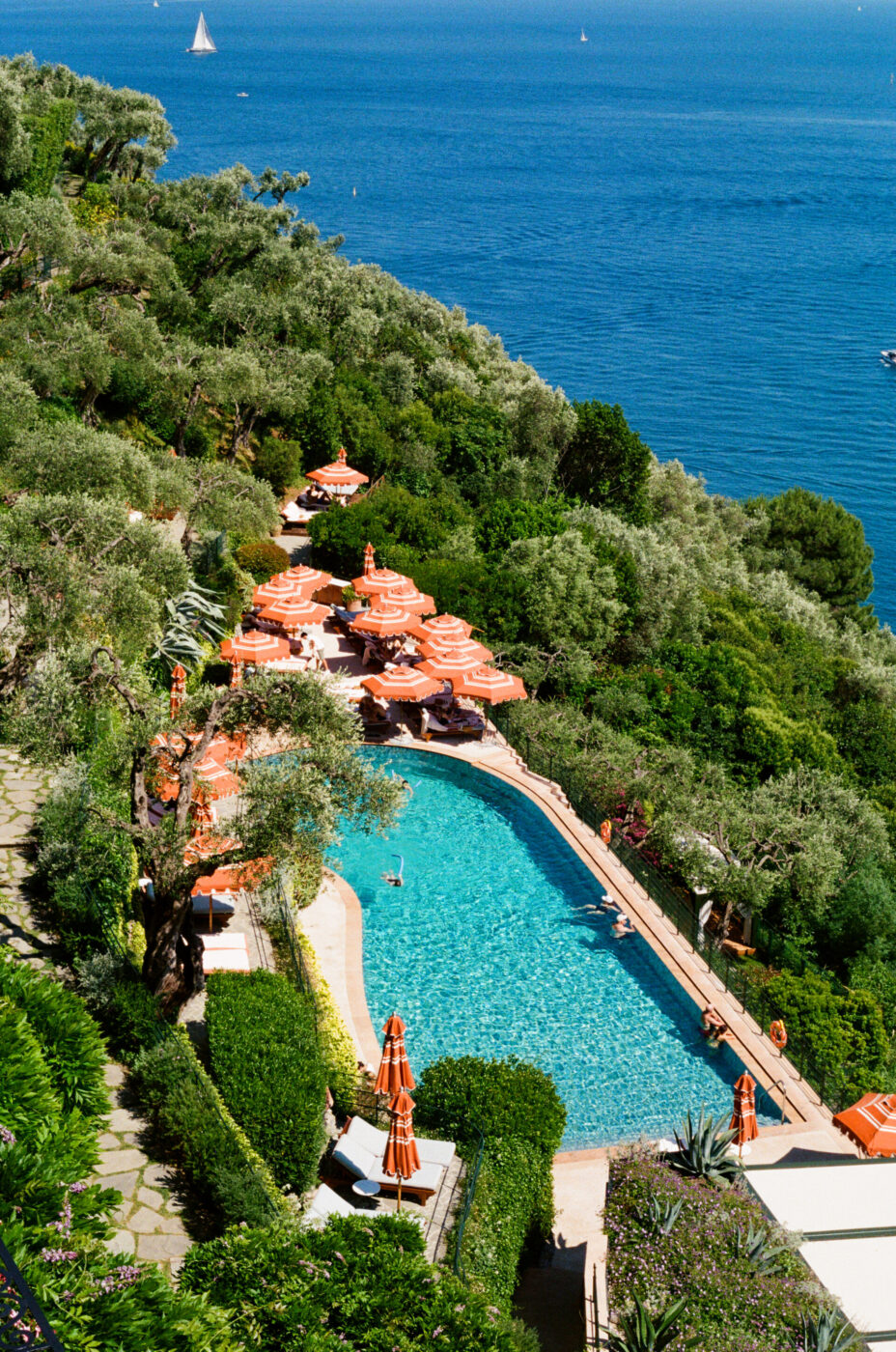
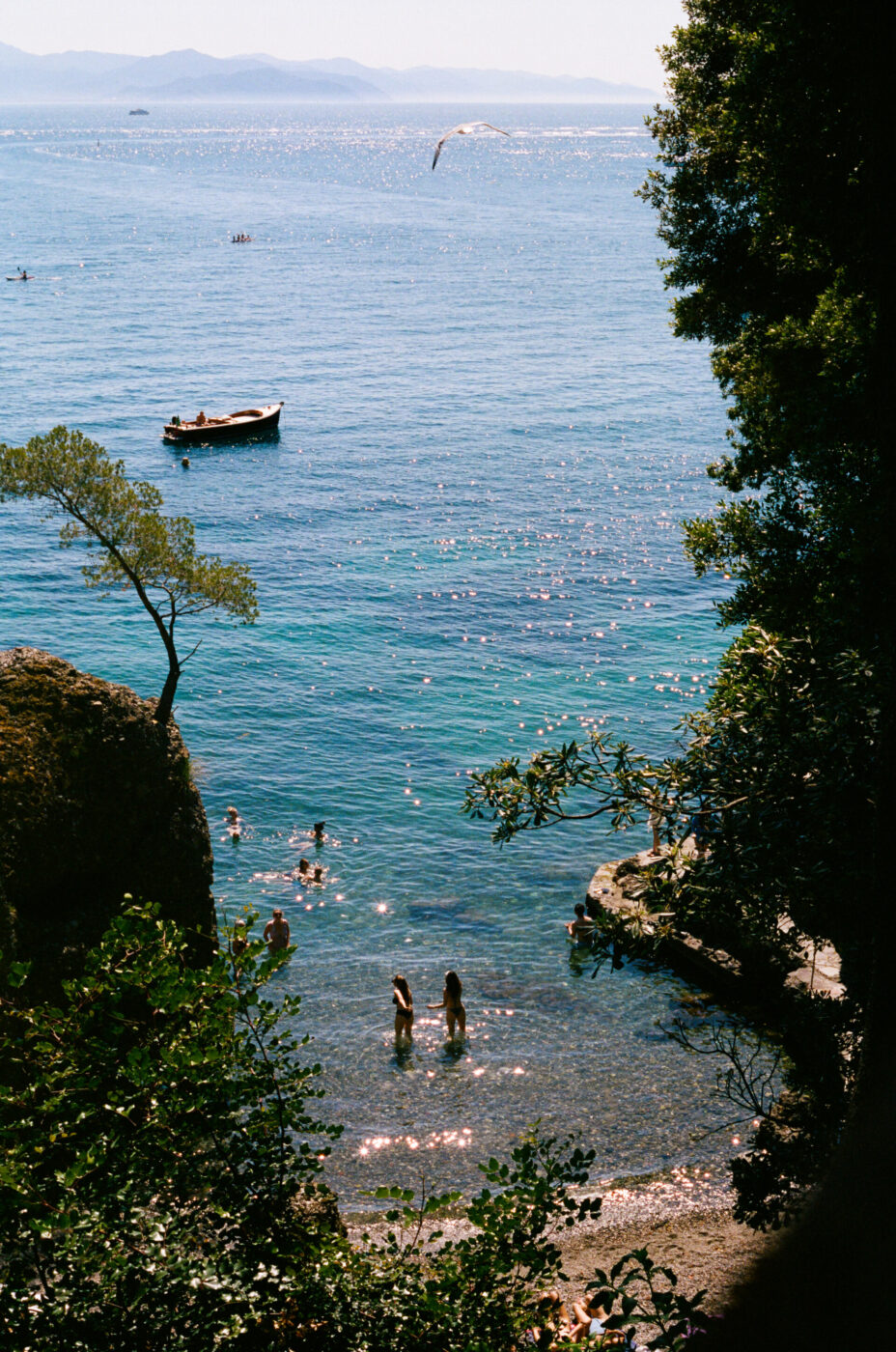
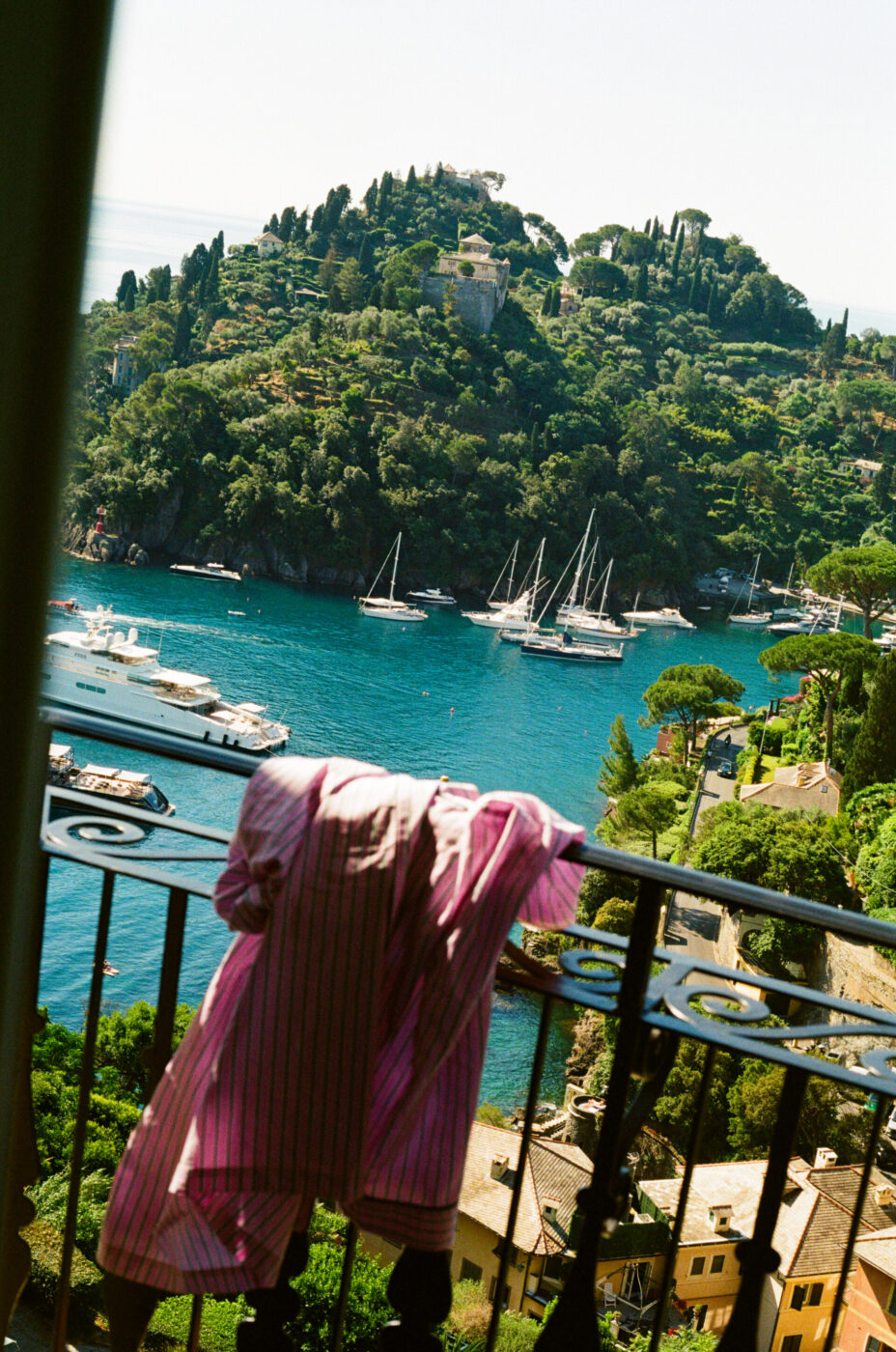
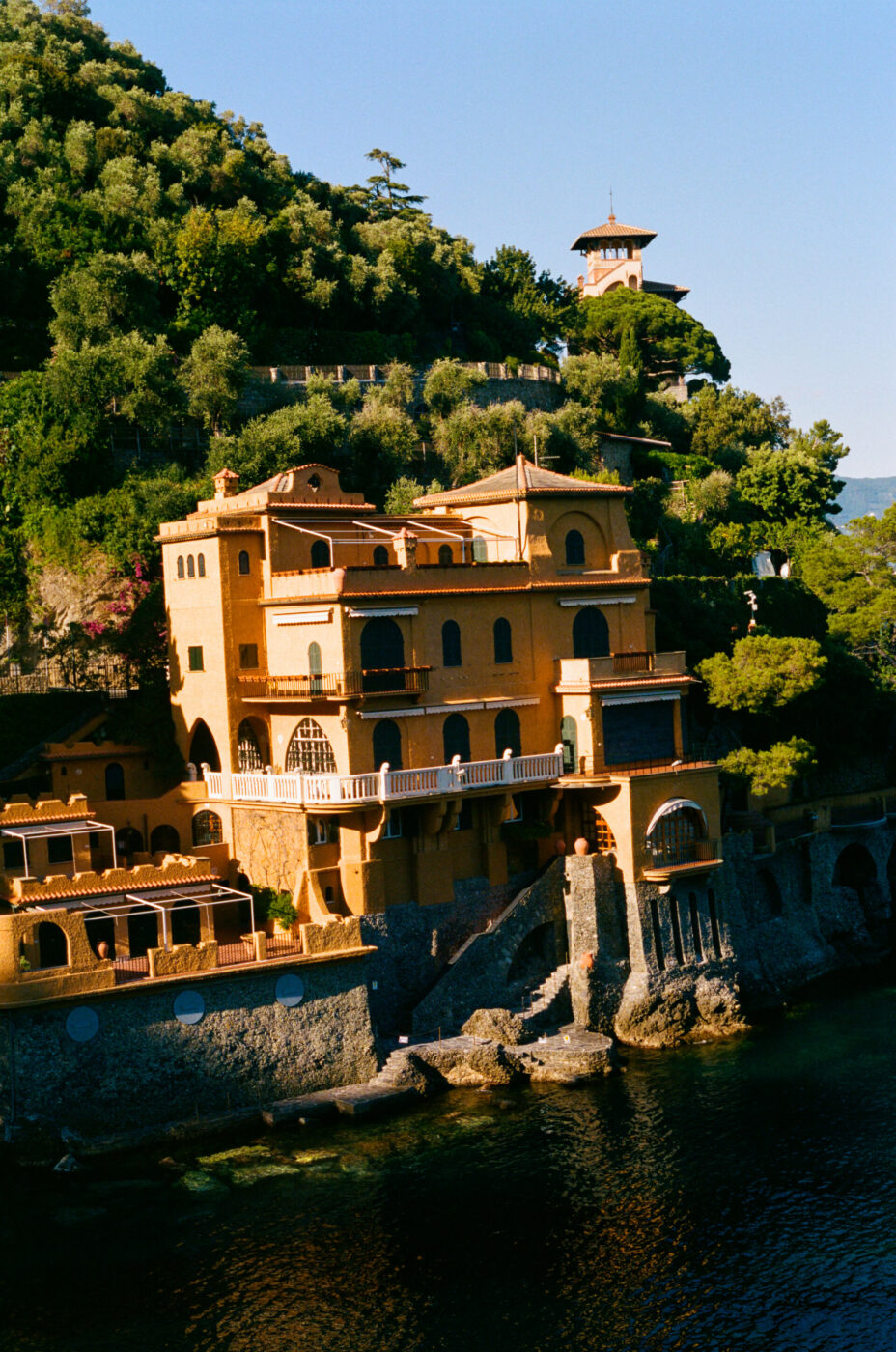
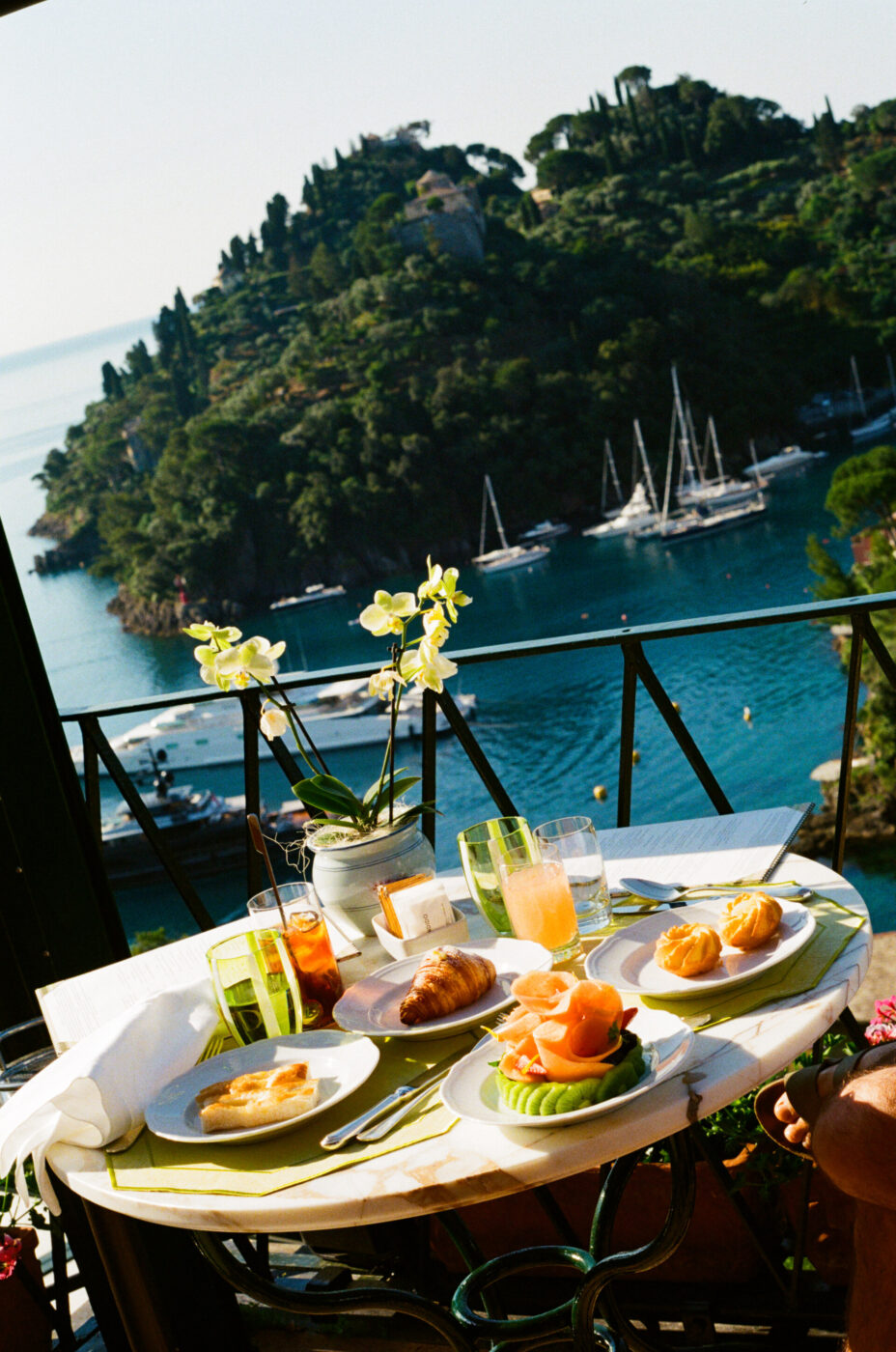
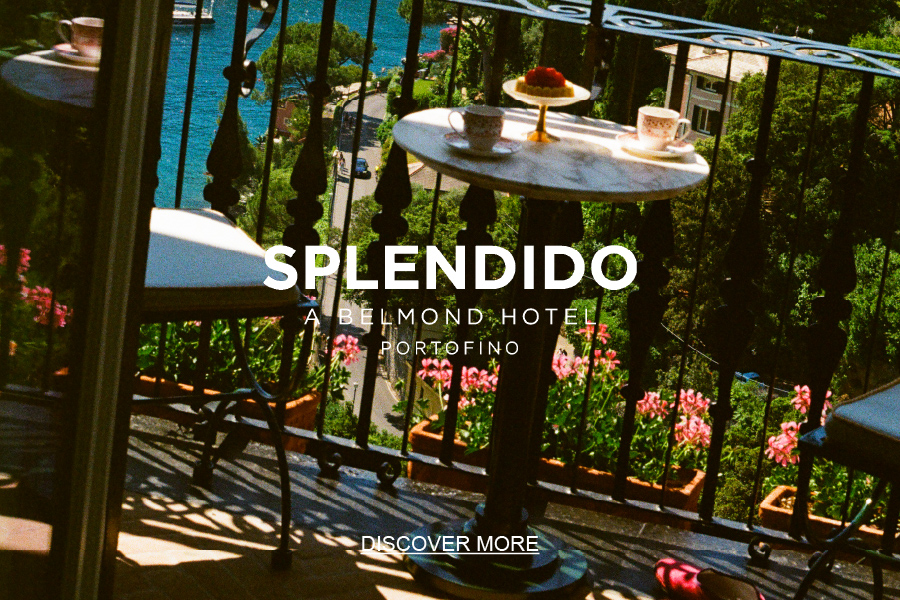
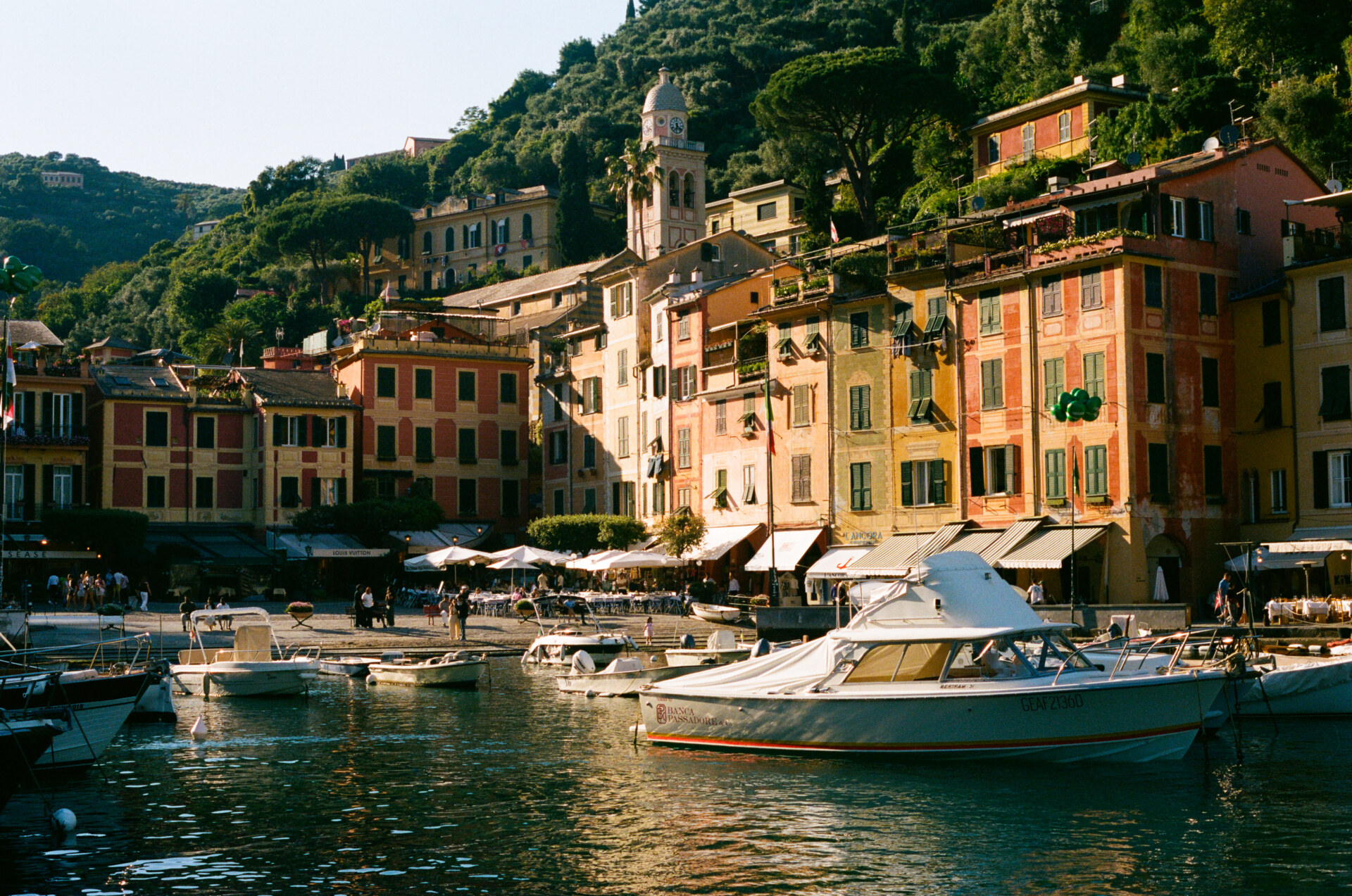
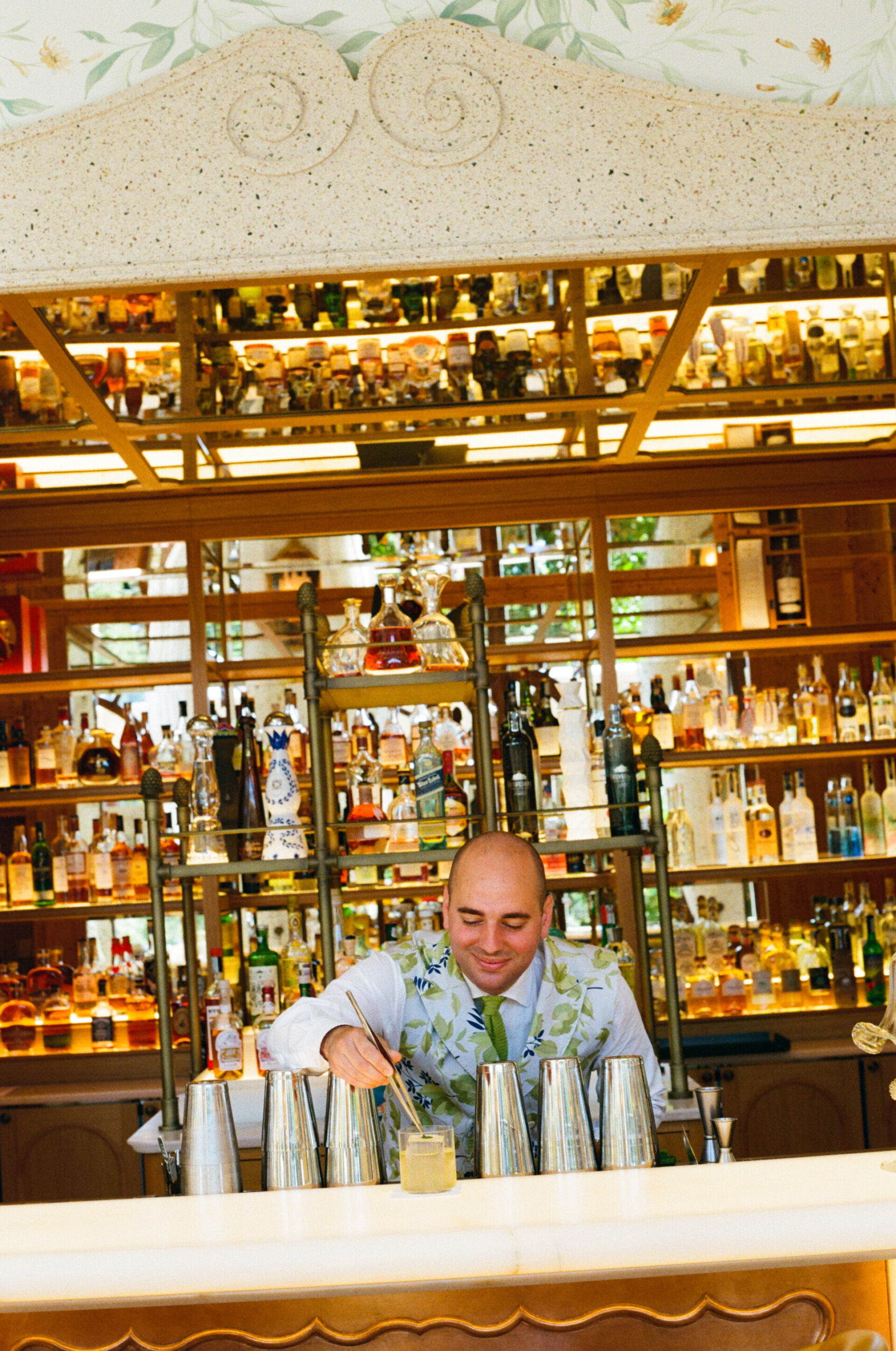
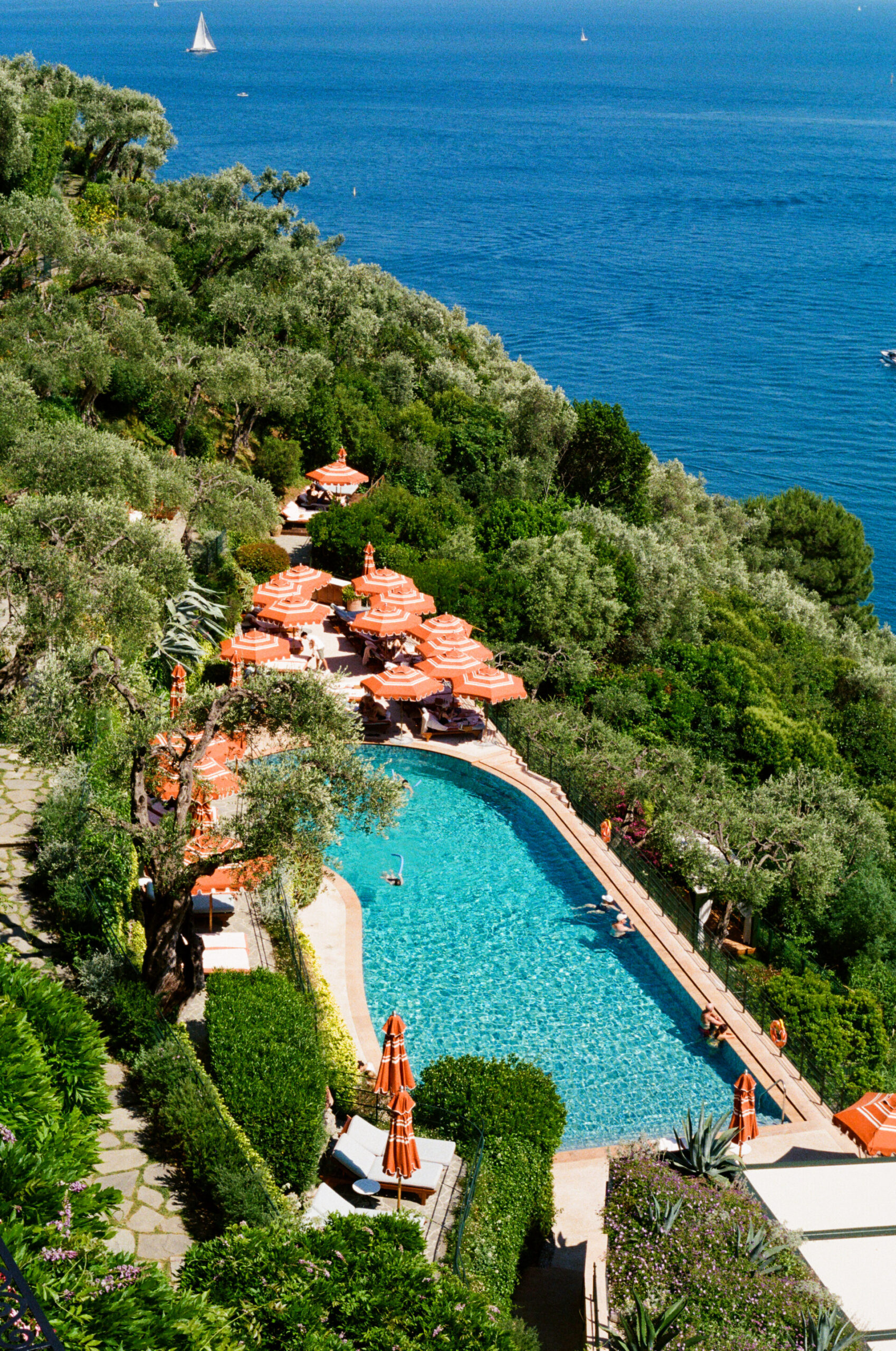
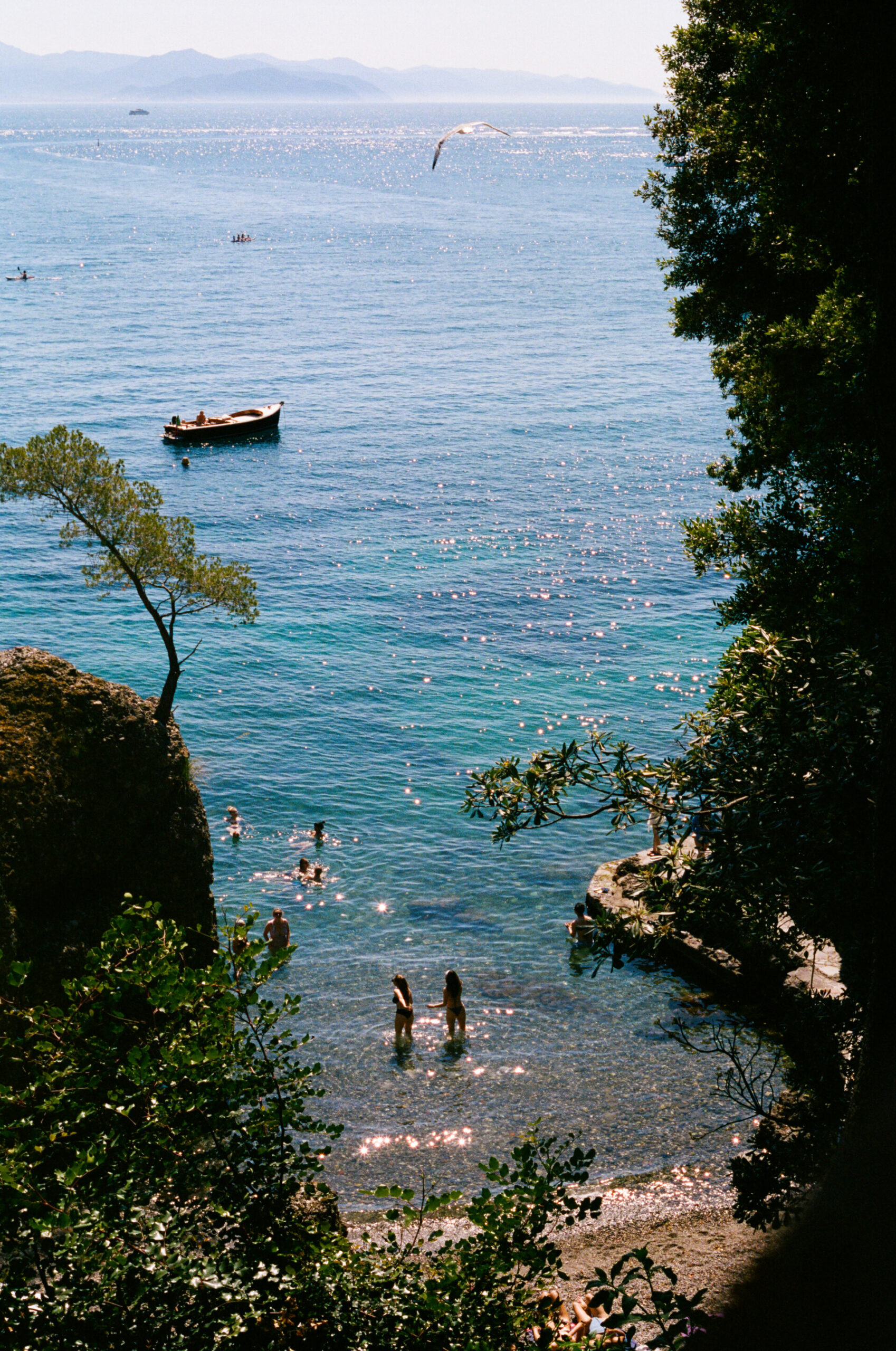
Historically, while Rome governed the mainland, the maritime Republic of Genova ruled the waves. As local merchants and sailors dominated global trade routes from the Middle Ages onward, their language absorbed vocabulary from Arabic, French, Spanish, and Portuguese. The result is a language that’s clipped and defensive, forged by people who had to navigate treacherous seas, dodge pirate raids, and negotiate hard bargains. You’d never guess at this historic paranoia today, of course, standing on a terrace wrapped in bougainvillea, watching a coastline once fortified against invaders soften into a sunny dream of pastel villas and sheer cliffs that plunge into a shimmering turquoise sea. For those visiting the Riviera—and perhaps staying seaside at Belmond Splendido or Splendido Mare in Portofino—these are 13 words and phrases to know.
Level: Easy
Mugugno
Liguria’s chronic, low-level grumbling—a sort of cultural coping mechanism used to process daily inconveniences (the weather, the traffic, the crowds) without any actual expectation or desire for a solution.
Paciugo
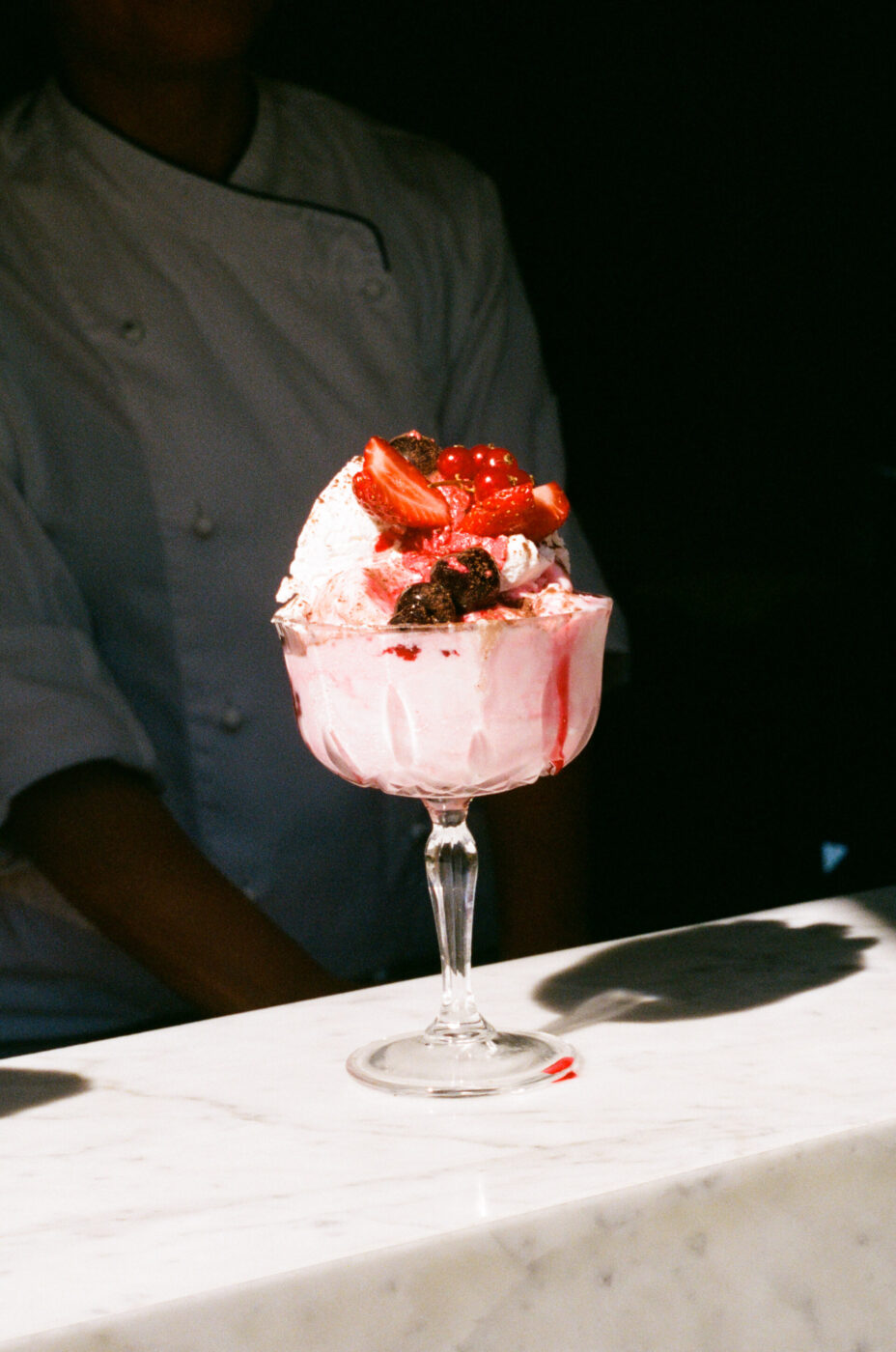
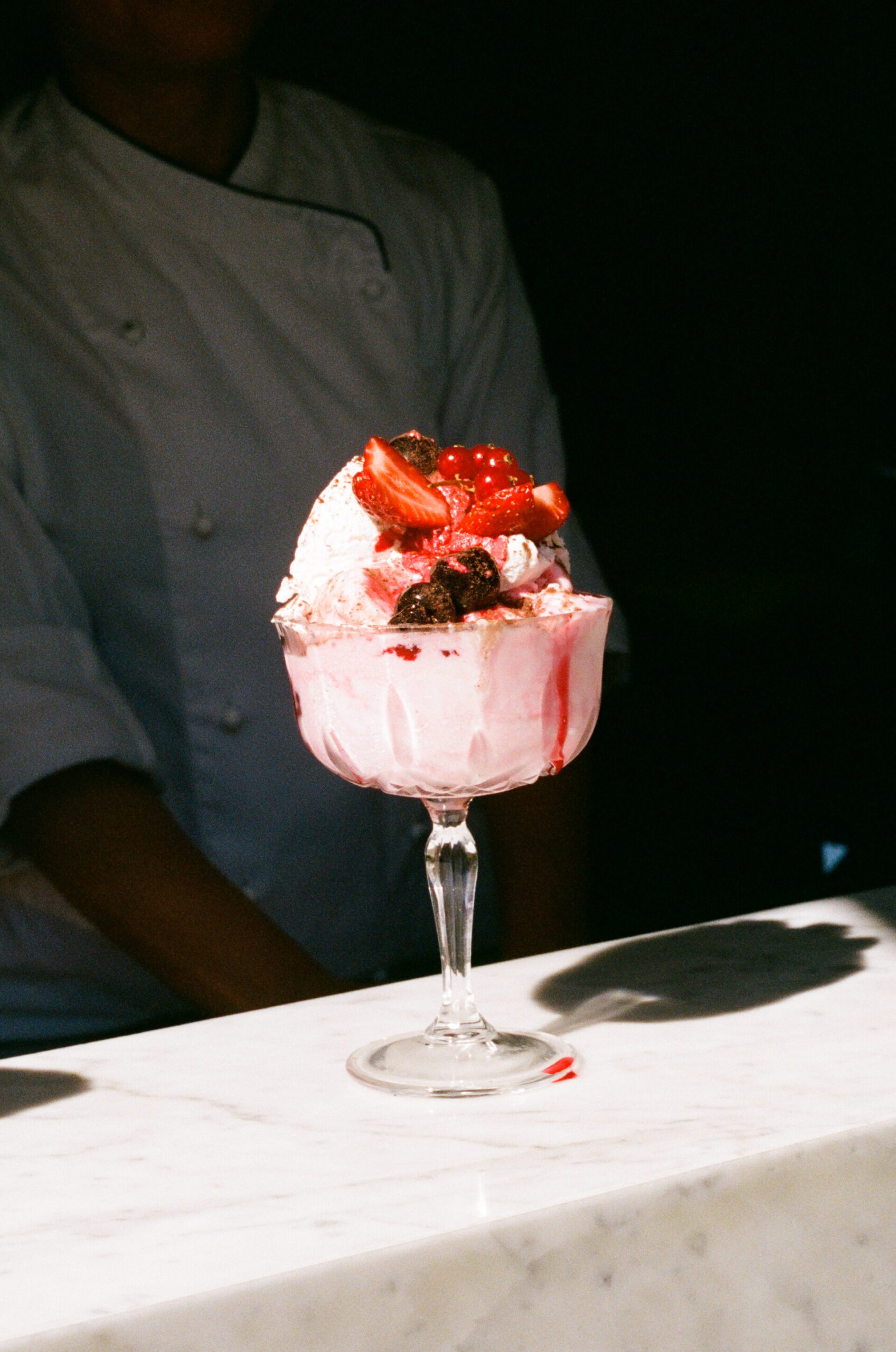
A total mess or hodgepodge. Locals use the term to describe any disorganized situation, untidy space, or poorly coordinated outfit. It’s also the name of a specific (chaotic) ice cream sundae from Portofino.
Belin
This is the foundational slang filler of the region. Depending entirely on the emphasis, it serves as a comma, an exclamation point, or an expression of complete disbelief.
Caruggi
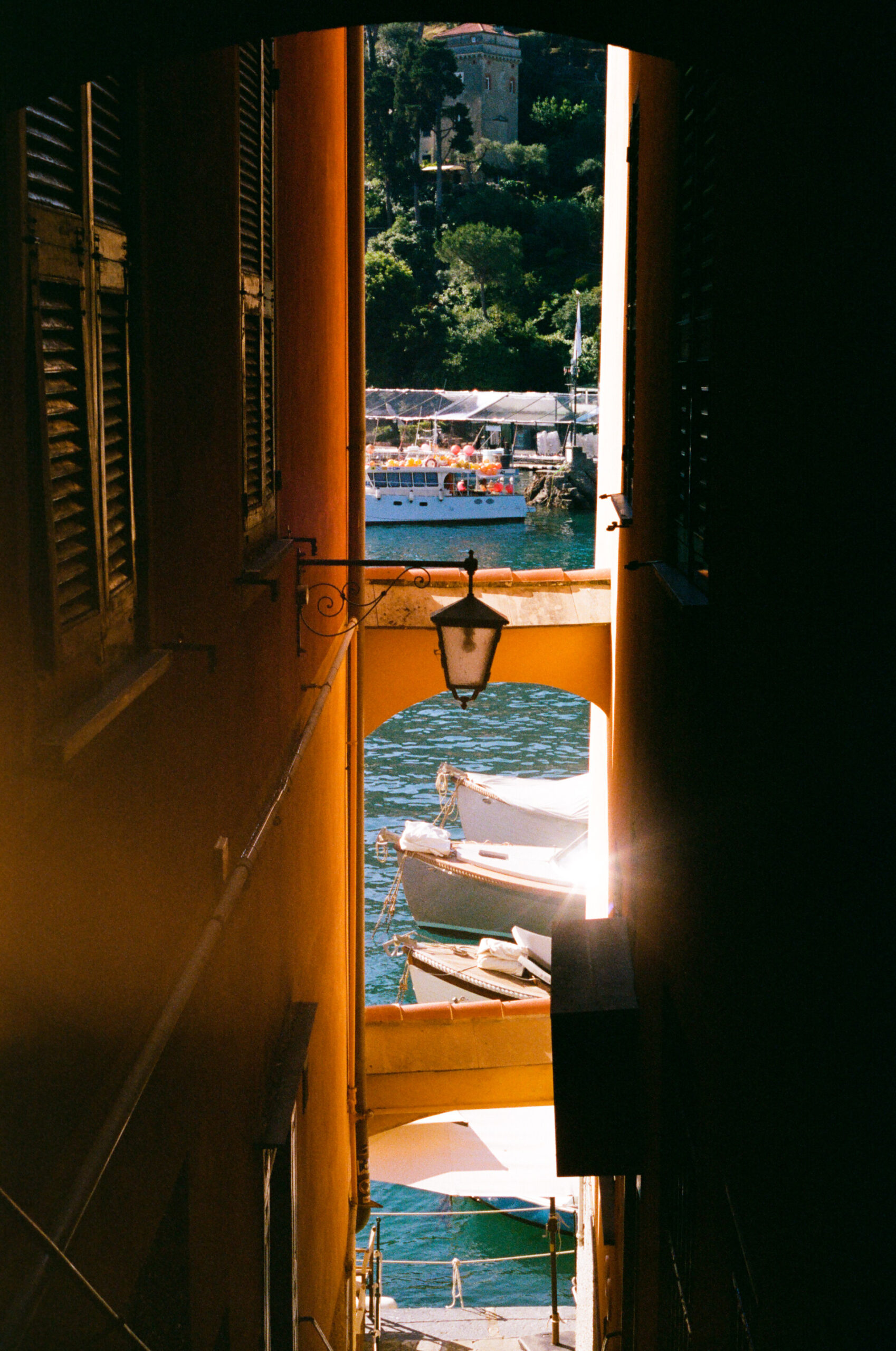
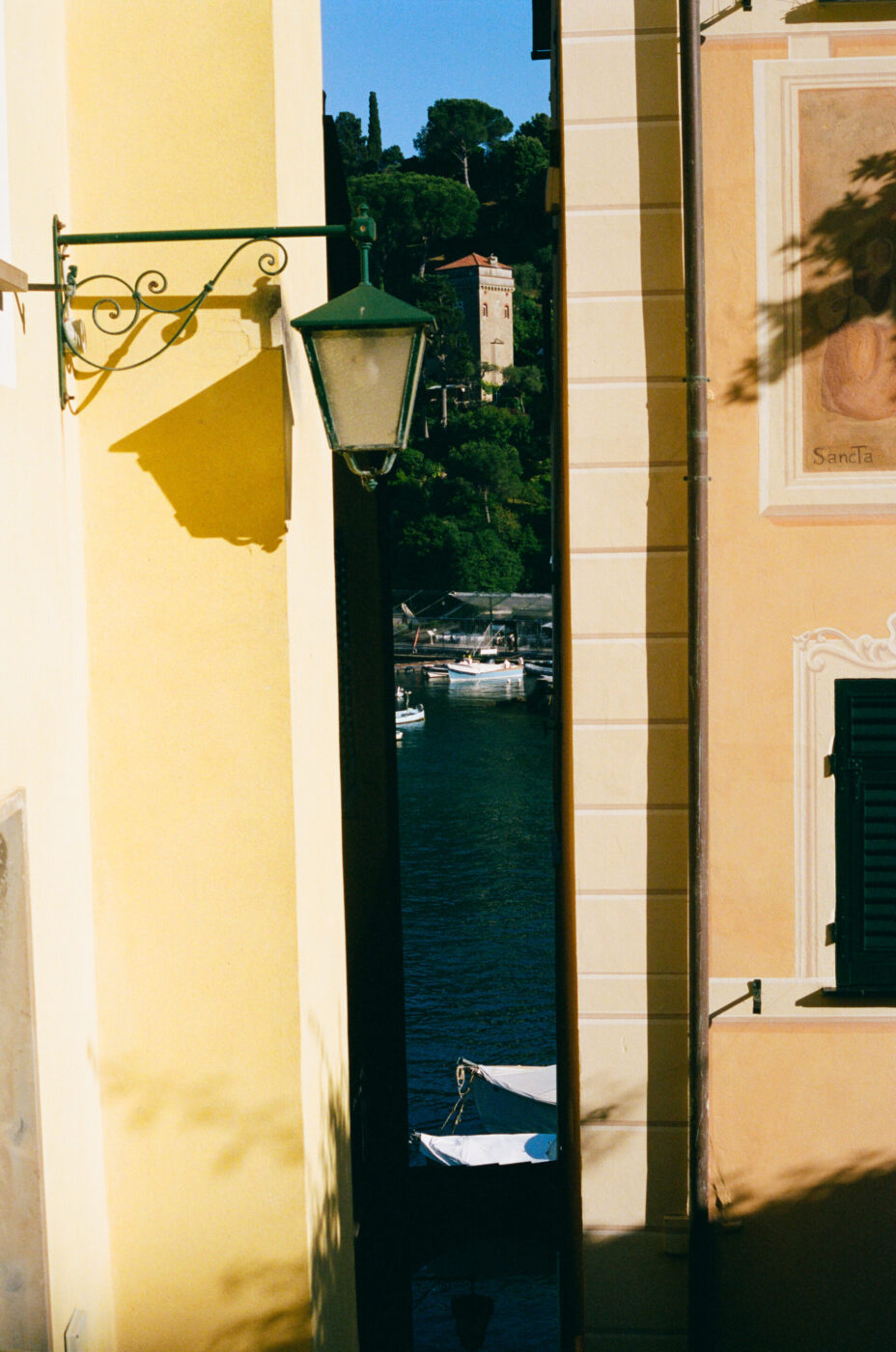
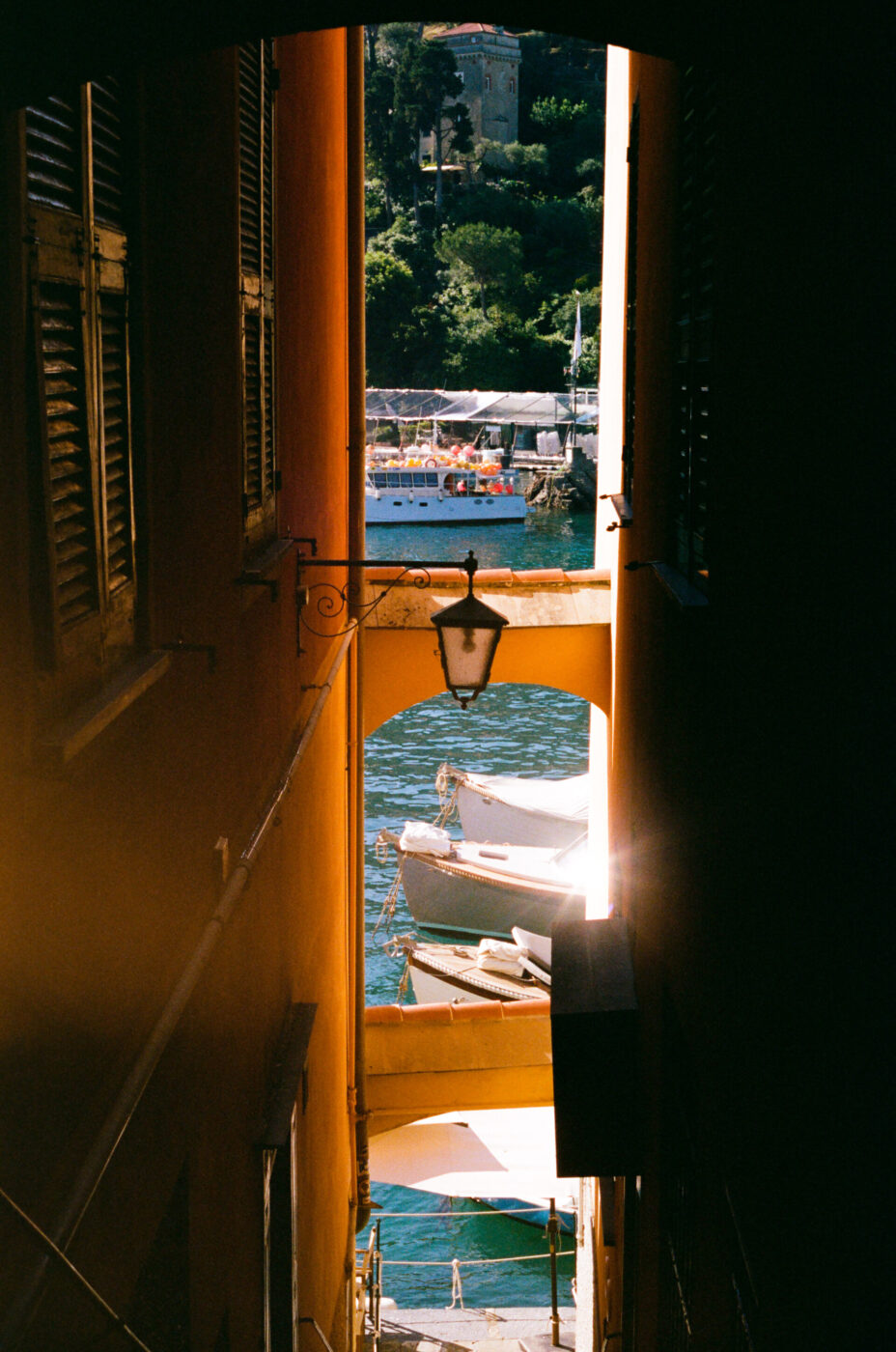
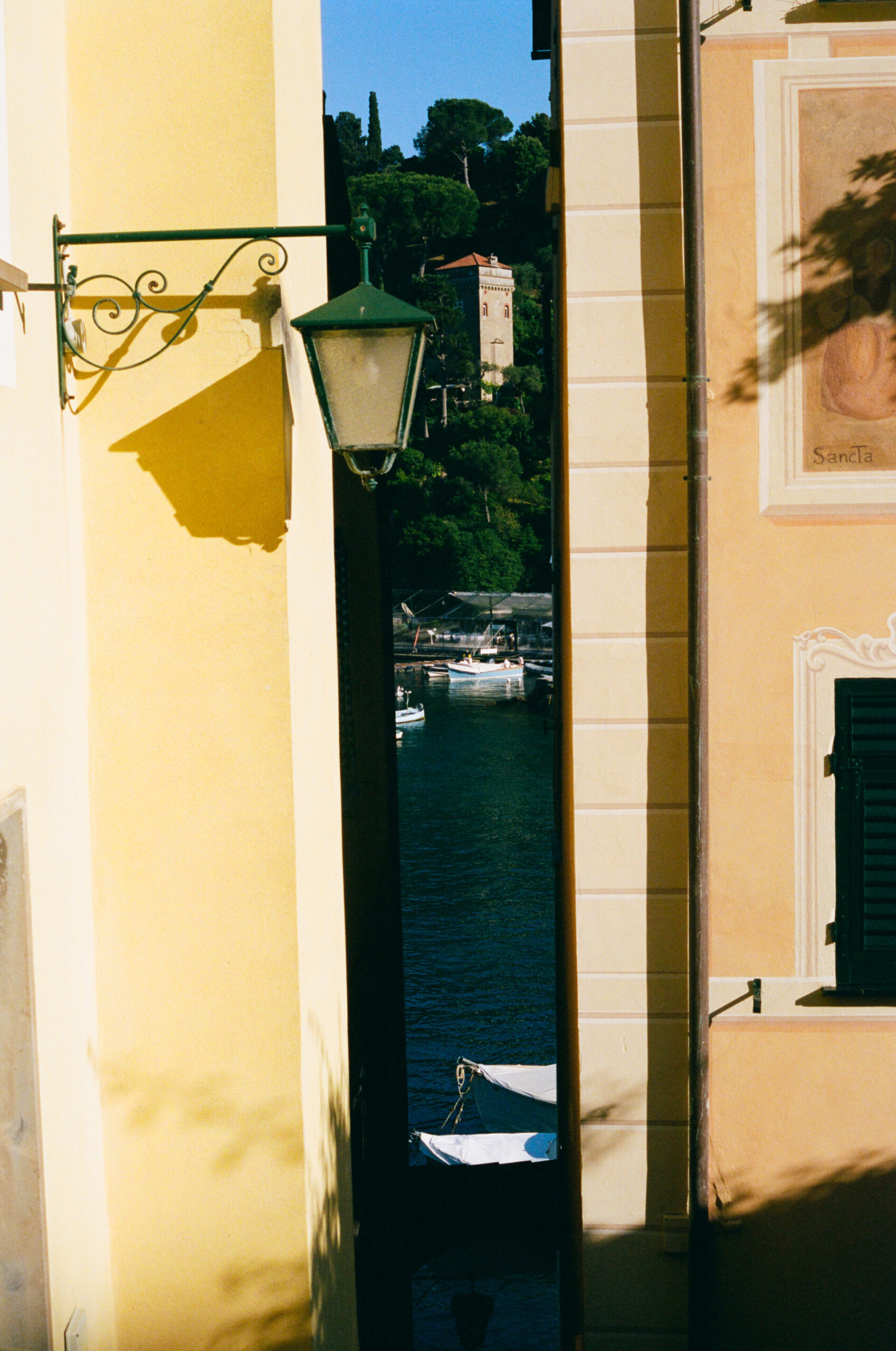
These are the dark, labyrinthine lanes characteristic of Ligurian coastal towns, historically built tight to block both the intense Mediterranean sun and confuse attacking pirates.
Alua come anemo?
“So, how’s it going?” The standard way to take the temperature of the room before diving into the local gossip—or launching into a good session of mugugno.
Quattr’êugg
“Four-eyes.” Either a jab at someone wearing glasses, or the state of your vision after drinking too much.
Invexendo
A whirlwind of confusion and chaos—whether it’s a disorganized kitchen during a frantic Sunday lunch or a sudden, tangled traffic jam on a narrow coastal road.
Belandi
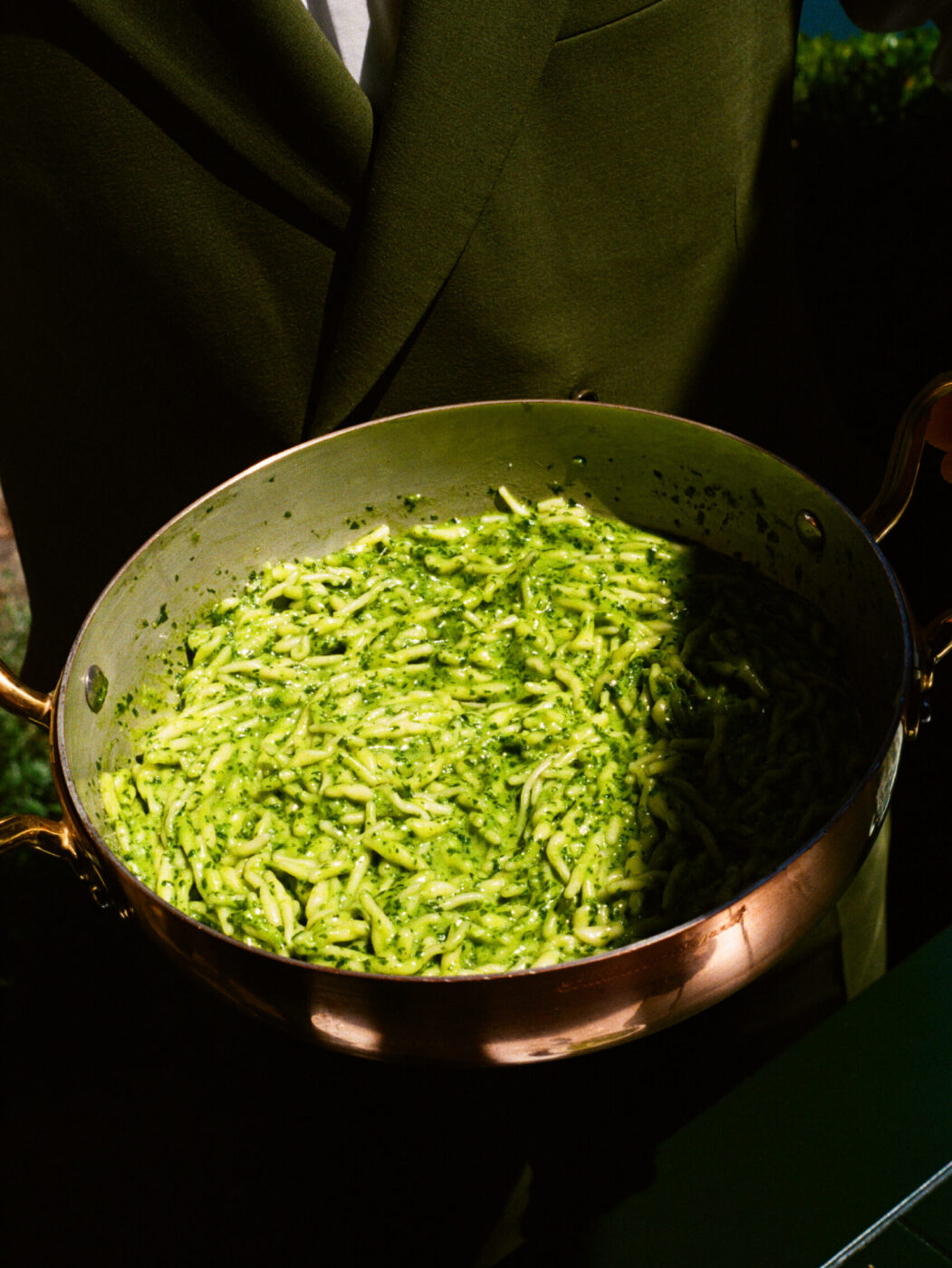
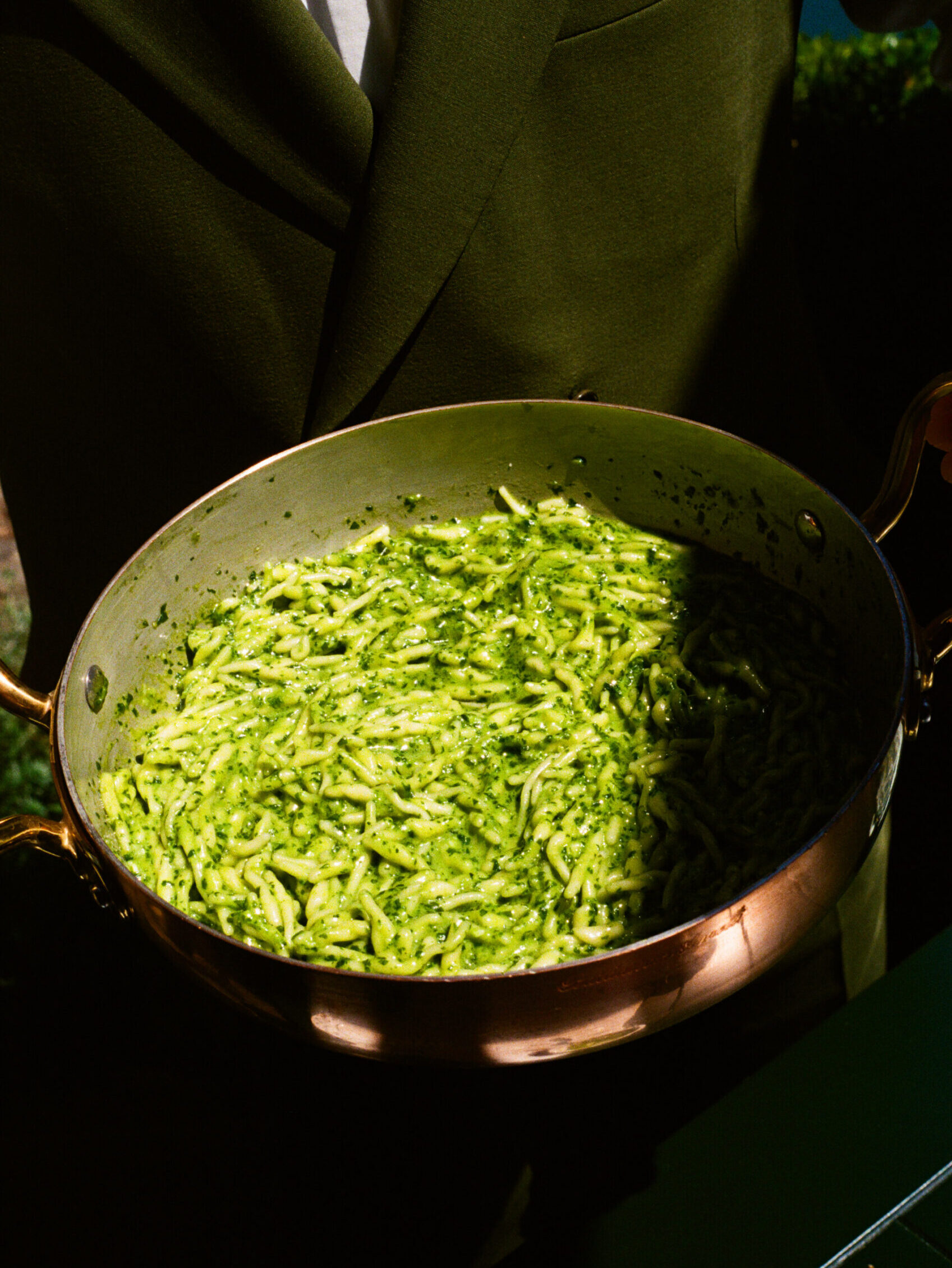
An exclamation of pure awe, admiration, or shock. See a jaw-dropping view of the Portofino cliffs or a perfect trofie al pesto? “Belandi!”
Level: Hard
E pane nu sun urive, e urive nu sun öriu e l’öriu u nu l’è sodi.
Olive flowers are not yet olives, olives are not yet oil, and oil is not yet money.
The Italian Riviera version of “don’t count your chickens before they hatch.” Just because your olive trees are blooming doesn’t mean you’re rich yet. Stop spending your paycheck before it hits your account.
Con o bon tempo semmo tûtti mainæ.
With good weather, we are all sailors.
It’s easy to look like you are the captain when the water is flat and the sun is shining. You can talk when the real waves start crashing. A good one to throw at backseat drivers.
Sciûsciâ e sciorbî no se pêu
You can’t blow and sip at the same time.
A reality check for multitaskers. You can’t cool down something hot while aggressively trying to slurp it—so stop juggling a million tasks at once and just focus on doing one job right.
Pestà l’aegua in to mortä.
To pound water in a mortar.
Heavy marble mortars are essential kitchen tools in Liguria, most notably used to make pesto; pounding liquid in one is the ultimate fool’s errand. In other words, a total waste of time. Deploy this whenever someone is doing something dramatic to no end.
‘Na bonn-a repûtassion a vä ciû de ûn milion.
A good reputation is worth more than a million.
A reminder that money can’t buy class; integrity and honor are worth more than any bank account. After all, what good is owning a mega-yacht in Portofino if absolutely nobody wants to climb on board with you?