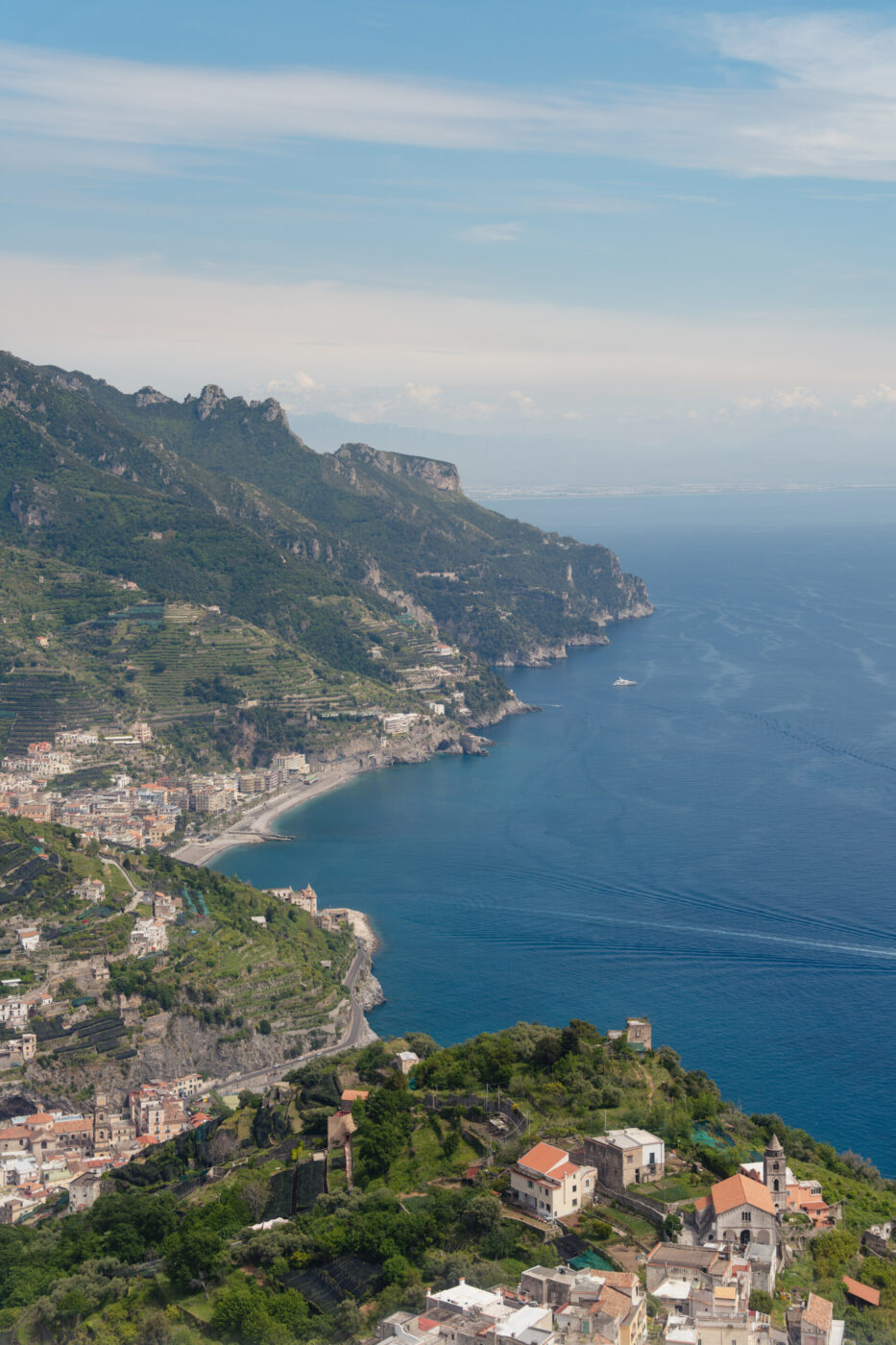
Standard Italian is the language of the nation, but dialetto is how you really get to know the regions. Here on the Amalfi Coast, the dialect is a melodic branch of Neapolitan, which evolved as its own distinct UNESCO-recognized language shaped by the area’s history as a fierce Maritime Republic and centuries of Spanish and French rule.
For those visiting the region—and perhaps staying at Belmond’s Caruso hotel—understanding these terms is the best way to grasp the Amalfitano personality: a blend of theatrical flair, maritime wisdom, and a stoic acceptance of life’s tides.
LEVEL: EASY
Cazzimbocchio
Cazzimbocchio refers to both the square basalt cobblestones that make walking in heels an extreme sport here and the jagged chunks of ice in your granita. Likely derived from the German katzenkopf (“cat’s head”), it’s the perfect word for any annoying, bulky thing—or person—blocking your way.
Appocundria
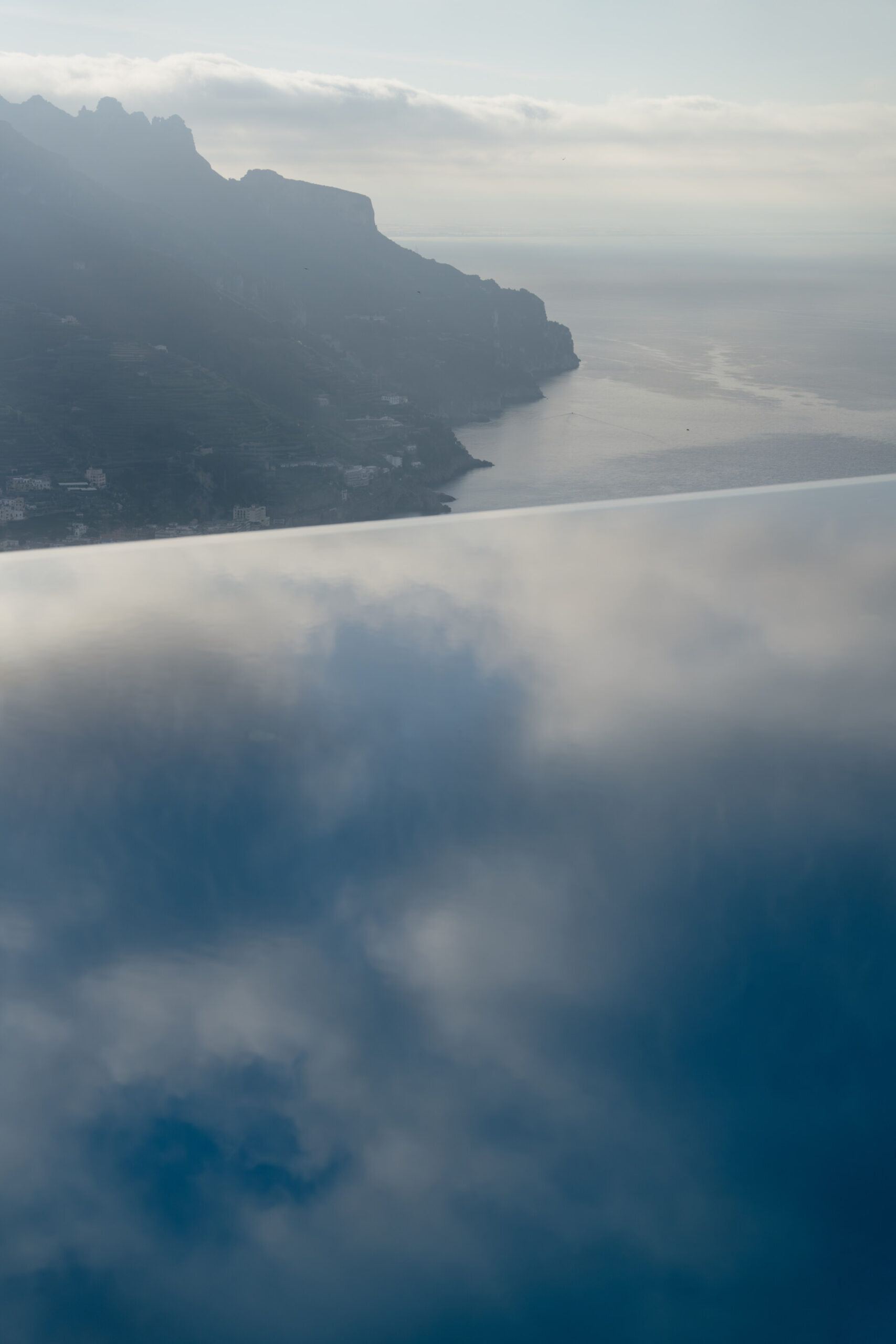
A word famously immortalized by the singer Pino Daniele, appocundria is a deep, soulful state of melancholy and bittersweet longing. More profound than mere sadness, it’s the feeling of looking out at a sunset over the Tyrrhenian and feeling both the beauty of the moment and the inevitable ache of its passing.
Ammuina
A state of cheerful, noisy confusion or intentional commotion. Legend says 19th-century sailors were ordered to “Facite ammuina!” whenever an admiral was spotted, running in circles to look busy while doing absolutely nothing. Today, you’re most likely to find it at Amalfi’s harbors, where shouting captains, buzzing Vespas, and frantic travelers turn a simple ferry arrival into a beautifully loud mess that proves a little chaos is always more fun than order.
Priezza
While Italian has many words for happiness, priezza describes a sudden and overwhelming spark of pure joy—something you might get at the first bite of a sfogliatella or the unexpected sight of the sea appearing between two buildings.
Sciuè sciuè
Perhaps the most useful phrase for the relaxed traveler, this describes an action performed in a simple, casual, or effortless way without any fuss. A pasta sciuè sciuè is thrown together quickly with just tomatoes and basil, yet it tastes like perfection precisely because it wasn’t overthought.
LEVEL: HARD
L’ammore fa passà ‘o tiempo e ‘o tiempo fa passà l’ammore.
Love makes time pass, and time makes love pass.
A poetic observation on the fickleness of the heart. Romantic passion has the power to make hours feel like seconds, yet the relentless passage of time is often the very thing that causes that same passion to eventually fade. Yeesh.
‘A carta vène e ‘o jucatore s’avanta.
The card arrives and the player boasts.
This is a sharp critique of the ego, referring to people who arrogantly take credit for a successful outcome that was actually handed to them by good luck. It’s a reminder that on the Costiera, as in cards, fortune often plays a bigger hand than skill.
Chi va pe’ chisti mare, chisti pisce piglia.
Whoever goes through these seas catches these fish.
A maritime lesson in accountability and resilience. If you choose to involve yourself in certain situations, circles, or risks, you must accept the specific consequences that naturally come with them. It’s simply silly to sail into a storm and then complain about getting wet.
Farse ‘a passïata d”o rraú.
To take the walk of the ragú.
In Campania, Sunday lunch is nothing without the pasta sauce that simmers for hours. To take the “walk of the ragú” is to enjoy a slow, relaxed Sunday stroll specifically to kill time while waiting for that long-simmering meal to be ready. It’s basically like taking a digestive walk before the meal.
‘A scarpetta è ‘o cchiù bell’ ‘e ‘o menù.
The little shoe is the most beautiful thing on the menu.
Using a scrap of bread to mop up every last drop of sauce—la scarpetta—is the highest sign of respect you can show a cook. It means that while a menu might be fancy, the best part of the meal is the part you aren’t supposed to do in polite company. Or, that Campanian sauces are simply always the stars.