Italians make up the largest percentage of foreign-born people living in Barcelona. And it’s not hard to imagine why. The capital of Catalonia is known for late-night dining, dramatic Gaudi architecture, bustling markets, tapas, and its two official languages (Spanish and Catalan), rivaling Palermo’s market culture, Venice’s dining (and drinking) scene, and Florence’s facades.
From the 18th century onward, Italians began settling in Spain in small numbers, but the major influx into Barcelona surged in the post-Franco years (after 1975), accelerating again after the 1992 Olympics revitalized the city. Today, Barcelona’s Italian diaspora is diverse: Italians come from Italy for job opportunities, from elsewhere in Europe for the climate and lifestyle, and from Argentina thanks to the similar language and roots.
The biggest culinary overlap comes via Venice: the tradition of cicchetti—bite-sized snacks often served on bread—paired with (lots of wine) is a natural fit within Barcelona’s tapas culture. That’s why Venetian-inspired spots pop up across the city, alongside classic Neapolitan pizzerias with a Spanish twist and restaurants where chefs follow Slow Food principles. Below, we’ve rounded up the best places to get a true taste of Italy in Barcelona—just don’t make your dinner reservation before 8:30 PM.
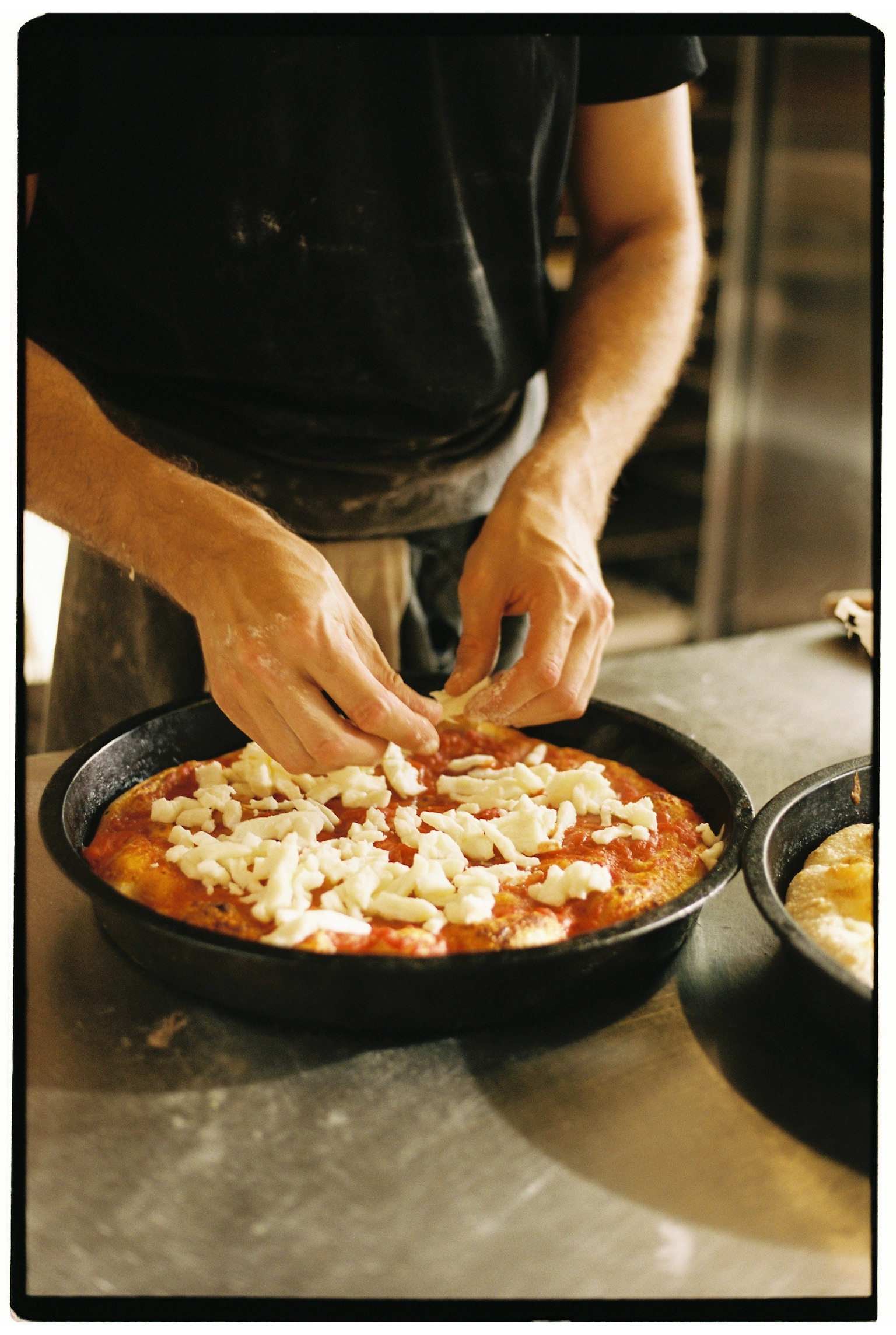
Courtesy of Forno Bomba
RESTAURANTS
Xemei – Stefano and Max Colombo, twins from Venice, now run some of Barcelona’s most-loved eateries, but their first was Xemei, which aptly means “twins” in Venetian dialect. Based upon the cuisine of their home region, Xemei’s menu leans heavily on fish and seafood, with a tight list of homemade pastas and an interesting selection of Italian wines. On a warm Sunday afternoon, there’s no better place to enjoy a long lunch than their streetside terrace at Montjuïc, the hillside park that hugs the south of the city. Xemei just celebrated their 20th anniversary with an event featuring wines by Bar Brutal; keep an eye on their Instagram for other can’t-miss events.
Must Order: Any of the seafood pastas, especially the spaghetti with mussels and clams or the spaghetti nero di seppia
Bacaro – Behind the touristy La Rambla and Boqueria market, this tiny restaurant takes its name from Venetian bacari, those no-frills spots, often standing-room-only, that serve wine and cicchetti. In addition to the latter two, this “Venetian taberna” also dishes out some of the best Italian food in the city (earning a few nods from Michelin), with a tight menu of pasta and secondi that changes daily. Their great wine list features bottles from across Europe and beyond, often from smaller producers.
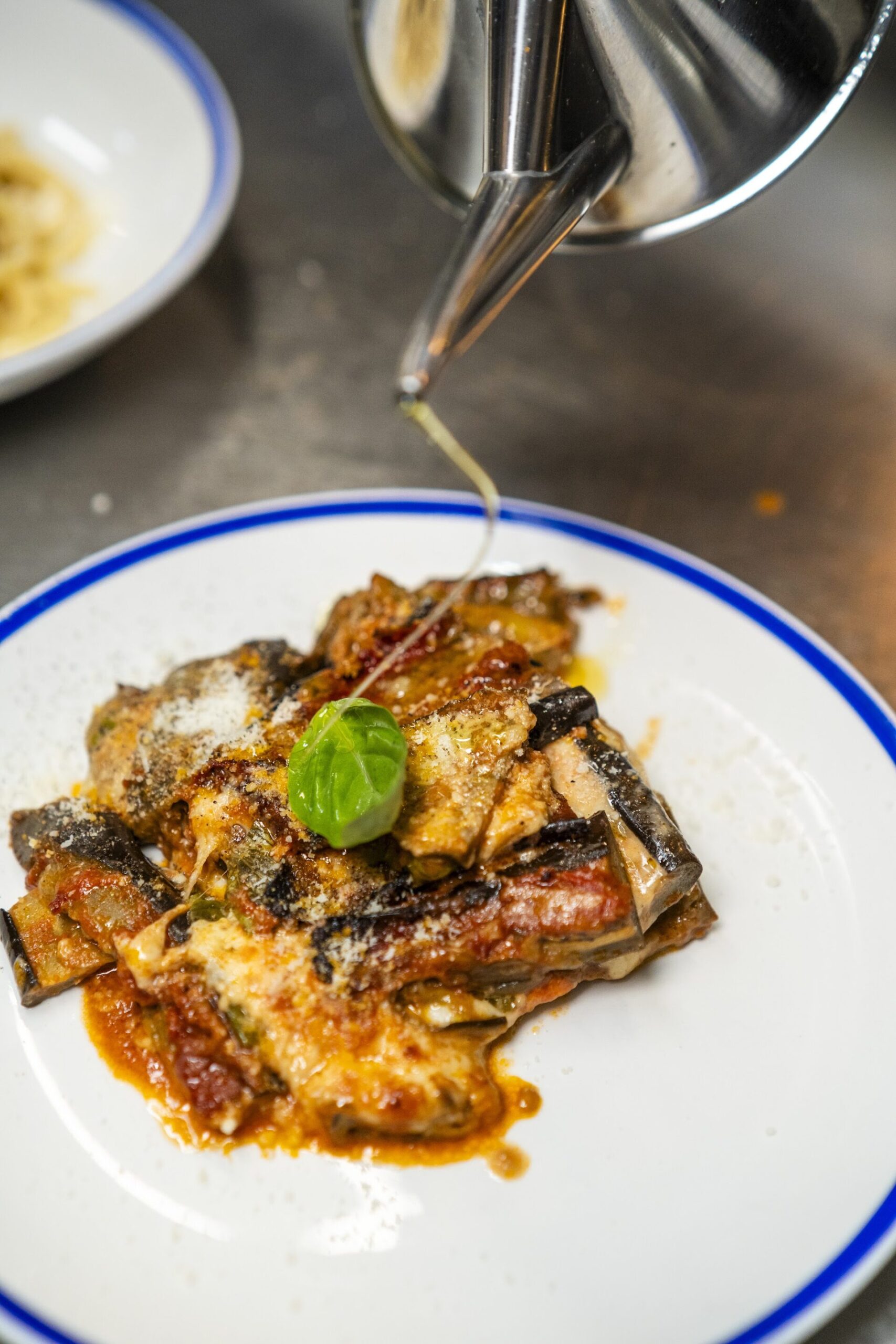
Must Order: The menu is ever-changing, but some favorites include the grilled eggplant carpaccio, tagliolini cacio e pepe with fish tartar, and the tiramisù
Le Cucine Mandarosso – In the middle of town but down a quiet pedestrian street behind the Palau de la Música, this cozy restaurant puts pasta and family recipes front and center. Since opening in 2008, the Viterbo-born owner Pietro Leonetti has kept his grandmother’s dishes at the heart of the menu—a few of the very first recipes he experimented with as a student are still stars today. At lunch, the well-priced menú del día (menu of the day)—usually about €14—is a local favorite, while evenings bring a broader selection. The plural “kitchens” in the name is “in honor of the thousands of recipes from friends and family,” shares Leonetti. Next door, the sister deli stocks imported Italian staples, fresh pasta, homemade desserts, and just-baked focaccia.
Must Order: The spaghetti alla puttanesca and lasagna alla siciliana
Bronzo – After falling in love with Venice’s bacari while traveling, Catalan founders Marc Villà and Joan Castells returned to their city to open their own version. At Bronzo, dishes are meant to be shared, and the simple restaurant uses seasonal ingredients from local and Italian producers. The menu is inspired by northern Italian cuisine with a heavy Venetian influence—think homemade pastas like bigoli, stone-baked pizzette, and spuntini (small bites) like sarde in saor and Venetian meatballs. They have two different locations in the city—Bronzo Born, housed in an ex-salted fish factory, and Bronzo Eixample, in a former grocery shop—each defined by tiny bistro tables, natural lighting, and a great bar for spritzes and Italian wine.
Must Order: The fritto misto, Venetian meatballs, vitello tonnato, and sarde in saor to start, plus the bigoli in salsa and baccalà mantecato agnolotti
Bosco de Lobos – From the trendy (and always reliable) Tragaluz restaurant group, Bosco de Lobos serves up hearty Italian fare. Their claim to fame is their tree-filled patio—providing an opportunity for you to dine “in the forest” even though you’re in the center of the city. If instead, you opt for an indoor table, you can still watch the chefs in action through the open kitchen, whipping up a grand selection of pasta, pizza, and meat and fish secondi.
Must Order: Carpaccio, paccheria con ’nduja, and the grilled sea bass
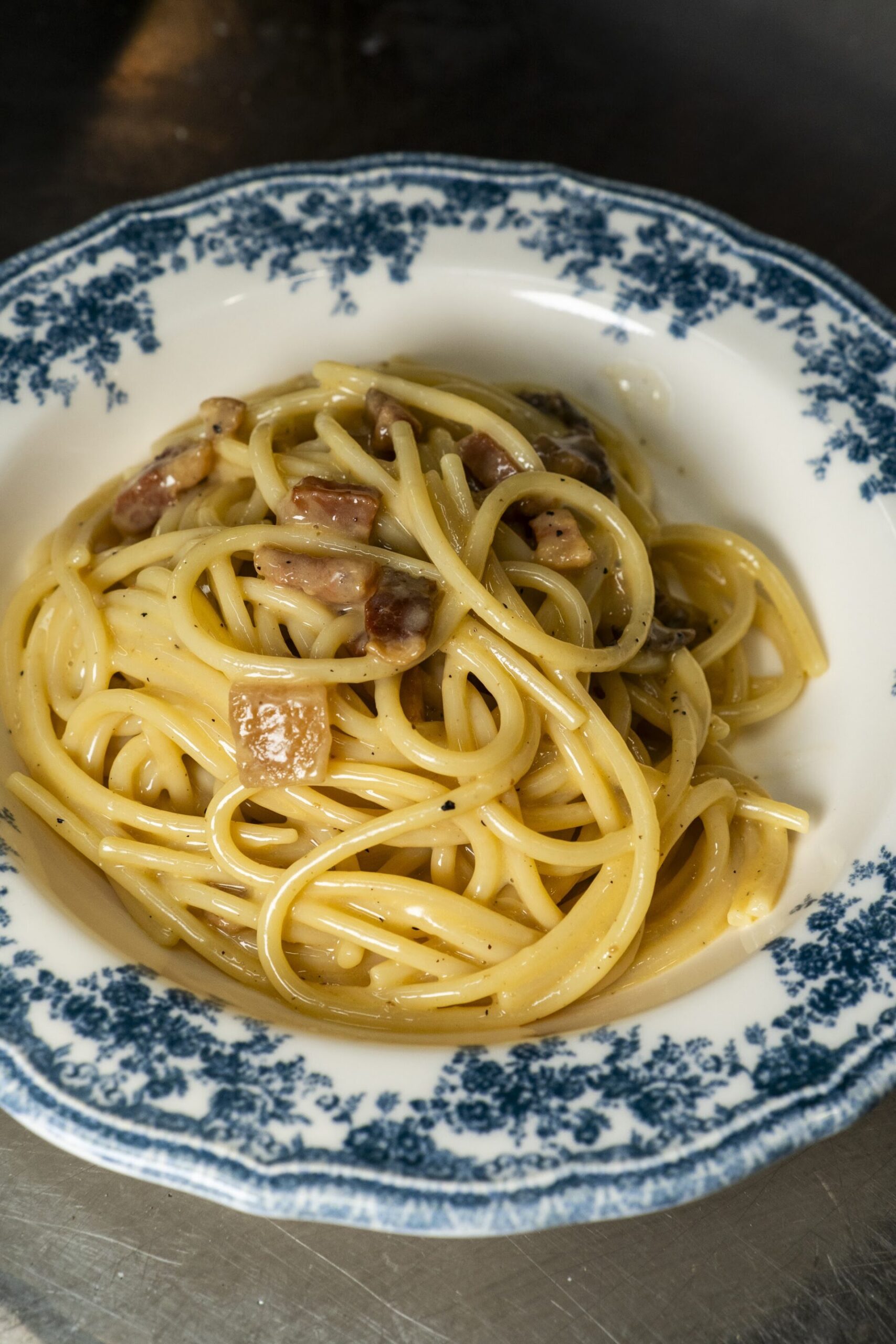
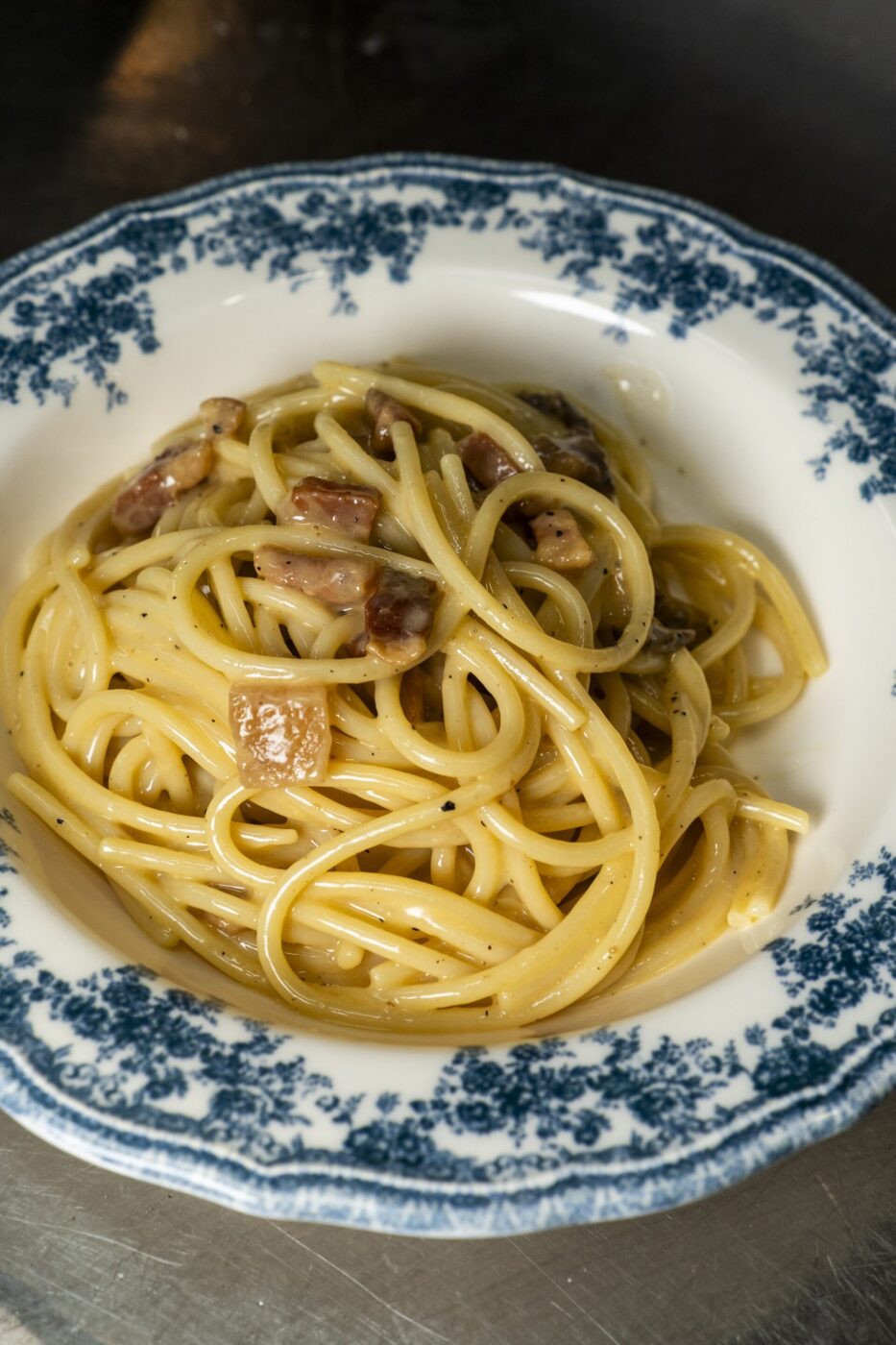
Carbonara; Courtesy of Le Cucine Mandarosso
Isabella’s – With white tablecloths and floral wallpaper, this cozy, candle-lit restaurant, founded a decade ago by Isabella Heseltinehe, feels like the kind of palace you’d enter in Florence or Milan. Part of a local chain of restaurants and two hotels, the restaurant plays on both classic Italian and Mediterranean flavors in the well-thought out menu, which includes a few pizzas along with the standard antipasti, primi, and secondi offerings.
Must Order: Spaghetti with spider crab, tartare, and Isabella’s tiramisù
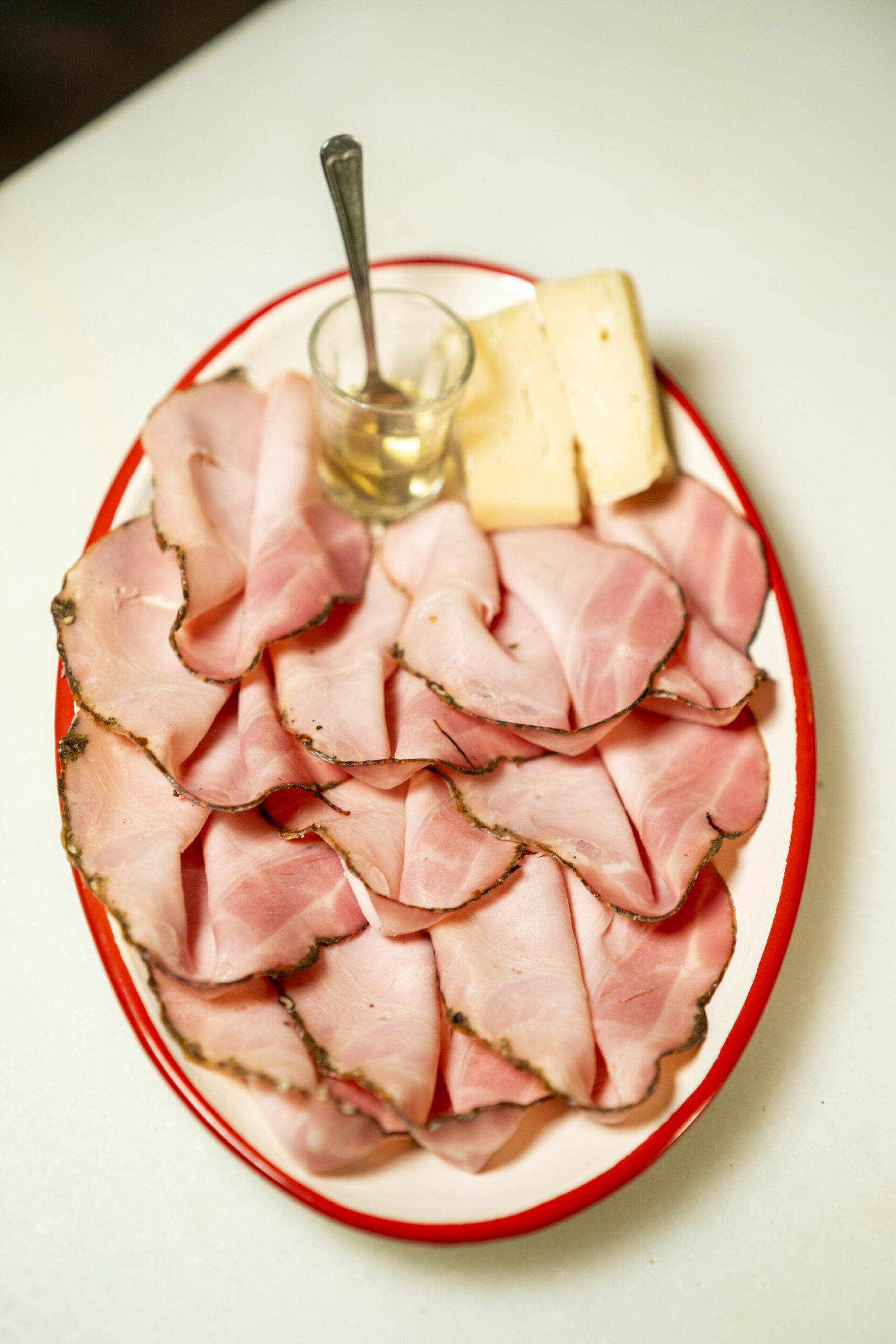
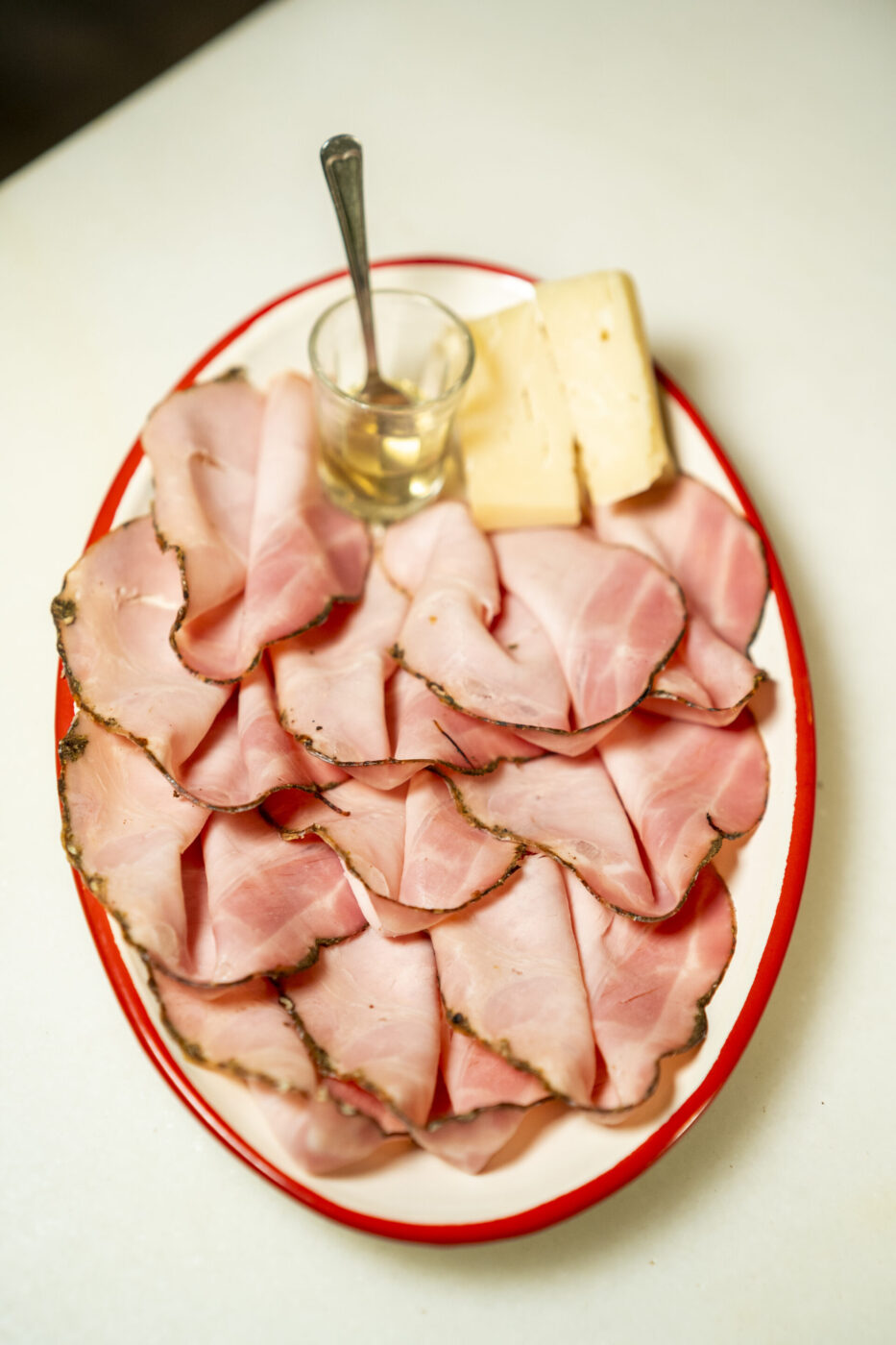
Bodega Bonay – Housed inside Casa Bonay, the boutique hotel beloved by both locals and travelers, this sleek wine-bar–restaurant fuses pan-Mediterranean flair with an understated elegance. Under head chef Giacomo Hassan, formerly of Disfrutar, the kitchen elevates simple ingredients and uses top-quality local produce. The menu is built for sharing, drawing on Italian currents (like tagliolini, cecina, Parma’s cured Coppa Spigaroli) as well as broader Mediterranean influences. There’s a serious wine program too—more than 250 labels, many natural and from smaller producers.
Must Order: Tagliolini aglio olio e peperoncino with cockles and the panelle with olives
Tragaluz – Just steps away from Passeig de Gràcia, on the peaceful Pasaje de la Concepción, this serene, Italian-Mediterranean restaurant feels like a little glass-roofed oasis—especially for the shoppers. Its signature glazed ceiling floods the space with soft daylight, giving the dining room an airy, elegant feel. The kitchen bridges traditional and modern Mediterranean influences, with a menu built around pasta, fish and meat dishes, and a selection of spuntini to start.
Must Order: Vitello tonnato; tagliolini Cipriani with crab, dill, and chili peppers; and the stuffed squid with sausage, Santa Pau beans, and spinach
Mina – Founded by three Italian friends (Jacopo, Oliviero, and Riccardo) and inspired by their grandmothers’ cooking, Mina is a refreshing, modern take on Italian cuisine. Located in Sarrià‑Sant Gervasi, its warm, minimalist interior doubles as a cozy wine bar and enoteca. Here, the menu is a creative, seasonal small‑plates format rooted in Italy’s lesser-seen culinary corners; expect only one or two pastas on offer daily. The wine list is a highlight—more than 150 natural‑wine labels from small, independent producers.
Must Order: The menu changes often, but some favorites include the mushroom ravioli with coffee and Parmigiano; and marinated mussels with zucchini and mint
Bar Lombo – Backed by Eugeni de Diego (formerly of El Bulli) and Ana Alvarado, Bar Lombo is a refined trattoria‑style spot in Sarrià‑Sant Gervasi. The green walls give it an elegant but warm dining room feeling—like a grown-up Italian friend’s living room. Here the ingredient is king: Italian classics reinterpreted, but always grounded in seasonality and great produce. Sip something off their thoughtful and wide wine list, with a strong offering of natural and small-producer labels.
Must Order: Pappardelle with ossobuco ragù and cotoletta alla Milanese
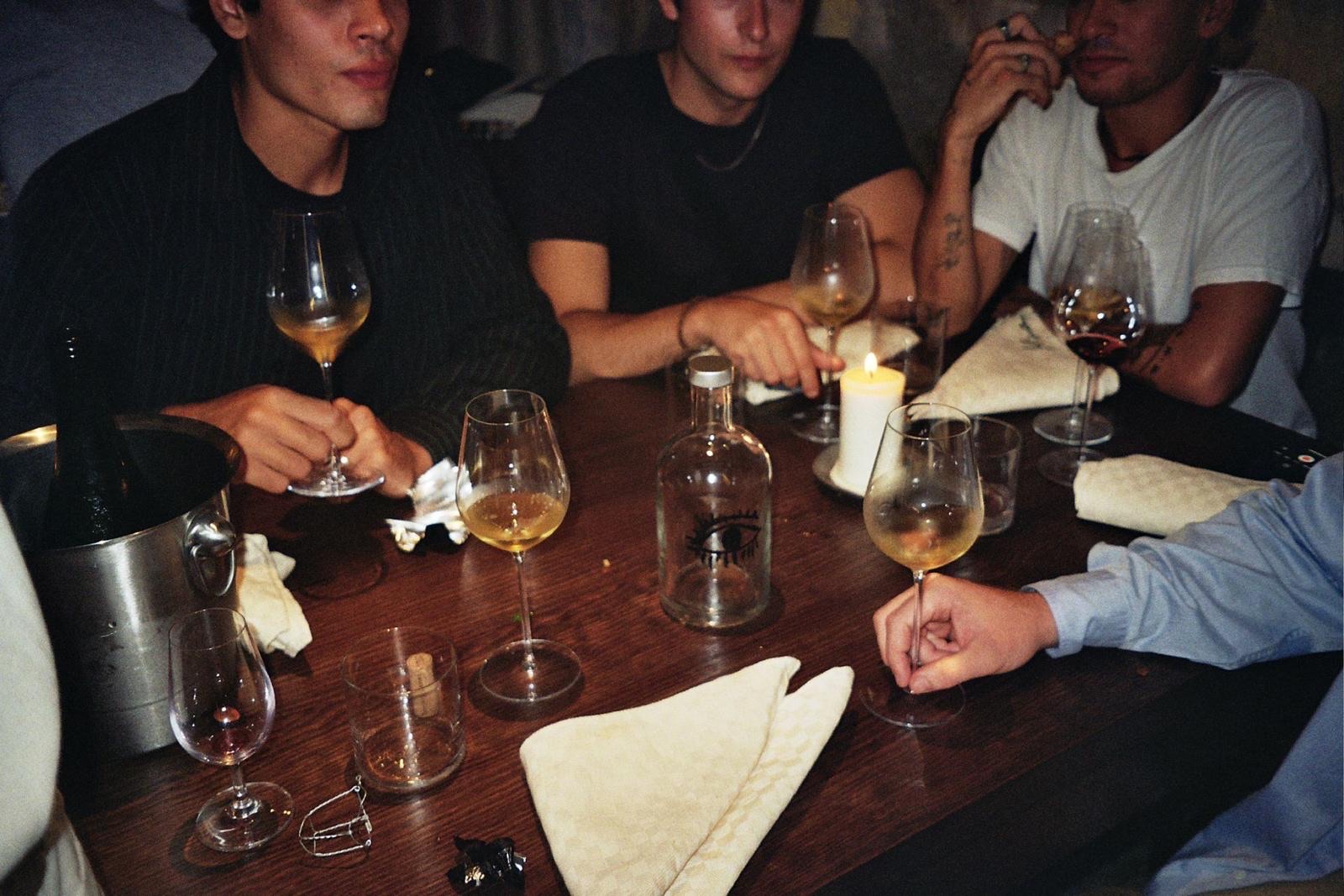
Courtesy of Mina
PIZZERIAS
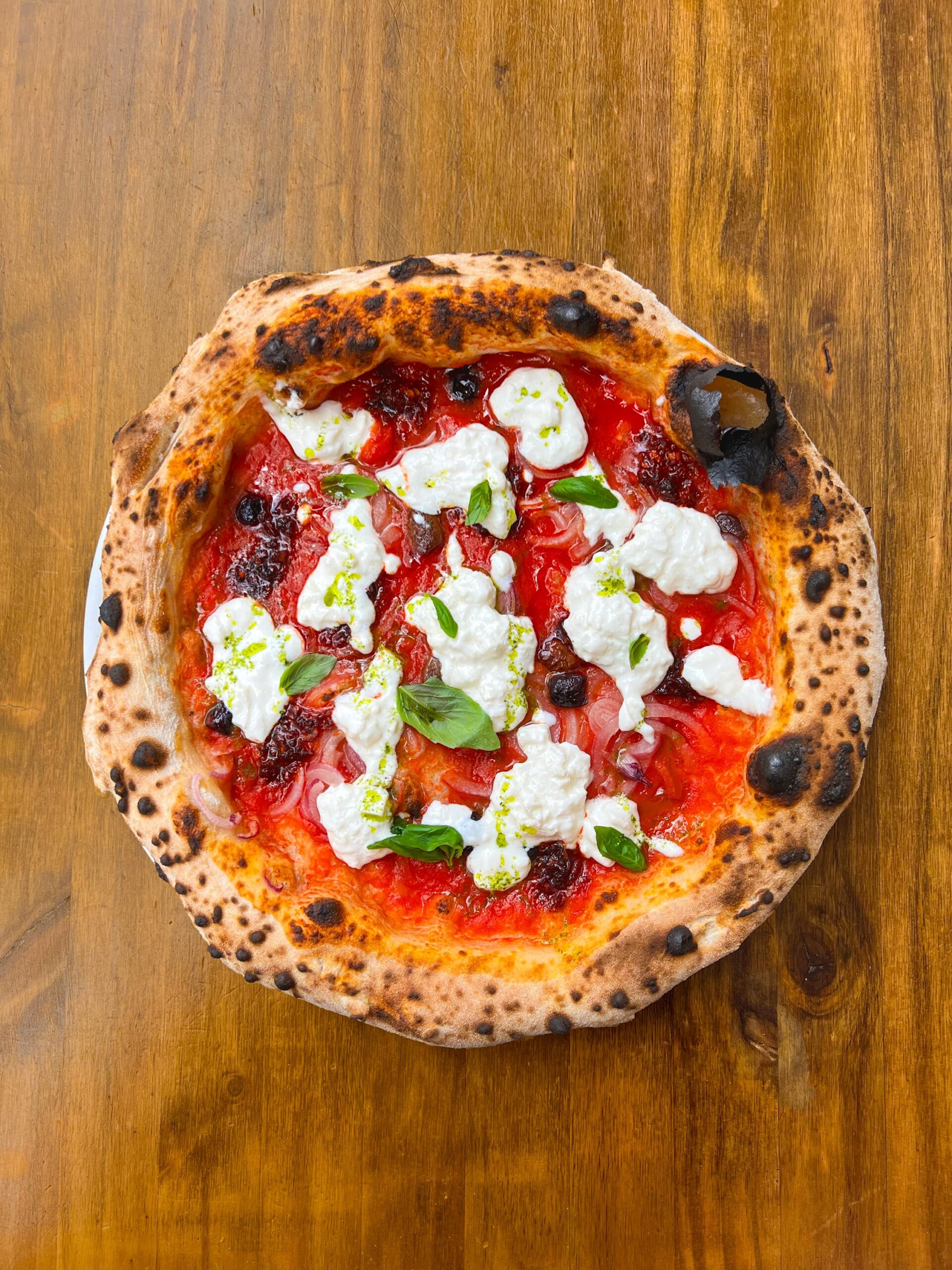
Sartoria Panatieri – Founded by Brazilian-and-Spanish duo Rafa Panatieri and Jorge Sastre—both with impressive fine-dining credentials, this pizzeria has quickly risen to international fame, landing a continuous place on the 50 Best “50 Top Pizza” list for the past few years. Their motto is “farm to pizza”, and the ingredients speak for themselves. The dough is made from local, stone-ground organic flour and left to ferment for 72 hours before hitting the wood-fired oven. In Gracia and Eixample, both locals and visitors gather for the classics—the Margherita is the best around—but the inventive creations steal the show: think pizzas topped with roasted carrot cream, pickled carrot, goat ricotta, mozzarella, and pork rinds, alongside vegetable-forward small plates and carefully curated charcuterie boards.
Must Order: The Margherita pizza, and the roasted cauliflower with gremolata and Parmigiano to start
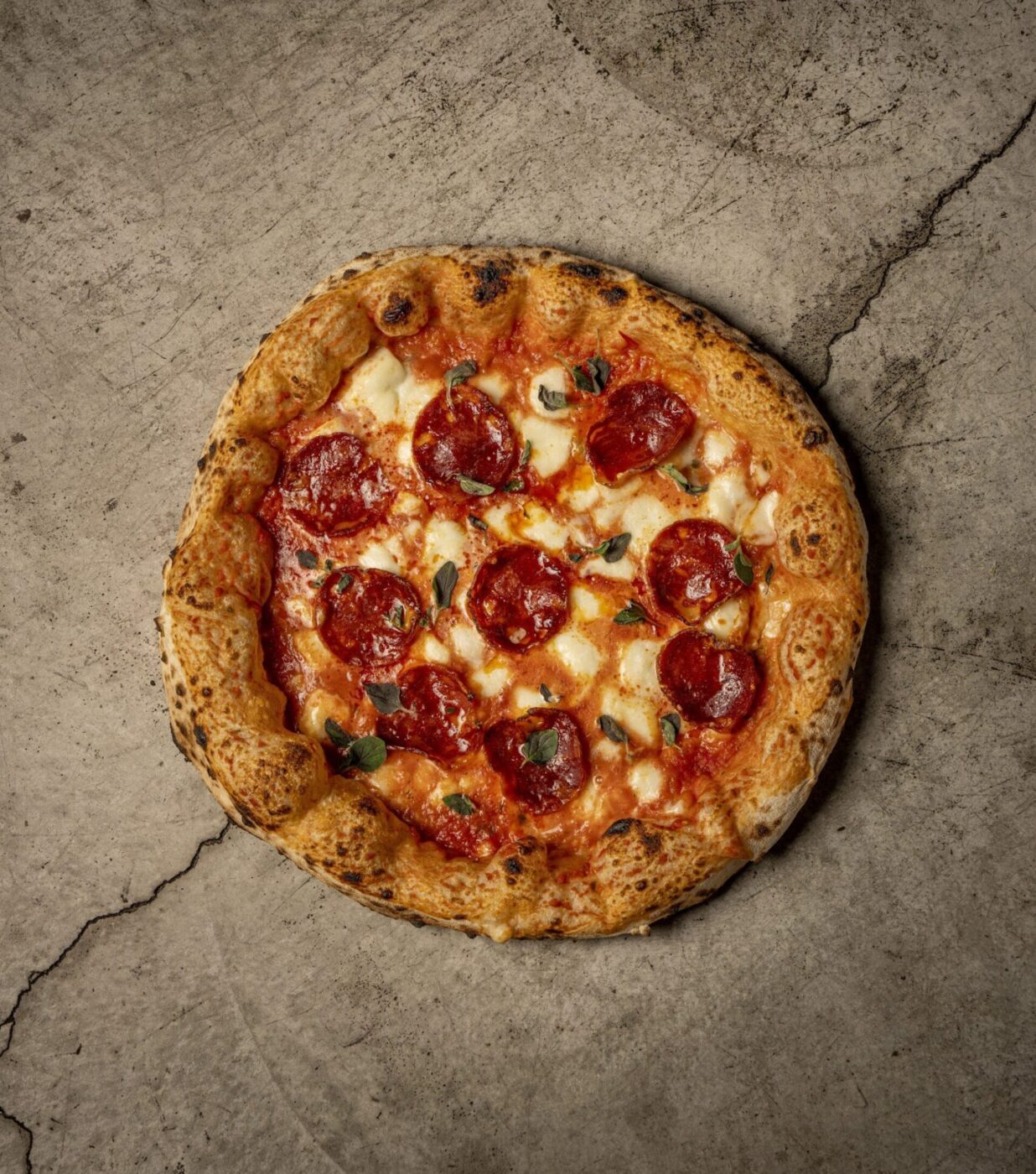
La Balmesina – At La Balmesina, it’s all about the base. Founded by three Italians—Massimo Morbi, Mattia Ciresola, and Alessandro Zangrossi—the pizzeria works with sourdough fermented for 72 hours, letting diners choose between classic or wholewheat spelt dough. Following Slow Food principles, toppings are seasonal and local—including Cal Rovira sobrasada, a raw cured sausage from Catalonia. The La Balmesina family has since grown beyond Gracia: just down the road, Gina Balmesina offers a more casual experience with pizzas, natural wines, and beer, while Focacceria Balmesina, opened last year in Barceloneta, puts focaccia in the spotlight. The pizzeria also holds a place on a few World’s Best lists.
Must Order: For a pizza with a local twist, try the Isalamino Iberico with spicy iberico chorizo
NAP – NAP, short for Neapolitan Authentic Pizza, whips up Associazione Verace Pizza Napoletana-certified pies in three locations across Barcelona (Barceloneta, Sant Antoni, and El Born) and a few farther afield in Spain. Strictly 35 cm in diameter, the pizzas are cooked for 60 seconds in Stefano Ferrara wood-fired ovens, with a mandatory 24-hour resting period for the dough that yields a high, airy crust. Like many Italian pizzerias, it’s not a place to linger: pizzas fly out of the oven at a whopping speed.
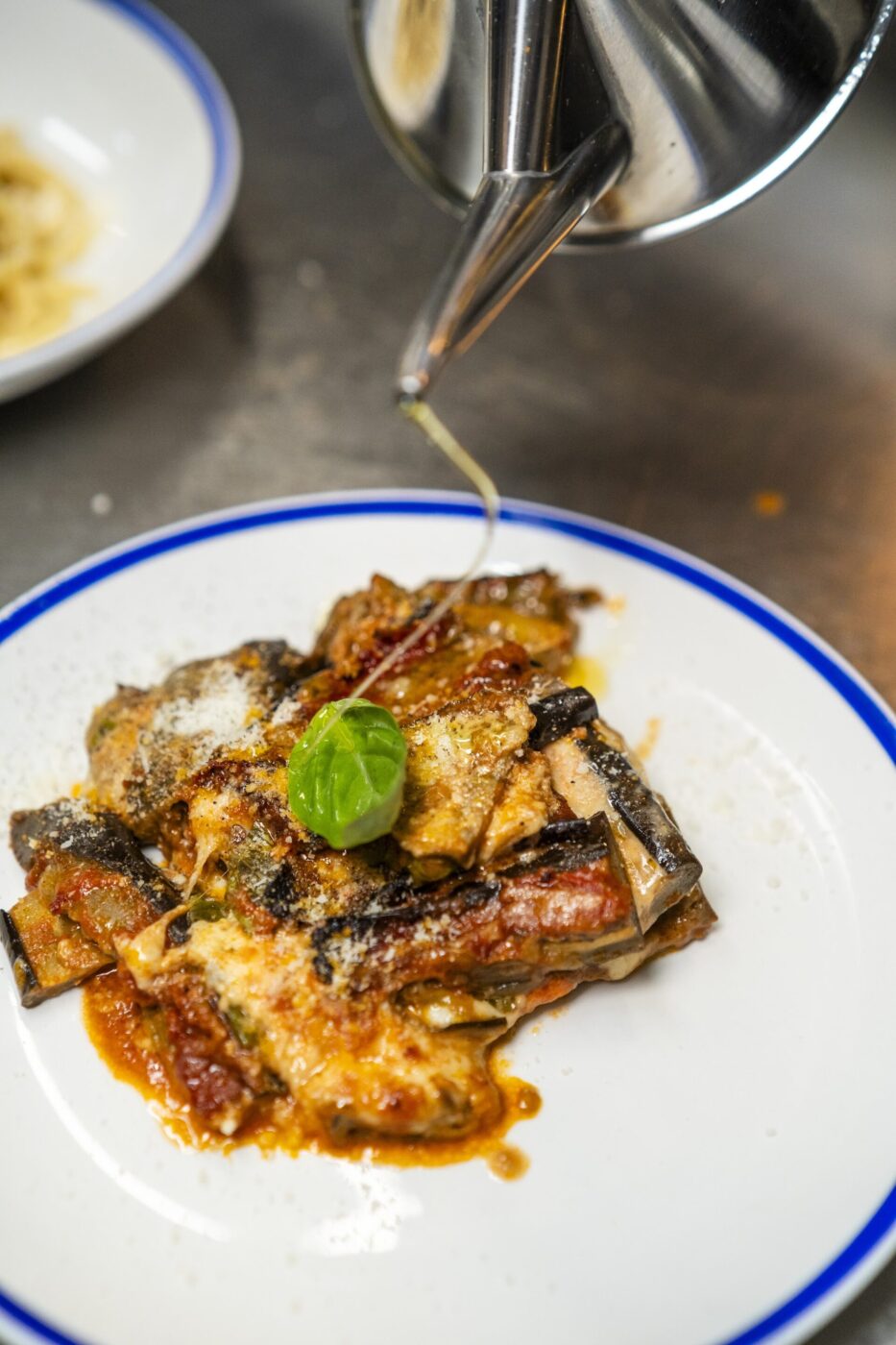
Must Order: The simple Marinara and the eggplant parmigiana to start
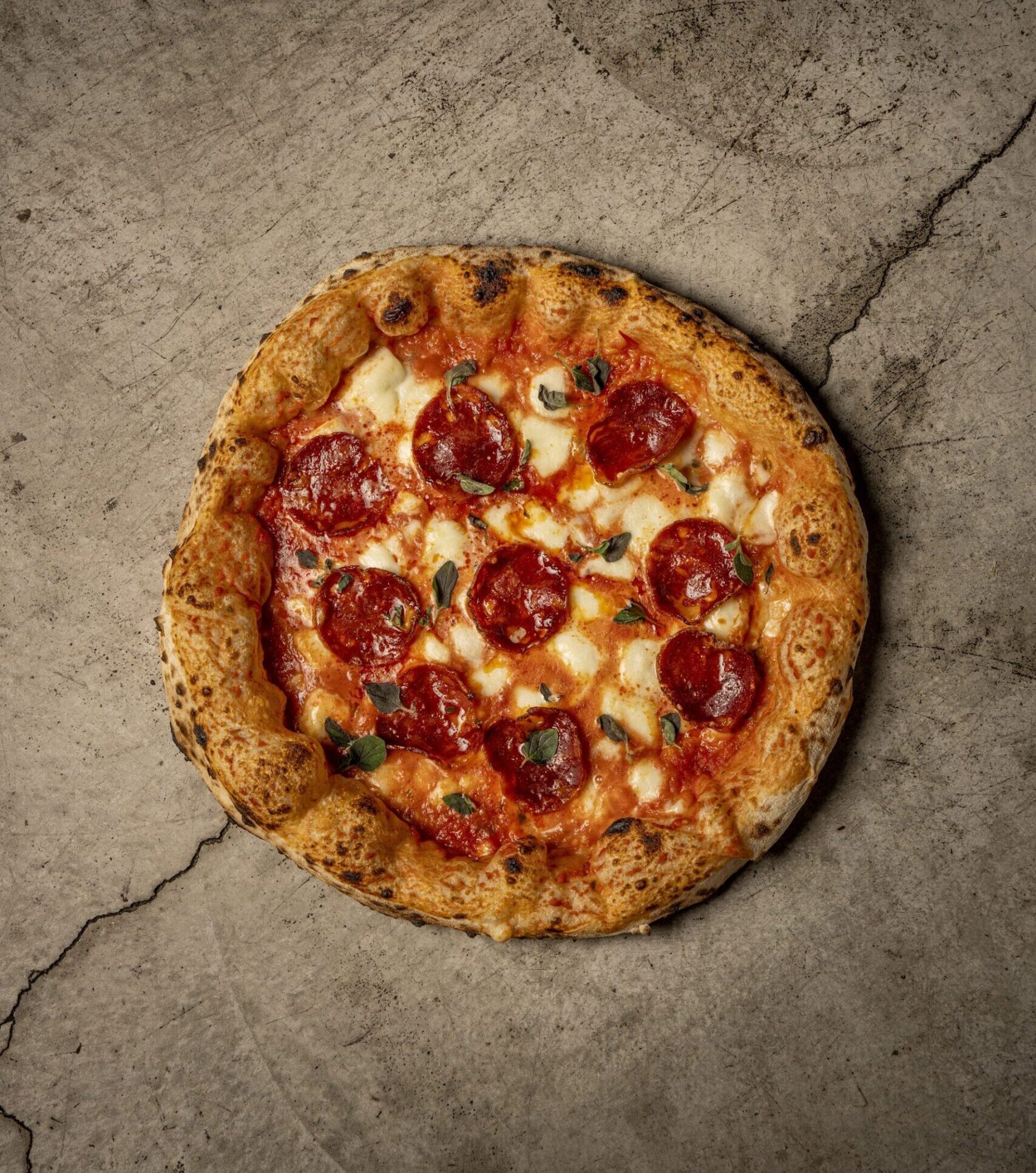
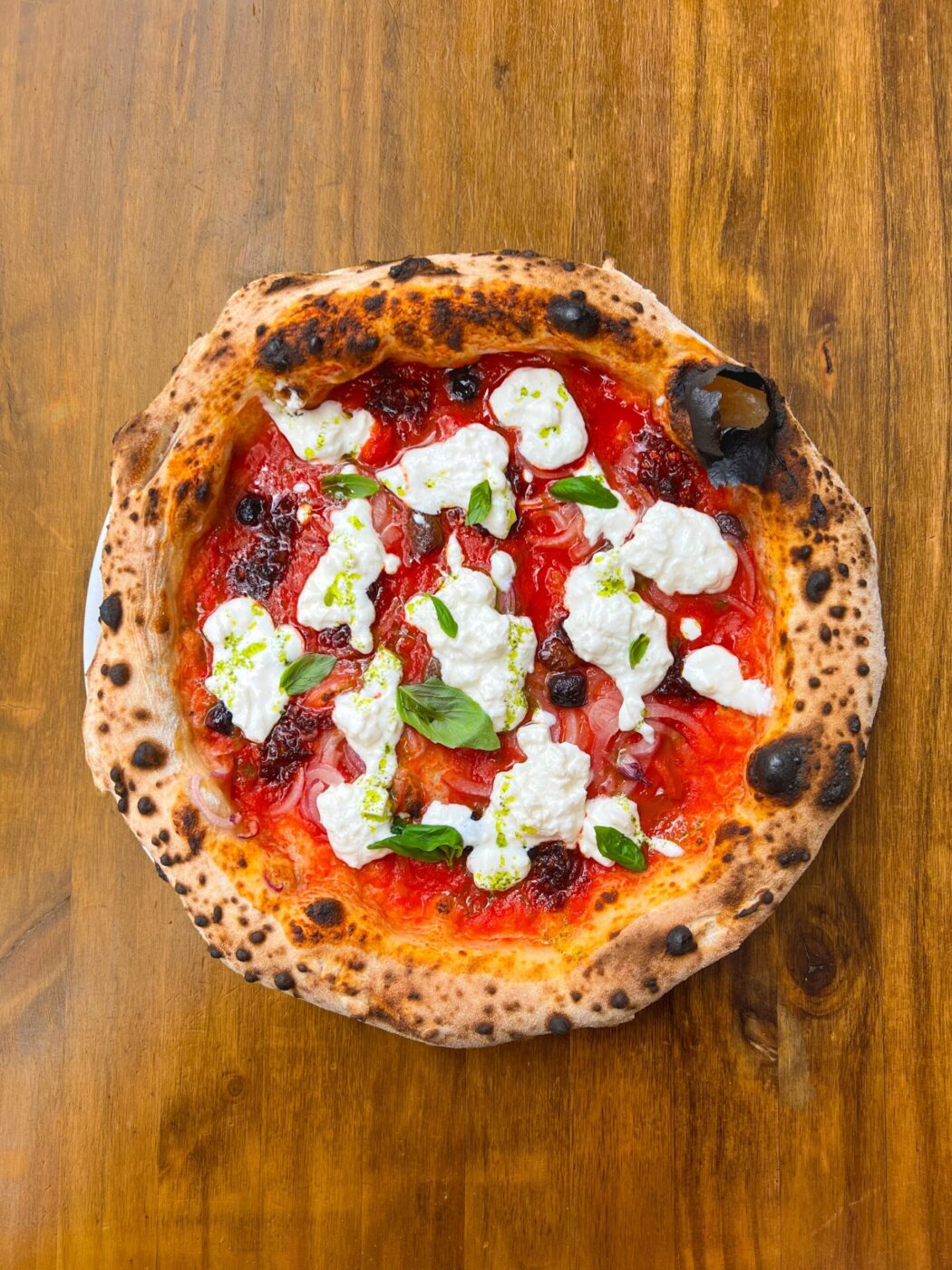
Courtesy of Sartoria Panatieri
BAKERIES
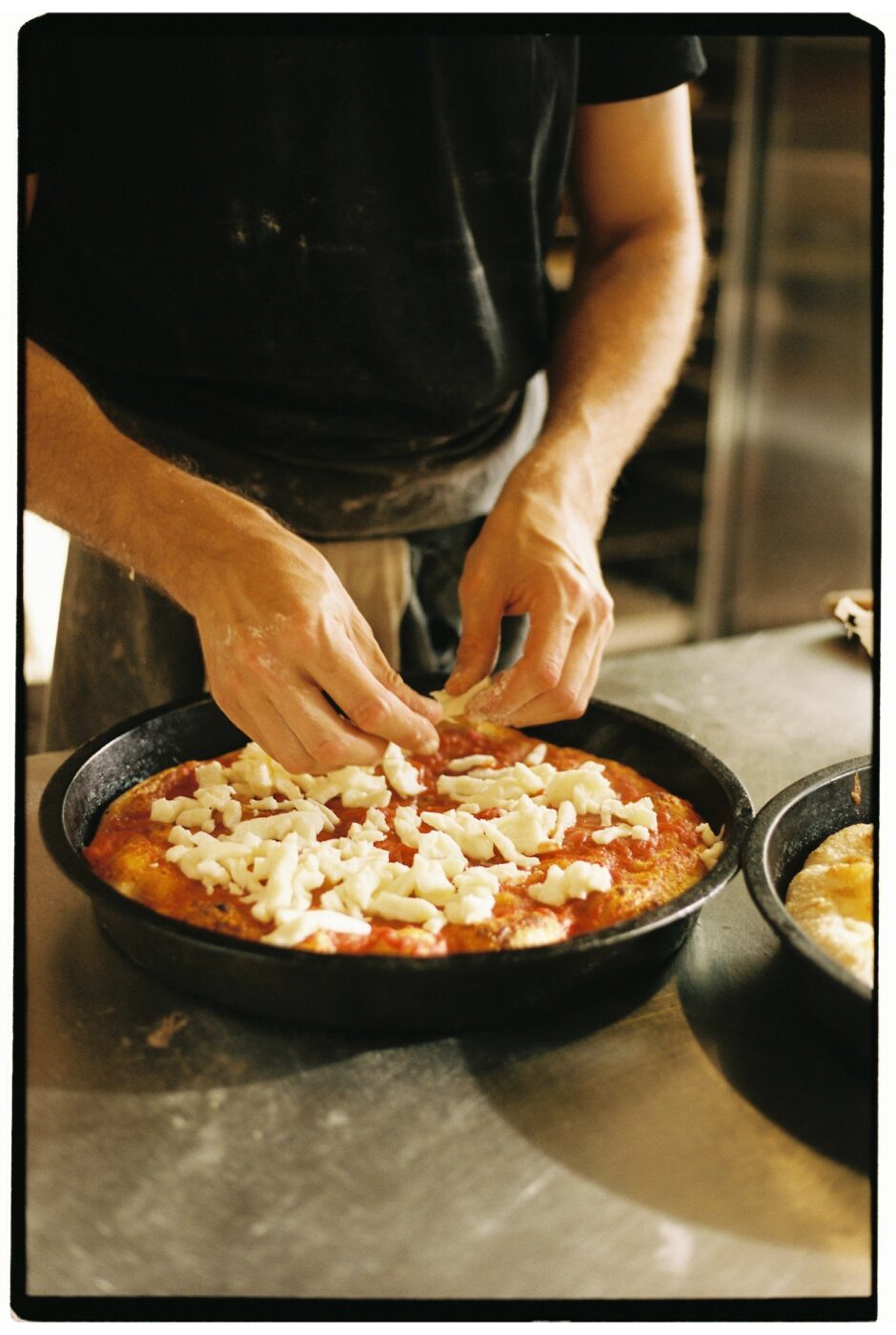
Forno Bomba – This playful Italian-owned spot in Sants is a speciality bakery, coffee shop, and natural wine bar in one. Francesco Gottardo and Alberto Montobbio, originally from Padova and Genova, opened the bakery in 2024 with the goal of creating a “village bakery” that showcases the diversity of the Italian forno. They excel in fluffy Ligurian focaccia, saucy Roman pizza al taglio—“like the one at Roscioli,” they say—and thick sourdough bread.
Must Order: The plain and onion focaccia, any of the pizza al taglio, and bomboloni
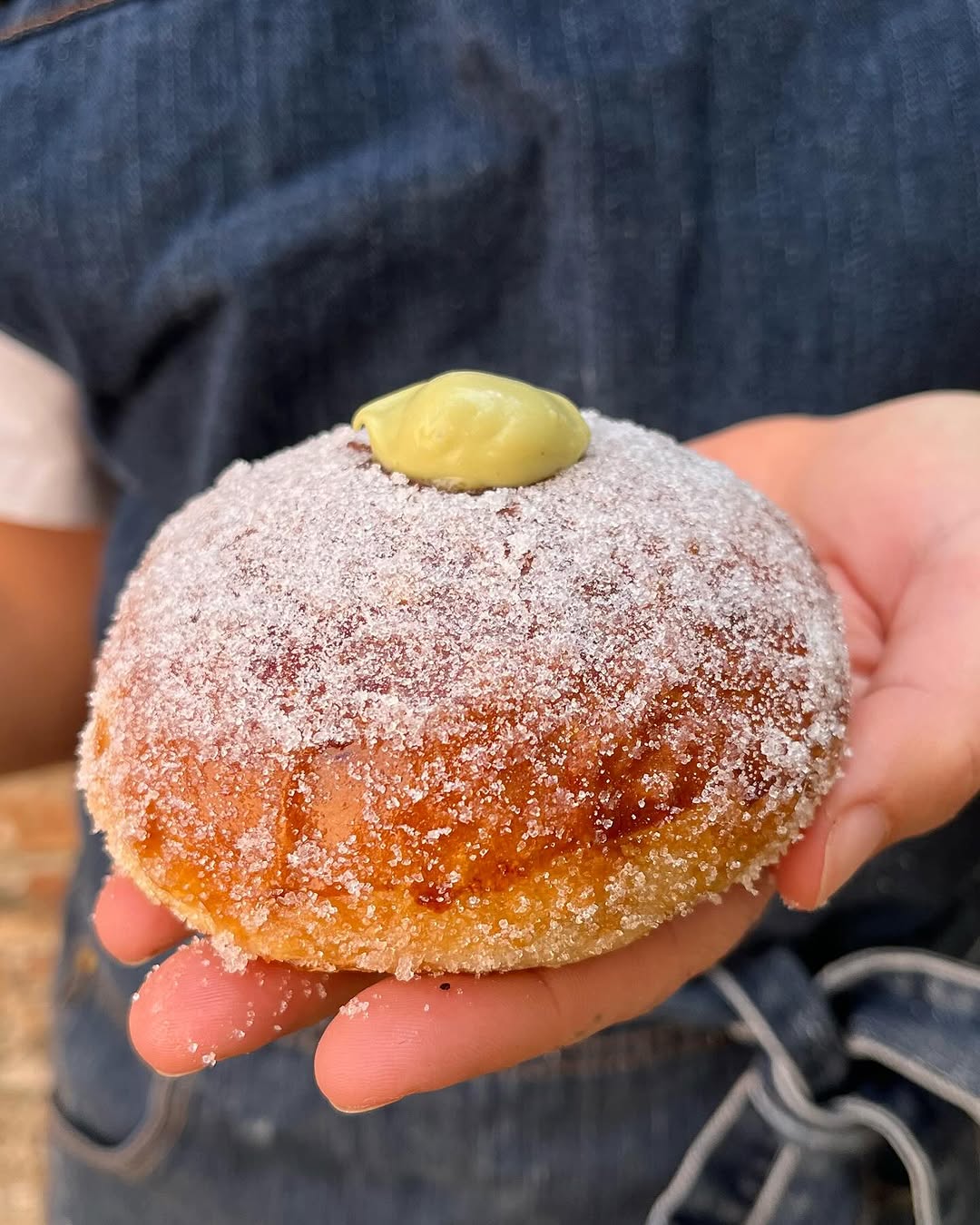
Pistachio bombolone at Forno Bomba; Photo courtesy of @fornobomba.
WINE BARS
Bar el Pepino – Down one of Gracia’s picturesque streets, this bar is one of many in Barcelona leading the natural wine revolution. The vibe is fun, the natural wine is from all over Europe—with a strong Italian showing—and Italian owner Gianluca is always around for recommendations and a chat. You can come for a glass or for dinner, as their elegant Italian-leaning food menu is designed specifically to accompany their many wines.
Must Order: Whatever Gianluca is pouring!
GELATO
Gocce di latte – With a menu spanning both classics and inventive flavors (think turmeric-rosemary or dates-orange-cardamom), this Italian-owned spot in touristy El Born serves up the best gelato in town. Just around the corner, there’s also a sister shop (Gocce Vegan) dedicated solely to vegan flavors.
Must Order: The dark chocolate with Maldon sea salt, pistachio, or tiramisù