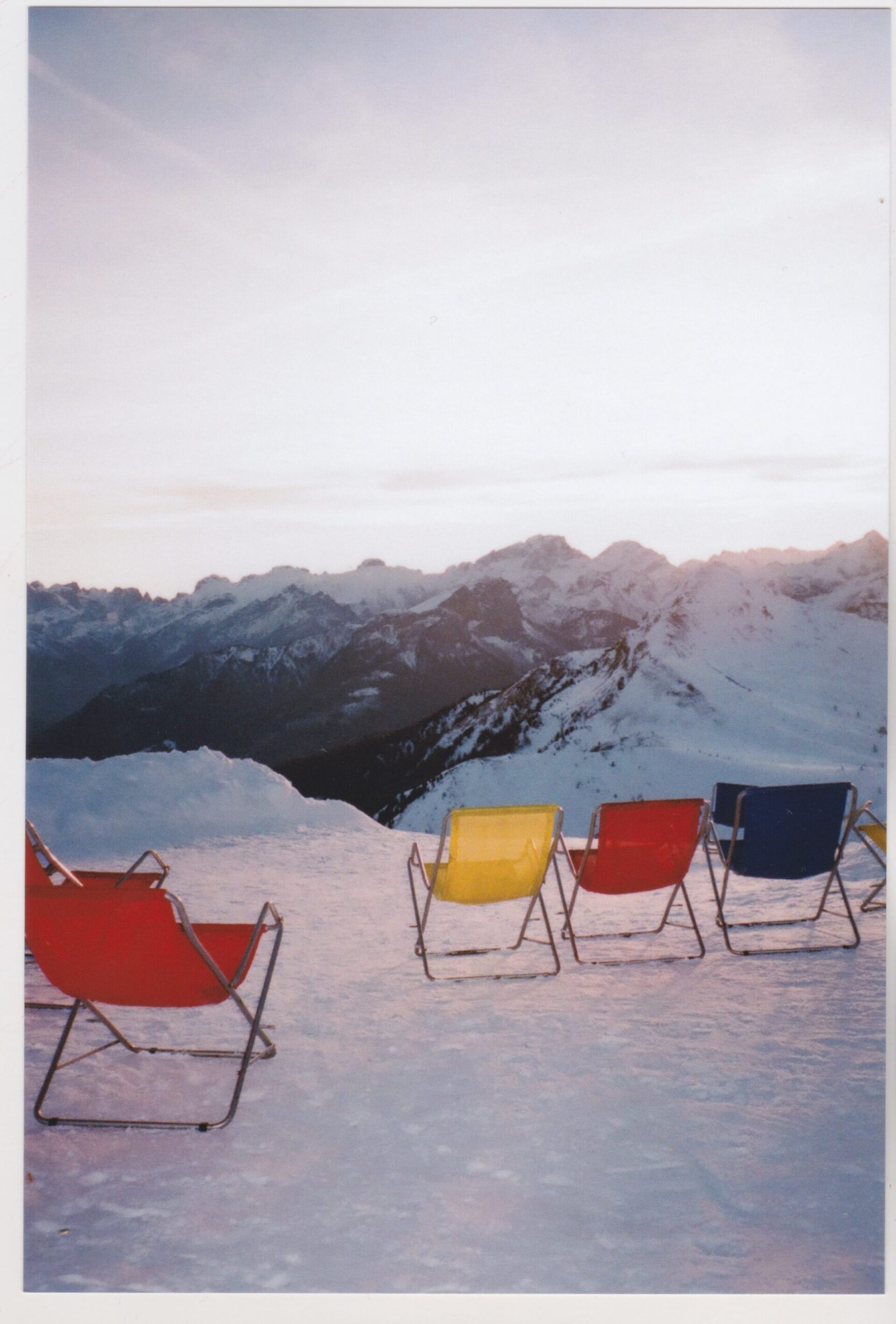
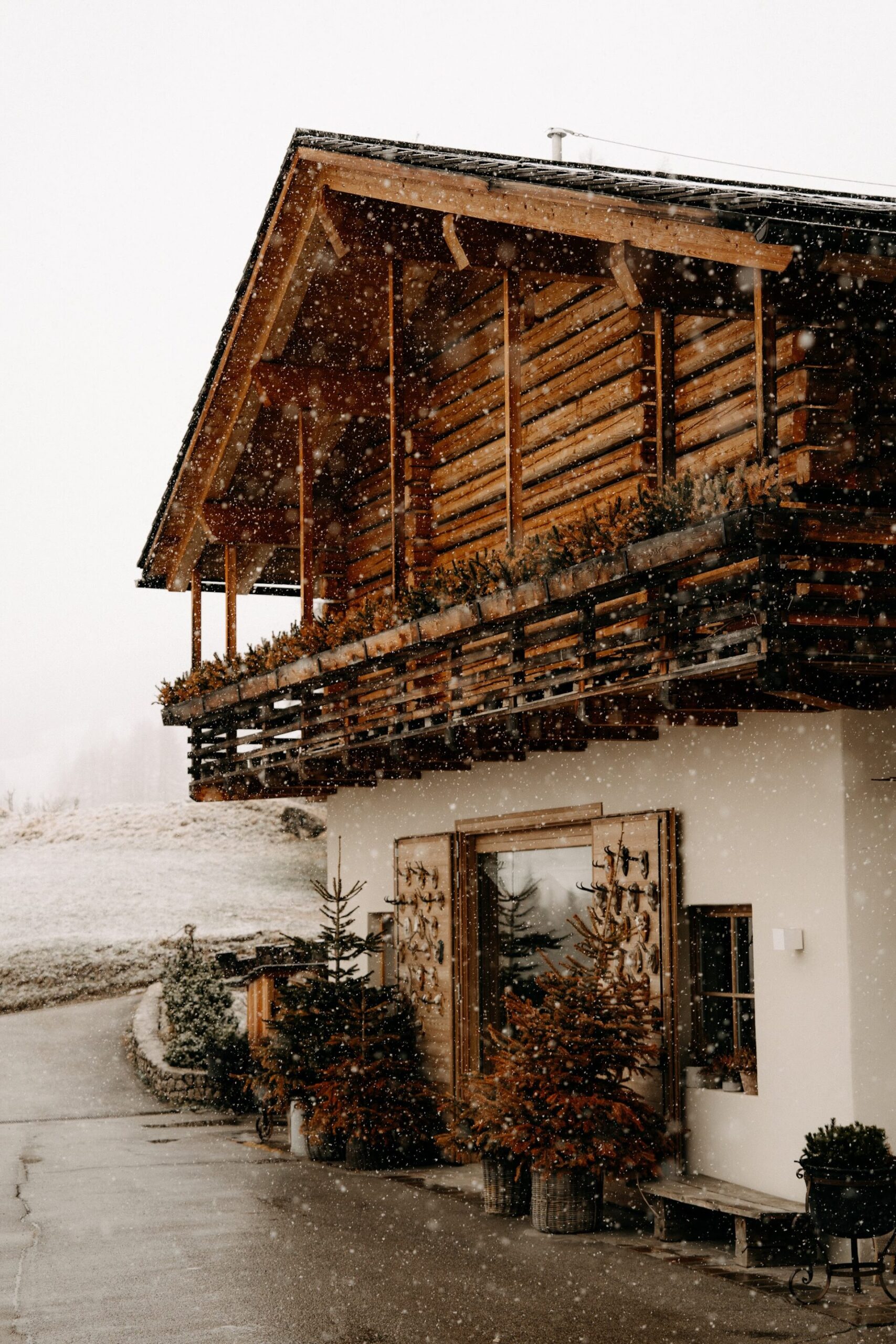
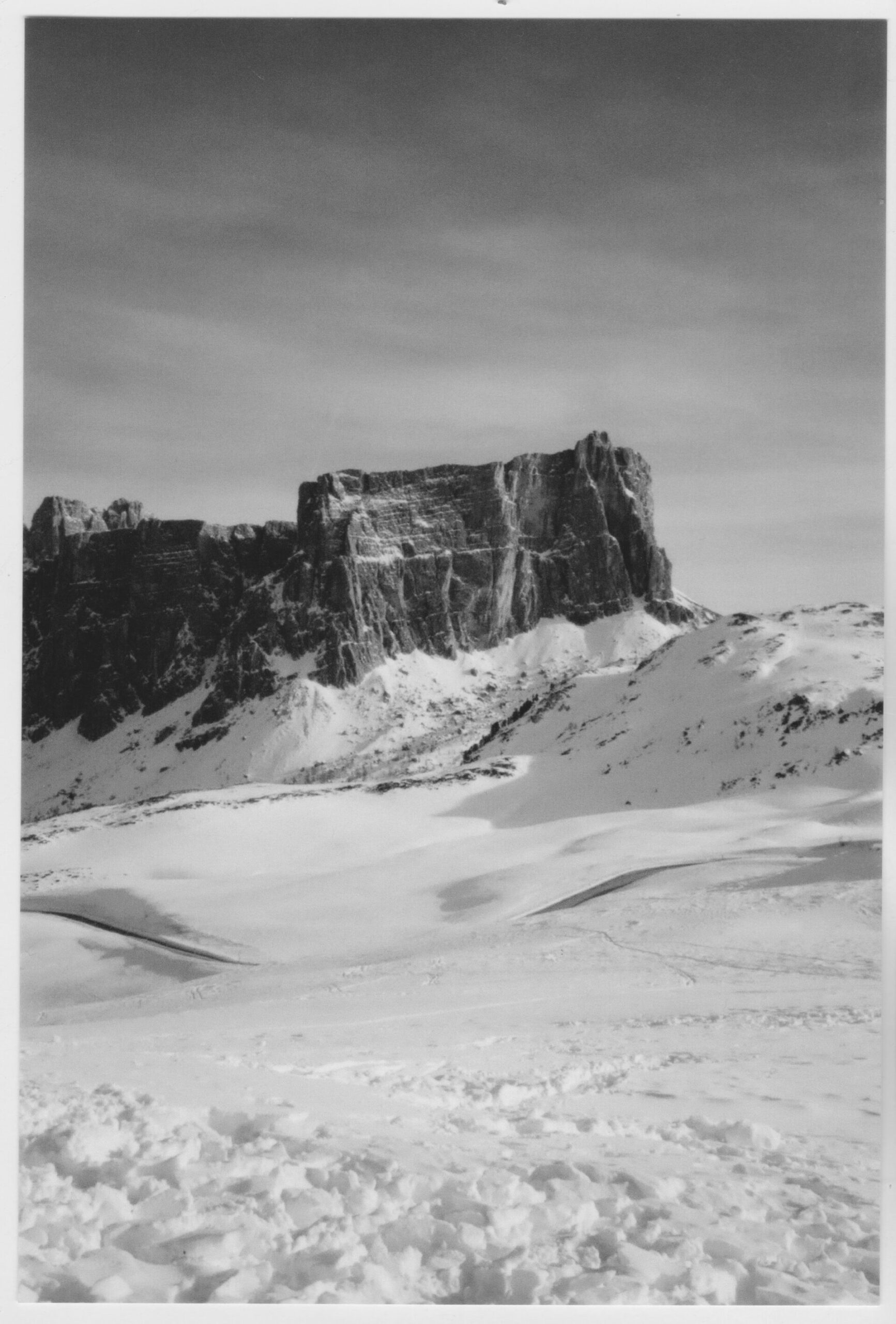
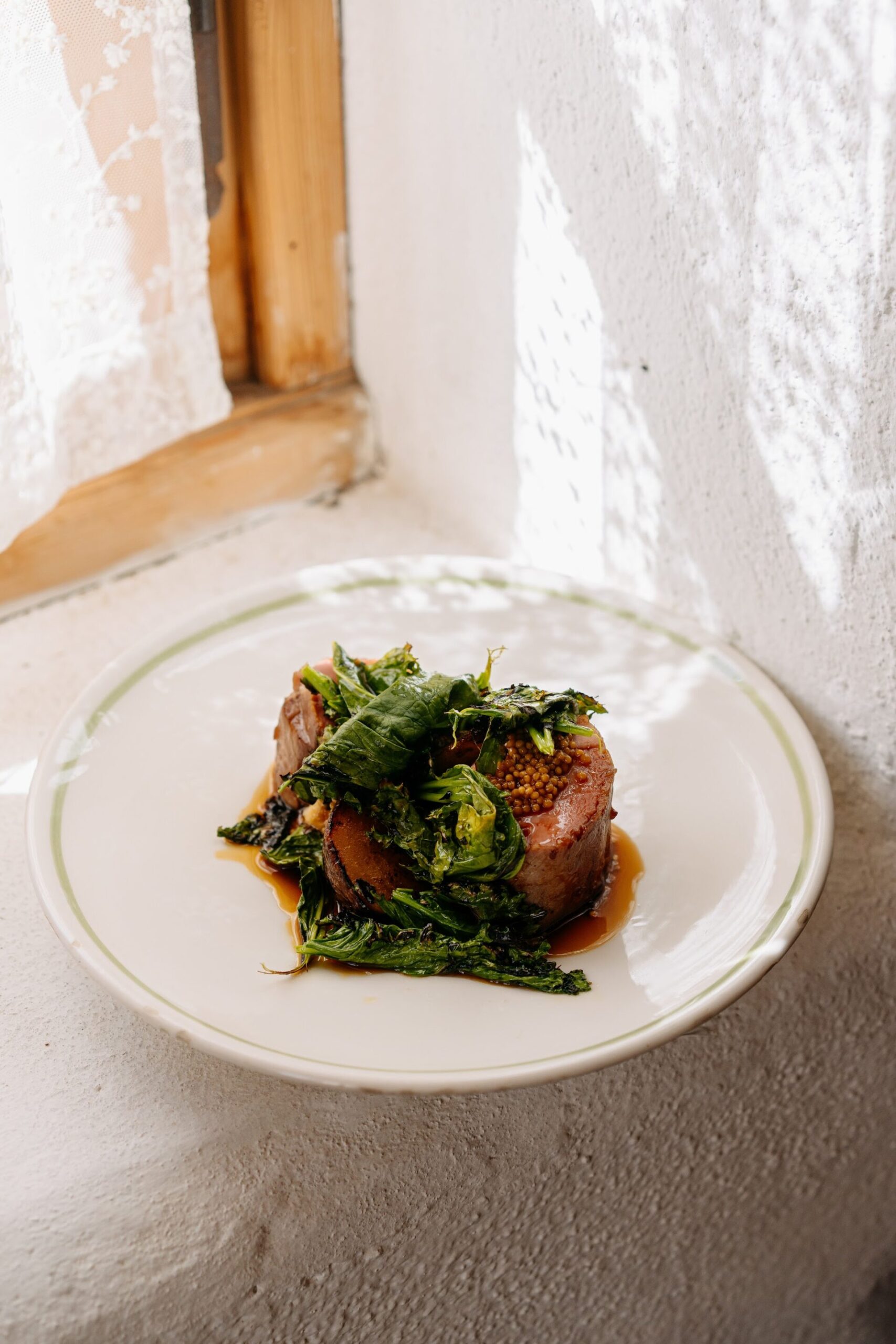
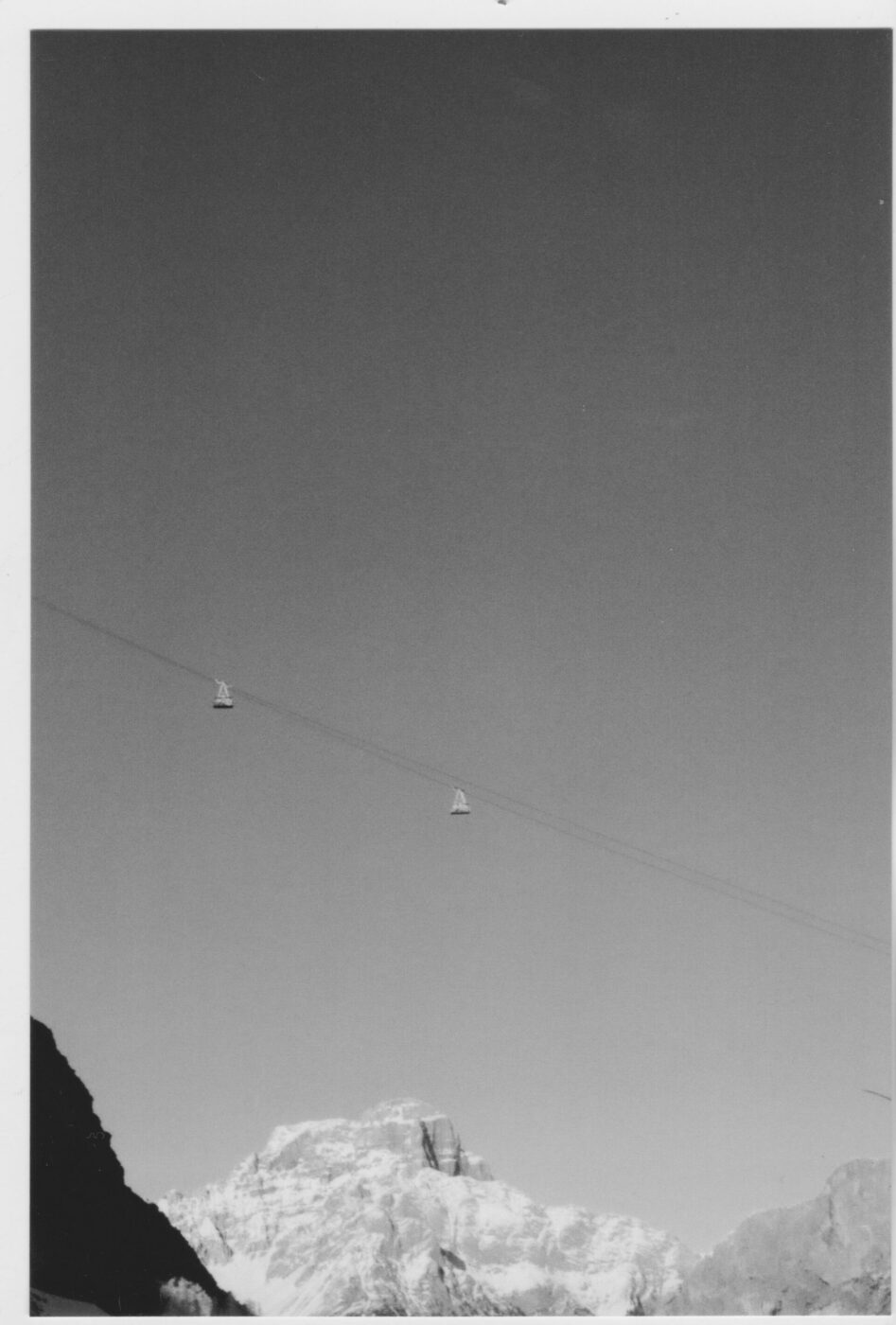
Known as the “Pearl of the Dolomites”, Cortina d’Ampezzo sits at 1,224 meters in a natural amphitheater guarded by the Tofane and Cristallo peaks—a setting dramatic enough to host the 2026 Winter Olympics and cinematic enough to have doubled as James Bond’s playground in For Your Eyes Only. That ilk of old-world glamour has long defined Cortina, ever since the 1956 Winter Olympics transformed the tranquil mountain town into the winter salon of the Northern Italian elite. In the center of town, historic chalets and Art Nouveau villas reflect its Austro-Hungarian past, echoed again in the food (strudel, canederli, goulash). The designer-boutique-lined Corso Italia is Cortina’s social spine, site of a lively après-ski scene and the evening passeggiata of fur coats and designer shades.
Skiing is the largest draw, of course (though the hiking trails and vie ferrate keep the town busy year-round); four major mountains offer over 120 km of slopes, ranging from gentle beginner runs to Olympic-grade descents. While the 2026 Games will bring a global spotlight, this guide is curated by the members of our team, and our contributor Rebecca Gnignati, who have grown up coming here every winter—this season’s version of villeggiatura.
Due to the 2026 Winter Olympics, some of these businesses might have altered operating schedules. Check their websites for the most updated information.
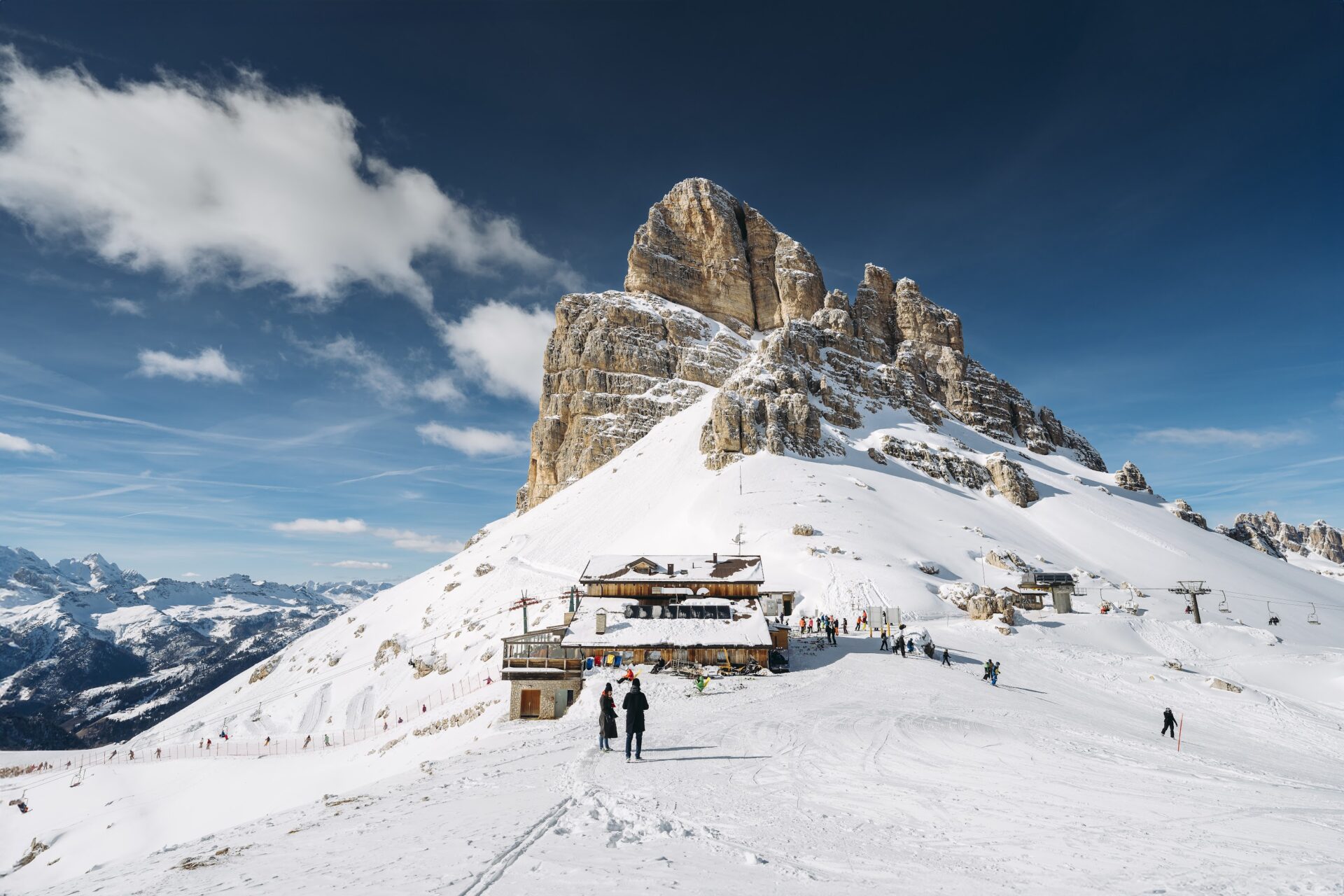
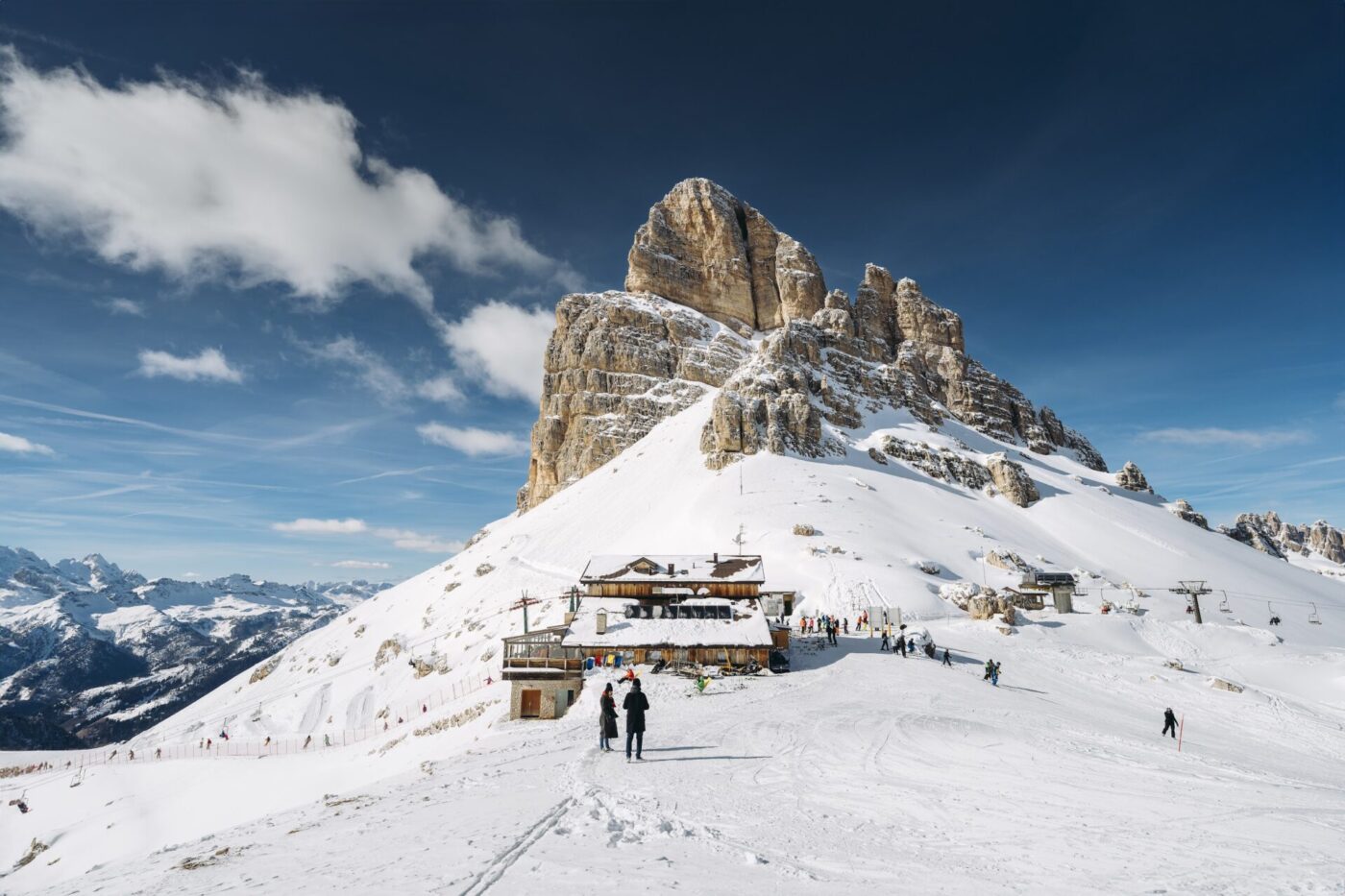
Courtesy of Rifugio Averau
WHERE TO EAT IN CORTINA
El Brite de Larieto – At about 1,700 meters up on the road to Passo Tre Coci, this is the perfect mountain lunch stop. With rustic alpine interiors that feel like a secluded cabin, this agriturismo is carved out of an old malga (alpine hut). Chef Riccardo Gaspari continues his family tradition by cooking Ampezzo recipes, and his father Flavio still tends daily to their on-site stables. Snag a window seat for the best views of the mountain range, and enjoy the hearty, upscale local fare, made with cheese from their dairy (Piccolo Brite) and meat from their farm. For the adventurous, you can also hike up to the restaurant, a little under two hours.
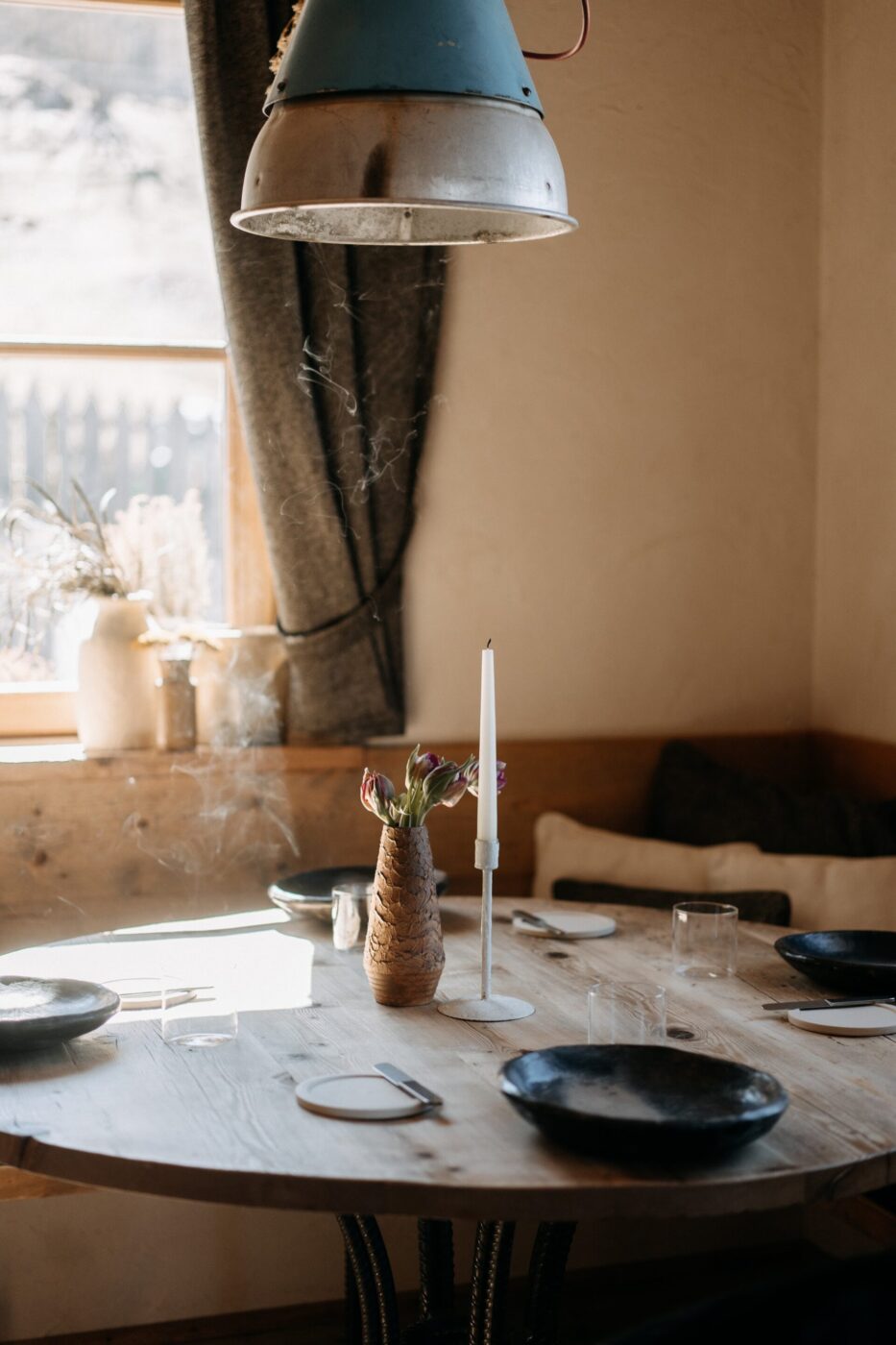
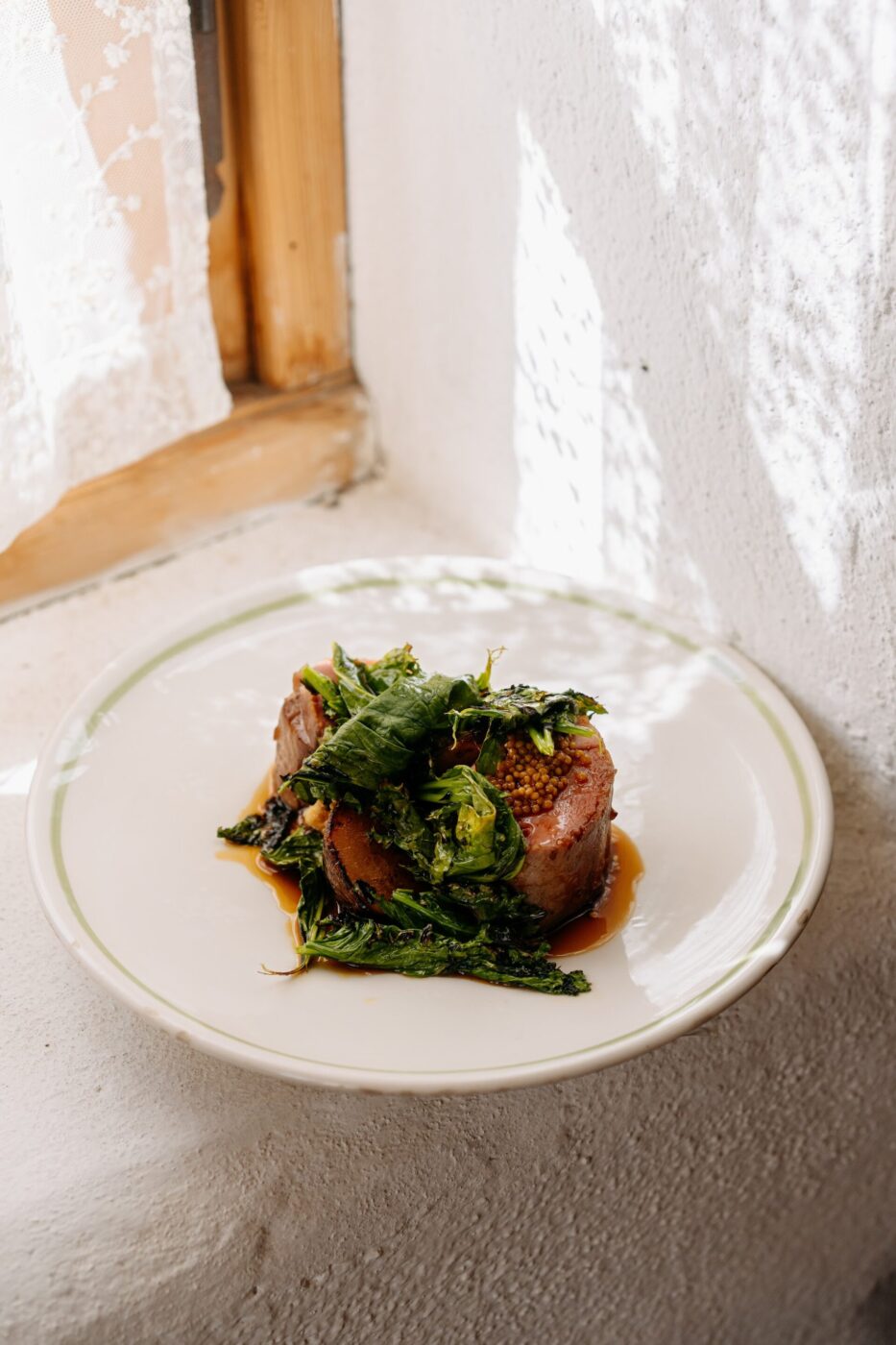
SanBrite – The younger, more sophisticated sister of El Brite de Larieto, this Michelin-starred restaurant (which also earned a green star) serves cuisine that’s a perfect expression of the Dolomites. Run also by Chef Riccardo Gaspari and his wife Ludovica Rubbini, the restaurant mixes mountain flavors with modern presentation. The inside charms like classic rifugi—wood accents, big windows—in a refreshingly bright and airy space (with stunning mountainside views). There’s tasting and à la carte menu options, with oft-changing dishes. Expect creative takes with few ingredients—gnocchi in a speck broth, lamb with vegetables, or snails—and a price point to match the experience. The cheese and cloud-like butter come from their dairy, which you can visit after dinner.
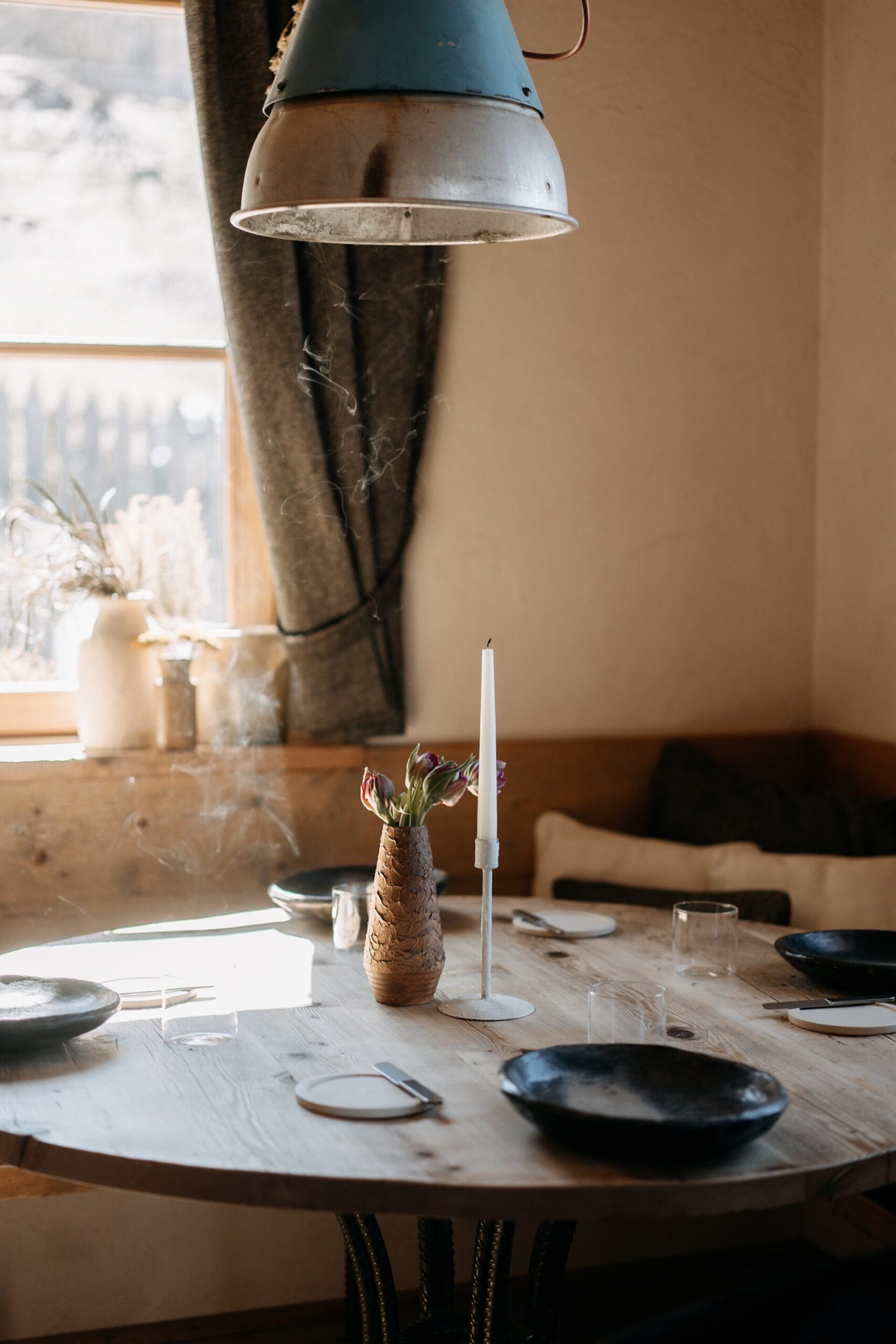
Courtesy of Sanbrite; Photo by Chantal Arnts
Leone e Anna – A fun outlier in Cortina’s dining scene: this spot—which at first glance looks like a normal rifugio—brings Sardinia to the Dolomites. Owners Fabio and Aurora have been here for four decades, serving up hearty island classics—spaghetti con bottarga, allureddus, seadus, roast suckling pig, and more—that taste just as delicious in alpine country as they do by the sea.
Rifugio Mietres – A lovely rifugio at 1,710 m, reachable in the winter by snowshoe, ski, or snowmobile (you can request the latter when you book a table) and in the summer by a 1.5 hour scenic trek from the old Impianto di Risalita Mietres through Località Chamorè. No matter the season, the restaurant is ideal for a relaxed lunch with a great selection of primi and desserts and a chill cocktail bar where you can hang out after. If you come in the winter, bring your sled—it’s the best way to get back down.
Hotel Fiames (Fiames) – Skip the formal restaurant and head straight to the snack bar. Located 4 km from Cortina in the quiet village of Fiames, this family-run spot by the Siorpaes offers simple, honest fare, including the best toast in the area—get the variety with mushroom or artichoke. Finish with the fluffy apple fritters and wash it all down with a beer or hot drink.
Il Capriolino (Vodo di Cadore) – Just over the border in nearby Vodo di Cadore, this restaurant has evolved from a 19th‑century posta into a warm, wood‑filled mountain refuge, ideal for a night when you want something a bit elevated. Chef Francesco Paonessa uses local ingredients for his creative, hearty dishes—from rustic wholewheat pasta with white ragù to deer stew with polenta. There’s both tasting and à la carte menu options, and upstairs, a few rooms where you can wake up to the Dolomites.
Baita Fraina – Equal parts warm and elegant, this restaurant just outside Cortina’s center has a family feel and Michelin-level cuisine. Housed in the former 1950s farmhouse owned by Clelia and Enrico Menardi, the Baita is now run by their grandchildren Adolfo and Alessandro. In the wood-paneled dining room with impeccable service, you’ll dine on seasonal, upscale versions of South Tyrolean dishes—think tagliolini with deer ragù, smoked trout with tomato gazpacho, and polenta with asiago, mushrooms, truffle, and a slow-cooked egg. Their wine list is particularly impressive with over 40 by-the-glass offerings and a cellar of nearly 1,000 labels. There are also four charming rooms where you can stay overnight.
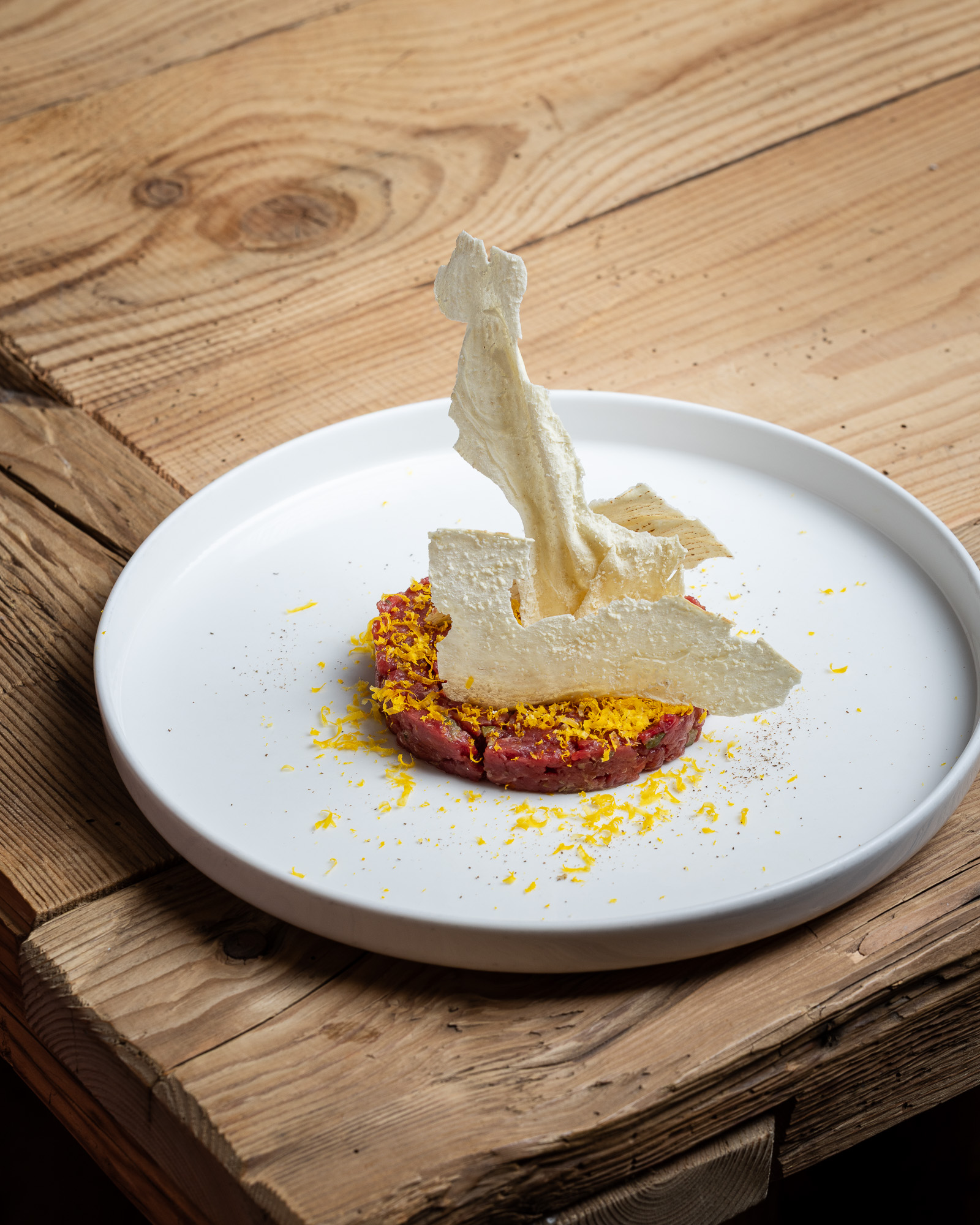
Baita Fraina
THE BEST BAKERIES IN CORTINA
Pasticceria Alverà – On the southern end of Corso Italia, this bakery—opened over a century ago—has the best bomboloni and bread in town; perfect for fueling up before a day of skiing. And, if you have a sudden need for chocolate cake, this is where to go.
Pasticceria Ghedina – This family-run bakery in Località Grava, open since 1985, makes the best pastine (small pastries) and beignets—the best morning kick or an after-ski pick-me-up. We recommend arriving by foot, as parking can be a nightmare.
WHERE TO DRINK IN CORTINA
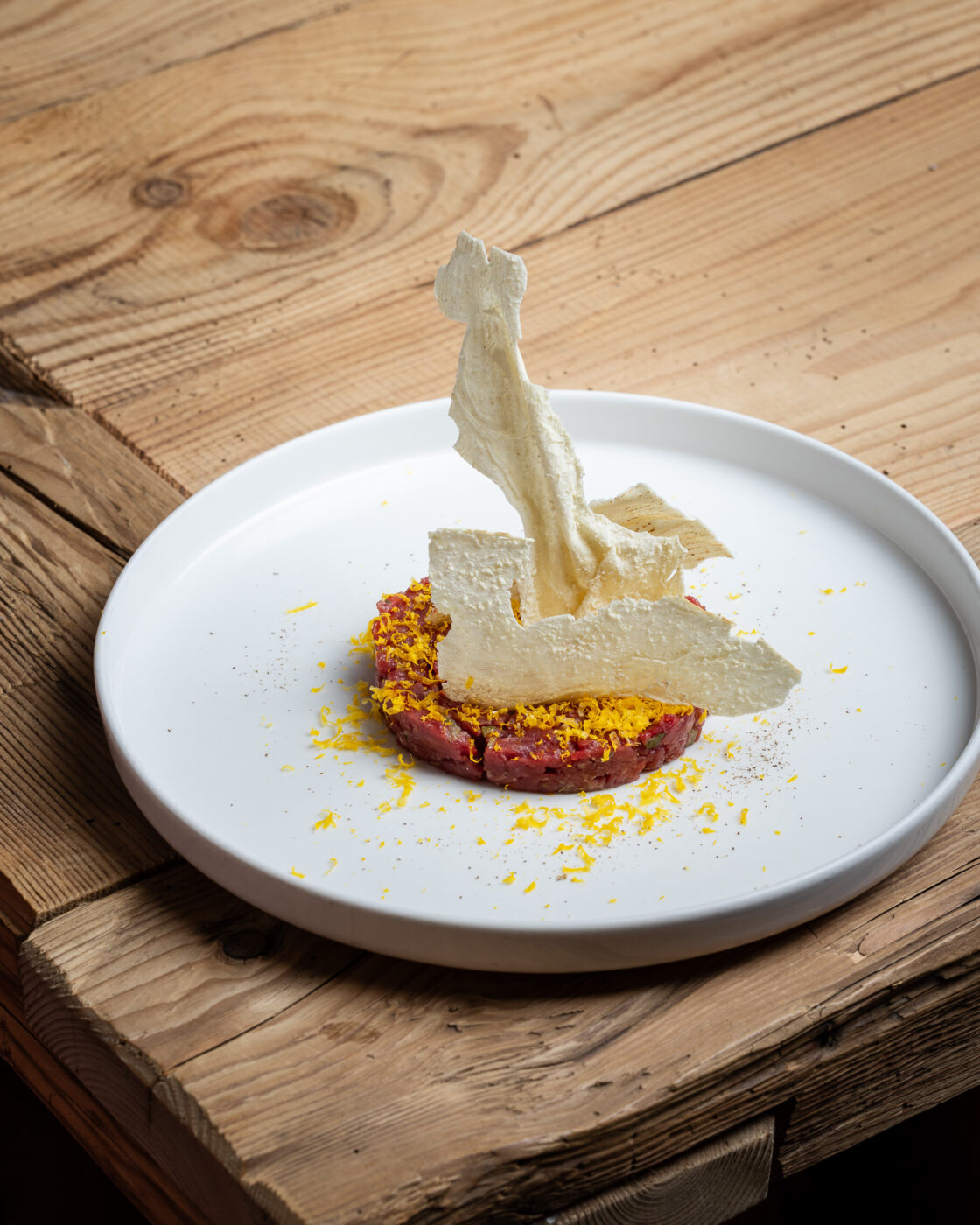
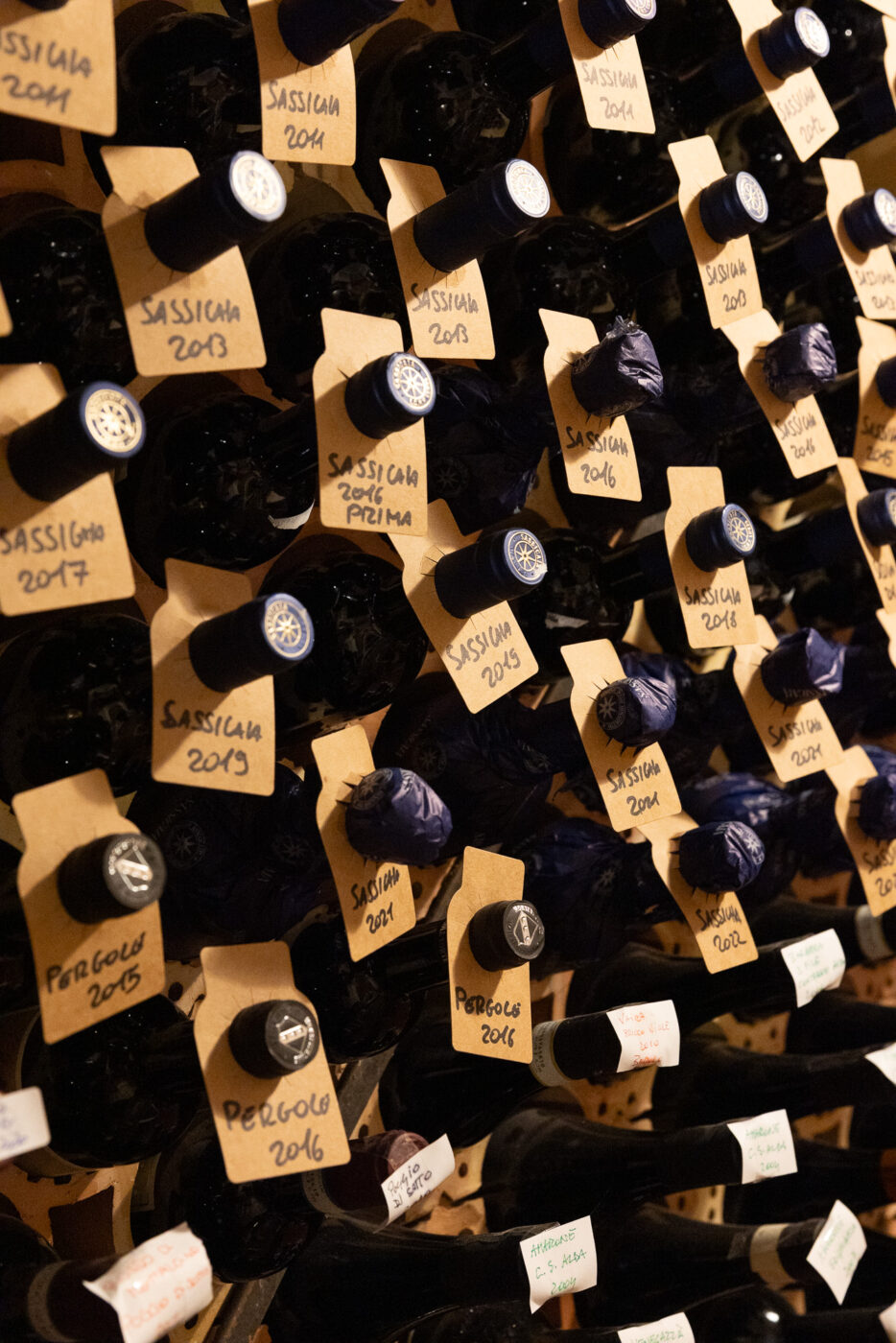
Enoteca Baita Farina – It follows that the enoteca of wine-focused restaurant Baita Farina has become somewhat of a cult-classic in town, with more than 500 labels from Italy and beyond paired with rotating small bites by Chef Alessandro Menardi—think cheese plates and tartare. In summer, the broad terrace is lovely, though in winter, be warned—it gets quite crowded, as half the valley comes to enjoy a glass of wine every evening. Come for the cellar, stay to catch up with a childhood friend who’s also certainly spending their holidays skiing here.
Hacker Pschorr Haus – Cortina’s most unpretentious bar, and arguably the best. Beer is king, the panini are generous and named after local mountains, and, surprisingly, the chicken wings never disappoint. It’s the place to stop in for a casual bite after skiing or a chill aperitivo.
Enoteca Cortina – This historic wine bar, right under the city’s main bell tower, is one of the best for aperitivo before dinner. They have a selection of wines from Italy and internationally, curated by sommelier and manager Kristian Casanova, plus a tight menu.
Bar Sport – Located in the heart of town, this bar, adorned with mountain sporting gear, has a vibe that changes during the season. During peak times—Christmas, New Year’s, or Settimana Bianca—it’s like Cortina’s cafeteria, and everyone stops by even if they don’t want a drink. But in the off-season, especially during the week, it’s a treasure: friendly, slightly tipsy Venetians and Austrians, a casual, relaxed vibe, and a true sense of Cortina life that you can’t get anywhere else.
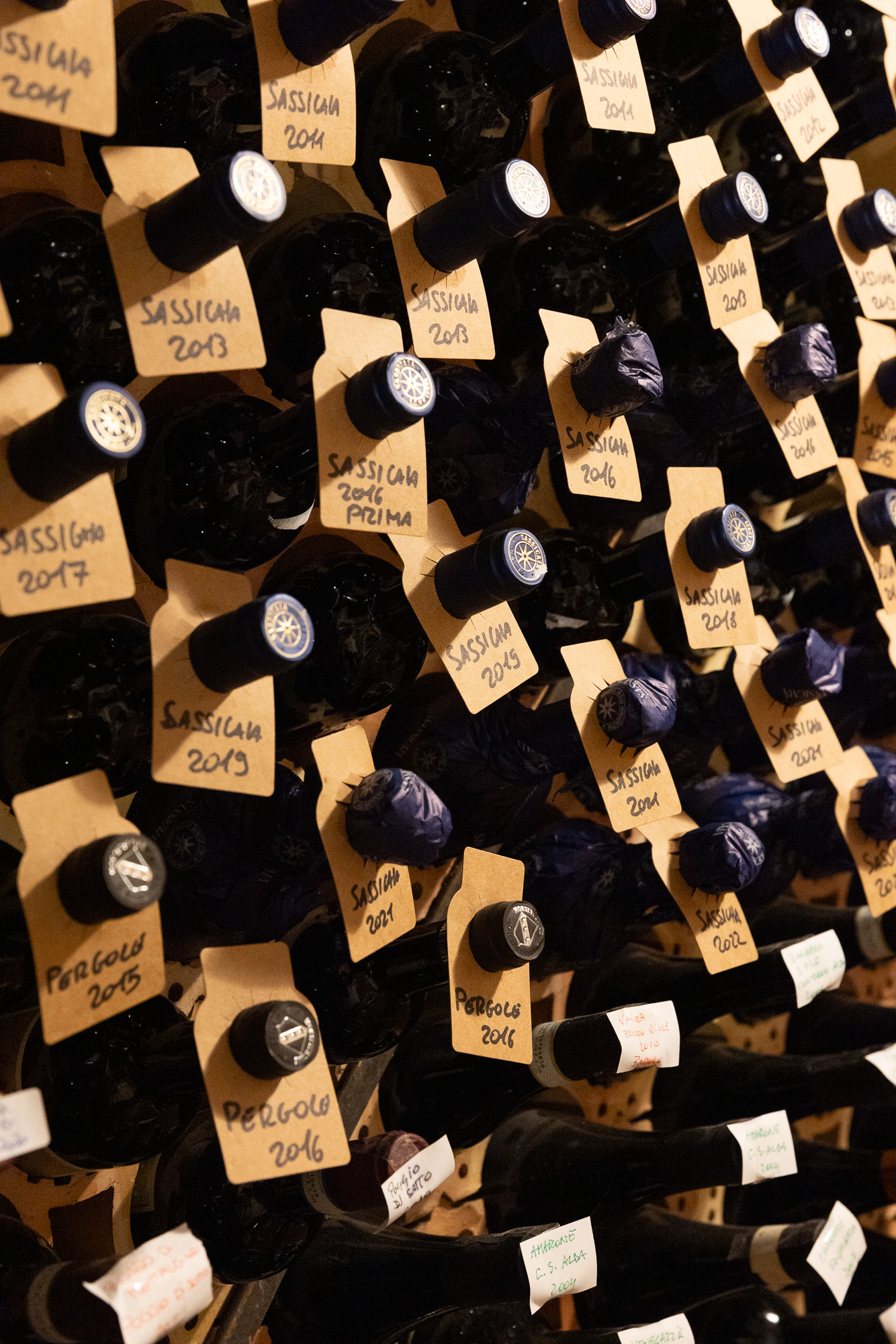
Courtesy of Enoteca Baita Fraina
WHERE TO SHOP IN CORTINA
Mauro Guerresco – Cowboy boots, bohemian clothes, and one-of-a-kind pieces of furniture. Dating back to 1945, this store is still the most mountain-meets-boho boutique in Cortina. Bianca, founder Mauro’s daughter, now runs the place, and makes it the sort of store you end up lingering longer than intended.
Libreria Sovilla – Opened by the Sovilla family, this bit of Cortina history has been around since the 1950s, eventually settling in its current space in 1971—a two-story bookshop specializing in art, mountain literature, and local history, with a rich section on the Dolomites’ wartime past. Come here for books, posters, and black-and-white photographs of Cortina and the Dolomites as they once were, plus for the pair of tiny black cats that often wander between the shelves.
Sottosopra – Dubbed “the bazaar of the Dolomites,” this shop has evolved since 1987 from typical alpine socks and accessories to a full-blown concept store for mountain-style living. Inside you’ll find everything from felt slippers and wool socks, hats, and scarves to rustic homeware: wooden decor, handmade pottery, ski-lift-embroidered cushions, vintage-style lamps, and quirky antiques. It has everything to turn your home into a chalet, even if the nearest peak is miles away.
La Cooperativa – The great department store of the Dolomites, spread over six floors, that gathers just about everything under one roof: clothes and ski gear, local specialties and food, home goods, souvenirs, gifts, toys, and more. It’s a classic stop during a stroll down Corso Italia, a breath of fresh air amongst the luxury boutiques on the street, and filled with nostalgia for the many who’ve come to the city year after year.
Strazzacappa – A bit hidden and not very well-known, this vintage shop is a real gem where you can score some amazing deals. You’ll find a bit of everything here, but you’ll certainly have to dedicate some time to sifting through the piles. A member of our team scored a gorgeous green Loden coat for just €100. Patience pays.
Marinotti – A Cortina classic for elegant mountain dressing. With two locations on Corso Italia, this boutique offers a wide, curated mix: clothing, shoes, accessories, wellness and home items—even unconventional wedding outfits and lifestyle pieces. Chances are, come winter, most of the town is wearing at least one piece from here.
Pian da Lago Market (Tuesdays & Fridays) – This market is a bi-weekly ritual for locals, who come for local cheese and milk, fresh-cut flowers, Ampezzani dresses and corsets, handmade wooden furniture, and the kind of regional odds and ends. Go early; the local stall owners are chatty and generous.
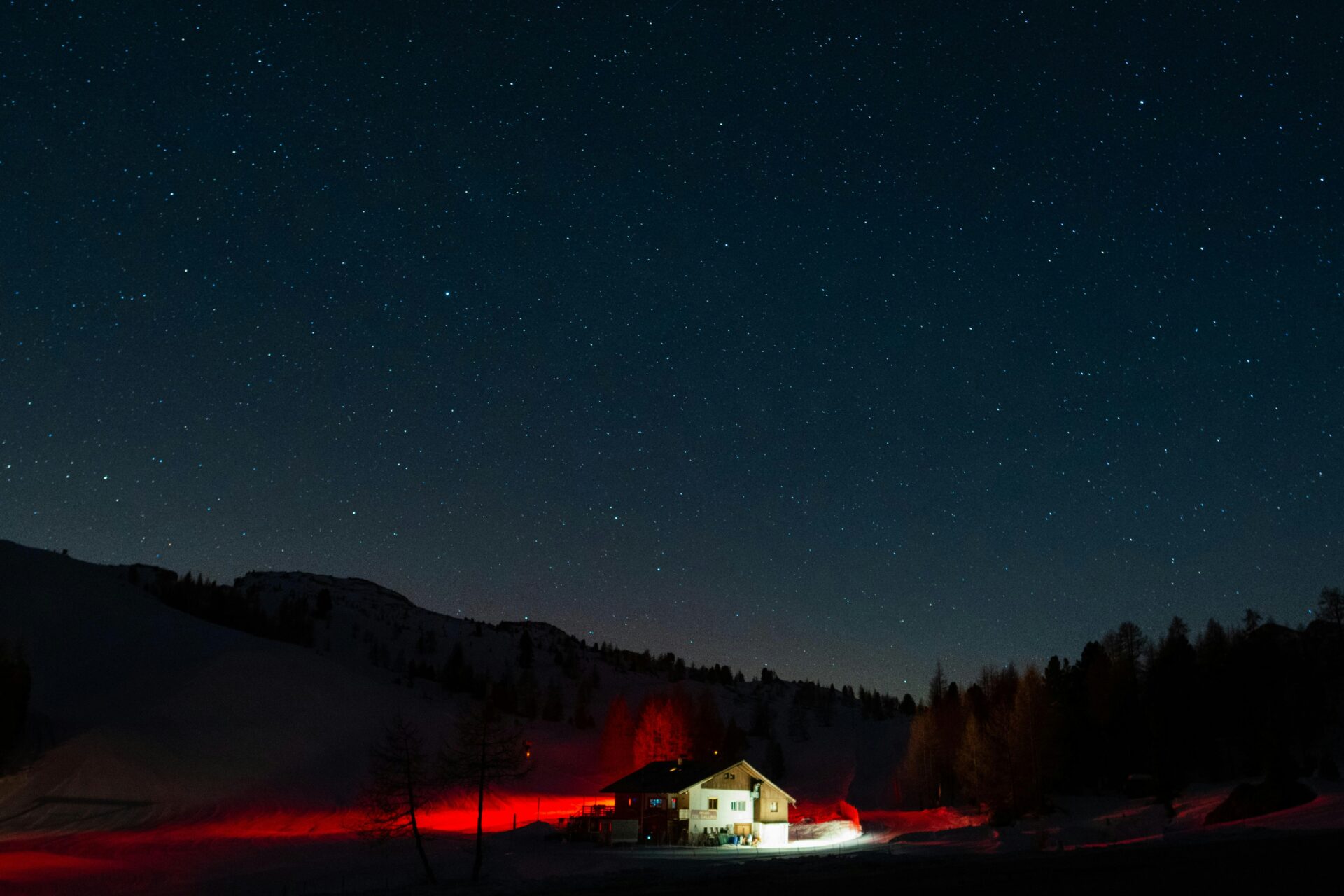
Lagazuoi Mountain
WHAT TO DO IN CORTINA
Ski – Part of the Dolomiti Superski network, Cortina offers a whopping 120 km of slopes across Tofane, Faloria‑Cristallo, and Lagazuoi‑Cinque Torri. Tofane is the adrenaline hub with long reds and challenging blacks, Faloria‑Cristallo is perfect for beginners and scenic runs right from town, and Lagazuoi‑Cinque Torri offers less-trafficked and more rugged trails. There are also snow parks and family-friendly slopes around Faloria/Socrepes. The season runs from mid‑November to late April, which also brings snowboarding, snowshoeing, and sledding.
Hike/Climb/Bike – When the snow melts, the Dolomites transform into a playground of hiking, climbing, and biking. Trails range from gentle valley walks to high‑alpine treks like the Cinque Torri or Tofane routes, while via ferratas offer incredibly challenging climbing with epic views. Mountain bike trails and e-bike routes crisscross the valleys, and nearby lakes like Misurina and Federa are perfect for picnics and paddling. Late June through September is the peak time in terms of weather and scenery for these kinds of activities.
Watch an ice hockey game – Head to the Stadio Olimpico del Ghiaccio for a glimpse into a side of Cortina that feels worlds away from city life. Games here are lively, loud, and just the right amount of chaotic, and tickets usually hover around €100. When the home team—Hafro Hockey Cortina—scores, the whole arena erupts with the sound of cheering and feet stomping on the metal stands.
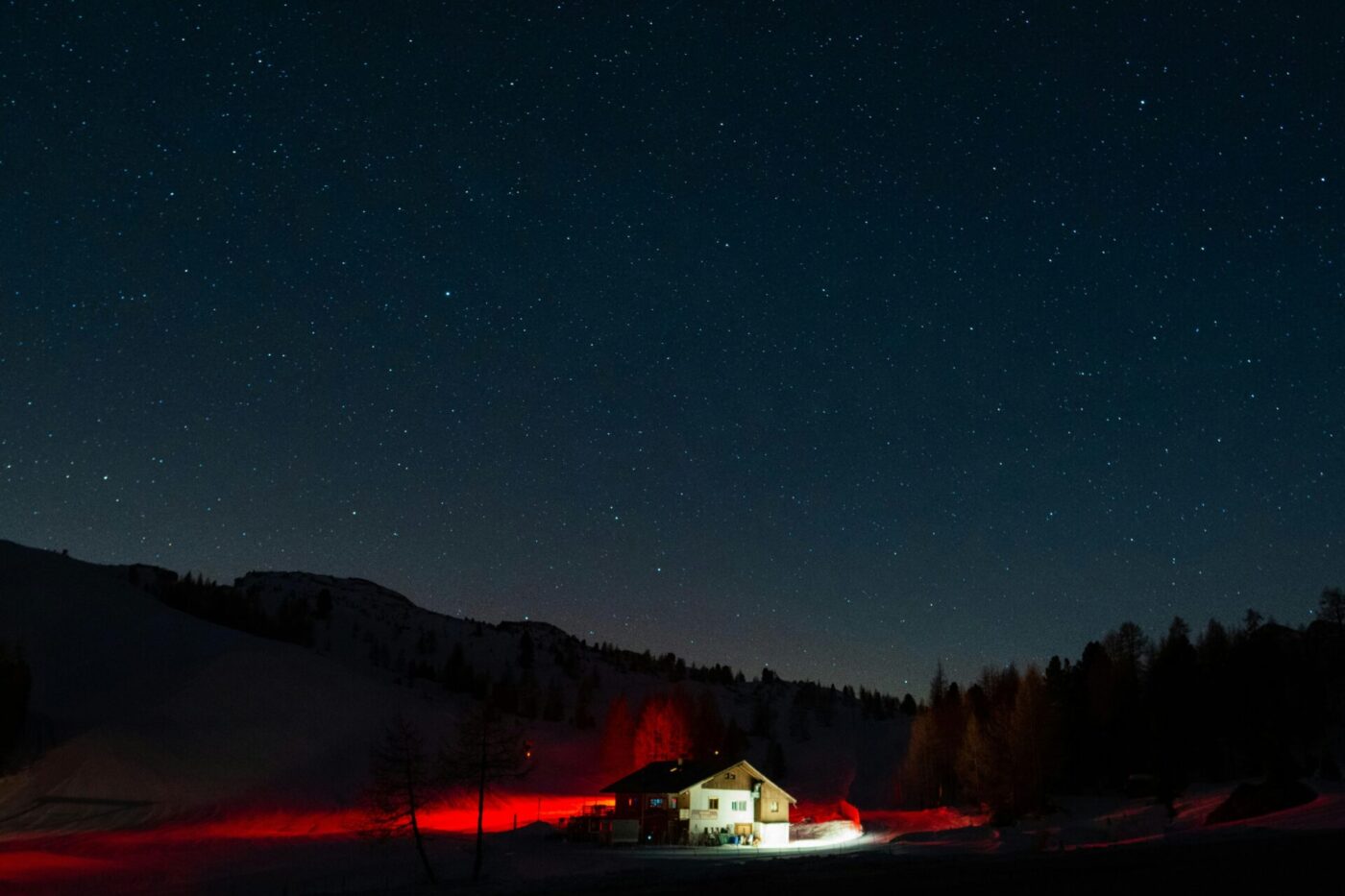
Take a snowmobile to dinner – Come wintertime, one of the best activities in the area is dinner at a rifugio reachable only by snowmobile or snowcat (though this activity isn’t for the faint of heart or height averse). One of our favorites is Rifugio Averau (2,400 m), which requires first taking the ski lift and then the snowmobile through the quiet, moonlit slopes. At the top, the wood-paneled dining room serves some of the best cuisine in the Dolomites, from homemade pastas to refined mountain dishes, all perfectly paired with local wines.
Another favorite is Malga Federa, to which you can take the snowcat up for a hearty, delicious, and fairly priced traditional Tyrolean-style mountain meal. If you’re really up for the adventure, don’t take the snowmobile down—instead, grab a sled and headlamp (it’s more fun at night), and race your friends all the way back down. Highly recommended: sporty, waterproof clothing.
WHERE TO STAY IN (AND AROUND) CORTINA
Ancora Cortina – A rare option right in the heart of Cortina on Corso Italia, this historic hotel dates back to 1826. The 35 rooms and suites have recently been redesigned by Vicky Charles, blending the classic alpine character of the city with modern comforts and upscale charm. The hotel also offers a multi-level spa, gym, restaurant with terrace, bar, yoga area, and the phone-free Brave Club for cocktails and music, with a central location to easily reach the town, lifts, and après-ski life.
Ristorante Rifugio Ospitale – For a stay removed from both the bustle of the slopes and the glitz of the city center, look no further than this historic mountain inn along the SS51 between Cortina d’Ampezzo and Dobbiaco. Originally built in the 11th century, it began as a herdsman’s hut before becoming a stopping point for pilgrims and travelers crossing the Dolomites. Despite wars and harsh alpine weather, it has welcomed guests for over 800 years, even serving as a field hospital during World War I. Today, the rifugio pairs traditional, homemade cuisine with seven cozy, surprisingly affordable rooms, recently renovated in a warm, classic mountain style.
Hotel Cristallo – A landmark luxury retreat to the southeast of Cortina, this five-star resort is full Belle Époque grandeur across 74 elegantly furnished rooms and suites, many with panoramic mountain views. Its standout Cristallo Ultimate Spa features a spectacular indoor pool overlooking the mountains, hammam, sauna and personalized treatments—ideal after skiing or summer hikes. Multiple restaurants and bars serve everything from refined Italian cuisine to relaxed après-ski drinks, and their shuttle allows easy access to the town and ski lifts. Temporarily closed for renovations.
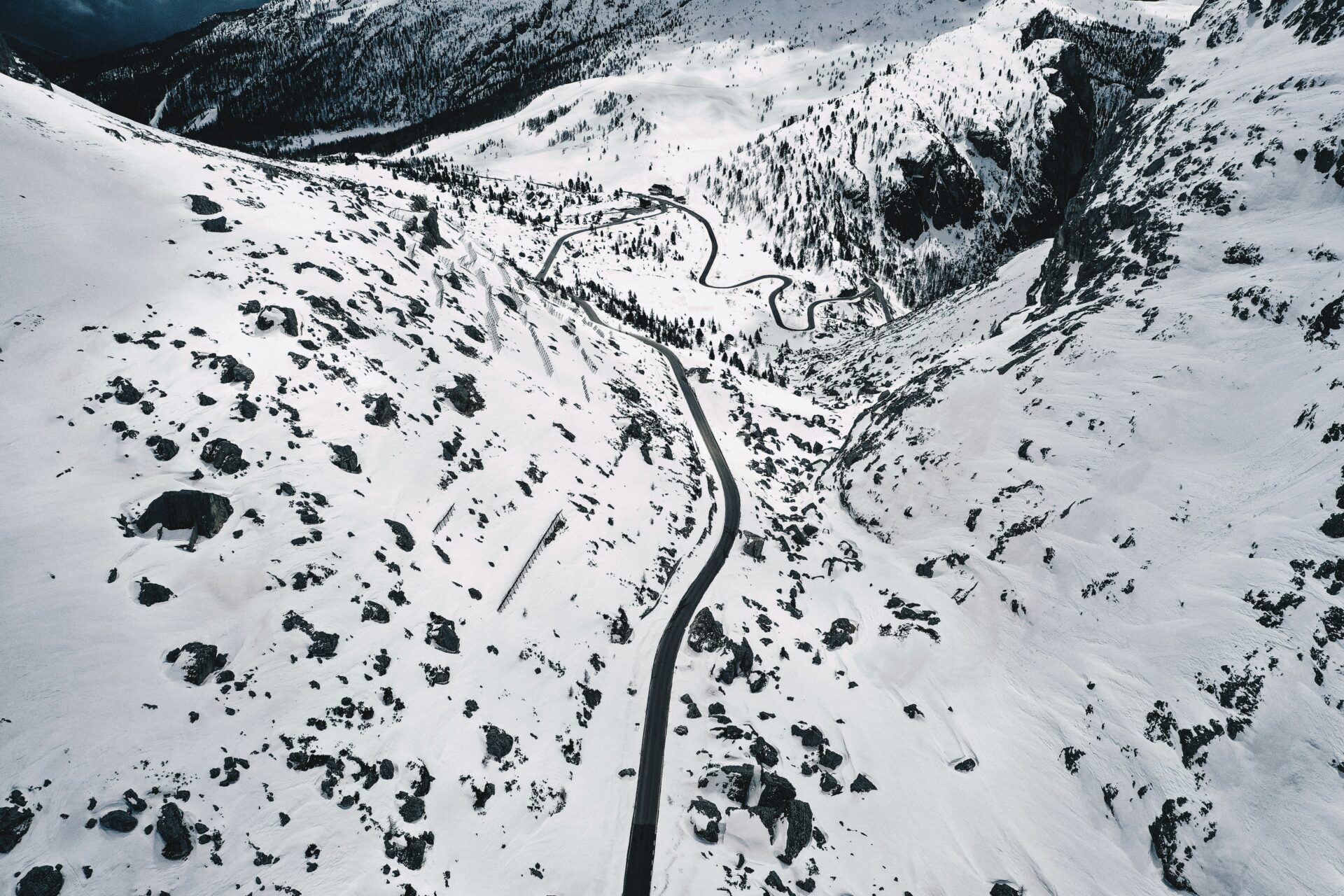
A GUIDE TO CORTINA’S SKI SLOPES
MONTE FALORIA/CRISTALLO
Ski Area: Faloria / Cristallo
Best Slope: Canalone Franchetti
This 1-km-long black slope has a 51.3% gradient and 339 m of descent. It starts out wide and expansive at the summit of Faloria before quickly turning to the right with a steep incline through a cliff-lined corridor—hence the title “Canalone”, meaning “gully”. The run is named after Baron Franchetti, a key figure in developing Cortina’s infrastructure in the early 1900s, including the first cable car and ski jump.
For a quick break on Mount Faloria: Pista Bar Pian de Bigontina/Da Charlie
Best place for a quick espresso (or a bombardino if that’s more of your thing) and bite in between ski runs. Carlo, a born and bred Ampezzano, and his Chilean wife Jasmine have the best panini in the valley; get the panini alla salsiccia and the puccia.
For lunch on Mount Faloria: Rifugio Tondi
Skip the crowds at Rifugio Faloria and head to the top of the mountain for one of the best views of Cortina from above. Order the piatto dello sciatore (skier’s plate), sunnyside-up eggs with potatoes and speck, and take it all in.
For lunch on Mount Cristallo: Rifugio Son Forca
Ideal for a sunny break thanks to the wind-protected terrace. Tagliatelle ai funghi is the best dish, though the real charm are the walls lined with thousands of photos of World Cup alpine skier Alberto Tomba, who trained on the nearby slopes.
MONTE TOFANA
Ski Area: Tofane
Best Slope: Forcella Rossa
This ski area gets crowded with a capital C during peak season, largely because Forcella Rossa has achieved cult status—and for good reason. With a whopping 72% maximum steepness, total 646 m in descent, and three difficult walls, this slope is one of the most difficult in Cortina. At 2.1 km long, it offers one of the most expansive views of the entire Ampezzo valley. If you also fall in love with the run, head to Rifugio Druscié for their challenge: ski the slope at least 100 times in a season to join the coveted ranks of the All Blacks or I Virtuosi della Forcella. The current record? 714 runs in a single season. Make sure your skis and bindings are in order.
For a quick break: Rifugio Capanna Ra Valles
On one side, it overlooks the entire Ampezzo valley, and on the other, the Tofana di Mezzo and the Ra Valles ski slopes. Maybe this is a hot take, but we think this is the best high-altitude espresso in Cortina—and the view certainly helps. You’ll need the caffeine before taking on the Forcella.
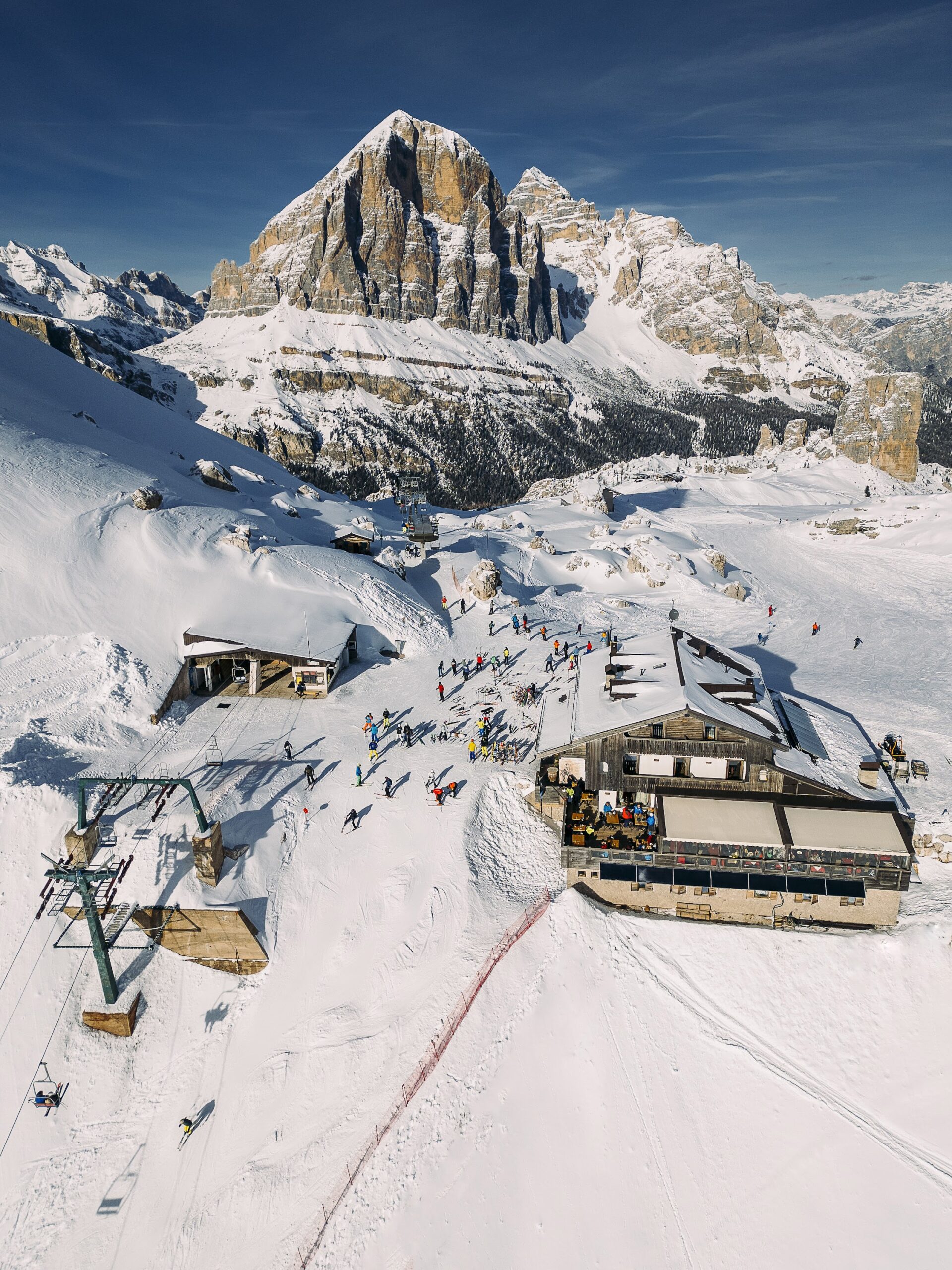
Courtesy of Rifugio Averau
CINQUE TORRI
Ski Area: 5 Torri Giau
Best Slope: Lino Lacedelli
This 1,245-m-long slope, with a total vertical drop of 282 m and max steepness of 57%, is dedicated to the local great mountaineer Lino Lacedelli, who was the first person (together with his climbing partner, Achille Compagnoni) to summit K2, the second tallest mountain in the world; he remains among the some-800 people in the world to do so. The only public Italian slope designed for competition training, this run is a variant built specifically for qualification courses in major events and will be featured in the 2026 Winter Olympics.
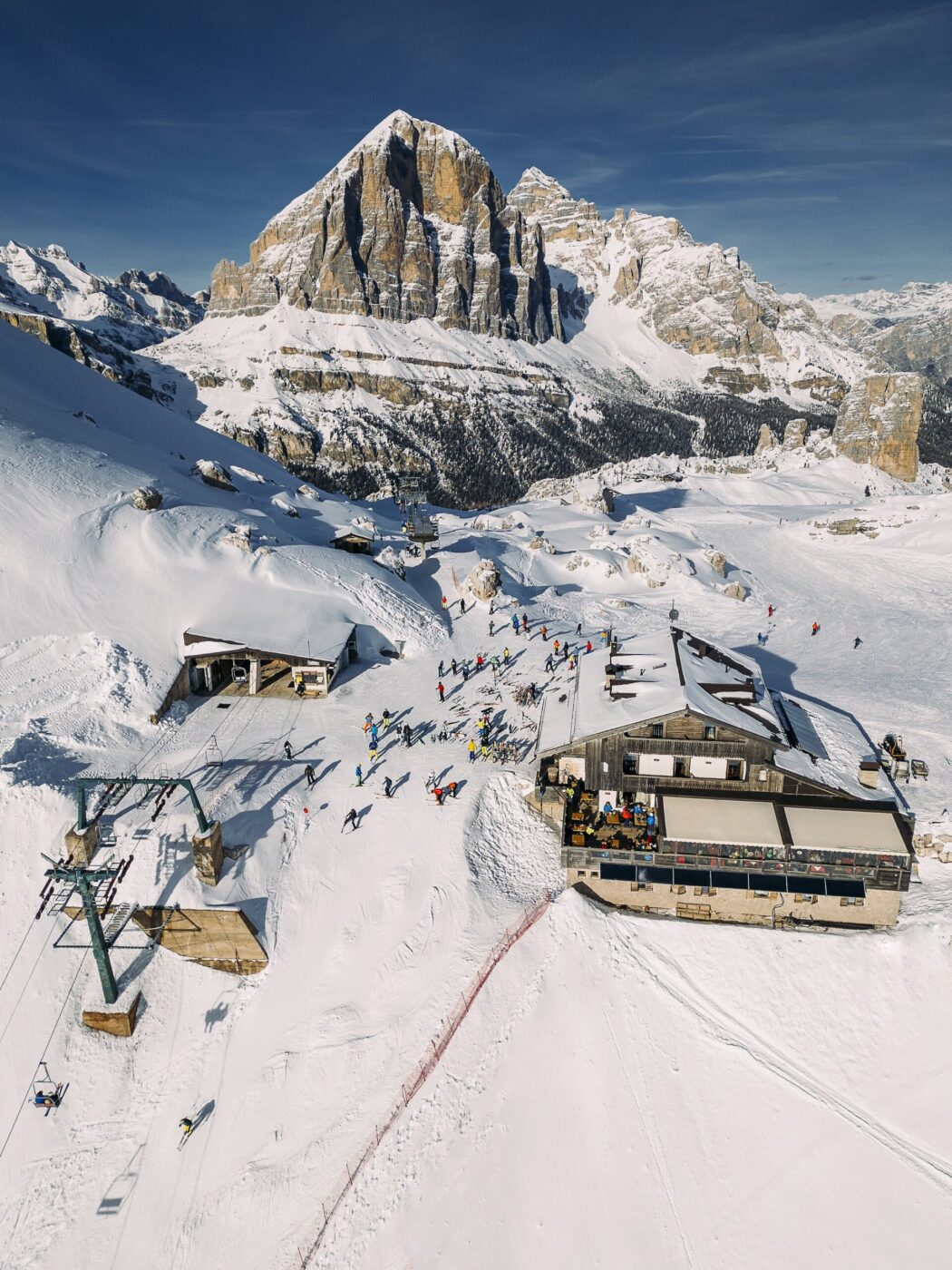
For a quick break and/or lunch: Rifugio Averau
You can stop in here anytime of the day for a coffee and bite to eat, and you can even stay the night. Don’t miss their porcini fritti, which deserve a place in heaven, and any of the soulful primi. During Christmas, they serve an unbelievable panettone with pistachio cream.
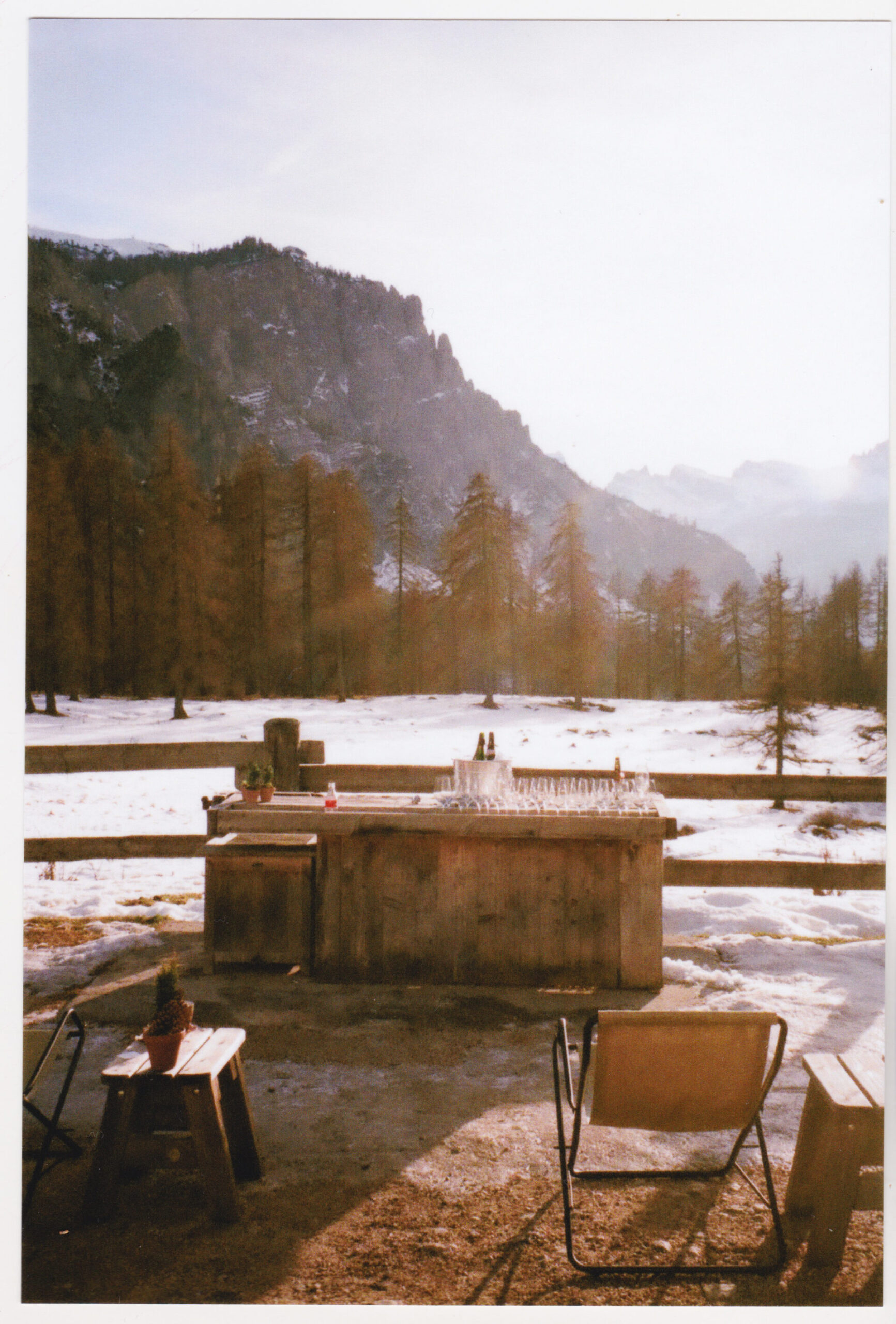
Photo by Luisa Pagani
MISURINA
Ski Area: Misurina
Best Slope: La Pala
This black slope is only 500 m long, but with a 55% gradient and narrow width, it’s ideal for expert skiers. It carves through the forest and boasts spectacular views of Misurina and the surrounding Dolomites as you descend 175 m in altitude.
For lunch: Malga Misurina
The best option after a (less-crowded) day of skiing. The farmhouse produces their own cheese, served alongside warming alpine dishes in their wood-paneled dining room. Don’t skip the desserts, from apple strudel to Kaiserschmarrn. In the evening, you can book a small hut for up to 30 friends and dance until the grappa catches up with you.
For dinner: Malga Rin Bianco
The place to be on a snowy night. Book your table in the library for the coziest date-night vibes, and expect expert versions of classic dishes like deer tartare, gnocchi with pine, and lamb with polenta. In winter, the restaurant will pick you up and take you there in a tiny army tank—an experience in and of itself.