“Incapriato: the peculiar condition of becoming hopelessly addicted to the island.”
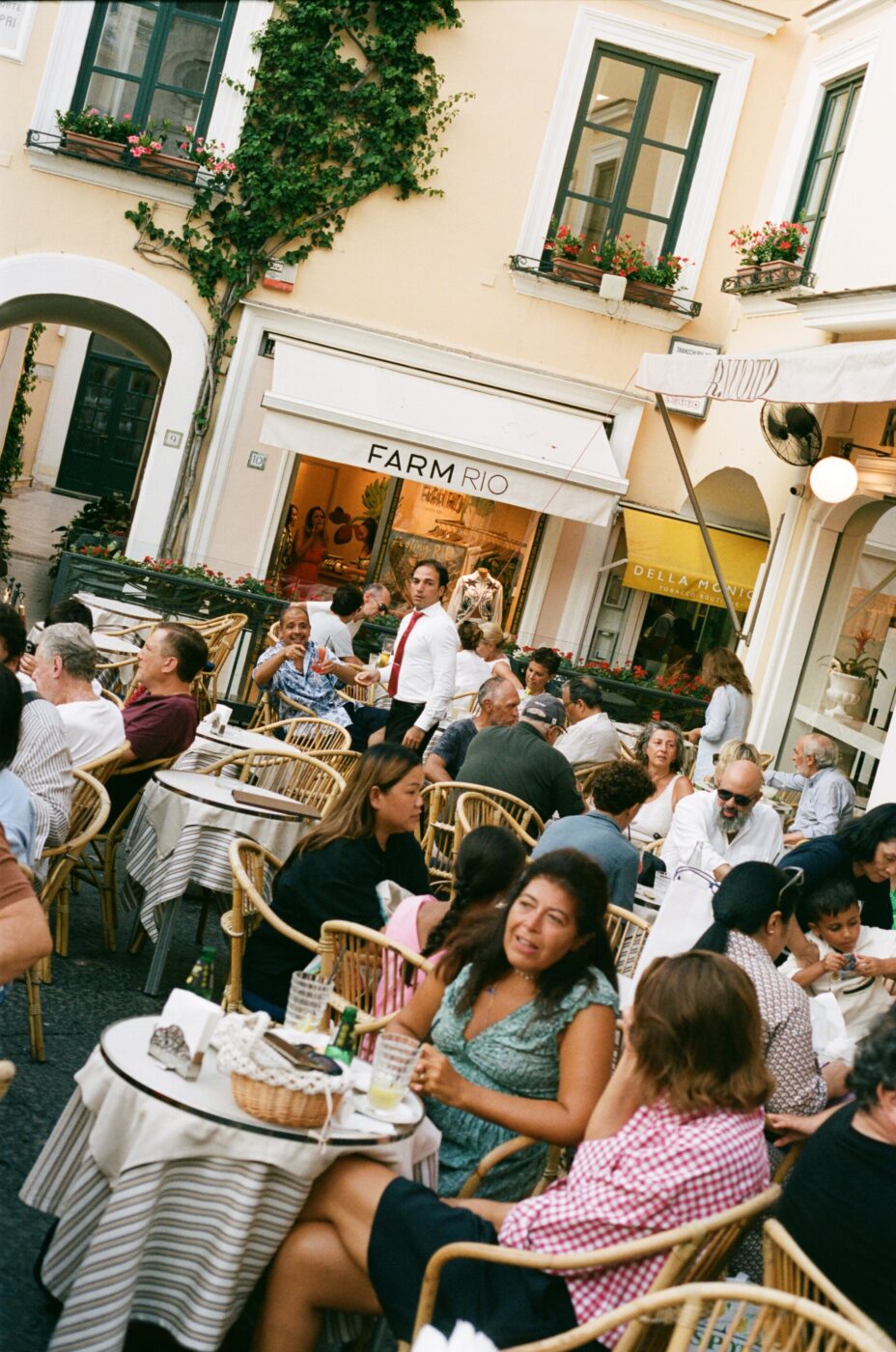
Few places in the world have been as successful at selling an idea of themselves as Capri. Here, almost everything carries the island’s name: Capri sandals, Capri pants, Caprese salad, Caprese cake. Sometimes kitsch and sometimes timeless, it is all part of a myth more than a century in the making as writers, aristocrats, and eccentrics such as Axel Munthe, Luisa Casati Stampa, Jacques d’Adelswärd-Fersen, and the Walcott sisters helped turn Capri into the final great stop of the Grand Tour-era. Then came World War II, La Dolce Vita, Pucci, and Hollywood, followed by mass tourism, which changed the island forever. And yet, every evening, something remarkable happens. As the last mordi e fuggi day-trippers board the ferries back to Naples and Sorrento, another Capri reappears as regulars reclaim their tables in the piazzetta.
Stendhal wrote that beauty is a promise of happiness. In Capri, beauty is happiness: a lightness that is not frivolity, but the ability to make beauty part of everyday life—and everyday life beautiful—as Renato Esposito writes in Capritudine. Here he coined the word incapriato: “the peculiar condition of becoming hopelessly addicted to the island.” After years of having Capri as my second home, I can finally admit that I am, too. This guide is therefore about the Capri that still exists beneath the myth. Its nature, culture, family-run boutiques, beaches, bars, and rituals, spread across the island’s two towns, each with its own distinct character: Capri, the heart of the jet set, and Anacapri, set higher up on the mountain, slower-paced and, at times, still completely genuine.
Where to Swim in Capri
Il Faro (Anacapri) — For the island’s best swimming spot and an excellent seafood lunch, head to Il Faro. Entry to Lido del Faro includes a sunbed and restaurant credit, making it unusually good value for Capri. With its sea breeze, natural rock pool, and spectacular sunsets, it’s the island’s best place to spend the day. For something more informal, sit on the rocks and stop at Da Antonio for lunch or a beer. On Sundays, a sunset DJ set draws locals from across the island, continuing until the majestic Punta Carena lighthouse switches on.
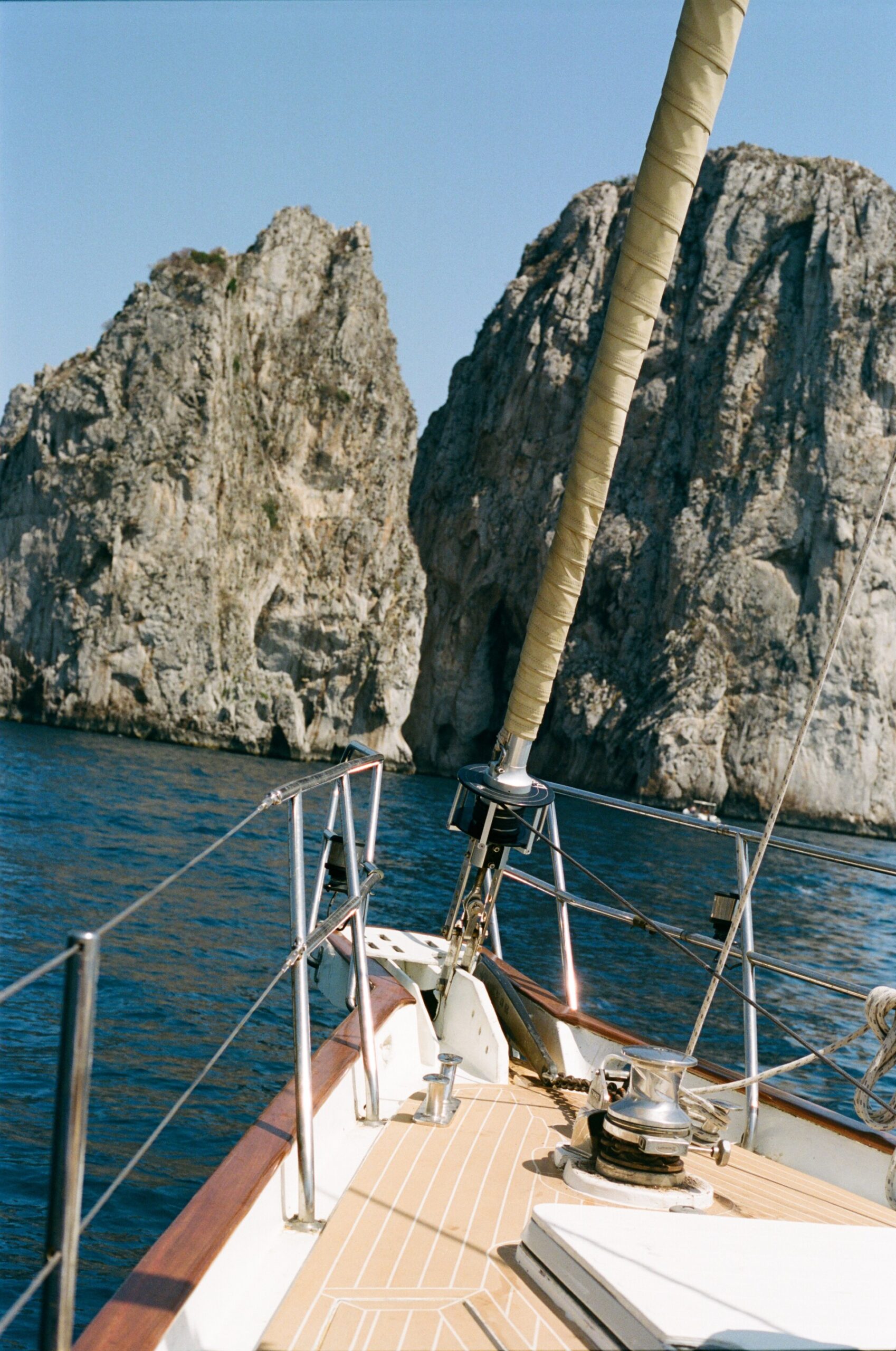
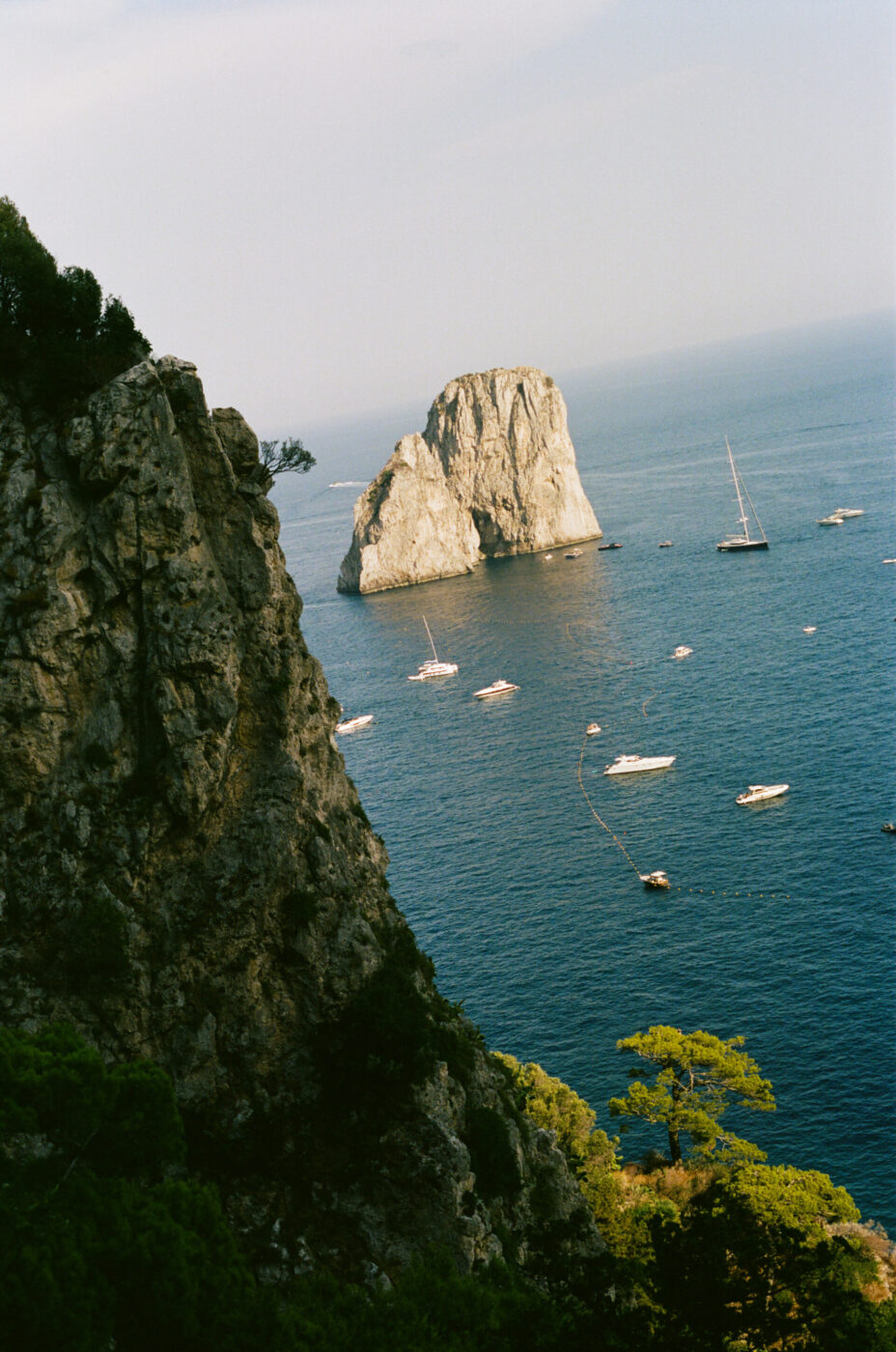
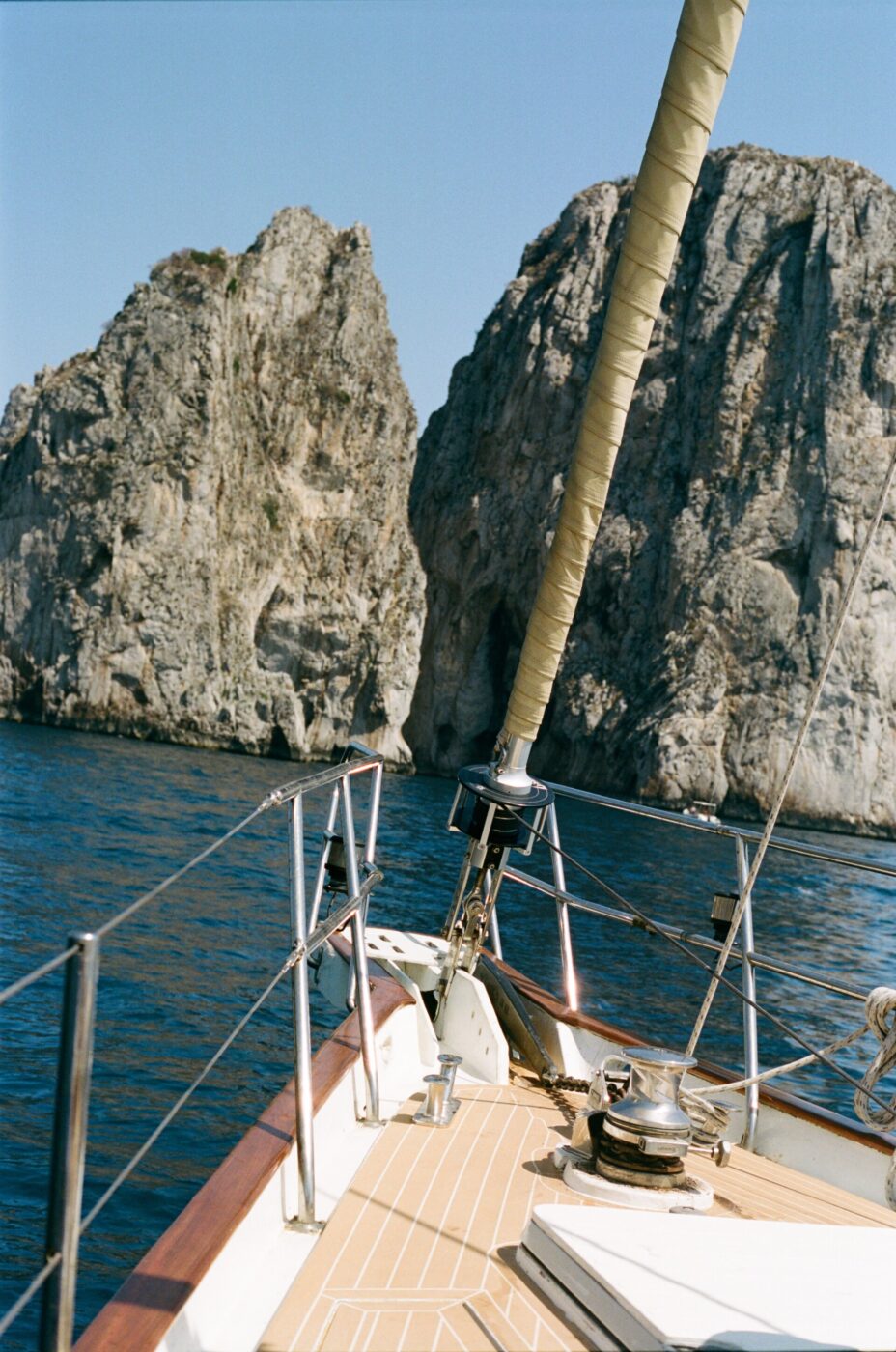
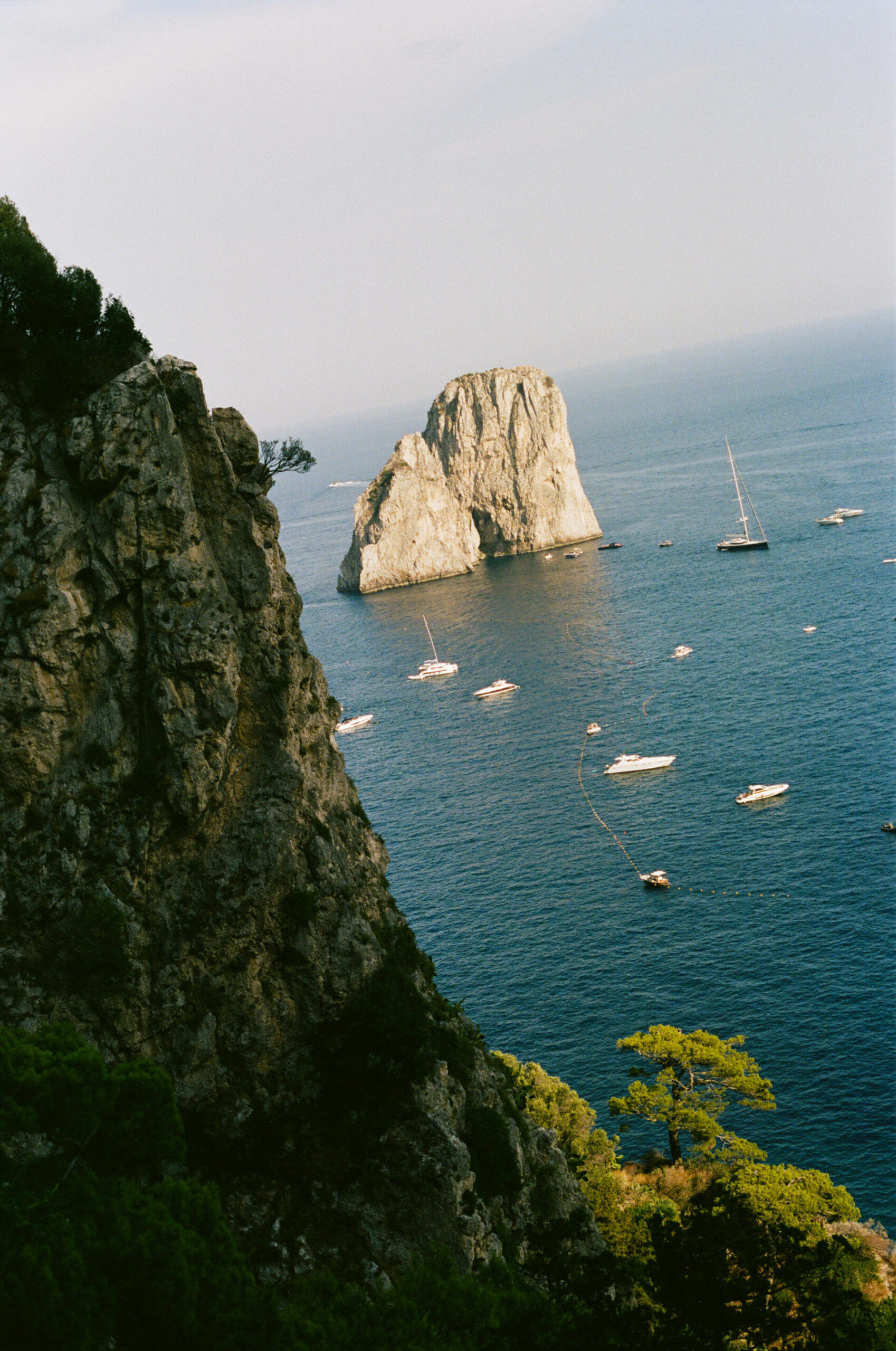
La Fontelina (Capri) — La Fontelina might be Capri’s most photographed beach club, with its blue-and-white umbrellas and front-row view of the Faraglioni. In high season, however, the crowds, prices, and months-in-advance reservations can make it feel overwhelming. Go in May, early June, September, or October, when the atmosphere is calmer and you can understand why the place became iconic in the first place: long lunches by the sea, swimming beneath the rocks, and lounging on its signature white mattresses.
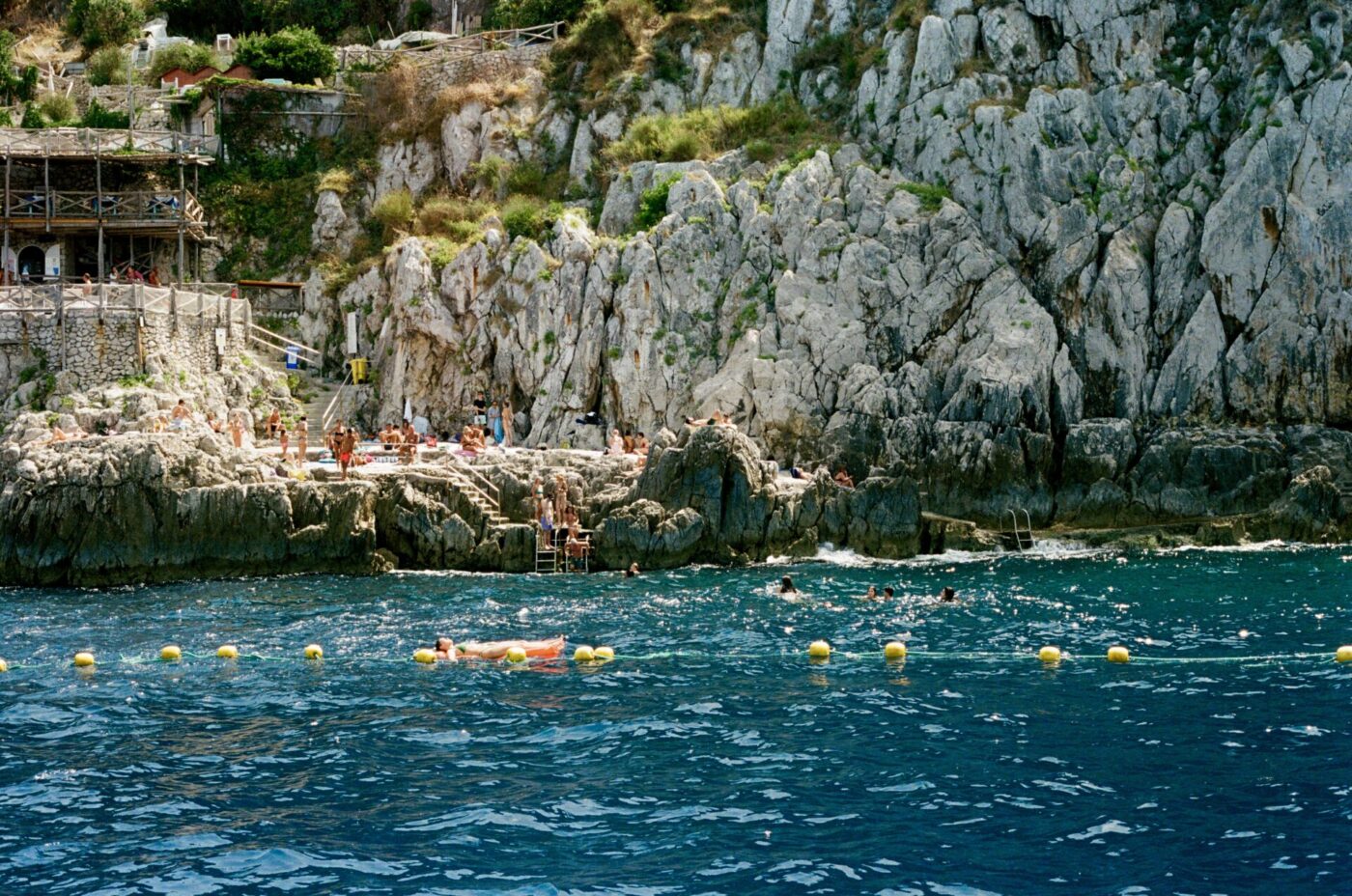
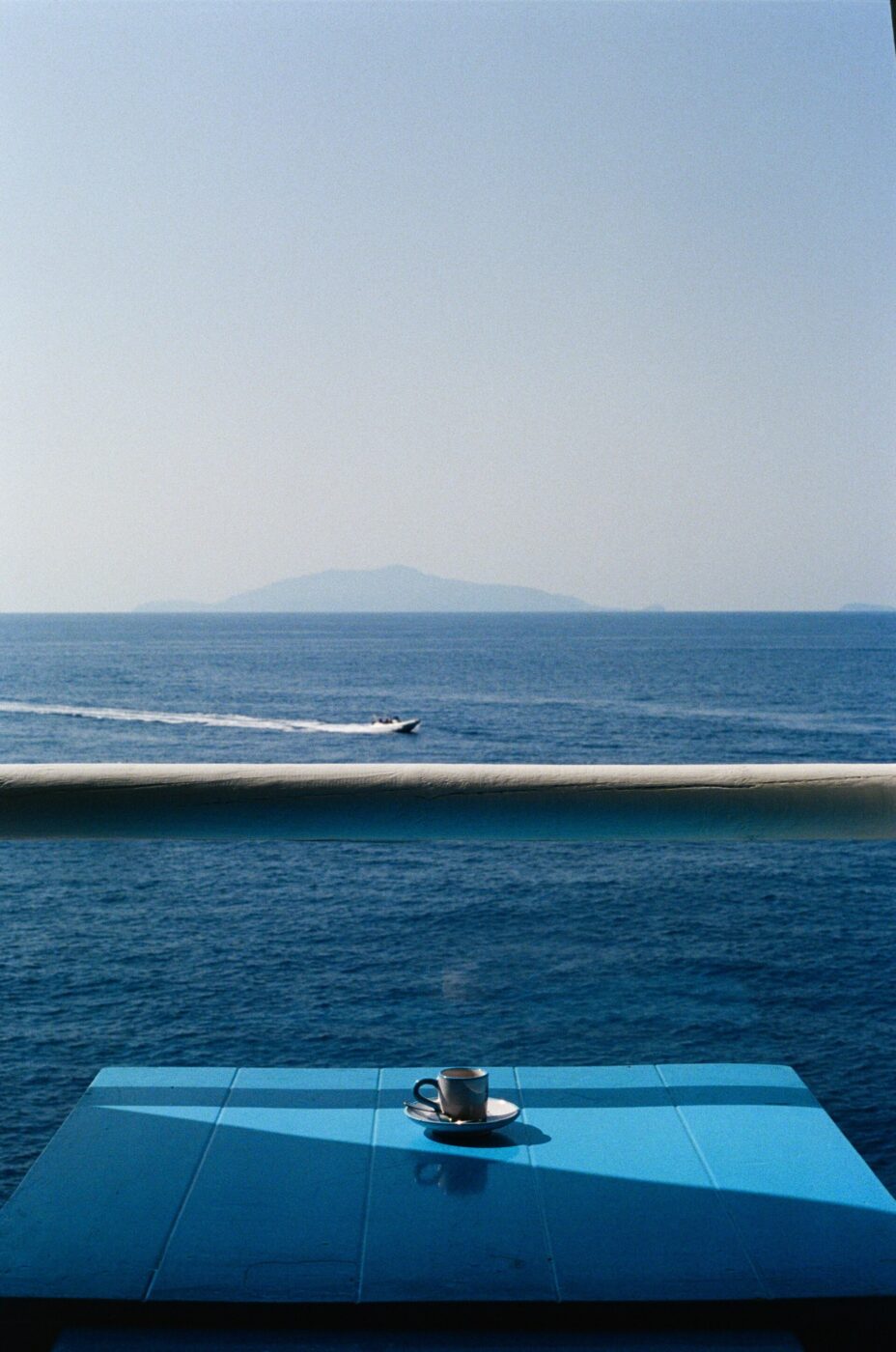
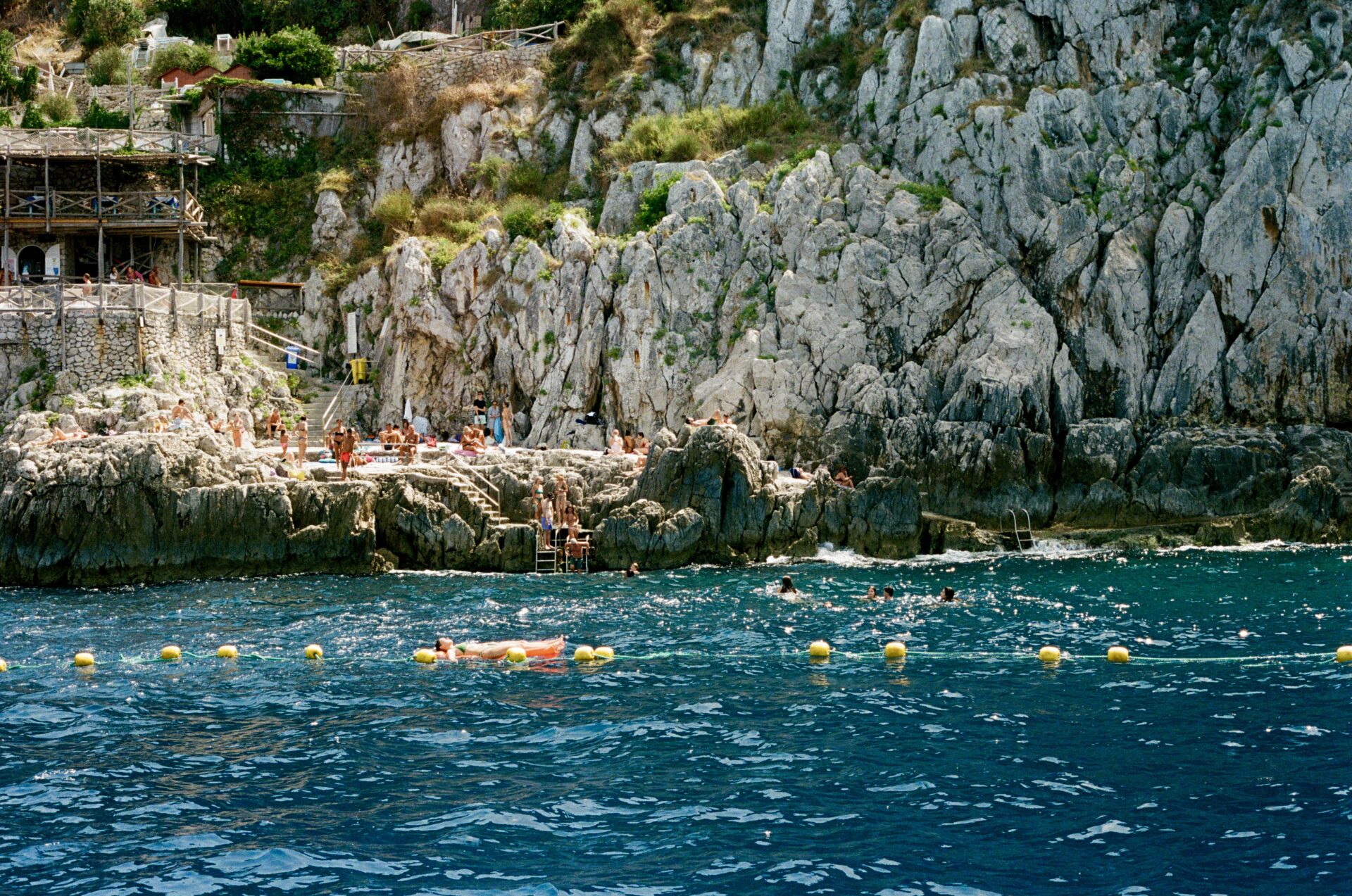
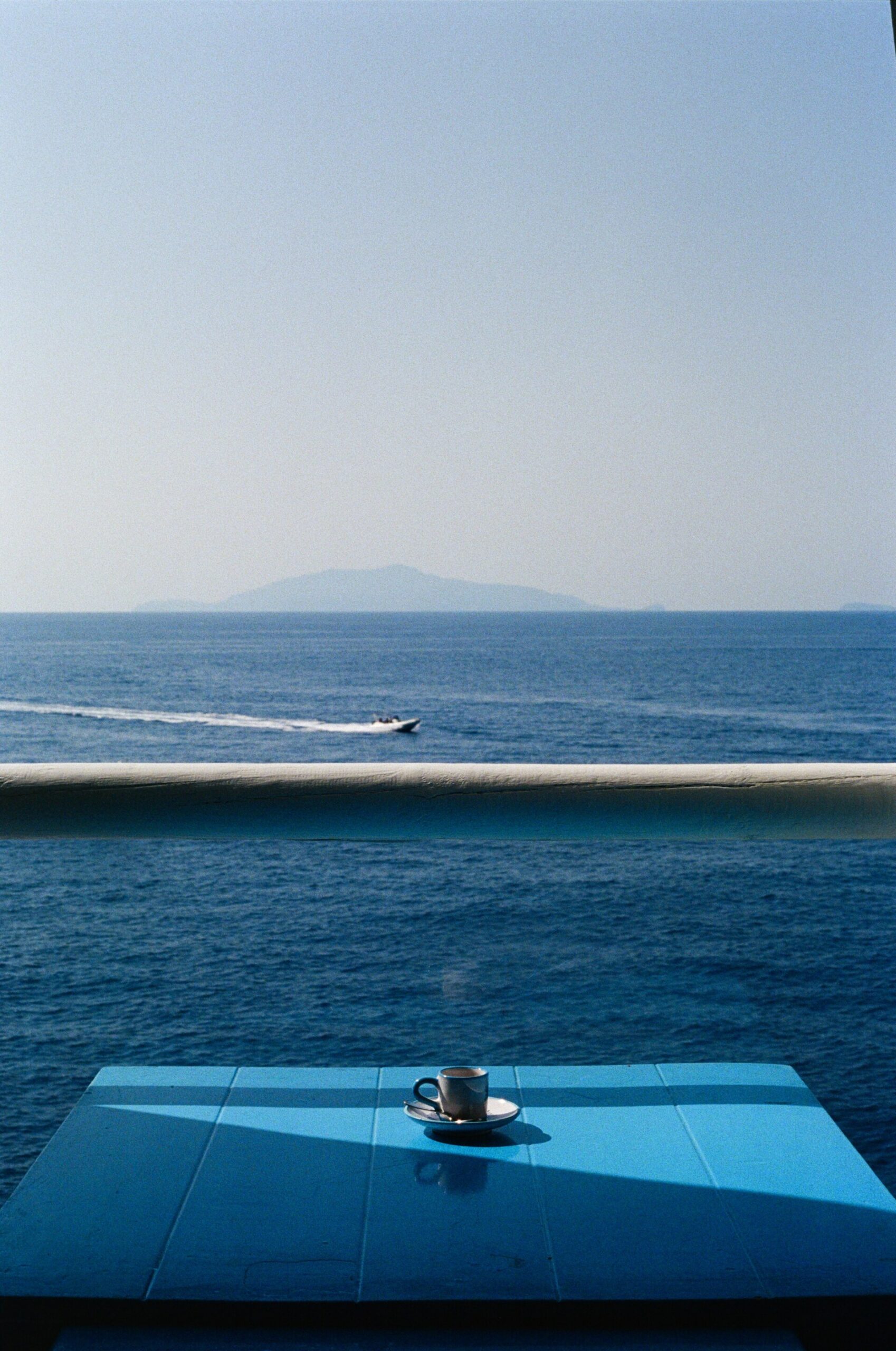
Gradola (Anacapri) — Locals choose Gradola for its free swimming spot and the beach club with the fairest prices on the island. Built into the rocky Anacapri coastline near the Blue Grotto, the bagno is refreshingly unpolished: a series of simple terraces descending towards the sea, with stone walls, rustic wooden pergolas, blue tables, and little more than a railing separating you from the water. At the bar, order the panino Gradola: a gloriously simple sandwich stuffed with a thick slice of parmigiana di melanzane. Gradola’s restaurant is equally charming and also open for dinner, now something of a rarity among Capri’s beach clubs, when the sun sets directly in front of you.
Gradola
La Canzone del Mare (Capri) — Before Capri became synonymous with the dolce vita, there was La Canzone del Mare. Opened in the years after WWII, it quickly became the island’s social stage, where Hollywood stars and Italian high society spent their summers. Jackie Kennedy, Brigitte Bardot, Sophia Loren, and countless others all passed through its terraces overlooking Marina Piccola. Today it remains one of the few places where you can still imagine that golden era.
Bagni di Tiberio (Capri) — Set beside the ruins of Palazzo a Mare, one of Emperor Tiberius’s ancient villas, Bagni di Tiberio has an old-world charm, with boats bobbing in the bay and tables just steps from the water; you can swim alongside Roman remains before settling in for lunch. Part of its appeal is the arrival: unless you walk down from Anacapri via the Phoenician Steps, the only way to reach it is by boat from Marina Grande.
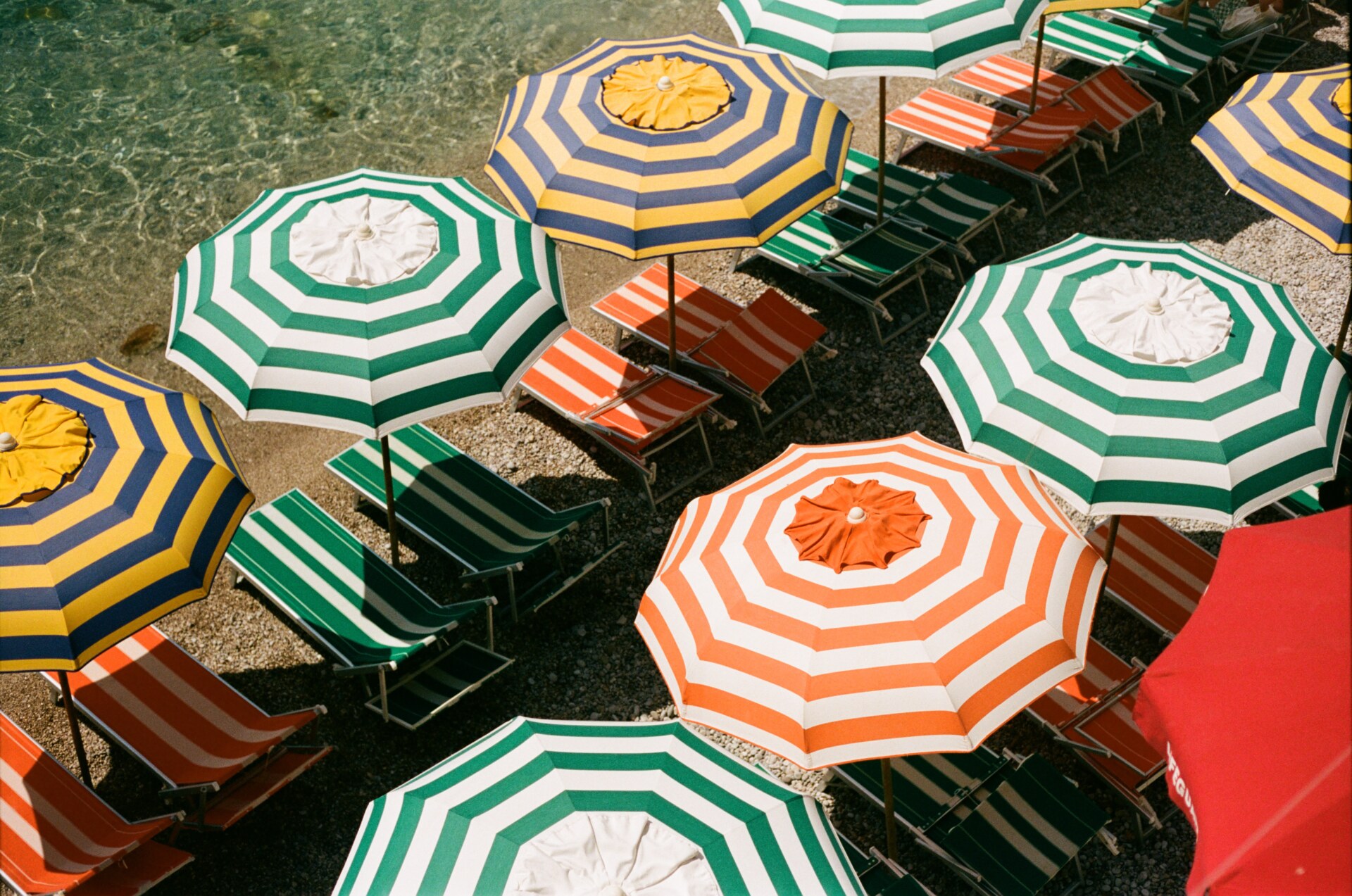
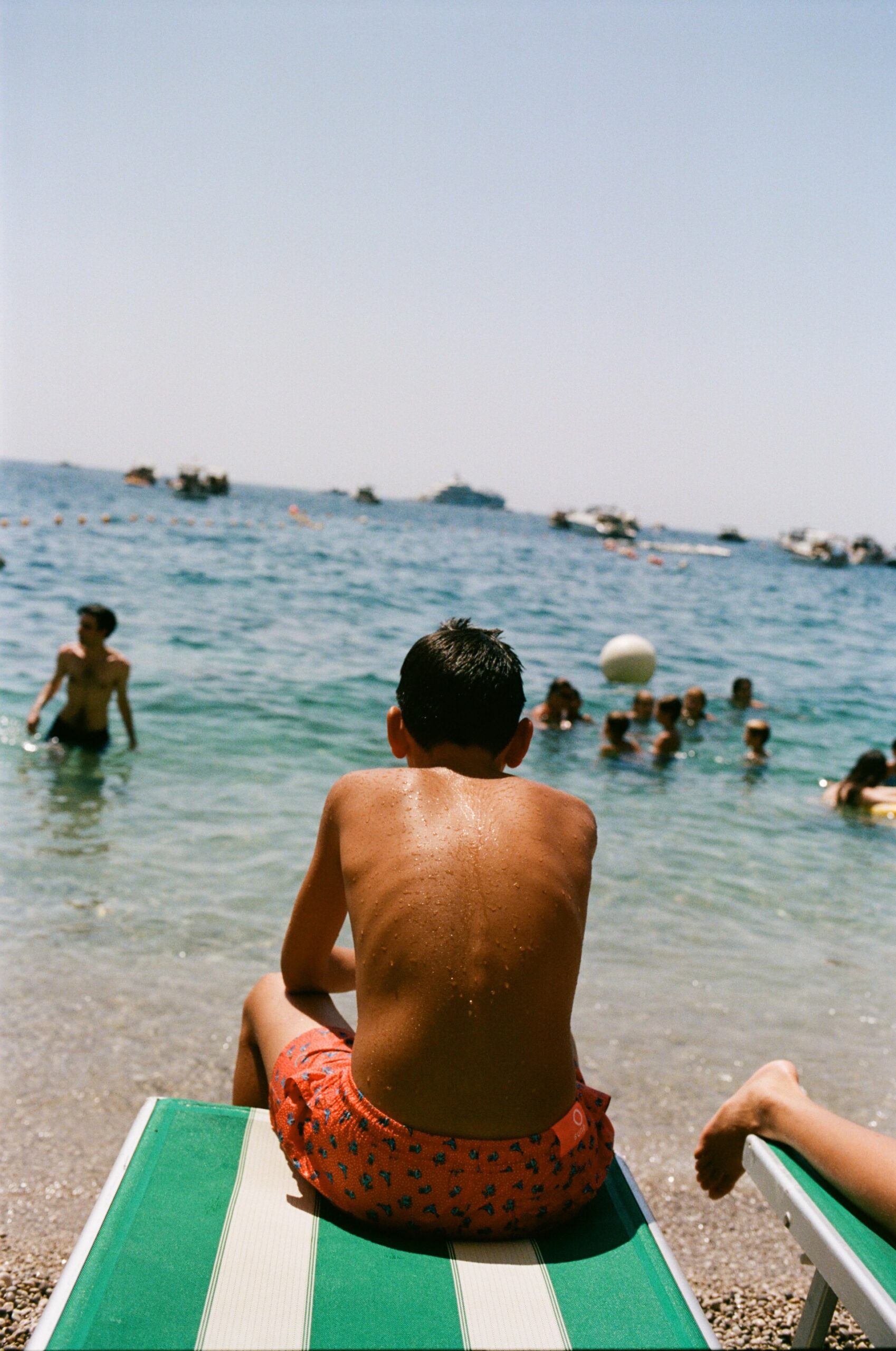
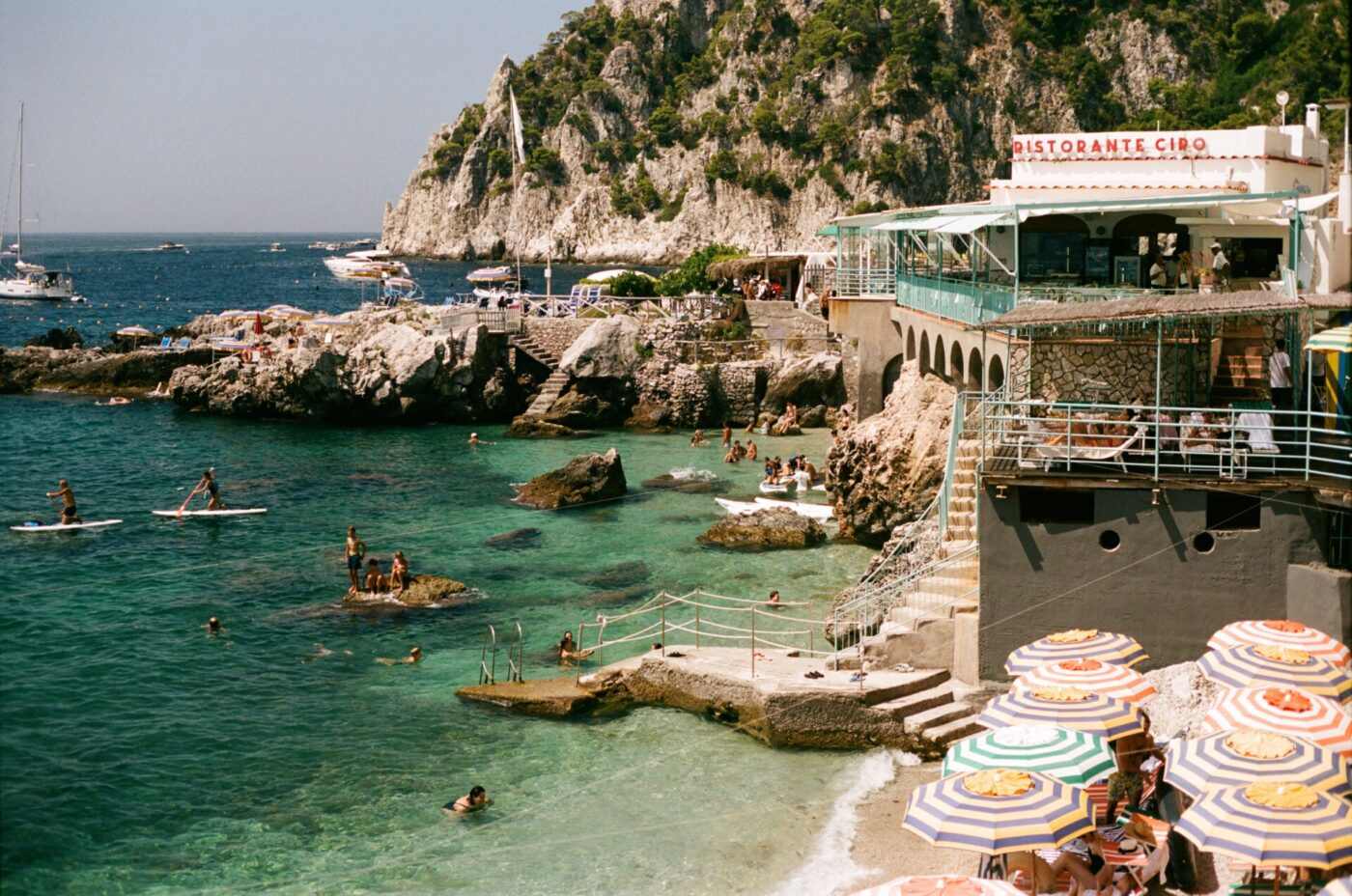
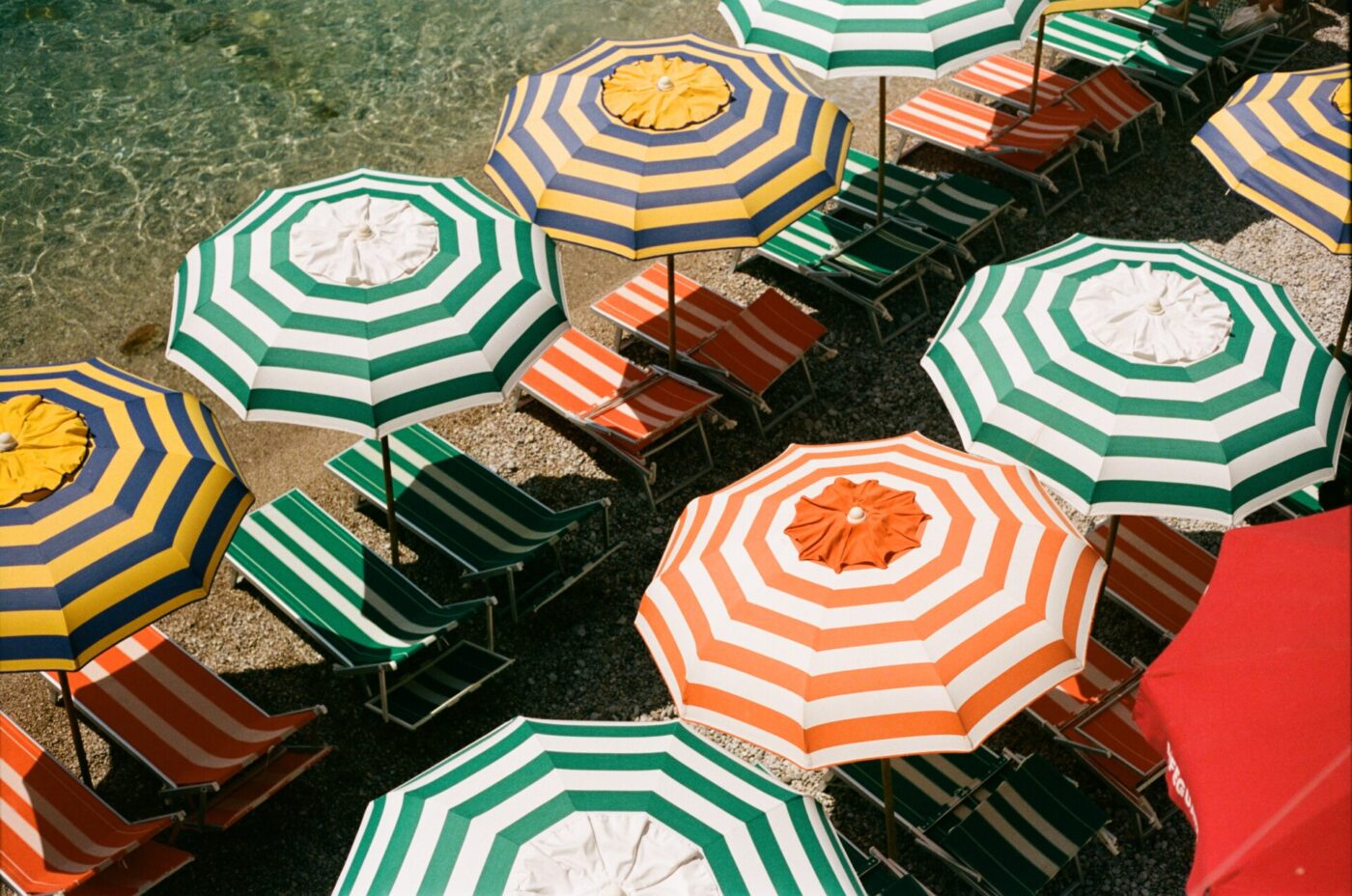
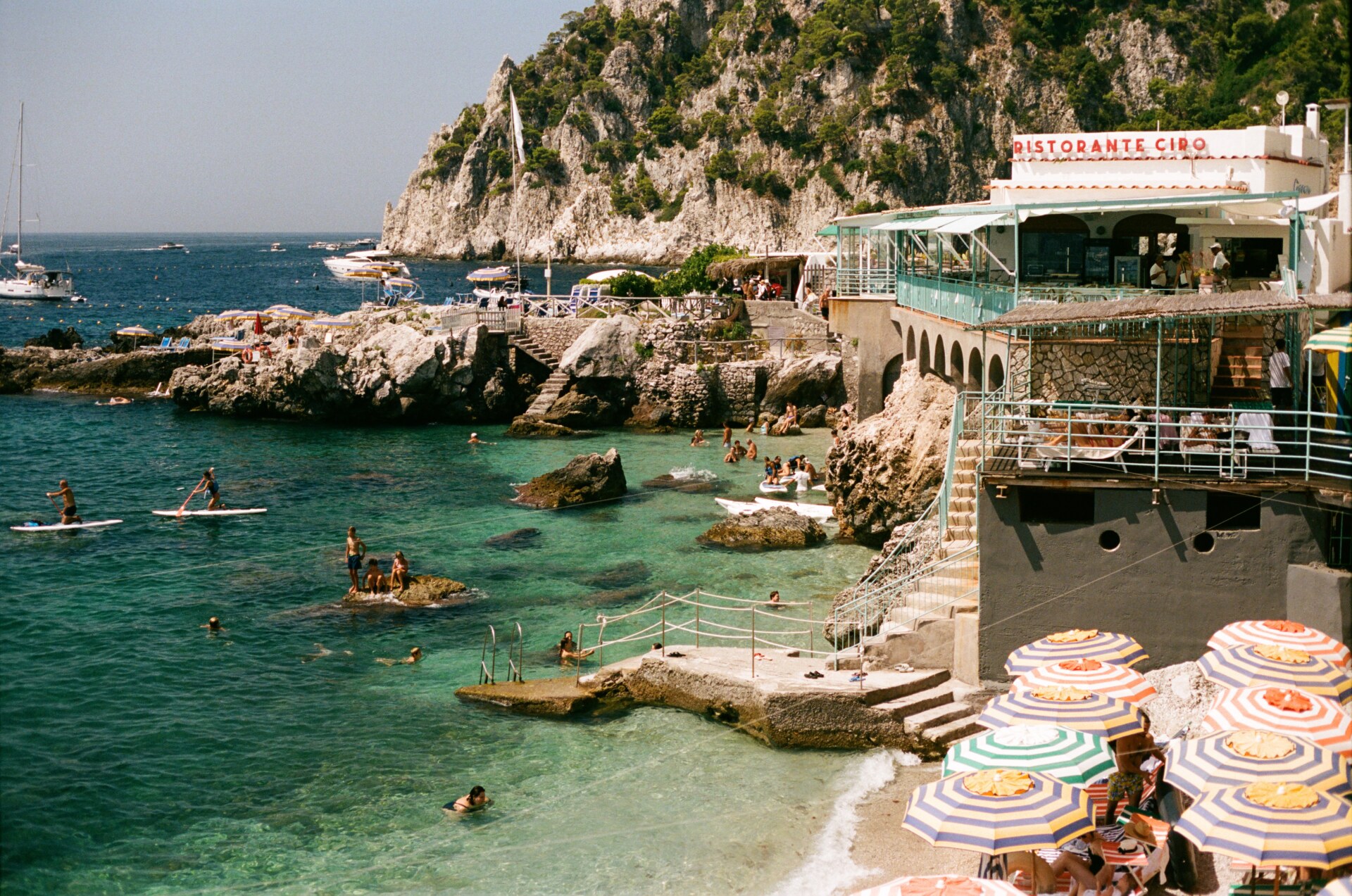
Bagni Internazionali (Capri) — Set on the small pebble beach of Marina Piccola, with colorful umbrellas and a view of the Faraglioni, Bagni Internazionali has the kind of old-school, laid-back atmosphere that makes you lose track of time. Come in the morning, when the water in the bay is at its clearest, then settle in for the afternoon. Rather than a formal restaurant, its snack bar serves Capri classics such as pizza monacone, a local pie filled with aubergines, meatballs, mozzarella and tomatoes.
What to Do in Capri
The Phoenician Steps (From Capri to Anacapri) — Climbing from Capri’s harbor to Anacapri’s ancient gateway, the Phoenician Steps bring you directly to Villa San Michele with breathtaking views. Along the way, you come face to face with the Villa’s sphinx, the only place from which its gaze over the bay can truly be seen. The steps were once the only route connecting the harbor with the upper part of the island. Despite their name, the 921 stone steps were built by the Greeks between the seventh and sixth centuries BC. Expect a great workout (both up and down) and a memorable way to avoid the mayhem of Capri’s transport system.
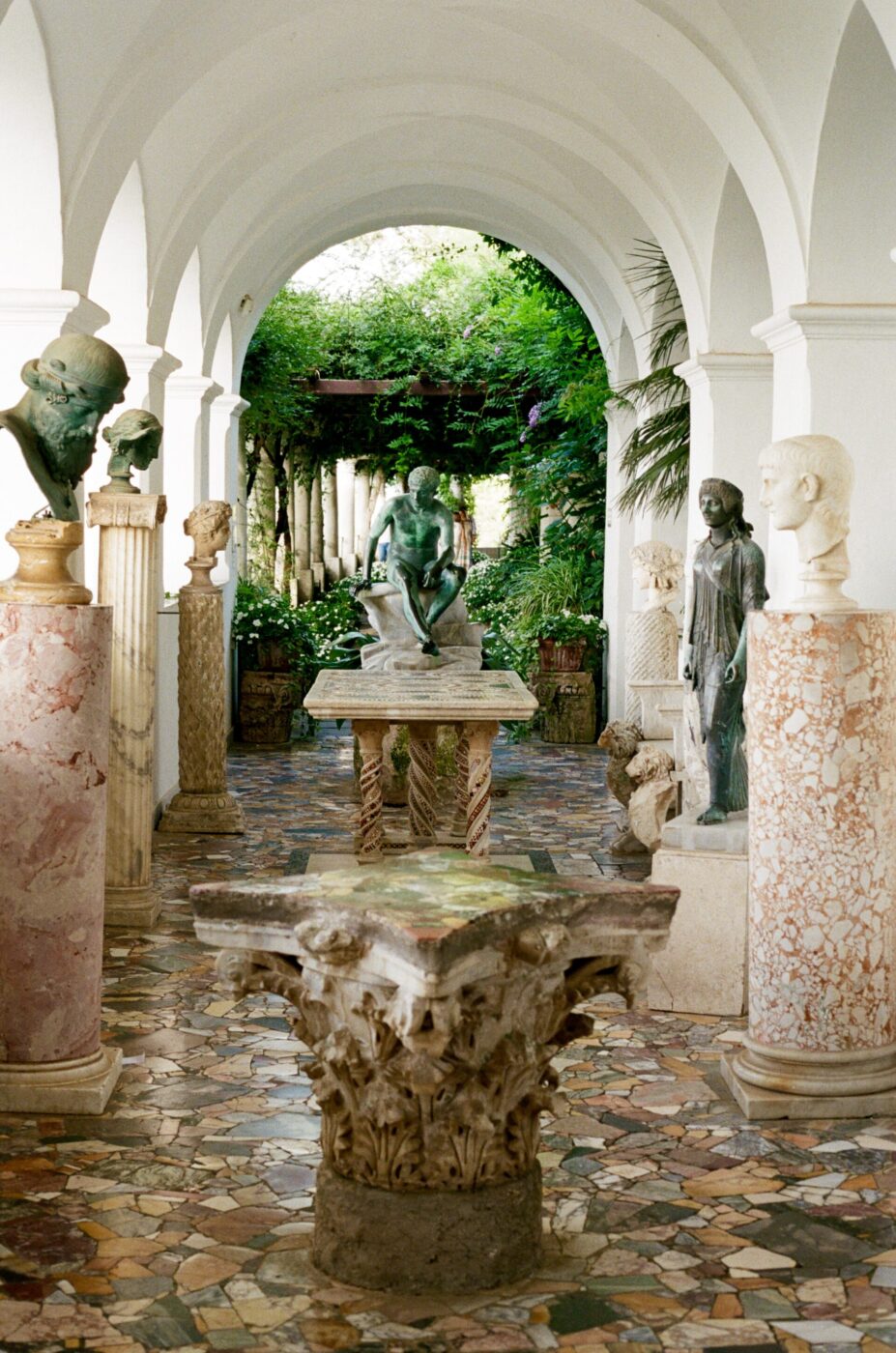
Villa San Michele (Anacapri) — Home to an ancient Egyptian sphinx overlooking the Bay of Naples, with views stretching from Ischia to the Li Galli islands, Villa San Michele was once the home of Swedish writer and royal physician Axel Munthe. He built the villa around a Mediterranean garden (named Italy’s Most Beautiful Private Park in 2014), filling its rooms, loggias, and courtyards with Roman, Etruscan, and Egyptian artefacts. Today, Villa San Michele is both a museum and a cultural institution, hosting concerts and events throughout the summer, as well as residencies for Swedish artists and scholars. Munthe recounts his life and the creation of the villa in The Story of San Michele (1929), one of the 20th century’s first international bestsellers and a book that helped shape the modern myth of Capri.
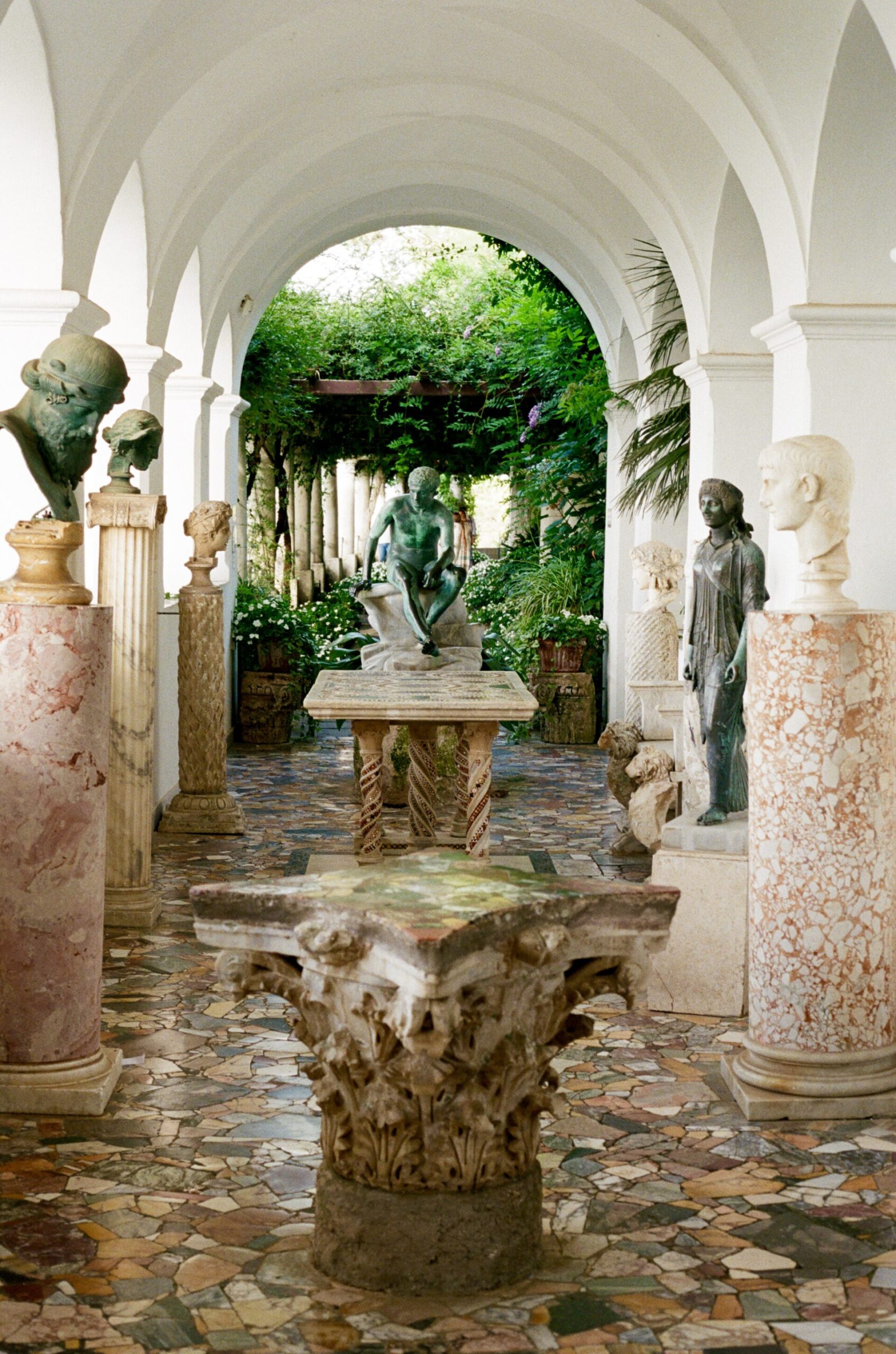
Villa San Michele
Il Sentiero dei Fortini (Anacapri) — This walk follows Anacapri’s wild western coastline between the Blue Grotto and Punta Carena, linking the forts of Orrico, Mesola, and Pino. Built by the British during their occupation of Capri in 1806 and later strengthened by the French after they captured the island in 1808, they stand along one of its most dramatic stretches of coast. The full walk is long and exposed, so start early and bring water. Follow the red markings and make sure to stop for a swim at Mesola.
Monte Solaro (Anacapri) — At 589 meters, Monte Solaro is Capri’s highest point, but the real discovery lies just below it. Follow the path into the secluded valley of Cetrella, where goats roam among the Mediterranean vegetation, past the former home of Scottish writer Compton Mackenzie and on to the rustic hermitage of Santa Maria a Cetrella. Traditionally revered by local sailors and coral fishermen, the sanctuary and its surroundings reveal a wild, silent side of Capri.
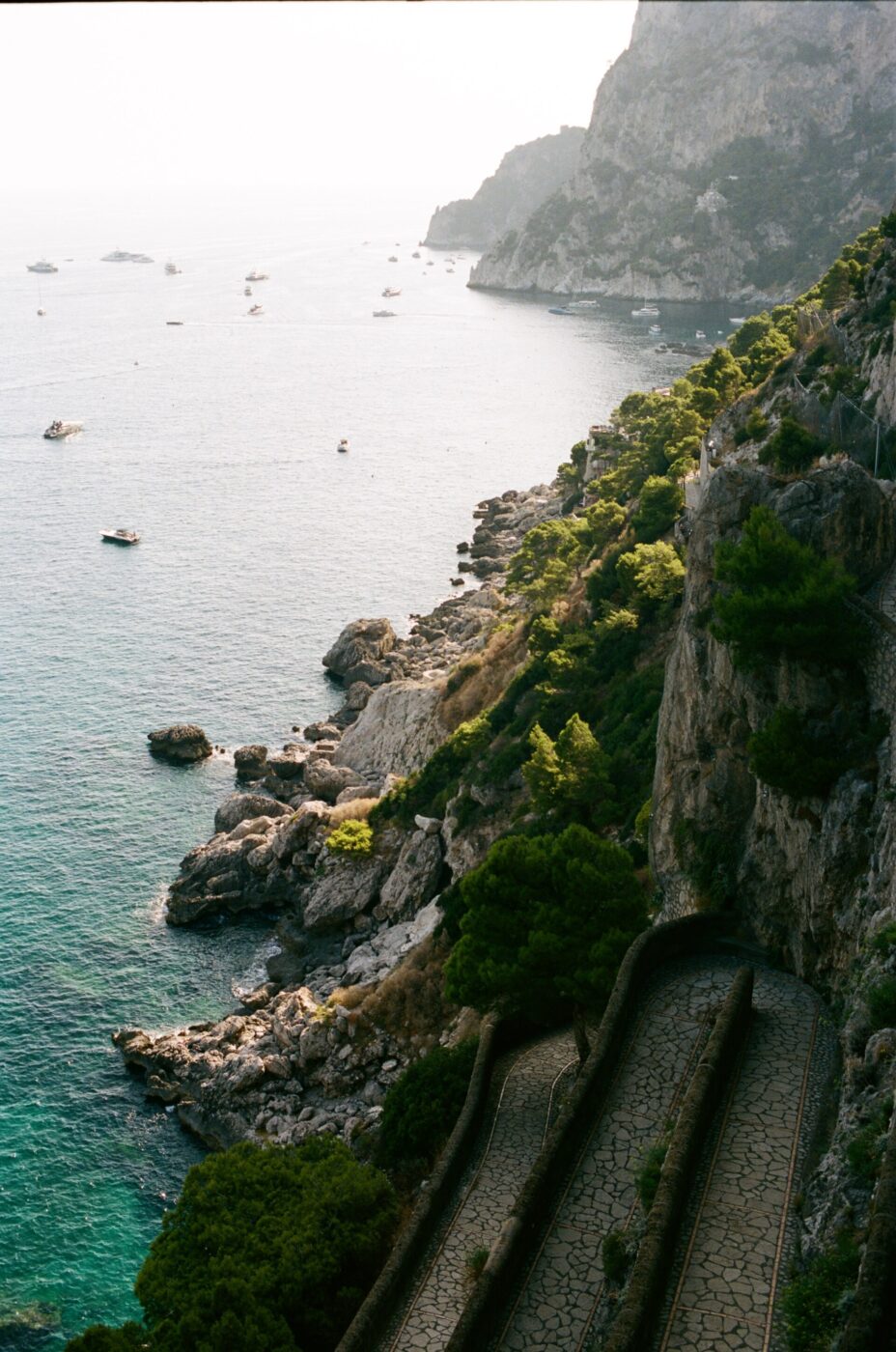
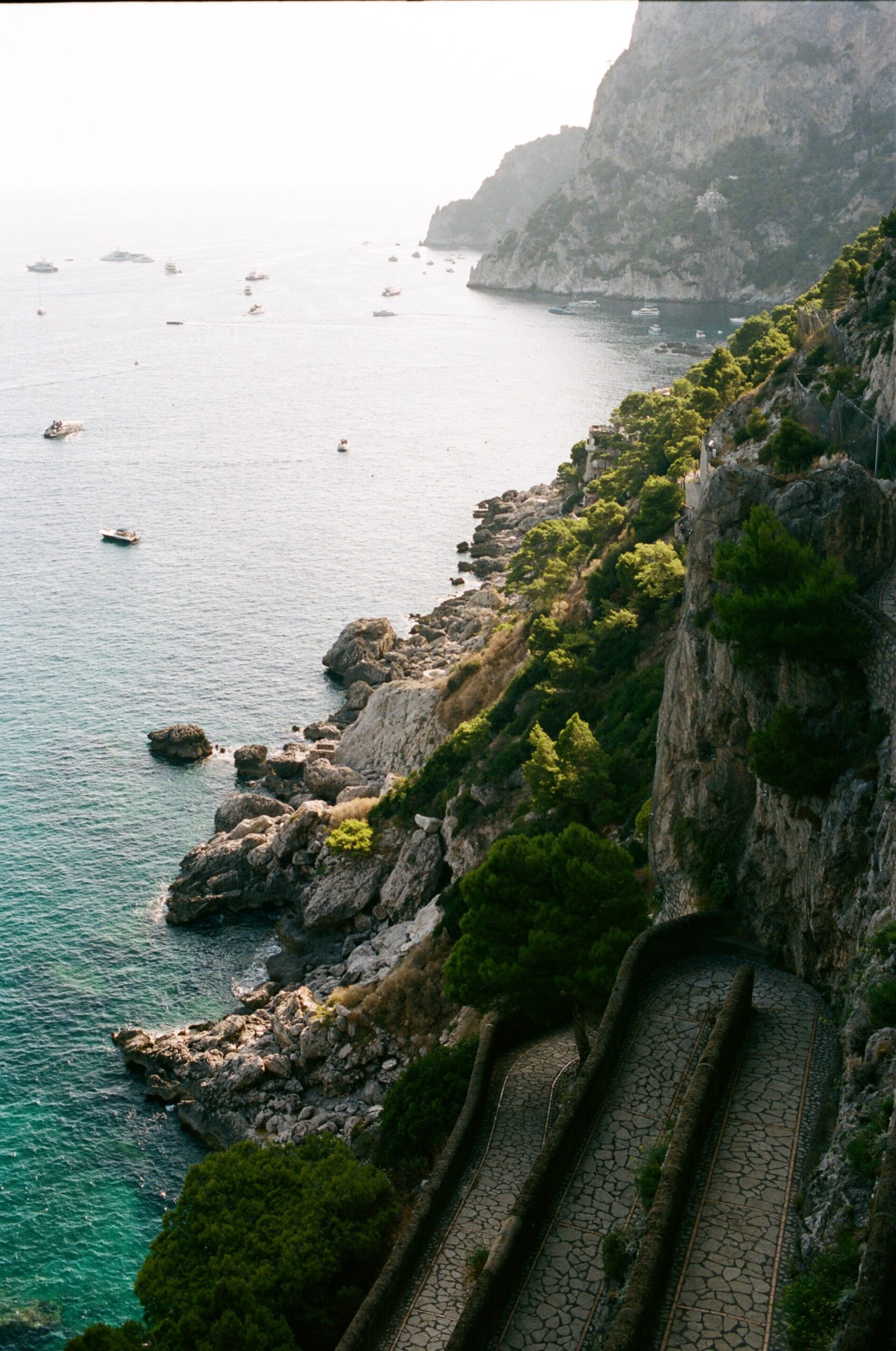
Via Krupp (Capri) — This street is almost more beautiful from above, where its tight, geometric curves appear carved into the cliff between the Gardens of Augustus and the blue waters of Marina Piccola. Commissioned in the early 20th century by the German industrialist Friedrich Alfred Krupp, the path allowed him to travel between the town and the bay where he kept his yacht. When open, walk it downhill towards Marina Piccola, but check locally first, as access can change because of the risk of falling rocks.
Villa Lysis (Capri) — Reached by an uphill walk towards Monte Tiberio, Villa Lysis is the site of Capri’s most decadent past. Built for the French poet and aristocrat Jacques d’Adelswärd-Fersen, it combines neoclassical symmetry with Art Nouveau details and breathtaking views. Above the entrance, Amori et Dolori Sacrum—“Sacred to love and sorrow”—captures both the villa and the life lived there. Fersen made it a refuge for parties and hedonism, before ultimately dying in 1923 after drinking cocaine-laced champagne in his opium room. You can still visit the opium room, as well as the rest of the villa, which now houses the Jago Museum Capri, a site-specific display by the sculptor of the same name.
La Certosa di San Giacomo (Capri) — Built between 1371 and 1374, this is the island’s most important surviving example of Angevin architecture (the two cloisters are beautiful). Today, it houses Capri’s archaeological museum, temporary exhibitions, and a collection devoted to Karl Wilhelm Diefenbach, the German painter who portrayed the island’s vast, mystical landscapes.
Villa Jovis (Capri) — Take a steep walk up Monte Tiberio to reach Villa Jovis, the grandest of the 12 residences traditionally attributed to Emperor Tiberius on Capri. From this vast imperial complex, 334 meters above the sea, he governed Rome during the final years of his reign. Today, it’s an archaeological site where you walk through monumental Roman ruins, including terraces, corridors, and cisterns, rather than a preserved villa. The views over the Gulf of Naples are spectacular.
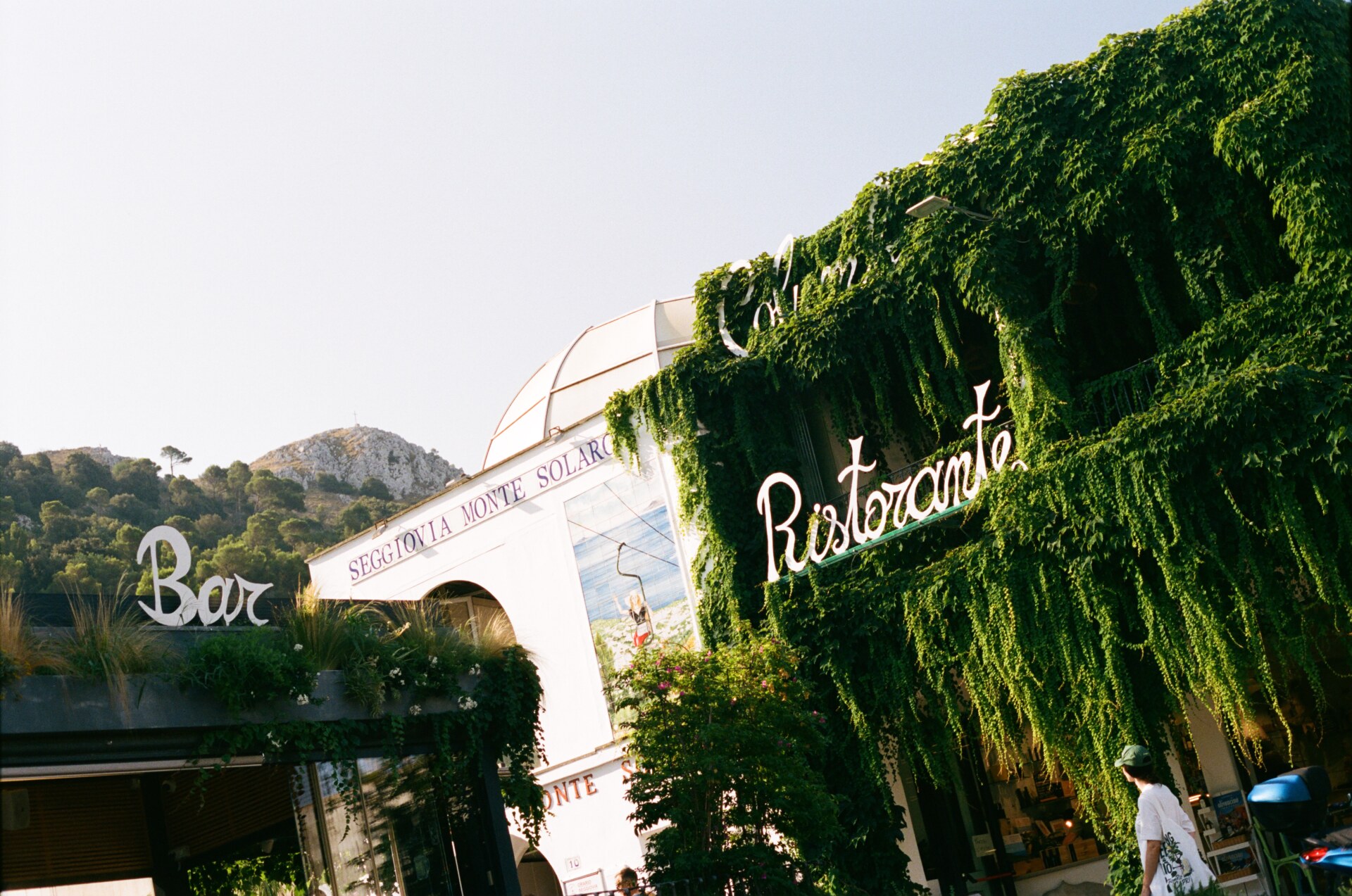
Where to Eat in Capri
Pulalli (Capri) — Up the narrow staircase of Capri’s clock tower, Pulalli offers an intimate terrace with front-row views over the island’s main stage, the Piazzetta. Founded as Capri’s first wine bar, it remains deeply cellar-driven today, showcasing a 150-plus label list rich in small Italian producers. The kitchen shares that same ethos, marrying classic island ingredients with inventive, contemporary touches.
Villa Verde (Capri) — Villa Verde is Capri dinner theater at its most enjoyable. The garden terrace and walls covered with photographs of famous guests set the scene for large families, regulars, and glamorous holiday crowds. Come more for the lively, eccentric atmosphere than for the classic seafood, pasta, and pizza.
Le Grottelle (Capri) — A welcome reward at the end of the walk toward the Natural Arch, Le Grottelle is built straight into the rock face, complete with rustic terraces over the sea and a simple, family-run warmth that’s becoming rare on Capri. Order the ravioli capresi, the local catch, and whatever else they suggest. Come for lunch or arrive just before moonrise—you won’t want to miss the view.
Concettina ai Tre Santi (Capri) — Bringing its cult following straight from Naples’ Sanità district to Capri, this celebrated pizzeria pairs remarkably light dough with inventive toppings rooted in Campanian tradition. Opt for the tasting menu for the full experience, or build a feast of antipasti and the signature Sott’ e ’Ngopp’—a fried montanara pizza draped in Casa Oliva’s tomato sauce. Just save room for the graffa napoletana, a fluffy fried doughnut served alongside hot chocolate.
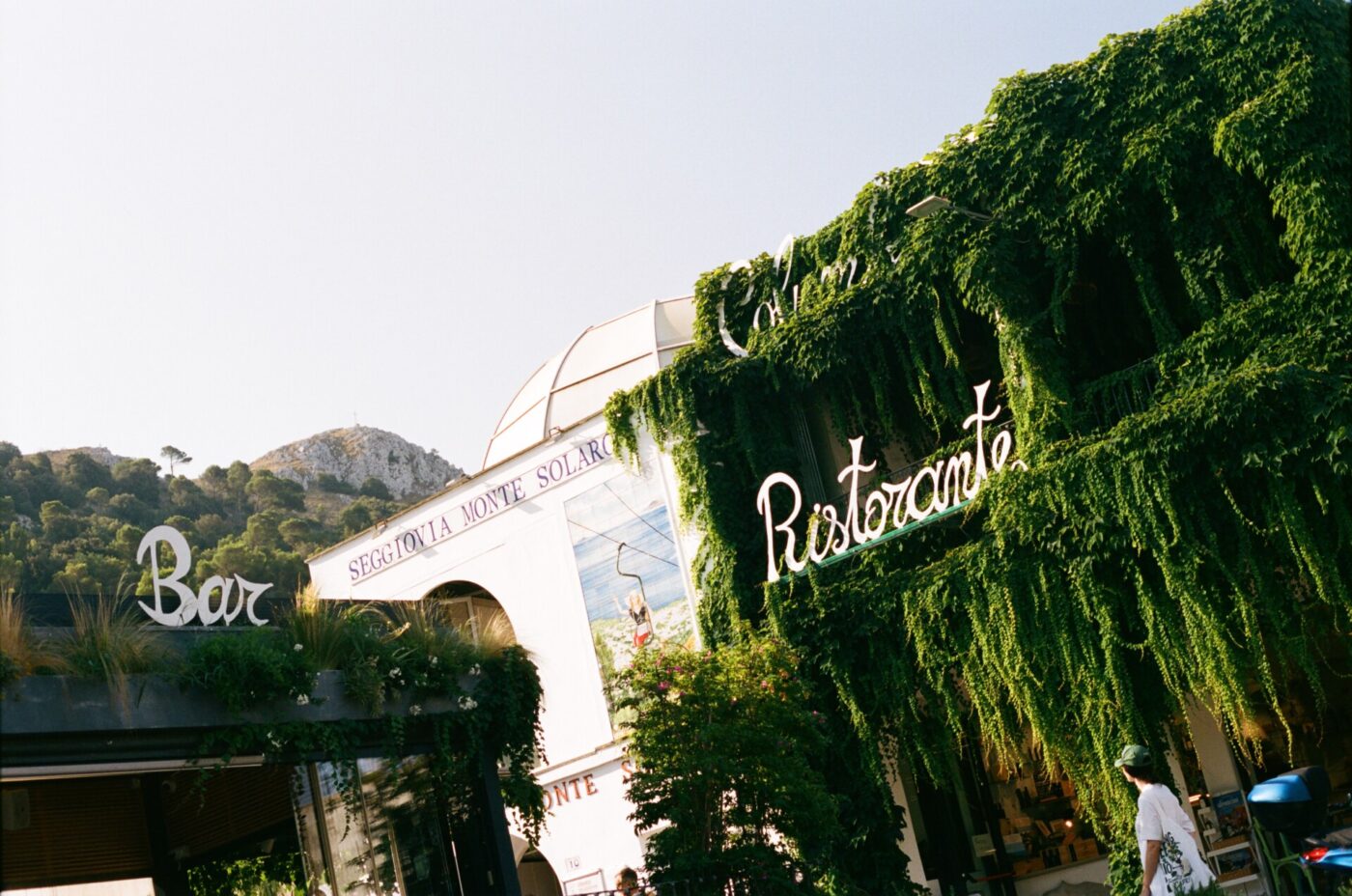
Bar Columbus (Anacapri) — Capri’s only Slow Food restaurant, Bar Columbus is authentic, sustainable, and undeniably charming. Don’t let the modest exterior fool you: the real magic happens upstairs, where the family serves seasonal island cooking in a relaxed, easygoing setting. Look for dishes featuring cicerchie, a local legume cultivated from heirloom seeds passed down through generations, alongside beans and chickpeas grown on their own land. Before leaving, pick up a bottle of the Oro di Capri extra-virgin olive oil served at the table—co-owner Vincenzo Torelli helps lead the association dedicated to reviving the island’s historic groves, and its vibrant, peppery kick makes for a fantastic souvenir.
Da Gelsomina (Anacapri) — Among vineyards and gardens high above town, Da Gelsomina feels like its own serene world. Before lunch or dinner, take a walk through the nearby Parco Filosofico—a trail through Mediterranean flora dotted with ceramic tiles bearing philosophical quotes—then pause at the Belvedere della Migliara for sweeping sea views. At sunset, settle in for dishes rooted in Anacapri’s rural traditions, like rabbit alla cacciatora or the signature almond-crusted fish, paired with garden-fresh produce and wine from the family’s surrounding estate.
Aumm Aumm (Anacapri) — A lively, unfussy spot on Via Caprile, Aumm Aumm is where locals go for a dependable pizza night. Expect wood-fired Neapolitan pies, crisp fried bites, and homemade desserts served beneath a terrace of lemon trees. It’s one of the few places that stays open year-round, making it a true lifesaver outside of high season.
Il Riccio (Anacapri) — One of the island’s hardest reservations to get, Il Riccio sits above the sea near the Blue Grotto and serves refined Mediterranean seafood in an impeccably chic setting. Order spaghetti ai ricci di mare, the signature sea-urchin pasta, but save ample room for dessert. The famous Temptation Room, filled entirely with southern Italian cakes and pastries, is worth planning the whole meal around.
Il Riccio
Where to Get Gelato in Capri
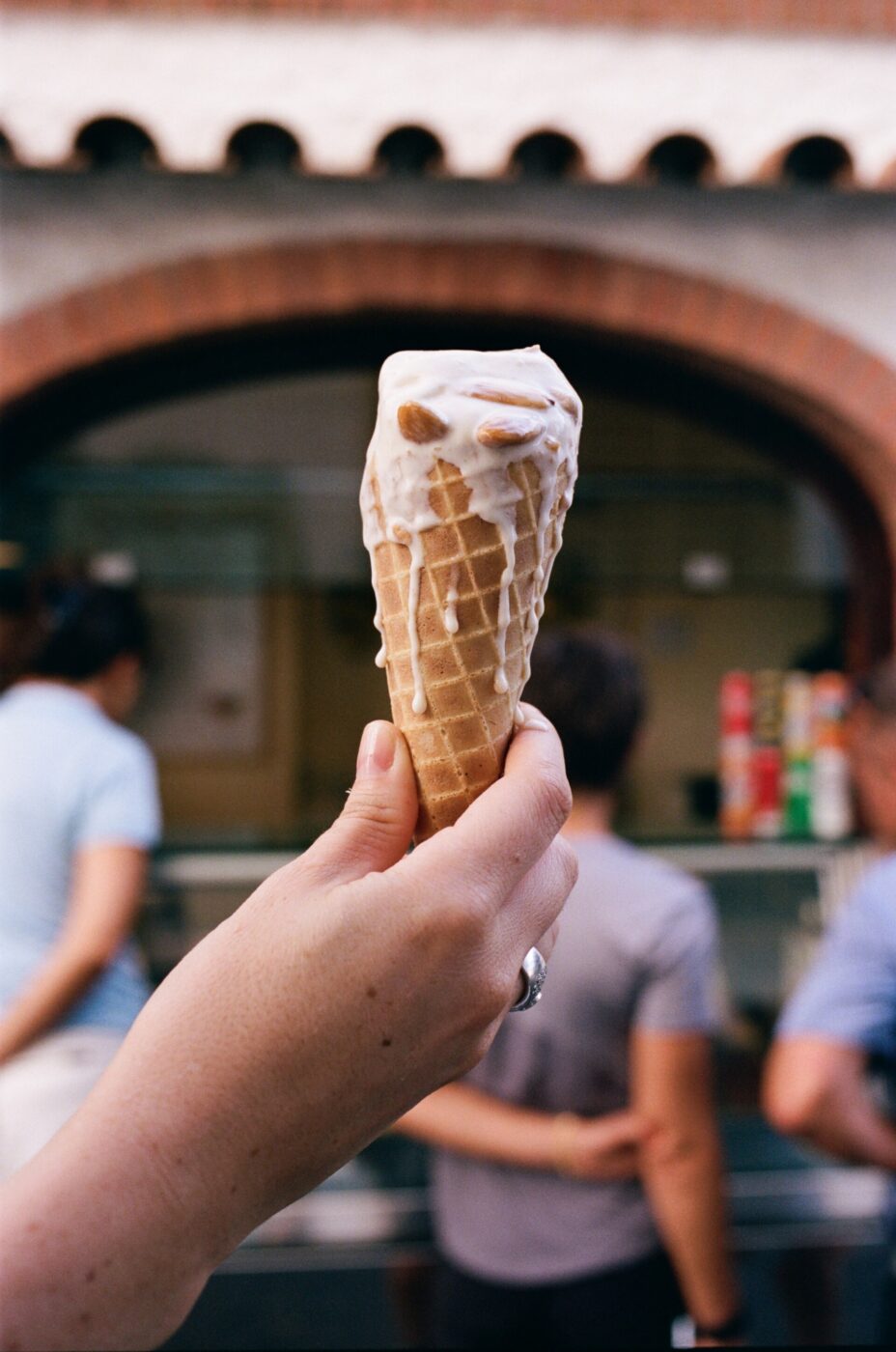
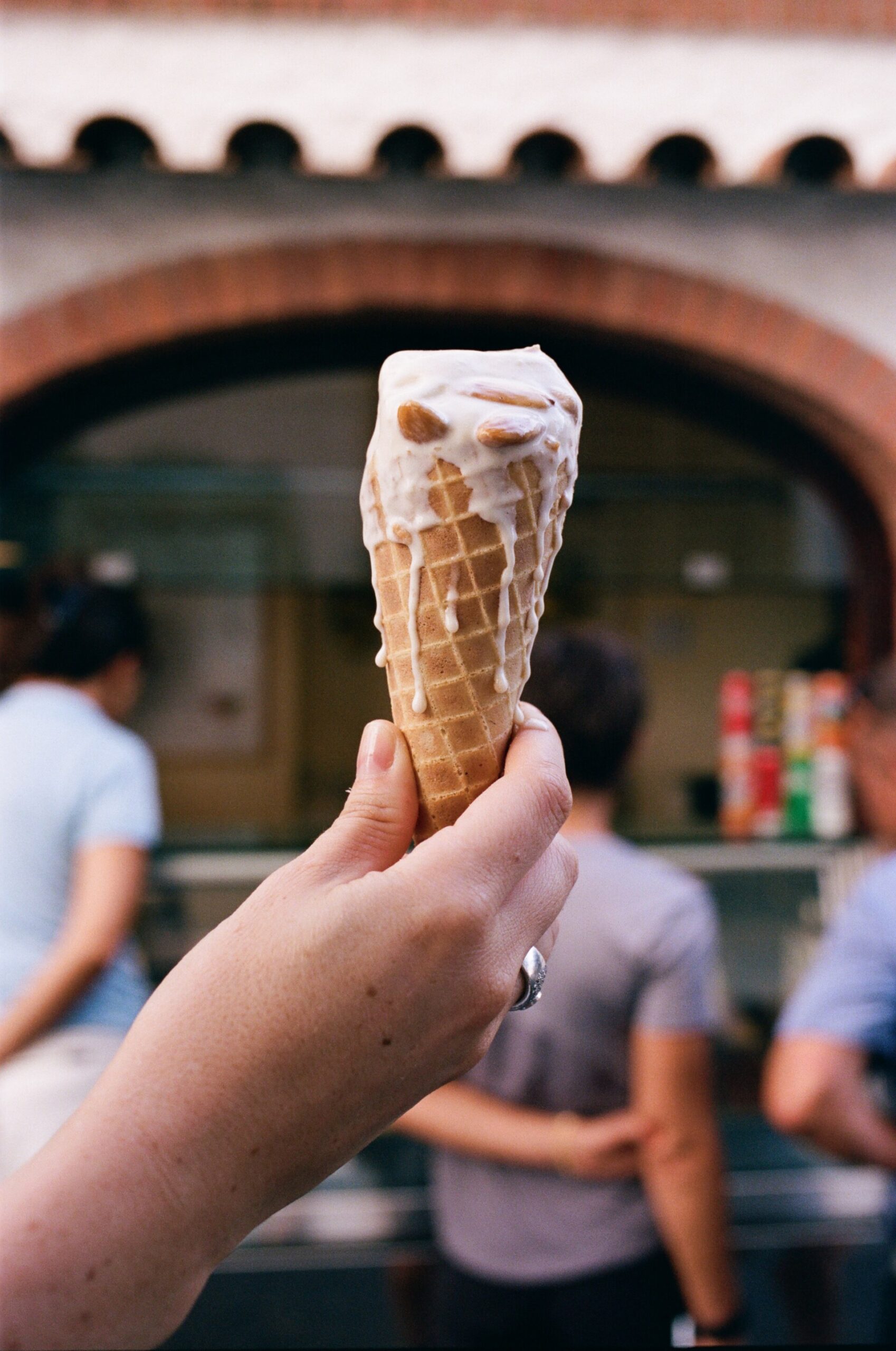
No Capri summer is complete without a stop at Buonocore. Founded in 1950, the family-run gelateria is famous for its warm waffle cones, baked to order, and for the seemingly endless queue that snakes down Via Vittorio Emanuele. But if you are staying in Anacapri, let me share a local secret: head to Nonna Carmela instead. It serves the very same gelato in equally fresh cones, and you never have to queue.
Where to Shop in Capri
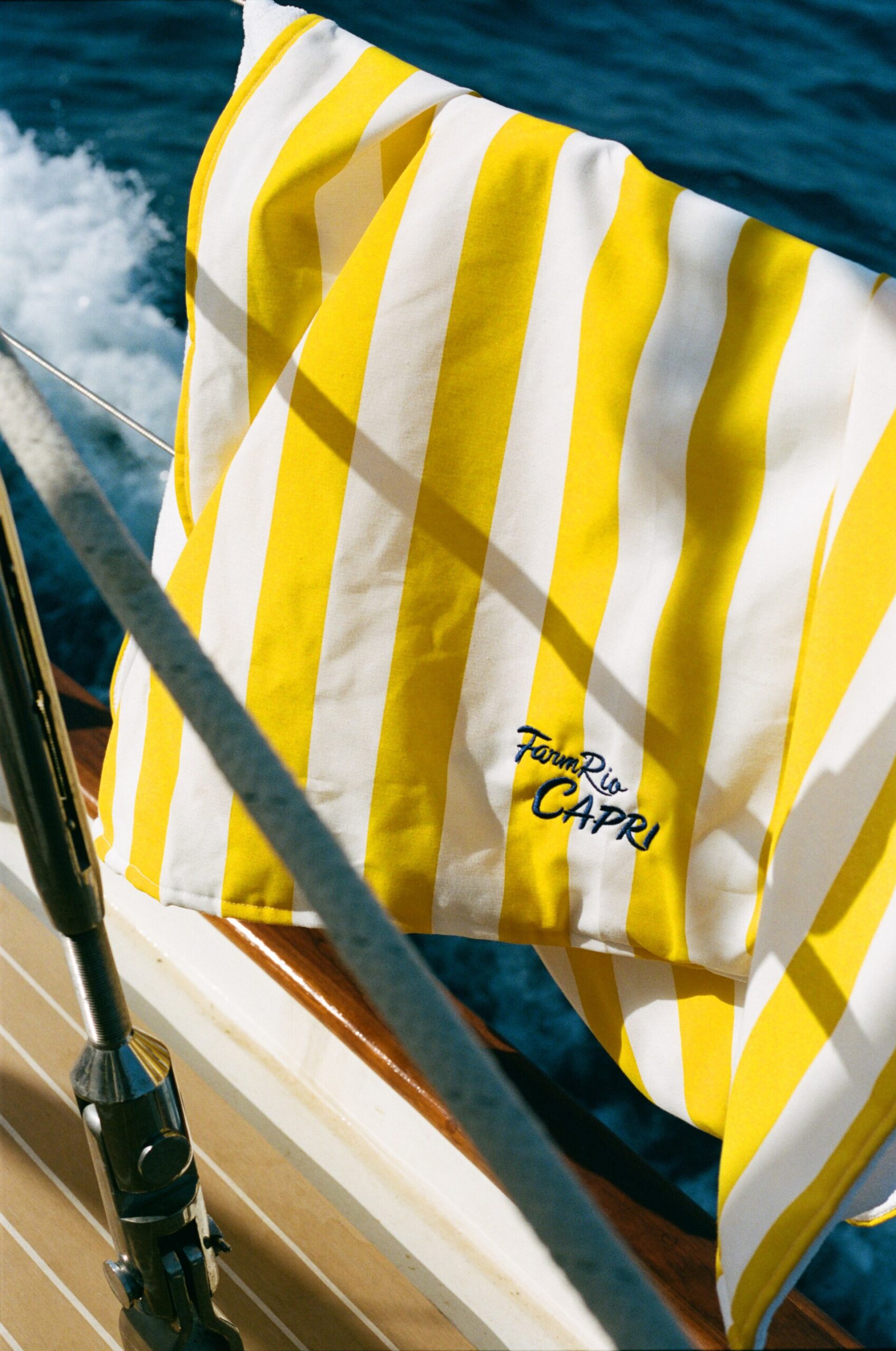
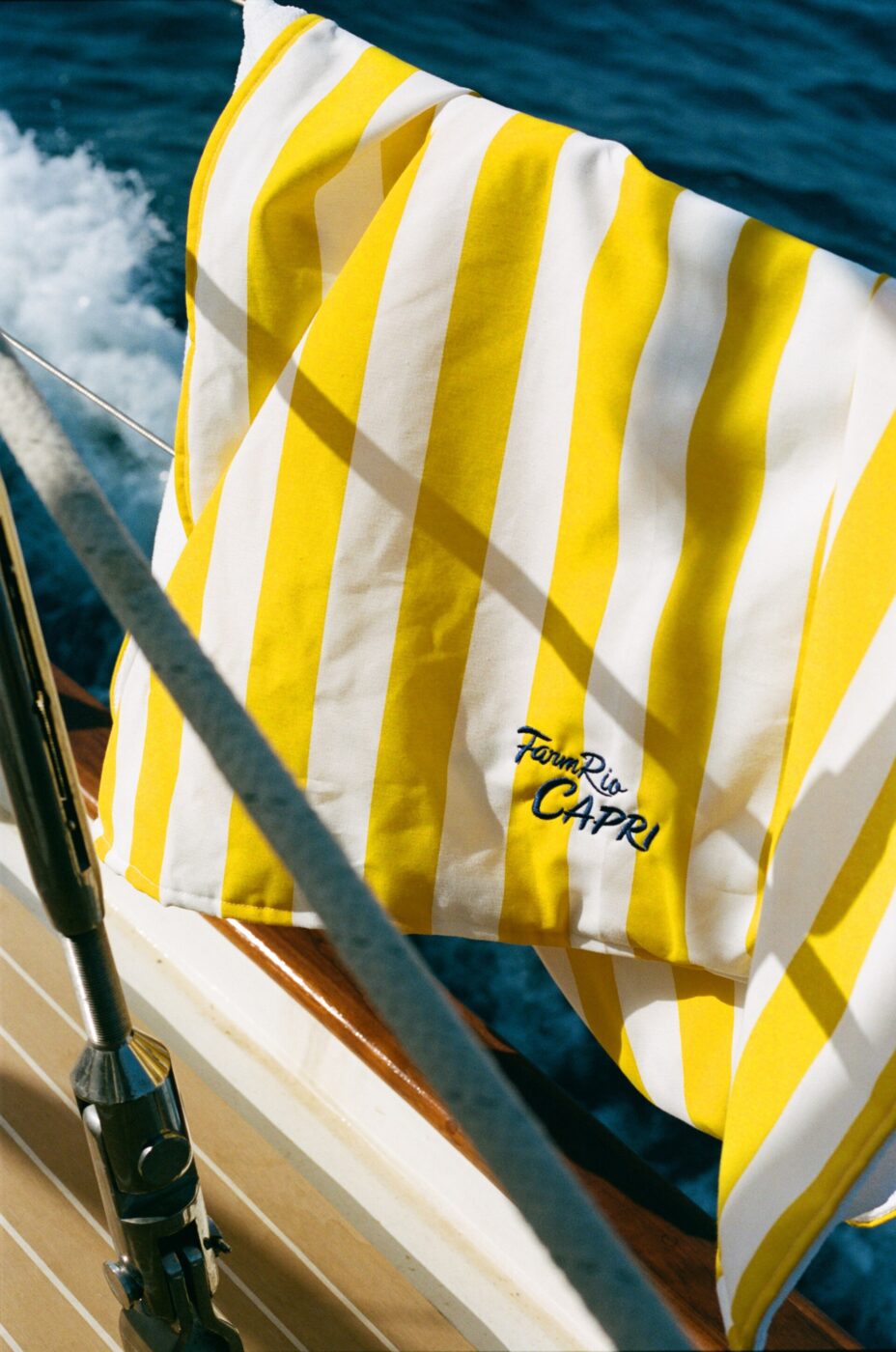
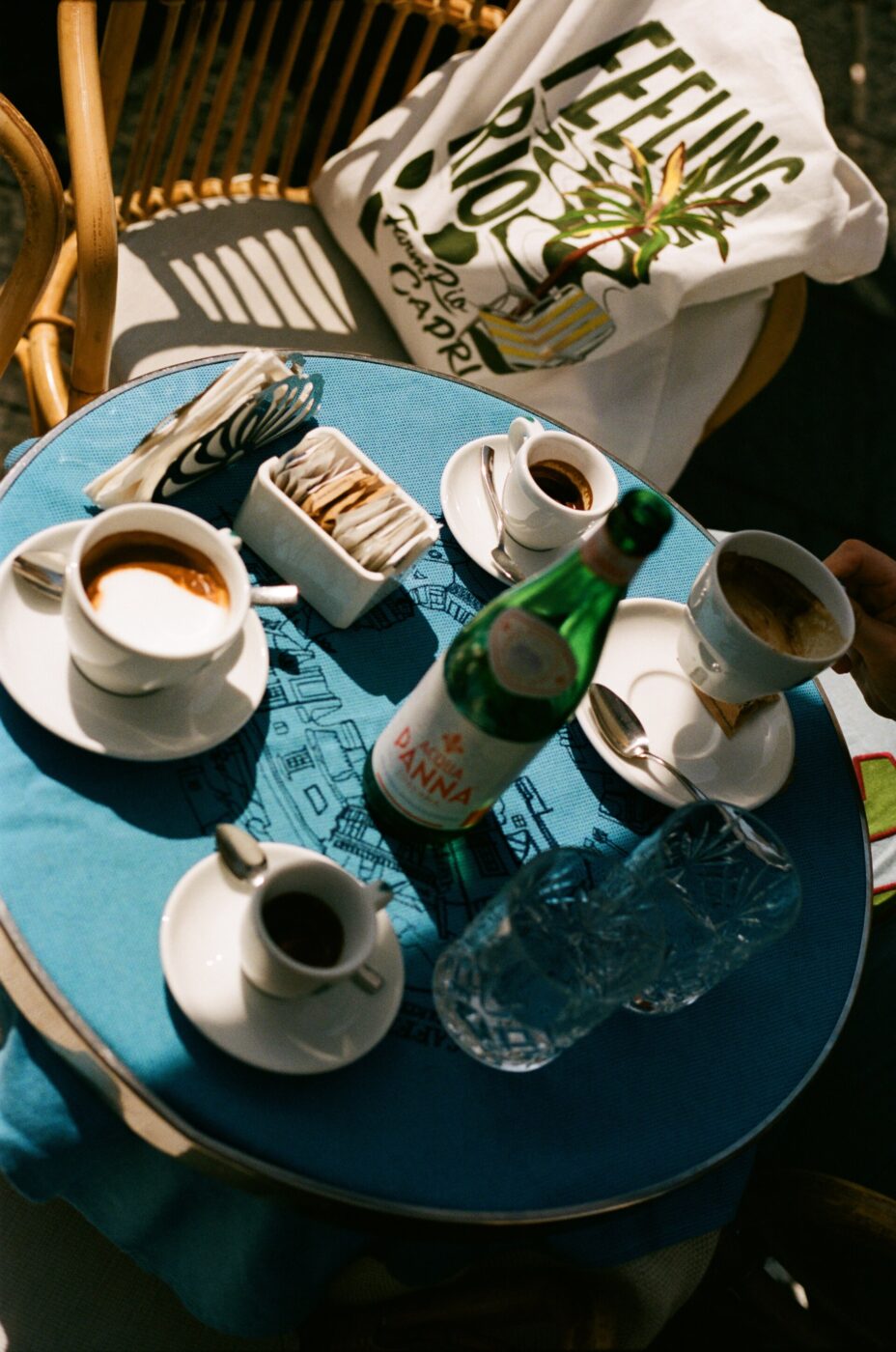
FARM Rio — Bringing the spirit of Rio de Janeiro to the heart of the Piazzetta, this pop-up summer boutique is an immersive escape to Brazil, featuring hand-painted tropical motifs by artist Isabela Oliveira. Beyond their signature printed collections of dresses, blouses, and skirts, the boutique carries exclusive, Capri-themed accessories—from totes to foulards—that capture the joyful energy of the brand and the island.
La Parisienne — Don’t be misled by the name; La Parisienne is as Caprese as it gets. Founded 120 years ago, when everything stylish came from Paris and Italian fashion had yet to become a global force, this boutique helped shape the Capri look, launching the famous eponymous pants. Over the decades, its clientele has included Clark Gable, Charlie Chaplin—shopping for his young wife, Oona O’Neill—and, of course, Jackie Kennedy. Maria Cristina Settanni, a family descendant and current custodian, calls the boutique “the sitting room of Capri.” There’s also an exhibition dedicated to La Parisienne at the Certosa di San Giacomo.
Farella — Specializing in artisanal knitwear and handwoven textiles, Farella is like a candy shop for stripe lovers. Everything is designed and made in Capri using natural fibers, natural dyes, and traditional looms, with a conscious approach to slow, sustainable craftsmanship. At the back of the boutique, you can even see the loom where many of the textiles are woven. If you’re staying on the island long enough, pieces can be customized just for you and, with a little luck, you might even catch one of their weaving or natural-dyeing workshops.
La Conchiglia — More than a bookshop, La Conchiglia is Capri’s literary heart. For decades, its independent publishing house and bookshop have preserved the island’s cultural memory through beautifully curated books on Capri, the Mediterranean, and the writers, artists, and dreamers who have passed through it. Founders and brothers Riccardo and Renato Esposito are always ready to recommend the perfect read or tell a story you won’t find in any guidebook.
Chantecler — Capri’s most storied jewellery house, this is the place to go for a one-of-a-kind piece, or simply to admire the craftsmanship, which feeds the imagination as much as the eye. Chantecler’s designs reinterpret the island’s symbols with wit and exuberance, from the iconic Campanella bell to maximalist high jewellery and collaborations with artists such as Roberto di Alicudi.
Capri Sandals — The Capri sandal is a symbol of the island’s way of life; only tourists wear heels here. A true Capri lady, whether heading to lunch, an aperitivo, or an evening event, is always in a pair of sandali capresi. Naturally, one pair is never enough, and boutiques selling them are scattered across the island. For the most iconic, old-school styles, Canfora is the best. The house created the famous Jackie sandal, a pair I have worn almost to exhaustion. Once the classic Capri sandal begins to feel a little too familiar, head to Bottega Capri for something more playful and contemporary.
Eco Capri — Eco Capri brings the drawings of Laetitia Cerio—a Caprese painter, illustrator and designer—back to life across bags, shirts, silk sets, and cushions. Sometimes even the artworks on the walls are for sale. Recurring motifs include her lively portrait of the Piazzetta and Capri’s famous blue lizard, a rare creature found on the Faraglioni meant to bring luck.
Capri Style — This multi-brand boutique is filled with bags, hats, and playful costume jewellery. Look out for the colorful beaded necklaces and bracelets, each finished with a tiny cornetto charm in the middle. The easy, cheerful pieces add just the right amount of Capri superstition to a summer outfit.
Carthusia — Capri Laboratorio — Skip the newer boutiques and visit Carthusia’s historic laboratory near the Certosa di San Giacomo, where the perfume house’s connection to Capri feels most tangible. Its fragrances, still produced here, draw on the island’s flowers, herbs, and citrus, while its origins are linked to the legend of Carthusian monks distilling local blooms centuries ago.
Where to Drink in Capri
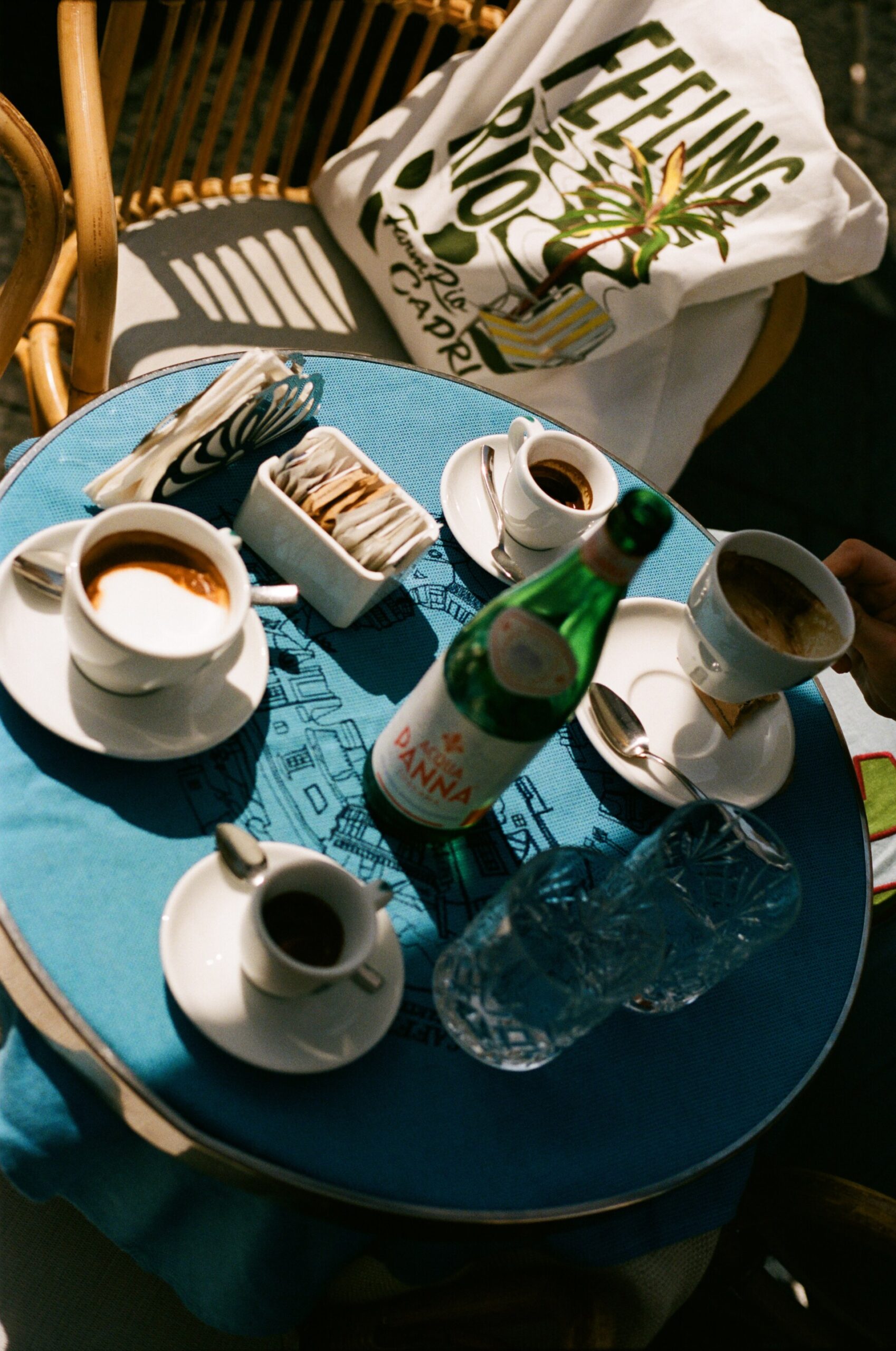
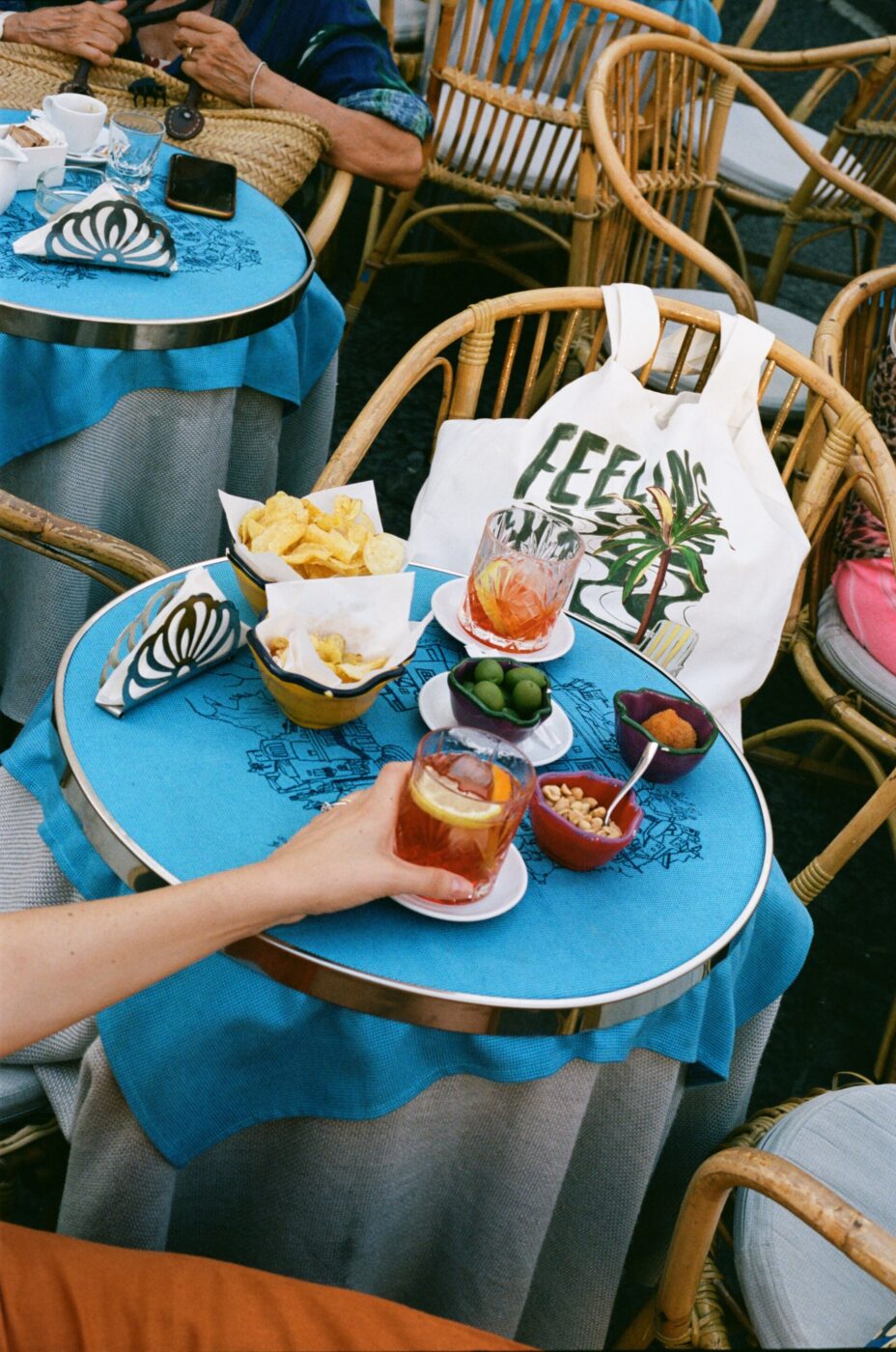
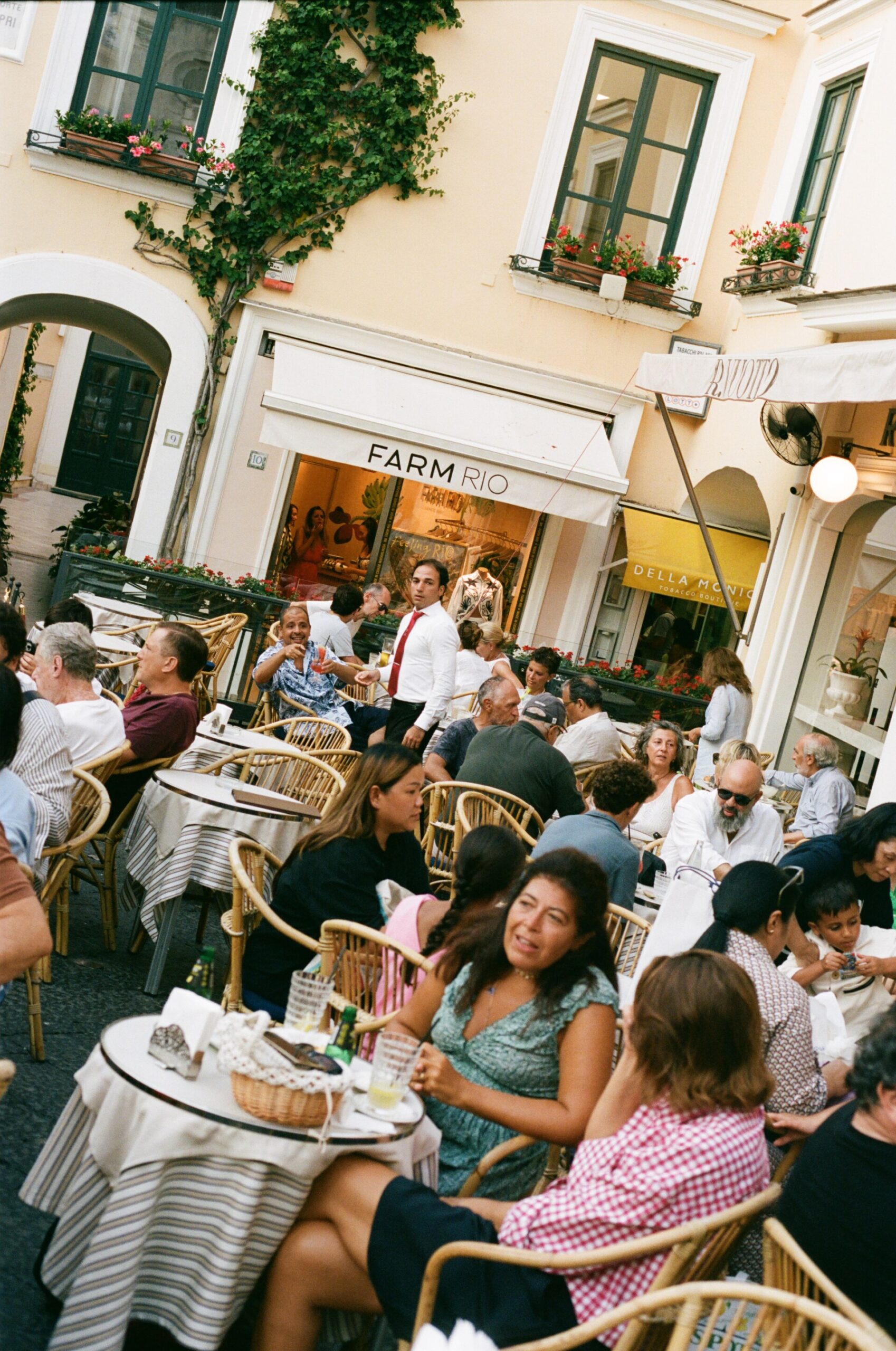
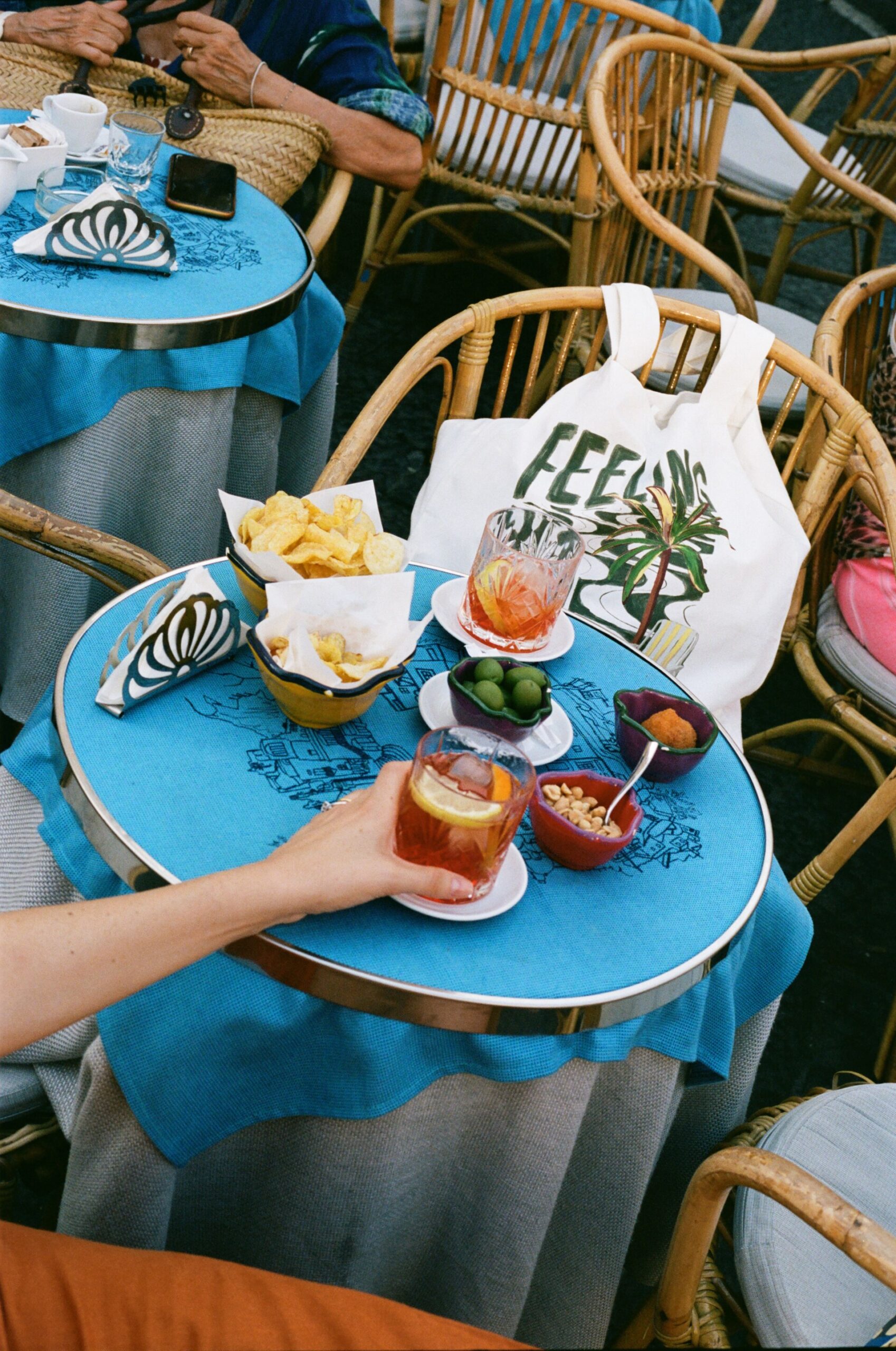
Caffè Caso — Whether for a morning coffee, aperitivo, or a late-night drink, the Piazzetta is an obligatory Capri ritual. Its four cafés each have their own identity and loyal following, and every Caprese has a favorite. Mine has gradually become Caffè Caso.
YUU-Bar — For a wine bar with a curated selection, go to YUU-Bar. Just a few steps from the Piazzetta, it offers a welcome escape from Capri’s more predictable aperitivo circuit. Plus, overlooking the old town’s rooftops and the sea beyond, it’s a great relaxed date spot.
Quisi Bar — The Quisi Bar, on the terrace of the Grand Hotel Quisisana, is Capri people-watching at its most polished. Order a classic cocktail and watch Via Camerelle come to life before you, often with piano music in the background. The hotel has hosted generations of film stars, writers, and aristocrats, and more recently appeared in Paolo Sorrentino’s Parthenope. Expensive, certainly, but worth doing once.
La Zagara Wine Bar (Anacapri) — Capri has the Piazzetta, and Anacapri has La Zagara. From aperitivo onwards, the little pink wine bar becomes the village’s living room with wine, cocktails, and excellent bar food. Behind it, La Zagara restaurant offers a more elegant continuation to the evening, with dinner beneath their lemon trees.
Hotel Caesar Augustus (Anacapri) — For the view alone, the terrace of the Caesar Augustus deserves a drink. Perched high above the sea, it offers one of the island’s most theatrical panoramas, stretching across the Gulf of Naples towards Vesuvius. It was also the setting for one of Slim Aarons’s most iconic photographs of Capri. Come at sunset and accept that you are paying partly for the privilege of sitting inside that postcard.
Billy’s Bar (Anacapri) — Hidden on the rooftop of Villa San Michele, Billy’s Bar is one of Capri’s best-kept secrets. Surrounded by the villa’s garden, the large terrace stays cool even on the hottest summer days. The menu is simple and ingredient-led, with panini and other light daytime dishes. Come for lunch, an afternoon coffee, or an aperitivo with a book or laptop, in rare peace and quiet. The view stretches from Ischia to the Sorrento Peninsula.
Where to Dance in Capri
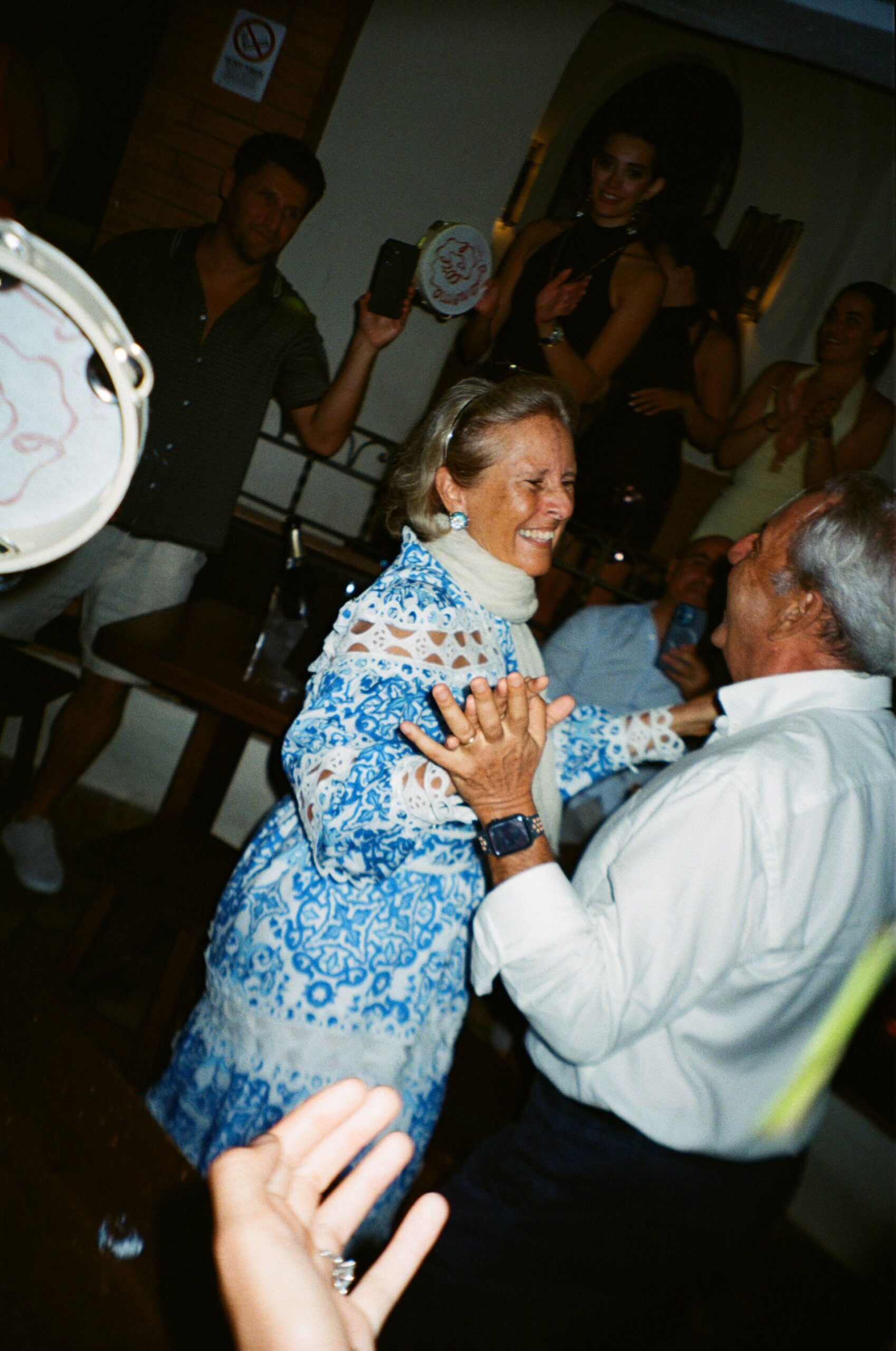
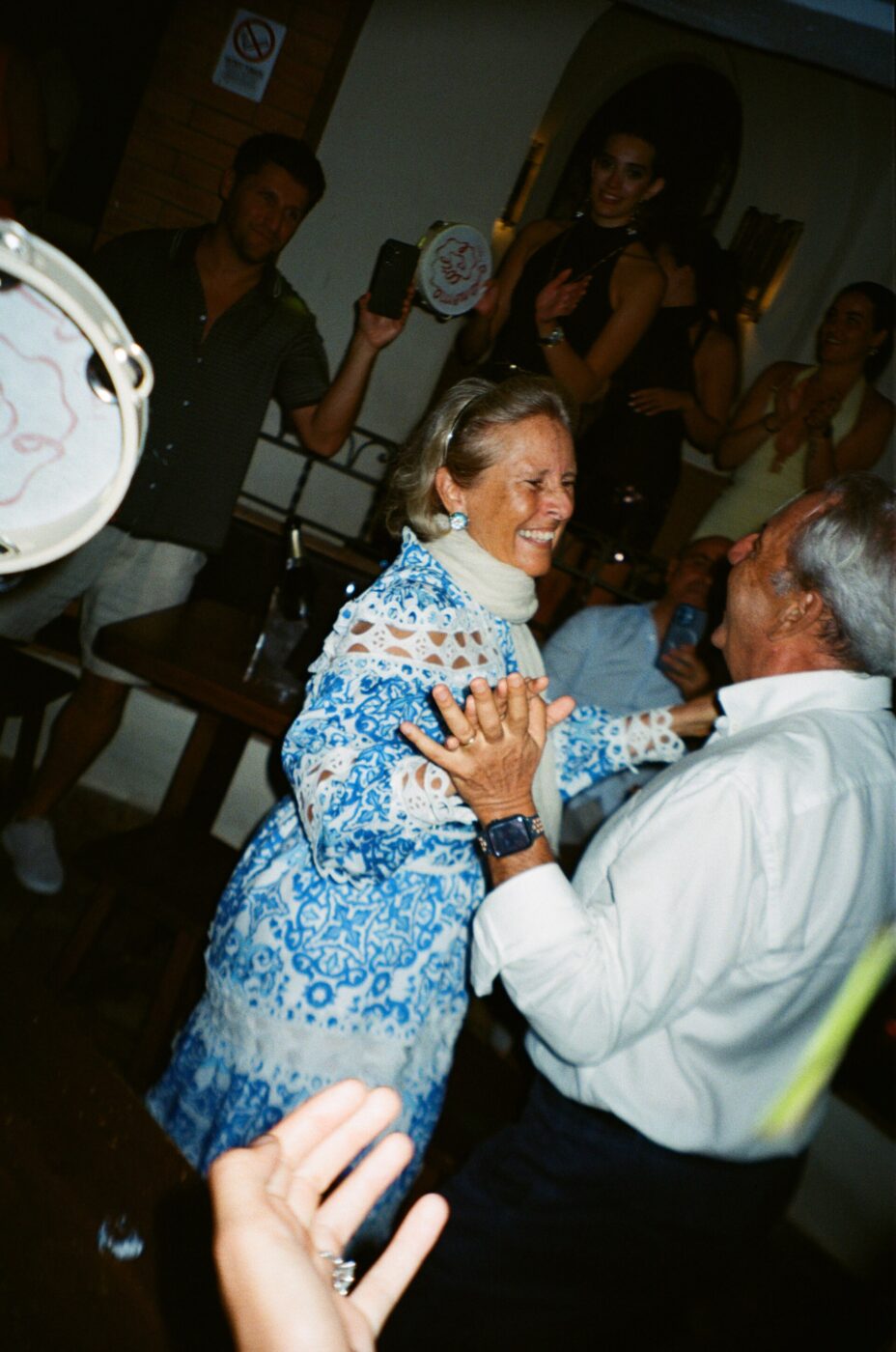
Taverna Anema e Core (Capri) — Every night — Every night, Anema e Core and its infectious tambourines turn into Capri’s most famous after-hours spot. Live music, dancing on tables, and Italian singalongs bring together everyone from international celebrities to lifelong Capresi.
Rumore (Capri) — Friday and Saturday nights — On Fridays and Saturdays, Rumore brings in DJs from around the world playing disco, house, and left-field electronic music for Capri’s edgiest late-night crowd.
NOX (Anacapri) — Newly opened at Jumeirah Capri Palace, NOX brings a jazz-club feeling to Anacapri nights. The intimate, moody space hosts live music from 10 PM until midnight, followed by DJ sets until 3 AM.
Gradola (Anacapri)— Thursday nights — On Thursdays, Gradola stays open late for drinks, commercial hits, and its beloved midnight pasta, served free to everyone.