Let’s make a resolution for 2026: we’re officially retiring the basic Venice, Florence, Rome, and Amalfi Coast circuit. It’s not that these destinations aren’t extraordinary, but relying solely on those over-touristed hubs means ignoring the staggering, beautiful vastness of our country—and frankly, you can do better. We understand that Italy’s persistent infrastructure gaps don’t make the beaten path the easiest route, but we challenge you—whether you’re a first-time visitor or a local—to choose the unexpected this year.
Plus, 2026 is shaping up to be an extraordinary year for Italy, from hosting the Winter Olympics in Milan and Cortina and the excitement building around Bologna’s growing film culture to the spotlight landing on L’Aquila, the Italian Capital of Culture 2026.
Here, 26 underrated Italian destinations, in no particular order, we think you should prioritize for your 2026 bucket list.
Trieste
1. Trieste
Friuli Venezia Giulia
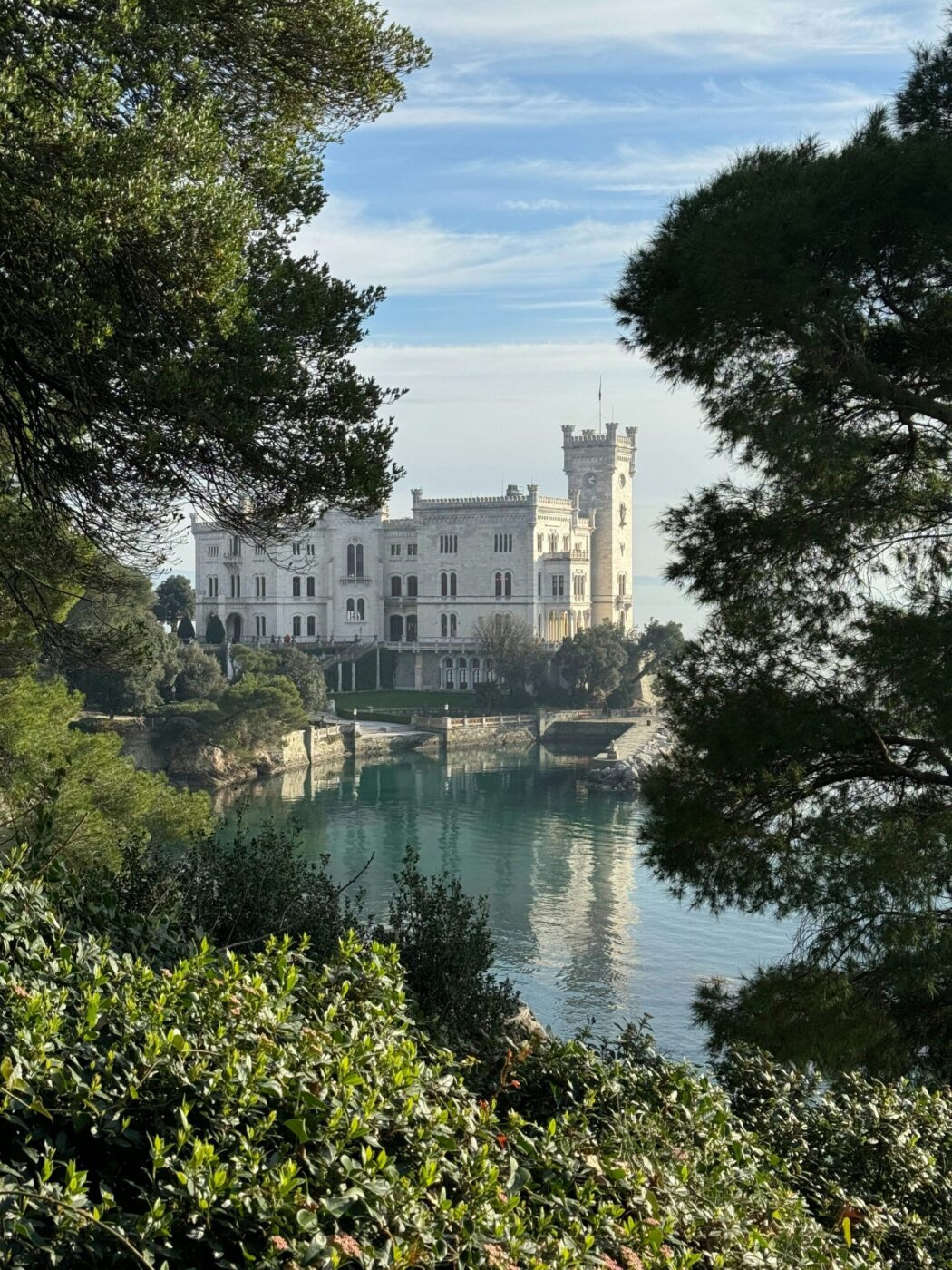
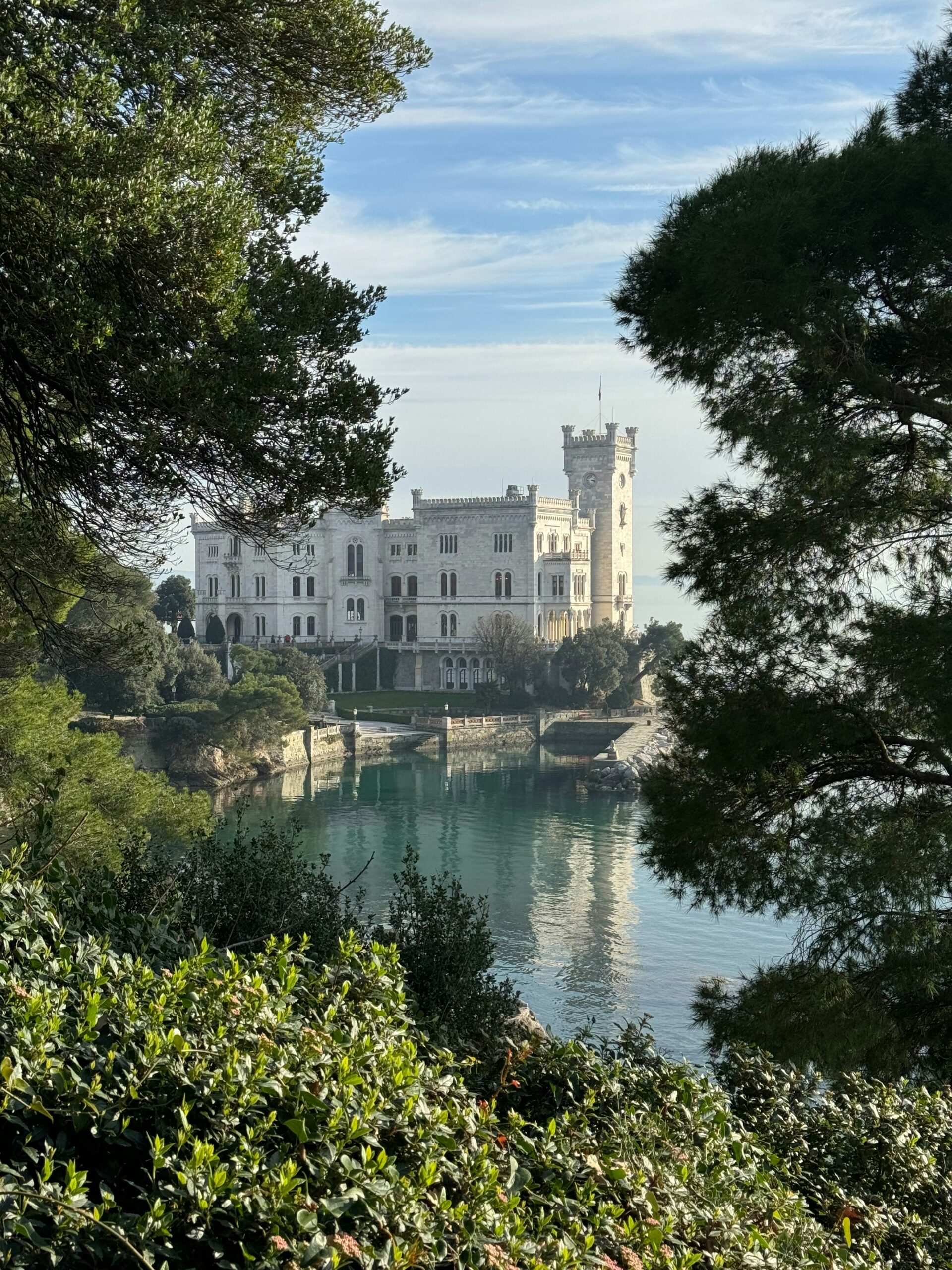
In the far northeast corner of the country, Trieste, a former stronghold of the Austo-Hungarian Empire, boasts Central European grandeur on the Adriatic. With the sea-facing Piazza Unità d’Italia, Italy’s largest, and a storied literary heritage, the city is as elegant as can be, with a curious mix of Austrian, Italian, and Slovenian influences. The port has also been the main gateway for imported coffee beans since the 18th century, feeding a café culture that rivals Vienna’s. Spend your days in the historic literary haunts like Antico Caffè San Marco (which doubles as a bookshop) or the oldest, Caffè Tommaseo, where James Joyce and Italo Svevo once held court.
Read More: 20 Foods You Must Eat in Friuli-Venezia Giulia
2. Parma
Emilia-Romagna
Even in a region defined by superlative gastronomy, Parma is a standout. The city has earned its title as a UNESCO Creative City for Gastronomy for good reason, being the source of two of the world’s most imitated and revered products: Prosciutto di Parma DOP and Parmigiano Reggiano DOP. This is a place where you not only eat well, but live well, thanks to its former ruler, Maria Luigia of Austria (Napoleon’s second wife), whose enlightened reign gifted the city a “Little Paris” air. Wander its charming historic center, painted in an eponymous buttery yellow, and look for Correggio’s Renaissance masterpieces in the Duomo and Parmigianino’s frescoes in the Basilica of Santa Maria della Steccata. The hallowed Teatro Regio di Parma, one of Italy’s most prestigious opera houses, has also come out with a grand 2026 season, including productions like Bellini’s Norma and Puccini’s Manon Lescaut. Parma is, quite simply, the most delicious and culturally enriching destination for those willing to seek it out.
Read More: Parma is Italy’s “Petit Paris”
3. Catania
Sicily
Catania is Sicily’s up-and-coming cool girl. Built from the very black lava stone (pietra lavica) that pours from its intimidating neighbor, Mount Etna, the island’s second-largest city is its creative engine. There’s a prolific music scene (and great dancing), with the legendary Mercati Generali as the cathedral of southern clubbing just outside the city. Early September’s Ricci Weekender is something to mark your calendar for: a festival dedicated to nu jazz, natural wine, and Sicilian food curated by Gilles Peterson.
Read More: 48 Hours in Catania & Catania A Tavola: The Best Restaurants in Catania
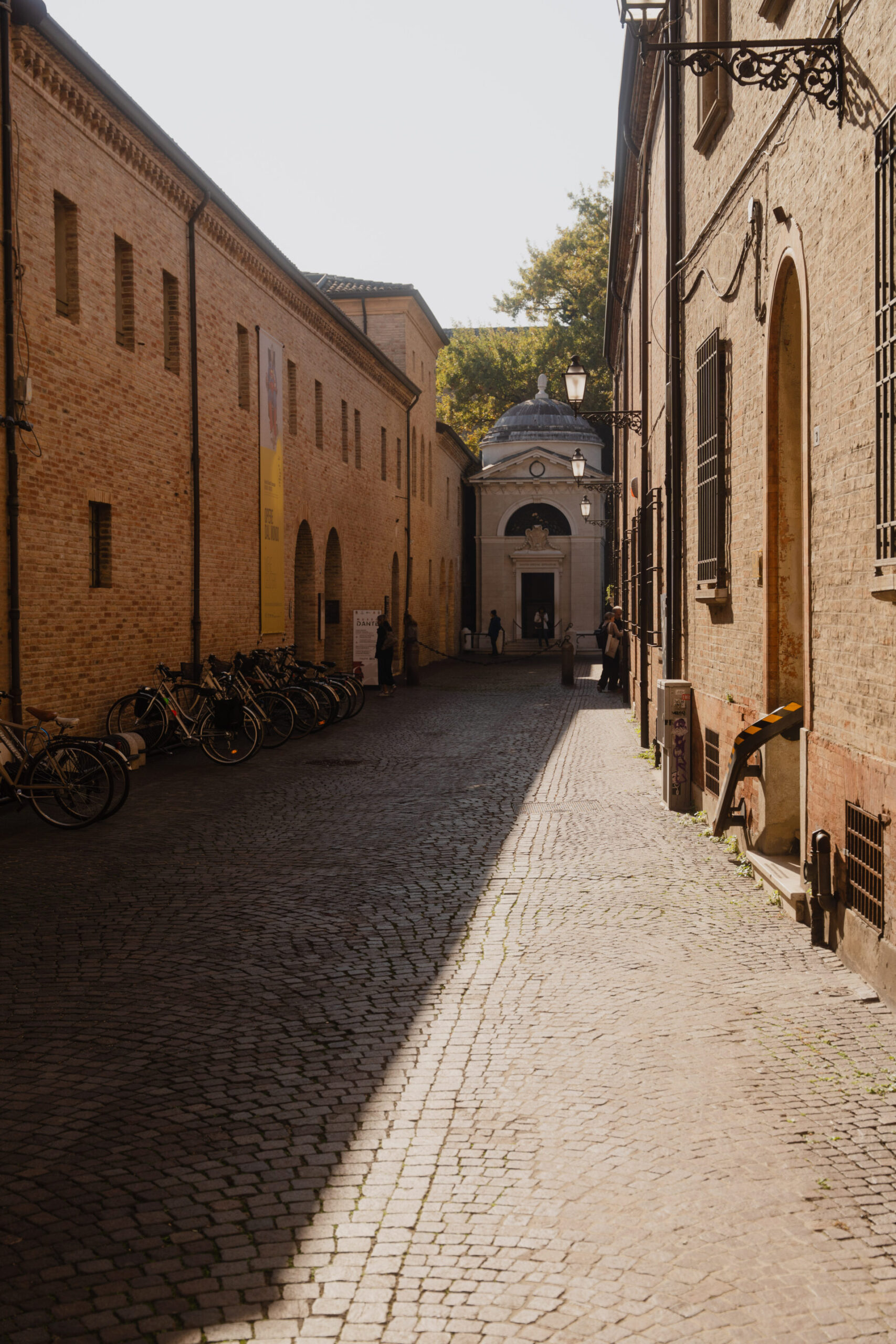
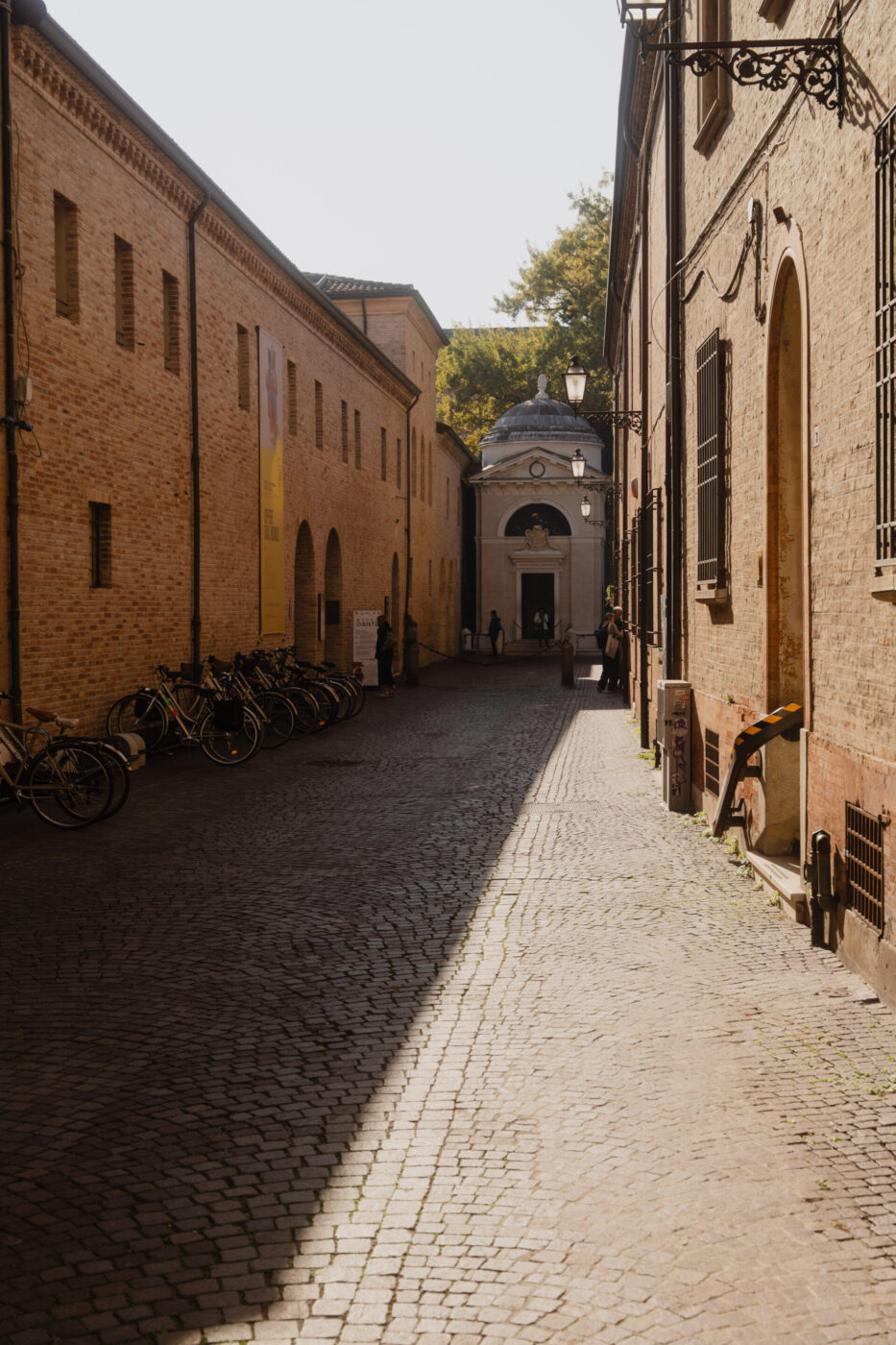
A quiet street in Ravenna; Photo by Gareth Paget
4. Ravenna
Emilia-Romagna
Skip the crowds queueing for the Vatican; the real seat of power in Italy’s ancient history is Ravenna, the triple-threat capital of the Western Roman Empire, Ostrogothic Kingdom, and Byzantine Italy—which left an opus of mosaics that have since earned UNESCO status. The materials—thousands of tiny cubes called tesserae, often backed with real gold leaf—were often designed to create a “heavenly” light, symbolic of God’s and the Emperor’s divine majesty. To this day, the mosaics in the Basilica of San Vitale and the ethereal, midnight-blue ceiling of the Mausoleum of Galla Placidia are peerless. If you’re able to just get up and go to Ravenna, we would—the 9th Biennial of Contemporary Mosaic runs through January 18th with plenty of exciting works that prove the art form is far from dead. You can find mosaics by Lebanese artist Omar Mismar at Palazzo Rasponi dalle Teste and site-specific works by Ismaele Nones in the Arian Baptistery. Even if you don’t make it in time, don’t miss checking out Nicola Montalbini’s “Il Pavimento” at Porta Adriana, a permanent floor mosaic inaugurated for the Biennale.
Read More: Are Mosaics “Dead”? Ravenna’s Biennale Proves Otherwise & Ravenna After the Floods: A Surprising Summer Destination
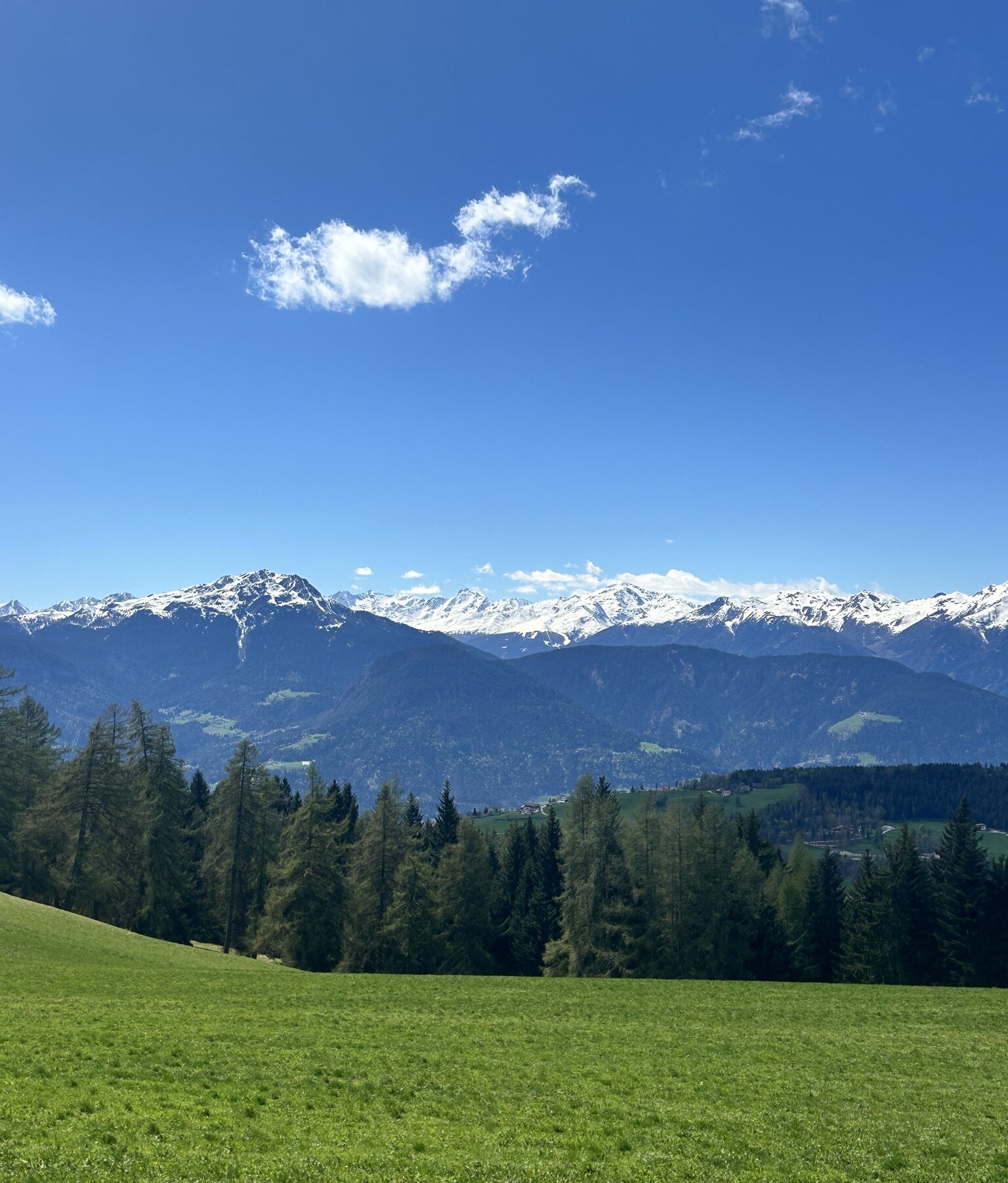
Salten meadow
5. Bolzano
Trentino-Alto Adige
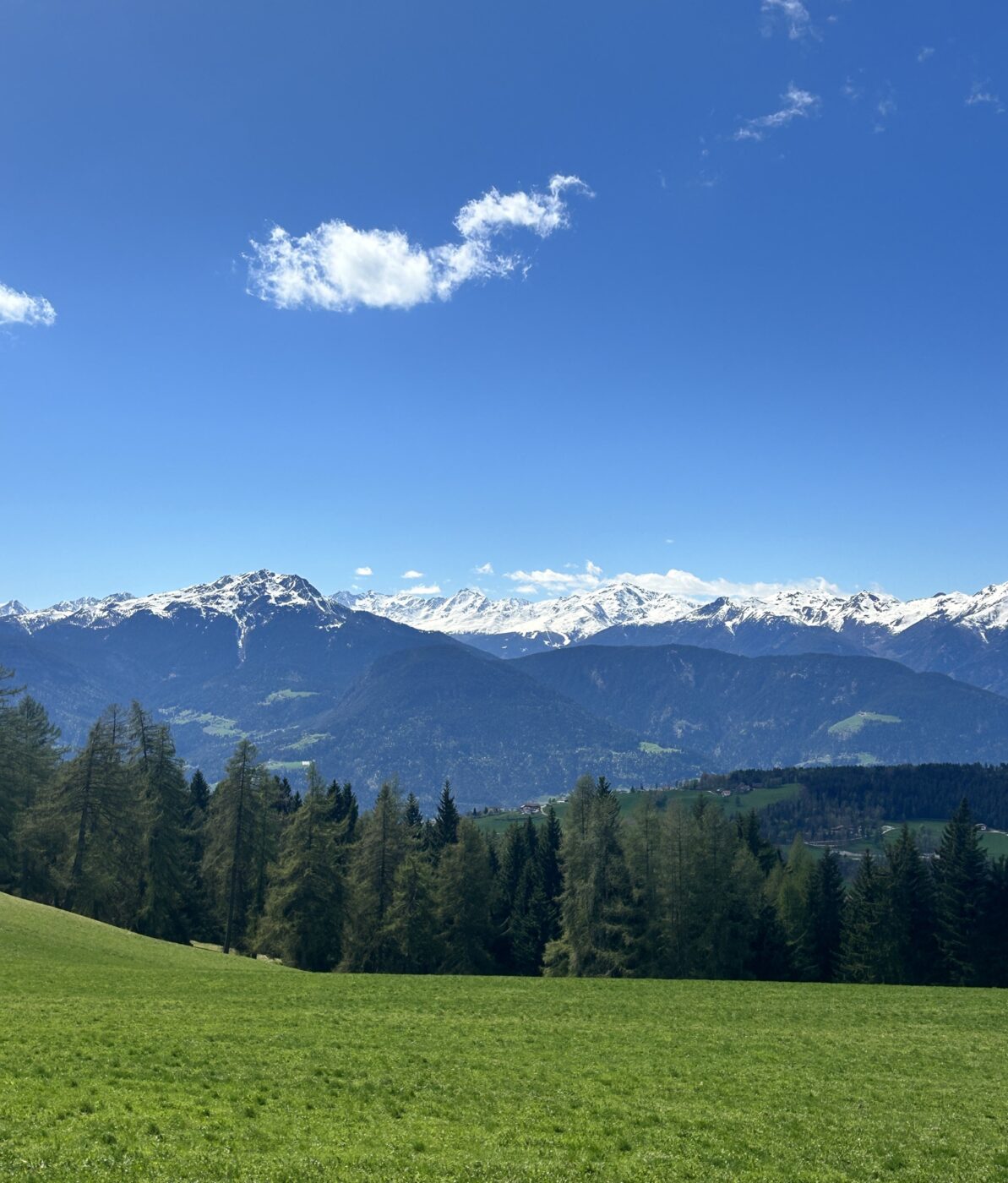
While Bolzano is always a fascinating cultural hybrid—where canederli dumplings sit comfortably next to spaghetti on menus—the city’s real energy this year has come from a new generation of locals bringing a contemporary cool. They’re behind sophisticated spots like Archivio 87, a communal-tabled culinary experience that pops up in different locations, and DAMA studio, a boutique which uses deadstock fabrics for a chic clothing line. That said, it’s also a great home base for exploring the surrounding mountains, whether you’re more into skiing or hiking/biking the Salten meadow, Europe’s highest larch plateau. Our favorite place to stay for access to both nature and the city is Hotel Saltus in nearby San Genesio, a minimal design retreat with an impeccable spa.
Read More: A Local’s Guide to Bolzano
6. Favignana
Sicily
Shaped like a butterfly just off the coast of Trapani, Favignana, the largest of the Egadi Islands, has long been the “secret” summer escape for mainland Sicilians—but that’s about to change. Favignana is set to be the ultimate set-jetting destination in 2027 thanks to the 2026 summer blockbuster release of Christopher Nolan’s epic The Odyssey, starring Zendaya and Matt Damon. (The island is often cited by scholars as Homer’s “Goat Island”.) So you’d better go now, before the crowds swarm Cala Rossa’s day-glo turquoise waters.
You also can’t mention Favignana without talking tuna: the island was once the tuna capital of Italy, dominated by the powerful Florio family in the 19th century. The colossal, Ex-Stabilimento Florio, a former factory where tuna was processed for all of Europe, still looms large near the port and can be toured today. After a day swimming and exploring, you’ll trade fine dining for an aperitonno (tuna-based aperitivo) and finish the night dancing under the stars, just like the locals do.
Read More: Is Favignana Ready For Its Close-Up?
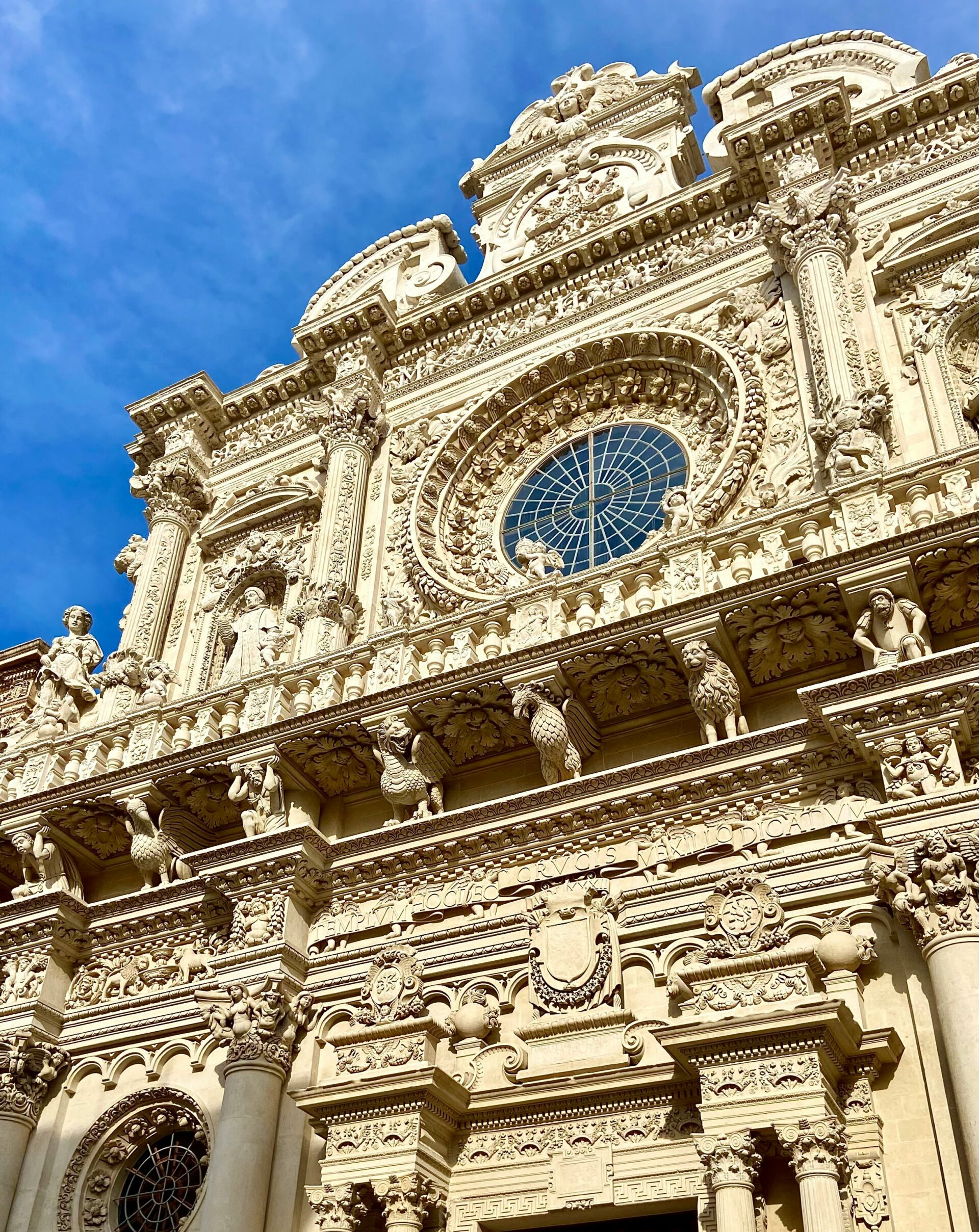
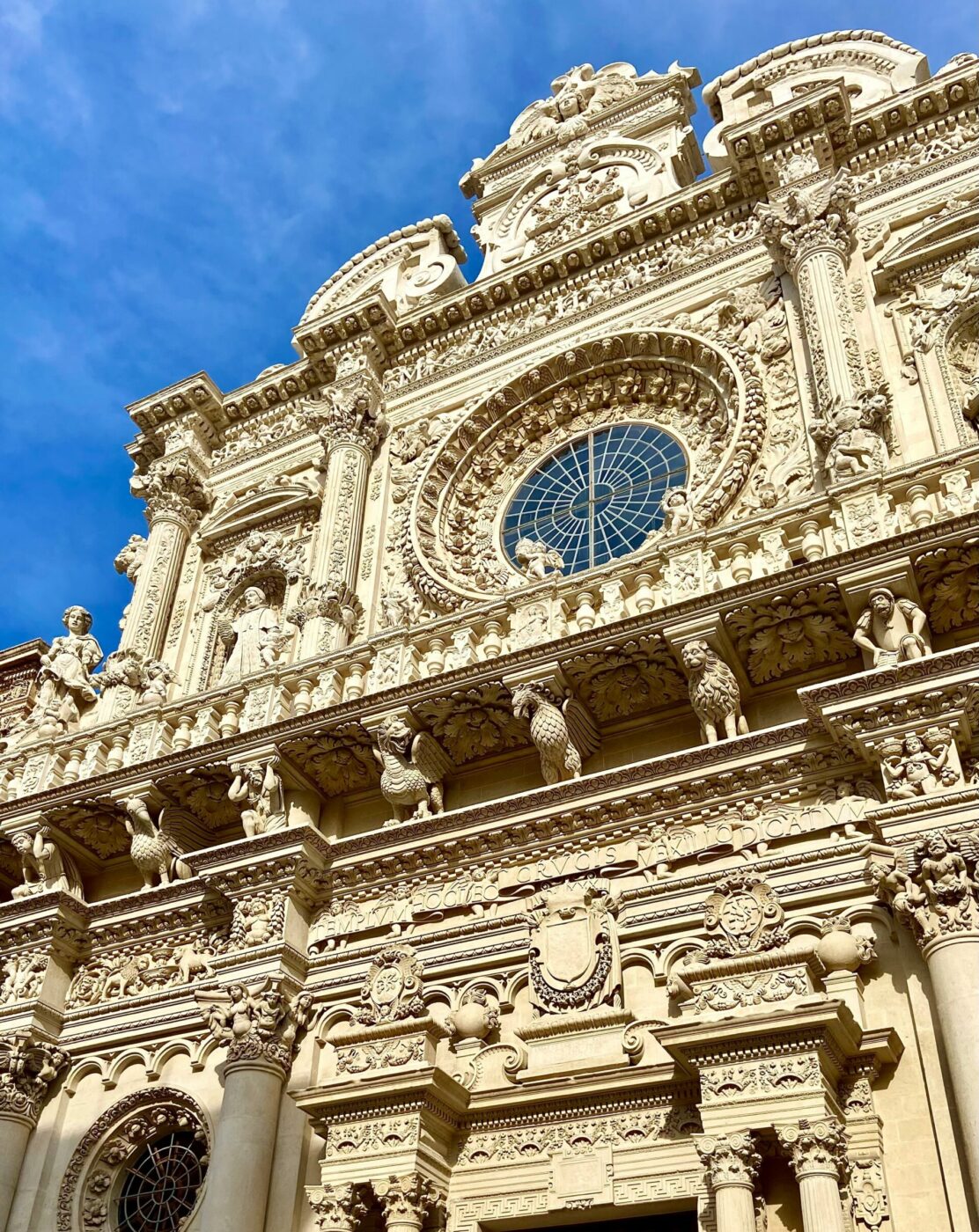
The Baroque facade of Basilica di Santa Croce in Lecce
7. Lecce
Puglia
Lecce is often called the “Florence of the South,” a title that completely undersells its singular beauty. This Puglian baroque masterpiece is carved almost entirely out of warm, honey-colored Pietra Leccese limestone (which makes it glow in all sorts of yellows at sunset) and, unlike its Tuscan counterpart, it’s not overrun with tourists (at least not during peak summer). The city is quickly becoming the hub for Salento’s slow-living cultural renaissance with a robust craft scene. Look for the artisanal workshops tucked near the Basilica di Santa Croce, where young creatives are updating the region’s ancient papermaking and cartapesta (papier-mâché) traditions with contemporary design flair. It may seem dry to talk infrastructure, but 2026 marks the culmination of massive investment in Puglia’s regional rail network. With the fleet renewal soon to be complete, new trains and integrated bus services have transformed Lecce into a car-free hub—the perfect launchpad for day trips to Martina Franca or the Ionian Coast. If, instead, you’d prefer to make Lecce your day trip, you can stay at our favorite nearby properties: Borgo Gallana, a collection of three villas north of the city, or Masseria Prosperi, a luxury masseria near the Adriatic coast.
Read More: A Local’s Guide to Salento, Puglia
8. Gibellina
Sicily
After the 1968 Belice earthquake flattened the original village of Gibellina, the local government chose to rebuild it as Italy’s largest open-air art museum. The main pilgrimage point is the monumental Grande Cretto di Burri at the old site—a blinding white concrete shroud, designed by Alberto Burri, and laid over the entirety of the ruins, turning the layout of the old streets into a seminal work of land art. Down the road, Nuova Gibellina is an architectural playground with installations by the likes of Pietro Consagra, Arnaldo Pomodoro, and Mario Schifano, and in 2026, Gibellina becomes the first-ever Italian Capital of Contemporary Art. This designation ensures a big year of special exhibitions, new programs under the banner “Portami il Futuro” (“Bring Me the Future”), and major restoration projects that will breathe life back into the town’s incredible, and often forgotten, collection of over 5,000 pieces.
Read More: Why Gibellina, Sicily Is Italy’s Next Capital of Contemporary Art
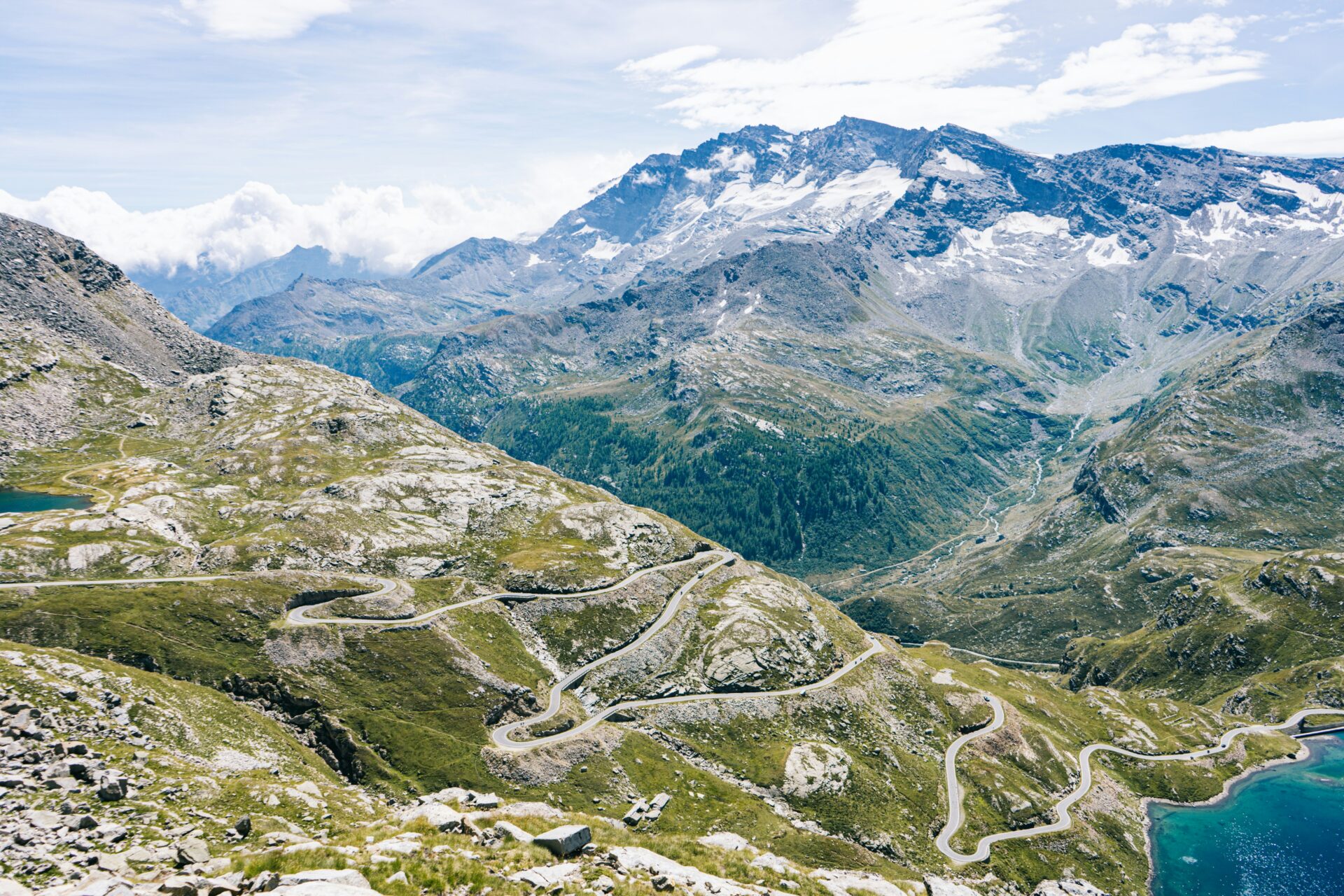
A sweeping vista of the Gran Paradiso National Park
9. Parco Nazionale Gran Paradiso
Piedmont / Valle d’Aosta
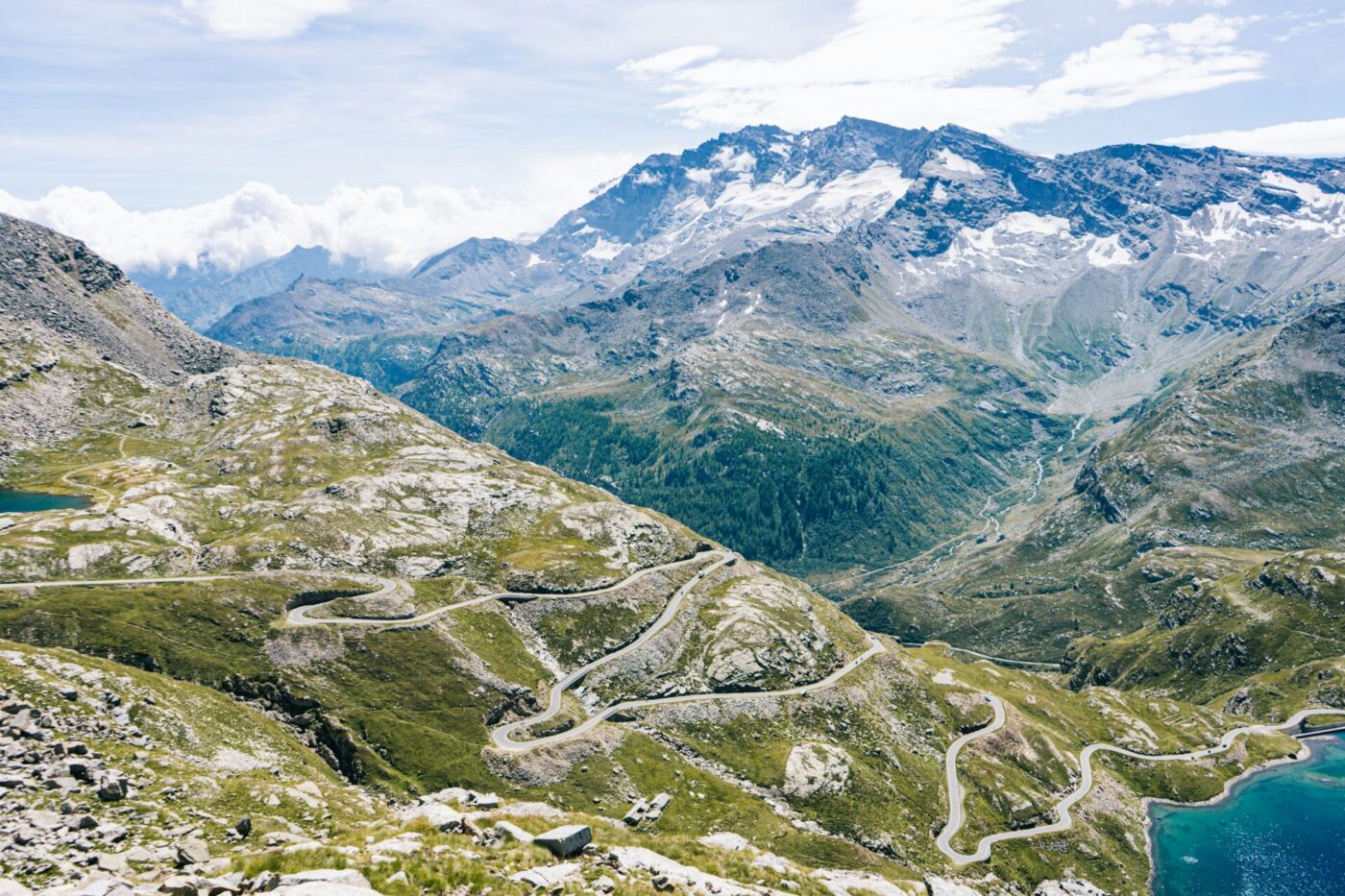
If you’re looking for the Italian Alps’ most underrated destination, look no further than Gran Paradiso National Park. Italy’s first national park, this rugged swath of the Graian Alps established in 1922 is split between Piedmont and Valle d’Aosta and is centered around the eponymous 4,061-meter peak—the only four-thousander entirely on Italian soil. The landscape is everything you’re looking for in an Alpine adventure: 57 glaciers, crystalline lakes (like Djouan), deep-cut valleys (Cogne, Valsavarenche), and a dense network of 500 km of trails, many repurposed from old royal hunting tracks. You can hike the high-altitude routes in summer, or explore the valleys and cross-country ski tracks around Cogne in the winter, keeping an eye out for marmots, chamois, and bearded vultures alongside the iconic Alpine Ibex, a massive-horned mountain goat saved from extinction right here.
Read More: 36 Hours in Valle D’Aosta
10. Maremma
Tuscany
The Tuscany of cypress-lined drives and Chianti bus tours is so over. Try instead the region’s “wild west”, a vast, untamed frontier stretching across the Grosseto province and down into Lazio. Here, you’ll find the butteri, Italy’s cowboys, still riding herd on long-horned Maremmana cattle across windswept plains and the clear waters of Argentario. Maremma is a summertime favorite of Romans and Florentines, but colder-weather weekends are also in order, spent walking or horseback riding through the Etruscan Vie Cave, or sunken roads, that connect small hilltop towns; afterward, bypass the expensive spas and join the locals at the free, steamy hot springs of Saturnia. Finish the day with a plate of hearty tortelli maremmani, large ravioli stuffed with ricotta and spinach.
Read More: Maremma: A Taste of the Tuscan Wild West
11. Salina
Sicily
The other Aeolian Islands can keep their disco nights and VIP yacht crowds; Salina is for those who appreciate something low-key in vibe and high-key in natural beauty. Nicknamed the “Perla Verde” (Green Pearl), it’s the lushest of the archipelago thanks to its twin, dormant volcanoes—Monte Fossa delle Felci and Monte dei Porri—which provide freshwater and create an emerald landscape completely unlike its rocky neighbors. Add to that the fact that Salina was the first in the archipelago to actively protect its environment, establishing the Riserva Naturale del Fossa delle Felci e dei Porri, and it’s easy to see how 400 different plant species thrive here, including superlative grapes, olives, and capers. It’s widely claimed that the latter are the best in the world—a crop so revered that an annual caper festival takes place during the first weekend of June. Salina was also once the sole production area for Malvasia delle Lipari white wine, and still does it best (we encourage you to seek out the sweet passito style). Last but not least, a sunset from the half-submerged crater of Pollara Bay (a cinematic setting for Il Postino) is worth the journey alone… as is the ricotta and caper granita at Pa.Pe.Ro’ al Glicine.
Read More: Covert Caper Hunting on the Aeolian Islands & A Local’s Guide to Sicily: The Islands
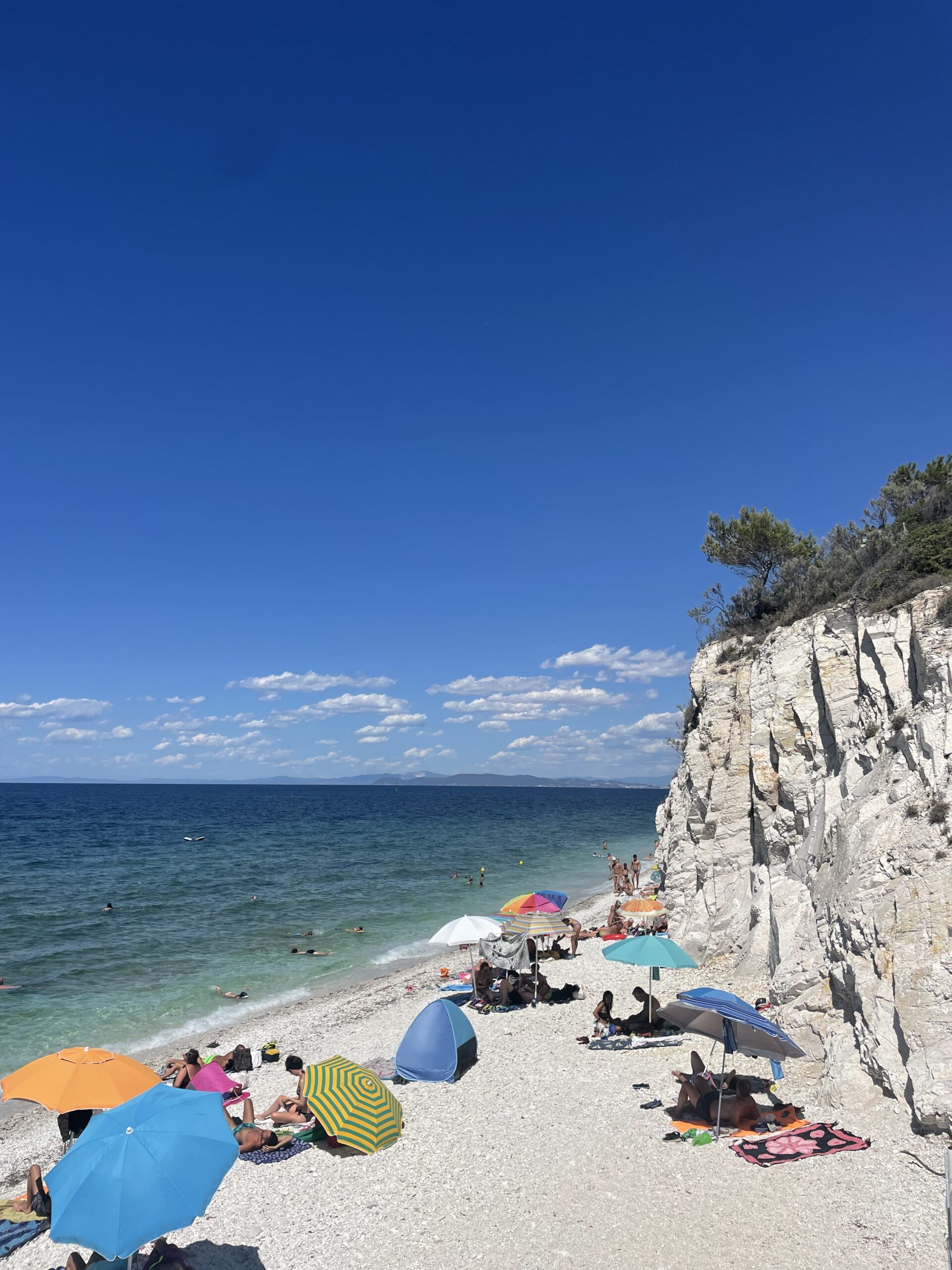
One of Elba's rocky beaches
12. Elba
Tuscany
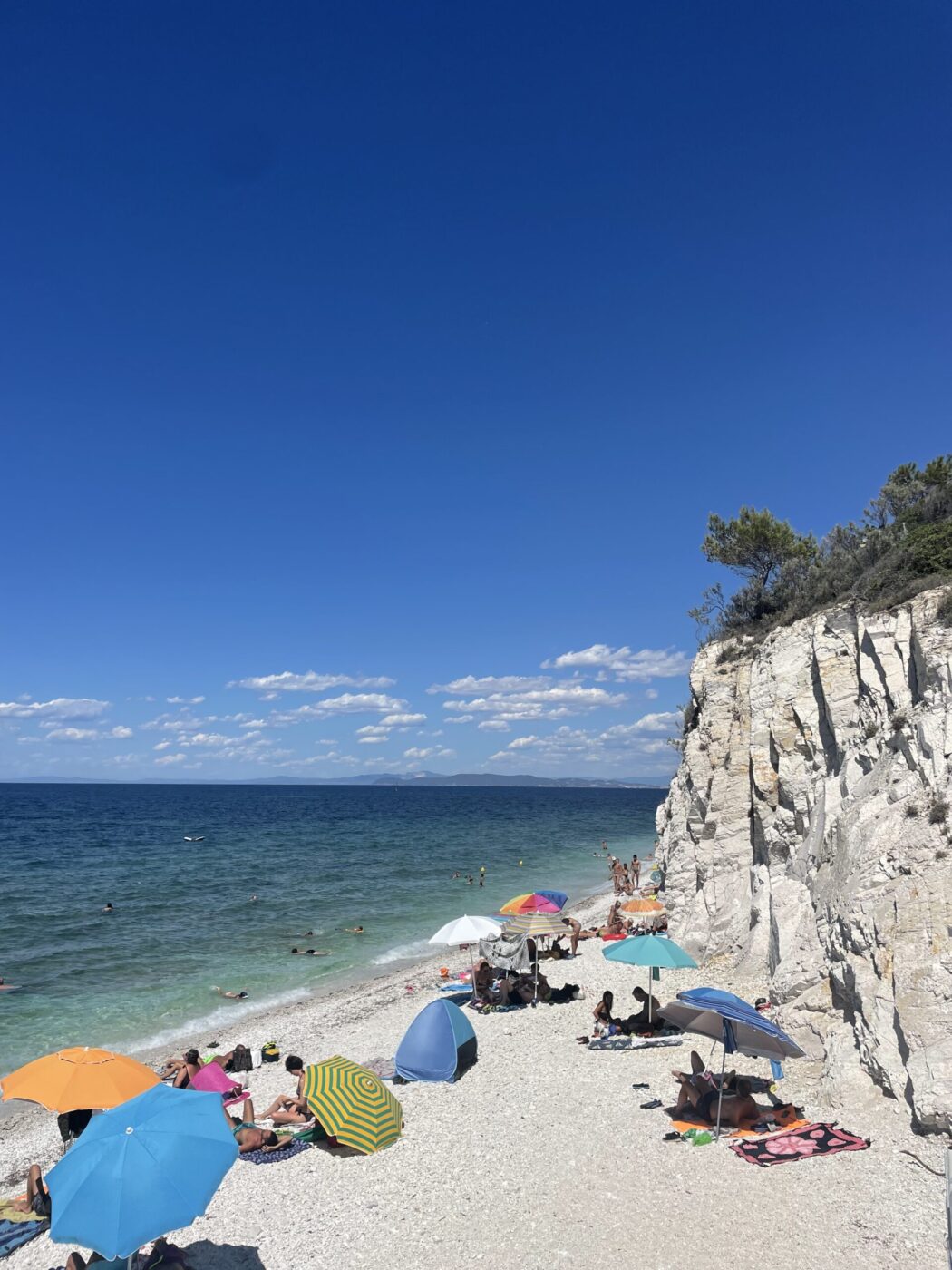
At 224 square-kilometers, Elba isn’t large, but its terrain is kaleidoscopic. Swim at one (or many) of Elba’s 150 coves, ranging from the sparkling white pebbles of Sansone to the fine golden sand of Fetovaia, and the striking black, mineral-rich earth near Terranera, a direct result of its ancient iron mines. Or, summit the island’s highest peak, Monte Capanne (via a challenging hike or a comfortable cable car), for views spanning the entire Tuscan archipelago. Most know Elba as the site of Napoleon’s 1814 exile (notably, as the island’s sovereign, not prisoner), and you can trace his footsteps through the Villa dei Mulini in the Medici fortress of Portoferraio before escaping, much like he did, to the wilder parts. Florentines have long treated this gem as their summer sanctuary, as have, curiously, savvy Germans, yet compared to the over-preened Amalfi Coast or the perpetually jammed Cinque Terre, Elba remains delightfully low-key.
Read More: A Local’s Guide to Elba Island
13. Milan
Lombardy
Milan, our stylish powerhouse of the north, has always been the most forward-looking place in Italy, and 2026 is no different. Thanks to the Milano Cortina 2026 Winter Games, there’s a whole new crop of development projects, including the former Porta Romana railway yard, now reborn as the hyper-sustainable Olympic Village. Beyond February, this area transforms into 1,700 new student homes and a massive public park, creating a vibrant, new-generation quartiere. Skip the tourist traps of the center and dive straight into the buzz of these transformed industrial areas—that’s where the real Milanese are heading.
Read More: Milano A Tavola: The Best Restaurants in Milan, The 20 Best Places To Go for Aperitivo in Milan & The Hip Local’s Guide to Milan and Como
14. Cortina
Veneto
As you probably well know, in 2026, Cortina d’Ampezzo will host the main Alpine events for the Winter Olympics. While much focus will fall on the Milan ceremonies, Cortina is where the high-octane action—from the downhill skiing to the bobsleigh and luge competitions—will be set against the backdrop of the UNESCO-protected Tofane and Cristallo peaks. As part of the massive Dolomiti Superski system, Cortina offers 120 km of its own pistes, balancing intermediate cruisers—which make up the majority of the mountain—with formidable expert challenges like the infamous Forcella Rossa. So even if you can’t make it to the games themselves, it’s worth visiting soon for the new gondolas and lifts which have improved connectivity across the slopes.
Read More: A Local’s Guide to Cortina

Snow-covered ruins in Aosta
15. Aosta
Valle d’Aosta
Often overshadowed by its flashier Alpine counterparts—the celebrity slopes of Courmayeur and the glacial majesty near Chamonix—Aosta, capital of the autonomous region Valle d’Aosta, deserves its moment. This ancient city offers the most completely preserved Roman urban plan outside of Rome itself, with the formidable Arch of Augustus and the Porta Pretoria, and is a fantastic base camp for the entire valley. A quick cable car ride links you seamlessly to the ski slopes of Pila, or a short, scenic drive takes you to one of 100+ castles like Castello di Fénis, Forte di Bard, and Castello di Issogne. The Cammino Balteo, a mid-altitude trekking path, has also been recently revitalized; walk it through the vineyards above the valley, where the ungrafted Prié Blanc grape yields a singularly mineral-driven wine.
Read More: Off the Slopes: A Day in Valle D’Aosta
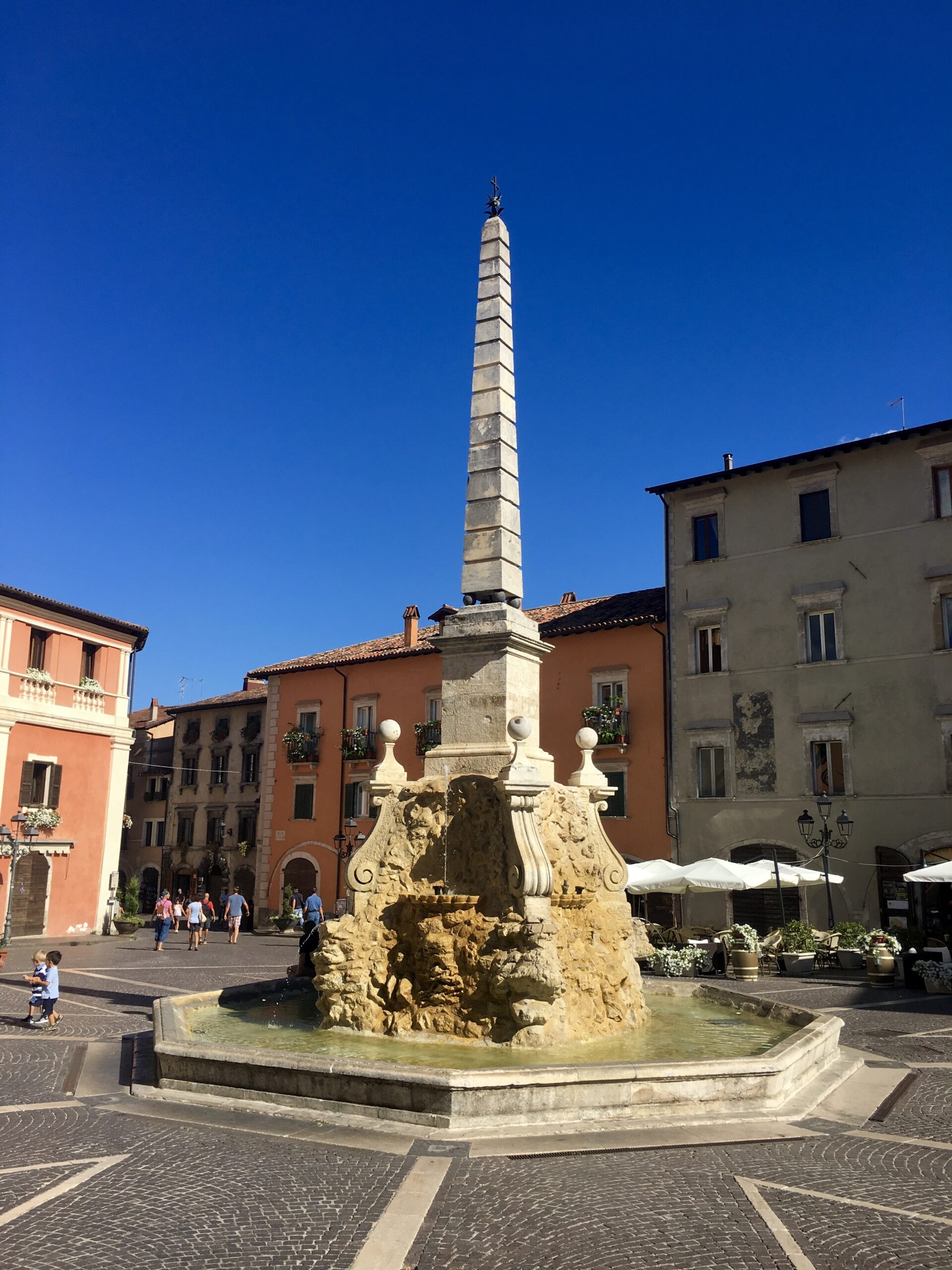
A piazza in L'Aquila
16. L’Aquila
Abruzzo
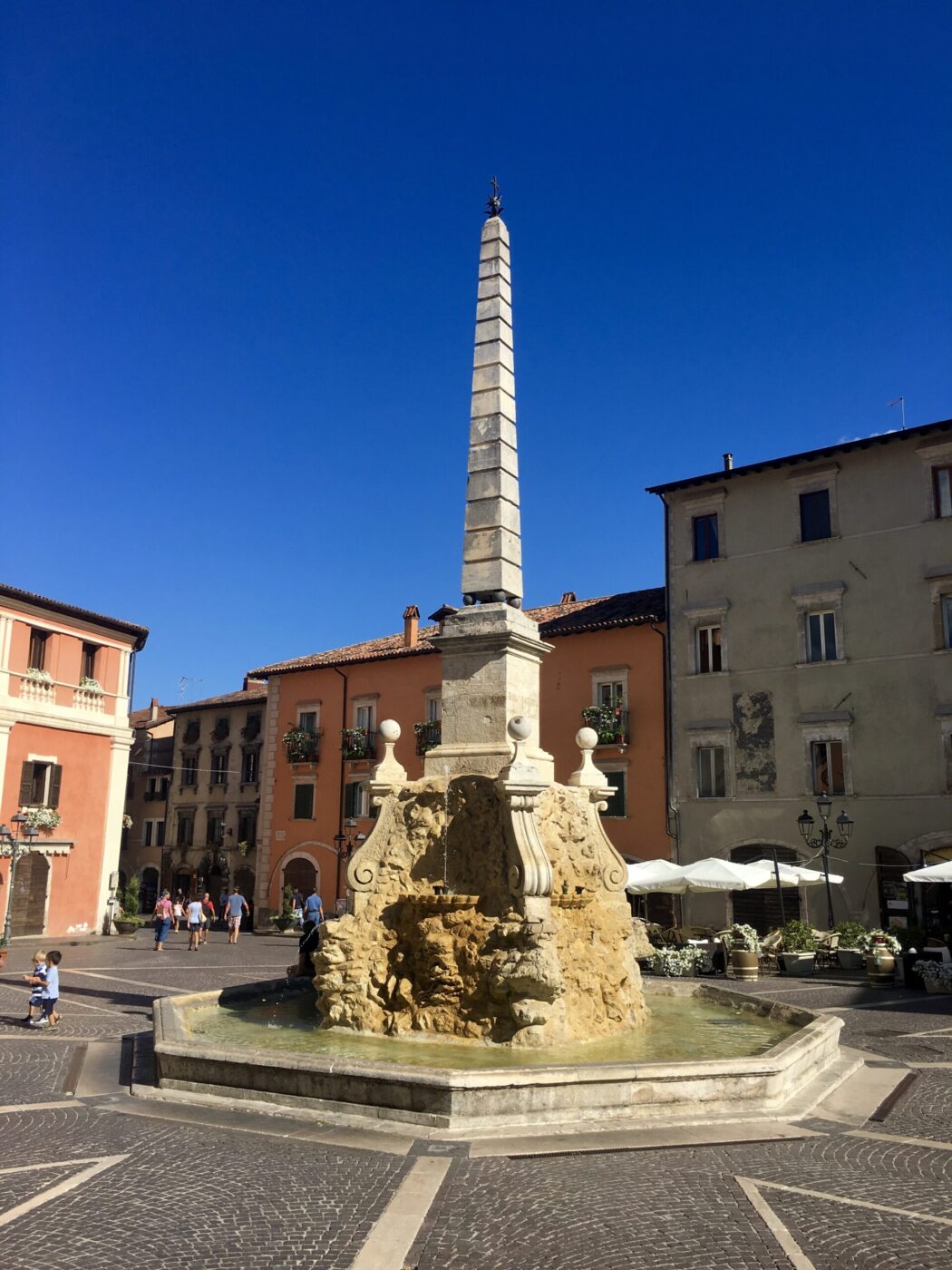
L’Aquila has been an underdog for a long time, but in 2026, the city finally takes its victory lap as the Italian Capital of Culture, having beaten out heavyweights like Rimini and Treviso for the title. After the 2009 earthquake that left much of the city in ruins, this designation is recognition that the “Multiverse City” has successfully rebuilt itself into a sleek contemporary hub. The historic center, once silent, is back: restored palazzi house chic new wine bars and art spaces, and MAXXI L’Aquila, the only outpost of Rome’s contemporary art museum, is staging a massive exhibition curated by provocateur Maurizio Cattelan. You’ll also find Marinella Senatore’s School of Narrative Dance turning the streets into a stage and installations that use augmented reality to overlay the city’s “ghosts” with its future.
Read More: A Local’s Guide to Abruzzo
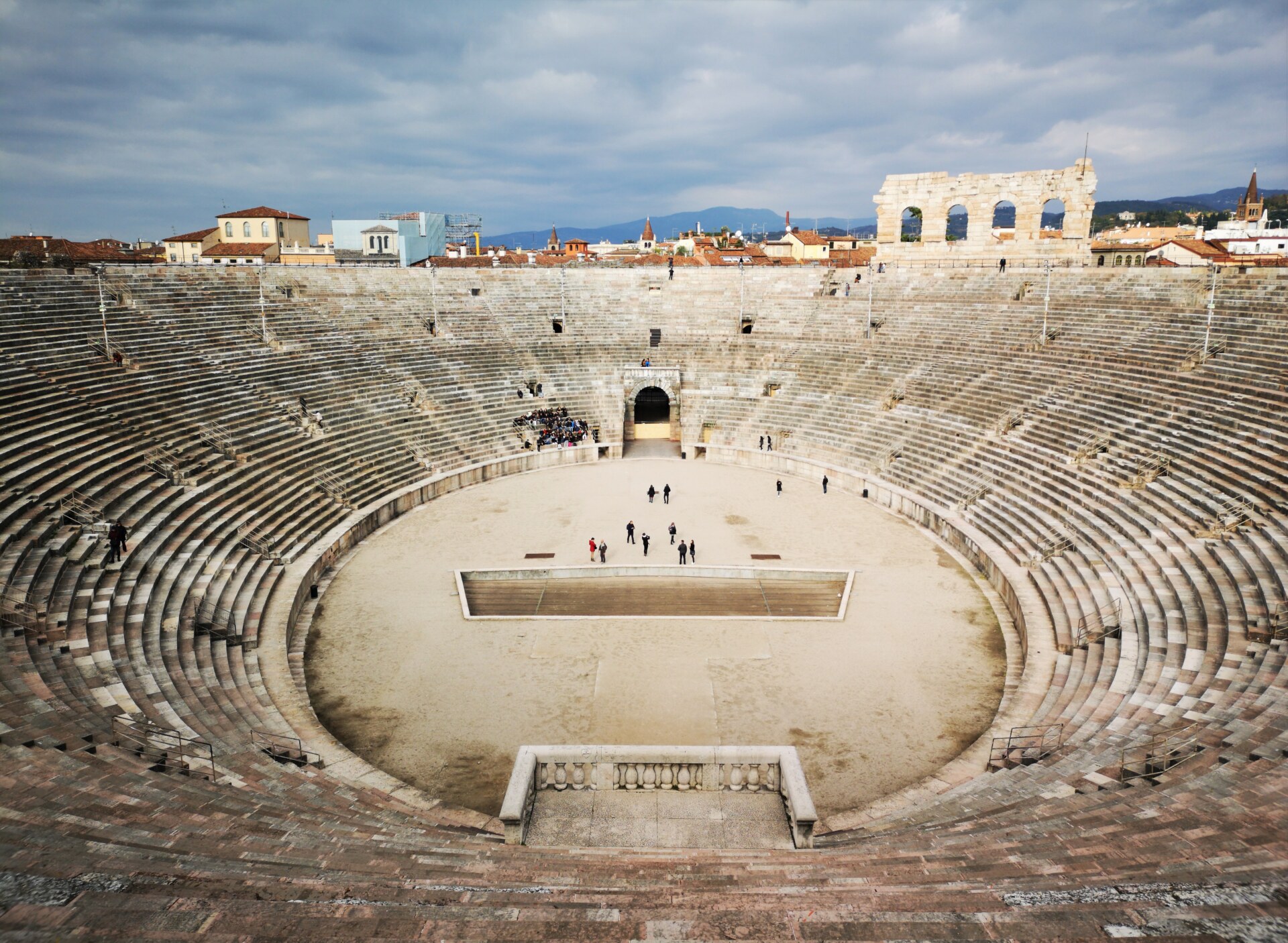
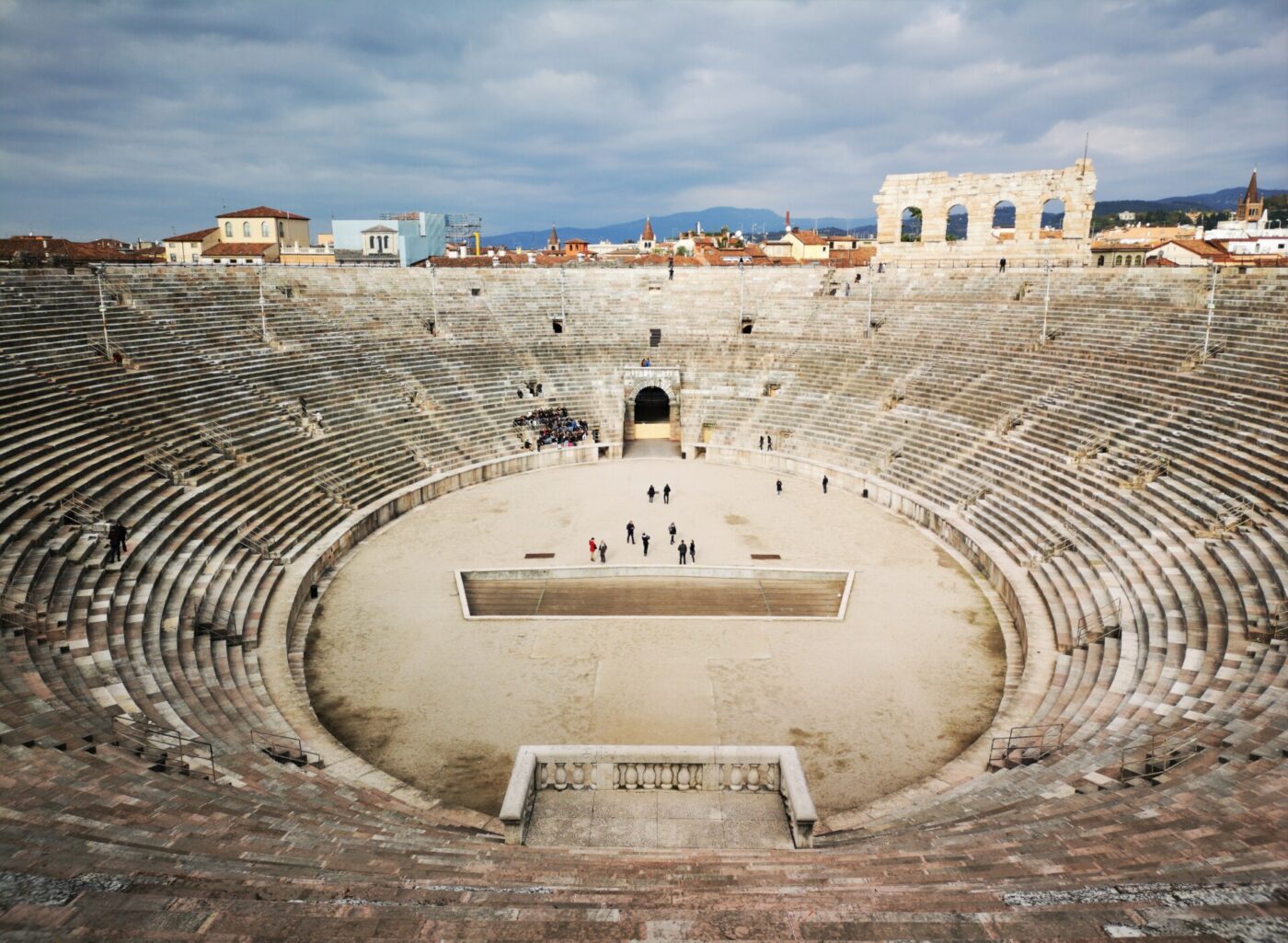
Arena di Verona, the stage for the opera festival
17. Verona
Veneto
Verona is forever typecast as the setting of Romeo and Juliet, but we recommend skipping the balcony and heading straight for the Arena di Verona. This Roman amphitheater is the world’s most spectacular open-air opera house, hosting the longest and grandest annual opera festival, which celebrates its 103rd edition in 2026 (and will run from June to September). Arena Opera Festival is putting on two rivaling productions of Aida: the traditional vision by Franco Zeffirelli and a bold, reimagined one by contemporary director Stefano Poda. Plus, 2026 marks the 100th anniversary of Puccini’s final masterpiece, Turandot, making the revival of the Zeffirelli production, with costumes by Oscar-winning Emi Wada, mandatory viewing in August/September; proof that Verona can be both love story and epic tragedy.
Read More: The Women of Italian Opera
18. Bologna
Emilia-Romagna
For too long, Bologna has been unfairly relegated to a pit-stop on the way to Florence or Venice, celebrated only for pastas (which are indeed magnificent), and its University of Bologna (the oldest in the Western world, dating back to 1088). But for the true cultural insider, Emilia-Romagna’s capital is also an up-and-coming hotspot for cinema. In late June (June 20th–28th), the city will buzz for the 40th anniversary of Il Cinema Ritrovato, the film festival dedicated entirely to restored and rediscovered cinema, featuring everything from silent-era gems accompanied by live orchestral scores to Pre-Code Hollywood melodramas, Nordic Noir rarities, forgotten Japanese masters, and Italian commedia all’italiana classics. Film buffs would be remiss to skip these nine days of dawn-to-dusk screenings and, most gloriously, free, open-air films every night in Piazza Maggiore.
Read More: Bologna A Tavola: The Best Restaurants in Bologna & The 16 Best Spots for Aperitivo in Bologna.
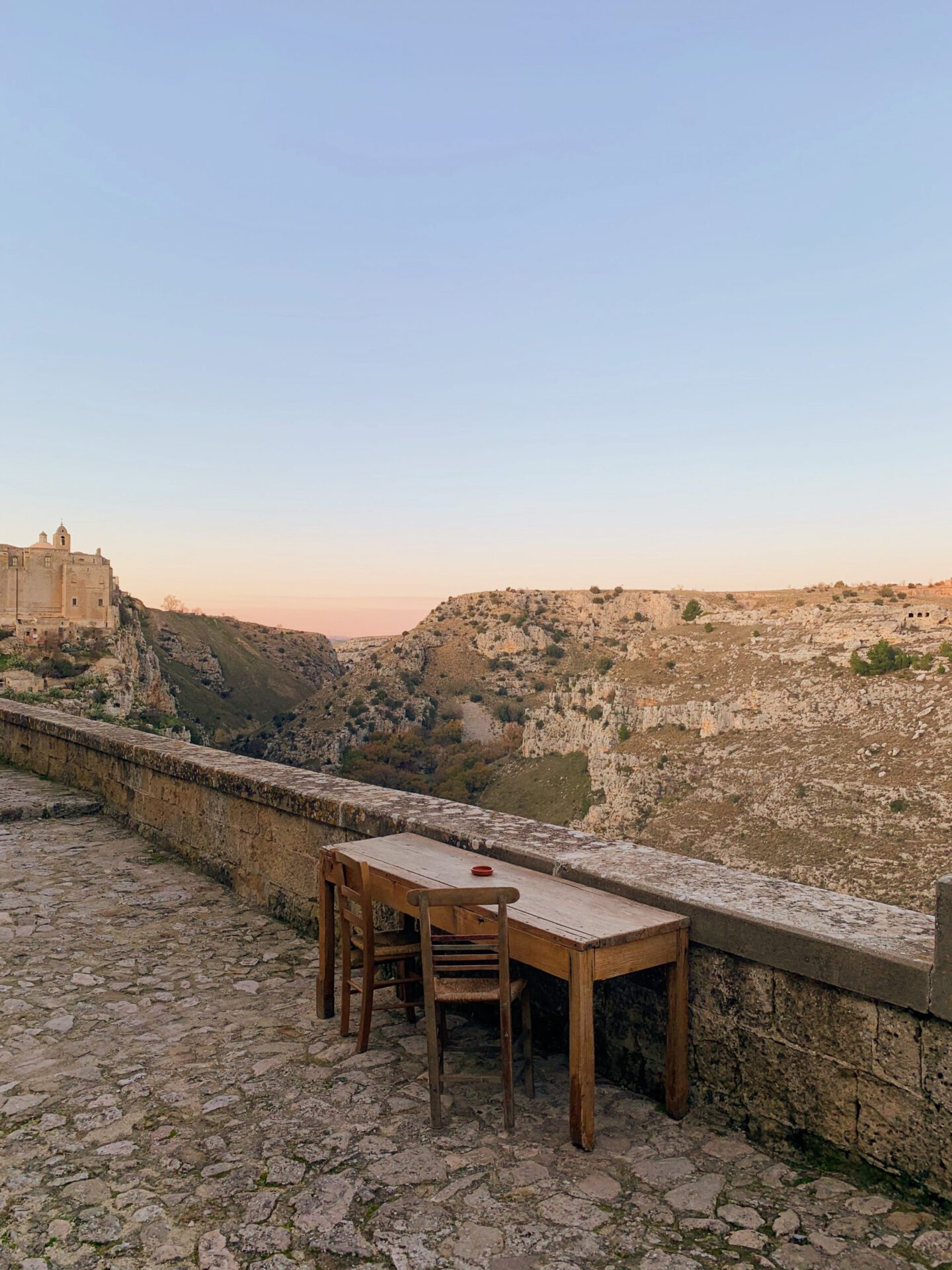
One of Basilicata's stunning views
19. Basilicata
Basilicata
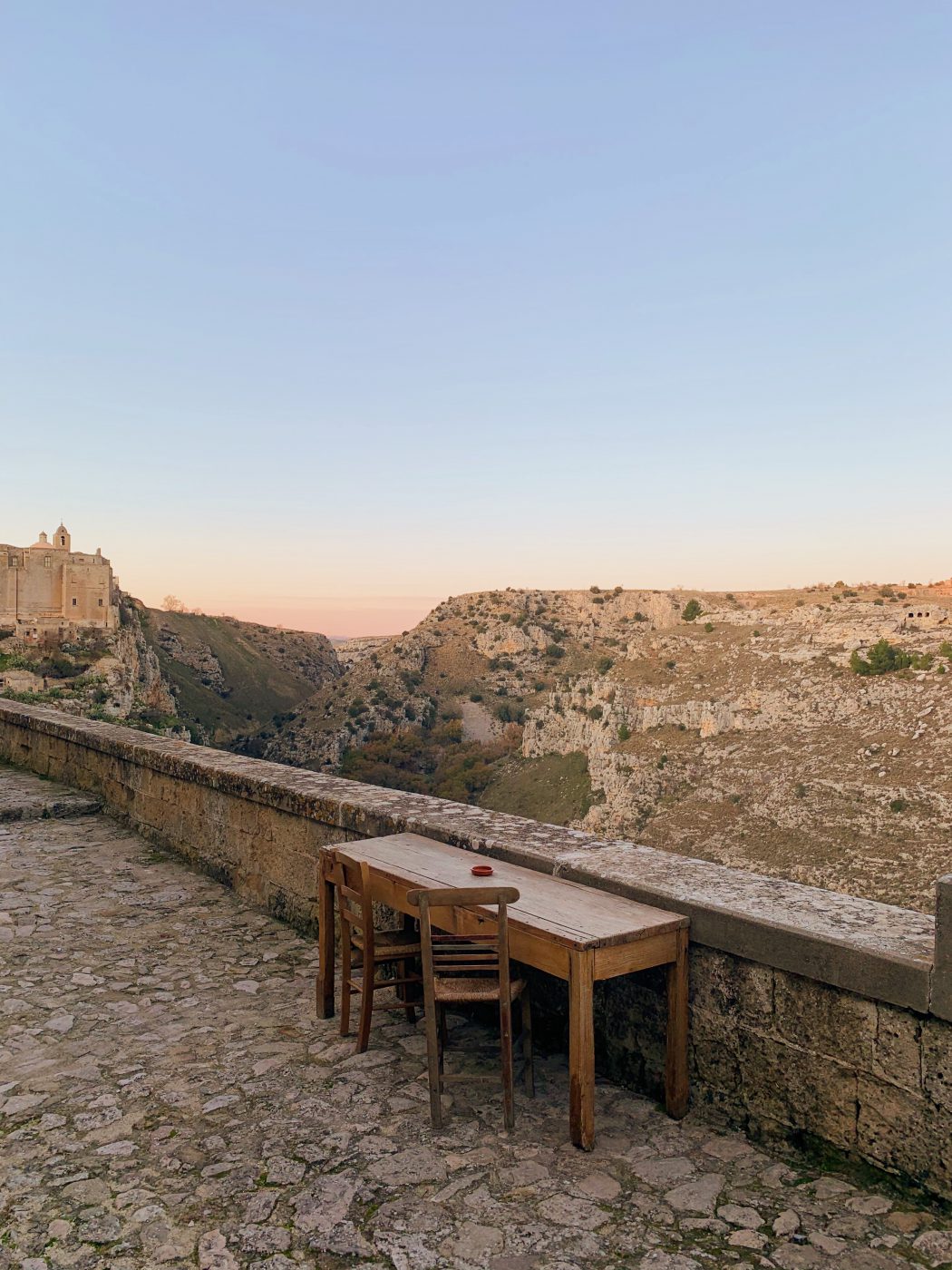
In the perennial debate over which Southern Italian region remains genuinely unknown, the answer is still Basilicata. This region, known locally as Lucania, operates entirely outside the branded tourist economy of its neighbors (save for Matera), offering a cinematically dramatic landscape that rewards the traveler with gumption. We recommend renting a car and going all over, from Parco Nazionale del Pollino—Italy’s largest national park—to the medieval ruin of Craco Vecchia, a ghost town set atop clay badlands and often utilized as a film set (see Mel Gibson’s The Passion of the Christ). These bare, lunar-like badlands lead to some of Italy’s darkest skies, providing spectacular viewing of the Milky Way and sunsets that paint the horizon a deep purple.
Read More: Silence and Spirits of Eastern Basilicata & Matera: An Ancient City’s Modern Comeback
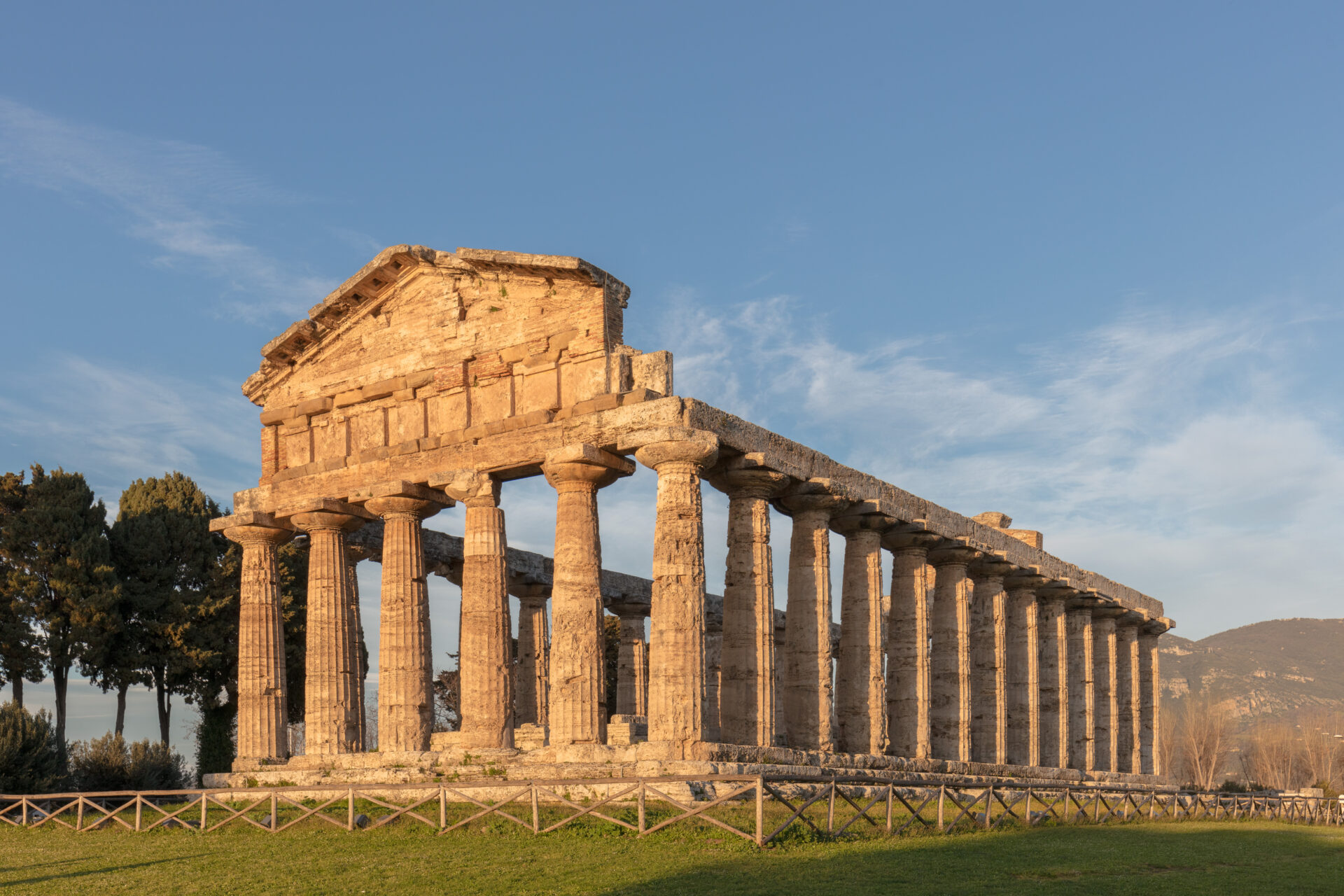
Agropoli; Photo by Diego Delso, CC BY-SA 4.0 via Wikimedia Commons
20. Agropoli
Campania
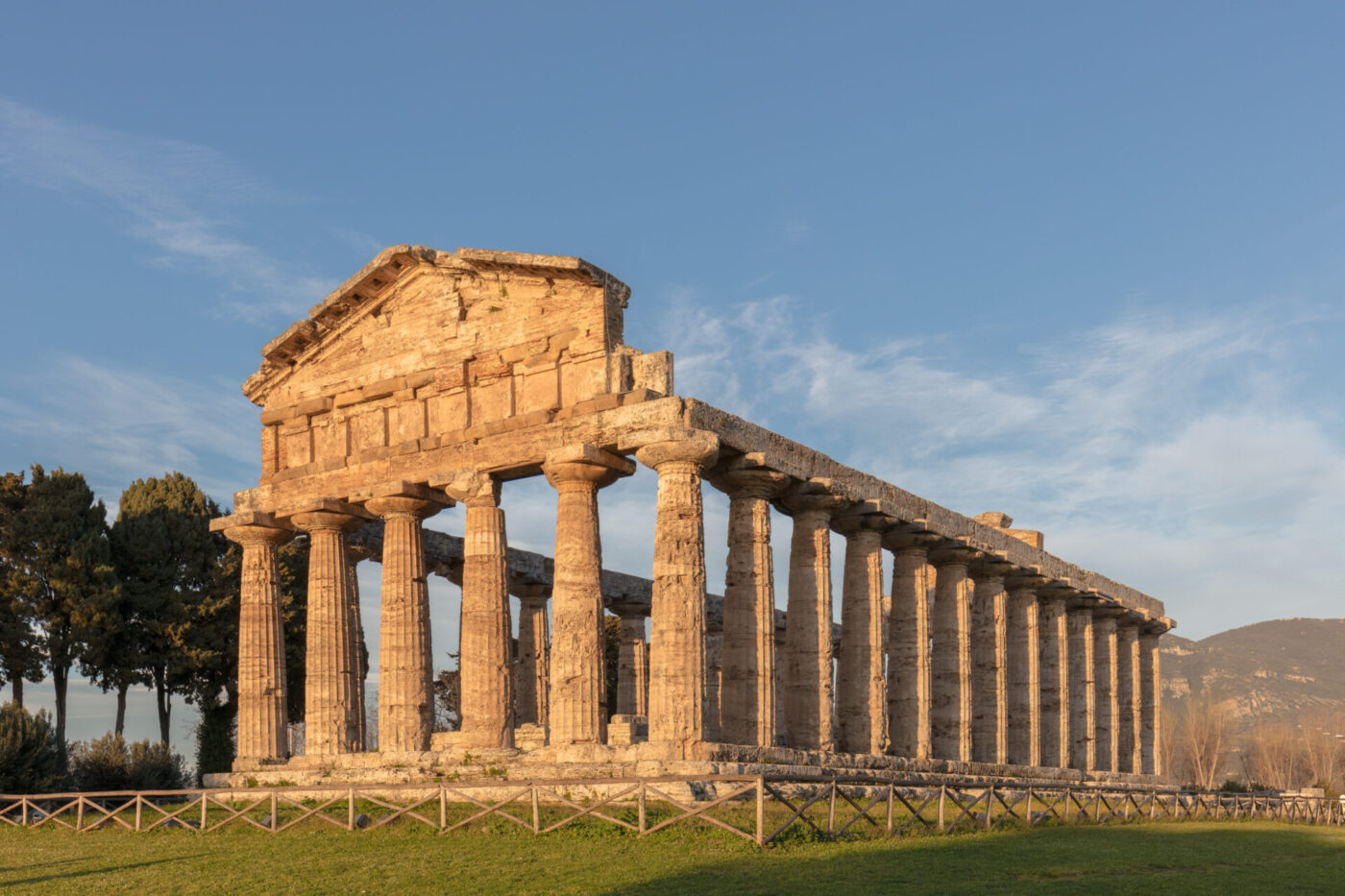
On the sea south of the overrun Amalfi Coast, Agropoli, perched on a rocky promontory and guarded by a medieval castle, serves as the ideal entry point to the UNESCO-listed Cilento National Park. The main reason to visit is Paestum, home to the finest and best-preserved Greek temples in mainland Italy—structures older and often more intact than the Parthenon itself. Here, you can wander among the colossal Doric temples of Hera and Neptune, a site that was central to the Magna Graecia empire. Beyond the archaeology, the national park offers dense forests, sea caves, and beaches that consistently win European awards for their cleanliness, all protected from mass development. Agropoli is a must for those looking to trace the original Grand Tour itinerary, balancing old-school antiquity with unspoiled Mediterranean nature.
Read More: A Weekend in Cilento
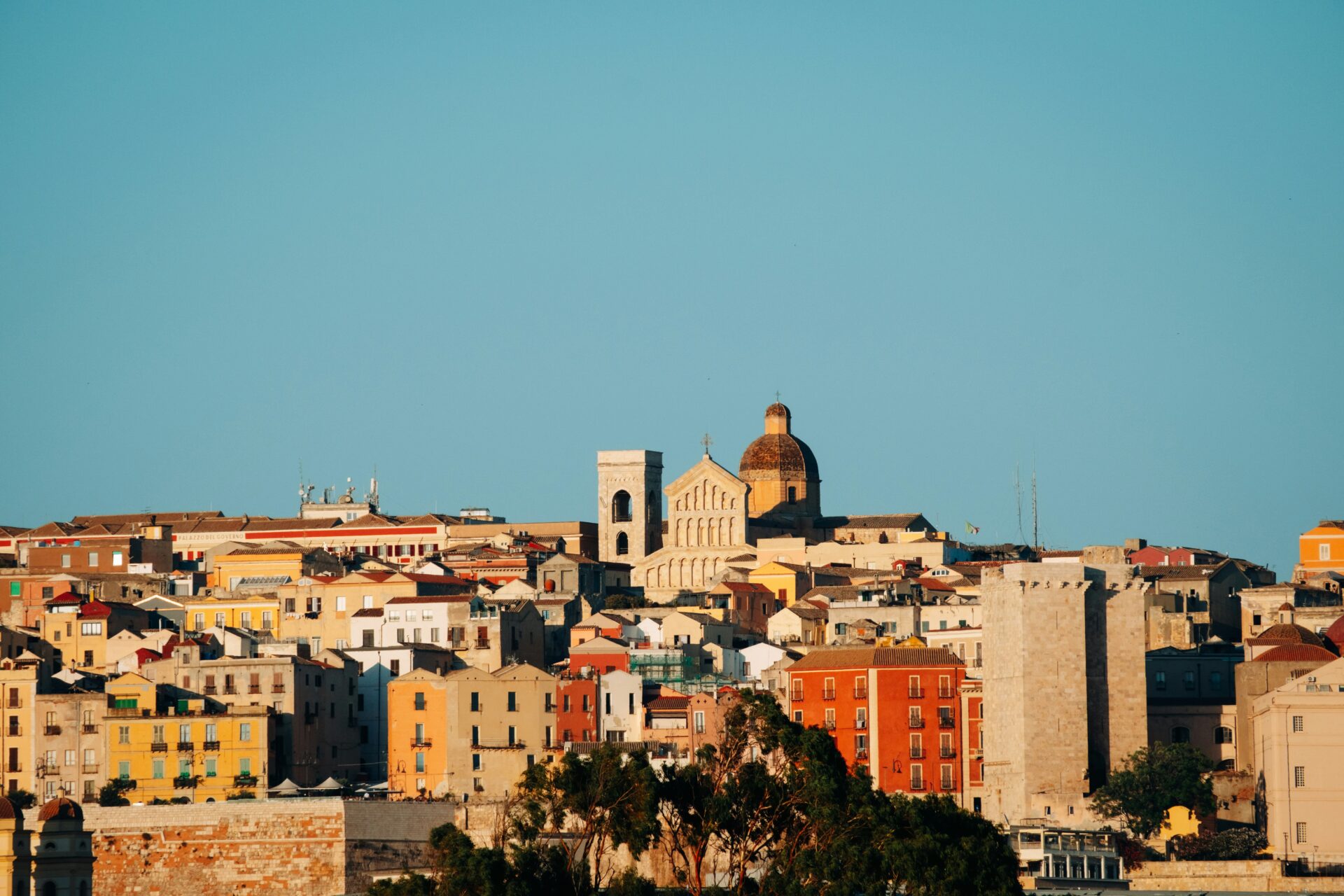
Cagliari's colorful city-scape
21. Cagliari
Sardinia
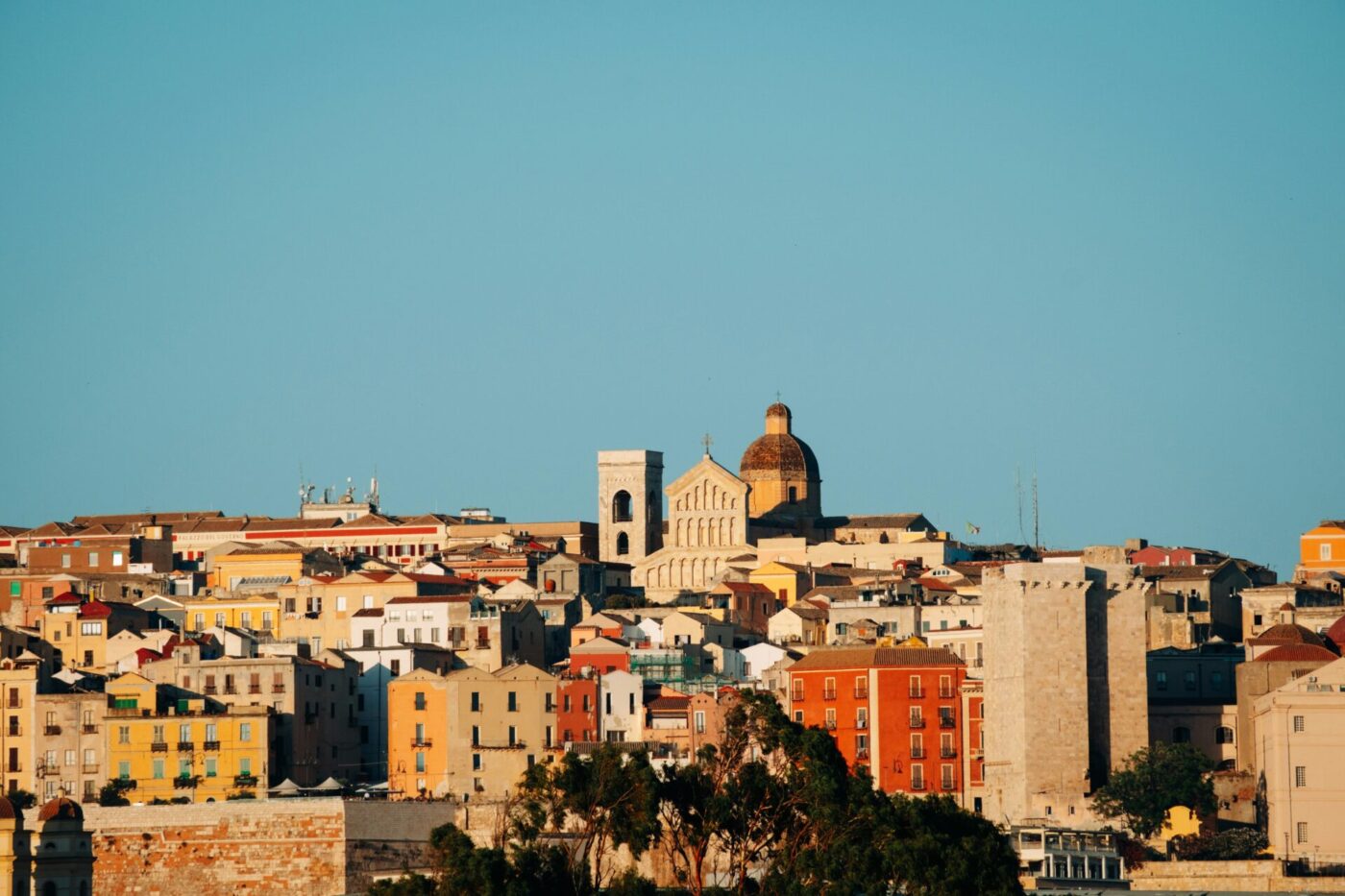
While Sardinia’s northern coast continues to be an exclusive showcase, Cagliari is where to go for the island’s youth culture. It’s a city of dramatic verticality, a limestone layer-cake where the fortified medieval Castello district looms over Punic necropolises and a buzzing, modern capital. Mornings are spent at the vast, cacophonous San Benedetto Market, followed by a visit to the nearby Molentargius-Saline Park to spot flocks of wild pink flamingos against the backdrop of the Sella del Diavolo promontory. The city’s life bleeds effortlessly into the seaside, meaning you can spend the day at the eight-kilometer-long, white-sand Poetto Beach before heading to the Marina district for a superlative Sardinian food and wine scene (seek out the local Cannonau).
Read More: The Biorhythm of Cagliari
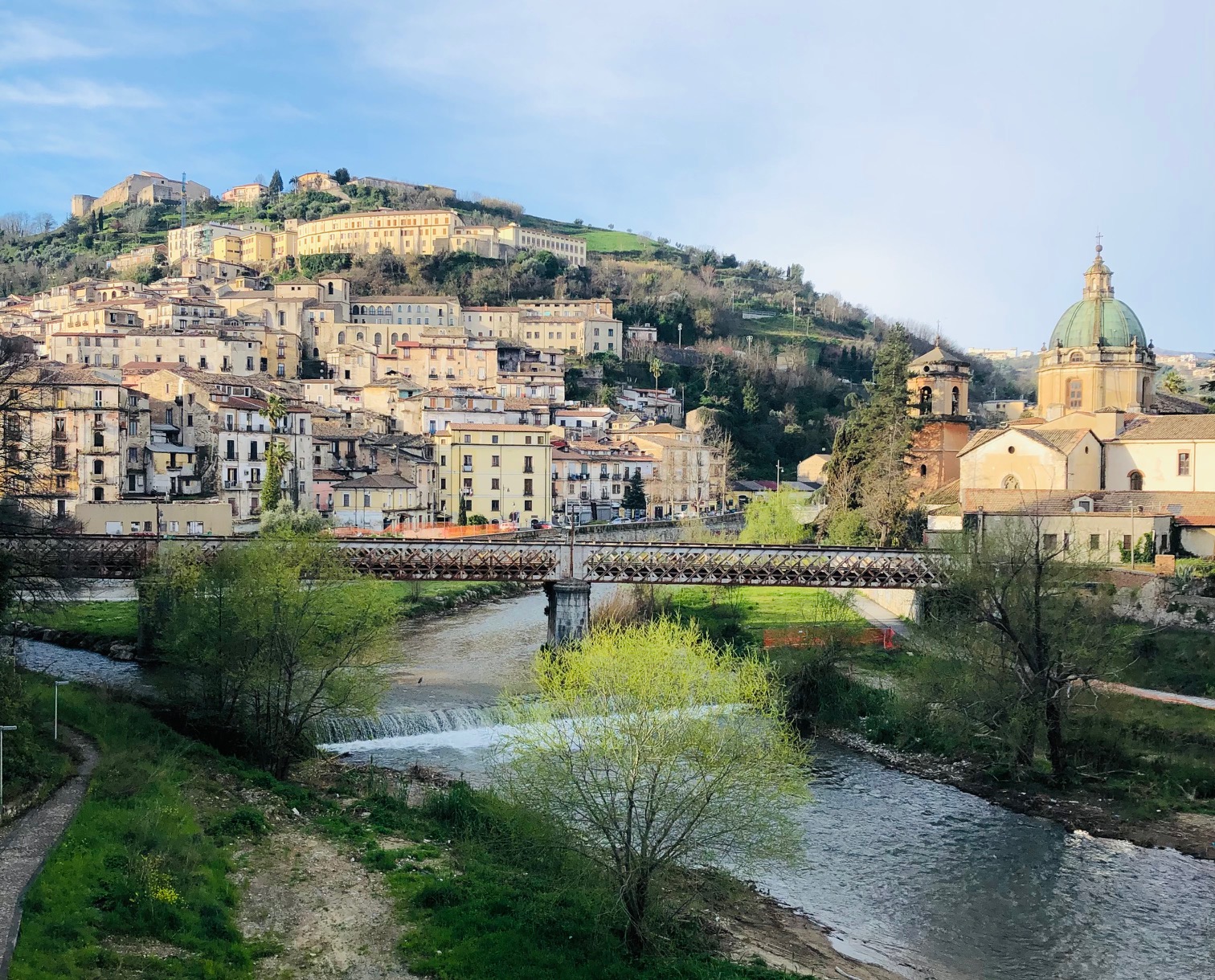
Cosenza; Pianopera, CC BY-SA 4.0 via Wikimedia Commons
22. Cosenza
Calabria
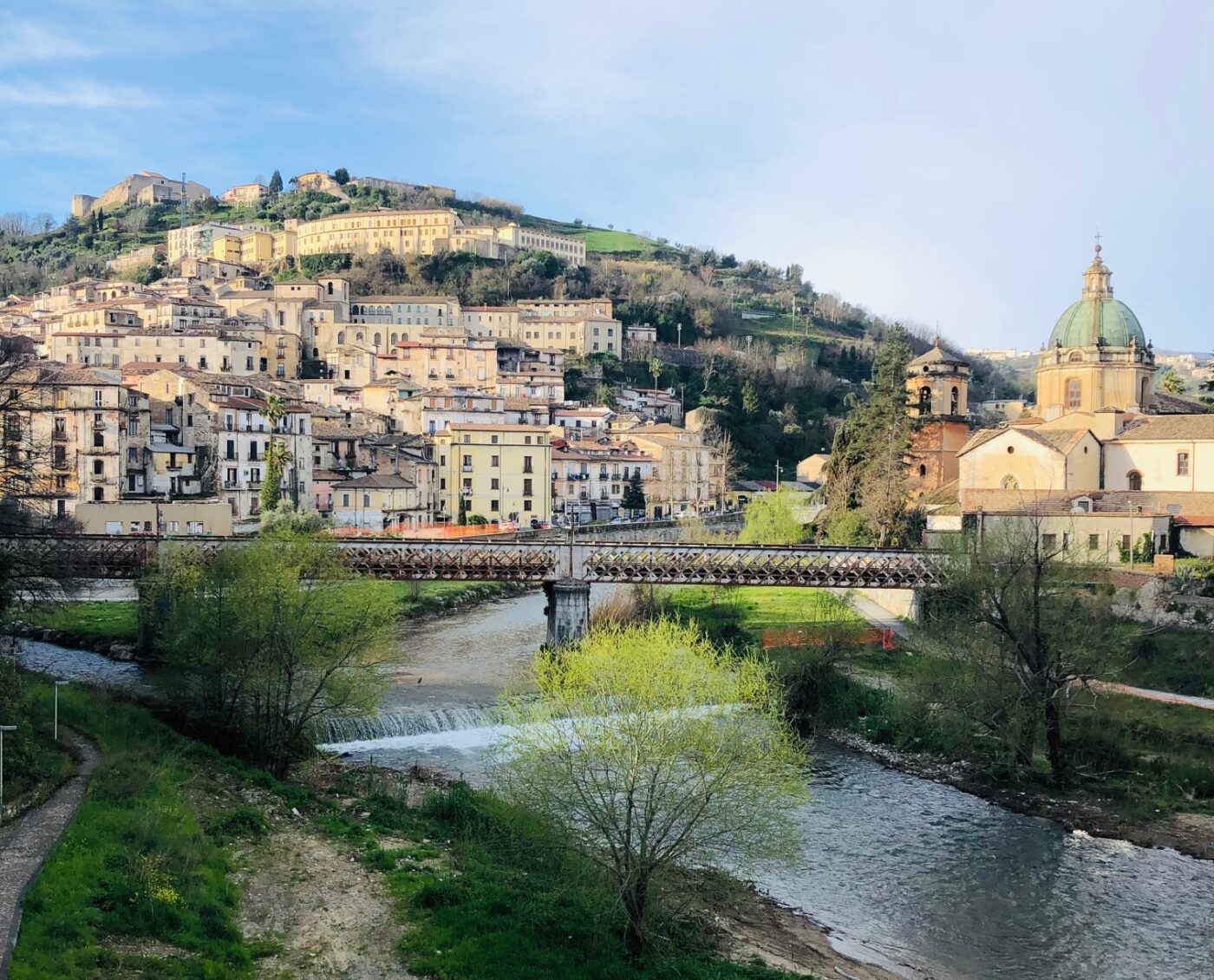
If you’re reducing Calabria to Tropea, you’re missing the plot—and likely, the “Athens of Italy.” Cosenza is a city with both a modern, vibrant side—Corso Mazzini, which doubles as an open-air museum (MAB) featuring Dalí and de Chirico sculptures—and a crumbling, atmospheric historic center perched on the hill above. But one of the best reasons to head here in 2026 is just a short drive away in the hilltop village of Lago. At the beginning of August, the Sustarìa Festival—a grassroots explosion of “creative restlessness” (the literal translation of sustarìa)—returns for its seventh edition. The town’s community throws open their doors for three days of southern folk music and impromptu tarantella sessions. The Guardian has already caught on, so go before even more magazines do.
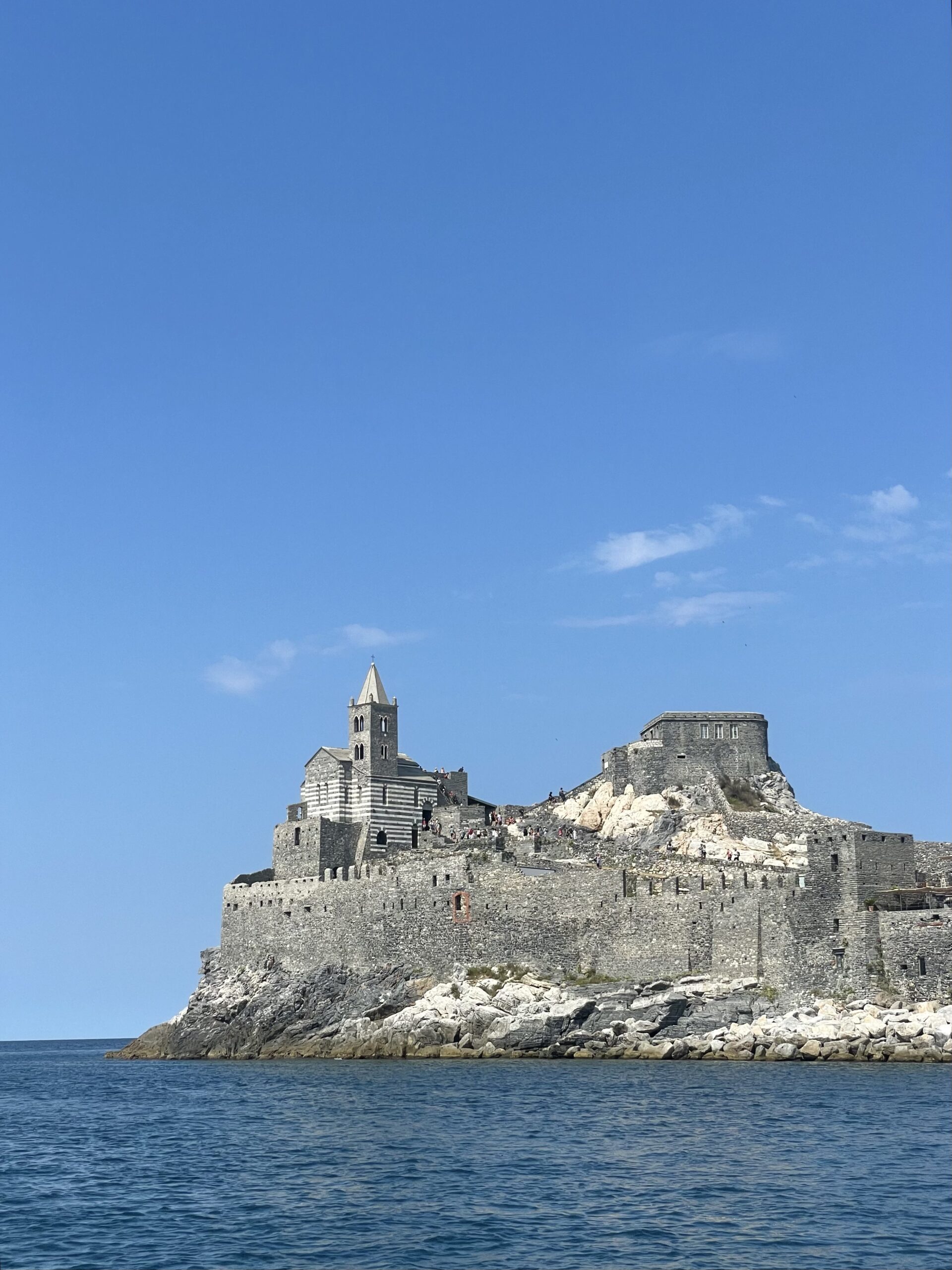
Portovenere's Church of St. Peter rests out over the sea
23. Golfo dei Poeti
Liguria
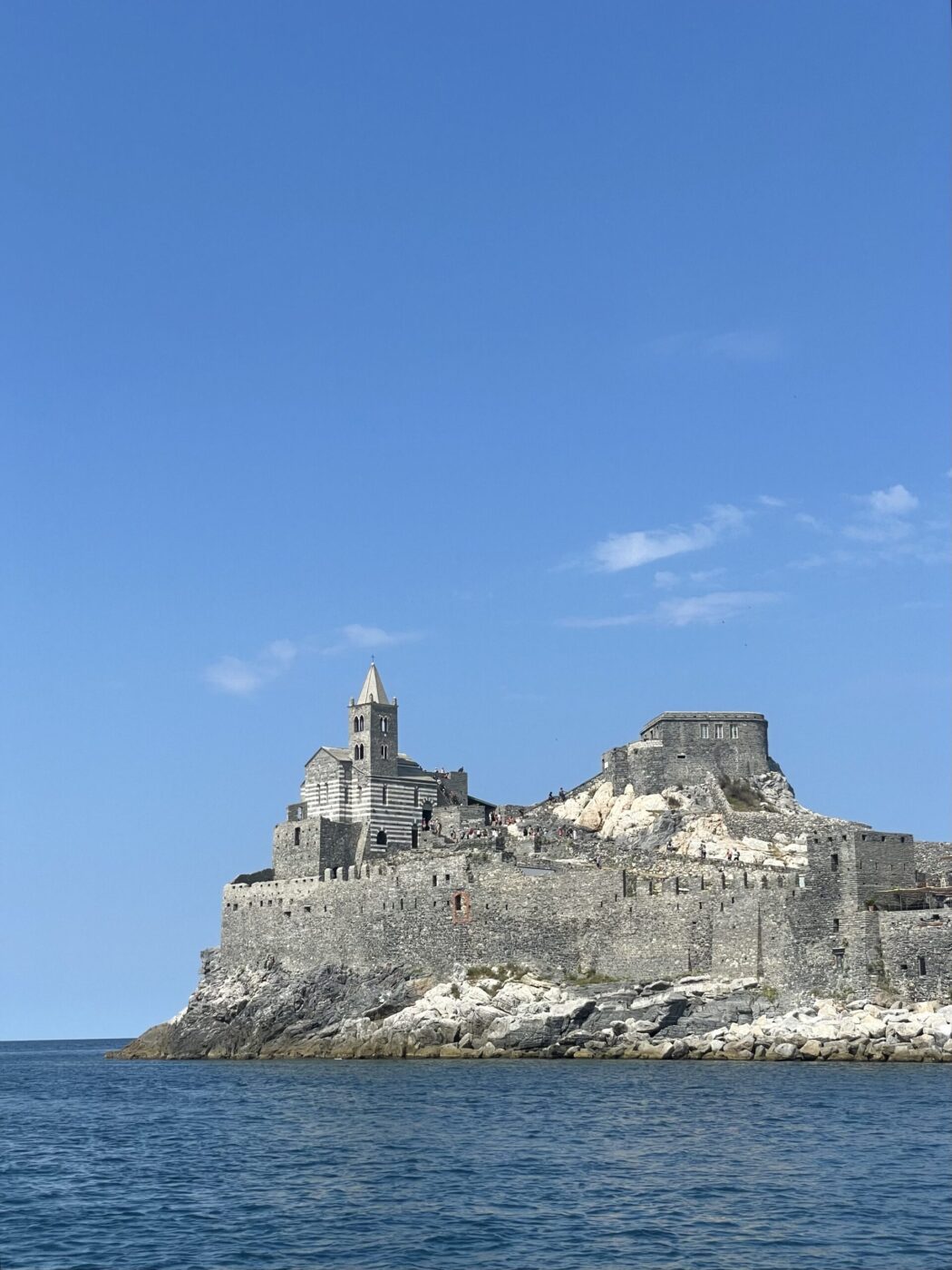
The prevailing narrative directs coast-seekers north of La Spezia to the colorful, shoulder-to-shoulder villages of the Cinque Terre. We recommend, however, pivoting south to the Golfo dei Poeti, a gulf that earned its name hosting Romantic legends like Byron and Shelley, who came here for its natural beauty and solitude. This is the Liguria that has successfully resisted the tourist industrial complex. While the “sixth” village of Cinque Terre, Portovenere, shares the dramatic architecture of its northern neighbors, the villages of Lerici and Tellaro offer a charming and unhurried under-the-radar experience.
Read More: The Gulf of Poets: A Local’s Guide to Cinque Terre’s Equally Colorful Cousin
24. Lago di Orta
Piedmont
While Lake Como courts the cinematic crowd and Lake Maggiore draws in the grand hotel set, Lago d’Orta in Piedmont remains the discreet lake choice—La Cenerentola (Cinderella), as the Milanese insiders call it. The lake lacks the sheer scale of its neighbors, favoring instead an intimate, almost ethereal atmosphere that’s unspoiled compared to her bigger stepsisters. The crown jewel is the peninsular village of Orta San Giulio, a medieval collection of cobblestone alleys full of ochre-faded facades and aging signs. A short ferry ride brings you to the Isola San Giulio, where a cloistered Benedictine monastery features a circular path lined with plaques dedicated to “The Way of Silence.” Be sure to go up to the UNESCO World Heritage site of Sacro Monte, an open-air complex of 20 chapels, which offers some of the best views of the water.
Read More: A Corner of Italy Still Immune from the Noise of Modern Progress: Lake Orta
25. Lucca
Tuscany
Lucca remains Florence’s relatively uncrowded counterpoint—a quaint but lively city ringed by four kilometers of Renaissance ramparts that have been repurposed as an uninterrupted civic park. Cars are more or less banned, so the city is extremely walkable. Plus, it excels at most everything—there are great restaurants, stunning churches, and countryside, beaches, and mountains all a short drive away. Summer is a particularly fun time to visit, especially during the annual, open-air Lucca Summer Festival. The 2026 lineup has already confirmed heavy-hitters like Katy Perry and Neil Young, so you can spend your days cycling the walls before singing under the stars. Stay at one of our favorite properties just outside the city, Tenuta di Tramonte, a stylish luxury villa with a view of the city.
Read More: Tenuta di Tramonte, A Charming Tuscan Agricultural Retreat
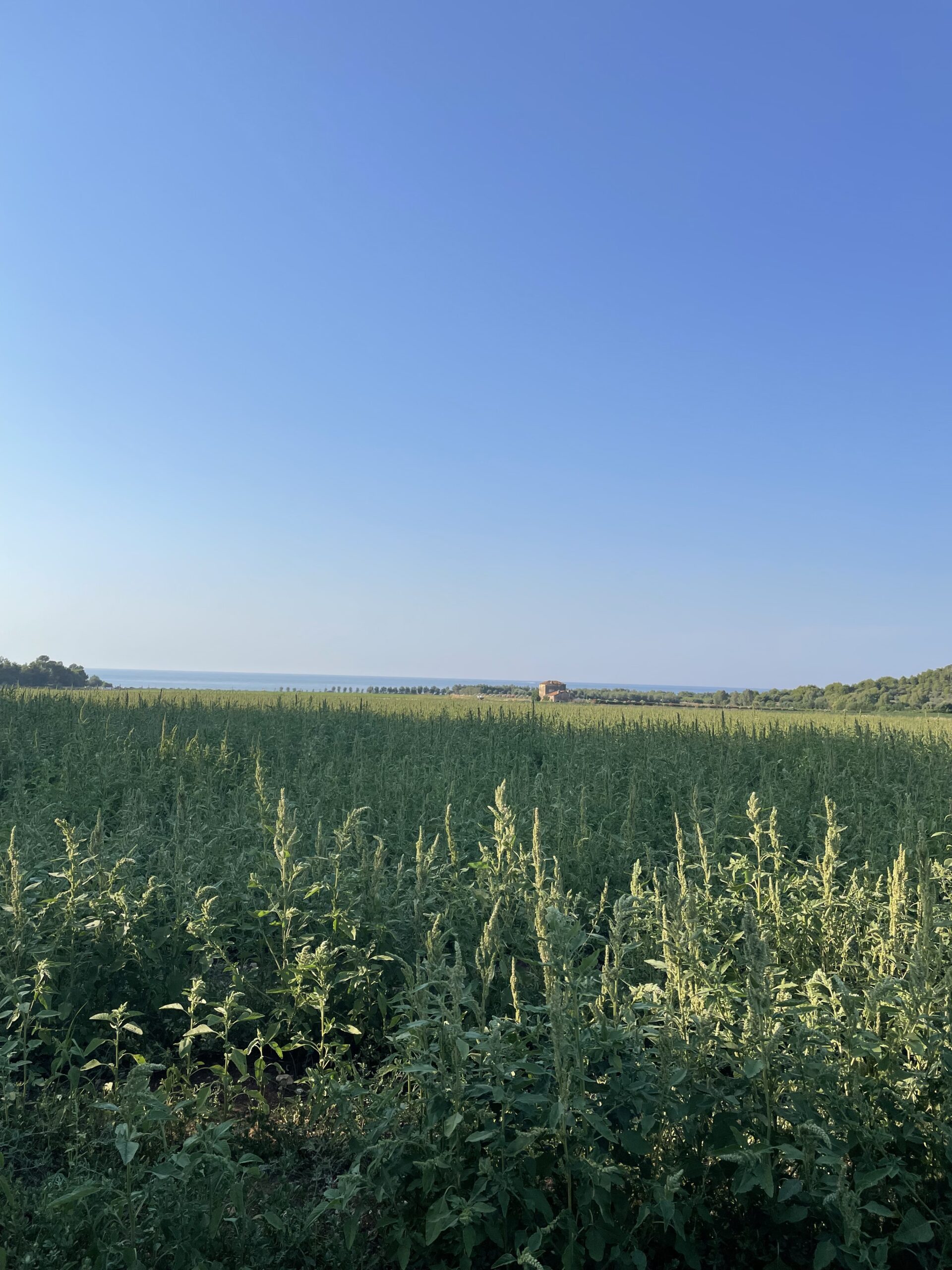
The endless green of Abruzzo's Riserva Naturale di Punta Aderci
26. Riserva Naturale di Punta Aderci
Abruzzo
While Abruzzo draws attention in 2026 for L’Aquila’s cultural renaissance, the coastal win remains the Riserva Naturale di Punta Aderci. This is the type of beachfront wilderness travelers seek when they yearn to escape the engineered beaches of the Adriatic. Located on the region’s famed Trabocchi Coast, the reserve protects a stretch of shoreline defined by wild dunes, high cliffs, crazy clean waters, and the region’s trabocchi—ancient, cantilevered fishing machines built on stilts that jut out over the sea, many of which have now been converted into restaurants.
Read More: Trabocchi: Abruzzo’s Spidery Fishing Machines and Their Not-So-Seafaring History